Facts About the Largest Castles in Europe
Giant stone walls rise across Europe, standing long after their first purpose faded. Years passed while workers laid each block under orders from rulers obsessed with control.
Inside one hall a king might sign treaties, in another architects argued over arch designs strong enough to last centuries. Time slows when you stand beneath ceilings so high your voice disappears.
Not monuments pretending at grandeur but spaces shaped by real weight – political fights, family drama, survival.
Standing tall across Europe, huge old castles hold secrets worth exploring. Their walls have watched centuries pass without saying a word.
Some were built for war, others for power, many just to impress. Through storms and silence they remained, stone by stone.
Each doorway tells a different story than the one before it. Time cracked their towers but never erased their presence.
Prague Castle Has A World Record

Perched above the city, Prague Castle covers 70,000 square meters – recognized by Guinness World Records as the biggest ancient castle site on Earth. Though built starting in the 800s, builders never really stopped adding new parts over time.
Rulers have lived here since then: kings first, later emperors, now presidents. From up there, it overlooks the whole capital like a stone village frozen mid-growth.
Palaces stand beside churches, while gardens wind past old defensive towers. Together, they form something more than a fortress – almost a town shaped by centuries of quiet change.
Malbork Castle Used Over 230 Million Bricks

Bricks, millions upon millions of them, were hauled into place when the Teutonic Knights raised Malbork Castle in Poland. Over two hundred thirty million units – each shaped from nearby clay – went into its making.
Stretching across fifty-two acres, it stood as the central hub for the Teutonic Order back in the 1200s. Without machines to help, legions of laborers put years into moving supplies, lifting loads, fitting brick atop brick.
Along the Nogat River today, those deep russet walls remain impossible to miss.
Windsor Castle Has Been Lived In For 900 Years

More than just a place visitors come to see, Windsor Castle has housed royalty for nearly a thousand years – possibly the oldest still-lived-in fortress across the continent. Weekends often found Queen Elizabeth II within its walls, while today King Charles III carries on using it for official duties.
Spread over about thirteen acres, the grounds hold grand rooms meant for guests alongside spaces built for daily worship. Far from empty stone walls left by time, life continues inside through employees, guards, and traditions pulled straight from the Middle Ages.
Its halls echo history, yet function like any modern household tied to duty.
Enemy Troops Never Cracked Its Walls

Strong stones kept attackers out. Soldiers held fast through every siege.
The castle stood unbroken. Not once did invaders claim victory here.
Sitting high above Salzburg, Austria, at 400 feet, this stronghold never fell to invaders. Construction began in 1077, growing slowly until it became one of Europe’s biggest medieval fortresses.
Because it clings to a steep hilltop, charging forces had little chance, while massive stone barriers made things worse for them. Stretching across more than 30,000 square meters, it holds several open yards, rooms for residents, and defensive towers.
Those who meant harm saw the towering ramparts and turned away without fighting.
Château De Chambord With 440 Rooms
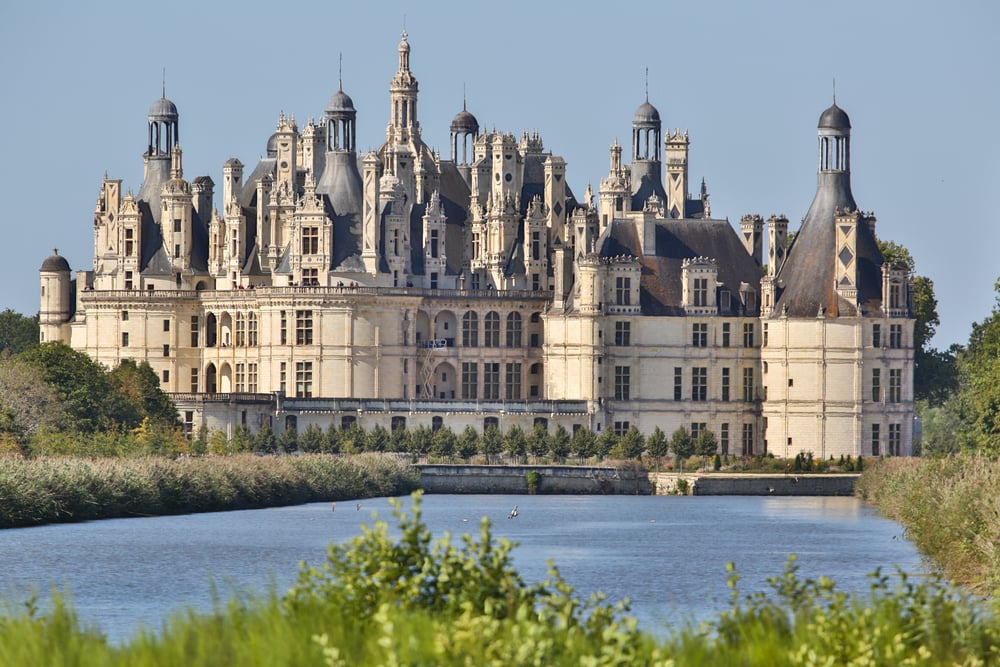
One cold morning, French King Francis I decided on a place just for hunting trips – Château de Chambord came to life with 440 rooms spread across vast stone halls. Eighty-four stairways twist through its wings, while smoke once curled from 282 chimneys after winter fires were lit.
It sprawls over roughly 440,000 square feet, rising like a quiet giant in a wooded reserve nearly as large as Paris itself. Work began back in 1519 under pale skies, dragging on for years beyond reason.
Inside, there’s a spiral staircase shaped strangely – one path coils around another so that walkers climb apart yet stay close, maybe drawn by Leonardo da Vinci’s hand. Yet oddly enough, though coins poured into building it, the king stayed less than fifty full days within those thick walls across his whole rule.
A Rocky Hill Once Bubbled Up From Deep Underground
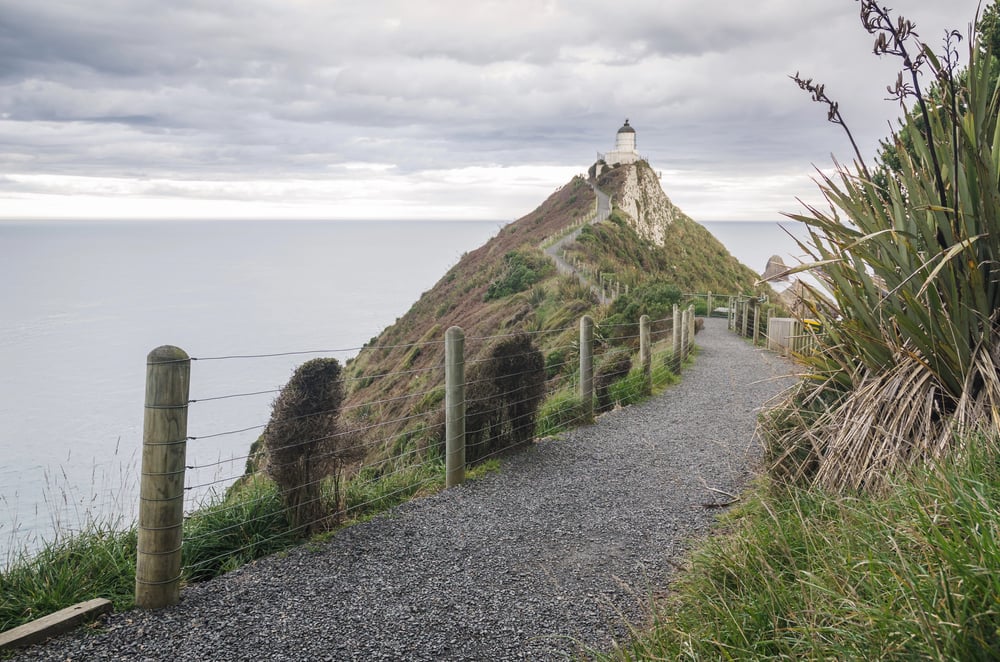
This old burst has cooled now for centuries. Perched on top is a fortress people know well.
Fire and ash formed what holds stone walls today.
Perched atop an old volcano towered 430 feet high, Edinburgh Castle holds its ground like a sentinel carved by time. From most angles, attackers stood no chance – cliffs drop sharply on three sides, leaving few paths forward.
Human hands first built defenses here during the Iron Age, turning the peak into a stronghold used longer than almost any in Europe. Within its walls: living quarters for soldiers, homes where kings once walked, plus the ancient regalia of Scotland’s monarchy.
Gaze out from that rocky summit and the city unfolds below, much as it did for those who guarded these stones ages past.
Alhambra Palace Complex Covers 35 Acres

Perched on a hilltop in Granada, Spain, the Alhambra covers about 35 acres. Beginning in the 1200s, Muslim kings shaped this place into a maze of palaces and strong walls.
Instead of open halls, they filled it with detailed patterns – tiles arranged carefully, plaster cut like lace. Among its parts: several royal homes, quiet yards, green spaces, and a towered stronghold named Alcazaba.
Water moves through it all, guided by old stone paths laid out long ago. Before Spanish Christians took back the city in 1492, this was where Moorish influence shone brightest in Europe.
Neuschwanstein Castle Influenced Disney’s Castle Designs

High up in the Bavarian Alps sits a castle dreamed up by King Ludwig II during the 1800s, one meant just for him. Walt Disney later found shapes and spires here when he shaped his own magical buildings.
Built into rocky cliffs, its walls rose while coins poured out until funds ran thin. Two hundred chambers planned, yet barely fifteen stood complete when the king died under odd circumstances in 1886.
He wanted solitude, sought silence – now millions walk through each season. Towers claw at the sky above wild peaks, forming images others would copy again and again in films and far-off parks.
Warwick Castle Features An Operational Trebuchet

A massive trebuchet stands ready at Warwick Castle, firing stones more than three hundred yards when it roars to life. Visitors watch these launches often, getting a raw glimpse into ancient assaults long before cannons ruled battlefields.
Built in 1068, the fortress spreads across wide grounds beside the winding River Avon. Strong outer walls rise high, paired with looming towers and a broad ditch filled by river water – this was no easy target.
Over time, careful work turned it into a busy destination without losing its gritty medieval soul.
Bran Castle Has A Dracula Connection
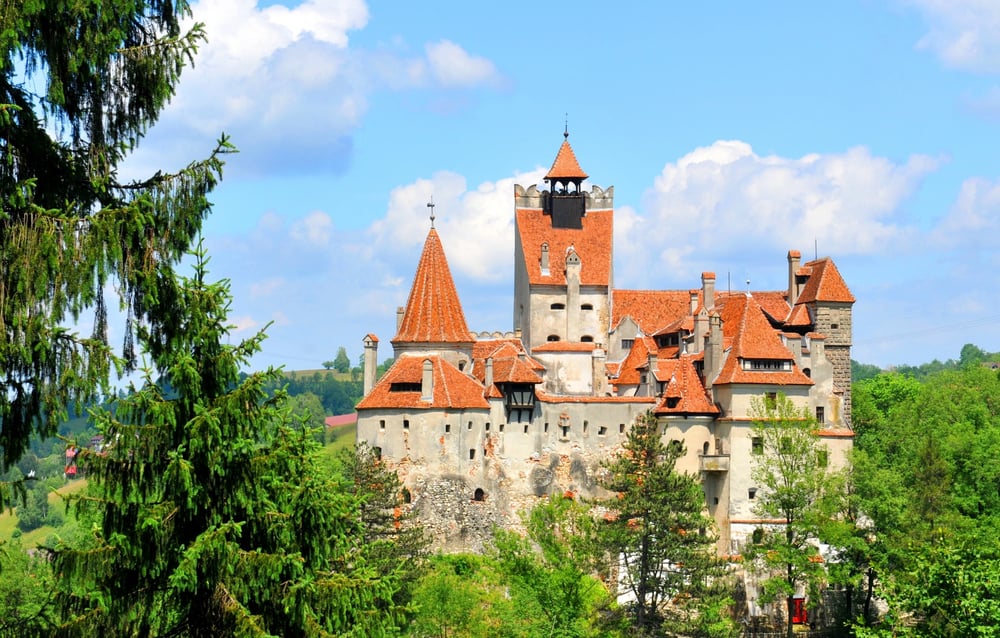
Bran Castle in Romania gets called ‘Dracula’s Castle’ because of its connection to Vlad the Impaler, the historical figure who inspired Bram Stoker’s vampire novel. The castle sits on a cliff edge in Transylvania and has 60 rooms connected by narrow winding staircases and hidden passages.
Built in the 14th century, Bran served as a customs point between Transylvania and Wallachia. The connection to Dracula is mostly marketing, since Vlad the Impaler probably only passed through briefly.
Still, the Gothic towers and mountain setting create exactly the spooky atmosphere that vampire stories need.
Conwy Castle Was Built In Just Four Years
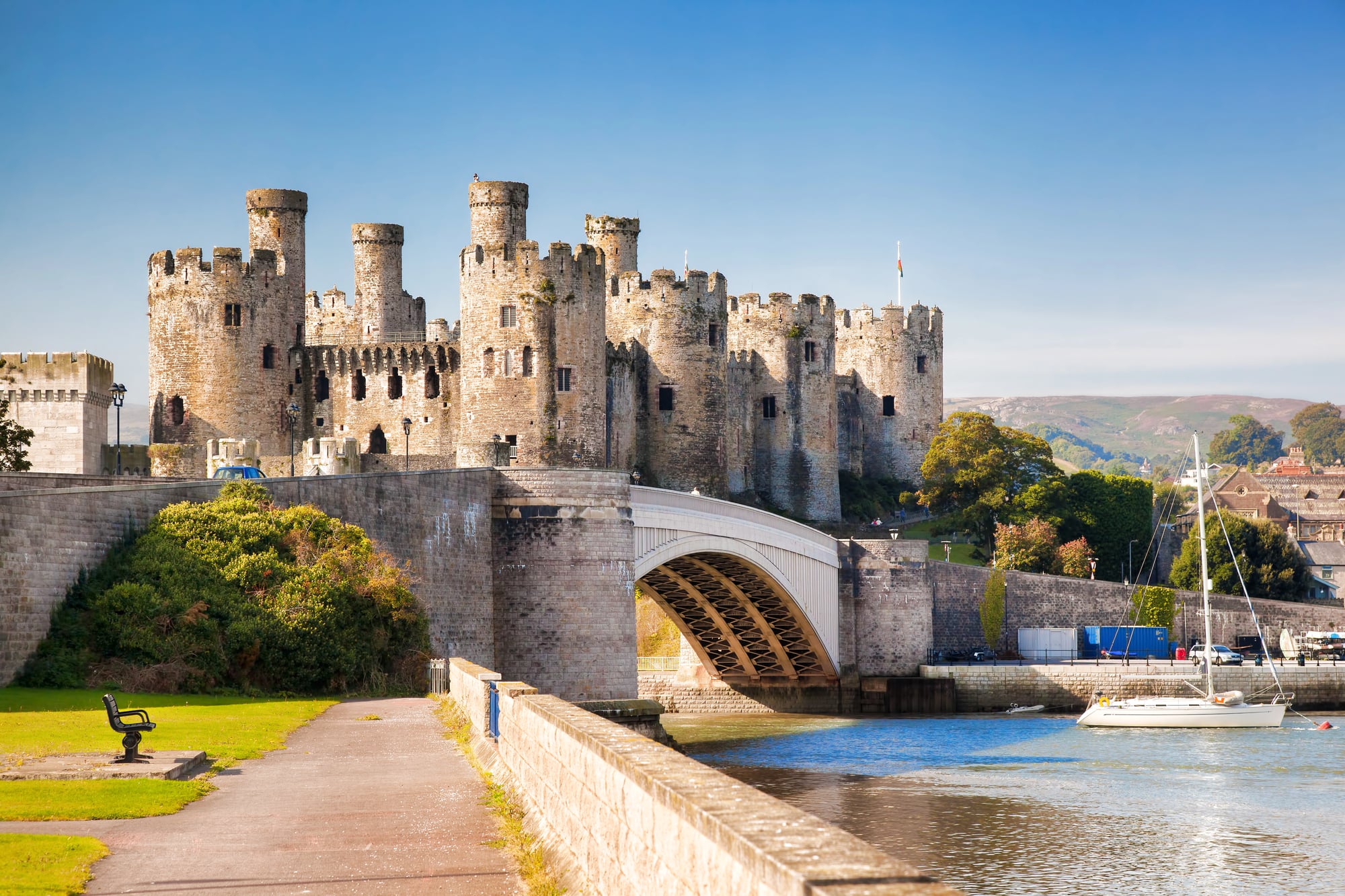
English King Edward I built Conwy Castle in Wales between 1283 and 1287, completing this massive fortress in an incredibly short time. The project employed about 1,500 workers at its peak, all working at a pace that would be hard to match even with modern equipment.
Eight enormous towers and thick curtain walls protected the castle and the adjacent walled town. The total cost was about £15,000 in medieval money, which would be hundreds of millions today.
Edward built a whole chain of castles across Wales to control the region after conquest, and Conwy remains one of the best preserved.
Carcassonne Has A Double Wall System

The medieval city of Carcassonne in southern France features a double ring of walls with 52 towers protecting the inner city. This defensive system covers about 3 kilometers and represents centuries of military architecture.
The Romans built the first fortifications here, and later rulers kept adding walls and towers until Carcassonne became one of the most heavily defended cities in Europe. Walking between the inner and outer walls feels like traveling through a stone corridor designed to trap attackers.
The entire fortified city has been restored and now hosts about 3 million visitors annually.
Mont Saint-Michel Gets Cut Off By Tides
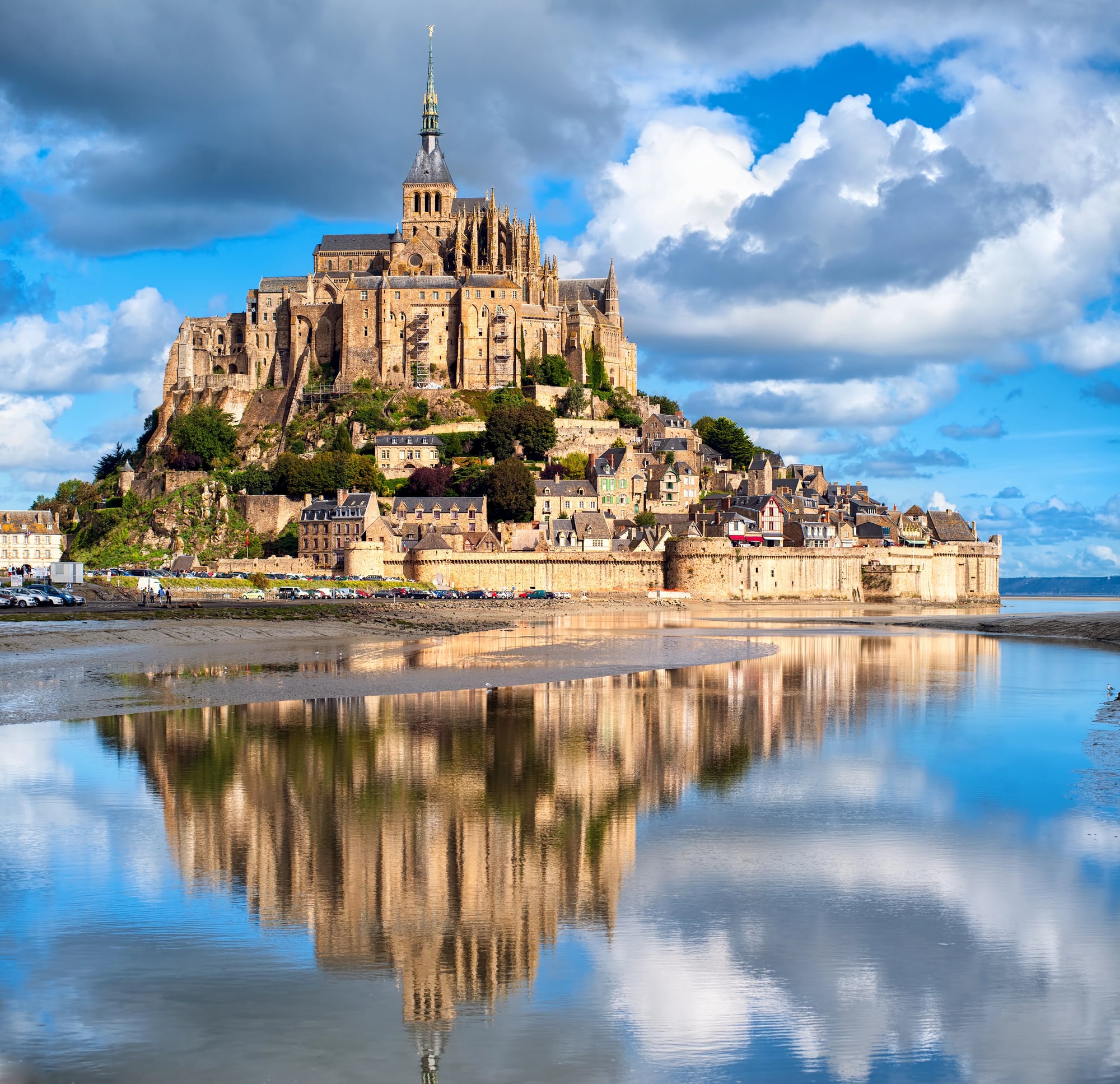
Mont Saint-Michel sits on a rocky island off the coast of Normandy, France, and becomes completely surrounded by water during high tides. The abbey and fortifications cover the entire small island, rising 260 feet above sea level.
Medieval pilgrims had to time their visits carefully to avoid getting trapped by the fast-moving tides, which can come in as quickly as a galloping horse. The narrow causeway that now connects the island to the mainland replaced a more dangerous route that claimed many lives.
This unique location made Mont Saint-Michel nearly impossible to capture during the Hundred Years’ War.
Karlštejn Castle Stored Crown Jewels

Czech King Charles IV built Karlštejn Castle specifically to protect the crown jewels and holy relics of the Bohemian kingdom. The castle sits on a hill about 19 miles from Prague and features multiple defensive layers with the most valuable items stored in the highest, most secure tower.
Walls in the Chapel of the Holy Cross are decorated with over 2,000 semi-precious stones and 130 painted panels. The security system was so effective that the crown jewels remained safe here for centuries.
Charles IV himself designed much of the castle layout with defense and symbolism in mind.
Château De Vincennes Has A 170-Foot Tower

The keep at Château de Vincennes near Paris rises 170 feet high, making it the tallest fortified medieval structure in Europe. This massive tower dominates the castle complex and served as both a royal residence and a prison over the centuries.
The walls are 10 feet thick at the base, designed to withstand siege engines and early artillery. French kings used Vincennes as a hunting lodge and military headquarters before Versailles replaced it as the main royal residence.
The castle complex covers about 2 acres and includes a Gothic chapel that rivals many cathedrals in beauty.
The Walls Never Stop Telling Stories

These massive castles remind us that people built incredible things long before modern technology made construction easier. Every stone placed by hand represents someone’s labor, someone’s vision, and often someone’s desire to hold onto power.
These fortresses witnessed coronations, sieges, betrayals, and celebrations that shaped the continent. Walking through them today connects visitors to centuries of human ambition and achievement in a way that history books never quite capture.
More from Go2Tutors!

- The Romanov Crown Jewels and Their Tragic Fate
- 13 Historical Mysteries That Science Still Can’t Solve
- Famous Hoaxes That Fooled the World for Years
- 15 Child Stars with Tragic Adult Lives
- 16 Famous Jewelry Pieces in History
Like Go2Tutors’s content? Follow us on MSN.