29 Turquoise Jewelry Pieces Collectors Want
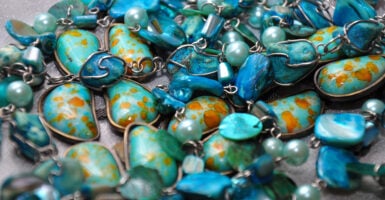
Turquoise is a soft stone that forms in the weathered crust of copper deposits, which means every piece of jewelry carries a postal code. Collectors learn to read that code in the color, the matrix, and the hand that set the stone.
Some of these pieces are prized because the mine behind them has gone quiet. Others earn attention for the maker tradition, the era, or the technique. Whatever the draw, condition and honest disclosure of treatment sit under every price.
Sleeping Beauty Turquoise Cuffs
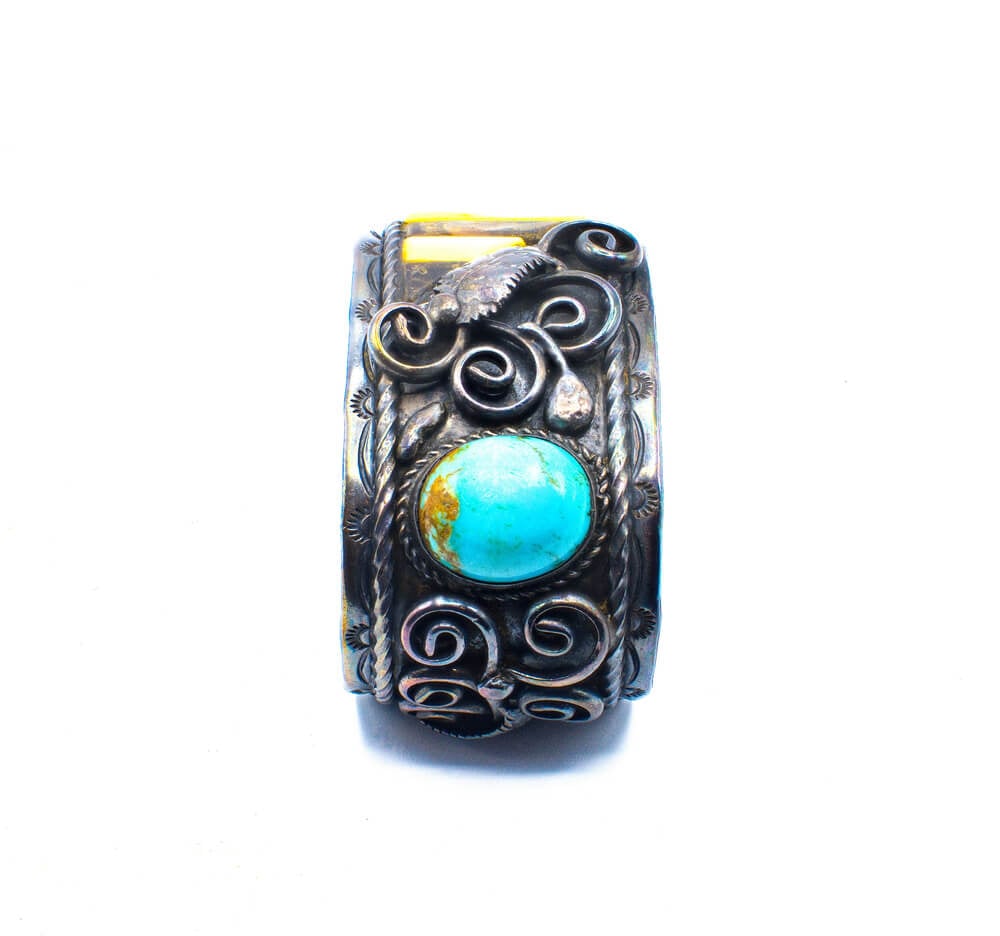
Sleeping Beauty stone comes from the mine near Globe, Arizona, and its even, sky-blue color with little or no matrix made it a Zuni and Navajo favorite for decades. Turquoise mining at the site ended in 2012, which turned existing stock into a finite supply.
Natural stones of strong color command a premium, while stabilized or lightly treated material sells for noticeably less. A cuff with an untreated stone and clean silverwork sits at the top of the range, and chips or recutting pull it down.
Kingman Mine Web-Matrix Pendants
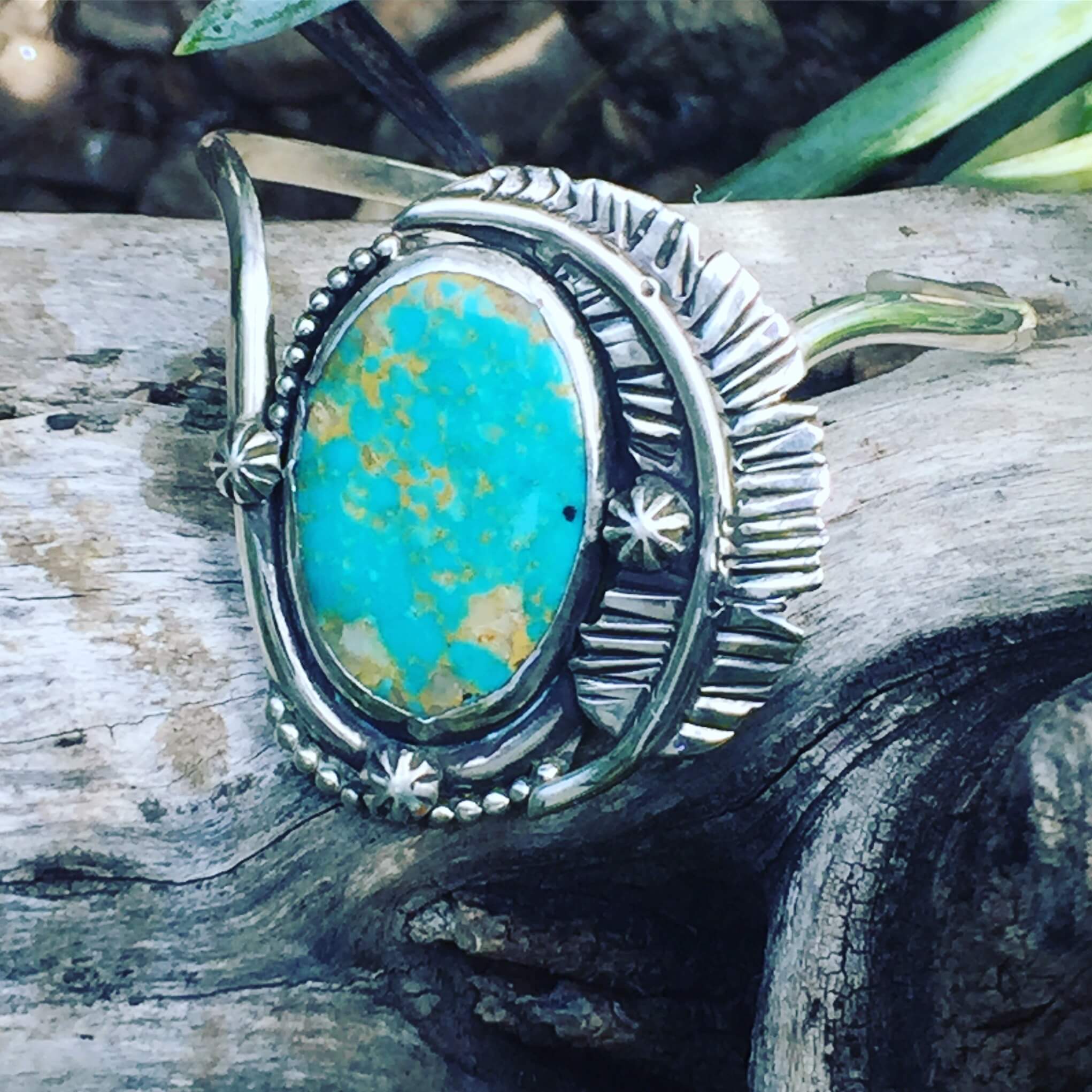
The Kingman area of Mohave County, Arizona, sits on a large copper district, and its turquoise runs from pale sky blue to deeper tones, often threaded with dark webbing. Native peoples worked turquoise in the region long before modern copper operations arrived.
A great deal of Kingman stone on the market has been stabilized or enhanced, so a pendant that comes with documentation of natural, untreated material stands apart. Condition of the stone surface and the originality of the silver both shape what a buyer will pay.
Lone Mountain Green-Blue Bracelets
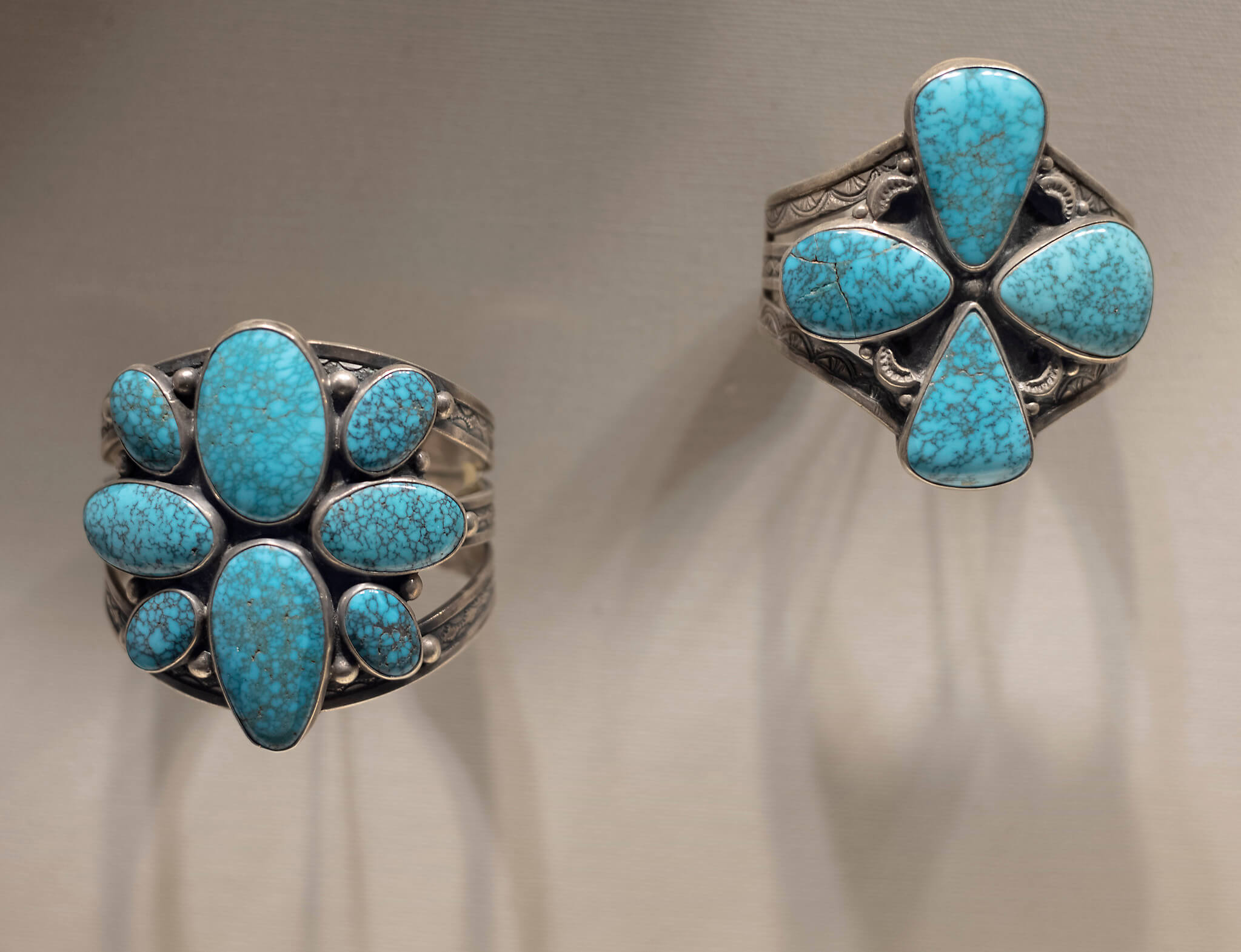
Lone Mountain turquoise comes from Esmeralda County, Nevada, near the old mining town of Tonopah. The stone tends toward blue-green and green shades, frequently laced with brown or tan matrix, and collectors often chase it as a mine name rather than a single color.
Because its tones overlap with other Nevada sources, provenance papers or a trusted dealer’s records matter more than usual. A bracelet with natural stone and an identified maker is worth considerably more than an unmarked piece of unknown treatment.
Bisbee Blue Squash Blossom Necklaces
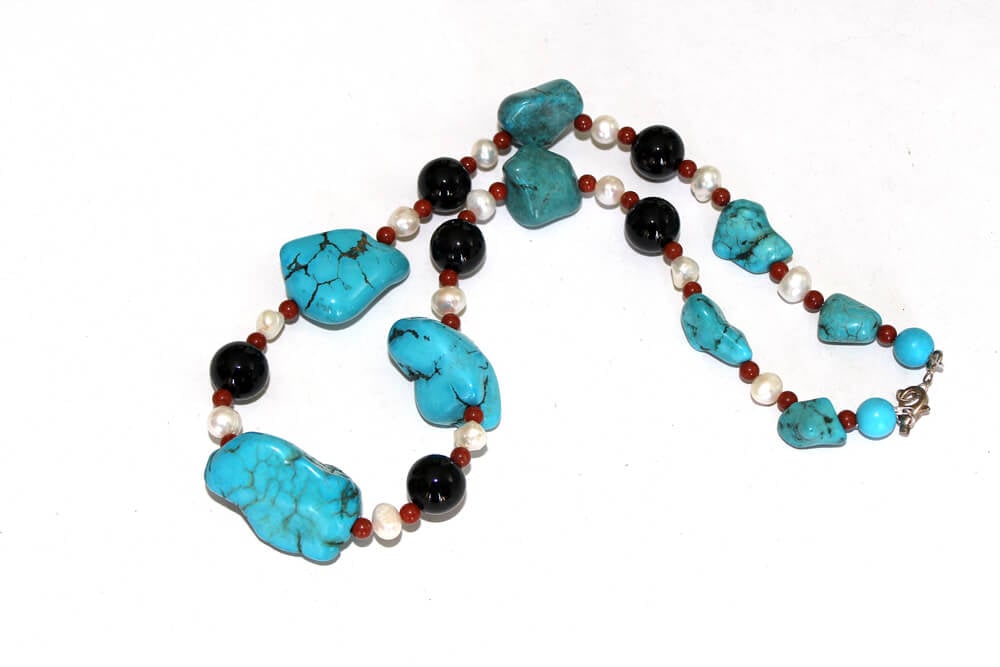
Bisbee turquoise is a byproduct of the copper mines of Cochise County, Arizona, where the Lavender Pit operated until 1974. The best stone is a saturated blue, often broken by dark brown or reddish matrix, and it is considered among the most distinctive Arizona colors.
A squash blossom necklace set with matched Bisbee stones commands real attention from collectors. Cracks, replaced stones, and later repairs reduce value, while a fully original piece with natural material holds it.
Royston Ribbon Turquoise Rings
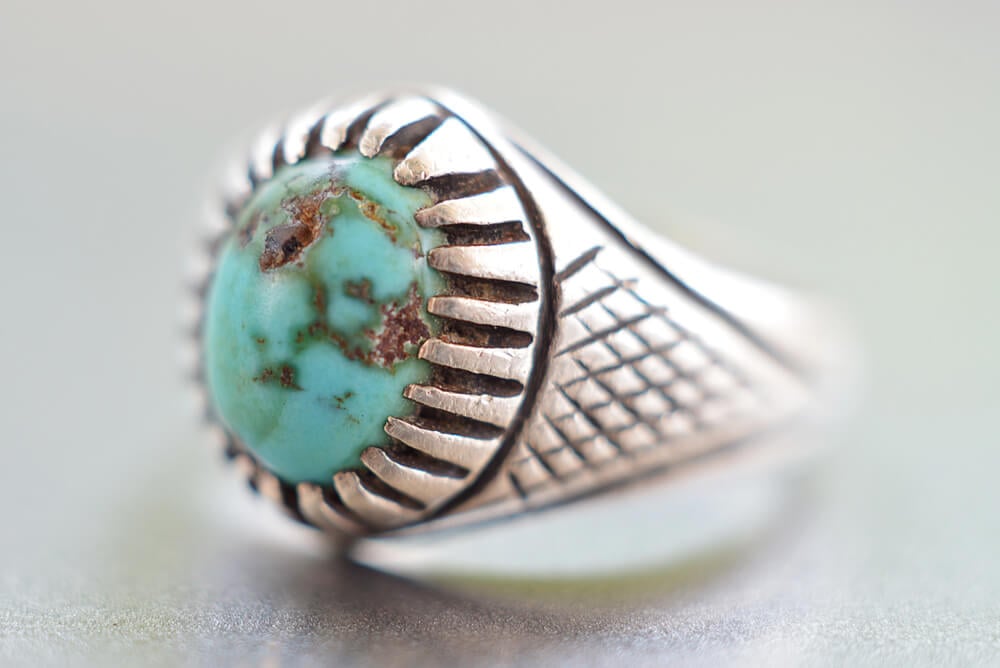
The Royston district near Tonopah, Nevada, yields turquoise in greens, blue-greens, and golden browns, and the stone is known for flowing bands of matrix that collectors call ribbon patterns. A ring with a well-centered ribbon is a case where the pattern in the rock, not the silver, makes the piece.
Natural, untreated Royston is valued for its depth of color, while dyed or heavily stabilized material is sold at a discount. Wear on the stone and any hairline cracks affect how much a buyer will offer.
Number 8 Mine Spiderweb Turquoise Bolo Ties
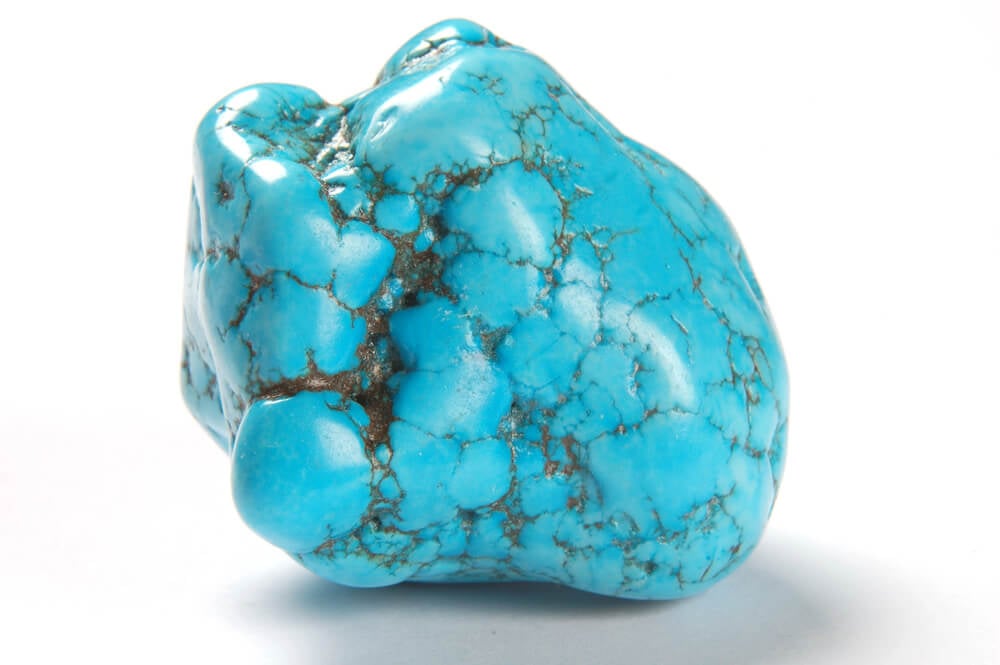
The Number 8 Mine, near Carlin in northern Nevada, is best known for turquoise with fine brown and black webbing across blue and green grounds. The spiderweb pattern has been a favorite of Southwestern silversmiths for bolo ties and bracelets, and the contrast between stone and matrix makes it easy to spot across a room.
Natural material with sharp, even webbing brings the strongest interest. Bolo ties with replaced tips or a cracked cabochon lose appeal quickly, and treatment status always needs to be established.
Carico Lake Apple Green Earrings
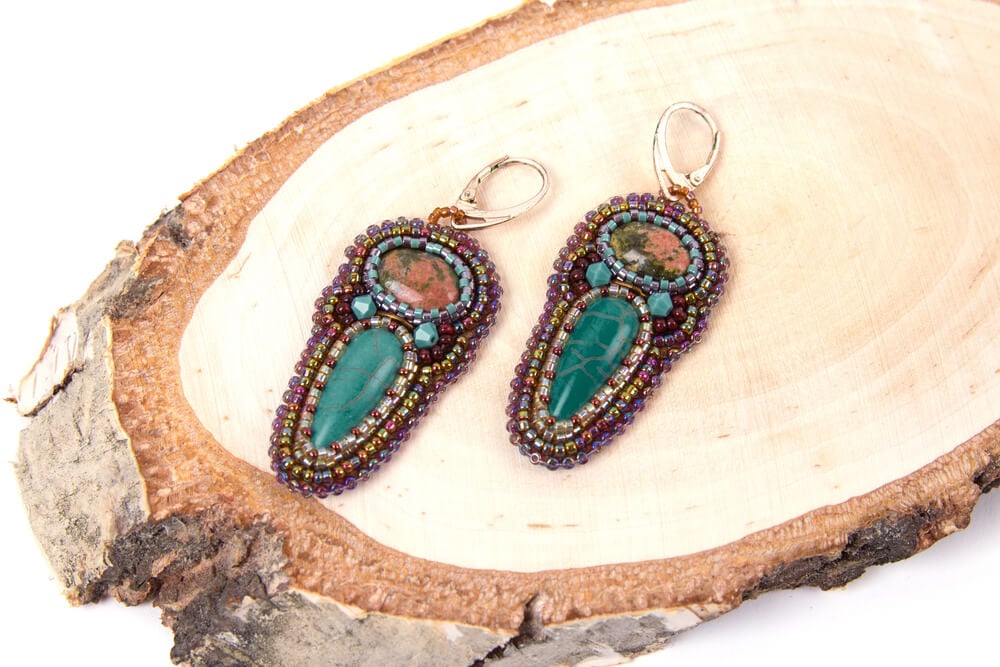
Carico Lake turquoise from Lander County, Nevada, is known for light apple-green tones that can look more like a pale mint than a typical blue stone. Collectors who favor green turquoise treat it as a separate category, and earrings set with matched Carico Lake stones are sought for their consistent color.
Matching two stones from natural material is harder than it sounds, which raises the value of true pairs. Chipped edges, replaced settings, and stabilized stone all change what a pair will bring.
Persian Turquoise Nishapur Pendants
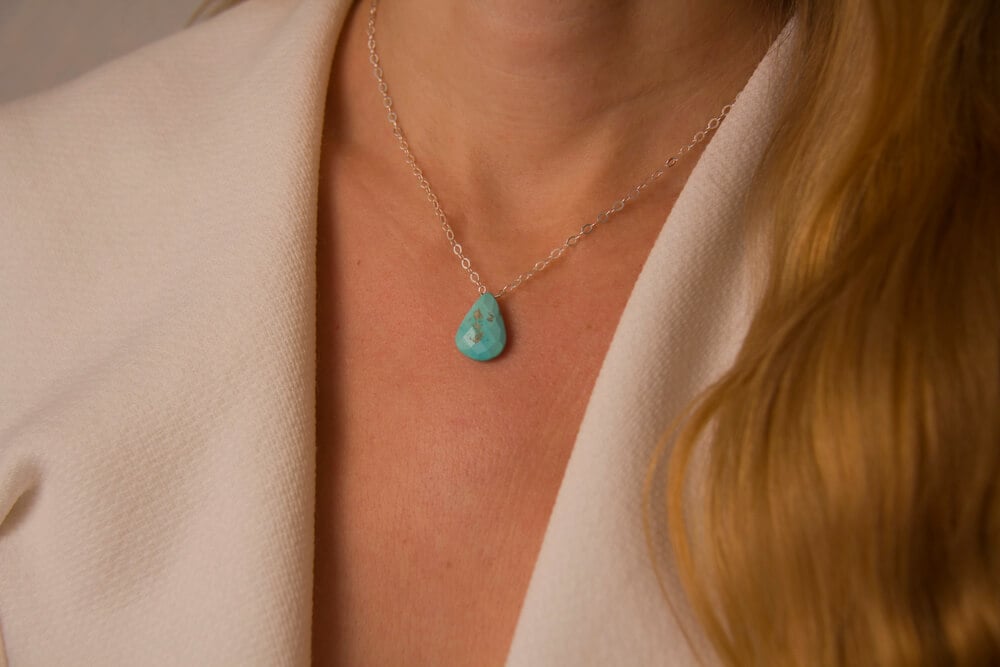
Turquoise from the area around Nishapur in northeastern Iran has been mined for well over a thousand years and is famous for an even, robin’s-egg blue with little or no matrix. Persian stone appears in Islamic architecture and in jewelry, and some Southwestern silversmiths have set it in their work.
A pendant with unmistakable Persian origin and a clean, natural cabochon is a standout. Because the color is so uniform, dyed and reconstituted stones can imitate it, and a collector’s confidence rests on documentation and the condition of the stone.
Morenci Pyrite Fleck Turquoise Pieces
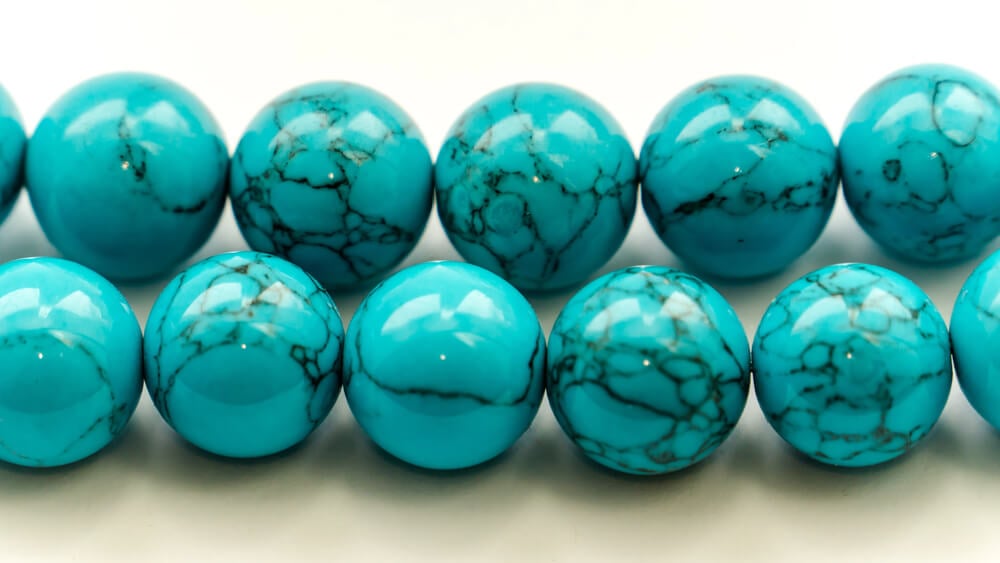
Morenci, in Greenlee County, Arizona, is a major copper district, and its turquoise is known for blue tones scattered with tiny flecks of pyrite that glint under strong light. That sparkle is the quickest way to recognize the stone and one reason some collectors seek it specifically.
The mine is tied to copper operations rather than a dedicated turquoise dig, so supply has always been limited and variable. Natural stone with an even pyrite scatter is valued above treated or cracked pieces.
Hubbell Trading Post Era Silver
John Lorenzo Hubbell founded his trading post at Ganado, Arizona, in 1878, and it still stands today as a national historic site. Traders like Hubbell bought Navajo silver and turquoise work alongside rugs, giving smiths a steady market and giving collectors a paper trail.
Pieces tied to a specific trading post are easier to document than anonymous ones, which is why provenance carries so much weight. Replaced stones, polished-away patina, and missing paperwork all cut into the value.
Lander Blue Turquoise Cabochon Necklaces
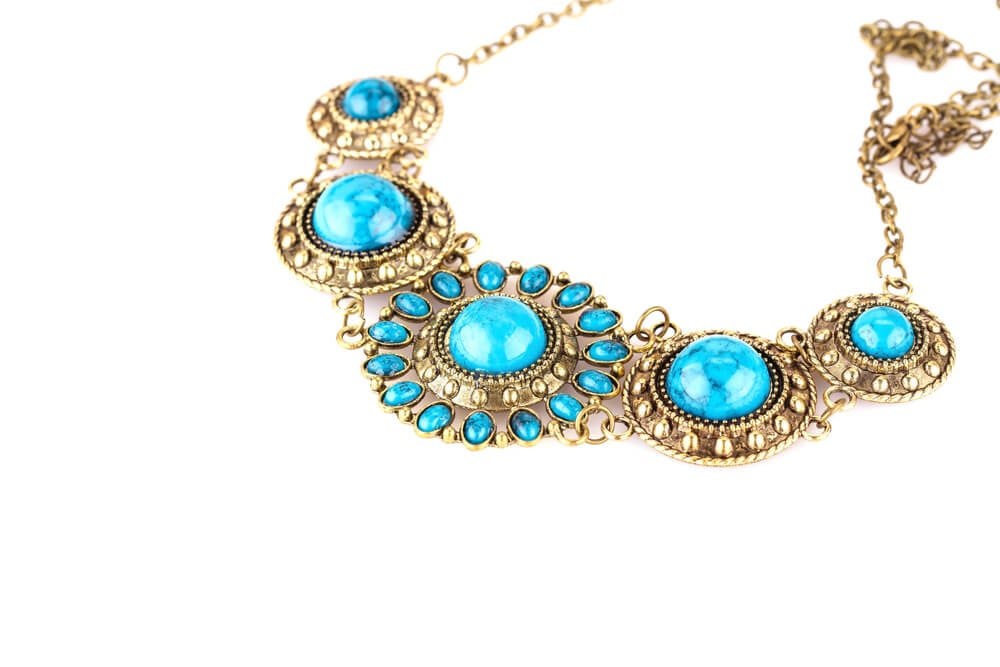
Lander Blue comes from the Austin, Nevada area and is often called one of the great American turquoises for its vivid blue color and web-like black matrix. The stone is rare enough that collectors often treat it as an investment-grade material, and necklaces built of matched Lander Blue cabochons are among the most coveted in the field.
Natural stone with a documented source is the baseline expectation. Even a small amount of stabilizing or dye can lower interest, and surface wear matters as well.
Cerrillos Turquoise Heritage Pieces
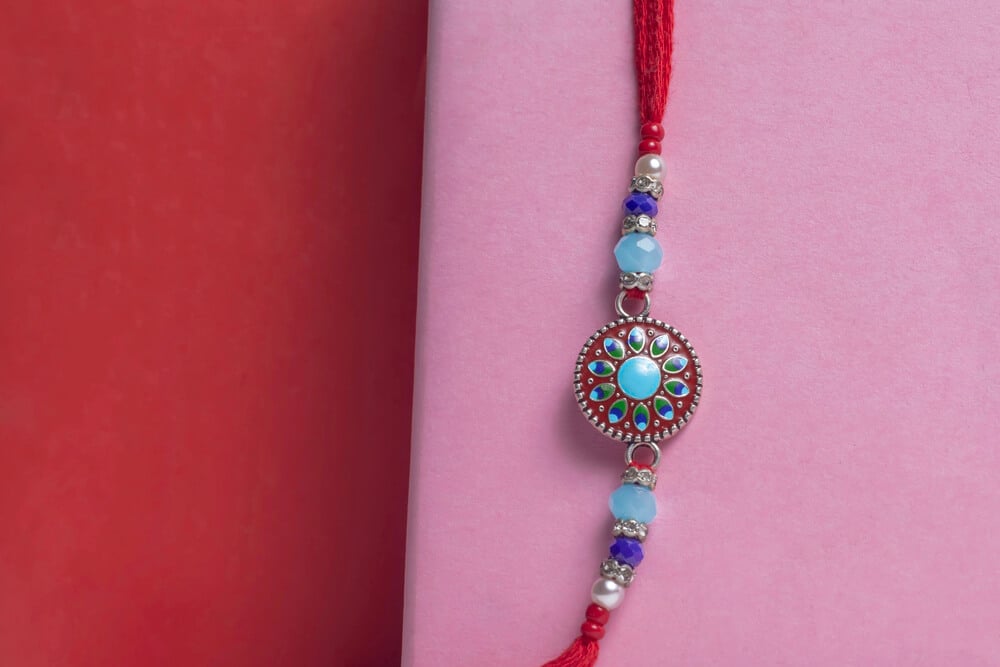
The Cerrillos Hills of New Mexico hold one of the oldest turquoise workings on the continent, centered on Mount Chalchihuitl, where Pueblo peoples dug stone for centuries before European contact. Cerrillos turquoise tends toward pale blue and green tones and is associated with early Puebloan bead and pendant work.
Jewelry set with documented Cerrillos stone appeals to collectors who care about history as much as color. Condition and the strength of the provenance trail determine whether a piece is a museum curiosity or a market favorite.
Navajo Squash Blossom Necklaces
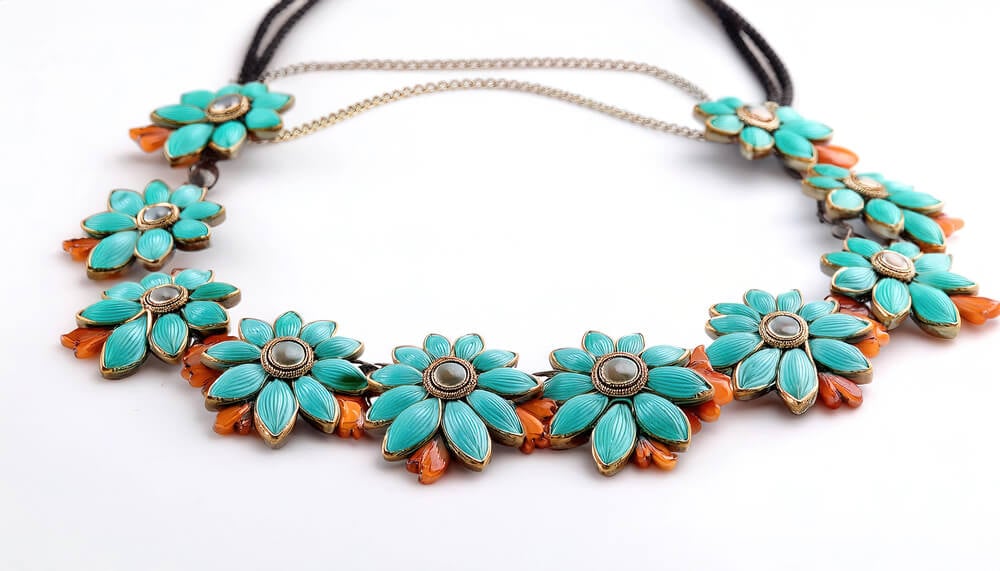
The squash blossom necklace pairs a crescent pendant called a naja with round bead forms that resemble flower buds, and the crescent has roots in Spanish horse bridle ornaments adopted by Navajo silversmiths. Navajo smithing itself grew from the mid-1800s, with Atsidi Sani widely credited as an early Navajo silversmith.
A vintage necklace with a hand-forged frame, balanced turquoise, and an identified maker commands a premium over later factory-made versions. Replaced stones, solder repairs, and unrelated pendant swaps all reduce value.
Navajo Concho Belts
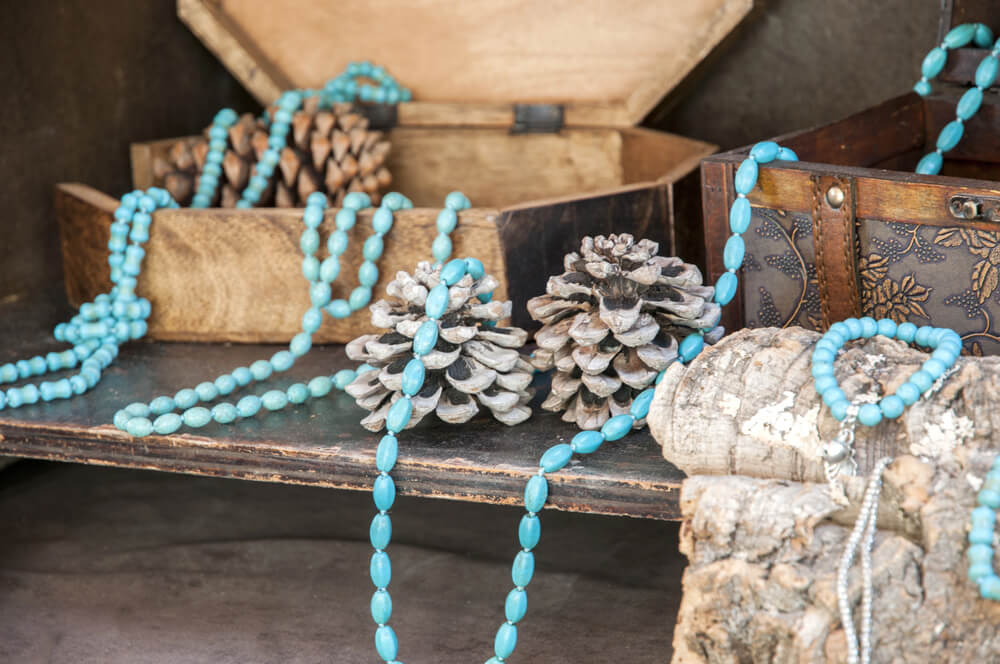
Navajo concho belts took their form from earlier Plains Indian disc ornaments, and silversmiths adapted the idea into rows of round silver plates, often with a central turquoise stone. A good vintage belt has conchos that are uniform in size, hand stamped, and mounted on a leather band in sound condition.
The leather is often the weak point, since cracked or replaced backing hurts value even when the silver is strong. A complete belt with original conchos and natural stones draws much more attention than a mismatched set.
Navajo Ketoh Bow Guard Cuffs
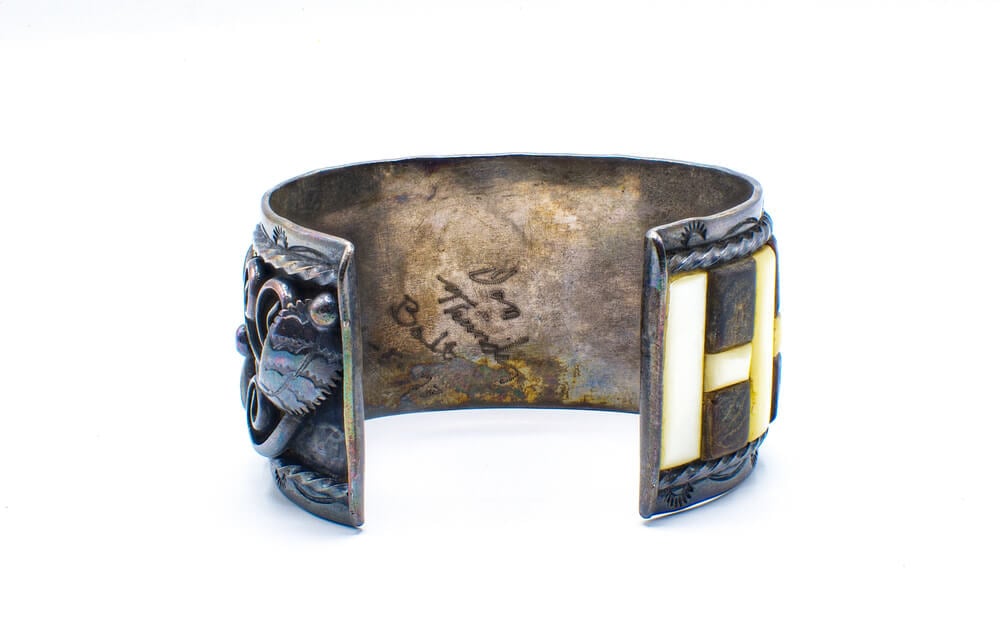
A ketoh is a wrist guard that originally protected an archer’s forearm from the snap of a bowstring, and Navajo silversmiths turned it into a showpiece of wide silver plate on a leather band. Collectors prize examples with a large turquoise stone, strong stamp work, and leather that has survived intact.
Because the original function was practical, many early ketohs show wear that tells a story, but heavy damage to the leather or stone still lowers value. Authenticity checks matter, since later reproductions are common.
Early Ingot Silver Navajo Cuffs
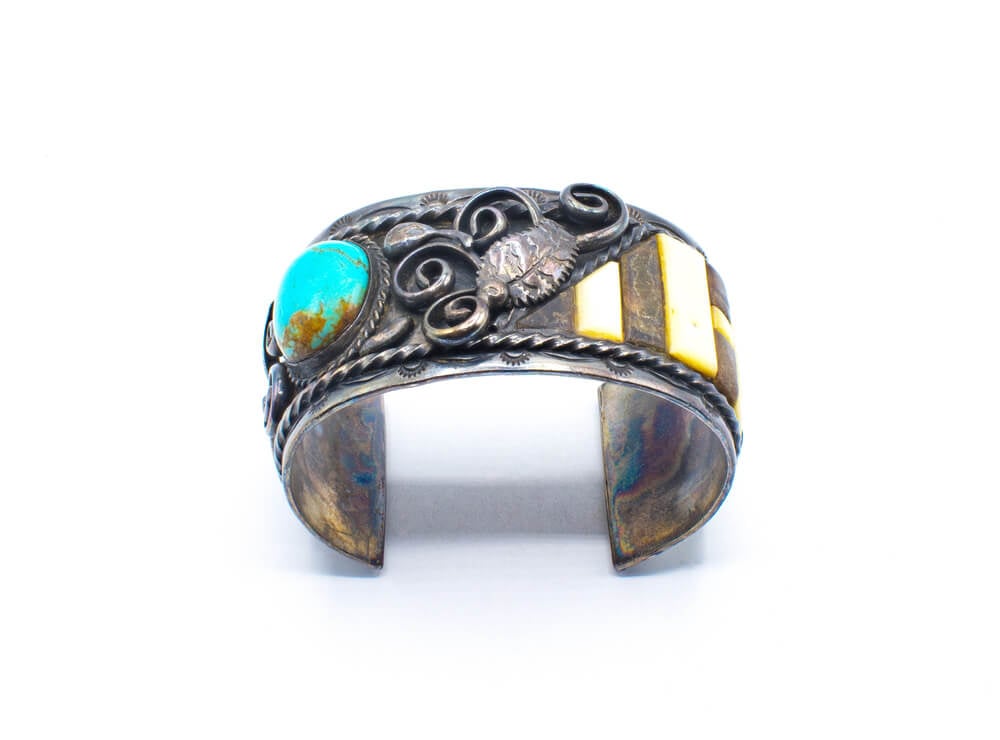
Before sheet silver was widely available at trading posts, Navajo smiths melted coins and cast their own ingots, then hammered the metal into bracelets. Cuffs made this way are heavy, with a visible hand-worked quality, and they often carry a single modest turquoise stone. Collectors look for crisp, uneven stamp work and honest age rather than polish. A cuff that has been buffed, resized, or restored loses part of its character, and original wear that remains consistent usually supports value.
Navajo Sandcast Bracelets
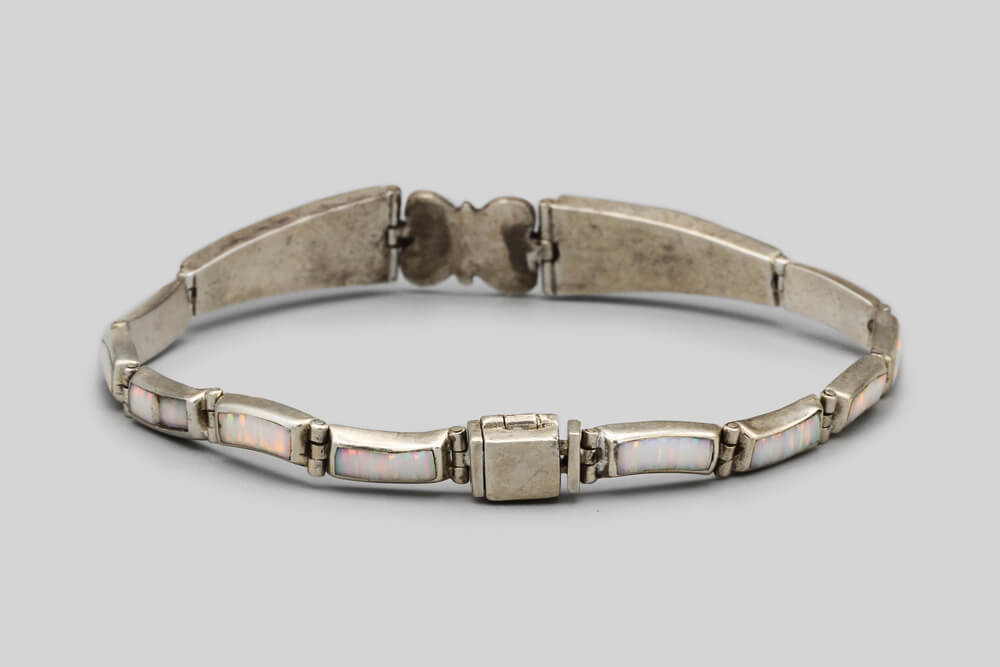
Sandcast jewelry is made by carving a design into a block of tufa or sandstone, pouring molten silver into the mold, and then finishing the textured piece by hand. The result has a rough, organic surface that no stamping tool can imitate, and turquoise is set into the cast silver.
Collectors weigh the quality of the casting detail, the maker’s signature, and whether the stone is natural or treated. A well-defined cast with a matched stone holds appeal, while thin spots and cracked settings lower value.
Navajo Naja Crescent Pendants
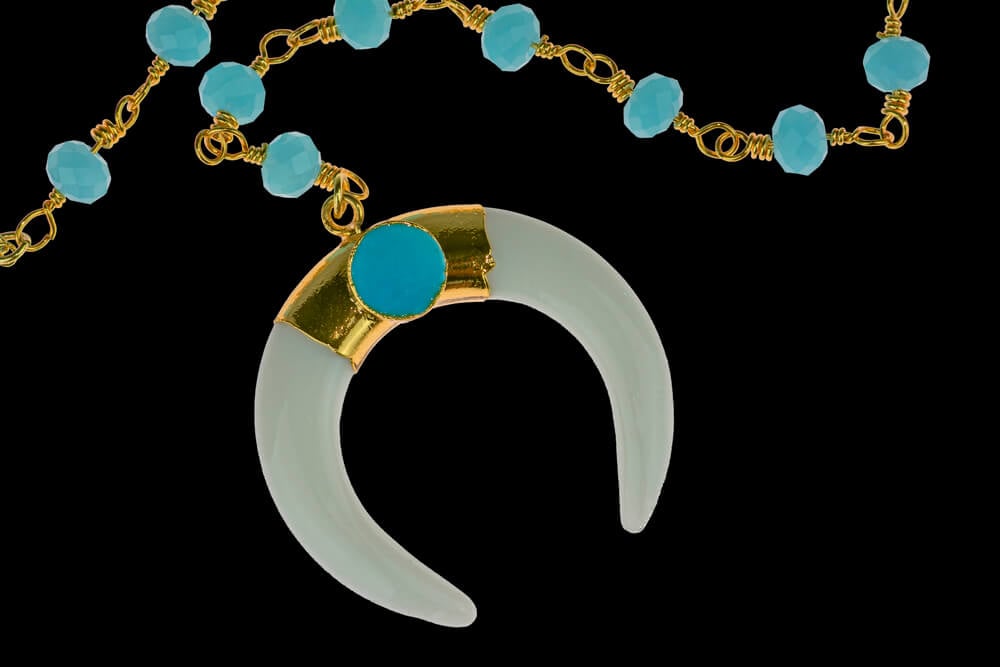
The naja is the crescent form at the center of a squash blossom, but it also exists on its own as a pendant hung from a single strand of beads or leather. A standalone naja with a turquoise drop is one of the most recognizable early Navajo designs, and its simple lines let the stone carry the visual weight.
Vintage examples with hand-cut silver and natural stones are the ones collectors chase. Bent arms, repaired joints, and a replaced stone all change how serious buyers rate the piece.
Zuni Needlepoint Turquoise Bracelets
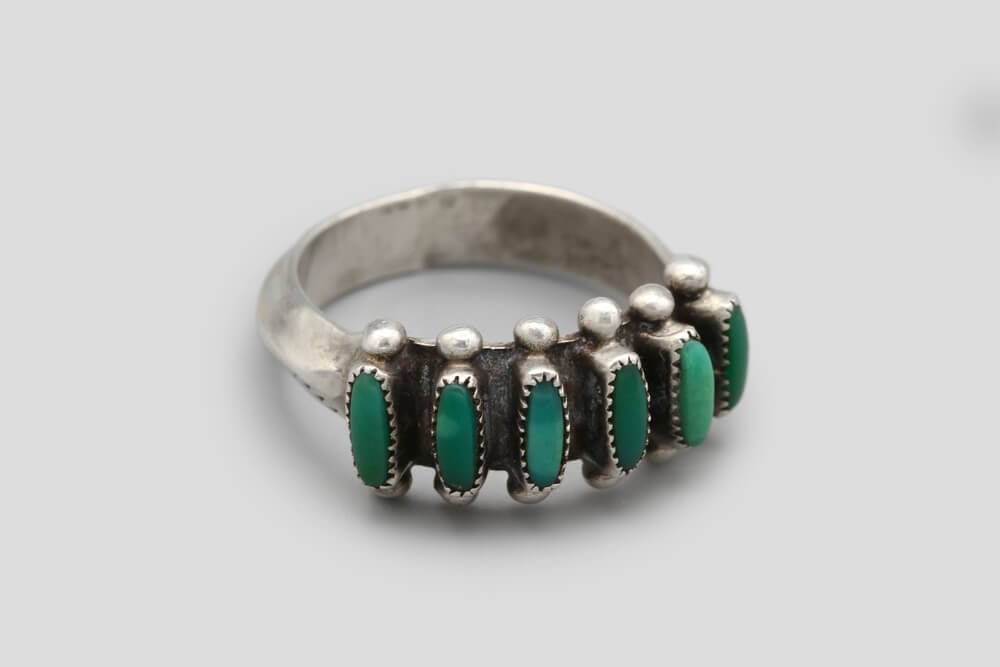
Zuni needlepoint uses tiny, slender slivers of turquoise cut to a point and set in rows, usually in silver bezels that are shaped to match. The work is slow, and a single bracelet can involve hundreds of individually cut stones.
Collectors look for uniform color, tight spacing, and natural stone from known mines, and a missing or loose sliver is easy to spot. Because the labor is substantial, intact needlepoint from a recognized family of Zuni artists holds value better than anonymous work.
Zuni Petit Point Rings
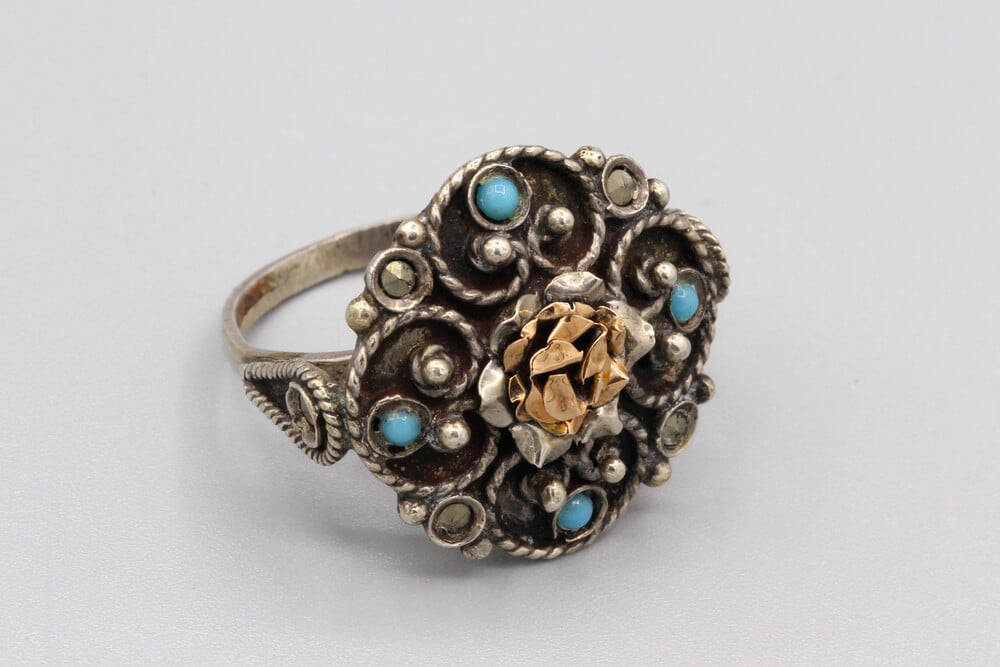
Petit point is a close cousin of needlepoint in which small, rounded turquoise stones are set in clusters or rows, giving a pebbled effect across a ring or a pendant. The style grew in popularity at Zuni Pueblo in the twentieth century and is still a core Zuni tradition.
Quality depends on how evenly the stones are matched and how cleanly they are set. Natural stone from named mines carries more weight than stabilized material, and lost stones are costly to replace.
Zuni Channel Inlay Bracelets
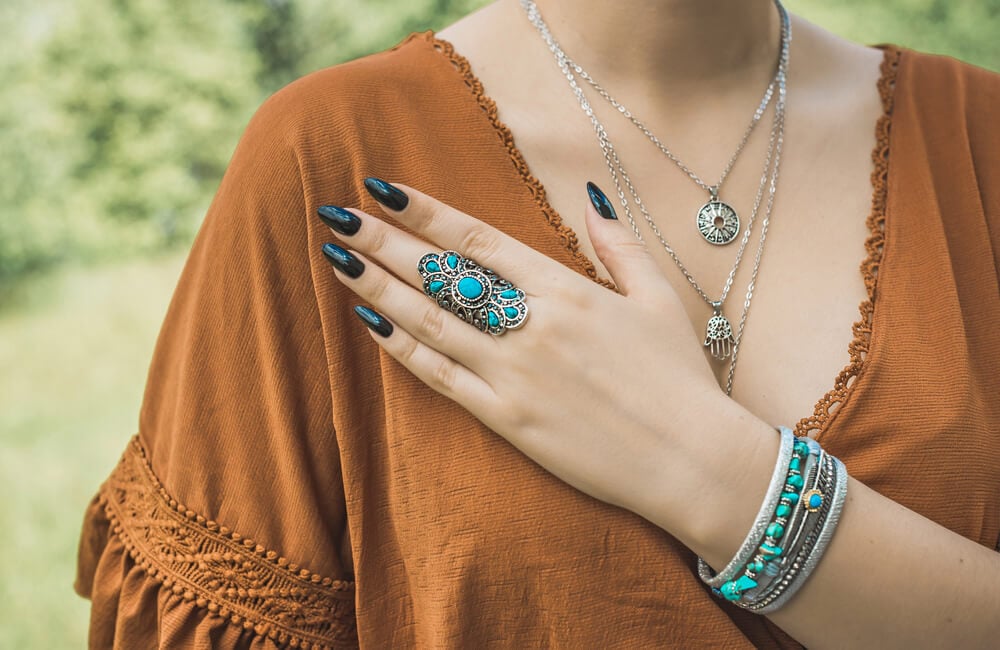
Channel inlay is a Zuni technique in which thin strips of silver form compartments, and cut stones of turquoise, shell, coral, and jet are fit into them to create a flat mosaic surface. The result looks like a painting in stone, and many designs depict birds, sun faces, or knifewing figures.
Collectors judge the tightness of the fit, the polish of the surface, and the identity of the artist. A bracelet with gaps, missing stones, or later repairs sells at a discount to a clean, signed piece.
Zuni Cluster Work Necklaces
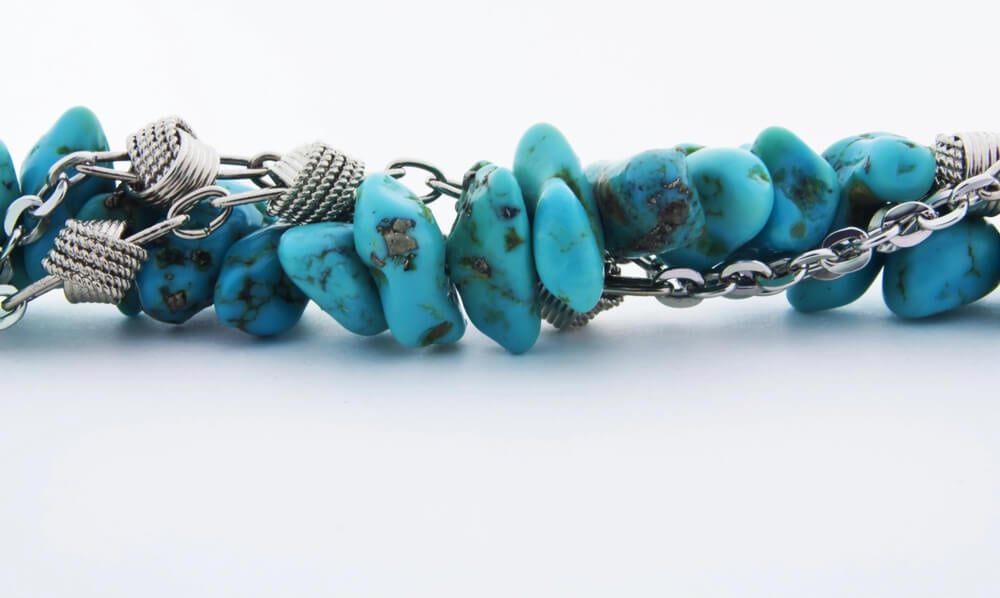
Cluster work combines many small turquoise stones into a floral or sunburst shape on a single piece of silver, and Zuni artists made the style one of their signatures. The best examples use graduated stones and balanced arrangements that read as a single motif from a distance.
A snake eye variant uses round stones with dark centers for a bold effect. Condition is critical because clusters have many stones, any of which can loosen or be replaced, and natural material is worth much more than treated.
Zuni Turquoise Fetish Necklaces
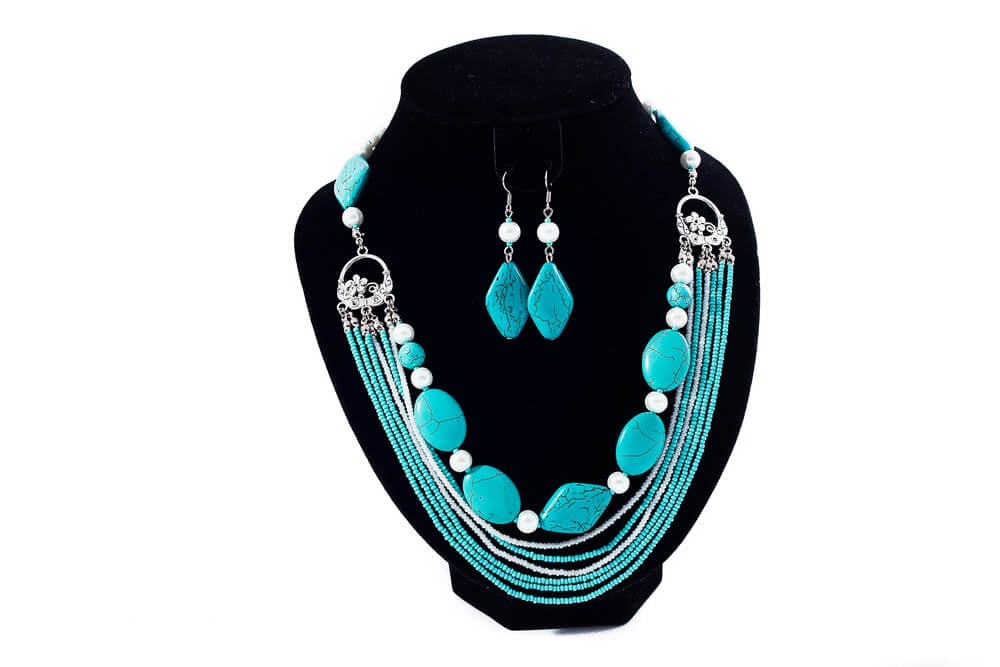
A Zuni fetish necklace strings small carved animals, such as bears, birds, and frogs, with turquoise beads or the animals themselves carved from turquoise. The carvings are linked to Zuni beliefs about animals as protectors, and many collectors seek necklaces from carvers with established reputations.
A necklace with matched, natural turquoise and well-detailed carving brings the strongest interest. Stabilized or dyed stone is common, and cracks in carved pieces or restrung beads with mismatched stones reduce value.
Hopi Silver Overlay Turquoise Pieces
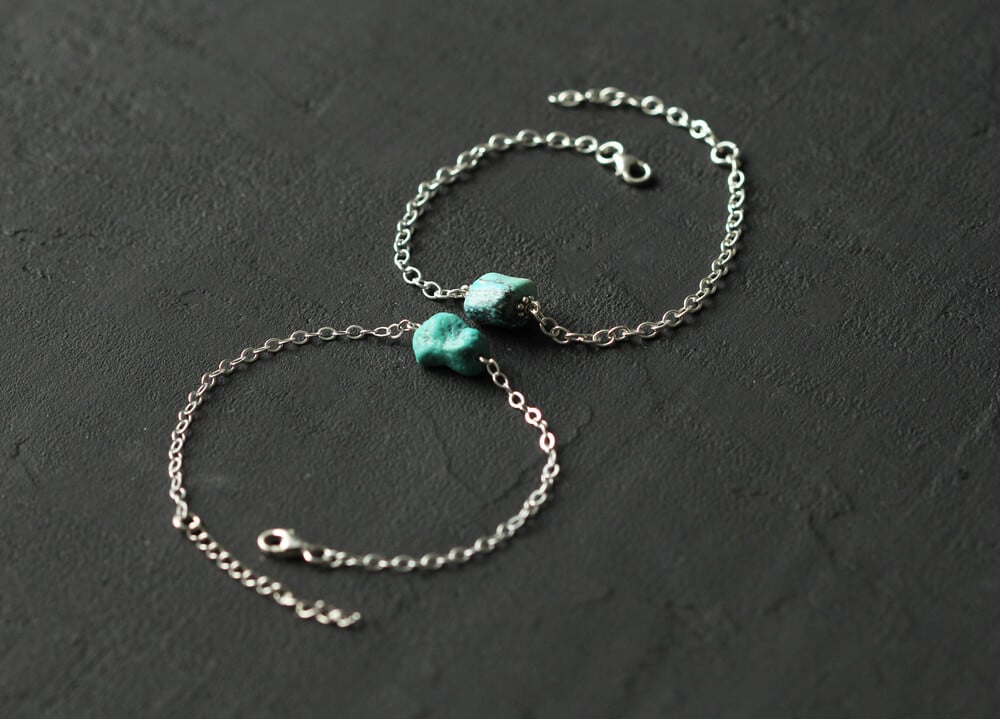
Hopi overlay jewelry is made by cutting a design from one sheet of silver, soldering it over a second sheet, and oxidizing the lower layer so the pattern stands out in dark relief. The technique gained momentum in the late 1940s, when training programs for returning veterans taught Hopi silversmiths new skills.
Turquoise appears as an accent in many pieces, but the technique is the real draw. Collectors weigh the crispness of the cutting, the maker’s mark, and whether the stone is natural.
Charles Loloma Inlay Jewelry
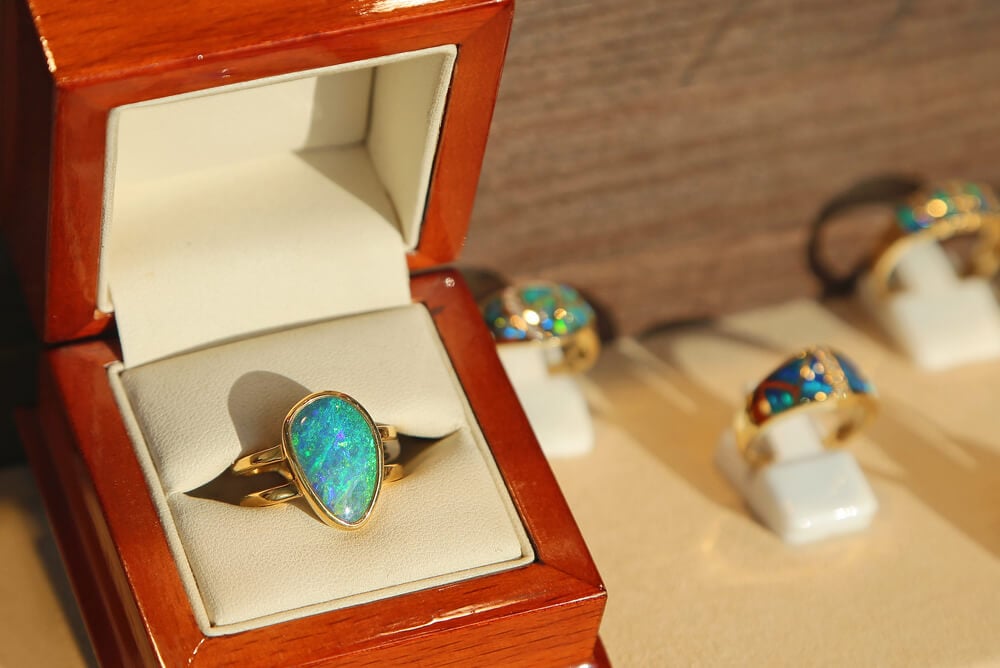
Charles Loloma, born at Hotevilla on the Hopi reservation in 1921, remade Southwestern jewelry by combining turquoise, coral, and other stones with unexpected shapes and a sculptural sense of form. His pieces broke from the traditional stamped look and influenced several generations of Native jewelers.
Authentic Loloma work is carefully documented, and collectors expect verifiable provenance. A signed piece in sound condition with original stones is among the most sought-after in the field, while repaired or altered examples are treated with caution.
Santo Domingo Heishi Turquoise Necklaces
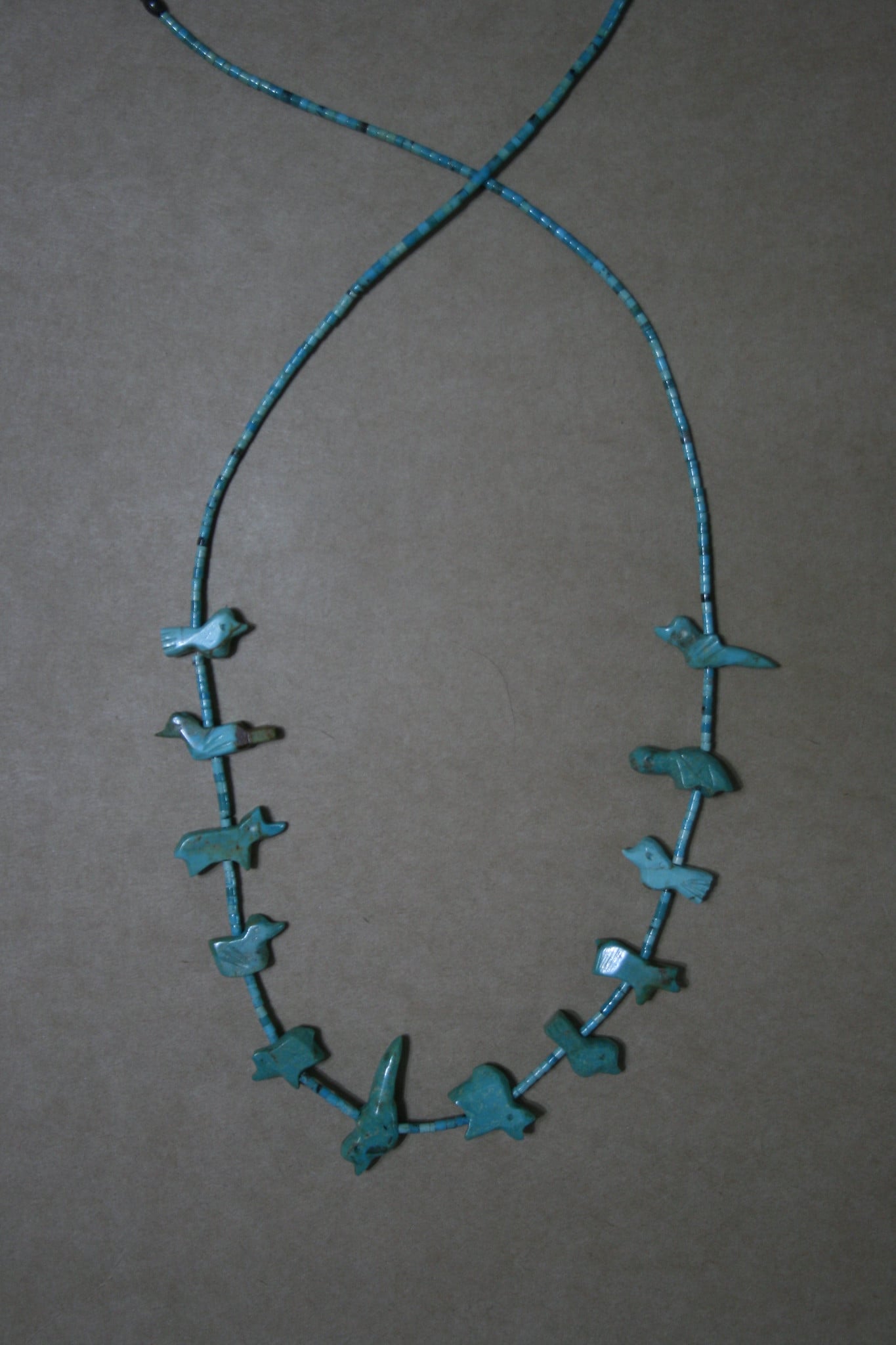
Santo Domingo Pueblo, now officially known as Kewa Pueblo, is known for heishi, the tiny hand-rolled beads of turquoise and shell that are drilled, strung, and ground into smooth, uniform discs. A necklace can take weeks of work, and good examples feel almost like fabric when they are worn.
Collectors prize even sizing, natural stone, and tight strands, and a vintage necklace is judged by how its beads have aged. Restrung or mismatched sections, dyed stones, and broken beads all lower value.
Fred Harvey Era Thunderbird Bracelets
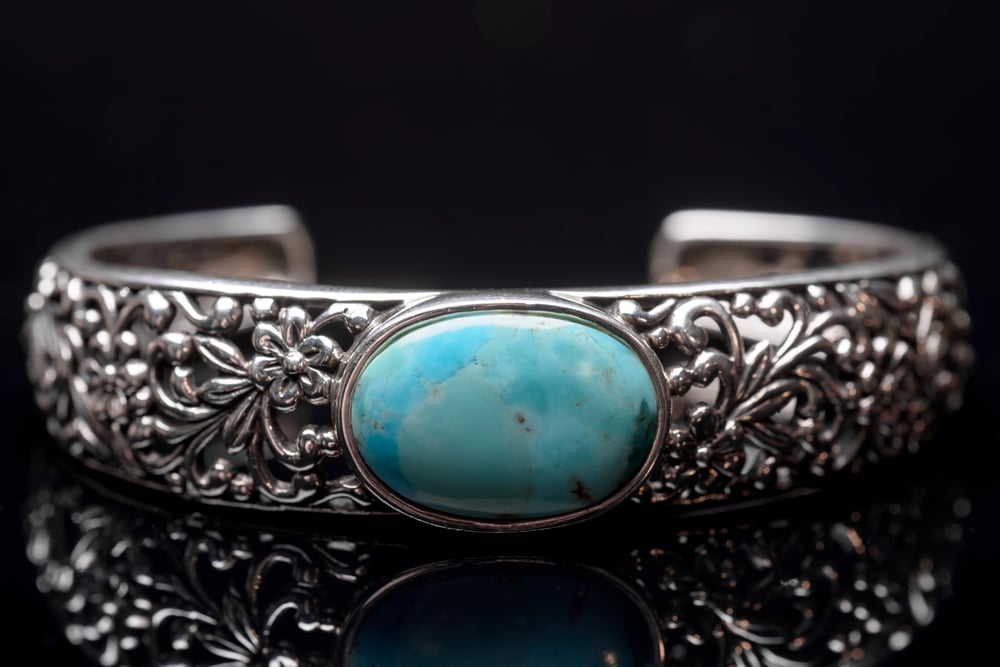
The Fred Harvey Company ran the railway hotels and restaurants along the Santa Fe line, and from the early twentieth century its gift shops sold Southwestern silver to travelers. Many pieces carried stamped thunderbirds, arrows, and whirling logs, often with small turquoise stones, and they were made to be light and affordable.
Collectors seek early Harvey-era pieces with documentation and honest age, and the stamped motifs tell part of the story. A bracelet with replaced stones or later polish tends to fall in value.
Old Pawn Navajo Turquoise Jewelry
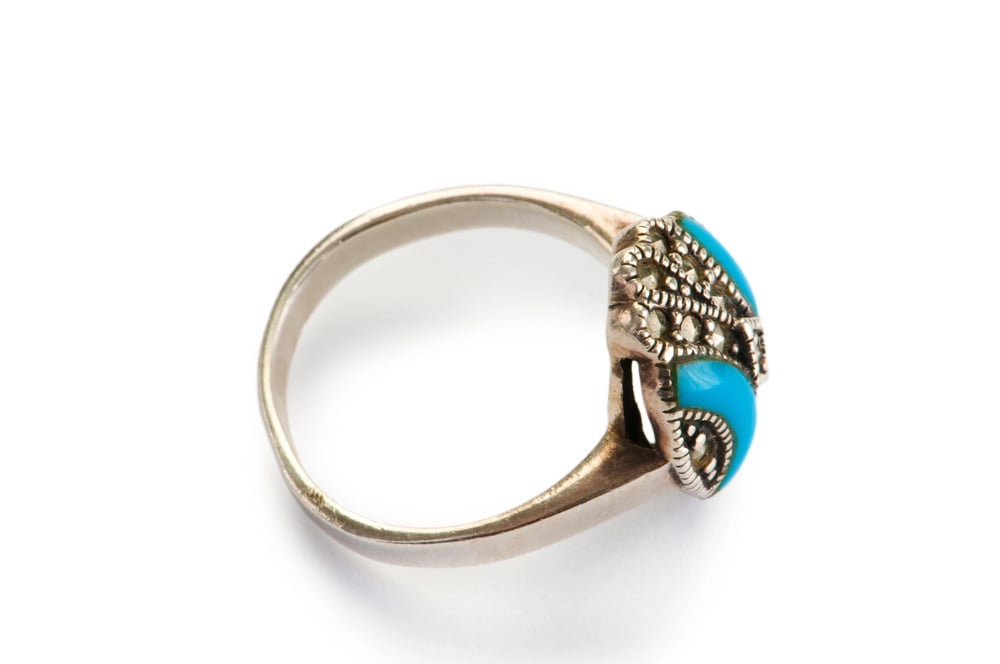
Old pawn describes jewelry that Native families left as collateral with trading post owners in exchange for credit, and which often went unredeemed. Pawned pieces were worn, which means many show the kind of age that collectors treasure, though the term is also used loosely in the market.
Authentic old pawn comes with provenance from a trading post or a long-held collection. A piece with a clearly identified maker, original stones, and consistent wear commands a premium over similar items with no history.
Taxco Silver and Turquoise by William Spratling
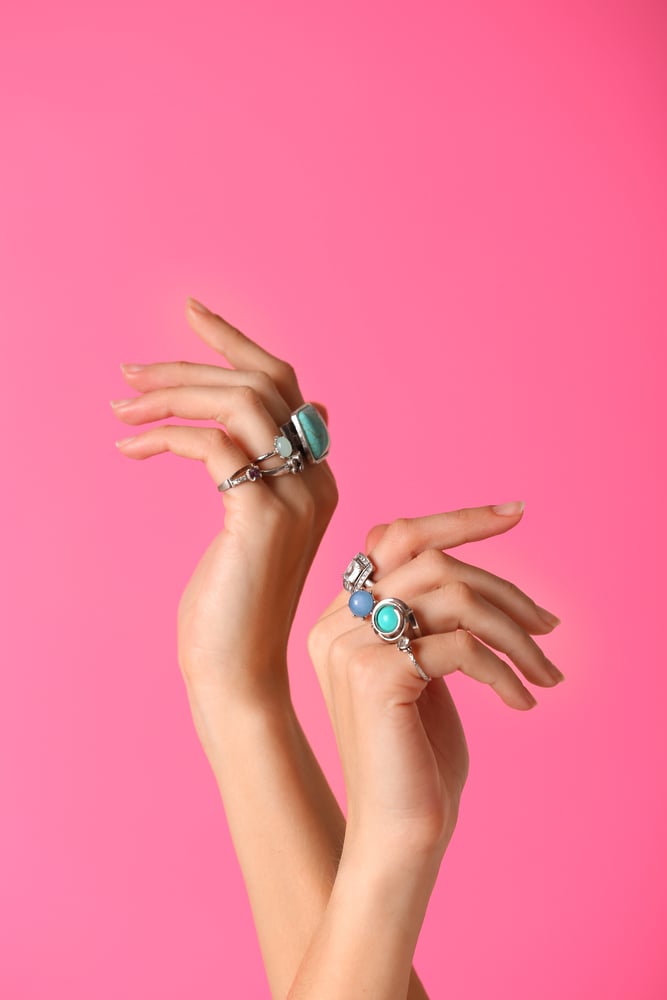
William Spratling, an American who moved to Taxco, Mexico, in the late 1920s, founded a workshop in the early 1930s and is widely credited with sparking the town’s modern silver industry. His designs drew on pre-Columbian motifs, and many pieces paired silver with turquoise and other stones.
Collectors look for the Spratling maker’s marks, which separate original workshop pieces from the many imitators that followed. Condition, completeness, and a clean maker’s mark make the difference between a collector’s find and a decorative curiosity.
What the Stone Remembers
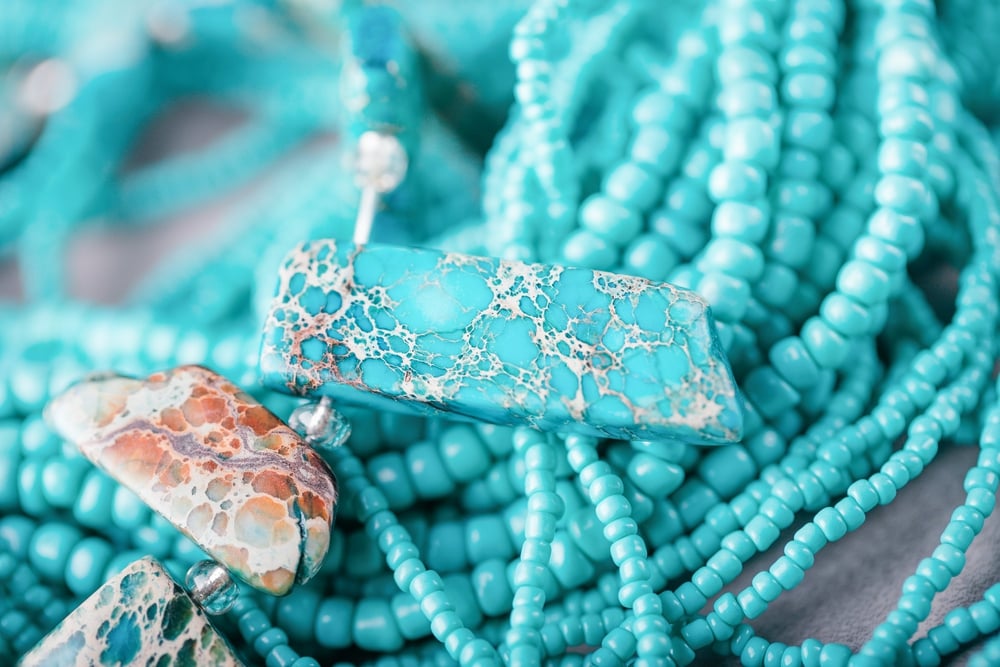
Looking across these pieces, the pattern is plain. Mines have closed, makers have passed on, and techniques have shifted, yet the objects keep a clear record of who dug the stone and who shaped the silver. A collector who can read that record gains more than a pretty ornament.
That record is also why caution matters so much. Treated and dyed stone can look convincing, and a good story can attach itself to the wrong piece. The strongest purchases are the ones that pair natural material, an identified hand, and honest condition.
More from Go2Tutors!

- 27 Silver Dollars and Half Dollars Worth Keeping
- 28 Restaurant Menu Items Nobody Orders Anymore
- 17 Places Built in Seemingly Impossible Spots
- 27 Vintage Rings Worth More Than They Look
- 25 Restricted Sites Tourists Can’t Enter
Like Go2Tutors’s content? Follow us on MSN.