28 Inventions That Changed Christmas Forever
Christmas feels ancient, as if it arrived fully assembled with its lights, cards, and cheerful man in red. In reality, much of what fills the season was dreamed up by a specific person, in a specific year, usually while trying to solve some other problem.
Behind the tinsel and the wrapping paper sits a surprising pile of patents, product launches, and happy accidents. Some were meant to make money, some to make children behave, and a few were meant to keep houses from catching fire.
The Christmas Card That Caused a Scandal
In 1843, a London civil servant named Henry Cole commissioned the artist John Callcott Horsley to design a card he could send to friends instead of writing letters. About 1,000 copies were printed and sold for a shilling each, making it the first commercially produced Christmas card.
The center panel showed a family raising glasses of wine, including children, which drew criticism from temperance campaigners. Cole, who was busy helping launch the modern postal system and what became the Victoria and Albert Museum, did not seem to mind the fuss.
Edward Johnson’s Hand-Wired Tree

In December 1882, Edward Johnson, an associate of Thomas Edison, strung 80 red, white, and blue electric bulbs around a tree in his New York home. Every connection was wired by hand, and the tree rotated while it glowed.
A reporter for the Detroit Post and Tribune described the sight in print, which is how the display became the earliest well-known electrically lit Christmas tree. For most families, the idea stayed a rich person’s curiosity for decades, because electricity was not yet in their homes.
The Teenager Who Colored the Bulbs
The Sadacca family sold novelty lights in New York, and one of the sons, Albert Sadacca, noticed that customers wanted bulbs that looked like festive candles rather than plain clear glass. The family began dipping bulbs in colored lacquer, and strings of red, green, and blue lights became a bestseller.
In the 1920s, Albert helped organize a group of manufacturers into the National Outfit Manufacturers Association, known as NOMA. The company’s name ended up on millions of boxes that came out of attics each December.
The Christmas Cracker and the Log That Popped

Tom Smith, a London confectioner, began selling sweets in twists of paper in the 1840s, inspired by wrapped French bonbons. Sales were modest until he heard a log crackle in his fireplace and wondered whether his sweets could make a similar sound.
He added a strip that snapped when pulled apart, and the sweet eventually gave way to a small gift and a paper crown. Smith’s firm kept expanding the contents, and the cracker became a fixture of the British Christmas table.
Tinsel Made of Real Silver

Tinsel was first produced in Nuremberg, Germany, in 1610, and the original strands were thin strips of real silver. Families hung them on trees to throw back candlelight, which made the shimmer far more dramatic than any modern equivalent.
The drawback was that silver tarnished quickly, so manufacturers eventually turned to cheaper metals and then to plastic. The sparkle on modern trees is a distant, thrifty descendant of something once reserved for the wealthy.
The Feather Tree That Spared the Forest

In the 1880s in Germany, makers began producing artificial trees from goose feathers dyed green and wired to a central trunk. The design was partly a response to worries about deforestation, since so many young fir trees were being cut each winter.
The branches ended in small cups for candles, and the trees came in sizes ranging from tabletop novelties to full floor models. They were sparse and elegant, and many American households first met an artificial tree in this form.
The Brush Factory Tree

The Addis Brush Company, a British maker of household brushes, turned its bristle-making machinery toward Christmas trees in the 1930s. Dyed green and twisted onto a wire core, the bristles produced a tree that would not drop needles on the carpet.
Because the company’s regular business was brushes, the tree looked a bit like an oversized one, and the resemblance is now a favorite party fact. Later artificial trees borrowed the same idea of wire branches fanning out from a central pole.
Gerhard Lang’s Countdown to the Day
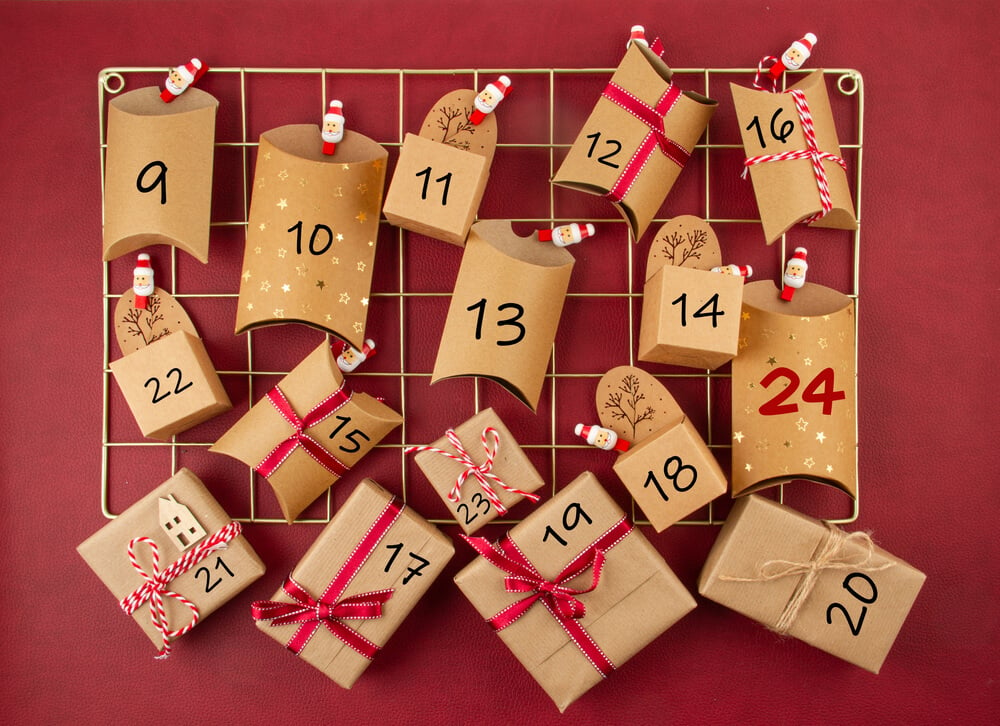
Gerhard Lang, who worked in a printing business in Munich, remembered how his mother had made him a homemade calendar with 24 small treats to ease his impatience for Christmas. In 1908, he produced a printed Advent calendar so that other families could do the same.
Later versions added the little doors that children now open each morning in December. The idea spread quickly, and the countdown became a December ritual in homes across Germany and beyond.
Glass Ornaments From a Thuringian Village
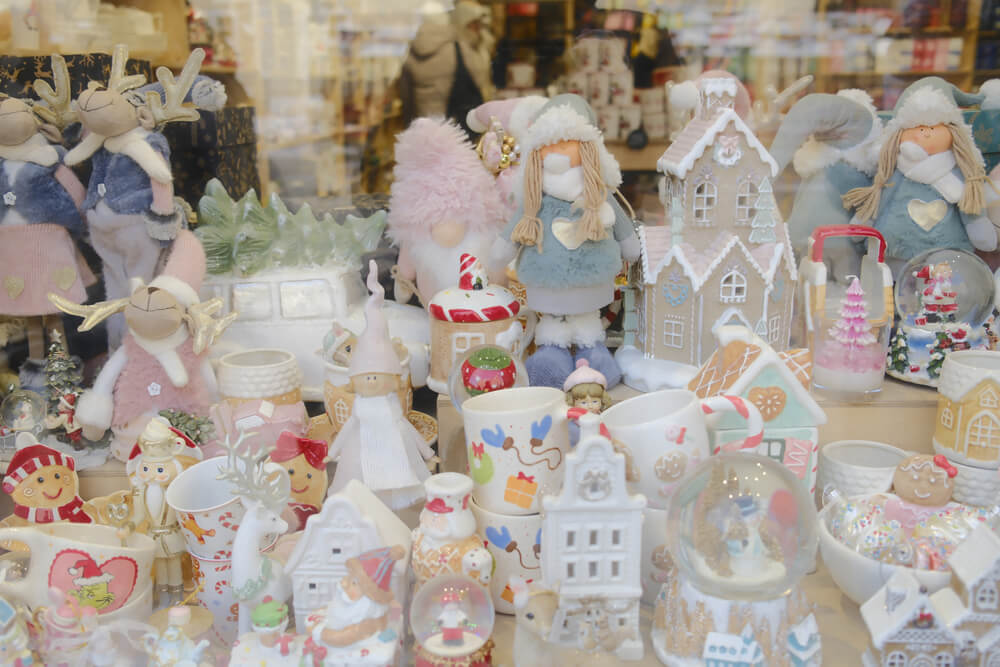
The village of Lauscha in Thuringia, Germany, was a glassblowing center, and its workers began making hollow glass ornaments in the 1800s. Tradition credits Hans Greiner with the first examples, and local artisans soon blew them into molds shaped like fruits, nuts, and animals.
The thin glass was fragile enough to crack in a stiff breeze, which is why families still pack the heirloom pieces in tissue. Lauscha’s workshops still make ornaments by hand.
A Reindeer Born in a Department Store

In 1939, Robert L. May, a copywriter at Montgomery Ward in Chicago, wrote a story about a young reindeer with a glowing nose so the store could give a free booklet to holiday shoppers. May had considered naming him Reginald and Rollo before settling on Rudolph.
His brother-in-law, Johnny Marks, later wrote the song “Rudolph the Red-Nosed Reindeer,” which carried the character far beyond the booklet.
The Coca-Cola Santa Claus
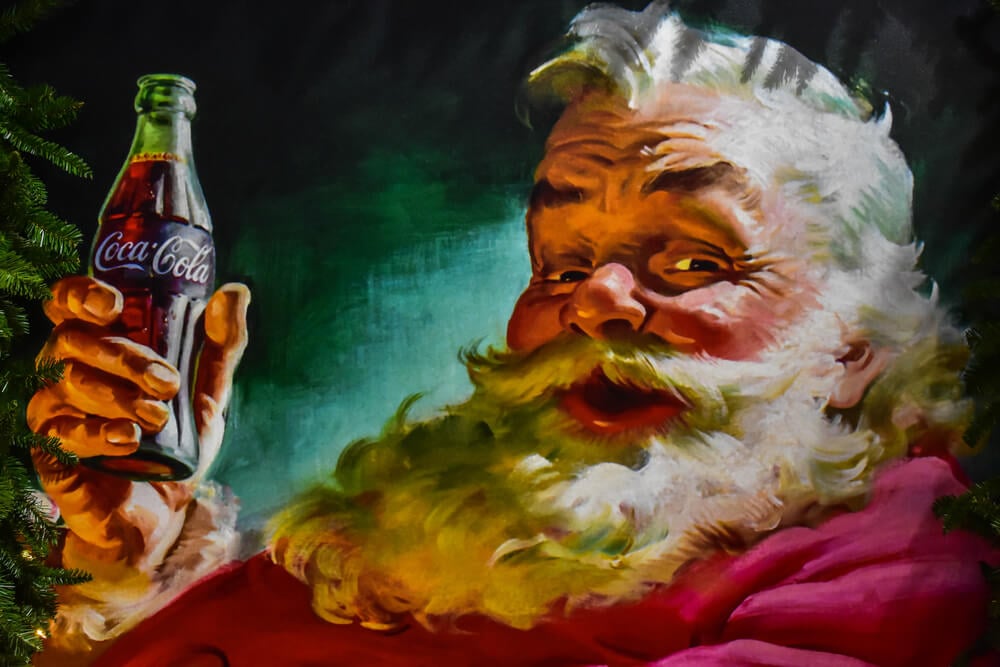
Santa had been drawn as everything from a gaunt bishop to a pointy-hatted elf before the artist Haddon Sundblom painted him for Coca-Cola in 1931. Sundblom depicted a plump, warm, grandfatherly figure, and the soft drink company ran new versions in its advertising for decades.
The look did not invent Santa, but it helped fix one version in the popular imagination.
The Christmas Seal
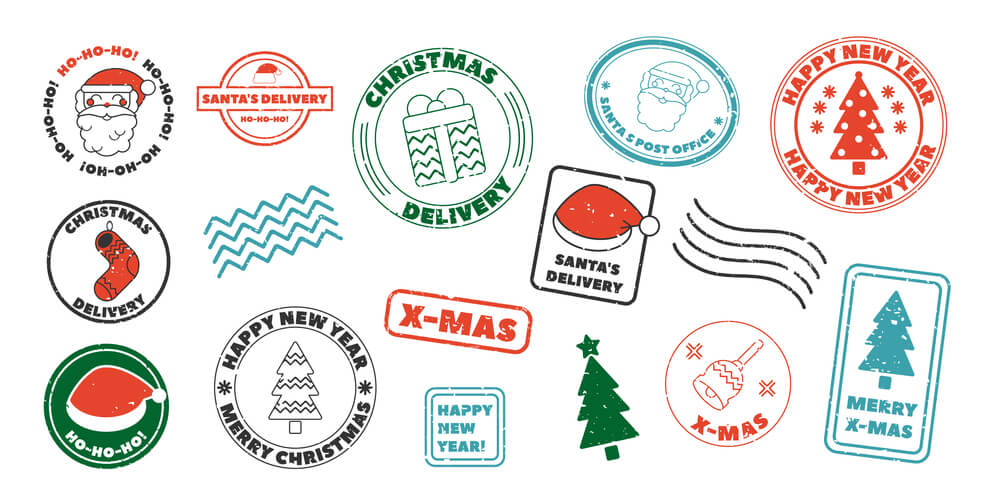
Einar Holbøll, a Danish postal clerk, came up with the idea in 1903 of selling a decorative stamp at Christmas to raise money for sick children, and the first seals went on sale in Denmark in 1904. In 1907, Emily Bissell brought the idea to Wilmington, Delaware, where she raised about $3,000 to save a struggling tuberculosis sanatorium.
The seals were tucked onto holiday mail and spread across the country. For many people, they were the first charity appeal that arrived inside a Christmas card.
A Christmas Carol and the Six-Week Deadline
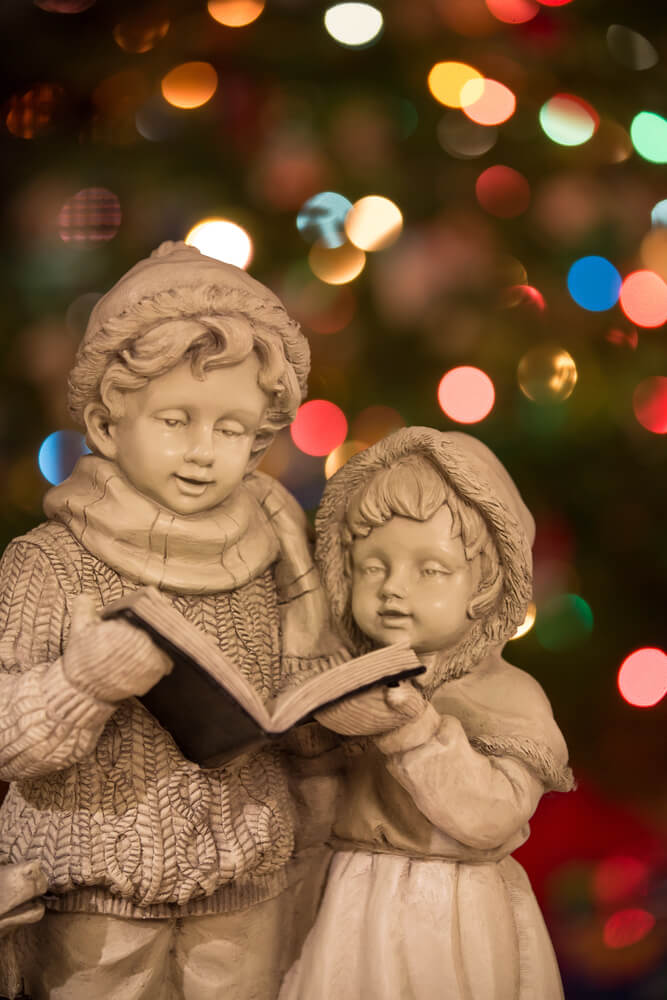
Charles Dickens published A Christmas Carol on December 19, 1843, and the first printing of 6,000 copies sold out by Christmas Eve. He had written the book in a matter of weeks, and he paid for the lavish production himself, including hand-colored illustrations.
Because of those costs, his earnings from the first edition were smaller than he had hoped. The story turned a holiday of feasting into one of generosity and helped define the season’s moral outlook.
The Evergleam Aluminum Tree

In 1959, the Aluminum Specialty Company of Manitowoc, Wisconsin, began selling the Evergleam, a tree made of aluminum branches on a wooden pole. Placing electric lights on a metal tree was a shock hazard, so families lit it with a rotating color wheel on the floor that washed the branches in red, blue, green, and amber.
The trees were shiny, fireproof, and tidy, and for a stretch of the 1960s they were the height of fashion. Vintage pieces are now collectors’ items, with prices that depend heavily on condition and color.
Bubble Lights and the Boiling Liquid
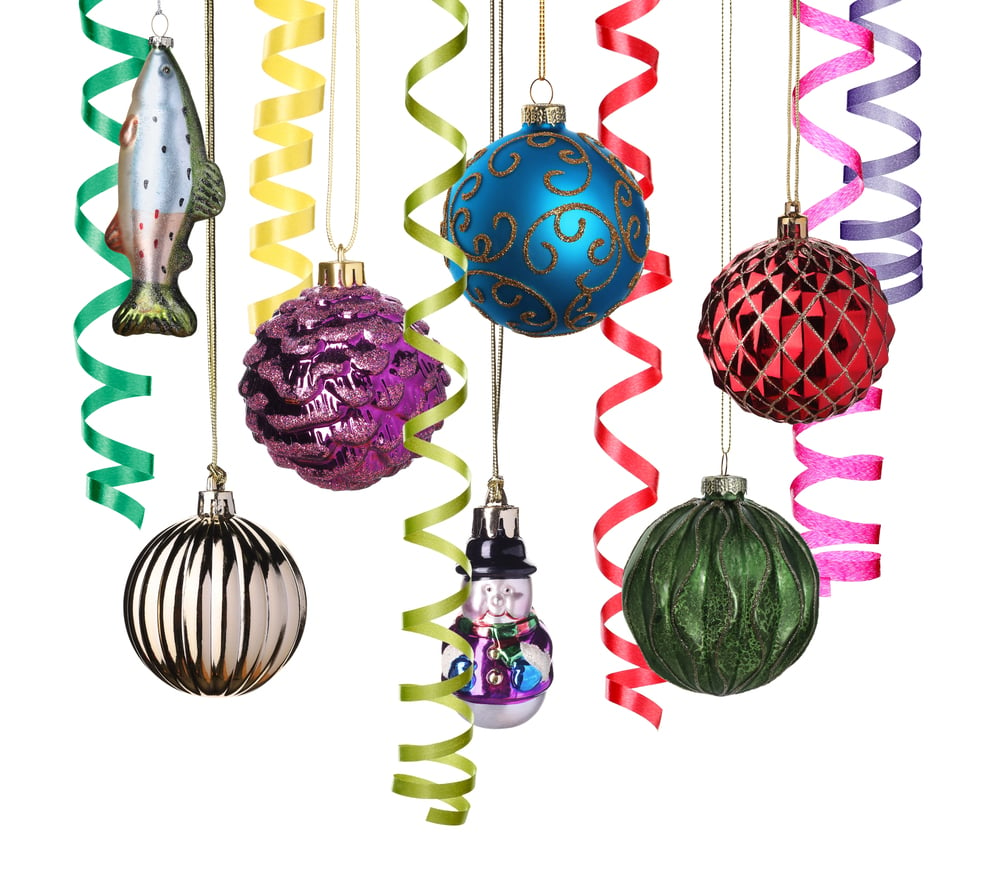
Carl Otis patented the bubble light in 1935, though the product did not become a hit until NOMA marketed it after World War II. Each light held a sealed glass tube filled with a liquid that boiled at a low temperature, and the heat from the small bulb at the base made the liquid bubble.
Families who had grown tired of plain lights loved the lively effect. The design was so popular that decades later, reproductions are still sold to nostalgic buyers.
The Hall Brothers and the Tissue Shortage

In 1917, the Hall brothers, who ran a stationery shop in Kansas City, Missouri, ran out of the red, green, and white tissue paper that shoppers used to wrap gifts. They began selling decorative paper normally used to line French envelopes, and it sold out fast.
The brothers saw an opening and went on to print their own patterned paper. The company they founded became Hallmark Cards, and gift wrap went from a fallback into a product.
Scotch Tape Meets the Gift Pile

Richard Drew, an engineer at 3M, developed a clear cellophane tape in 1930. Clear tape arrived during the Great Depression, when households wanted to patch things up rather than throw them away.
It also made wrapping presents quicker, and its invisible seam soon became a Christmas staple.
Britain’s First Santa Grotto
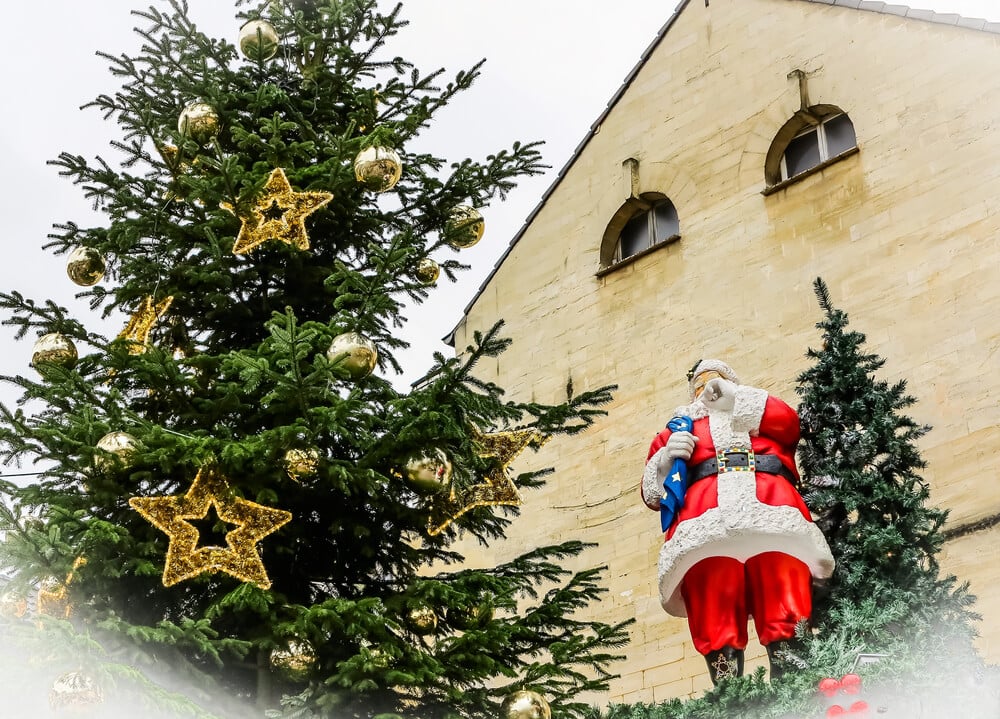
Lewis’s department store in Liverpool is widely credited with creating one of Britain’s earliest Santa’s grottoes. Children lined up to meet Father Christmas and receive a small present, a model that stores across the country eventually copied.
The attraction turned a shopping trip into a family outing and gave retailers a reason to draw crowds before the holidays. Waiting in line to whisper a wish to a stranger in a red suit began there.
The King’s Christmas Broadcast

On Christmas Day in 1932, King George V delivered the first royal Christmas broadcast by radio from Sandringham. The speech was written by the author Rudyard Kipling, and it reached listeners across the British Empire.
The king had been reluctant to take part, but the response was warm enough that the tradition continued. Later monarchs carried it onto television, and millions still settle in to watch.
The Fireplace on Television

In 1966, Fred Thrasher, a manager at New York station WPIX, wanted to give viewers a holiday gift that cost the station little. A film of a burning log was shot in the fireplace at Gracie Mansion, the mayor’s residence, and broadcast on a loop with Christmas music.
Apartment dwellers without a hearth were delighted, and the show returned year after year. The station’s yule log inspired countless imitations, including versions featuring cats and cartoon characters.
The Wish Book Changes the Letter to Santa

Sears released its first Christmas catalog in 1933 as a separate holiday book, aimed at parents shopping during the Depression. In time, children began circling the toys they wanted, folding down page corners, and handing the whole volume to their parents.
The catalog eventually earned the name Wish Book. It turned toy shopping into a ritual that started weeks before December 25.
The Phone Number That Called Santa

In 1955, a Sears advertisement in a Colorado Springs newspaper invited children to phone Santa, but the number was misprinted. Calls went to the Continental Air Defense Command, where Colonel Harry Shoup answered and played along rather than hang up.
He had staff check radar for sleigh sightings and report the results to callers. When NORAD formed a few years later, the military kept up the tradition, and it still tracks Santa’s route every Christmas Eve.
Canned Cranberry Sauce

Marcus Urann, a Massachusetts lawyer who turned to cranberry farming, found a way to can cranberry sauce in 1912 so the fruit could be enjoyed beyond its short harvest season. He later helped organize the cooperative that became Ocean Spray.
The jellied cylinder, which keeps the ridges of the can, is now a fixture on holiday tables. Many families would not consider the meal complete without those ridges.
The Celesta and the Secret Instrument

Auguste Mustel, a Parisian instrument maker, built the celesta in 1886, an instrument that looks like a small piano but produces a bell-like sound. Pyotr Tchaikovsky heard it in Paris and was so taken that he asked his publisher to buy one quietly, hoping no other Russian composer would use it first.
He featured it in “Dance of the Sugar Plum Fairy” in The Nutcracker, which premiered in 1892. That shimmering sound has since become shorthand for Christmas magic.
The Machine That Bent the Candy Cane

Candy canes were once shaped by hand, and a large share of them snapped before they ever reached the box. Father Gregory Keller, a Catholic priest in Little Rock, Arkansas, designed a machine in the 1950s to bend and stripe them automatically.
His brother-in-law, Bob McCormack, ran a candy company in Albany, Georgia, and put the machine to work. The invention made it possible to produce candy canes by the millions.
The Carol Written for a Guitar

On Christmas Eve in 1818, in the Austrian village of Oberndorf, the church organ was out of order. Joseph Mohr, the assistant priest, had written a poem two years earlier, and the organist Franz Gruber composed a melody for guitar so that the congregation could sing it.
The result was “Silent Night,” which went on to be translated into hundreds of languages. A broken instrument gave the season its best-known quiet moment.
The Elf Who Reports to the North Pole
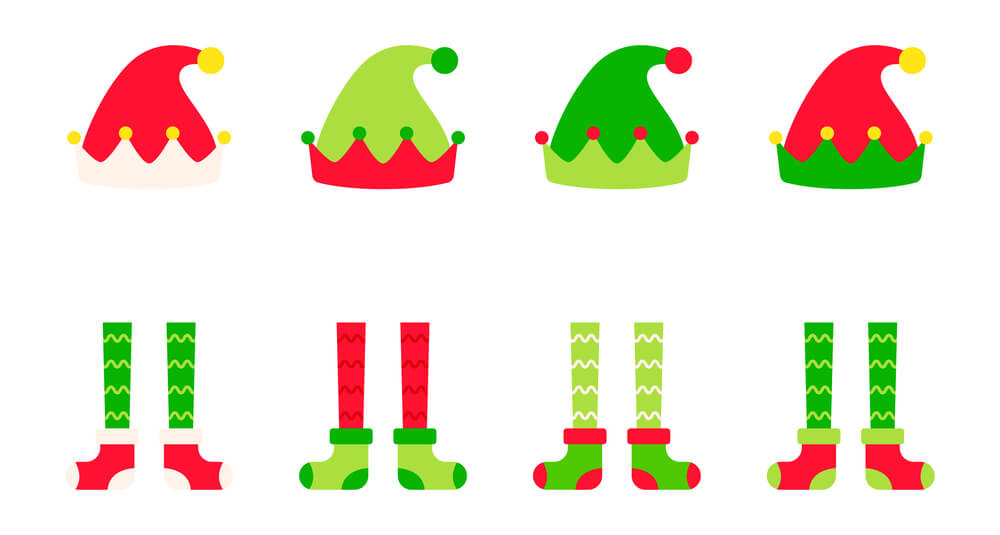
In 2005, Carol Aebersold and her daughter Chanda Bell, from Georgia, self-published a book and a boxed doll called The Elf on the Shelf. The story explained that a scout elf watches children and reports each night to Santa, which gave parents a daily game.
The one rule was that children could not touch the elf, or its magic would fade. The idea built on a tradition from Aebersold’s own childhood, and it grew into a major holiday phenomenon.
The First Stamp With Christmas on It

In December 1898, Canada issued a stamp that carried a map of the world with the British Empire shaded in red. Printed across the bottom of the map was the phrase “XMAS 1898,” making it the first stamp to mention Christmas.
The stamp marked a new rate of penny postage across the empire, and the holiday message was a nod to the season’s heavy mail. It was a small acknowledgment that Christmas had become a postal event.
The Season Built in Workshops and Offices

Looked at one at a time, these inventions seem like practical fixes: a better bulb, a cheaper tree, a faster way to wrap a box. Together they show that Christmas has always been remade by people with an eye for what families would want next. The cracker maker, the stationer, and the copywriter each added something that turned out to belong.
That does not make the holiday any less sincere. Traditions often feel old because they were adopted so completely that no one remembers the moment of their arrival. The next generation will inherit a few more, and some of them are probably being dreamed up right now.
More from Go2Tutors!

- 27 Silver Dollars and Half Dollars Worth Keeping
- 28 Restaurant Menu Items Nobody Orders Anymore
- 17 Places Built in Seemingly Impossible Spots
- 27 Vintage Rings Worth More Than They Look
- 25 Restricted Sites Tourists Can’t Enter
Like Go2Tutors’s content? Follow us on MSN.