International Dance Day: Classic Dance Crazes That Defined The 70s And 80s
Nothing says cultural revolution quite like a dance floor packed with people doing the exact same moves. The 1970s and 80s weren’t just decades of political change and musical innovation — they were the golden age of dance crazes that swept through disco clubs, school gymnasiums, and living rooms across America.
These weren’t subtle shifts in artistic expression. They were full-blown phenomena that had everyone from teenagers to grandparents throwing their hands up and sliding their feet in perfect synchronization.
Each dance craze captured something essential about its moment in time. The optimistic funk of the early 70s. The glittery escapism of the disco era. The rebellious energy of the early 80s. And the pop perfection that closed out the decade.
These moves didn’t just reflect the music — they became the physical embodiment of entire cultural movements.
The Hustle
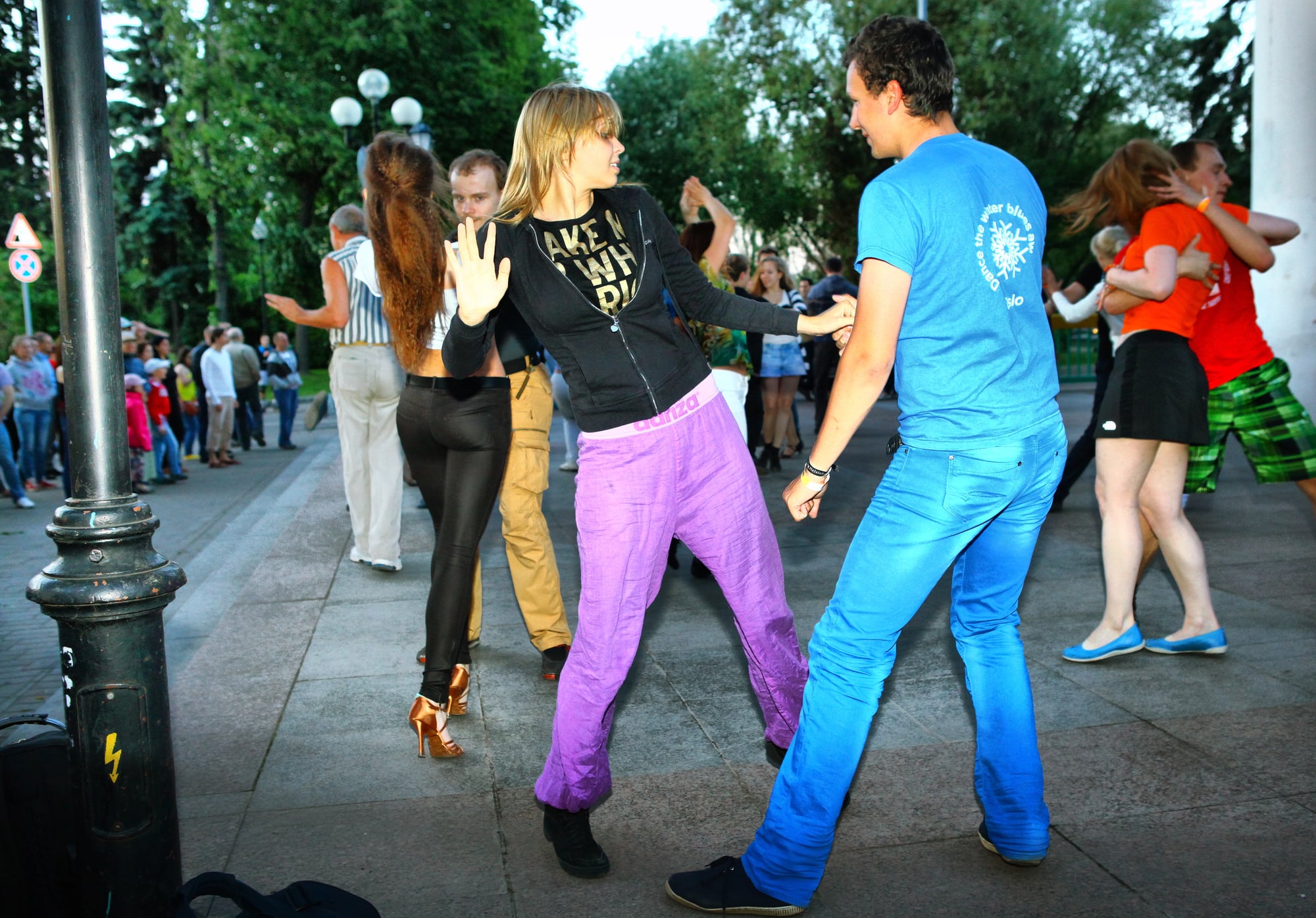
The Hustle turned partner dancing into a precision sport. No room for improvisation here. You learned the steps or you sat down.
The Bus Stop
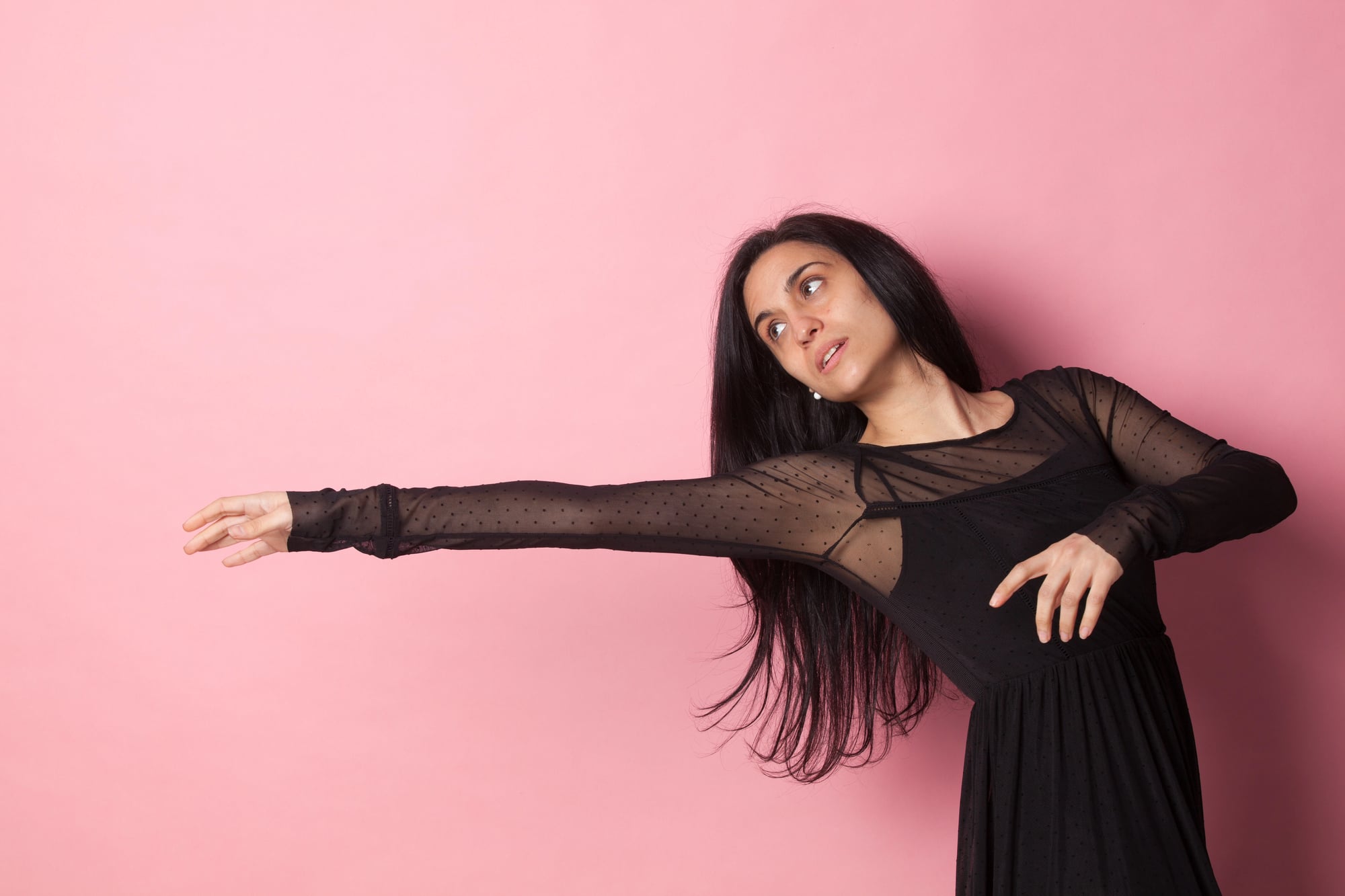
Picture this: you’re standing in what looks like the world’s most organized traffic jam, everyone facing forward in neat rows, and suddenly the entire crowd shifts left, steps back, pivots right, and kicks forward with mechanical precision (because that’s exactly what the Bus Stop demanded of you). The beauty — if you can call it that — wasn’t in the individual expression but in the collective surrender to a sequence so rigid it made military drills look spontaneous.
And yet there was something oddly liberating about knowing that if you could master those eight counts, you’d fit seamlessly into any dance floor from Detroit to Denver. So you practiced in your bedroom mirror until your feet could execute the pattern without consulting your brain, which was probably the point all along.
Saturday Night Fever Moves
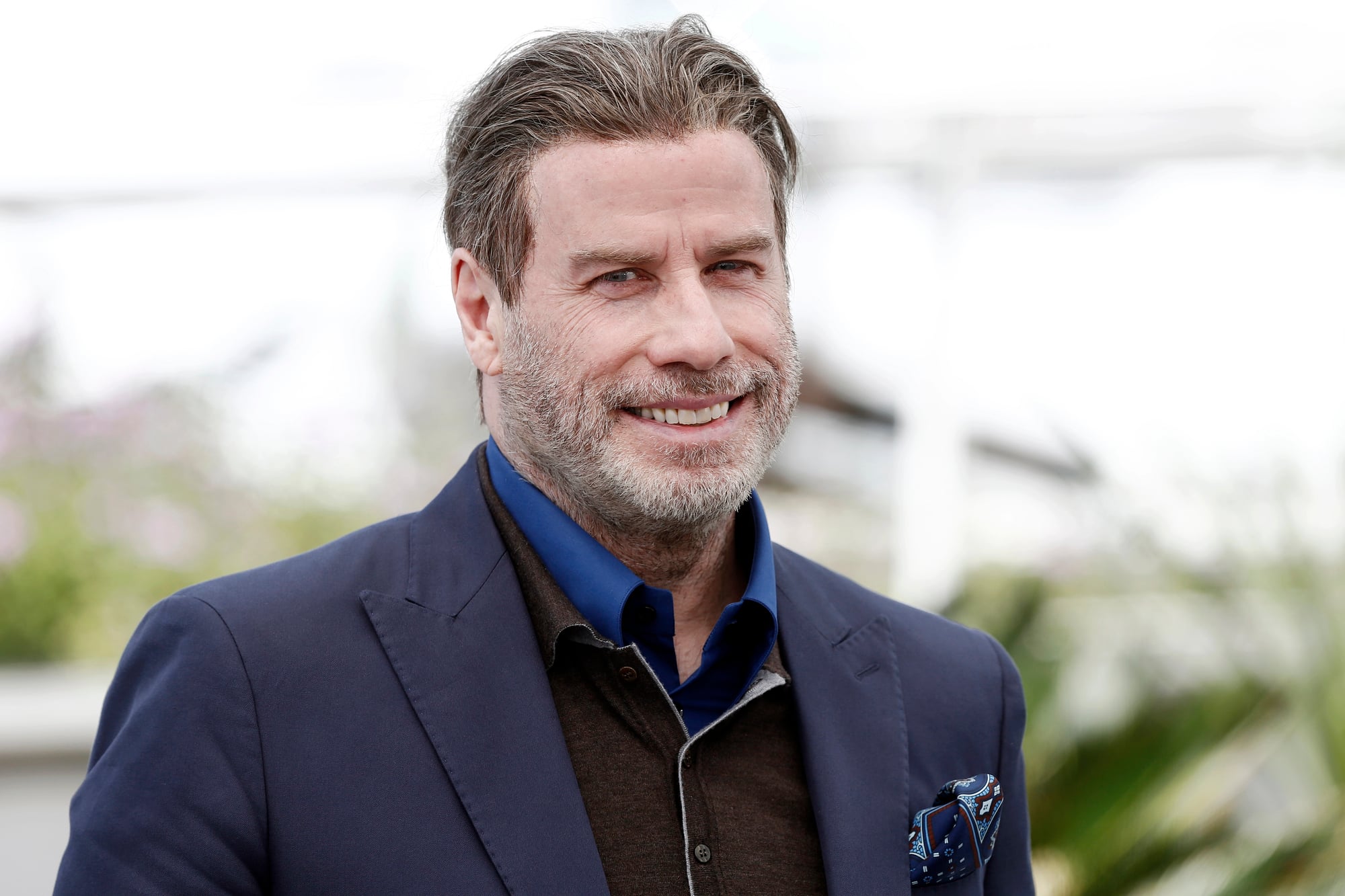
Saturday Night Fever didn’t just give America a movie. It provided a complete instruction manual for how cool was supposed to look.
The finger-pointing, the arm sweeps, the strutting — John Travolta turned dance moves into a language of confidence that every guy wanted to speak.
Electric Slide
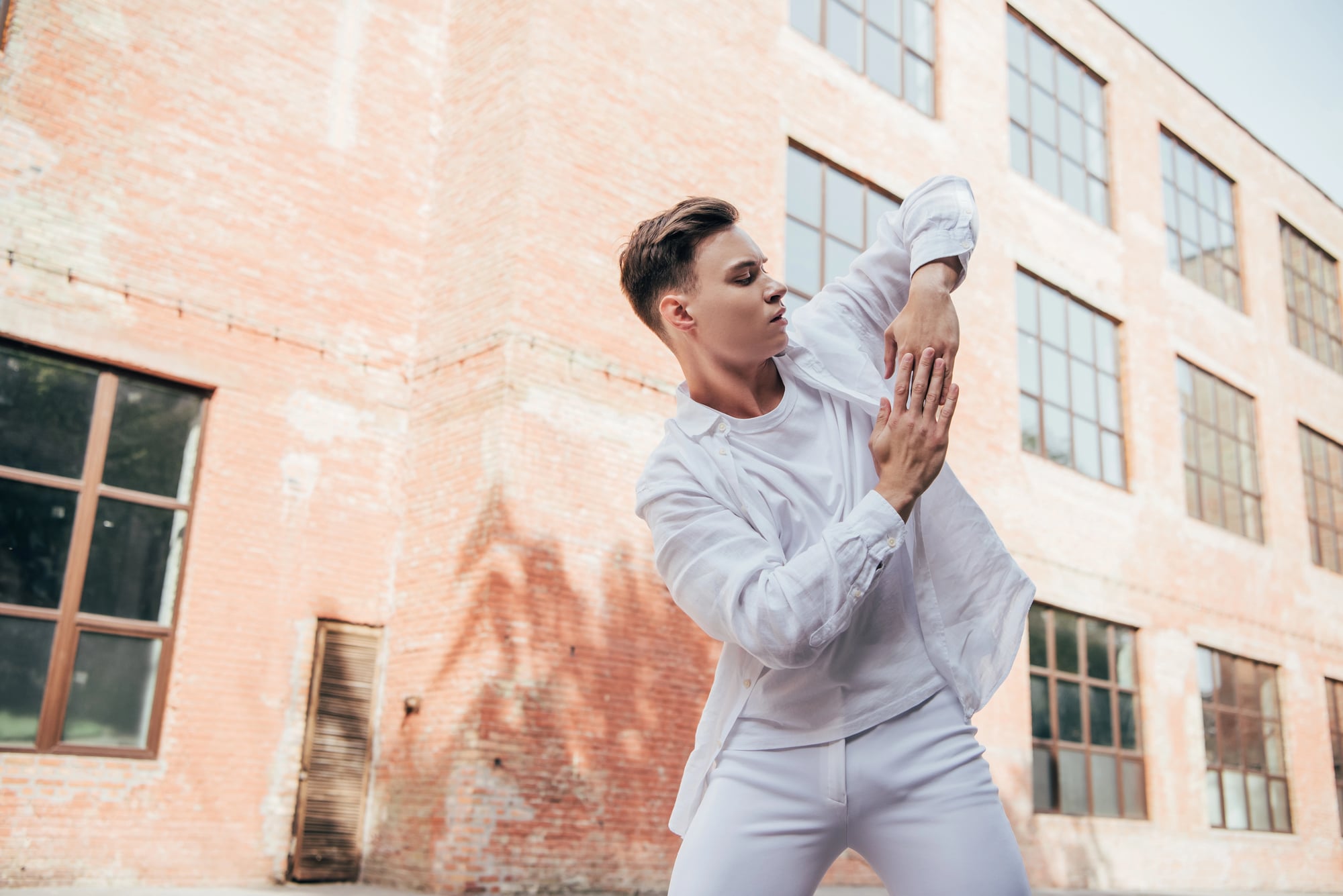
Electric Slide sits somewhere between a dance and a community ritual, the kind of thing that shows up at weddings three decades later because some collective memory refuses to let it die. There’s something stubborn about its simplicity — grapevine right, grapevine left, walk back, pivot — that makes complexity seem like showing off.
Which might explain why it outlasted flashier moves that demanded more athleticism or creativity. The dance doesn’t ask much of you.
Step to the side. Bring the other foot behind.
Don’t overthink it. This accessibility turned it into one of those rare crazes that actually lived up to the word “craze” — spreading across age groups and regions with the inevitability of a good rumor.
YMCA
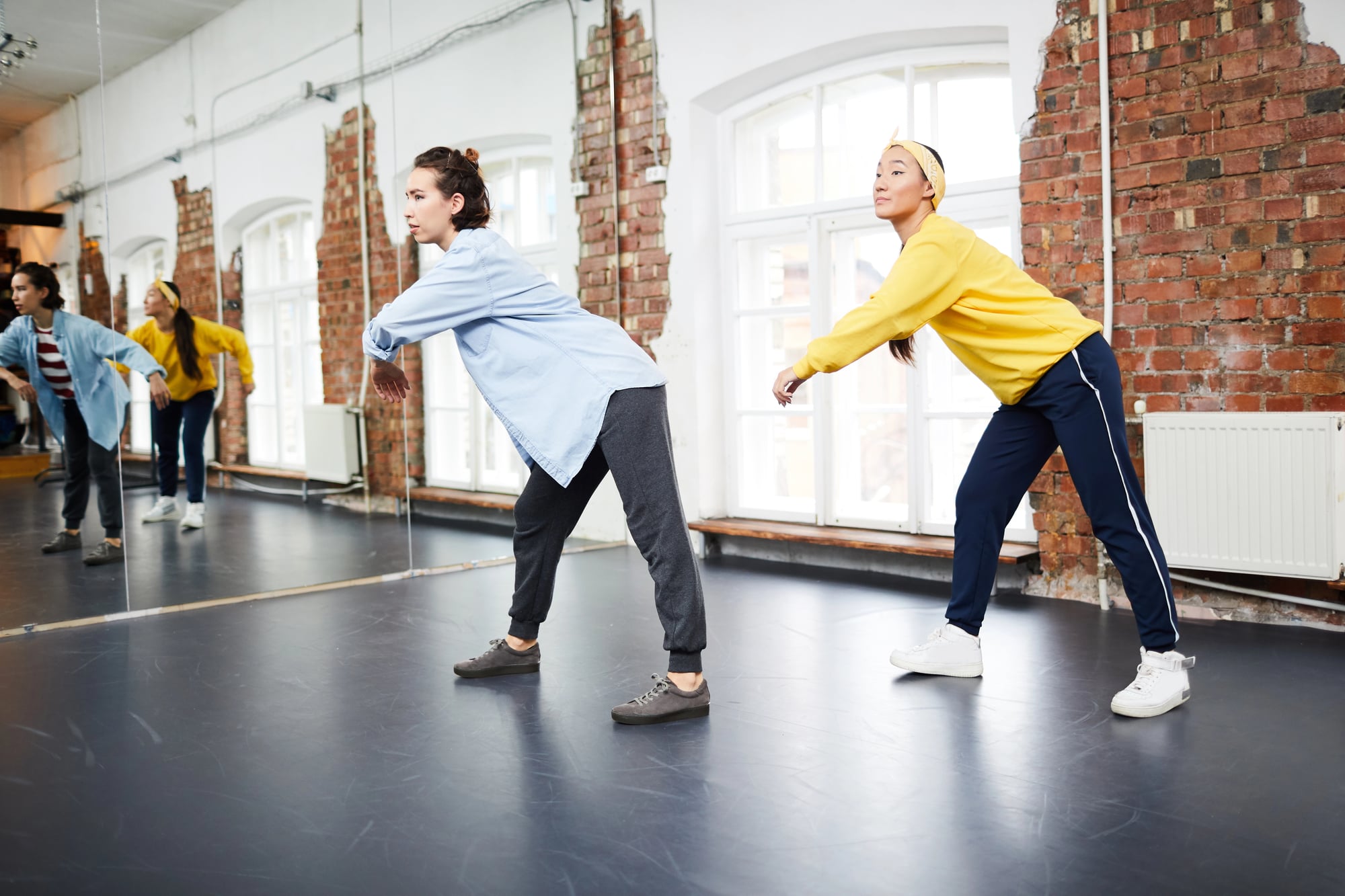
The YMCA dance committed the ultimate party foul — it made participation mandatory. No standing on the sidelines when those opening chords hit.
The genius was in the letters themselves. Four simple gestures that even the most rhythm-challenged could manage. Your arms did the work while your feet mostly stayed put.
Pure democratic dancing.
The Robot
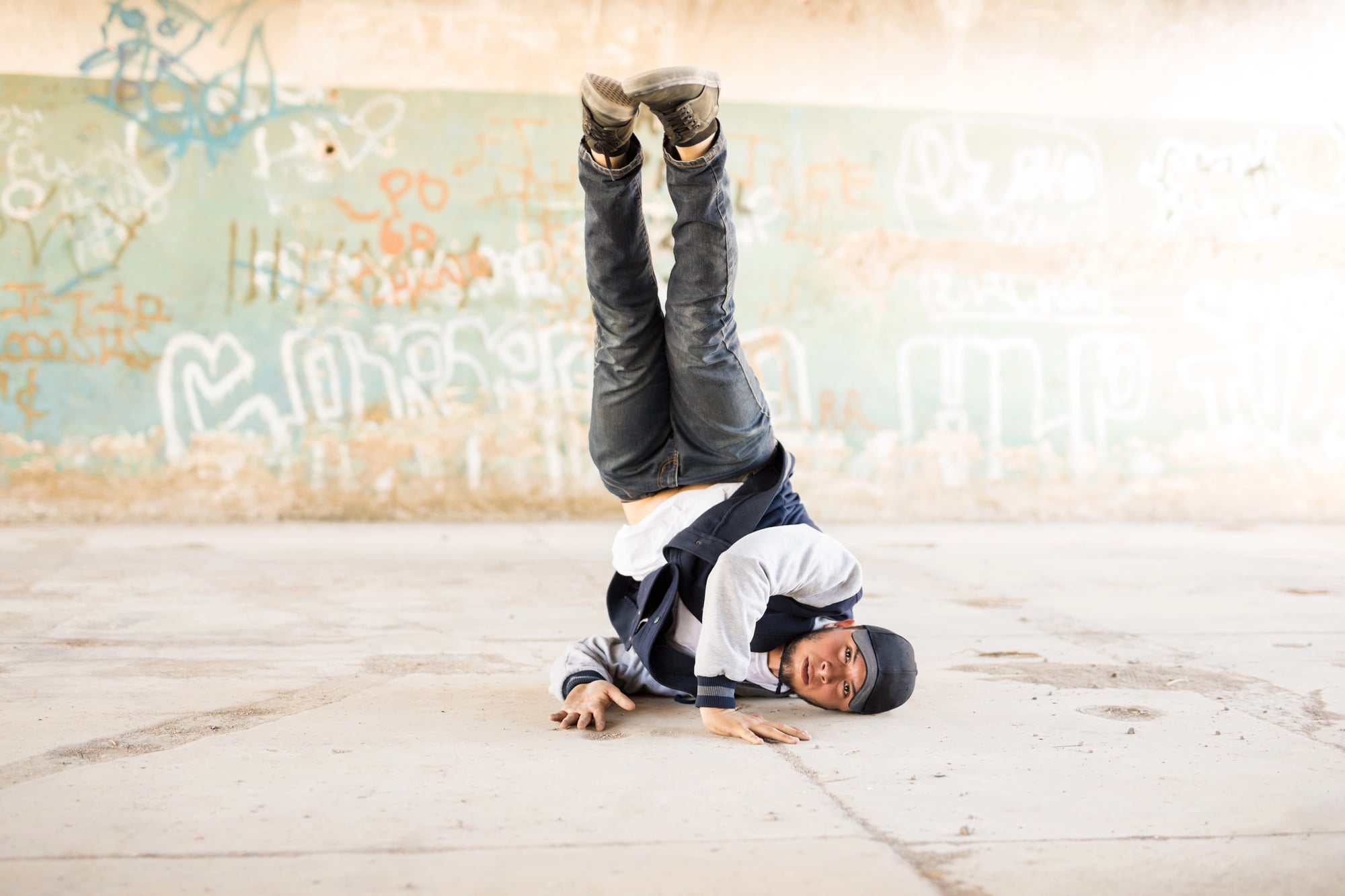
The Robot operated on reverse engineering: instead of making human movement more fluid, it made humans move like machines, all sharp angles and mechanical precision that required you to fight every natural impulse your body possessed (which was considerably harder than it looked from the sidelines). Watching someone nail the Robot felt like witnessing a small act of rebellion against biology — shoulders popping in isolated squares, arms moving in rigid right angles, the whole performance suggesting that human joints were just poorly designed robot parts.
And this was during an era when actual robots were still mostly science fiction, so the dance became a strange preview of a mechanical future that felt both fascinating and slightly unsettling. But you practiced it anyway because mastering the Robot meant you could transform yourself into something alien and futuristic right there on the dance floor.
The Freak
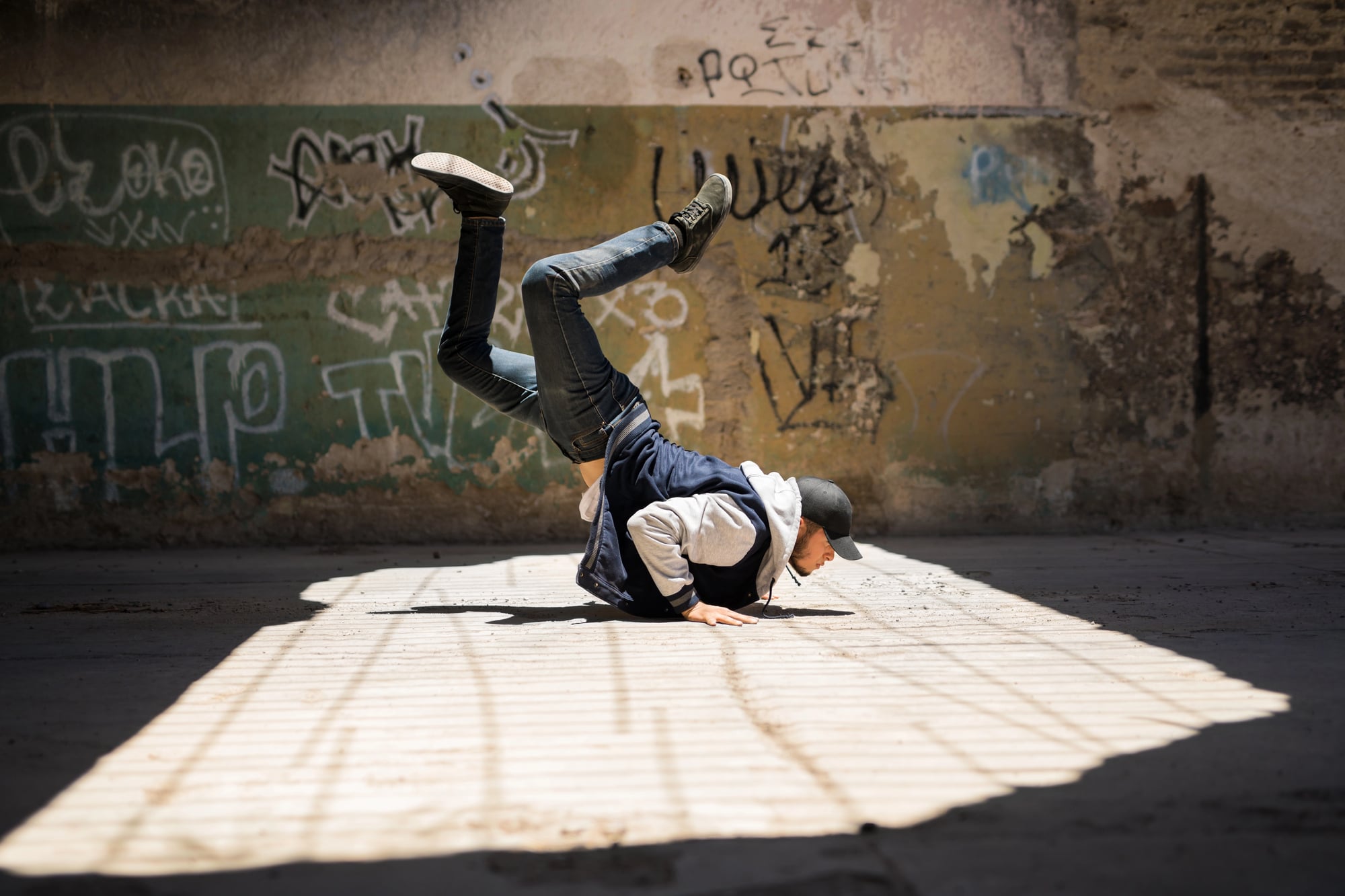
The Freak made no attempt to disguise what it was about. This wasn’t subtle suggestion wrapped in clever choreography.
The dance lived up to its name with moves that pushed boundaries and raised eyebrows. Conservative communities banned it. Teenagers perfected it in secret.
Popping And Locking
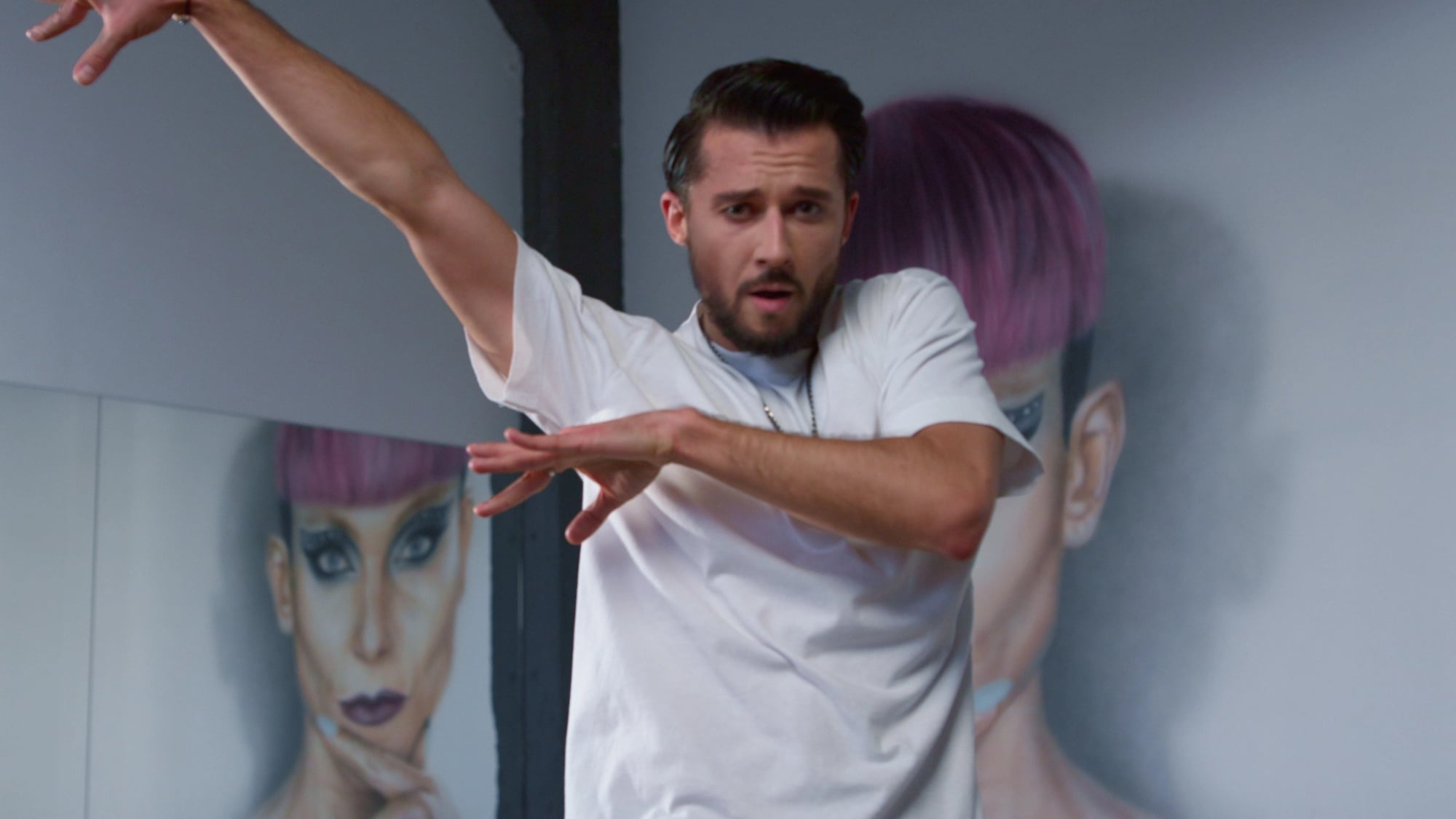
Popping and locking turned dance into a demonstration of muscular control that seemed to violate basic laws of physics. Dancers would glide smoothly across the floor, then suddenly freeze mid-motion as if someone had pressed pause on reality.
The contrast was jarring and mesmerizing. This wasn’t something you picked up casually at a weekend party.
Popping and locking demanded serious practice, the kind of dedication usually reserved for learning musical instruments. The payoff was worth it — mastering these moves meant you possessed something close to a superpower.
Breakdancing
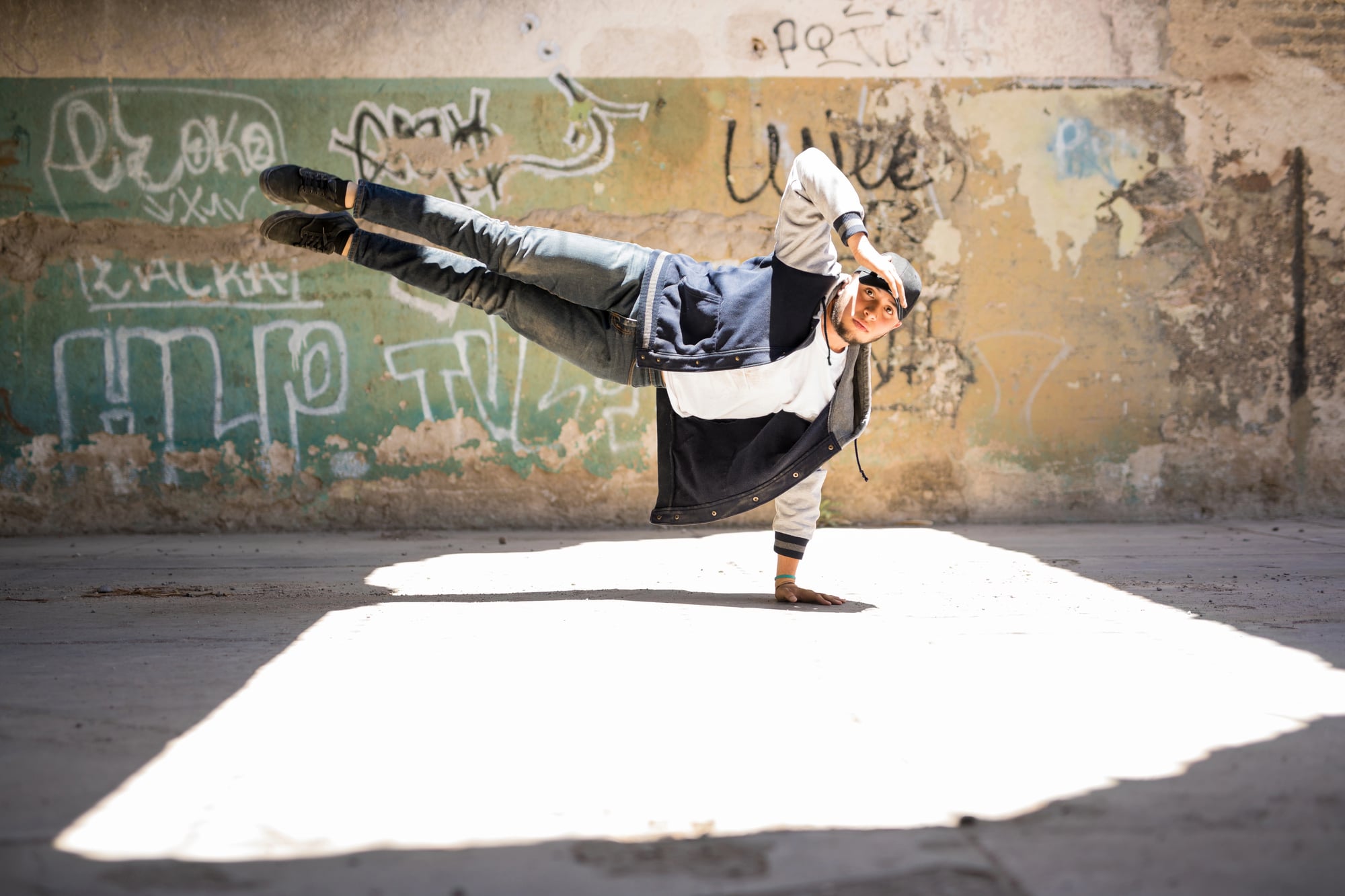
Breakdancing treated the floor like a partner and gravity like a suggestion, transforming urban sidewalks and community center linoleum into stages for athletic performances that belonged somewhere between dance competition and circus act (though calling it just “dancing” always felt like an understatement). The basic premise seemed straightforward enough — spin on your back, freeze in impossible positions, battle other dancers for respect — but watching someone windmill across concrete while maintaining perfect control revealed just how much strength and coordination the moves actually required.
And this was street culture claiming space in the most literal way possible: dancers would lay down cardboard and take over public areas, turning parks and subway stations into impromptu theaters. So when breakdancing hit mainstream television and movie screens, it carried with it not just impressive moves but the entire energy of a community that had been inventing its own entertainment with nothing but concrete and creativity.
The Moonwalk
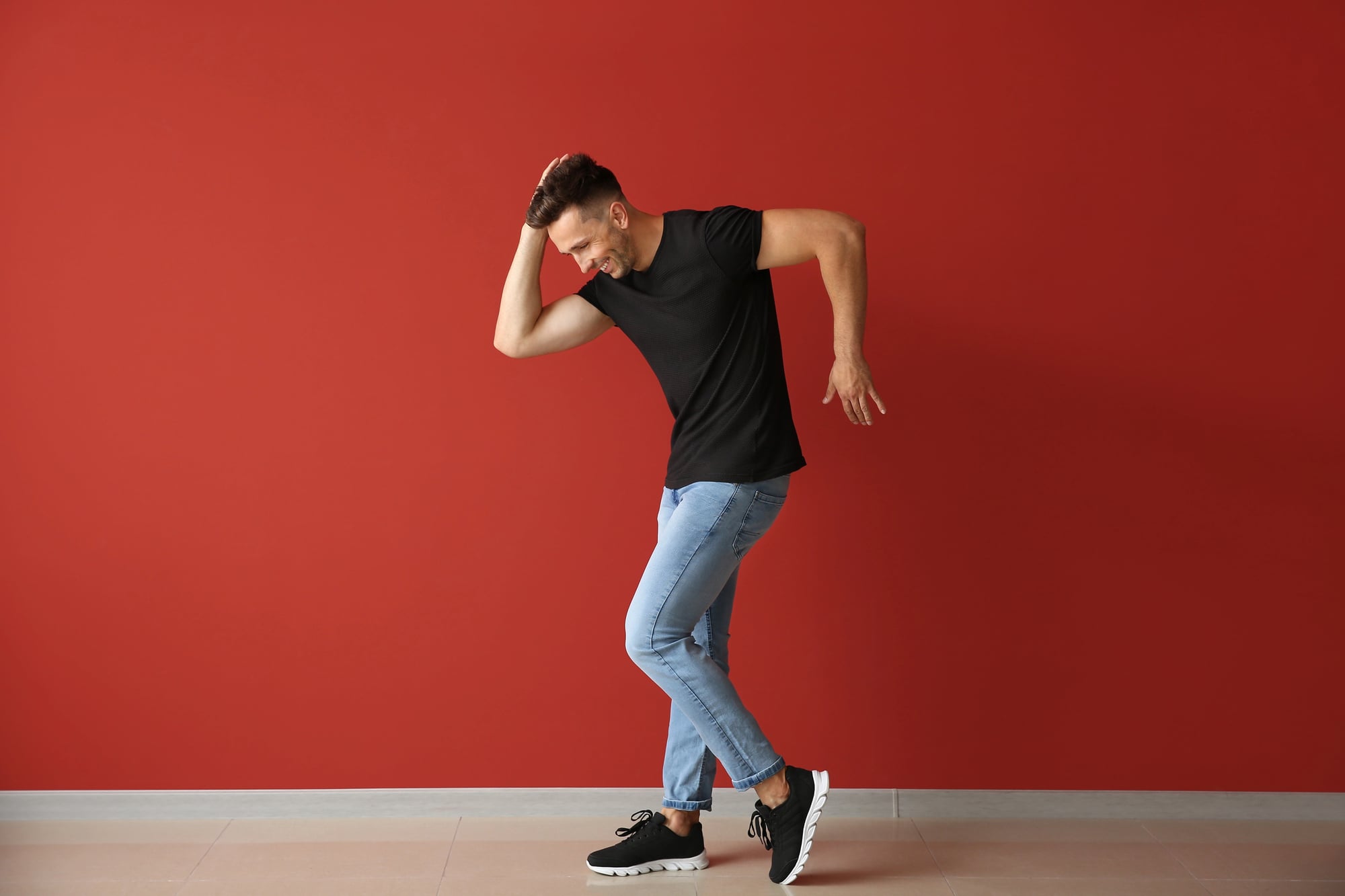
Michael Jackson didn’t invent the moonwalk, but he owned it completely. One performance on television and the move became his signature forever.
The illusion was perfect — gliding backwards while appearing to walk forward. Kids spent hours on kitchen linoleum trying to recreate that impossible smoothness.
Most failed spectacularly.
Cabbage Patch
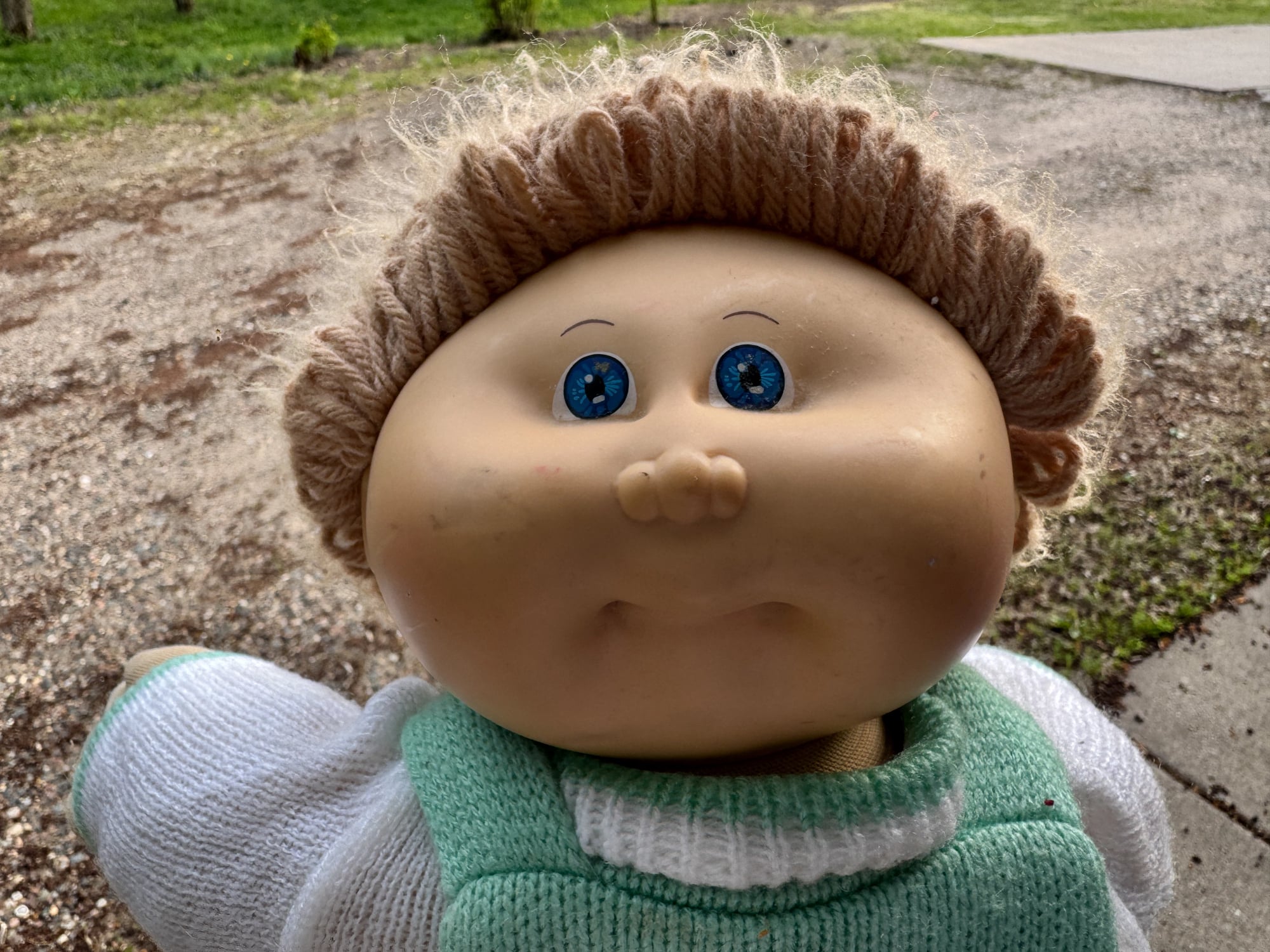
The Cabbage Patch dance borrowed its name from those weirdly popular dolls, but the resemblance ended there. This was all about the arms — pumping them in alternating circles while your body swayed side to side with the kind of loose confidence that suggested you were having the best time possible even if you looked slightly ridiculous.
The beauty of the Cabbage Patch was its complete lack of self-consciousness; it was impossible to overthink because the movement was so simple and repetitive that your brain could take a vacation while your arms did all the work.
What made it stick wasn’t technical difficulty or visual flash — it was the way the dance felt like a celebration of not caring how you looked. In an era of increasingly complicated choreography, the Cabbage Patch offered pure, uncomplicated fun.
Running Man

The Running Man created the illusion of sprinting while staying perfectly in place. Your legs moved like you were covering serious ground, but the floor beneath your feet told a different story.
The deception required precise timing — sliding one foot back while lifting the other, maintaining the rhythm without actually traveling anywhere. When done right, it looked effortless.
When done wrong, it looked like someone having a very specific kind of medical emergency.
Roger Rabbit
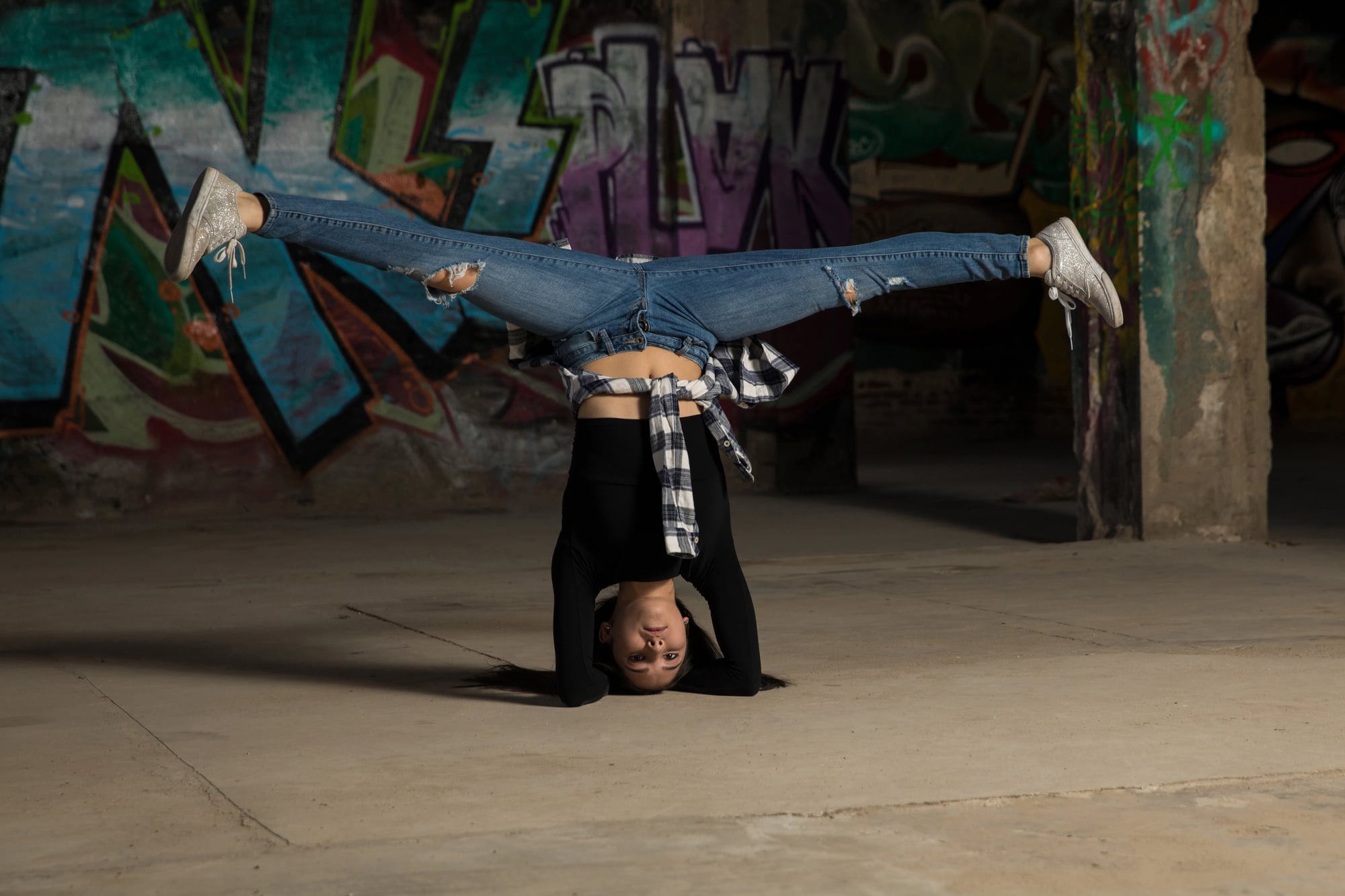
Roger Rabbit took cartoon logic and applied it to human movement, creating something that looked like someone had temporarily forgotten how joints were supposed to work. The dance required you to jerk and bounce with deliberate awkwardness, channeling the frenetic energy of its animated namesake.
This wasn’t about looking smooth or sophisticated. Roger Rabbit celebrated the art of controlled spasticity, turning clumsiness into choreography.
The Worm
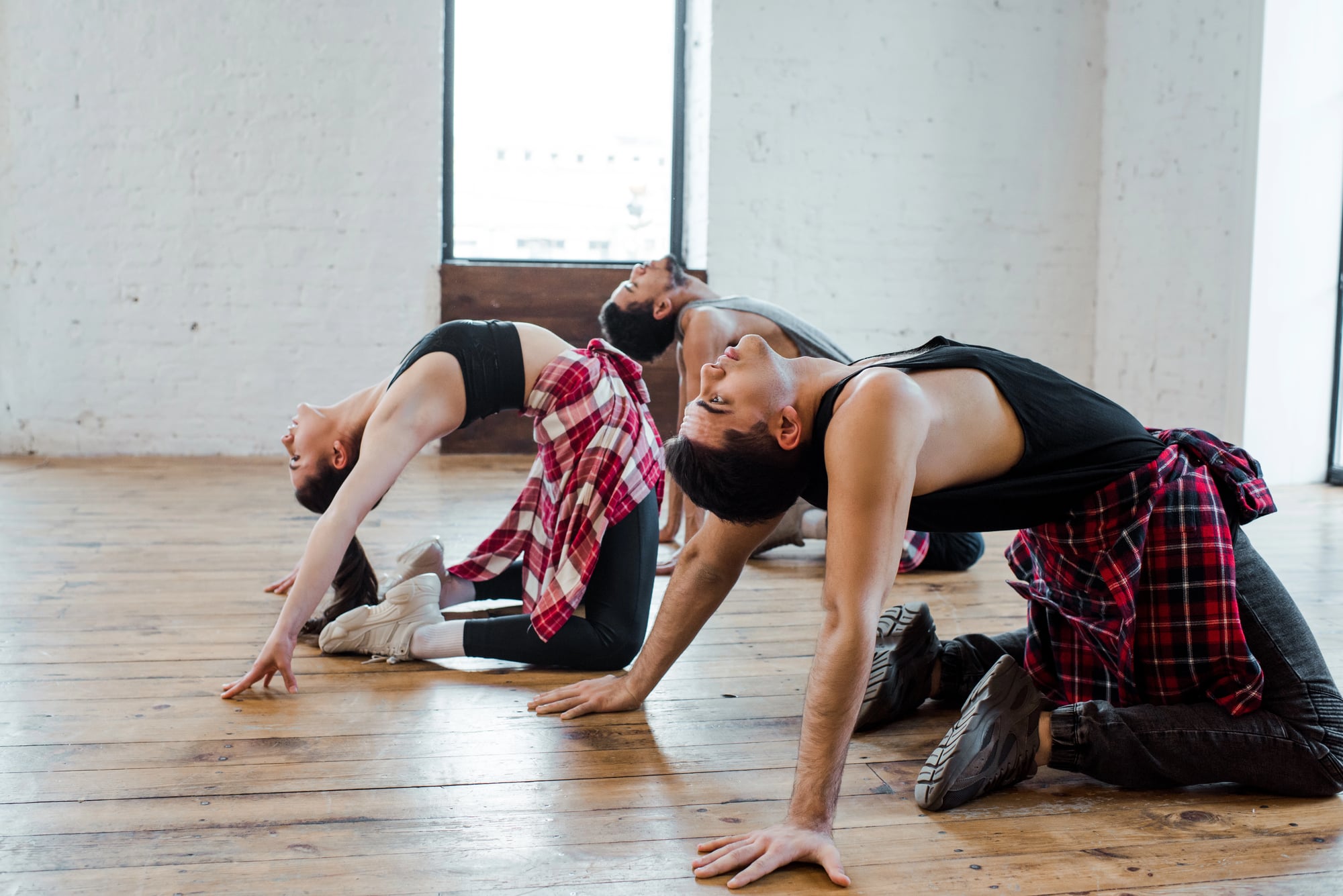
The Worm represented the ultimate commitment to a single movement. You started standing, dropped to the floor, and rippled your entire body in a wave from chest to legs.
There was no halfway with the Worm. You either fully committed to looking like a human wave or you stayed vertical.
Most people chose vertical. The brave few who mastered it owned every dance floor they touched.
When The Music Stopped
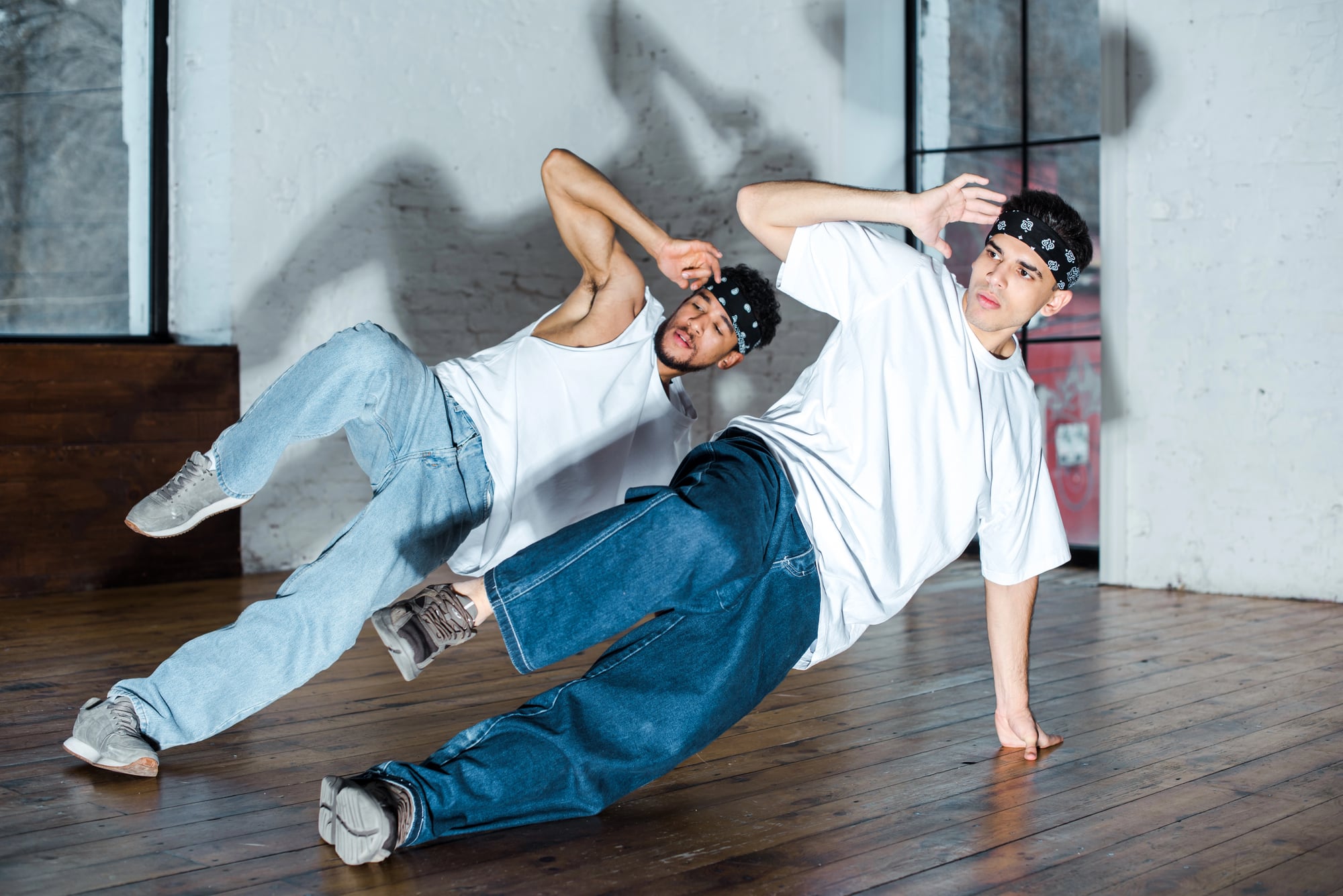
The dance crazes of the 70s and 80s didn’t fade gradually — they disappeared almost overnight, leaving behind a generation with muscle memory for moves that no longer had soundtrack. But walk into any wedding reception today and watch what happens when the DJ drops “YMCA” or “Electric Slide.”
Those perfectly synchronized arm movements and collective pivot turns prove that some kinds of cultural muscle memory never fully disappear. They just wait patiently for the right four-count to bring them back to life.
More from Go2Tutors!

- The Romanov Crown Jewels and Their Tragic Fate
- 13 Historical Mysteries That Science Still Can’t Solve
- Famous Hoaxes That Fooled the World for Years
- 15 Child Stars with Tragic Adult Lives
- 16 Famous Jewelry Pieces in History
Like Go2Tutors’s content? Follow us on MSN.