23 Bubble Bath and Shampoo Brands From Childhood
Somewhere in a cabinet under a bathroom sink, a bottle with a cartoon face once waited for Saturday night. Bath time had its own cast of characters, its own scents, and its own rules about how much foam was too much.
The products below lined the tubs and shower caddies of American homes from the 1950s through the 1990s. Some are gone, some changed hands several times, and a few are still on shelves looking almost exactly as remembered.
Mr. Bubble
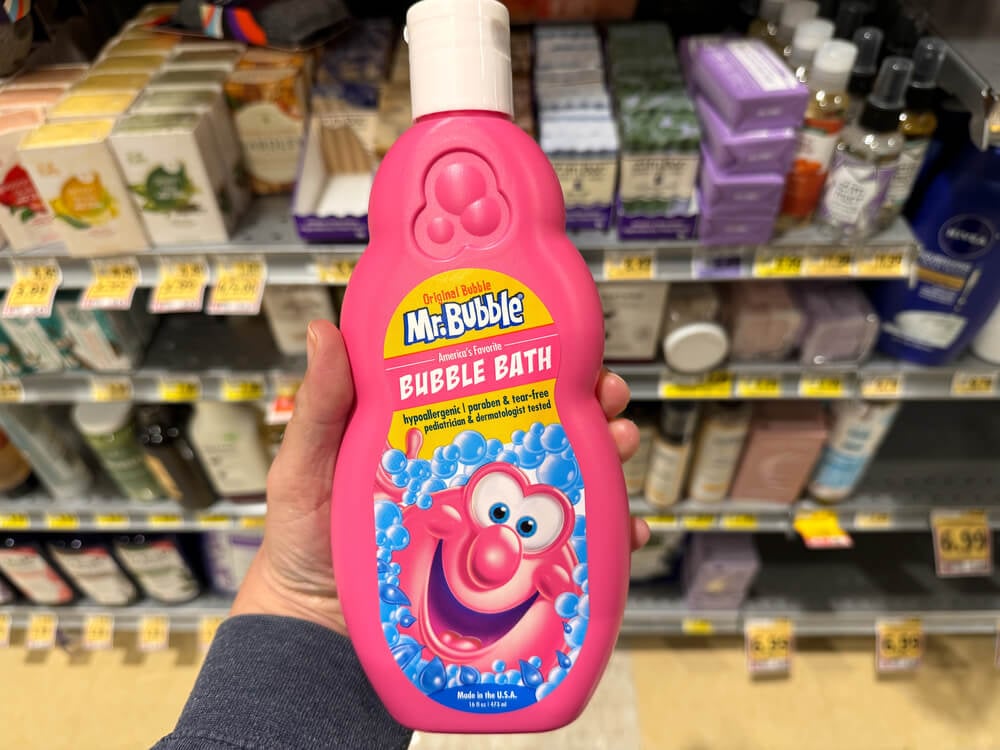
Mr. Bubble debuted in 1961 and became the pink, foam-heavy standard against which other bubble baths were measured. The brand has a cartoon mascot of the same name, a cheerful bubble-bearded figure that gave kids a face to associate with scrubbing up. In 2021 the brand marked its 60th anniversary with a limited edition release.
Few bath products can claim to have outlasted so many bath-time trends without abandoning the original idea.
Soaky
Soaky was Colgate-Palmolive’s answer to the problem of getting children into the tub, and its solution was the container itself. The bottles were molded into cartoon and storybook characters, including the Chipmunks and Pinocchio, with a head that twisted off to dispense the bubble bath.
Kids kept the empty figures long after the soap ran out, which is why vintage Soaky bottles now circulate among collectors. As with any collectible, price depends heavily on condition, with intact paint and original caps commanding the most.
Johnson’s Baby Shampoo
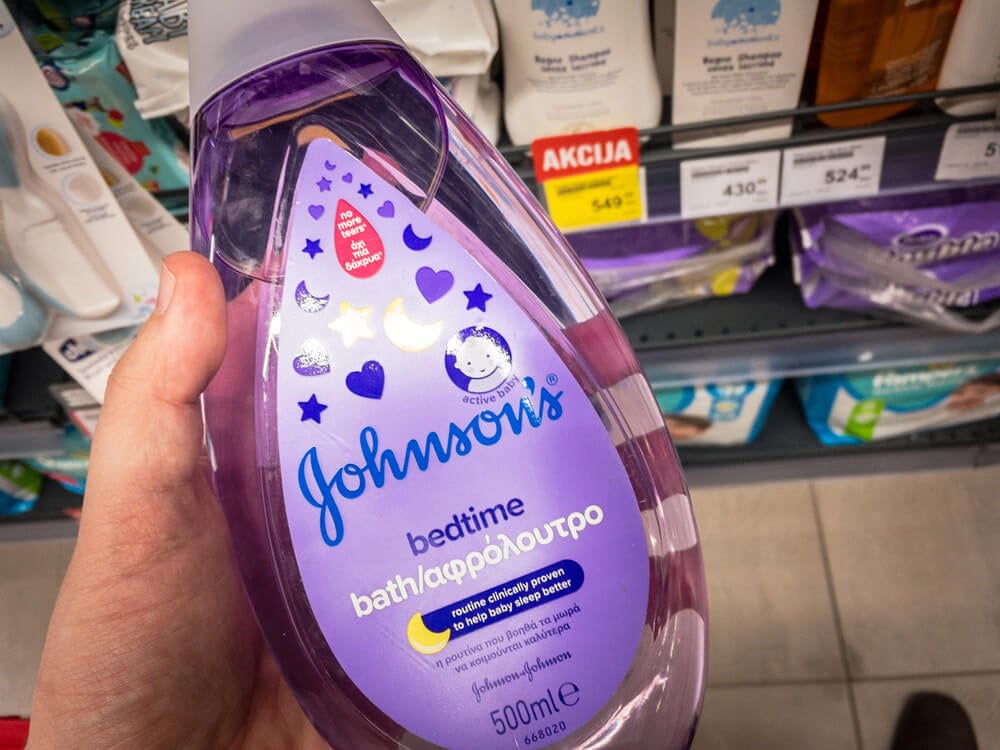
Johnson’s Baby Shampoo arrived in 1953 from Johnson & Johnson, a company founded in 1886 in New Brunswick, New Jersey. Its gentle formula and the promise of no more tears turned a simple bottle into a fixture of nurseries and kitchen-sink hair washes.
The pale yellow liquid became so familiar that many adults can still summon its scent on demand. Generations of children were rinsed with it, often while protesting loudly regardless of the marketing.
Prell
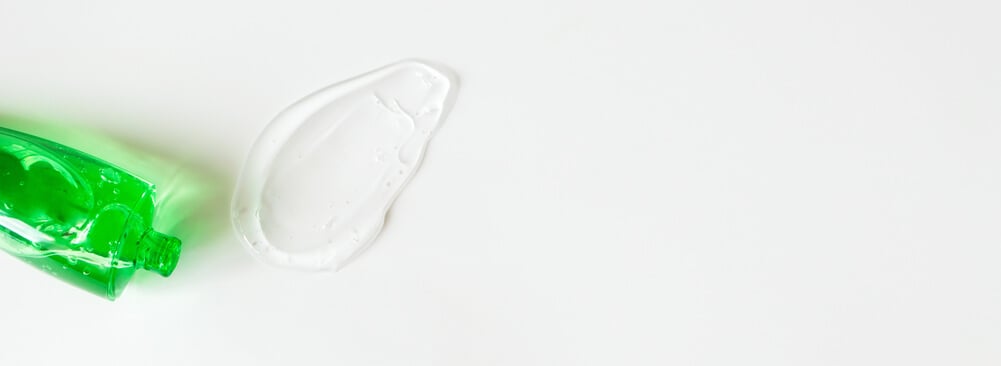
Prell was introduced by Procter & Gamble in 1947 and was sold in a distinctive tube long before squeeze bottles took over. The thick, translucent green liquid was famously shown in advertisements with a pearl dropped into it, a visual shorthand for richness.
A Prell bottle now sits in the collection of the Smithsonian. The brand later passed from Procter & Gamble to Scott’s Liquid Gold.
Herbal Essences
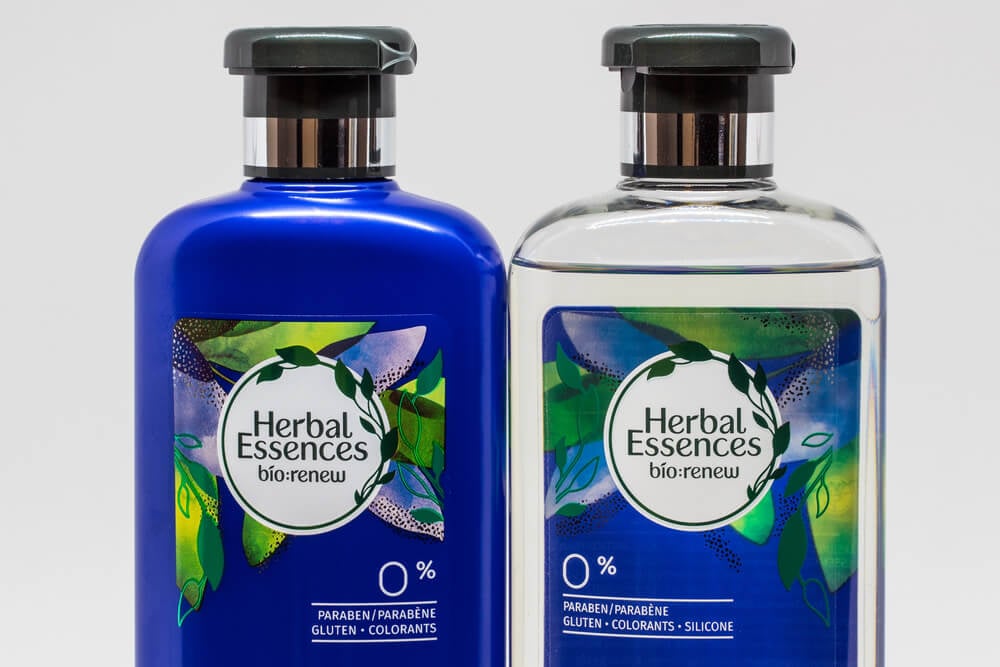
Herbal Essences originated at Clairol in 1971 and sold a botanical image at a time when most shampoos promised mainly cleanliness. The original line was known for its earthy, natural presentation and a scent that people still describe from memory.
It was revived in the 1990s with brighter bottles and a new look, which introduced the name to a second generation of shower users. Procter & Gamble eventually became the brand’s owner after acquiring Clairol.
Gee Your Hair Smells Terrific
Few shampoos have a name as impossible to forget as Gee Your Hair Smells Terrific. The product was marketed by the Andrew Jergens Company, and its television campaign in the mid-1970s turned the title into a spoken catchphrase.
The name did the entire job of an advertisement, because it was simply a compliment bottled and sold. Children of the era repeated it on playgrounds whether or not their own families bought the product.
Breck
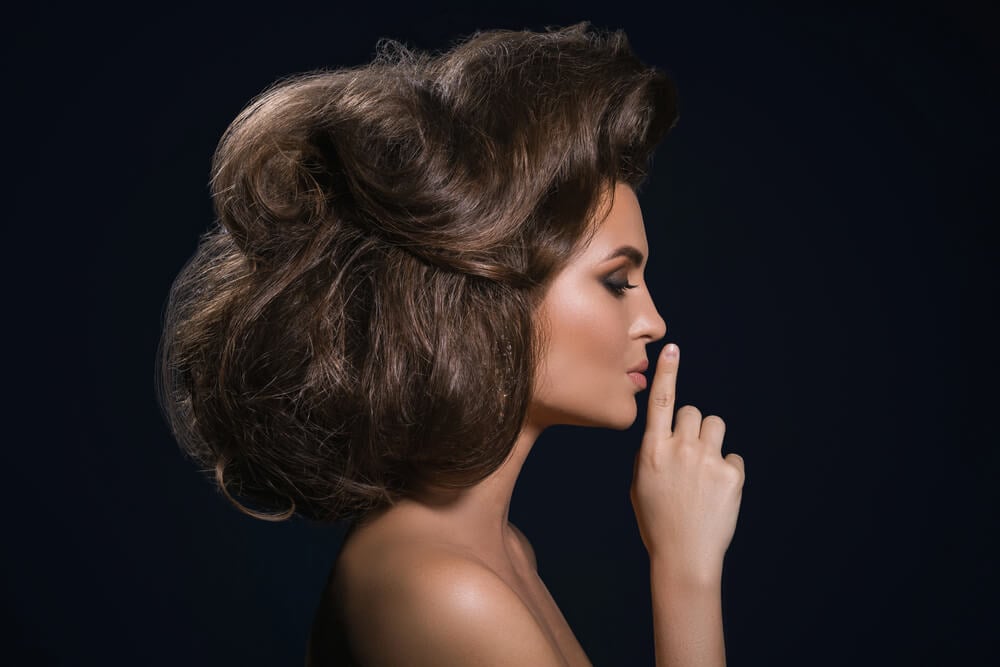
Breck dates to 1908, when John H. Breck began selling shampoo in Springfield, Massachusetts. The brand became best known for the Breck Girl, a series of soft pastel portraits of young women that began in the 1930s and ran for decades.
The paintings made the shampoo feel like a household institution rather than a product. A Breck bottle on the bathroom shelf signaled a certain kind of mid-century respectability.
Calgon
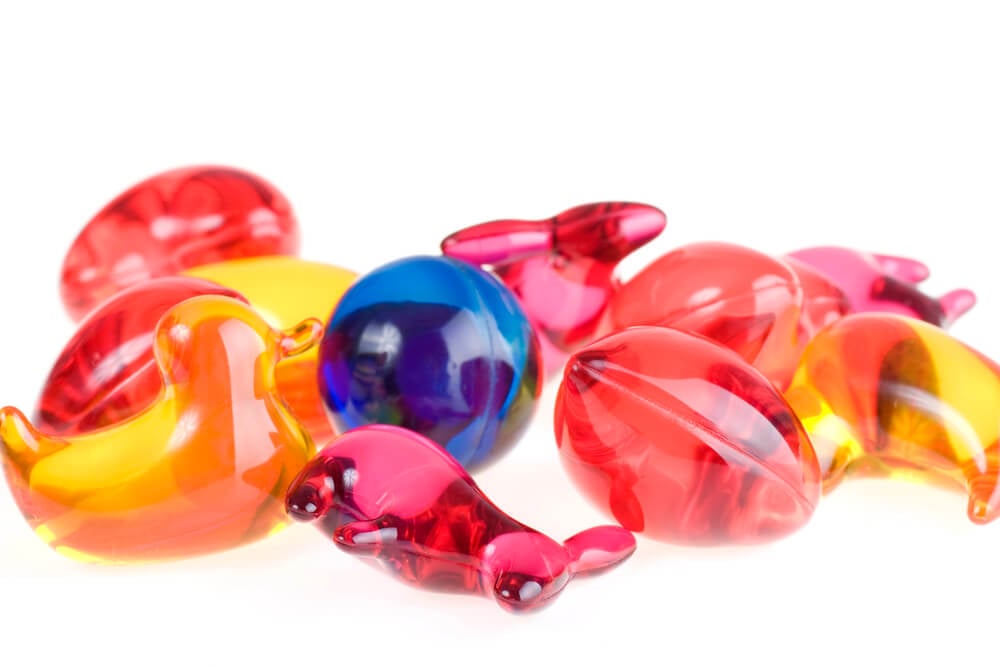
Calgon began life as a water softener, and its name is generally understood as a blend of calcium and gone. The company later repositioned itself in the bath aisle with bath beads and perfumed products marketed as an escape from daily chaos.
Its escape-themed slogan became a cultural shorthand for a harried parent longing for a hot bath. Bath beads were tiny, oily, scented spheres that dissolved slowly, and they filled many grandmothers’ tubs.
Suave
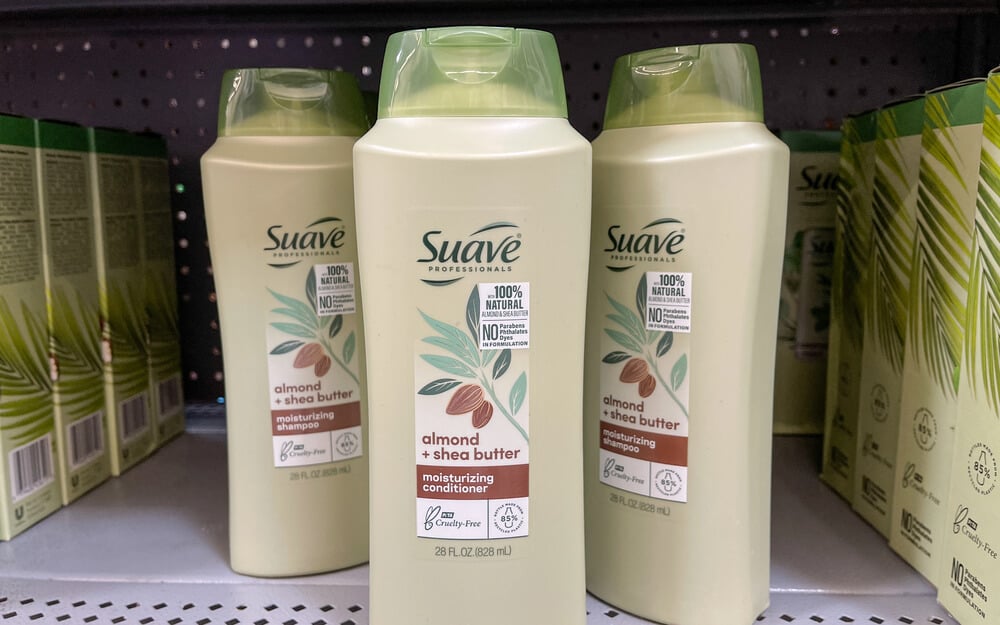
Suave was launched in 1937 by Helene Curtis as a hair dressing before expanding into shampoos and conditioners. It eventually became synonymous with affordable hair care, the bottle a family would buy when budgets were tight.
Many childhoods smelled like Suave simply because it was inexpensive and available in every drugstore. Unilever now owns the brand, which remains a staple of low-priced aisles.
Alberto VO5
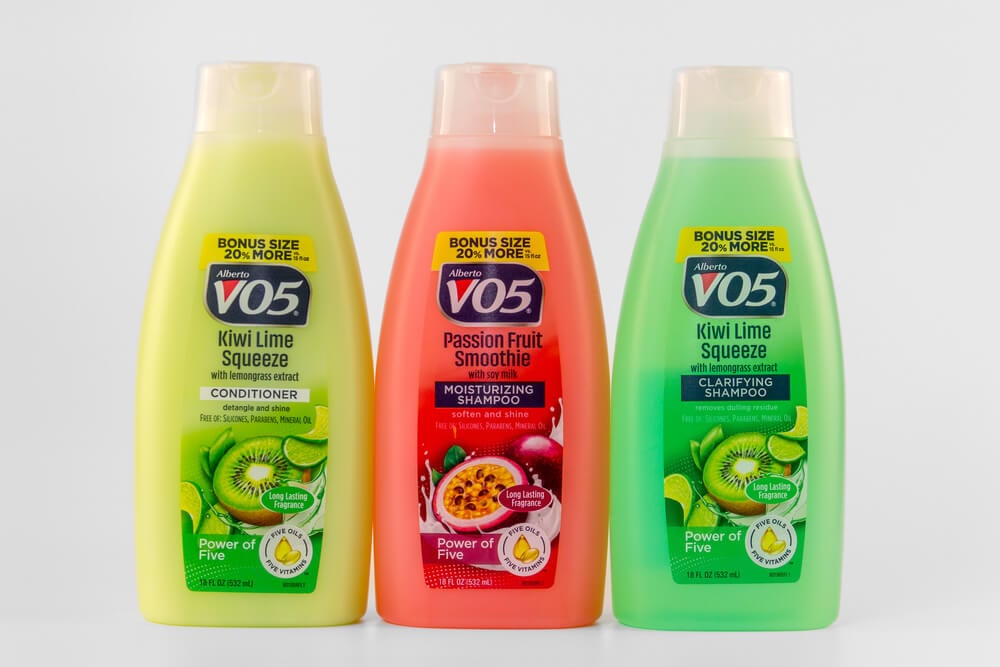
Alberto VO5 came from Alberto-Culver, the company led by Leonard Lavin, and is known for its name built around five vital oils. The brand covered conditioners, hairdressing, and shampoos aimed at ordinary households rather than salon clients.
Its bottles were a common sight in family bathrooms because the products were widely stocked and modestly priced. The name sounds almost like a chemistry formula, which probably appealed to buyers who wanted an effective-sounding product.
Vidal Sassoon
Vidal Sassoon built his reputation as a London hairstylist before attaching his name to a line of hair products sold in the United States. The Wash and Go formula, a combined shampoo and conditioner, arrived in 1980 and spoke to people who wanted fewer steps in the shower.
Procter & Gamble later took over the brand. A salon name appearing on a drugstore shelf felt like a small bit of glamour that anyone could take home.
Head & Shoulders
Head & Shoulders debuted in 1961 from Procter & Gamble and targeted dandruff at a time when flakes were a social embarrassment. Its active ingredient was zinc pyrithione, which gave the shampoo a medicated purpose beyond cleaning.
The distinctive white-and-blue branding made it easy to spot among the bottles in a shower. For many families, it was the shampoo a parent used and a child eyed with suspicion.
Pert
Pert was a Procter & Gamble shampoo, and the Pert Plus version in the early 1980s combined shampoo and conditioner in a single bottle. The two-in-one concept promised to cut a step from the routine, which appealed to busy parents and teenagers alike.
Many kids grew up with the bottle in the corner of a tub because it handled multiple needs at once. It was a sign of an era increasingly focused on convenience in everyday grooming.
Pantene
Pantene has Swiss origins that trace to 1945 and a formula built around provitamin B5. Procter & Gamble introduced Pantene Pro-V to American shoppers in 1992, and the brand quickly became a major presence in the shampoo aisle.
Its clear, sleek bottle looked more expensive than the pastel plastic of earlier decades. For teenagers of the 1990s, Pantene was a first brush with grown-up hair care.
Timotei
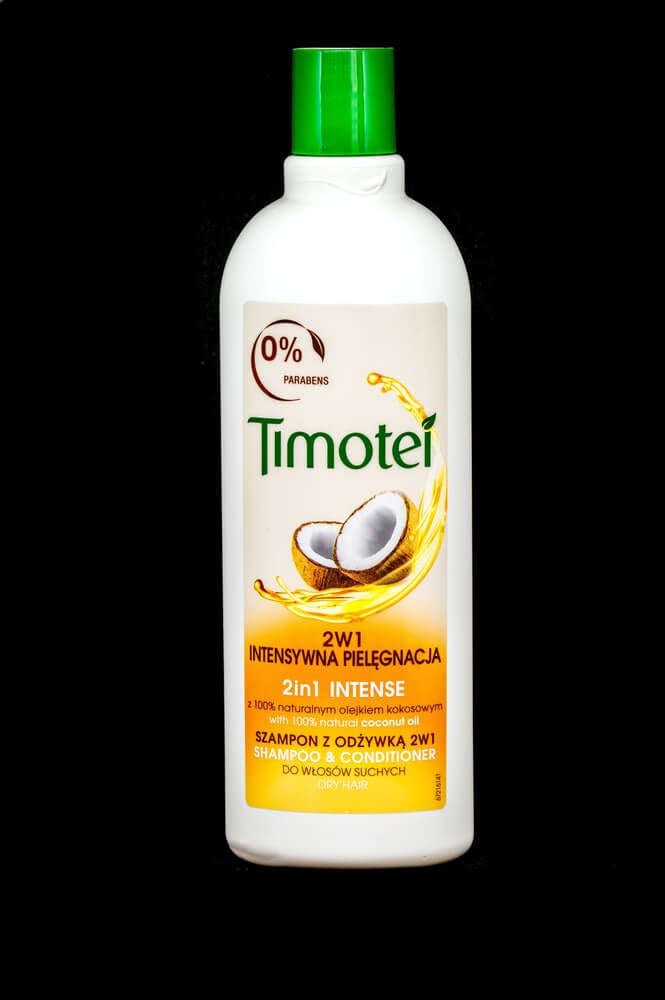
Timotei is a Scandinavian brand named for timothy grass, and it was marketed around a gentle, natural image. The shampoo came to the United States in the 1980s with advertising centered on a long-haired blonde in an outdoor setting.
Unilever owned the brand, which sold well in Europe as well. American shoppers saw the label as a hint of a faraway meadow in an ordinary drugstore aisle.
Neutrogena
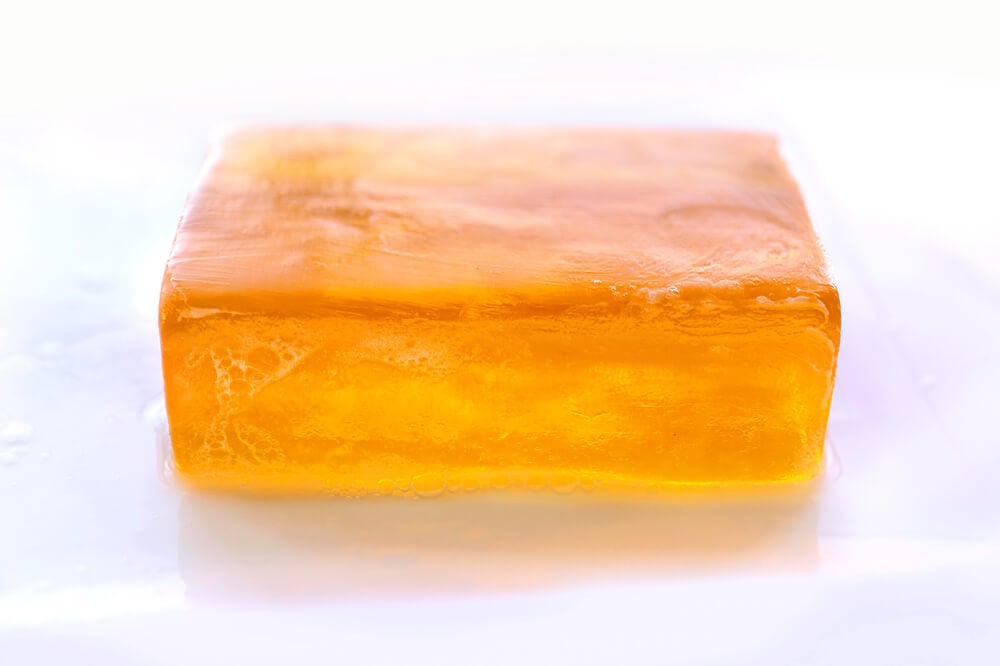
Neutrogena was founded in 1930 by Emanuel Stolaroff and became known for a transparent amber soap bar that looked unlike anything else in the soap dish. The brand later expanded into shampoos and skin care, helped by a reputation for gentleness and dermatologist recommendations.
Johnson & Johnson acquired it in 1994. A glowing bar that you could nearly see through felt like a small piece of science sitting on the sink.
Selsun Blue
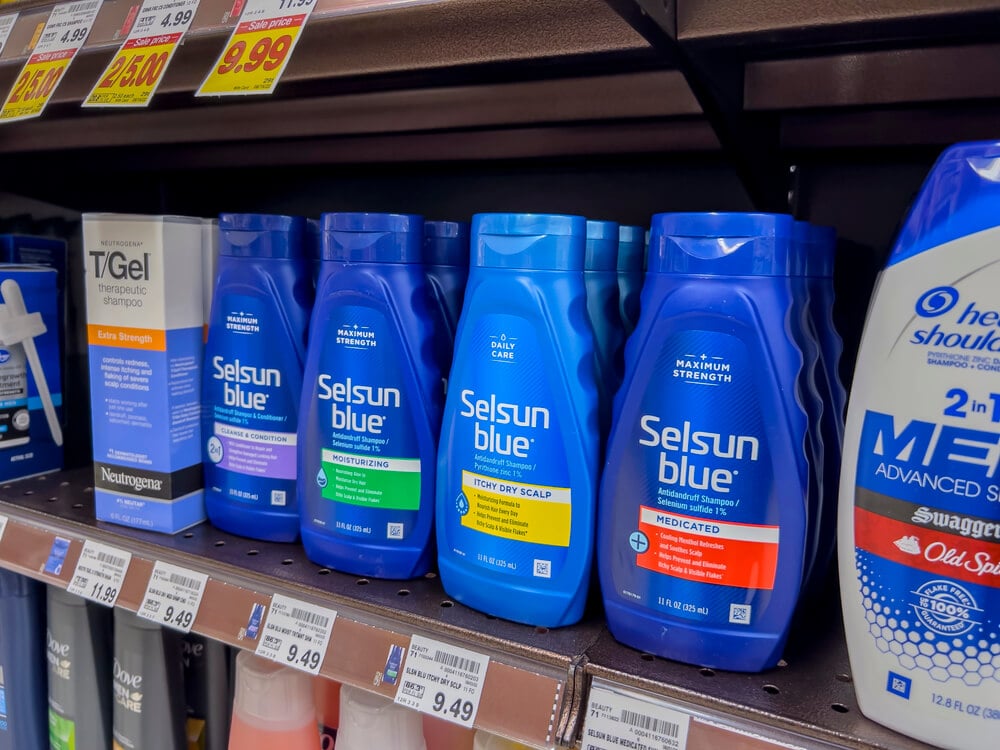
Selsun Blue is a dandruff shampoo that used selenium sulfide as its active ingredient and was long associated with Abbott Laboratories. Its bright blue color and medicinal smell made it unmistakable in a bathroom cabinet.
Children rarely chose it, but they remembered it because the scent lingered in the shower. The brand became a household name for anyone dealing with an itchy scalp.
Ivory
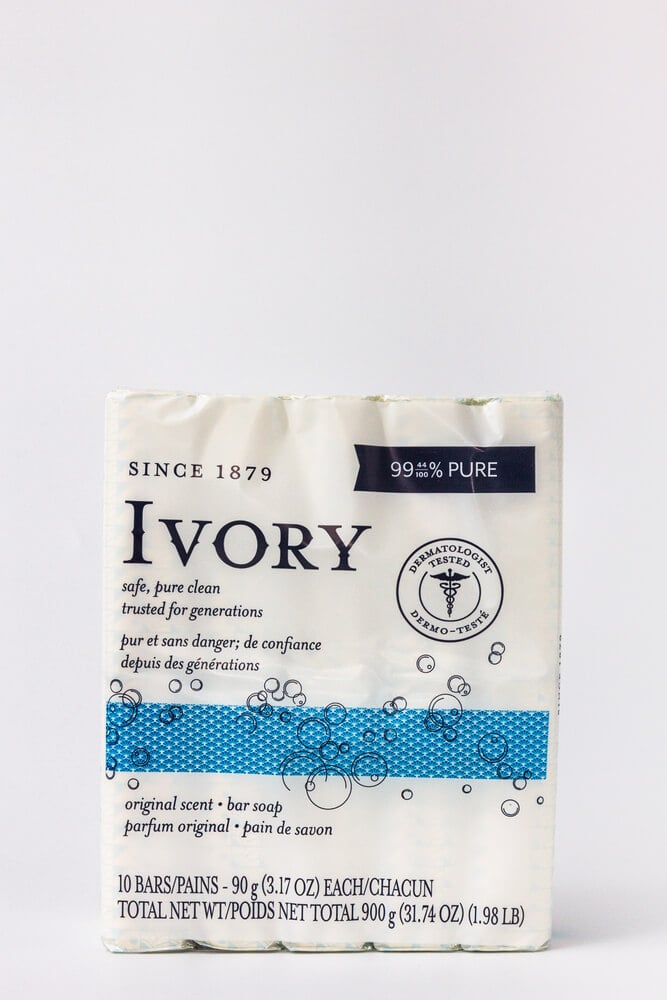
Ivory soap was launched by Procter & Gamble in 1879, making it one of the oldest names in this entire list. The bar became famous for floating, a quirk that followed from air being whipped into the soap during manufacturing.
That floating bar was a bath-time toy as much as a cleaning tool, bobbing in the water beside plastic ducks. Few grooming products have remained so recognizable for well over a century.
Dial
Dial was introduced in 1948 by Armour and Company of Chicago as a deodorant soap, a category that barely existed before then. Its gold-wrapped bars carried a sharp, clean scent that many people still identify instantly.
Television ads of the 1950s and 1960s made it one of the most heavily advertised soaps in the country. A Dial bar in the shower meant the bathroom smelled like a freshly mopped hallway.
Zest
Zest was introduced by Procter & Gamble in 1952 as a bar soap with a distinctive promise of a fresh, rinsing lather. Its name and bright blue-and-green packaging were meant to feel energetic.
Families bought it for the clean sensation it left, with less of the filmy residue other soaps could leave. It earned its place on bath shelves through consistent ads and a bright, memorable image.
Irish Spring
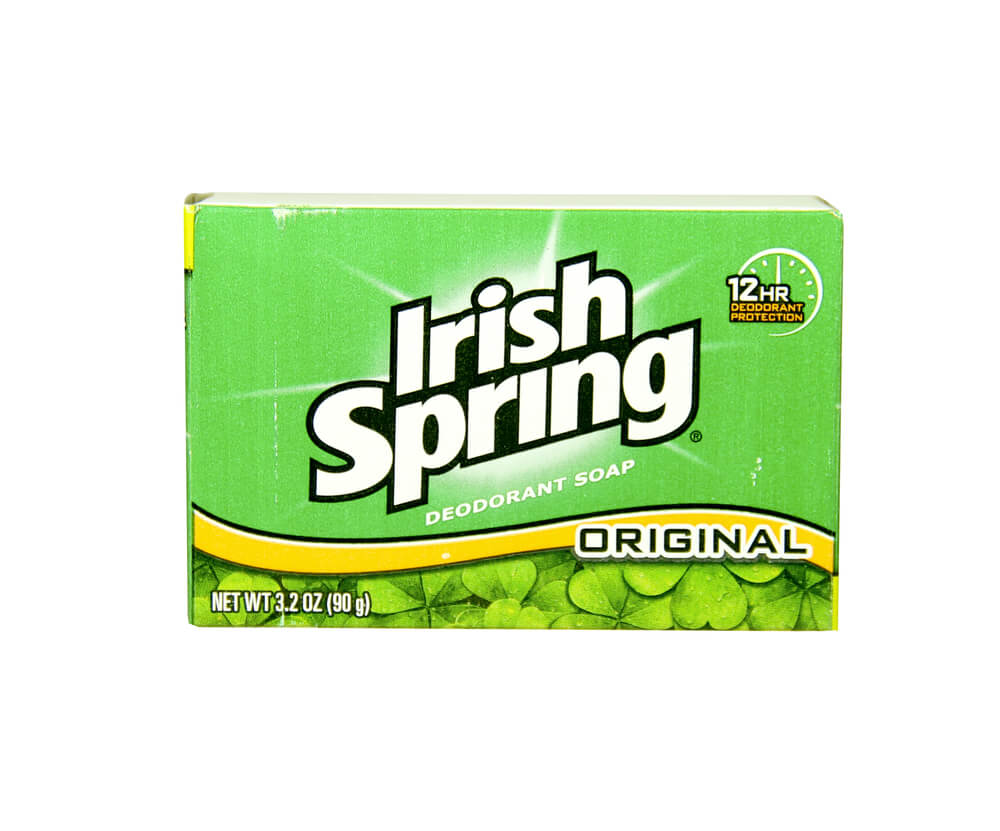
Irish Spring arrived in 1972 from Colgate-Palmolive with green-and-white striped bars and a bracing scent. Its advertising leaned on an outdoorsy, Irish-themed image that suggested mountains, mist, and clean air.
The strong fragrance carried through the entire bathroom, and plenty of people can still smell the bar on command. The stripe pattern made it easy to pick out even in a crowded soap dish.
Strawberry Shortcake
Strawberry Shortcake was created for American Greetings by Muriel Fahrion in the late 1970s, and the Kenner doll line of 1980 was scented to match its fruity theme. That sweet-smelling approach spread to bath products, including bubble bath that carried the character and her berry-themed friends.
Bath time became part of a larger world of dolls, cartoons, and sticker sets. The fragrance of artificial strawberry remains one of the strongest scent memories for children of the early 1980s.
Brylcreem
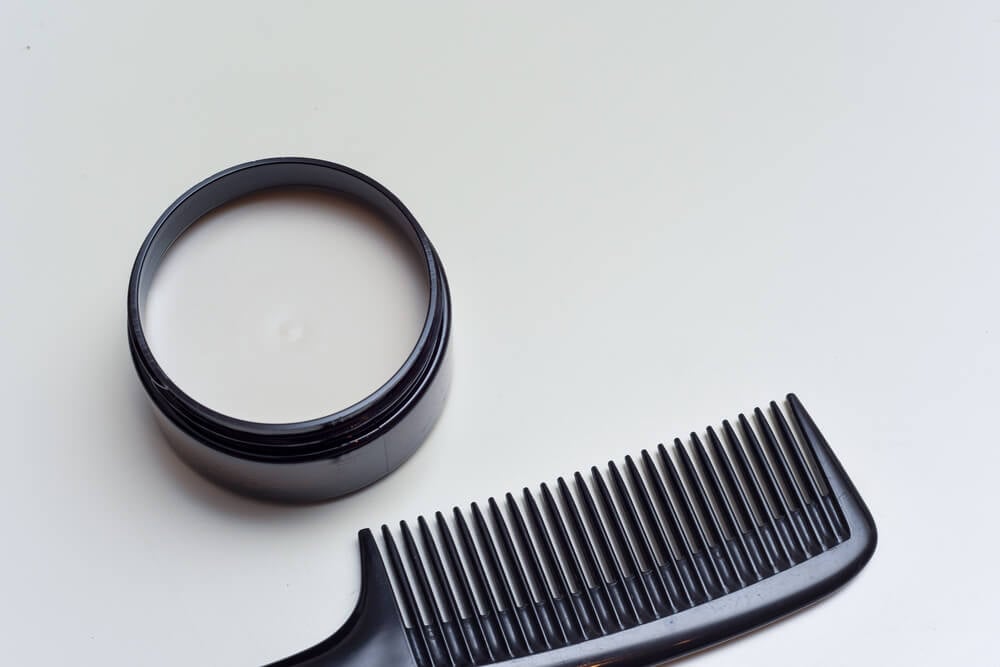
Brylcreem originated in Birmingham, England, in 1928 and became a defining grooming cream for generations of men. It reached American bathrooms and barbershops, where boys saw their fathers and older brothers smooth it through their hair.
The tub of white cream sat beside shaving gear, a sign that a household had a grown man in it. Even for children who never used it, the greasy sheen and scent were part of the bathroom landscape.
The Smell of Being Small
Scent is among the strongest triggers of memory, and bathroom products supply plenty of fuel. A whiff of a particular shampoo or soap can bring back a tub, a towel, and a parent’s hands in an instant. Brands competed for shelf space, but they also built memories without ever trying to.
Many of these products have been reformulated, repackaged, or sold to new owners, yet the names still carry weight. They remind adults that childhood was often measured in bath nights and bottle-shaped characters. Even a plain bar of soap can become a keepsake once enough years pass.
More from Go2Tutors!

- 27 Silver Dollars and Half Dollars Worth Keeping
- 28 Restaurant Menu Items Nobody Orders Anymore
- 17 Places Built in Seemingly Impossible Spots
- 27 Vintage Rings Worth More Than They Look
- 25 Restricted Sites Tourists Can’t Enter
Like Go2Tutors’s content? Follow us on MSN.