14 Roman Ruins Hidden in Modern Cities
Roman builders left structures so solid that later cities simply grew over them. Today, some of the best ruins sit under office blocks, beside subway tracks, or inside the basements of ordinary buildings.
These fifteen sites are not remote ruins in open fields. Each one is tucked into a living city, often a short walk from a shop or a bus stop.
London’s Temple of Mithras
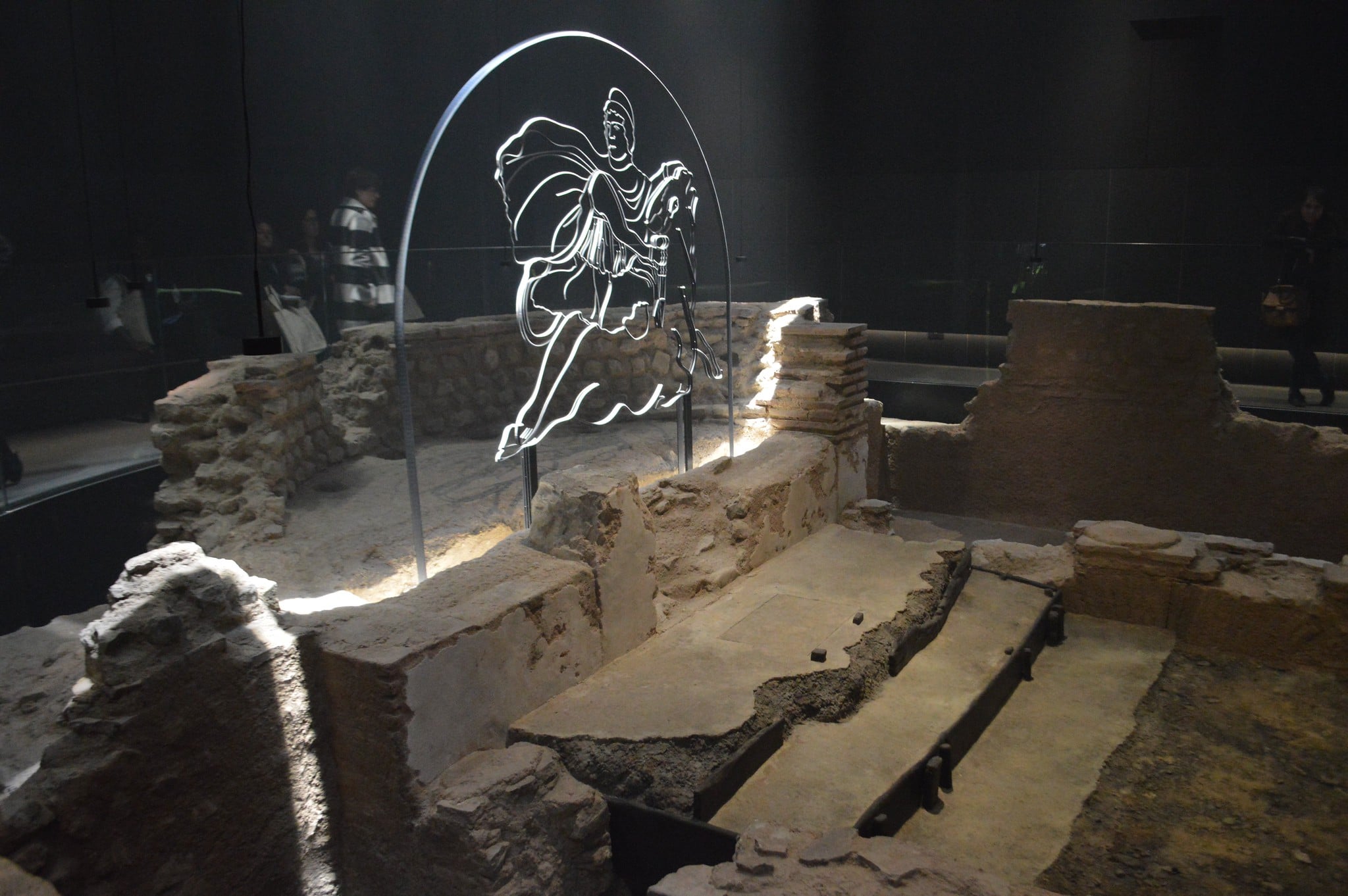
Workers digging foundations for an office building in 1954 uncovered the remains of a temple to the god Mithras, built in the third century along the Walbrook stream. Crowds lined up to see it, and it was later moved to another site.
In 2017, it was reconstructed at its original location beneath a building on Walbrook.
The Amphitheatre Under the Guildhall
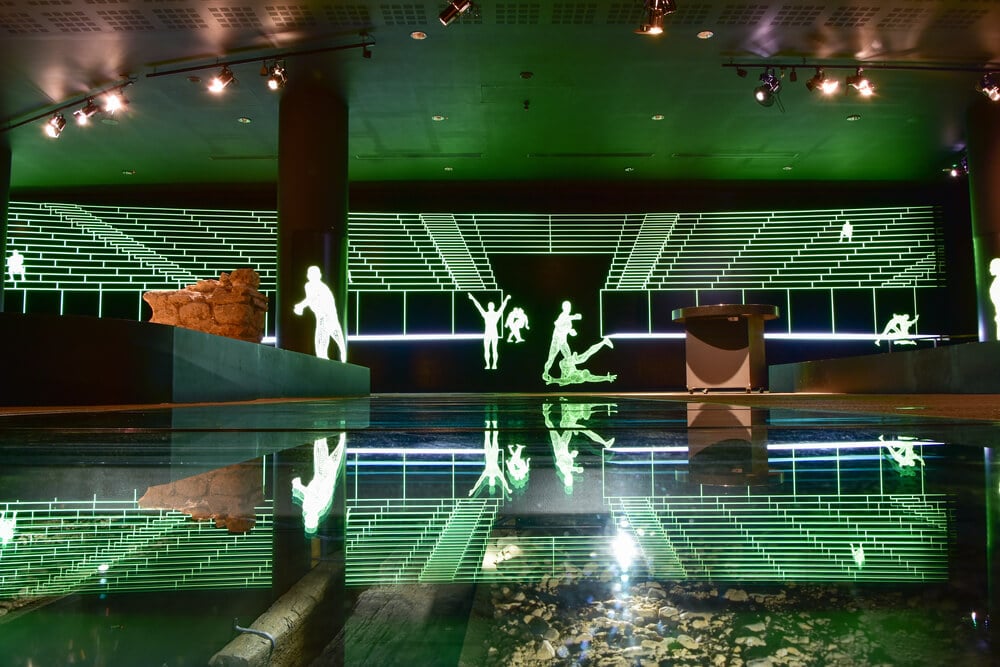
Beneath London’s Guildhall Art Gallery lies the remains of a Roman amphitheatre built around the year 70. It was found in 1988 during construction of the gallery, which was then designed around it.
Visitors can walk through the ruins and see the outline of the arena.
The Arènes de Lutèce, Paris
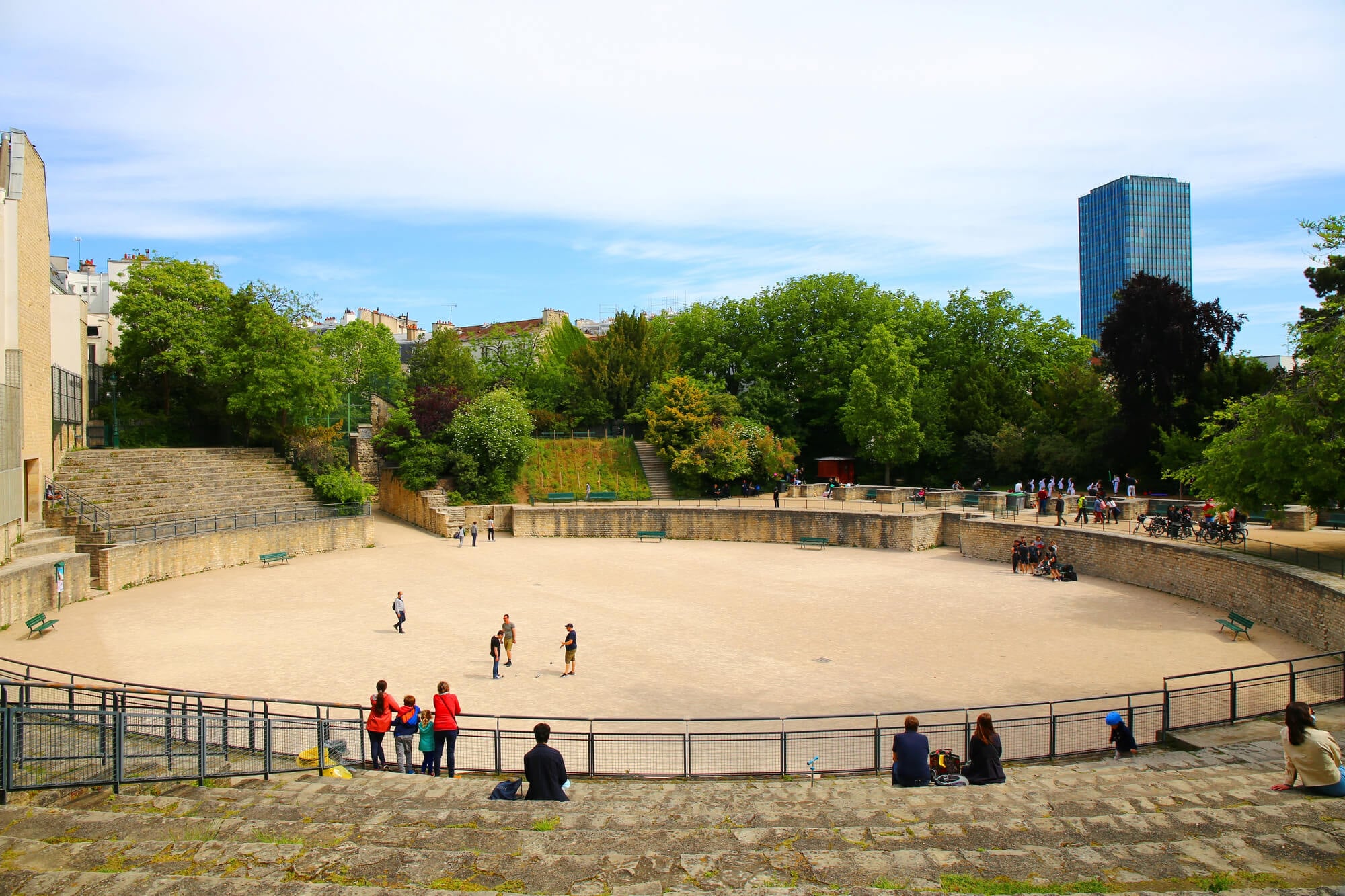
Hidden among apartment blocks in the Latin Quarter, this first-century amphitheater once held thousands of spectators. Construction work uncovered it in the 1860s.
The writer Victor Hugo is remembered as a supporter of saving it.
Barcino Beneath Barcelona
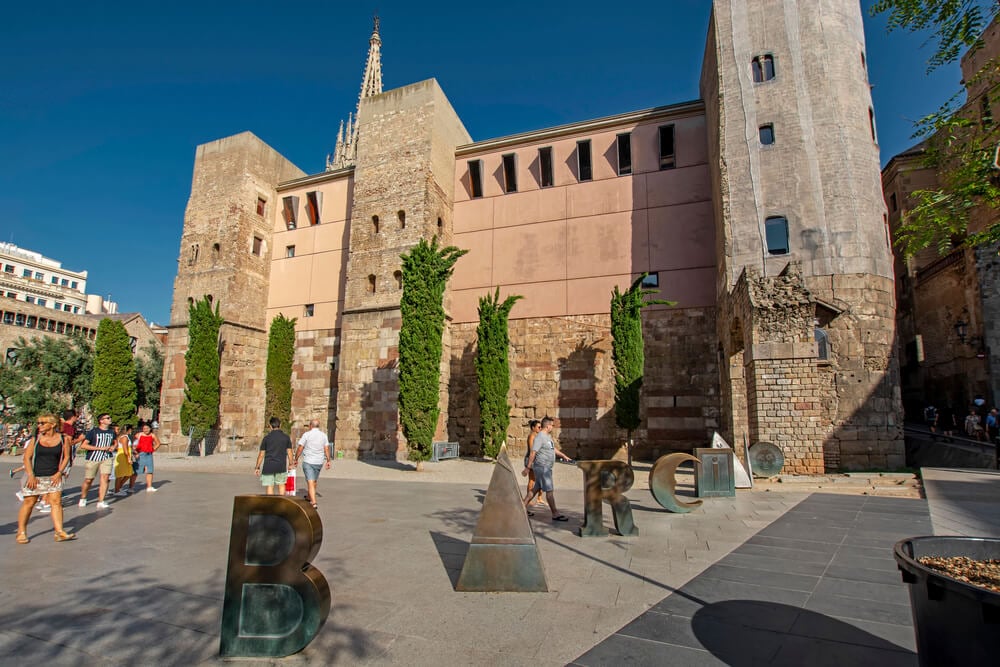
Under Barcelona’s Plaça del Rei, the history museum has preserved thousands of square meters of Roman streets, laundries, and workshops. Visitors descend below the street and walk through the buried streets of the Roman town of Barcino.
Dye shops and fish-sauce workshops are among the remains.
Serdica in Sofia
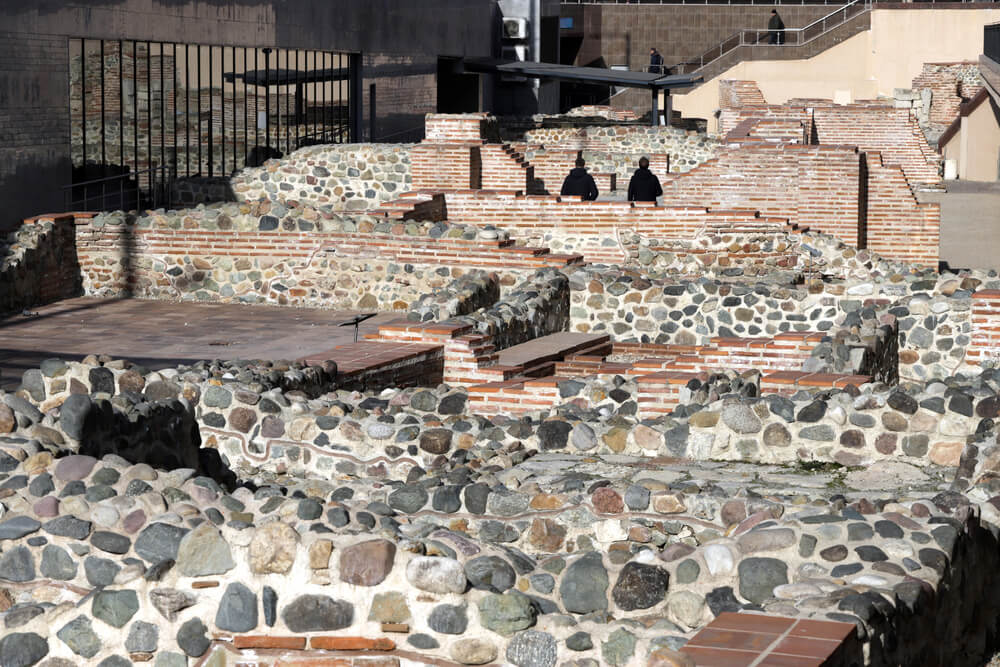
The ruins of ancient Serdica sit in the middle of Sofia, Bulgaria, and the remains of Roman streets and buildings are part of a metro station. Commuters pass them on the way to their trains.
The site also includes pieces of a late Roman city.
The Stadium of Philippopolis, Plovdiv
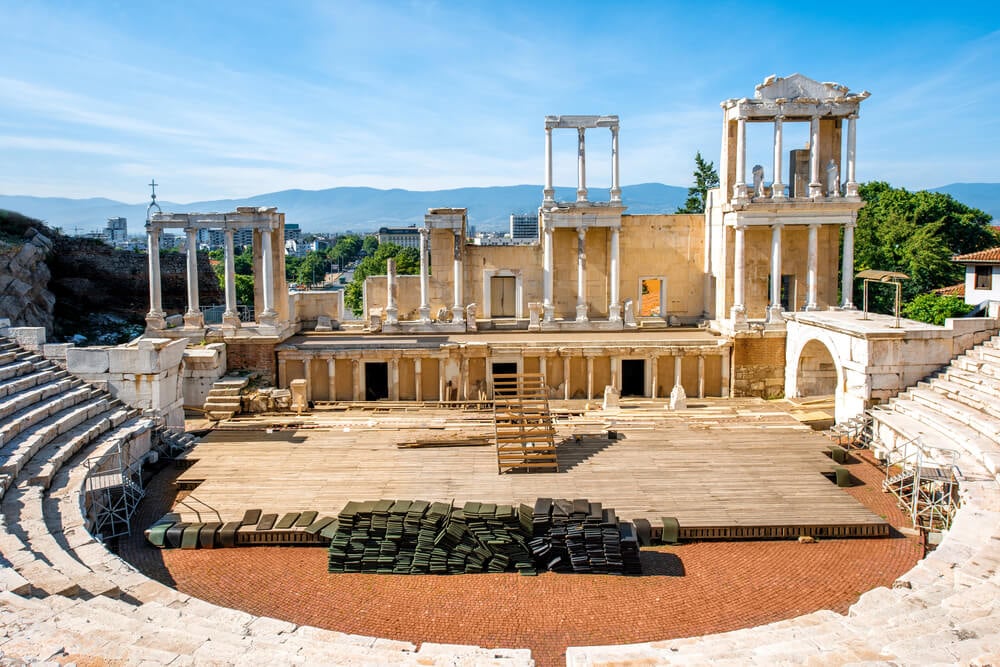
Beneath the main pedestrian street of Plovdiv, Bulgaria, lies a Roman stadium built in the second century that once held thousands of spectators. Part of it is visible today, while the rest remains under shops and cafes.
A section of the seating can be viewed in an open square.
Diocletian’s Palace, Split
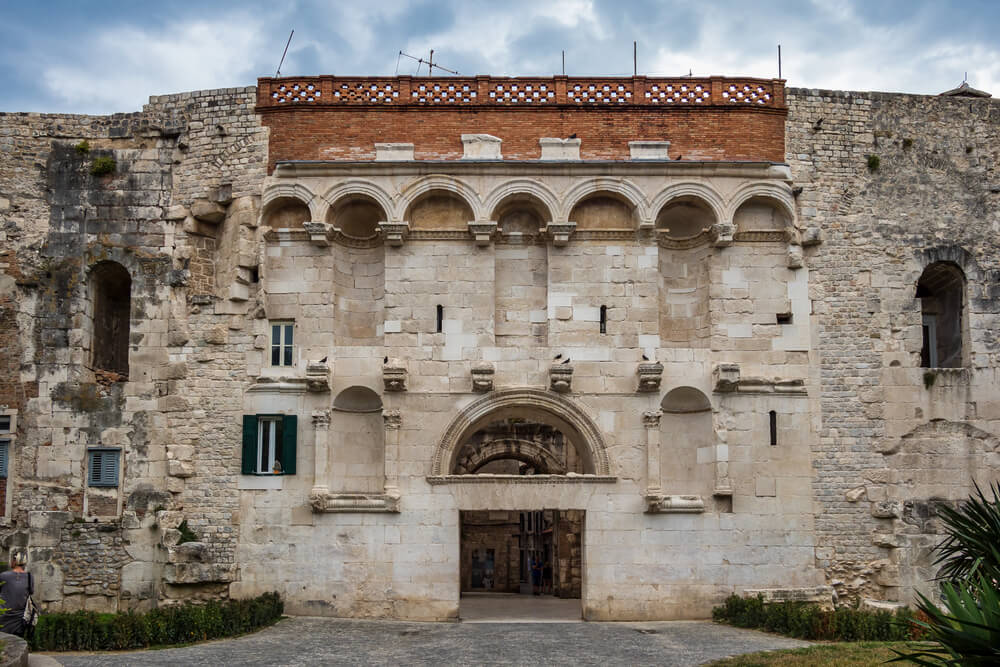
The Roman emperor Diocletian built a retirement palace on the Croatian coast around the year 305. The city of Split grew up inside its walls, and thousands of people still live there.
Shops, homes, and restaurants occupy rooms that once belonged to an emperor.
Hoher Markt, Vienna
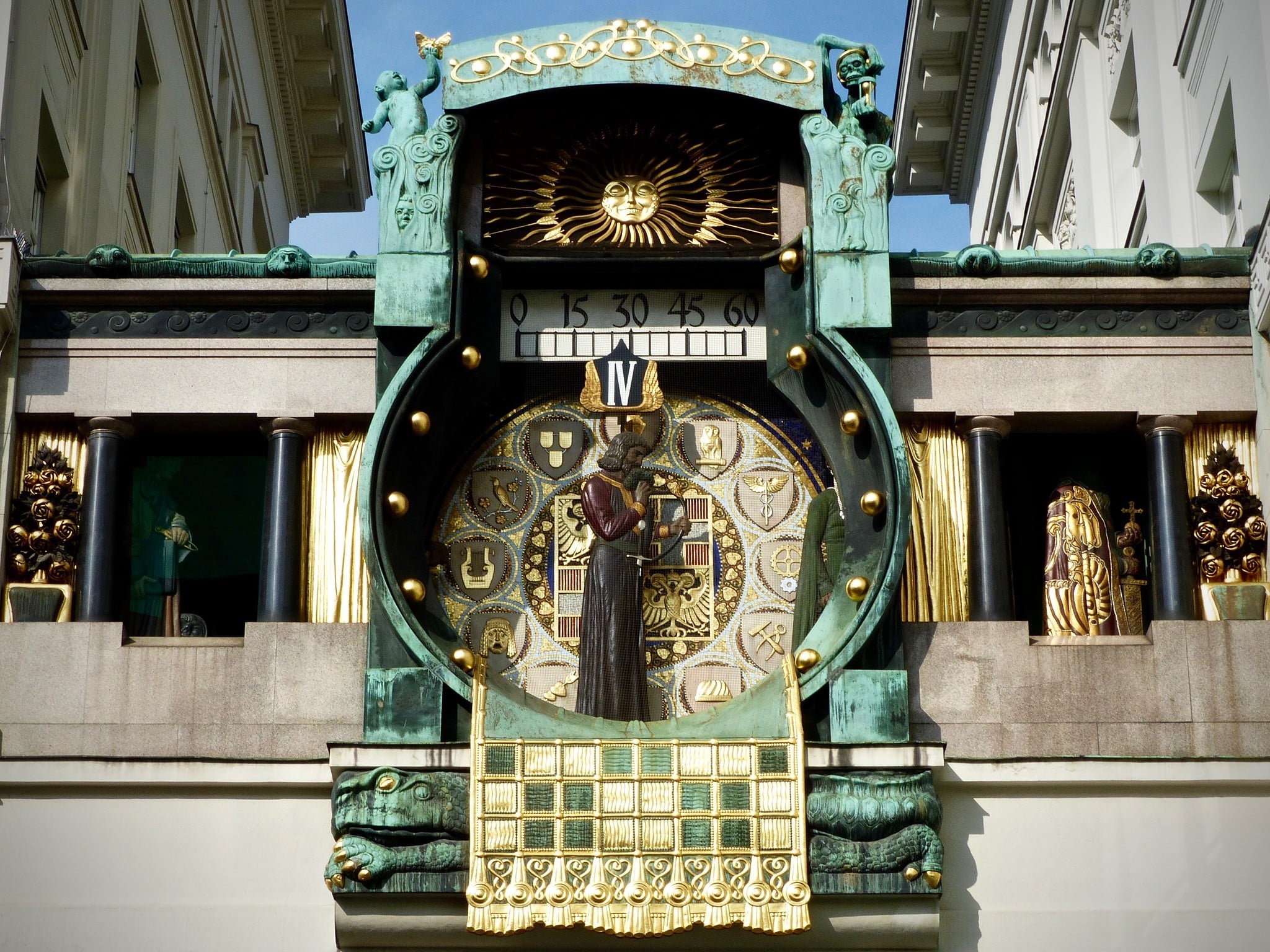
Beneath Vienna’s Hoher Markt square, archaeologists found the remains of houses belonging to the Roman army camp of Vindobona. The foundations were uncovered after damage in the Second World War.
A small museum protects the ruins.
The Roman Theatre of Naples
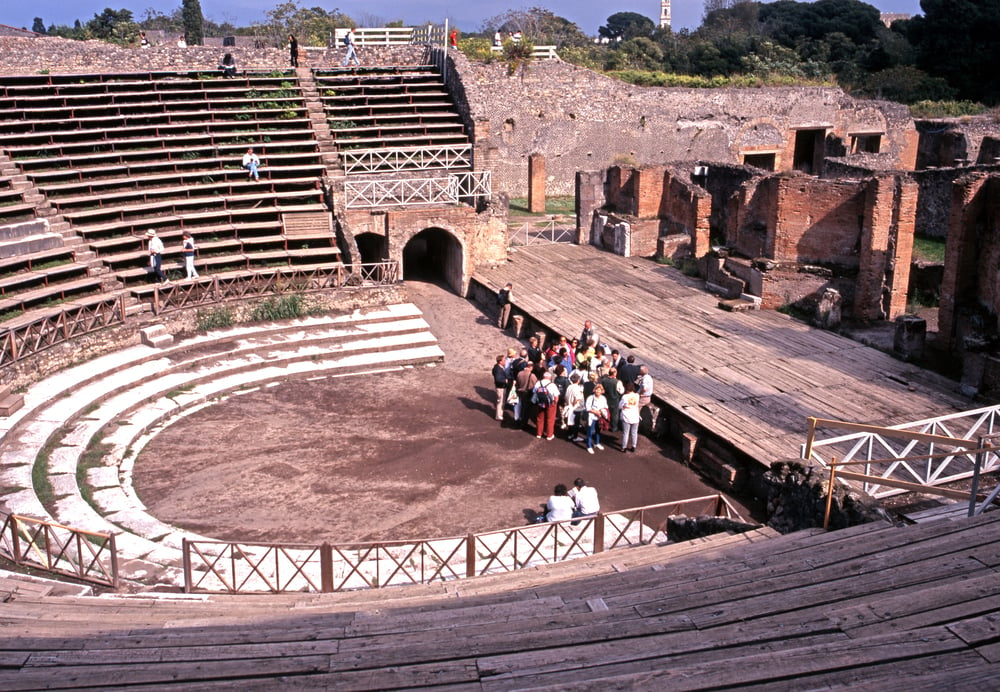
A Roman theater lies under the houses of Naples, and later buildings were built right into its curved walls. Visitors on underground tours can see parts of the ancient stage.
Some homes in the area stand where spectators once sat.
Rome’s Metro C
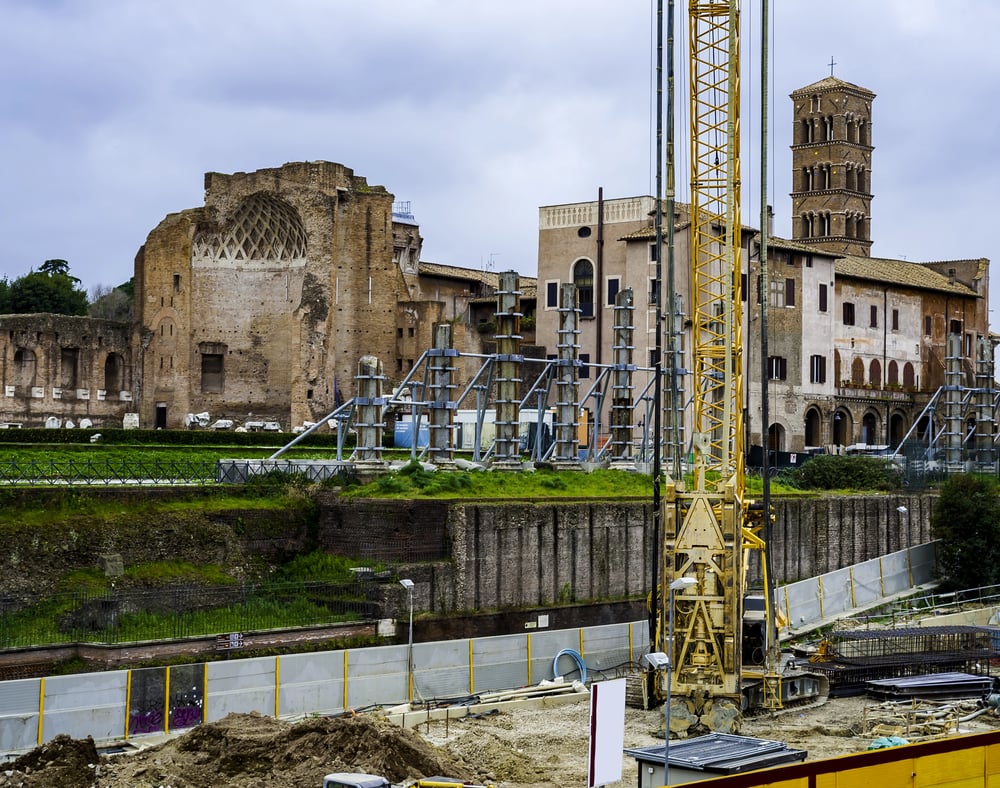
Digging the new Metro Line C in Rome has repeatedly exposed Roman structures, and builders have had to work around them. At Amba Aradam, the station includes the remains of a second-century barracks.
The project has slowed work but also created a display of the city’s layers.
The Roman Theatre of Lisbon
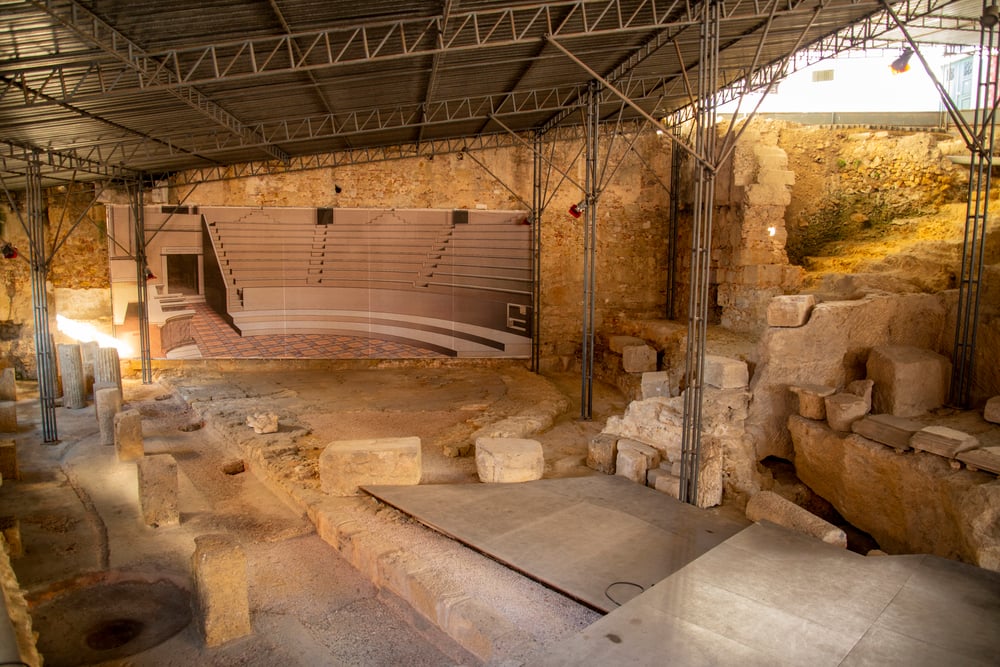
The Roman theater of Lisbon was built in the first century and was buried for centuries. It came to light after the earthquake of 1755 and was explored more fully in the twentieth century.
The remains now sit in the old city beside a museum.
Amman’s Roman Theater
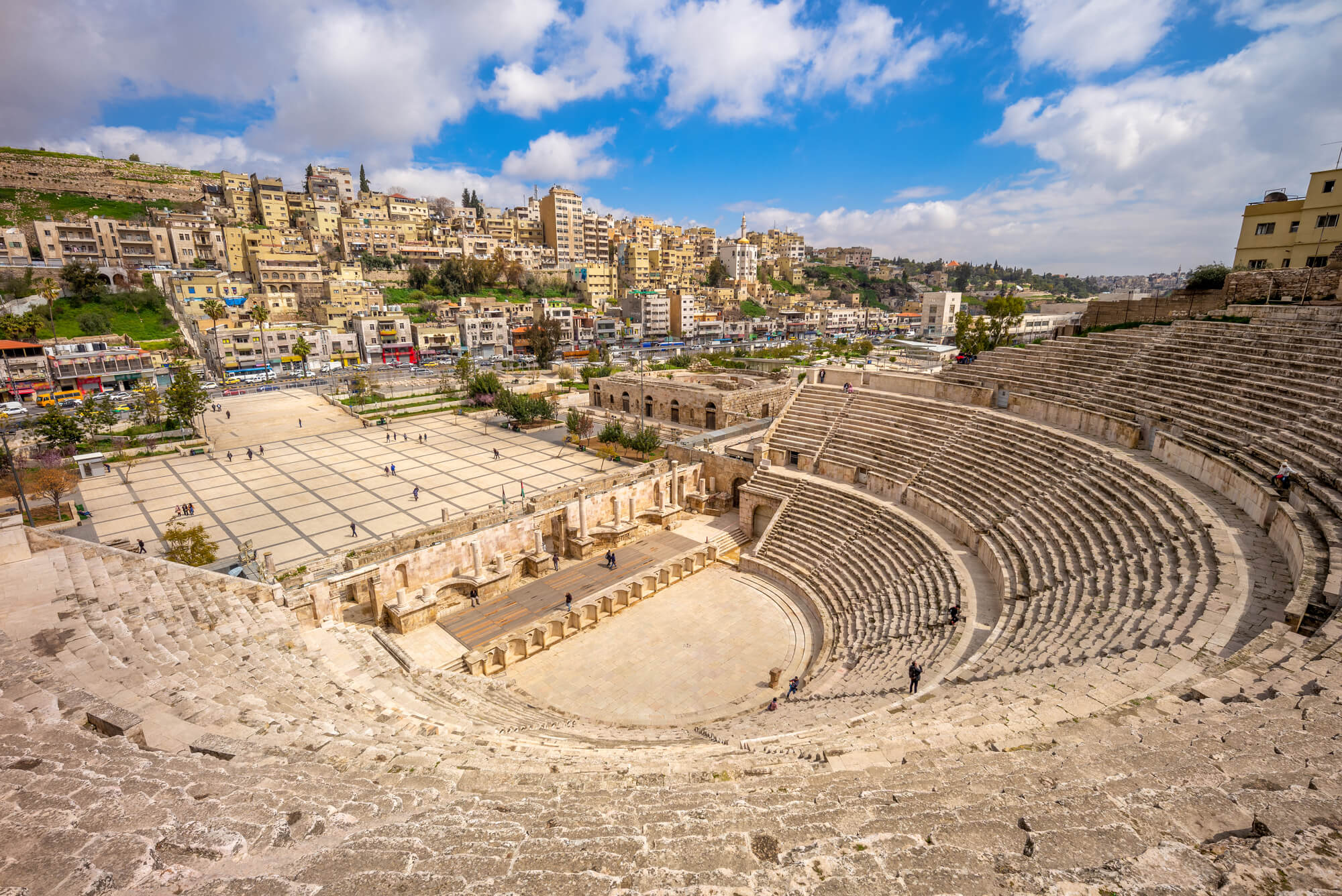
In the center of the Jordanian capital, a large Roman theater built into a hillside dates from the second century. It seats thousands and is still used for events.
Modern streets surround it on all sides.
The Roman Baths Under a York Pub
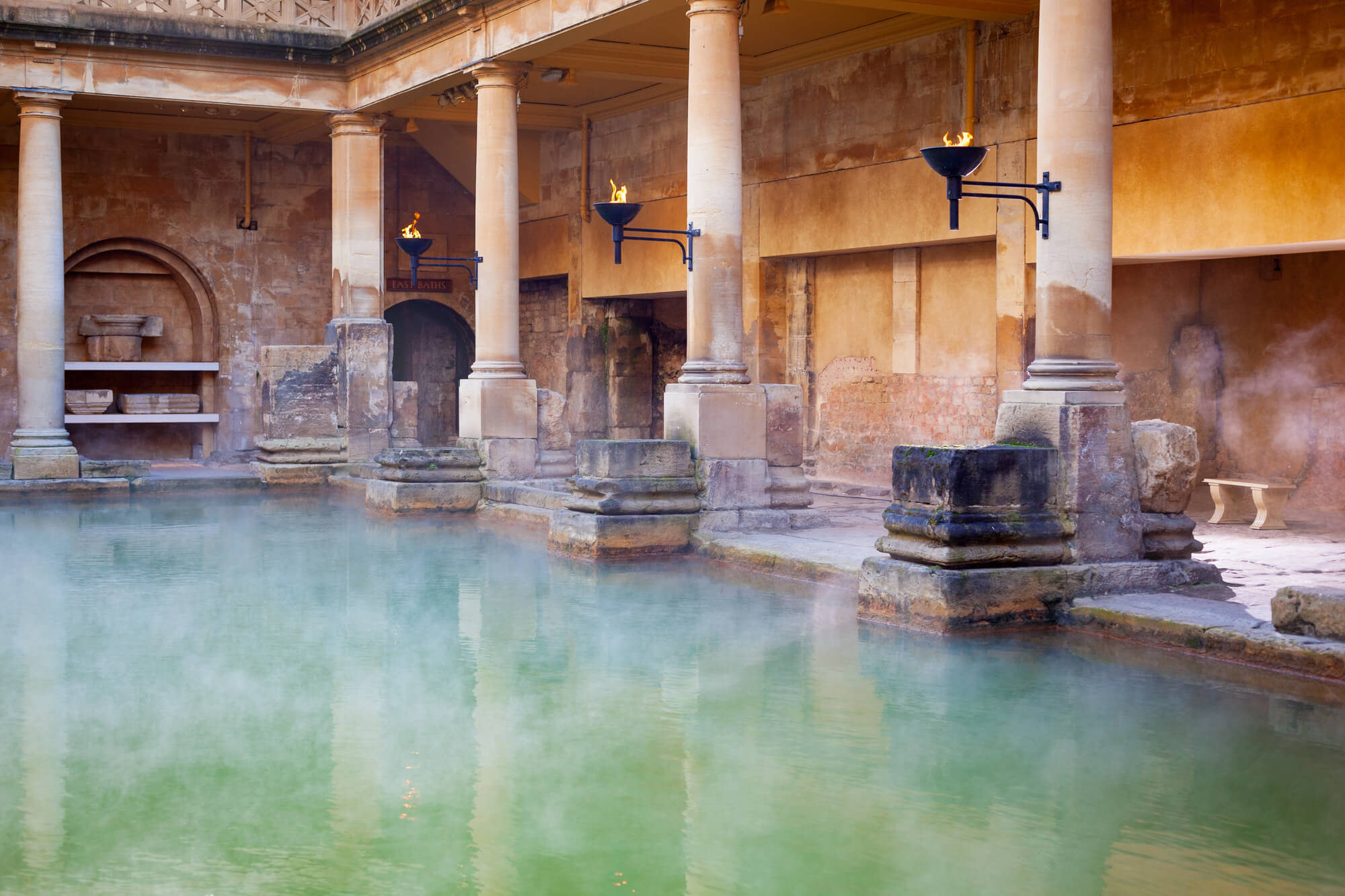
In York, England, the Roman baths were found beneath a pub in 1930. Visitors can now descend and see the remains of the steam rooms.
The site shows that Roman York had an organized bathing culture.
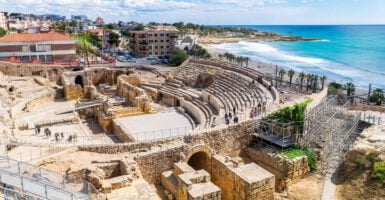
The Amphitheatre of Tarragona
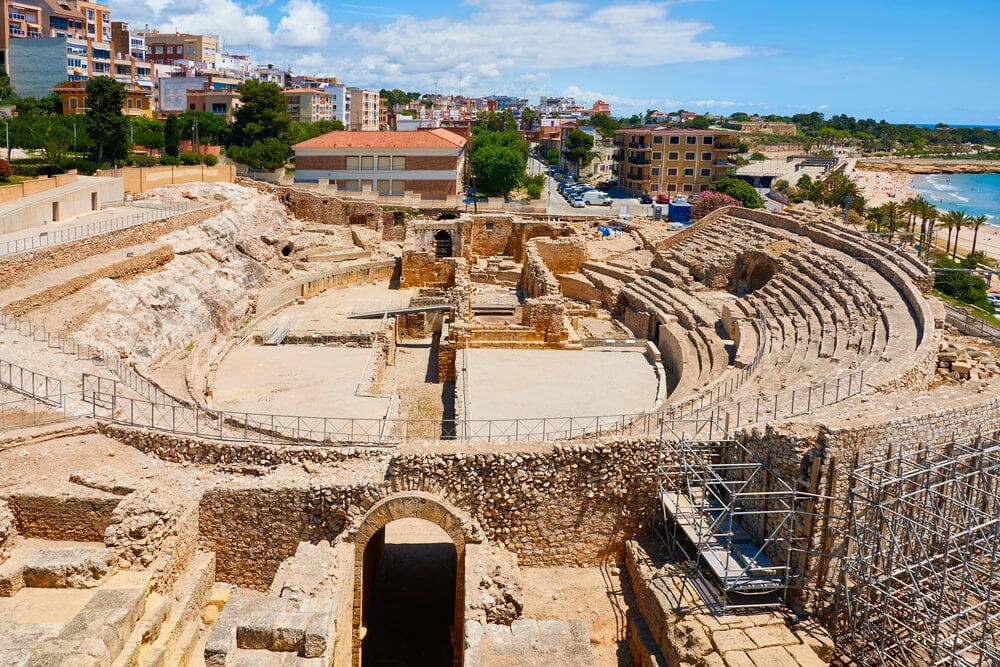
Tarragona, on the Spanish coast, has a Roman amphitheater overlooking the Mediterranean, built in the second century. The site is also tied to the death of a Christian bishop in the year 259.
The setting is one of the most dramatic of any Roman ruin in a city.
Cities as Archaeological Layer Cakes
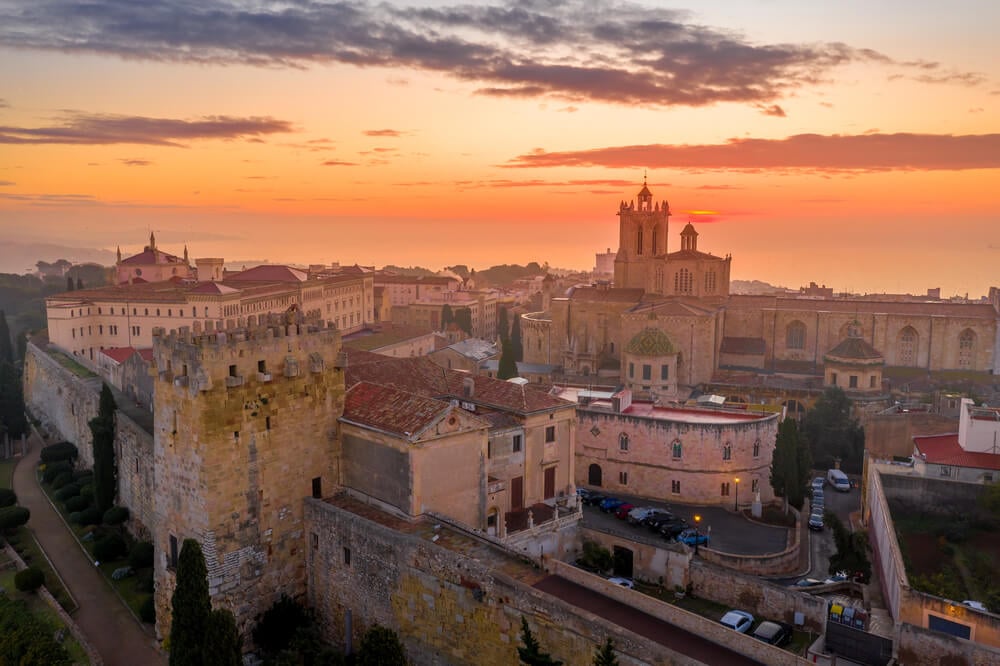
Every one of these sites exists because a later generation chose to build on top rather than clear the ground. Medieval and modern builders raised new walls on Roman foundations, and in doing so unintentionally protected what lay below.
That is why a routine excavation for a subway or a basement so often turns up something spectacular. The past in these cities is not far away; it is usually a few meters under the pavement.
More from Go2Tutors!

- 27 Silver Dollars and Half Dollars Worth Keeping
- 28 Restaurant Menu Items Nobody Orders Anymore
- 17 Places Built in Seemingly Impossible Spots
- 27 Vintage Rings Worth More Than They Look
- 25 Restricted Sites Tourists Can’t Enter
Like Go2Tutors’s content? Follow us on MSN.