29 Art Heists That Baffled Investigators for Years
The fantasy version of an art heist involves laser grids, tuxedos, and a pristine resale to a private collector who never speaks of his purchase. The reality is messier, stranger, and considerably more frustrating for everyone involved — especially the investigators.
Stolen art is, in most cases, almost impossible to sell. It is too recognisable for the open market, too dangerous to insure, and too legally entangled to transfer.
Yet the heists keep happening, the paintings keep disappearing, and the cases keep going cold.
What follows is a selection of the thefts that confounded investigators the longest — some still unsolved, some cracked only after years of dead ends, and a few so bizarre that the solution raised more questions than the original crime.
The Isabella Stewart Gardner Museum, Boston (1990)
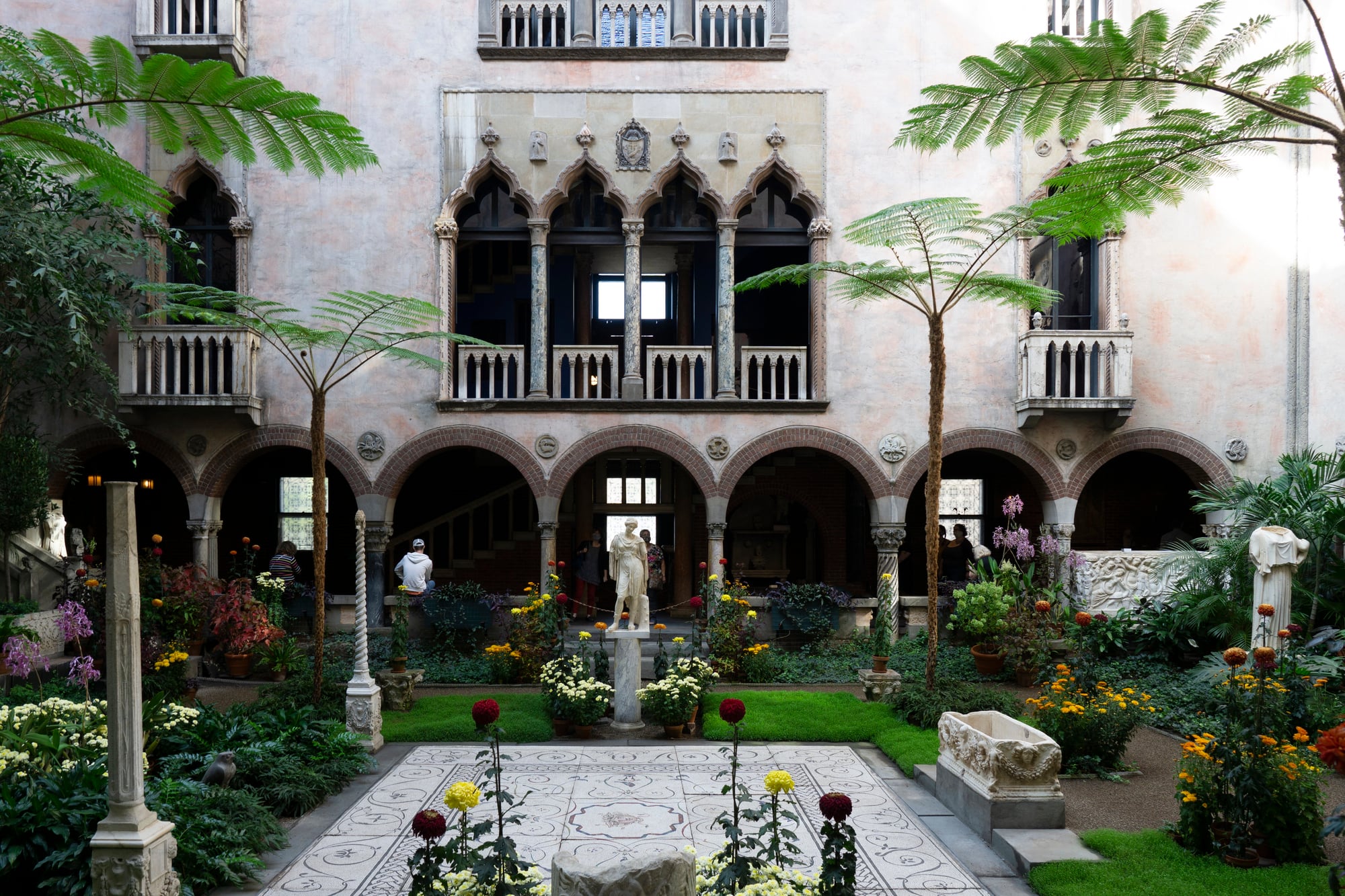
In the early hours of 18 March 1990, two men dressed as police officers persuaded a security guard to open the door of the Isabella Stewart Gardner Museum. Over the next eighty-one minutes, they removed thirteen works of art — paintings by Vermeer, Rembrandt, Manet, and Degas — valued at what the FBI now estimates to be over $500 million.
No arrests have ever been made. The FBI continues to offer a $10 million reward for information leading to the recovery of the works.
The museum leaves the empty frames on the wall.
The Mona Lisa, Louvre, Paris (1911)
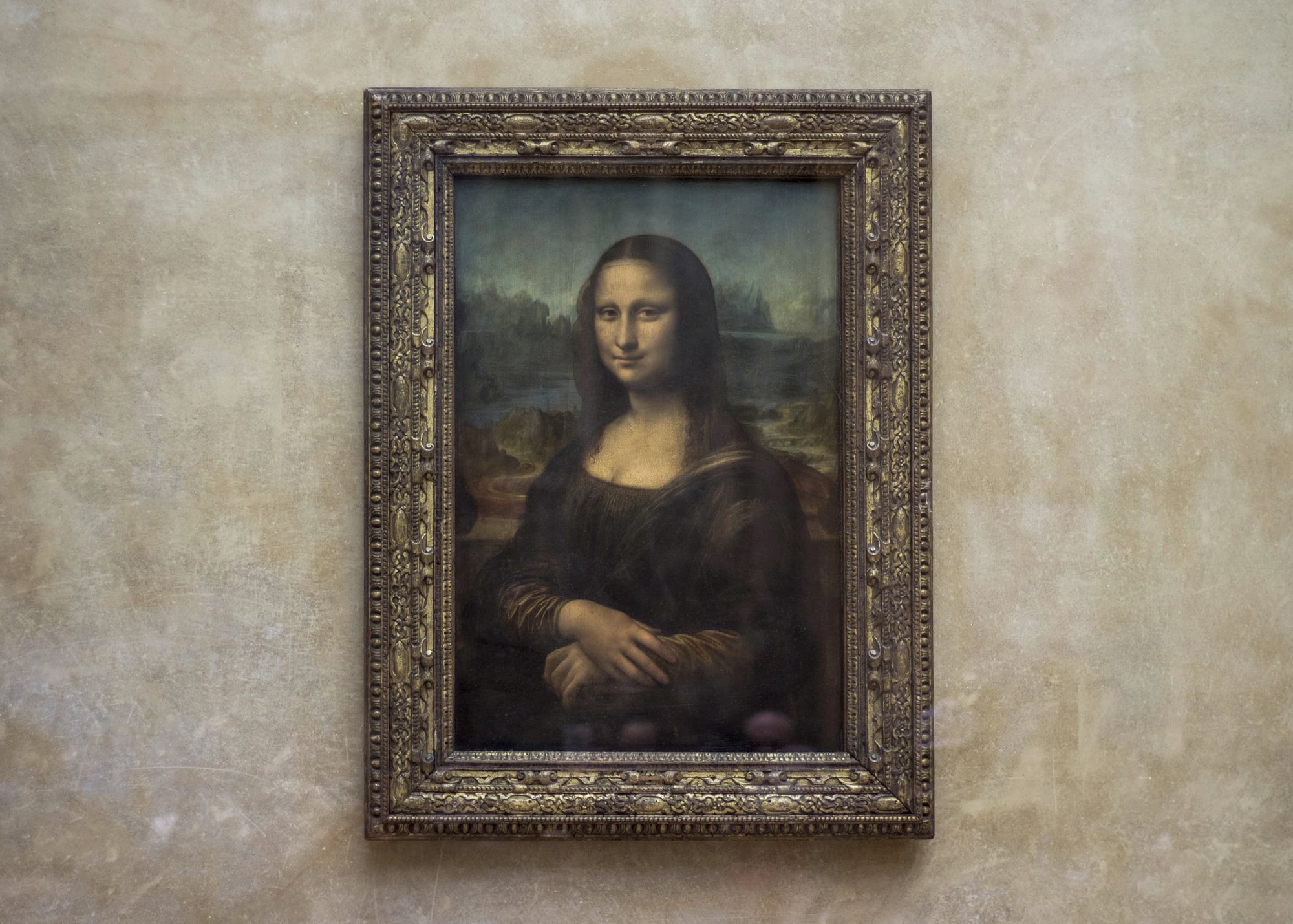
On the morning of 22 August 1911, visitors arrived at the Louvre to find a blank space where Leonardo da Vinci’s portrait had hung. The Italian museum employee Vincenzo Peruggia had spent the previous night hidden in a supply cupboard, removed the painting the following morning while staff were absent, concealed it under his coat, and walked out.
French police spent two years bungling the investigation — at one point questioning Pablo Picasso as a suspect.
Peruggia was finally caught in December 1913 when he attempted to sell the painting to a Florentine art dealer.
The Mona Lisa was not particularly famous before the theft. The two-year newspaper frenzy made it the most recognisable painting in the world.
Caravaggio’s Nativity, Palermo (1969)

In the early hours of 18 October 1969, thieves cut Caravaggio’s Nativity with St Francis and St Lawrence from its frame in the Oratory of San Lorenzo in Palermo, Sicily, and vanished.
No suspects were ever convicted.
Over the following decades, a succession of ageing Mafia informants claimed the painting had been damaged by rats while in storage, or destroyed in an earthquake, or sold to a foreign collector.
The FBI listed it as one of the top ten art crimes in the world. The painting has never been found.
The Ghent Altarpiece — The Just Judges Panel (1934)
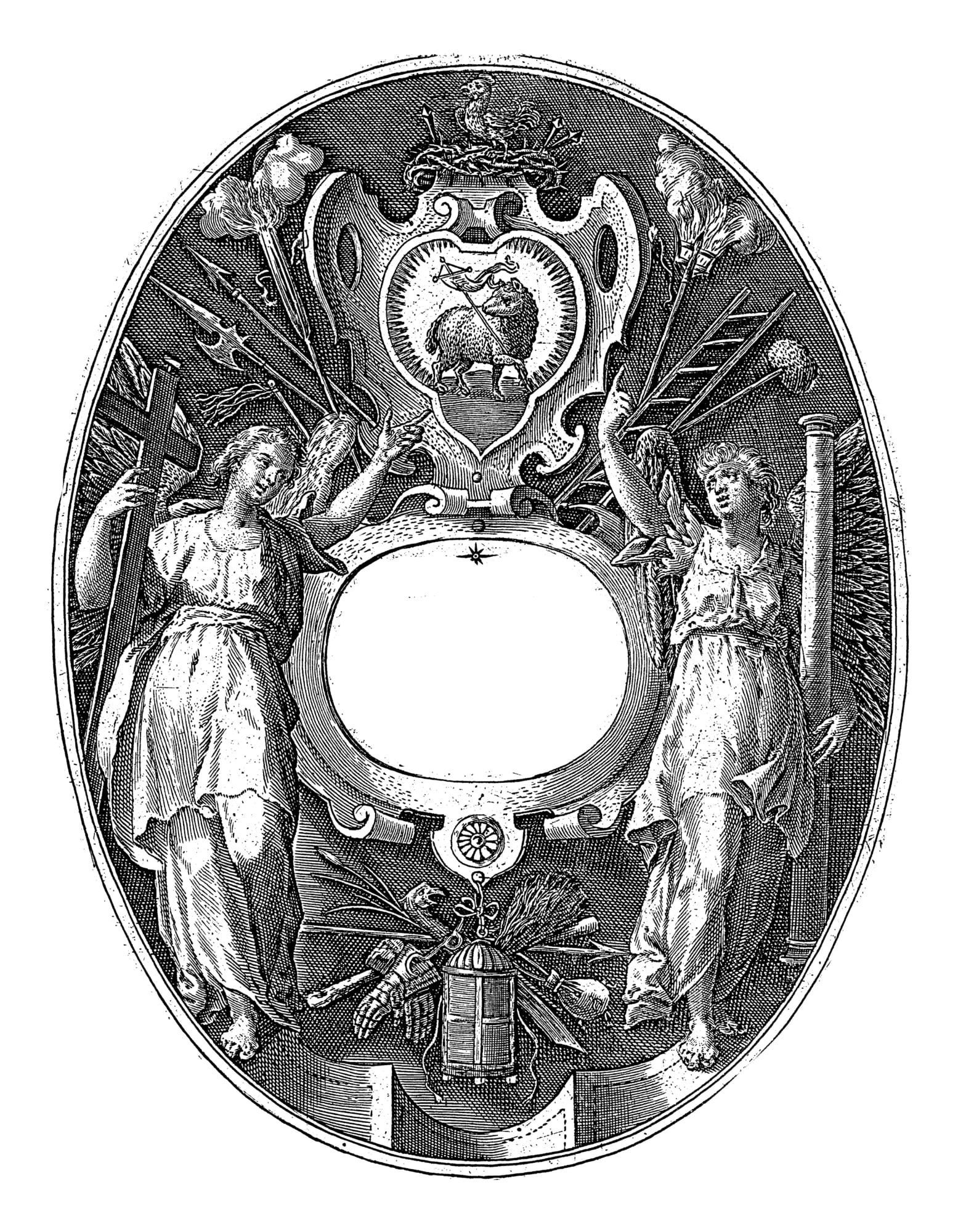
The Ghent Altarpiece, painted by Hubert and Jan van Eyck and completed in 1432, has the distinction of being the most stolen artwork in history — looted or displaced at least seven times across five centuries.
The most persistent mystery concerns a single panel, The Just Judges, stolen from St Bavo’s Cathedral in 1934.
A ransom demand arrived shortly afterward, signed with the initials D.U.A.
No ransom was paid.
Then a Belgian stockbroker named Arsène Goedertier claimed on his deathbed that he alone knew where the panel was, and left behind only a cryptic note suggesting it could not be removed without public notice.
The panel has never been recovered, and a copy has stood in its place since 1945.
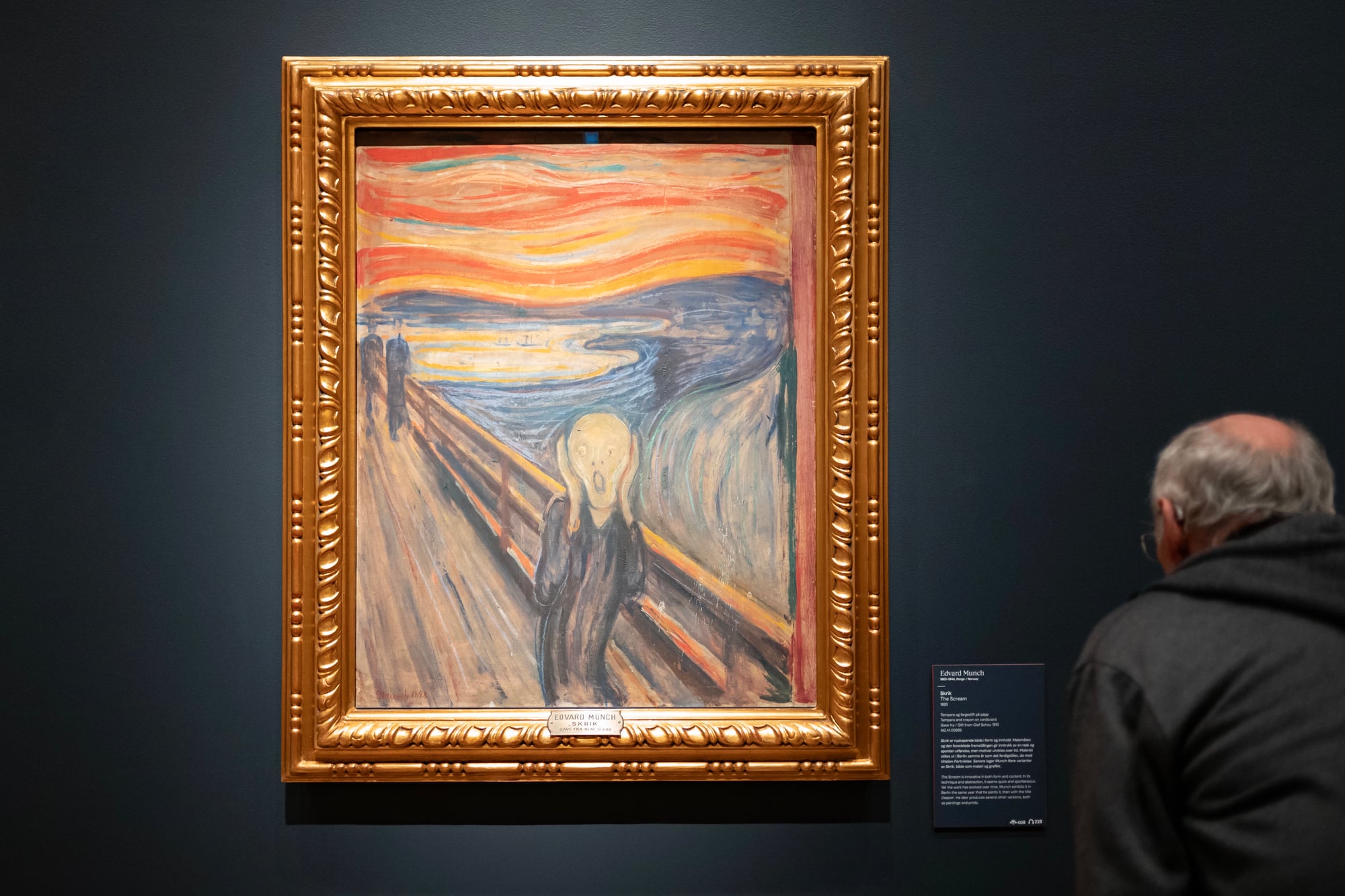
Edvard Munch’s The Scream, Oslo (1994)
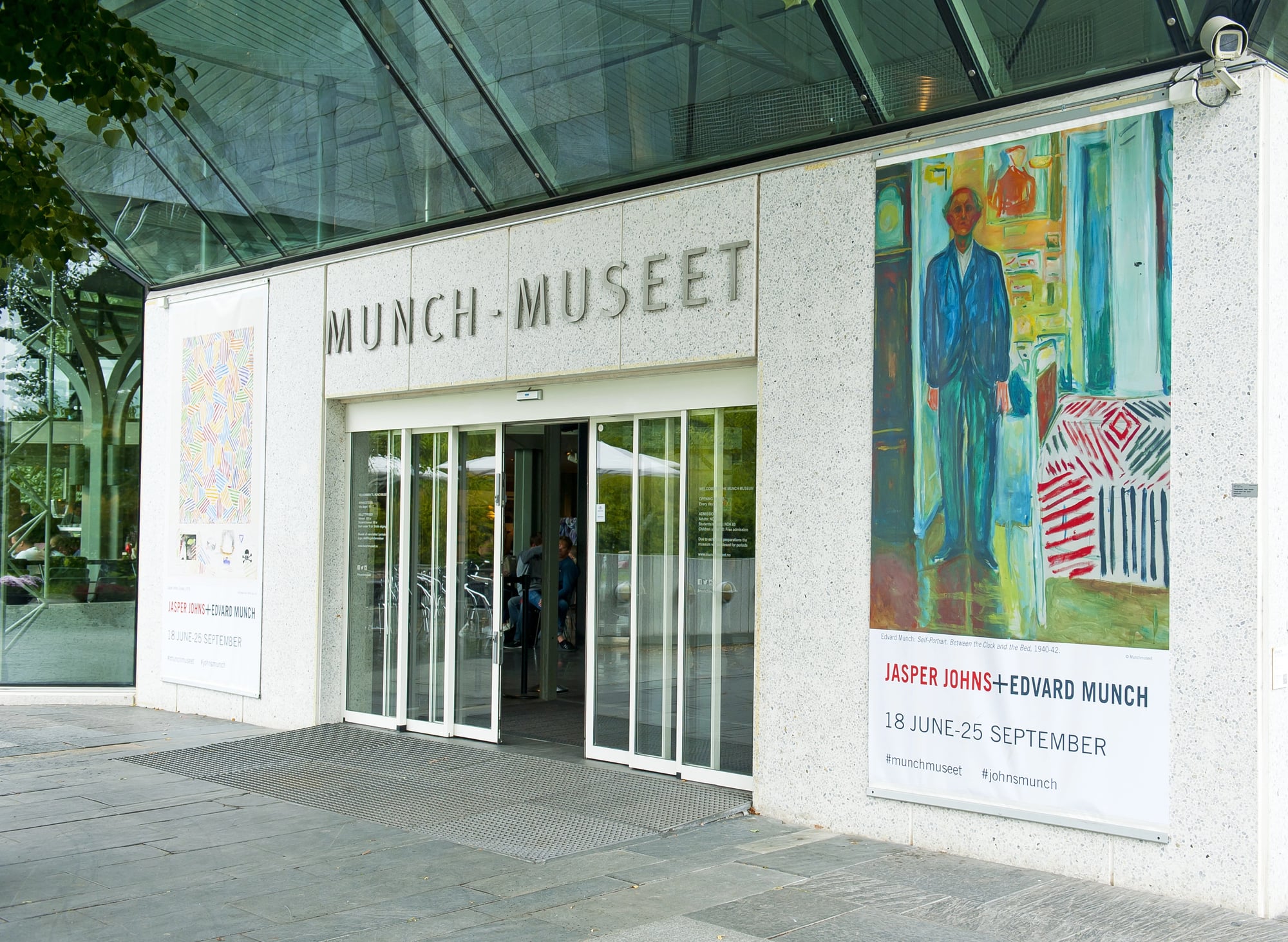
On the opening day of the 1994 Winter Olympics in Lillehammer — when Norway’s police attention was considerably stretched — thieves entered the National Gallery in Oslo through an open window, removed Munch’s most famous painting from the wall, and left a postcard reading “Thanks for the poor security.”
The theft lasted less than a minute.
Norwegian police, working with British officers, mounted a sting operation that recovered the painting three months later, but the full network behind the theft took considerably longer to unravel.
Edvard Munch’s The Scream, Oslo (2004)
Ten years after the National Gallery theft, masked and armed thieves walked into the Munch Museum in broad daylight and removed The Scream again — this time a 1910 version — along with Munch’s Madonna.
Visitors and museum staff were present.
Two men were eventually convicted, and both paintings were recovered in 2006 with some damage, but investigators spent two years chasing false leads and wrong suspects before closing the case.
Raphael’s Portrait of a Young Man, Poland (c.1939–1945)

Before the Second World War, Raphael’s Portrait of a Young Man was considered one of the greatest Old Master paintings outside Italy, held in the Czartoryski Collection in Kraków.
Nazi forces removed it from Poland during the occupation.
It was last reliably documented in a forest in 1945.
Since then it has been listed by Interpol, traced through rumour to various European private collections, and is occasionally reported as destroyed.
Poland has demanded its return from Germany on multiple occasions.
Its current location remains unknown.
The Vermeer Concert — Still Missing from the Gardner (1990)
Among the thirteen works taken from the Gardner Museum, Jan Vermeer’s The Concert deserves specific mention.
Only thirty-four Vermeer paintings are known to exist — making The Concert, a domestic interior scene of three musicians, approximately three percent of the artist’s total surviving output.
Its value has been estimated at over $200 million on its own.
Despite the most sustained and expensive art recovery effort in FBI history, it has not been seen since March 1990.
Rembrandt Self-Portrait, Stockholm National Museum (2000)
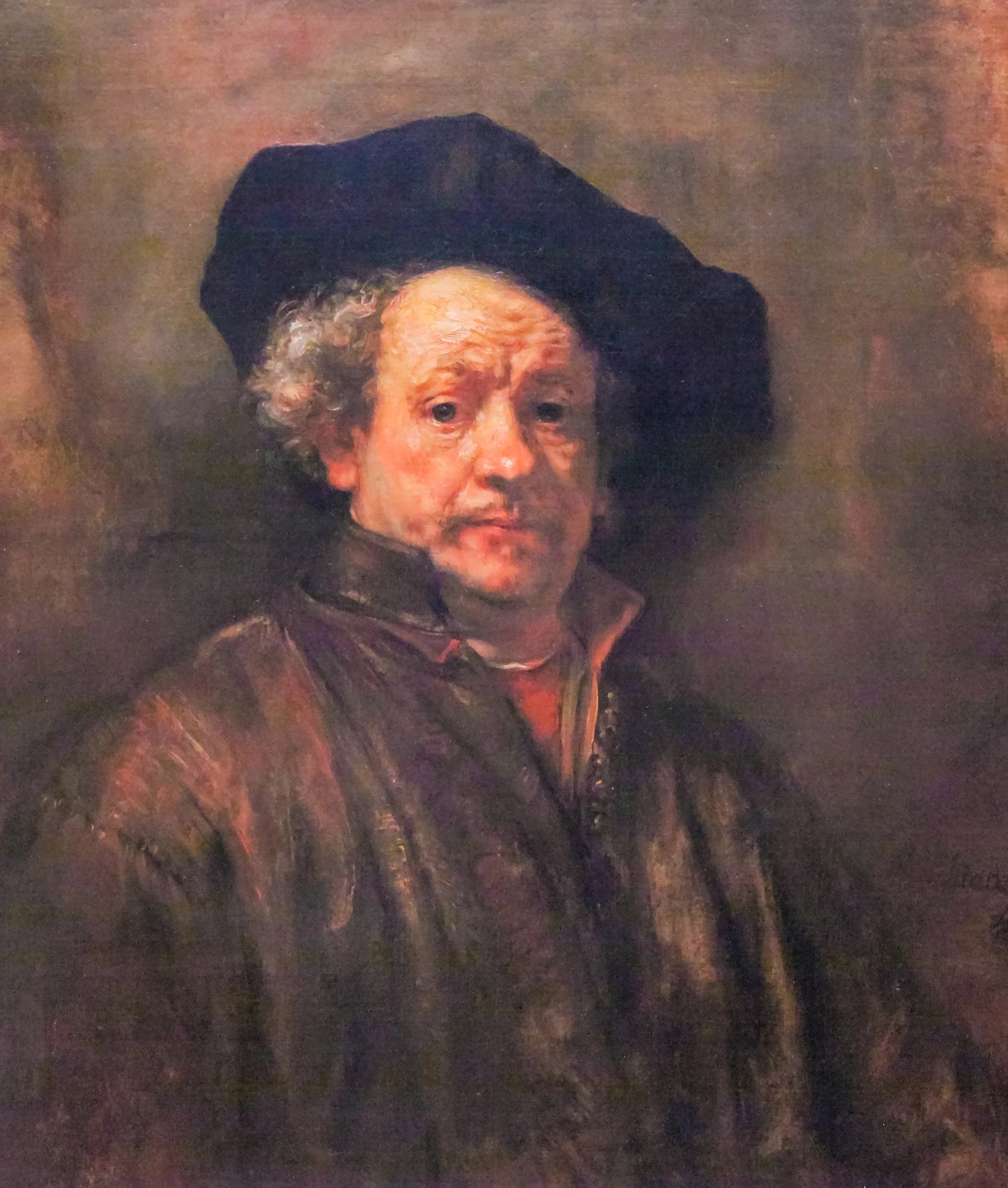
In December 2000, armed thieves entered Stockholm’s National Museum at closing time. To prevent police from approaching, accomplices detonated a series of car bombs around the city, tying up emergency services.
The robbers made off with a Rembrandt self-portrait and two small Renoir paintings before escaping by speedboat through a canal.
Swedish police eventually recovered all three works — the last in 2005 — but the investigation took years and required infiltration of the criminal network that had acquired and attempted to traffic the paintings.
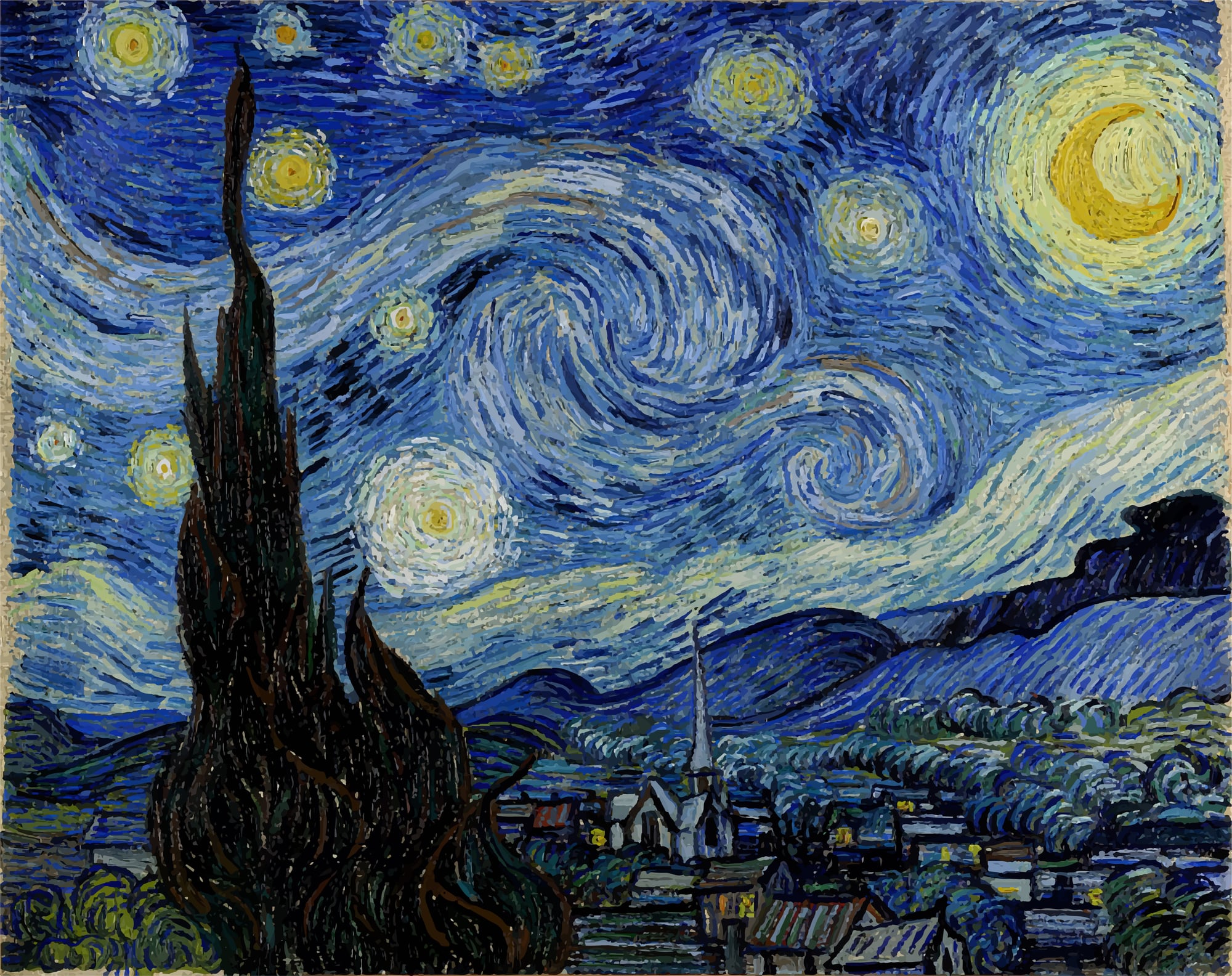
Van Gogh and Gauguin, Whitworth Art Gallery, Manchester (2003)
Three works by Van Gogh, Picasso, and Gauguin vanished from Manchester’s Whitworth Art Gallery in April 2003.
An anonymous tip led police to a disused public toilet less than 200 metres from the museum, where the paintings had been stuffed inside a cardboard tube.
A handwritten note inside read: “the intention was NOT to steal, only to highlight the woeful security.”
The thieves were never identified.
Whether the heist was an act of protest, a prank, or something more complicated was never established.
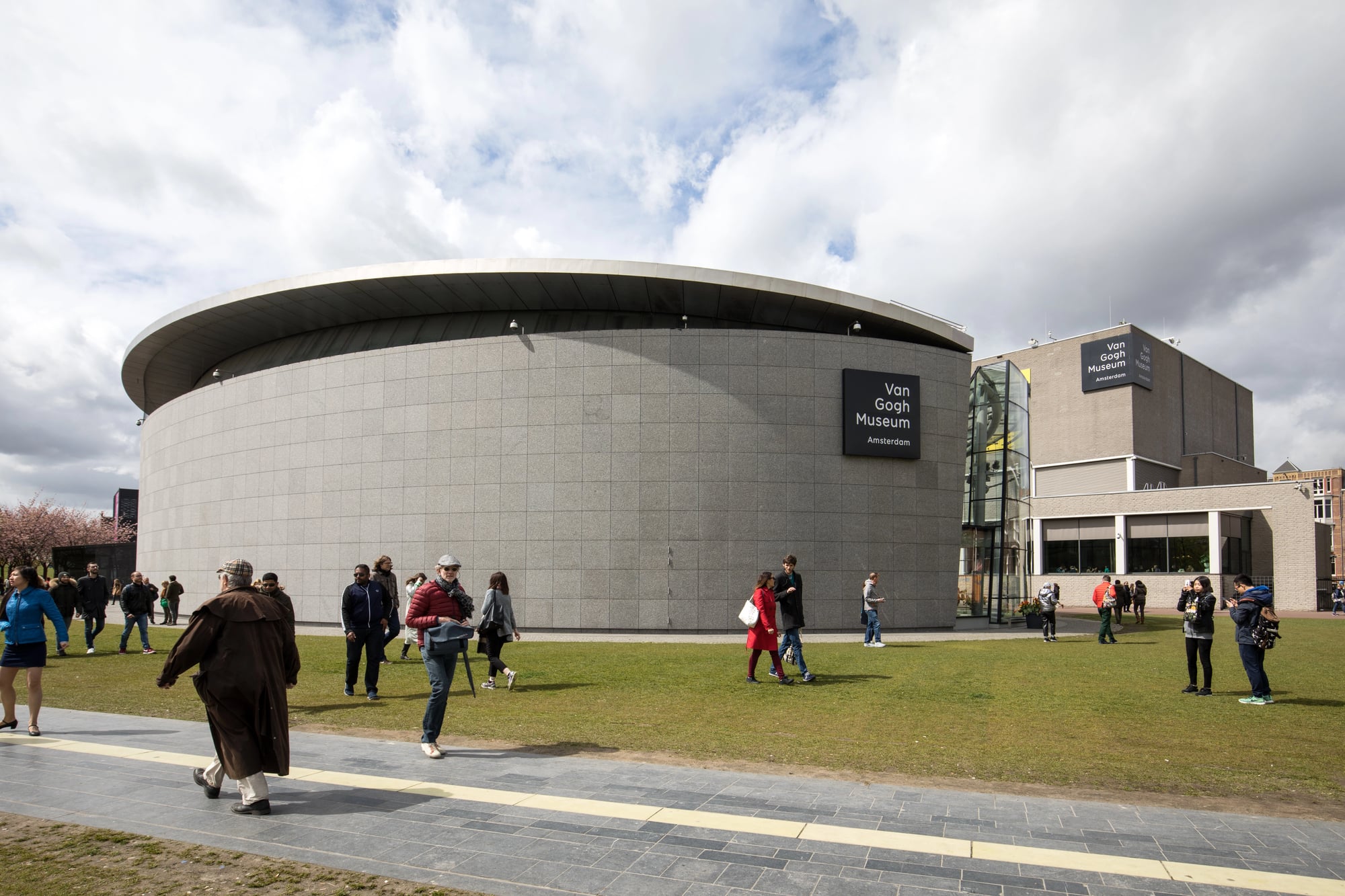
Van Gogh Paintings, Van Gogh Museum, Amsterdam (2002)
Two early Van Gogh paintings were stolen from the Van Gogh Museum in Amsterdam in December 2002.
The thieves were eventually identified and convicted.
The paintings themselves remained missing for fourteen years, turning up in a raid on a Camorra associate’s home in Italy in 2016.
Dutch investigators had largely suspected the Italian connection but had been unable to act on it for over a decade.
Rembrandt’s Jacob III de Gheyn, Dulwich Picture Gallery, London
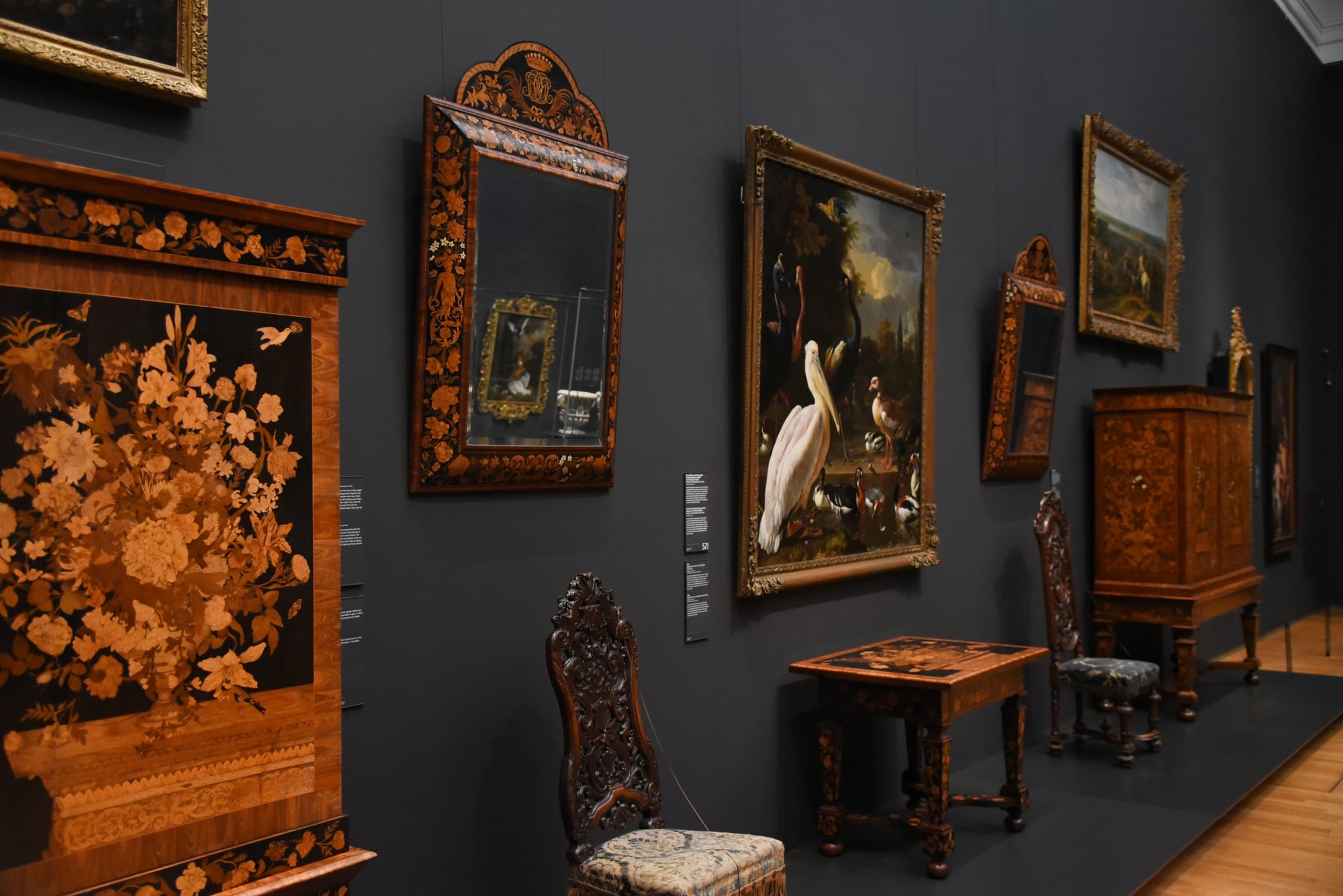
The small portrait Jacob III de Gheyn by Rembrandt has been stolen from the Dulwich Picture Gallery in London four times — in 1966, 1973, 1981, and 1983.
Each time it was recovered, usually within days or weeks.
The thief or thieves responsible for the repeated targeting of this particular work have never been publicly identified, and the motivation for repeatedly stealing a painting that proved essentially impossible to keep or sell remains unexplained.
Art historians have taken to calling it “the Take-Away Rembrandt.”
Dresden Green Vault, Germany (2019)
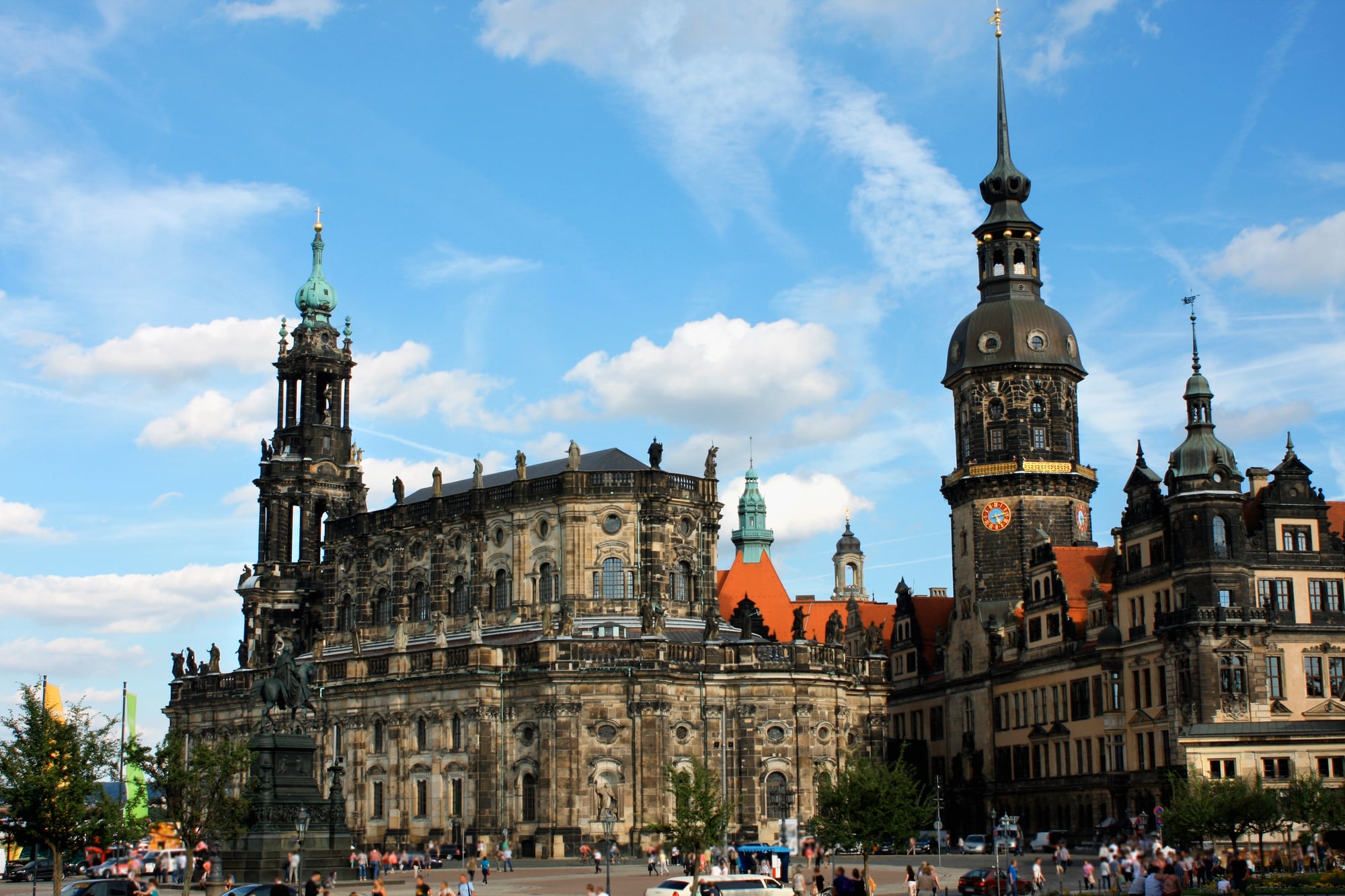
Before dawn on 25 November 2019, a group of thieves cut through a window of the Albertinum wing of the Dresden Royal Palace, disabled the electricity to the Green Vault exhibition, and used axes to smash open display cases containing eighteenth-century Saxon royal regalia.
They escaped in a car that was found burning minutes later, and then through a pre-arranged tunnel in the road.
The haul included approximately 4,300 diamonds.
Some items and suspects were eventually identified, but the famous Dresden White Diamond and many of the most valuable pieces remain unrecovered.
The Zurich Bührle Collection (2008)
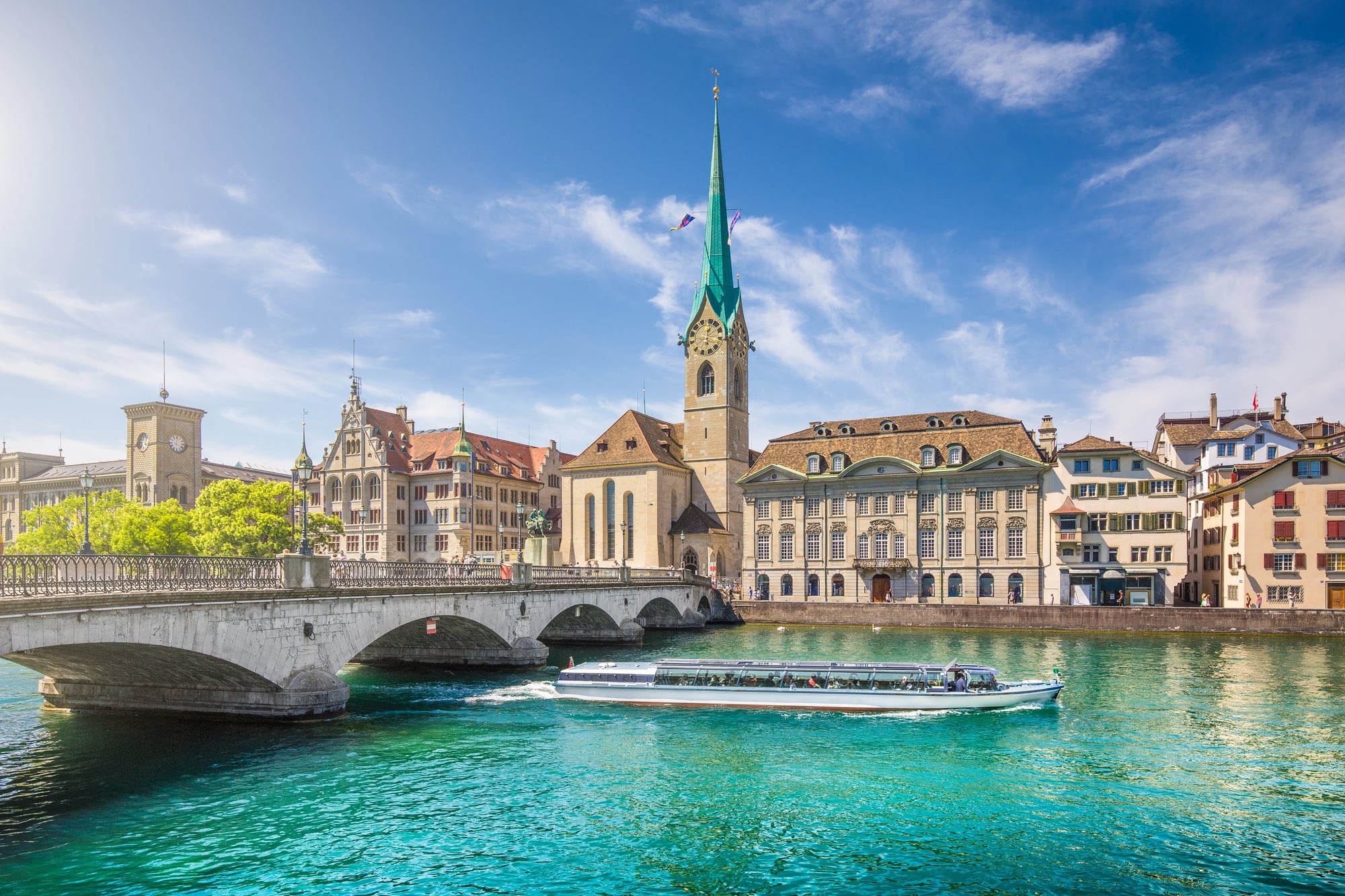
Three armed men walked into the E. G. Bührle Collection in Zurich in February 2008 and, in broad daylight, removed four paintings by Cézanne, Degas, Van Gogh, and Monet worth a combined estimated value of $163 million.
Two paintings were recovered within days in a nearby psychiatric clinic car park.
The Cézanne and the Degas remained missing for years, with the Cézanne eventually recovered in Serbia in 2012 in connection with a criminal gang.
Musée d’Art Moderne de Paris (2010)
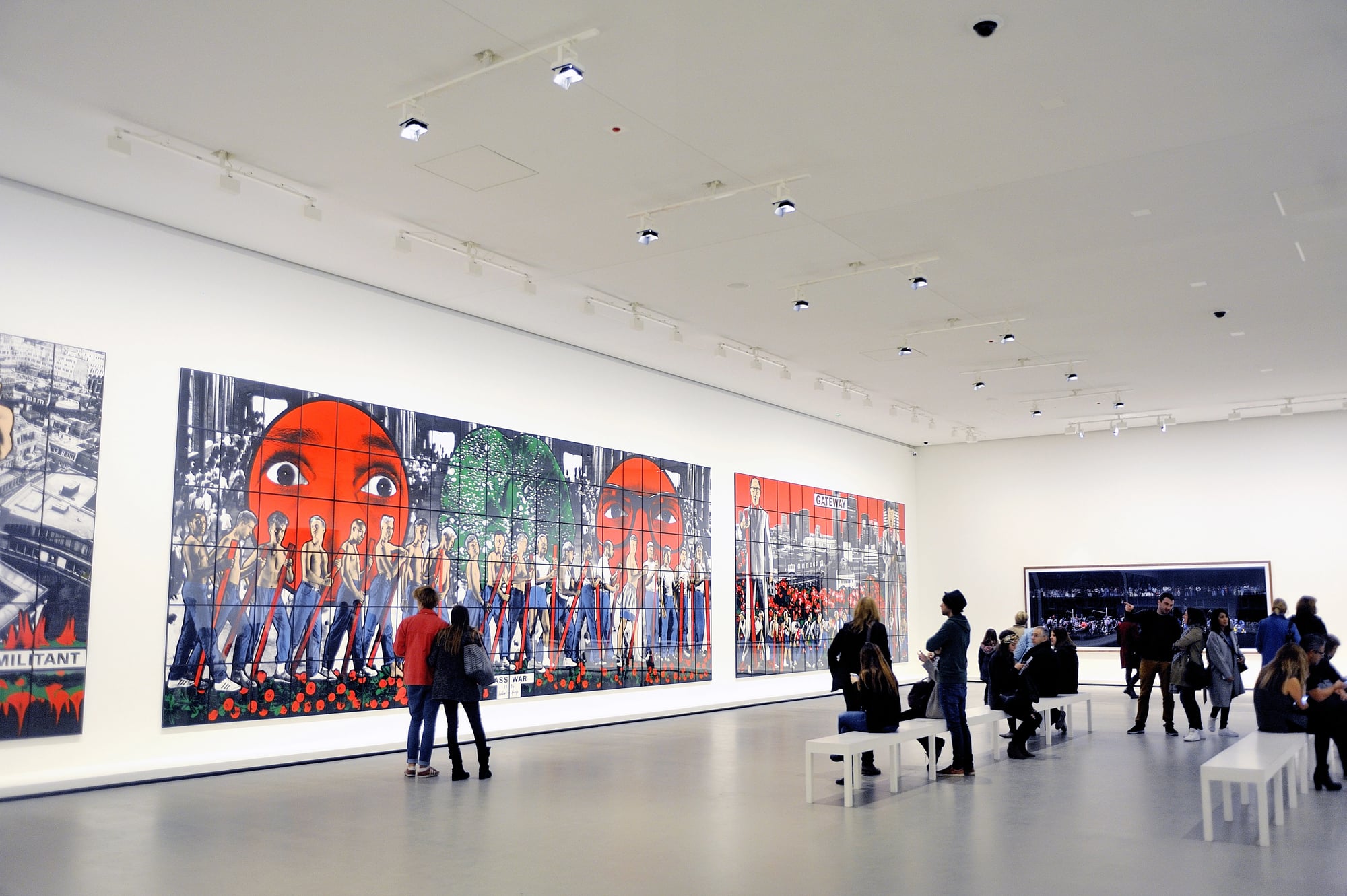
A lone burglar cut through a padlocked fence and entered the Musée d’Art Moderne de Paris in May 2010, removed a security camera, and disabled an alarm that had been malfunctioning for months.
He left with five paintings — works by Picasso, Matisse, Léger, Braque, and Modigliani — collectively valued at approximately €100 million.
One man was eventually arrested, but the paintings themselves have never been recovered.
The arrested suspect claimed he had panicked and thrown them in the rubbish.
The Nativity by Geertgen tot Sint Jans, Berlin (1975)
Nativity by the Dutch master Geertgen tot Sint Jans was stolen from the Gemäldegalerie in Berlin in 1975 and has never been recovered.
Unlike some missing masterpieces, it generates relatively little public attention precisely because Geertgen tot Sint Jans is not a household name.
This may be why it has stayed missing for fifty years without generating the sustained investigative pressure that more famous works attract.
The Chagall Theft, Nice (2010)
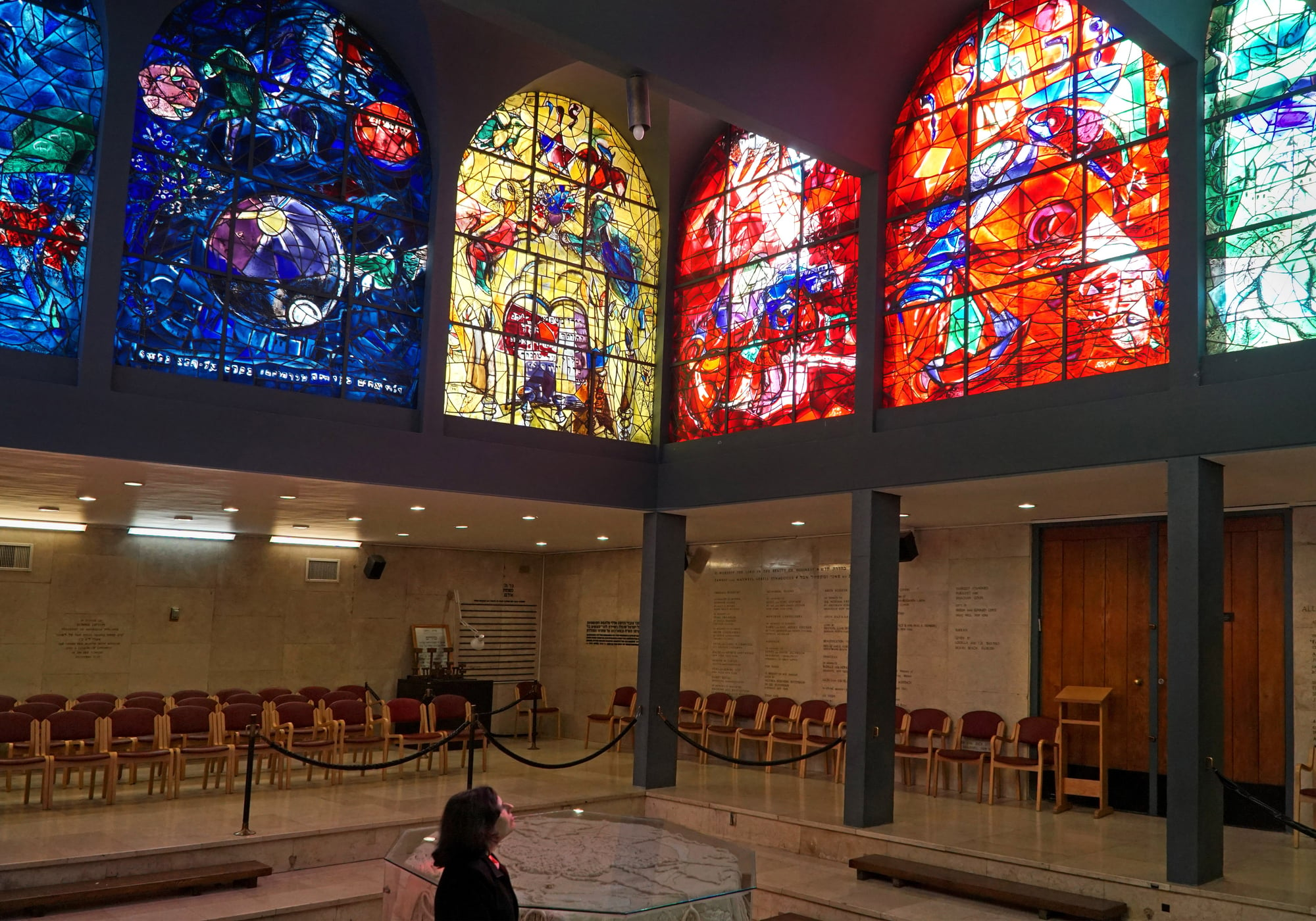
Marc Chagall’s The Wedding was stolen from the Musée National Marc Chagall in Nice in 2010.
A young woman distracted staff while an accomplice detached the painting from the wall.
The theft was captured on security cameras, and the image of the thieves was widely circulated, but no arrests were made and the painting was not recovered.
The Chagall theft is often cited by security consultants as an example of how social engineering defeats technological countermeasures.
Caravaggio, Malta (1984)
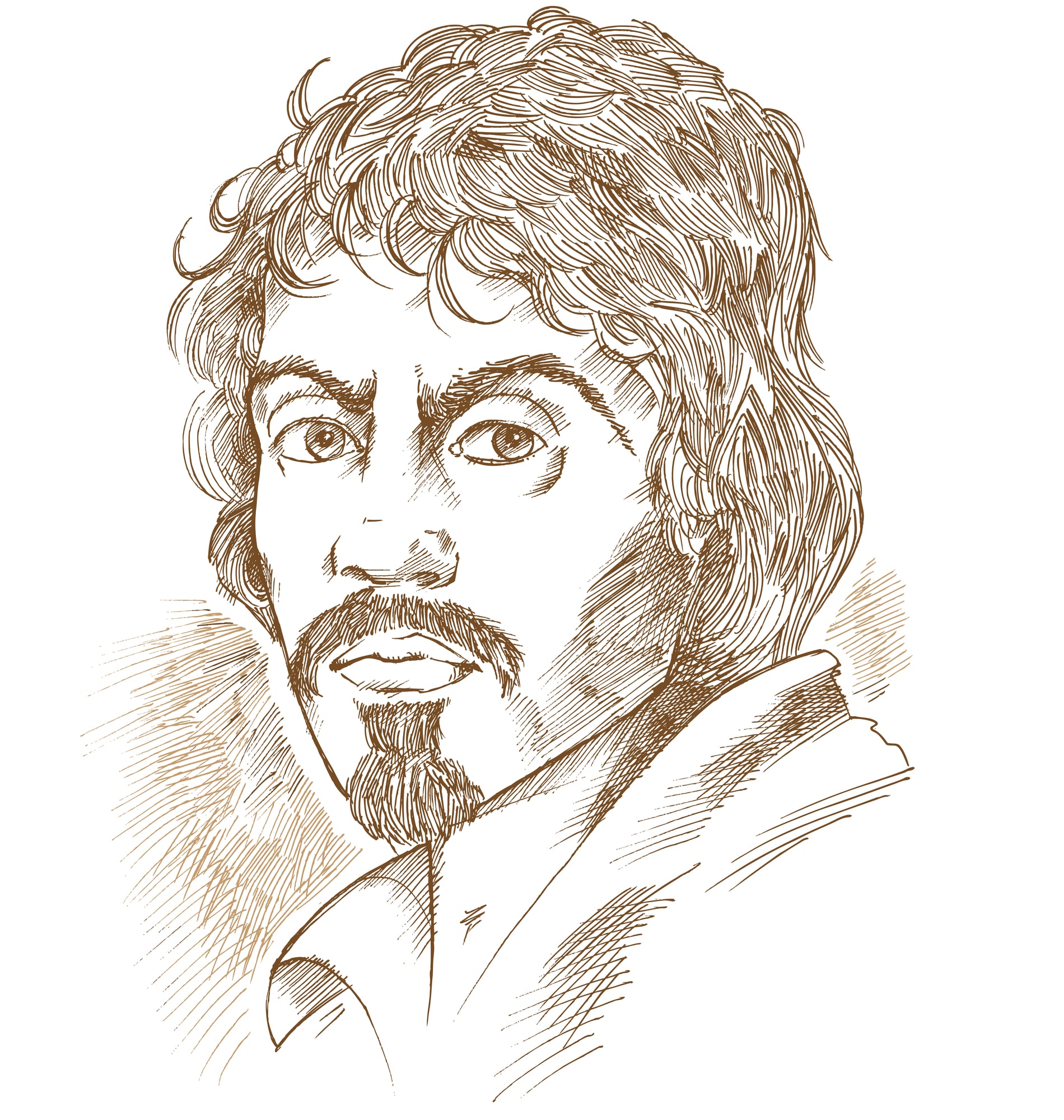
Caravaggio’s massive altarpiece The Beheading of Saint John the Baptist, housed in the Oratory of St John’s Co-Cathedral in Valletta, Malta, was not stolen.
Its companion piece, a smaller Caravaggio painting known as Saint Jerome Writing, was removed from the same location in 1984.
Authorities suspected inside involvement.
The painting was recovered two years later in circumstances that have never been fully explained, with a ransom negotiation widely believed to have taken place but never officially confirmed.
Three Rubens Paintings, Church of San Agostino, Genoa (1990)
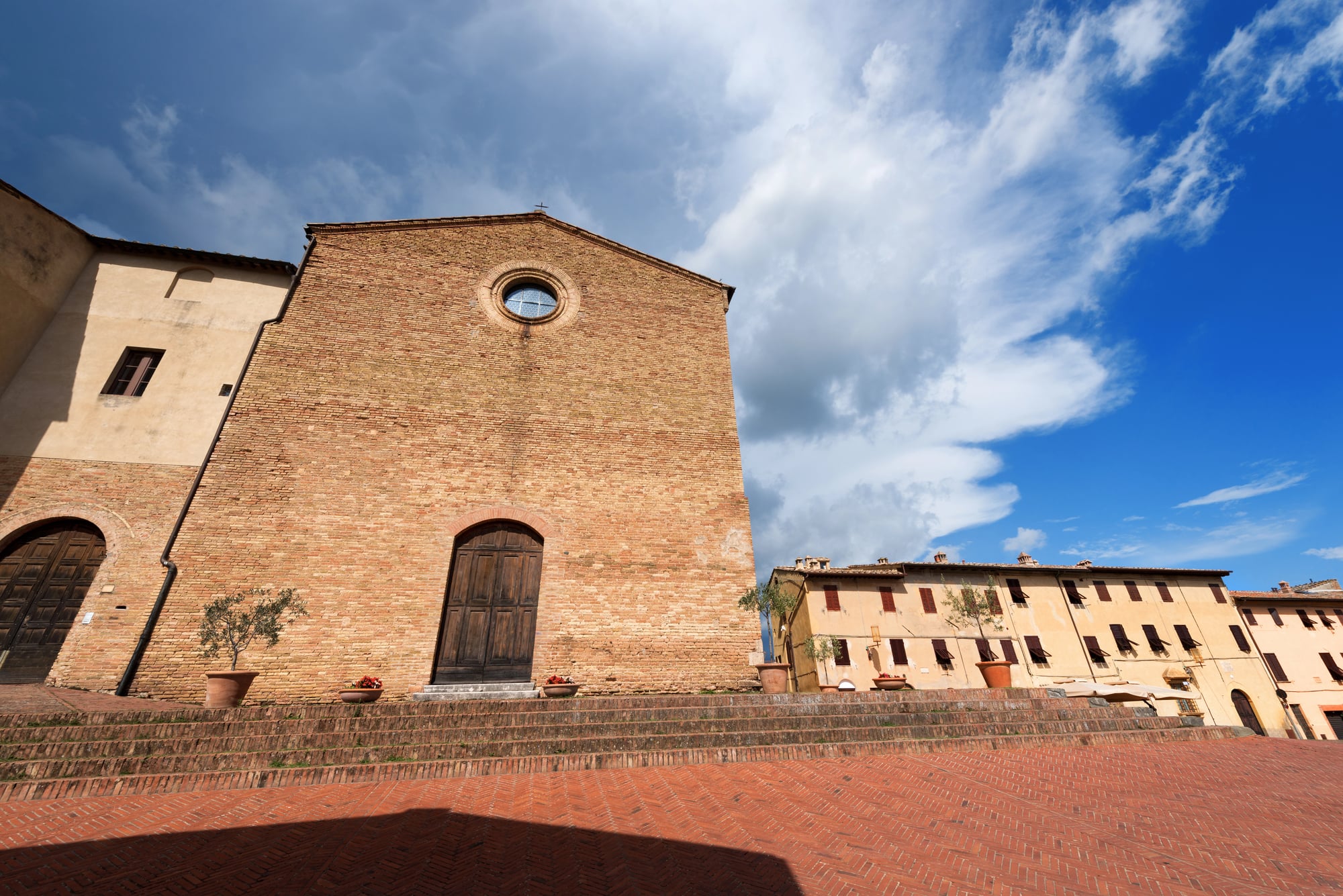
Three Rubens paintings were stolen from the Church of San Agostino in Genoa in 1990.
The theft was remarkably low-profile given the scale of the loss, occurring in a city already accustomed to incidents of art theft from religious properties.
The works have not been recovered and attracted limited international investigative attention, partly because sacred art thefts from Italian churches were sufficiently common in that period to blur into the background noise of Italian art crime statistics.
J. M. W. Turner Paintings, Frankfurt (1994)
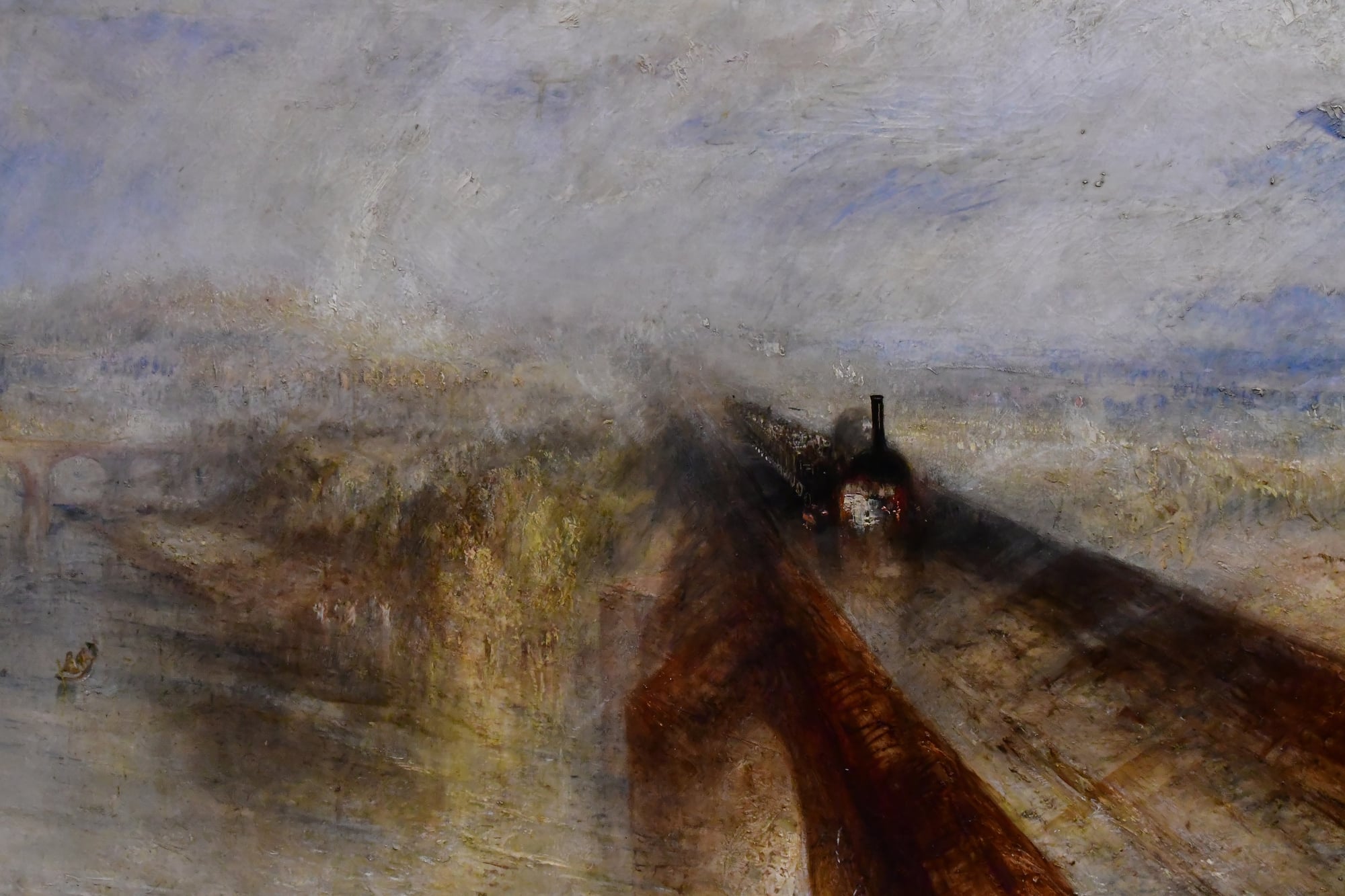
Two Turner paintings — Shade and Darkness and Light and Colour — were stolen from the Schirn Kunsthalle in Frankfurt in 1994 after guards were overpowered.
The paintings were the subject of a protracted insurance dispute and a long German investigation.
They were eventually recovered in 2002 in an art sting operation in Denmark, eight years after the theft.
The Poppy Flowers Van Gogh, Cairo (2010)
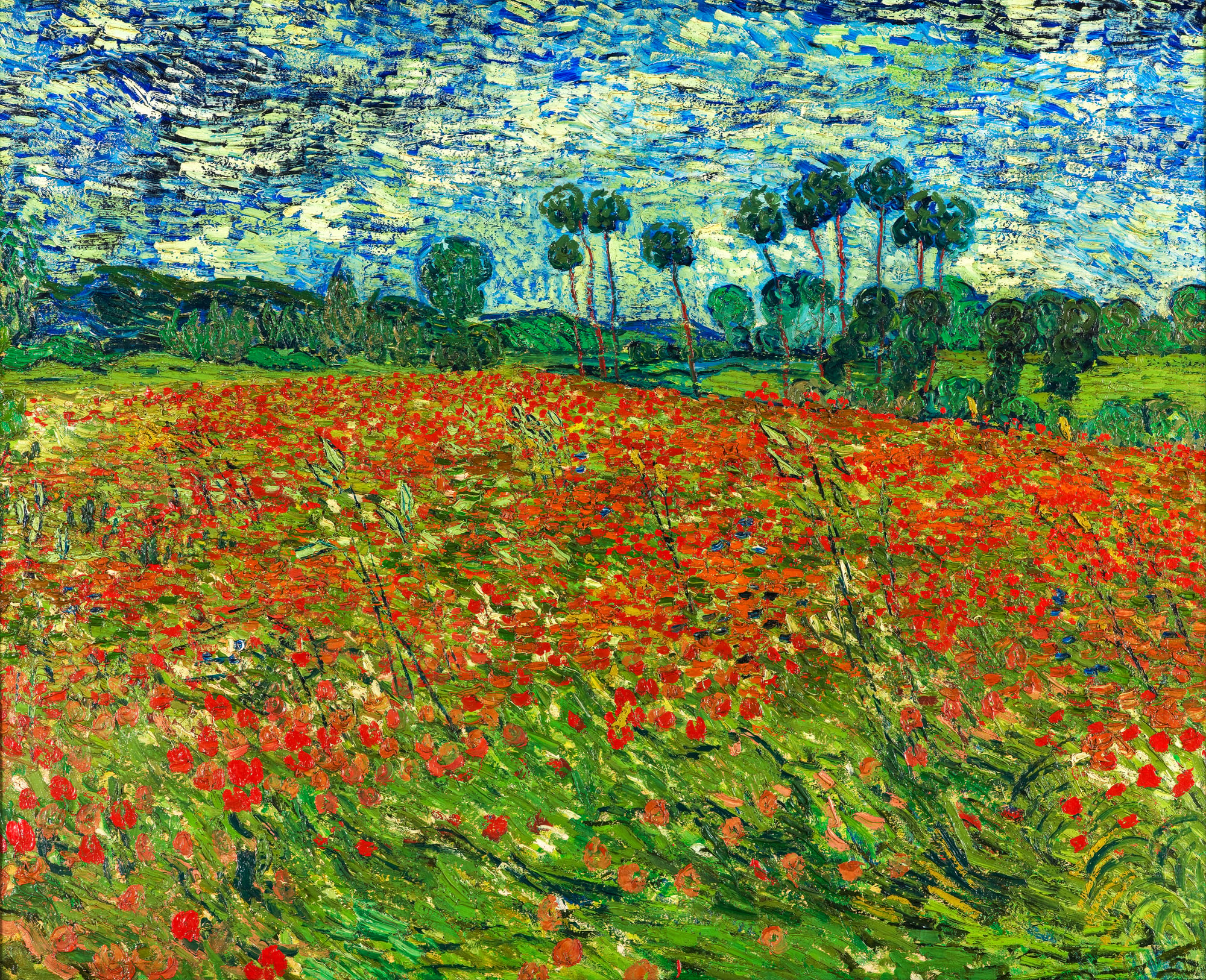
Vincent van Gogh’s Poppy Flowers was cut from its frame at the Mohamed Mahmoud Khalil Museum in Cairo in August 2010, during a ten-minute gap in security camera coverage when the system was apparently undergoing maintenance.
The museum had fifty-three further security cameras that were found to be non-functional.
The painting has not been recovered and the investigation was impeded by jurisdictional complexity and a lack of institutional resources for art crime investigation in Egypt.
Klimt and Other Works, Österreichische Galerie, Vienna (1985)
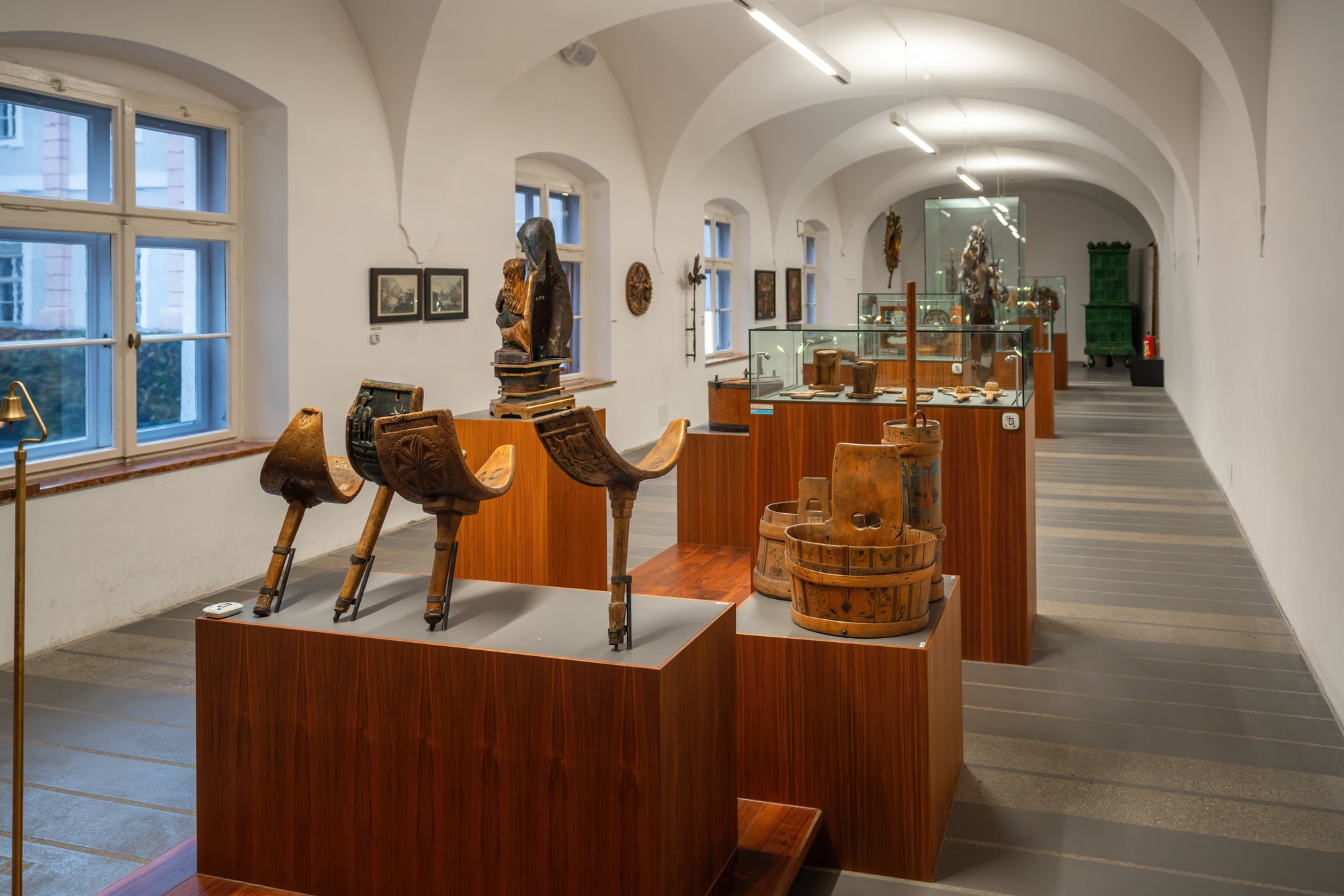
Gustav Klimt’s Portrait of Adele Bloch-Bauer I was not stolen but rather seized by the Nazis and retained by the Austrian state for decades before being returned to the Bloch-Bauer family in 2006 following an arbitration case — one of the most significant Nazi-looted art restitutions in history.
However, related Klimt works remained untraced for years because the documentary trail had been deliberately obscured during the Nazi period.
The complexities of looted art restitution continue to occupy international lawyers and investigators.
The Goya Portrait, National Gallery, London (1961)
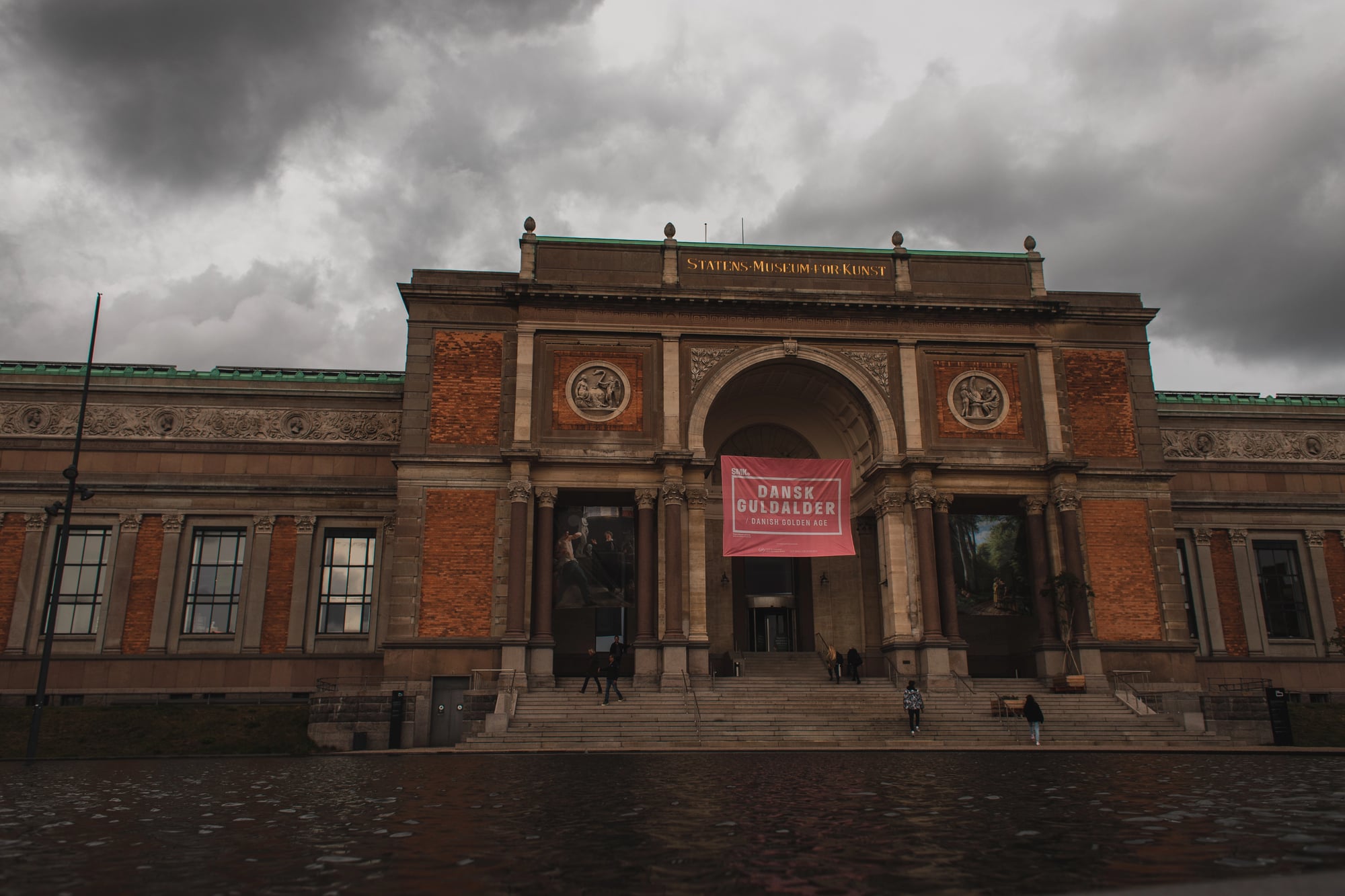
Francisco de Goya’s portrait of the Duke of Wellington was stolen from the National Gallery in London in 1961 — audaciously, just after the British government had spent a substantial sum to prevent it leaving the country for the United States.
Police and journalists spent four years completely mystified.
The painting eventually resurfaced in 1965, left anonymously at a hotel.
The man who came forward to claim responsibility was Kempton Bunton, a 57-year-old unemployed taxi driver who told the court he had taken it to protest the BBC television licence fee and wanted to donate any ransom to charity.
He was acquitted of theft.
Stradivari Violins, Bein & Fushi, Chicago (1995)
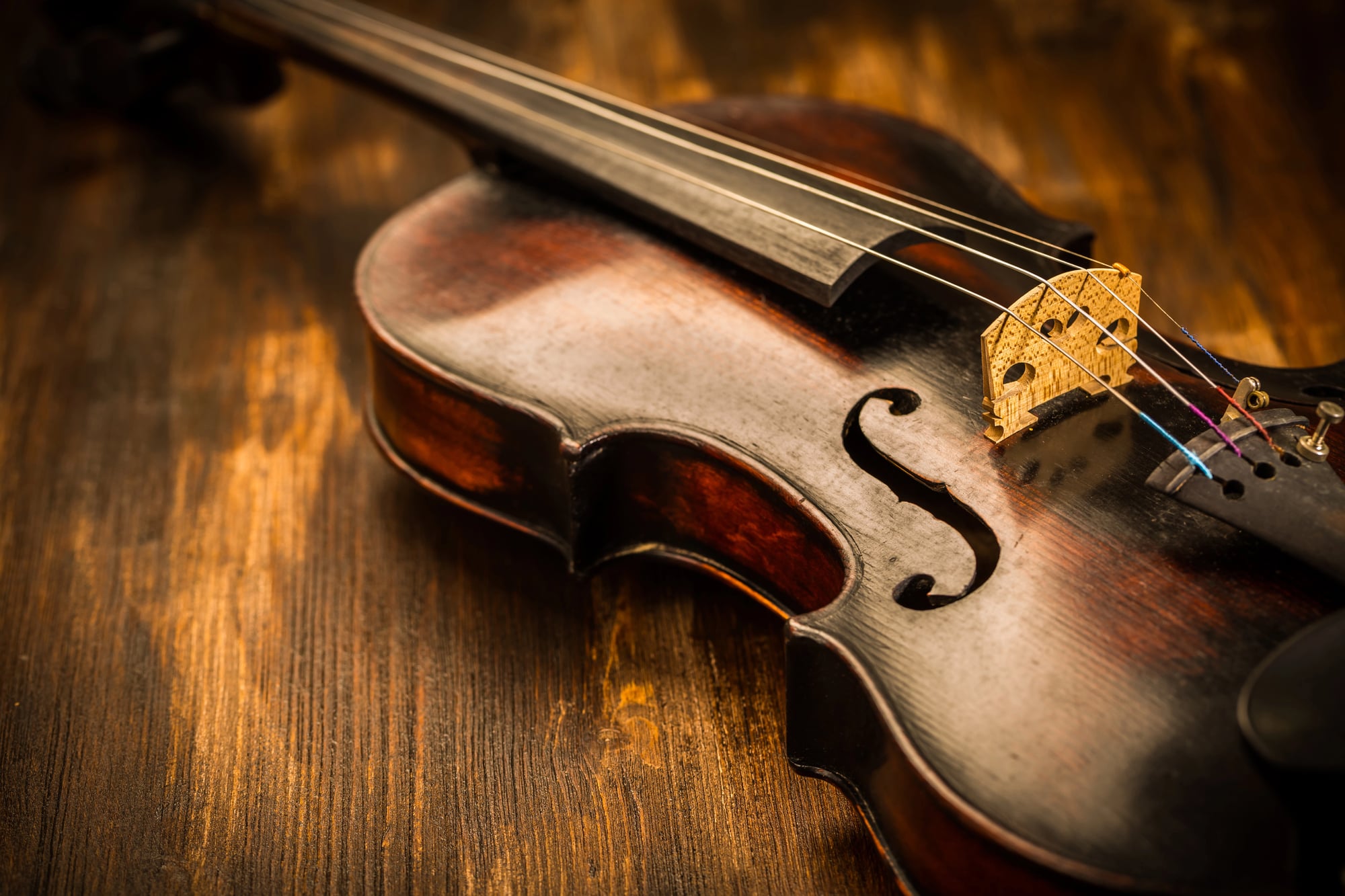
Though not paintings, the 1995 theft of a 1727 Stradivari violin from the Chicago dealer Bein and Fushi — at the time valued at approximately $1.2 million — led to one of the more sustained and globally coordinated musical instrument recovery investigations in history.
Stradivari instruments are individually catalogued well enough that selling them is enormously difficult.
This particular instrument was recovered seventeen years later in Los Angeles in 2012.
The Boston Public Library Prints, Boston (1968)

In 1968, thieves removed ninety-three rare prints and drawings from the Boston Public Library — including works by Dürer, Rembrandt, and Whistler.
The theft was methodical and clearly pre-planned.
Despite an FBI investigation that ran for decades, most of the works were never recovered, and the perpetrators were never publicly identified.
The case is rarely discussed compared to higher-profile art thefts of the period, partly because prints lack the singular identity that makes painting thefts so tractable for investigators.
Picasso Paintings, Paris Apartment (2007)
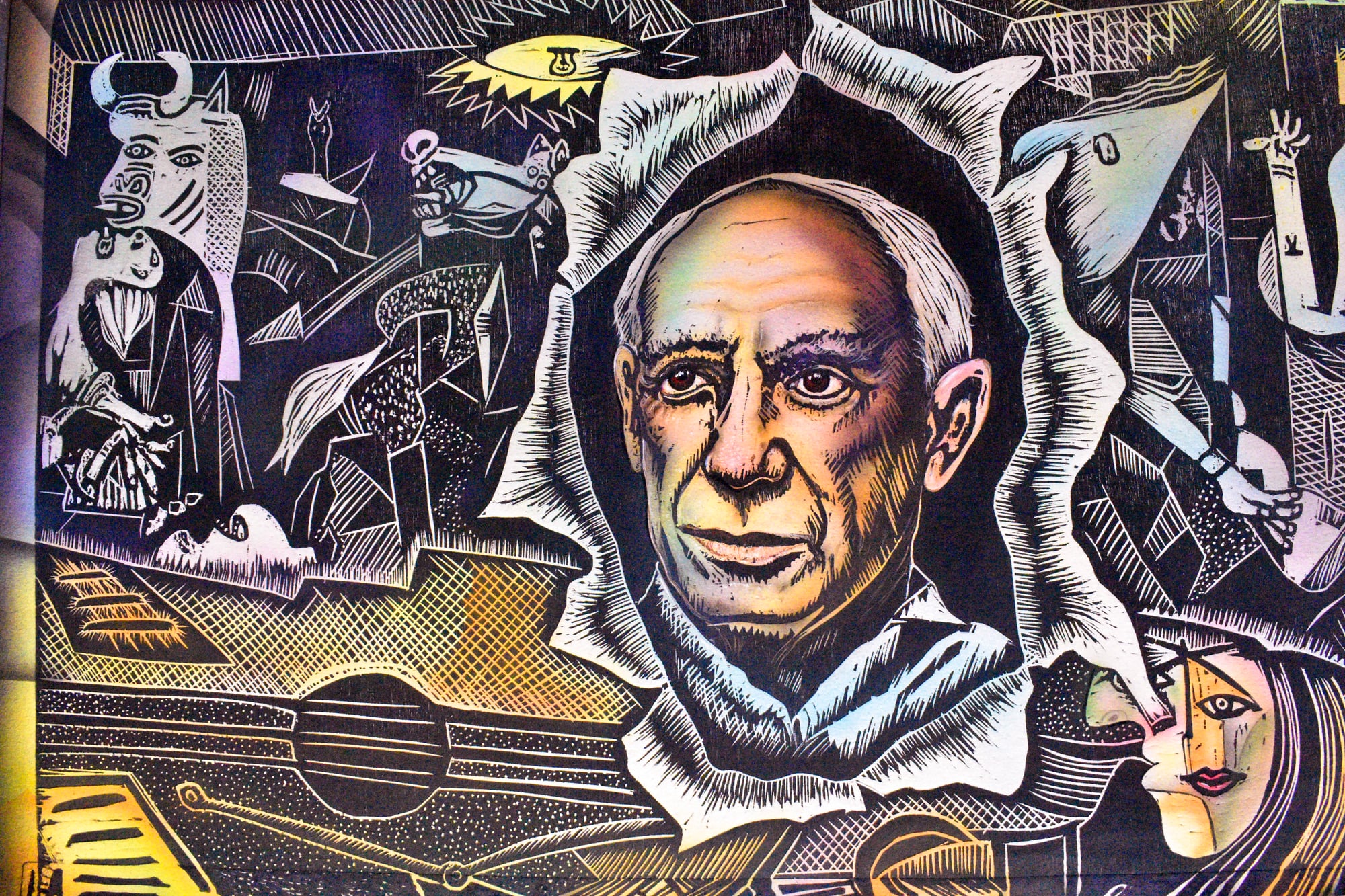
A collection of Picasso’s personal works — pieces the artist had never sold and kept in his family — was at the centre of a complex theft and court case in France that began in 2007.
The theft and subsequent legal proceedings raised questions about documentation, inheritance, and what distinguished criminal acquisition from legitimate inheritance dispute.
The legal proceedings lasted years and the full picture of who had done what remained contested throughout.
The Van Gogh Museum, Amsterdam (1991)
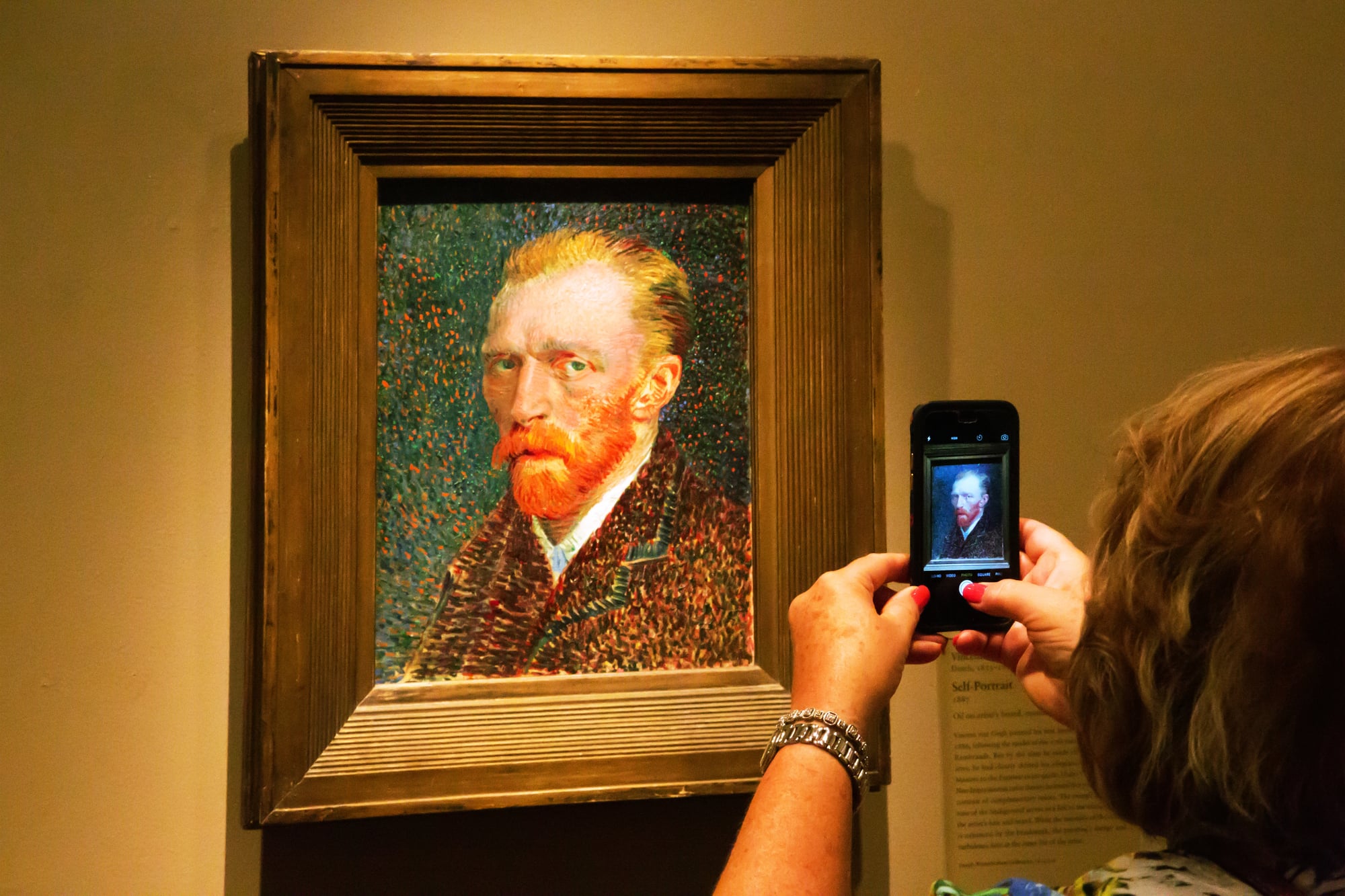
Twenty Van Gogh paintings were stolen from the Van Gogh Museum in 1991 in a very early morning raid.
The thieves’ car was stopped by police shortly afterward, and the paintings — still in the car — were recovered.
The entire investigation lasted less than thirty-six hours.
It is included here not for its investigative difficulty but because a theft of twenty Van Goghs that was completely resolved within a day and a half reveals something useful about the art crime ecosystem: the bottleneck is never the theft, it is always the disposal.
Cellini Salt Cellar, Vienna (2003)
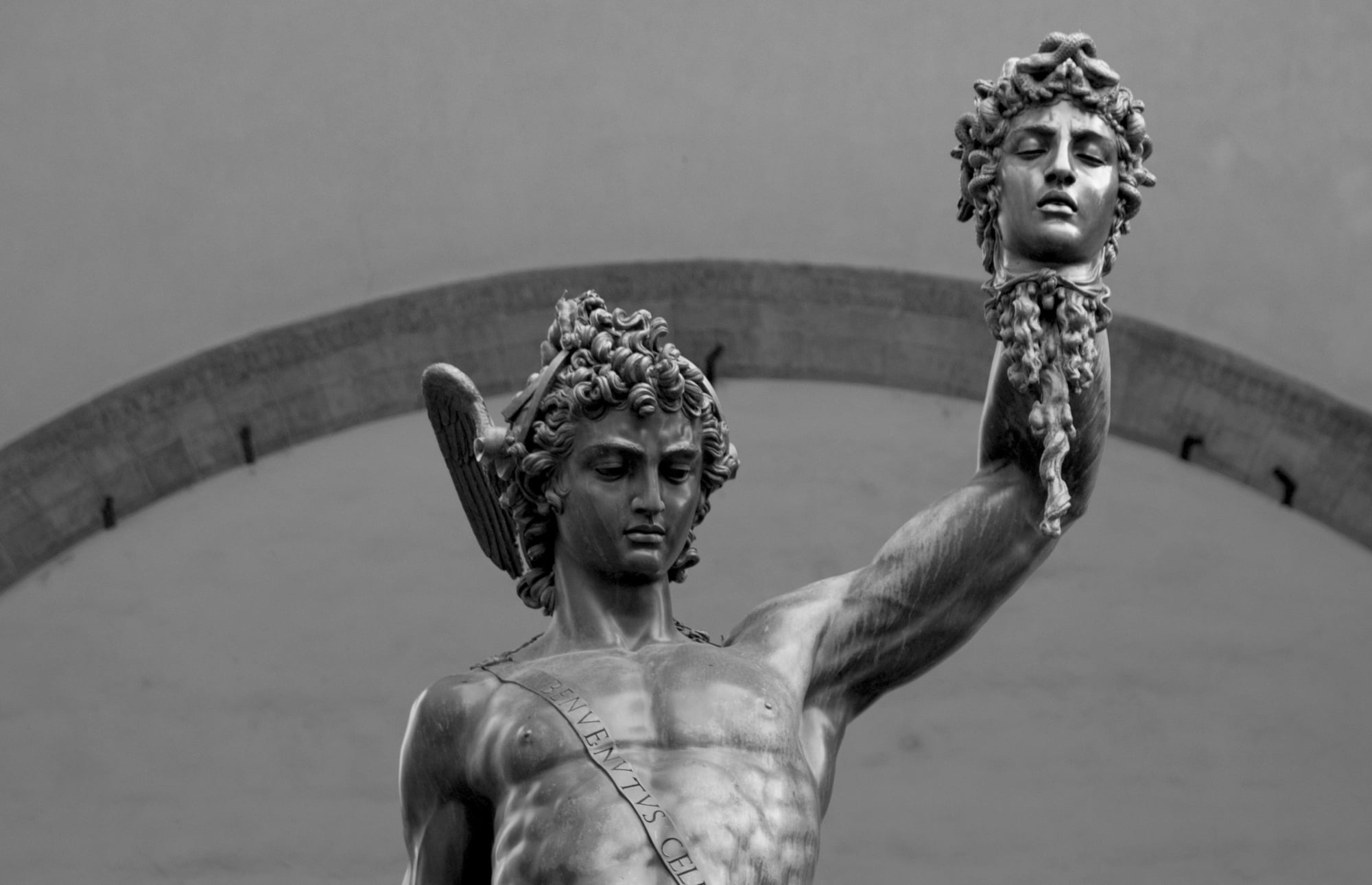
The golden salt cellar made by Benvenuto Cellini for King Francis I of France — one of the few surviving authenticated Cellini objects and insured for €50 million — was stolen from the Kunsthistorisches Museum in Vienna in May 2003.
A masked man smashed a window, disabled an alarm, and walked out with the object.
It was recovered four years later, buried in a forest in Austria.
A former security guard was convicted in 2006.
The Amber Room, St Petersburg (1941)
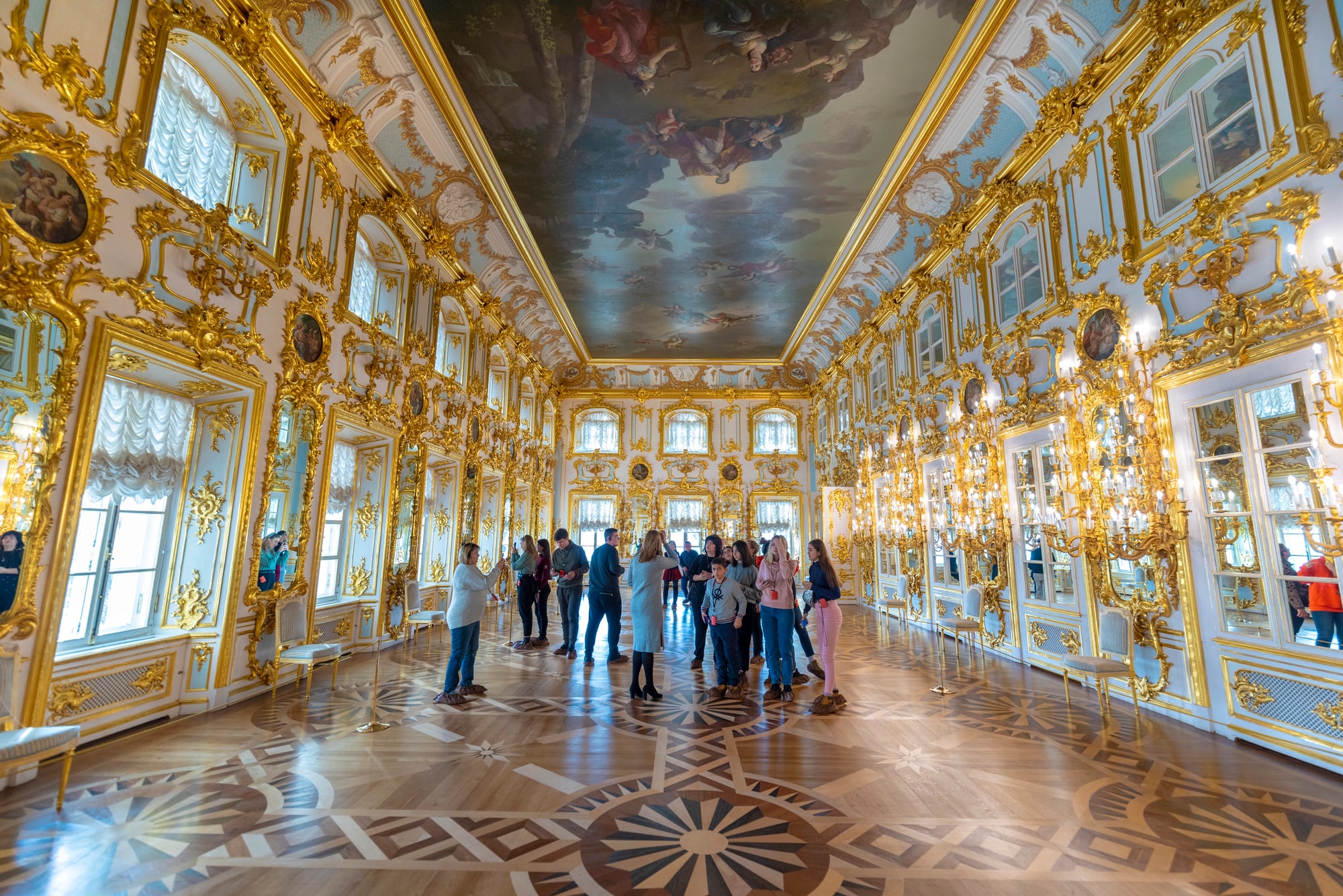
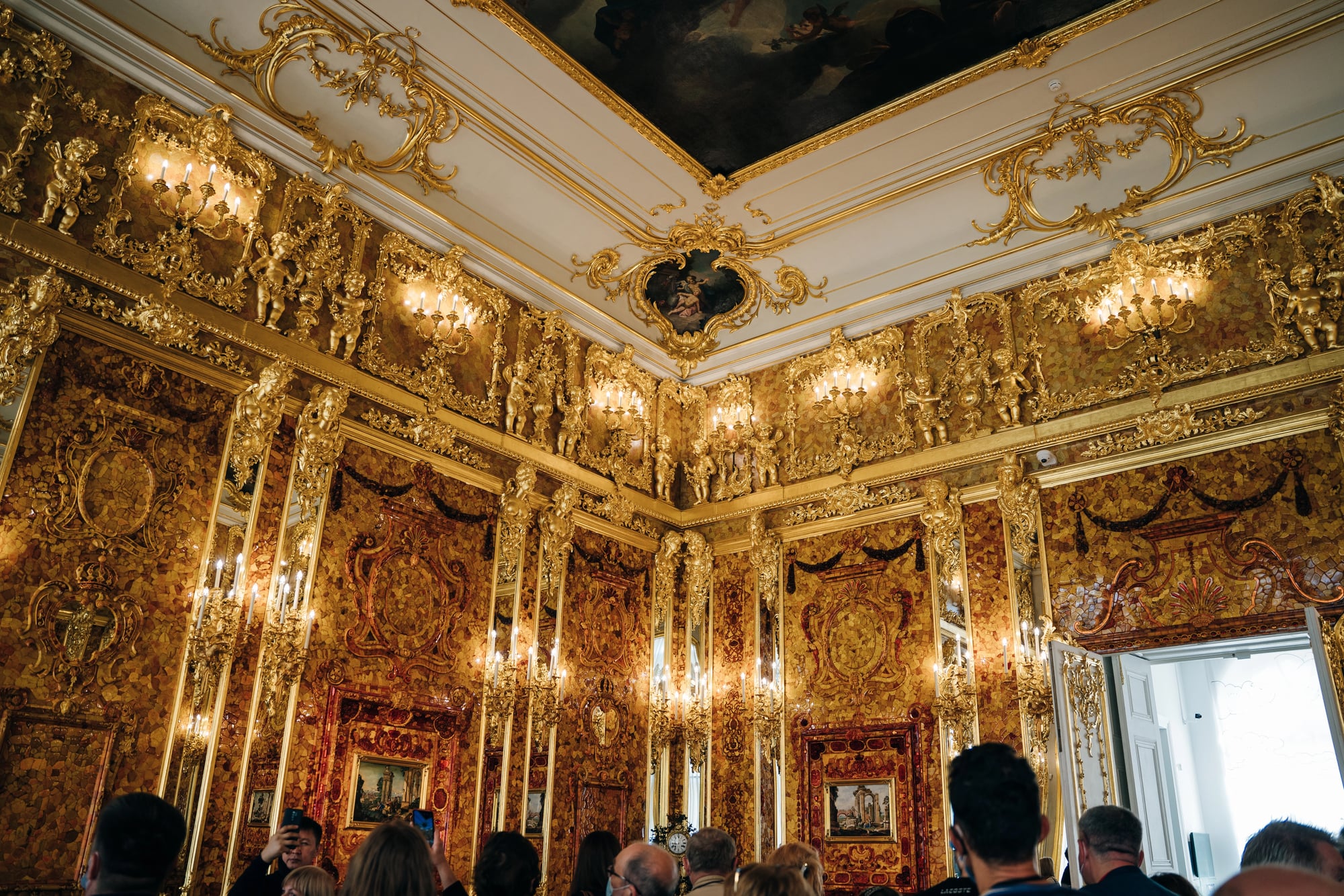
When German forces occupied the Catherine Palace near St Petersburg in 1941, they dismantled the Amber Room — an entire chamber panelled with amber, gold, and mirrors, a gift from Frederick William I of Prussia to Peter the Great — and transported it west.
It was installed in Königsberg Castle, and after that the trail goes cold.
Multiple investigations over the following eighty years have traced it to a ship that may have sunk, to a bunker beneath a Baltic city, and to private collections in Germany and Switzerland.
None of these leads has produced the room.
It remains one of the most valuable and most mythologised missing cultural objects in the world.
The Art the Thieves Couldn’t Sell
The central irony running through nearly every entry on this list is that the theft almost always failed on its own terms.
Art that is famous enough to steal is famous enough to be immediately unsellable.
The Gardner paintings cannot be legally purchased, displayed, insured, or borrowed.
The Amber Room is too large and too well-documented to resurface quietly.
The Vermeer Concert has exactly thirty-four companions in the world and is known to every major museum curator, auction specialist, and art crime investigator alive.
What the thefts did succeed in doing was removing the works from public life.
Every painting behind an empty frame, every panel replaced with a copy, every work filed under “missing” in an Interpol database is a cultural loss that no recovery reward or criminal prosecution can entirely undo.
The art theft fantasy is about acquisition.
The art theft reality is mostly about disappearance.
More from Go2Tutors!

- The Romanov Crown Jewels and Their Tragic Fate
- 13 Historical Mysteries That Science Still Can’t Solve
- Famous Hoaxes That Fooled the World for Years
- 15 Child Stars with Tragic Adult Lives
- 16 Famous Jewelry Pieces in History
Like Go2Tutors’s content? Follow us on MSN.