14 Wartime Photos of Daily Life at Home
War is usually pictured on a battlefield, but for most people it arrived at the kitchen table. Families planted gardens, queued for food, hung blackout curtains, and learned to make last year’s coat last another winter.
These fourteen scenes show the home front in the world wars. The ordinary objects in them, from ration books to gas masks, tell the story better than any speech.
Victory Gardens
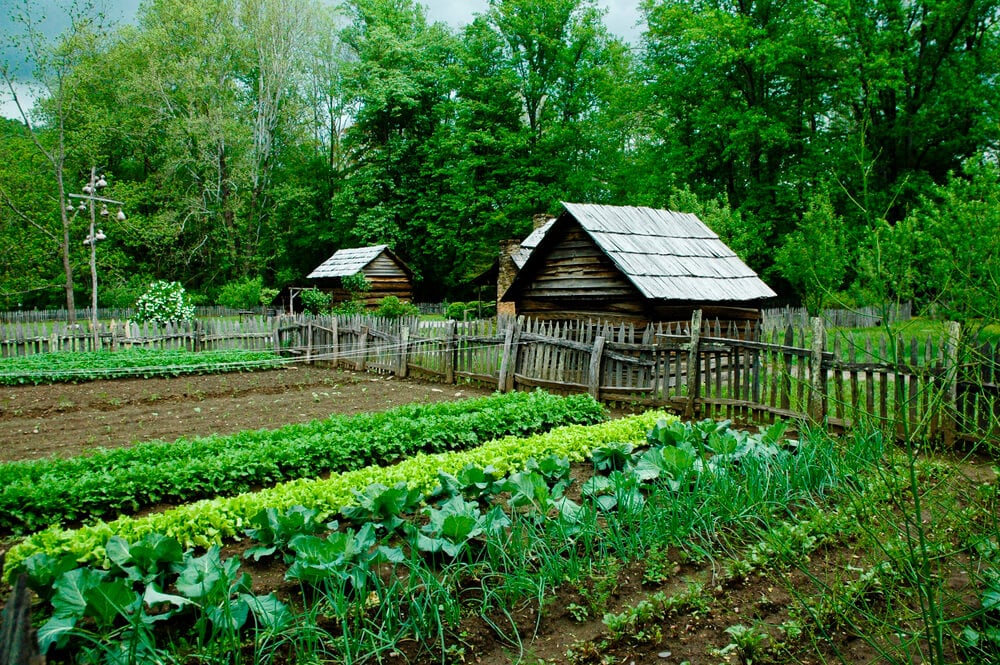
During the Second World War, Americans planted millions of small vegetable plots in backyards, vacant lots, and parks. By 1943, roughly twenty million gardens were producing a large share of the nation’s fresh vegetables.
Photographs show families hoeing neat rows beside city apartment buildings.
The British Ration Book
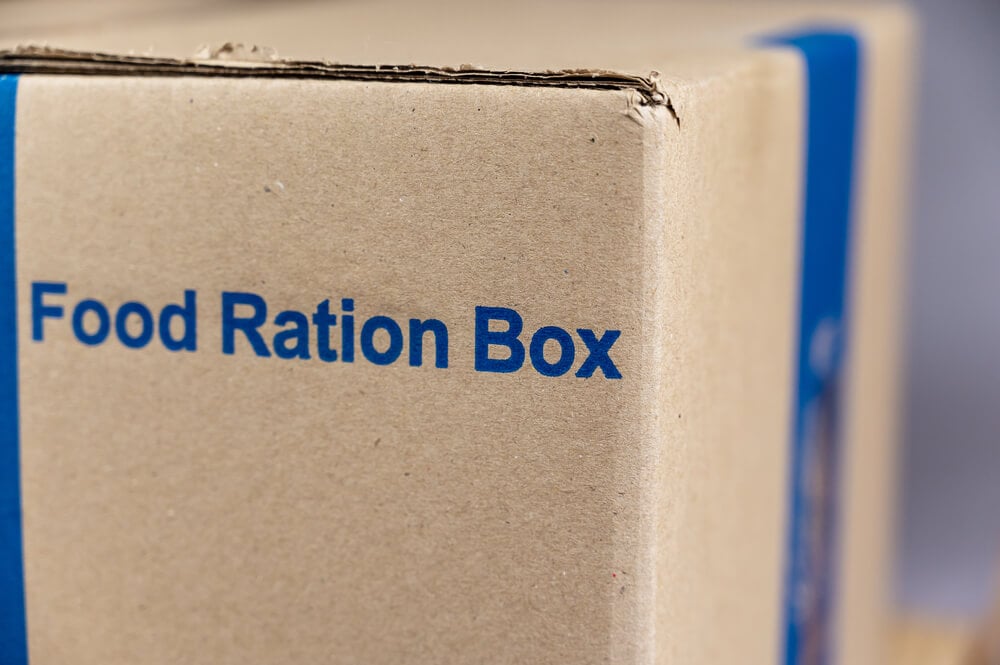
Food rationing began in Britain in January 1940, with bacon, butter, and sugar among the first items limited. Every household carried ration books and registered with a local shop.
Photographs of long queues outside shops became a constant of the war years.
Sleeping in the Underground
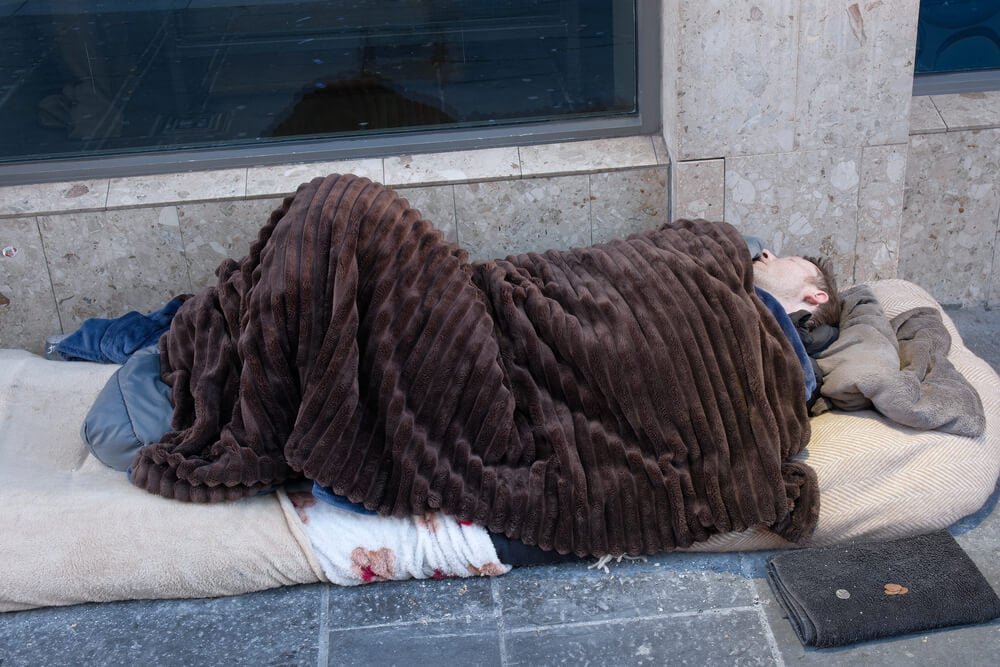
When the Blitz began in September 1940, Londoners crowded onto Underground platforms for shelter overnight, even though the government had at first discouraged it. Photographs show rows of people on blankets with children asleep and bunk beds installed later.
In March 1943, a crush on a stairway at Bethnal Green station killed 173 people.
The Anderson Shelter
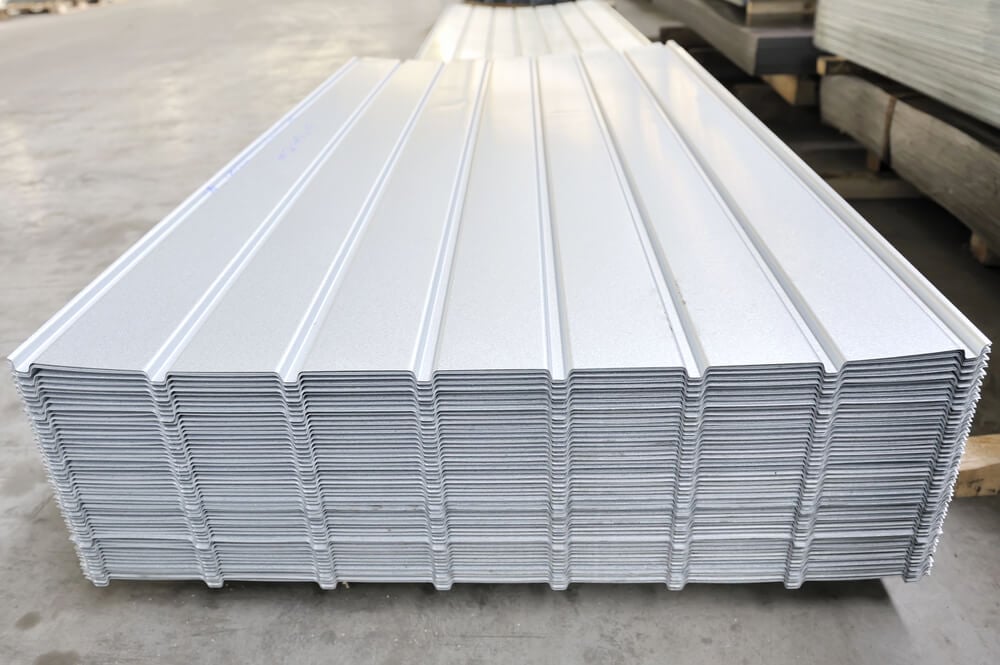
The Anderson shelter was a corrugated steel structure distributed free to families in Britain, and millions were installed in backyards. Families dug them into the ground and covered them with soil.
Photographs show people growing vegetables on the roofs.
Children Sent Away

In September 1939, Britain began evacuating children from cities in a plan that moved well over a million people in the first days. Photographs show rows of children with labels pinned to their coats and small suitcases in hand.
Many spent years in homes far from their parents.
Gas Masks for Children
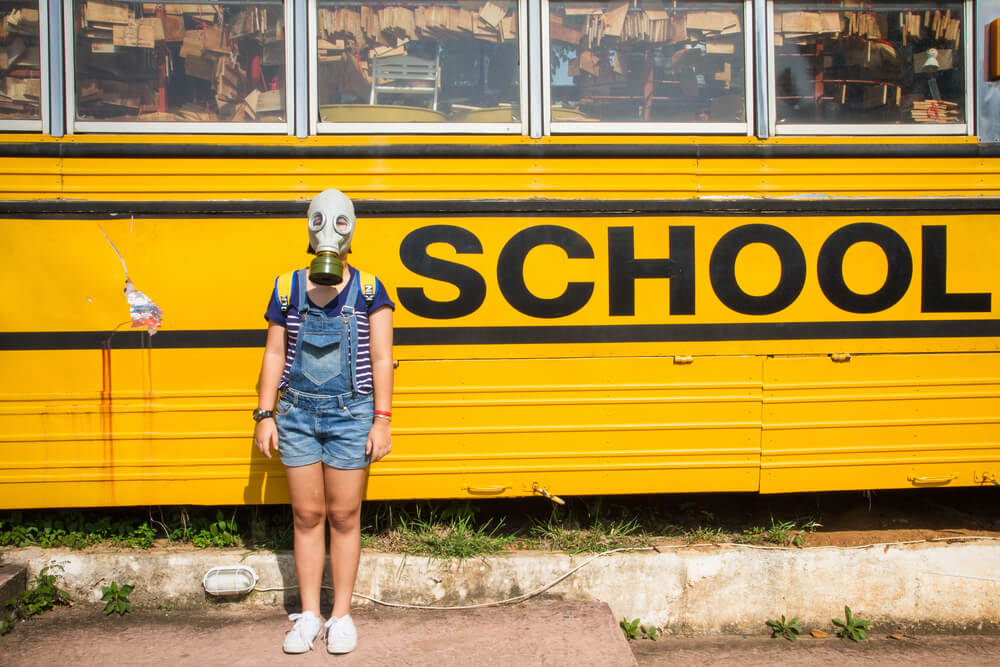
Britain issued tens of millions of gas masks before the war, and special masks were made for small children. One design, bright red and blue, was nicknamed the Mickey Mouse mask to make it less frightening.
Photographs show toddlers wearing them with obvious confusion.
Scrap Drives
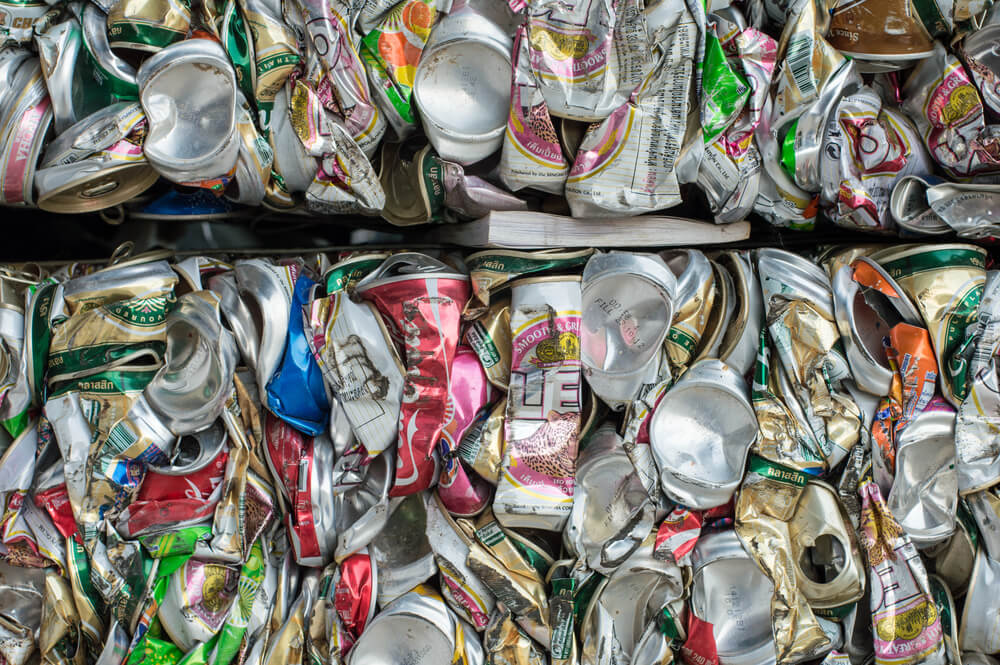
In the United States, children and adults collected scrap metal, rubber, and fats to be recycled into war material. Photographs show piles of old pots, tires, and car parts stacked outside schools and town halls.
The drives made war work something every household could do.
Women on the Factory Floor

With men in uniform, women took over jobs in aircraft plants, shipyards, and munitions factories. Photographs show them in overalls and headscarves running drills and riveting.
The poster figure called Rosie the Riveter came to represent them.
The Land Girls
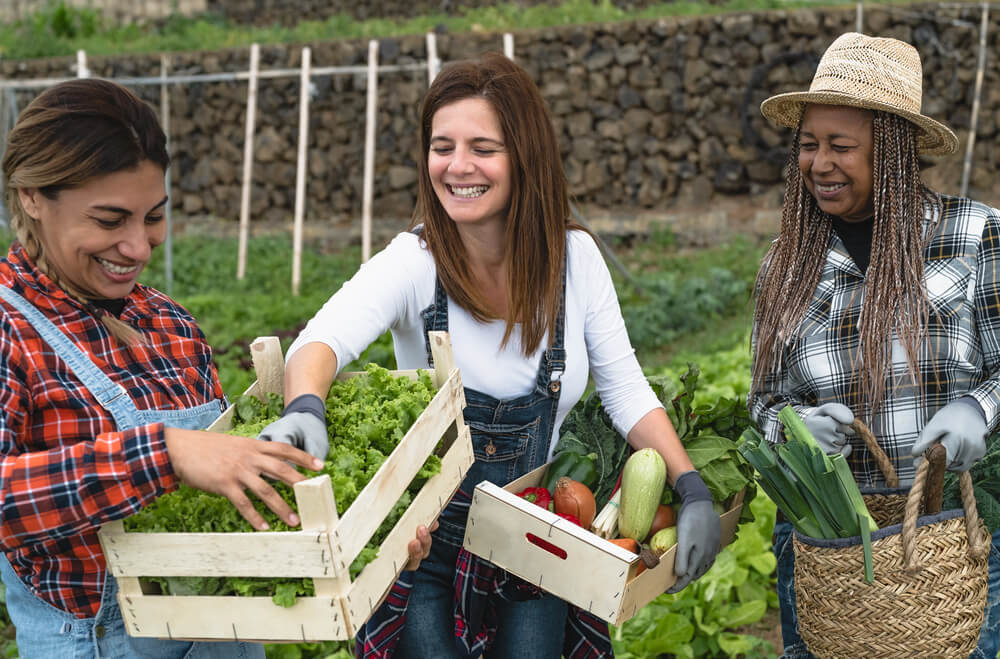
The Women’s Land Army in Britain put women to work on farms to grow food as imports were threatened. At its peak in the mid-1940s, tens of thousands served in the force.
Photographs show young women in breeches driving tractors and bringing in hay.
American Ration Stamps

Sugar rationing began in the United States in the spring of 1942, and coffee, meat, shoes, and gasoline soon followed. Families received books of stamps and learned to plan meals around them.
Photographs of grocery counters show stamps being torn from books at the register.
V-Mail
V-Mail, introduced in 1942, photographed soldiers’ letters onto microfilm so large volumes could travel in a small space. At the destination, the letters were printed and delivered.
Photographs of the machines show rows of workers feeding in pages.
Make Do and Mend
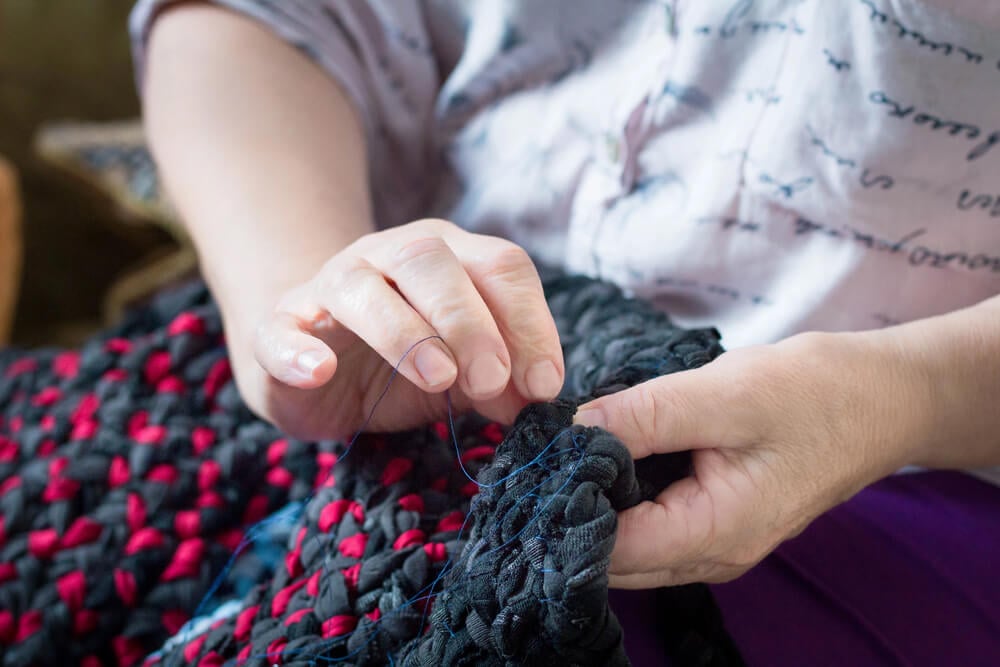
In 1943, the British government encouraged people to repair clothes instead of buying new ones, and a cartoon character named Mrs. Sew-and-Sew offered tips. Photographs show women stitching patches and unraveling old sweaters for yarn.
The campaign made thrift a patriotic duty.
The Turnip Winter

In Germany, the winter of 1916 and 1917 was so short of food that turnips replaced potatoes after a poor harvest. Families queued for hours for tiny portions.
The shortages weakened morale and left a deep memory.
Blackout Nights

When war was declared in 1939, Britain imposed a strict blackout, with windows covered and streetlights switched off. Road accidents rose sharply in the first months because drivers could hardly see.
Photographs show white lines painted on curbs and bumpers to help people find their way.
What the Kitchen Table Knew
None of these photographs shows a battle, yet each one records a decision made by ordinary people. Planting a garden, saving a can, or sleeping in a station was a form of service.
The scenes also show how quickly a society can reorganize itself when it has to. Many of the habits of the time, from mending to growing food at home, are worth remembering.
More from Go2Tutors!

- 27 Silver Dollars and Half Dollars Worth Keeping
- 28 Restaurant Menu Items Nobody Orders Anymore
- 17 Places Built in Seemingly Impossible Spots
- 27 Vintage Rings Worth More Than They Look
- 25 Restricted Sites Tourists Can’t Enter
Like Go2Tutors’s content? Follow us on MSN.