15 Old Kitchen Gadgets Now Collectibles
Remember when your grandmother swore that strange-looking contraption would change cooking forever? Those “must-have” kitchen innovations that promised to revolutionize meal preparation often ended up gathering dust in cabinets before eventually disappearing altogether.
These once-cutting-edge tools have found new life as nostalgic relics. Many of these gadgets represent fascinating snapshots of American domestic history and technological optimism.
Here is a list of 15 once-revolutionary kitchen gadgets that now reside in retro museums rather than on kitchen countertops.
Salad Spinner

The manual salad spinner was heralded as the solution to soggy lettuce in the 1970s. This hand-cranked centrifuge for vegetables promised perfectly dry greens without the tedium of paper towels.
While modern versions still exist, the original plastic models with their distinctive clicking sounds and sometimes unreliable lids have become collector’s items that showcase early plastic kitchenware design.
Electric Carving Knife

This buzzing blade sensation of the 1960s promised to make carving the Sunday roast as easy as guiding a hot knife through butter. Households across America displayed these status symbols during holiday gatherings, despite their limited practicality and storage challenges.
The early models with their chunky handles and cloth-covered cords now command surprising prices at vintage appliance auctions.
Countertop Yogurt Maker

Before Greek yogurt lined supermarket shelves, making yogurt at home was considered the height of kitchen science. These sets of small glass jars in a warming unit were supposed to pay for themselves through yogurt savings but often ended up used once or twice before retirement.
The avocado green and harvest gold versions from the 1970s particularly exemplify the era’s optimistic approach to home food production.
Sandwich Sealer

This device crimped the edges of bread around fillings to create sealed, pocket-style sandwiches like homemade versions of Hot Pockets. Marketing promised perfect picnic fare and lunchbox solutions, though most users discovered fillings often leaked anyway.
Original versions from the 1970s with their kitschy designs and mascots have developed a passionate collector following.
Egg Cuber

This strange contraption transformed ordinary boiled eggs into perfect cubes, supposedly for more efficient stacking and aesthetic appeal. The Japanese-invented gadget briefly captured American imagination in the 1970s before people realized round eggs worked just fine.
Museum curators now showcase these as perfect examples of solution-seeking problem gadgetry.
Presto HotDogger
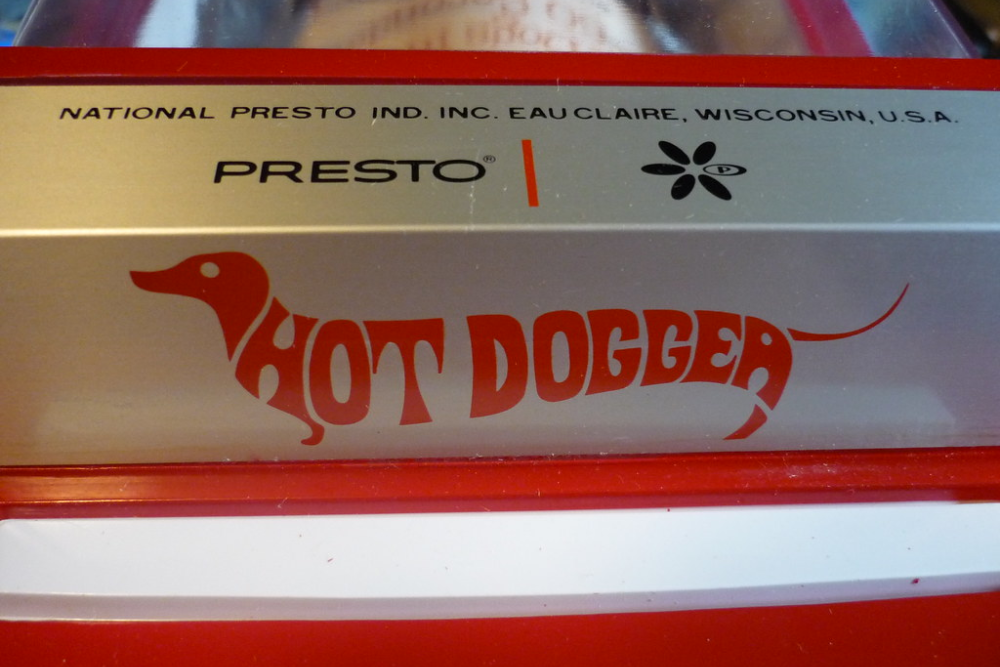
This specialized appliance used electrical current to cook hot dogs by sending electricity directly through them—no water or pan needed. The speed was impressive, but the concept of electrocuting your food eventually lost its appeal.
These units from the 1970s now serve as conversation pieces in technology museums showcasing unusual applications of household electricity.
Electric Can Opener
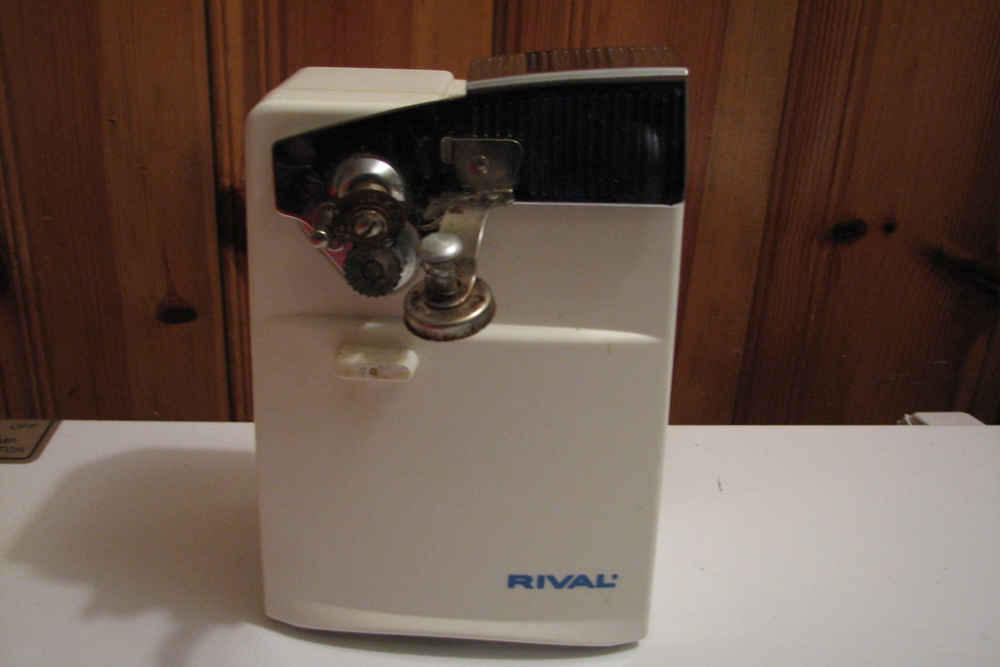
Once positioned as the epitome of modern kitchen convenience, countertop electric can openers took up significant space to perform a task that a simple manual tool could handle. The earliest models from the 1950s with their substantial metal construction and distinctive styling have become prized artifacts representing post-war American automation obsession.
Portable Ice Cream Roller

This rugged, portable device promised homemade desserts during camping trips if you simply rolled it around for 30 minutes. The reality of exhausting physical effort for small amounts of soft-serve rarely lived up to marketing fantasies.
These early 2000s novelties have already made their way into museum exhibits about millennial-era outdoor recreation equipment.
Like Go2Tutors’s content? Follow us on MSN.
Microwave Bacon Cooker
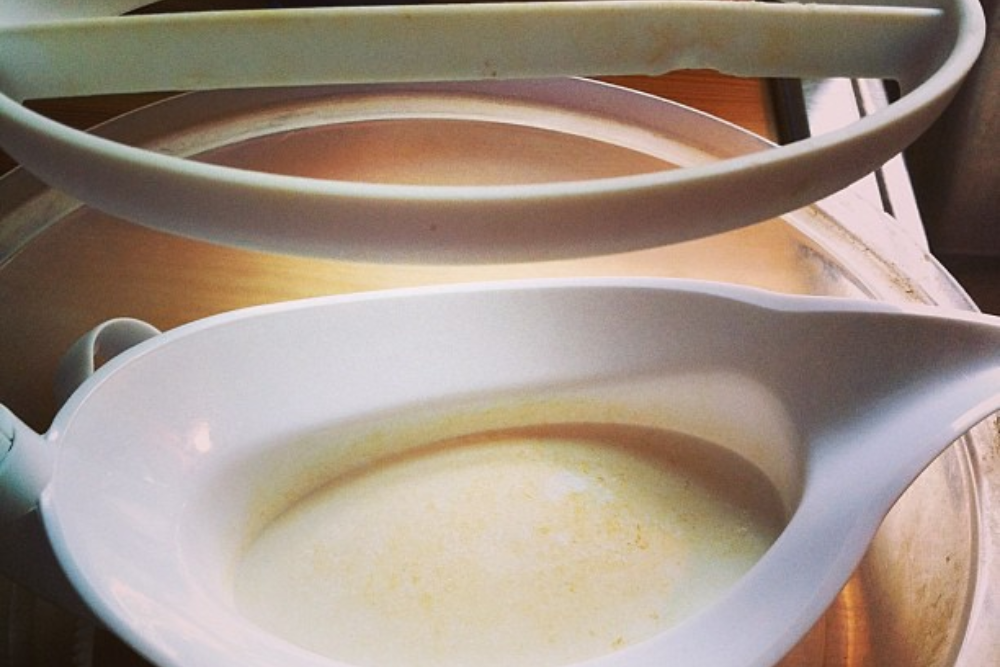
In the microwave’s heyday, dozens of specialized plastic accessories promised to harness its power for perfect cooking results. Bacon cookers with their ridged surfaces for draining grease were among the most popular.
The original versions now represent the explosion of single-purpose plastic gadgets that dominated 1980s kitchens before environmental concerns emerged.
Electric Butter Cutter

This battery-powered device promised perfectly sliced butter at the touch of a button, solving the apparently urgent problem of cold, unspreadable butter. Reality proved less impressive with uneven cuts and cleaning difficulties.
These late 1970s gadgets now symbolize the peak of automatic-everything kitchen culture before the return to manual cooking appreciation.
Dial-O-Matic Food Slicer
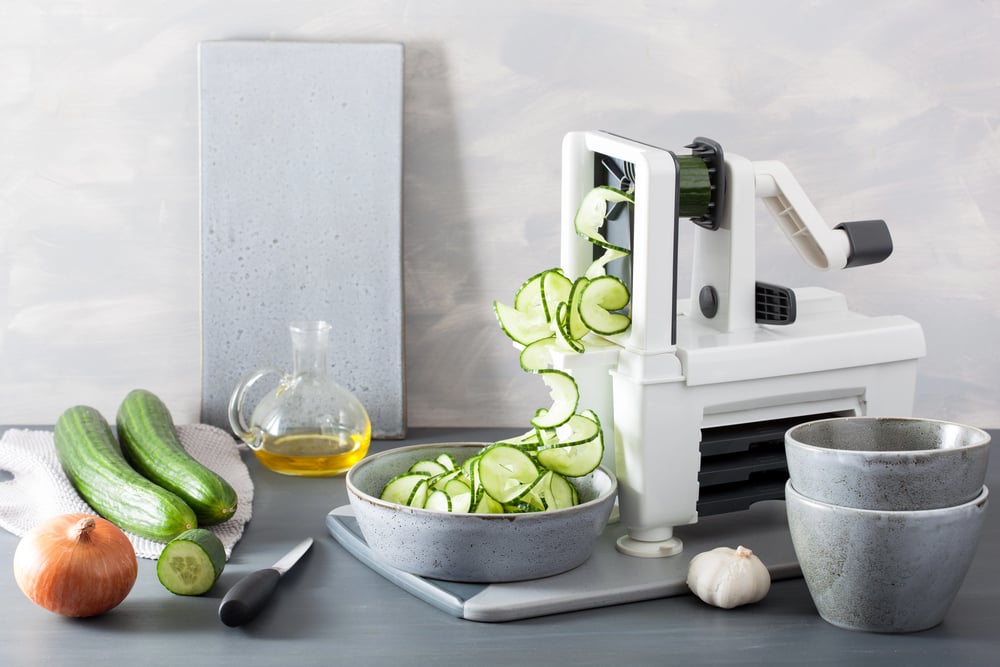
Made famous through relentless television advertising, this mechanical slicer promised consistent vegetable cuts through a rotating dial system. Its popularity in the 1970s reflected the growing American interest in consistent food presentation.
Original boxed versions with their bold graphic instructions now fetch impressive prices from advertising memorabilia collectors.
Electric Fondue Pot

These tableside cooking vessels defined sophisticated entertaining in the 1970s before disappearing almost entirely by the mid-80s. The control units with their primitive temperature dials and bright enamel exteriors represent a specific moment in American dining culture.
Museum displays often pair them with authentic fondue recipe cards and serving forks for complete nostalgic immersion.
Pop-Up Hot Dog Toaster

This specialized toaster cooked hot dogs and warmed buns simultaneously, promising convenient meals in minutes. The novelty quickly wore off when users discovered regular toasters and pans worked just as well.
The original models from the 1980s with their cartoon-like styling have become sought-after items among vintage kitchen enthusiasts.
Jar Opener Wall Mount
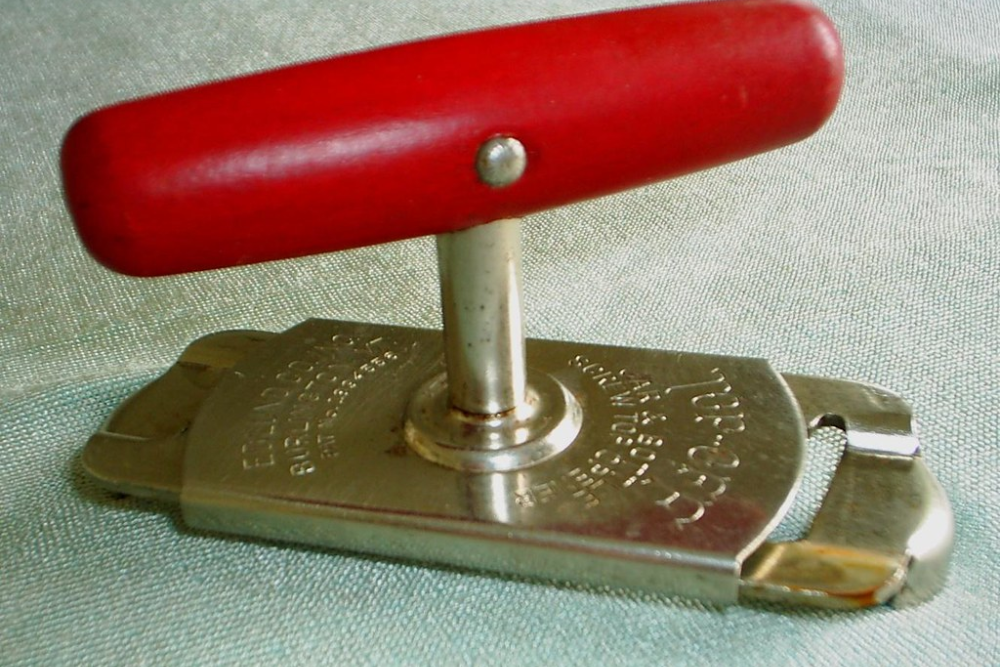
These under-cabinet mechanical devices with their impressive gear systems promised to end struggles with stubborn jar lids. Initially considered essential kitchen infrastructure, they became obsolete as jar designs improved.
The substantial metal construction of early models now demonstrates mid-century American manufacturing quality in home technology museums.
Electric Knife Sharpener
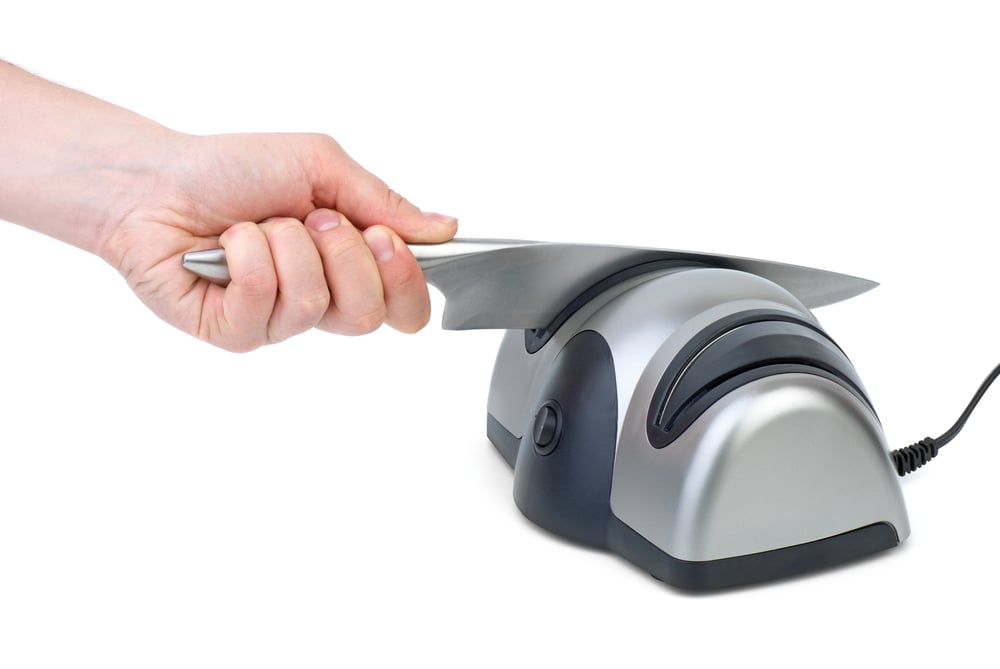
These countertop appliances promised professional-grade knife edges but often removed too much metal or created uneven bevels. Their brief reign in American kitchens during the 1980s represents the transition period before quality manual sharpening tools became widely available.
The distinctive whirring sound they produced has become a sensory reminder of a particular kitchen era.
When Innovation Meets Nostalgia

These kitchen curiosities remind us that technological progress often involves amusing detours and overpromised solutions. What seemed revolutionary at department store demonstrations frequently proved impractical in daily use.
The preservation of these gadgets in museums helps document changing American household priorities and technology adoption patterns over the decades. Today’s smart kitchen innovations will likely follow similar paths to museum displays as consumer preferences evolve.
Perhaps the pressure cooker revival and air fryer phenomenon will someday seem as quaintly optimistic as the gadgets that preceded them. Until then, these retro kitchen tools continue to fascinate visitors with their glimpses into how previous generations approached cooking challenges.
More from Go2Tutors!

- The Romanov Crown Jewels and Their Tragic Fate
- 13 Historical Mysteries That Science Still Can’t Solve
- Famous Hoaxes That Fooled the World for Years
- 15 Child Stars with Tragic Adult Lives
- 16 Famous Jewelry Pieces in History
Like Go2Tutors’s content? Follow us on MSN.