Wedding Traditions From Around The World That Would Surprise Most Americans
When you think about weddings, your mind probably goes straight to white dresses, diamond rings, and someone asking if anyone objects to the union. But step outside the American wedding bubble, and you’ll discover ceremonies that make our traditions look downright tame.
From kidnapping brides to smashing dishes, from blackening ceremonies to buried bourbon, the world has developed some fascinating ways to celebrate love and commitment. These customs might seem strange at first glance, but they’re rooted in deep cultural beliefs about marriage, family, and community that stretch back centuries.
Blackening Of The Bride In Scotland

The night before a Scottish wedding, friends and family grab the bride and cover her in everything disgusting they can find. Molasses, flour, feathers, soot, eggs — nothing is off limits.
Then they parade her through the streets while banging pots and pans. This isn’t hazing.
It’s preparation. The thinking goes that if you can handle this humiliation with grace, marriage will be easy by comparison.
Some regions blacken the groom too, because equality matters even in ritualized mess-making.
Polterabend In Germany

Germans throw dishes at engaged couples. Not in anger — in celebration.
The Polterabend happens before the wedding, and guests bring their old porcelain, pottery, and dishes specifically to smash them on the ground. The couple has to clean up every single piece together.
White dishes only, though. Breaking mirrors or glasses brings bad luck, which defeats the entire purpose.
The noise supposedly scares away evil spirits, and the cleanup teaches cooperation. Germans don’t mess around when it comes to practical life lessons.
Bride Kidnapping In Romania

Here’s where things get complicated, because what looks like an abduction is actually an elaborate performance piece that everyone (including the bride) knows about in advance. Romanian friends “kidnap” the bride during the reception and take her to a local pub or restaurant, where she has to wait until the groom finds her and pays a ransom — usually in the form of drinks for everyone or a charitable donation.
The tradition supposedly stems from actual bride kidnapping in ancient times (which was decidedly less fun), but modern versions are more like extended bachelor party pranks. And yet there’s something oddly romantic about a groom having to “rescue” his bride and prove his devotion through creative problem-solving and public embarrassment.
The whole thing can last hours, with the kidnapped bride moving from location to location while the groom follows an elaborate trail of clues that her captors leave behind.
Spitting On The Bride In Kenya

Maasai fathers spit on their daughters before they leave for their new homes. On the head and breasts, specifically.
This isn’t disrespect — it’s the ultimate blessing from a culture that considers spit to have protective powers. The bride also can’t look back at her family as she walks away.
Looking back brings bad luck to the marriage. So she receives her father’s blessing, walks forward into her new life, and doesn’t glance over her shoulder no matter what.
Bathroom Ban In Borneo

Tidong couples in Borneo can’t use the bathroom for three days and nights after their wedding. Not at all.
Family members watch them constantly to make sure they don’t break the rule. They survive on minimal food and water while relatives guard the door.
The belief is that breaking this tradition will result in bad luck, infidelity, or children who die young. After three days, they can resume normal bodily functions and get on with married life.
Makes American wedding stress look trivial.
Buried Bourbon In The South

Southern American couples bury a bottle of bourbon at their wedding venue exactly one month before the ceremony. The bottle has to be buried upside down, and both the bride and groom have to participate in the burial.
On the wedding day, they dig it up and drink it together — assuming they can remember where they put it and the weather cooperates with their excavation plans. Clear skies on the wedding day are the supposed reward for this alcoholic offering to the weather gods.
And if it rains anyway, at least there’s bourbon to soften the disappointment. Some couples save the bourbon for their first anniversary instead, which shows admirable restraint and suggests they’re taking the long view of marriage.
Crying Ritual In China

Tujia brides in China start crying exactly one month before their wedding. Every single day.
For an hour. After ten days, the mother joins in.
Ten days later, the grandmother starts crying too. This isn’t sadness — it’s preparation for leaving the family home.
Different cries express different emotions, and learning to cry properly is considered an essential bridal skill. Brides who can’t produce tears are judged by the community.
There are even traditional crying songs passed down through generations.
Tree Marriage In India

Some Indian families marry their children to trees before their actual weddings. This applies especially to people born under certain astrological conditions that supposedly make them unlucky in marriage.
The tree marriage breaks the curse. After the ceremony, they cut down the tree (killing the tree spouse) and clear the way for a human marriage.
Bollywood actress Aishwarya Rai famously married a banana tree before her wedding to Abhishek Bachchan. The practice might sound strange, but it’s a practical solution to a spiritual problem.
Money Dance In Greece

Greek wedding guests pin money to the bride and groom during a special dance. Bills get pinned directly to their clothes while they dance, turning them into human money trees.
The cash helps the couple start their new life together. Family members and friends compete to pin the most money, and by the end of the dance, the couple is wearing hundreds or thousands of dollars in small bills.
It’s like a crowdfunding campaign with traditional music.
Stealing Shoes In India
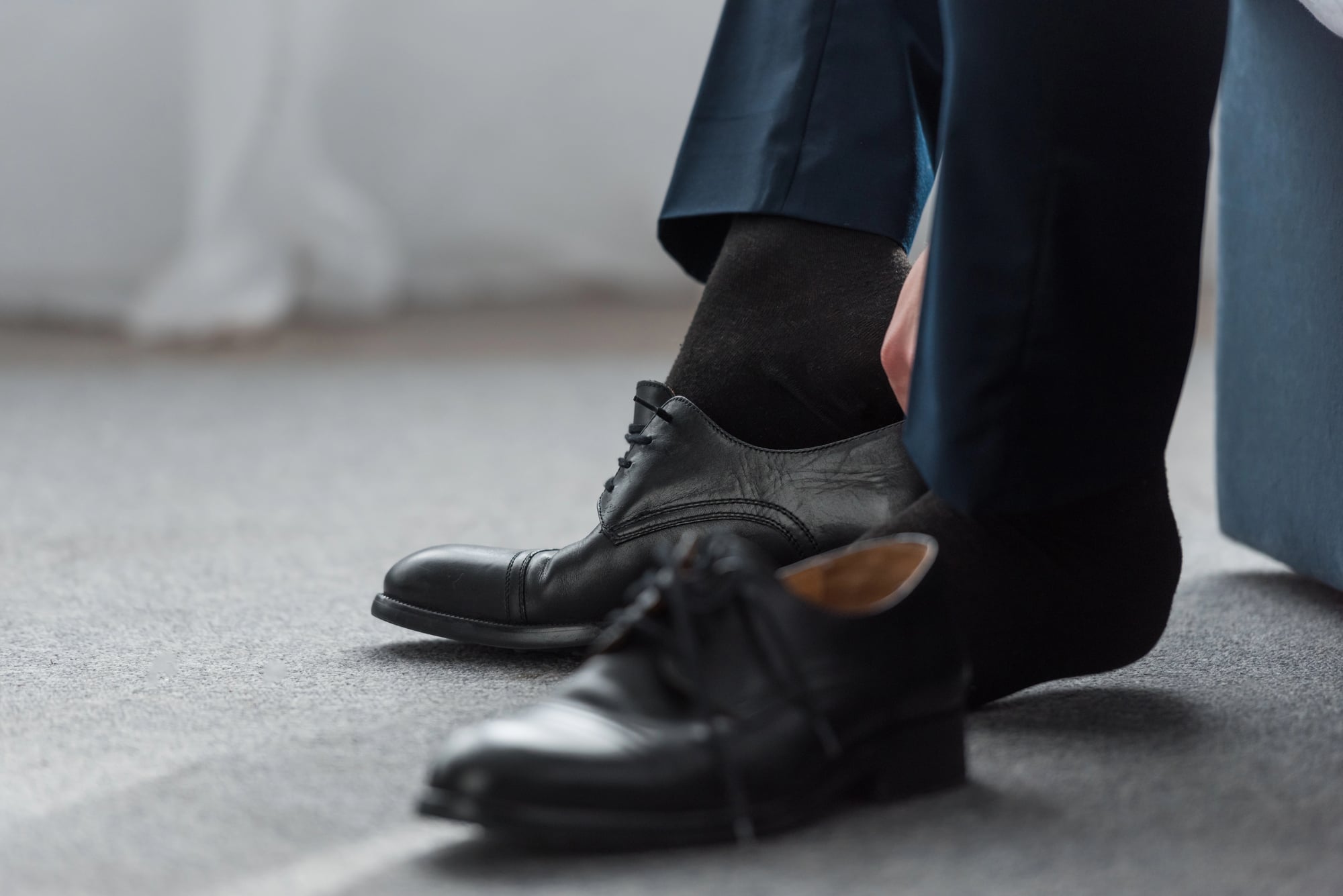
Indian grooms take off their shoes before the wedding ceremony. The bride’s sisters and female cousins immediately steal them and refuse to give them back without payment.
The groom has to negotiate for his own footwear. The sisters demand money, gifts, or promises of future favors.
Sometimes the bargaining goes on for hours while the groom stands there in his socks, trying to convince a group of determined women that he needs his shoes back.
La Soupe In France

French wedding guests gather all the leftover food and drinks from the reception, mix them together in a toilet bowl, and make the newlyweds eat it before they can go to their wedding night. The mixture includes everything — cake, wine, champagne, appetizers, whatever didn’t get consumed during the party.
Friends bang pots and pans outside the couple’s door until they finish every bite of this revolting soup. It’s supposed to give them strength for the night ahead, though it seems more likely to give them food poisoning.
Log Cutting In Germany
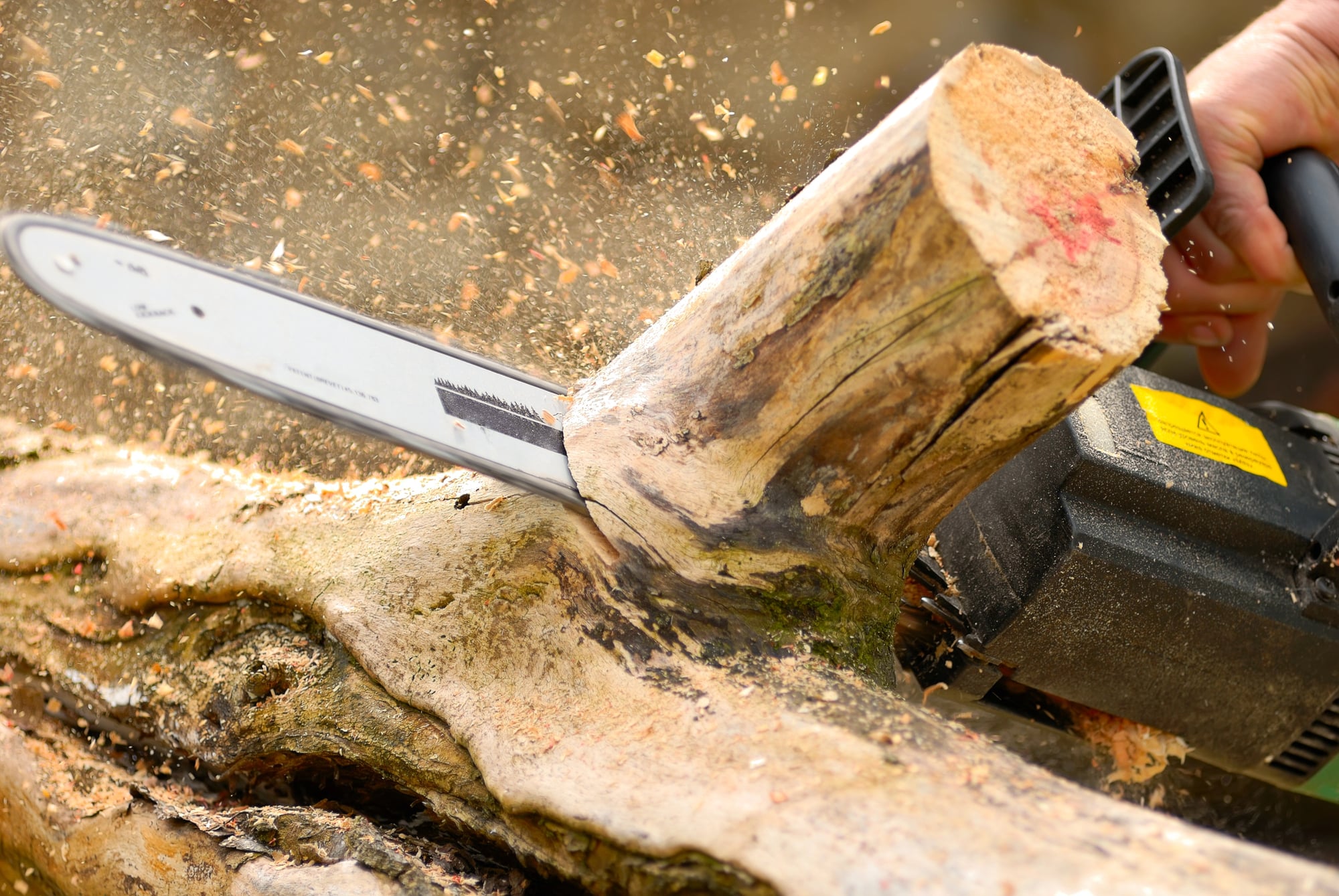
German newlyweds receive a log and a two-person saw at their reception. They have to cut through the entire log together while their guests watch and cheer them on.
This is their first official act as a married couple, and it’s supposed to demonstrate their ability to work together through obstacles. The saw requires coordination — if one person pushes while the other pulls, nothing happens.
Both people have to find the same rhythm and apply the same pressure, which turns out to be harder than it sounds.
Henna Night In Middle Eastern Cultures

The night before a Middle Eastern wedding, women gather to apply intricate henna designs to the bride’s hands and feet. But here’s the part that might surprise Americans — the bride is supposed to cry during the entire ceremony.
The tears represent her sadness at leaving her family home. Female relatives tell stories, sing traditional songs, and offer marriage advice while the henna dries.
The darker the henna stains, the more her mother-in-law will love her. Some brides try to keep their hands warm and moist to ensure the darkest possible color.
Unity Bowl In Australia

Some Australian couples each bring a small stone from their childhood homes to the wedding. During the ceremony, they place both stones in a bowl of water.
If the stones settle next to each other, the marriage will be harmonious. If they drift apart, trouble ahead.
Some couples stack the deck by choosing heavy stones that will sink quickly to the bottom, but others let fate decide where their stones land.
Beating The Groom In South Korea

Korean grooms get their feet beaten with sticks and dried fish on their wedding night. Friends tie his ankles together and take turns hitting the soles of his feet while asking him questions about his new wife.
The beating continues until he answers everything correctly. It’s supposed to test his knowledge and strengthen his feet for the marriage ahead.
The questions range from basic facts about his bride to promises about how he’ll treat her, and his friends show no mercy if he gets anything wrong.
Where Love Leads Us

These traditions reveal something important about how different cultures think about marriage — not as a simple romantic union between two people, but as a complex joining of families, communities, and ancient beliefs about luck, strength, and commitment. What looks strange from the outside often makes perfect sense when you understand the deeper meaning behind the ritual.
Maybe American weddings could use a little more mess, a little more challenge, and a lot more community involvement in helping couples prepare for the reality of married life together.
More from Go2Tutors!

- The Romanov Crown Jewels and Their Tragic Fate
- 13 Historical Mysteries That Science Still Can’t Solve
- Famous Hoaxes That Fooled the World for Years
- 15 Child Stars with Tragic Adult Lives
- 16 Famous Jewelry Pieces in History
Like Go2Tutors’s content? Follow us on MSN.