19 Catalog Clothing Brands Moms Ordered for School
Every summer, the fall catalog arrived and the real shopping began at the kitchen table. Pages were dog-eared, order forms were filled out in pencil, and a child’s growth spurt was a budget problem to be solved by mail.
Behind those glossy pages sat a surprising cast of labels, some sold only by one retailer and some built entirely around the catalog itself. These are the brands that filled the boxes arriving in late August.
Toughskins, the Sears Jeans Built for Scuffed Knees
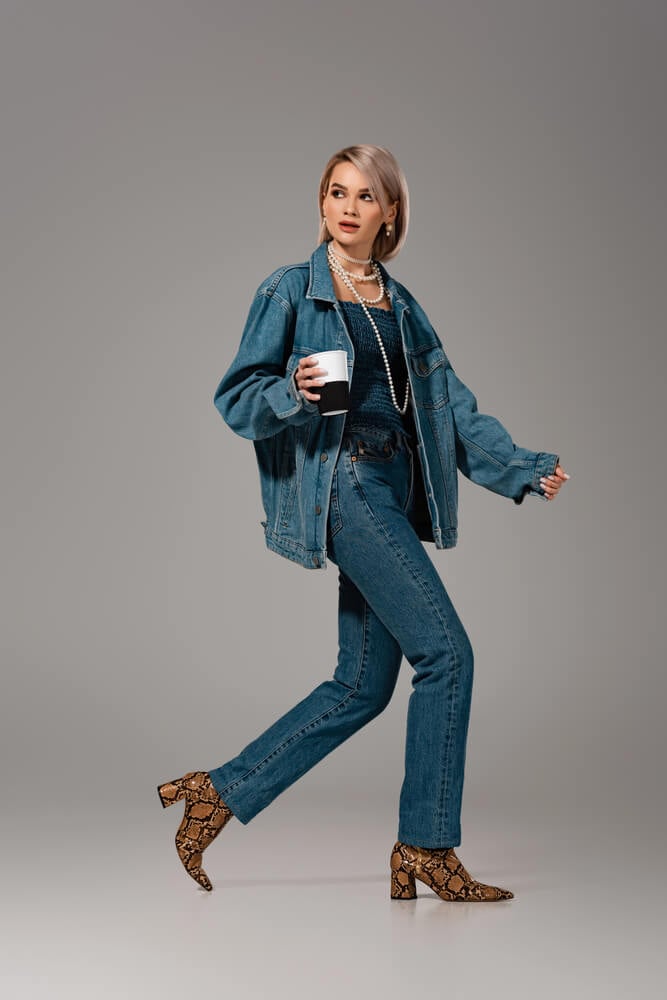
Toughskins were the jeans Sears offered to families whose boys wore through the knees faster than the budget allowed. The pants carried reinforced knees, and a pair could outlast a full semester of recess.
The denim was famously stiff out of the box, which kids complained about and parents considered a feature. Used pairs still show up in resale listings today, with price depending heavily on condition and size.
Perma-Prest and the Sears Promise of No Ironing
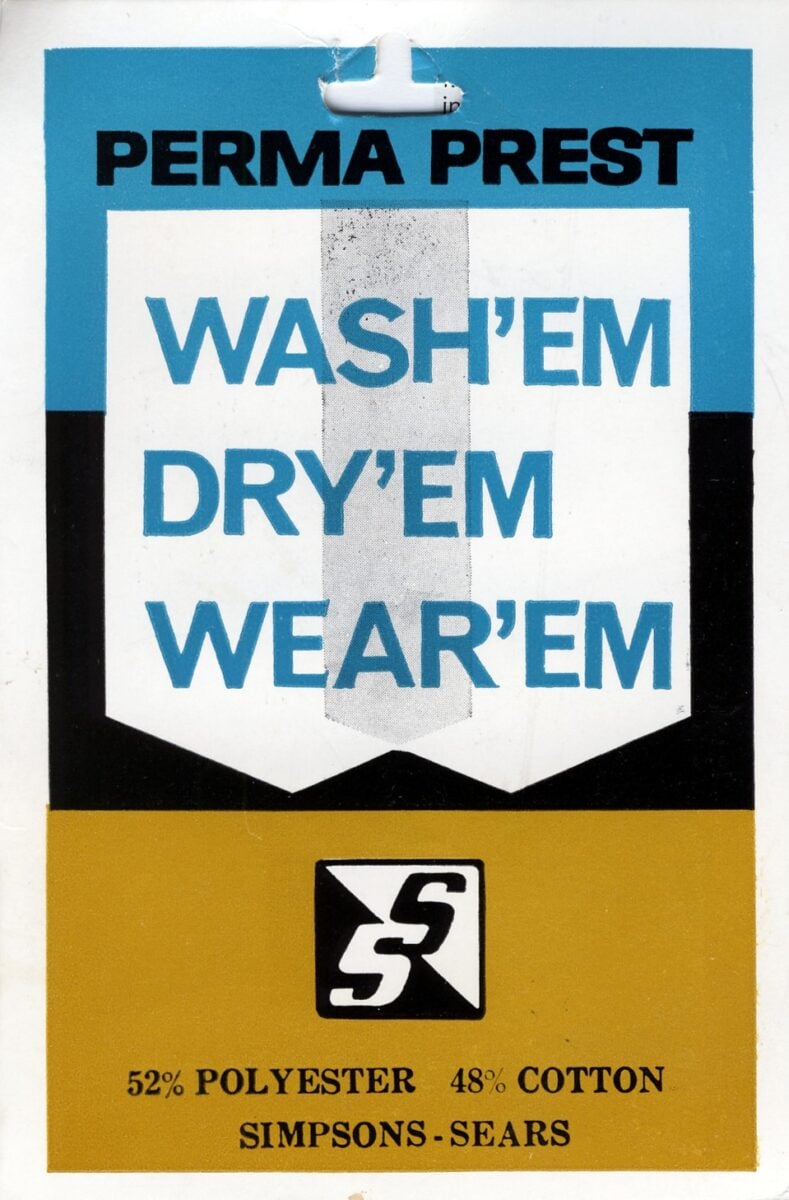
Perma-Prest was the Sears name for wrinkle-resistant clothing, spelled with a deliberately shortened “Prest.” The label turned up on girls’ flared jeans from the 1970s and, in later years, even on Toughskins.
For a mother handling several school wardrobes, the pitch was simple: fewer hours at the ironing board. Vintage pieces carrying the tag are still collected, and their value depends on condition.
Plain Pockets, the JCPenney Jeans With Nothing to Show Off
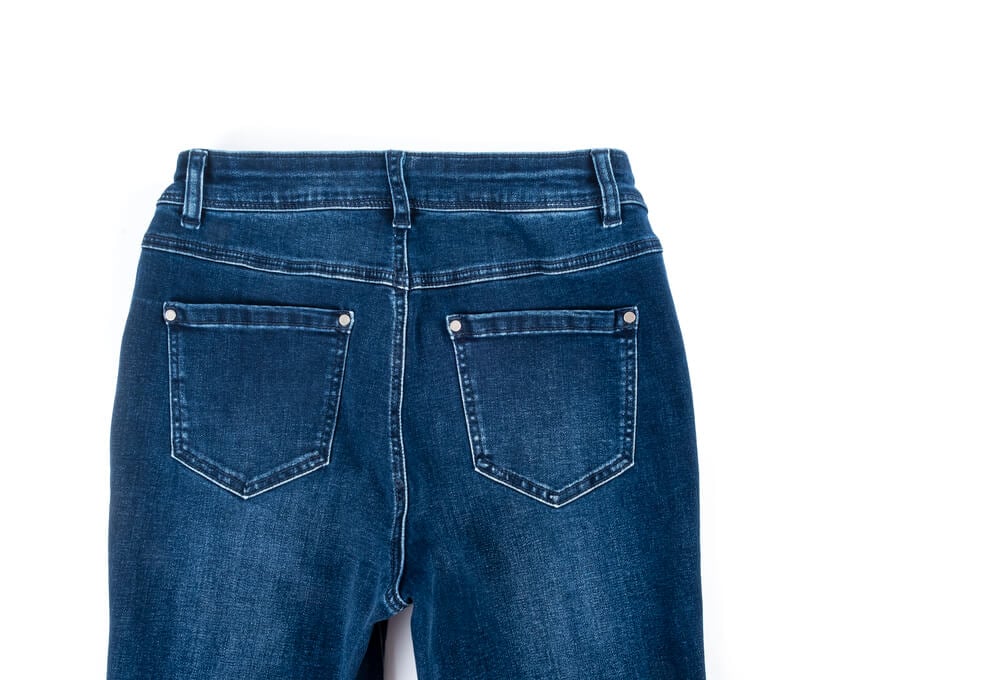
JCPenney sold its Plain Pockets jeans with a name that described the design: back pockets with no stitched decoration. The brand appeared in print ads in 1983, aimed at shoppers who wanted denim without the markup of a famous label.
It was a house brand in the truest sense, available through Penney’s rather than from any name-brand maker. For back-to-school budgets, the plain look was the point.
Arizona Jean Co., the JCPenney Label Teens Actually Asked For
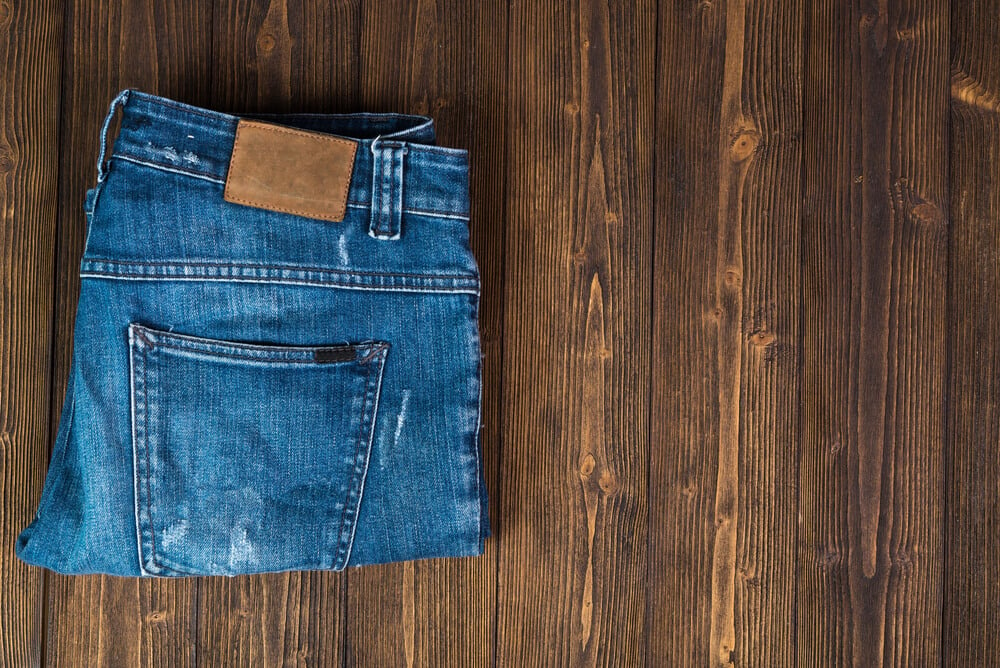
Arizona Jean Co. was a private label sold through JCPenney, which meant the pants could not be found at competing stores. Over the years, it became one of the most recognizable names in Penney’s teen and young adult aisles.
Its denim, tees, and hoodies turned up in the back-to-school pages that families flipped through every August. A label that exists only at one retailer has a loyalty built into it.
Towncraft, the Everyday Brand of JCPenney Menswear
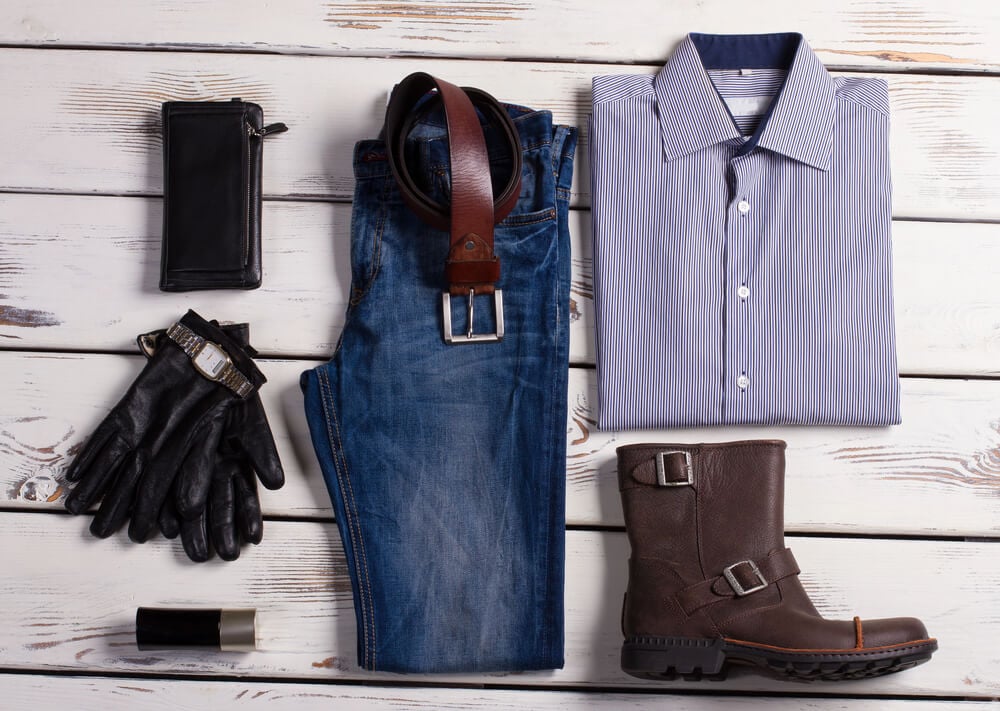
Towncraft was a JCPenney house label for menswear, and it showed up on shirts, jackets, and windbreakers across several decades. Teenage boys often inherited Towncraft pieces or got them as school clothes in their own sizes.
The brand’s trademark history is on record, and 1980s windbreakers bearing the tag still circulate among vintage sellers. Condition drives what any of them are worth.
St. John’s Bay, a Penney Casual Label That Got a Second Act

St. John’s Bay was one of JCPenney’s best-known private brands, a casual sportswear label that many families bought season after season. In September 2019, the retailer relaunched the name as an outdoor lifestyle line for men, complete with in-store shops.
A label that began as a catalog-page staple was suddenly pitched to hikers and campers. Few house brands manage a reinvention that lasts that long.
Cheryl Tiegs, the Supermodel Who Put Her Name on Sears Clothing
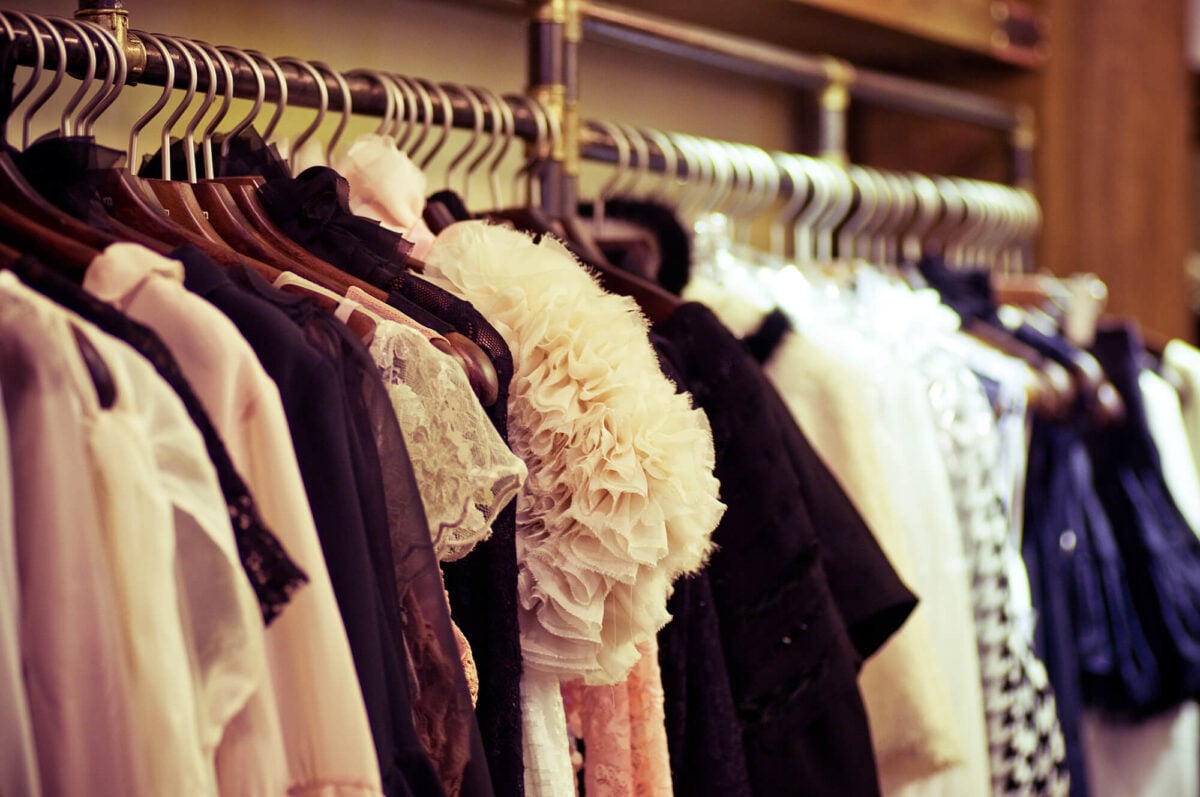
In the 1980s, Sears carried a clothing collection under the name of supermodel Cheryl Tiegs, with both apparel and swimwear in the lineup. It was an early example of a celebrity name selling off the pages of a mass-market catalog.
Daughters flipping through the book recognized her from magazine covers, and mothers saw affordable styles. Vintage pieces still surface online, priced according to condition.
Healthtex, the Play Clothes for Small Children
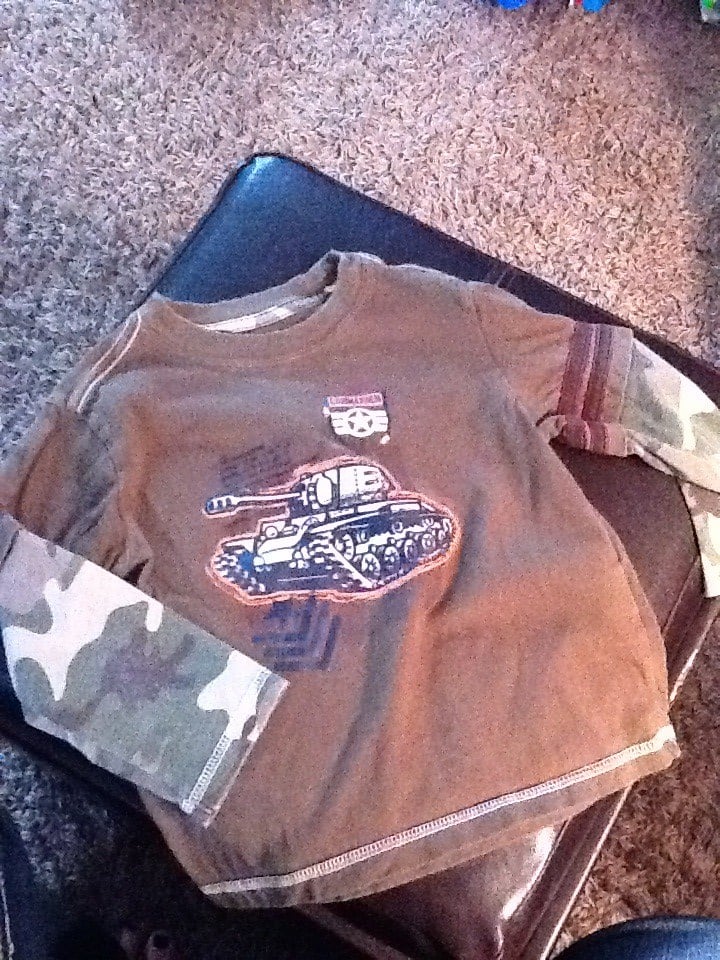
Healthtex, spelled Health-Tex in its earlier days, was the children’s clothing company founded by Louis Russek. It built its reputation on durable, cheerful knit clothing for babies and young children, the kind of pieces mothers ordered by the stack.
The label turned up in department stores and in the pages of mail-order books alike. Many a younger sibling wore the same Healthtex outfit as an older one, assuming it survived.
Garanimals, the Clothes That Matched Themselves
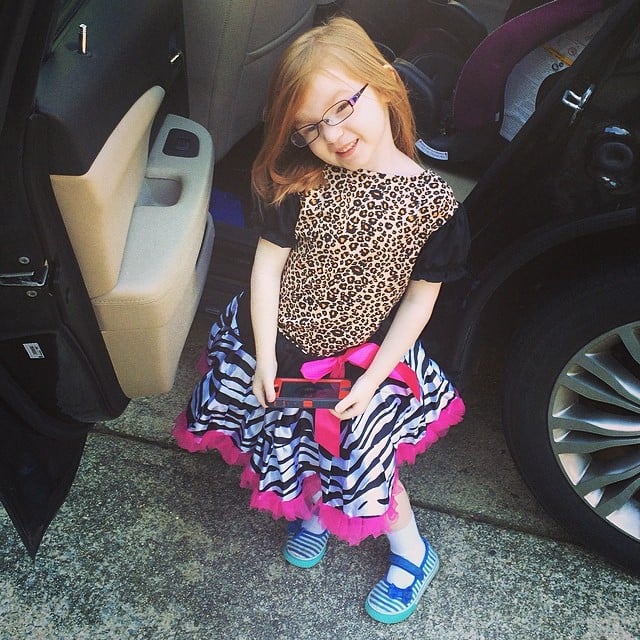
Garan introduced Garanimals in 1972 with a simple trick: tops and bottoms carried matching animal tags, so a child could pick a coordinated outfit without a parent’s help. A giraffe tag matched a giraffe tag, and the system worked for toddlers and grade-schoolers alike.
The line disappeared from many retail floors over the years, then returned to Walmart in 2008. Few clothing ideas have been this easy to explain.
OshKosh B’gosh and the Overalls Everyone Knew
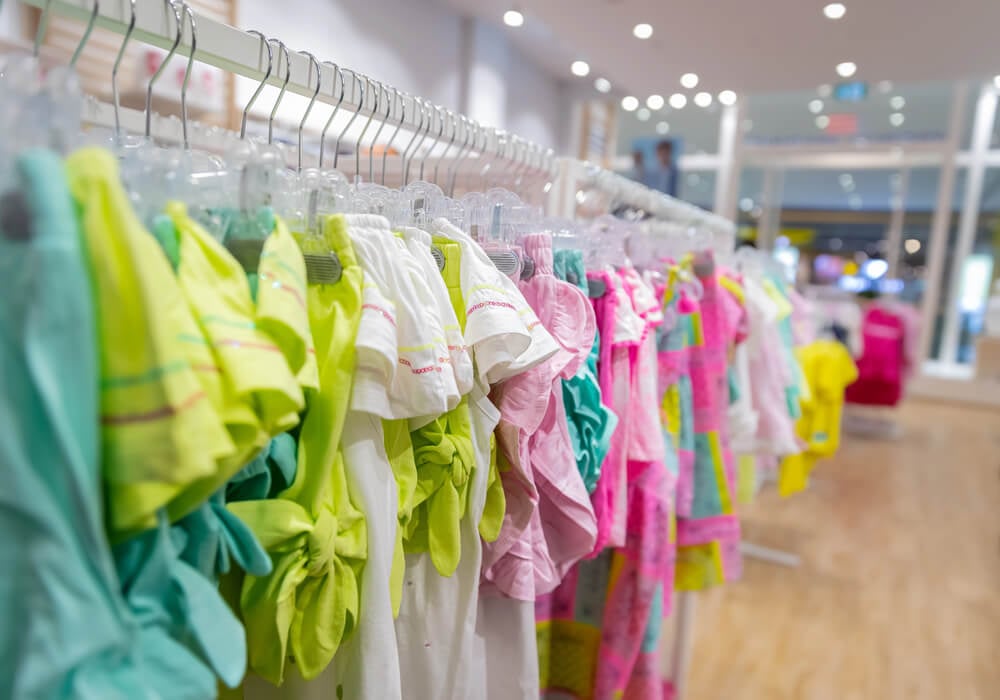
OshKosh B’gosh traces its roots to 1895 in Oshkosh, Wisconsin, where it made work overalls before turning its attention to children. The brand’s bib overalls became the unofficial uniform of small children in the United States and were in demand every August.
The Victoria and Albert Museum in London holds a pair of its dungarees in its collection. Few catalog items traveled from the farm to the museum shelf.
Hanna Andersson, the Swedish-Style Catalog From Portland
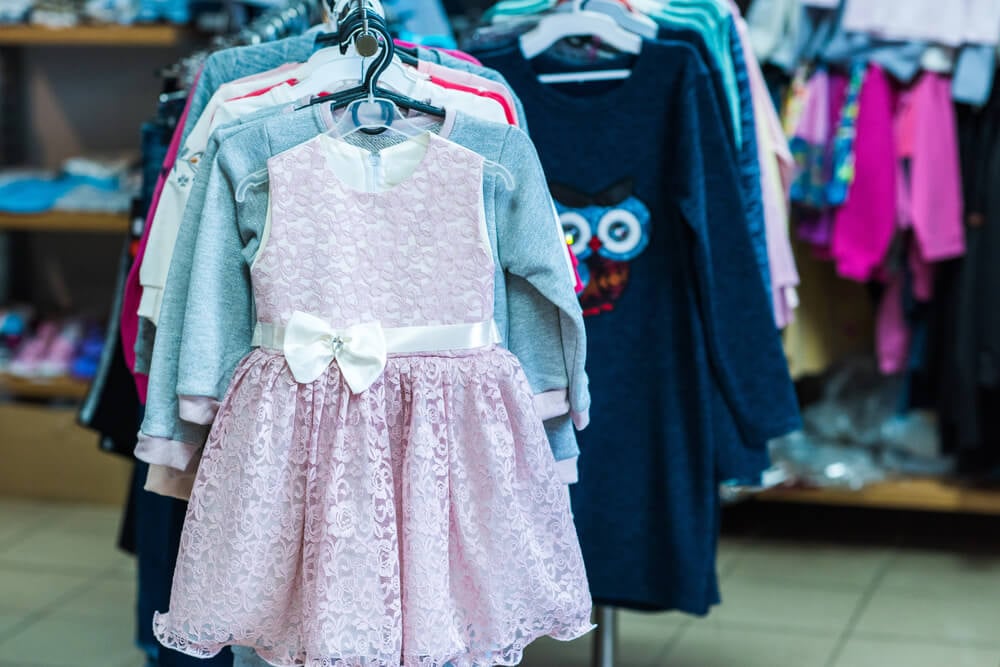
Hanna Andersson was founded in 1983 in Portland, Oregon, by Swedish-born Gun Denhart, who built the company around soft cotton clothing for children. It sold directly to parents by mail, which meant its striped pajamas and long underwear reached families without a store in sight.
Parents often kept pieces to hand down to younger siblings. For a catalog-first brand, the quality of the fabric was the entire sales pitch.
Lands’ End and the Squall Parka
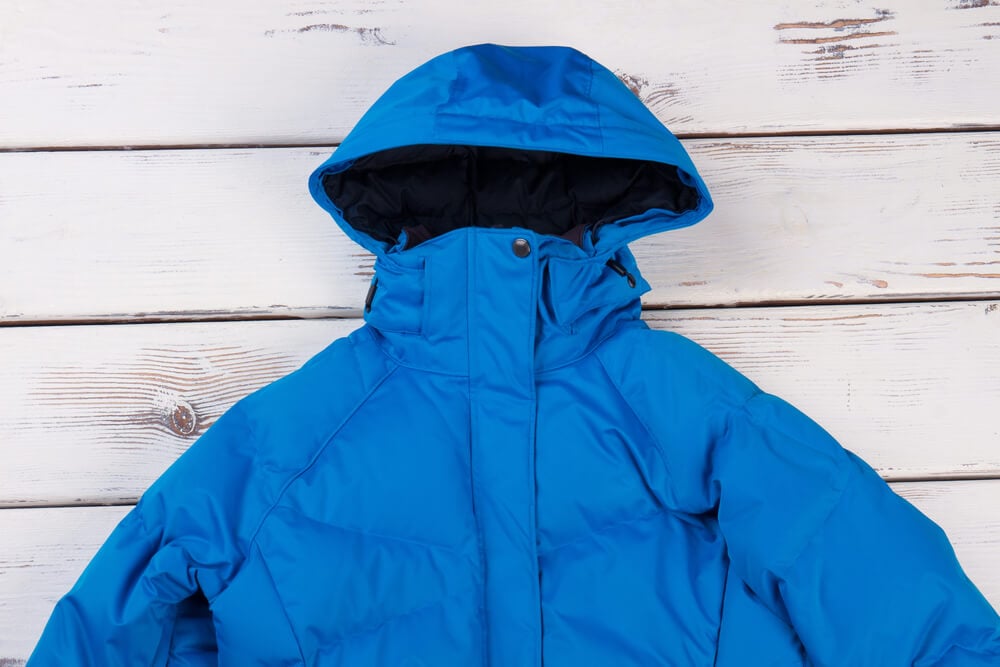
Lands’ End was founded in 1963 in Chicago, selling sailboat equipment, before moving its headquarters to Dodgeville, Wisconsin. Founder Gary Comer built it into one of the best-known apparel catalogs in America, and its Squall parka, still sold today, became a familiar winter coat for schoolchildren.
The company also offers a school uniform line. In 2002, Sears agreed to buy the company for $1.9 billion.
L.L.Bean and the Boot Every Winter Needed
L.L.Bean opened in Freeport, Maine, in 1912, and its rubber-bottomed Bean Boot is the product the catalog is best known for. Parents in cold regions ordered them for school-age children who had to trudge through snow to the bus.
The boot’s mix of leather uppers and rubber lower sections made it a rare piece of footwear that could survive more than one winter. Families passed it down along with the catalog’s reputation.
Eddie Bauer and the First Patented Down Jacket
Eddie Bauer, who lived from 1899 to 1986, opened his business in Seattle in 1920 and later patented what is widely described as the first down jacket. The company grew into a catalog business, and its parkas became popular school-year outerwear for families who could afford the premium.
The origin story involved a near-fatal winter outing that convinced Bauer to build something warmer. Few clothing brands can trace a product to a close call.
Spiegel, the Chicago Catalog That Sold on Credit
Spiegel was a Chicago mail-order giant built by Joseph Spiegel, and the family became known as installment credit pioneers. That meant a mother could order a fall wardrobe and pay for it over time rather than all at once.
The catalog was built for exactly that kind of household budgeting. Spiegel’s pages carried clothing for every member of the family, and the credit terms were as much a selling point as the styles.
J.Crew, a Preppy Brand That Began in the Mailbox
J.Crew launched in 1983 as a mail-order catalog, long before it opened stores. Its early pages were known for rugby shirts, oxford shirts, and sweaters that suited college-bound teenagers and the parents shopping for them.
Many American families knew the name from the catalog long before they saw a store. For older students, it was the preppy answer to the back-to-school list.
Garnet Hill, the New Hampshire Catalog Built on Natural Fibers
Garnet Hill is based in Franconia, New Hampshire, and began in 1976 as a catalog devoted to natural fibers such as cotton and flannel. The company reached its 50th anniversary in 2026.
It also launched a children’s catalog, giving parents a source for soft sleepwear and basics. Many customers first discovered the brand through a pair of flannel pajamas.
Delia’s, the Catalog That Defined 1990s Teen Girls
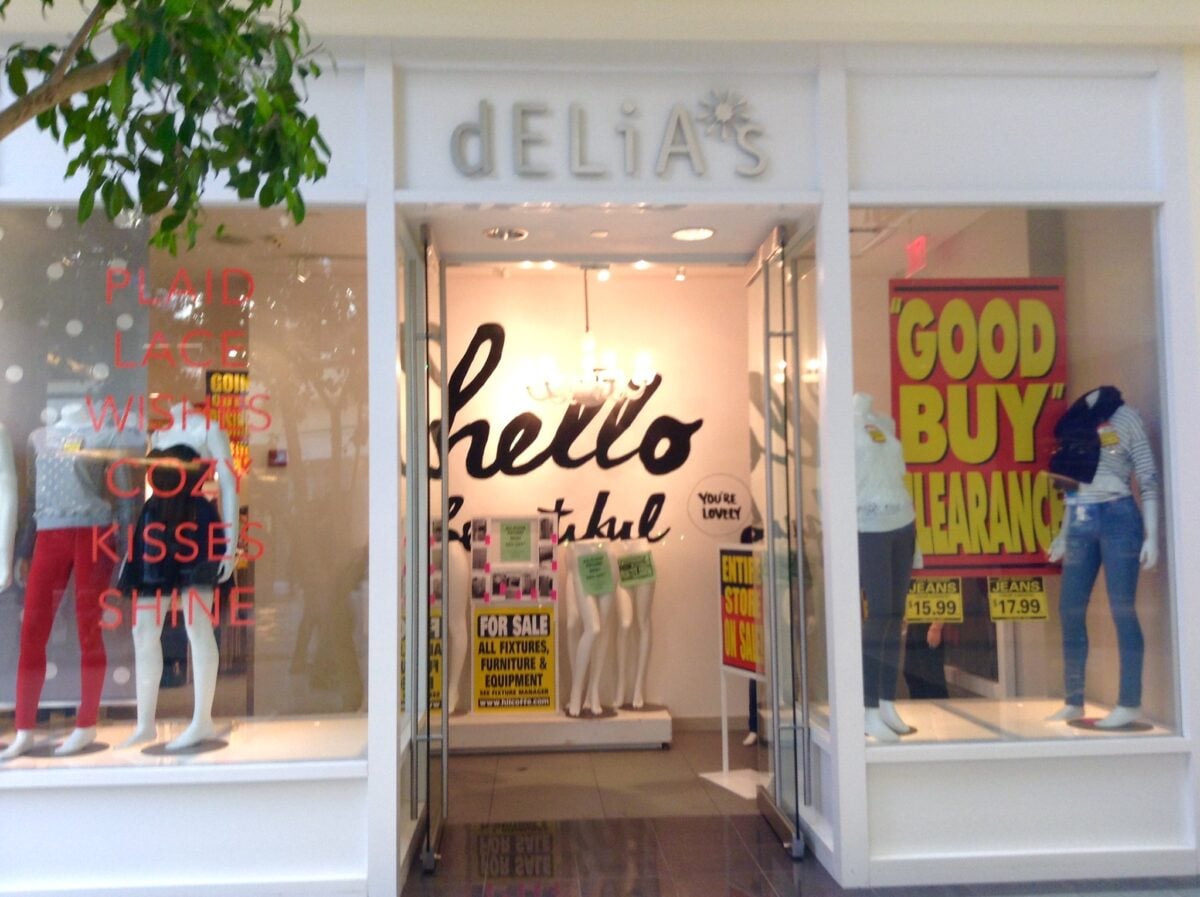
Delia’s launched in 1993 as a catalog for teenage girls, founded by Stephen Kahn and Christopher Edgar. The pages mixed clothing, accessories, and a chatty tone that felt closer to a magazine than a store flyer.
Girls circled their picks and handed the book to their mothers, who placed the order. Delia’s was eventually acquired by Alloy and closed in 2014.
Boden, the British Catalog Brand With a Kids’ Line
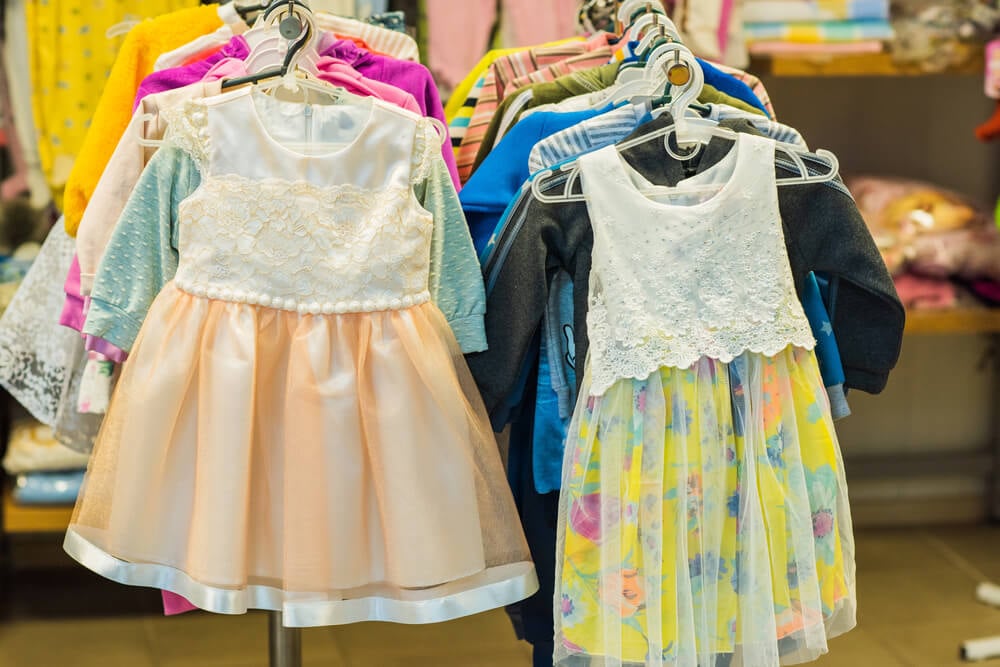
Boden was launched by Johnnie Boden as a British catalog business in 1991, and its Mini Boden line brought bright colors and prints to children’s clothing. American parents ordered from it for years before the company ever had a shop in the United States.
In 2025, Boden announced its first US store, opening in Georgia in November. After more than three decades of selling through the mail and online, it finally set up a storefront.
The Mailbox as a Family Closet
Taken together, these labels show how thoroughly the catalog shaped what American children wore to school. A single book could dress a family from the first day of kindergarten through the first year of college, and its pages set the terms of what counted as normal.
House brands from Sears and JCPenney defined the everyday, while specialty names like Lands’ End and L.L.Bean sold durability. The catalog also gave parents something rare: time and room to decide.
Orders could be debated, sizes could be doubled up for growth, and credit terms could stretch the cost across months. That slow, deliberate shopping has largely given way to scrolling, but the labels that built their names on those pages are still sitting in closets and resale listings.
More from Go2Tutors!

- 27 Silver Dollars and Half Dollars Worth Keeping
- 28 Restaurant Menu Items Nobody Orders Anymore
- 17 Places Built in Seemingly Impossible Spots
- 27 Vintage Rings Worth More Than They Look
- 25 Restricted Sites Tourists Can’t Enter
Like Go2Tutors’s content? Follow us on MSN.