32 Historic Photos of Election Days Before Television
Before television, an election night happened in public. Results traveled by telegraph wire, telephone and eventually radio, and people gathered wherever a bulletin might appear.
Images from those decades show torches, wagons, wooden voting booths and crowds staring up at buildings.
These scenes cover roughly eight decades in the United States and Britain. Some are loud, some are strangely modest, and all of them record a country waiting for news the slow way.
Wide Awakes Marching for Lincoln
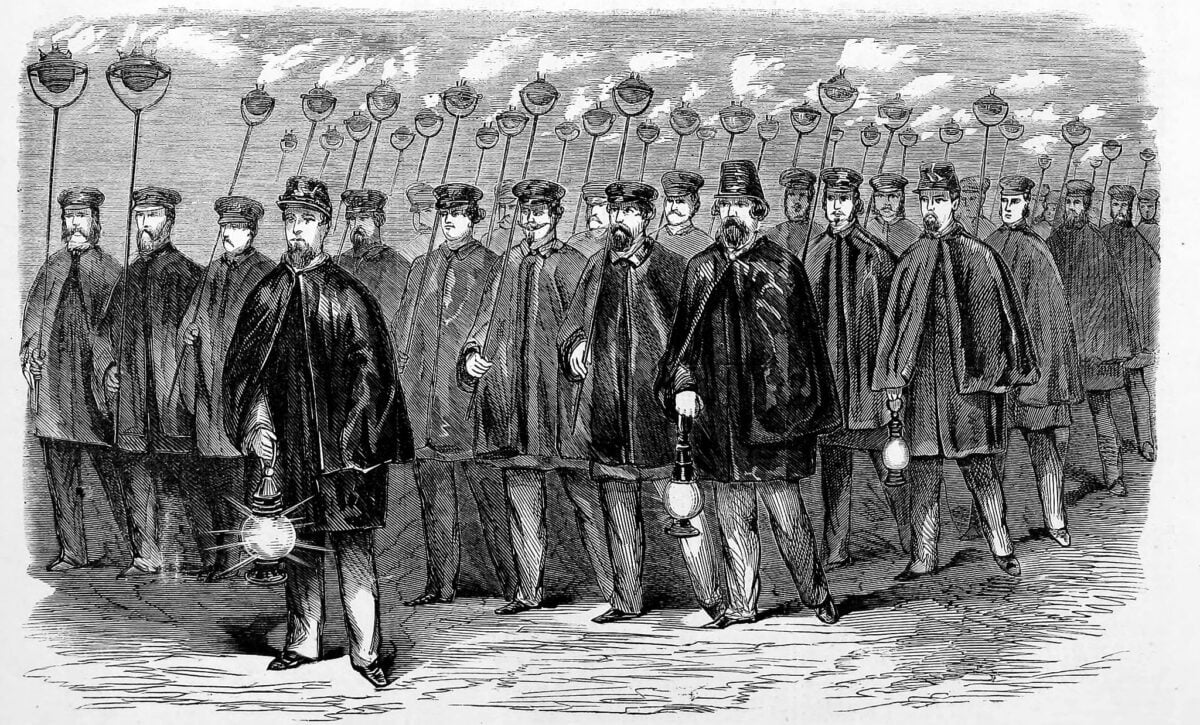
Young Republicans called Wide Awakes turned the 1860 campaign into a nightly parade, marching through Northern streets with swinging oil torches and shiny oilcloth capes meant to catch dripping fuel. The clubs began in Hartford, Connecticut, and spread to cities and towns across the free states within months.
Captains gave orders, ranks kept step, and the entire display looked unnervingly military to Southern newspapers. Prints and photographs of such rallies show long lines of flame stretching down a street, a reminder that campaigning for Abraham Lincoln was mostly an after-dark spectacle.
Lincoln Votes in Springfield
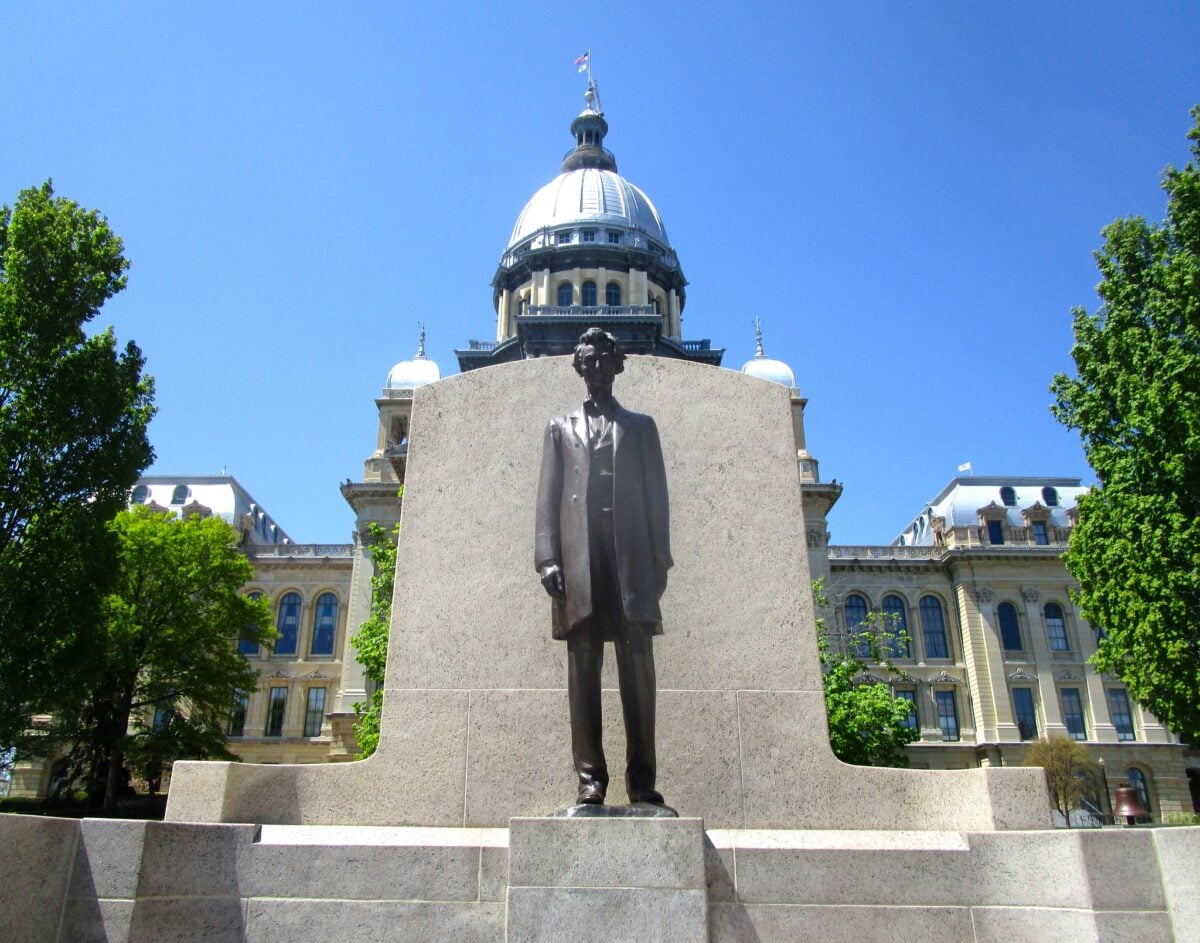
On November 6, 1860, Abraham Lincoln walked through Springfield, Illinois, to vote in his own election. Accounts of the day say he cut the presidential electors from the top of the Republican party ticket so that he would not be voting for himself, while still marking the state and local names beneath.
That evening he went to the telegraph office to read dispatches as returns arrived from other states. The room filled with local men, and word from New York finally settled the matter.
The scene is small, a tall man, a telegraph key and a crowded room, yet it decided a presidency.
Soldiers Voting in Camp
By 1864, several Union states had changed their rules so that soldiers could vote without going home. Election officials carried voting papers and tally books to camps and hospitals, and men marked their choices on camp tables and crates.
Other states allowed votes to be sent home or cast by proxy. The troops favored Abraham Lincoln over George McClellan, the general who once commanded them, by a wide margin.
Illustrated newspapers of the era show uniformed lines forming around makeshift polling tables, proof that the wartime electorate was partly standing in the field.
Freedmen at the Polls in 1867
The 1867 elections held across the former Confederacy under the Reconstruction Acts were the first in which large numbers of Black men voted in the South. Newspapers sent artists to record the moment, and one engraving widely reproduced in Harper’s Weekly showed men waiting in line, among them a laborer, a well-dressed citizen and a man in a soldier’s uniform.
The variety was the point. The image told readers that the new electorate included workers, veterans and neighbors, and that they were patient, orderly and entirely ready to vote.
Women Vote in Laramie in 1870
Laramie, in Wyoming Territory, saw a landmark moment on September 6, 1870, when women voted under a territorial law passed late in 1869. Louisa Swain, well past middle age, is generally recorded as the first woman to cast a vote there, reaching the polls early in the day.
Women in the territory soon served on juries as well, which surprised visitors from the East. Her vote came a half century before the Nineteenth Amendment, and pictures of Laramie from those years show a young frontier town of false-front buildings that looks too raw to be making history.
Britain Votes in Private at Pontefract
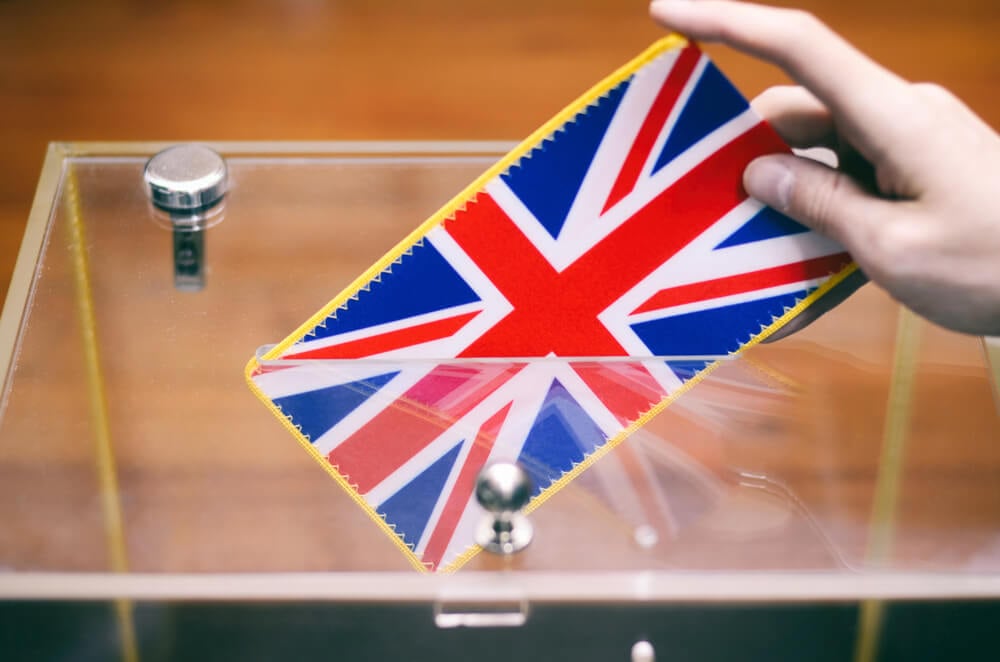
A law passed in 1872 ended open voting in Britain, where electors had once announced their choices aloud in public while employers and landlords watched. The by-election at Pontefract, in Yorkshire, in August of that year was the first parliamentary contest held under the new rules.
Voters marked a paper in a compartment and dropped it into a sealed box, an arrangement that seemed oddly secretive to people raised on noisy hustings. The change did not look dramatic, but a scene of men walking quietly into a booth marks the end of centuries of public pressure.
Tammany Hall on East 14th Street
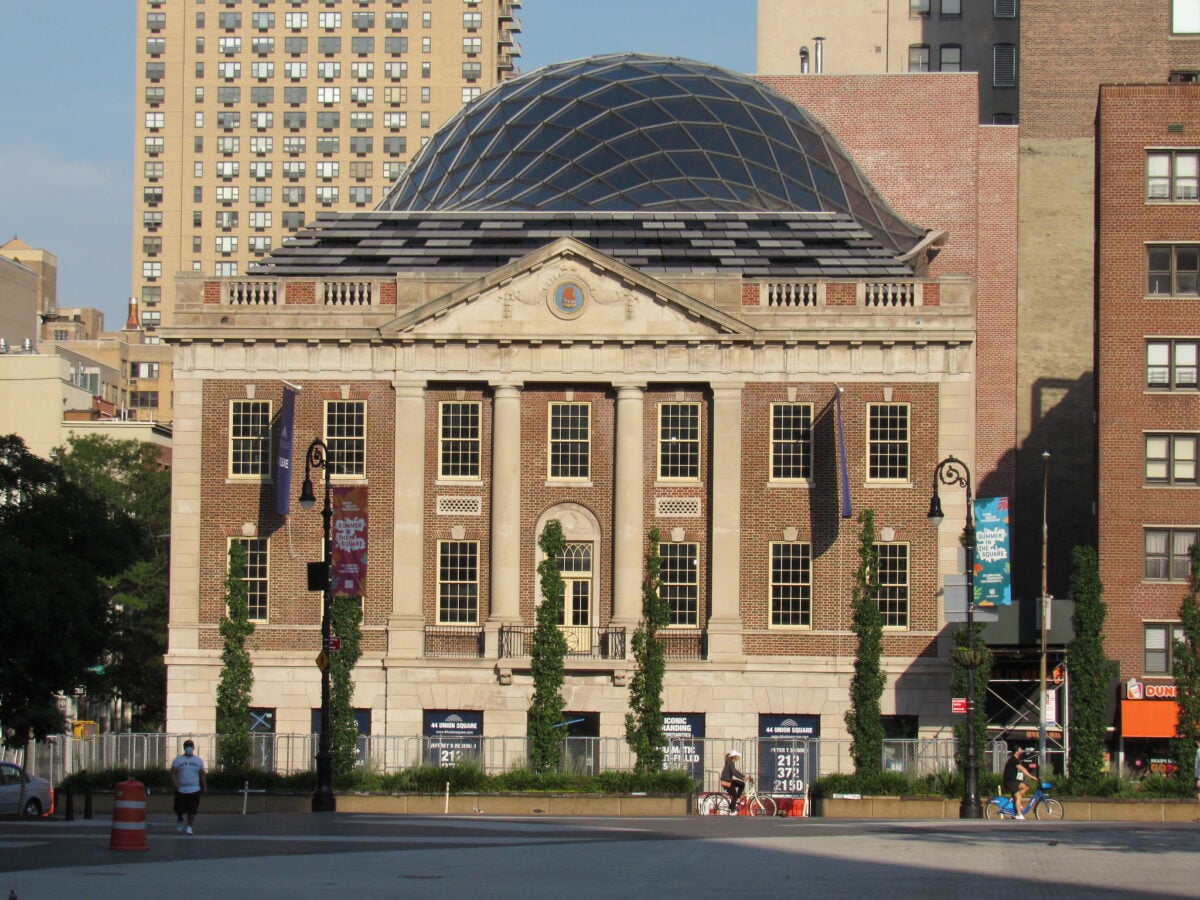
Tammany Hall’s headquarters on East 14th Street, near Union Square, was the nerve center of New York Democratic politics in the decades after the Civil War. On election day the organization’s district leaders moved voters to the polls, and critics accused it of shuttling repeaters from precinct to precinct.
William M. Tweed, its most notorious boss, held power through the late 1860s and fell in 1871 after the New York Times published figures from the city’s books. Street scenes from the period show crowded sidewalks outside saloons and clubhouses where ward politics was practiced like a trade.
The Disputed Night of 1876
Crowds filled the streets around Printing House Square in lower Manhattan, where the newspaper offices posted bulletins for passersby. Early reports gave Samuel Tilden the presidency, then the picture turned murky as editors at the Times argued that Rutherford Hayes could still win through disputed returns from Southern states.
By morning the country did not know who had won, and the dispute dragged into the following year. A crowd waiting beneath lit windows for a result that never arrived is among the more unsettling election images of the century.
Bryan Takes the Rails in 1896
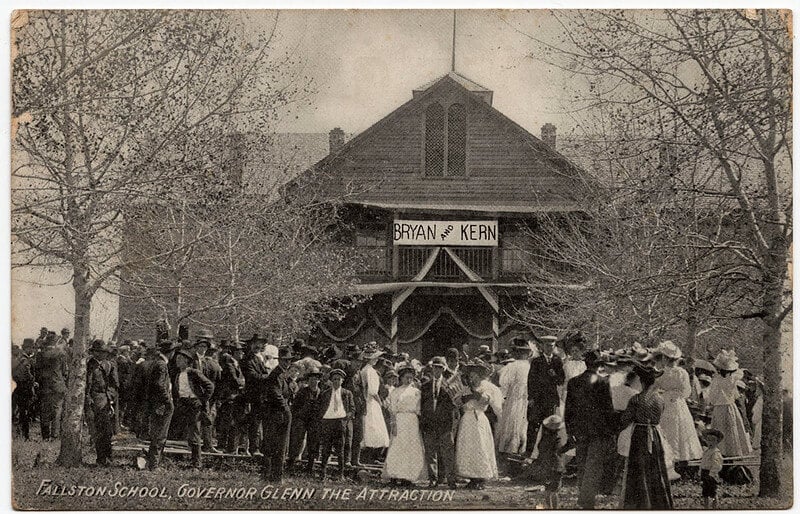
William Jennings Bryan took the 1896 campaign to voters by train, speaking from the back platform in towns large and small, sometimes giving several speeches in a single day. He was only 36 years old, and crowds at depots waited hours for a few minutes of his oratory.
His opponent, William McKinley, stayed home in Ohio and let the country come to him. Pictures of Bryan’s rail tour show packed station platforms and a candidate leaning from the rear of a car, the earliest version of the whistle-stop campaign.
McKinley’s Front Porch in Canton
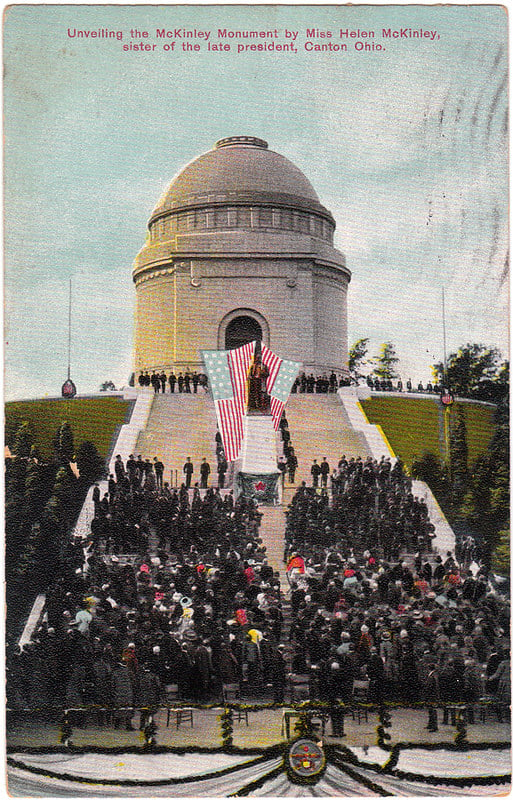
William McKinley ran in 1896 from the front porch of his home in Canton, Ohio, greeting delegations that arrived by train from across the country. Railroads offered discounted excursion fares, and visiting groups, from farmers to factory workers, stood on the lawn while he delivered a short speech tailored to their trade.
The plan gave Republicans a controlled stage at home while rival William Jennings Bryan crisscrossed the country by rail. Photographs of the porch show a modest frame house packed with hats and flags, and a campaign that succeeded by keeping the candidate perfectly still.
Lockport Tries a Voting Machine
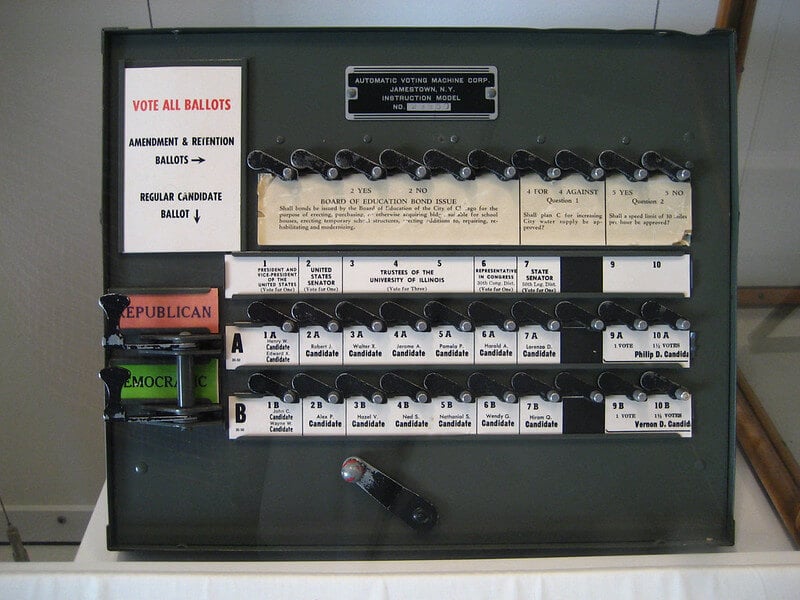
Lockport, New York, put the Myers Automatic Booth to use in 1892, and it is remembered as one of the earliest mechanical voting machines used in an American election. Inside a curtained compartment, a voter pulled knobs beside each candidate name, and the device blocked a second choice for the same office.
Election officials liked that it removed the slow hand count at night, and critics worried about breakdowns. A photograph of such a machine shows a bulky cabinet that resembles a cash register more than anything civic.
Rochester and the Lever Era
Rochester, New York, was linked to the inventor Jacob Myers, and the city took part in the 1890s turn toward mechanical voting. The machines stood in schools, firehouses and storefronts, each one a curtained cabinet with rows of knobs and a handle that recorded the vote and reset the device.
Inspectors read the counters after the polls closed instead of sorting heaps of marked papers by lamplight. Pictures of these polling places show men in derby hats peering into booths with the wary curiosity of customers trying out a new appliance.
Roosevelt Declines a Third Term in 1904
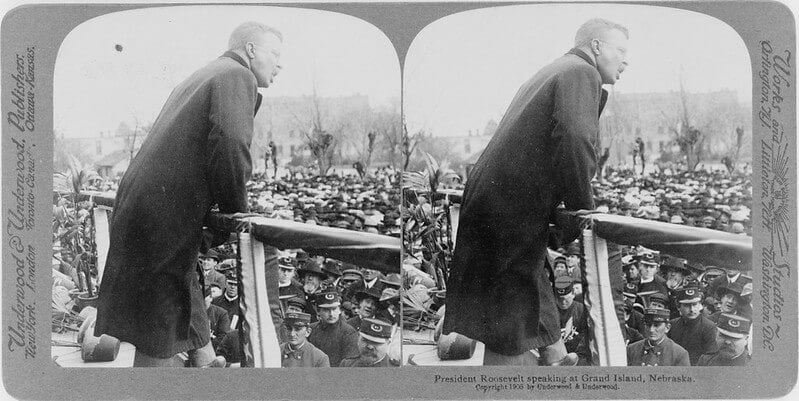
Theodore Roosevelt followed returns on election night in November 1904 at the White House with family and friends as a landslide win over Alton Parker took shape. That night he issued a statement saying he would not seek another term, because he counted the years he had finished from William McKinley’s term as one.
The pledge later haunted him when he returned to politics in 1912. Reporters gathered outside while telegraph wires carried state after state, and the pledge itself was written on a quiet night in a house full of congratulations.
Early Election Nights at Times Square
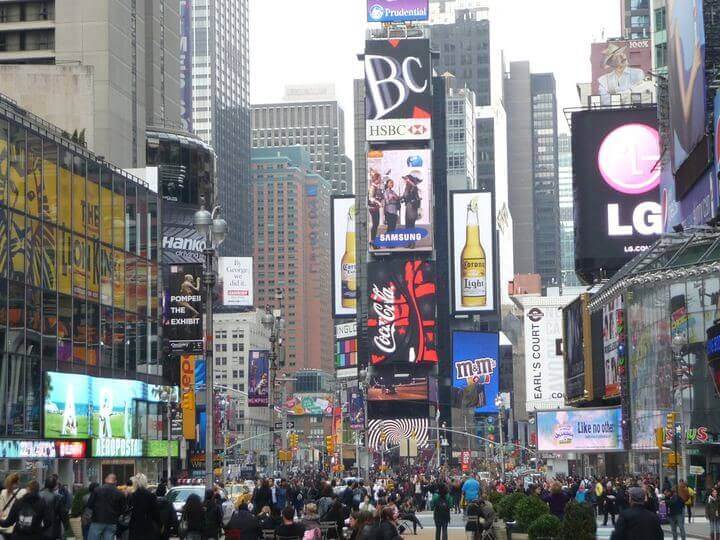
After the New York Times built its tower on Longacre Square, the district was renamed Times Square in 1904, and election night soon became a public event there. Crowds packed the streets to read bulletins and cheer returns, often well past midnight.
Newspapers flashed word from the tower, and the square functioned as an outdoor newsroom where thousands learned the winner together. Photographs show hats, tin horns and faces tilted upward toward a building, with nothing to look at except the promise of news arriving from above.
The Zipper Lights Up in 1928
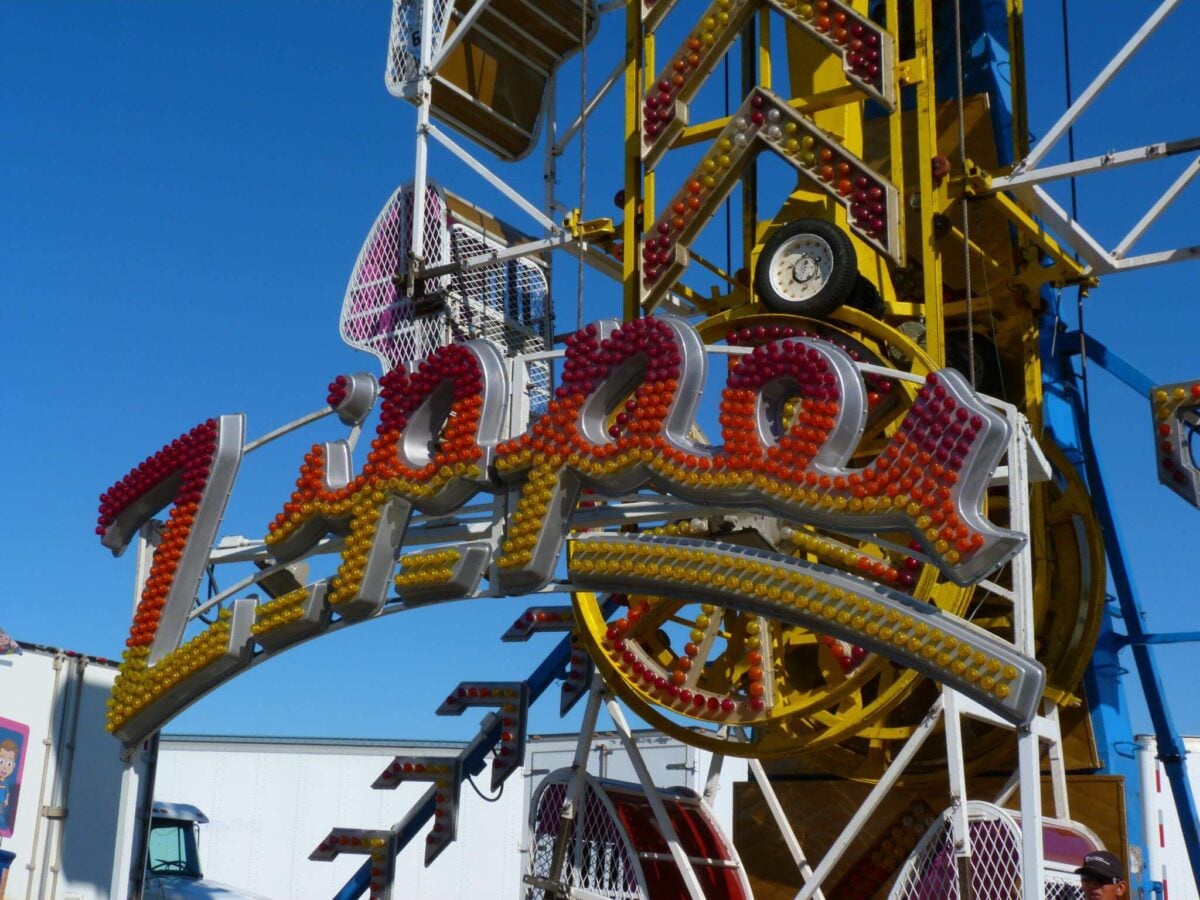
The Times Tower gained a moving ribbon of electric lights that wrapped around the building, and it debuted on election night in 1928, when Herbert Hoover defeated Al Smith. The scrolling letters, popularly called the zipper, spelled out returns as they arrived, so that a crowd in the square no longer needed to guess what a flashing signal meant.
Spectators craned their necks to follow words that slid across the building at reading speed. Pictures of the 1928 crowd show a mass of upturned faces, and the zipper has remained in the district ever since.
Suffragists Fill Pennsylvania Avenue in 1913
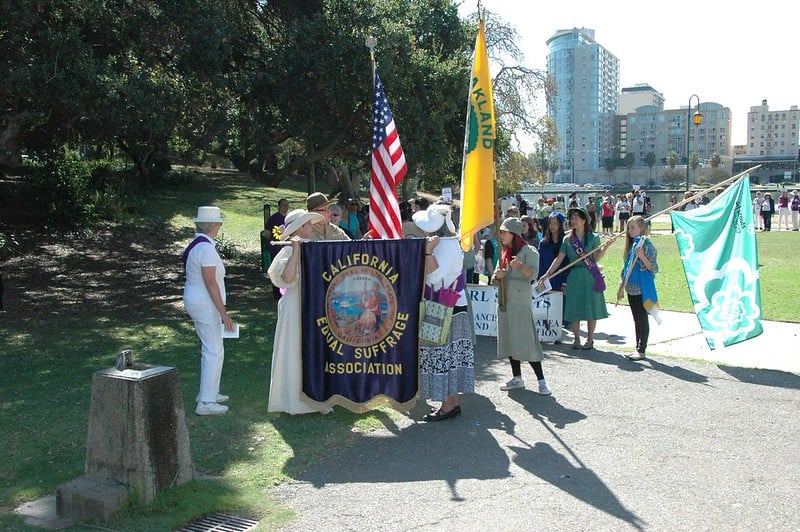
Thousands of women marched along Pennsylvania Avenue in Washington on March 3, 1913, the day before Woodrow Wilson’s inauguration, to demand the vote. Inez Milholland led the procession on a white horse, wearing a white cape.
Hostile onlookers crowded into the street, and soldiers were eventually called in to restore order, which turned the march into front page news across the country. Photographs of the day show a wide avenue narrowed by spectators, and the parade overshadowed the welcome planned for the man the voters had just elected.
Fifth Avenue Marches Before the 1915 Vote
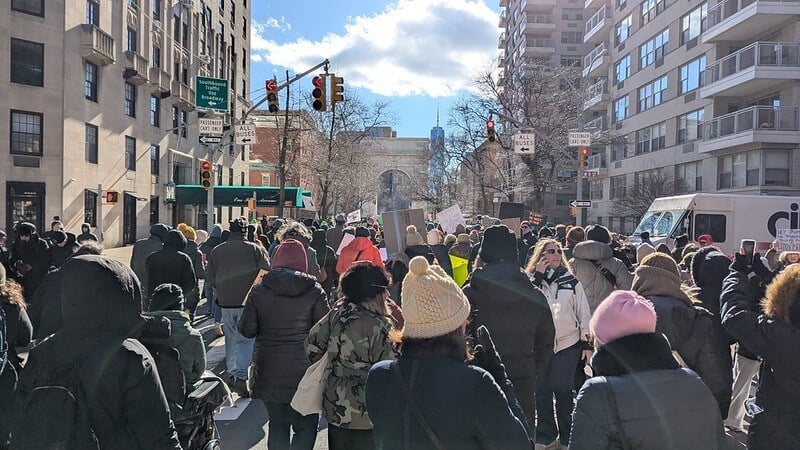
Suffrage supporters marched, on October 23, 1915, up Fifth Avenue in New York City in the final push before a statewide referendum. Many of the marchers wore white, and the columns filled the avenue for hours as bands, banners and delegations from trades and neighborhoods passed by.
New York men voted the measure down that November, a defeat that surprised organizers who had hoped the display would persuade skeptics. The setback proved temporary, since the state approved woman suffrage two years later, and the photographs of 1915 show a movement already too large to ignore.
Women’s Sunday in Hyde Park
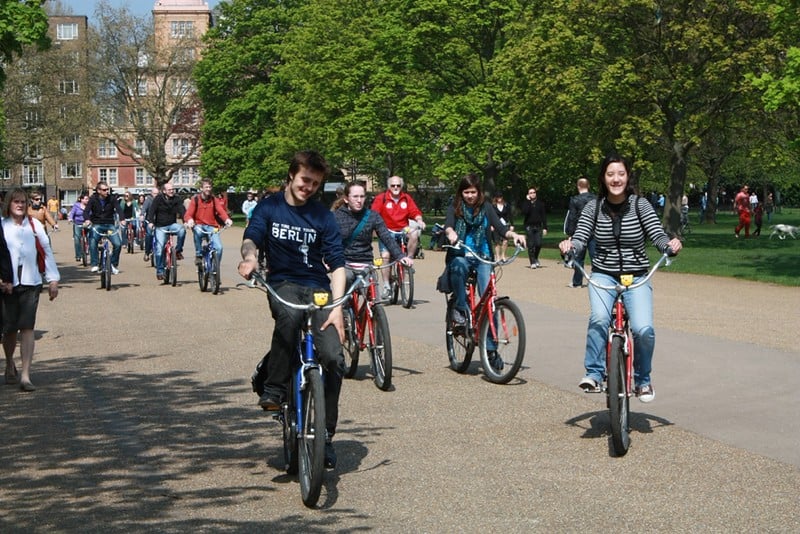
A rally called Women’s Sunday filled Hyde Park, on June 21, 1908, in London with processions organized by the Women’s Social and Political Union. Contingents arrived from different parts of the city to converge on the park, wearing white, purple and green.
Estimates of the crowd varied wildly, from tens of thousands to many times that figure, and the newspapers argued over the numbers for days. Photographs show speakers on platforms scattered across the grass, each addressing a cluster of listeners, a campaign for the vote fought one crowd at a time.
De Forest Broadcasts the Returns in 1916
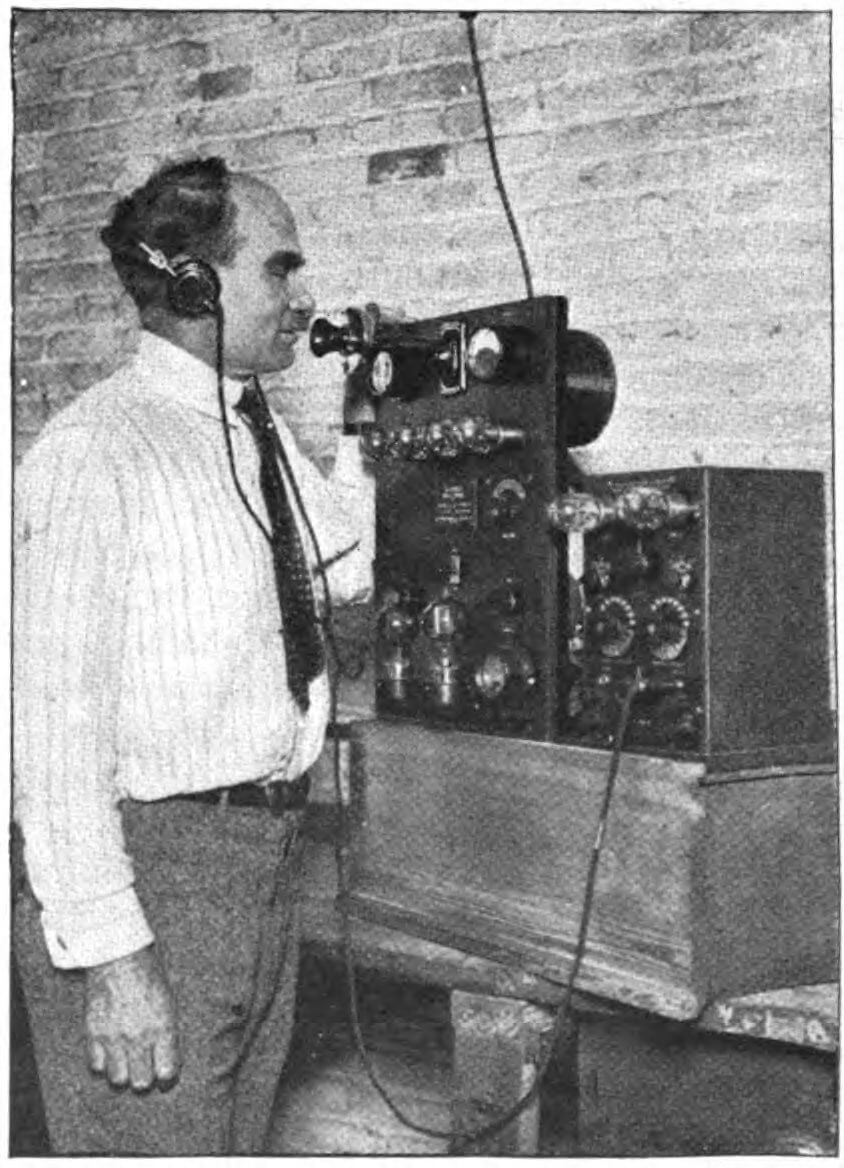
The inventor Lee de Forest sent, on the night of the 1916 election, returns by radio from an experimental station in the Bronx, picked up by amateur listeners with homemade receivers. The New York Times telephoned bulletins to the station, which relayed them to anyone wearing headphones within range.
De Forest reportedly announced that Charles Evans Hughes had won, a call that proved premature when the late count favored Woodrow Wilson. The experiment reached a small audience, but it showed that results could travel without a newspaper or a crowd.
Wilson Goes to Bed at Shadow Lawn
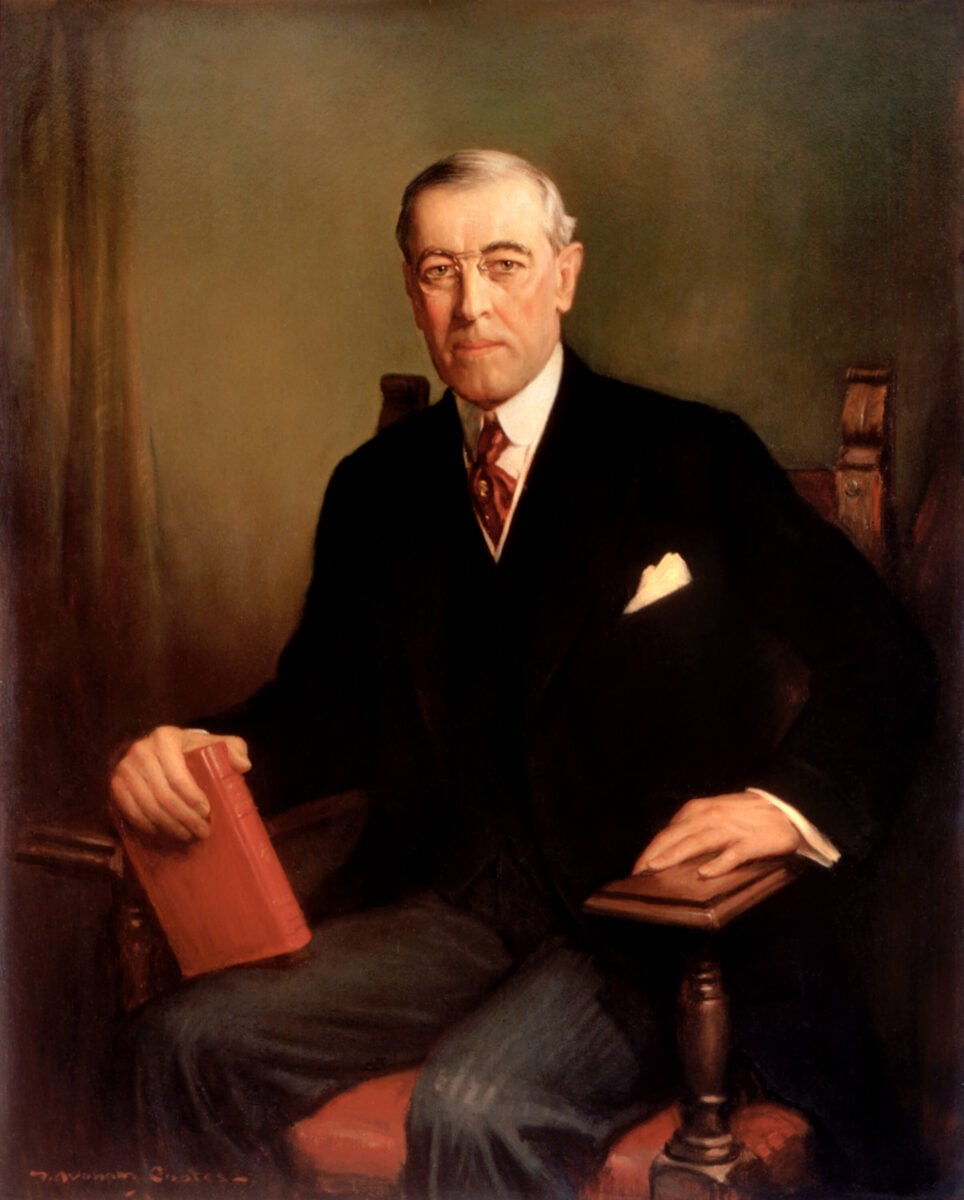
Woodrow Wilson followed, on election night in 1916, returns at Shadow Lawn, his summer residence in Long Branch, New Jersey, as the early numbers appeared to favor Charles Evans Hughes. Early editions in New York declared Hughes the winner, and Wilson reportedly went to bed expecting to lose.
The count came down to California, where a margin of only a few thousand votes decided the presidency. Reporters waiting on the lawn of the big seaside house had hours of nothing to do, and the uncertainty lasted for days.
Women Vote Across Britain in 1918
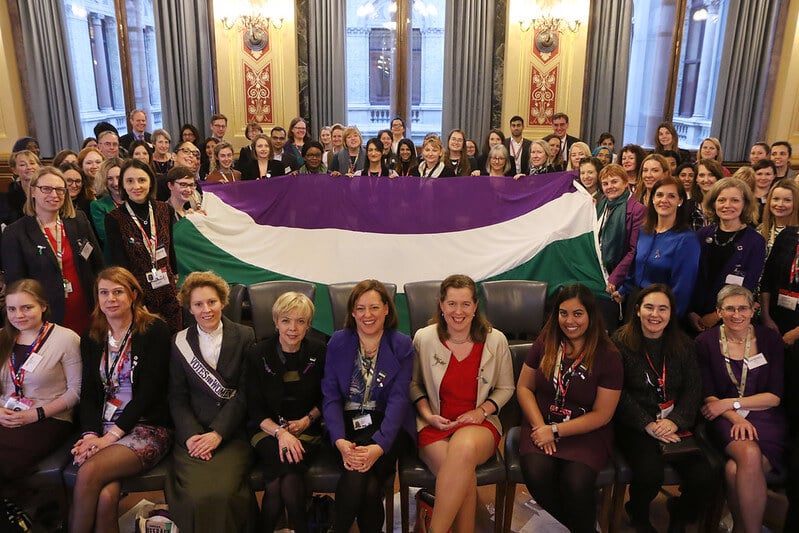
Women over thirty, on December 14, 1918, who met a property qualification voted in a British general election for the first time, alongside a much larger male electorate. The counting was held back for about two weeks so that votes from servicemen overseas could be gathered.
Constance Markievicz won a seat while imprisoned in Holloway, becoming the first woman elected to the House of Commons, though she refused to take it. Pictures of polling stations show women stepping into booths in long coats and hats, handling a pencil with an unfamiliar sense of ceremony.
KDKA Reports Harding’s Win in 1920
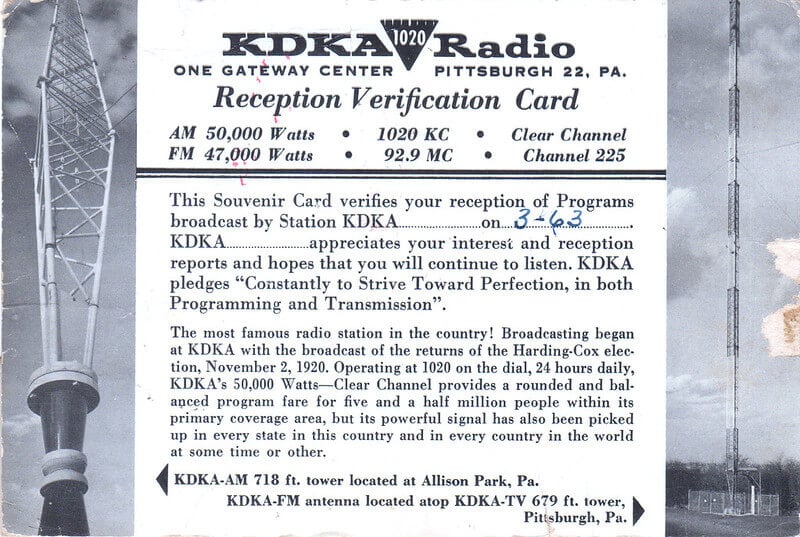
Pittsburgh station KDKA broadcast, on November 2, 1920, presidential returns from a small shack built on a Westinghouse rooftop, reporting the victory of Warren Harding over James Cox. Announcers worked from telegraph and newspaper reports, and the listeners were largely amateur radio fans with homemade receivers.
The broadcast did not look like much, just a plain room with a microphone and a few men reading bulletins. Yet that rooftop shack helped begin the habit of hearing election results in a living room instead of a public square.
Harding Waits in Marion
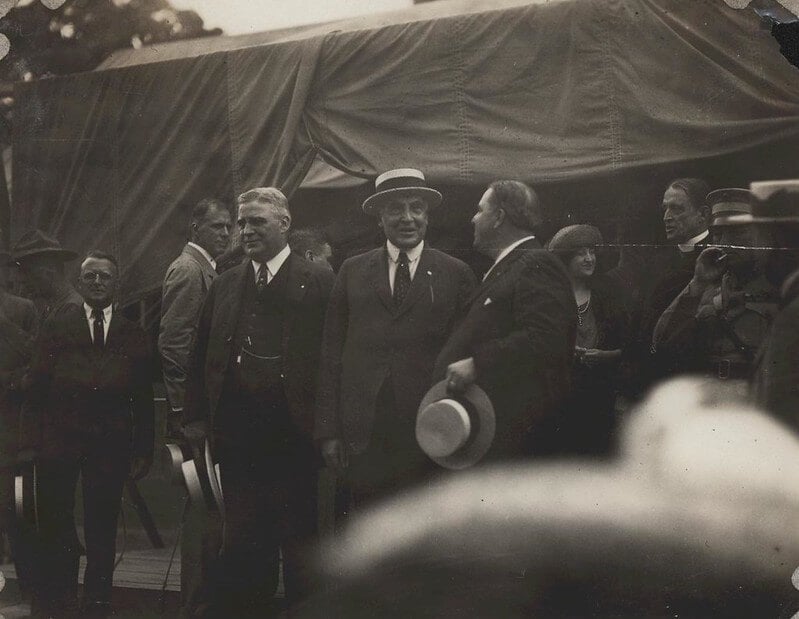
Warren Harding returned to his hometown of Marion, Ohio, to vote in 1920 and await the verdict, a newspaper publisher watching his own election arrive. His campaign that year borrowed the front porch strategy of William McKinley, with delegations traveling to Marion to hear him speak.
When the returns made the result clear, Marion crowds filled the streets with bands and noise. Photographs from the campaign show a small Ohio city with bunting hung across its main street, a place that briefly became the capital of American politics.
Debs Runs From a Prison Cell
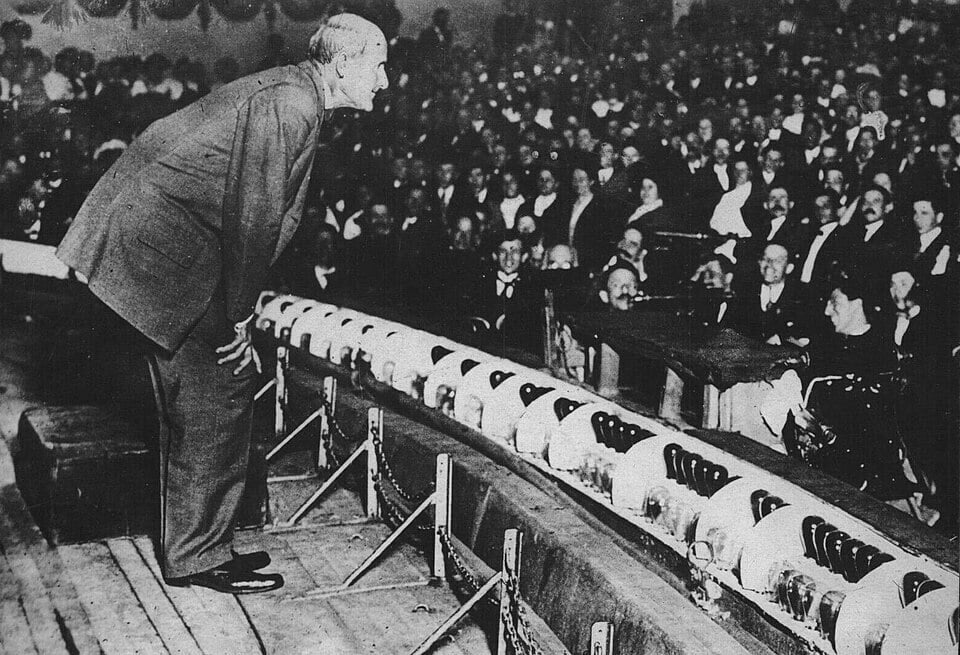
Eugene Debs ran for president in 1920 as the Socialist candidate from the federal penitentiary in Atlanta, where he was serving a sentence for a speech opposing the war. His prisoner number, 9653, appeared on campaign materials as a slogan.
He received more than 900,000 votes, one of the largest totals ever won by a Socialist candidate in the United States. Photographs of the campaign show supporters gathered outside the prison gates and Debs in a plain dark suit, a candidate who never addressed a crowd in person, and President Harding released him in 1921.
First Presidential Vote for American Women
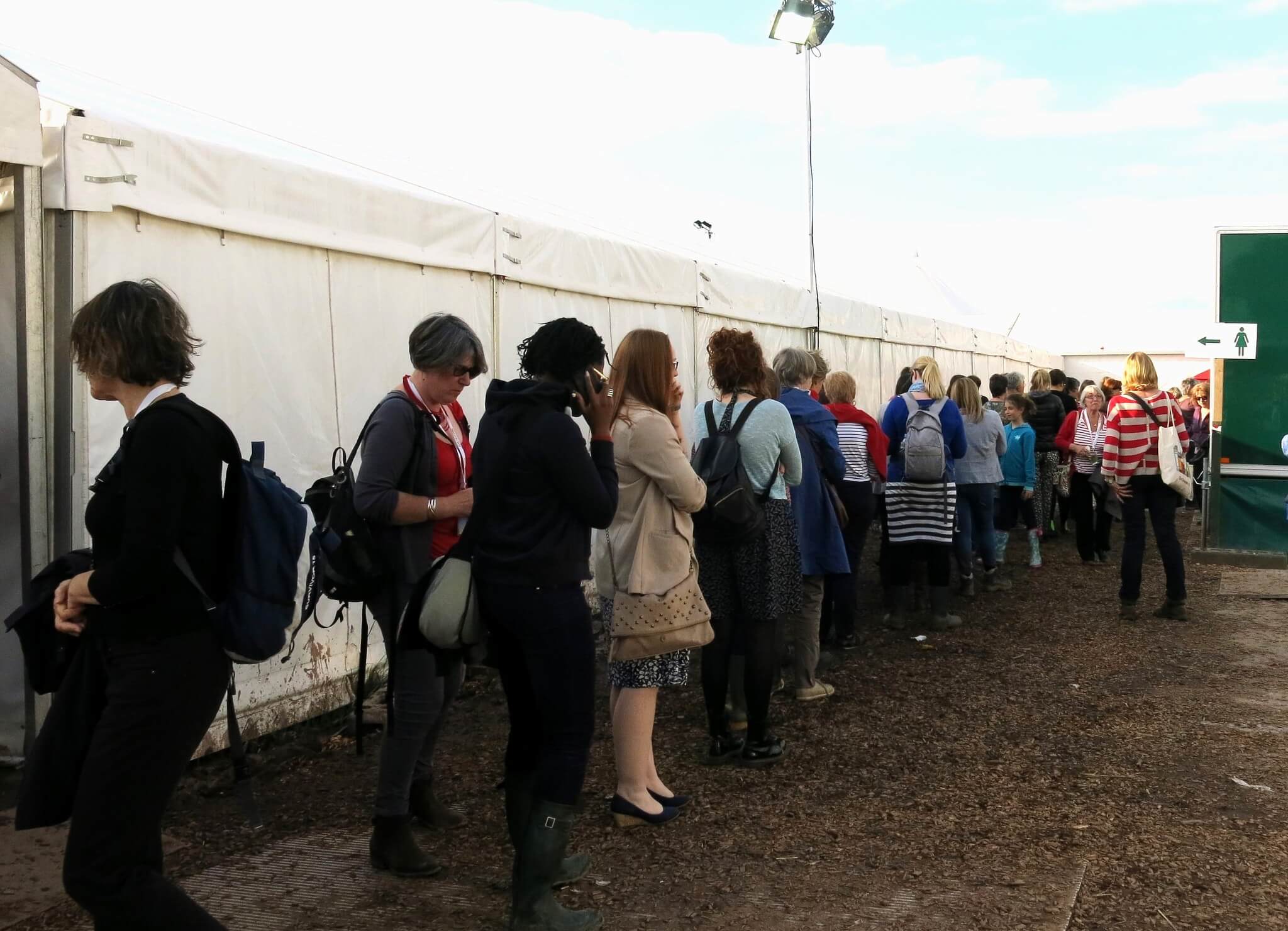
Women across the United States voted, on November 2, 1920, in a presidential election for the first time, only a few months after the Nineteenth Amendment was ratified in August. Many arrived early, before work, and waited in lines at schoolhouses, firehouses and storefronts.
New York City polling places drew long queues of women in hats and gloves, some bringing children along. Photographs of the day show how ordinary the scene looked, a line of neighbors waiting for a booth, after decades of marches, arrests and petitions.
Wagons Carry Voters to the County Seat
Across the rural Midwest of the late 1800s, election day often meant a wagon ride to the county seat or the nearest schoolhouse. Party workers hired horse-drawn carriages and farm wagons to haul voters to the polls, a practice that shaded into vote buying and was eventually restricted in many states.
Photographs show buggies tied along fences outside country stores, horses blanketed against the cold, and men gathered to talk crops and candidates. For many farm families, the trip was the main social event of the autumn.
Roosevelt Watches the Returns in 1932
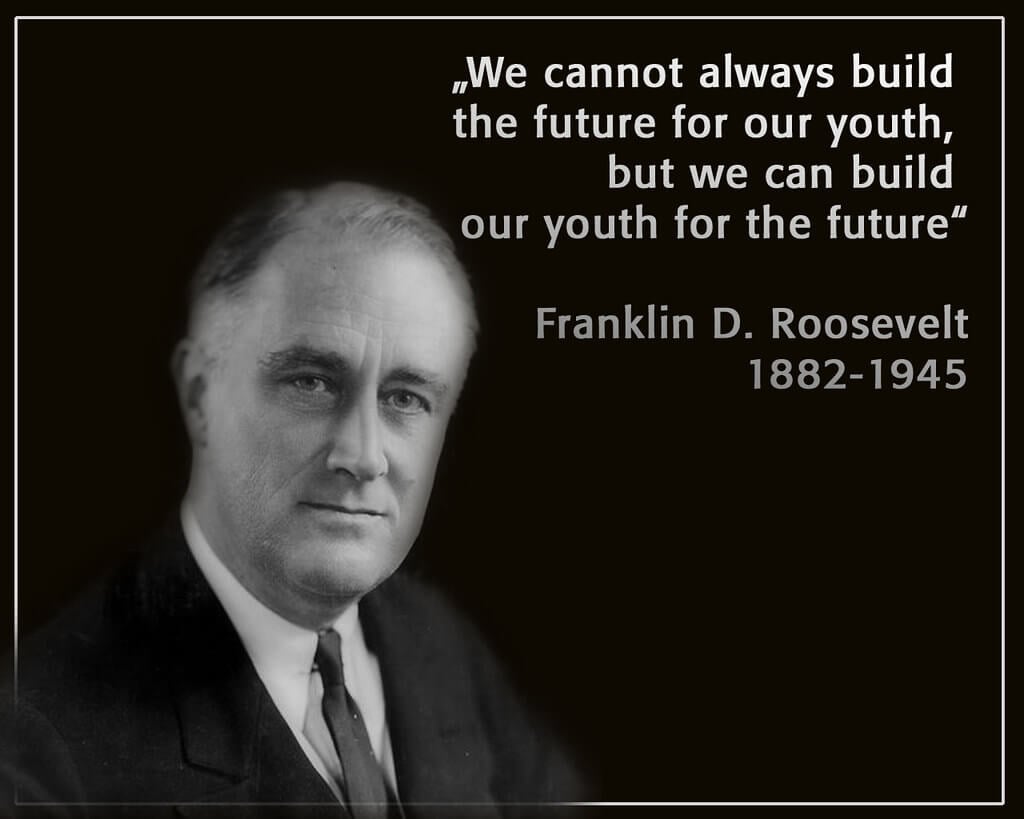
Democratic headquarters at the Biltmore Hotel in New York City buzzed through election night in 1932 as Franklin Roosevelt moved toward a landslide win over Herbert Hoover. Telephones and wire machines delivered the numbers to staff, and James Farley, the party’s campaign manager, kept the tally.
Roosevelt joined supporters as returns piled up, and Hoover sent a telegram of congratulations that evening. Images of the night show rooms thick with hats, newspapers and cables, and a crowd that grew gradually surer that the Depression era had a new president.
Torches for Roosevelt at Hyde Park
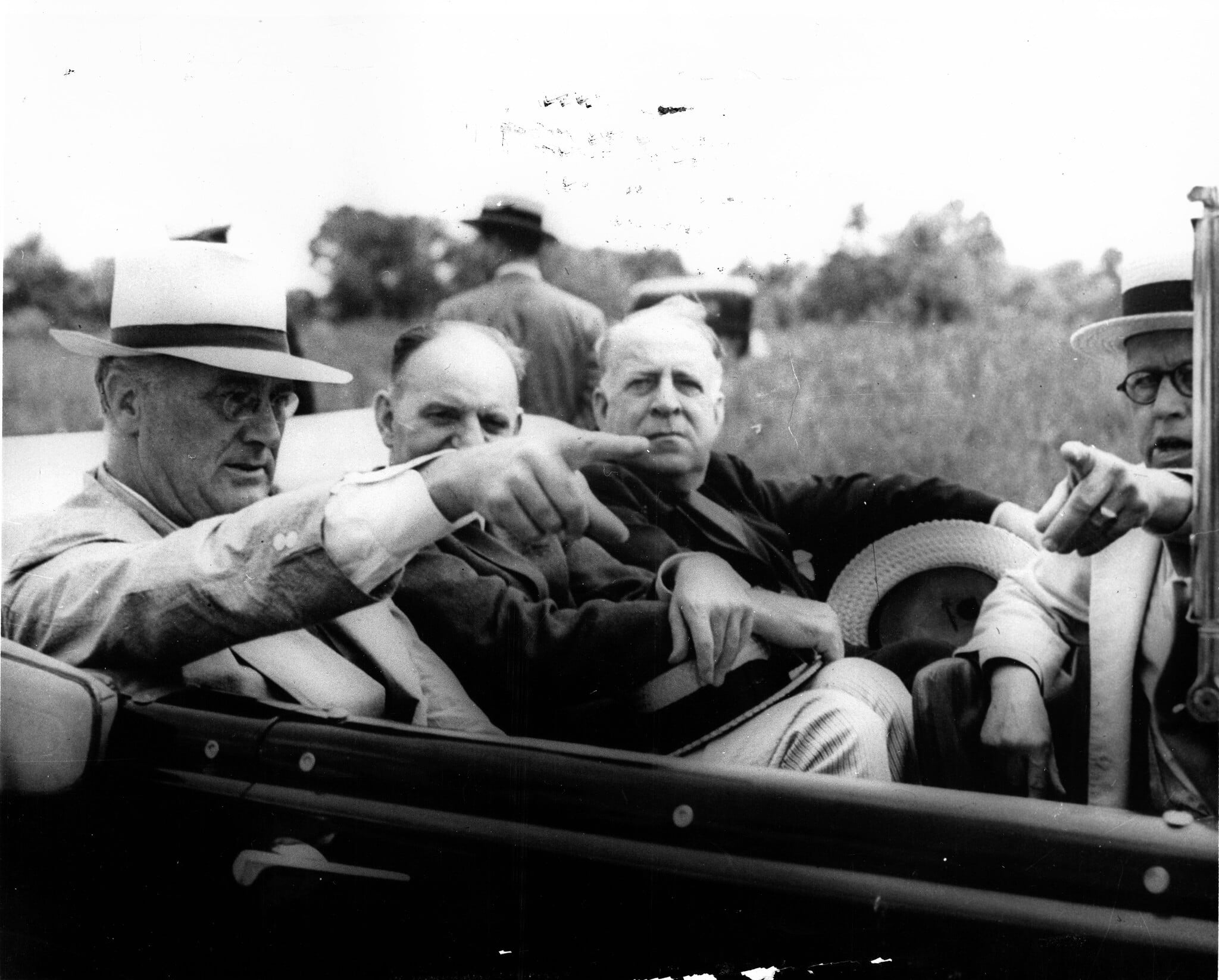
Franklin Roosevelt’s Hyde Park neighbors, on election nights during his presidential campaigns, traditionally marched to Springwood, the family estate on the Hudson River, carrying torches and playing music. Roosevelt would come out to the porch to greet them and thank the neighbors who had marched up the road.
The ritual tied the presidency to a village, and nearby farmers and shopkeepers became part of national history. Photographs show a dark lawn dotted with flame, and a candidate who appreciated a good parade almost as much as a landslide.
Truman Takes the Train in 1948
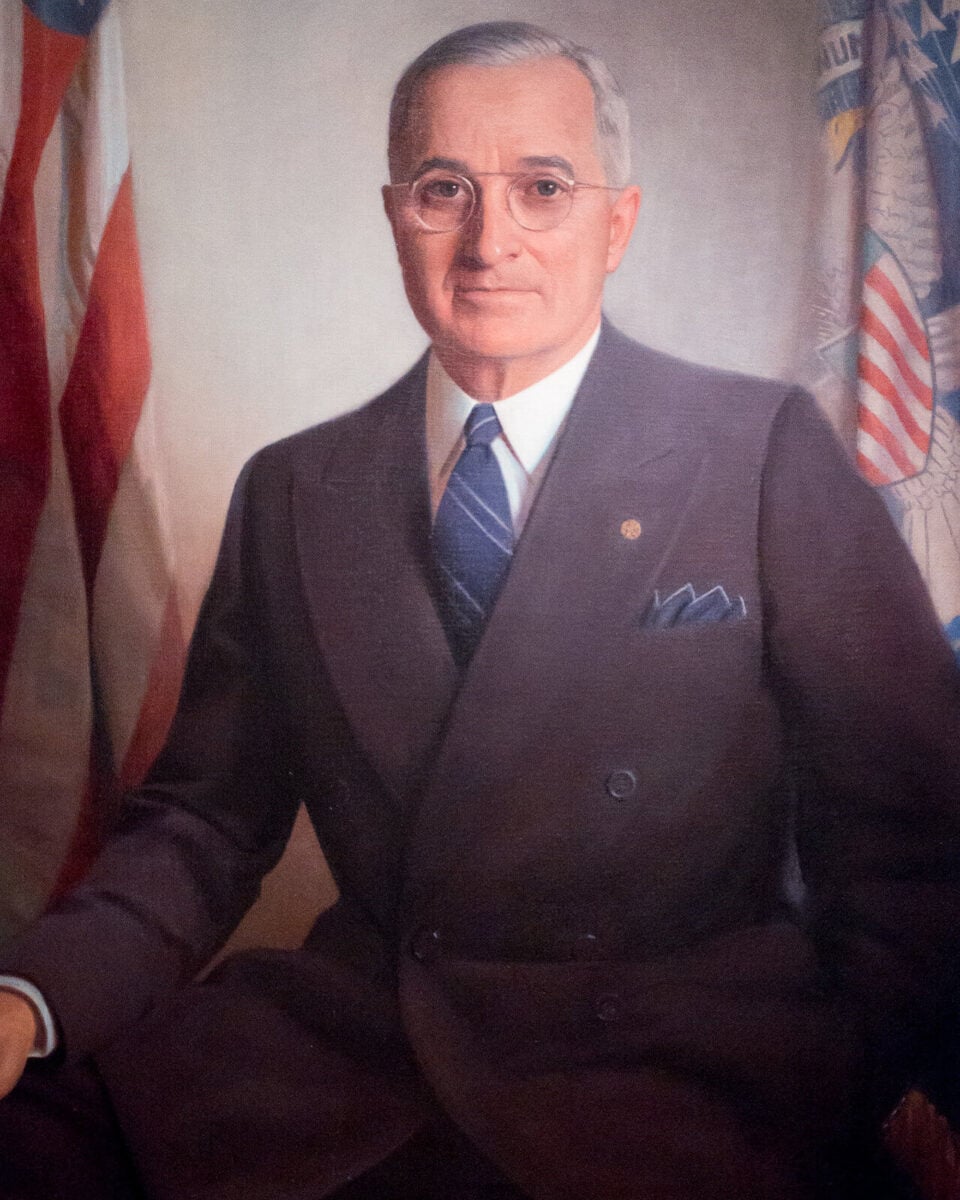
In 1948, Harry Truman crossed the country by train, speaking from the rear platform of a railcar named the Ferdinand Magellan to crowds gathered at small-town depots. Most newspapers and pollsters expected him to lose, but the crowds at the stops grew larger as the tour went on.
The trip covered tens of thousands of miles and produced dozens of brief talks in a single day. Photographs of the platform show a trim man in a hat waving down at townspeople, and the whistle-stop tour that rescued a presidency.
Truman Holds Up the Wrong Headline
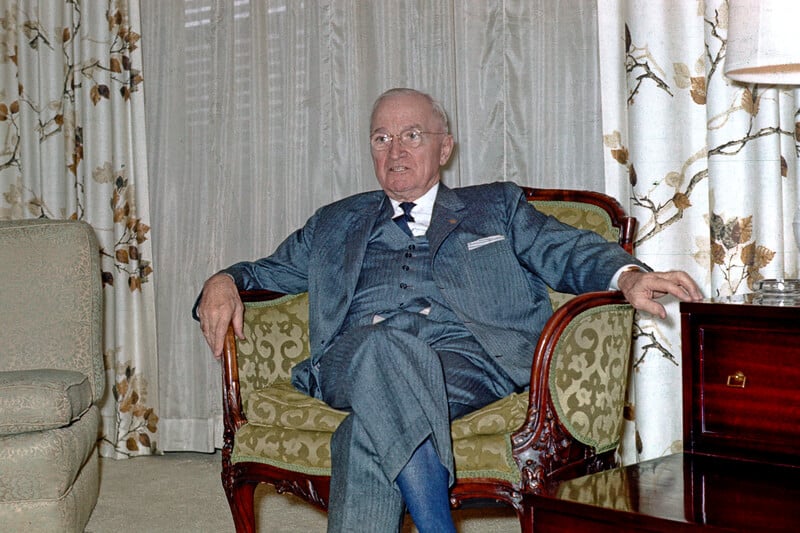
A smiling Harry Truman held up, on November 4, 1948, the Chicago Daily Tribune at a St. Louis train station, its banner headline declaring that Dewey had defeated him. The paper had gone to press early because of a printing dispute, relying on early returns and the widespread assumption of a Republican win.
Truman had won, and the picture became the most famous reversal in election coverage. The photograph shows a man at ease on a platform, grinning at an error that rewrote how the press talked about predictions.
Britain Waits Three Weeks in 1945
Britain voted on July 5, 1945, but results were not announced until July 26, because votes from servicemen scattered across the world had to be collected. The wait produced a strange limbo in which Winston Churchill remained prime minister while the country had already chosen otherwise.
Clement Attlee’s party won a landslide, and he replaced Churchill in Downing Street. Photographs show counting halls filled with long tables and teams of clerks sorting papers into bundles, the slow machinery behind one of the sharpest political turns of the century.
Barbershop Polling Places
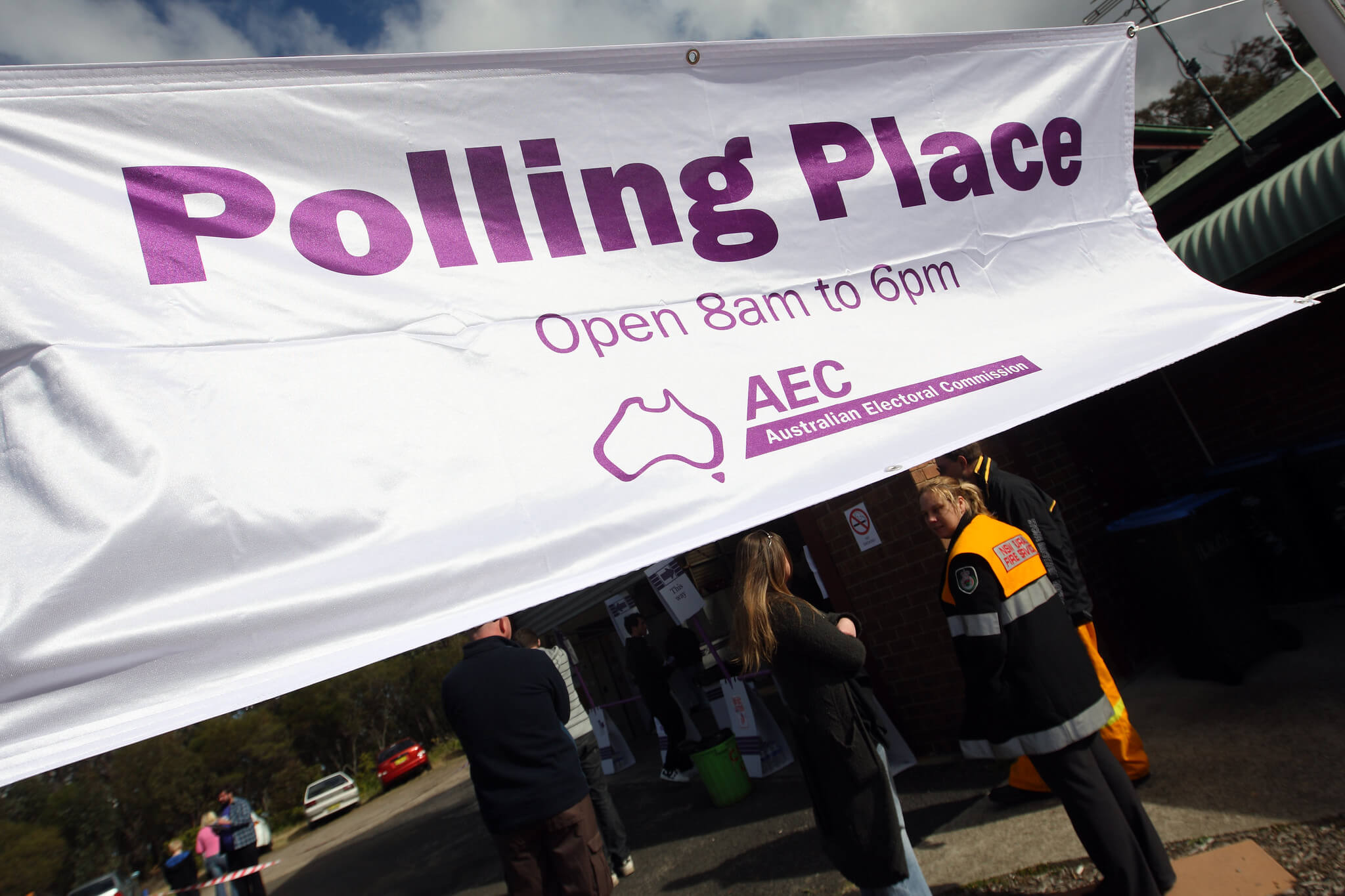
For much of the twentieth century, American polling places were borrowed rooms rather than government buildings, and in small towns of the 1930s and 1940s, barbershops, garages and general stores were common choices. A lever machine might sit between the shaving chairs, with the booth curtain hanging near a row of mirrors.
Neighbors chatted in line while a barber trimmed hair a few feet away, and election inspectors sat behind folding tables with tally sheets. Photographs of these ordinary rooms show how casually democracy used to share space with everyday business.
A Public Habit of Waiting
Taken together, these scenes show that election day was a shared physical experience. People stood in lines, marched with torches, read bulletins on walls and gathered under towers because there’s no other way to learn the outcome existed.
News arrived late, sometimes wrong, and always in company. Radio and then television moved that experience indoors, where the audience grew larger but quieter.
The photographs that remain are valuable for showing how the act of voting looked when it was still a neighborhood event. Each crowd, wagon and torch records a country that chose its leaders in public and then waited, together, to find out.
More from Go2Tutors!

- 27 Silver Dollars and Half Dollars Worth Keeping
- 28 Restaurant Menu Items Nobody Orders Anymore
- 17 Places Built in Seemingly Impossible Spots
- 27 Vintage Rings Worth More Than They Look
- 25 Restricted Sites Tourists Can’t Enter
Like Go2Tutors’s content? Follow us on MSN.