Legendary Treasures Still Missing Today
The allure of lost treasure has captivated human imagination for centuries. Valuable artifacts, pirate hoards, and ancient relics continue to elude even the most determined searchers despite our advanced technology. What makes these missing treasures so compelling isn’t just their monetary value — it’s the fascinating stories of intrigue, mystery, and historical significance surrounding them.
Here is a list of 14 legendary treasures that remain missing today. Each represents an extraordinary piece of history that continues to inspire treasure hunters worldwide.
The Amber Room
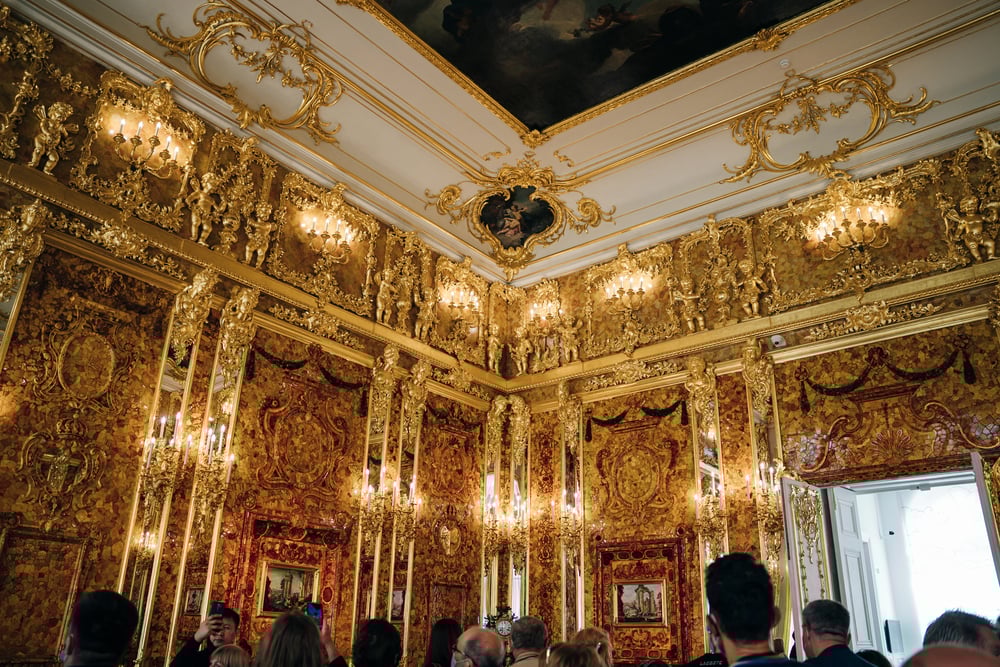
The Amber Room stands as one of history’s most magnificent lost treasures — an extraordinary chamber adorned with amber panels backed by gold leaf and mirrors. Initially built at Russia’s Catherine Palace, it was destroyed by Nazi forces during World War II, but it disappeared entirely in the tumultuous closing days of the conflict. This amazing space is worth more than $500 million in today’s currency, according to experts. Given its amazing craftsmanship, it is no surprise that it was originally referred to as the “Eighth Wonder of the World.”
Treasure of Lima

As the Spanish authority in Peru came to an end in 1820, the viceroy of Lima made a crucial choice. He would later come to lament moving the city’s enormous wealth to Mexico for safekeeping. Gold sculptures, gems, and two life-size solid gold images of Mary bearing baby Jesus were all part of this treasure. After receiving this valuable cargo, British trader Captain William Thompson killed the guards and set off for Cocos Island. Despite numerous excursions, the estimated $208 million treasure that he buried there has never been found.
Like Go2Tutors’s content? Follow us on MSN.
Montezuma’s Treasure

When Spanish conquistador Hernán Cortés captured Aztec emperor Montezuma II in 1519, he seized control of a massive collection of gold, silver, and precious stones. Legend tells how the Aztecs finally drove out the Spanish in 1520 — forcing Cortés and his men to load whatever treasure they could onto horses as they fled. Nobody knows where they buried or lost this wealth during their hasty escape. The treasure would fetch hundreds of millions today, not counting its immeasurable historical significance.
Blackbeard’s Treasure

Edward Teach — better known as the infamous Blackbeard — terrorized the Caribbean and American colonies in the early 18th century. Before his death in 1718, this notorious pirate boasted he’d hidden his greatest treasure ‘where none but Satan and myself can find it.’ Marine archaeologists discovered his ship Queen Anne’s Revenge in 1996 off North Carolina’s coast, but they’ve never located his legendary hoard. Some historians believe it could be worth upwards of $30 million today.
The Just Judges Panel

A daring theft shocked Belgium in 1934 when someone stole ‘The Just Judges’ panel from the famous Ghent Altarpiece — a masterpiece displayed in Saint Bavo Cathedral. The thief, Arsène Goedertier, died shortly afterward, though not before leaving frustratingly vague clues about its location. This magnificent 15th-century work by the Van Eyck brothers remains missing despite numerous investigations. Art experts consider the panel essentially priceless, representing one of art history’s most persistent mysteries.
Like Go2Tutors’s content? Follow us on MSN.
The Florentine Diamond

The Florentine Diamond wasn’t just any gemstone — it was a 137-carat yellow diamond with an unusual 9-sided, 126-facet double rose cut. The Medici family originally owned this extraordinary gem before it became part of the Habsburg Crown Jewels in Vienna. After the Austrian Empire collapsed in 1918, the imperial family fled with the diamond. It disappeared somewhere between Switzerland and South America. Many believe it was recut and sold to avoid detection. Today’s value would exceed $20 million, without even considering its remarkable historical importance.
The Irish Crown Jewels

Dublin Castle suffered an embarrassing theft in 1907 when the Irish Crown Jewels vanished just days before King Edward VII’s scheduled visit. Thieves took the heavily jeweled Star and Badge of the Order of St. Patrick — pieces featuring Brazilian diamonds, emeralds, and rubies. Despite numerous theories involving Unionist plots and inside jobs, the case remains unsolved. These jewels, worth approximately $20 million in today’s market, haven’t appeared in any collection or market since their disappearance.
Fabergé Eggs

Most people know about the famous Fabergé Eggs created for Russian Tsars — yet eight of these masterpieces remain missing. Peter Carl Fabergé crafted these extraordinary jeweled eggs between 1885 and 1917 for the Russian imperial family. Many were stolen or sold following the Russian Revolution. Each missing egg, unique and containing clever surprises inside, would fetch between $30-40 million today. Their disappearance represents a significant loss to both art history and Russian cultural heritage.
Like Go2Tutors’s content? Follow us on MSN.
The Lost Dutchman’s Gold Mine

German immigrant Jacob Waltz allegedly stumbled upon a rich gold mine in Arizona’s Superstition Mountains during the 1870s. As he lay dying, he gave his landlady tantalizingly vague clues about its location. The mine has since achieved legendary status — with countless treasure hunters combing the mountains for gold. Several people have even lost their lives searching in the harsh desert terrain. Geologists estimate the mine could contain ore worth hundreds of millions if it truly exists.
Nazi Gold Train
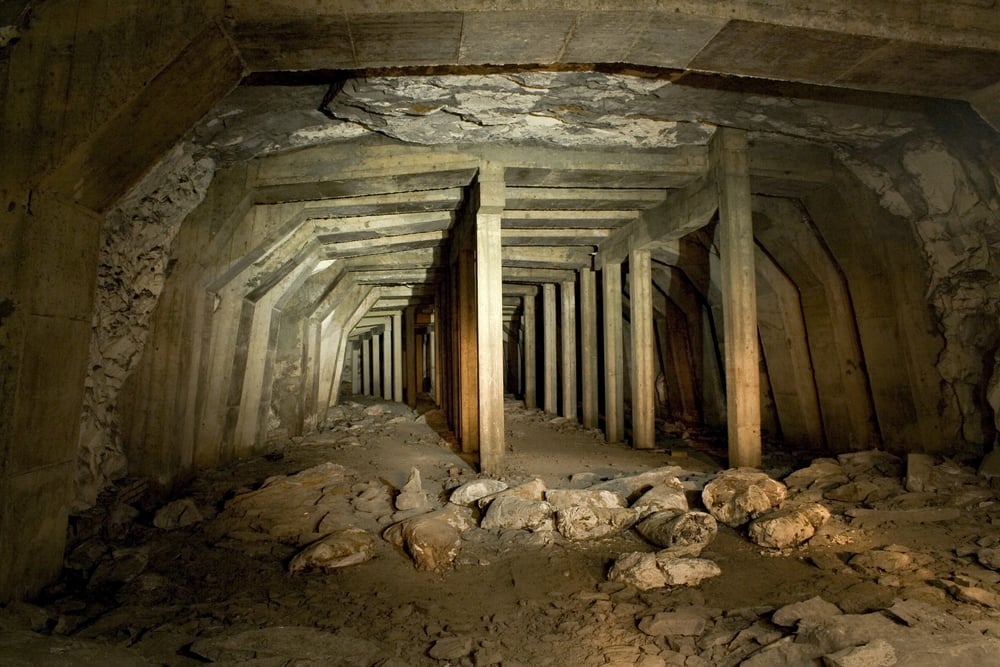
Local Polish legend tells of a train loaded with gold, artwork, and weapons that the Nazis hid in a secret tunnel near Wałbrzych during World War II’s final days. Two treasure hunters created a worldwide sensation in 2015 when they claimed to have located the train using ground-penetrating radar. Though excavations found nothing, many believe it remains hidden somewhere in the complex network of tunnels built by the Nazis. If real, the train’s contents could be worth billions.
The Oak Island Money Pit

Treasure hunters have been digging on Nova Scotia’s Oak Island since 1795, trying to reach what they believe is a buried treasure in an elaborately booby-trapped shaft. Theories about the contents range wildly – from pirate gold to Marie Antoinette’s jewels to Shakespeare’s original manuscripts. Despite centuries of excavation and millions spent, the supposed treasure remains out of reach. Modern estimates value its potential contents anywhere from $30 million to priceless, depending on what might actually be down there.
Like Go2Tutors’s content? Follow us on MSN.
Sappho’s Lost Poems

Ancient Greek poet Sappho earned tremendous respect during her lifetime. The Library of Alexandria once housed nine volumes of her work. Today, only fragments survive – approximately 650 lines from an estimated 10,000. Time, religious censorship, and the destruction of ancient libraries claimed the rest. Discovering these missing works would provide invaluable insights into ancient Greek culture while completing the legacy of a poet whom Plato himself called ‘the tenth Muse.’
The Ark of the Covenant

The Bible describes the Ark of the Covenant as a gold-covered wooden chest containing the stone tablets of the Ten Commandments. It disappeared from Jerusalem when Babylonian forces conquered the city in 587 BCE. Theories about its current location range from hidden chambers beneath Jerusalem’s Temple Mount to Ethiopia’s Church of Our Lady Mary of Zion. Beyond its profound religious significance, the Ark would represent one of archaeology’s greatest discoveries, potentially worth billions while simultaneously being considered beyond price by religious institutions.
Honjo Masamune Sword

The Honjo Masamune represents the pinnacle of Japanese swordmaking – a legendary katana created by Japan’s greatest swordsmith, Goro Nyudo Masamune, in the 13th or 14th century. This extraordinary weapon passed through generations of samurai and shoguns until 1945, when it was surrendered to American forces during Japan’s occupation. Then it vanished completely. Masamune swords are renowned for their exceptional quality, with only a few examples remaining. Experts suggest the Honjo Masamune would sell for tens of millions if it ever appeared at auction.
Like Go2Tutors’s content? Follow us on MSN.
The Enduring Allure of the Undiscovered

These missing treasures represent something far deeper than material wealth. They embody our fascination with mysteries, history, and the unknown. Each lost item carries tales of ambition, betrayal, war, and cultural significance that transcend monetary value. As technology advances, some may eventually resurface, though others will likely remain hidden forever. Perhaps these treasures’ greatest value isn’t in their discovery but in how they continue to inspire generations of adventurers, historians, and dreamers who can’t resist the call of the undiscovered.
More from Go2Tutors!

- 18 Unexpectedly Valuable Collectibles You Might Have Lying Around
- 15 Things Every Teenager in the ’70s Did That Teens Today Wouldn’t Understand
- 15 Strange Things People Have Tried to Ban (And Failed)
- 15 Inventions That Were Immediately Banned After Being Created
- 20 Actors Who Were Almost Cast in Iconic Roles
Like Go2Tutors’s content? Follow us on MSN.



