American Diaries That Preserved Frontier Life
Most history of the American frontier was written by people who were not there. The diaries are different.
They were scribbled at night beside campfires, on wagon seats and in tents, by travelers too tired to polish a sentence. What survives is mud, weather, dead oxen and quiet fear, along with sudden flashes of wonder.
These fifteen diarists left records that historians still return to for the details textbooks leave out.
William Clark and the Lewis and Clark Journals
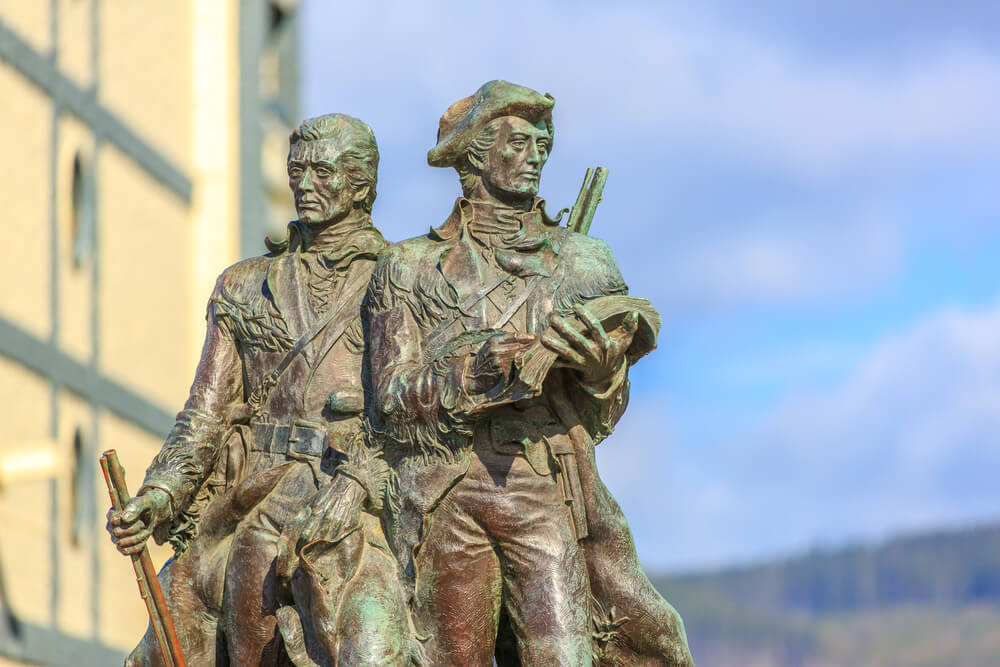
William Clark’s journals from the expedition of 1804 to 1806 are famous for their wildly inventive spelling, including many versions of the same word within a page. Behind the spelling is careful observation of rivers, plants, animals and the peoples the party met.
His maps and field notes remain basic sources for how the western landscape looked before settlement.
John Ordway’s Expedition Journal
Sergeant John Ordway was one of several men ordered to keep a journal for the Corps of Discovery. His daily entries record routes, camp life and encounters in a plain, steady tone.
Because Ordway wrote consistently, his journal helps confirm dates and details that others left uncertain.
Patrick Gass and the First Published Account
Patrick Gass, another sergeant on the expedition, kept a journal that was published in 1807, becoming the first printed account of the journey. It reached readers years before the official narrative appeared.
The published version was edited heavily, but it gave Americans their first look at the route to the Pacific.
James Clyman’s Trapper Journals
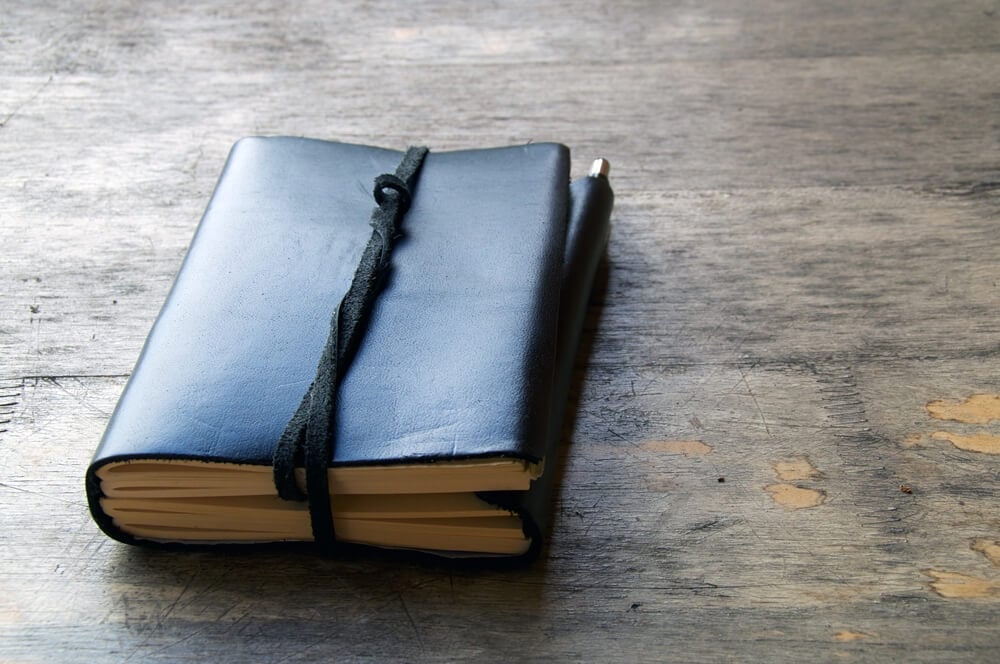
James Clyman worked as a trapper and traveled with Jedediah Smith in the 1820s. His journals describe mountain winters, the dangers of grizzly country and the daily business of the fur trade.
Decades later he was still writing, which makes his record a rare long view of the changing West.
Patrick Breen at Donner Lake

Patrick Breen, a member of the Donner Party, kept a diary during the winter of 1846 to 1847 while snowbound near what is now Donner Lake. His entries note the weather, the daily struggle and his religious devotions.
The short, repeated lines read like a pulse, and they remain one of the few contemporary records from the camp.
Elizabeth Dixon Smith Geer’s Oregon Diary

Elizabeth Geer traveled the Oregon Trail in 1847 with her husband and children. Her diary records the death of her husband along the way and her determination to bring the family through.
Written in direct, unadorned prose, it is one of the most affecting accounts from the trail.
Lydia Allen Rudd’s Trail Diary
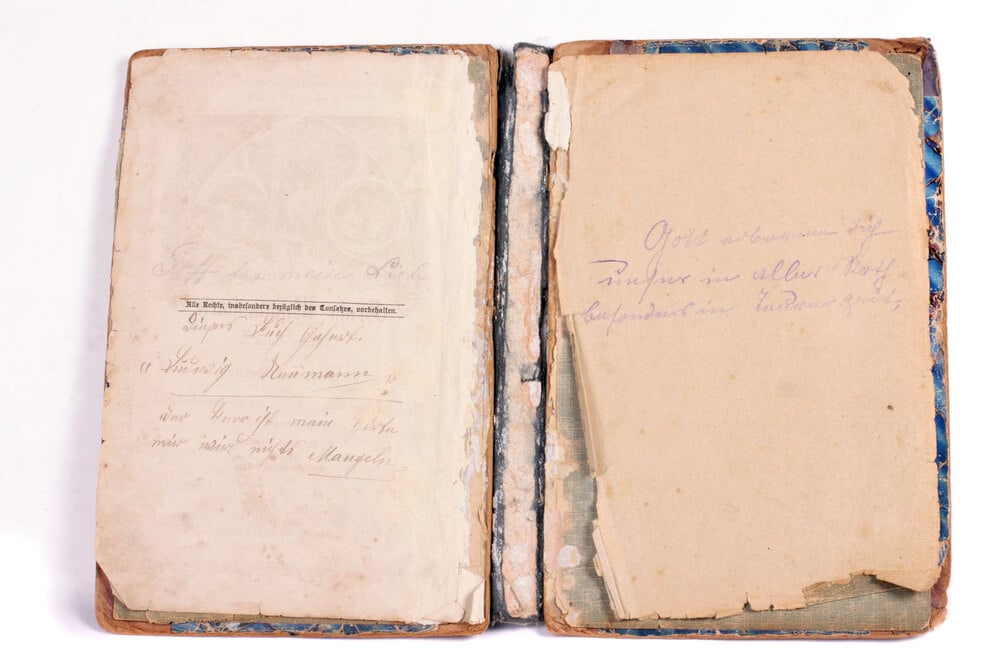
Lydia Allen Rudd made the overland trip to Oregon in 1852 and wrote about the ordinary work of travel. Cooking, washing, wagon repairs and the endless dust fill her pages.
Her matter-of-fact tone shows how much of the journey was daily labor rather than adventure.
Amelia Stewart Knight’s 1853 Diary
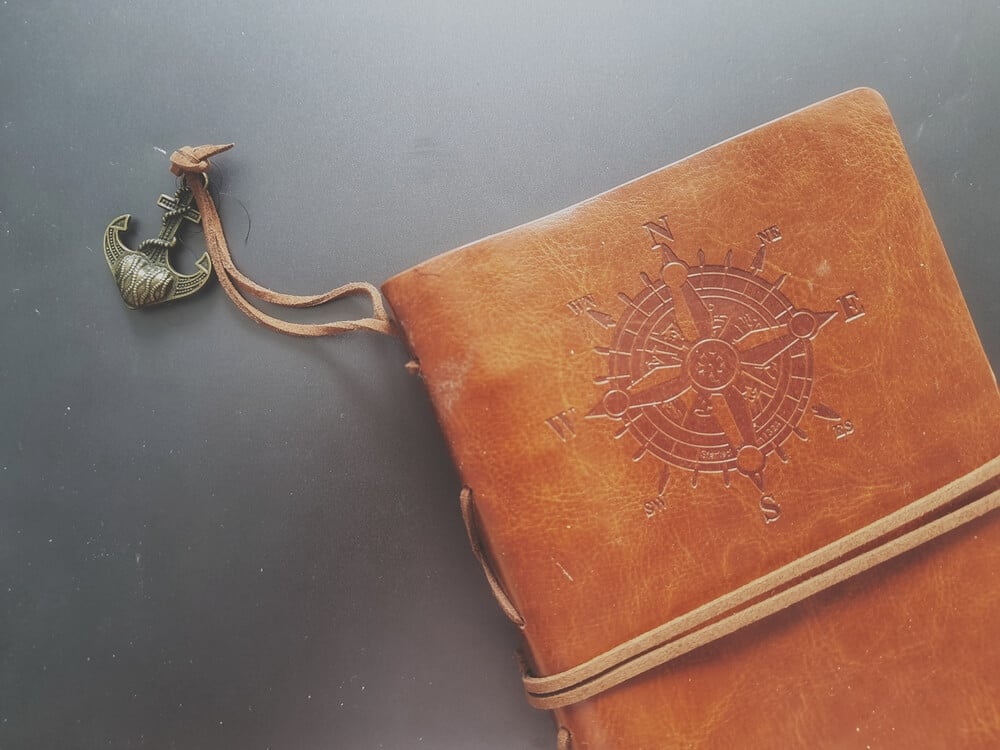
Amelia Knight traveled to Oregon in 1853 with her husband and seven children. Her diary tracks the rain, mud, river crossings and chores of a family on the move.
The detail it gives of managing children on the trail makes it a favorite among historians of pioneer households.
Sallie Hester’s Gold Rush Diary
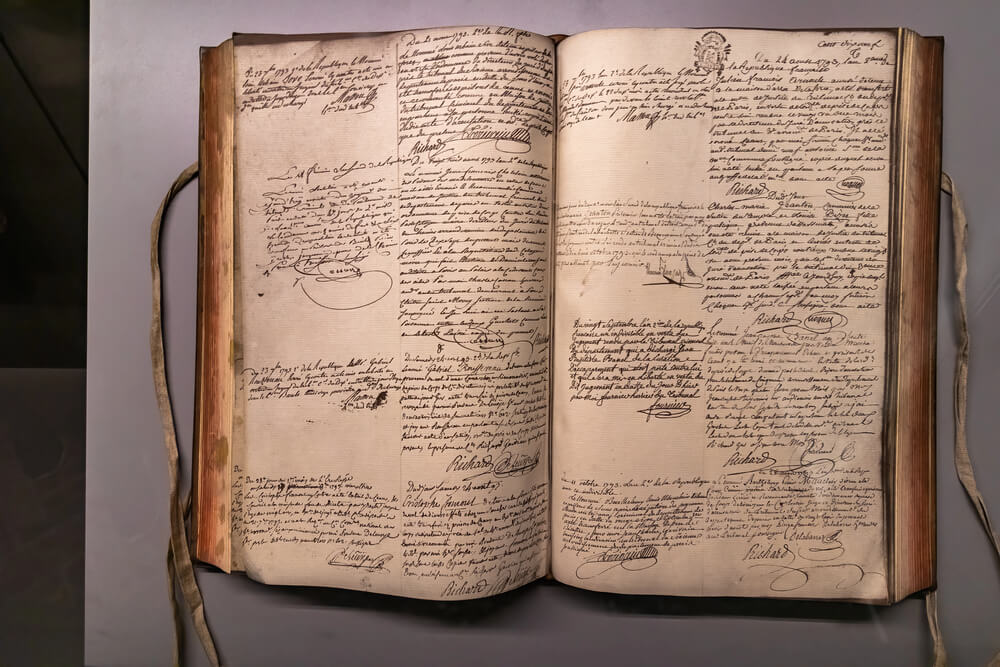
Sallie Hester was thirteen when her family left Missouri for California in 1849. Her diary captures the view of a young traveler who saw the trip as both an adventure and a trial.
Her youthful voice gives the gold rush migration a perspective rarely found in adult accounts.
Susan Magoffin on the Santa Fe Trail
Susan Magoffin was a newly married eighteen-year-old when she traveled the Santa Fe Trail in 1846 with her husband, a trader. She wrote about the caravan, the food, the landscapes and the people she met.
Her diary was published long after her death and is valued as a rare woman’s view of the trade route.
William Clayton’s Mormon Pioneer Journal
William Clayton kept a detailed journal of the 1847 Mormon pioneer trek to the Salt Lake Valley. He recorded distances, camp locations and the building of a device that counted wagon wheel revolutions to measure the trail.
His notes allowed later travelers to follow the route using his mileage.
Catherine Haun’s Trip Across the Plains

Catherine Haun traveled from Iowa to California in 1849 with her husband. Her account, drawn from her trail notes and memories, describes the organization of the wagon company and the fears of crossing the plains.
She is often cited for her clear picture of how groups governed themselves on the road.
Sarah Raymond Herndon’s Days on the Road

Sarah Herndon traveled from Missouri to Montana in 1865, in a trip that took her through gold-rush country. Her journal, later published as Days on the Road, is full of humor and sharp observations.
It shows that migration continued long after the better-known California and Oregon rushes.
Mollie Dorsey Sanford in Nebraska and Colorado

Mollie Dorsey Sanford kept a journal while living in Nebraska and Colorado territories from 1857 to 1866. She described sod houses, mining camps and the early settlement of those areas.
Her writing mixes everyday domestic detail with brief portraits of frontier society.
The Powell Expedition Journals of 1869
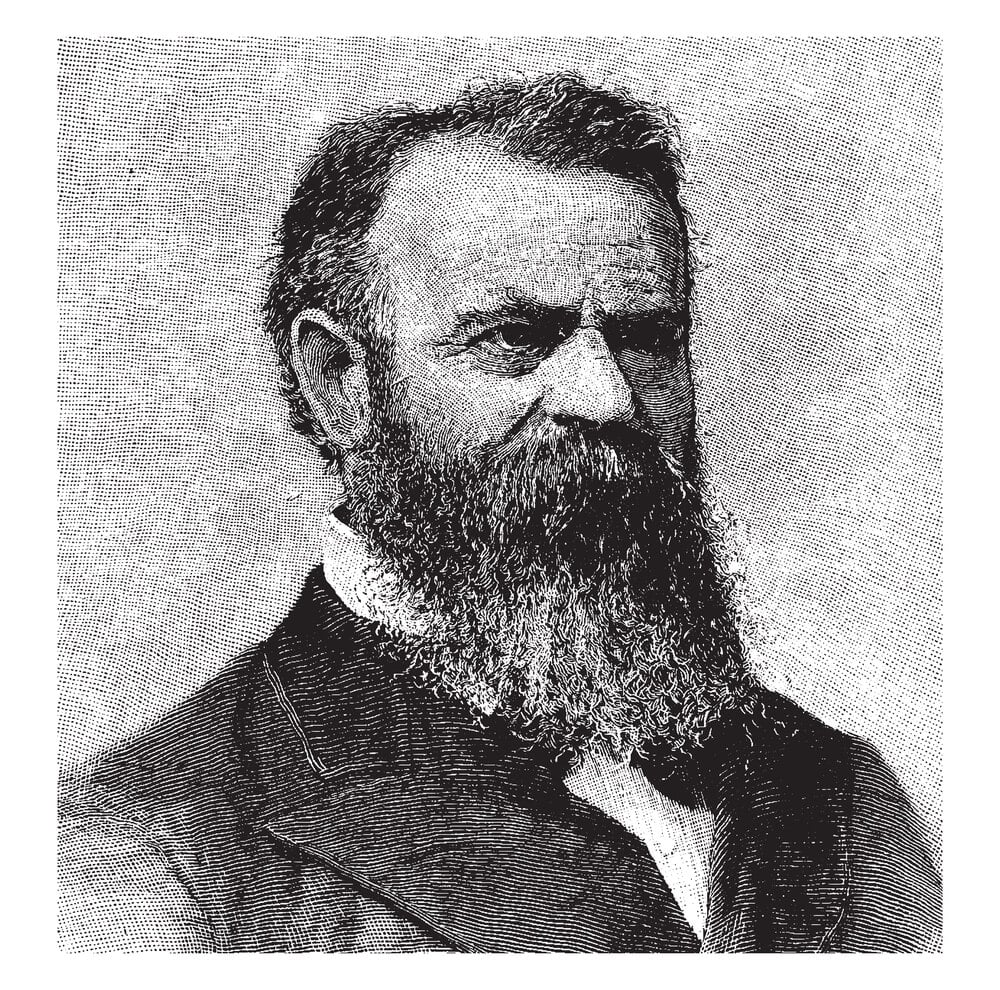
John Wesley Powell led a party down the Green and Colorado rivers in 1869, and several members kept journals. Together they offer overlapping accounts of rapids, portages and hunger in the canyons.
Reading them side by side shows how different men viewed the same dangers.
Ordinary Words, Lasting Value

Frontier diaries survive because the people writing them believed their days mattered. They rarely wrote for readers, which makes them honest.
The same notes that record a broken axle also preserve the voice of a person trying to make sense of a long journey. Historians use these pages to correct romantic myths about westward travel.
The record shows work, grief, illness and humor in ordinary proportion. A diary kept in pencil on a wagon seat can end up as the most reliable witness to a moment in American history.
More from Go2Tutors!

- 27 Silver Dollars and Half Dollars Worth Keeping
- 28 Restaurant Menu Items Nobody Orders Anymore
- 17 Places Built in Seemingly Impossible Spots
- 27 Vintage Rings Worth More Than They Look
- 25 Restricted Sites Tourists Can’t Enter
Like Go2Tutors’s content? Follow us on MSN.