27 Old Beaded Purses With Collector Appeal
A single beaded purse can hold thousands of glass beads, each one strung or stitched by hand. That labor is why surviving examples still catch the eye at estate sales and antique malls.
Some are fragile curiosities, while others are serious pieces of design history. Prices swing widely, and condition drives almost all of it.
Loose threads, missing beads, brittle linings and bent frames can cut a bag’s value sharply, while crisp patterns and original fittings tend to command a premium.
Federal-Era Beaded Reticules
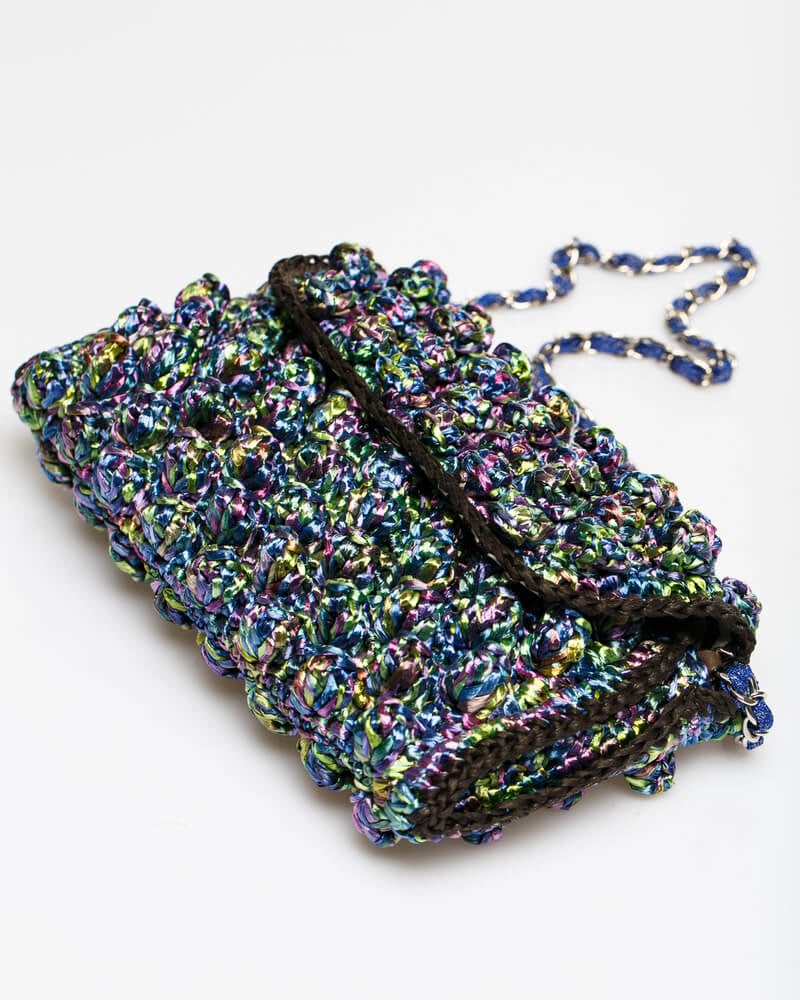
Small drawstring bags carried by women in the early 1800s were made to match the slim, high-waisted dresses of the day. Many were knitted or netted with tiny beads and finished with silk cords.
Intact examples with unfaded silk and no missing beads are scarce, so condition decides whether one sells for modest money or a collector’s price.
Victorian Miser’s Purses
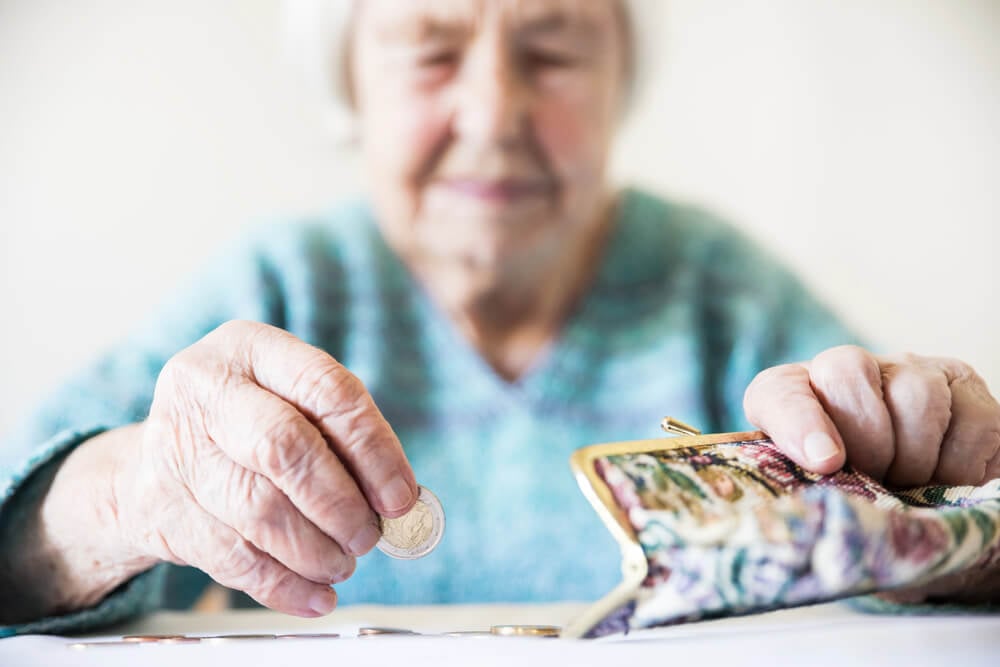
These long, narrow tubes of knitted or crocheted silk were beaded and closed with sliding metal rings. Coins went in through a center slit, and the rings held them in either end.
Collectors look for clean beadwork and intact slit edges, since worn silk and rusted rings pull prices down.
Steel-Cut Beaded Bags
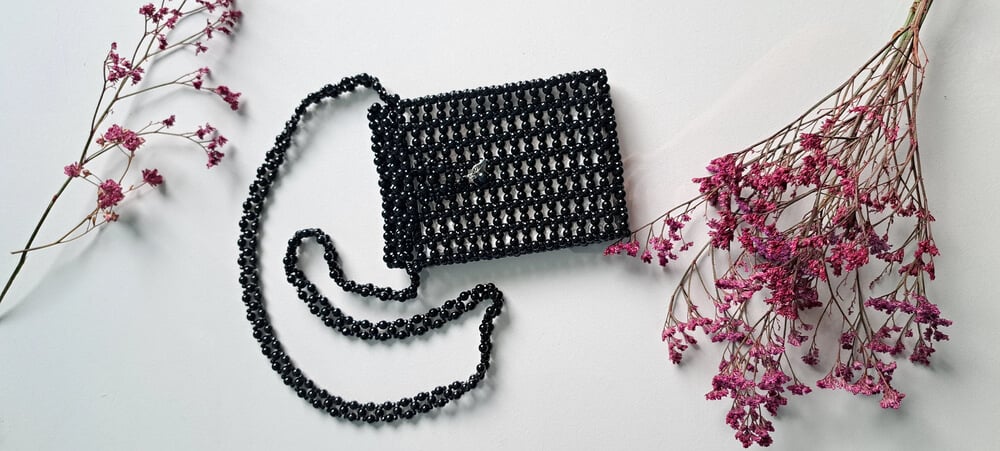
Faceted metal beads, often polished steel, gave nineteenth-century bags a glittering, almost armor-like surface. They were popular for evening wear because they caught gaslight and candlelight alike.
Rust spotting and dull, tarnished patches are the usual flaws, and a bag with bright, even facets is worth noticeably more.
Black Jet Mourning Purses
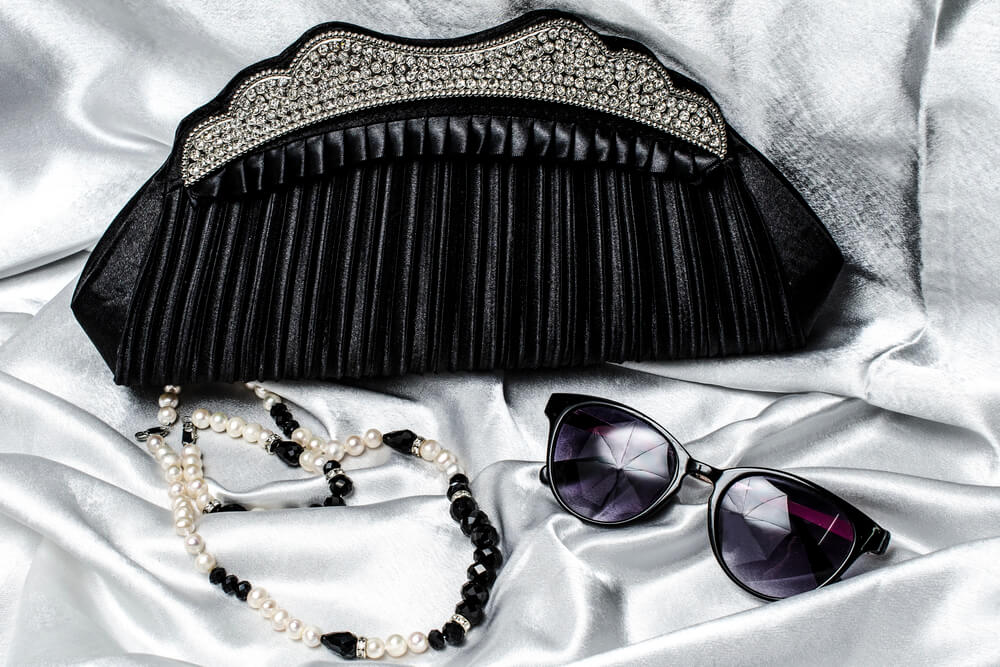
After Queen Victoria began wearing black following the death of Prince Albert in 1861, dark beaded accessories became fashionable far beyond royal circles. Jet and black glass beads were used for purses carried during formal mourning.
Bags with tight stitching and sound linings hold their value, while those with shedding beads are discounted heavily.
Micro-Beaded Petit Point Style Bags
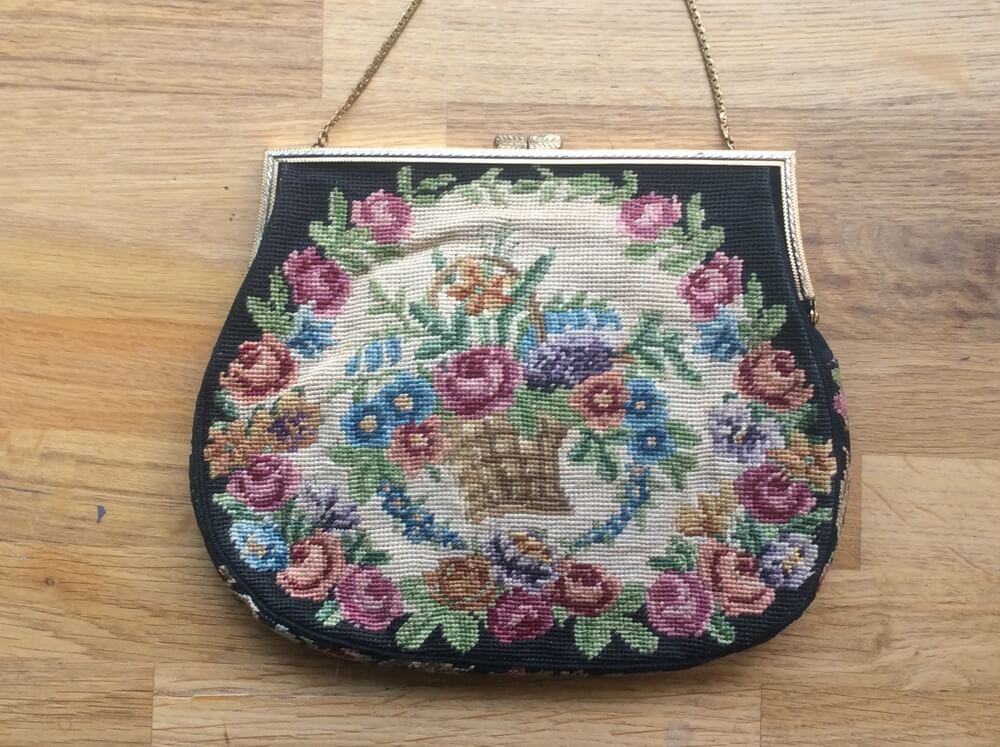
Some European bags used beads so small that the finished surface resembles needlepoint. Roses, landscapes and garden scenes were common subjects, and a good one can contain an astonishing density of stitches.
Collectors prize sharp color shifts and unbroken motifs, and repairs in mismatched beads are easy to spot and lower the price considerably.
Pictorial Scenes in Seed Beads
Bags showing a cottage, a swan on a pond or a bouquet in a vase were made to be noticed. The scene is built bead by bead, so a tiny error in the pattern becomes part of the personality of the piece.
Scenes that remain crisp and complete sell far better than those with gaps or faded dyes.
Venetian Glass Bead Bags
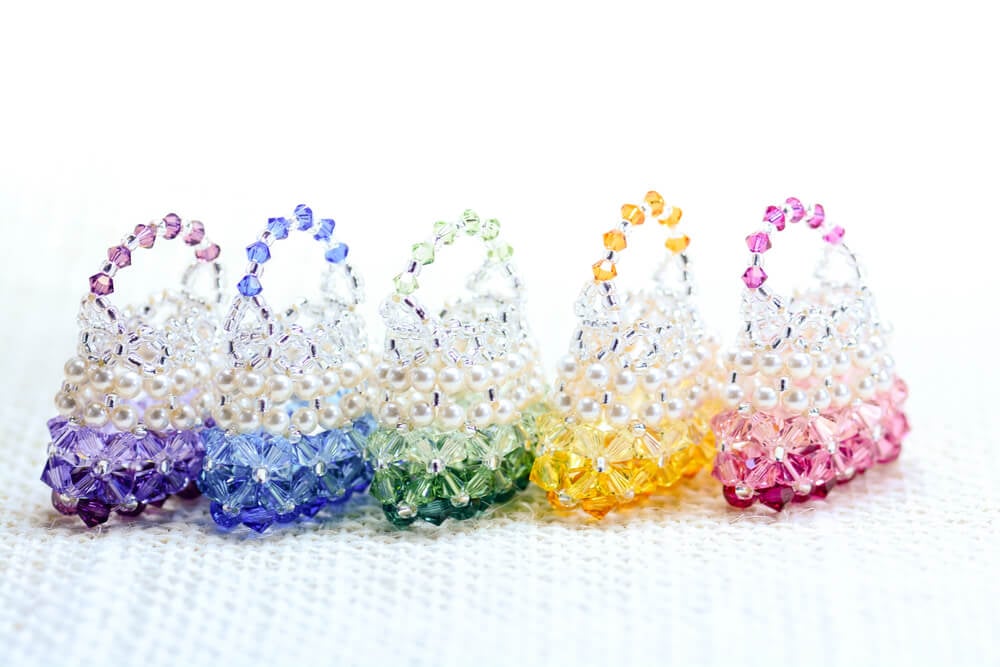
Venice has made glass beads for centuries, and bags worked in Venetian beads often show unusually rich color and a slight sparkle. Strung in swirling floral patterns, they were prized as gifts and souvenirs.
A bag with its original frame and a clean interior fetches the best prices, whereas water damage can reduce a bag to a bargain.
Czech Glass Evening Bags
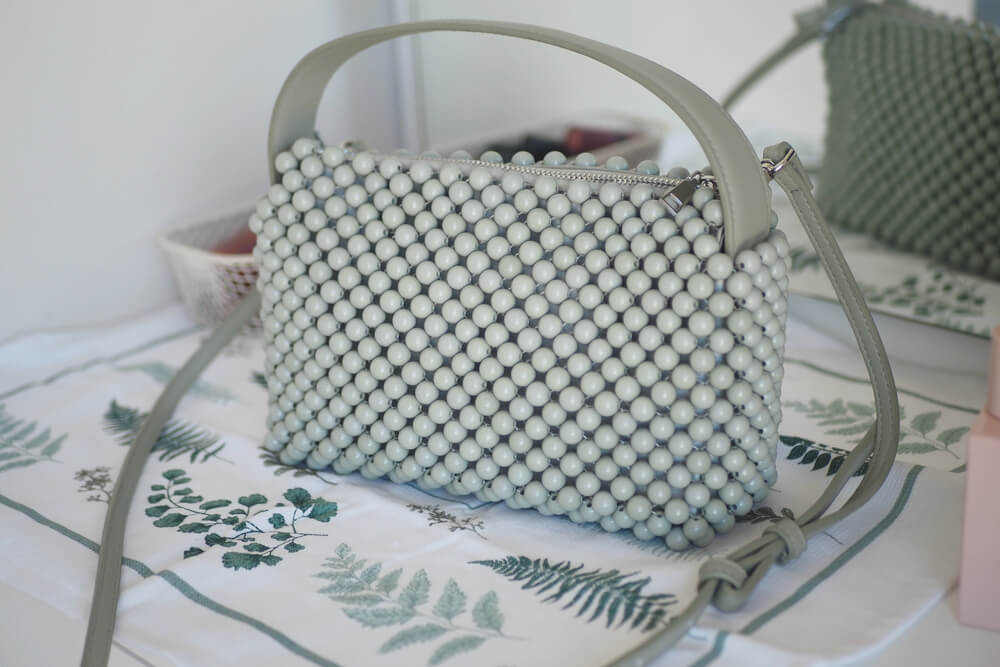
Bohemian glassmakers in what is now the Czech Republic supplied beads to much of the world in the early twentieth century. Bags made with their glass often show vivid, uniform color and finely cut beads.
Original labels, intact frames and unfaded colors raise collector interest, and damaged examples are routinely priced as parts.
Art Deco Geometric Flapper Bags
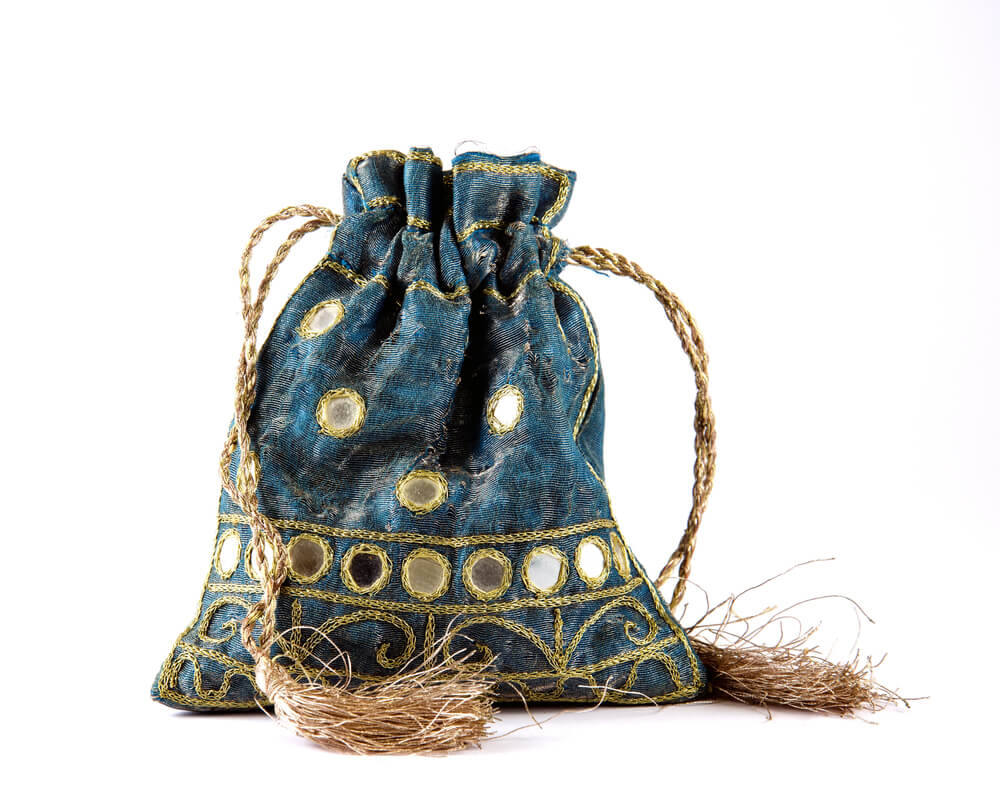
The 1920s favored bold zigzags, sunbursts and stepped shapes, and beaded bags followed suit. Small enough to hold a compact and a few coins, they were designed to swing from a wrist during dancing.
A bag with tight geometry and no bald patches sells strongly, and heavy loss of beads cuts the price quickly.
Egyptian Revival Beaded Bags
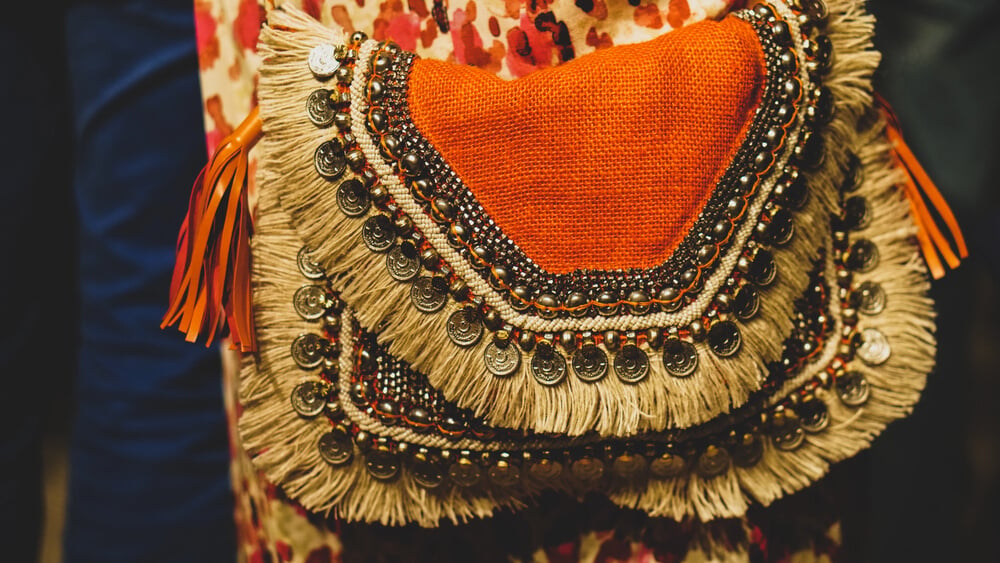
Tutankhamun’s tomb was discovered in 1922, and designers raced to borrow pharaohs, scarabs and lotus flowers. Beaded purses with Egyptian-inspired motifs became a quick way to wear the trend.
Collectors pay more for crisp figures and rich color, though replaced linings and repaired figures can lower the price.
Tambour-Beaded Bags
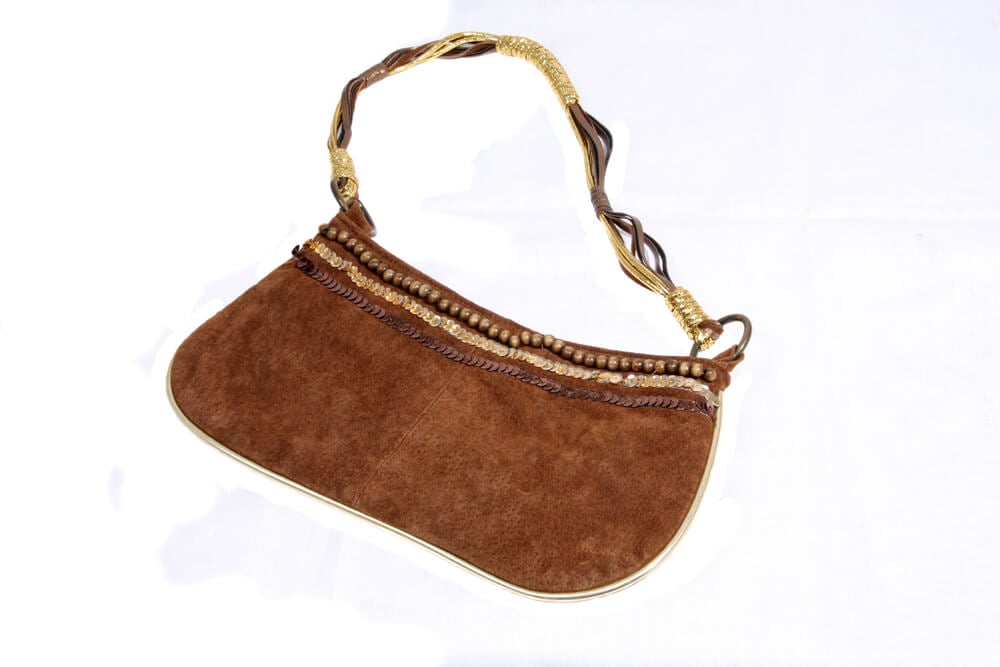
Tambour work uses a fine hook to chain-stitch beads onto fabric, usually from the right side of the cloth. Bags made this way often show flowing vines and florals with a delicate, almost drawn look.
Because loose chain stitching can unravel in a long run, a bag with an unbroken surface is considerably more valuable.
Fringed Charleston Bags
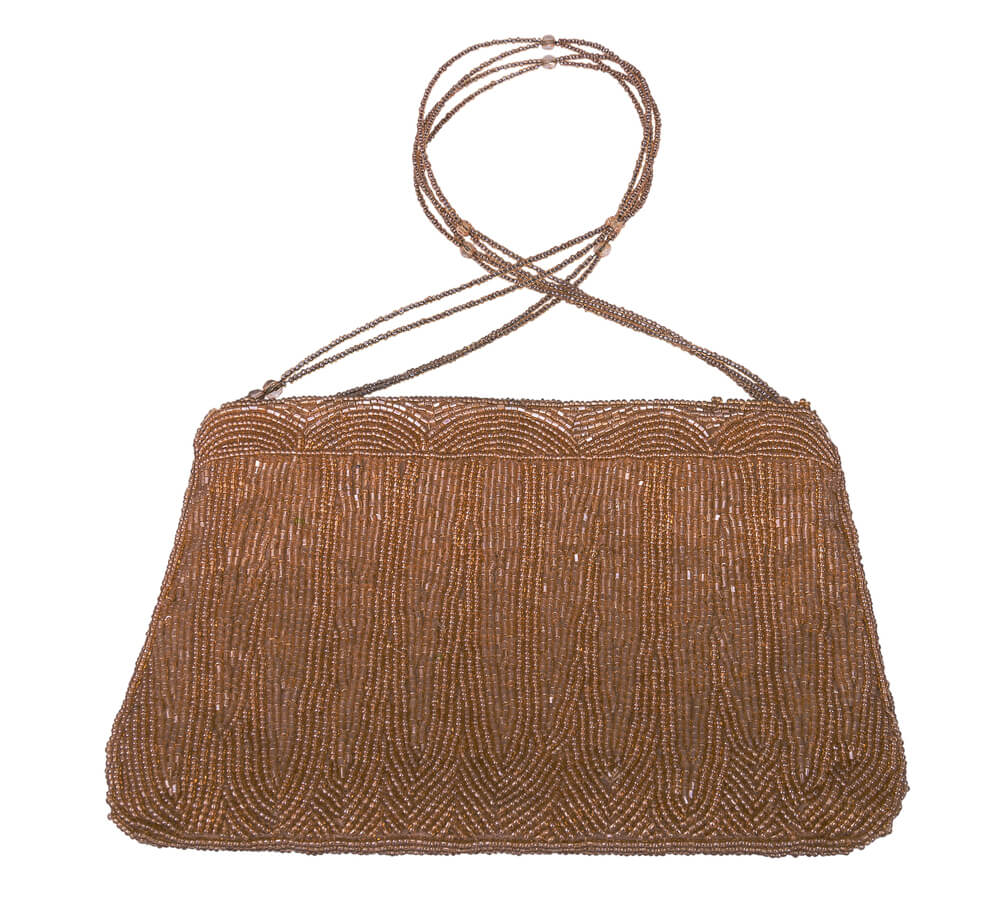
Long beaded fringe swayed with the dancer, and a fringed bag made the swaying visible. The fringe is also the weakest part, as strands snap and beads scatter over decades.
Pieces with full, even fringe are uncommon, and each missing strand takes a little off the asking price.
Frame Bags with Jeweled Clasps
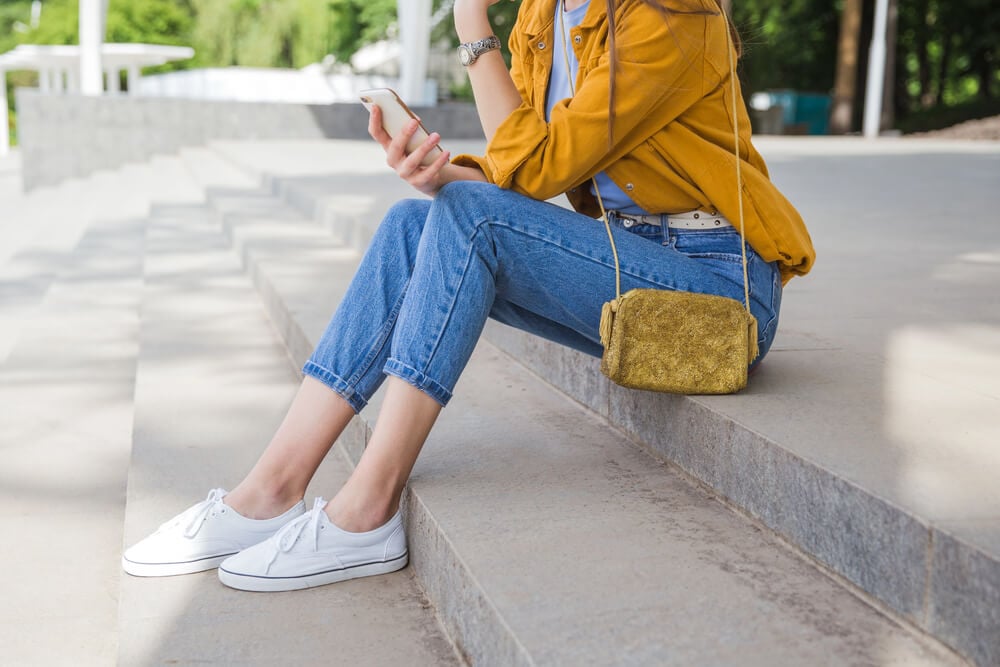
Many beaded bags hang from a metal frame topped with a decorative clasp, sometimes set with colored stones or paste gems. The frame and clasp are a major part of the appeal.
Clasps that still snap shut cleanly and stones that remain in their settings make a visible difference in value.
Celluloid and Bakelite Frame Bags
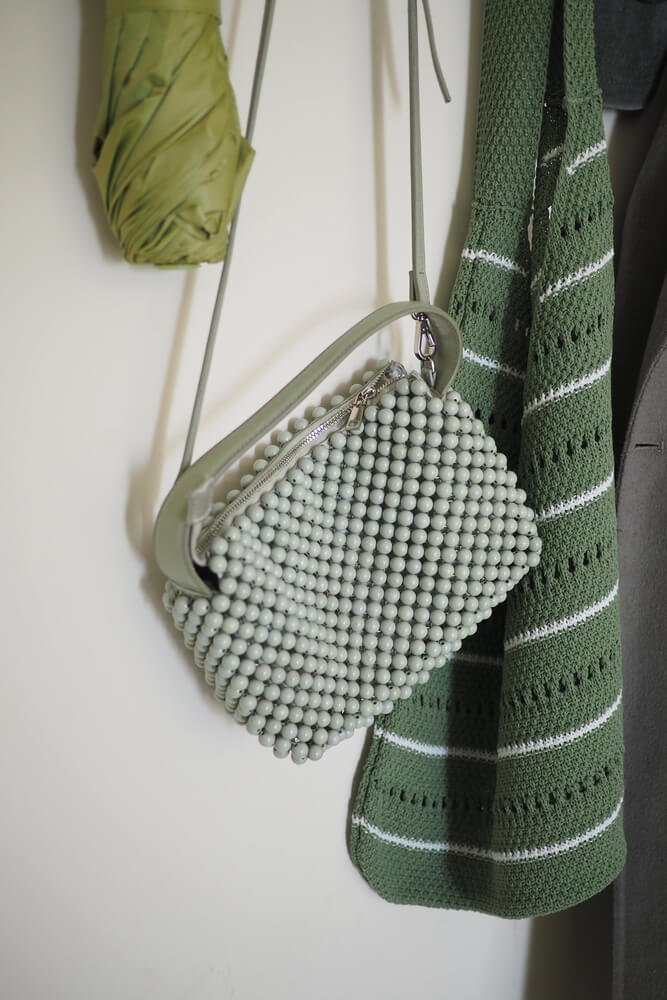
Early plastics offered a lively alternative to metal frames, and some were carved or molded with flowers and geometric forms. The plastics are collectible in their own right, so a bag with a good frame draws interest from two sets of buyers.
Cracks, warping and discoloration are common problems, and they reduce prices sharply.
Sterling Silver Frame Bags
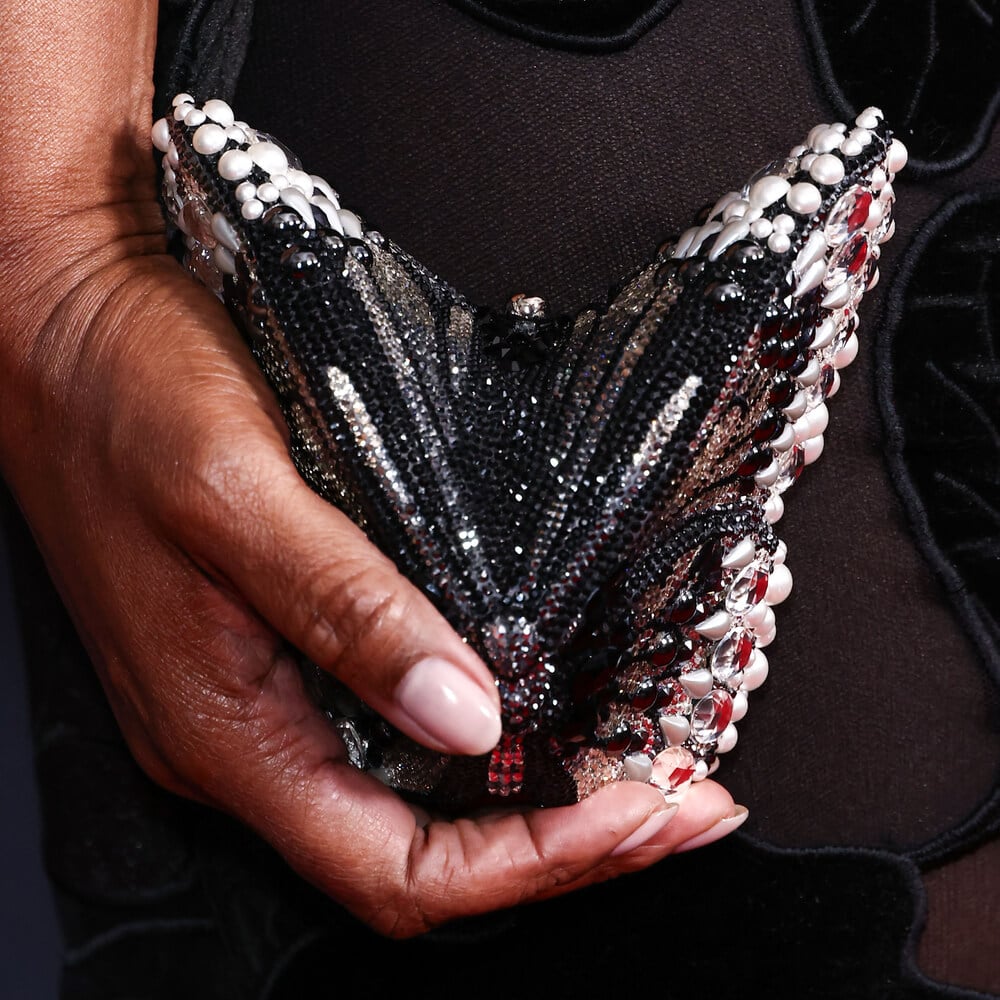
Bags mounted on silver frames were meant to be heirlooms, and many carry hallmarks that help date them. Engraving, filigree and chain handles add to the effect.
Dents, repairs and heavy tarnish matter, so a bag with a clean frame and sound beadwork tends to sell for much more.
Beaded Coin Purses on Chains
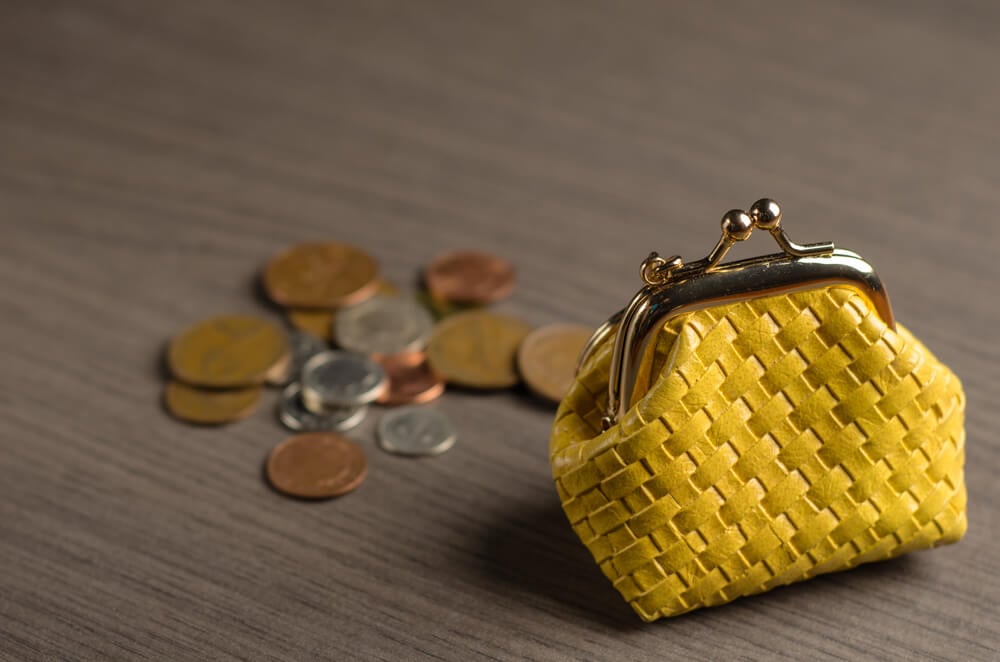
Tiny pouches meant to hang from a belt or chatelaine were a popular daily accessory. Their small size made them cheaper to produce, and many have survived in decent shape.
Intact chains and tight closures raise the price, while split seams and missing beads keep many of them in the low range.
Crocheted Depression-Era Beaded Bags
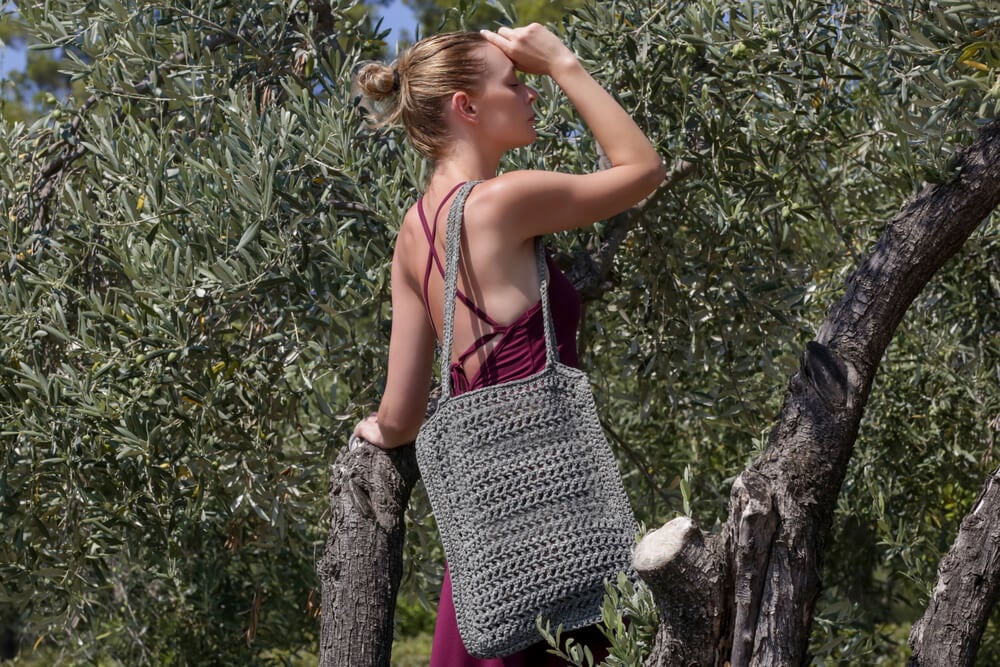
Home crocheters strung beads onto thread before working them into small bags, and published patterns circulated widely. The result was a flood of handmade pieces with a distinct homespun charm.
Quality varies enormously, and tight, even work in good thread is worth far more than loose, uneven examples.
Opera and Theater Bags
Roomy bags with silk linings and heavy fringe were carried to evening performances, where they held glasses, programs and handkerchiefs. Their larger size gave beadworkers a bigger canvas for elaborate patterns.
Stained linings and torn seams are the typical faults, and replaced linings usually lower the price.
Wedding Bags
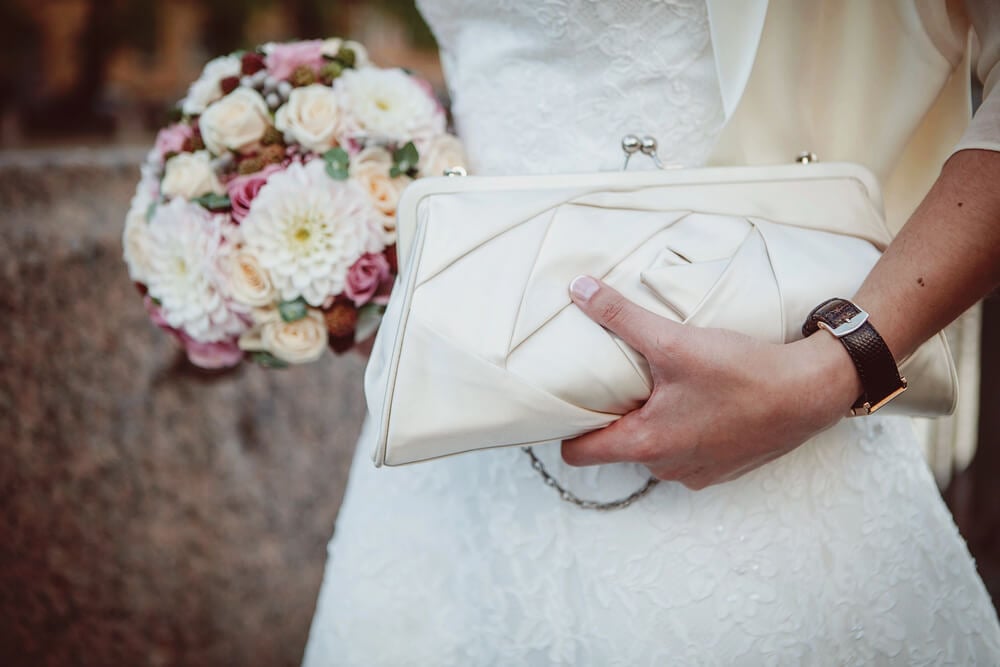
Some beaded purses were made or bought for weddings, with white and pearl beads against pale silk. A few were passed down with notes on the owner, which adds to their appeal.
Yellowing, spotting and brittle thread are standard problems, and a clean, bright bag is much harder to find than a worn one.
Haudenosaunee Raised Beadwork Purses
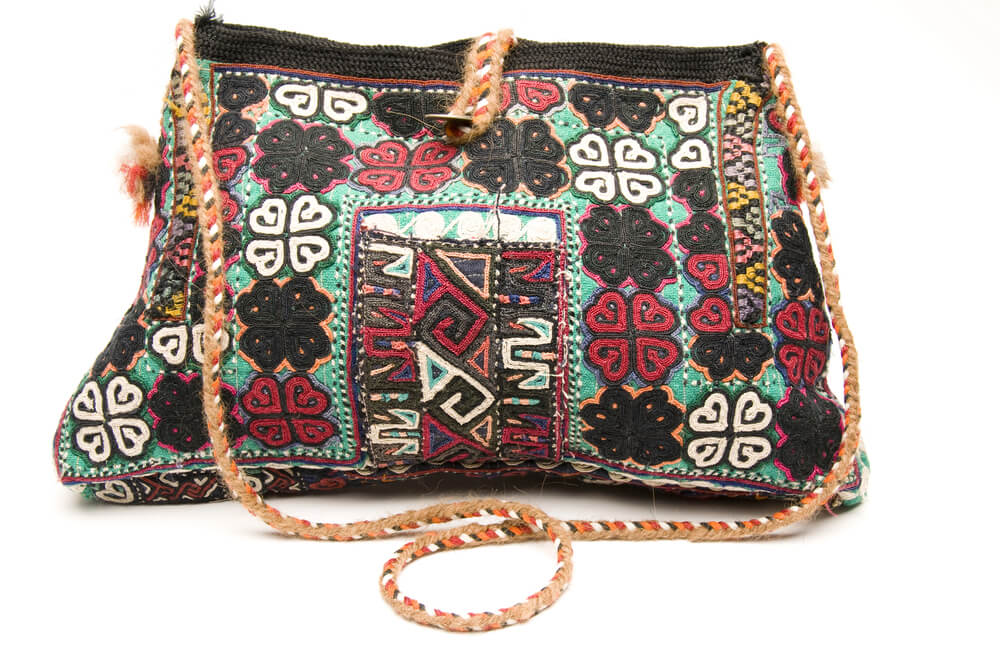
Haudenosaunee artists in the northeastern United States and Canada developed raised beadwork, in which beads are stitched so densely that they rise from the surface in rows. It was sold to visitors in places such as Niagara Falls in the nineteenth century.
Bags with tight, intact beadwork and original velvet backings attract the most attention, and condition affects prices considerably.
Plains Beaded Bags
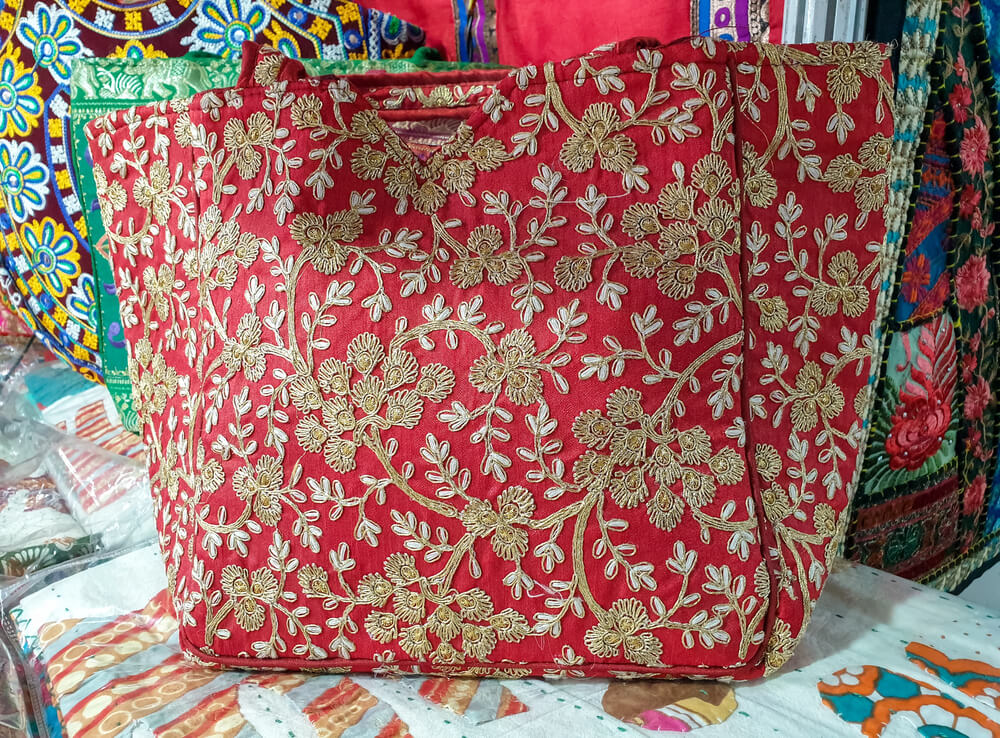
Plains artists made small beaded bags and pouches, including strike-a-light bags worn at the belt. The beads were often sewn in bands and geometric panels across hide.
Provenance and clean, untouched beadwork matter greatly, and heavy bead loss or restoration affects both collector interest and price.
Ojibwe Bandolier Bags
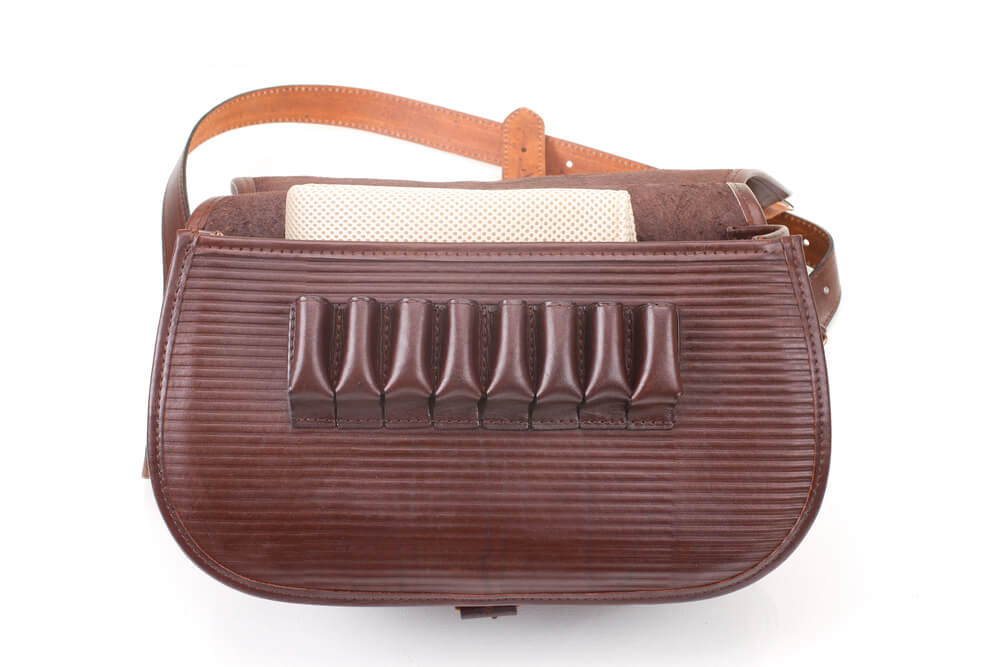
Great Lakes artists, including Ojibwe makers, produced elaborate bandolier bags worn across the chest, decorated with floral and geometric beadwork. The shoulder straps and bag panels could take months to complete.
Because many were made for ceremony and display, examples with strong provenance and intact beadwork rank among the most sought after in the field.
Métis Floral Beadwork
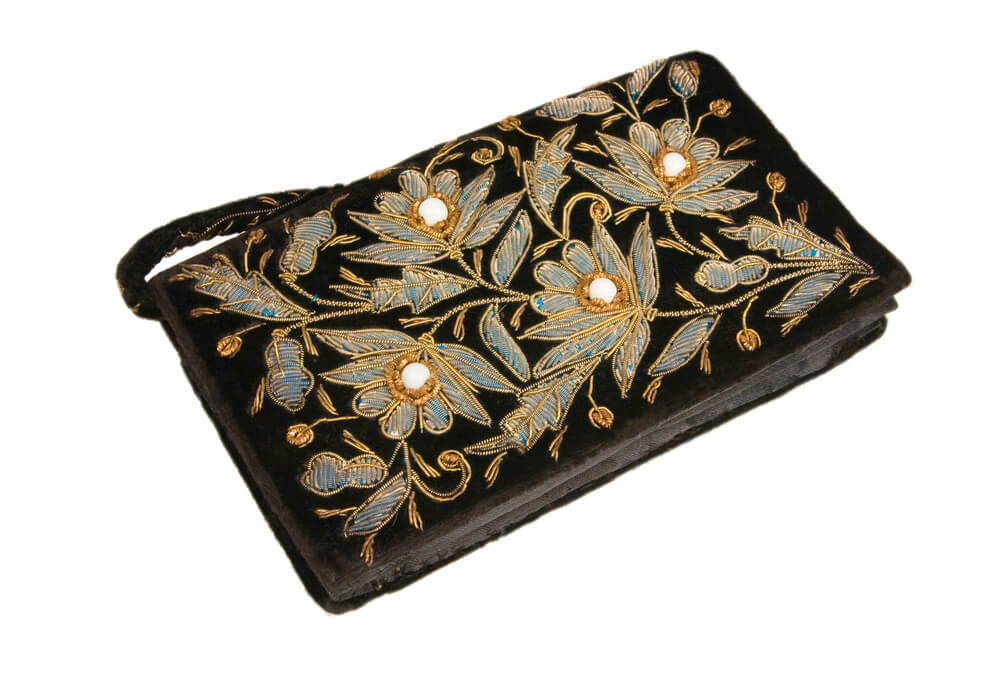
The Métis were known as the Flower Beadwork People because of the plant designs on their clothing and bags. Their beadwork often features curling stems, leaves and blossoms in bright colors on dark cloth.
Bags with crisp designs and original backing hold their value best, and wear to the cloth can reduce it significantly.
Beaded Bags from Belgium
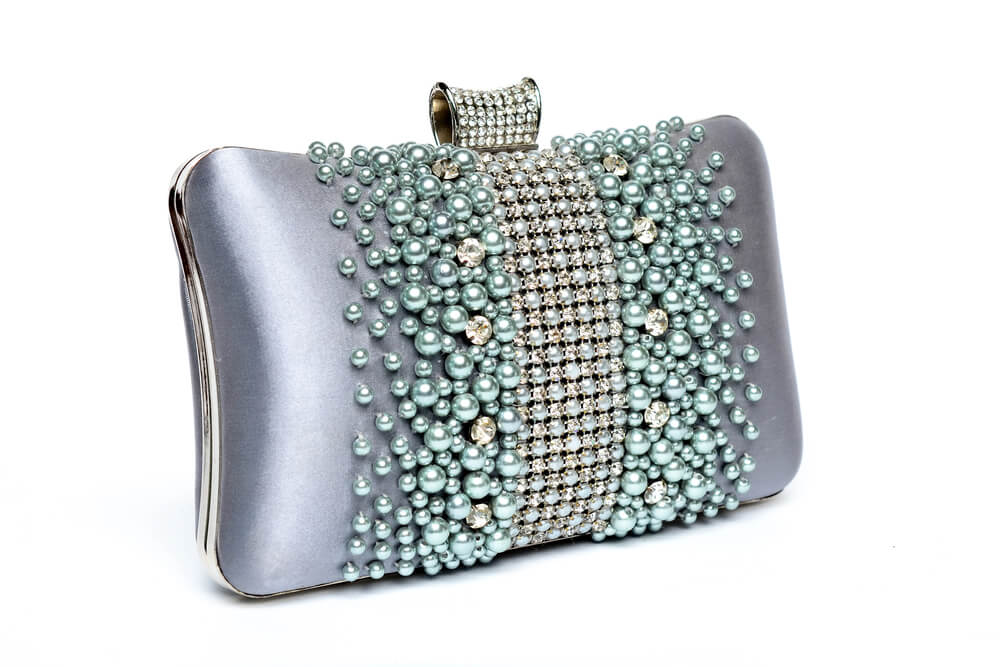
Glass-bead handbags sold in the mid-twentieth century frequently carry a tag reading Belgium, and they remain a staple of vintage shops. Many have dense, shimmering surfaces and sturdy metal frames.
Original tags and lack of shedding beads help prices, while spills of loose beads inside the lining are a clear warning.
Hong Kong Beaded Bags of the 1950s
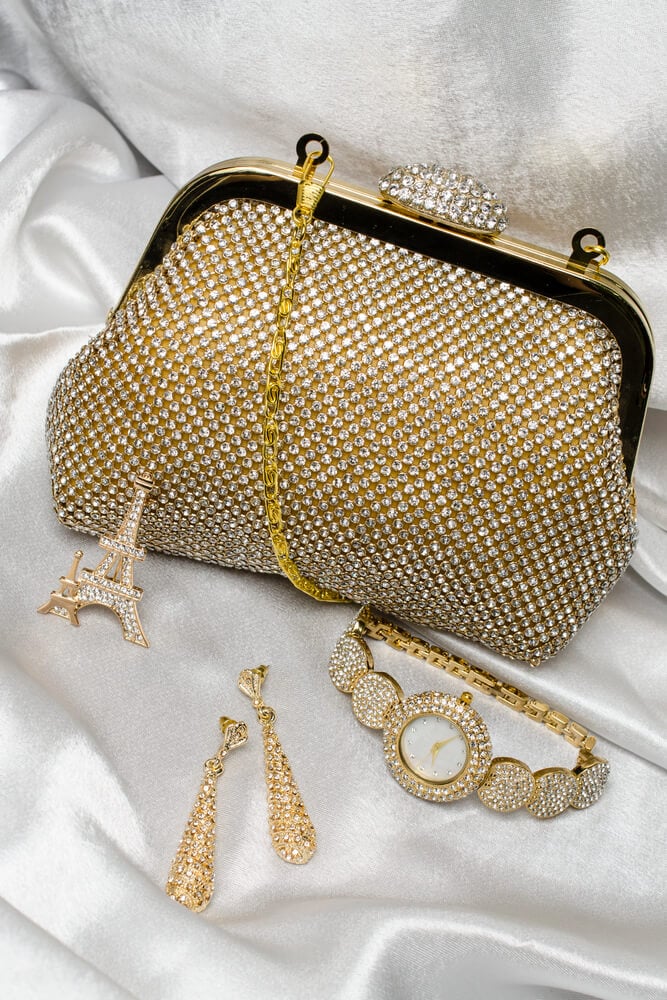
Workshops in Hong Kong produced large numbers of beaded purses for export in the postwar years, often in pastel shades and with plastic or metal frames. Their coordinating color schemes made them popular accessories for matching outfits.
Bags with their original tags and intact beading are worth noticeably more than those with scattered missing pieces.
Postwar Japanese Glass Bead Bags
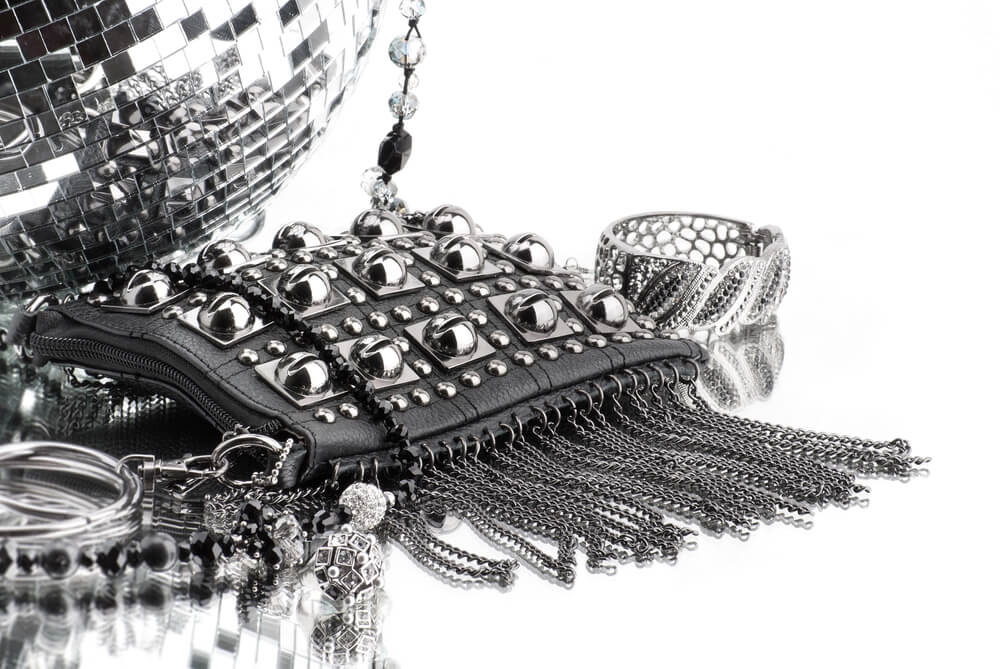
Japanese glass beads appeared in numerous bags made in the decades after the war, often with small, uniform beads and lively patterns. Many carry a sewn-in tag with the country of origin.
Clean linings, bright color and an unbent frame decide whether they sell cheaply or for a respectable amount.
Bags with Original Mirrors and Fitted Interiors
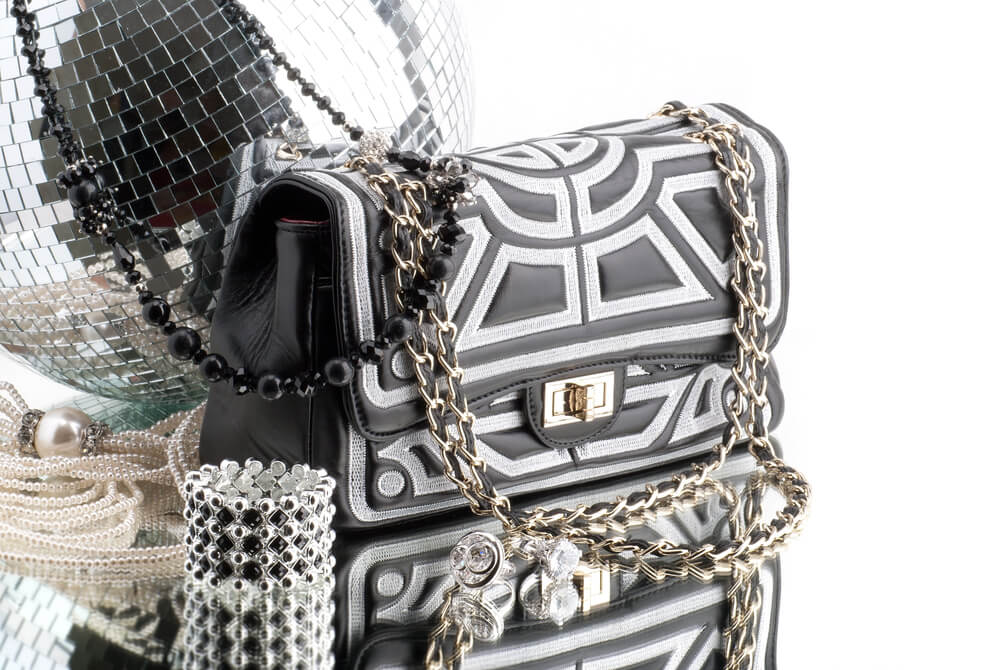
Some beaded purses were made with fitted interiors that included a small mirror, a comb pocket or a compartment for coins. These details were sometimes tucked behind a snap or inside a silk lining.
Complete interiors are far less common than empty ones, and the full set of fittings can lift the price sharply.
What Old Beads Remember
A beaded purse is a record of patience, trade routes and taste. Glass beads from Venice and Bohemia, silk from distant mills and frames from metalworkers all come together in a small object.
Each type on this list reveals who made it, who carried it and what they wanted to show. The best pieces survive because someone stored them flat, away from damp and sunlight, and left the thread alone.
Collectors who learn to read stitches, linings and frames can tell a careful repair from a rebuild at a glance. That skill, more than any price guide, protects a collection and keeps the craft visible.
More from Go2Tutors!

- 27 Silver Dollars and Half Dollars Worth Keeping
- 28 Restaurant Menu Items Nobody Orders Anymore
- 17 Places Built in Seemingly Impossible Spots
- 27 Vintage Rings Worth More Than They Look
- 25 Restricted Sites Tourists Can’t Enter
Like Go2Tutors’s content? Follow us on MSN.