30 Old Computer Games Collectors Buy Boxed
Before downloads and digital storefronts, a computer game arrived as an object: an oversized cardboard box, a manual thick enough to double as a doorstop, and sometimes a cloth map or a cardboard gadget that the game could not run without. Collectors now hunt for those boxes as much as the software inside them.
The thirty games below are real PC and home-computer releases that collectors seek in original boxed form. Prices swing wildly, so nothing here puts a number on any of them. For every title, value depends heavily on condition and completeness, and a game missing its manual, disks, or inserts is a very different find from a complete copy.
Akalabeth: World of Doom, the Game Sold from a Bag

Richard Garriott wrote Akalabeth in 1979 and first sold copies himself in Ziploc bags before California Pacific Computer published it for the Apple II in 1980. That origin story makes early copies the holy grail of Ultima collecting. A bagged copy, a boxed publisher release, and a later reissue are three very different items, and condition and completeness separate them even further.
Wizardry: Proving Grounds of the Mad Overlord on Apple II
Andrew Greenberg and Robert Woodhead built Wizardry, and Sir-Tech released it for the Apple II in 1981. It helped define the party-based dungeon crawl and shaped Japanese role-playing games for decades afterward. Collectors look for the original Apple II package with its manual and disk intact, since condition and completeness drive desirability far more than the title alone.
Maniac Mansion on the Commodore 64

Maniac Mansion arrived in 1987 from Lucasfilm Games, created by Ron Gilbert and Gary Winnick. It was the first game built on the SCUMM engine, which powered a long run of later adventure classics. Early Commodore 64 and Apple II boxes are the ones collectors chase, and a complete copy with its original paperwork is worth far more than a loose disk.
The Hitchhiker’s Guide to the Galaxy from Infocom

Infocom released this text adventure in 1984, written by Douglas Adams with Steve Meretzky. The box shipped with extras that matched the book’s jokes, including a pair of cardboard peril-sensitive sunglasses and a bag of pocket fluff. Those fragile inserts are exactly what goes missing first, so a copy with every item present, in good shape, is the one collectors want.
King’s Quest: Quest for the Crown, the Game IBM Ordered
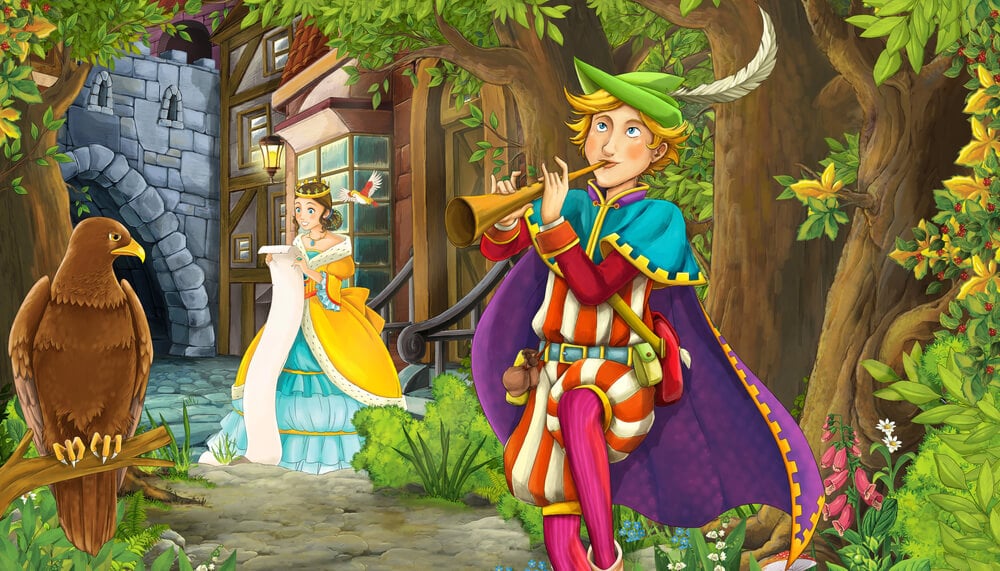
Sierra On-Line released King’s Quest in 1984 for the IBM PCjr, a machine IBM hoped to promote with a showpiece game. Roberta Williams designed it, and it brought animated, walkable scenes to home computers. Boxed copies from that first run are scarce partly because the PCjr itself sold poorly, and condition and completeness remain the deciding factors.
Karateka by Jordan Mechner

Jordan Mechner published Karateka through Broderbund in 1984 for the Apple II. It was his first commercially released game, and its cinematic cutscenes and smooth animation set the stage for Prince of Persia a few years later. Collectors seek the early Apple II box with its disk and documentation, and a worn or incomplete package changes its standing considerably.
Castle Wolfenstein from Muse Software
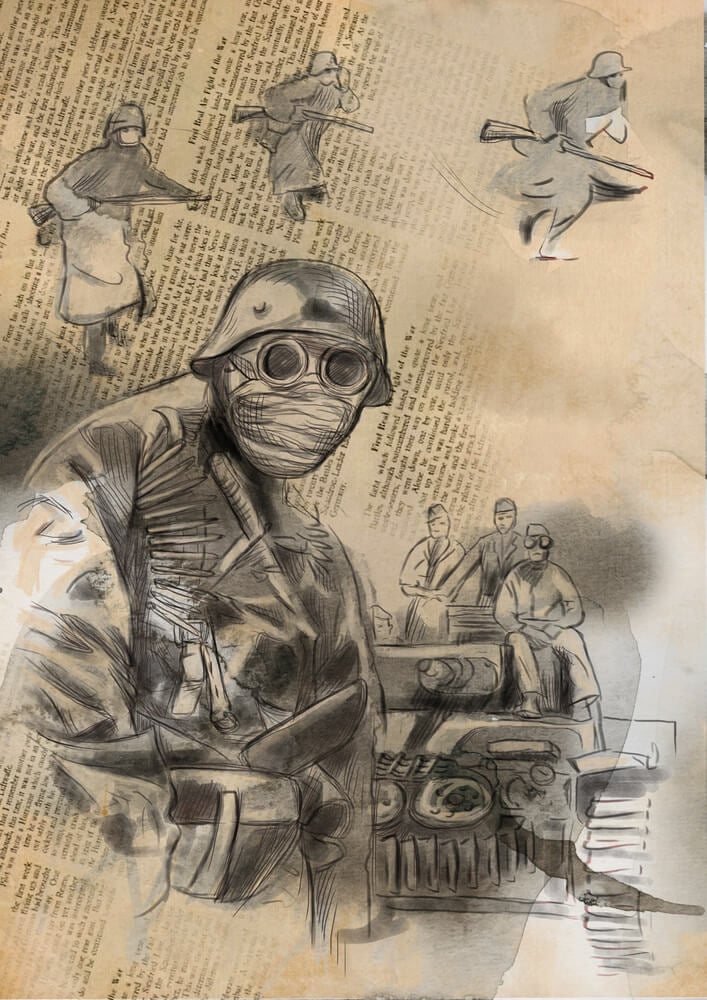
Silas Warner programmed Castle Wolfenstein, and Muse Software released it for the Apple II in 1981. Players sneak through a Nazi fortress, searching guards and stealing secret war plans. Id Software later borrowed the name for Wolfenstein 3D, which keeps interest in the original strong. A complete Apple II copy in a sound box is the standard collectors hope to find.
Myst, the CD-ROM That Sold Computers

Cyan created Myst and Brøderbund published it, first for the Macintosh in 1993, with a Windows version following in 1994. It became one of the best-known showpieces of the CD-ROM era, and many people bought drives specifically to play it. Collectors look for the original big box editions with their discs and printed materials intact, and condition and completeness matter more than the game itself.
Ultima IV: Quest of the Avatar with Its Cloth Map

Origin Systems released Ultima IV in 1985, and the original packaging included a cloth map of Britannia along with a metal ankh. Those extras turned the box into a small treasure chest, and their presence is the first thing collectors check. A copy missing the map or the ankh is only partly the same product, which is why completeness shapes value so strongly.
The Oregon Trail from MECC

The Oregon Trail began in 1971, when three Minnesota student teachers, Don Rawitsch, Bill Heinemann, and Paul Dillenberger, built a version for a school computer. MECC published the Apple II edition in 1985 that most Americans remember from classrooms. Collectors hunt for those early MECC packages, and school-used copies often show wear that affects what a buyer will accept.
Prince of Persia for the Apple II
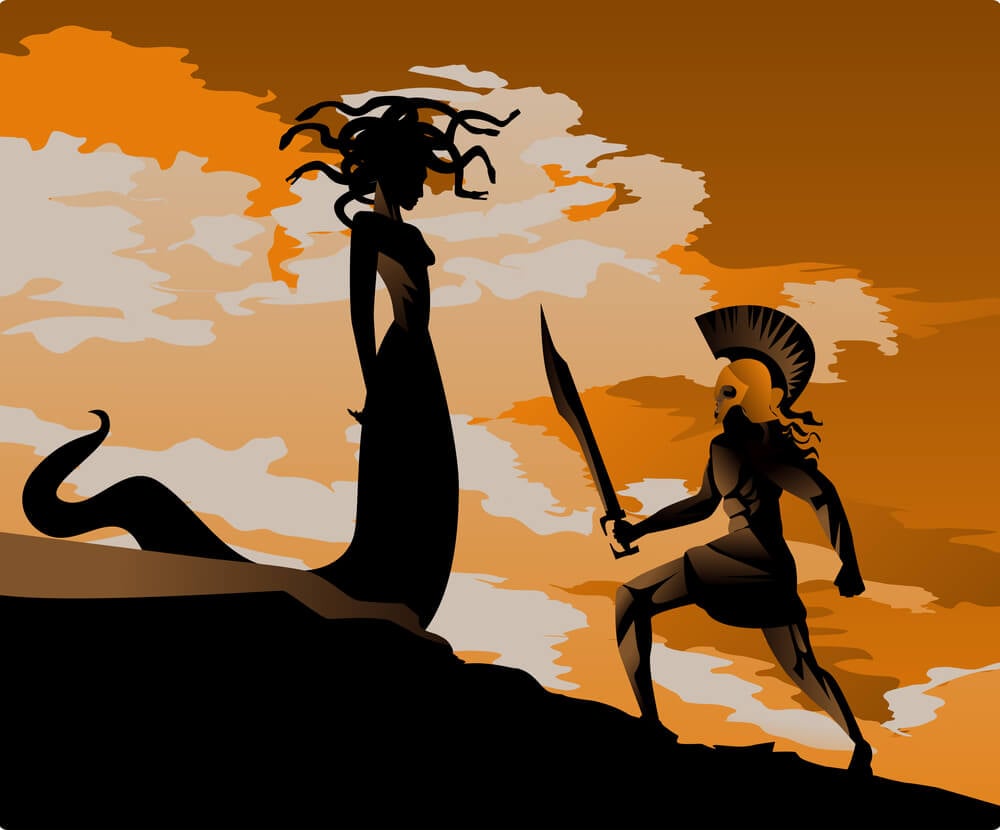
Broderbund released Prince of Persia in 1989 for the Apple II, written by Jordan Mechner. To make the hero move convincingly, Mechner filmed his younger brother David running and jumping, then traced the footage frame by frame. The Apple II original is the version collectors prize, and a boxed copy with its manual and disks intact carries real appeal.
Lode Runner and Its Built-In Level Editor
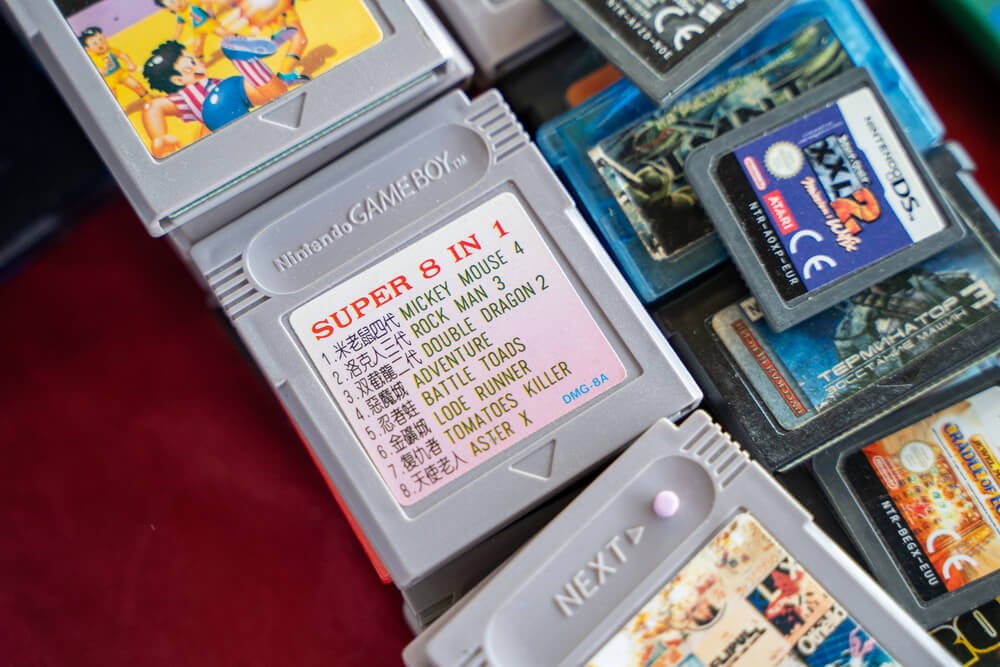
Doug Smith created Lode Runner, and Broderbund released it in 1983, with Apple II among its early platforms. Its level editor let players design and save their own puzzles, an unusual feature for the time. Early boxed copies with the original manual are the ones collectors look for, and sun-faded or crushed boxes lower their appeal.
Choplifter and the Rescue Mission

Dan Gorlin wrote Choplifter, and Broderbund released it in 1982 for the Apple II. Players fly a helicopter into hostile territory to rescue hostages and carry them home. It was a hit on early home computers and remains a favorite for Apple II shelves. Collectors want the original package with its disk and instructions, and condition varies widely among surviving copies.
The Secret of Monkey Island and the Dial-A-Pirate Wheel
Lucasfilm Games released The Secret of Monkey Island in 1990, created by Ron Gilbert with Tim Schafer and Dave Grossman. The original box included a Dial-A-Pirate code wheel, a cardboard gadget used as copy protection that matched pirate faces from the game. Without the wheel, a boxed copy is incomplete, so collectors check for it first.
Sid Meier’s Pirates! from MicroProse
MicroProse published Sid Meier’s Pirates! in 1987, and it began on the Commodore 64. Players sail the Caribbean as a privateer, trading, fighting, and chasing treasure. Its mix of adventure and strategy made it a landmark, and early boxed editions are sought after. Condition and completeness, including the manual and reference materials, shape what collectors will accept.
Wing Commander by Origin Systems
Chris Roberts led the development of Wing Commander, which Origin Systems released in 1990 for DOS computers. It pushed PC hardware with cinematic space combat, and its success helped drive demand for faster machines. Collectors seek the original big box with its manual and disks, and a clean, complete copy is far easier to appreciate than a battered one.
SimCity by Maxis
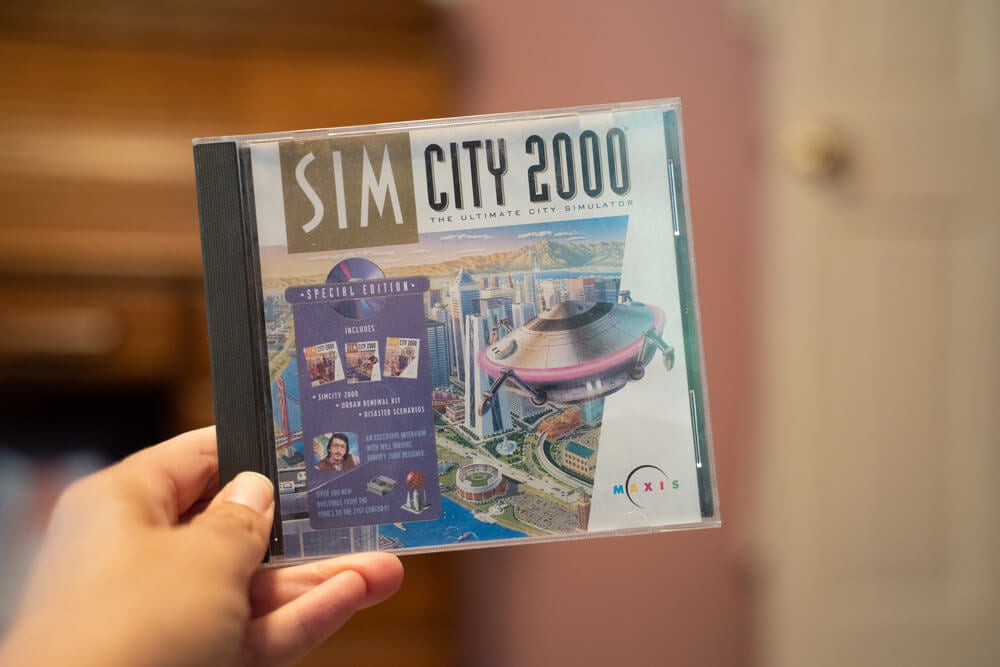
Will Wright designed SimCity, and Maxis released it in 1989. It let players build and manage a city rather than defeat an enemy, a radical idea that launched an entire genre of simulation games. Early boxed copies from Maxis attract attention from collectors, and completeness, including the manual and original media, is the main factor in how a copy is judged.
Civilization from MicroProse

Sid Meier and Bruce Shelley designed Civilization, which MicroProse released in 1991. Players guide a civilization from the ancient era into the space age, and the game became one of the most influential strategy titles ever made. Collectors seek early DOS boxes with the thick manual and original disks, and condition and completeness determine how appealing a given copy is.
Day of the Tentacle and the Game Inside It

LucasArts released Day of the Tentacle in 1993, a sequel to Maniac Mansion directed by Tim Schafer and Dave Grossman. The surprise is that the original Maniac Mansion is playable on a computer inside the sequel. Boxed CD-ROM copies appeal to collectors of both series, and an intact package with its discs and printed materials is the version to look for.
Doom II: Hell on Earth in a Retail Box

id Software released Doom II: Hell on Earth in 1994, and GT Interactive handled its retail distribution. It reached stores in a big box, unlike the original Doom, which spread widely as shareware. That makes the boxed retail release a distinct collectible, and condition and completeness, including the original disks and printed inserts, drive its appeal among shooter fans.
Zork I from Infocom’s Grey Box Era

Zork I was first released commercially in 1980 by Personal Software for the TRS-80, and Infocom took over publishing a couple of years later. The company’s grey box packaging became a signature look, and collectors often chase the early versions. A complete copy with its feelies and manual in good condition stands apart from a loose disk.
Planetfall and Floyd the Robot
Steve Meretzky wrote Planetfall, and Infocom released it in 1983. Its robot companion Floyd became one of the most beloved characters in text adventures, famous for a moment that surprised many players. Collectors look for the boxed edition with its included extras, and since paper inserts tend to wear out, a complete example in good condition is the prize.
Starflight from Electronic Arts
Binary Systems created Starflight, and Electronic Arts published it in 1986. Players explore a huge galaxy, mine planets, and meet alien races, with far more freedom than most games of its era. Boxed copies with the manual and star charts appeal to collectors, and condition and completeness weigh heavily when judging a surviving example.
Pool of Radiance and the Gold Box Era
Strategic Simulations released Pool of Radiance in 1988, the first of the Gold Box games based on Advanced Dungeons and Dragons. Set in the Forgotten Realms, it gave home computers an officially licensed role-playing experience. Collectors seek the early boxes with their rulebooks and documentation, and a complete copy in decent shape is more desirable than a loose disk.
The Bard’s Tale from Electronic Arts
Interplay developed The Bard’s Tale, and Electronic Arts published it in 1985, beginning on the Apple II. Michael Cranford designed the game, which set players loose in the city of Skara Brae with a party of adventurers. Early boxed copies with manuals and original disks draw interest, and condition and completeness remain the main concerns.
Elite and the Novella in the Box

David Braben and Ian Bell created Elite, which Acornsoft released in 1984 for the BBC Micro. The package included a novella, The Dark Wheel by Robert Holdstock, that set up the game’s universe. Collectors prize copies that still have the novella alongside the cassette or disk, and a complete box in good condition is a far better find than a bare tape.
Jet Set Willy and Its Code Card

Matthew Smith wrote Jet Set Willy, and Software Projects released it in 1984 for the ZX Spectrum. The package included a card with a grid of colored codes that players had to consult at launch as a copy protection measure. Collectors look for that card, because a copy without it is incomplete, and the cassette and inlay condition also matter.
Mystery House, the First Graphic Adventure

Ken and Roberta Williams released Mystery House in 1980 through On-Line Systems, the company that later became Sierra On-Line. It was an early adventure game to use pictures rather than text alone, drawn in simple line art on the Apple II. Surviving original packages are rare, and condition and completeness weigh heavily when collectors assess them.
Alone in the Dark by Infogrames

Frédérick Raynal led the development of Alone in the Dark, which Infogrames released in 1992 for DOS. It combined 3D polygon characters with fixed, pre-drawn backgrounds, a technique later seen across survival horror games. Collectors seek the original boxed release with its manual and disks, and an intact package is much easier to appreciate than a damaged one.
System Shock from Looking Glass Technologies

Looking Glass Technologies developed System Shock, and Origin Systems released it in 1994. Set on a space station overrun by a rogue artificial intelligence called SHODAN, it influenced many later games. Collectors look for the original big box with its disks or disc and printed materials, and condition and completeness remain the key measures of desirability.
The Box Is Half the Game
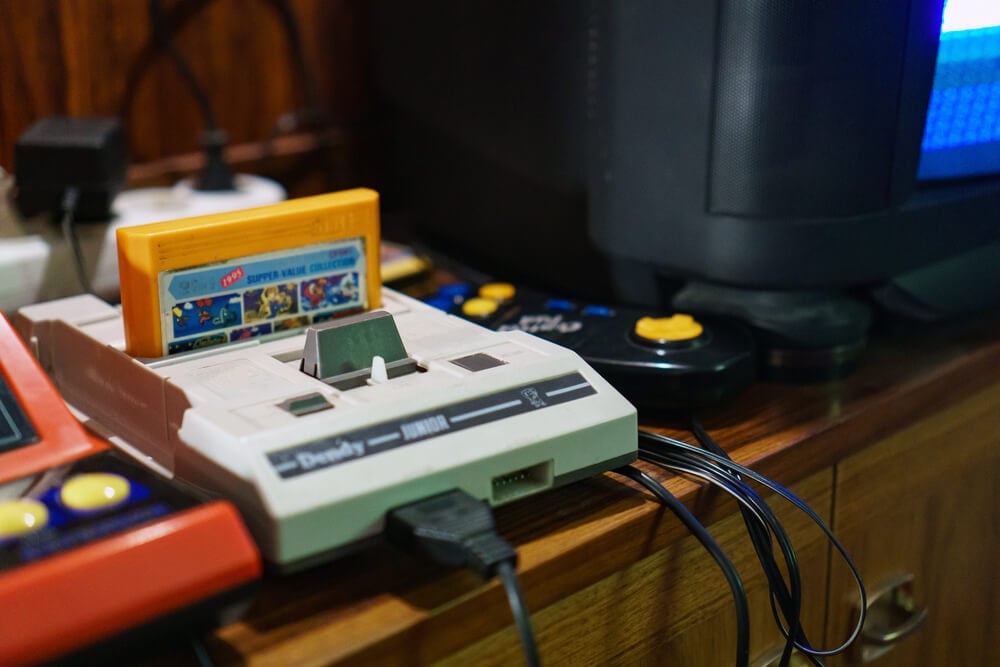
Boxed computer games earn their place on collectors’ shelves because the packaging was part of the experience. Cloth maps, cardboard wheels, novellas, and quirky extras turned a stack of disks into something worth holding. Many of these items were designed to be thrown away or lost, which is exactly why complete copies are so hard to find.
That scarcity explains why value depends so heavily on condition and completeness rather than on a title alone. A crushed box, a missing manual, or an absent code wheel can change a copy’s standing entirely, and no single guide can say what any one copy is worth. The safest approach is to learn what a complete package should contain and judge each copy against that list.
More from Go2Tutors!

- 27 Silver Dollars and Half Dollars Worth Keeping
- 28 Restaurant Menu Items Nobody Orders Anymore
- 17 Places Built in Seemingly Impossible Spots
- 27 Vintage Rings Worth More Than They Look
- 25 Restricted Sites Tourists Can’t Enter
Like Go2Tutors’s content? Follow us on MSN.