The Nations With the Most UNESCO Sites
UNESCO World Heritage Sites represent humanity’s most treasured places—from ancient ruins to natural wonders that took millions of years to form. Countries compete to get their landmarks recognized, though the list has grown considerably since the first sites were inscribed back in 1978.
As of July 2025, there are 1,223 World Heritage Sites scattered across 168 countries. The distribution? Surprisingly uneven.
Some nations have accumulated dozens of these prestigious designations while others have none at all. Here’s a list of 17 nations that have earned the most UNESCO World Heritage Sites.
Italy
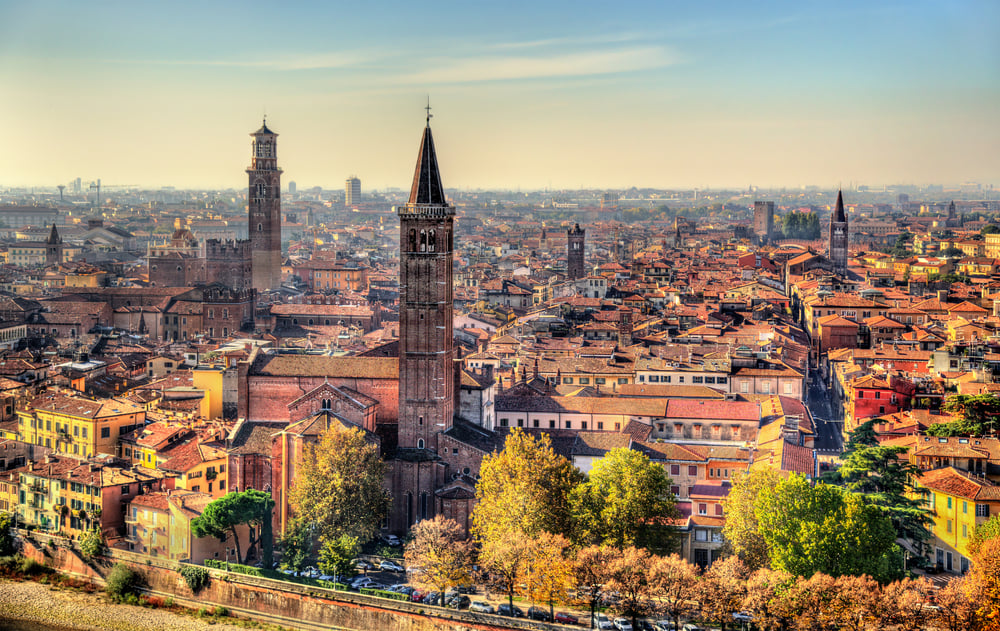
Italy sits at the top with 61 UNESCO sites—and it’s not hard to see why. Walk ten minutes in Rome and you’ll stumble over something that’s a thousand years old.
The country functions as an open-air museum where ancient history meets daily life. Venice’s canals, Renaissance art cities, volcanic Mount Etna—Italy’s collection spans every category imaginable.
China
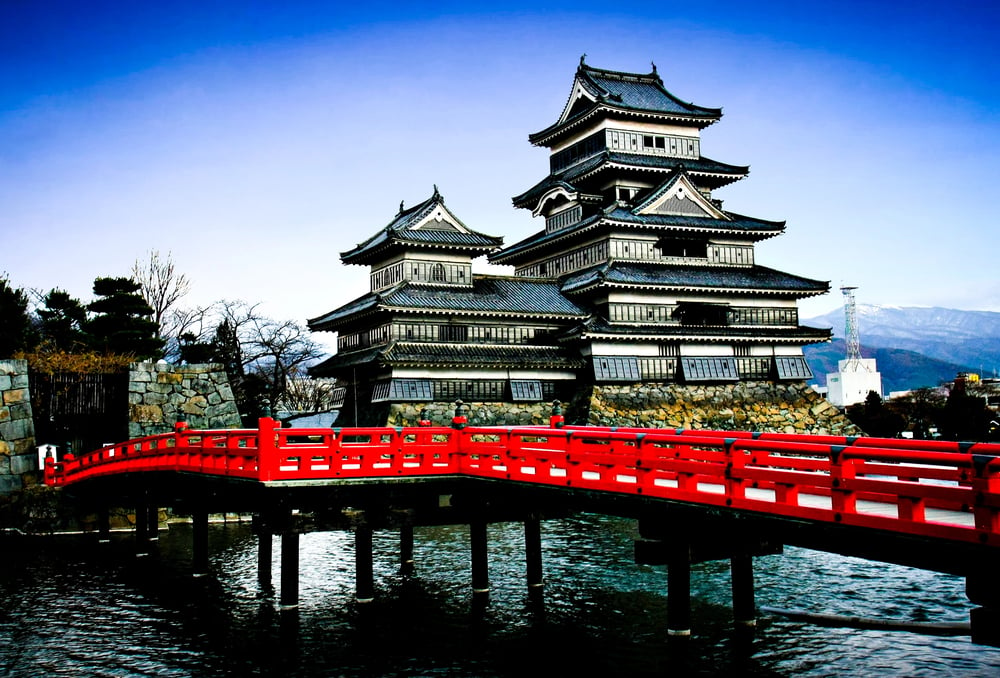
China comes in a close second with 60 sites. Makes sense when you consider it’s home to one of the world’s oldest continuous civilizations.
The Great Wall alone stretches thousands of miles, yet that’s just one entry. Ancient imperial palaces sit alongside stunning karst landscapes that look almost otherworldly—like something from a painting rather than real geography.
Like Go2Tutors’s content? Follow us on MSN.
Germany
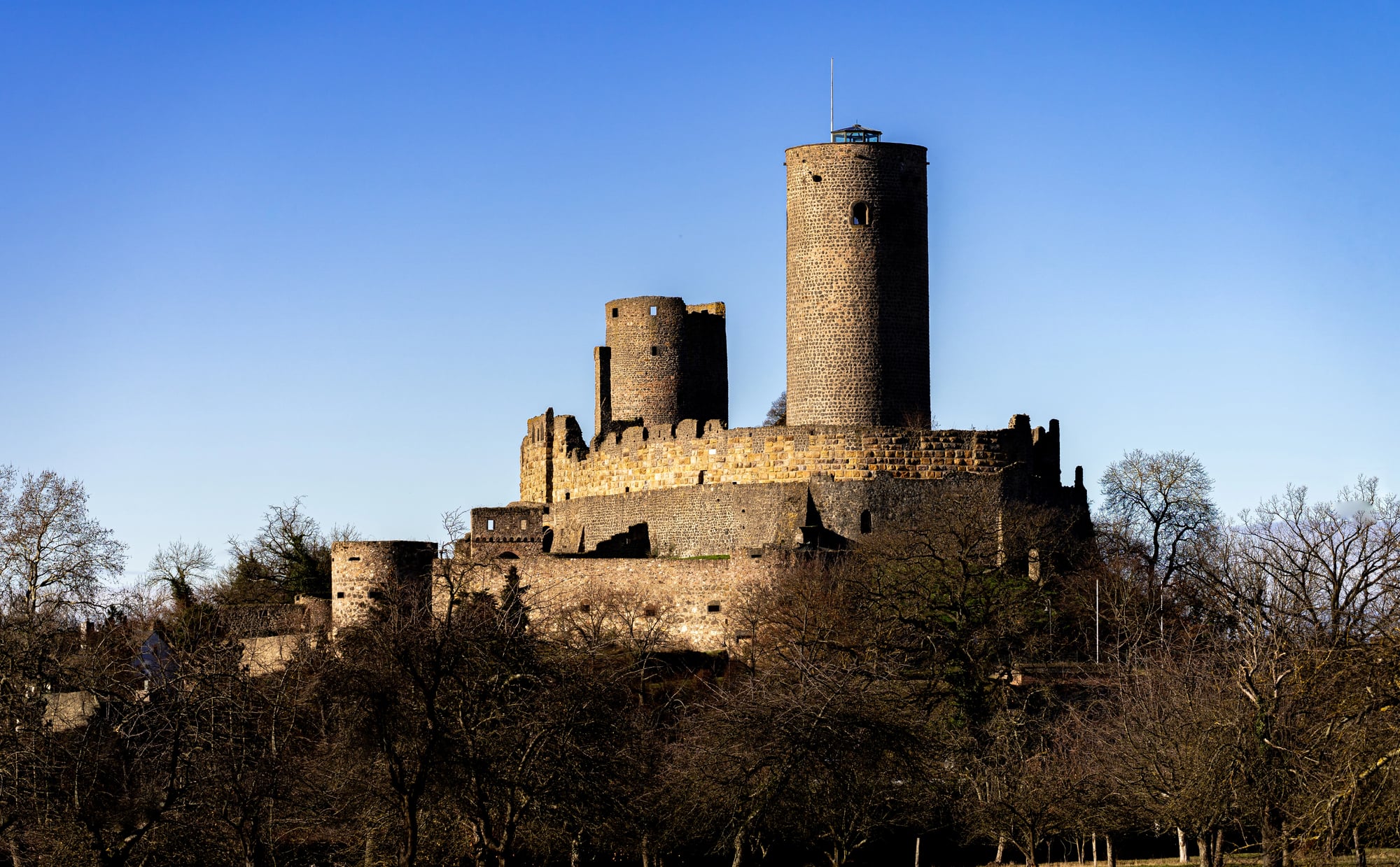
With 55 sites, Germany punches well above its weight for a relatively compact country. Medieval towns sit alongside Gothic cathedrals—industrial complexes from the coal and steel era share space with prehistoric pile dwellings around the Alps.
The Germans have been meticulous about preserving their history. Even the uncomfortable parts get documented and protected.
France
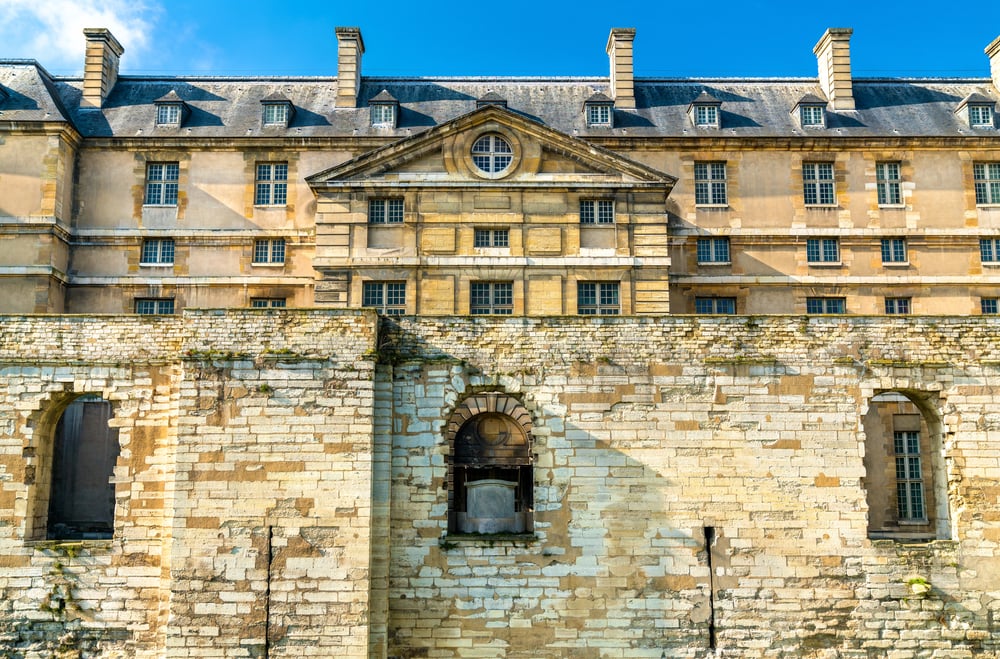
France rounds out the top four with 54 sites, and the variety is impressive. Mont-Saint-Michel rises from the sea while prehistoric cave paintings in Lascaux capture humanity’s earliest artistic impulses.
The Palace of Versailles represents just one facet of France’s cultural influence—sites range from Roman aqueducts to modernist architecture by Le Corbusier, spanning thousands of years in a single country.
Spain
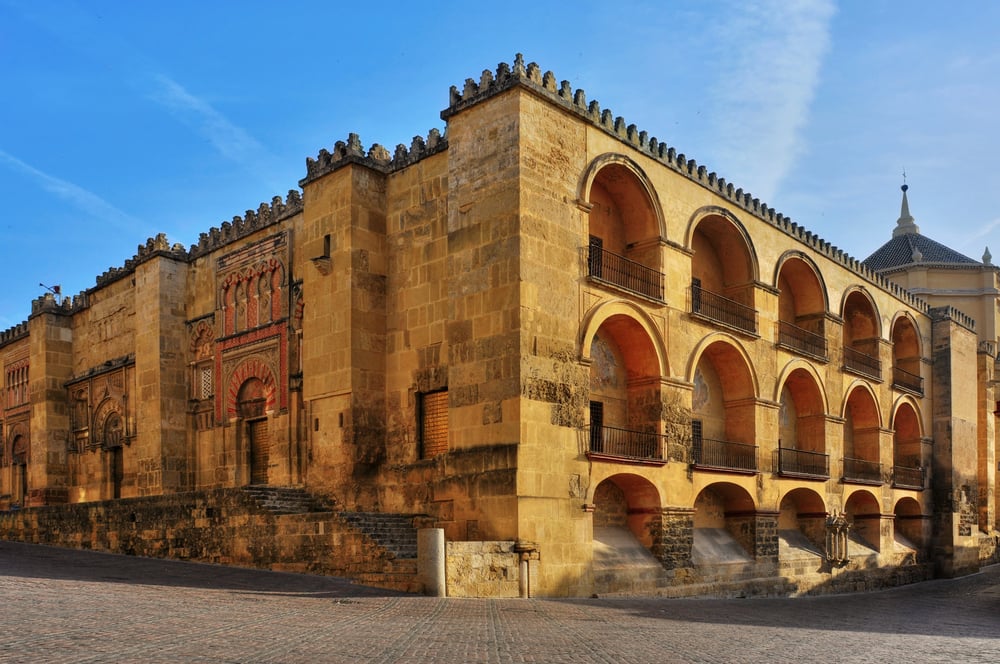
Spain’s got 51 sites showcasing a wild mix of influences: Roman, Islamic, Christian, prehistoric. The Alhambra palace in Granada alone would justify Spain’s place here.
Throw in Gaudí’s architecture in Barcelona plus ancient cave art, though—the variety becomes almost unmatched. Each region tells a different story.
Like Go2Tutors’s content? Follow us on MSN.
India
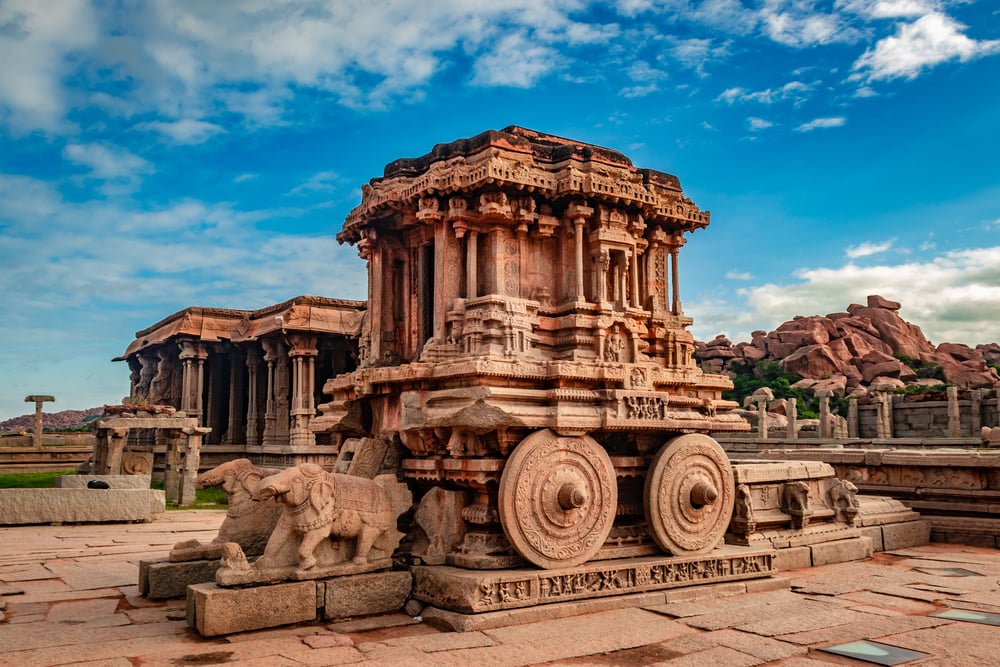
India claims 43 sites—from the Taj Mahal to forts that look straight out of fantasy novels. Thousands of years of history mean Buddhist monasteries, Hindu temples, Mughal palaces, and Victorian-era railway stations all appear on the same list.
Natural sites like the Western Ghats add even more diversity. The subcontinent’s sheer cultural density makes it a UNESCO powerhouse.
Mexico
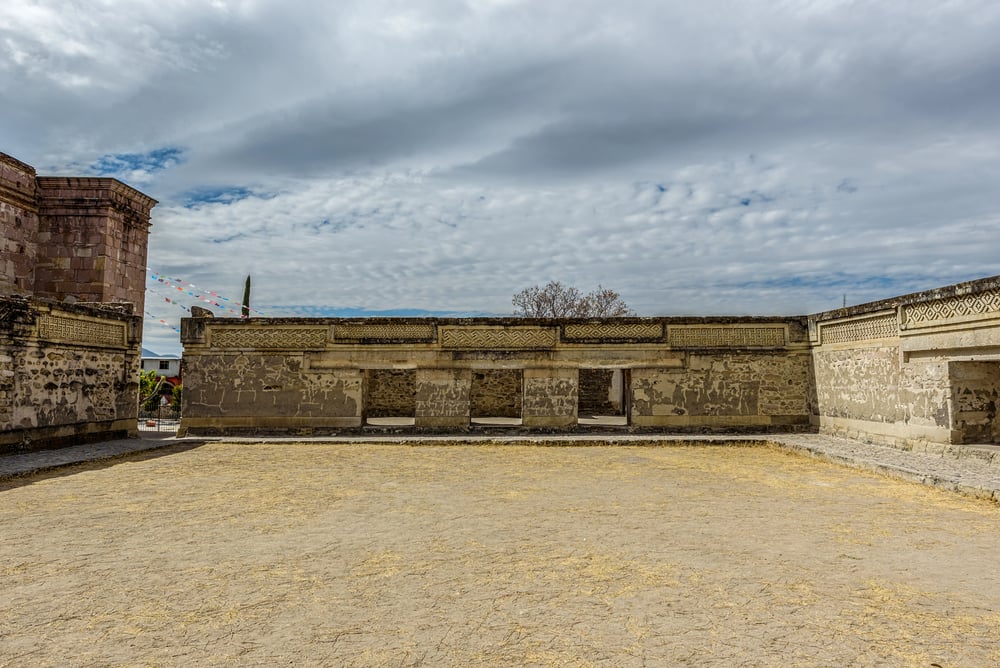
Mexico’s 35 sites tell stories of civilizations that built massive pyramids without the wheel or metal tools. Teotihuacan and Chichen Itza stand as testaments to pre-Columbian ingenuity, while Spanish colonial towns demonstrate later influences.
Unique ecosystems like the monarch butterfly reserves show Mexico’s natural heritage—the country’s cultural continuity from ancient times to now is genuinely impressive.
United Kingdom
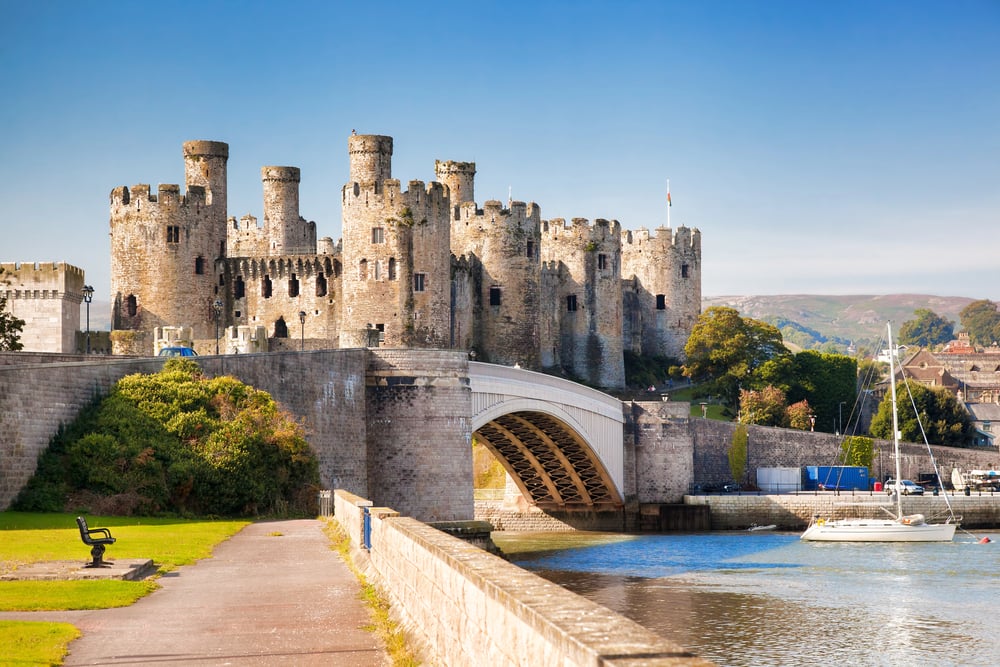
The UK has 34 sites scattered from Scotland to Gibraltar (which counts as British territory). Stonehenge and the Tower of London are the obvious big names—Hadrian’s Wall represents Rome’s northernmost frontier.
But the list also includes industrial sites from when Britain was the workshop of the world. Liverpool’s waterfront even made it there, largely thanks to the Beatles.
Like Go2Tutors’s content? Follow us on MSN.
Russia
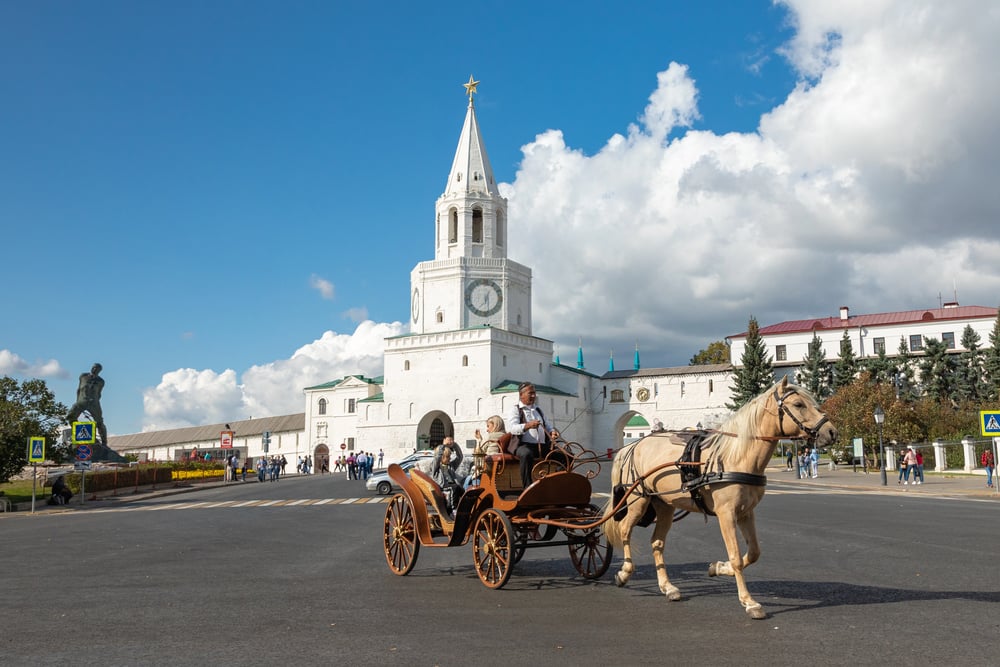
Russia’s 32 sites span eleven time zones, giving it an unfair advantage in geographic diversity. The Kremlin and Red Square? No-brainers.
Yet Russia also has Lake Baikal—the world’s deepest lake—plus vast stretches of untouched wilderness in places most people couldn’t find on a map. Siberian forests, volcanic landscapes, ancient monasteries scattered across impossible distances.
Iran
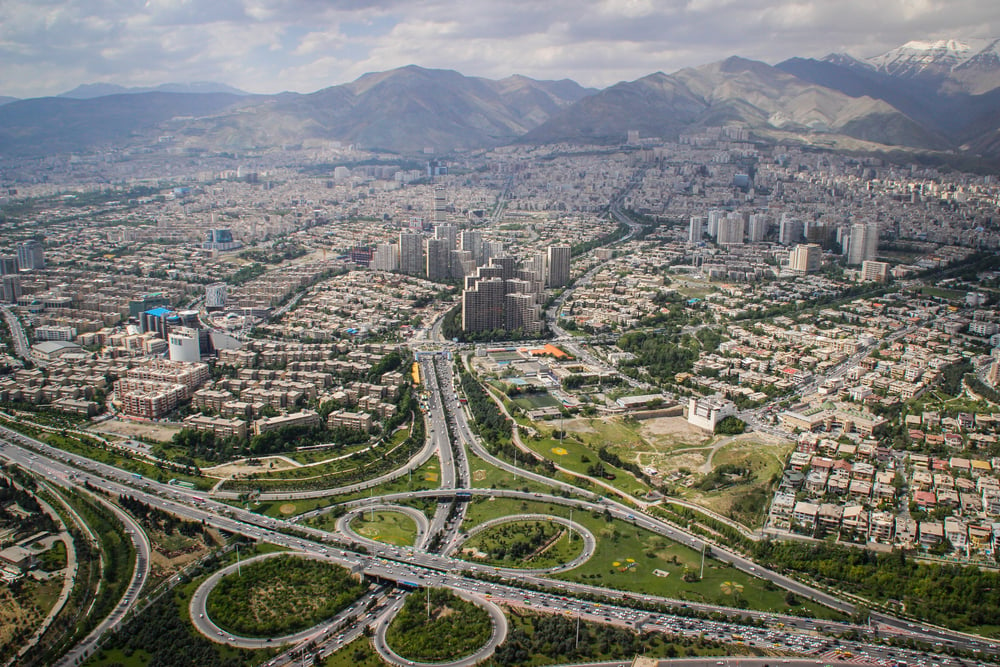
Iran holds 28 sites most Westerners have never heard of. Unfortunate, really—Persian civilization was among the most advanced in the ancient world.
The ruins of Persepolis tell stories of empire while beautiful mosques with intricate tilework showcase artistic mastery that took generations to perfect. Ancient gardens designed around geometric perfection demonstrate Iran’s historical significance beyond what modern headlines suggest.
Japan
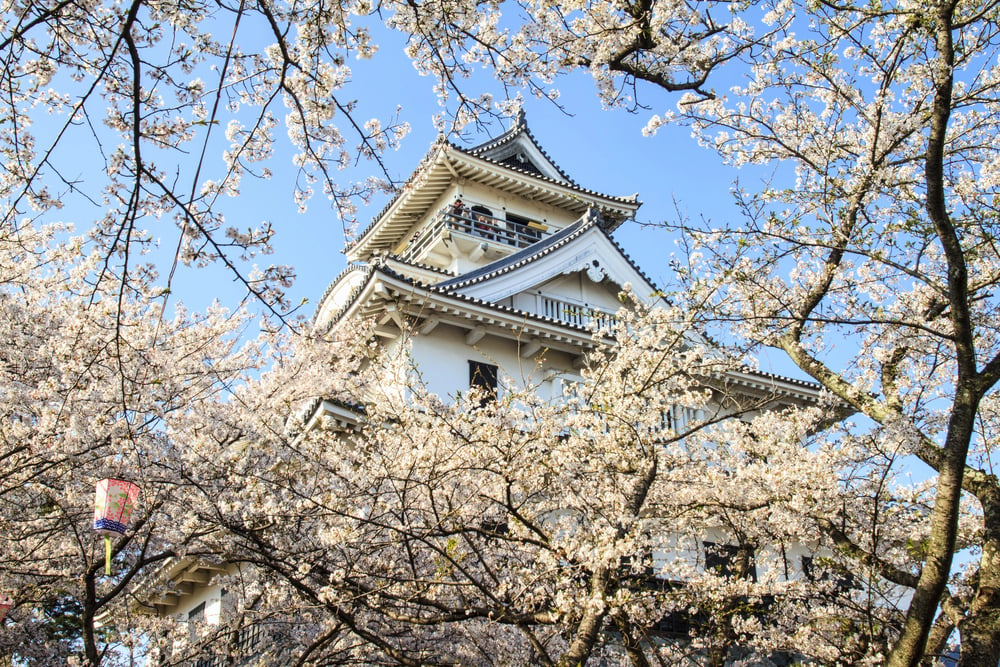
Japan’s 26 sites range from ancient Shinto shrines to industrial revolution sites like Meiji-era factories. The country has preserved wooden temples over a thousand years old in a region prone to earthquakes and typhoons.
That’s not luck—it requires dedication to maintenance and reconstruction using traditional methods passed down through generations. Some temples have been rebuilt dozens of times, yet retain their original character.
Like Go2Tutors’s content? Follow us on MSN.
Brazil
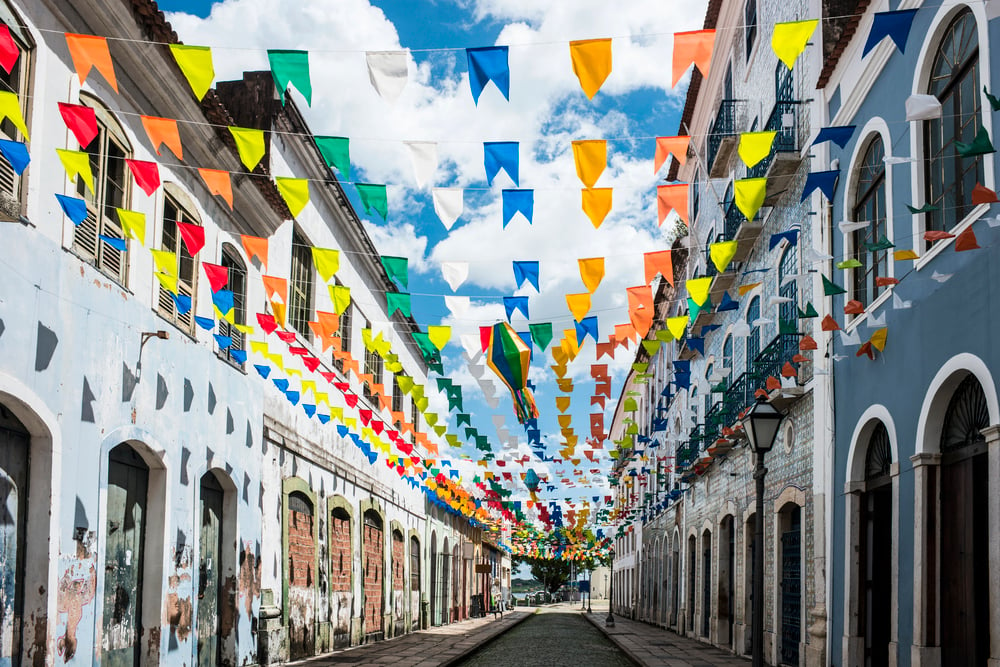
Brazil’s 24 sites aren’t just about the Amazon, though parts of it are included. Historic towns from the colonial era sit alongside modernist architecture in Brasilia—Oscar Niemeyer’s futuristic designs from the 1960s.
Unique ecosystems like the Pantanal wetlands give Brazil a portfolio representing both indigenous heritage and European influence. The country’s size helps, spanning multiple climate zones and cultural regions.
United States
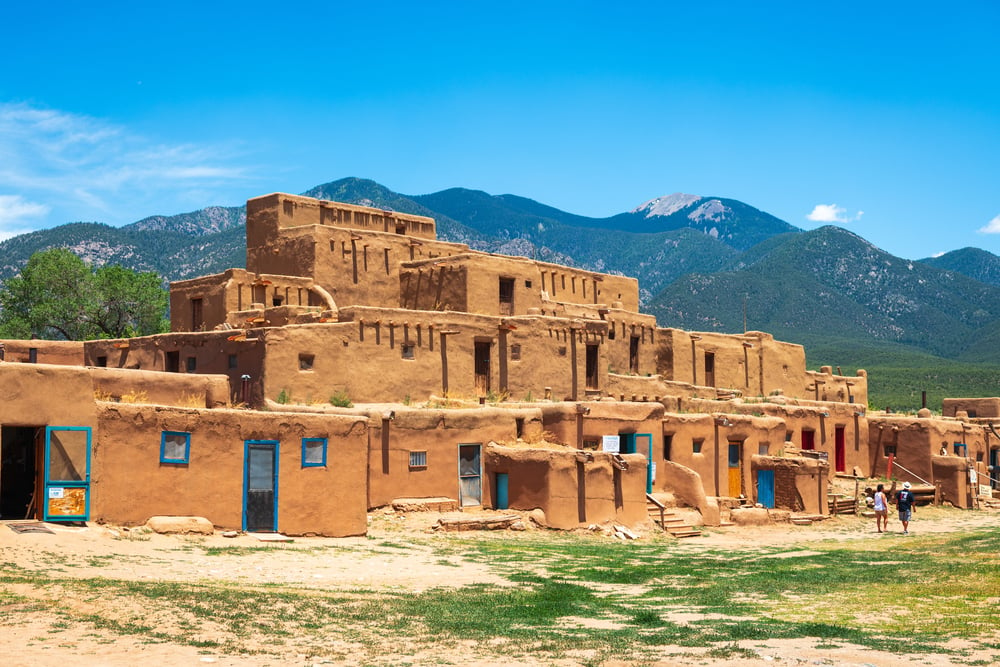
The US has 25 sites, though America joined the UNESCO convention relatively late in 1973. The Grand Canyon and Yellowstone represent natural grandeur on a scale that’s hard to comprehend until you see it.
The Statue of Liberty symbolizes American ideals. Ancient Native American pueblos share the list with plantation landscapes that tell uncomfortable truths about the country’s past—acknowledgment matters as much as celebration.
Turkey
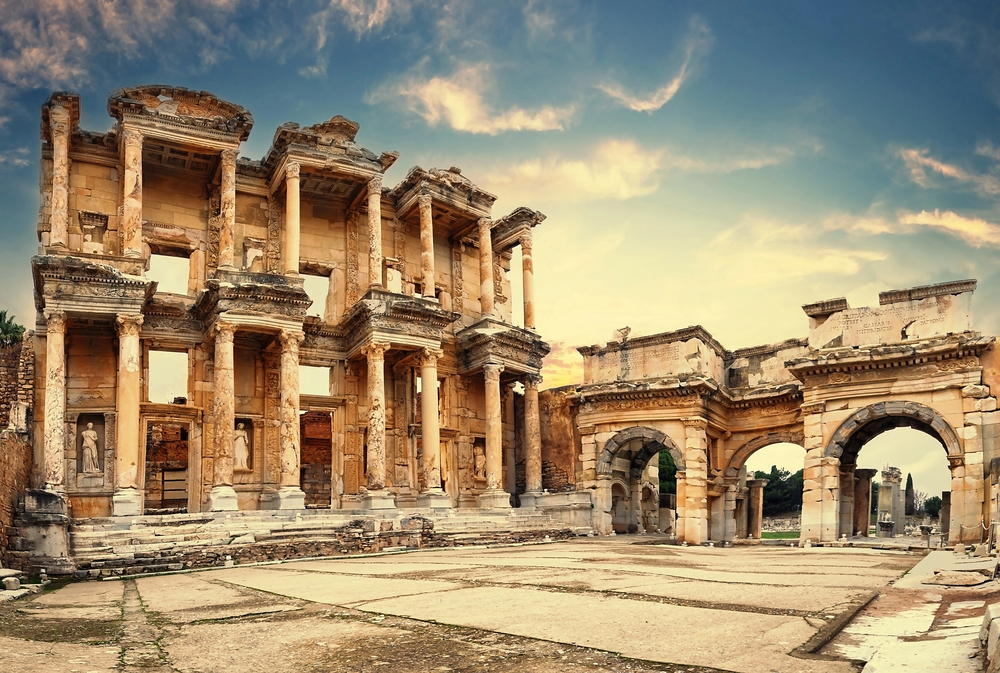
Turkey straddles two continents, and its 22 sites reflect that unique position beautifully. Ancient Greek cities share the landscape with Byzantine churches and Ottoman mosques.
Bizarre natural formations like Pamukkale’s white travertine terraces add geological wonder to cultural richness. Turkey’s location at the crossroads of civilizations means layers upon layers of history exist in relatively small geographic areas—entire empires rose and fell here.
Like Go2Tutors’s content? Follow us on MSN.
Portugal
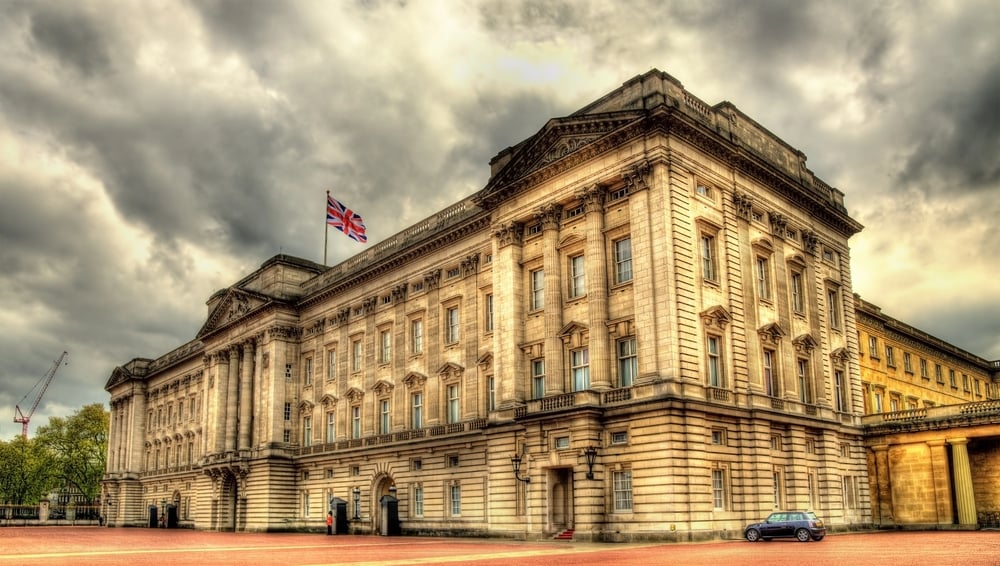
Portugal’s 17 sites might seem modest until you remember this is a small country that once commanded a massive global empire. Lisbon’s Belém Tower and Jerónimos Monastery commemorate the Age of Discovery when Portuguese sailors changed the world’s map forever.
Prehistoric rock art and medieval monasteries round out the list. The historic wine region in the Douro Valley adds agricultural heritage—terraced vineyards that have produced port wine for centuries.
Poland
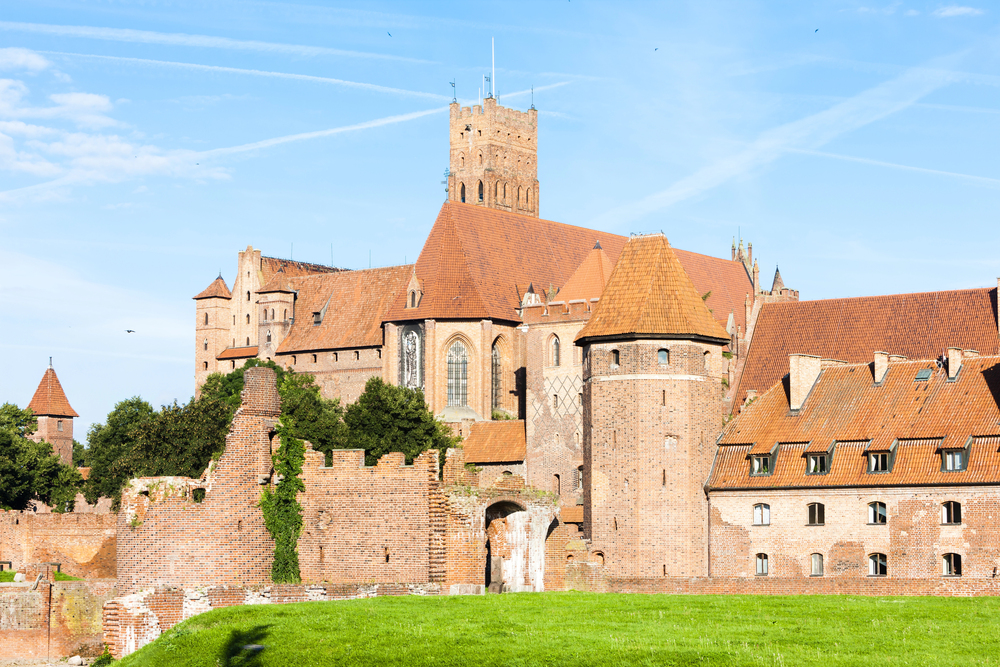
Poland has 17 sites despite losing much of its heritage during World War II. The medieval old town of Krakow survived relatively intact—a miracle considering what happened elsewhere.
Even Warsaw’s historic center, rebuilt from scratch after being leveled, earned recognition for the dedication shown in reconstruction. The Wieliczka Salt Mine stands out particularly—underground chapels carved entirely from salt, including chandeliers. It’s been in continuous operation for over 700 years.
Australia
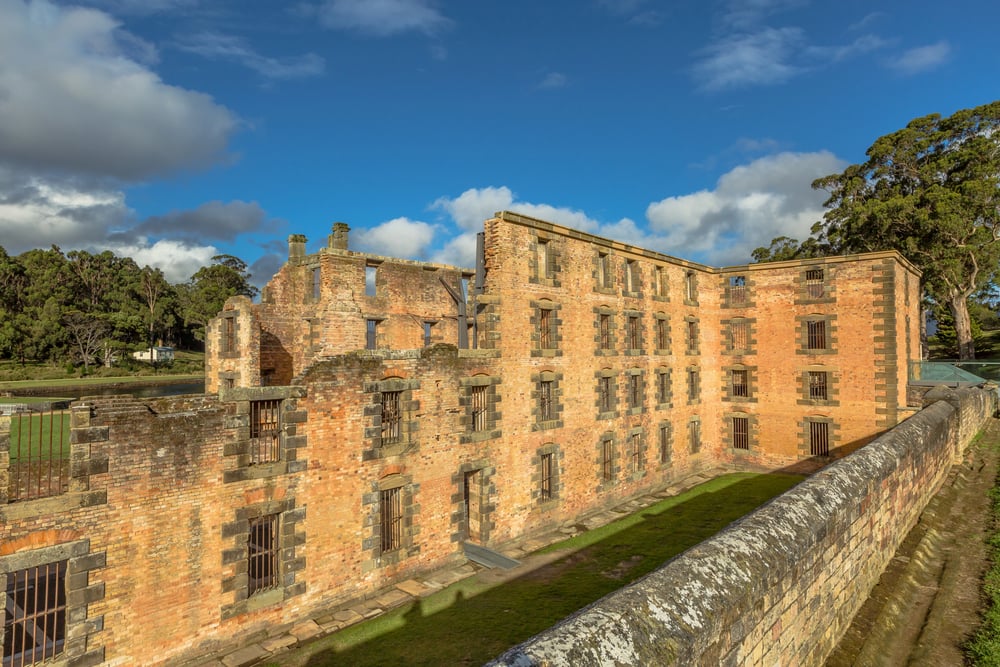
Australia’s 20 sites lean heavily toward natural wonders. Makes sense for a country where nature operates on a different scale entirely.
The Great Barrier Reef is the obvious star, though Uluru holds deeper spiritual significance for indigenous peoples—it’s been sacred for tens of thousands of years. Ancient rainforests and fossil sites record evolutionary transitions that happened nowhere else. A
ustralia’s indigenous rock art sites, some dating back 40,000 years, add the crucial cultural component to balance natural heritage.
Like Go2Tutors’s content? Follow us on MSN.
A legacy still growing

The UNESCO list isn’t frozen in time—new sites get added every year while others occasionally get removed or placed on the endangered list when threats emerge. Countries continue to nominate their most significant places, hoping for that prestigious designation that brings recognition and, let’s be honest, tourism revenue.
What started as an attempt to save Egyptian temples from flooding in the 1960s has evolved into a global catalog of places worth protecting for future generations.
More from Go2Tutors!

- 16 Historical Figures Who Were Nothing Like You Think
- 12 Things Sold in the 80s That Are Now Illegal
- 15 VHS Tapes That Could Be Worth Thousands
- 17 Historical “What Ifs” That Would Have Changed Everything
- 18 TV Shows That Vanished Without a Finale
Like Go2Tutors’s content? Follow us on MSN.