31 Newspaper Features Families Read Before the Internet
Before anyone searched for anything, the morning paper landed on the porch and the entire household divided it up like a harvest. One person took the sports pages, another grabbed the funnies, and somebody always hid the crossword.
These features were never just filler. Each one has a traceable origin, a named creator, and a loyal audience that would have noticed immediately if it went missing.
The Diamond-Shaped Puzzle That Launched the Crossword
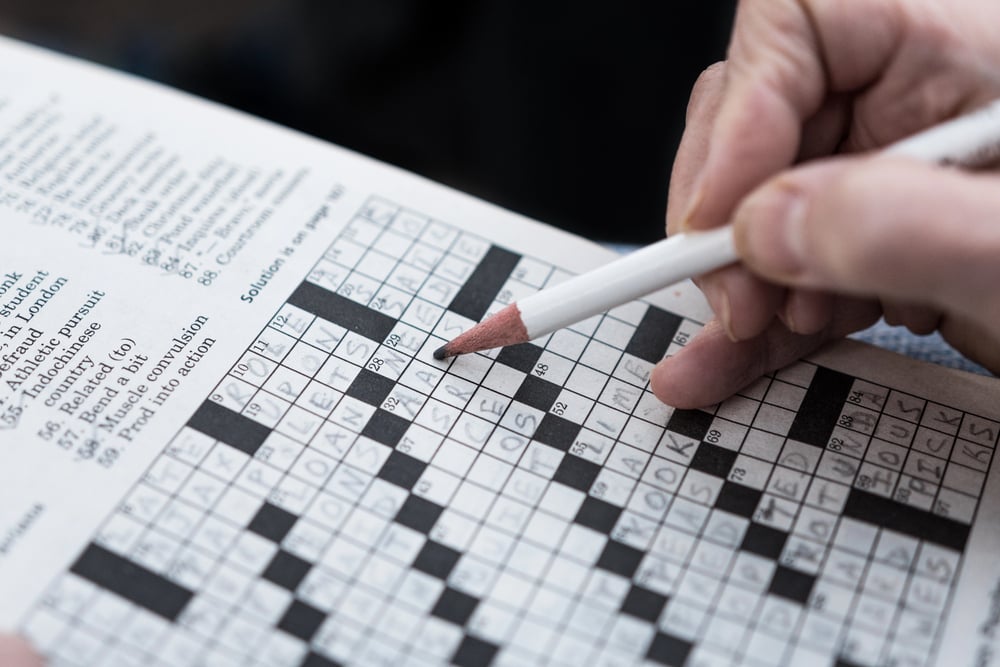
On December 21, 1913, Arthur Wynne published a diamond-shaped word puzzle in the Fun supplement of the New York World. He called it a word-cross, and readers took to it quickly enough that the name soon flipped to crossword. The grid had no black squares in the modern sense, and solvers filled it in with a pencil at the kitchen table. A century later, the format Wynne improvised is still printed in papers around the world.
Dear Abby Answered the Mail in 1956
Pauline Phillips began writing Dear Abby in 1956 for the San Francisco Chronicle, using the pen name Abigail Van Buren. Her tone was brisk, funny, and unwilling to coddle anyone, which made the column spread to papers across the country. Readers wrote about in-laws, funerals, and neighbors, and she answered in a few punchy lines. Her daughter Jeanne Phillips later took over the column and kept the name.
Ann Landers Was Passed Between Two Writers
The Ann Landers column began in the Chicago Sun-Times in 1943, written by Ruth Crowley. After Crowley died, Eppie Lederer won the job in 1955 and made the name famous. Lederer happened to be the twin sister of Pauline Phillips, the original Dear Abby, so two rival advice columns came from the same family. The sisters competed for decades, which gave readers the odd pleasure of comparing two answers to the same dilemma.
The Yellow Kid Turned a Nightshirt Into a Brand
Richard Outcault’s Hogan’s Alley appeared in the New York World in 1895, and by 1896 its bald, big-eared urchin wore a nightshirt printed in yellow ink. That color experiment helped the Yellow Kid become one of the first widely followed newspaper comic characters. Rival papers fought over Outcault and the character, and the feud gave the language the phrase yellow journalism. A smudge of ink turned out to be a business plan.
Peanuts Launched in Seven Papers
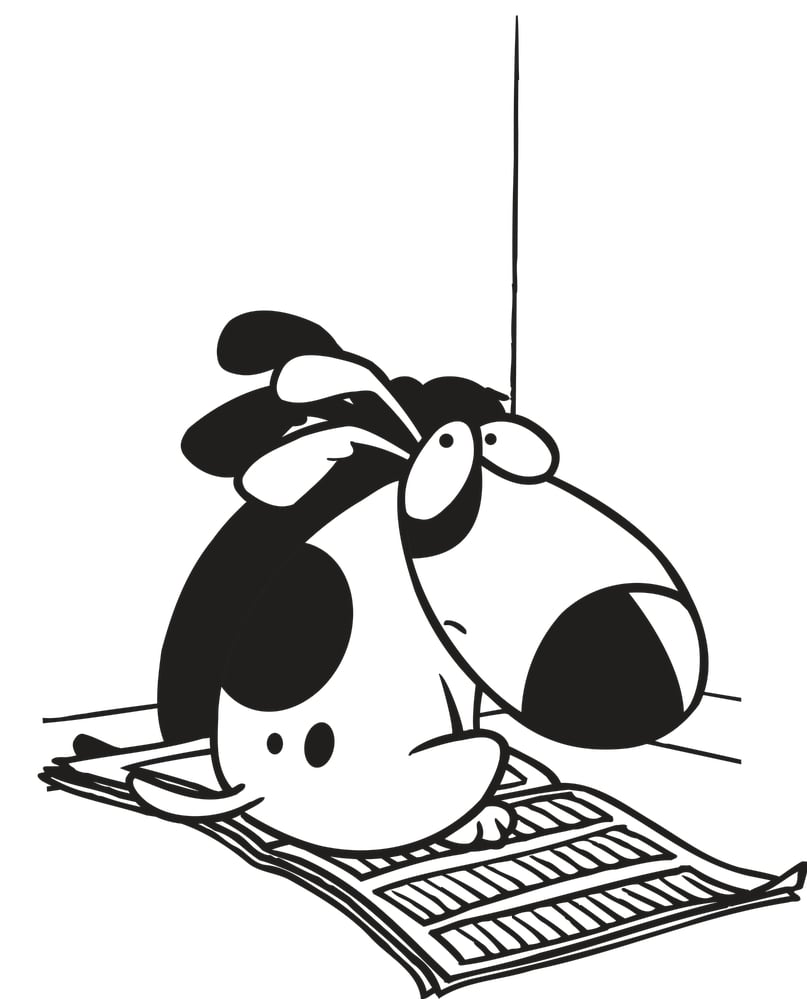
Charles Schulz introduced Peanuts on October 2, 1950, in seven newspapers. The strip was nearly named something else, because the syndicate chose the title over Schulz’s objections. It ran for almost fifty years and close to 18,000 strips, ending in February 2000 right after Schulz died. Few creators have drawn every single installment of their own feature without assistants.
Gasoline Alley Let Its Characters Grow Old
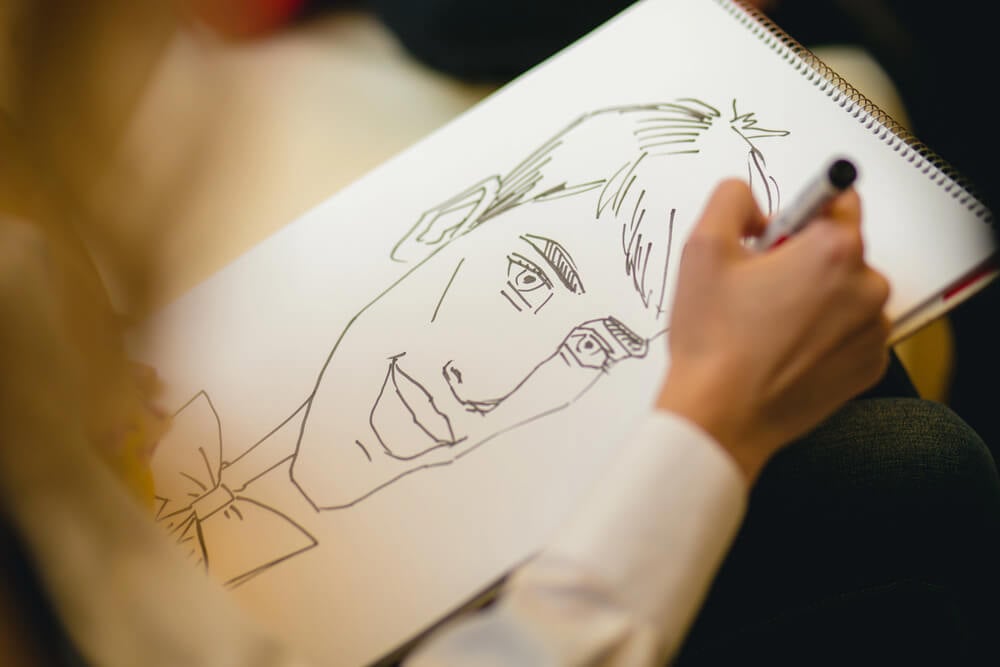
Frank King launched Gasoline Alley in the Chicago Tribune in 1918, first as a strip about men tinkering with cars. On February 14, 1921, a baby named Skeezix was left on bachelor Walt Wallet’s doorstep. Unlike most strips, the characters then aged in real time, so the foundling grew up, served in the military, and became a parent. Readers watched an entire fictional family move through the decades alongside their own.
Ripley Believe It or Not Began as a Sports Cartoon
Robert Ripley drew his first Believe It or Not feature for the New York Globe on December 19, 1918. It was originally titled Champs and Chumps and collected odd athletic feats, not the global curiosities it later became. Readers kept sending in bizarre facts, and the title that finally stuck matched the reaction they had when they read them. The cartoon grew into one of the best-known brands in American newspapers.
Hints from Heloise Treated Housekeeping as Science
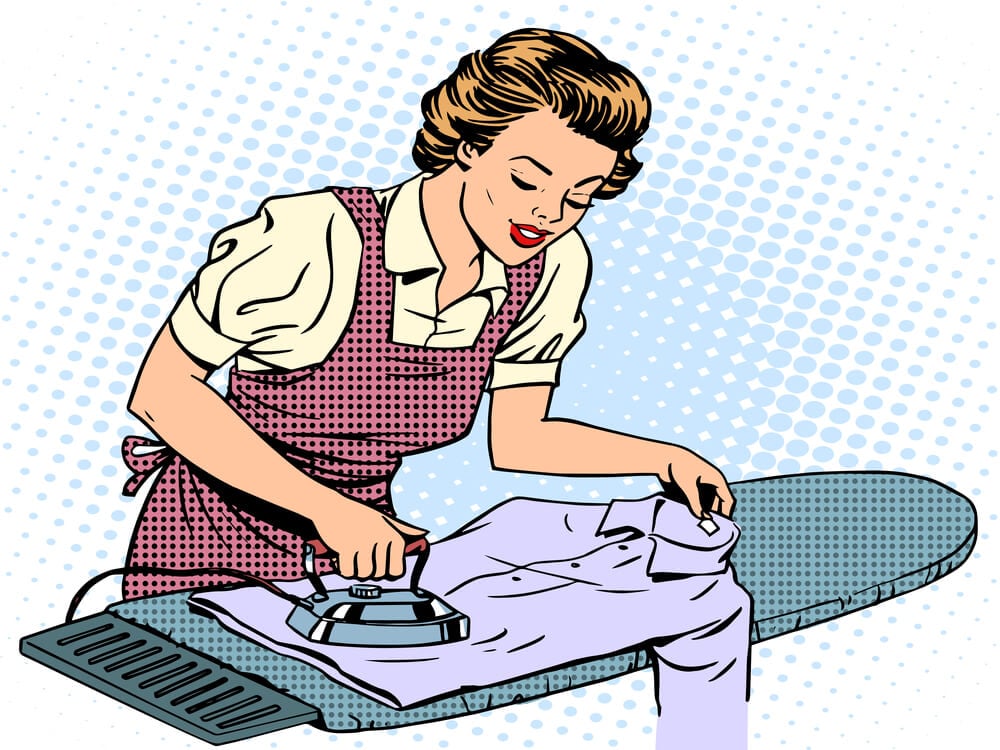
Heloise Cruse began her household-hints column in the Honolulu Advertiser in 1959. Her tips ran from stain removal to clever uses for ordinary items, delivered with the confidence of someone who had tested them herself. Readers mailed in their own discoveries, making the column a kind of paper-based message board. After her death in 1977, her daughter, also named Heloise, took over the column.
The Jumble Hid a Pun Behind Scrambled Letters
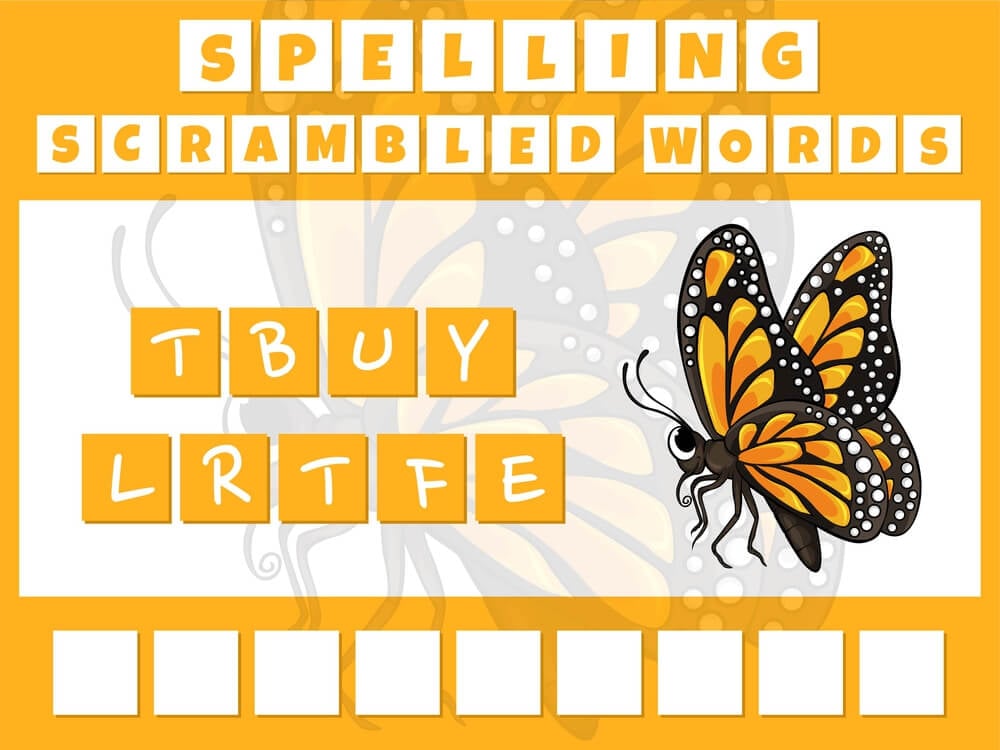
The Jumble puzzle was created in 1954 by Henri Arnold and Bob Lee. Four scrambled words had to be unscrambled, and circled letters then spelled the answer to a cartoon caption. The format rewarded patience, because the final pun usually made sense only after every word was solved. Generations of commuters worked it over breakfast with whatever pencil was nearby.
Blondie Married Into a Disinherited Fortune
Chic Young introduced Blondie on September 8, 1930, when the title character was a flapper named Blondie Boopadoop. Dagwood Bumstead, the heir to a wealthy family, was disinherited when he married her in 1933. The strip then settled into middle-class domestic comedy that made its leading man famous for towering sandwiches and rushed dashes to the carpool. The Dagwood sandwich entered the dictionary on the strength of a cartoon.
Dennis the Menace Appeared Days Before a British Namesake
Hank Ketcham launched Dennis the Menace on March 12, 1951, with a mischievous boy in overalls and a long-suffering neighbor named Mr. Wilson. A different Dennis the Menace debuted in the British comic The Beano just days later, and the two characters were unrelated. Ketcham said his inspiration was his own young son. The coincidence gave two English-speaking countries a pair of troublemaking Dennises with nothing in common but a name.
Calvin and Hobbes Ended on Its Own Terms

Bill Watterson launched Calvin and Hobbes on November 18, 1985, and ended it on December 31, 1995. In between, he refused almost every offer to license the characters for merchandise, which kept the strip unusually uncluttered. The stuffed tiger who looked real to Calvin and stuffed to everyone else became one of the most beloved partnerships in comics. Watterson stopped while the strip was still at its peak, a rarity in syndicated cartooning.
Garfield Was Named for a Grandfather

Jim Davis launched Garfield on June 19, 1978, after a cat-centered concept struck him as an underserved niche. The orange cat was named for Davis’s grandfather, James Garfield Davis. The strip’s formula of lasagna, Mondays, and sarcasm turned out to be extremely portable. Garfield eventually reached readers in a huge number of newspapers worldwide, and Davis kept writing the strip himself.
Doonesbury Won a Pulitzer Without Being an Editorial Cartoon

Garry Trudeau began Doonesbury in national syndication on October 26, 1970, after an earlier version called Bull Tales ran in the Yale Daily News. In 1975, he became the first comic strip artist to win a Pulitzer Prize. The honor was awarded in the editorial cartooning category, which surprised a profession that had never seen a strip win. The strip kept covering politics and culture from the same sharp angle for decades.
The Family Circus Mapped a Child’s Wandering Path
Bil Keane created The Family Circus, which debuted on February 29, 1960, under the title The Family Circle until the name was changed to avoid confusion with a magazine. The circular panel and the dotted lines tracing a child’s meandering route became unmistakable signatures. Readers loved following Billy’s zigzag path from the back door to the toy chest. The feature stayed in the same single-panel form for decades.
Prince Valiant Skipped the Speech Bubbles

Hal Foster launched Prince Valiant on February 13, 1937, telling a medieval adventure through text captions beneath each panel instead of speech bubbles. The approach made each Sunday page read like a storybook crossed with a painting. Foster’s detailed art and period research gave the series a dignity unusual in comics. The format worked so well that the strip continued under later artists long after Foster retired.
Nancy Began as a Supporting Character
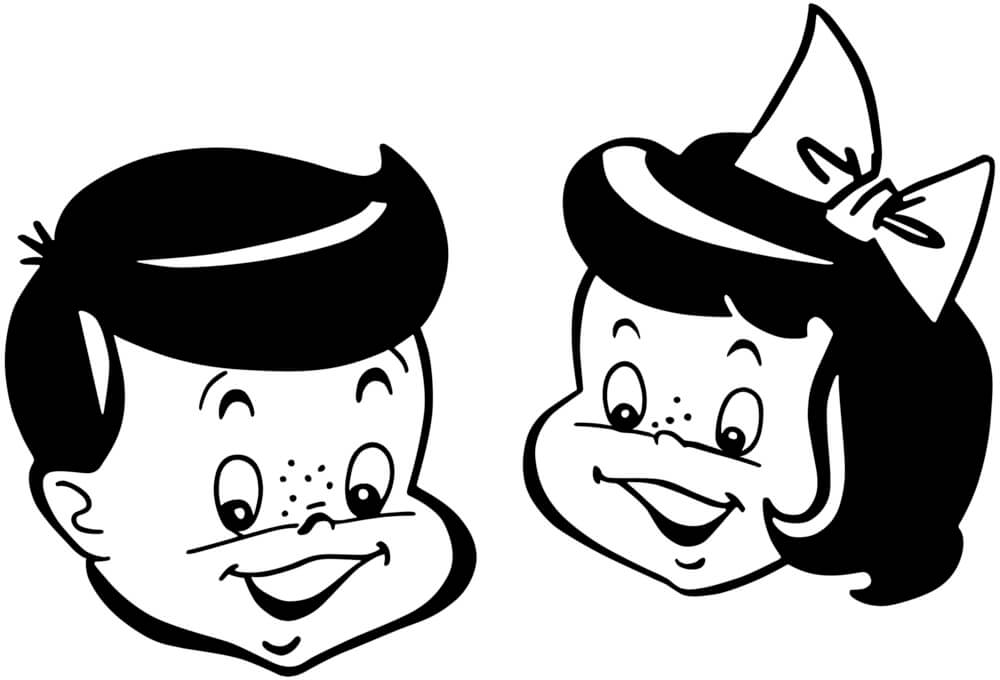
Ernie Bushmiller’s Nancy first appeared in the early 1930s as the niece of the title character in Fritzi Ritz. The girl proved so popular that the strip took her name in 1938. Bushmiller’s clean, graphic style made every gag legible at a glance, which suited a feature read in seconds. Nancy became one of the longest-running comics in newspapers and a favorite of cartoonists who admired its economy.
Little Orphan Annie Drew Eyes Without Pupils
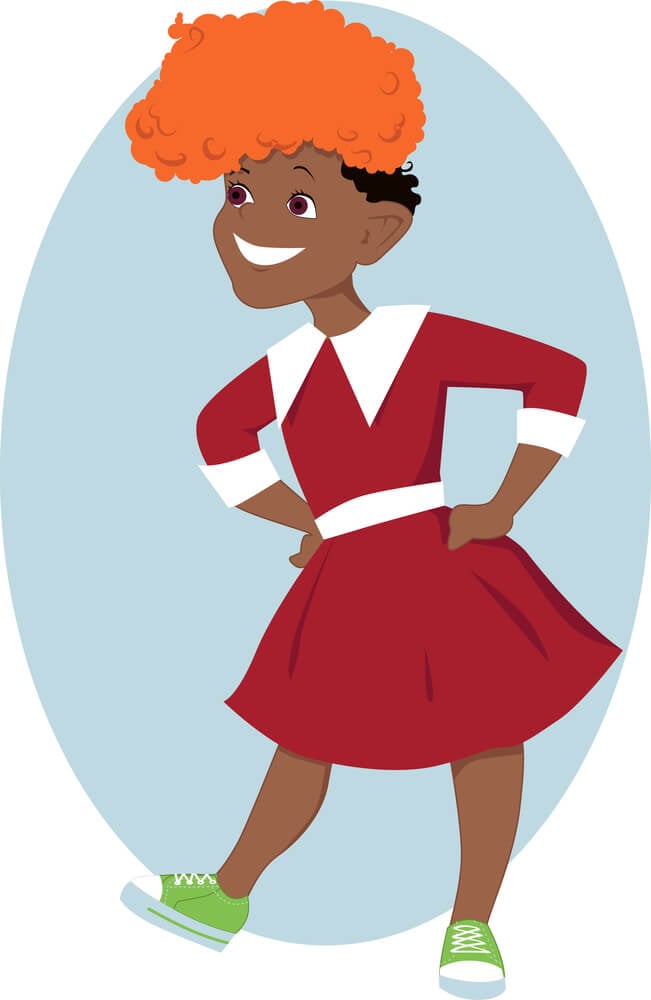
Harold Gray introduced Little Orphan Annie on August 5, 1924, in the Chicago Tribune New York News Syndicate. The strip was originally titled Little Orphan Otto, but Gray switched to a girl at the suggestion of an editor. Annie’s blank circles for eyes and her wealthy guardian Daddy Warbucks became icons. Gray used the strip to express strong opinions about self-reliance, and readers argued about it as hard as they followed the plot.
Miss Manners Brought Etiquette Back to the Paper

Judith Martin began writing Miss Manners for the Washington Post in 1978, and her answers were addressed to Gentle Reader. Her formal tone and deadpan wit turned etiquette into entertainment, and her column went into national syndication. Martin answered questions about wedding invitations, house guests, and thank-you notes with a mixture of firmness and mischief. Many readers clipped her replies to settle family disputes.
The Horoscope Column Took Off With a Royal Birth

In 1930, R. H. Naylor wrote an astrology column in Britain’s Sunday Express that predicted events for the newborn Princess Margaret. The response was so enthusiastic that papers began running regular sun-sign forecasts. That format of twelve short paragraphs, one per sign, is still in use today. A single royal prediction helped shape how millions of people checked the stars over coffee.
The Box Score Packed an Entire Game Into a Few Inches

Henry Chadwick, an English-born journalist, developed the box score in the mid-nineteenth century as a compact way to summarize a game. He also helped popularize scoring symbols, including K for a strikeout. Readers could reconstruct an afternoon of play from columns of tiny type. Fans of every era spent breakfast squinting at those tables, trusting the numbers more than any adjective.
Herblock Gave McCarthyism Its Name
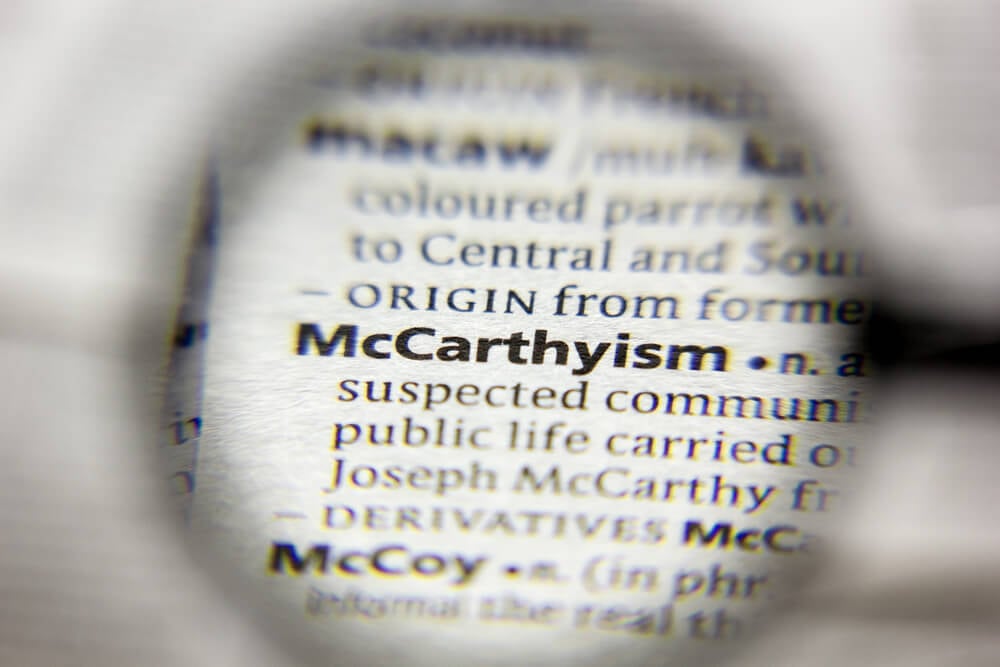
Herbert Block, who signed his cartoons Herblock, spent more than fifty years drawing for the Washington Post. In a cartoon published on March 29, 1950, he used the word McCarthyism, a term that entered the political vocabulary. He won multiple Pulitzer Prizes for editorial cartooning over his career. A single drawing created a word the dictionary would keep long after the controversy faded.
Willie and Joe Spoke for the Foot Soldier
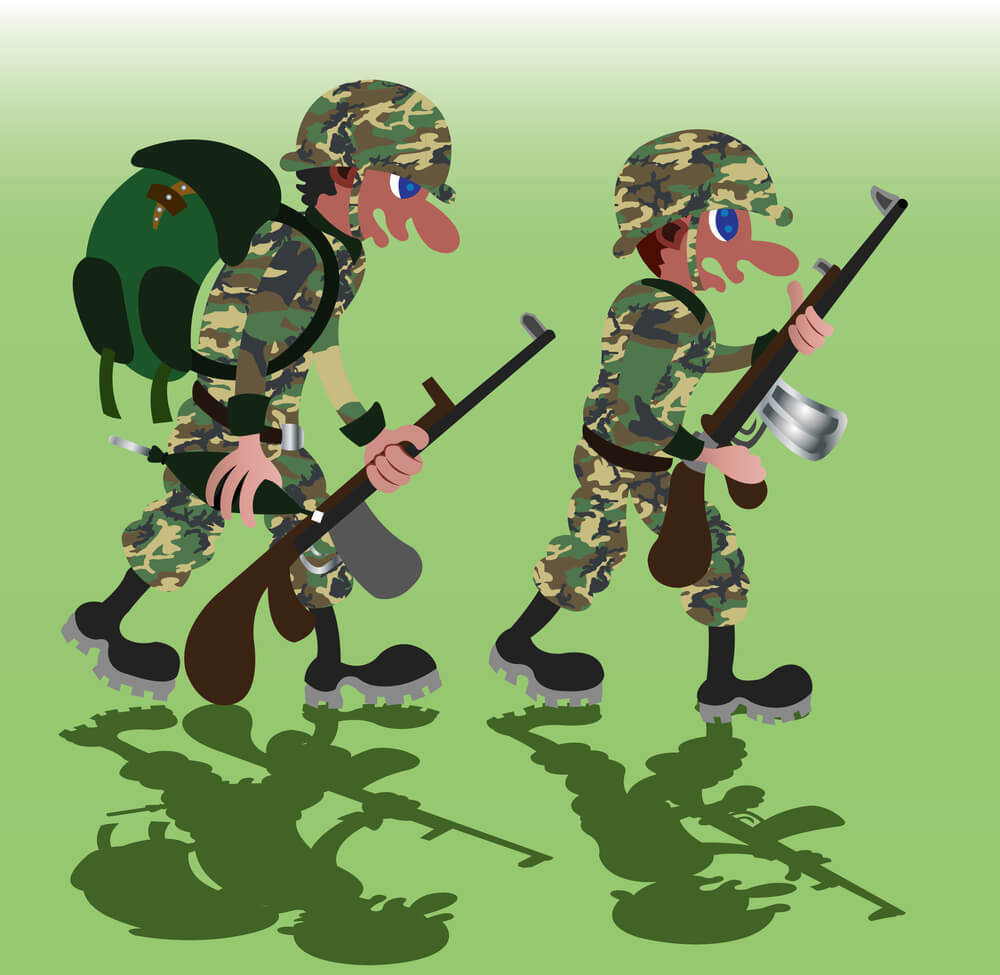
Bill Mauldin drew the cartoon characters Willie and Joe for the military newspaper Stars and Stripes during World War II. The two unshaven infantrymen expressed the weary humor of the front, and soldiers saw themselves in them. Mauldin won a Pulitzer Prize in 1945, when he was only 23 years old. The cartoon showed families at home what the war felt like, in a way headlines never did.
Beetle Bailey Went From College to the Army
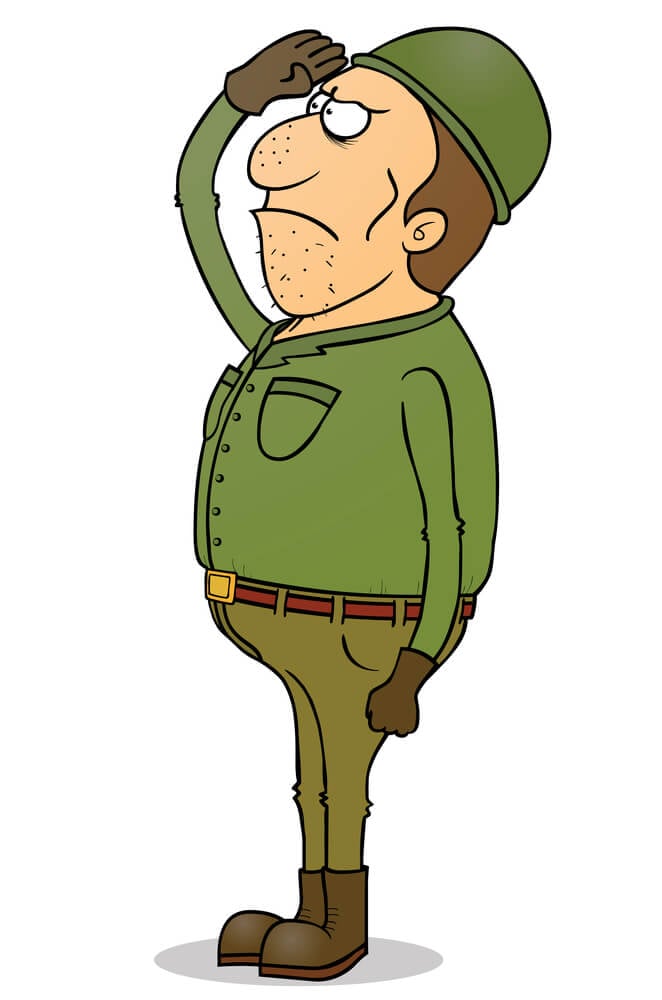
Mort Walker launched Beetle Bailey on September 4, 1950, and the character began as a college student. The strip moved him into the Army in 1951, and the lazy private became a lasting comic figure. His battles with Sergeant Snorkel and his gruff superiors gave readers an outlet for every authority complaint. Walker kept the strip running for decades and eventually enlisted his sons to help.
The Far Side Retired at the Top
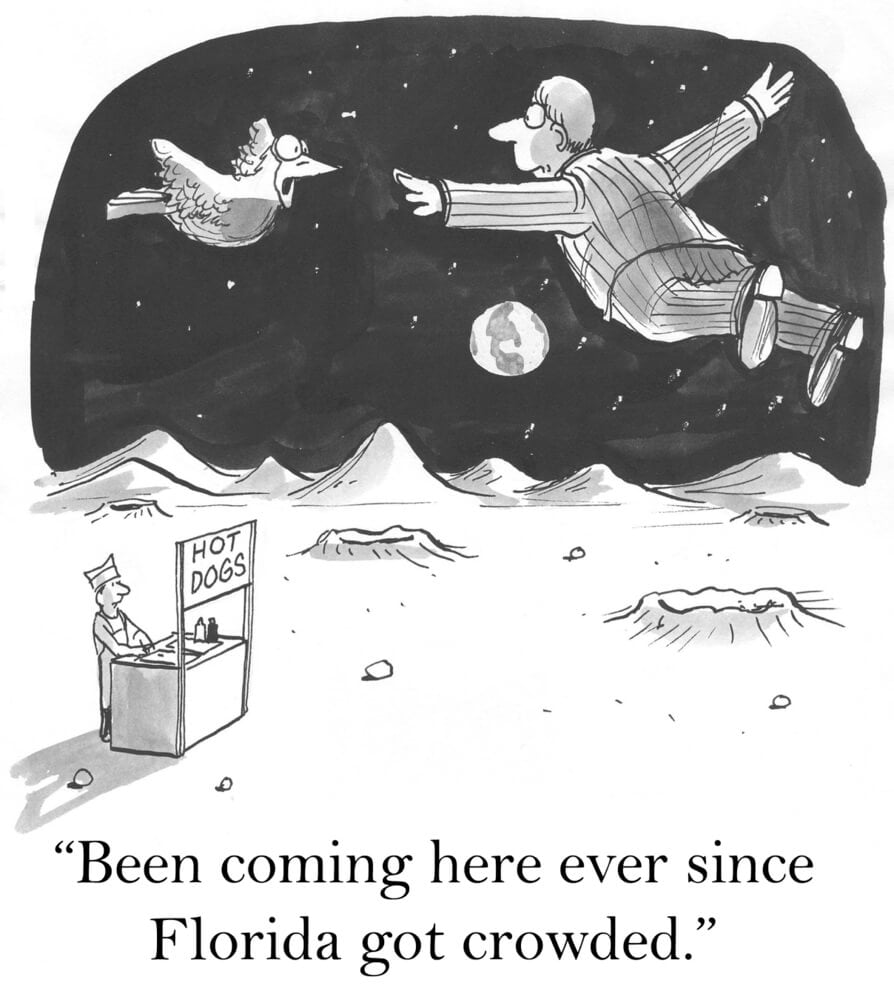
Gary Larson’s The Far Side went into national syndication in 1980 and ended on January 1, 1995. The single-panel cartoons depicted cows, scientists, cavemen, and bugs with absurd, unpredictable humor. Readers clipped panels and pinned them to office walls and refrigerators. Larson chose to retire the feature rather than risk running out of ideas, which made its run feel complete.
Bloom County Gave Pulitzer Voters a Penguin

Berkeley Breathed’s Bloom County began on December 8, 1980, and won the Pulitzer Prize for editorial cartooning in 1987. The strip starred a bow-tied penguin named Opus, whose bewilderment at the world made him a favorite. Breathed mixed political satire, pop culture, and absurd storylines. The strip ended in 1989, but the characters remained familiar to anyone who had read the funnies in the 1980s.
For Better or For Worse Let a Family Grow Up

Lynn Johnston launched For Better or For Worse on September 9, 1979, with a family drawn partly from her own life. The characters aged as the years went on, so a toddler grew into a teen and then an adult. Readers wrote to Johnston as if the Pattersons were real neighbors. The strip’s slow clock gave the funnies page something close to a long-running family album.
Cathy Made Daily Stress Relatable
Cathy Guisewite launched Cathy on November 22, 1976, drawing on her own life as a young working woman. Her struggles with diets, dating, and a demanding job gave readers a character they recognized in themselves. The strip ran until October 3, 2010, and followed its heroine from singlehood through marriage and motherhood. Guisewite showed that a newspaper comic could be confessional and funny at once.
The Classified Ads Priced Every Word

Classified ads were once the main way to sell a couch, find a roommate, or hire a plumber. Because papers charged by the line, writers invented clipped abbreviations that readers learned to decode. The pages held job listings, apartments, used cars, and personal notices in tiny, tightly packed columns. When Craig Newmark launched his email list in San Francisco in 1995, the seeds of Craigslist were planted, and the classifieds began losing their audience.
The Obituary Page Is Where Nobel Read About Himself
In 1888, a French newspaper mistakenly published an obituary for Alfred Nobel when his brother Ludvig died. It called him a merchant of death, a description that haunted the inventor of dynamite. Many historians credit the episode with pushing him toward the prizes that bear his name. The obituary page has always been where people learn what a community thought of a life.
Ask Marilyn Settled Dinner-Table Arguments
Marilyn vos Savant began writing Ask Marilyn for Parade magazine in 1986, answering reader questions about logic and math. In 1990 she addressed the Monty Hall problem and said that switching doors improved the odds, which drew thousands of letters from readers who disagreed. Many correspondents held advanced degrees. She was right, and the controversy showed how many families argued over a Sunday supplement.
What the Paper Left on the Table

Taken together, these features show how much a newspaper offered beyond the news. A single edition could hold an advice column, a puzzle, a family saga drawn in ink, and a sports table, each with its own devoted readers. Everyone in the house could find something to claim, and that shared object created conversation almost by accident.
The internet now delivers every one of these things faster, but the habit of reading them together has largely faded. Clipped cartoons on refrigerators and half-finished puzzles on the kitchen counter were evidence that the paper had been read by a family. Few feeds replace the sight of someone sliding the comics across the breakfast table.
More from Go2Tutors!

- 27 Silver Dollars and Half Dollars Worth Keeping
- 28 Restaurant Menu Items Nobody Orders Anymore
- 17 Places Built in Seemingly Impossible Spots
- 27 Vintage Rings Worth More Than They Look
- 25 Restricted Sites Tourists Can’t Enter
Like Go2Tutors’s content? Follow us on MSN.