Global literacy trends and what they mean
The world has witnessed remarkable progress in literacy over the past two centuries. While only one in ten people could read and write in 1820, today that ratio has completely reversed, with only one in ten remaining illiterate. The current global literacy rate stands at 86.3% for people aged 15 and above, representing steady growth from previous years. Yet beneath these encouraging statistics lies a complex landscape of disparities, challenges, and emerging trends that will shape the future of human knowledge and economic opportunity.
The literacy landscape today extends far beyond traditional reading and writing. Digital skills, computational thinking, and technological fluency have become equally important as basic literacy in determining life outcomes. Understanding these evolving trends isn’t just an academic exercise—it reveals fundamental shifts in how societies function, how economies develop, and how individuals navigate an increasingly complex world.
Here is a comprehensive examination of the key literacy trends reshaping our global landscape and their far-reaching implications for individuals, communities, and nations.
The Great Literacy Divide

The gap between the world’s most and least literate populations remains staggering. Countries like Finland, Norway, and Luxembourg achieve perfect 100% literacy rates, while nations such as Niger struggle with rates as low as 19.10%. Developed nations typically maintain literacy rates of 96% or better, whereas the least developed countries manage only 65% on average. This divide isn’t just about numbers—it represents millions of people locked out of opportunities that literate populations take for granted.
The consequences ripple through every aspect of society. In the United States, 54% of adults read below a sixth-grade level, and between 46% and 51% of American adults live below the poverty line partly due to their inability to read effectively. For those who can read and write, career options are vast, while those who cannot face extremely limited prospects, with even basic minimum-wage jobs becoming difficult to obtain.
Gender Gaps Persist Globally

The literacy gender gap remains one of the most persistent educational inequalities worldwide. Women represent almost two-thirds of all illiterate adults globally, totaling approximately 781 million people. While males aged 15 and over achieve a 90% literacy rate, females lag at 82.7%. This disparity is particularly pronounced in less-developed regions where traditional gender roles limit women’s educational opportunities.
In low-income countries, about 66% of female primary school students complete their education compared to 71% of males, and only 38% of girls complete lower secondary school versus 43% of boys. These gaps compound over generations, affecting not just individual women but entire families and communities who miss out on the benefits of maternal literacy.
Regional Hotspots of Challenge

Most countries with the lowest literacy rates cluster in South Asia, West Asia, and sub-Saharan Africa—regions that also include the world’s poorest nations. Sub-Saharan Africa faces particular challenges, with an estimated 244 million children aged 6-18 out of school globally in 2021. The intersection of poverty and illiteracy creates devastating cycles where families need children to work instead of attending school.
The UNESCO Institute for Statistics reported that the number of out-of-school children increased by 6 million since 2021, now totaling almost 250 million worldwide. This reversal of progress highlights how global crises, economic pressures, and systemic inequalities continue to derail educational advancement in vulnerable regions.
The Digital Literacy Revolution

Traditional literacy is no longer sufficient in our technology-driven world. Digital literacy skills such as coding, data analysis, and cybersecurity are becoming foundational, preparing students not just for today’s jobs but for future challenges and opportunities. Digital literacy has evolved from a luxury to a necessity, with individuals lacking these skills finding themselves at disadvantages in both personal and professional contexts.
U.S. 8th graders’ digital literacy skills actually declined between 2018 and 2023, with American students scoring below the international average for computational thinking despite increased technology exposure during the pandemic. This suggests that passive technology use doesn’t automatically translate to digital competency—explicit instruction remains crucial.
Artificial Intelligence Reshaping Education
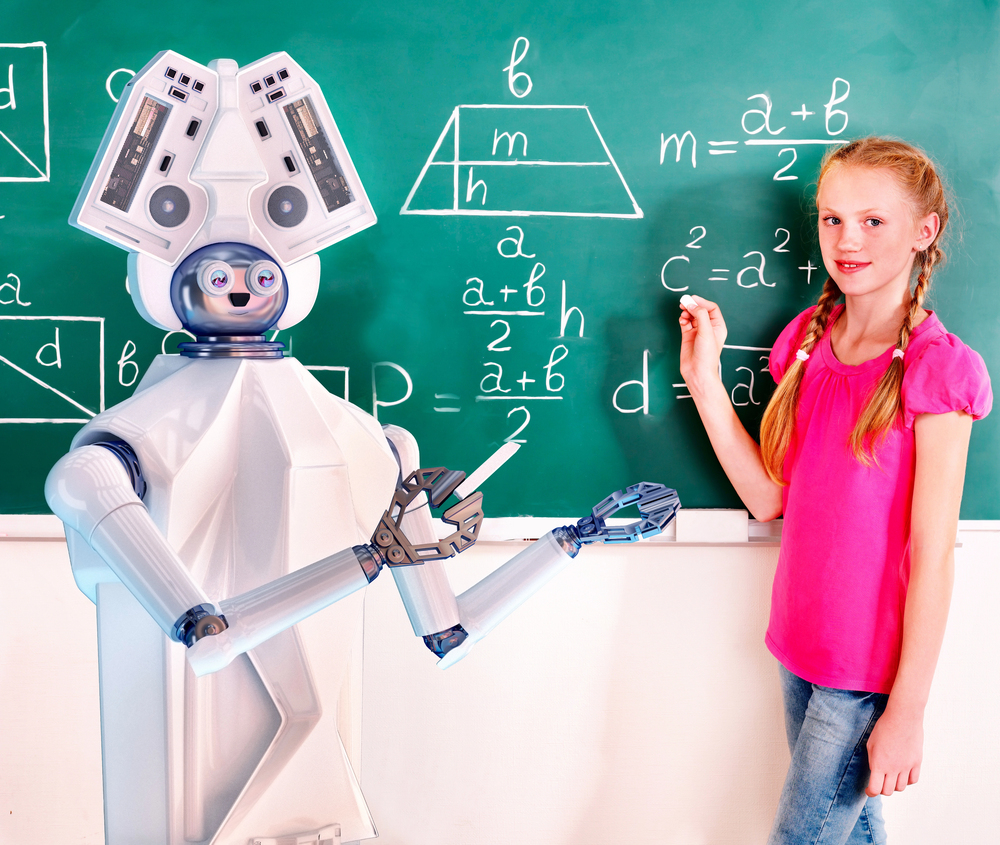
The World Economic Forum’s 2024 report ‘Shaping the Future of Learning: The Role of AI in Education 4.0’ highlights how AI is transforming educational delivery through personalized learning, adaptive content, and improved accessibility. AI-driven platforms now offer personalized instruction at scale, with adaptive learning systems providing real-time feedback, customized learning paths, and predictive analytics to forecast academic performance.
These technological advances promise to address some traditional literacy challenges by making education more accessible and engaging. However, they also create new demands for digital fluency and critical thinking skills that many educational systems struggle to provide.
Generational Progress Signals Hope

— Photo by sergii.kl.ua
Large differences in literacy rates exist across generations in most low and middle-income countries, with younger populations achieving much higher literacy rates than older generations. In Northern Africa and the Middle East, less than a third of older generations may be literate while over 90% of younger generations achieve literacy. This generational shift suggests that overall literacy rates will continue improving as time progresses.
The challenge lies in maintaining this momentum while addressing new forms of literacy that emerge with technological advancement. Educational systems must simultaneously serve multiple generations with vastly different baseline skills and learning needs.
The Skills Gap Widens

While basic digital literacy remains important, fostering critical thinking, flexibility, resilience, ethical AI deployment, and cybersecurity readiness has become equally crucial. Today’s world emphasizes skills like critical thinking, adaptability, and digital literacy as digital tools such as AI, VR, and online platforms transform learning and teaching methods.
Teachers face pressure to teach tested content, often pushing aside media literacy and computer science topics despite their importance, due to lack of mandates and resources. This creates a disconnect between what students need for future success and what educational systems actually deliver.
Technology’s Double-Edged Impact

The EdTech market is projected to reach $598.82 billion by 2032 with annual growth rates exceeding 17%, as AI, gamification, and immersive VR/AR learning become mainstream. These innovations promise more engaging and accessible education, but they also risk widening gaps between technology-rich and technology-poor communities.
In developing countries, the digital divide is more pronounced, with limited access to technology and resources hindering digital literacy efforts despite ongoing initiatives by nonprofits, governments, and educational institutions. The challenge is ensuring that technological advances enhance rather than exacerbate existing inequalities.
Economic Implications Multiply

Literacy trends directly impact economic development at both individual and national levels. Career opportunities become extremely limited for those who cannot read and write, with even basic jobs becoming difficult to obtain. Nations with higher literacy rates typically experience stronger economic growth, innovation, and social stability.
The economic stakes are rising as work becomes increasingly knowledge-based. Countries that fail to address literacy gaps—both traditional and digital—risk falling further behind in global competition and leaving large portions of their populations economically marginalized.
Educational Systems Under Pressure

The teacher shortage, low academic standards, and unqualified people in classrooms represent critical issues plaguing educational systems. Teachers must embrace lifelong learning mindsets, continuously developing professionally and staying informed about the latest tools, methodologies, and trends shaping education.
Schools can prepare for digital transformation by investing in technology, training teachers to use digital tools effectively, blending traditional and modern learning models, focusing on digital literacy, and integrating Learning Management Systems. However, these transitions require significant resources and coordinated effort that many systems currently lack.
From Survival Skill to Global Currency

The transformation of literacy from a basic survival skill to global economic currency represents one of the most significant shifts in human development. Digital literacy now empowers individuals to be critical consumers of digital content, enabling them to distinguish reliable information from misinformation in an increasingly complex media landscape. A recent Eurobarometer survey found that half of people across 27 EU member states and 8 other countries believe in AI’s potential to advance scientific discoveries and provide tools to tackle pressing issues like climate change and disease.
As we move forward, literacy will continue evolving beyond its traditional boundaries to encompass new forms of thinking, creating, and problem-solving that we can barely imagine today. The societies and individuals who adapt quickly to these changes will thrive, while those who don’t risk being left behind in ways more profound than ever before in human history.
More from Go2Tutors!

- The Romanov Crown Jewels and Their Tragic Fate
- 13 Historical Mysteries That Science Still Can’t Solve
- Famous Hoaxes That Fooled the World for Years
- 15 Child Stars with Tragic Adult Lives
- 16 Famous Jewelry Pieces in History
Like Go2Tutors’s content? Follow us on MSN.