27 Childhood Sandwich Fillings Beyond Peanut Butter
The lunchbox sandwich was a fixture of childhood, and peanut butter was only one of its stars. Families rotated through a surprisingly wide list of fillings, some thrifty, some regional, and some that now seem baffling.
Schools that ban peanuts have also pushed the list wider in recent years. Here are the fillings that earned their place between two slices of bread.
Bologna and Mustard
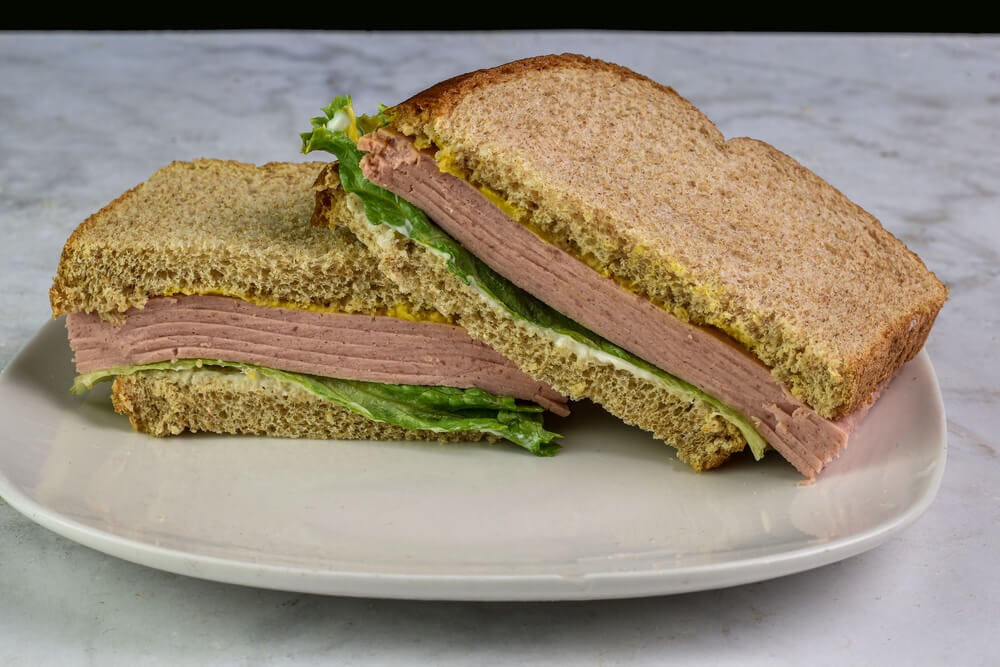
Sliced bologna, a staple of the deli case, was thin, pink, and cheap. Children ate it with a swipe of mustard or a slice of cheese.
The edge of the round slice often curled up in the lunchbox.
Egg Salad
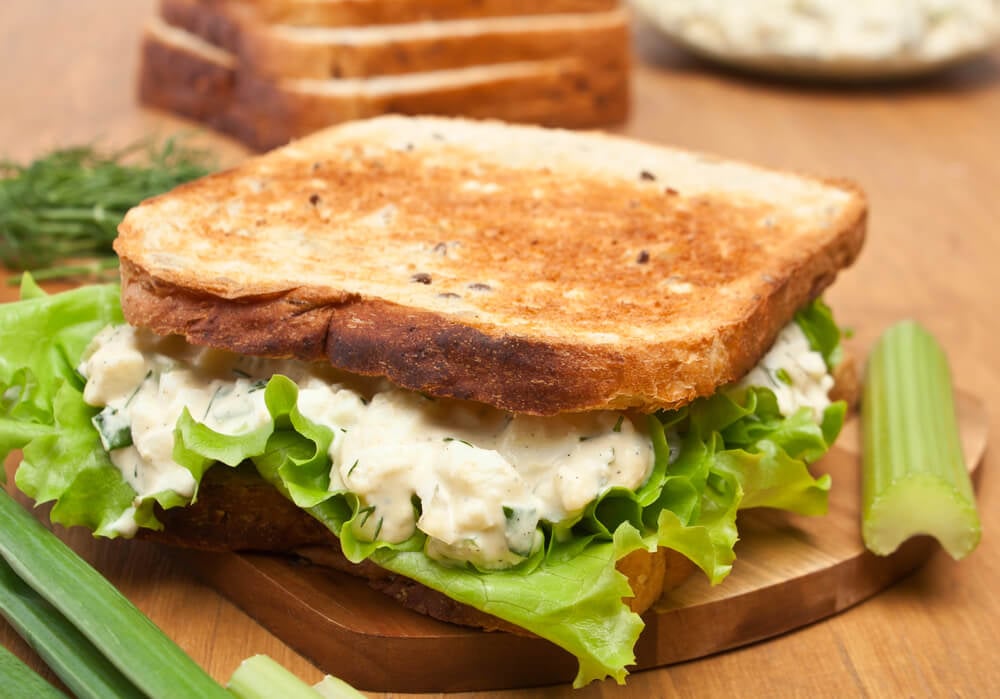
Chopped hard-boiled eggs, mixed with mayonnaise and a little mustard, made a soft, creamy filling. The sandwich was a springtime favorite and an Easter leftover.
A sandwich that sat in a warm locker had a distinct smell by noon.
Tuna Salad
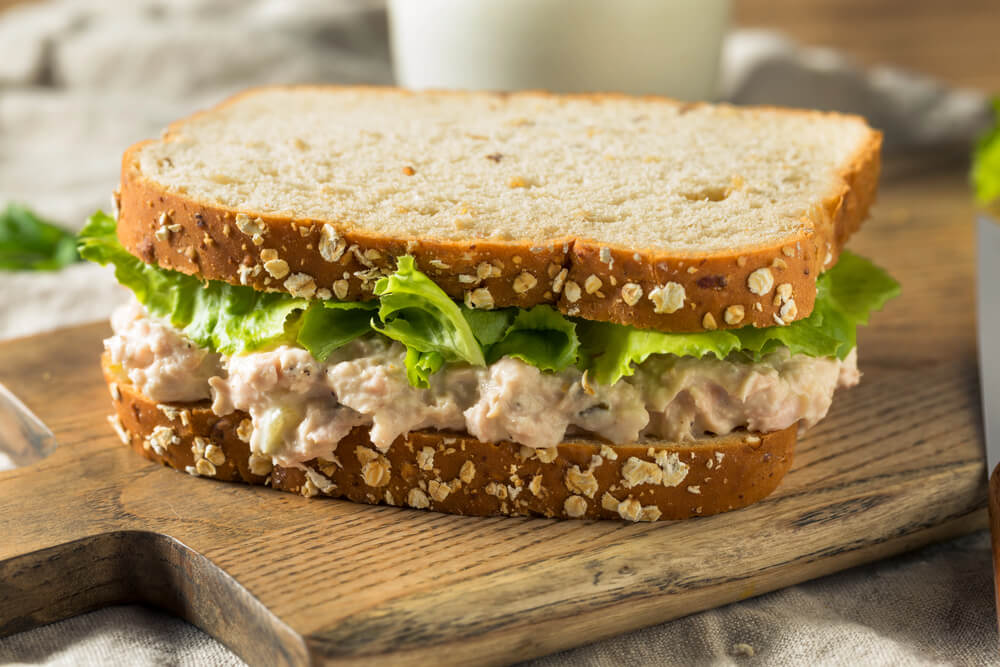
Canned tuna mixed with mayonnaise and chopped celery was a dependable lunch. Some families added pickle relish or onions.
The sandwich was a favorite in every school cafeteria, which made its aroma unmistakable.
Ham and Cheese
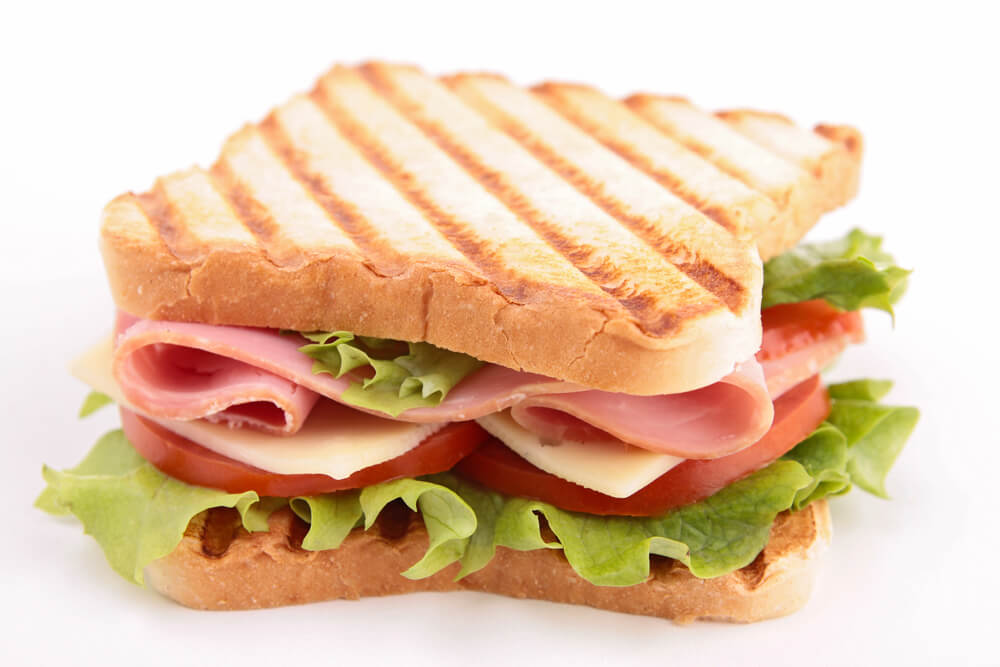
A slice of ham and a slice of American cheese on white bread was the standard deli order. It was simple and portable.
A little mustard or mayonnaise was the only variation.
Liverwurst
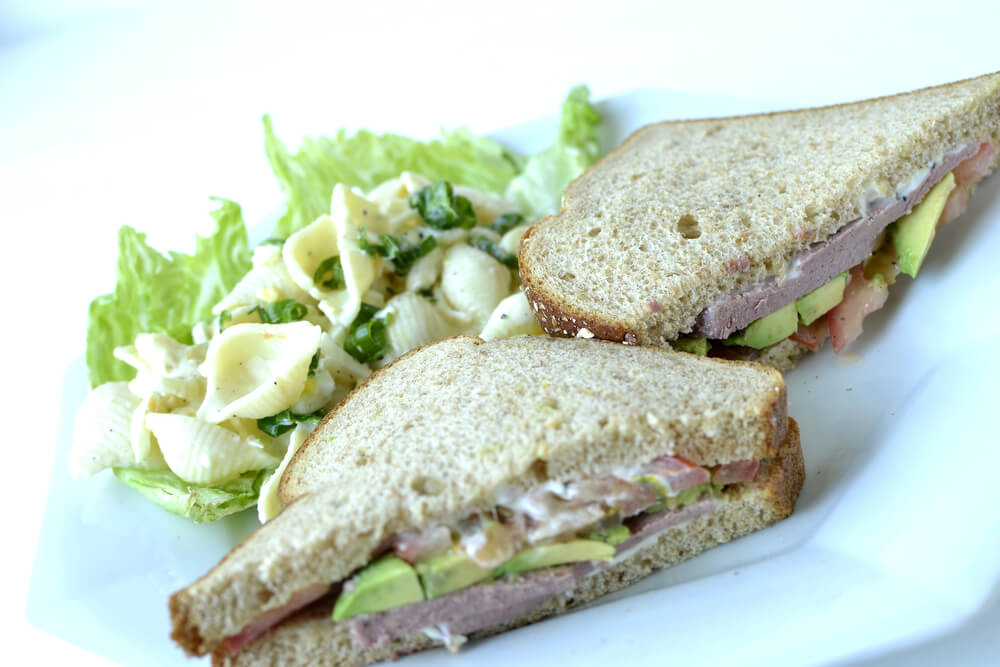
Liverwurst was a soft, spreadable sausage that appealed to some children and horrified others. It came in a tube, sliced at the deli, and was often paired with onion or mustard.
Few foods divided a lunch table so cleanly.
Deviled Ham
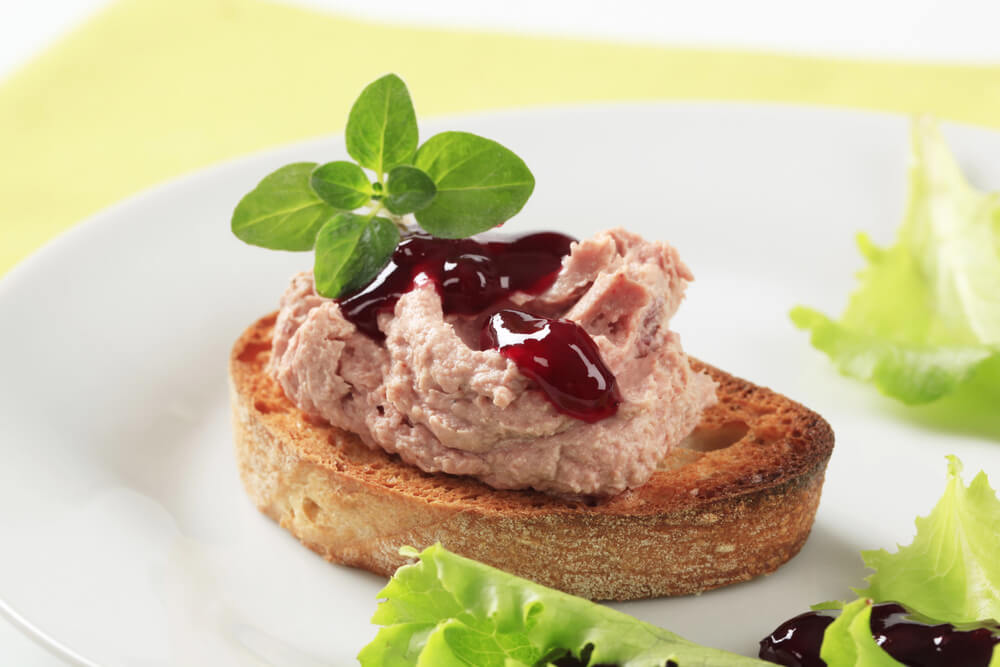
Canned deviled ham, a spread of ground ham and spices, has been sold in small tins since the nineteenth century. It was scooped onto bread or crackers.
The tin with its devil logo is still a familiar sight.
Cream Cheese and Jelly
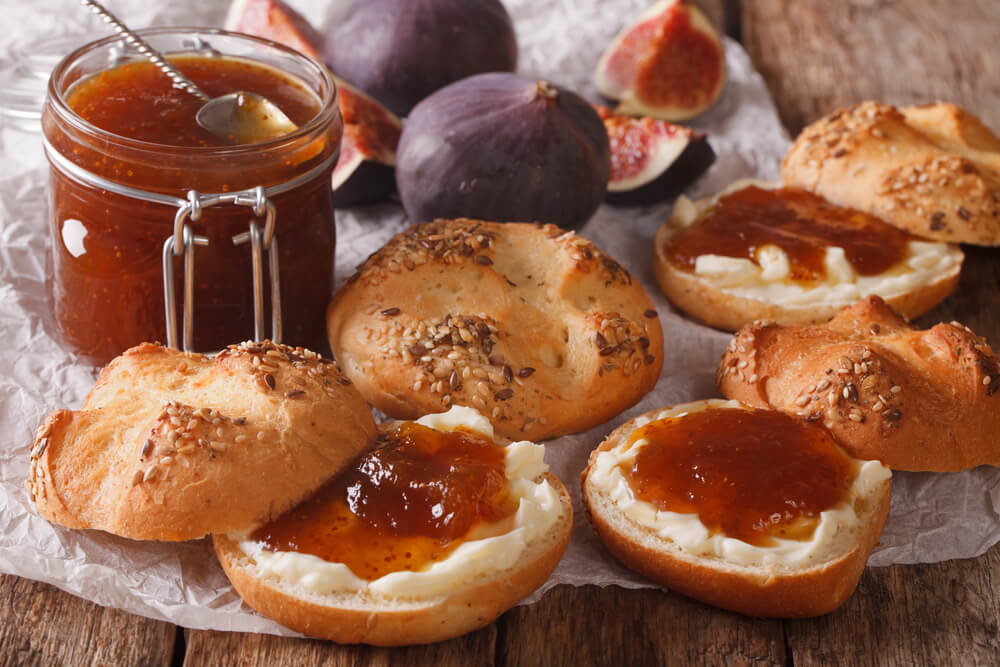
Cream cheese spread on bread with a layer of grape or strawberry jelly made a sweet and tangy sandwich. It worked as a replacement for peanut butter.
The jelly sometimes soaked through the bread by lunchtime.
Butter and Jelly
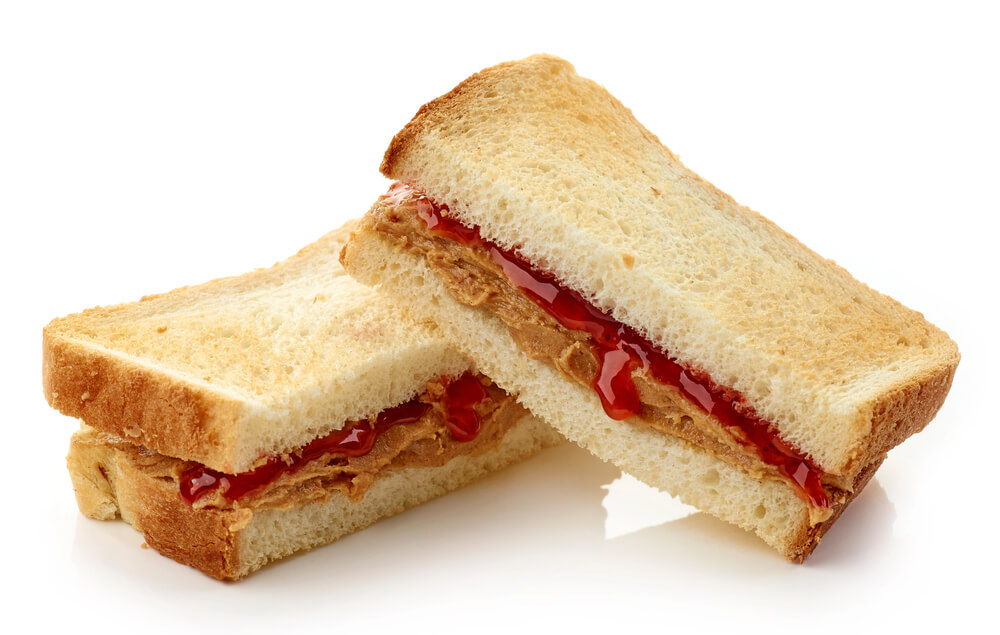
Slices of bread with butter and jam were a simple treat. They were popular at home and in lunchboxes.
The jam stuck to the wax paper.
Banana and Mayonnaise
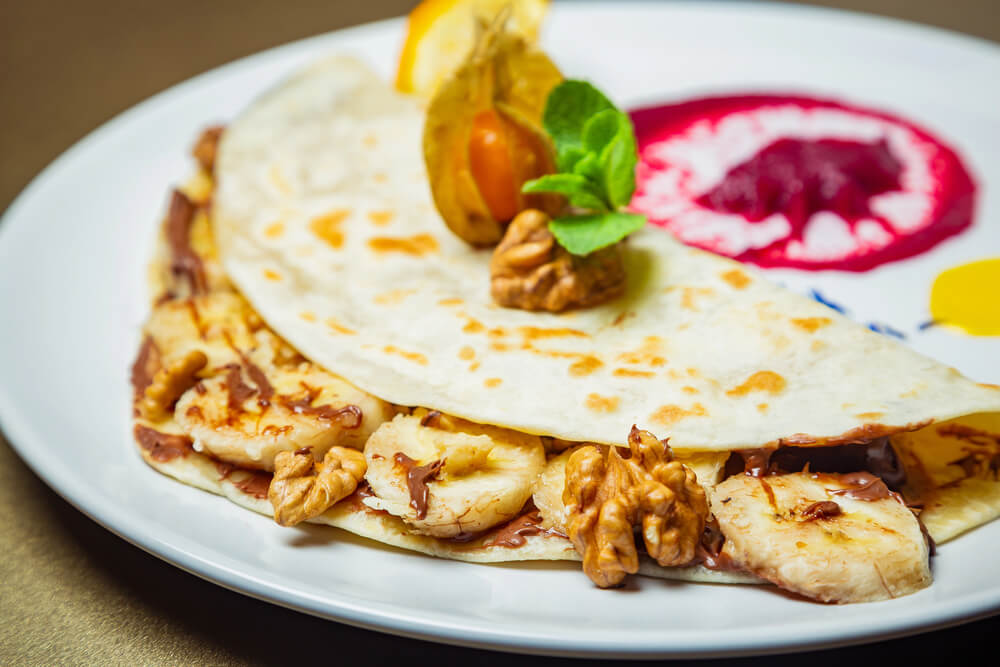
A Southern classic, the banana and mayonnaise sandwich paired sliced fruit with a creamy dressing. Some children loved it, while others could not imagine it.
The sandwich was usually made on soft white bread.
Cucumber and Cream Cheese
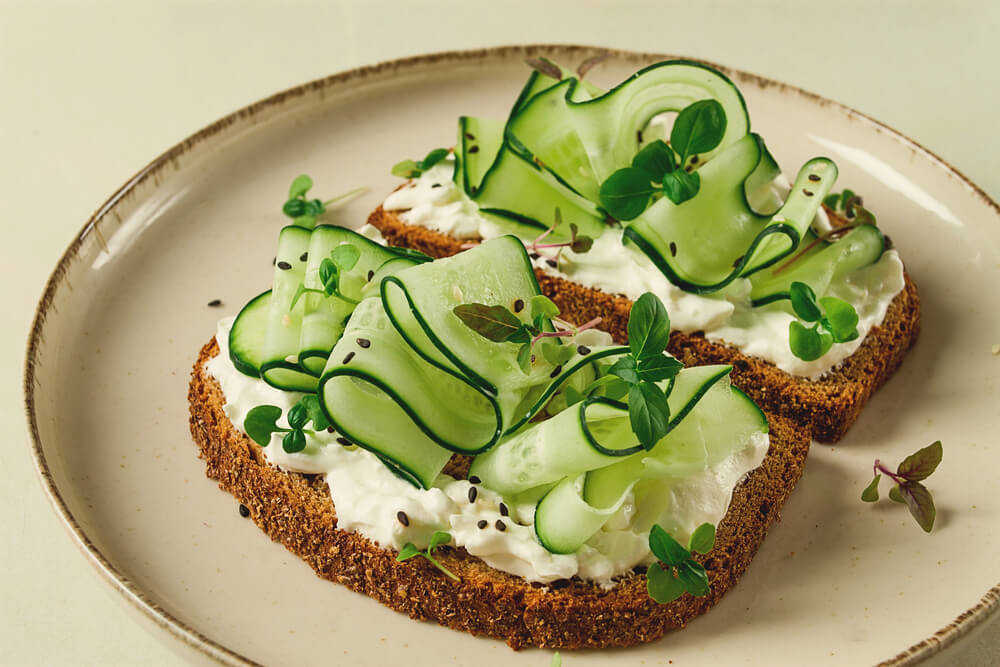
Thin slices of cucumber on cream cheese gave a cool, crisp sandwich. It had a tea-party reputation but traveled well in a lunchbox.
A little salt and pepper was the only seasoning.
Pimento Cheese
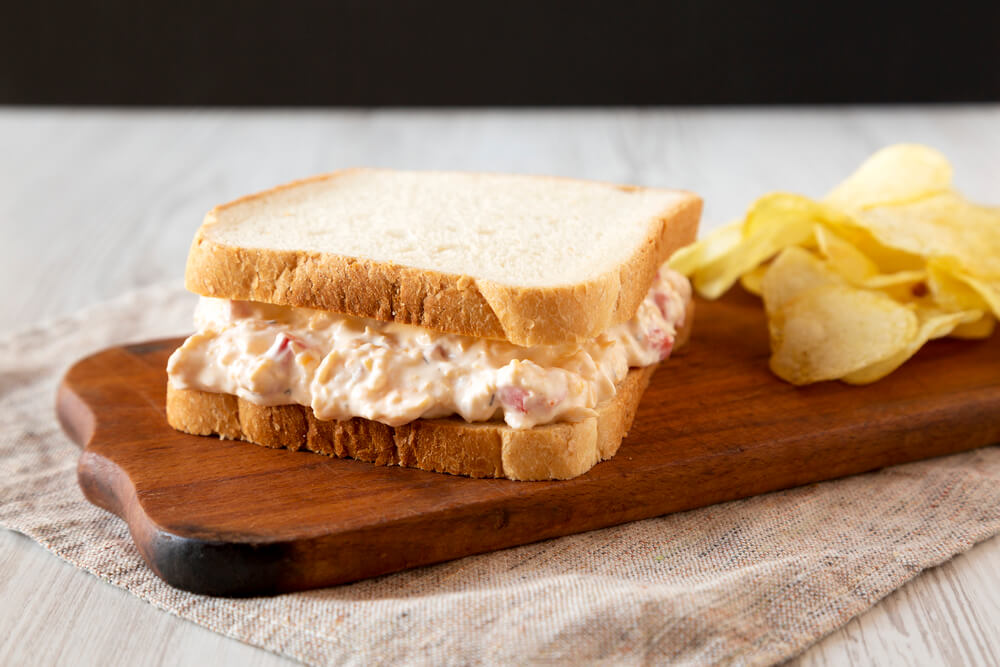
Pimento cheese, a spread of shredded cheddar, mayonnaise, and diced pimentos, is a Southern staple. It was spread thickly on white bread.
The orange spread was often homemade.
Chicken Salad
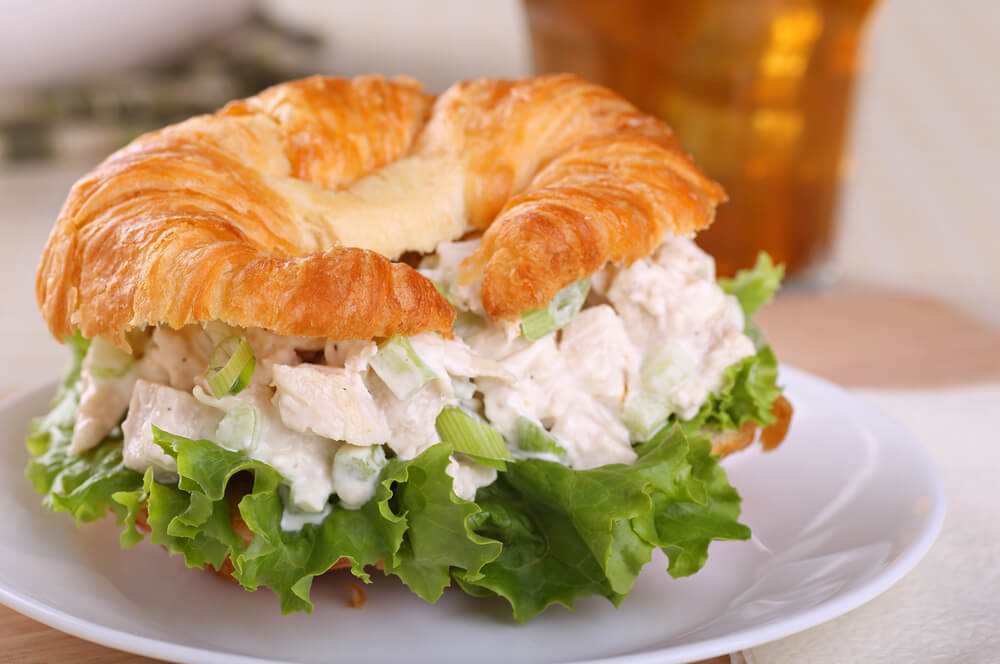
Leftover chicken, chopped and mixed with mayonnaise, made a hearty sandwich. Grapes, celery, or nuts were sometimes added.
It was the best use of Sunday’s roast chicken.
Olive Loaf
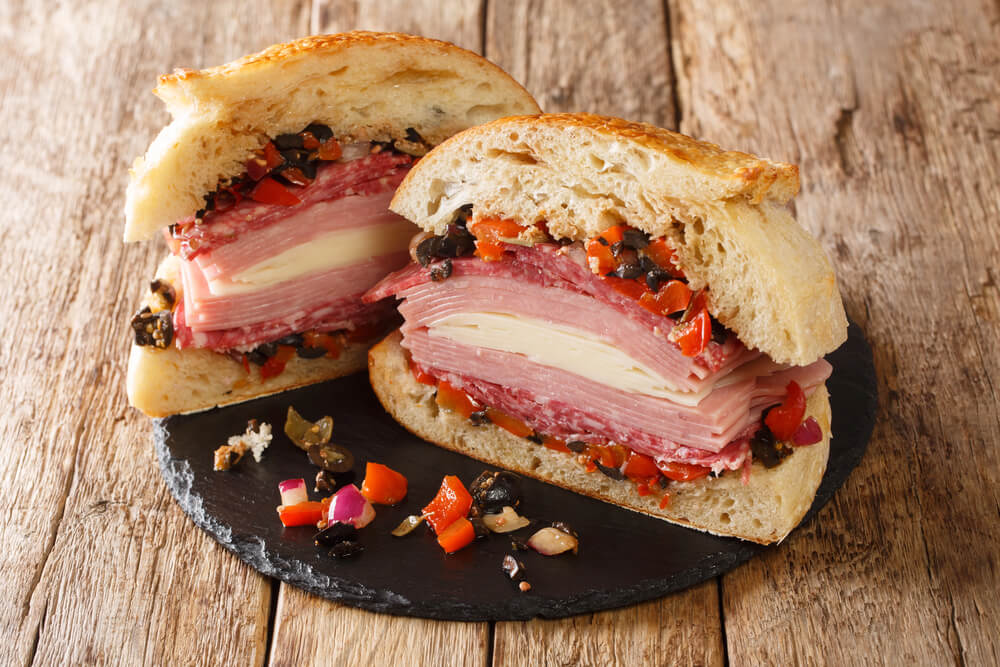
Olive loaf was a deli meat studded with green olives in a pink base. Children picked out the olives or ate them first.
The slices looked like a polka-dot pattern.
Spam
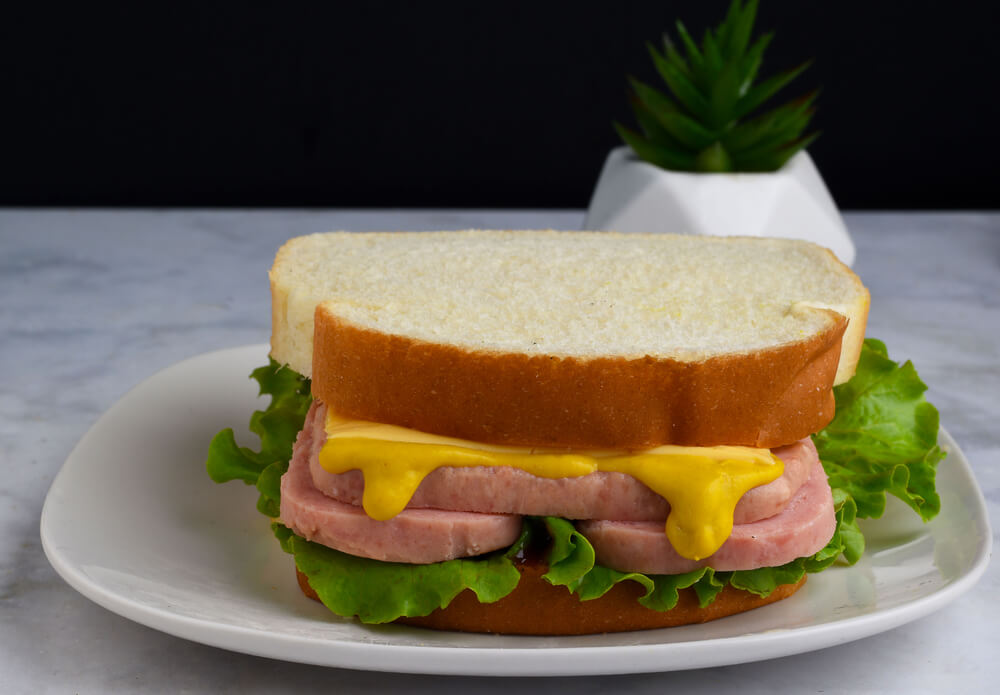
Hormel introduced Spam in 1937, and fried slices became a quick sandwich in many homes. The canned meat was salty and dense.
It was especially popular in Hawaii and in households that remembered wartime rations.
Ham Salad
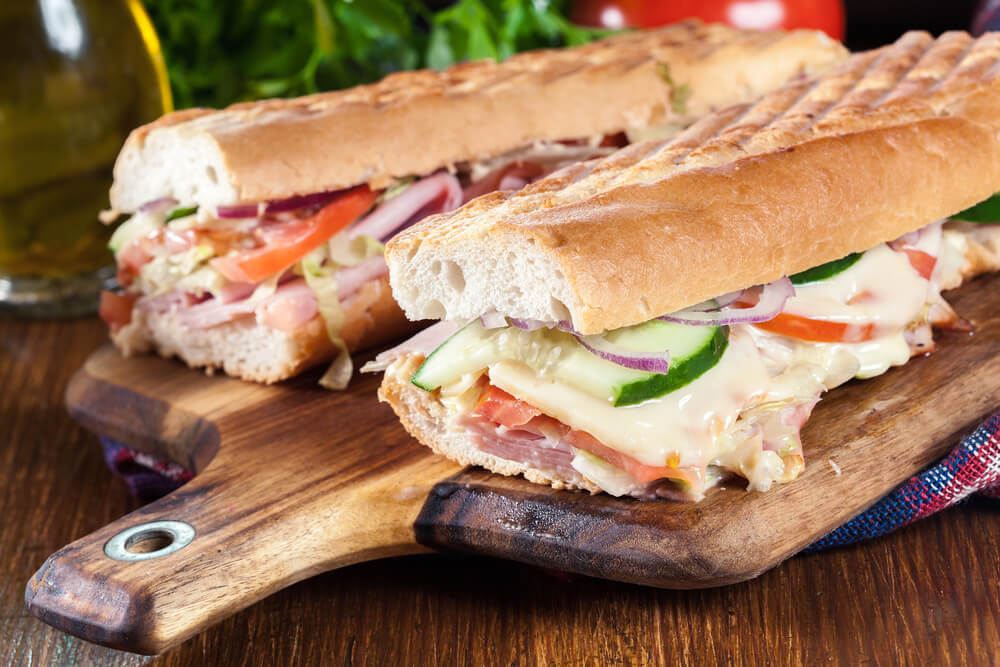
Ground ham mixed with relish and mayonnaise made a spread that stretched leftovers. It was served on soft bread with a pickle.
Church luncheons often featured it on a platter.
Salami and Cheese
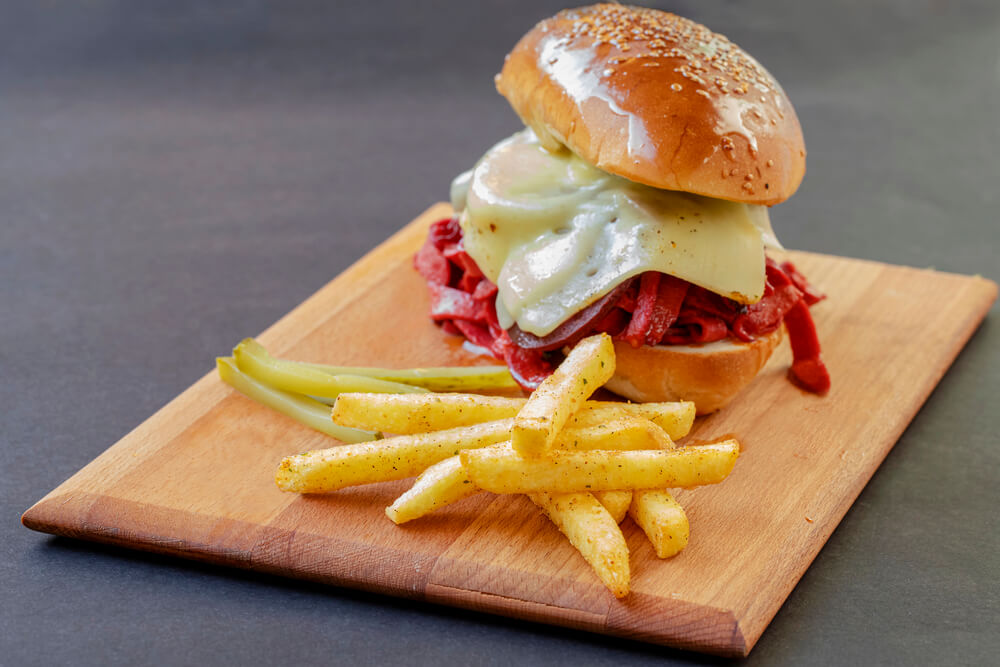
Slices of salami with provolone or cheddar offered a stronger flavor. The meat was cut into thin rounds and layered with cheese.
A little lettuce made it feel almost fancy.
Turkey and Cheddar
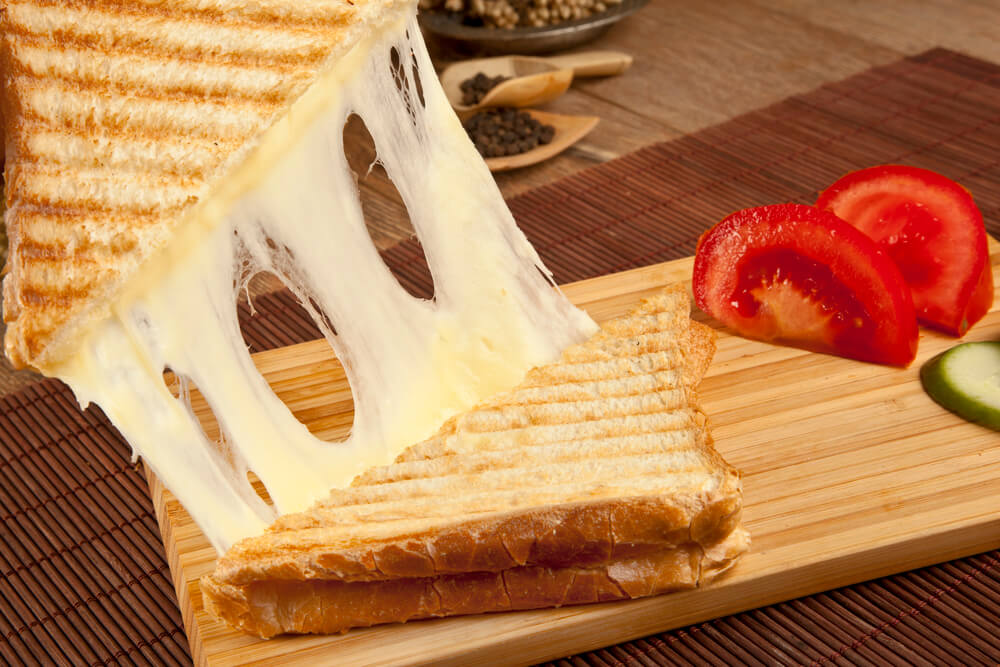
Sliced turkey breast and sharp cheddar was a lighter option for health-conscious families. The deli counter offered it freshly cut.
A smear of mustard or cranberry sauce changed the flavor.
Honey and Butter
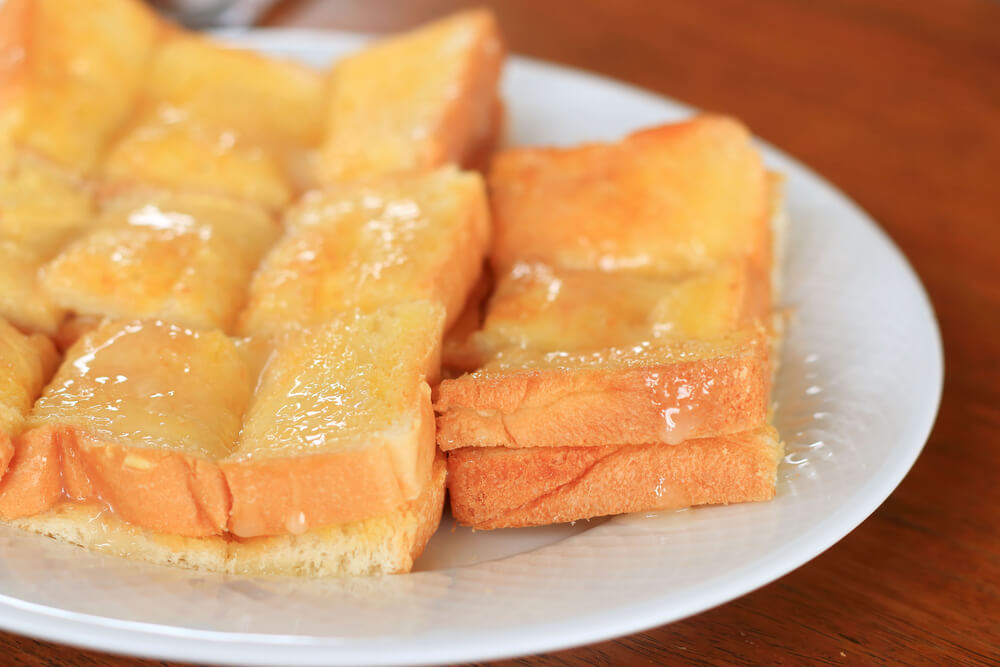
A thin layer of butter and honey on bread was a sweet snack. It was popular with small children.
The honey sometimes dripped from the edges.
Cheese Spread
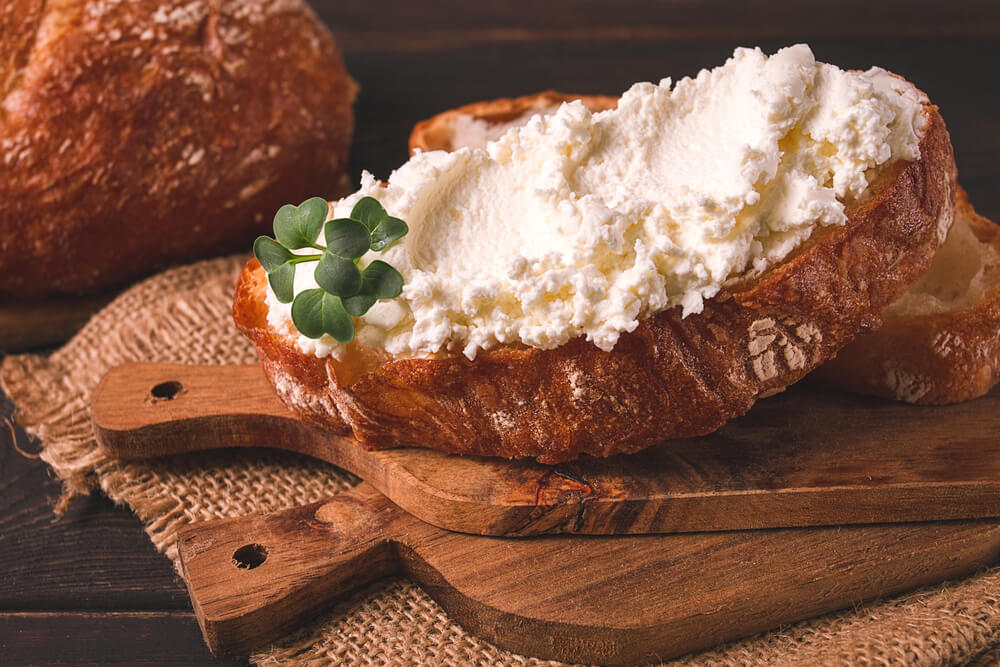
Kraft introduced Cheez Whiz in 1953, a processed cheese spread that could be smeared directly onto bread. The sandwich was popular with children who liked the salty, soft texture.
The jar had to be hidden from anyone who ate it by the spoonful.
Roast Beef
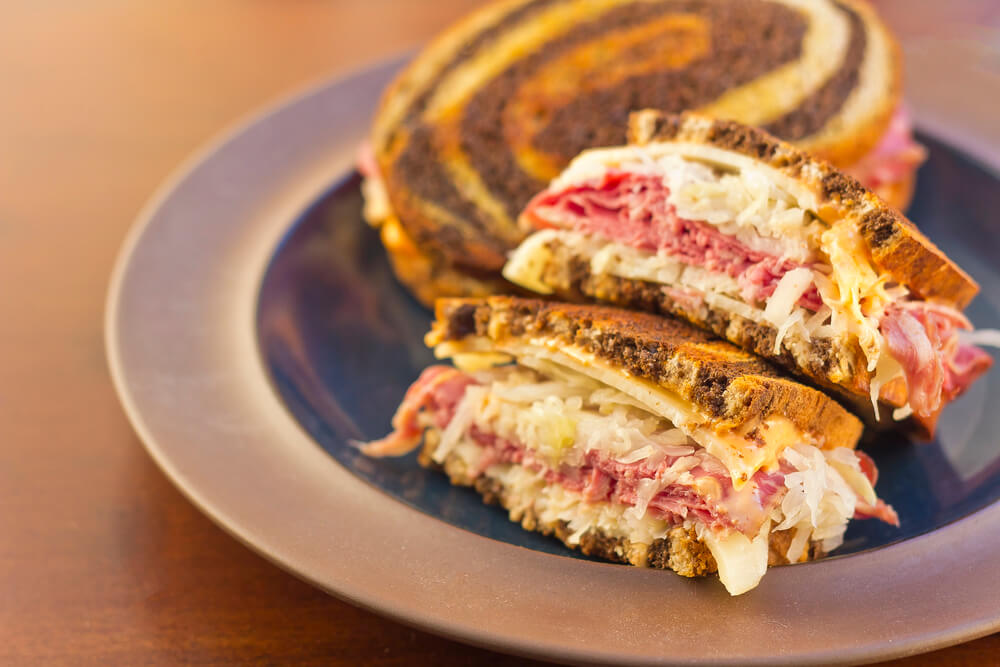
Thin slices of roast beef with a little horseradish or mayonnaise made a hearty lunch. Families who roasted a joint on Sunday used the leftovers.
The bread soaked up the juices.
Braunschweiger
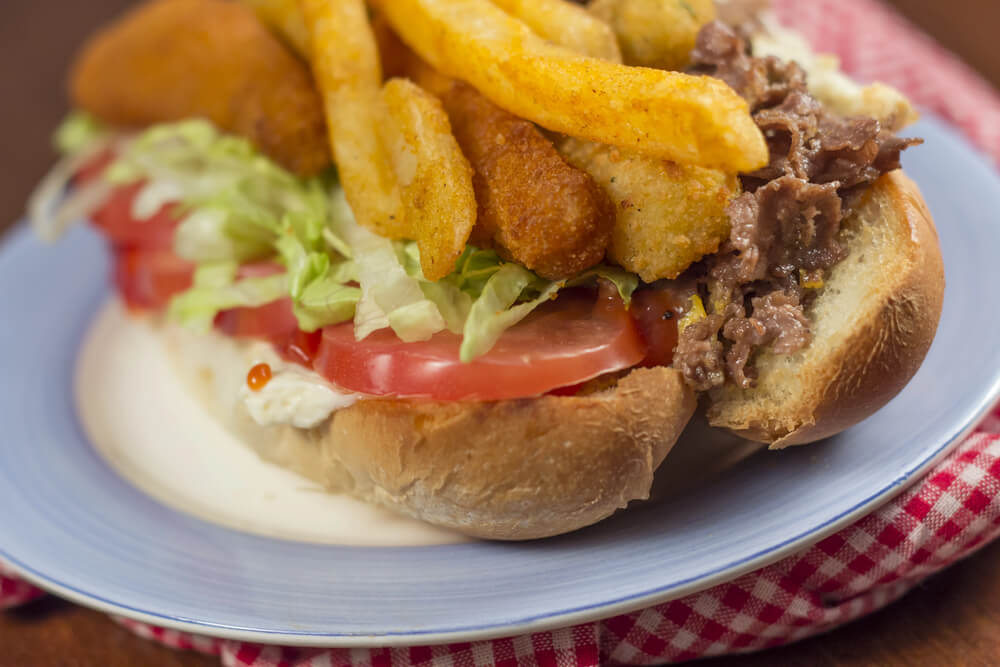
A soft smoked liver sausage, braunschweiger was spread on rye or white bread. It was often paired with mustard or onion.
Adults loved it more than children did.
Bacon, Lettuce, and Tomato
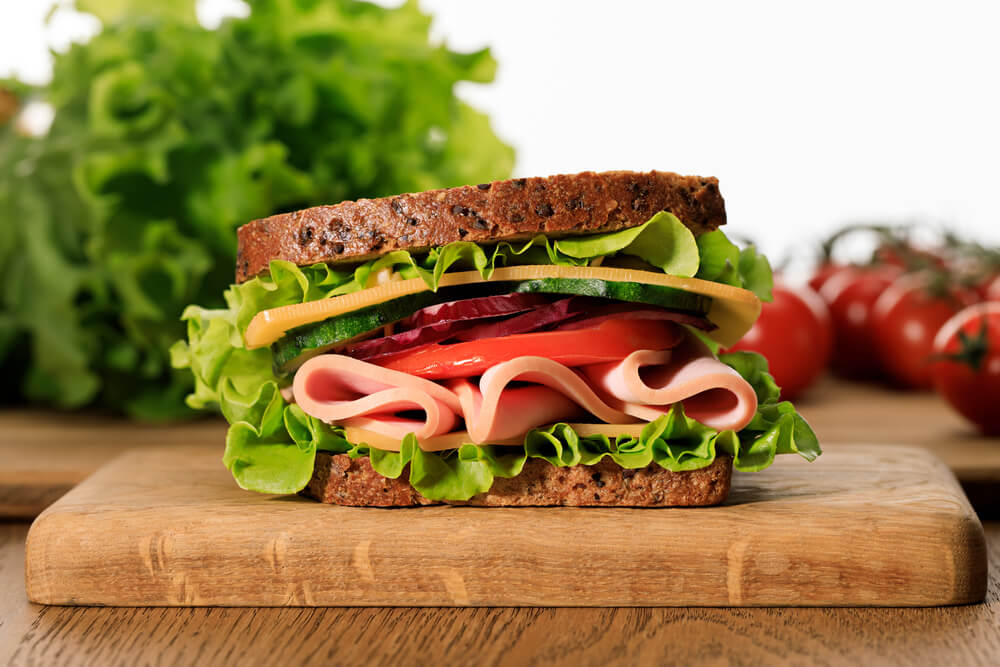
The BLT combined crisp bacon, lettuce, and a slice of tomato with mayonnaise. Packed for lunch, it needed careful assembly to avoid sogginess.
Children who ate one in July never forgot it.
Egg and Bacon
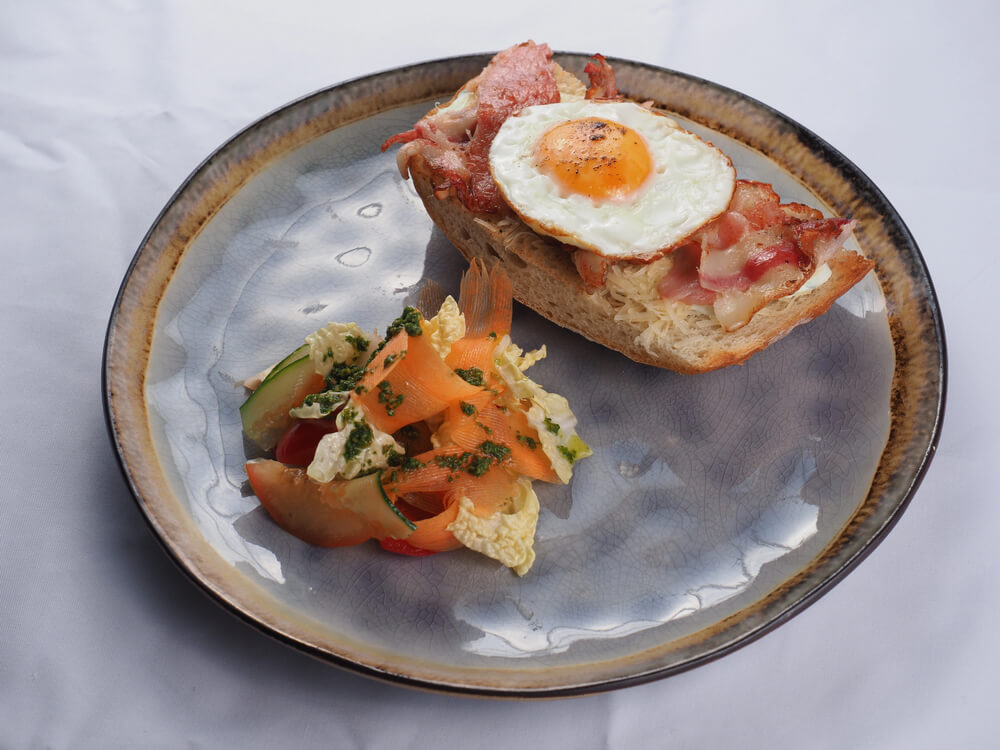
Scrambled eggs with crumbled bacon were stuffed between slices of toast. The sandwich was a breakfast turned lunch.
It was best eaten warm.
Pickle and Cream Cheese
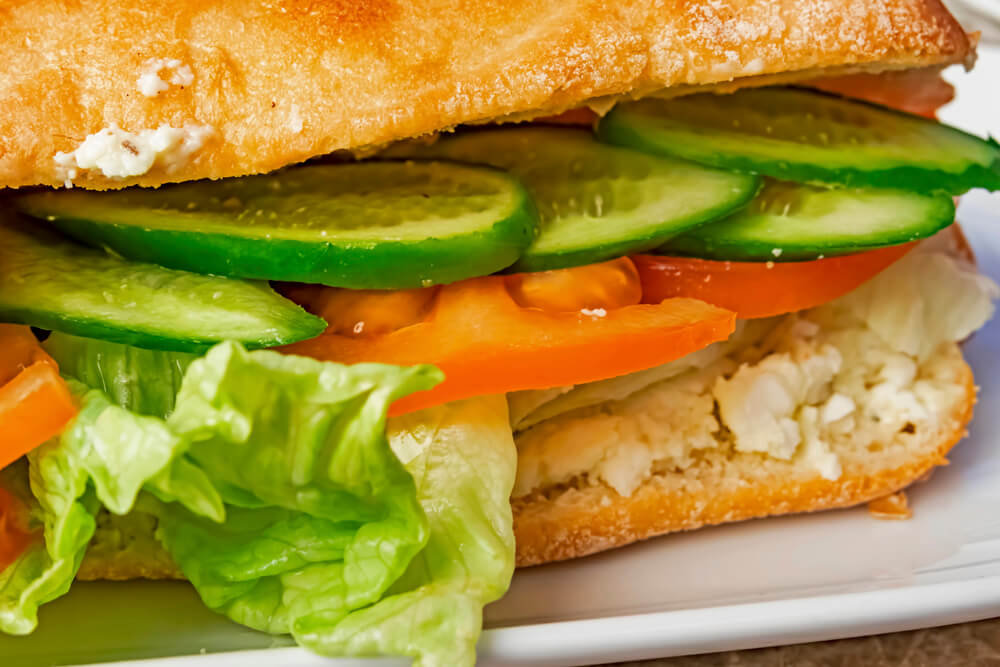
Sliced dill pickles on a bed of cream cheese created a salty, tangy sandwich. Some children rolled it up in a tortilla or a slice of ham.
The brine tended to seep out by lunchtime.
The Potato Chip Sandwich
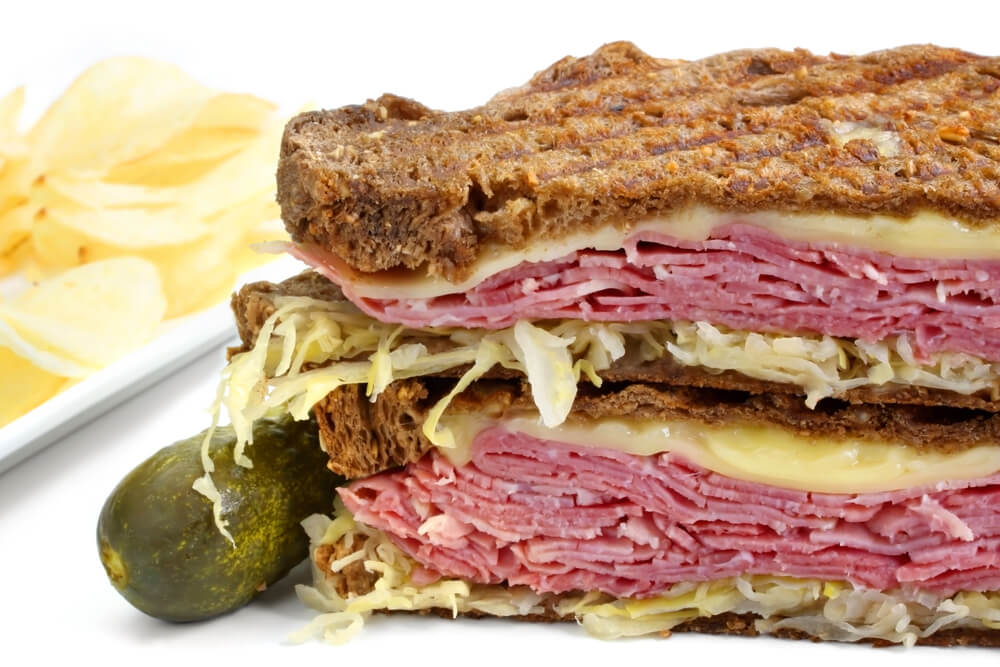
Crushed potato chips between two slices of buttered bread added a loud crunch. Children praised it as the best sandwich ever.
Parents tolerated it as a rare treat.
Tomato and Mayonnaise
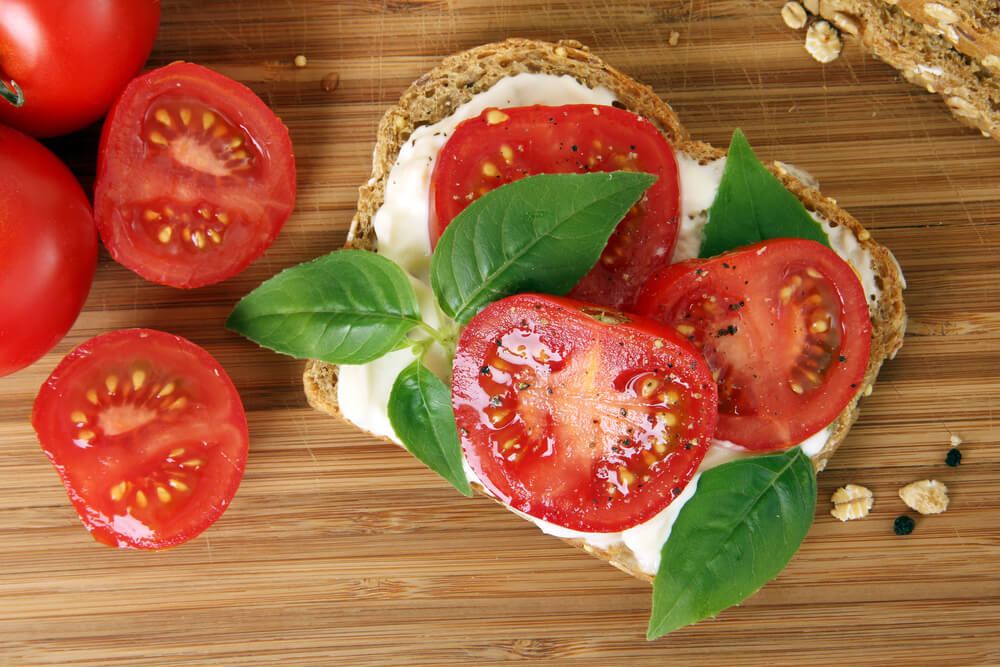
In summer, a thick slice of garden tomato on white bread with mayonnaise was a lunch in itself. A pinch of salt was all it needed.
It was messy and delicious.
Sunflower Seed Butter
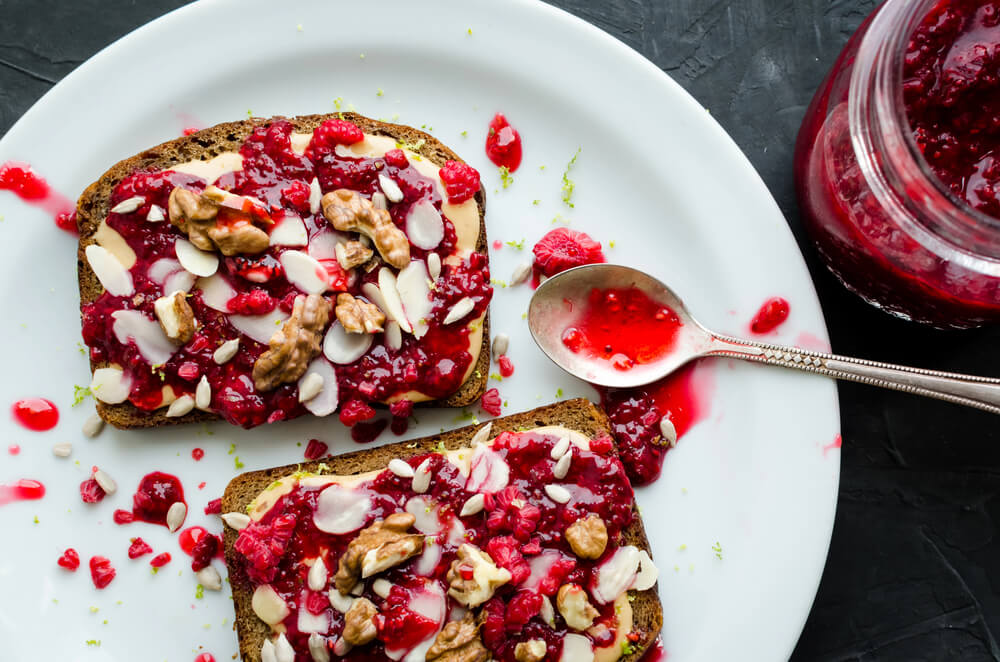
As more schools restricted peanuts, sunflower seed butter became a common replacement. It had a similar texture and a slightly earthy taste.
Some versions turn green when baked, a harmless chemical reaction.
The Sandwich That Held a Family’s History

Every filling on this list carried a story about thrift, geography, or habit. Families packed what they had, what they liked, and what their parents had packed before them.
The sandwich became a quiet record of how people ate. A lunchbox opened at noon offered a small lesson in family taste. Some fillings have faded, while others have returned in new forms.
The humble sandwich remains endlessly adaptable.
More from Go2Tutors!

- 27 Silver Dollars and Half Dollars Worth Keeping
- 28 Restaurant Menu Items Nobody Orders Anymore
- 17 Places Built in Seemingly Impossible Spots
- 27 Vintage Rings Worth More Than They Look
- 25 Restricted Sites Tourists Can’t Enter
Like Go2Tutors’s content? Follow us on MSN.