16 Trending Skincare Ingredients Explained
Skincare has become more complicated than ever before. Walk into any store or scroll through any beauty website, and you’ll see bottles covered with names that sound like they belong in a chemistry lab.
Some ingredients promise to turn back time, while others claim to fix every skin problem imaginable. The truth is, understanding what you’re putting on your face doesn’t have to feel like studying for a science exam.
Let’s break down what these popular ingredients actually do and whether they’re worth the hype.
Hyaluronic acid

Despite having ‘acid’ in its name, this ingredient won’t burn or irritate your skin at all. Hyaluronic acid works like a sponge that can hold up to 1,000 times its weight in water.
Your skin naturally produces this substance, but the amount decreases as you get older. When you apply products containing hyaluronic acid, it pulls moisture from the air and locks it into your skin, making everything look plumper and smoother.
People with dry skin especially love this ingredient because it provides intense hydration without feeling heavy or greasy.
Niacinamide
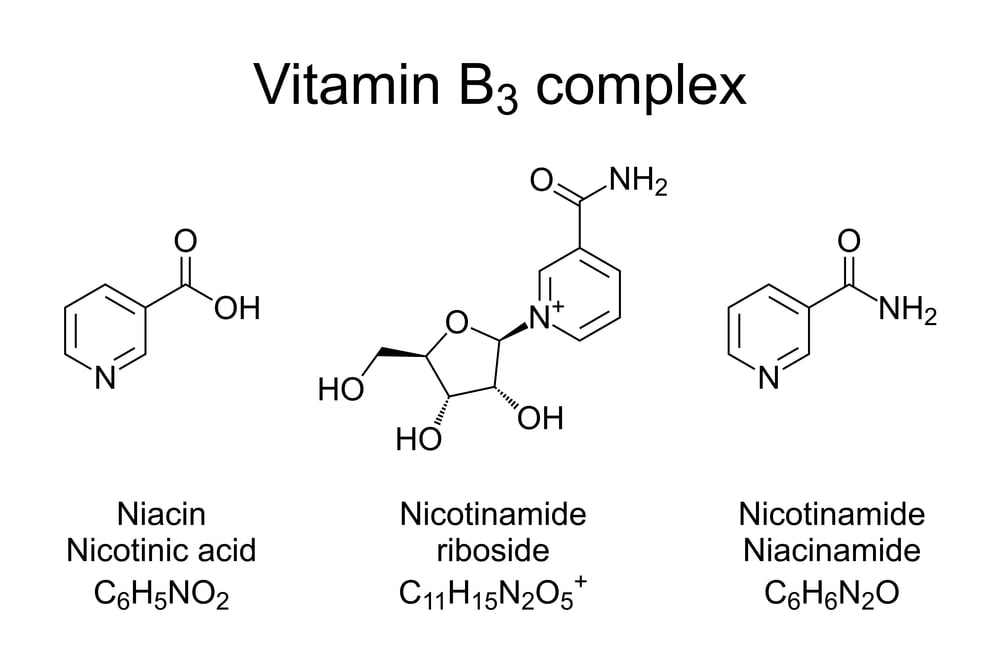
This ingredient goes by another name: vitamin B3. Niacinamide does multiple jobs at once, which explains why it shows up in so many products these days.
It helps strengthen the skin’s protective barrier, reduces redness and irritation, and can even out skin tone by fading dark spots. Research shows it also helps control oil production, making it useful for people dealing with breakouts.
The best part is that niacinamide plays well with other ingredients, so you can layer it with almost anything else in your routine.
Retinol

Dermatologists have recommended retinol for decades, and it remains one of the most researched skincare ingredients available. This vitamin A derivative speeds up cell turnover, which means your skin sheds old cells faster and creates fresh ones more quickly.
Regular use can reduce fine lines, fade dark spots, and improve skin texture. However, retinol can cause dryness and peeling when you first start using it, so most experts suggest beginning with a low concentration and applying it just once or twice a week.
Vitamin C

This antioxidant protects skin from damage caused by pollution, sunlight, and other environmental stressors. Vitamin C also brightens dull skin and helps fade discoloration by interfering with the production of excess pigment.
Many people use it in the morning because it provides an extra layer of defense against daily damage. The ingredient comes in different forms, with L-ascorbic acid being the most potent but also the most unstable.
Products with vitamin C need to be stored properly because the ingredient breaks down when exposed to light and air.
Salicylic acid
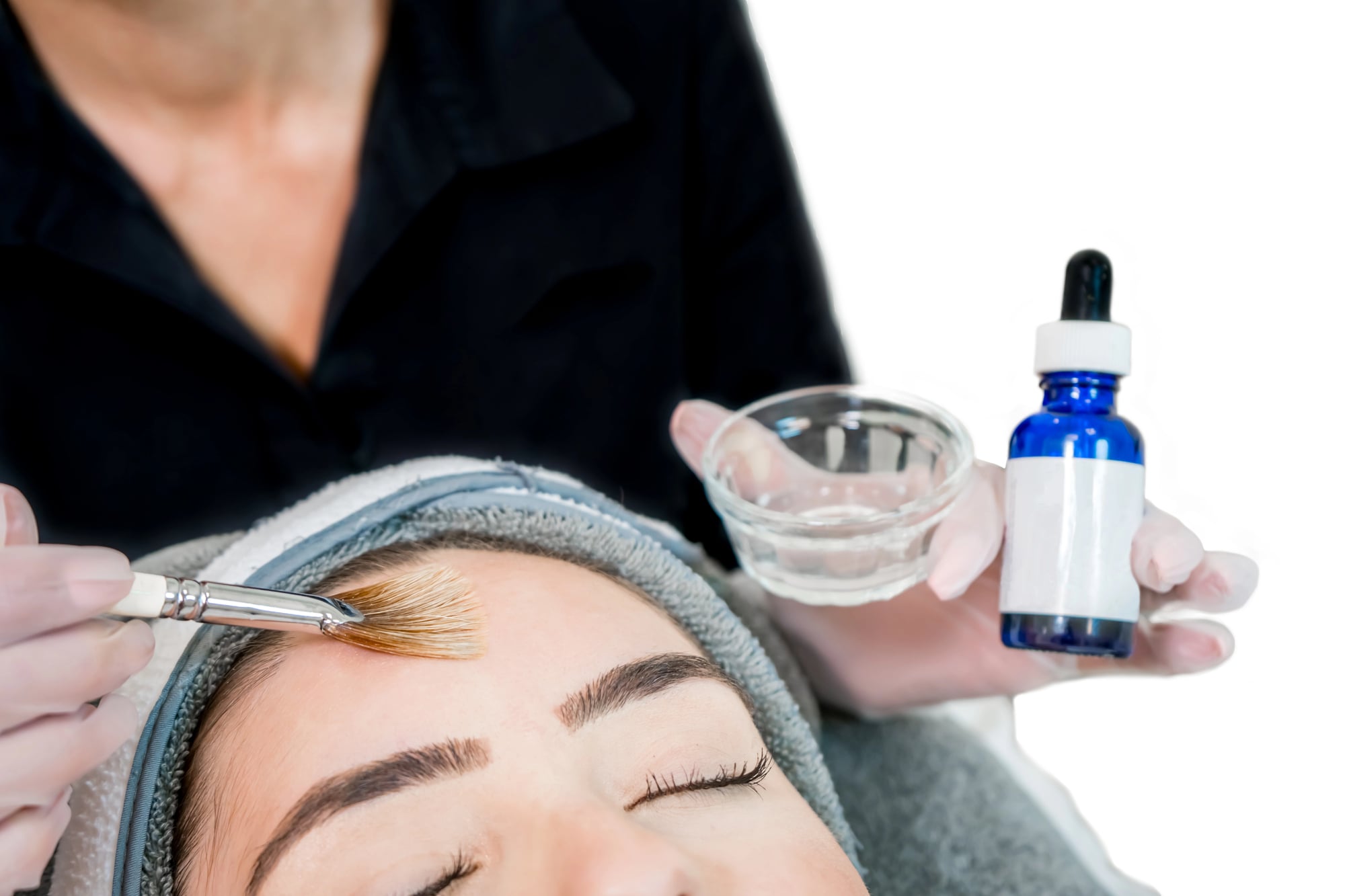
Anyone who has dealt with acne has probably encountered this ingredient at some point. Salicylic acid belongs to a group called beta hydroxy acids, and it has a special ability to dive deep into pores and clear out the oil and dead skin cells that cause breakouts.
Unlike other exfoliating acids, this one can cut through oil, which makes it particularly effective for people with oily or combination skin. It also reduces inflammation and redness around blemishes.
Products containing salicylic acid come in various strengths, from gentle daily cleansers to more powerful spot treatments.
Glycolic acid
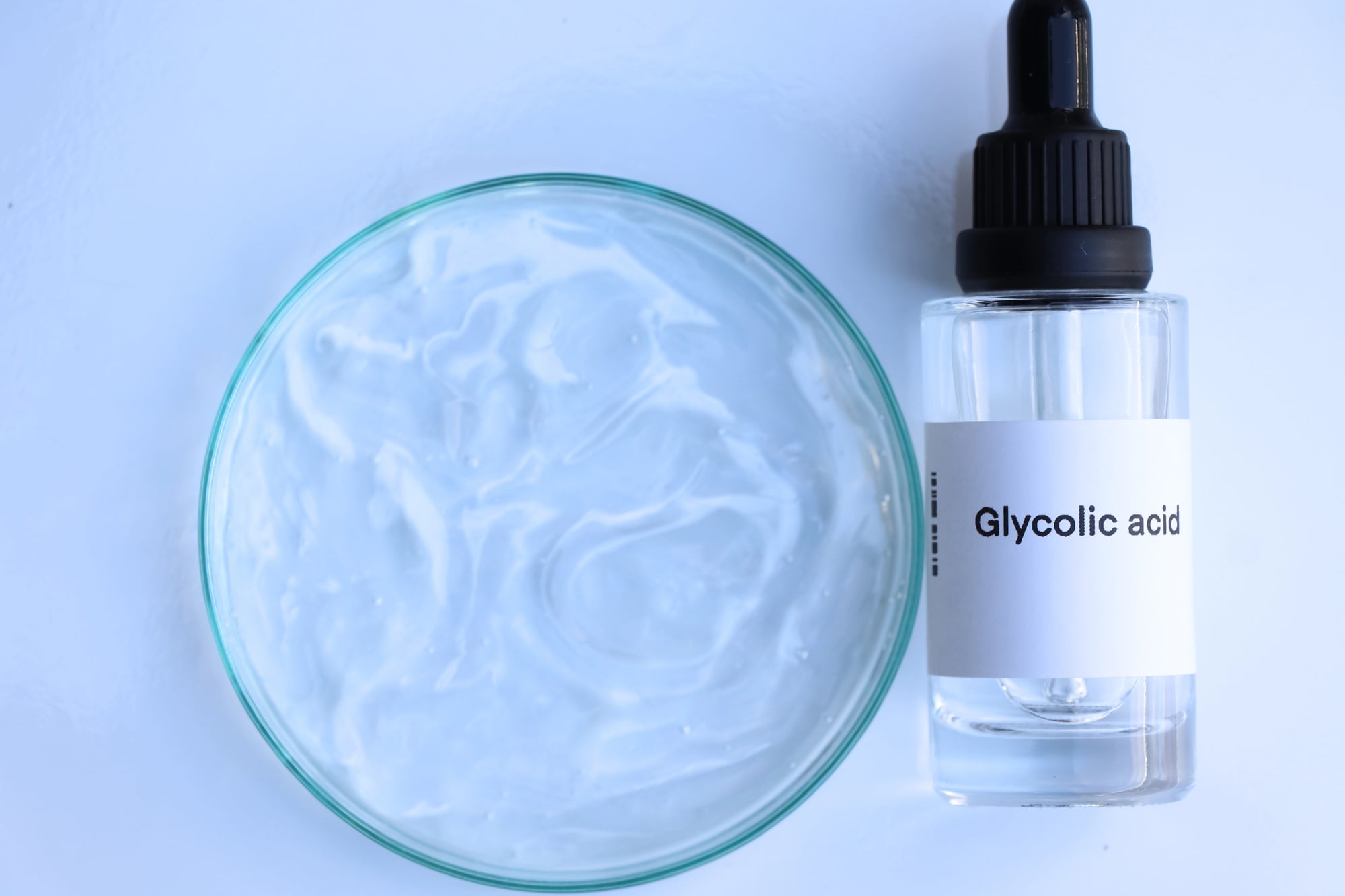
This alpha hydroxy acid comes from sugar cane and works by dissolving the bonds that hold dead skin cells together. When those cells shed away, newer and smoother skin appears underneath.
Glycolic acid has the smallest molecular size among the AHAs, which allows it to penetrate deeply and work effectively. Regular use can improve skin texture, reduce the appearance of fine lines, and create a more even complexion.
People with sensitive skin should approach this ingredient carefully because it can cause irritation if used too frequently or at high concentrations.
Peptides
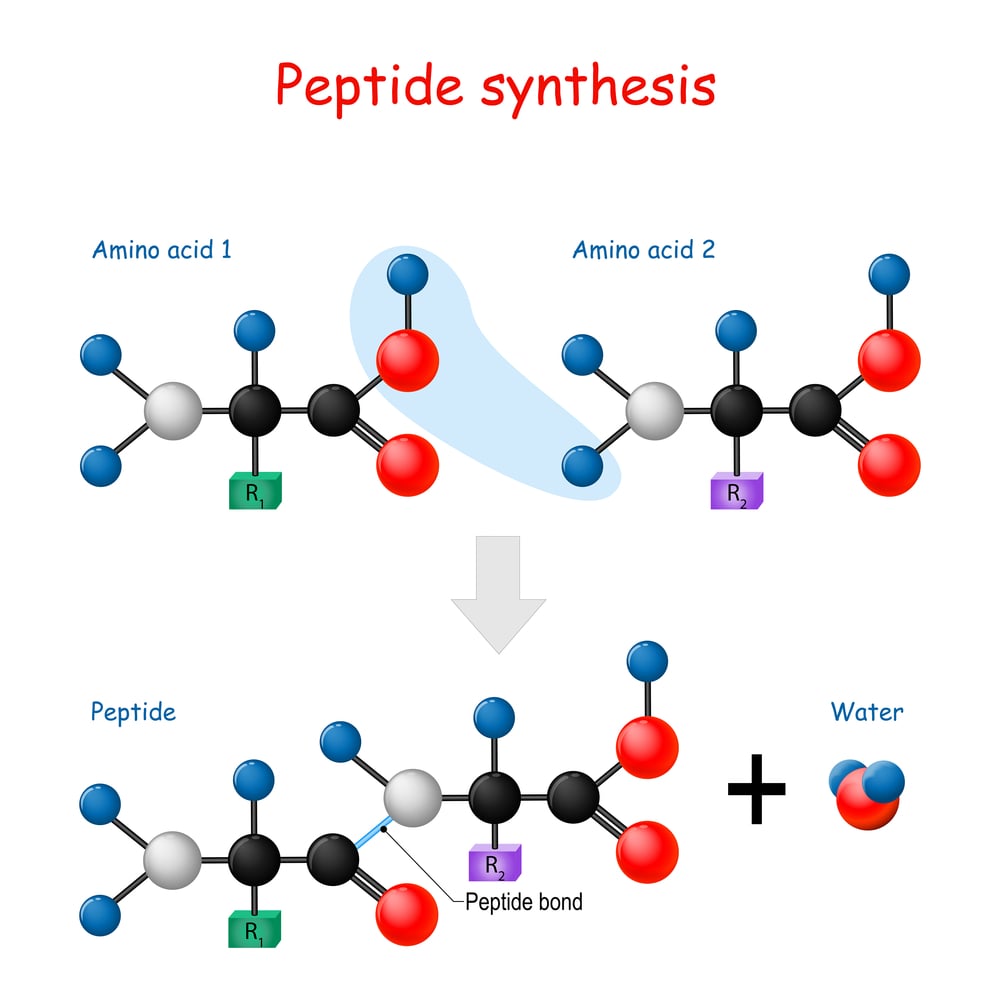
These short chains of amino acids act like messengers that tell your skin to perform specific tasks. Different peptides do different things, but many of them signal the skin to produce more collagen and elastin, the proteins that keep skin firm and bouncy.
As we age, our bodies make less collagen naturally, which leads to sagging and wrinkles. Products with peptides attempt to counteract this decline by encouraging the skin to ramp up production again.
While they won’t deliver the dramatic results of retinol, peptides provide a gentler option for people who can’t tolerate stronger ingredients.
Ceramides
Think of ceramides as the mortar between the bricks of your skin cells. These lipid molecules help form the skin’s protective barrier, keeping moisture in and irritants out.
When this barrier gets damaged from harsh products, weather, or aging, skin becomes dry, sensitive, and prone to irritation. Products containing ceramides help repair and strengthen this barrier.
People with conditions like eczema often have lower levels of ceramides in their skin, which is why dermatologists frequently recommend ceramide-rich products for these patients.
Alpha arbutin
This ingredient targets dark spots and uneven skin tone without causing the irritation that some other brightening ingredients can trigger. Alpha arbutin works by blocking the enzyme responsible for producing melanin, the pigment that gives skin its color.
When melanin production slows down, existing dark spots gradually fade and new ones are less likely to form. It’s considered gentler than hydroquinone, a stronger brightening ingredient that has fallen out of favor due to safety concerns.
Results take time, though, and most people need to use alpha arbutin consistently for several weeks before seeing noticeable changes.
Azelaic acid

Originally used to treat acne, this ingredient has proven itself useful for multiple skin concerns. Azelaic acid fights breakouts by killing acne-causing bacteria and preventing pores from getting clogged.
It also reduces inflammation, fades dark spots, and can even help people dealing with rosacea. Unlike some other acids, this one doesn’t make skin more sensitive to sunlight, and it causes less irritation than many similar ingredients.
Prescription-strength formulas contain higher concentrations, but over-the-counter products with lower percentages still deliver noticeable results.
Tranexamic acid
This relative newcomer to skincare originally served as a medication to reduce blood during surgery. Researchers discovered it also inhibits melanin production, making it effective for treating stubborn dark spots and melasma.
Tranexamic acid works differently than other brightening ingredients, which is why some dermatologists recommend combining it with vitamin C or niacinamide for better results. Studies show it can fade discoloration that hasn’t responded well to other treatments.
The ingredient comes in both topical and oral forms, though most people start with topical products.
Centella asiatica

This plant extract goes by several names, including cica, tiger grass, and gotu kola. Traditional medicine has used centella for centuries to heal wounds and calm irritated skin.
Modern skincare products include it for its ability to reduce redness, strengthen the skin barrier, and speed up healing. People with sensitive or reactive skin particularly appreciate centella because it soothes without causing additional irritation.
The ingredient also contains antioxidants that protect against environmental damage. Korean beauty brands popularized centella, but now it appears in products from companies around the world.
Bakuchiol

Coming from the babchi plant, bakuchiol is usually seen as a gentler option instead of retinol. Research shows it can help smooth wrinkles and refine skin feel – much like retinol – but tends to skip the flaking or redness.
Because of this, folks with delicate skin or expecting mothers steering clear of strong ingredients might prefer it. It also fights damage with antioxidants and helps calm irritation.
Still, even though early findings are positive, there’s less proof overall compared to retinol, so changes might be subtler.
Squalane

Human skin makes something called squalene (that’s spelled with an ‘e’), yet the form used in skincare – squalane (with an ‘a’) – is tougher and lasts longer, sourced from olives or sugarcane. This light oil acts like your skin’s own oil, so it hydrates well without leaving a sticky or thick layer behind.
Instead of feeling heavy, it sinks in fast, fitting every kind of skin – even if yours gets oily or breaks out easily. Besides locking in moisture, it fights damage from the environment while boosting how deep other products go into your skin.
Since it closely matches what your body already creates, chances are low you’ll get irritation or pimples using it.
Lactic acid

This AHA is sourced from milk, offering milder scrubbing action compared to glycolic acid. Instead of just sloughing off dead skin, it pulls in hydration – making it stand out for those dealing with dryness.
Over time, it helps fade uneven tone, soften bumps, and make tiny wrinkles look less noticeable. Long ago, folks soaked in milk for glowing skin; today’s versions work better thanks to smarter mixes.
Since it’s easier on the face, beginners usually try this one before jumping into harsher options.
Kojic acid
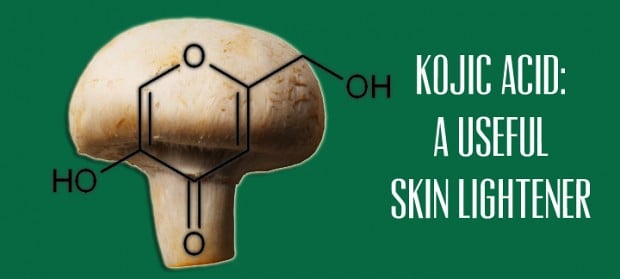
Mushrooms make this stuff naturally – it’s now a go-to for tackling dark patches and blotchy skin. Instead of just slowing pigment, it stops the trigger enzyme, kind of like alpha arbutin does.
Really shines when it comes to lightening UV marks or red spots from old breakouts. A few folks notice mild stinging or itchiness, mostly if the formula packs a stronger dose.
Products usually pair it with other lighteners – say, vitamin C or glycolic acid – to boost effects. With kojic acid, sticking to a routine is key; fading dark spots generally takes weeks before you see real change.
Where skincare is heading now

The stuff stacked on bathroom counters now came from tons of trial and error. While some actually work, others fall flat – helping one person but skipping past another.
Your skin responds in its own way, shaped by DNA, where you live, plus a bunch of hidden elements experts haven’t cracked yet. What matters most? Picking components that tackle your issues without stinging or messing things up.
With science moving forward, don’t be surprised when fresh lab-born actives pop up in regular bottles, each shouting they’re the newest game-changer for skin.
More from Go2Tutors!

- The Romanov Crown Jewels and Their Tragic Fate
- 13 Historical Mysteries That Science Still Can’t Solve
- Famous Hoaxes That Fooled the World for Years
- 15 Child Stars with Tragic Adult Lives
- 16 Famous Jewelry Pieces in History
Like Go2Tutors’s content? Follow us on MSN.



