29 Living Room Gadgets Americans Wanted in the 1980s
The 1980s turned the American living room into a hardware showroom. Every year brought another box that promised to blink, beep, record, or play something, and families cleared space on the entertainment center to make room.
Some of these gadgets lasted for decades. Others vanished within a few years, leaving behind only a tangle of cables and a vague memory of how loud they were.
The VCR That Took Over the Television
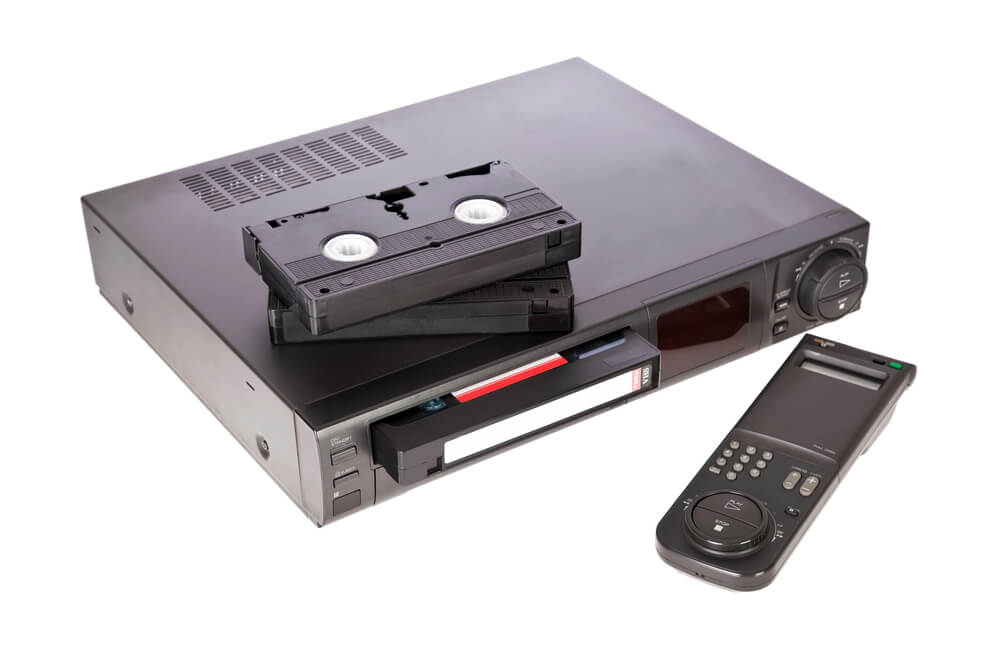
Sony and JVC had their tape formats on the market by the late 1970s, but the 1980s made the videocassette recorder a household fixture. Blockbuster Video opened its first store in Dallas in 1985, and by the end of the decade a majority of American households owned a VCR.
Programming it to record a show was a skill that only one family member ever mastered.
The Wireless Remote Control
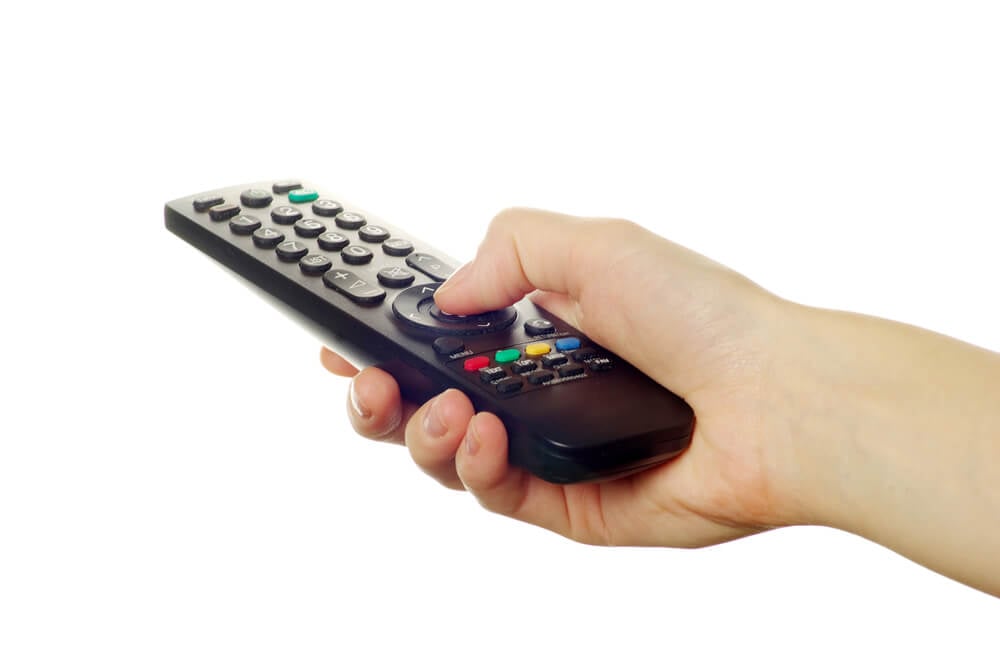
Zenith introduced its Space Command remote in 1956, and it worked by sending ultrasonic clicks to the set. By the 1980s, infrared remotes had become standard, and the wired remote on a long cord was fading out.
The lost remote, wedged somewhere in the couch cushions, became a household ritual.
The Cable Converter Box
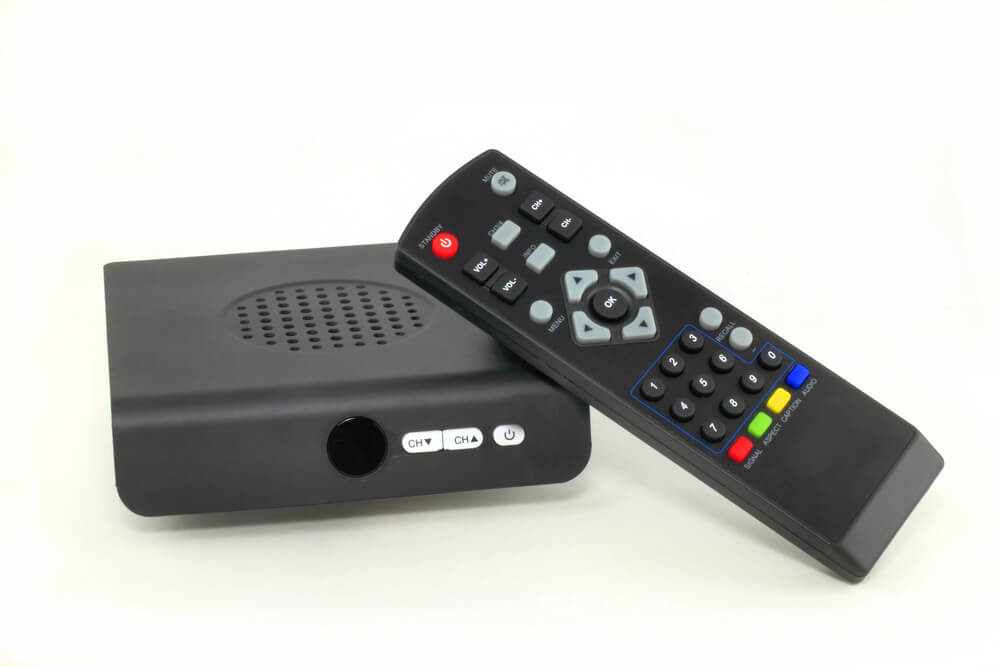
Early cable subscribers often received a bulky box that sat on top of the television, topped with a slide switch or a row of buttons. The television stayed parked on channel 3 while the box did the actual tuning.
Premium channels arrived as a monthly add-on, and a rented box was part of the bill.
The Atari 2600
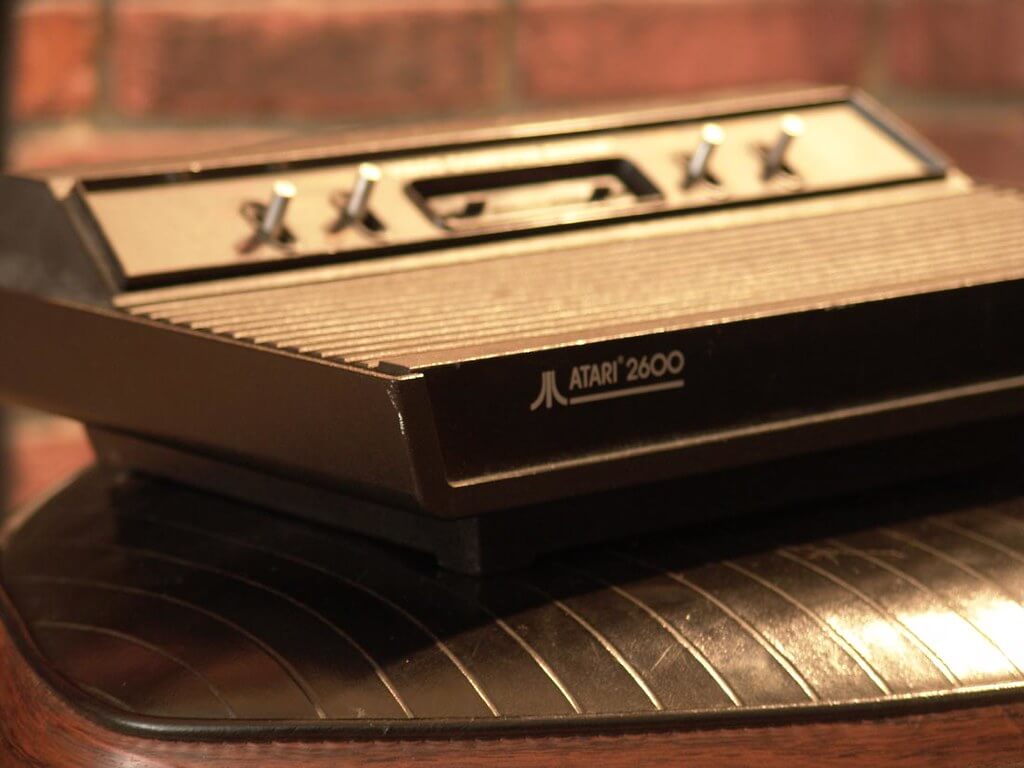
Atari released the Video Computer System in 1977, and by the early 1980s it was in millions of homes. The console had a faux wood-grain front and a joystick with a single red button.
Cartridges swapped in and out, which was the point, and the console’s sales dwarfed every competitor’s for years.
The Intellivision
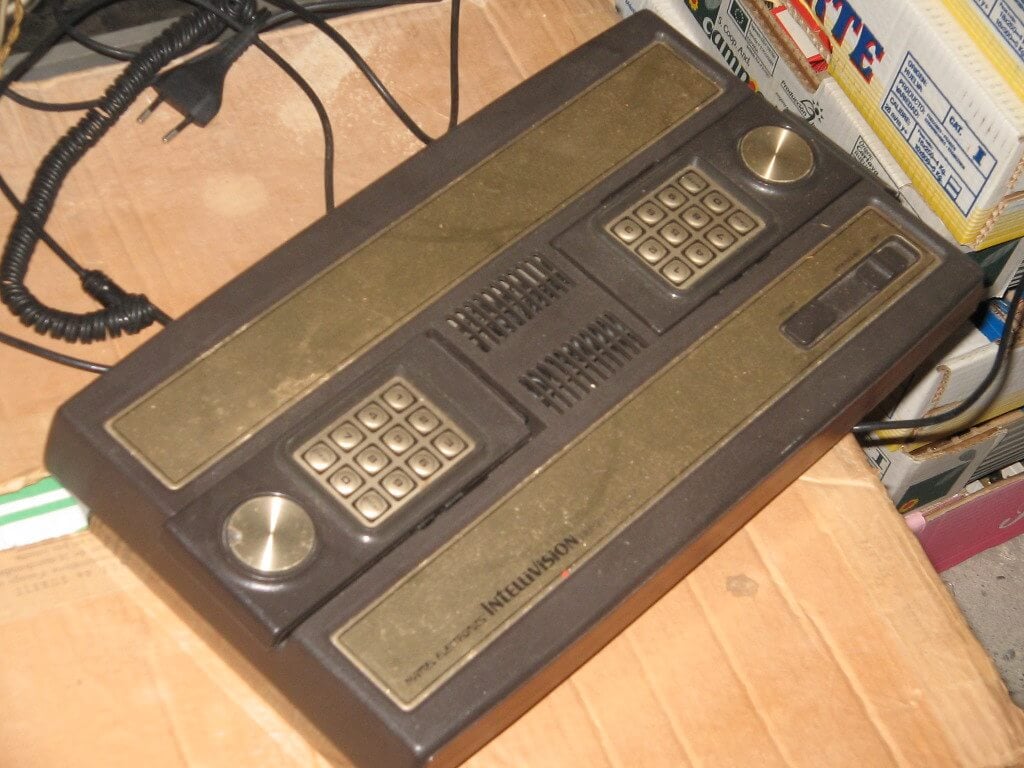
Mattel’s console reached the national market around 1980, with graphics that looked sharper than the Atari’s. Its controllers carried a numeric keypad and a disc for steering, and plastic overlays slid over the keypad for each game.
Those overlays were easy to lose, which made certain cartridges unplayable by the second year.
The ColecoVision
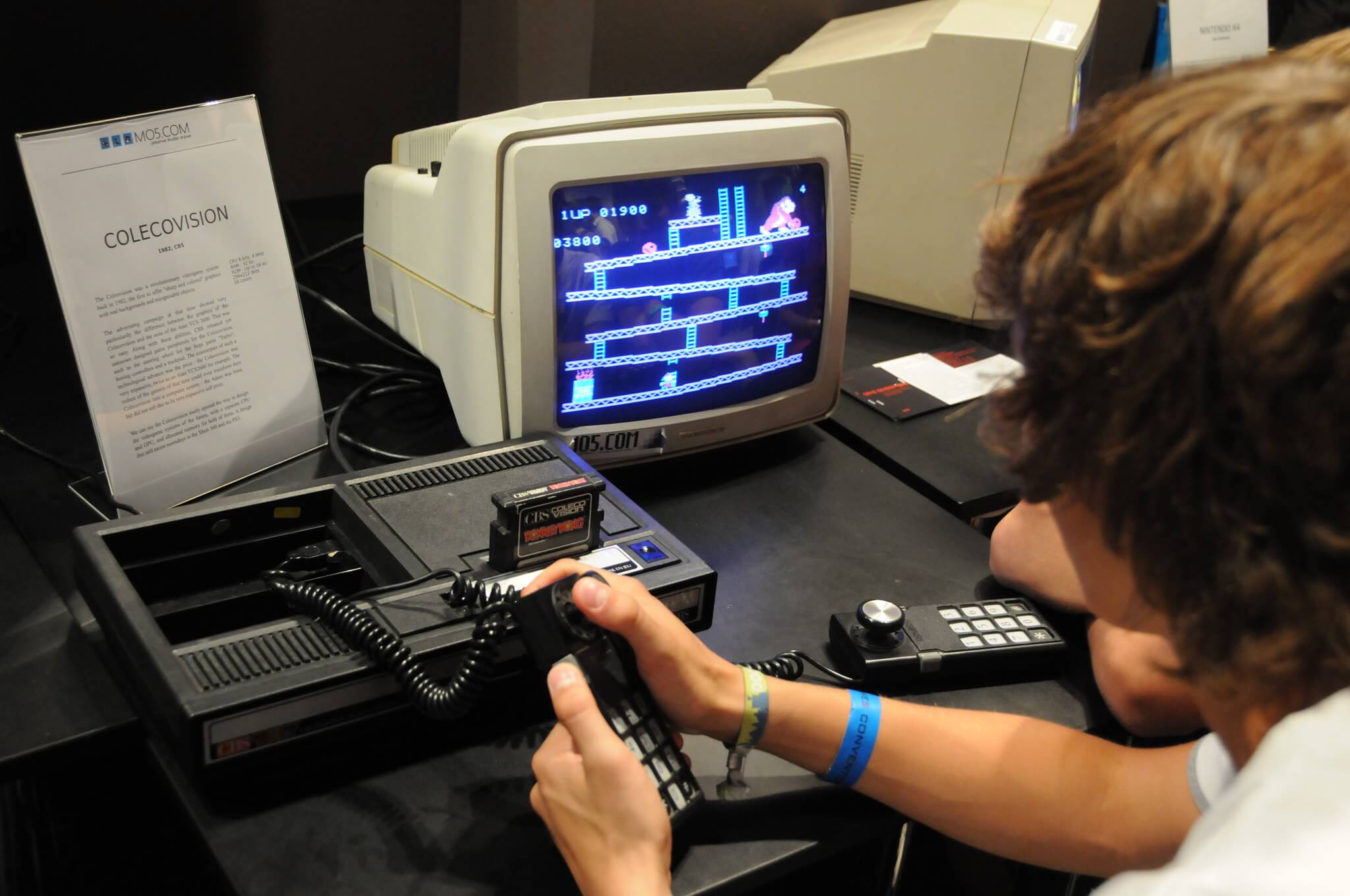
Coleco launched its console in 1982 and packed in Donkey Kong, a home version of a hit arcade game that was a major selling point. The controllers combined a joystick with a keypad and side buttons.
The console was a strong seller for a short time before the video game market cooled.
The Magnavox Odyssey²
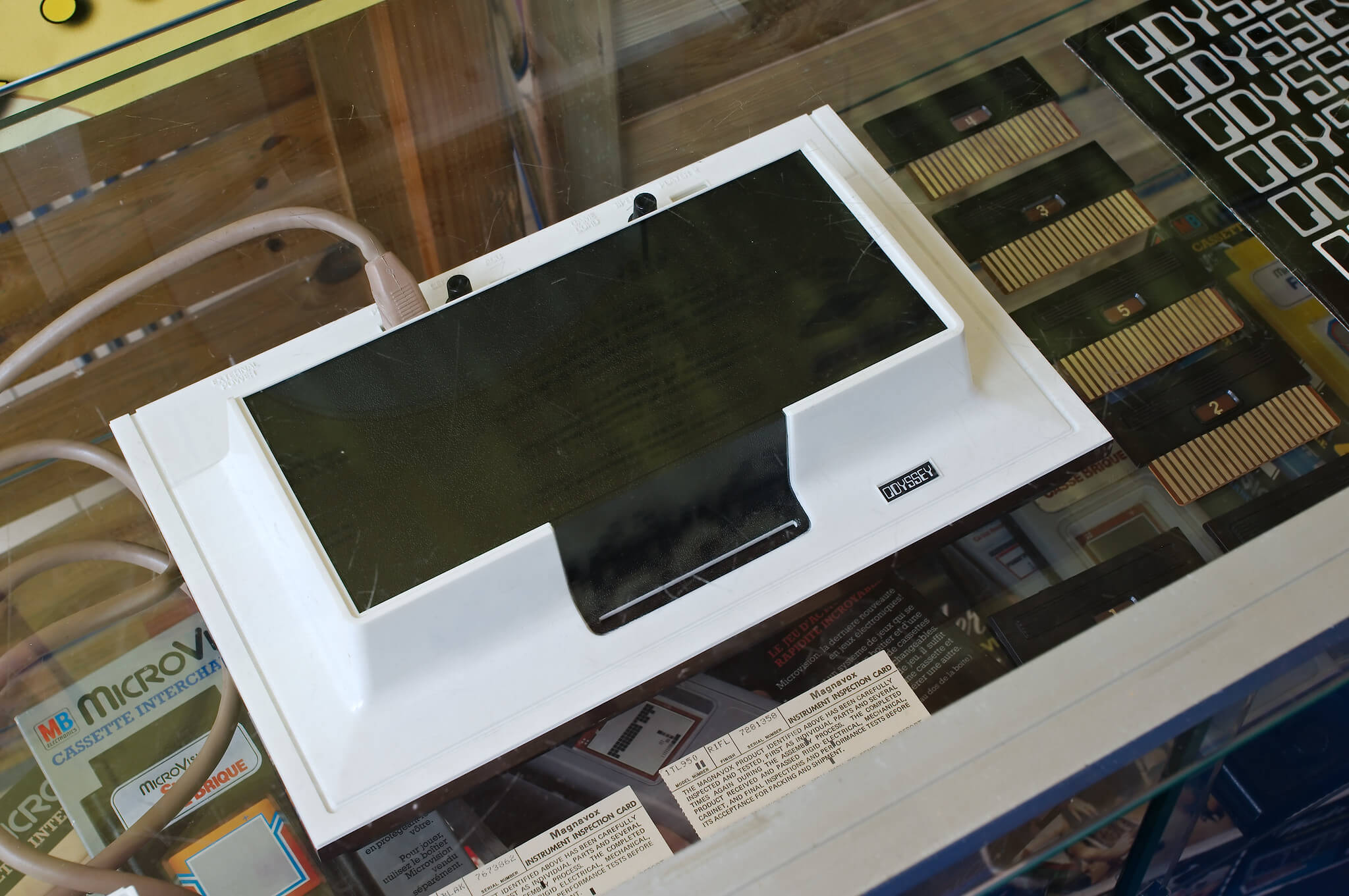
Magnavox followed its original Odyssey with a console in 1978 that included a built-in membrane keyboard. The keyboard suggested the machine could be a computer someday, which it never quite became.
Families who owned one tended to remember it for the keyboard more than for the games.
The Nintendo Entertainment System
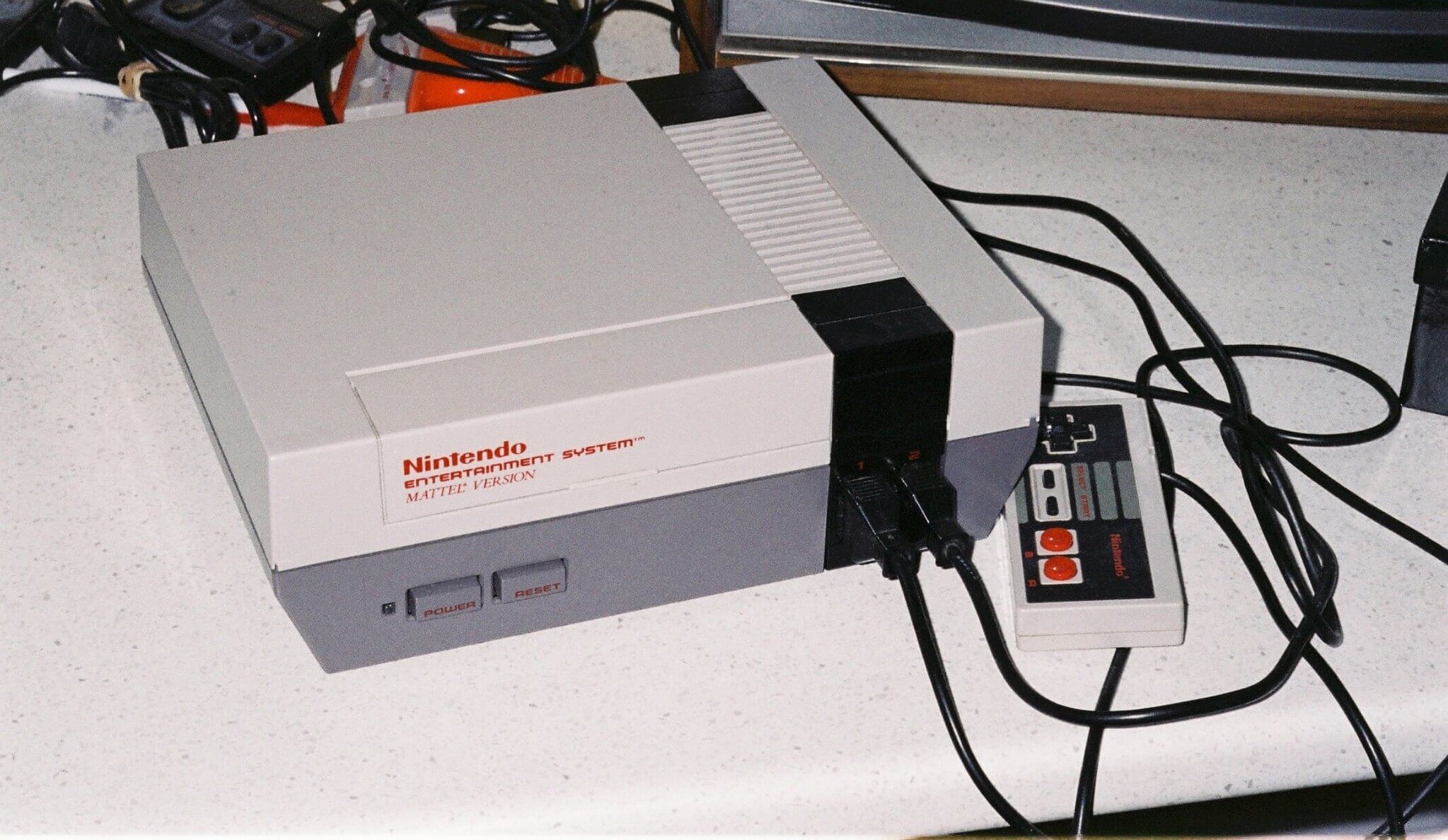
Nintendo tested its console in New York in late 1985 and expanded across the country in 1986. The package arrived with a robot accessory called R.O.B., which was meant to make the gray box look like a toy rather than a game system.
The robot was soon forgotten, but the console, with its controllers and cartridges, was not.
The Sega Master System
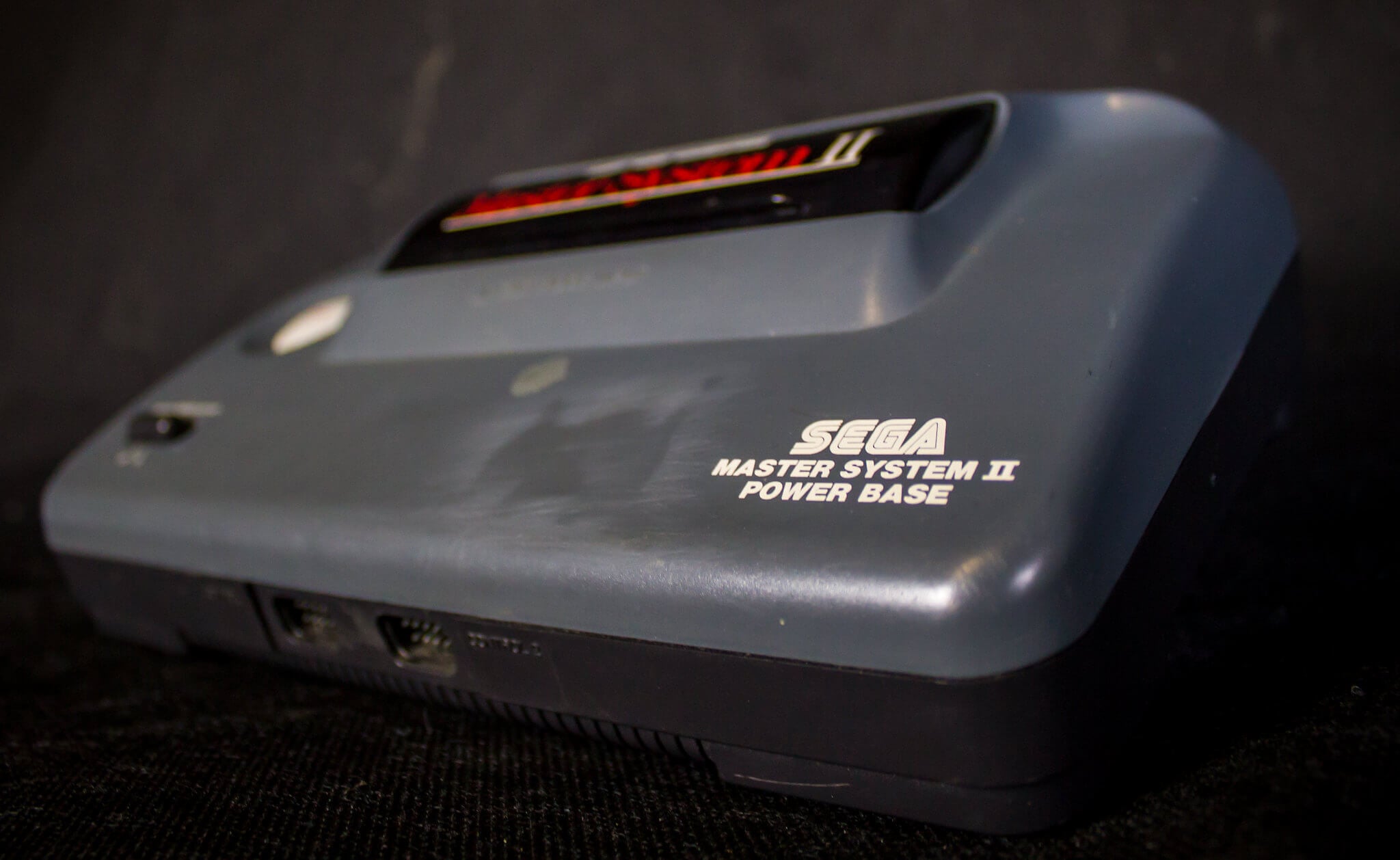
Sega’s 8-bit console reached the United States in 1986 and went up against Nintendo’s dominance. Its cartridges were thin cards rather than bricks, and the system had a loyal following among kids who preferred its arcade-style ports.
It sold far less than the Nintendo console but remained a cult favorite.
The NES Zapper
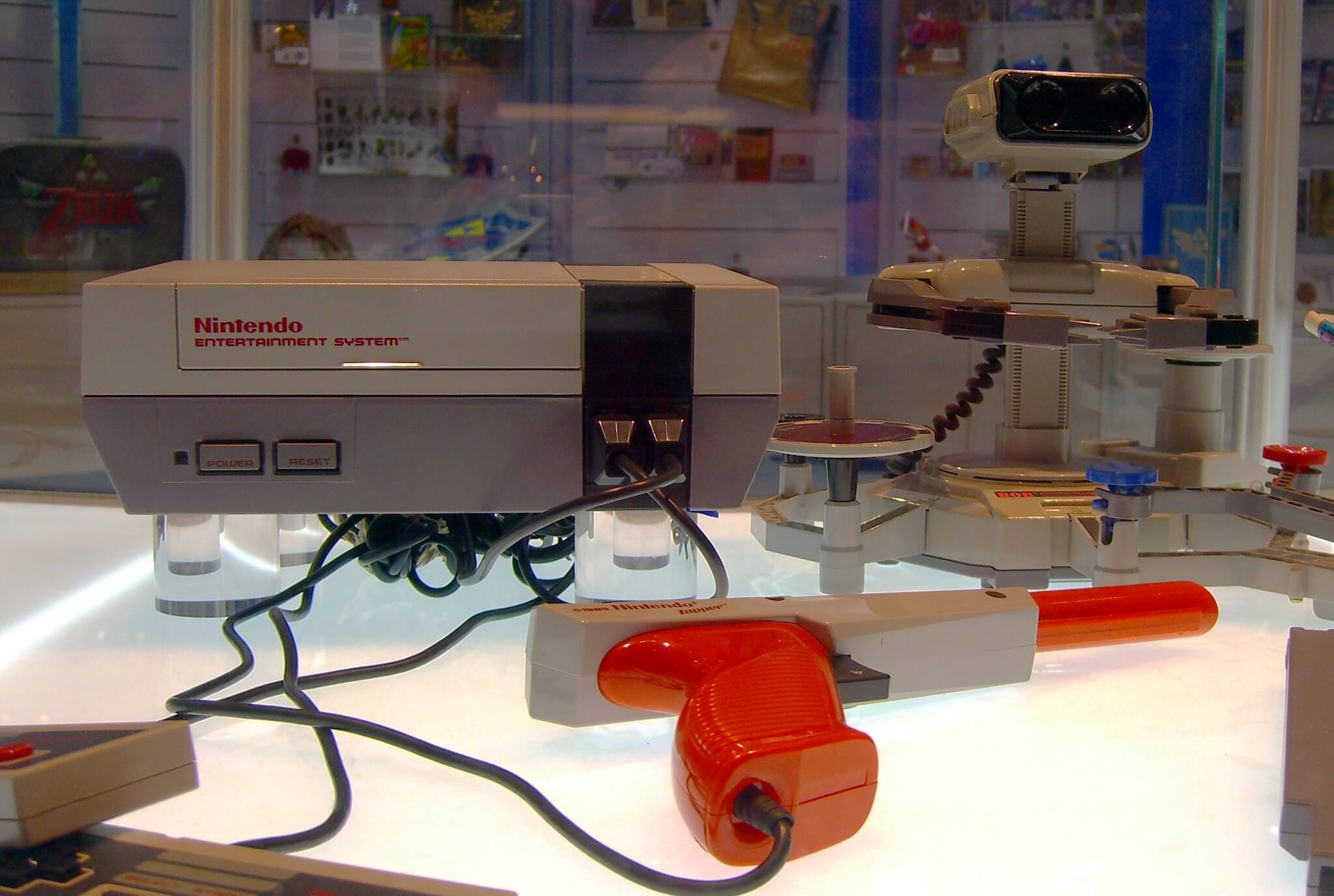
Nintendo’s orange-and-gray light gun let players shoot at ducks on screen in Duck Hunt, which was bundled with the console in the late 1980s. The dog that laughed whenever a player missed became one of the most hated characters in gaming.
Players learned quickly that the gun only worked from a reasonable distance and not pressed against the glass.
The Compact Disc Player
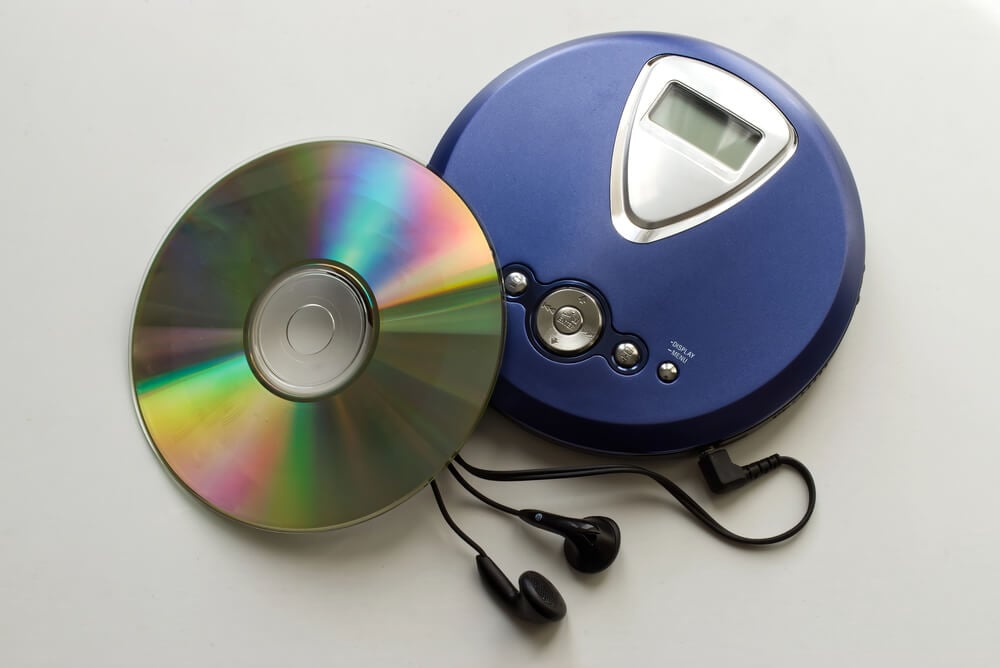
Sony and Philips introduced the compact disc in 1982, and American shoppers could buy players by 1983. Billy Joel’s album 52nd Street was among the first records pressed on the new format.
The discs were expensive, but they promised never to wear out, and early adopters showed them off to guests.
The Component Stereo Rack
A matched stack of separate components, including a receiver, a turntable, a cassette deck, and an equalizer, signaled a serious listener. Graphic equalizers with rows of sliders and glowing lights were part of the appeal.
The entire stack was usually bolted into a black rack with a glass door.
The Dual Cassette Deck
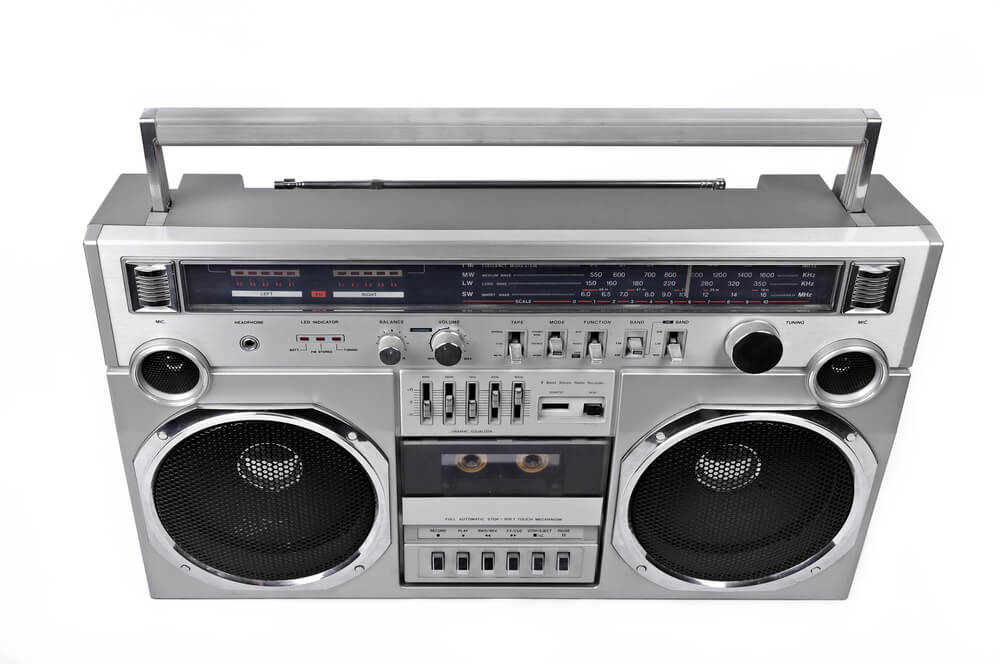
Stereos with two cassette wells let owners copy tapes at high speed, which put mixtapes within reach of every teenager. A friend’s album could be duplicated overnight, and a radio recording could be sequenced into a playlist.
The cassette became the format of the decade for exactly this reason.
The Boom Box on the Bookshelf
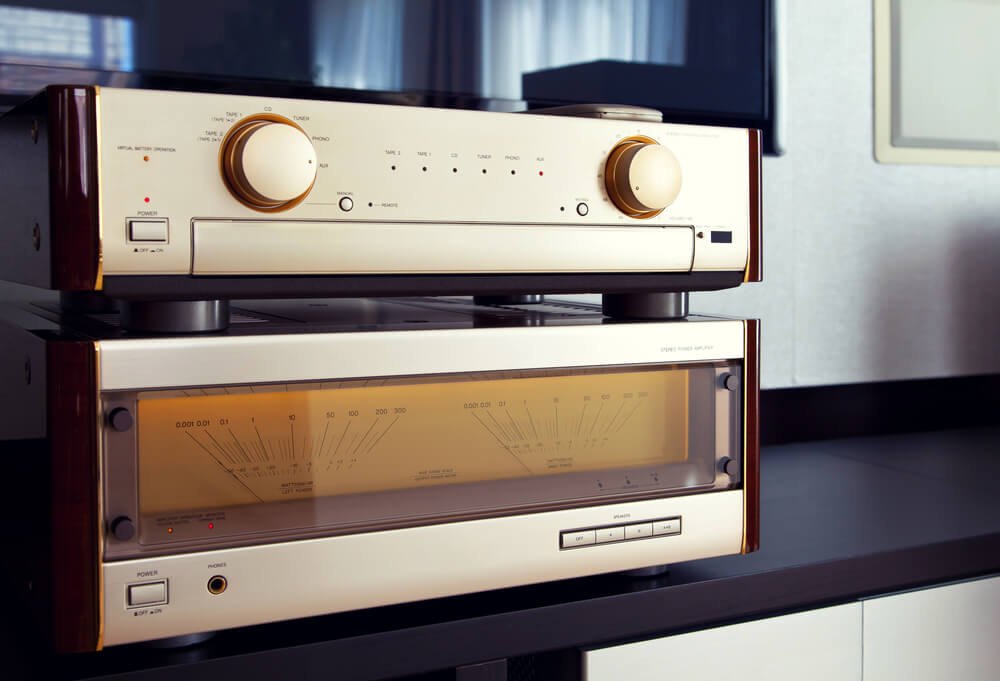
Large portable stereos with dual speakers and a cassette deck were meant to be carried on shoulders, but many ended up on living room shelves. They ate through D batteries, so owners often kept the cord plugged into a wall outlet.
A good one weighed enough to count as a workout.
The Laserdisc Player
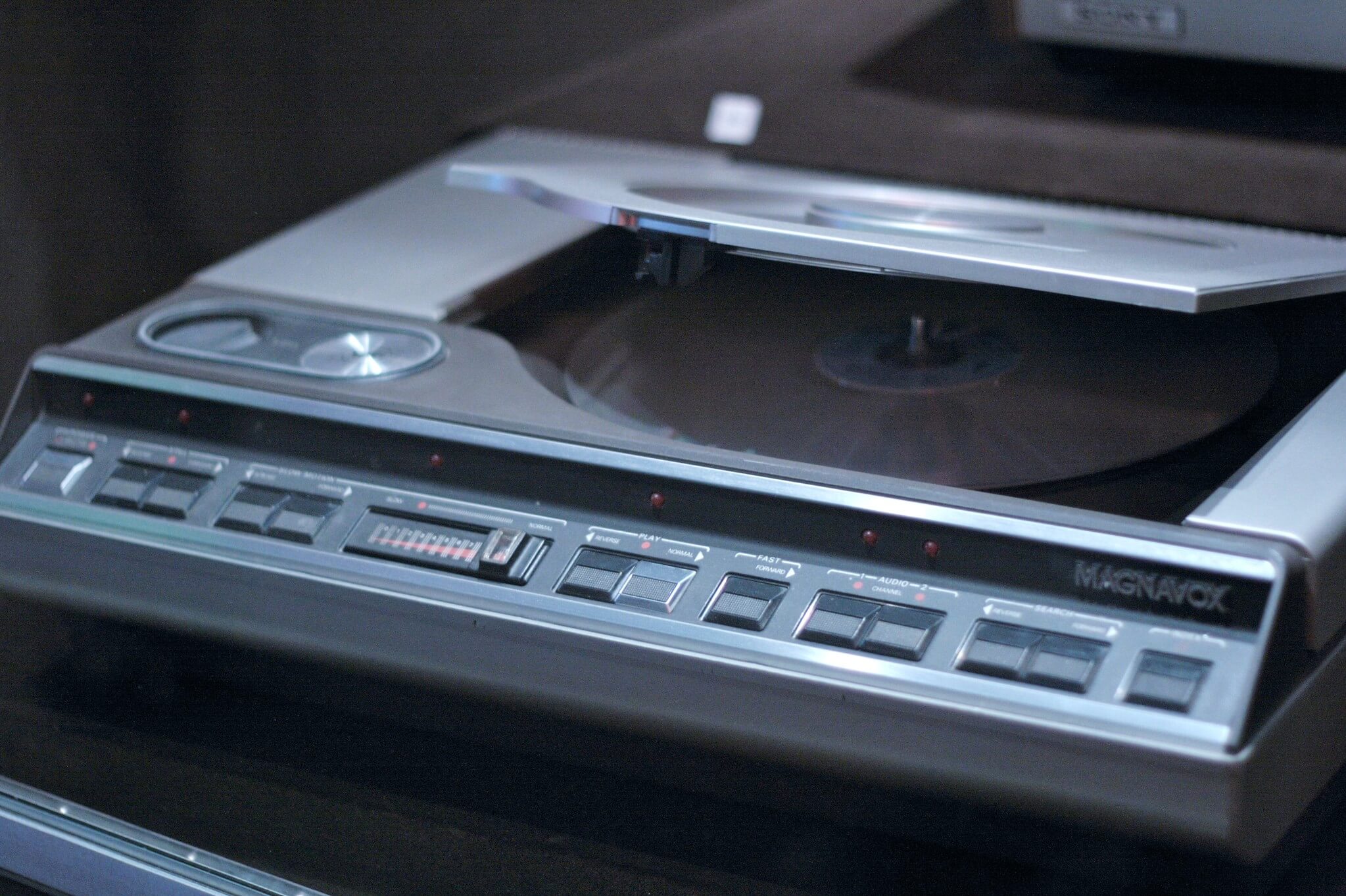
Pioneer’s laserdisc looked like a giant silver record, twelve inches across, and the picture was sharper than a VHS tape. Players required the viewer to flip the disc over partway through most movies.
Collectors loved the format, but it never became popular with the general public.
The Big-Screen Projection Television
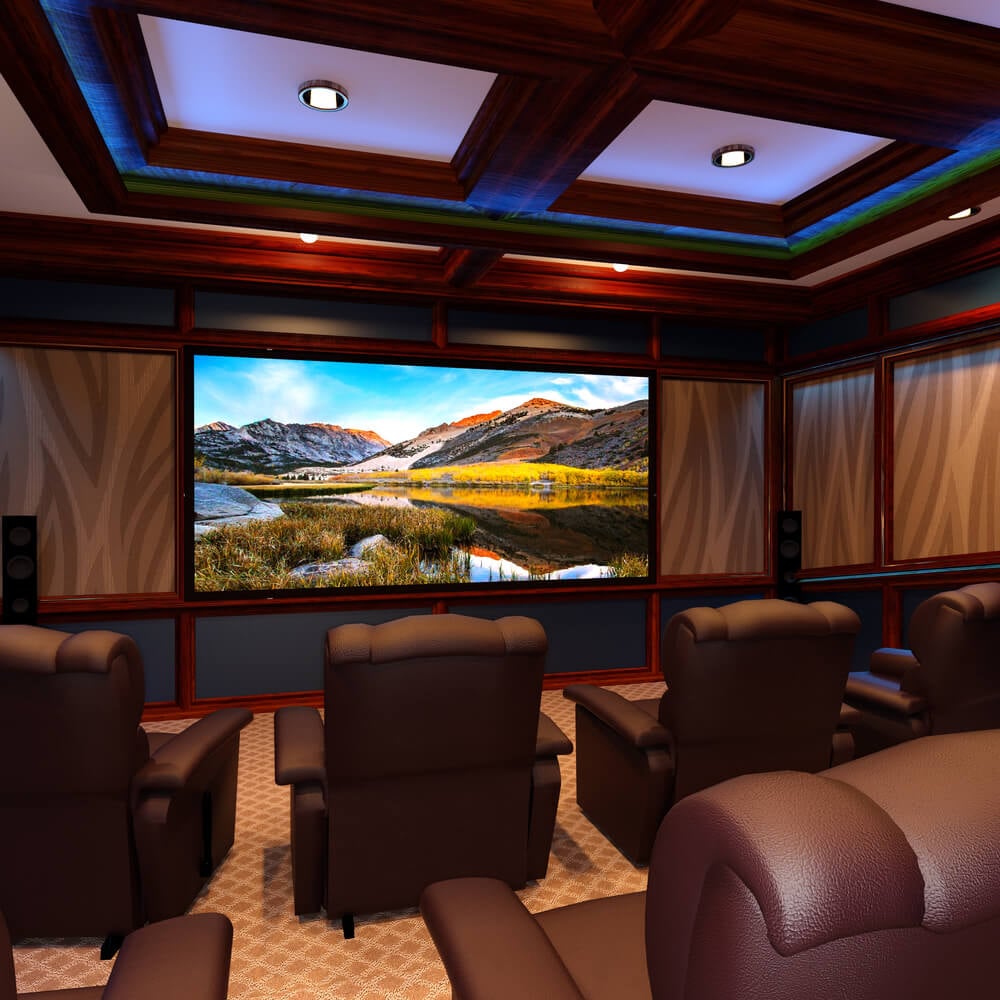
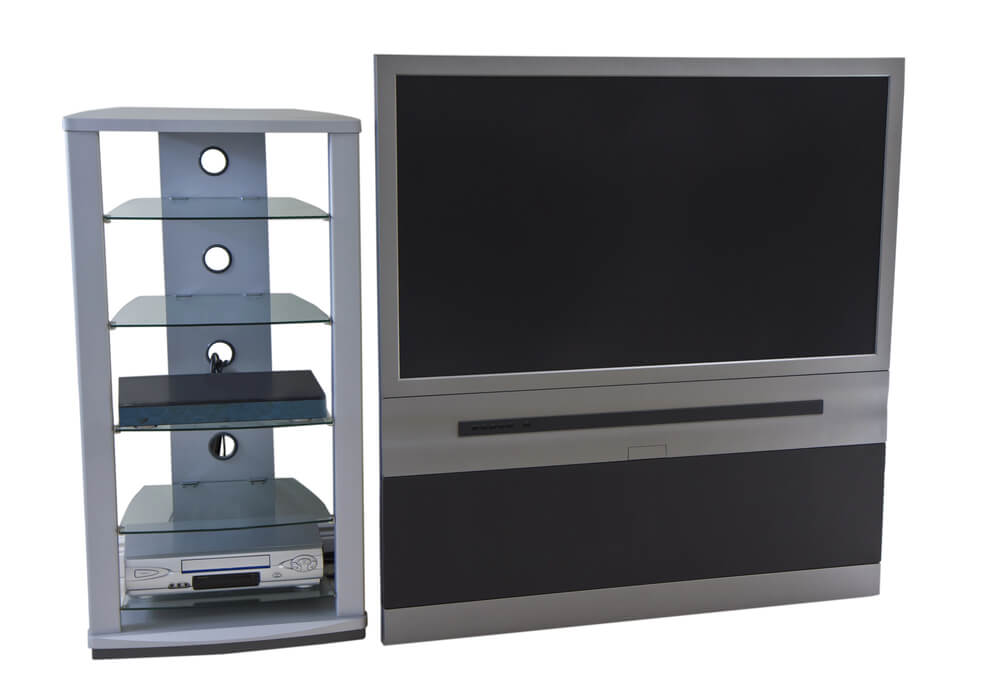
Rear-projection sets with screens of fifty inches or more were the centerpiece of well-off living rooms. They were bulky, took up a corner of the room, and had to be watched from straight on.
The picture was dim by modern standards, but the size alone made the neighbors stop by.
The Stereo Television
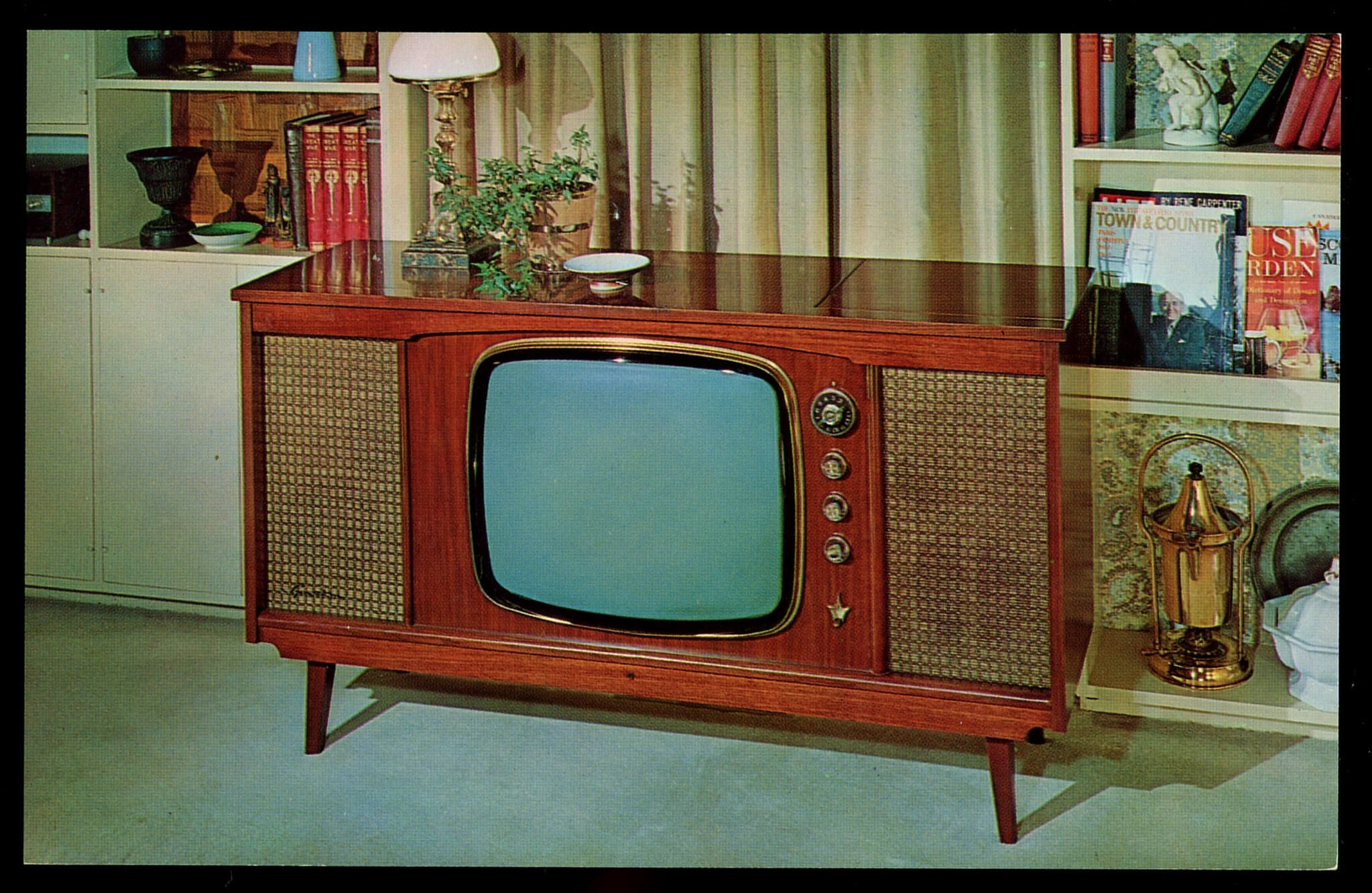
The FCC approved a standard for stereo television sound in 1984, and broadcasters began adding it over the next few years. Sets with two speakers and a stereo decoder began appearing in stores.
Music videos, which were all over the airwaves by then, made the upgrade feel necessary.
The Camcorder
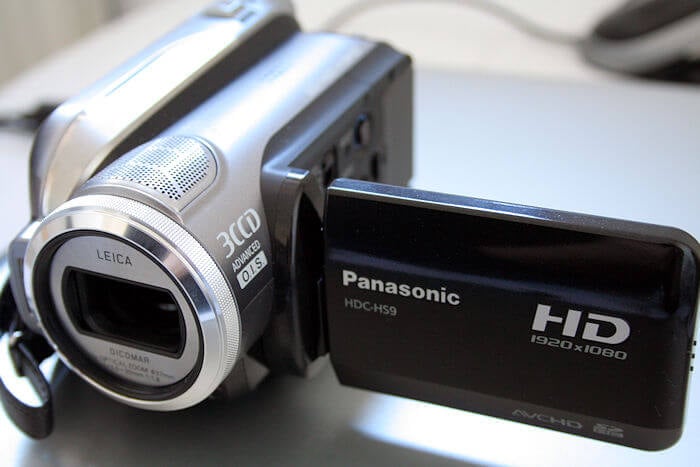
Sony and JVC introduced consumer camcorders in the mid-1980s, combining a camera and recorder in one shoulder-mounted unit. Families recorded birthday parties, school plays, and vacations on tape.
A television show built around viewers’ home videos premiered near the end of the decade, which proved that plenty of those tapes were worth watching.
The Tape Rewinder
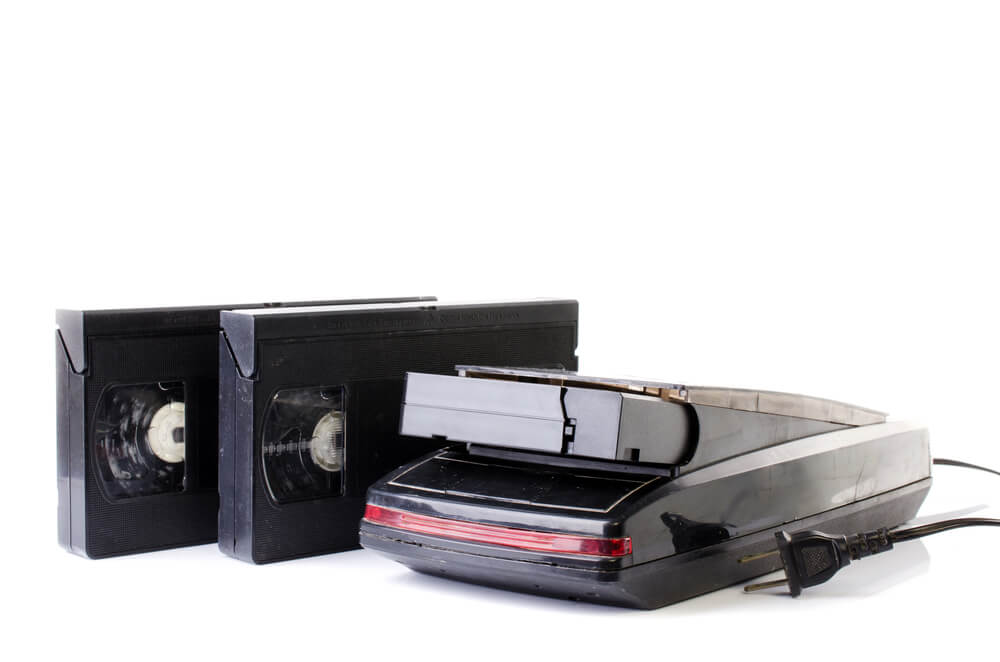
Rental stores asked customers to rewind their videotapes before returning them, so a small motorized gadget for the job sold well. The rewinder sat on a shelf and whirred while the tape spooled back.
It made the entire process faster than the VCR could manage on its own.
The Universal Remote
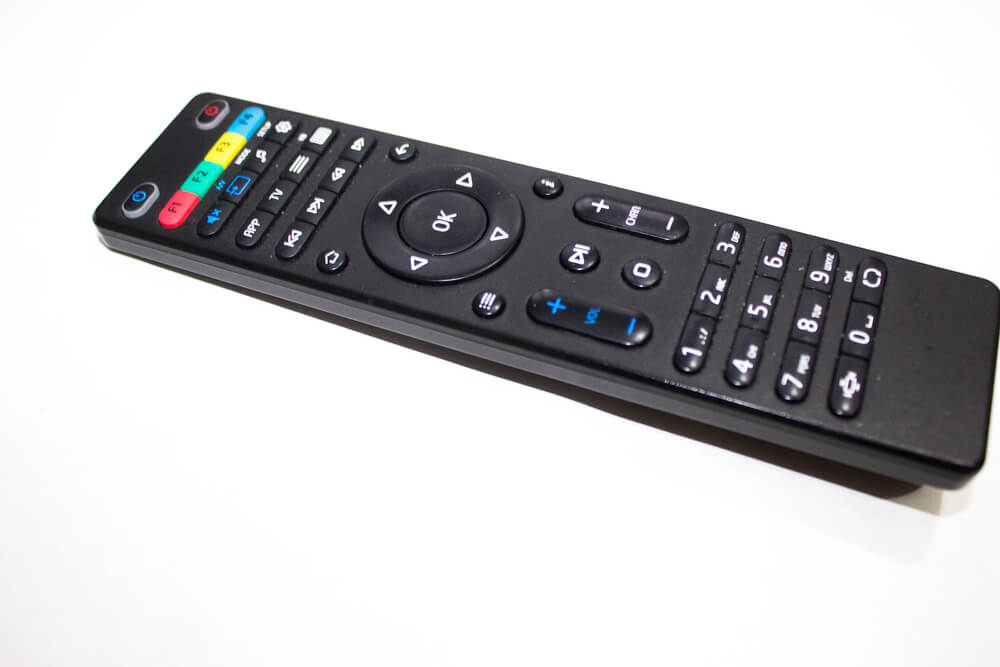
Steve Wozniak’s company introduced the CORE universal remote in 1987, a device that could learn the commands of the television, the VCR, and the stereo. Owners had to program it by pointing one remote at another.
The coffee table finally had a single remote, which lasted until the next piece of equipment arrived.
The Commodore 64
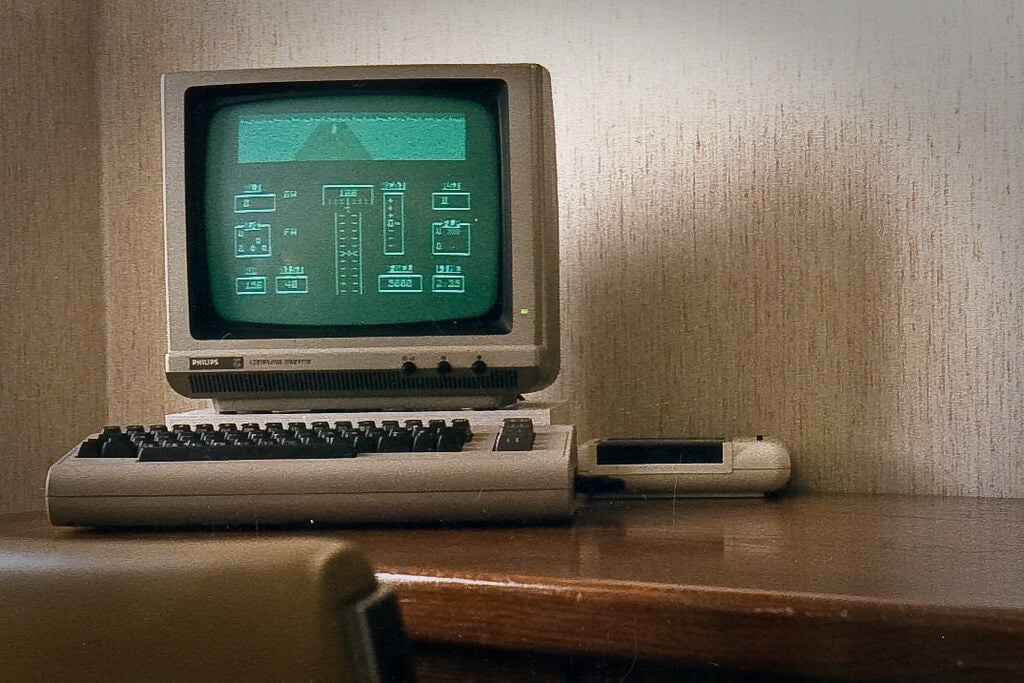
Commodore released its home computer in 1982, and it became one of the best-selling computer models of all time. It connected to an ordinary television and loaded programs from cassette tapes or disk drives.
Families used it for games, homework, and the occasional attempt at programming.
The Answering Machine
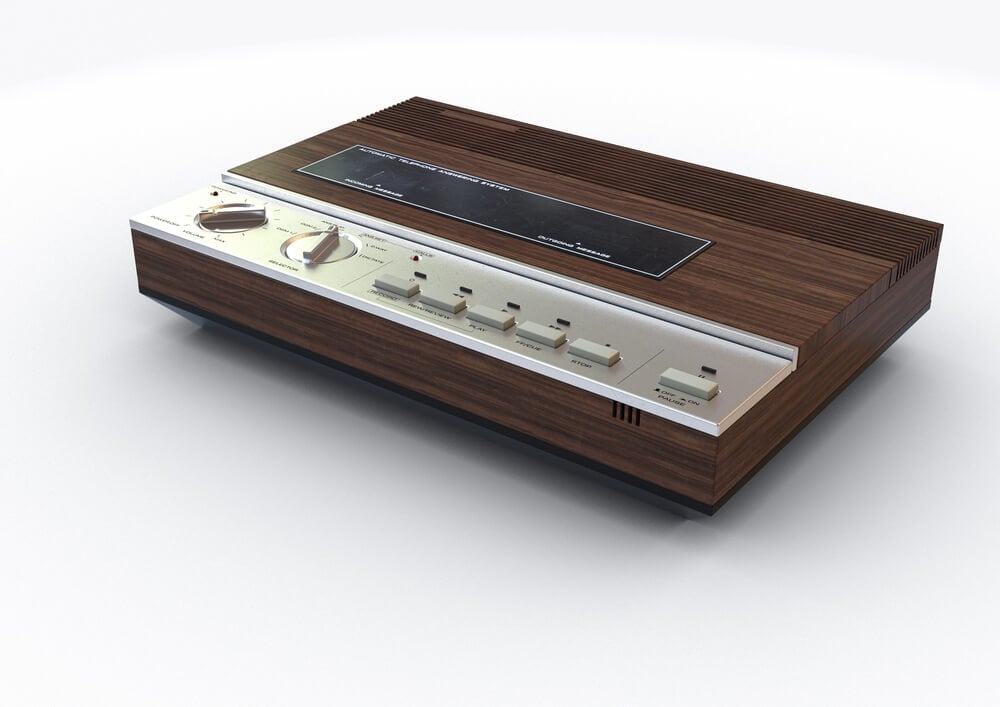
Machines with small cassettes let households screen calls and collect messages while they were out. The playback of a recorded greeting, complete with a pause and a beep, became its own small art form.
Families also learned to tell the difference between a hang-up and a missed call.
The Cordless Phone
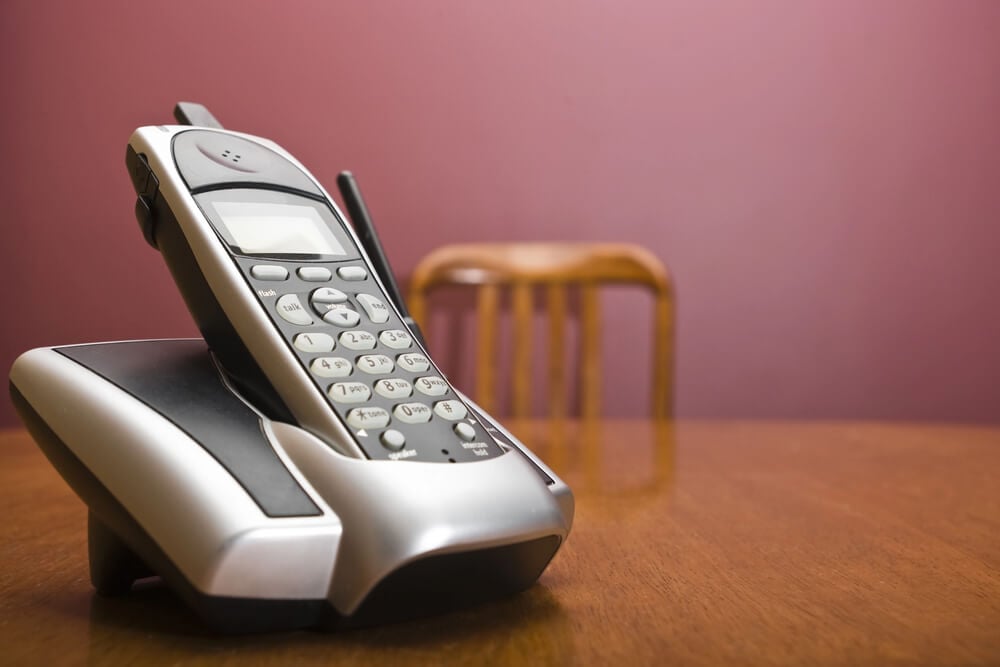
A handset that worked away from the wall jack felt like a small miracle in the early 1980s. The range was limited, the antenna stuck up like a spike, and the handset sometimes picked up the neighbors’ conversations.
It still beat dragging a long curly cord into the next room.
Simon the Electronic Game
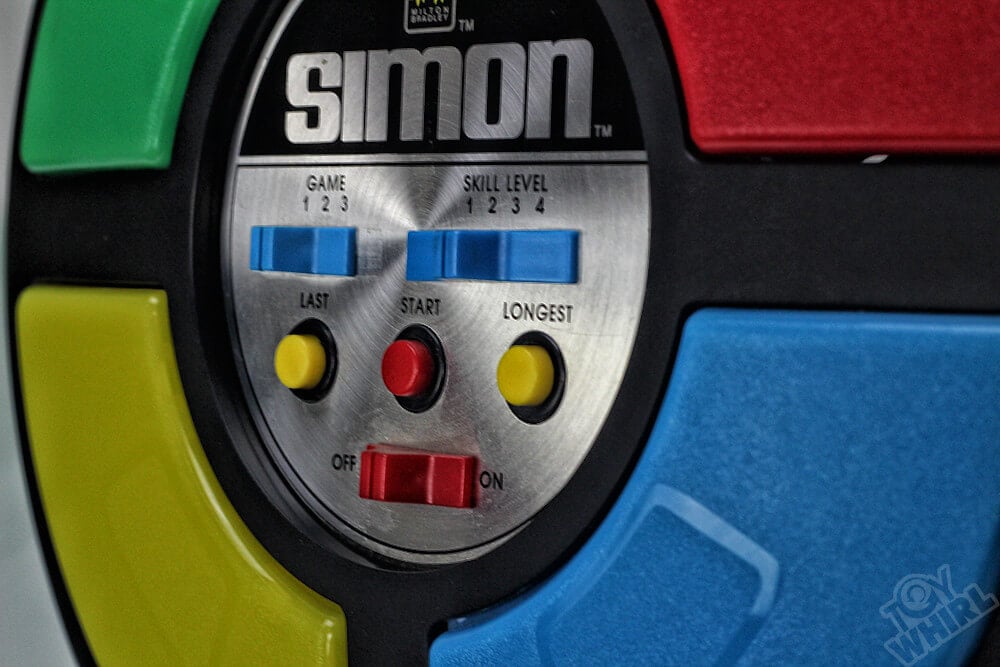
Milton Bradley released Simon in 1978, a round device with four colored buttons that lit up and played tones in growing sequences. Players had to repeat the pattern from memory, and the sequences soon became too long to follow.
The game spent the 1980s on coffee tables and in car trips.
The Merlin Electronic Game
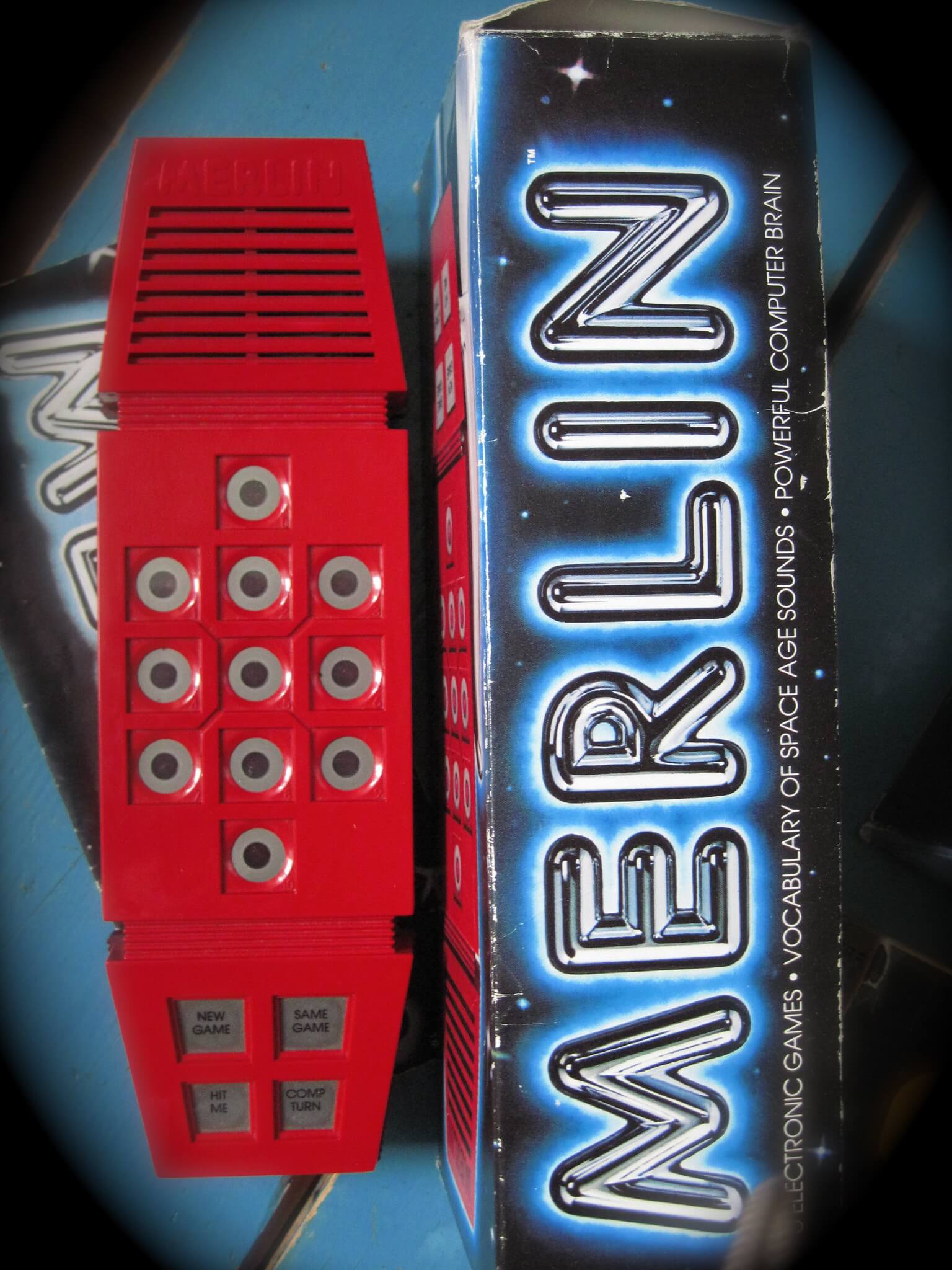
Parker Brothers introduced Merlin in 1978, a red handheld unit with an eleven-button keypad that played games such as tic-tac-toe and music making. The beeps and tones were the main attraction.
Families fought over who got to hold it on long drives.
The Speak and Spell
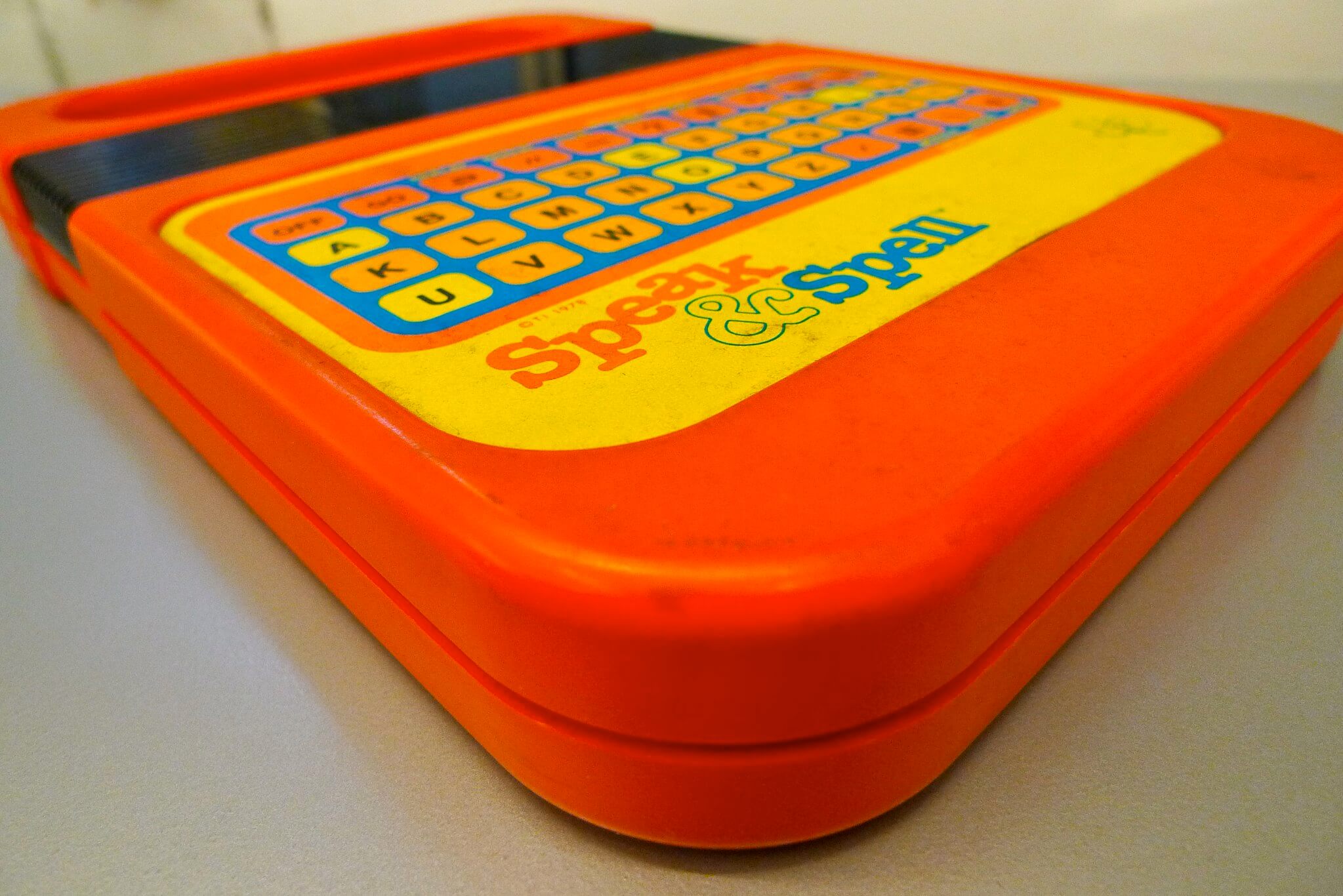
Texas Instruments introduced the Speak and Spell in 1978, a talking toy that quizzed children on spelling in a robotic voice. It appeared in the 1982 film E.T. the Extra-Terrestrial, where the alien rebuilt it to phone home.
Kids who owned one tried to make it say things it was not supposed to say.
The Casio Keyboard
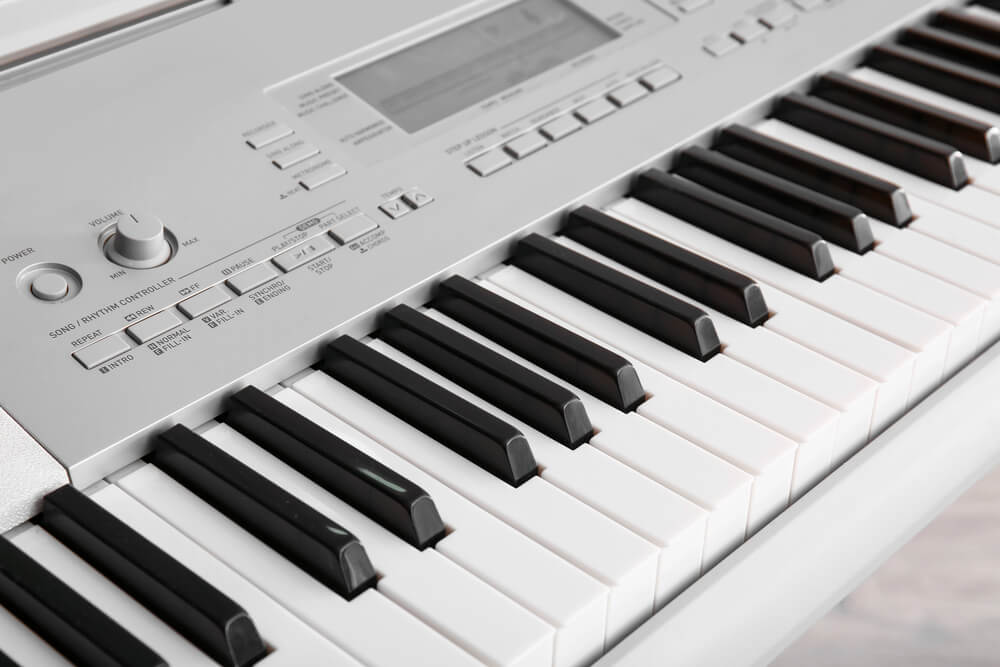
Casio sold compact electronic keyboards that came with preset rhythms and built-in demo songs. Some models later added the ability to record and play back a short sound sample, which made it a hit with kids in the mid-1980s.
Parents learned to listen for the one song the demo button would play on a loop.
The Backyard Satellite Dish
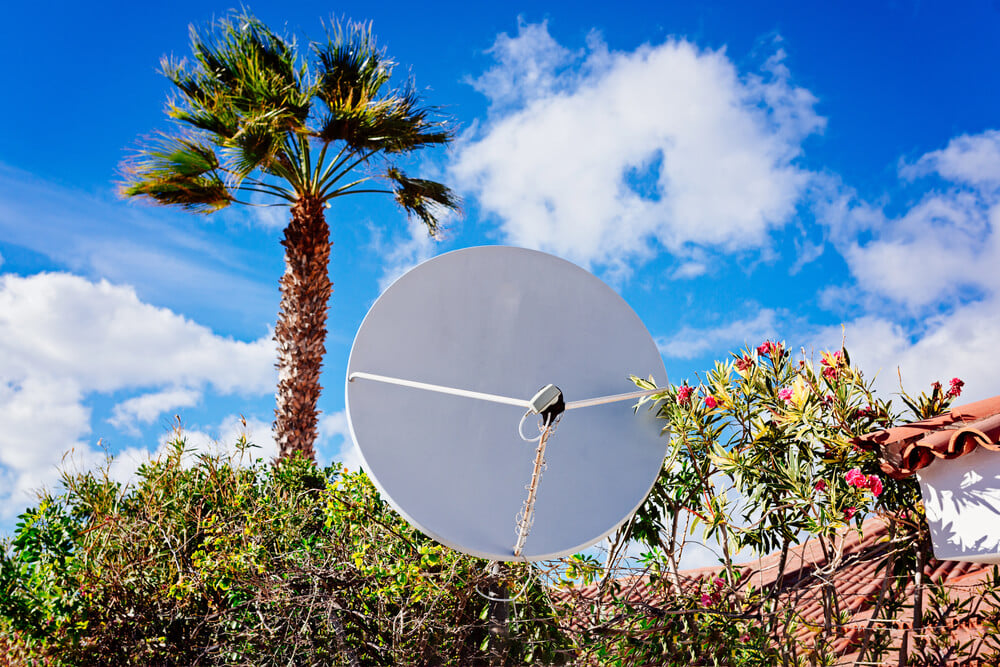
Home satellite dishes, ten feet across or larger, grew common in rural areas where cable was not available. The receiver in the living room let households pull in channels straight from space.
The dish stood in the yard like a giant bowl and was visible from the road.
Teddy Ruxpin
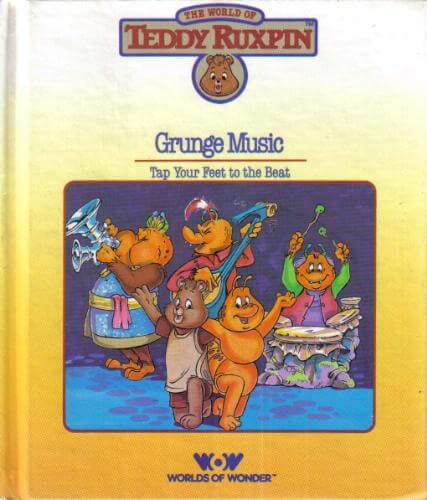
Worlds of Wonder introduced Teddy Ruxpin in 1985, a stuffed bear with a cassette player in its back that moved its mouth and eyes to tell stories. The tapes carried the bear’s voice on one track and the movement signals on the other.
A dying set of batteries turned the bear’s voice into a slow, groaning drawl.
When the Living Room Became a Control Panel

By the end of the decade, the average living room held more electronics than the average office had a generation earlier. The coffee table filled with remotes, and the cabinet filled with cables.
Each device added a layer of convenience and a new reason for something to stop working.
Many of these gadgets are now collector items or museum pieces, and a few have returned in new forms. The urge behind them has stayed the same, which is to bring something new and a little noisy into the room where the family gathers.
Is this conversation helpful so far?
More from Go2Tutors!

- 27 Silver Dollars and Half Dollars Worth Keeping
- 28 Restaurant Menu Items Nobody Orders Anymore
- 17 Places Built in Seemingly Impossible Spots
- 27 Vintage Rings Worth More Than They Look
- 25 Restricted Sites Tourists Can’t Enter
Like Go2Tutors’s content? Follow us on MS