18 Leaders from History Who Had the Most Unexpected Pets
Throughout history, powerful individuals have kept animals as companions, status symbols, and sometimes as living embodiments of their eccentric personalities. While cats and dogs remain common companions for most people, world leaders often chose more exotic creatures that reflected their unique positions and often outsized characters.
Here is a list of 18 historical leaders whose unusual animal companions reveal surprising dimensions of their personalities and the eras in which they lived.
Salvador Allende’s Pet Elephant
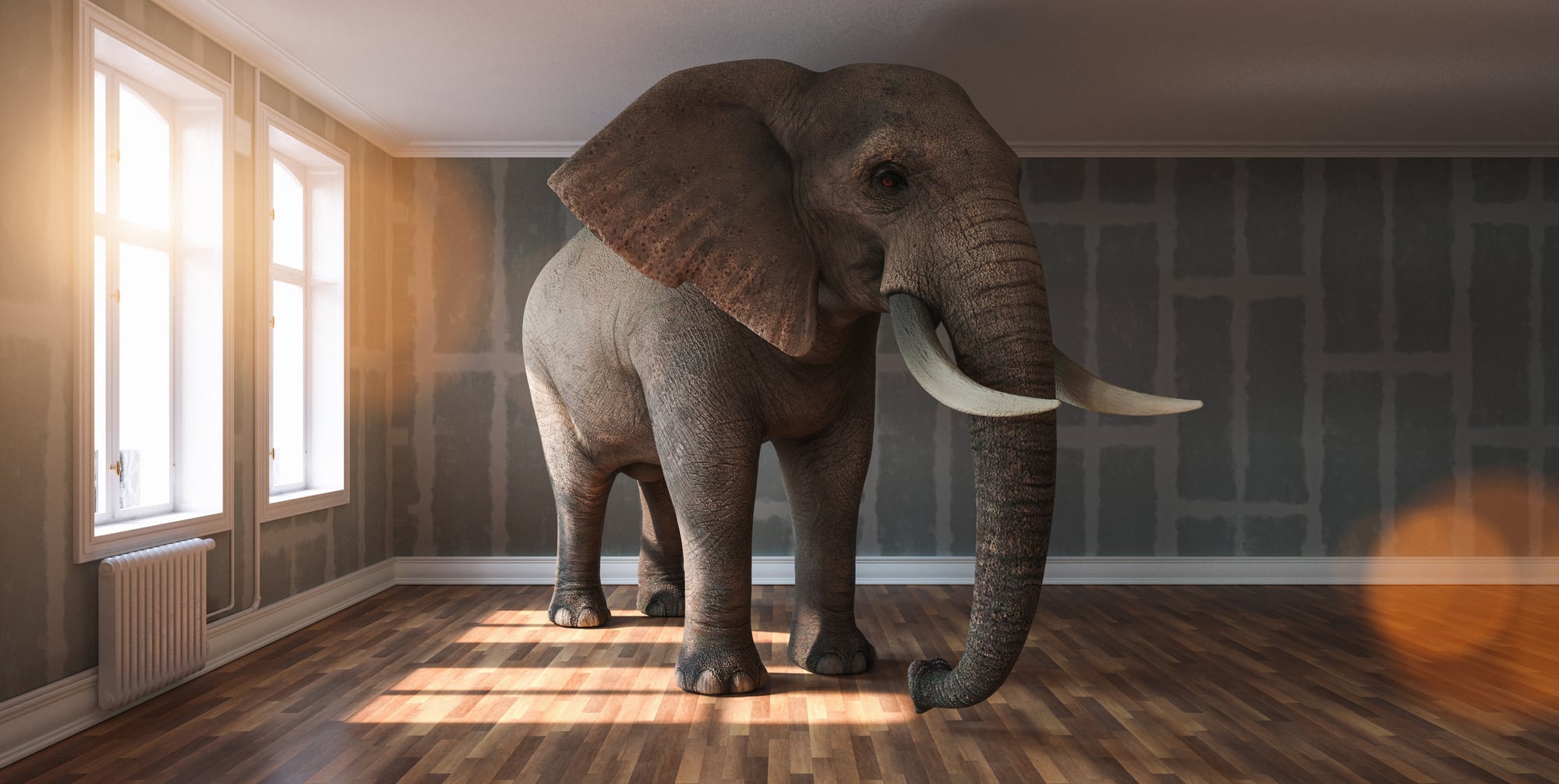
Chile’s socialist president received an unusual diplomatic gift from Vietnam in 1971 – a baby elephant he named Pathi that roamed the presidential gardens. Allende developed a genuine fondness for the young pachyderm, often feeding it personally during morning walks around the presidential palace grounds.
The elephant’s presence created logistical challenges for the presidential staff but delighted visitors and symbolized Chile’s solidarity with other developing nations during Allende’s brief administration.
Theodore Roosevelt’s White House Menagerie
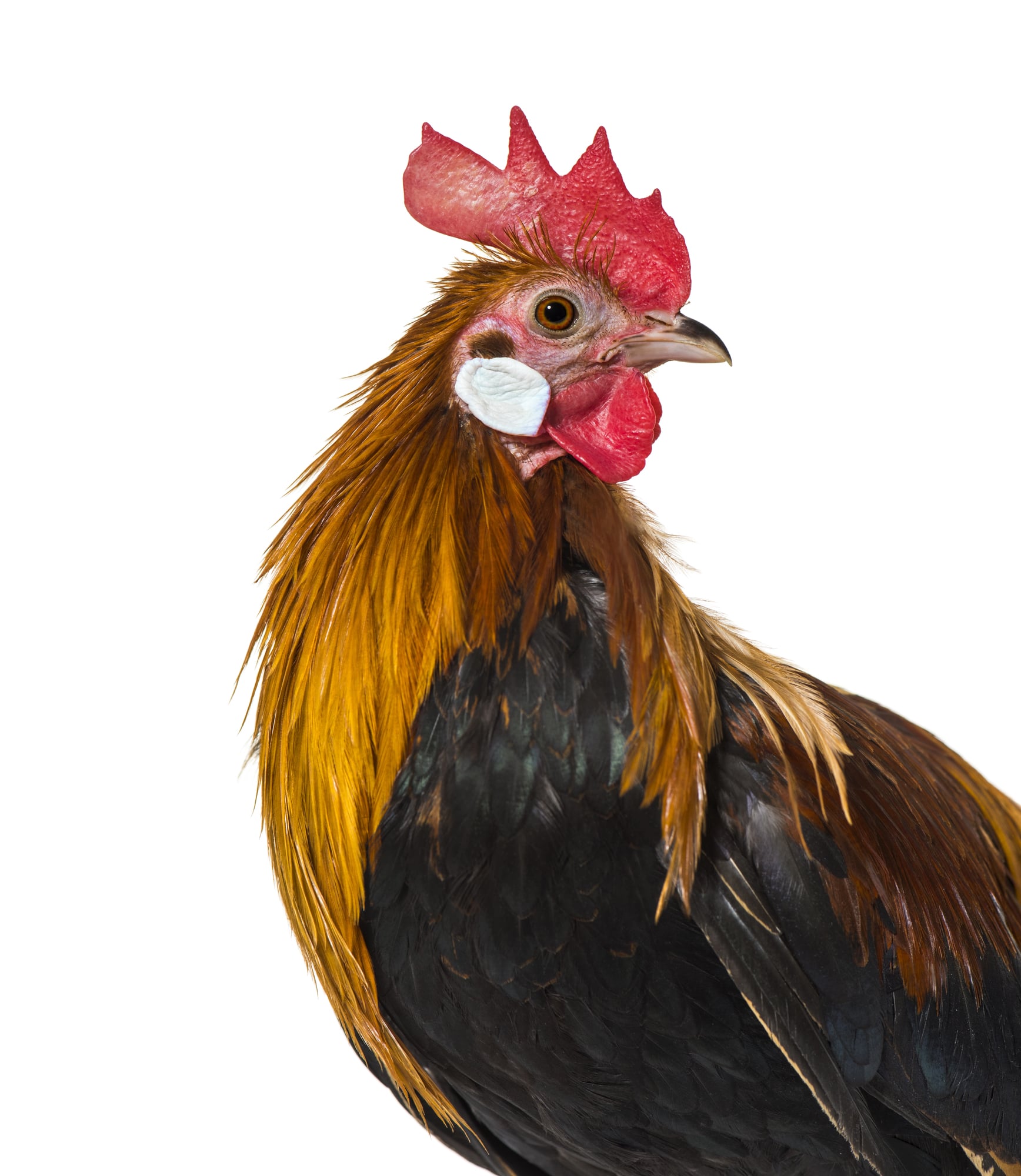
America’s adventurous 26th president transformed the White House into a virtual zoo with bears, lions, zebras, and even a one-legged rooster among his family’s estimated forty animals. His most unusual pet was arguably a hyena named Bill, gifted by Emperor Menelik II of Ethiopia, which Roosevelt reportedly fed treats directly from the White House dinner table.
This remarkable collection reflected Roosevelt’s lifelong passion for wildlife conservation and natural history which later inspired his famous African safari expeditions.
King Charles I’s Dwarf Elephants
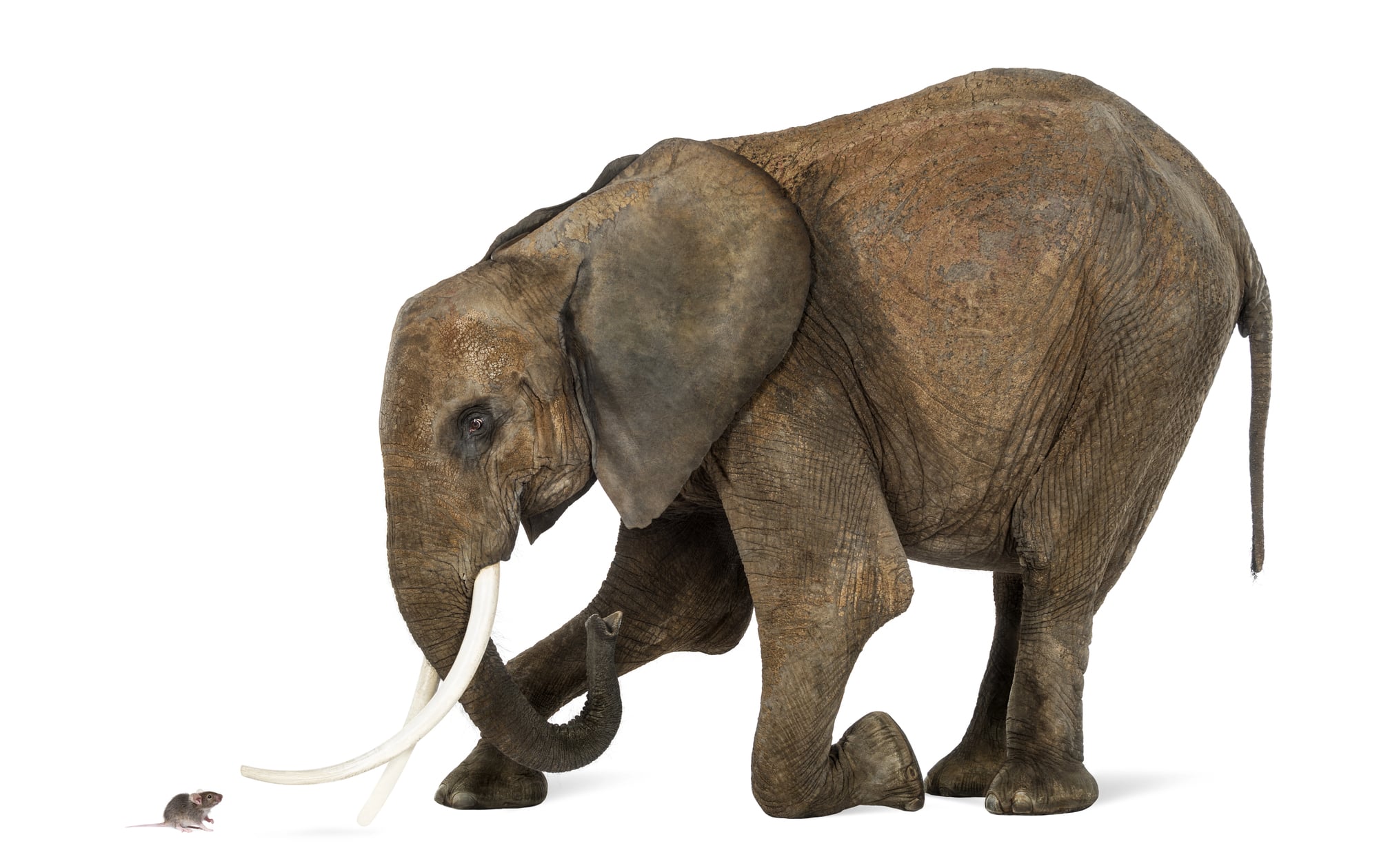
England’s ill-fated monarch kept two diminutive elephants as royal pets in the early 1600s, believing they would remain small throughout their lives. These animals, likely young Asian elephants, were housed in special quarters at St. James’s Palace where courtiers marveled at the exotic creatures.
Charles’s enthusiasm for these unusual companions reflected both the Stuart dynasty’s extravagance and the growing European fascination with exotic specimens from newly established colonial territories.
Chairman Mao’s Giant Pandas
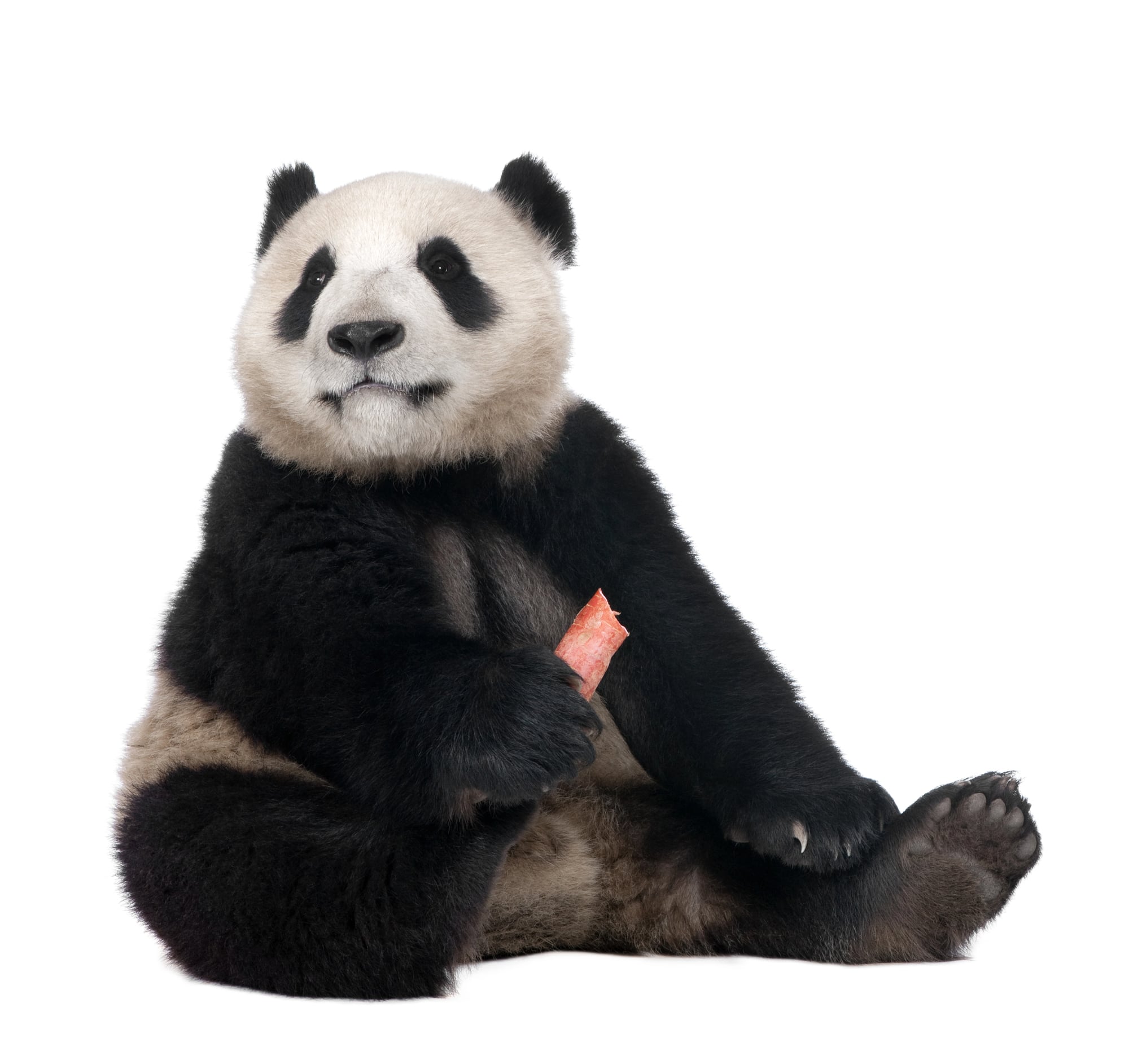
China’s revolutionary leader maintained several giant pandas at his Beijing residence, treating them as living symbols of Chinese national identity. Mao later weaponized these endangered animals through “panda diplomacy,” strategically gifting them to nations whose friendship China sought during the Cold War.
His personal fascination with these distinctive bears helped transform them from regional curiosities into globally recognized emblems of China that continue serving diplomatic functions today.
Pope Leo X’s White Elephant
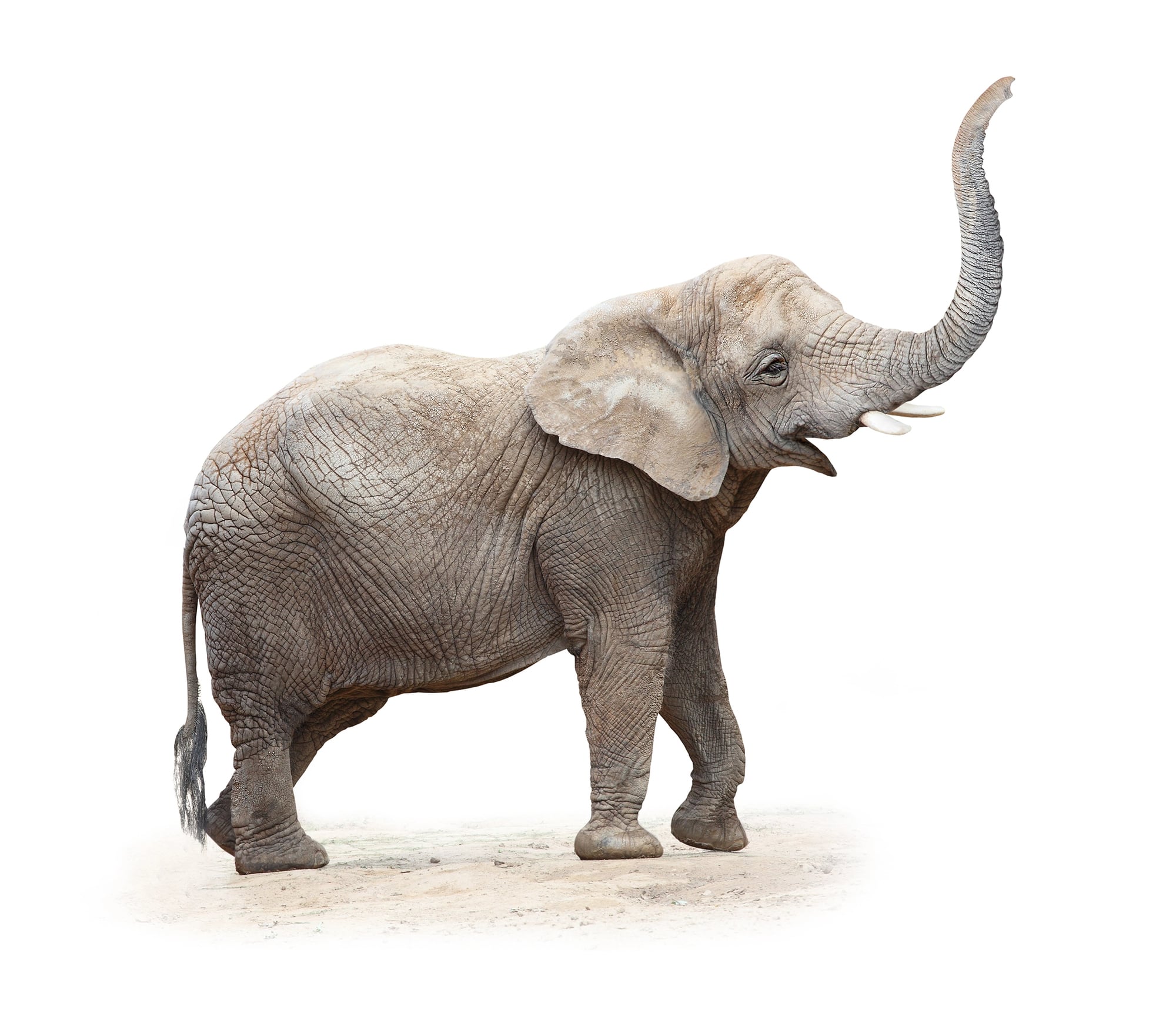
The Renaissance pope received an albino elephant named Hanno as a coronation gift from King Manuel I of Portugal in 1514, promptly making the rare animal a centerpiece of Vatican pageantry. Leo built special quarters for Hanno near St. Peter’s Basilica and featured the elephant prominently in papal processions through Rome.
When Hanno died just two years later, the grief-stricken pope commissioned the renowned artist Raphael to paint a commemorative fresco and composed poetic tributes to his beloved pachyderm.
Lord Byron’s Unusual Menagerie
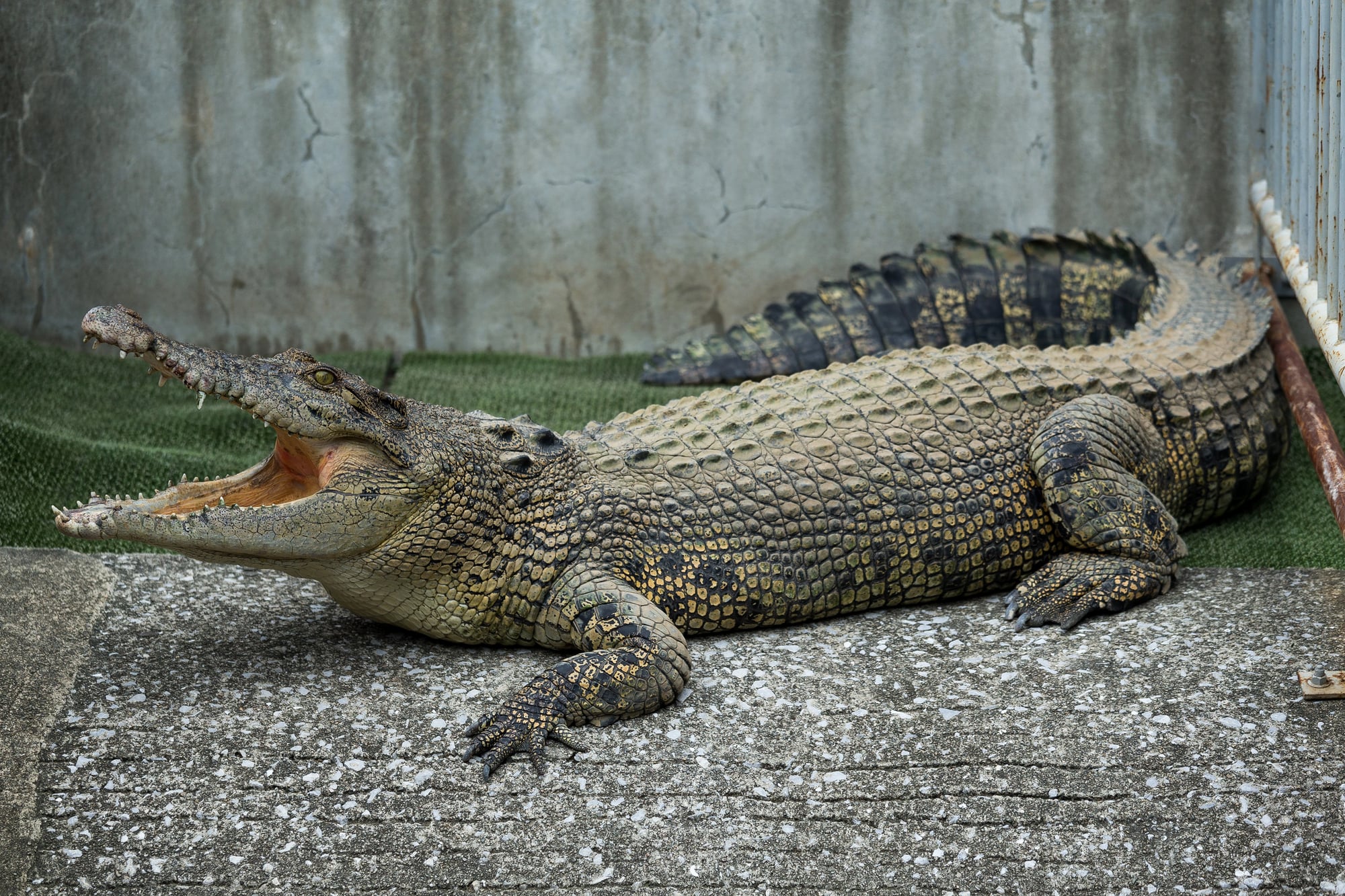
The romantic poet kept a remarkable collection of animals at his ancestral home, Newstead Abbey, including a tame bear he reportedly brought to Cambridge University when dogs were prohibited. Byron’s unconventional pets included monkeys, peacocks, badgers, and an eagle he trained to follow him around the estate grounds.
His most unusual companion might have been a crocodile that briefly resided in the Abbey’s garden pond, symbolizing the poet’s famous penchant for exotic extravagance that matched his literary reputation.
Queen Hatshepsut’s Pet Cheetah
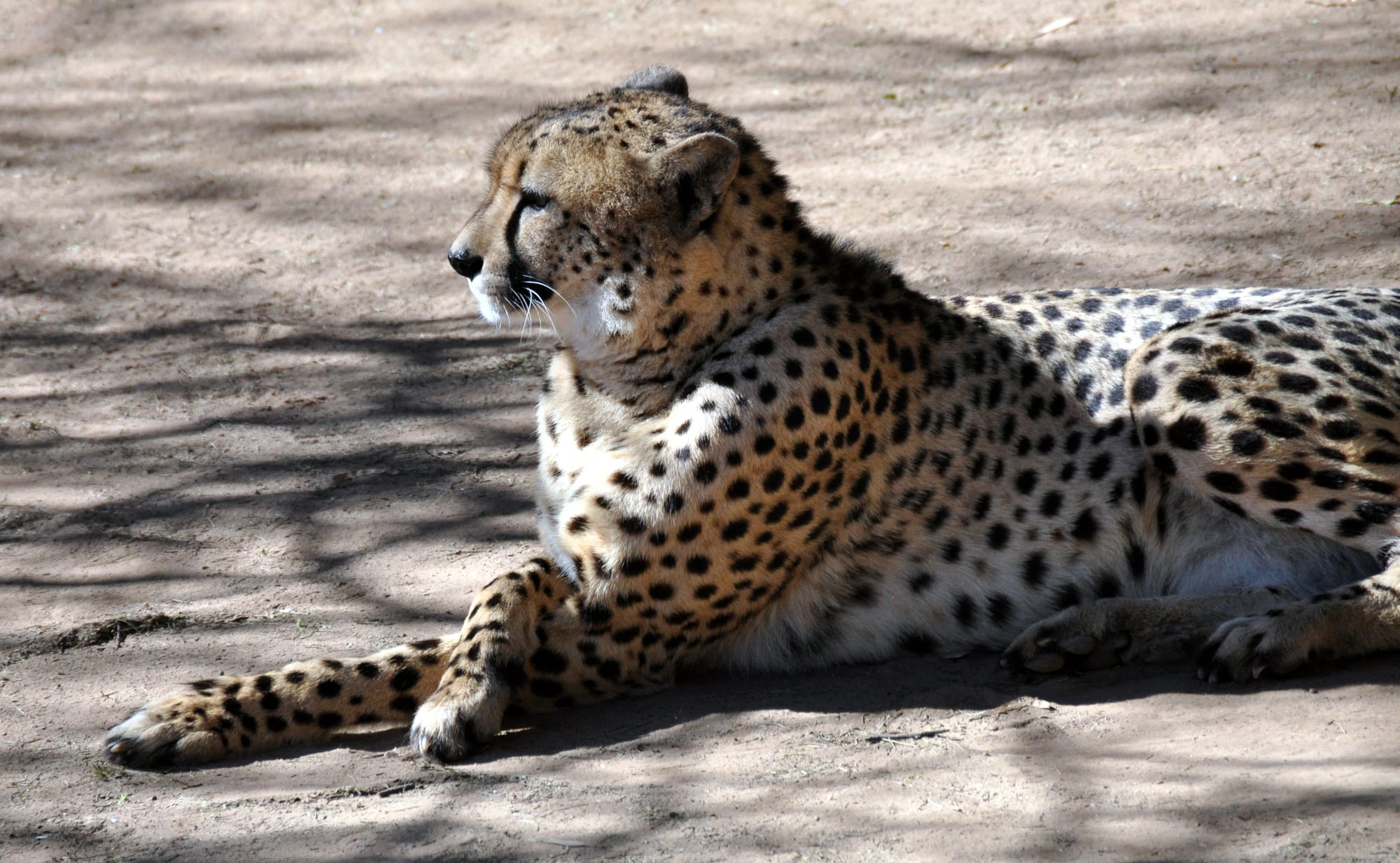
Egypt’s female pharaoh maintained several hunting cheetahs as royal companions around 1480 BCE, with tomb paintings depicting her favorite feline walking obediently at her side. Hatshepsut reportedly raised these animals from cubs and had them trained specifically for royal companionship rather than merely hunting.
These magnificent cats served as living symbols of royal authority in ancient Egyptian culture where association with powerful animals reinforced divine connections claimed by pharaohs.
Empress Josephine’s Orangutan
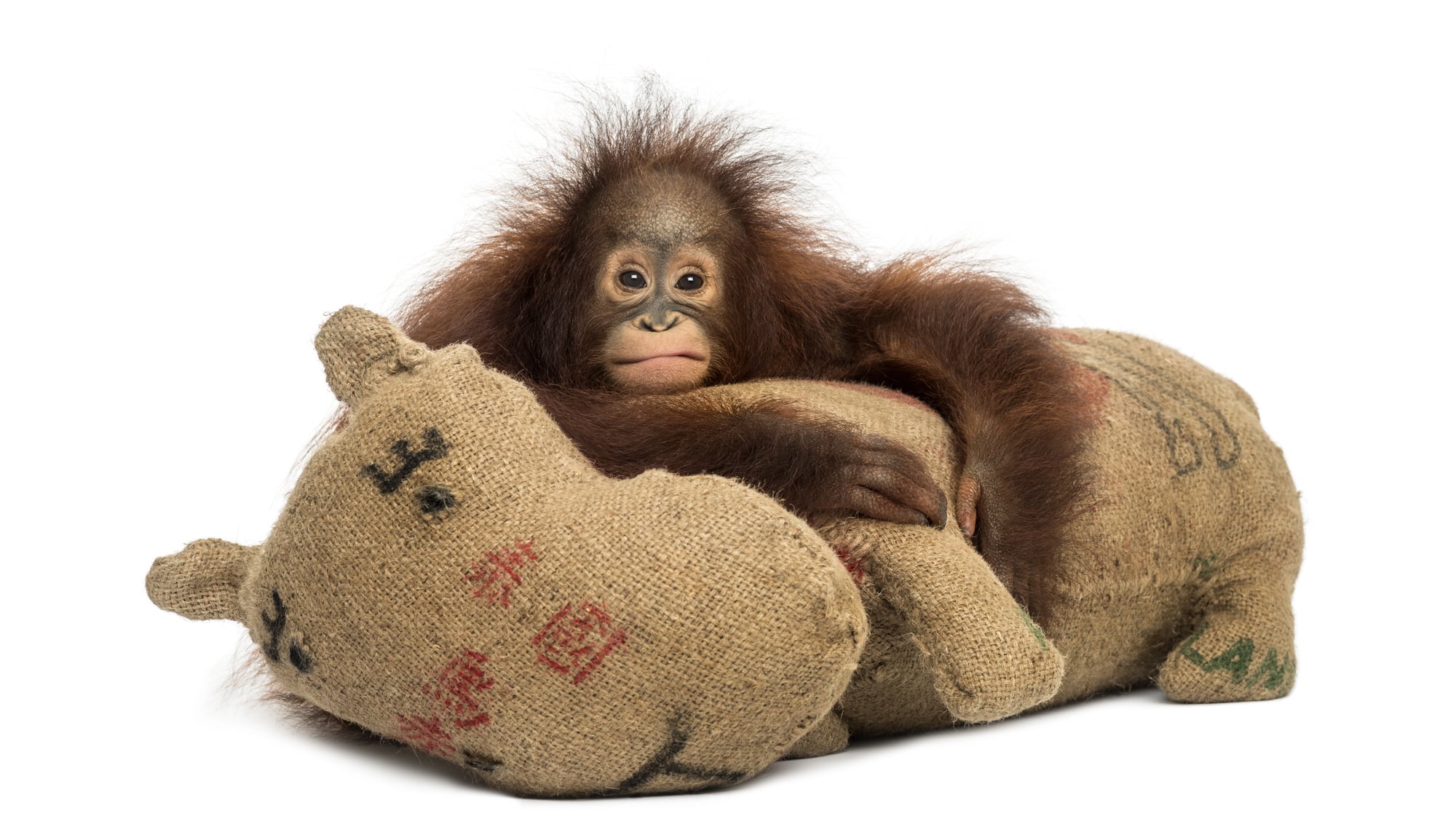
Napoleon Bonaparte’s wife kept a female orangutan named Rose at Malmaison Palace that dressed in human clothes and reportedly took afternoon tea with the empress. The remarkably trained primate would use napkins, eat with utensils, and sleep in a custom-made bed with sheets and pillows.
Josephine’s fascination with exotic animals reflected both her personal interests and France’s expanding colonial ambitions that brought unusual specimens from distant territories into European aristocratic collections.
Ramesses II’s Battle Lion
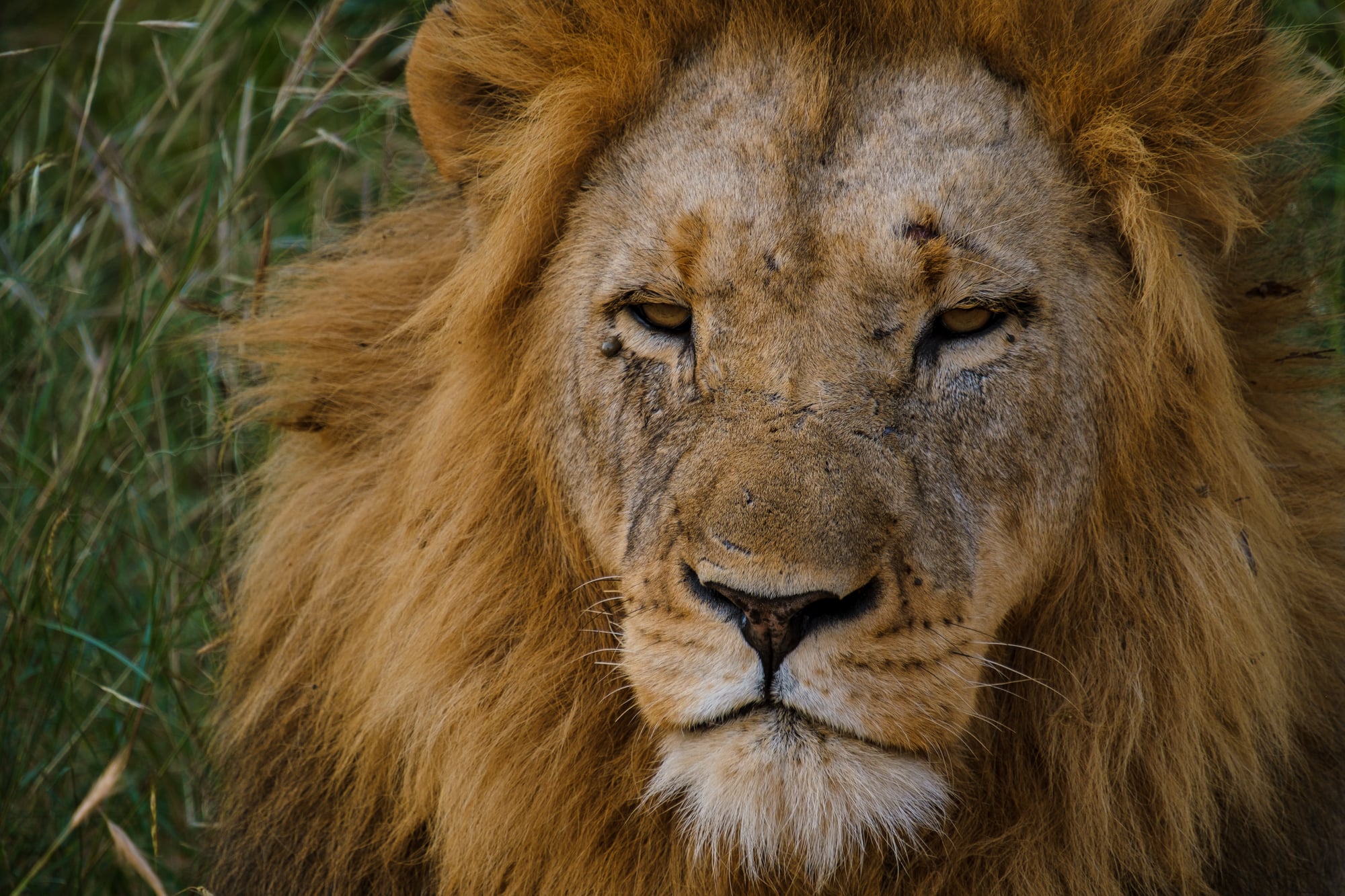
Egypt’s legendary pharaoh reportedly brought his personal lion named Antam into battle, with the massive cat fighting alongside royal forces against the Hittites at Kadesh. Ancient inscriptions claim the lion remained at the pharaoh’s side throughout the conflict, intimidating enemies and protecting its royal master.
Whether primarily symbolic or literal, this unusual military companion exemplified how ancient rulers associated themselves with fierce predators to enhance their perceived power and divine authority.
Calvin Coolidge’s White House Raccoon
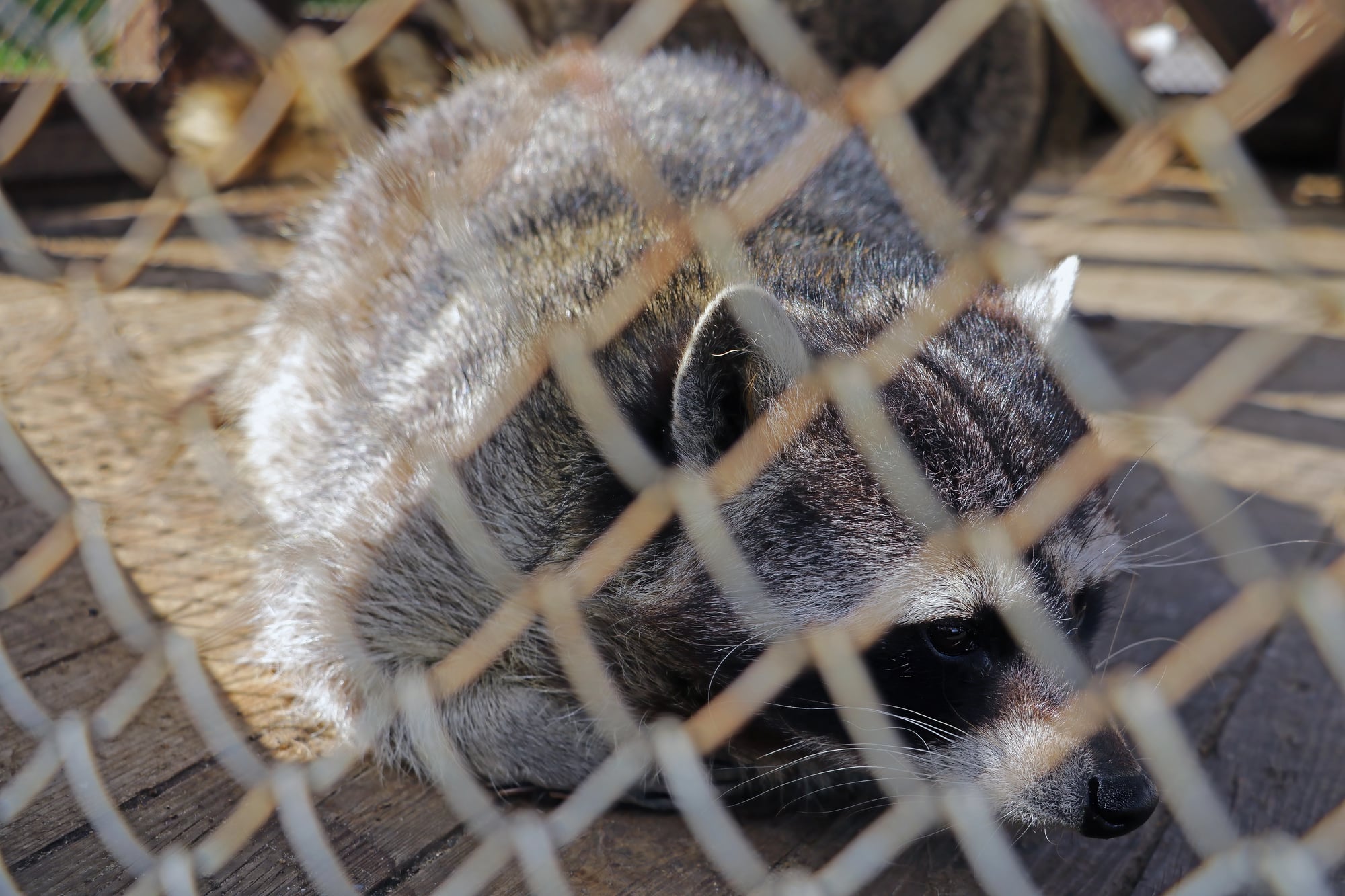
America’s 30th president received a raccoon intended for the 1926 Thanksgiving dinner table but instead made it a presidential pet named Rebecca. The Coolidge family built a special house for their raccoon, which had free run of the White House and often attended family events wearing a custom-made collar.
Rebecca would frequently join the president during his morning walks and became so famous that newspapers regularly reported on her activities alongside official administration news.
Kublai Khan’s Hunting Cheetahs
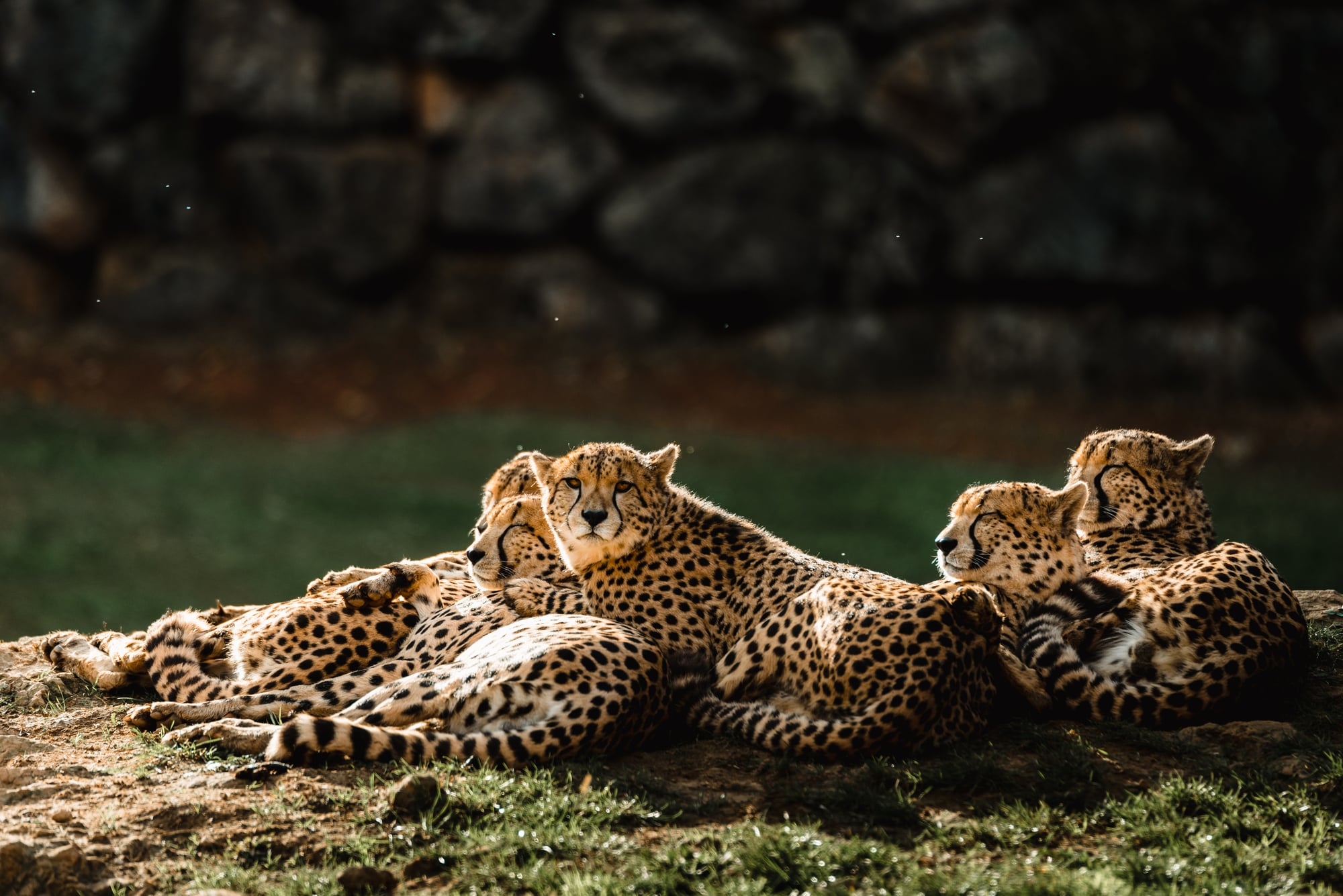
The Mongol emperor maintained hundreds of trained hunting cheetahs that traveled with his massive entourage across the vast empire. Marco Polo’s famous accounts describe these spotted cats riding on horseback with specially designed saddles behind their handlers until released to pursue the game.
The emperor reportedly favored specific cheetahs as personal companions that resided in his living quarters, reflecting both his extravagant lifestyle and the Mongol tradition of close relationships with hunting animals.
Empress Catherine the Great’s Flying Squirrels
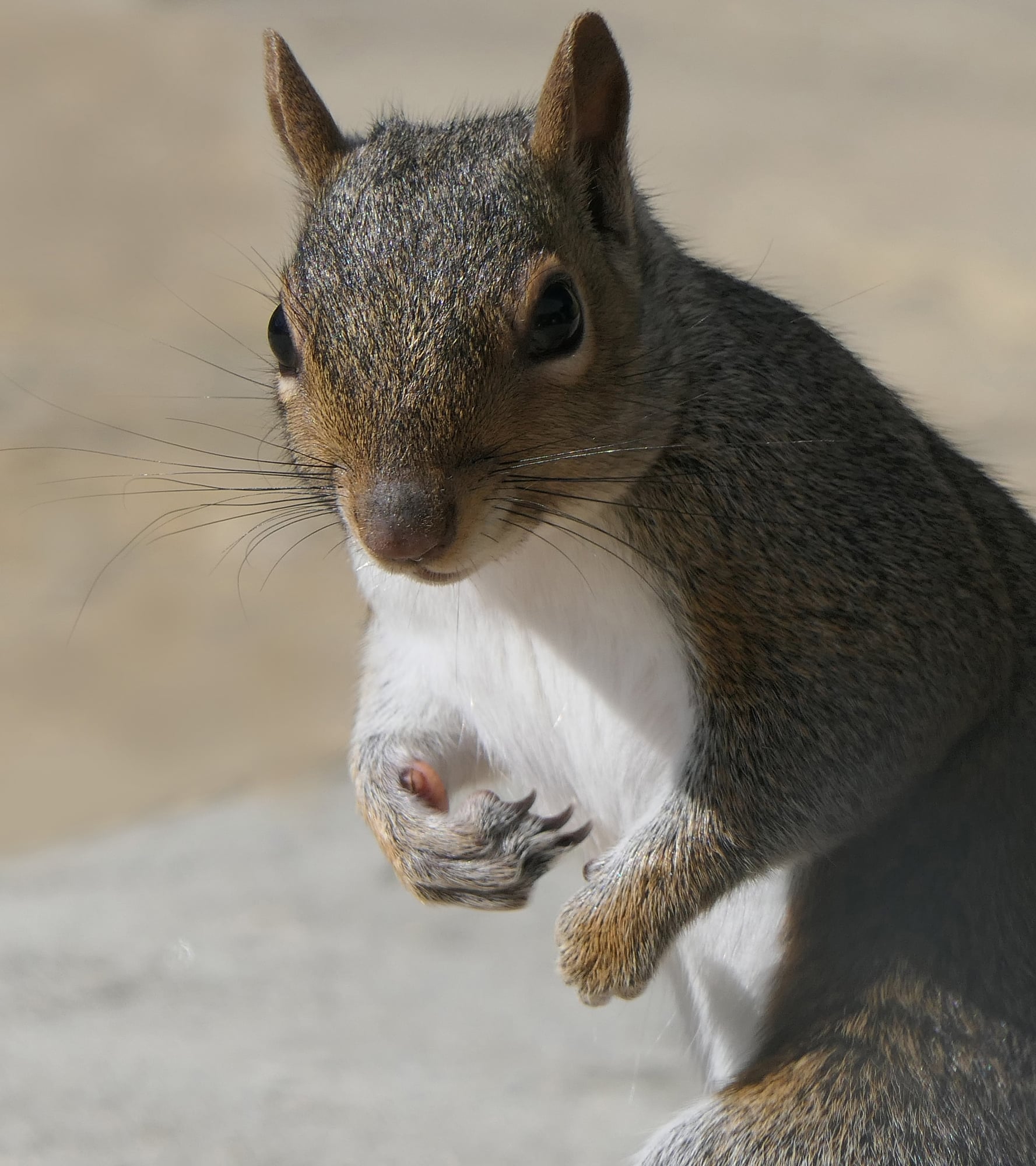
Russia’s powerful empress kept several Siberian flying squirrels in special cages throughout her private apartments at the Winter Palace. Catherine reportedly designed custom environments for these unusual rodents and spent hours observing their graceful gliding movements between artificial trees.
Court records indicate she sometimes permitted the trained squirrels to glide freely during intimate gatherings, amusing selected guests with their aerial acrobatics in an unexpected display of imperial whimsy.
King Louis XV’s Wolves
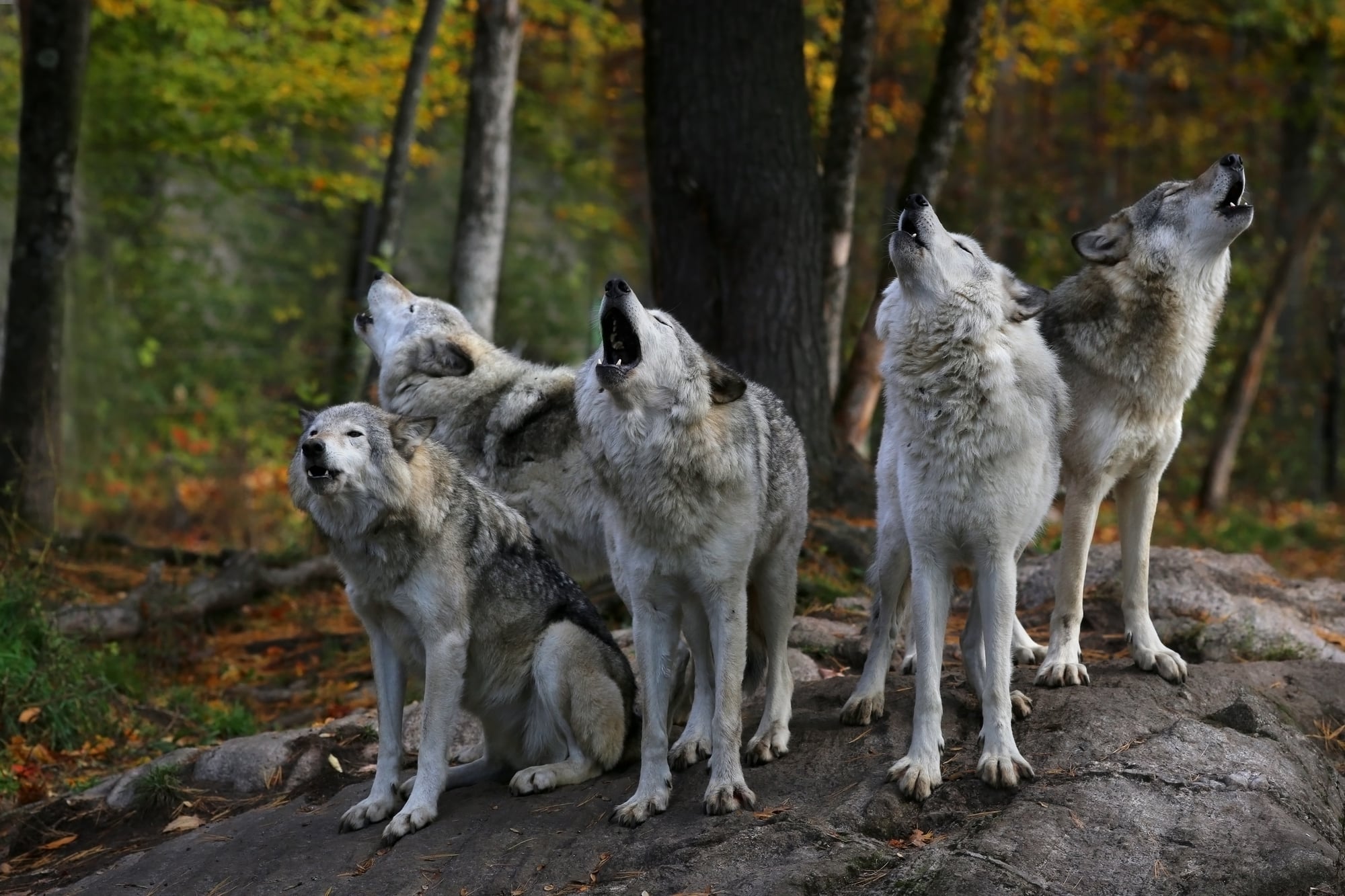
France’s 18th-century monarch raised a pair of wolf cubs in the royal nursery alongside his own children, having them specially trained as companion animals. These wolves reportedly followed the king throughout the vast halls of Versailles and responded to commands like well-trained dogs.
Louis maintained this unusual practice despite courtiers’ concerns, perhaps finding kinship with creatures similarly constrained by the rigid structures of their respective positions despite their natural instincts.
Emperor Charlemagne’s Elephant
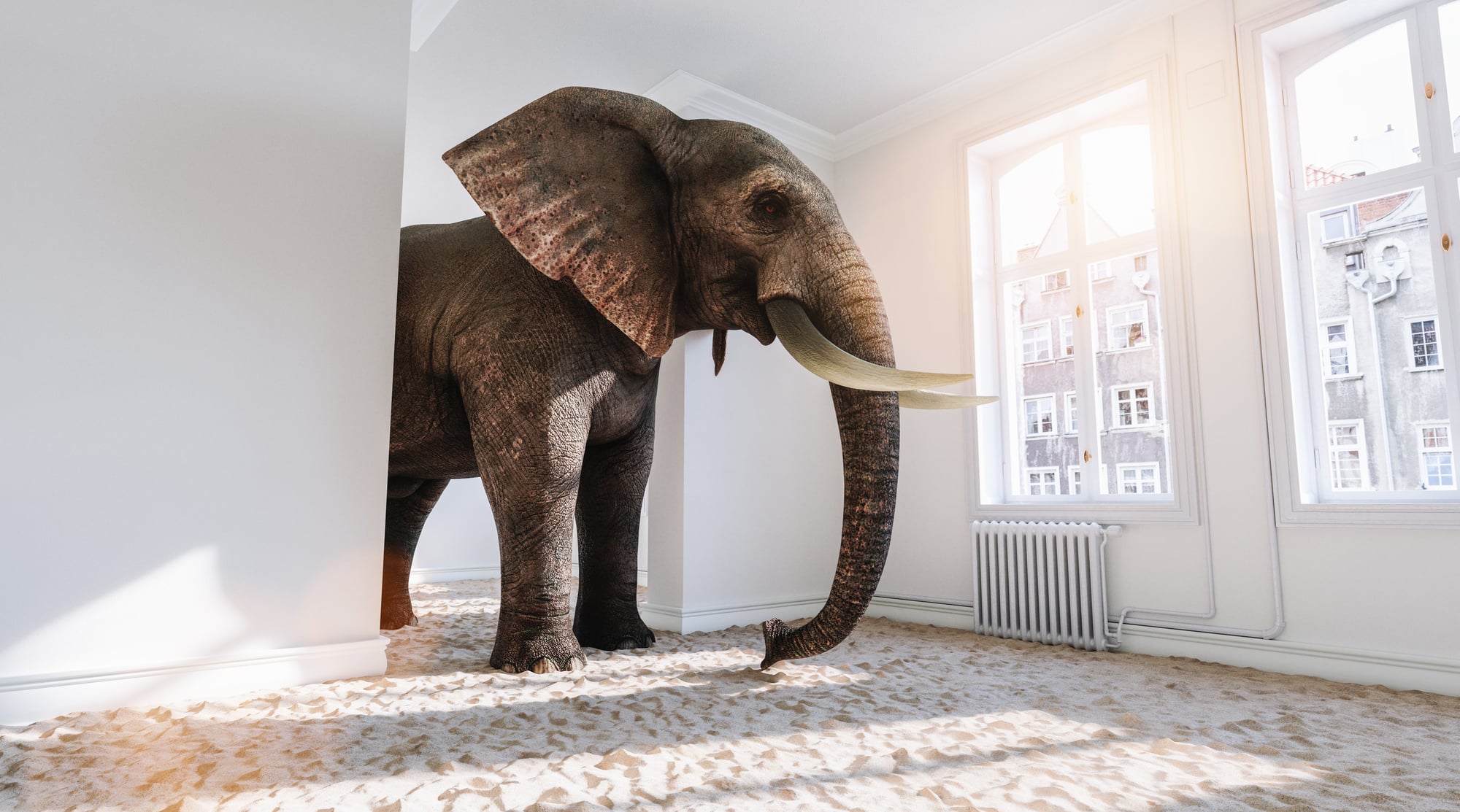
The founder of the Holy Roman Empire received an albino elephant named Abul-Abbas as a diplomatic gift from Harun al-Rashid, the Abbasid Caliph, in 802 CE. This remarkable creature traveled thousands of miles from Baghdad to Aachen, creating sensations in every European village it passed through.
Charlemagne reportedly developed a genuine affection for the elephant, which symbolized his diplomatic reach and connections with distant civilizations beyond Christian Europe.
Winston Churchill’s Budgerigar
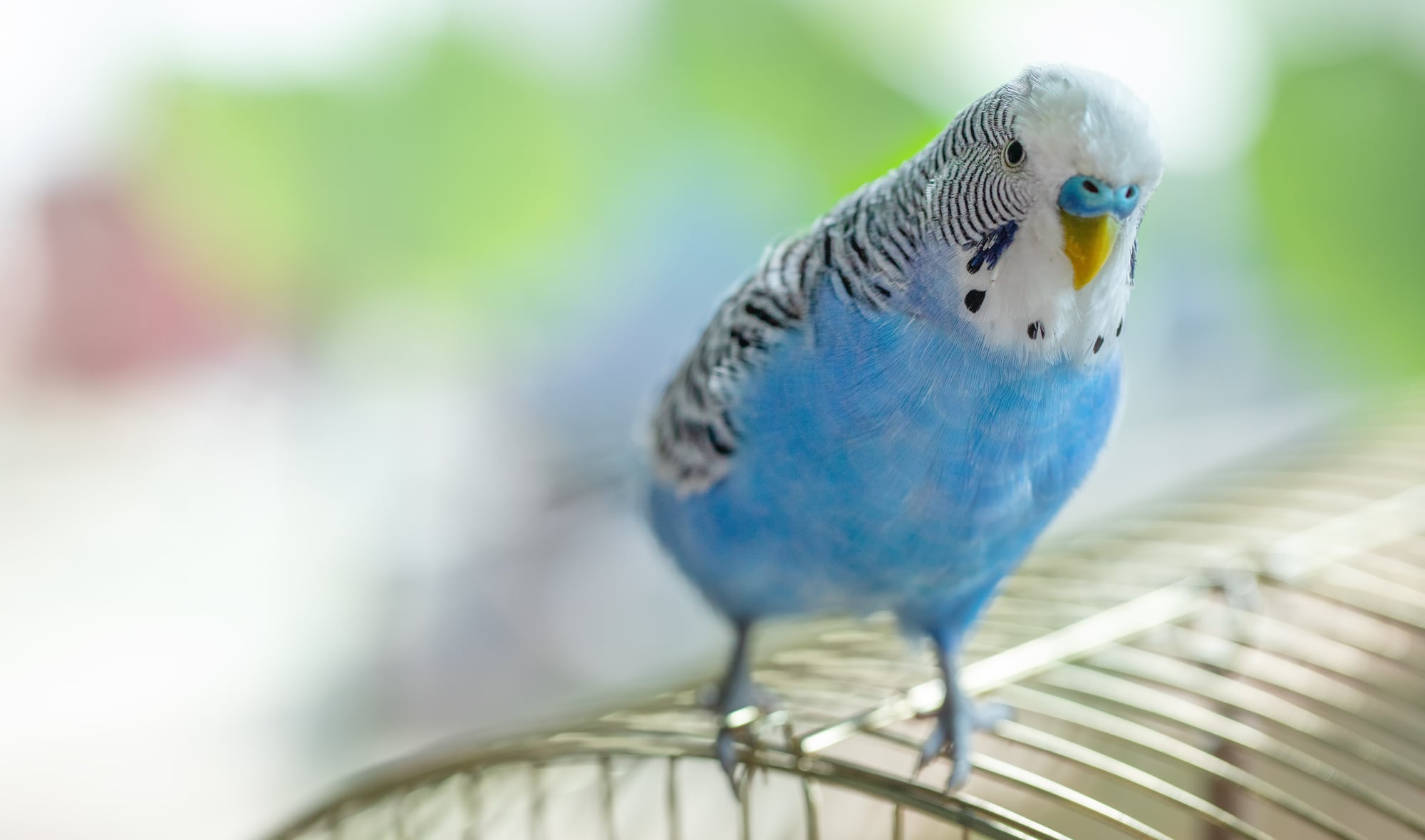
Britain’s wartime prime minister formed an unusual bond with a blue budgerigar named Toby who enjoyed remarkable freedom in Churchill’s private quarters. The small bird would perch on Churchill’s shoulder or head during critical war planning sessions and was trained to speak several phrases including “Kiss me, Winston.”
Churchill’s attachment to this seemingly insignificant creature amidst world-altering events reveals a gentler dimension of his famously forceful personality during history’s darkest hours.
Fidel Castro’s Dairy Cows

Cuba’s revolutionary leader maintained a herd of specially bred dairy cows, including his favorite named White Udder that reportedly produced exceptional quantities of milk. Castro’s unusual passion for dairy cattle breeding became so intense that officials prepared daily briefings about individual cows alongside international affairs.
His personal investment in this unusual interest expanded into a national program attempting to develop cattle suited to Cuba’s climate, reflecting his broader agricultural ambitions for the island nation.
Henry III’s Polar Bear

England’s 13th-century monarch received a polar bear as a diplomatic gift from Norway’s King Haakon in 1252, promptly making it a London sensation. Historical records show Henry provided the bear with a custom iron muzzle and long chain allowing it to fish in the Thames River while crowds gathered to watch the extraordinary spectacle.
This unusual royal pet demonstrated both Henry’s international connections and medieval rulers’ appreciation for exotic creatures as living symbols of their exceptional status.
Alexander the Great’s Persian Lynx
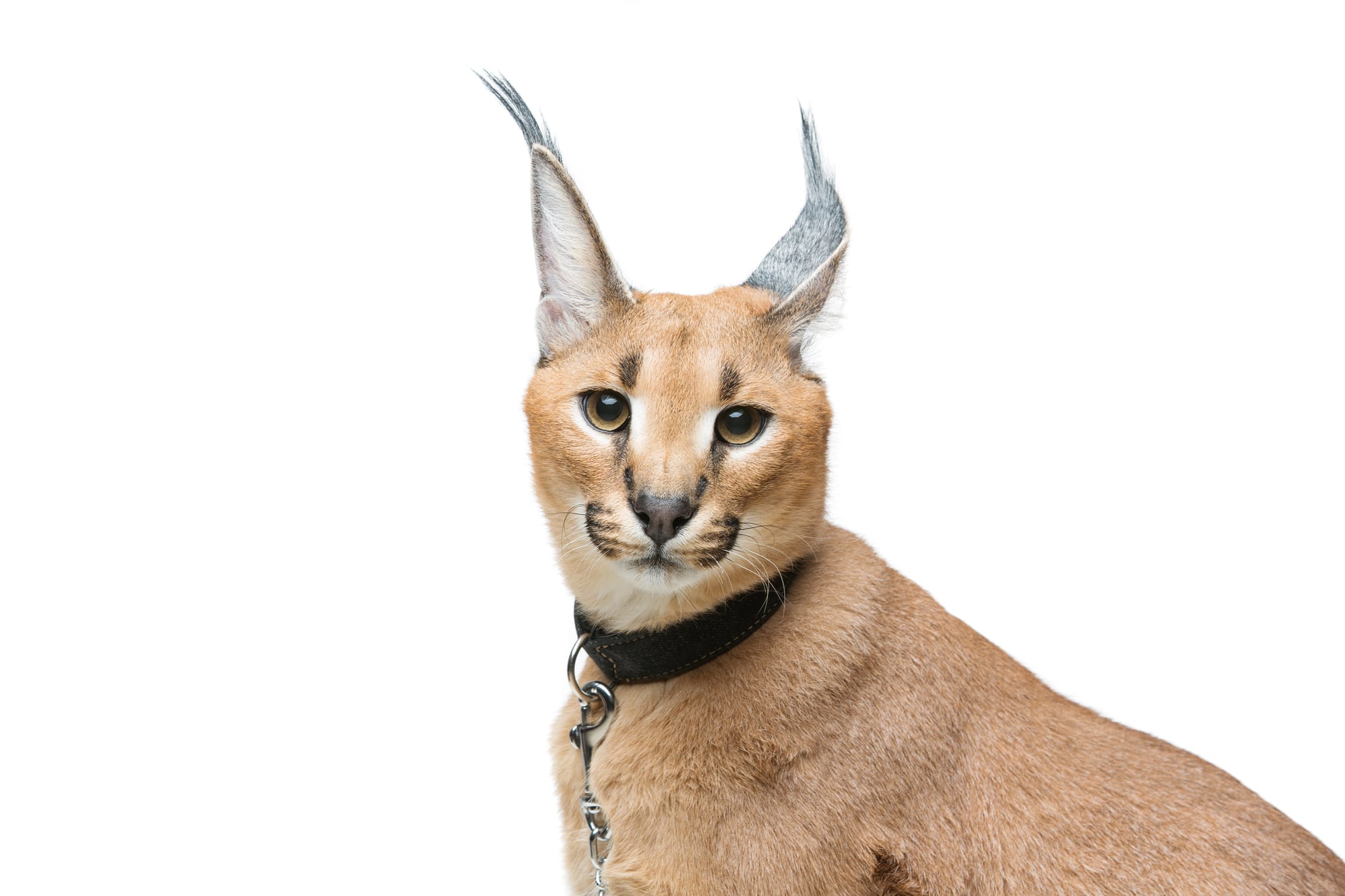
The legendary conqueror kept a trained Persian lynx that reportedly accompanied him throughout his vast military campaigns across three continents. Alexander received this unusual cat as a tribute after defeating King Darius III, promptly forming a bond with the animal that soldiers considered a good omen for the army.
Historical accounts mention the lynx would sleep in Alexander’s tent and occasionally join military councils, with some writers claiming the conqueror consulted the animal’s behavior for decision-making in an early form of zoological divination.
The Human Behind the Power

These unexpected animal companions reveal dimensions of historical figures rarely captured in official portraits or political biographies. The powerful individuals who shaped nations and empires often formed genuine attachments to creatures that offered loyalty without political calculation or unquestioning acceptance regardless of status.
Perhaps these unusual relationships provided rare moments when leaders could momentarily escape the crushing responsibilities of governance and experience simpler connections. While these remarkable pets often served as extensions of power and prestige, they simultaneously humanized their famous owners, reminding us that even history’s most consequential figures sought the basic comfort of animal companionship that people of all stations have appreciated throughout time.
More from Go2Tutors!

- The Romanov Crown Jewels and Their Tragic Fate
- 13 Historical Mysteries That Science Still Can’t Solve
- Famous Hoaxes That Fooled the World for Years
- 15 Child Stars with Tragic Adult Lives
- 16 Famous Jewelry Pieces in History
Like Go2Tutors’s content? Follow us on MSN.