Historic Structures Moved to Make Way for Progress
Demolition is the usual answer when a dam, a mine or an eroding coastline threatens an old building. A small group of engineers and stubborn preservationists decided that picking the entire thing up was a better idea.
Some of these structures rode on rails, some floated on rollers, and some were cut into numbered stones and shipped across oceans. Each one now stands somewhere it was never meant to be.
Abu Simbel Temples Lifted Above Lake Nasser

The rock-cut temples built for Ramses II were facing permanent flooding when the Aswan High Dam began filling its reservoir. In the 1960s, an international rescue effort cut the facades and interiors into large blocks and reassembled them on higher ground, inside a man-made hill. The work took several years and drew engineers, archaeologists and stonemasons from many countries around the world.
One quirk survived the surgery imperfectly, because the twice-yearly sunrise that lights the inner sanctuary now arrives about a day later than it did at the original site.
Philae Temple Rebuilt on Agilkia Island

Sanctuaries dedicated to Isis on Philae Island spent decades half drowned after the first Aswan dam was built, with visitors rowing through the columns. When the High Dam threatened to submerge the complex for good, the buildings were dismantled and rebuilt on nearby Agilkia Island during the 1970s.
Workers then reshaped the new island so the layout resembled the original skyline. The move belonged to the same UNESCO campaign that rescued Abu Simbel, and it remains one of the most carefully matched landscape copies ever attempted.
Amada Temple Rolled Across Nubia on Rails
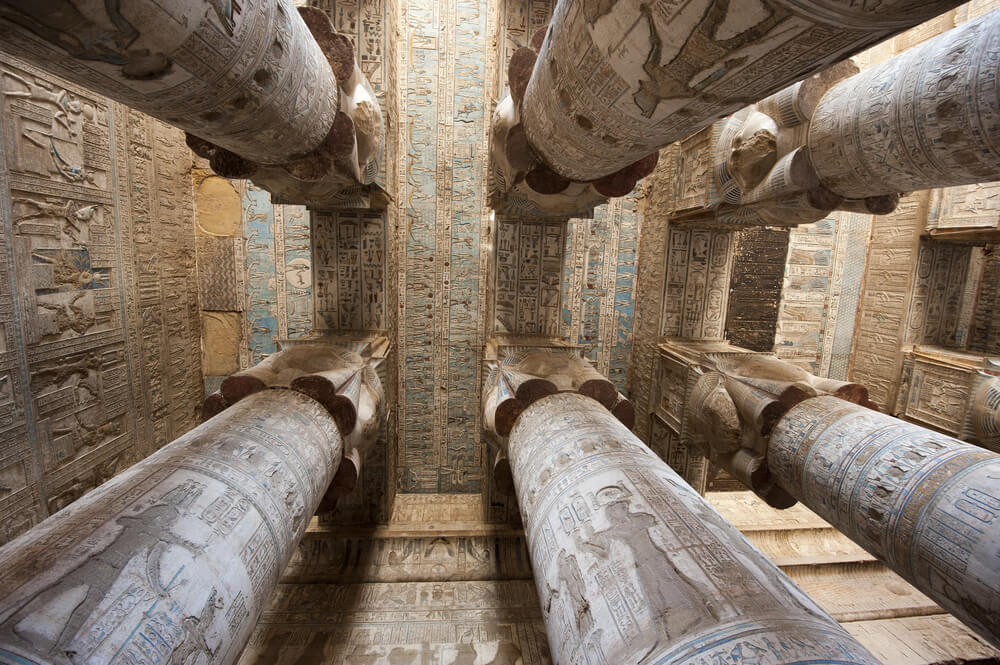
Amada is among the oldest Egyptian temples in Nubia, and its painted reliefs were fragile enough that cutting the building into blocks seemed risky. Engineers instead moved the temple in one piece during the mid 1960s, placing it on a track system and hauling it to a new site clear of the rising water.
Few ancient buildings have ever been relocated intact in this manner, which makes the temple a rare case of antiquity riding a railway. The delicate colors inside had survived for millennia, and the move was designed to keep them that way.
Temple of Debod Reassembled in a Madrid Park
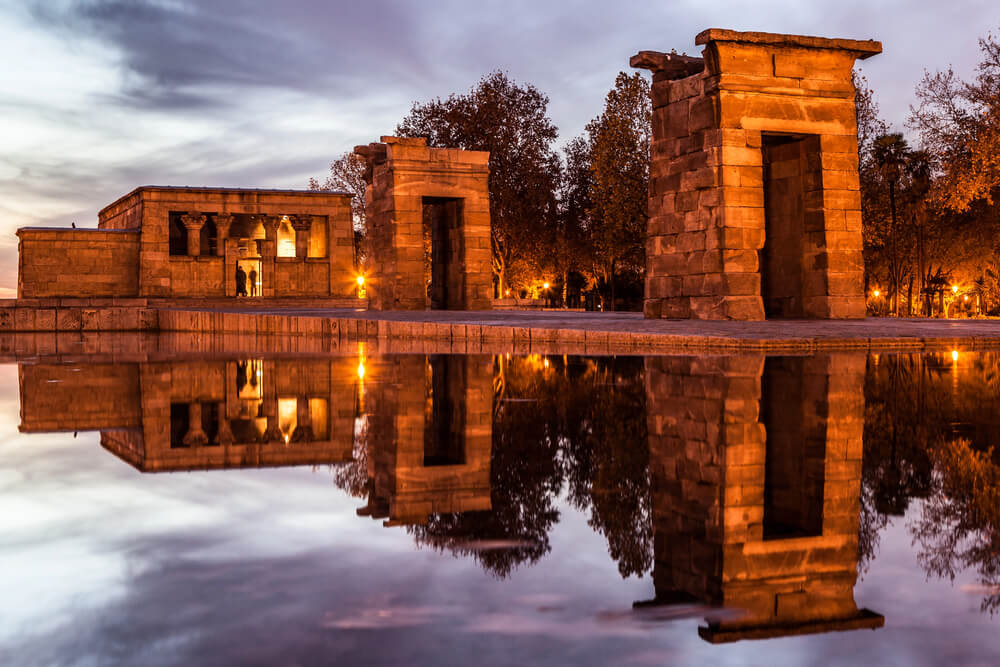
When the Nubian monuments were being saved from the reservoir, Egypt thanked Spain for its help by giving it a small temple dedicated to Amun and Isis. The stones were shipped from Egypt and rebuilt in the Parque del Oeste in Madrid, where the temple opened to visitors in 1972. It stands near a reflecting pool that evokes the Nile.
Madrid residents now treat it as a sunset gathering spot, which is an unusual second career for a structure that once greeted pilgrims on the upper river.
Temple of Dendur Installed Inside a New York Museum
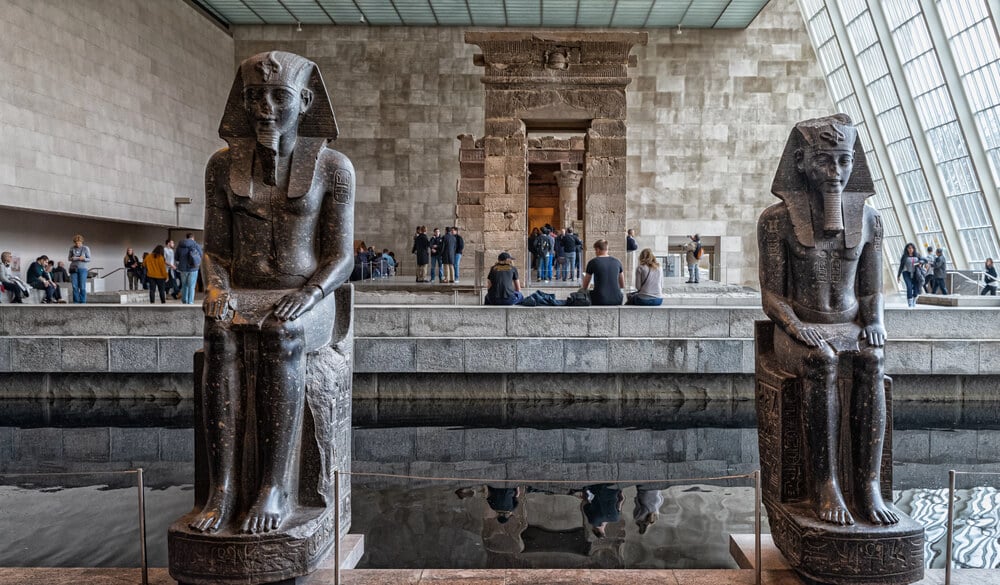
— Photo by Mabdelrazek
Egypt offered the Temple of Dendur to the United States in thanks for American help in the Nubian rescue campaign, and the Metropolitan Museum of Art won the competition to house it. The sandstone temple, built under Roman rule, was taken apart in Nubia, crated and shipped across the Atlantic.
It now stands in a glass-walled gallery beside Central Park, complete with a pool and a sloping glass wall. Visitors can still spot graffiti that nineteenth century travelers carved into its stones before the dam era arrived.
Cape Hatteras Lighthouse Hauled Away From the Surf
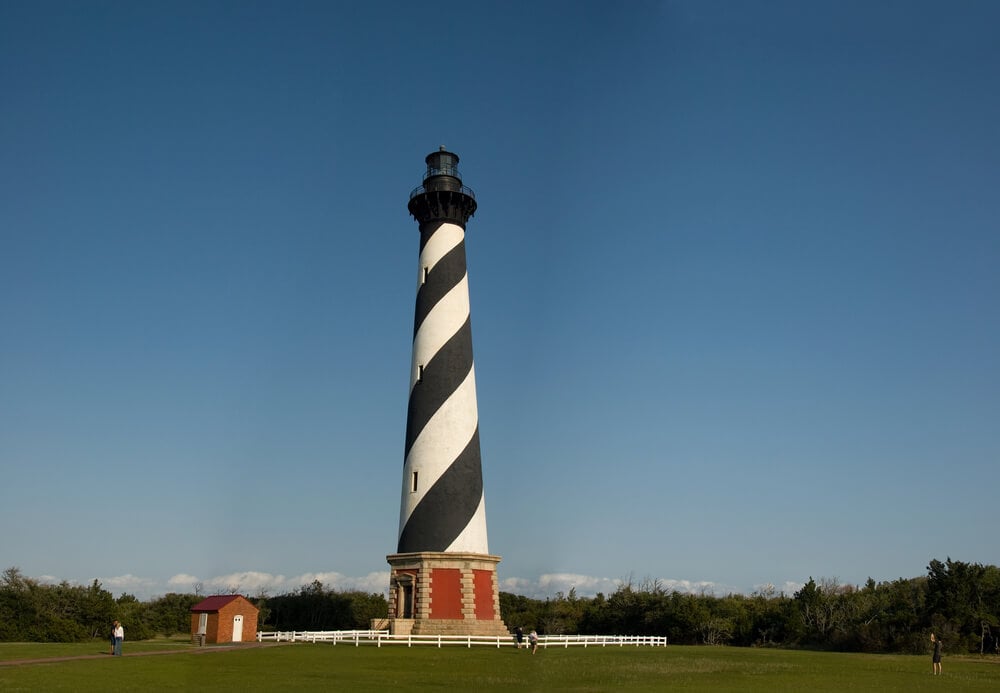
By the 1990s the Atlantic had crept to within a few steps of the tallest brick lighthouse in the United States. In 1999, crews lifted the tower on hydraulic jacks and pushed it along steel beams to a spot more than half a mile inland.
The trip took weeks because the structure advanced only a few feet at a time. Engineers chose a new site that put the tower back at roughly the distance from the water that its builders had originally intended in the nineteenth century.
Block Island Southeast Light Pulled Back From a Crumbling Bluff
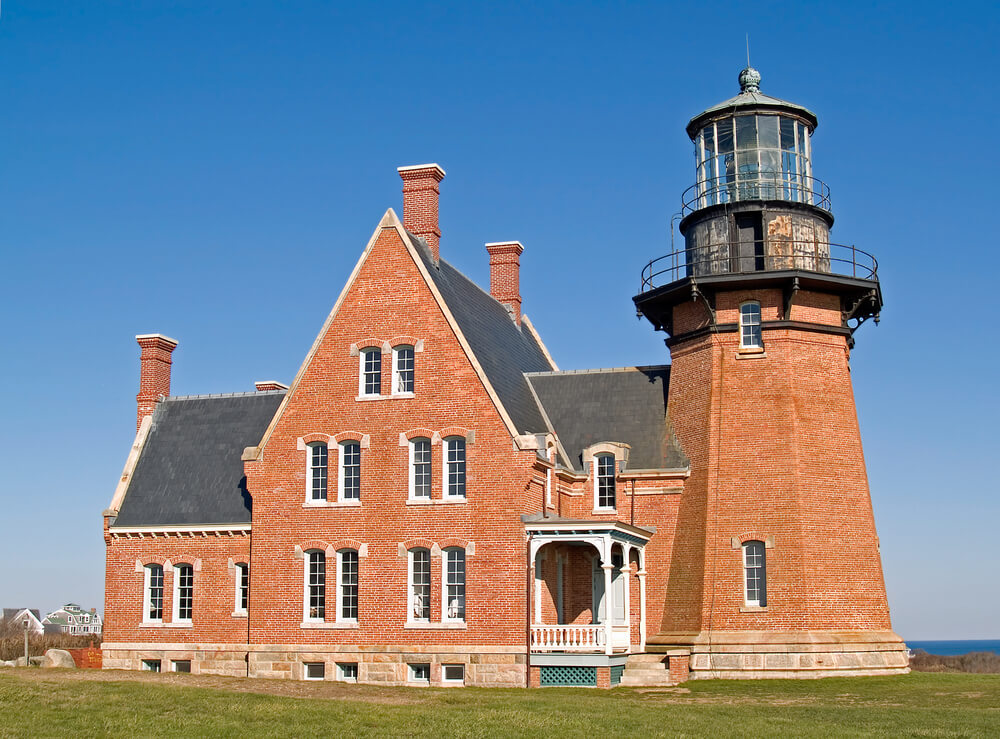
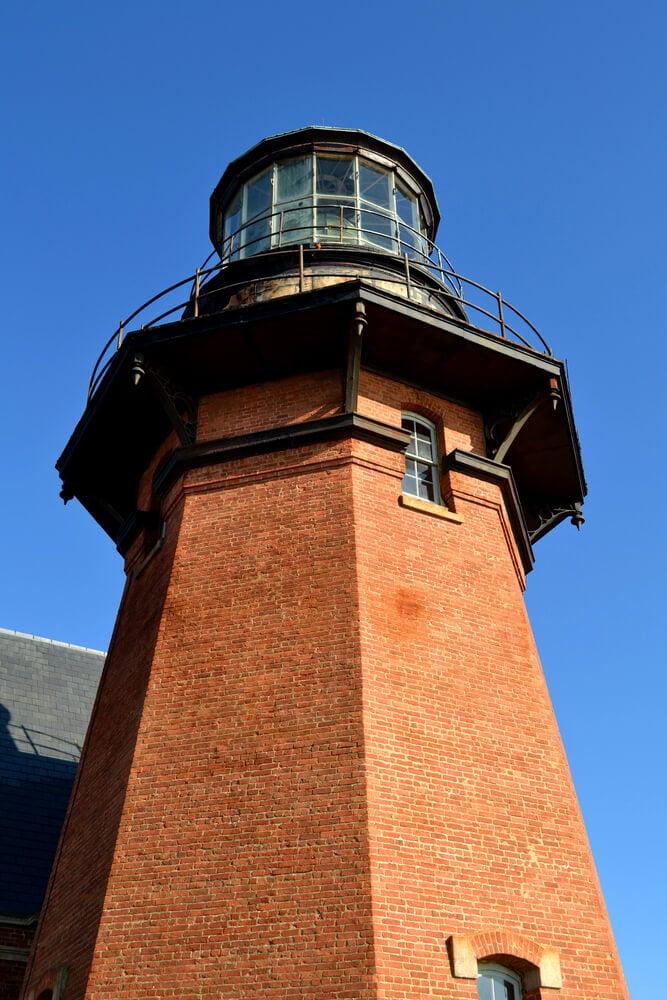
Mohegan Bluffs on Block Island in Rhode Island lose land every year, and by the early 1990s the brick Southeast Light sat close enough to the edge to worry anyone nearby. In 1993 the lighthouse was lifted and rolled several hundred feet inland, with its Victorian keeper’s house intact.
The tower is a Rhode Island landmark that uses a powerful lens, and the move preserved a navigational aid that ships had relied on since the nineteenth century. Local residents followed the progress closely, because the building is visible from the ferry and the island has few landmarks to spare.
Nauset Light Rolled Back Across a Cape Cod Dune
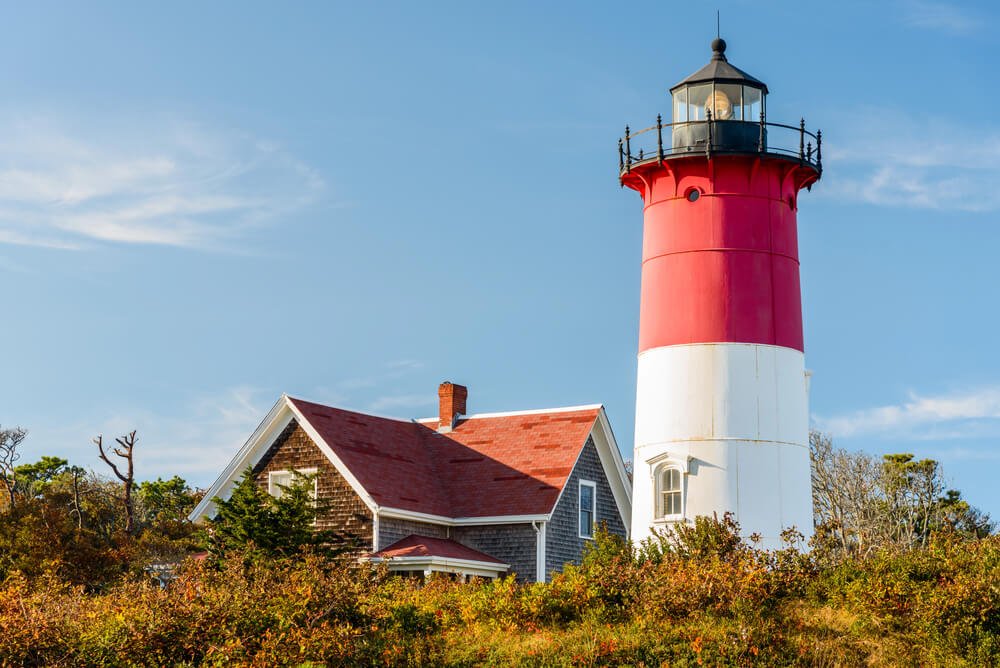
Nauset Light in Eastham, Massachusetts, is a white tower with a single red band that has become one of the most photographed lighthouses on the Cape. In 1996 the structure was moved several hundred feet back from the edge of an eroding bluff, with the entire effort watched by crowds of local residents.
The new spot is a grassy lot that keeps the tower close to its old view. The shoreline below is known for shipwrecks, and the Atlantic continues to take sand from the same beach year after year.
Highland Light Moved Back From the Truro Cliff
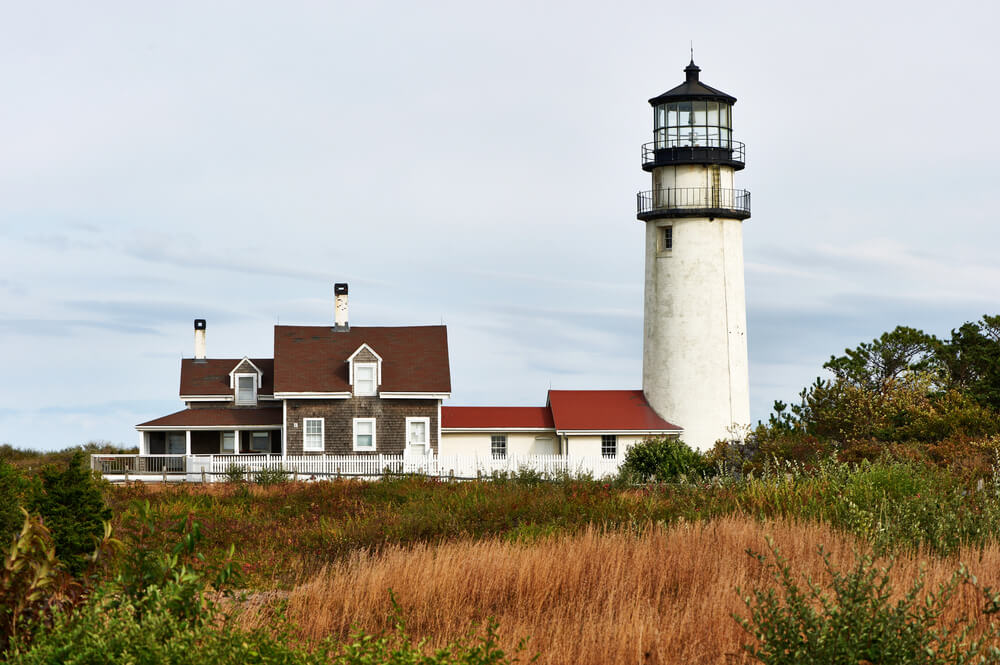
Highland Light sits on a bluff above the Atlantic in Truro, and the eroding clay edge had come uncomfortably close by the 1990s. Also in 1996, the lighthouse traveled several hundred feet along a rail track to a safer position.
The brick tower weighs hundreds of tons, so the crew used hydraulic jacks to lift it and a pulling system to ease it along. It is among the oldest lighthouse sites on Cape Cod, and the tower had to be moved because the cliff would not stop retreating.
Gay Head Light Shifted Away From Collapsing Clay Cliffs
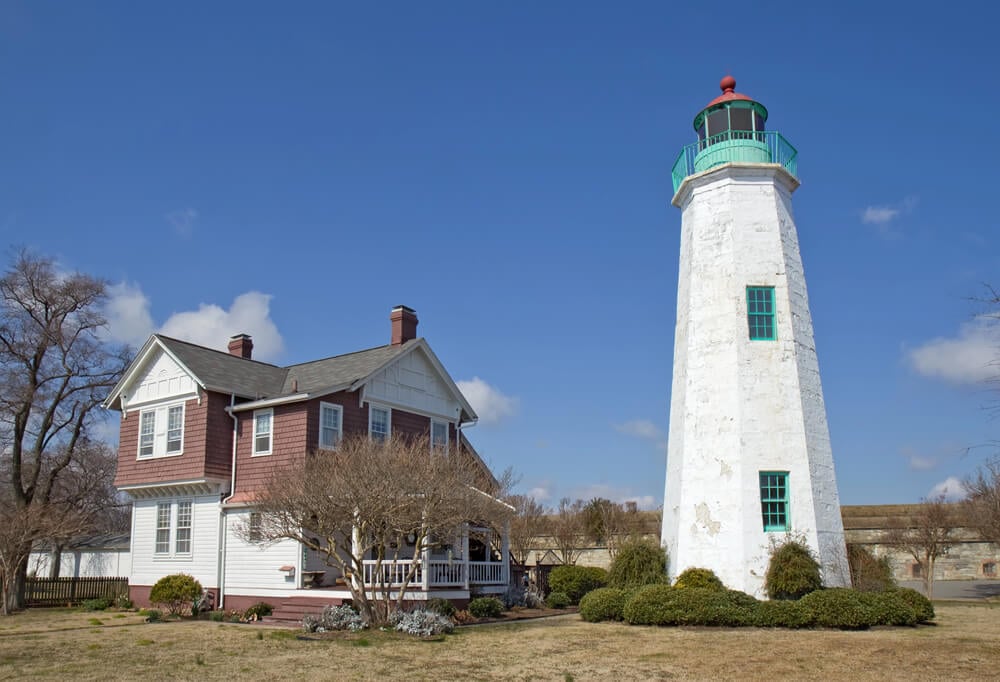
On Martha’s Vineyard, the clay cliffs of Aquinnah were crumbling beneath the 1850s brick lighthouse. In 2015 the tower was lifted, loaded onto a steel track and moved 135 feet inland over several days.
The relocation relied on a mix of local fundraising and town support, since the building belongs to the community. The lighthouse had been built to guide vessels past dangerous shoals, and now it stands far enough back to avoid slipping down the multicolored cliffs for decades to come, which is a modest reward for such effort.
Brighton Beach Hotel Dragged Inland on Rails

Opening on Brooklyn’s Coney Island shore in the 1870s, the Brighton Beach Hotel soon faced the same enemy as many beachfront buildings, a surf that kept creeping closer. In 1888 the huge wooden resort was put on rails and pulled inland by locomotives. The railroad owned the line, so it simply used its own tracks and engines for the operation.
The hotel became one of the best remembered buildings in the history of American house moving, and photographs of the procession still circulate among railroad enthusiasts and historians.
London Bridge Shipped Stone by Stone to Arizona
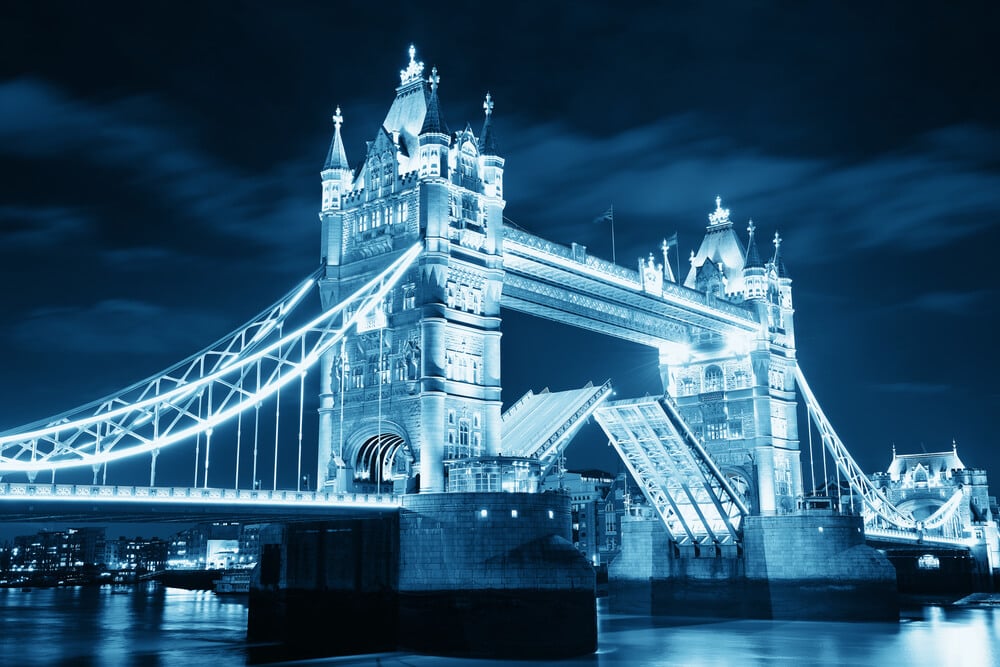
London sold its Thames bridge in the 1960s because the old structure was sinking under modern traffic. A chainsaw company founder bought it in 1968 for his planned town of Lake Havasu City, Arizona.
The granite facing blocks were numbered, shipped across the Atlantic and through the Panama Canal, then reassembled over a steel and concrete core. The bridge opened in 1971 over a channel that workers dug beneath it afterward, so the water arrived long after the span had already been placed on dry land.
Spanish Monastery Packed Into Crates and Sent to Florida
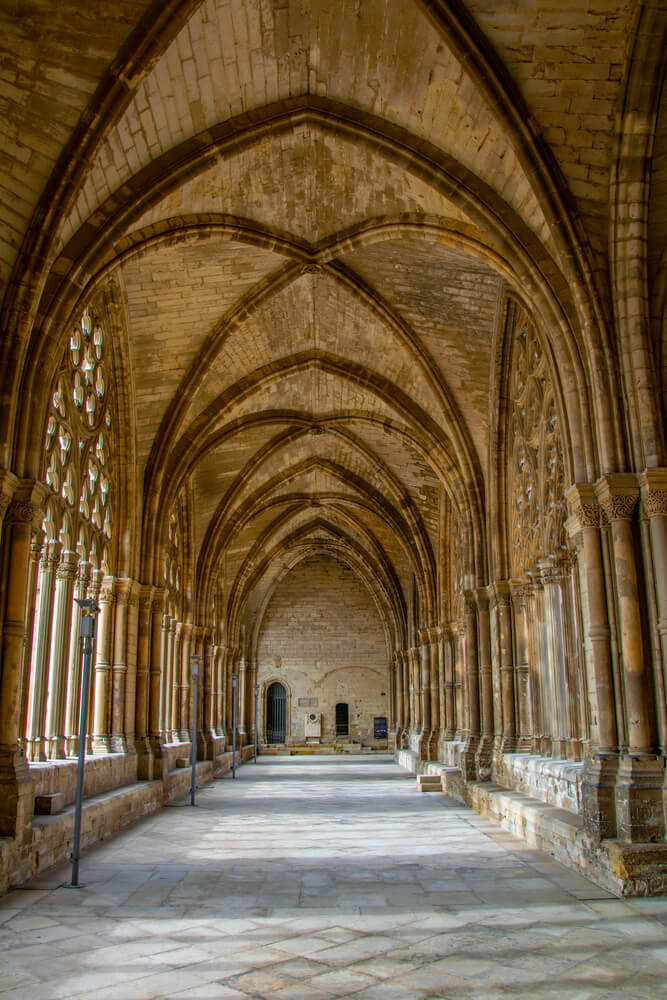
A twelfth century Cistercian monastery in Segovia province, Spain, was bought by newspaper publisher William Randolph Hearst in the 1920s. Its stones were numbered and packed into thousands of crates for shipment to the United States. Hearst’s finances then collapsed and the crates sat in storage for years.
Buyers eventually reassembled the building in North Miami Beach, Florida, in 1954, where it operates today as a church and tourist attraction with a garden and cloister that never stood anywhere near a Florida beach, and the stones still carry their original markings.
Belle Tout Lighthouse Slid Back From Beachy Head
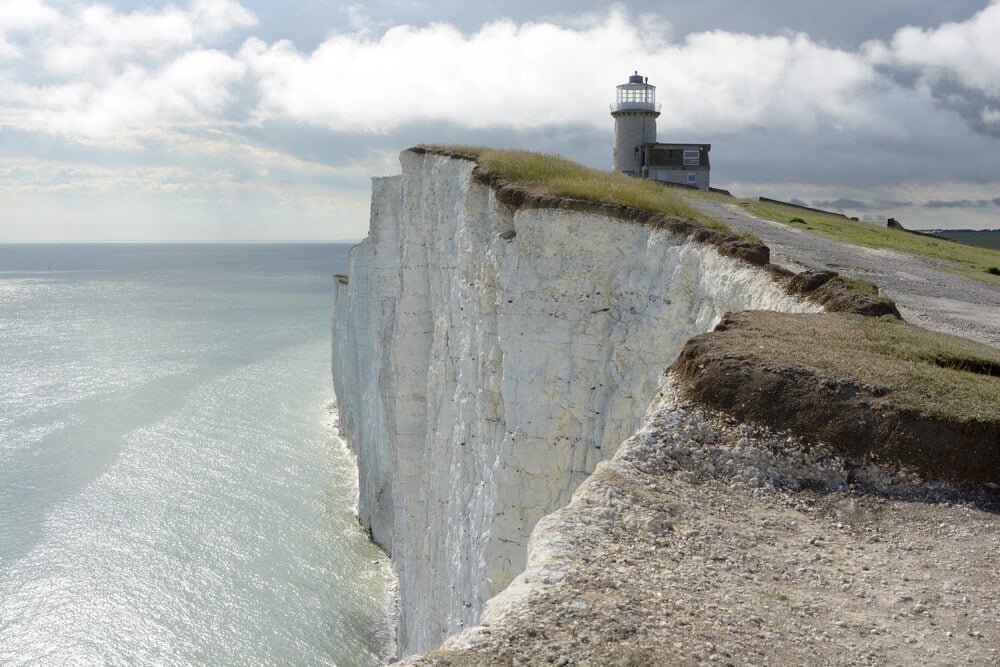
Belle Tout is a stout stone lighthouse standing on the chalk cliffs near Beachy Head in England, and erosion had left it perched dangerously near the edge by the end of the twentieth century. In 1999 the building was placed on hydraulic rams and steel beams and shifted inland across a few days.
It had been decommissioned years earlier and was by then a private home. The move kept a family house safe, and the tower later became a popular bed and breakfast with views of the English Channel.
Kiruna Church Rolled Through Town on Giant Wheels
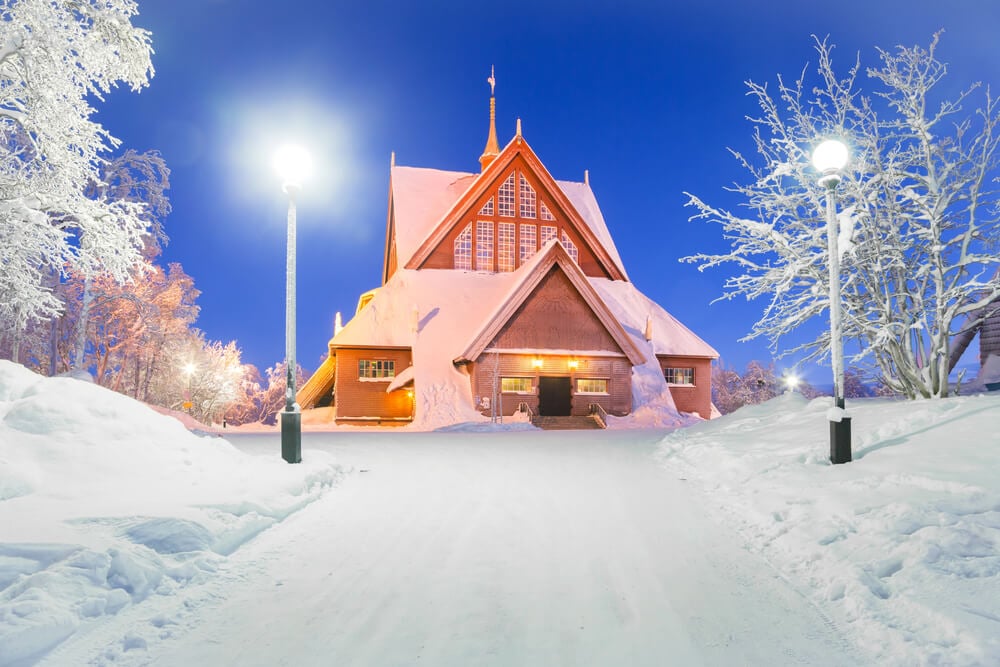
Kiruna in northern Sweden sits above the world’s largest underground iron ore mine, and the ground beneath the old town center began to crack and sink. The city is being relocated eastward, and in 2025 its wooden church, completed in 1912, was carried across town on wheeled transporters.
Residents lined the route to watch the slow procession. The church is often described as one of the most beloved buildings in Sweden, and it now rests on new foundations at the edge of a district built to replace the old center.
Gothic Church in Most Slid Aside for Coal Mining
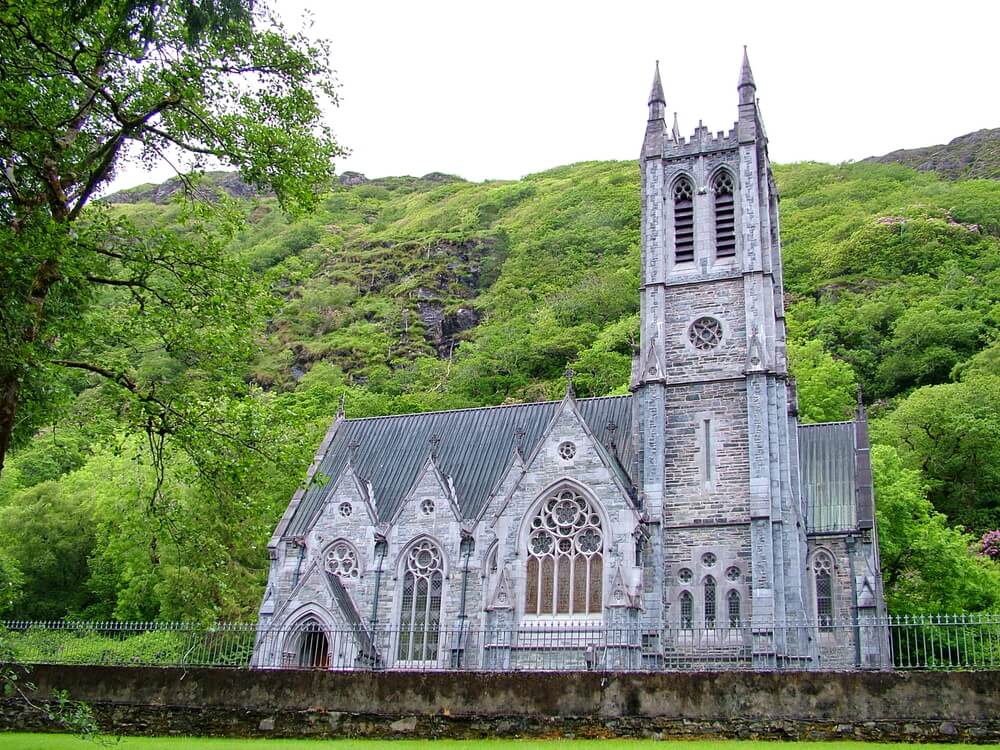
The Church of the Assumption of the Virgin Mary in the Czech city of Most stood above brown coal deposits that miners wanted to reach. Rather than demolish the late medieval building, authorities moved it in 1975 on a track system, carrying the entire structure on a heavy platform to a new site not far away.
The trip took weeks and became a celebrated feat of Czech engineering. Surrounding streets were erased by the mine, so the church now stands alone in a town built mostly afterward.
Places That Learned to Travel
Moving a building feels like a modern stunt, yet the tradition is older than most of these structures. Every example here was saved because someone decided the site mattered less than the thing itself, even when the site was a cliff, a river or a coal seam. The cost was almost always higher than demolition, and the effort needed years of planning.
The strange result is a landscape of buildings that remember two addresses. A lighthouse on a Massachusetts dune, a temple in a Madrid park and a church in northern Sweden all share an odd status, preserved yet displaced. Progress usually erases what stands in its way, and these rescues show what happens when it is persuaded to wait.
More from Go2Tutors!

- 27 Silver Dollars and Half Dollars Worth Keeping
- 28 Restaurant Menu Items Nobody Orders Anymore
- 17 Places Built in Seemingly Impossible Spots
- 27 Vintage Rings Worth More Than They Look
- 25 Restricted Sites Tourists Can’t Enter
Like Go2Tutors’s content? Follow us on MSN.