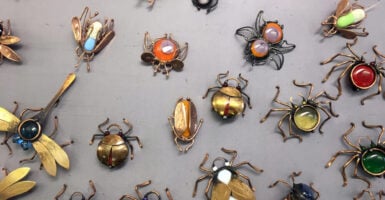
28 Jewelry Motifs From the Animal Kingdom
Jewelers have been borrowing from the animal kingdom for as long as there have been jewelers. A creature on a brooch or ring is rarely just decoration, because most of them carried a meaning that the wearer understood at a glance.
The motifs below show up across estate sales, antique shops, and inherited boxes. Each one comes with a bit of history that helps with dating and identifying a piece.
The Coiled Snake
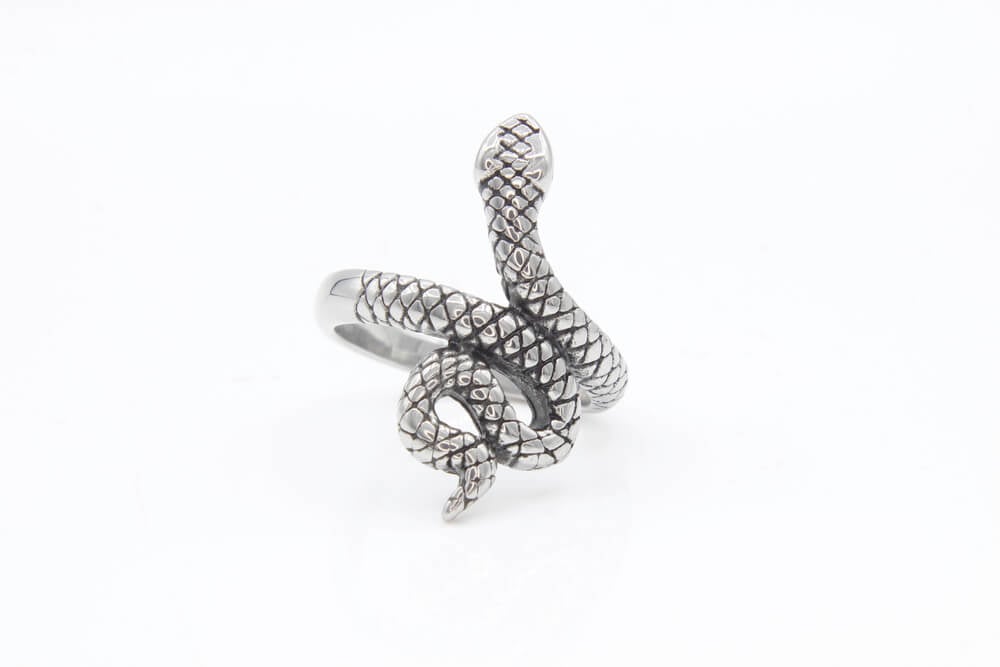
Snake rings and bracelets were popular in Victorian jewelry, and the best-known example is the engagement ring Prince Albert gave Queen Victoria in 1839. The coiled body stood for eternal love, since a snake with its tail in its mouth has no end.
Look closely at the eyes, which are often tiny gems that go missing first.
The Bee
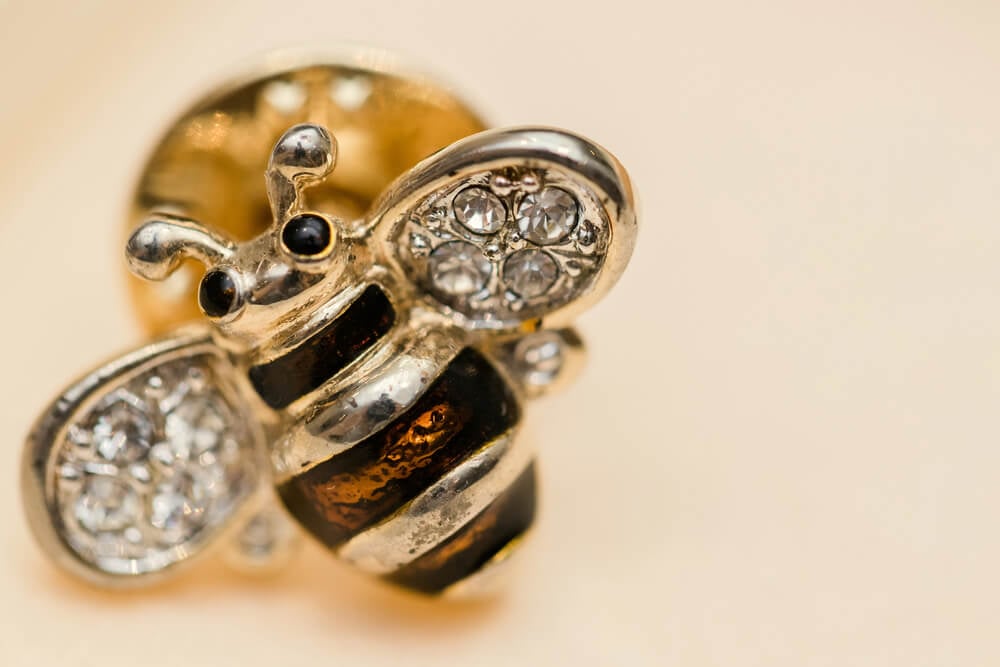
Bees were adopted as an imperial emblem by Napoleon, which gave them a place in French jewelry of that era. They also stand for industry and community, so bee brooches have long been popular as gifts.
A bee with its wings intact is worth more than one with bent or missing wings.
The Butterfly
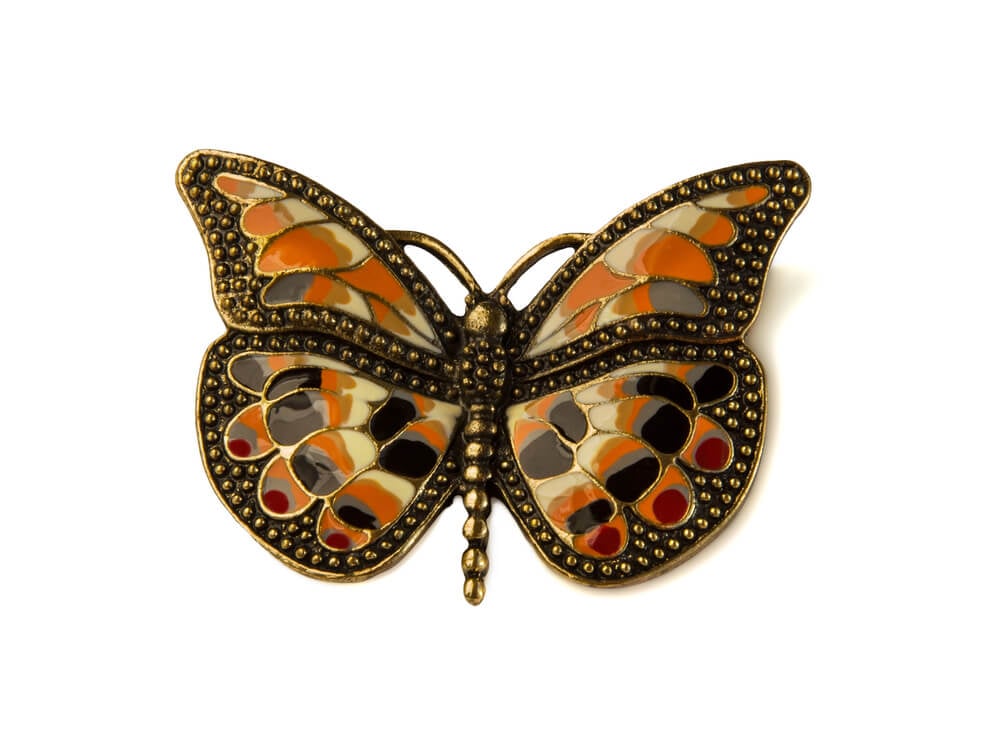
Butterflies were a favorite subject of Art Nouveau jewelers, who loved the thin, translucent look of wings made from enamel. They symbolize transformation, so they appear often in memorial and keepsake jewelry.
Enamel chips on the wings are the most common flaw and they lower the price noticeably.
The Dragonfly
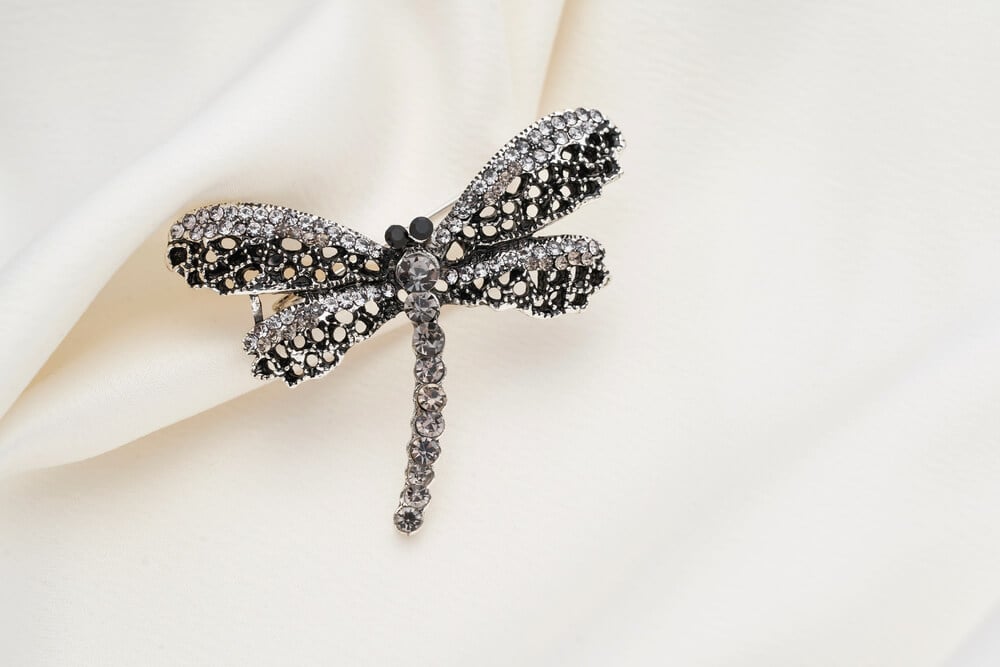
The dragonfly became an icon of Art Nouveau, and the French jeweler René Lalique made it famous with elaborate designs in enamel and gemstones. The slim body and long wings suited the flowing lines of the style.
Reproductions are common, so check the weight and the back before assuming a piece is old.
The Scarab
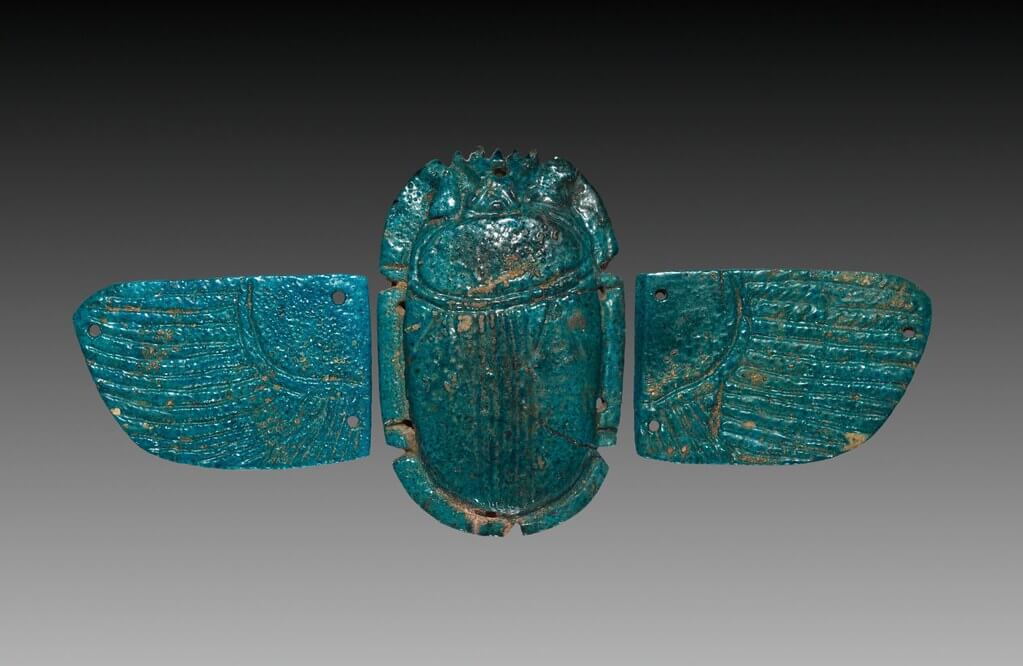
The scarab beetle was sacred in ancient Egypt, where it stood for rebirth and the rising sun. A fresh wave of interest followed the 1922 discovery of Tutankhamun’s tomb, and scarab jewelry became fashionable in the years after.
Many carved scarabs are genuine antiquities set in newer mounts, so the setting often tells more than the stone.
The Ladybug
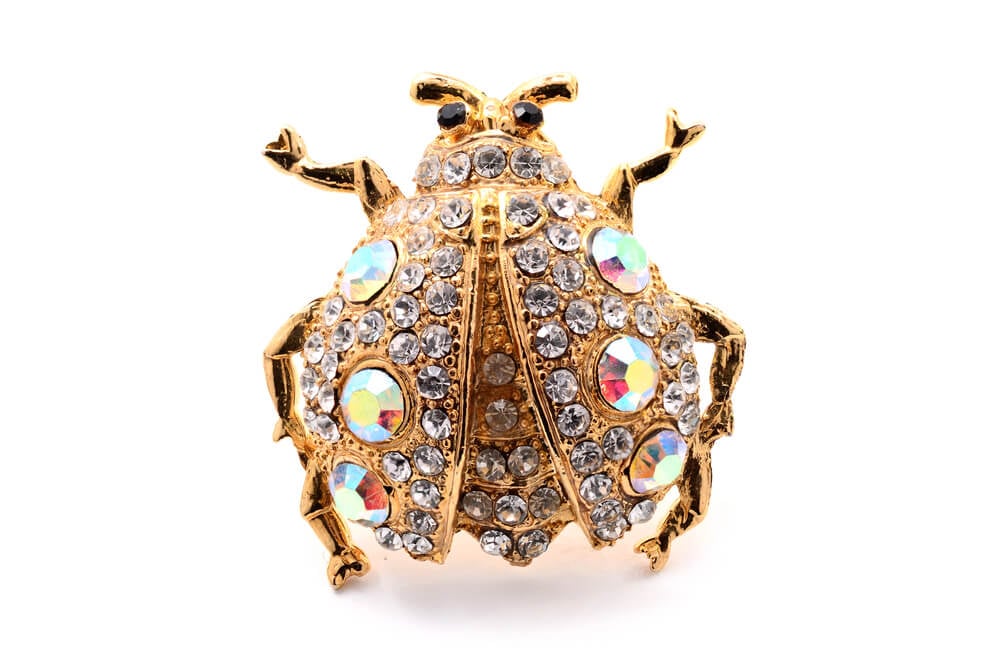
A ladybug is a symbol of luck in many cultures, and the red body with black spots makes it easy to recognize. Small ladybug pins and charms have been popular gifts for children.
The red enamel or paint is the first thing to wear, so a bright, even coat is a sign of a well-kept piece.
The Swallow
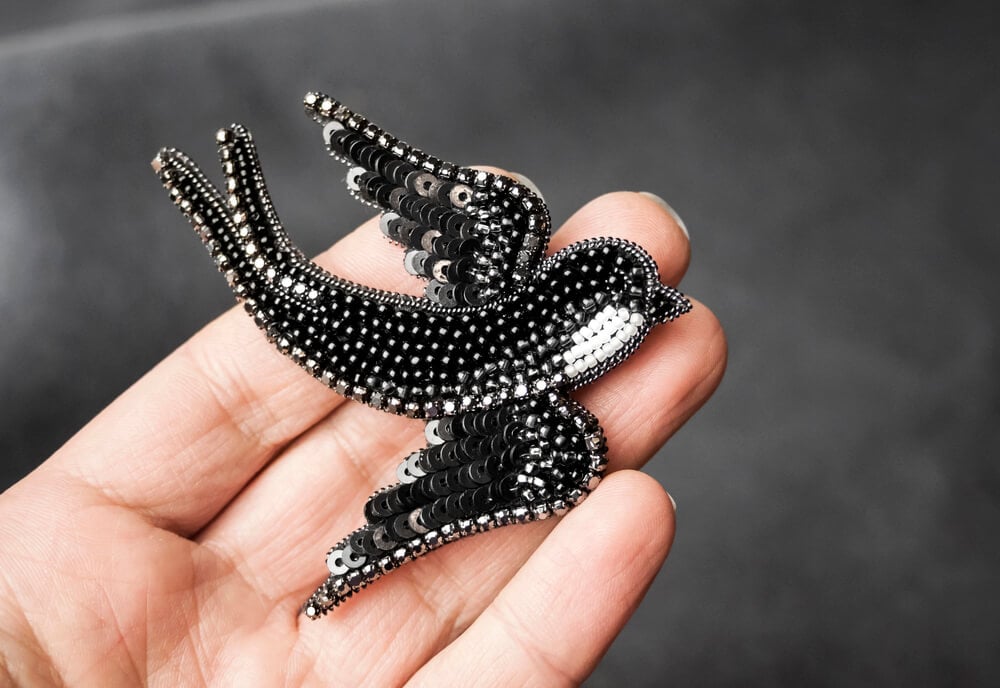
Swallows return each year to the same place, which made them a symbol of faithfulness and of safe return. Sailors and their families wore swallow jewelry for that reason.
The forked tail is the detail to inspect, since it is thin and often bent.
The Owl
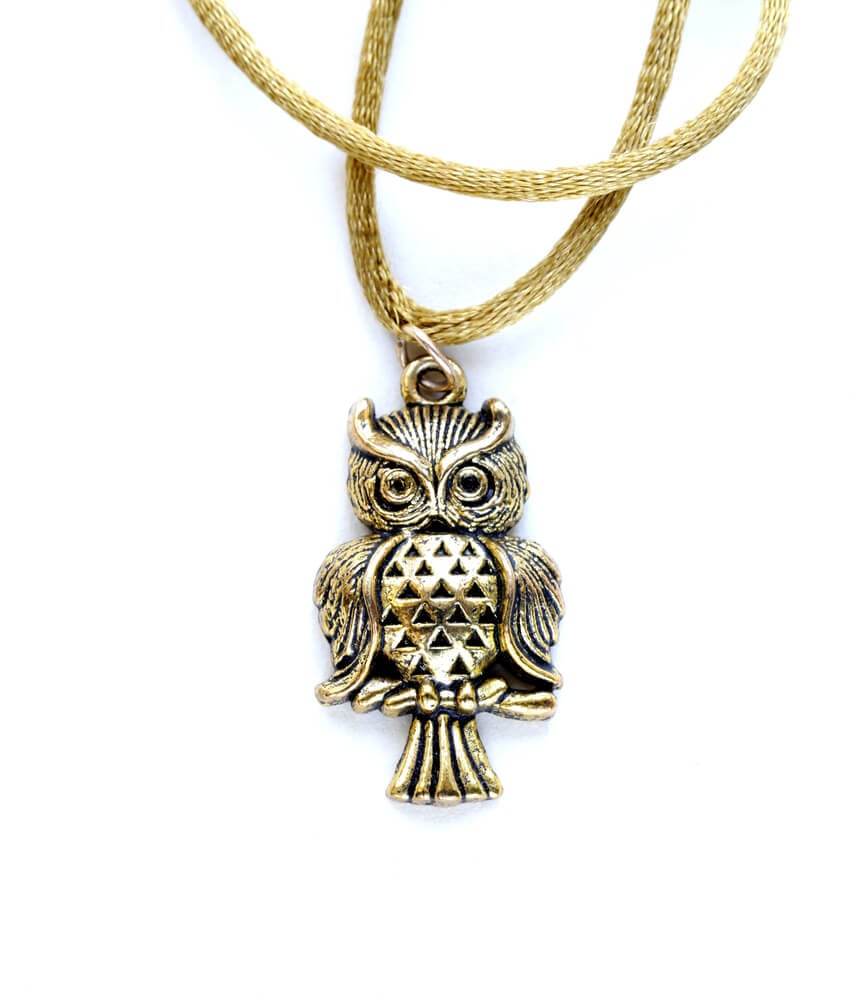
The owl was associated with Athena in ancient Greece and has stood for wisdom ever since. Owl brooches and pendants show up in styles ranging from Art Nouveau to the 1970s.
Large glass or gemstone eyes give the piece its personality, so a missing eye is a significant flaw.
The Peacock
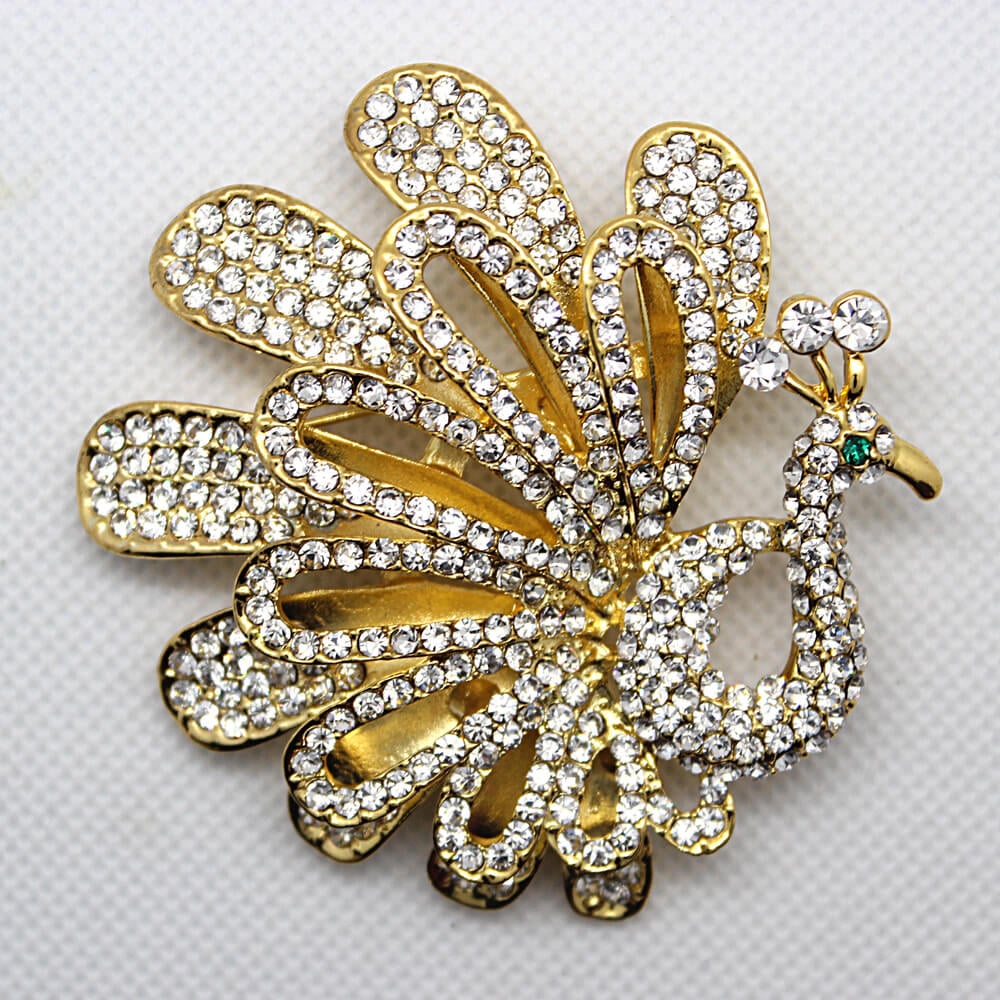
Peacock motifs were a signature of Art Nouveau, where the fanned tail allowed jewelers to show off enamel and colored stones. The bird represents beauty and pride, and the tail feathers often hold dozens of small stones.
A complete tail with every stone in place is the version worth seeking.
The Swan
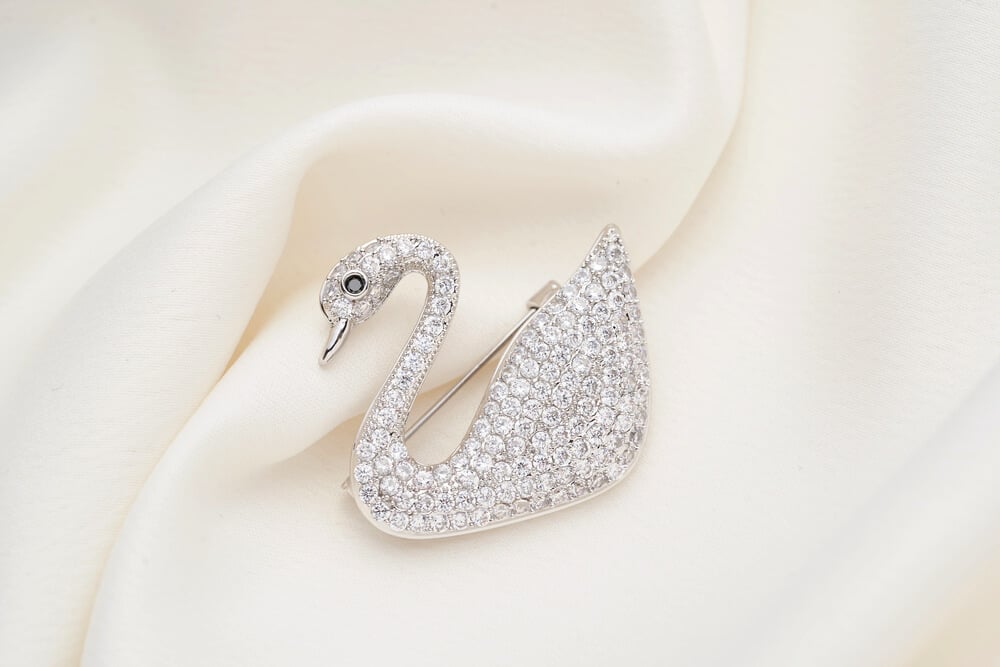
Swans are a symbol of grace and of lifelong partnership, which made them a popular wedding motif. The curved neck forms a natural shape for a pendant or a brooch.
Pearls were often used for the body, so look for even luster and an intact setting.
The Dove
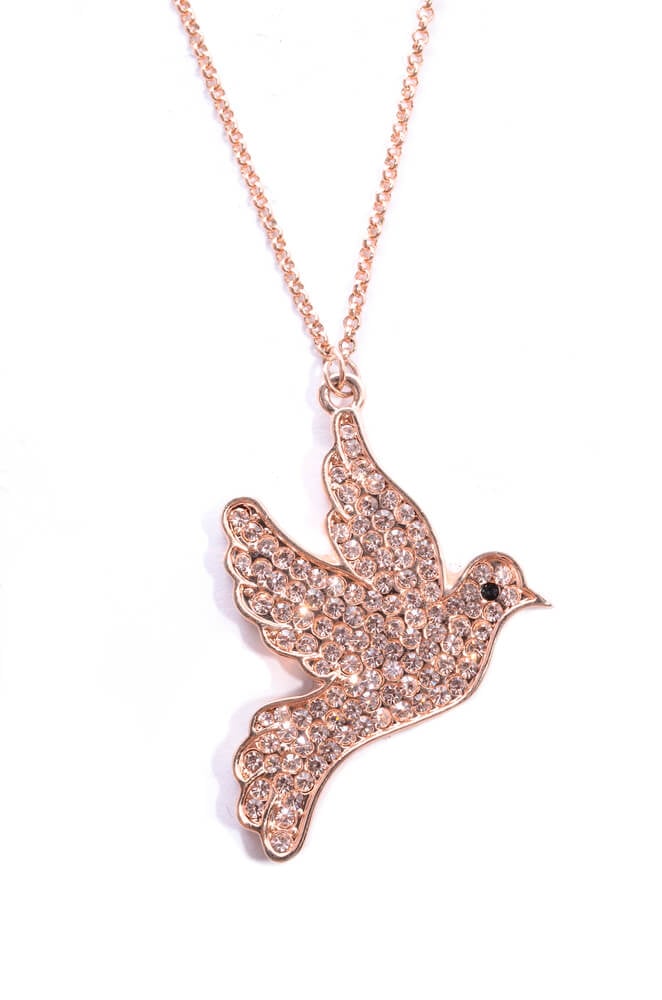
A dove with an olive branch stands for peace, and a pair of doves facing each other stands for love. Dove brooches and charms are common in religious jewelry.
The thin branch and delicate wings are easily bent, so they should be inspected carefully.
The Eagle
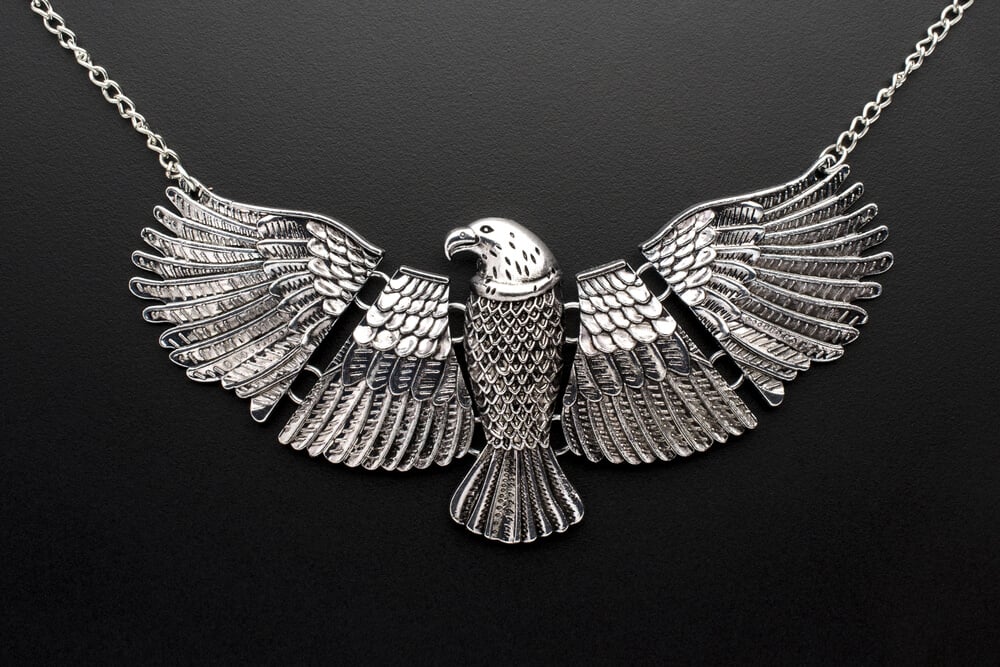
The eagle has appeared on seals, coins, and jewelry for thousands of years as a sign of power and authority. In American jewelry, it often appears in patriotic pieces and in military insignia.
A heavy, well-defined eagle with crisp feather detail is usually an older and better made piece.
The Lion
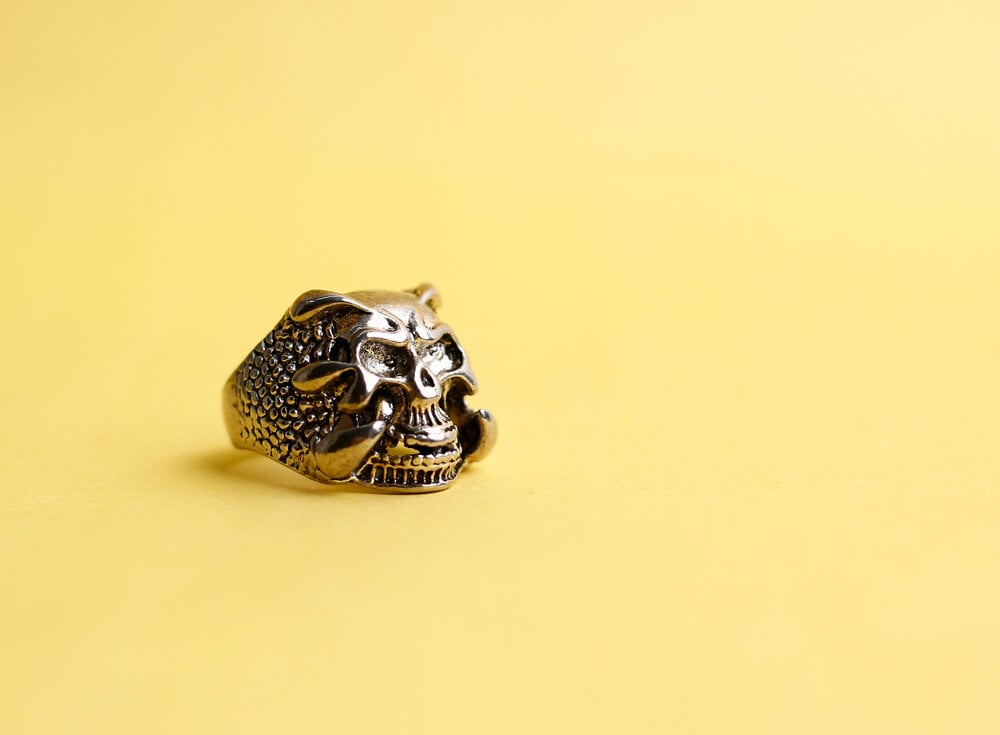
A lion stands for courage and strength, and a lion’s head was a favorite motif for rings, door-knocker style pendants, and bracelet clasps. The detail in the mane is the quickest way to judge the quality of the casting.
A soft, mushy mane suggests a later, lower-quality copy.
The Horse
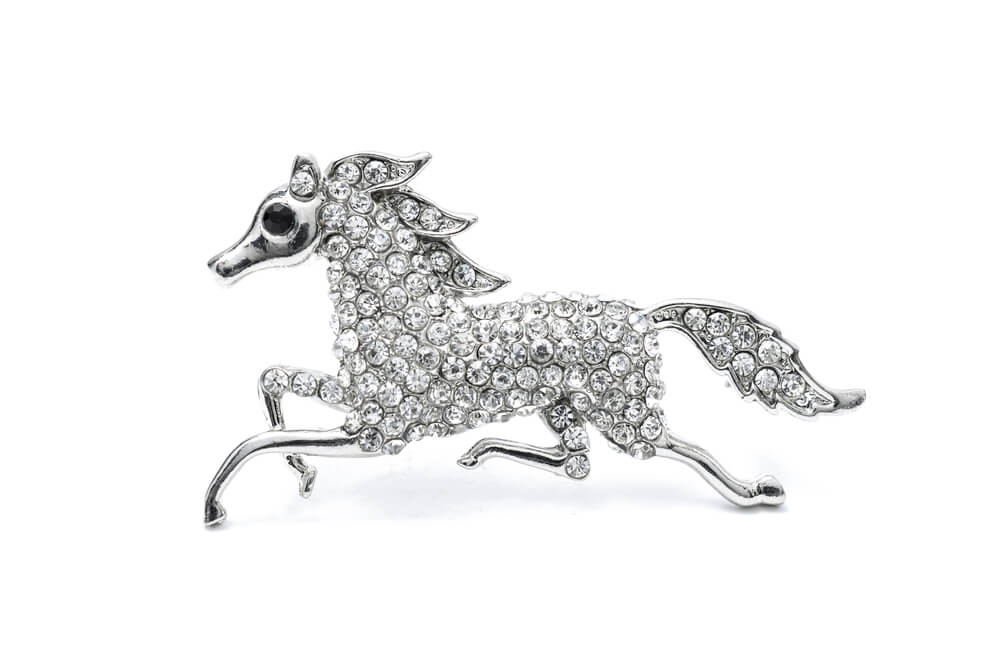
Horse head brooches and stick pins were popular among riders and racing fans. Equestrian jewelry is its own collecting field, with designs ranging from simple outlines to finely detailed portraits.
A piece with a clear mark and no repair marks on the neck is the one to keep.
The Dog
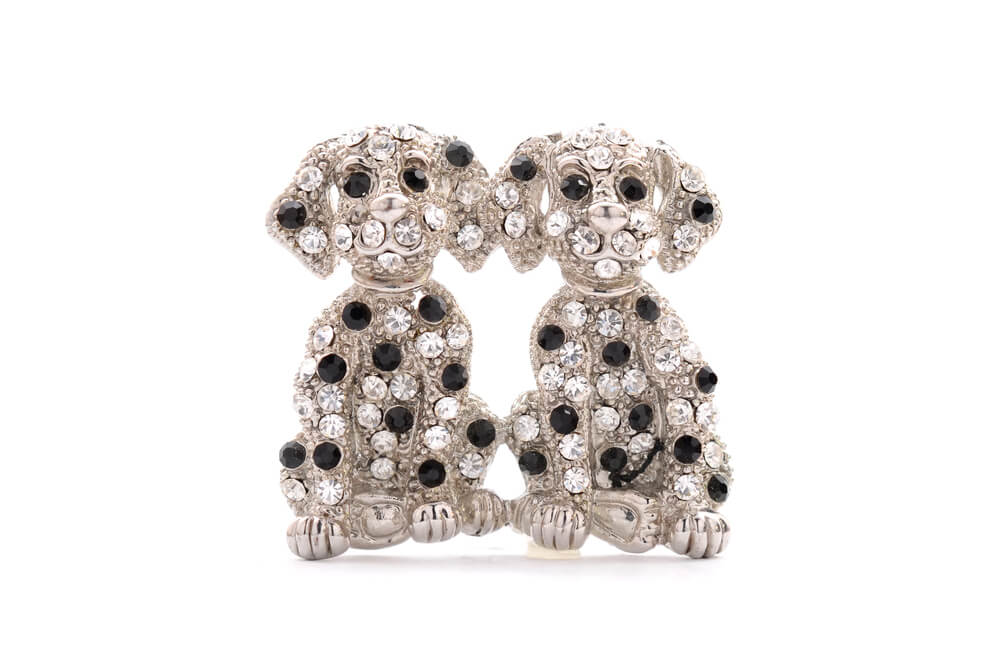
Pet jewelry became popular in the Victorian era, when owners commissioned portraits of favorite dogs in miniature and carved forms. Breeds such as the greyhound, the spaniel, and the terrier appear often.
A breed that can be identified clearly is more interesting to collectors than a generic dog.
The Cat
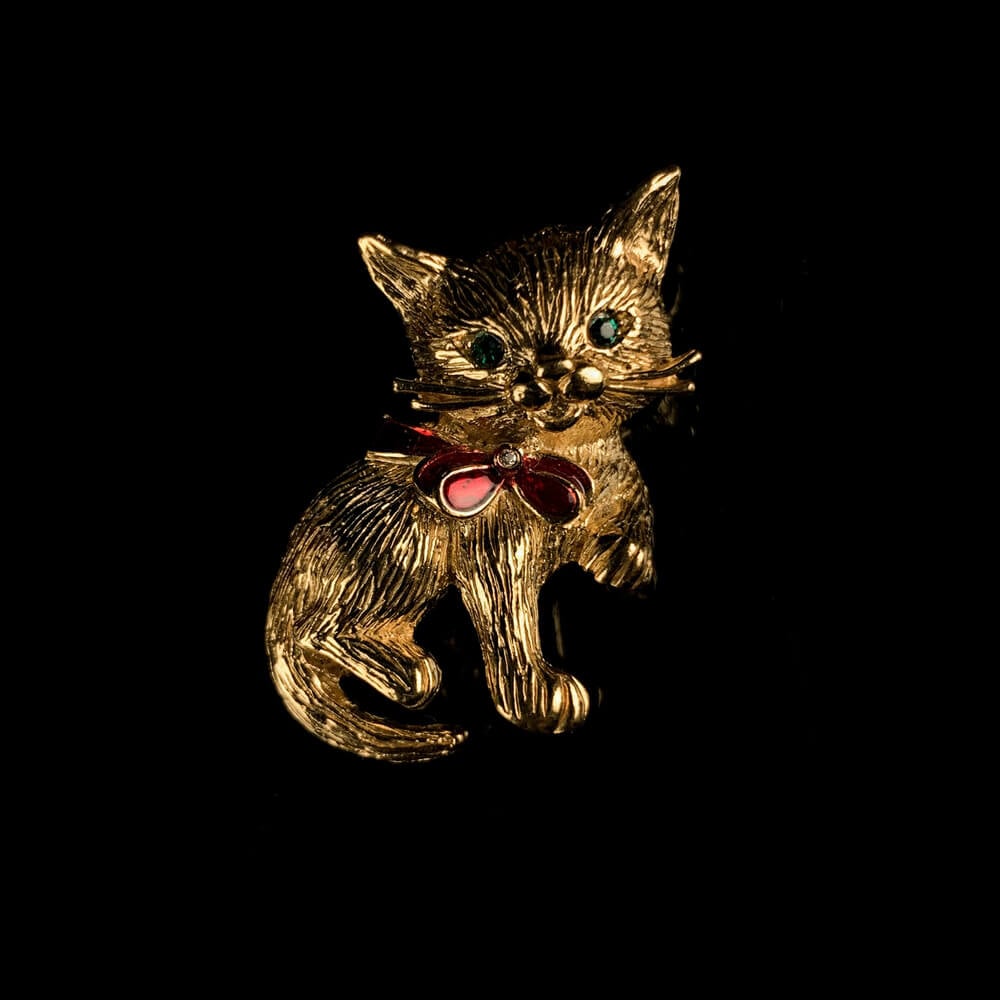
Cats appear in jewelry as a symbol of independence and mystery, and the Egyptian association with the goddess Bastet gave them a long history. Cat brooches from the middle of the twentieth century often use rhinestones for the eyes.
A set with both eyes intact will sell for more than one with a missing stone.
The Fox
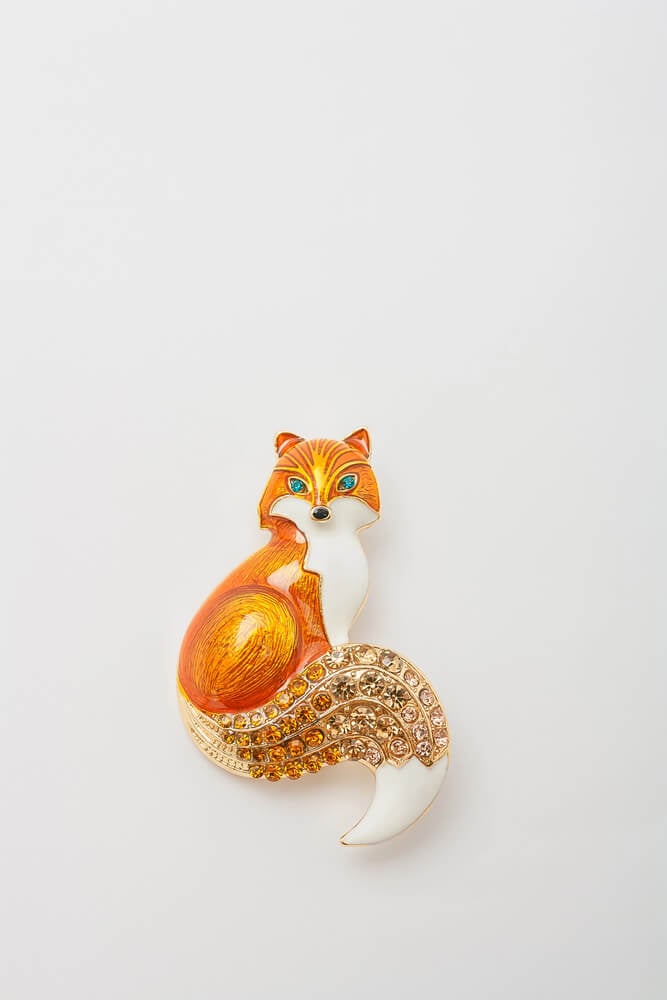
The fox is a symbol of cleverness, and it appears in sporting jewelry connected with the hunt. Fox head pins and brooches were popular among those who rode to hounds.
The pointed ears and narrow muzzle are fragile and often show wear.
The Elephant
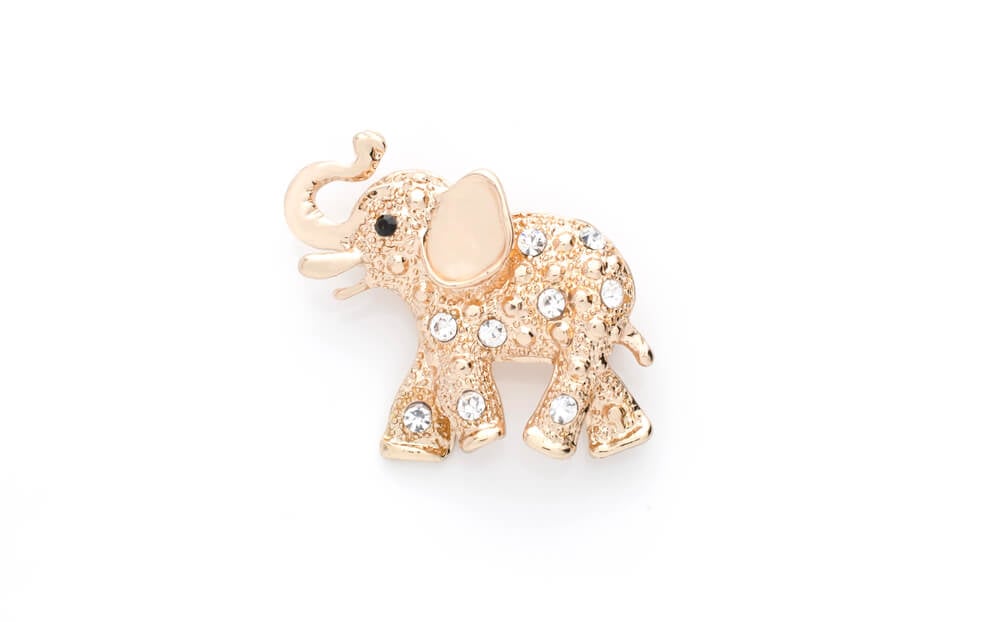
Elephant charms with the trunk raised are considered lucky, since the raised trunk is said to pour good fortune on the wearer. They are common in jewelry from India and Southeast Asia, and in carved ivory substitutes and silver.
Check the trunk and tusks first, because that is where damage tends to appear.
The Frog
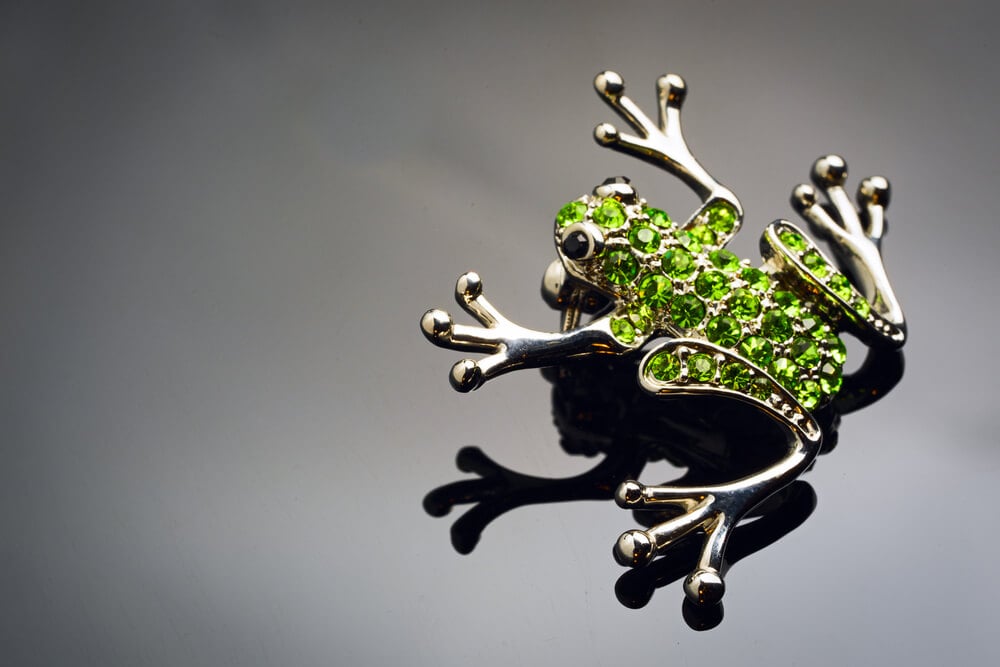
Frogs stand for good luck and transformation in many cultures, and frog brooches had a comeback in costume jewelry. The textured skin and bright eyes make them playful and easy to recognize.
Enamel frogs should be checked for cracks around the legs.
The Turtle
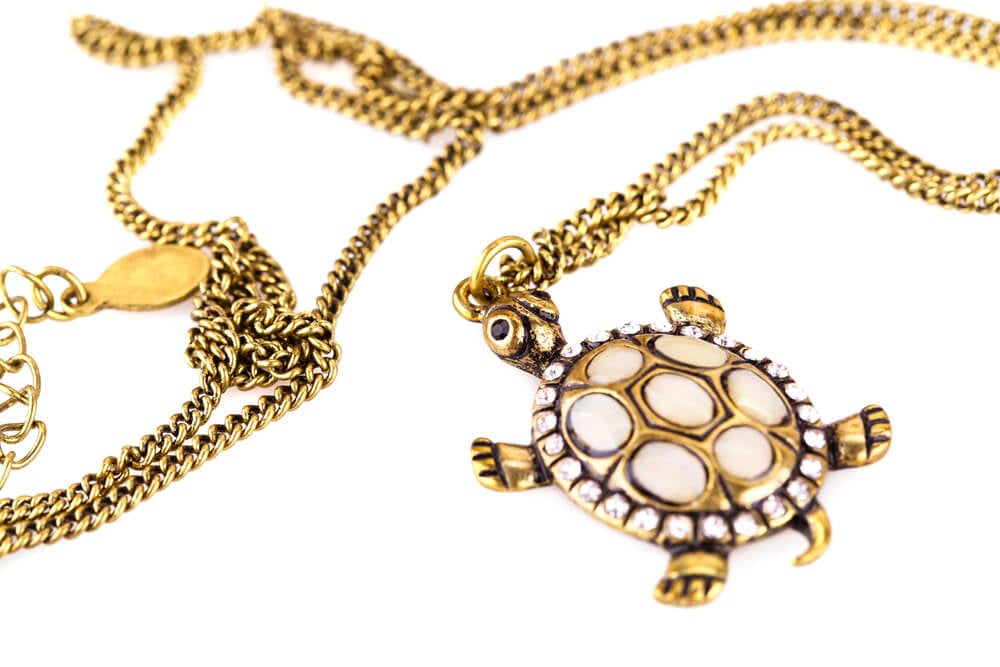
Turtles stand for longevity and protection, which makes them a common choice for charms and pendants. Many have a shell that is set with stones or carved in layers.
A piece with a hinged shell, which opens to reveal a hidden compartment, is a rare and clever find.
The Fish
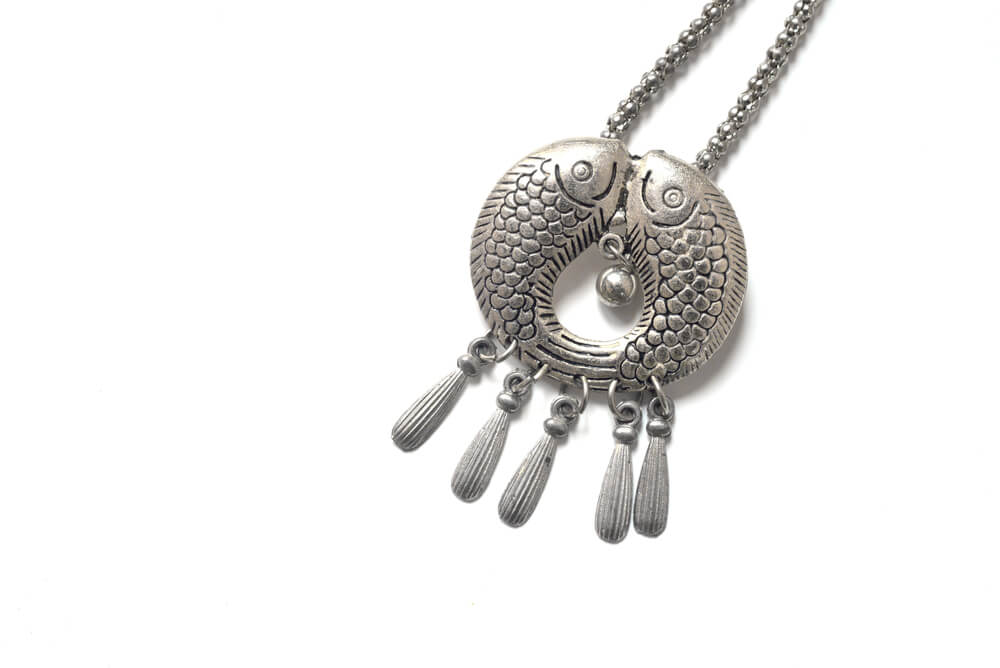
Fish motifs are among the oldest in jewelry and have been used as symbols of abundance and of faith. Articulated fish with moving sections that wriggle when worn are especially appealing.
The tiny hinges are the weak point, so test them gently.
The Dolphin
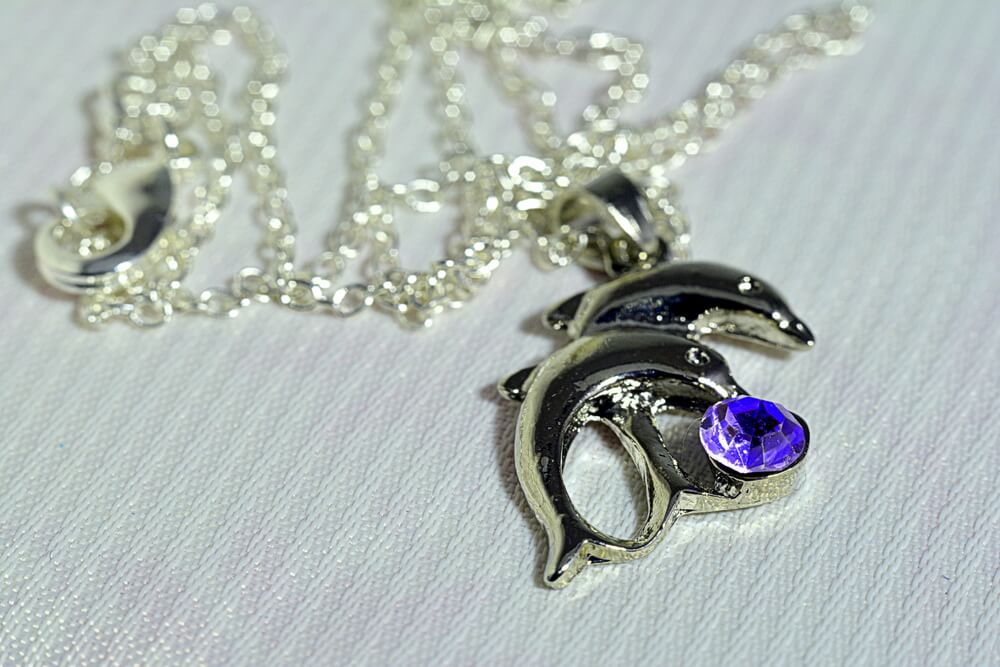
Dolphins appear in ancient Greek art and have long been linked with the sea and with guidance for sailors. They also show up in nautical jewelry and in Mediterranean-inspired designs.
The curved body makes a graceful pendant that hangs well from a chain.
The Seahorse
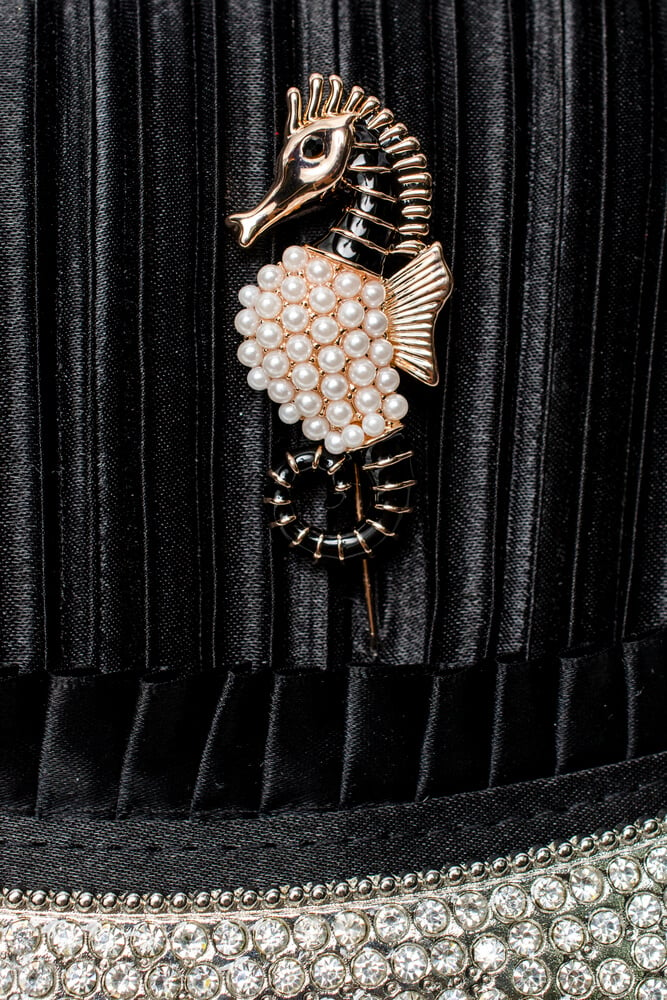
Seahorses are unusual because the male carries the young, which has made them a symbol of devotion. Their curled tails and spiny backs give jewelers plenty of detail to work with.
The tail is easy to bend, so look for a smooth curve with no kinks.
The Crab
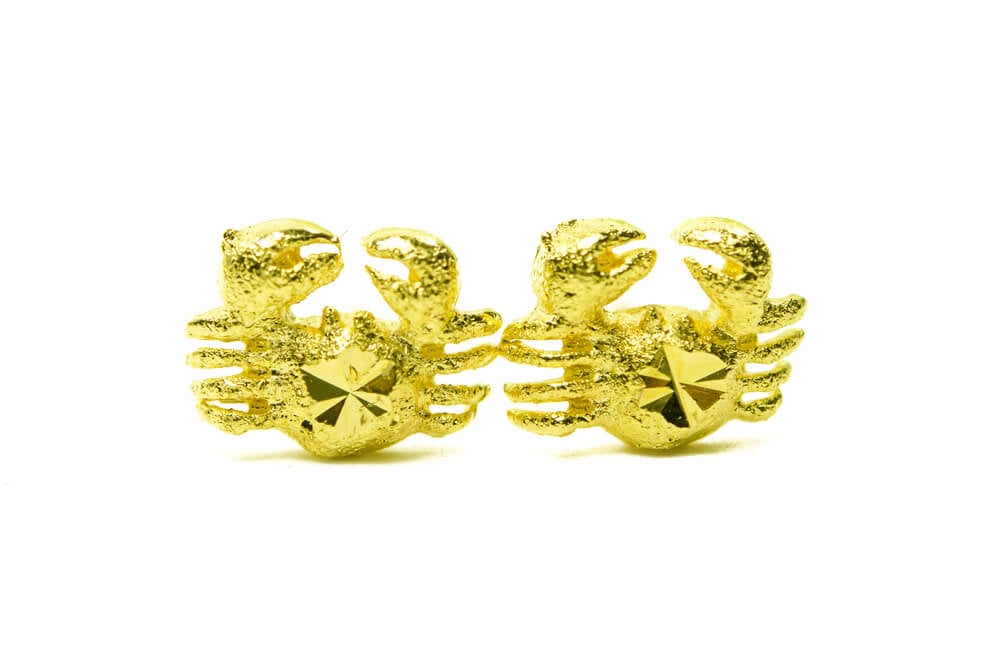
The crab is associated with the zodiac sign Cancer, and it appears in seaside jewelry and in birthday gifts. The claws and legs are small and sometimes separately cast.
A crab with all of its legs attached is a sign the piece has been handled with care.
The Spider
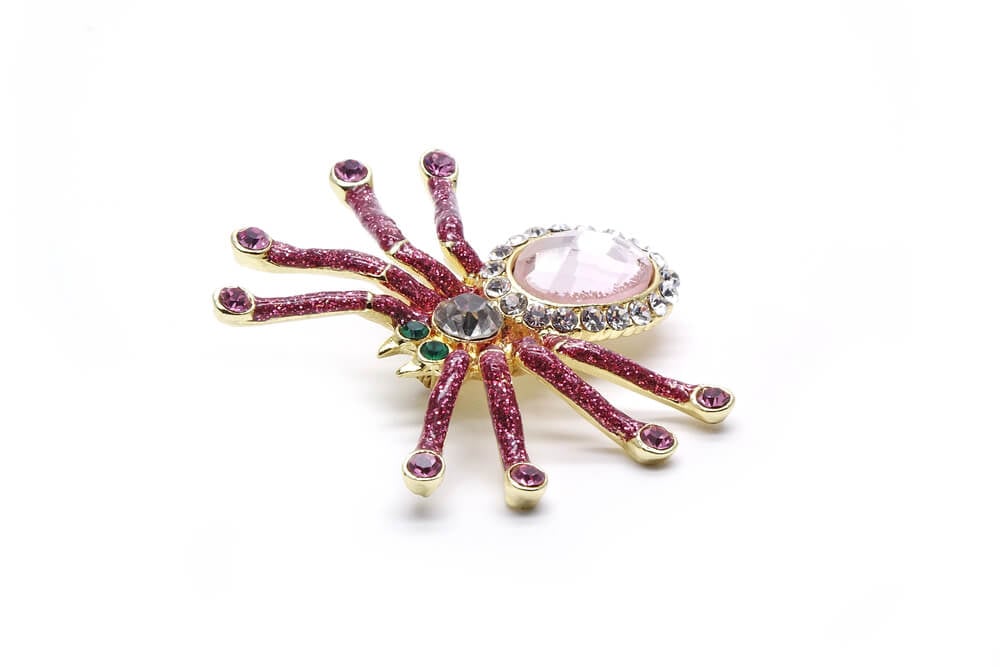
Spider brooches, often sitting on a web, were popular in the Victorian era, when the creature was linked with luck and good fortune. Later costume jewelry versions used rhinestones for the body.
The thin legs are the most fragile part and often show repairs.
The Bat
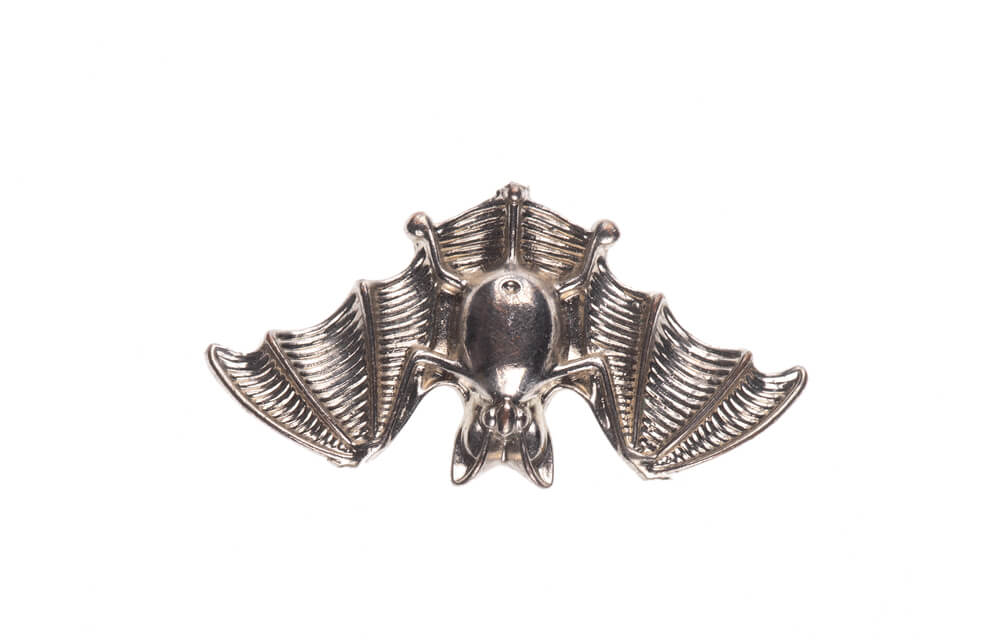
A bat is a symbol of good luck in Chinese tradition, because the word for bat sounds like the word for fortune. In the West, bat jewelry is more often linked with Halloween.
A pair of bats facing each other is a classic design in Chinese silver and enamel work.
The Stag
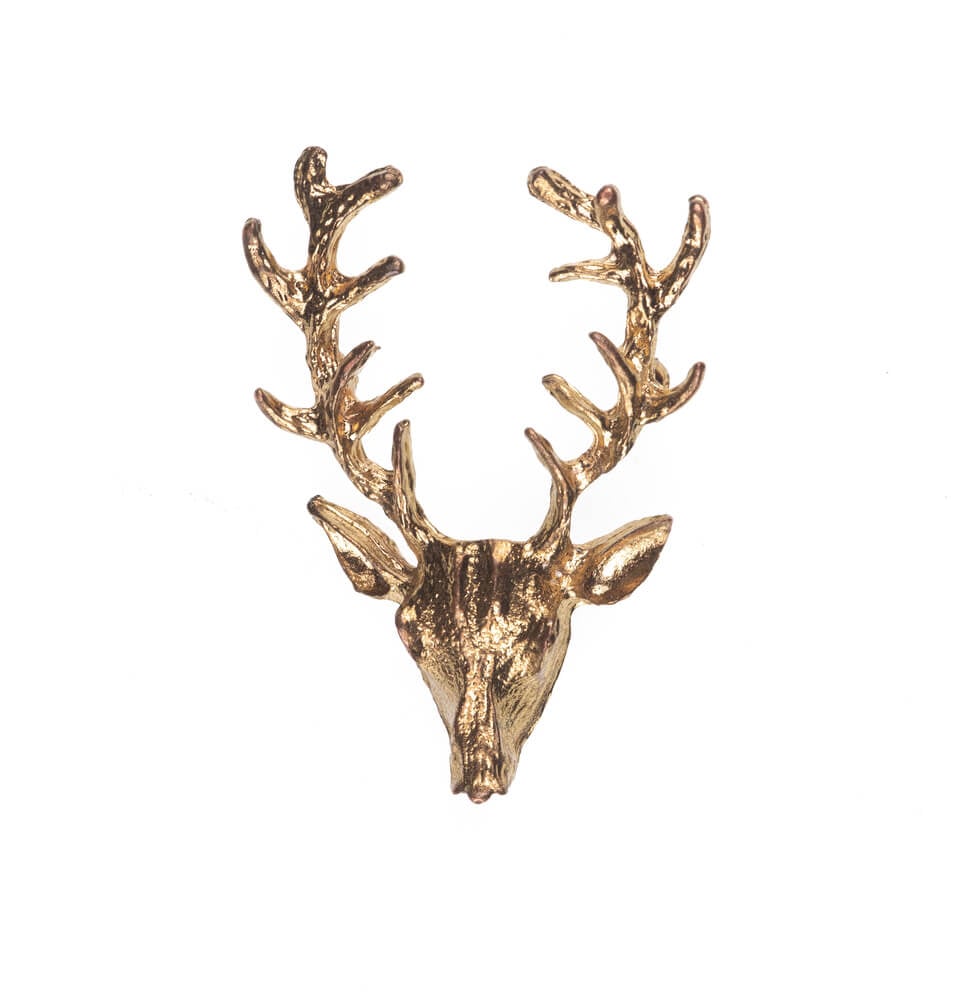
The stag is a symbol of nobility, and it appears often in Scottish and Central European jewelry. Antler detail varies a great deal, and a carefully modeled set of antlers is a mark of good craftsmanship.
Check the tips of the antlers, since they are thin and prone to bending.
The Rabbit
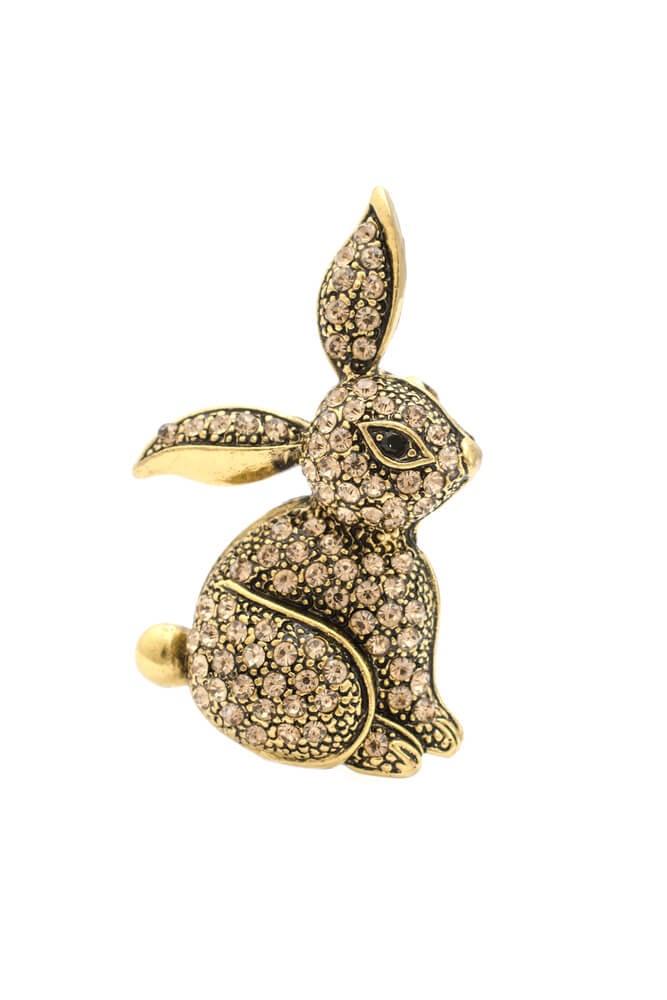
Rabbits stand for luck and fertility, and rabbit jewelry ranges from simple silver charms to detailed enamel brooches. The long ears are the distinguishing feature and the part most likely to be bent.
A rabbit with straight ears and a clean finish is the best version to choose.
Why Animals Never Went Out of Style
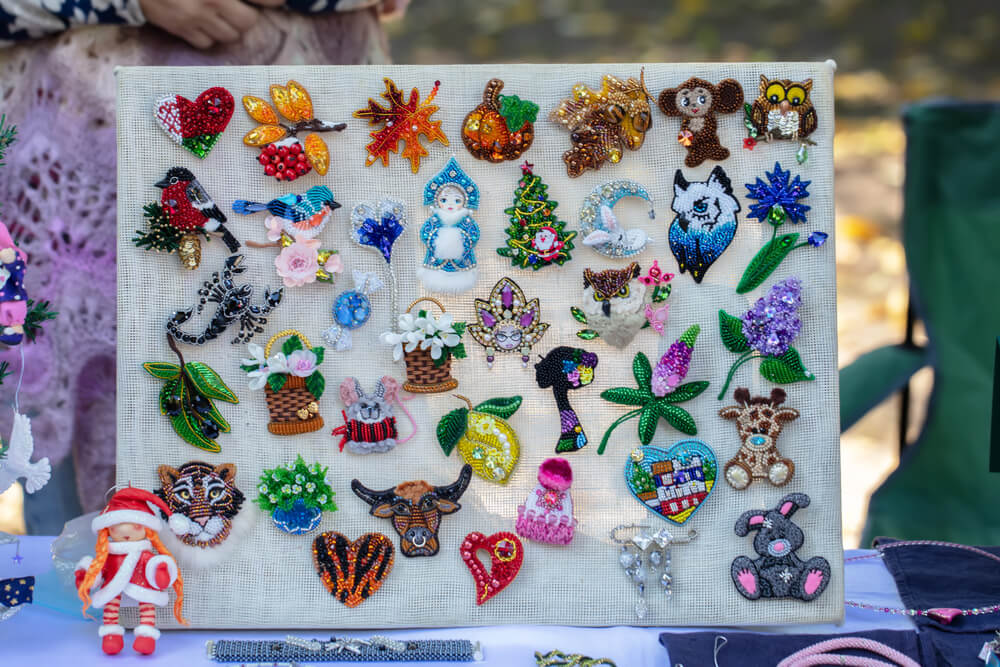
An animal on a piece of jewelry is a message that fits in a small space. A swallow said return safely, a bee said industry, and a snake said forever.
The meanings are why the motifs have lasted for centuries and why they remain easy to date by style. Learning to read them turns a drawer of brooches into a collection of small stories.
More from Go2Tutors!

- 27 Silver Dollars and Half Dollars Worth Keeping
- 28 Restaurant Menu Items Nobody Orders Anymore
- 17 Places Built in Seemingly Impossible Spots
- 27 Vintage Rings Worth More Than They Look
- 25 Restricted Sites Tourists Can’t Enter
Like Go2Tutors’s content? Follow us on MSN.