Strange Historical Coincidences Unexplained
Some events in history feel too perfectly timed to be random. Patterns emerge across centuries that make even skeptics pause.
These aren’t conspiracy theories or urban legends — they’re documented facts that just happen to line up in ways that defy probability.
Abraham Lincoln And John F. Kennedy

Lincoln was elected to Congress in 1846, Kennedy in 1946 — exactly 100 years apart. Lincoln became president in 1860, Kennedy in 1960.
Both were shot on a Friday, both in the head. Lincoln was shot in Ford’s Theatre, Kennedy in a Ford Lincoln car.
Some striking parallels emerge beyond the basic facts. Kennedy’s secretary was named Lincoln, and she warned him not to go to Dallas.
John Wilkes Booth shot Lincoln in a theatre and ran to a warehouse. Lee Harvey Oswald shot Kennedy from a warehouse and ran to a theatre.
Lincoln was succeeded by Andrew Johnson, born in 1808. Kennedy was succeeded by Lyndon Johnson, born in 1908.
The mathematical precision of the 100-year separation feels deliberate, even if other details of the narrative have been embellished over time.
Mark Twain And Halley’s Comet
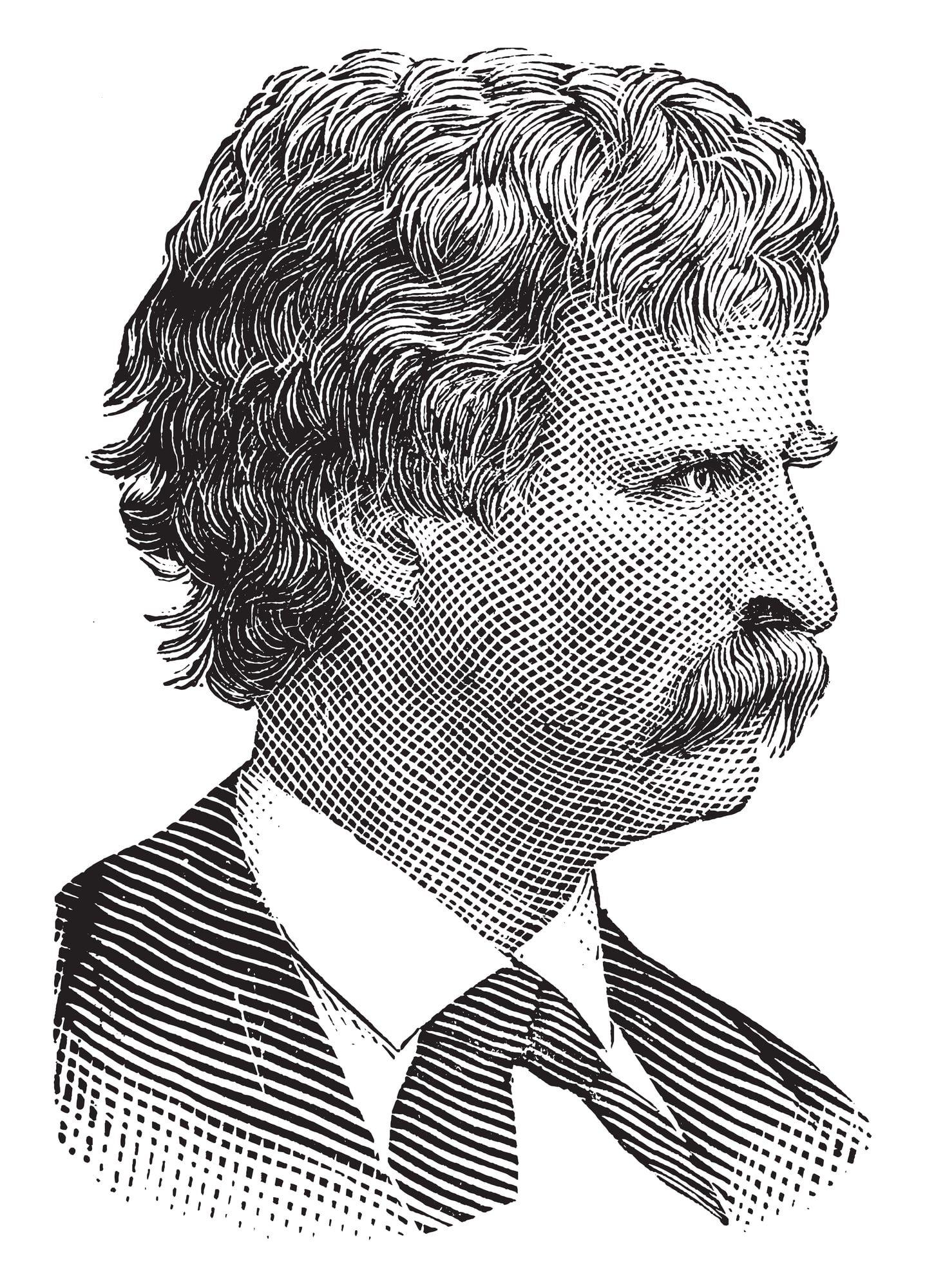
Mark Twain entered the world in 1835, the same year Halley’s Comet blazed across the sky. As an adult, he connected these dots himself and made a prediction that sounded like one of his tall tales: he would die the next time the comet returned.
Halley’s Comet follows a 76-year orbit, so Twain was essentially predicting his own death date decades in advance. The comet came back in 1910, and Twain died on April 21 — one day after the comet reached its closest point to Earth.
He was 74 years old.
So here’s a man who basically scheduled his departure around a cosmic event (and managed to keep the appointment despite having no control over either his health or celestial mechanics). And yet somehow the universe delivered exactly what he asked for.
Twain himself would have called it too convenient for fiction.
Napoleon And Hitler’s Russian Invasions
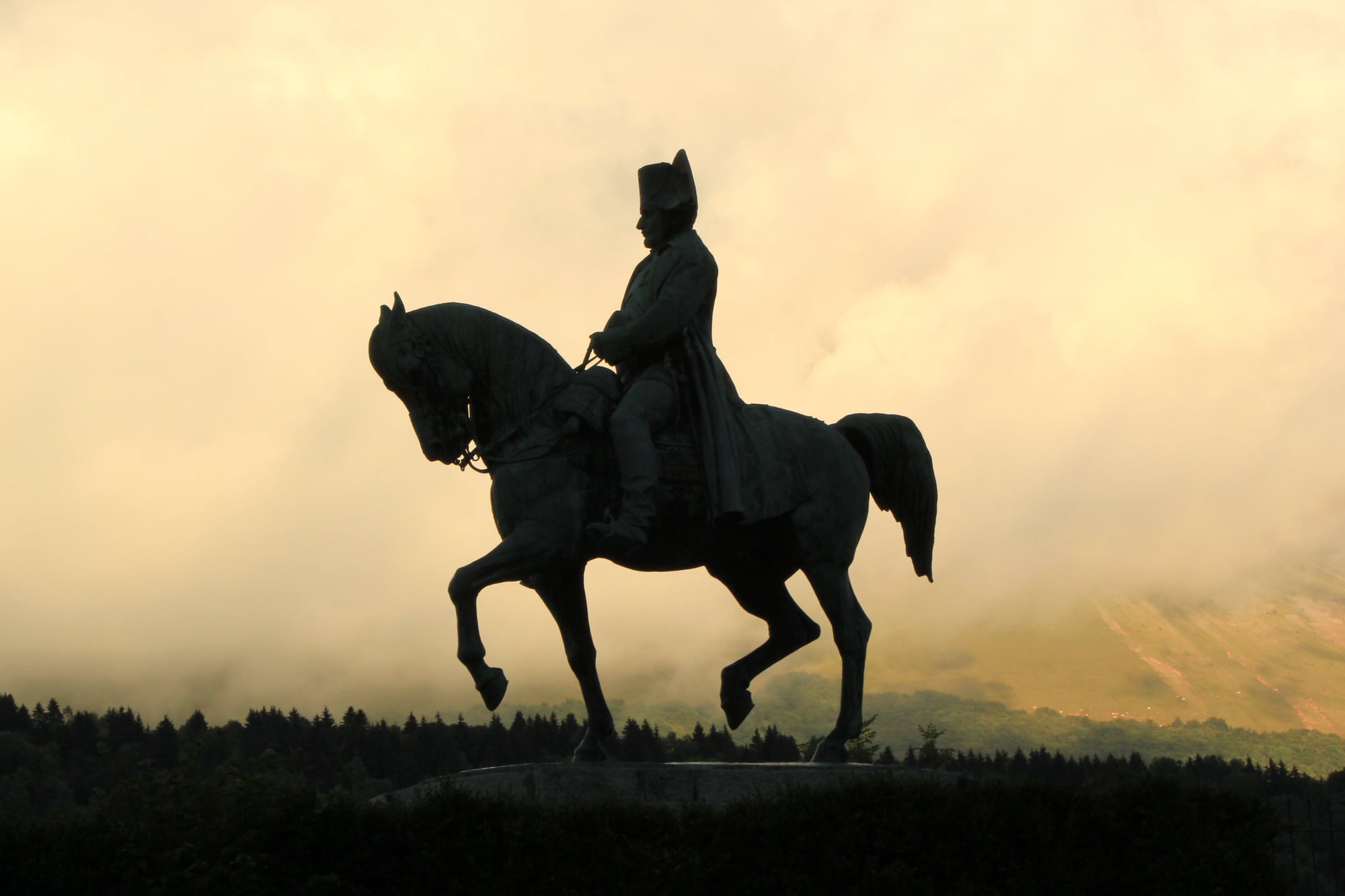
Napoleon invaded Russia in 1812. Hitler invaded Russia in 1941.
That’s exactly 129 years apart, but the timing gets stranger when you break it down to the month and day: Napoleon began his march on June 24, 1812. Hitler launched Operation Barbarossa on June 22, 1941.
Both invasions started during the same week of June, both lasted about six months, and both ended in catastrophic winter retreats that destroyed their armies. Napoleon lost roughly 400,000 men to the Russian winter.
Hitler lost an entire army group and never recovered his offensive capability.
The parallels extend beyond timing — both men controlled most of Europe before their Russian campaigns, both underestimated the distances involved, and both found their empires crumbling within a few years of their failed invasions. History doesn’t usually repeat itself with such precise choreography.
Edgar Allan Poe And The Pym Connection
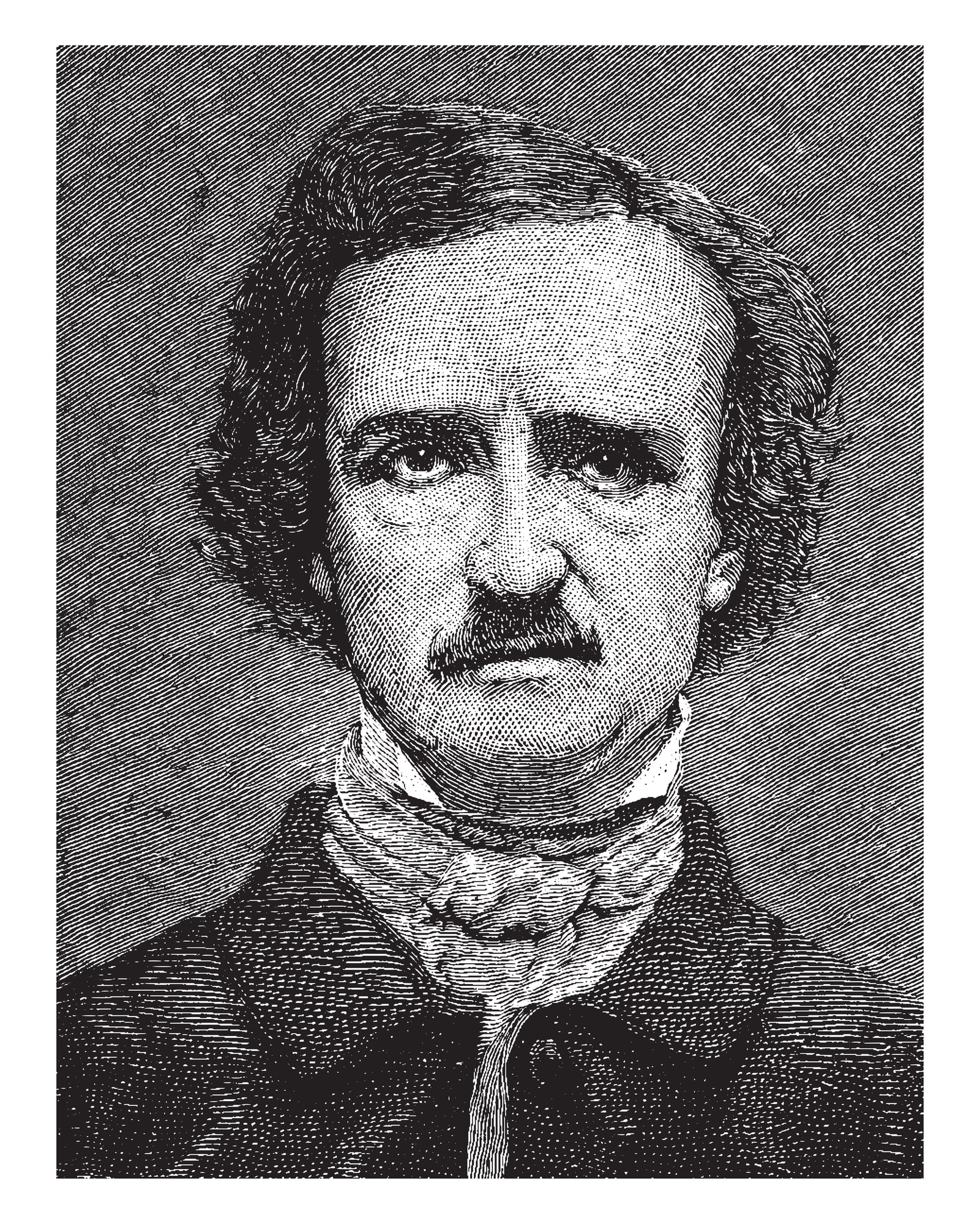
In 1838, Poe published “The Narrative of Arthur Gordon Pym,” a story about four shipwrecked sailors who draw straws to see who gets eaten. The cabin boy, Richard Parker, loses and becomes dinner for the other three survivors.
Forty-six years later, in 1884, four real sailors were shipwrecked in the South Atlantic. After weeks adrift, three of them killed and ate the fourth — the cabin boy.
His name was Richard Parker. The survivors were later tried for murder in a famous legal case that established precedent for necessity as a defense.
This isn’t a case of life imitating art after someone read the story and got ideas. The 1884 survivors had never heard of Poe’s fictional tale.
The name Richard Parker, the role of cabin boy, the act of cannibalism, the drawing of lots — these details aligned across nearly half a century without any connection between the fiction and the reality.
The Unsinkable Ships
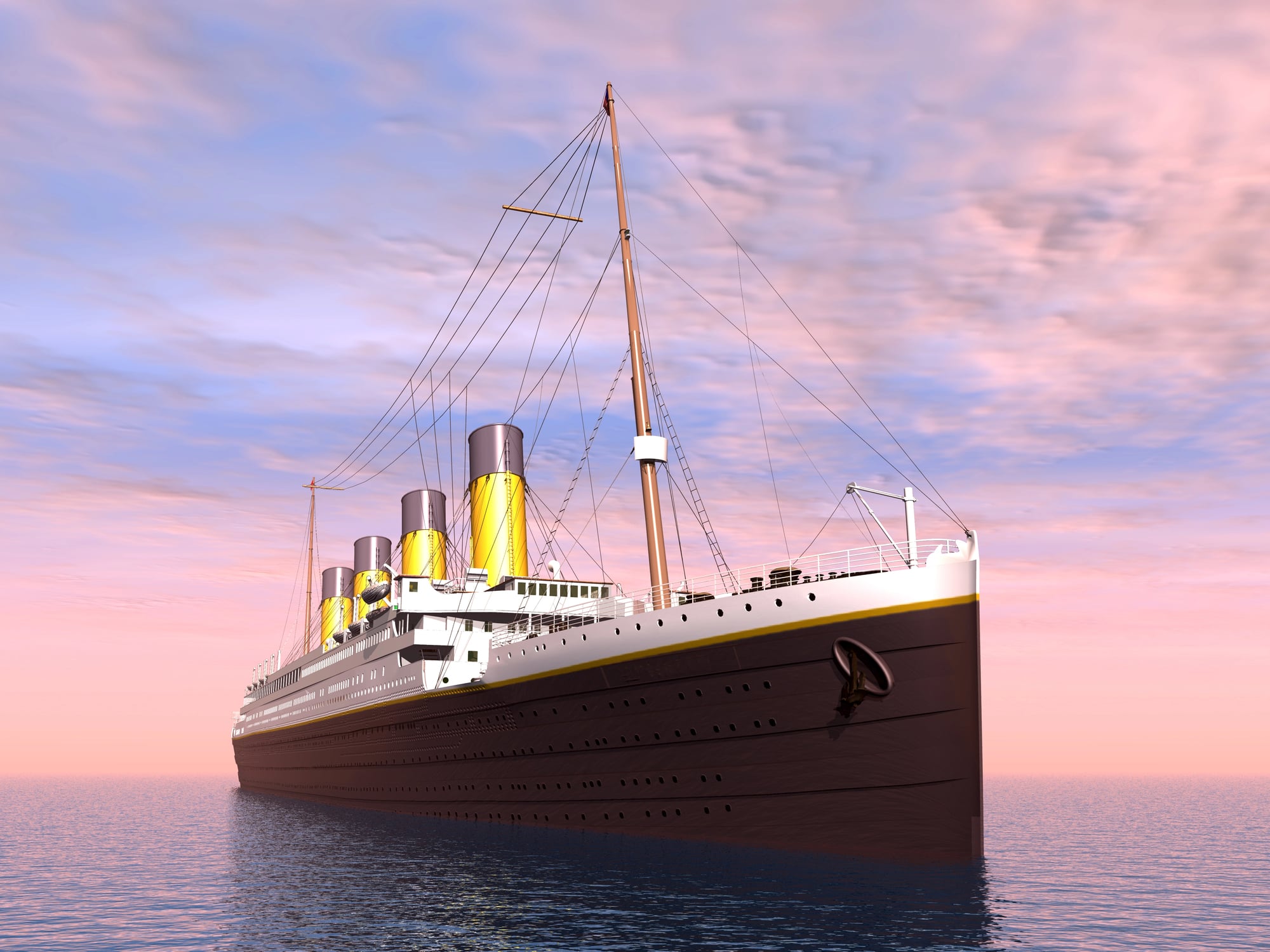
The Titanic sank in 1912 after hitting an iceberg, but fourteen years earlier, a novel called “Futility” described the wreck of a ship called the Titan. Both ships were labeled “unsinkable,” both hit icebergs in the North Atlantic in April, and both lacked sufficient lifeboats for their passengers.
The fictional Titan was 800 feet long and could carry 3,000 people. The real Titanic was 882 feet long and carried about 2,200 people on its fatal voyage.
Both ships had three propellers, both were moving too fast when they hit the ice, and both sank in almost the same location.
Morgan Robertson, who wrote “Futility,” wasn’t a maritime expert or shipbuilding insider. He was just a novelist who happened to imagine a disaster that played out in real life with startling accuracy.
The level of detail that matched suggests either remarkable intuition or a universe that takes creative writing prompts too seriously.
Roman Emperor Deaths
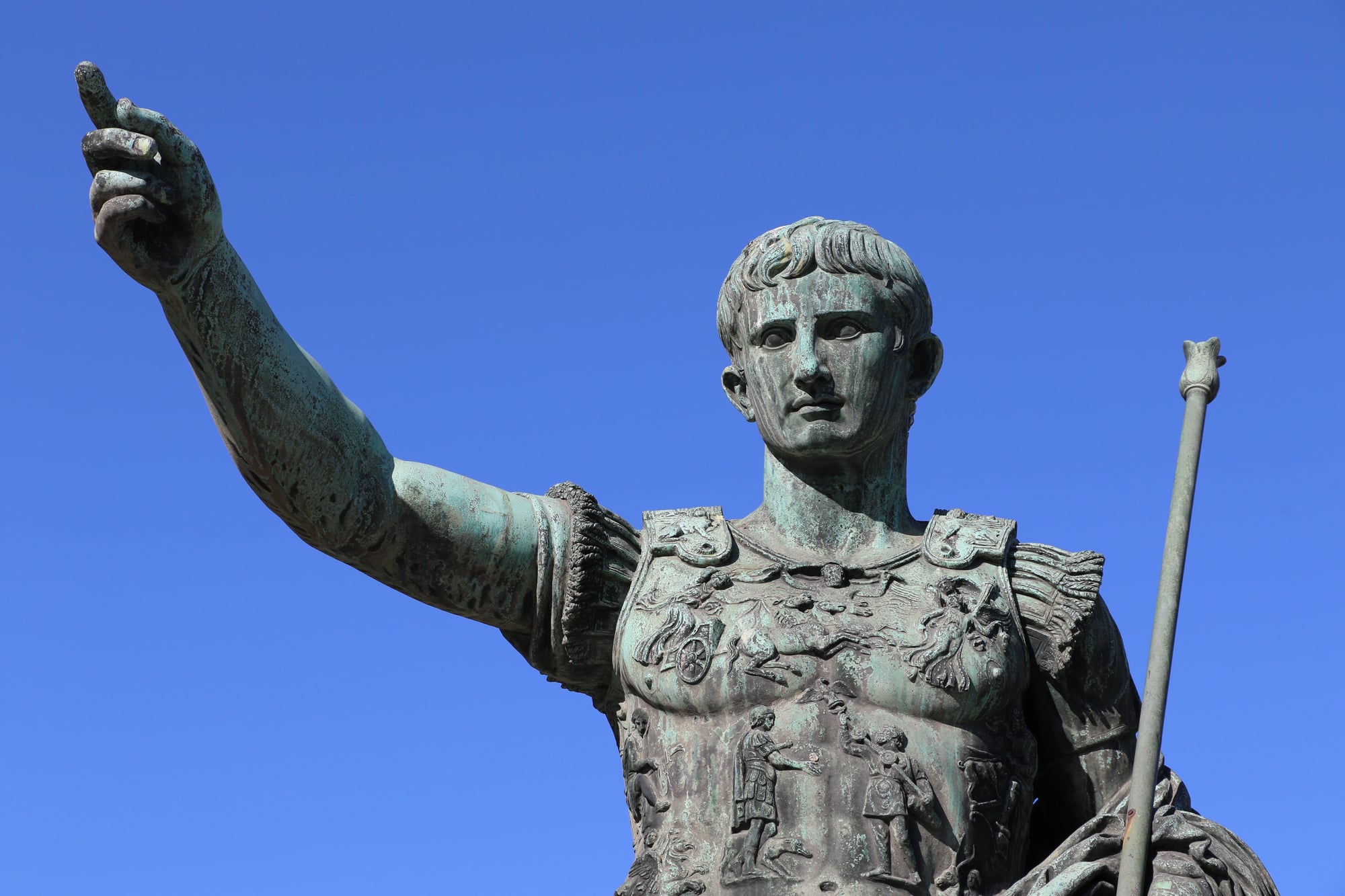
Julius Caesar was assassinated on the Ides of March in 44 BC. Caligula was assassinated on January 24, 41 AD.
Claudius was poisoned on October 13, 54 AD. All three died on the 13th, 15th, or 24th of their respective months — dates that add up to significant numbers in Roman numerology.
But the pattern extends beyond numerology. Each emperor’s death came exactly when Rome needed a transition: Caesar when the Republic was failing, Caligula when imperial excess had reached dangerous levels, Claudius when the empire needed younger leadership for expansion.
The timing wasn’t planned by some shadow council pulling strings across decades. These were separate conspiracies carried out by different people with different motives.
Yet somehow they created a rhythm of political change that kept the empire stable during its most crucial early period.
The Tamerlane Curse

Timur, known as Tamerlane, died in 1405 and was buried in Samarkand with an inscription warning that whoever disturbed his tomb would unleash a war worse than any before it. The tomb remained untouched for over 500 years.
On June 21, 1941, Soviet archaeologists opened Tamerlane’s tomb to study his remains. The local Islamic authorities protested, warning that the curse would bring disaster.
The scientists dismissed this as superstition. The next day, June 22, Hitler invaded the Soviet Union.
The timing was coincidental — Hitler had been planning Operation Barbarossa for months, and the archaeological expedition was scheduled independently. But the sequence creates a narrative so precise that it reads like mythology rather than historical fact.
Tamerlane’s curse seemed to activate with 24-hour precision.
Archduke Franz Ferdinand’s Missed Shots
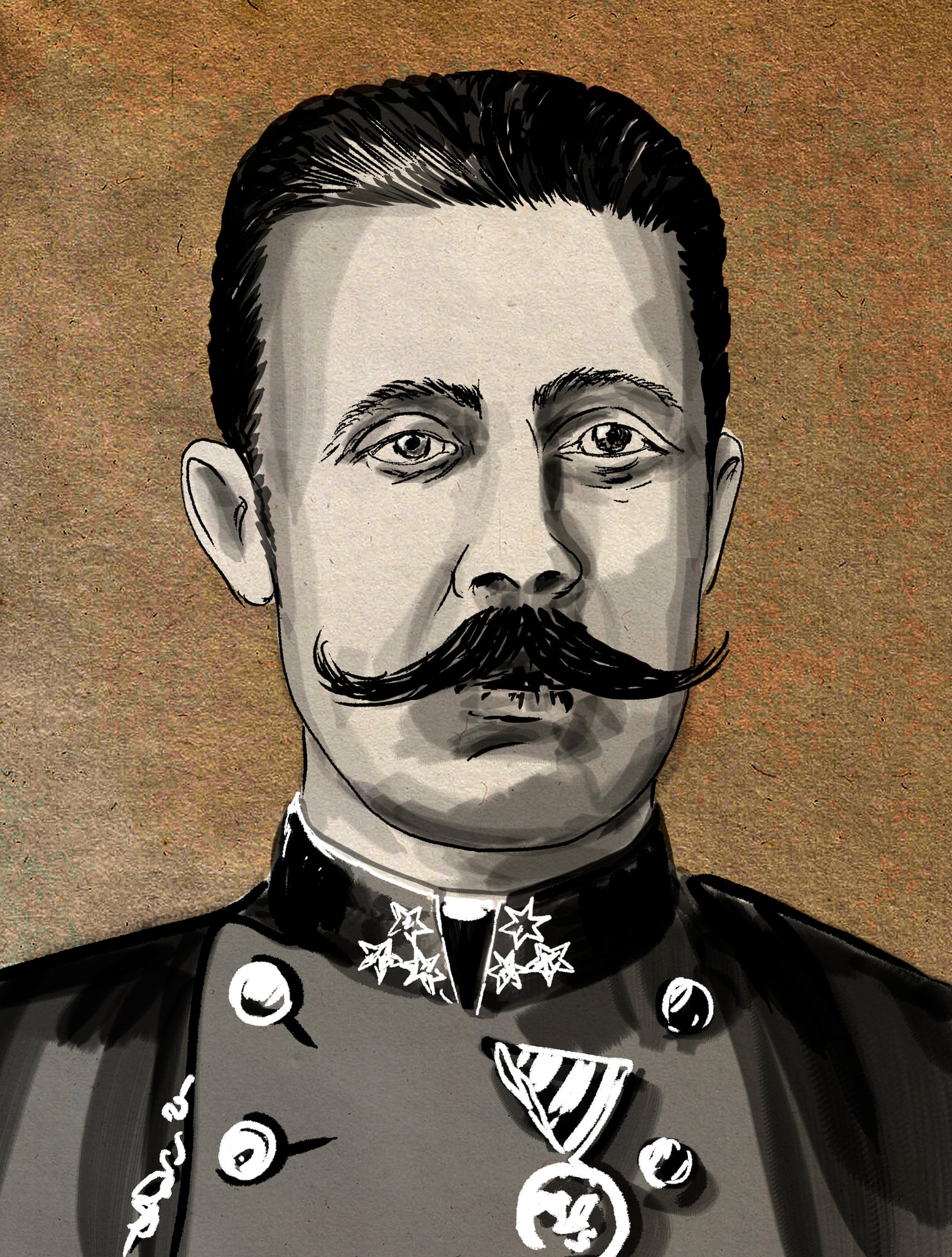
On June 28, 1914, Archduke Franz Ferdinand survived an assassination attempt in Sarajevo when a bomb bounced off his car. Later that day, his driver took a wrong turn and stopped directly in front of Gavrilo Princip, another conspirator who had given up and was eating lunch.
Princip found himself five feet away from the man he had planned to kill but thought he had missed his chance to reach. He fired twice and started World War I.
The wrong turn was genuine — the driver was lost and trying to reverse course when he stopped at the exact spot where Princip happened to be sitting.
Two separate pieces of bad luck — a failed morning assassination and a confused driver — combined to create the precise conditions for a successful afternoon shooting. Neither the conspirators nor the security team could have planned such a sequence.
Yet somehow the universe arranged for the heir to the Austro-Hungarian Empire to be delivered directly to his assassin.
Benjamin Franklin’s Death Date
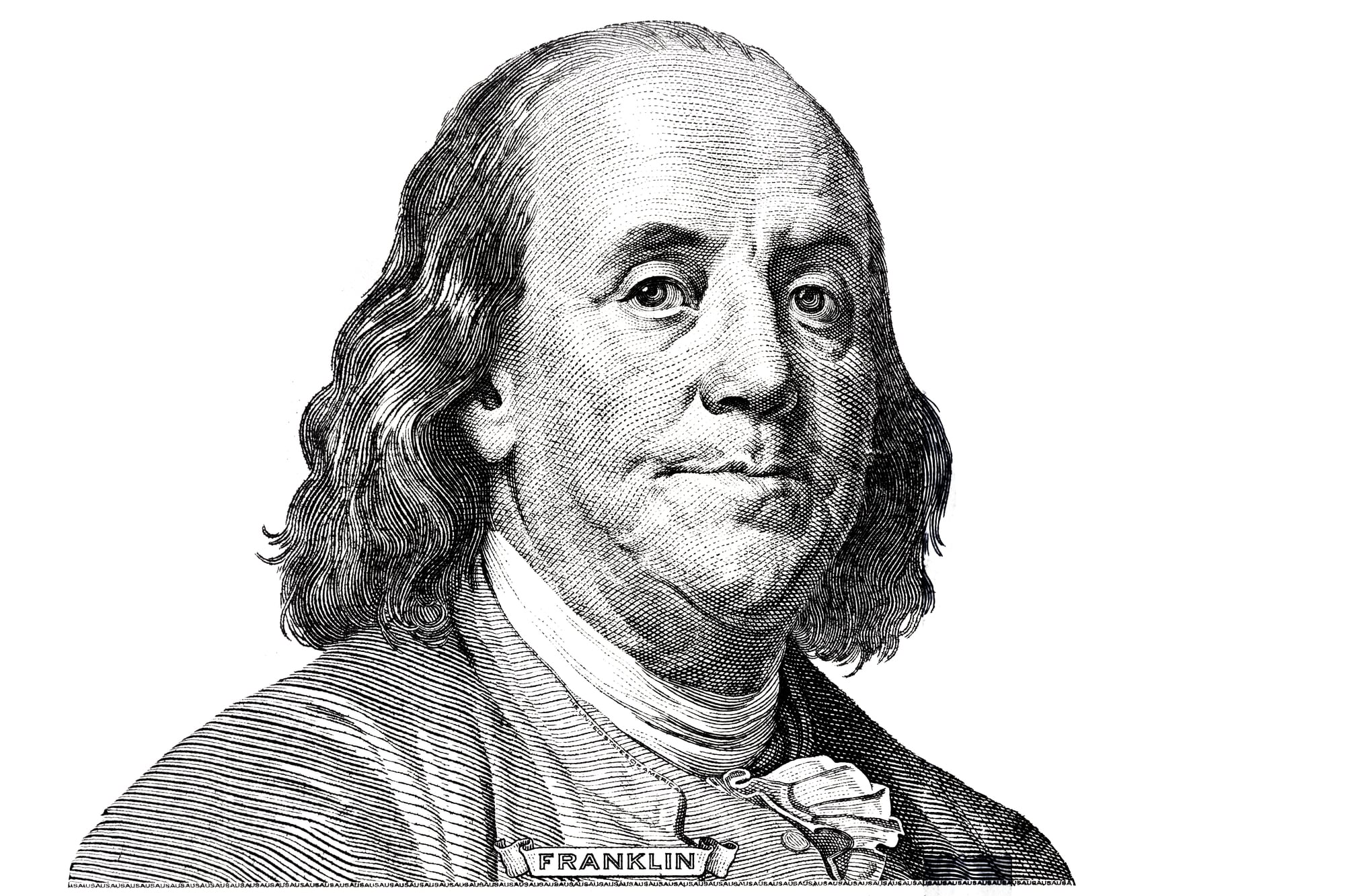
Benjamin Franklin died on April 17, 1790. On the same date — April 17 — but in 1774, he had written a letter to his sister explaining his views on death and the afterlife.
In that letter, he predicted that he would die on a significant date that would be remembered by history.
Franklin lived sixteen more years after writing that letter, but he died on the exact anniversary of predicting his own death. He had no serious illness in 1774 and no reason to expect death anytime soon, yet he correctly identified not just the year but the specific date of his eventual demise.
This wasn’t a case of a sick man calculating his remaining time. Franklin was 68 and healthy when he made the prediction, and he lived an active life for another decade and a half.
The precision suggests either remarkable intuition about his own mortality or a universe that honors written commitments.
The Booth Family Curse
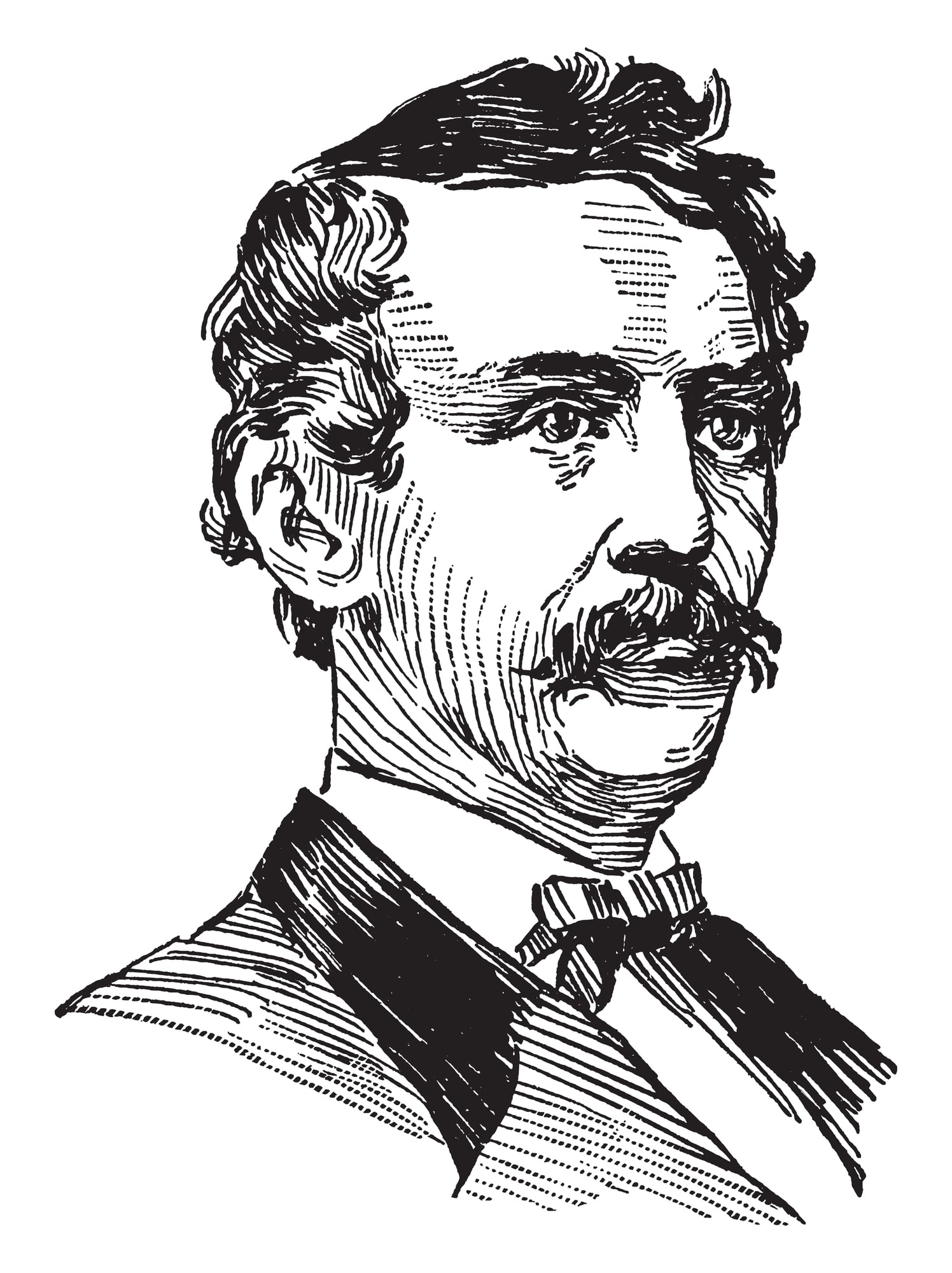
John Wilkes Booth assassinated Abraham Lincoln, but six months earlier, his brother Edwin Booth had saved the life of Robert Todd Lincoln — the president’s son — by pulling him back from the edge of a train platform just as a train was arriving.
Edwin had no idea he was saving the son of the man his brother would later kill. Robert Lincoln didn’t realize who had saved him until after the assassination, when the Booth name became infamous.
The irony was discovered only in retrospect, when both families were examining the connections between their tragedies.
This means that for six months, Abraham Lincoln owed a debt to the Booth family for saving his son’s life, while John Wilkes Booth was planning to kill him. The moral balance sheet was perfectly arranged so that the Booth family both saved and destroyed the Lincoln family in the space of half a year.
Nostradamus And The Great Fire
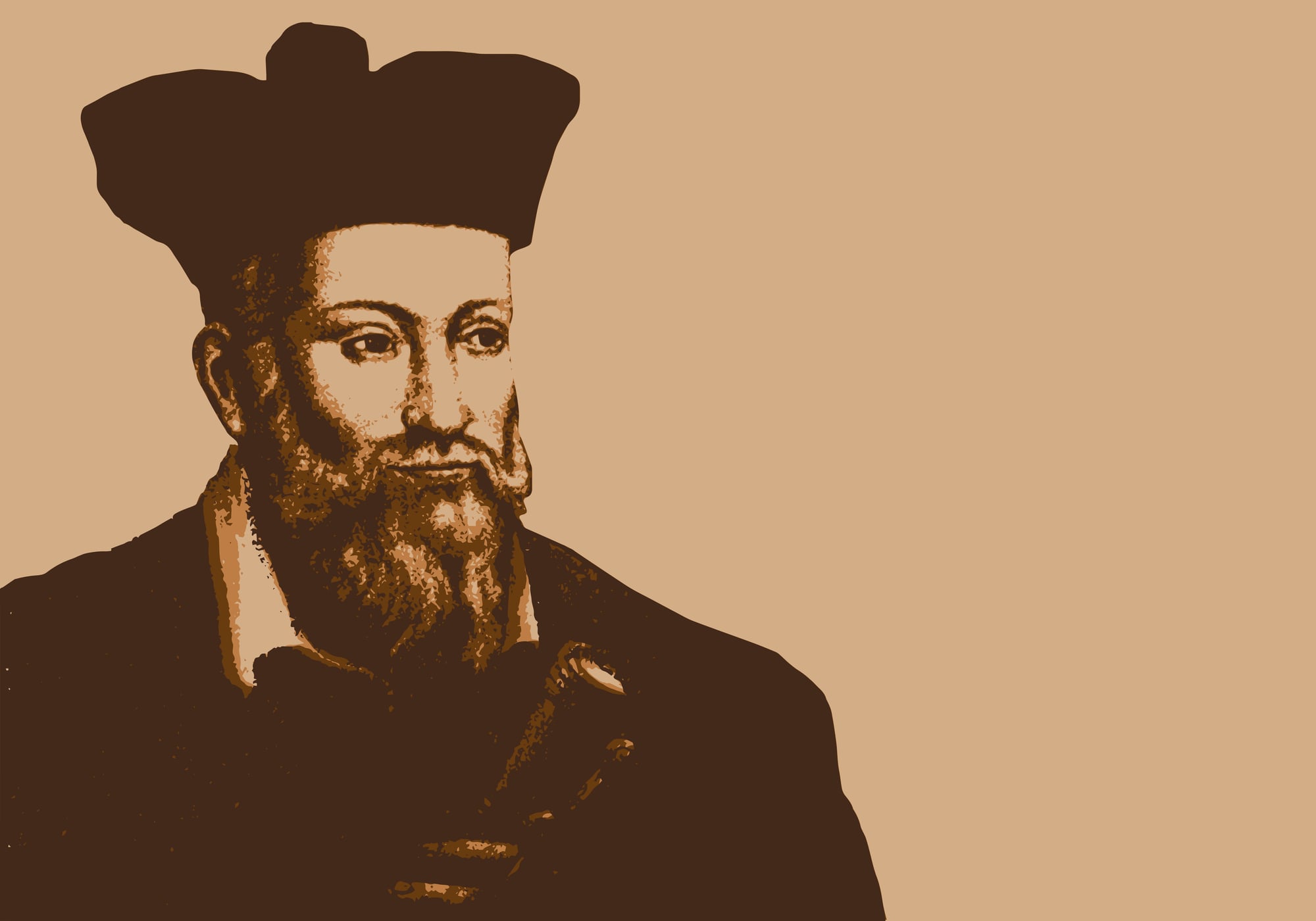
Nostradamus wrote in 1555 that “the blood of the just will be demanded of London, burnt by fire in the year sixty-six.” The Great Fire of London began on September 2, 1666 — exactly 111 years later — and destroyed most of the medieval City of London.
The fire started at a bakery on Pudding Lane and burned for four days, consuming 13,200 houses and 87 churches. Only six people died in the fire itself, but thousands lost their homes and livelihoods.
The “blood of the just” could refer to the economic destruction that followed rather than literal deaths.
Nostradamus wasn’t known for precise dates in his other prophecies — most of his predictions were vague enough to apply to multiple events across centuries. But this quatrain specified both the location and the exact year of a disaster that wouldn’t occur until long after his death.
The Twin Lottery

On September 6, 1980, the Rhode Island lottery drew the numbers 8-1-8. The previous day, September 5, a Twin Otter aircraft had crashed in Rhode Island, killing all eight passengers and one crew member — creating the sequence 8-1-8.
The lottery drawing was conducted with numbered orbs drawn randomly from a rotating cage. The plane crash was investigated and ruled accidental, caused by mechanical failure during takeoff.
Neither event influenced the other, but the timing created a mathematical echo that connected tragedy and chance.
Rhode Island is a small state, and the lottery drawing and plane crash were the two biggest news stories of that weekend. Residents who had heard about the crash on Friday evening watched the lottery numbers on Saturday night and saw the casualty count repeated in random digits.
The Violet Path
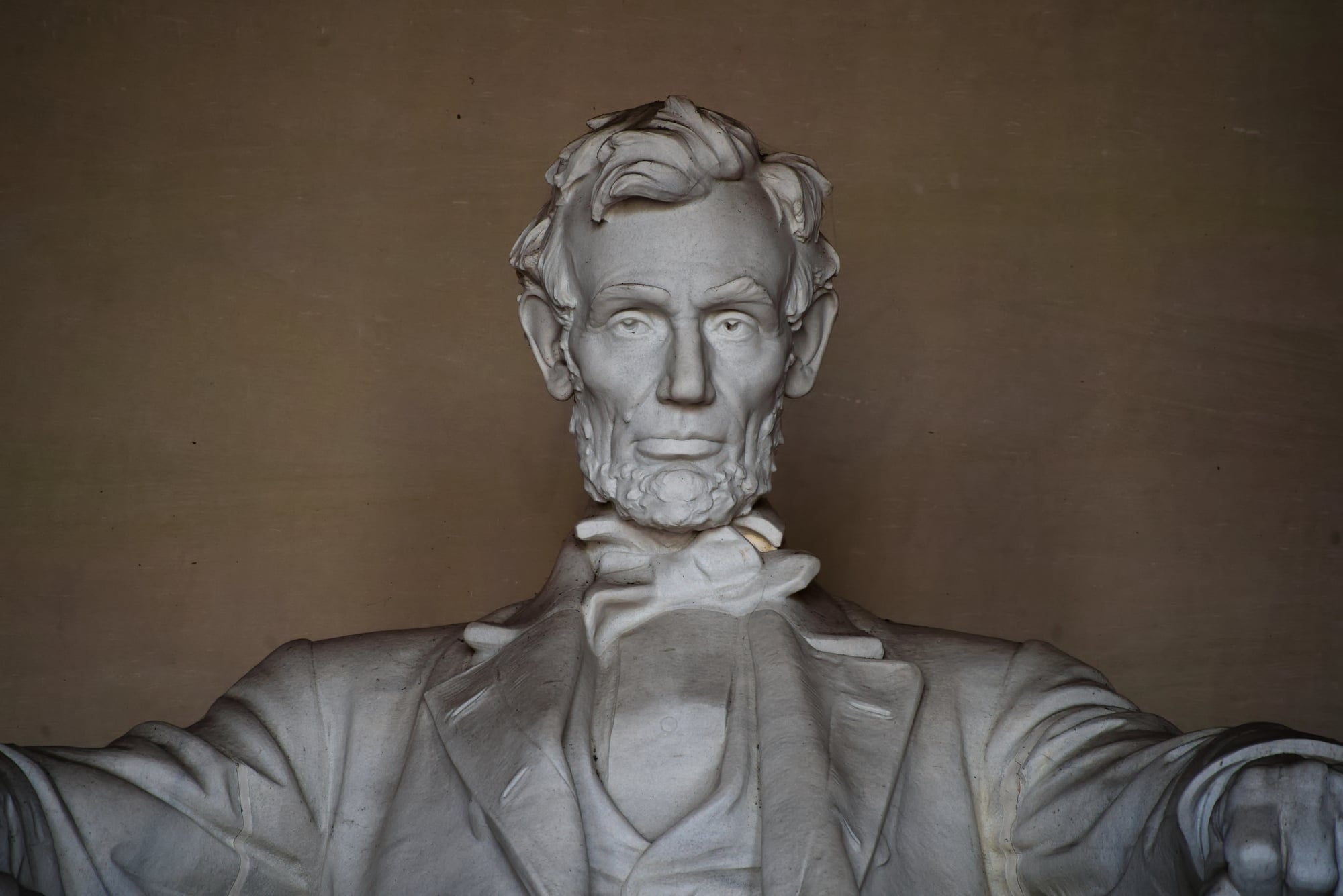
Some coincidences trace patterns across generations, like breadcrumbs left by accidents of birth and death. When you map them chronologically, they form designs too intricate for chance and too scattered for planning.
These aren’t isolated incidents but connected threads in a tapestry that no single person could have woven. The patterns emerge only when viewed from a distance, across decades or centuries, revealing a symmetry that feels both meaningful and impossible to explain.
Human beings are pattern-seeking creatures, and perhaps that’s all these coincidences represent — our tendency to find meaning in randomness. But the mathematical precision of some historical alignments pushes against the boundaries of what statistical chance typically delivers.
Some coincidences feel less like accidents and more like appointments that history kept with itself.
More from Go2Tutors!

- The Romanov Crown Jewels and Their Tragic Fate
- 13 Historical Mysteries That Science Still Can’t Solve
- Famous Hoaxes That Fooled the World for Years
- 15 Child Stars with Tragic Adult Lives
- 16 Famous Jewelry Pieces in History
Like Go2Tutors’s content? Follow us on MSN.



