16 Wedding Traditions Based on Old Superstitions
Weddings are packed with rituals that couples follow without thinking twice about their origins. Most of these cherished traditions actually started as ways to ward off evil spirits, ensure fertility, or bring good luck to the new marriage. From the white dress to the bouquet toss, these customs have fascinating backstories rooted in ancient beliefs and superstitions.
Here is a list of 16 wedding traditions that trace back to old superstitions and the surprising reasons behind them.
White Wedding Dress

The white wedding dress became popular after Queen Victoria wore one in 1840, but the color choice had deeper meaning than just fashion. White symbolized purity and was believed to protect the bride from evil spirits who might be jealous of her happiness.
Before this trend, brides simply wore their best dress, regardless of color, since buying a dress for just one day seemed wasteful.
Bridal Veil

Ancient Romans believed that veils could confuse and hide the bride from evil spirits lurking around the wedding ceremony. The veil also represented the bride’s modesty and her transition from maiden to wife.
Some cultures thought that lifting the veil at the altar would release any trapped evil spirits, ensuring they couldn’t follow the couple into their new life together.
Like Go2Tutors’s content? Follow us on MSN.
Carrying the Bride Over the Threshold

This tradition stems from the belief that evil spirits liked to enter homes through the ground floor, particularly through doorways. Carrying the bride prevented her from accidentally inviting these spirits into the new home by stepping on them.
Roman culture also viewed this as a way to prevent the bride from appearing too eager to enter her new husband’s home, which might bring bad luck.
Wedding Rings on the Fourth Finger
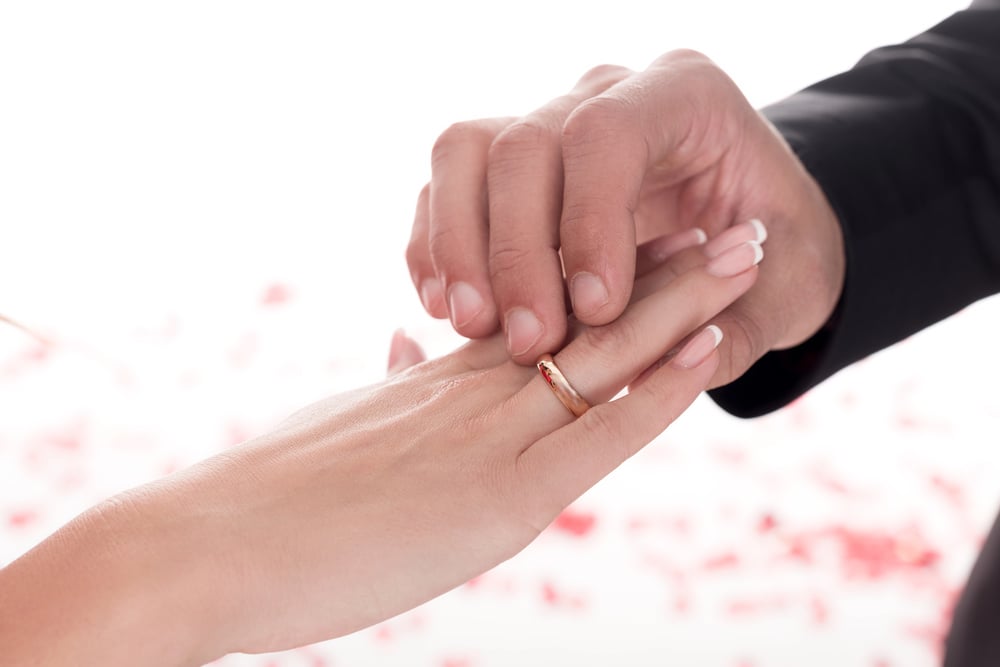
Ancient Egyptians believed that the fourth finger of the left hand contained the ‘vein of love’ that ran directly to the heart. Placing the ring on this finger was thought to bind the couple’s hearts together forever.
The circular shape of the ring represented eternity, with no beginning or end, symbolizing the unbreakable bond between husband and wife.
Something Old, Something New, Something Borrowed, Something Blue
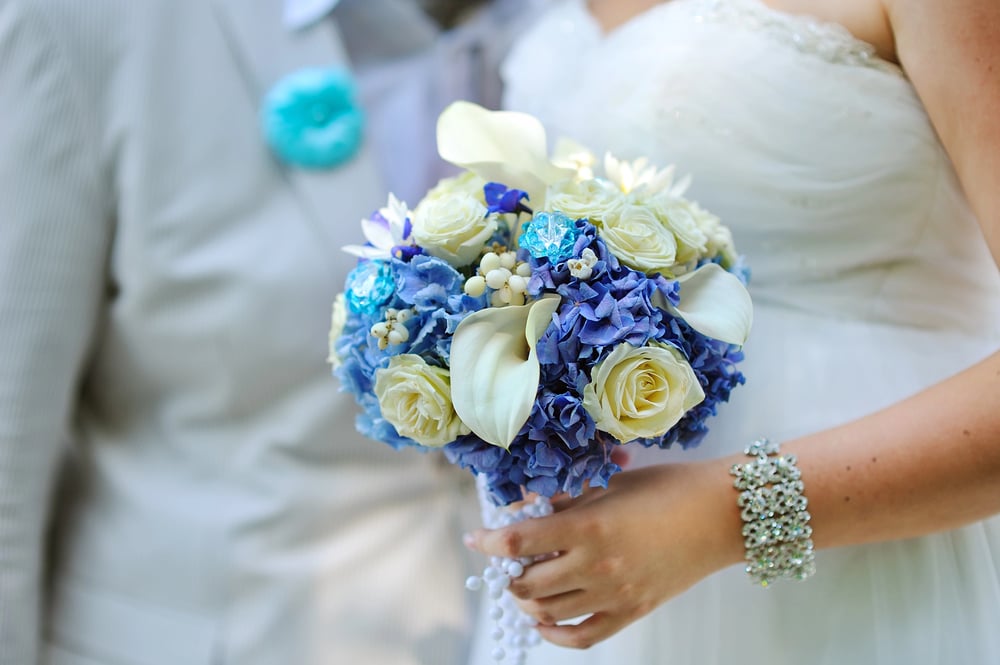
This Victorian rhyme was designed to bring good fortune to the marriage through each item’s specific power. Something old connected the bride to her family’s history, something new represented optimism for the future, something borrowed was meant to bring happiness from a successful marriage, and something blue symbolized purity and fidelity.
Together, these items created a protective charm for the bride’s new life.
Like Go2Tutors’s content? Follow us on MSN.
Bouquet Toss
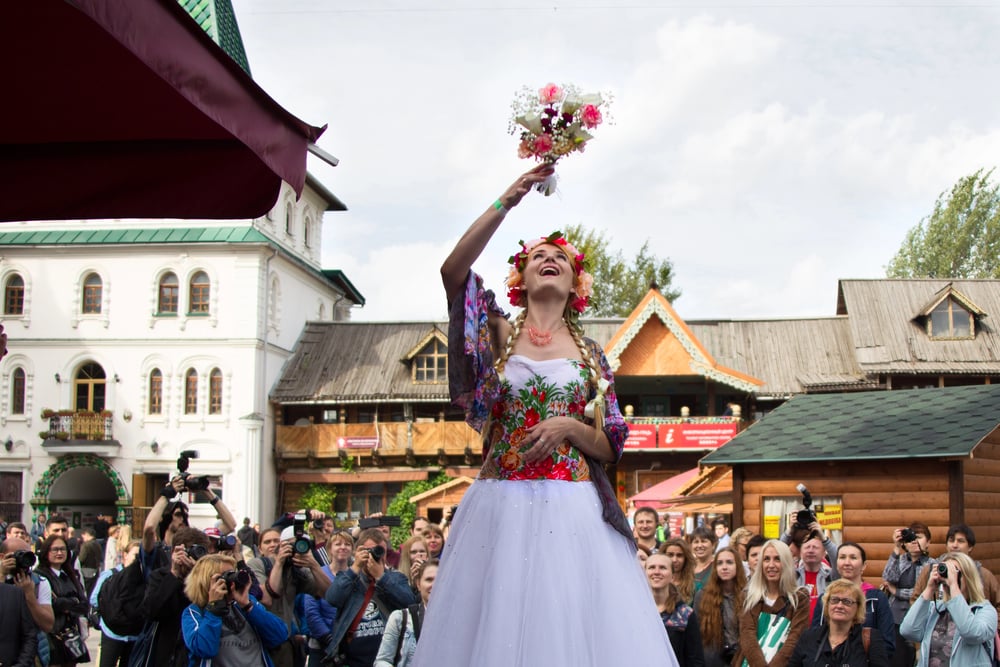
Originally, wedding guests would try to grab pieces of the bride’s dress or flowers for good luck, sometimes getting aggressive enough to tear the fabric. The bouquet toss evolved as a way to satisfy this superstition while protecting the bride from overzealous guests.
Single women believed that catching the bouquet would transfer the bride’s good fortune to them, making them the next to marry.
Wedding Cake
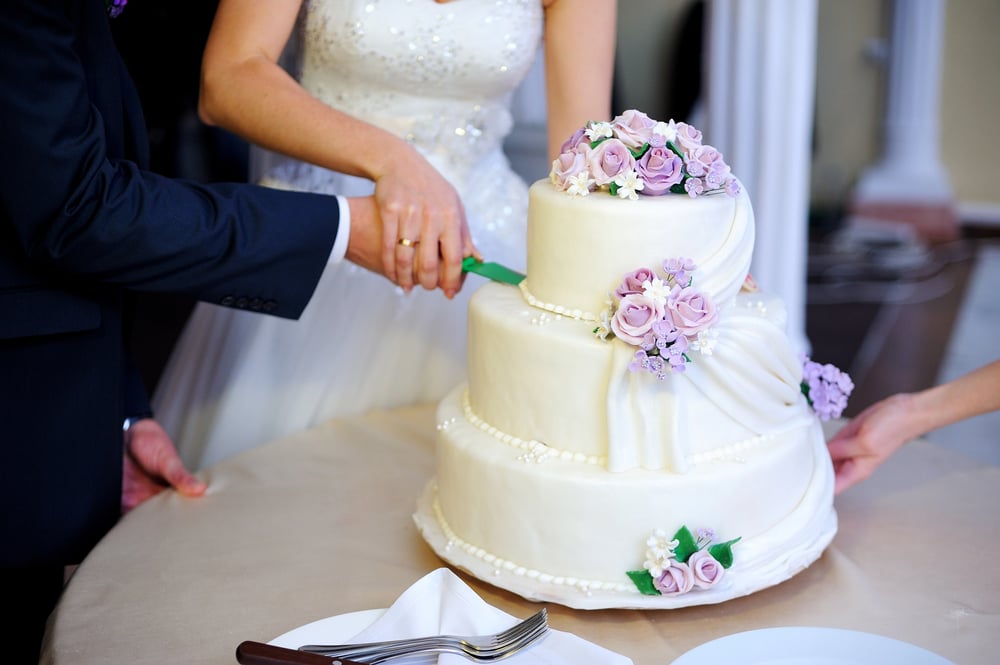
Ancient Romans would break a barley cake over the bride’s head to ensure fertility and good fortune. Wedding guests would scramble to collect the crumbs, believing they would bring luck to their own romantic lives.
The modern tiered wedding cake evolved from this tradition, with the couple feeding each other the first bite to symbolize their commitment to provide for one another.
Tying Cans to the Car
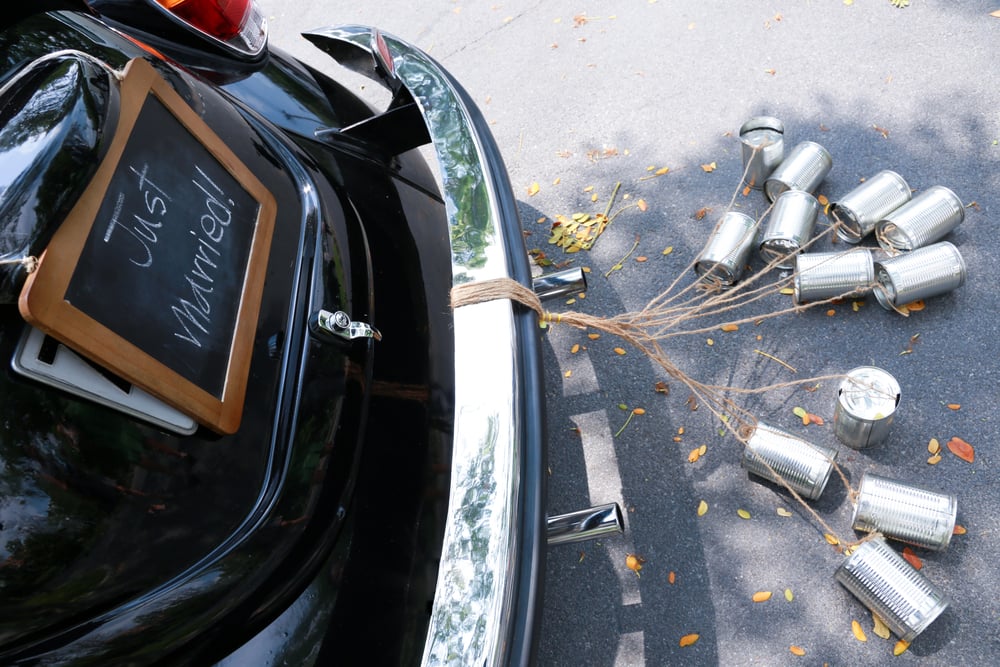
This noisy tradition comes from the ancient practice of making loud sounds to scare away evil spirits who might follow the newlyweds. In some cultures, guests would bang pots and pans, ring bells, or shout loudly after the ceremony.
The cans tied to the wedding car serve the same purpose, creating enough noise to ensure that any lingering bad spirits get left behind as the couple drives away.
Like Go2Tutors’s content? Follow us on MSN.
Wedding Favors
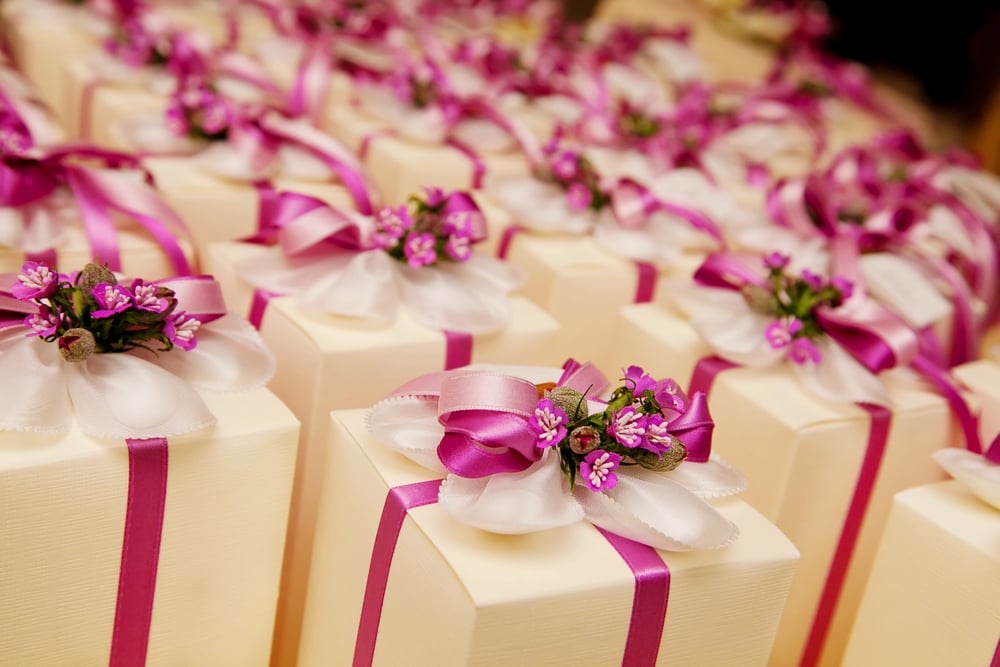
Ancient Greeks and Romans gave guests sugared almonds as wedding favors, believing the bitter almond covered in sweet sugar represented the bittersweet nature of marriage. The odd number of almonds (usually five) was thought to bring good luck because odd numbers couldn’t be divided evenly, symbolizing the indivisible bond between the couple.
These favors were meant to share the couple’s good fortune with their guests.
Saving the Top Tier of Wedding Cake
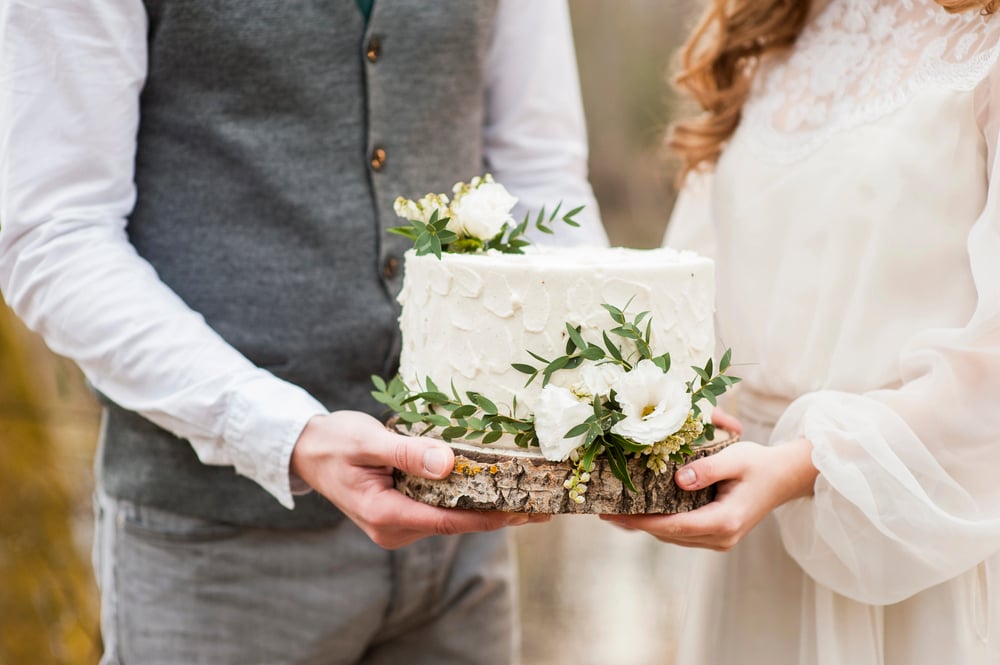
This tradition originally served a practical purpose when couples expected to have their first child within a year of marriage. They would save the top tier of their wedding cake to celebrate the christening of their first baby.
The superstition suggested that eating the preserved cake would ensure fertility and continued happiness in the marriage.
Bridesmaids Wearing Similar Dresses
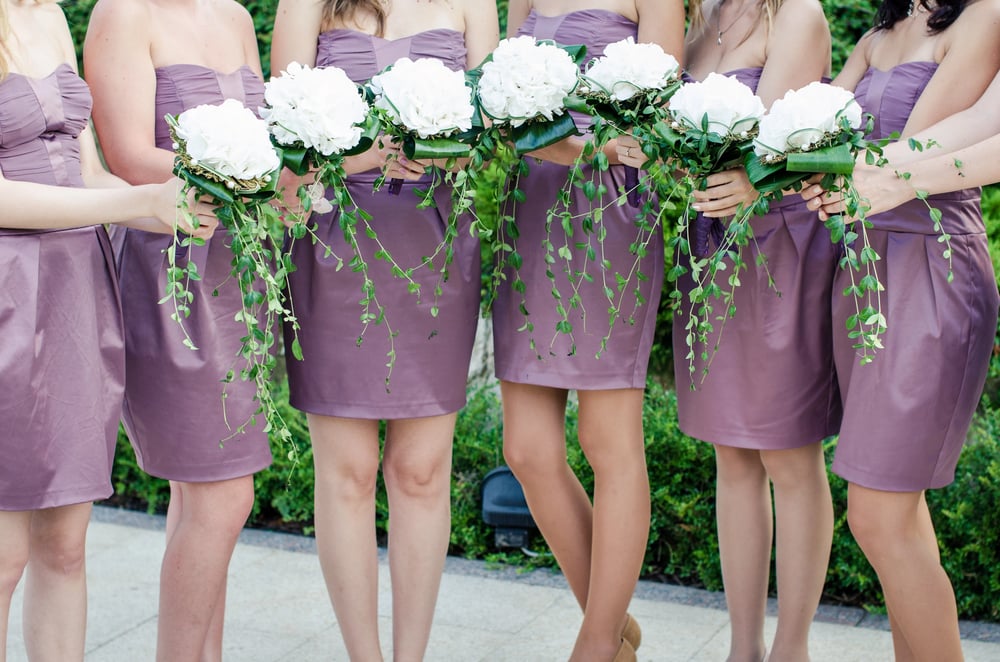
Ancient Roman law required ten witnesses at wedding ceremonies, but couples worried that evil spirits might target the bride during the vulnerable ceremony. Having bridesmaids dress similarly to the bride was meant to confuse these spirits about which woman was actually getting married.
This protective strategy helped ensure that any curses or bad luck would be spread among the decoy bridesmaids rather than concentrated on the bride.
Like Go2Tutors’s content? Follow us on MSN.
Not Seeing the Bride Before the Wedding

This superstition developed during the era of arranged marriages when couples often hadn’t met before their wedding day. Families worried that if the groom saw the bride beforehand, he might find her unattractive and call off the wedding, bringing shame to both families.
The tradition also suggested that seeing each other before the ceremony would bring seven years of bad luck to the marriage.
Carrying the Bouquet

Medieval brides carried bouquets of strong-smelling herbs and flowers to ward off evil spirits, plague, and bad luck. Garlic, dill, and other pungent herbs were popular choices because people believed their strong scents would overpower any negative energy.
The bouquet also served a practical purpose in times when people didn’t bathe regularly, helping to mask unpleasant odors during the long ceremony.
Wedding Bells

Church bells were believed to have the power to drive away evil spirits and announce joyful occasions to the heavens. The loud, clear sound of bells was thought to purify the air around the ceremony and call upon divine protection for the new couple.
Many cultures believed that the number of bell rings could influence the couple’s future happiness, with more rings bringing greater fortune.
Like Go2Tutors’s content? Follow us on MSN.
Honeymoon

The term ‘honeymoon’ comes from an ancient tradition where newlyweds would drink mead (a honey-based alcoholic beverage) for a full month after their wedding. This practice was believed to ensure fertility and sweeten the early days of marriage.
The couple would often travel away from their families during this time, allowing them to bond privately without interference from relatives or evil spirits who might disrupt their new union.
Rice or Confetti Throwing
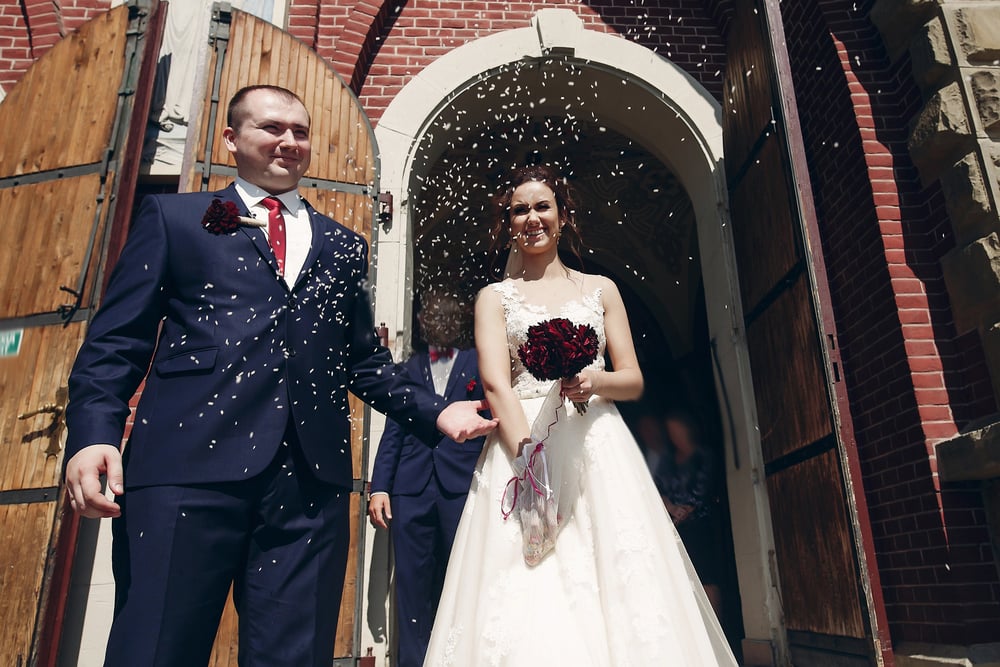
Ancient Romans threw wheat at newlyweds to encourage fertility and prosperity, believing that the grain’s life-giving properties would transfer to the couple. Rice eventually replaced wheat in many cultures because it was more readily available and had similar symbolic meaning.
The tradition evolved into throwing confetti, birdseed, or flower petals, all serving the same purpose of showering the couple with symbols of abundance and good fortune.
The Timeless Appeal of Wedding Superstitions

These ancient beliefs continue to shape modern weddings because they tap into universal hopes and fears about marriage. While couples today might not worry about evil spirits, they still want protection, good luck, and happiness for their new life together.
The traditions have evolved and adapted, but their core purpose remains the same: creating a sense of security and celebration around one of life’s most important moments. Understanding these origins adds depth to wedding ceremonies, connecting modern couples to thousands of years of human hopes and dreams for lasting love.
More from Go2Tutors!

- 16 Historical Figures Who Were Nothing Like You Think
- 12 Things Sold in the 80s That Are Now Illegal
- 15 VHS Tapes That Could Be Worth Thousands
- 17 Historical “What Ifs” That Would Have Changed Everything
- 18 TV Shows That Vanished Without a Finale
Like Go2Tutors’s content? Follow us on MSN.