33 Old Scouting Keepsakes Beyond Merit Badges
Merit badges get the glory, yet a scouting childhood left behind a much bigger pile of souvenirs. Knives, canteens, neckerchief slides and camp postcards turned up in dresser drawers and attic trunks for generations.
Each one carries a small piece of an organization that has shaped American youth since 1910. Collectors know that condition governs value in this field.
Faded fabric, missing hardware and rusted blades can cut prices sharply, while complete sets and original packaging bring the highest premiums.
The First Scout Handbooks
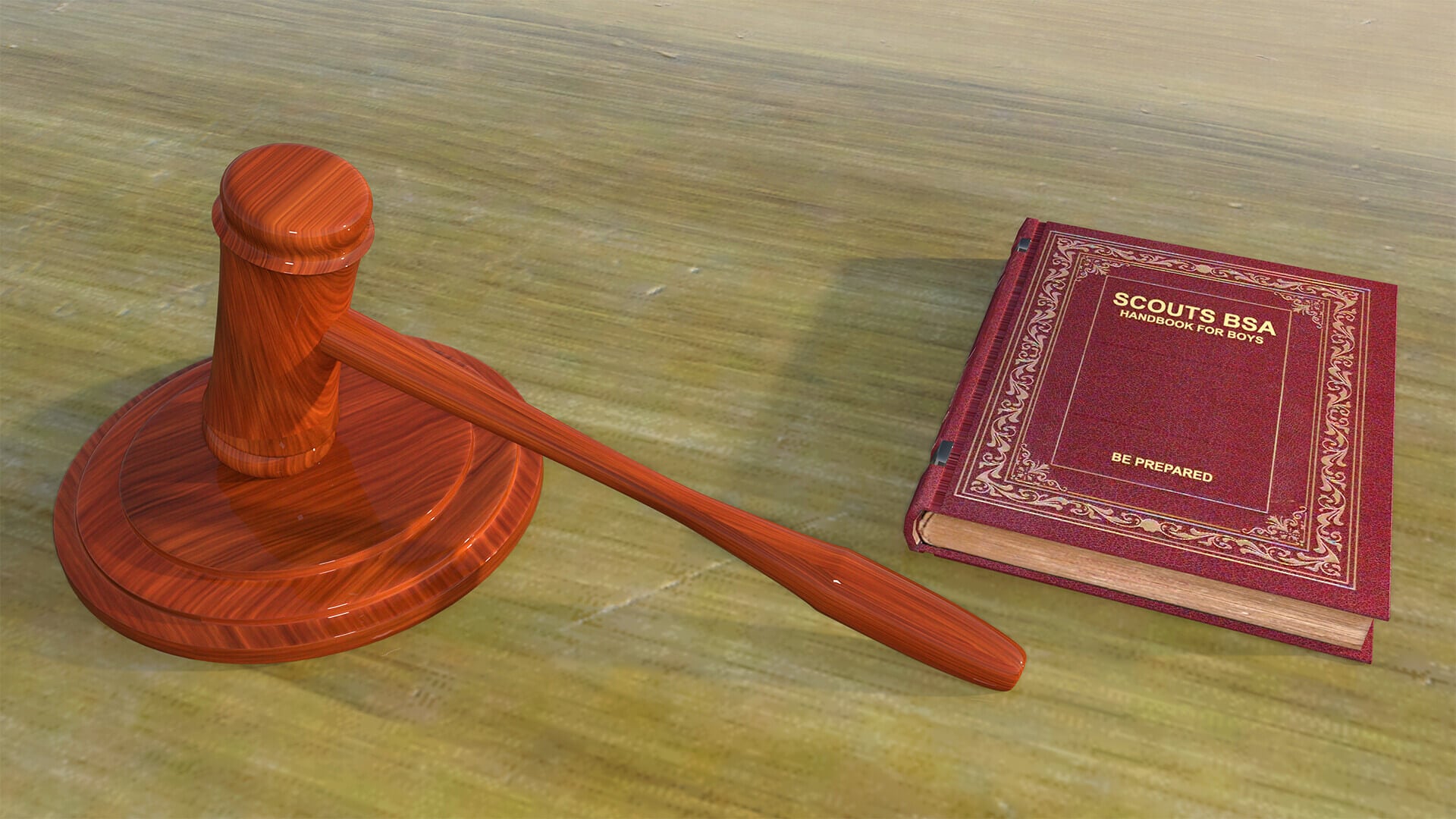
The Boy Scouts of America issued its first handbook in 1911, borrowing heavily from British founder Robert Baden-Powell’s earlier writing. Early printings contain period advice on camping, first aid and citizenship that now reads as a time capsule.
Clean copies with intact spines are worth considerably more than loose or water-stained ones.
Early Issues of Boy’s Life
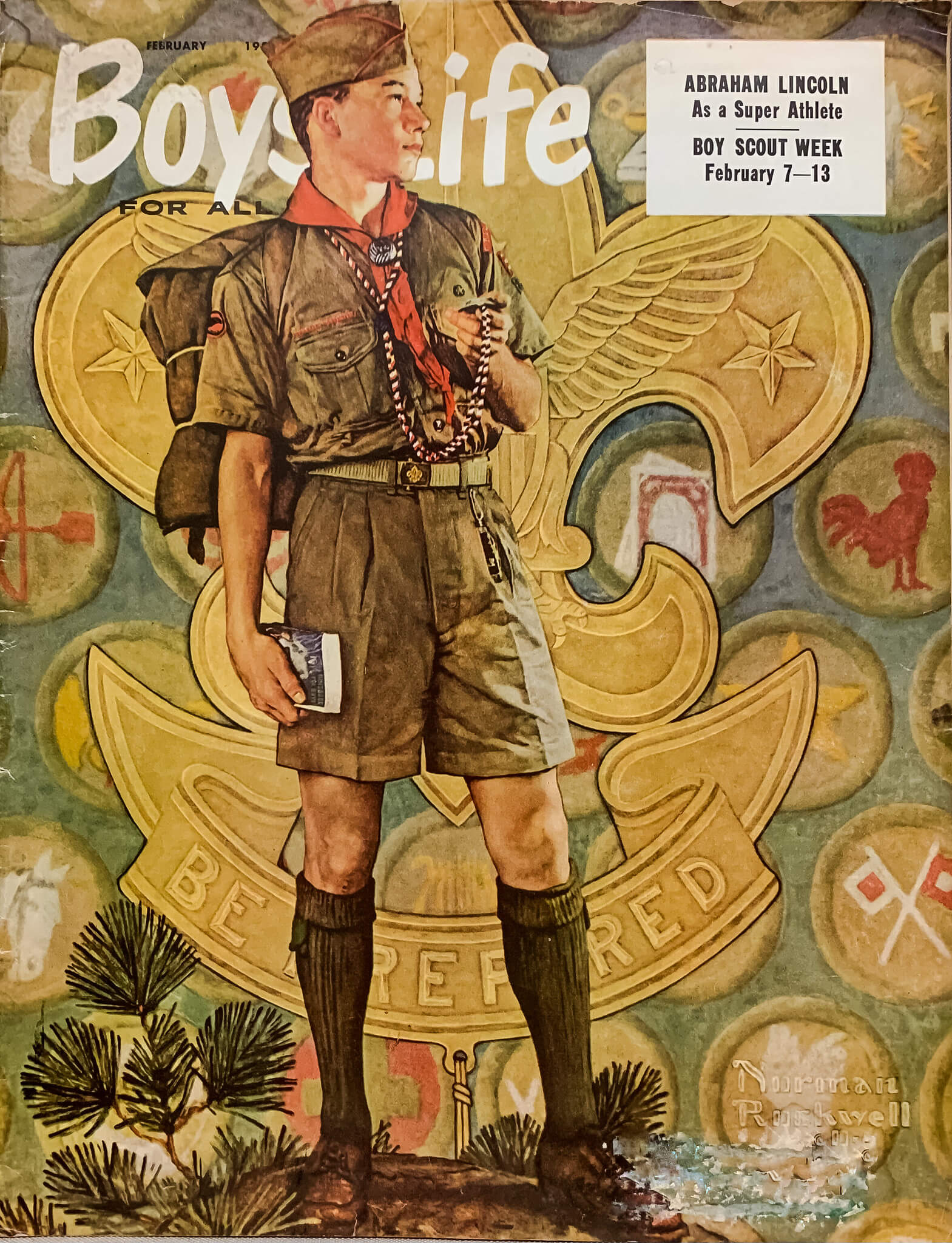
The magazine began in 1911 and became a fixture of scouting households. Early covers feature illustrated adventure scenes, and the advertisements inside are a window into the products marketed to boys.
Brittle paper and detached covers are common problems, so well-kept issues carry the strongest prices.
Scouting for Boys
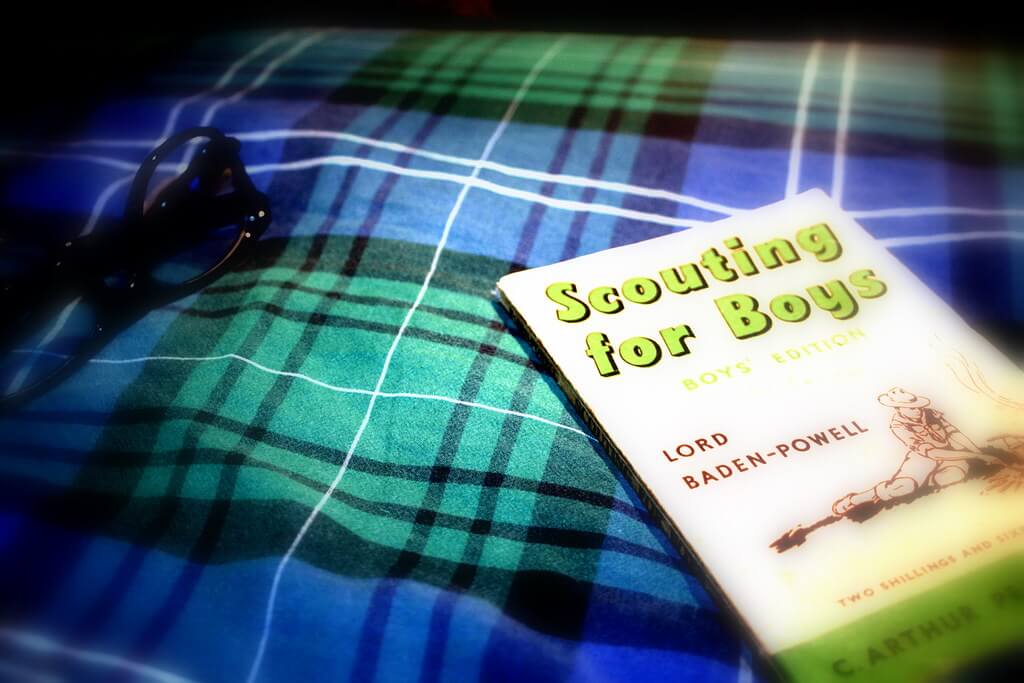
Baden-Powell published this book in England in 1908, and it helped spark the movement across the world. American collectors seek early editions with original covers and intact illustrations.
Foxing, loose pages and missing dust jackets reduce values noticeably.
Official Scout Knives
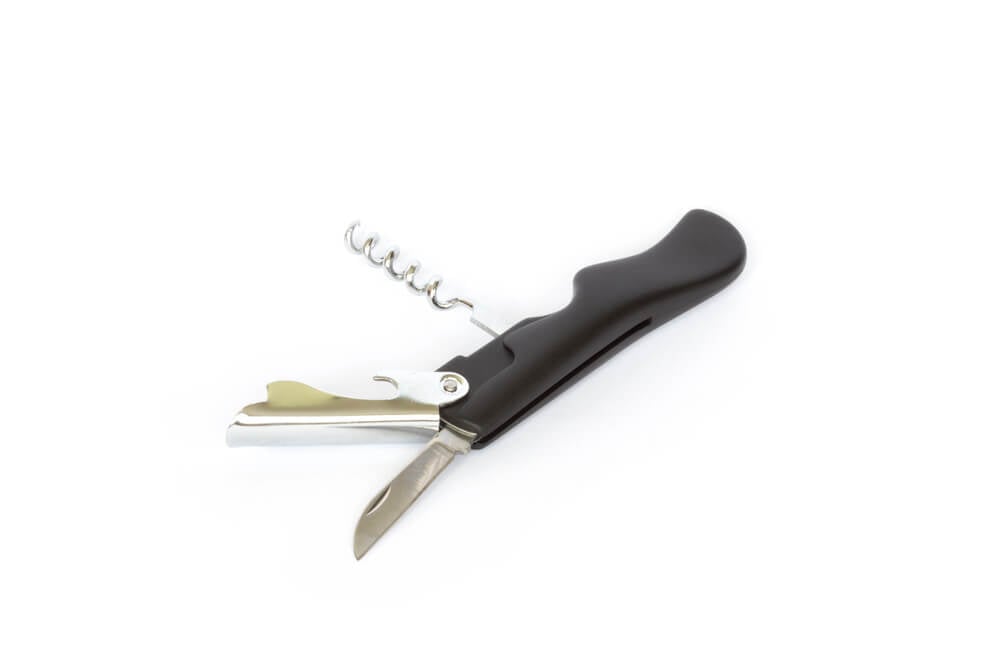
Several American cutlery firms, including Camillus and Ulster, produced knives for scouts that carried official markings. Typical models combined a blade, a can opener and a screwdriver.
Knives with sharp tangs and unbroken handle scales are much more desirable than those with rust or chipped handles.
Neckerchief Slides
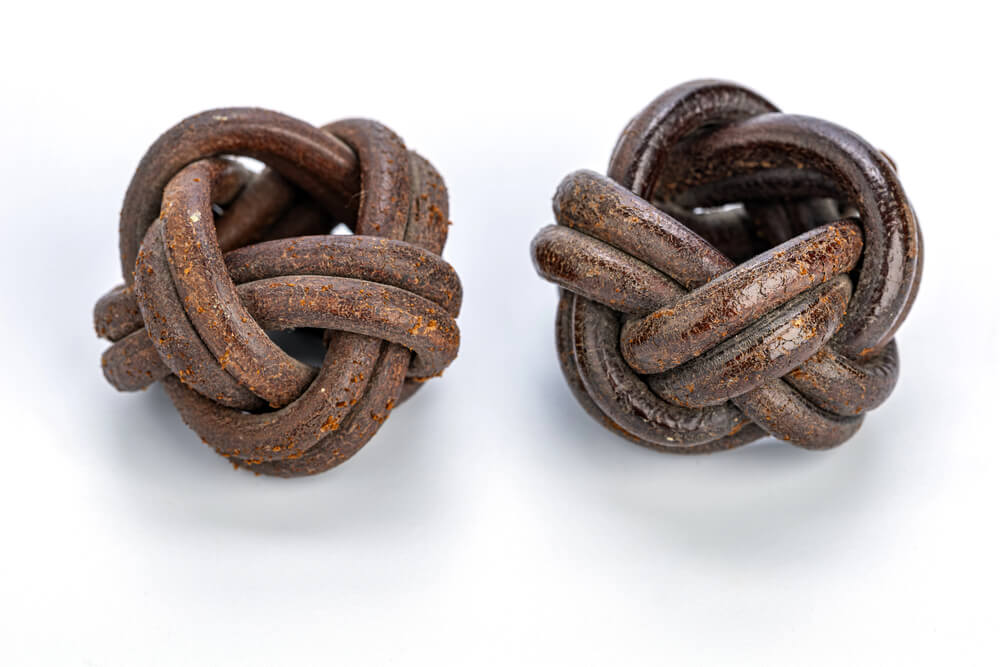
Scouts held their neckerchiefs in place with slides carved from wood, bent from leather or cast in metal. Many were handmade projects, and the creativity involved is part of the fun.
Because most are unique, condition and craftsmanship, rather than catalog value, tend to set prices.
Troop Neckerchiefs
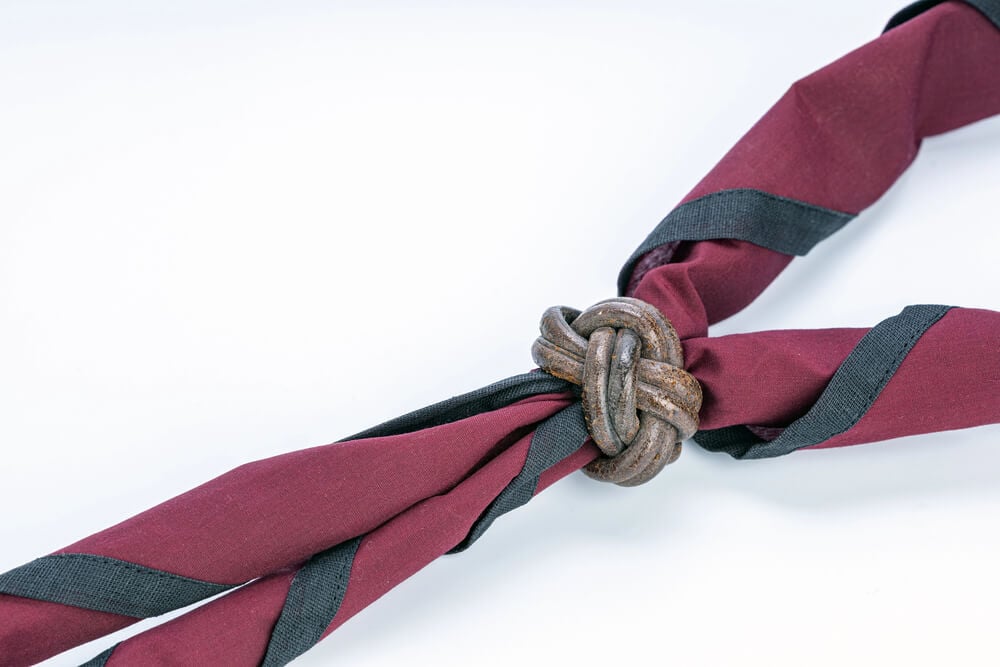
Each troop often chose its own colors and designs, which makes neckerchiefs some of the most personal keepsakes in the hobby. Camp and jamboree versions carried event logos that mark specific years.
Stains, fading and moth damage lower values quickly, while crisp color and sharp printing raise them.
Campaign Hats
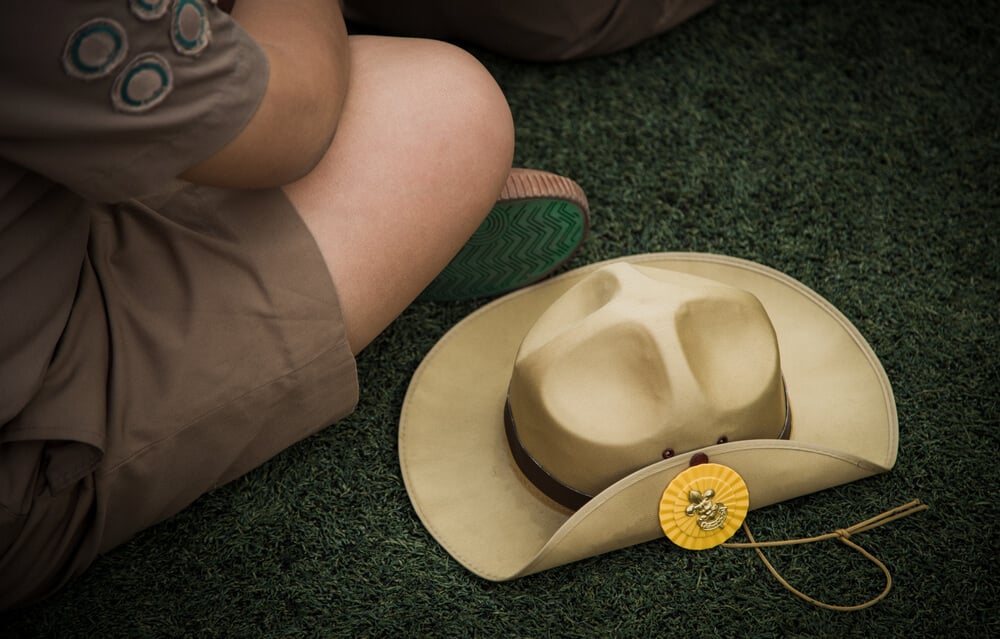
The broad-brimmed campaign hat gave scouts a distinct silhouette, and it echoed the headgear worn by soldiers of the era. Felt hats with original cords and intact brims are uncommon after a century of wear.
Sweat stains and crushed crowns reduce prices dramatically.
Uniform Belt Buckles

Official buckles carried the scout emblem and were sold through supply catalogs. Some were stamped brass, while later versions used other metals and finishes.
Collectors favor examples with legible emblems and original plating, and heavy corrosion is a red flag.
Scout Canteens
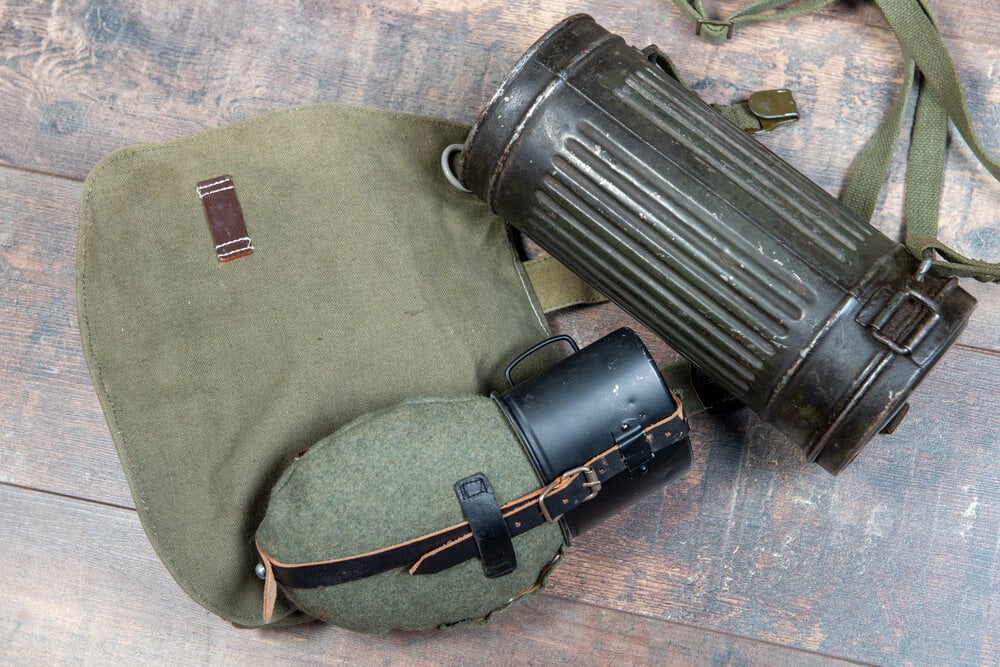
Metal canteens in felt or canvas covers were standard hiking equipment. Official markings on the cap or body help date them.
Dents, leaks and missing covers are the typical flaws, and a clean one with its strap is worth much more than a battered survivor.
Scout Mess Kits
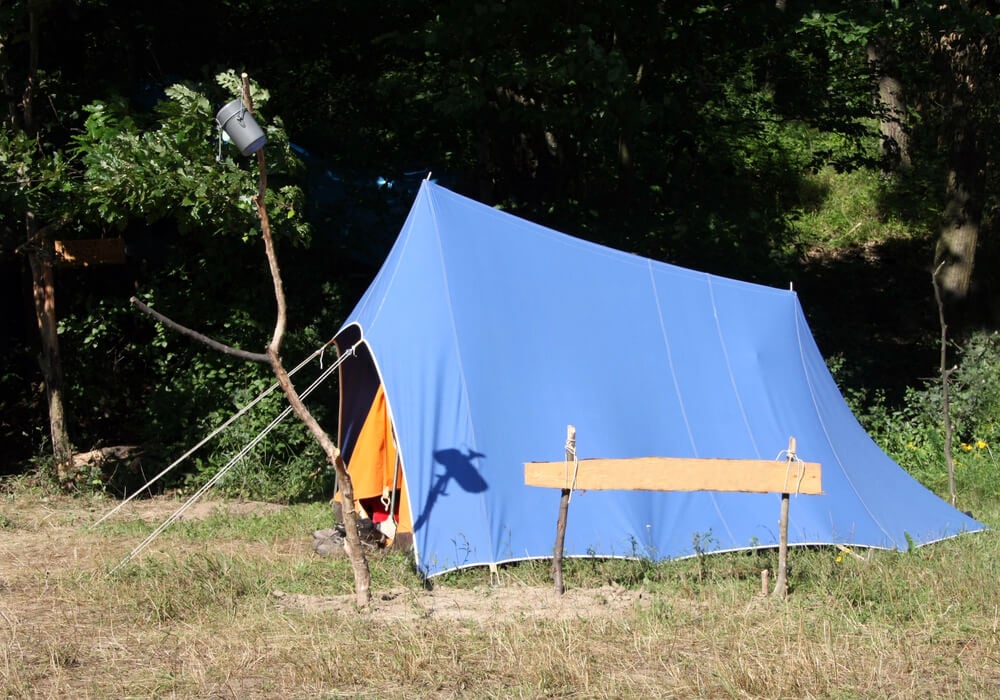
Fold-up mess kits packed a pan, a plate and utensils into one compact set. Many were stamped with official marks on the lid.
Rust, missing pieces and bent handles drive down prices, while complete kits in decent shape remain popular.
Scout Hatchets
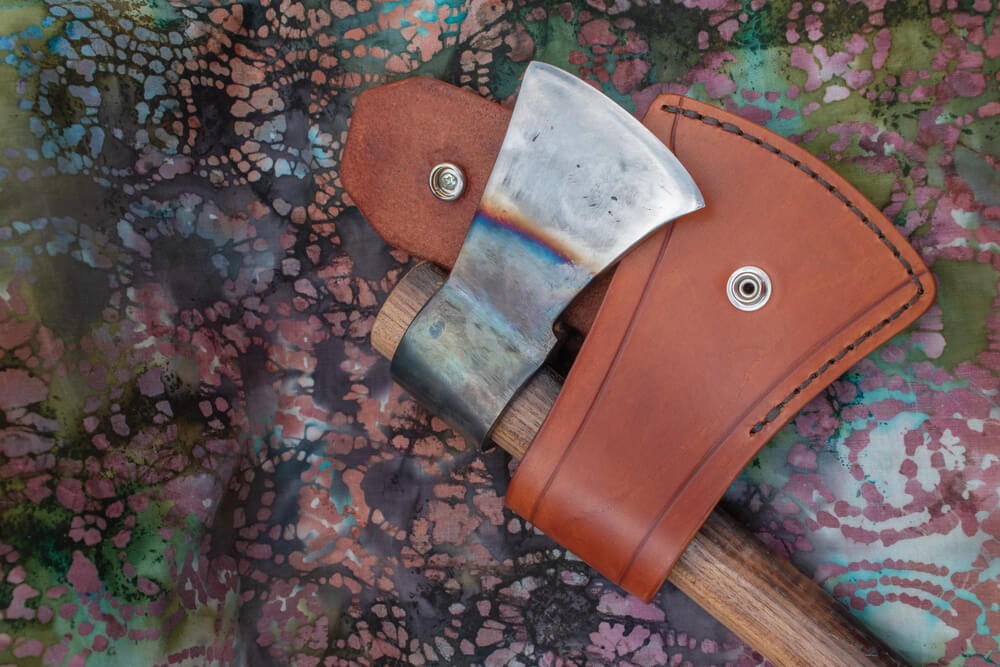
Hatchets with leather sheaths were common campsite tools, and official versions carried a scout stamp on the head. The leather sheath is often missing or cracked.
A tool that retains its sheath, with a straight handle and clean head, commands far more than a loose head.
Scout Compasses
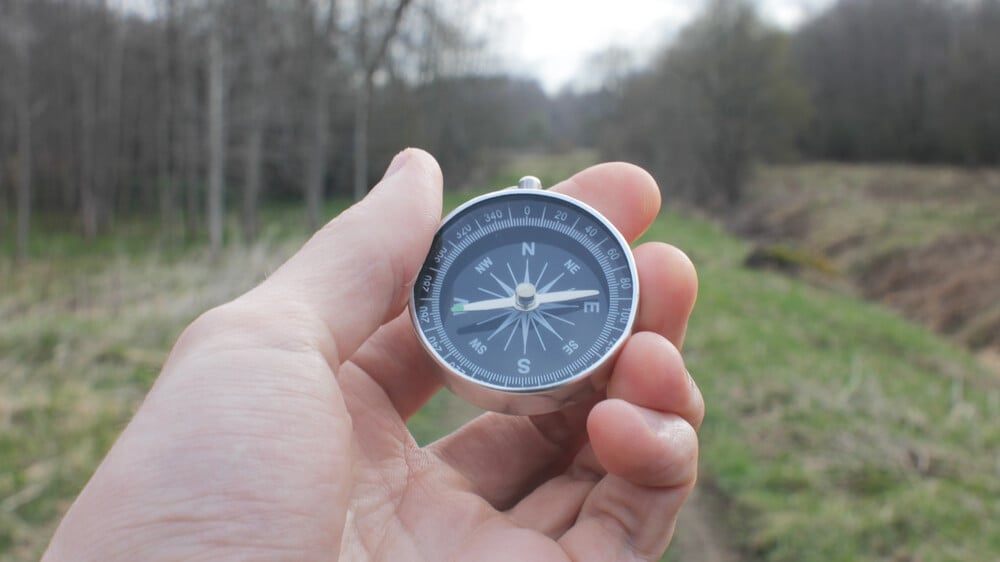
Small pocket compasses taught navigation and were a favorite gift for new recruits. Many came in metal or bakelite cases stamped with scouting symbols.
A needle that still swings freely and an unscratched crystal increase value.
Patrol Flags
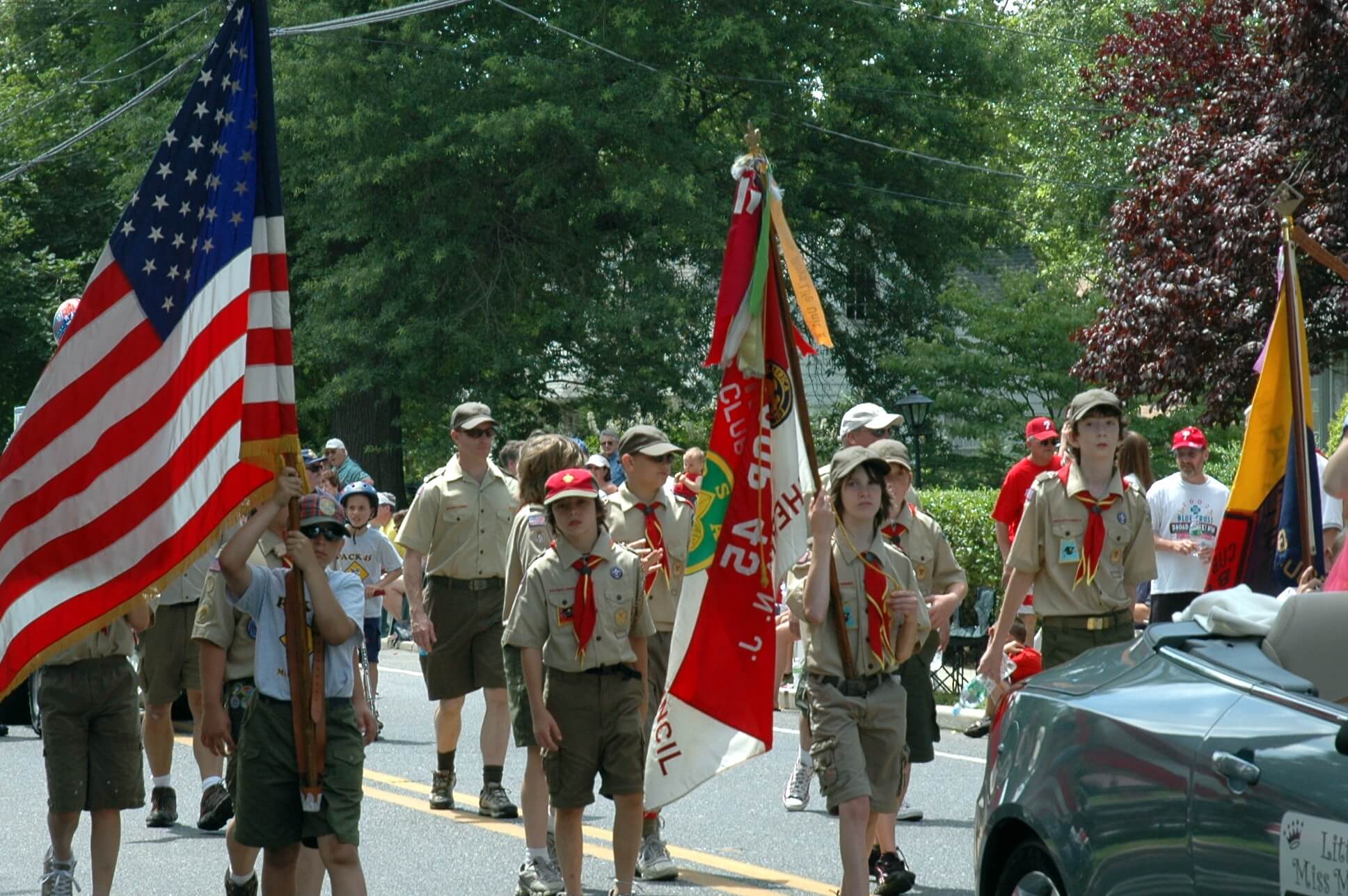
Patrol flags displayed an animal emblem and were carried to camps, hikes and competitions. Hand-sewn examples, often from felt, show enormous variation.
Fading and mildew are the typical enemies, and clean flags with documented troop history are the most desirable.
Council Shoulder Patches
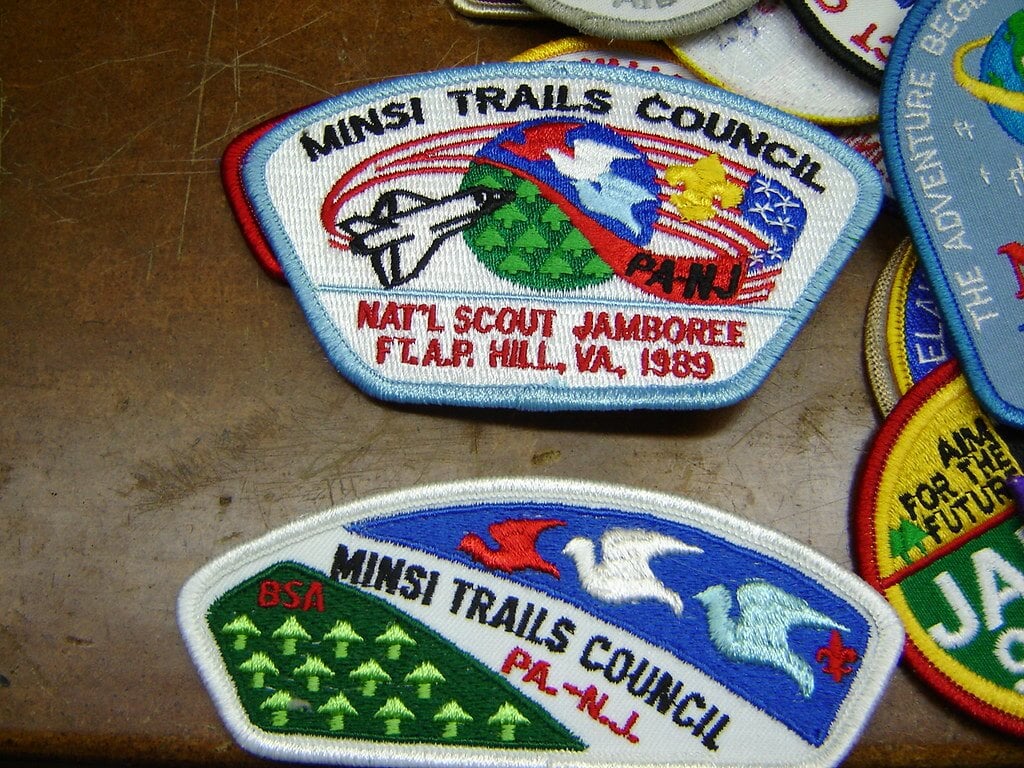
Local councils issued shoulder patches that identified a scout’s home region. The designs vary from simple lettering to elaborate regional scenes.
Collectors seek early felt types and short-run issues, and stains or frayed edges reduce prices.
National Jamboree Patches
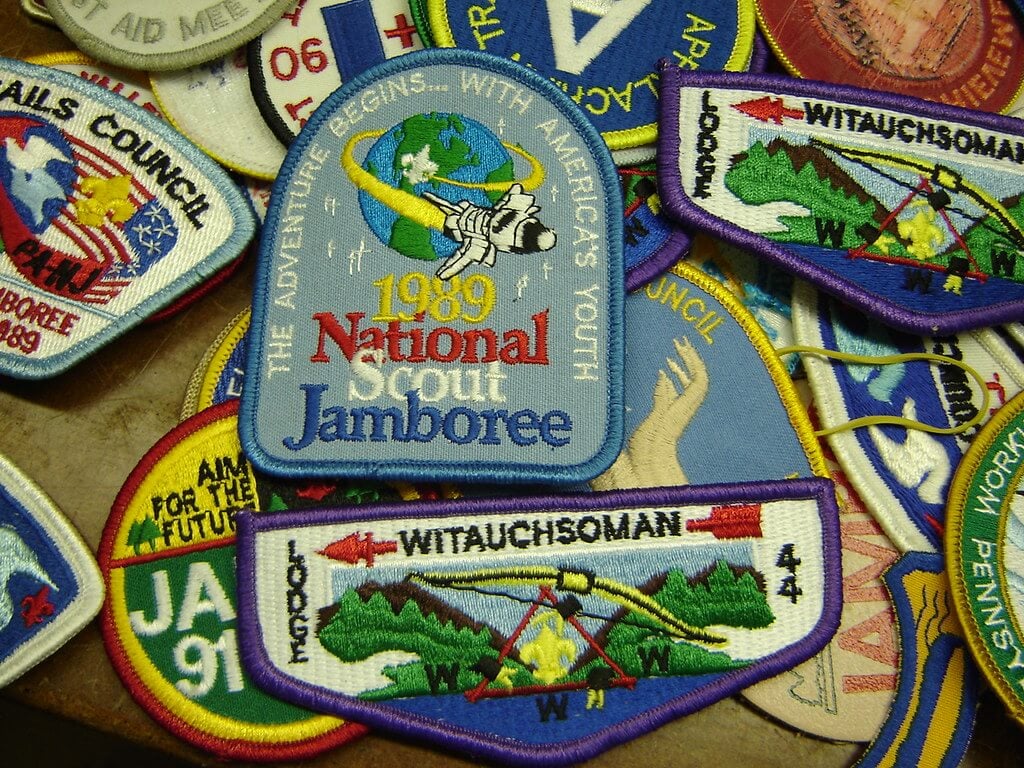
The first national jamboree in Washington, D.C., was planned for 1935 but postponed after a polio outbreak, then held in 1937. Patches from each jamboree make a neat chronological series.
Original issues in clean condition are the most valuable, and replicas are common.
The 1920 World Jamboree Items
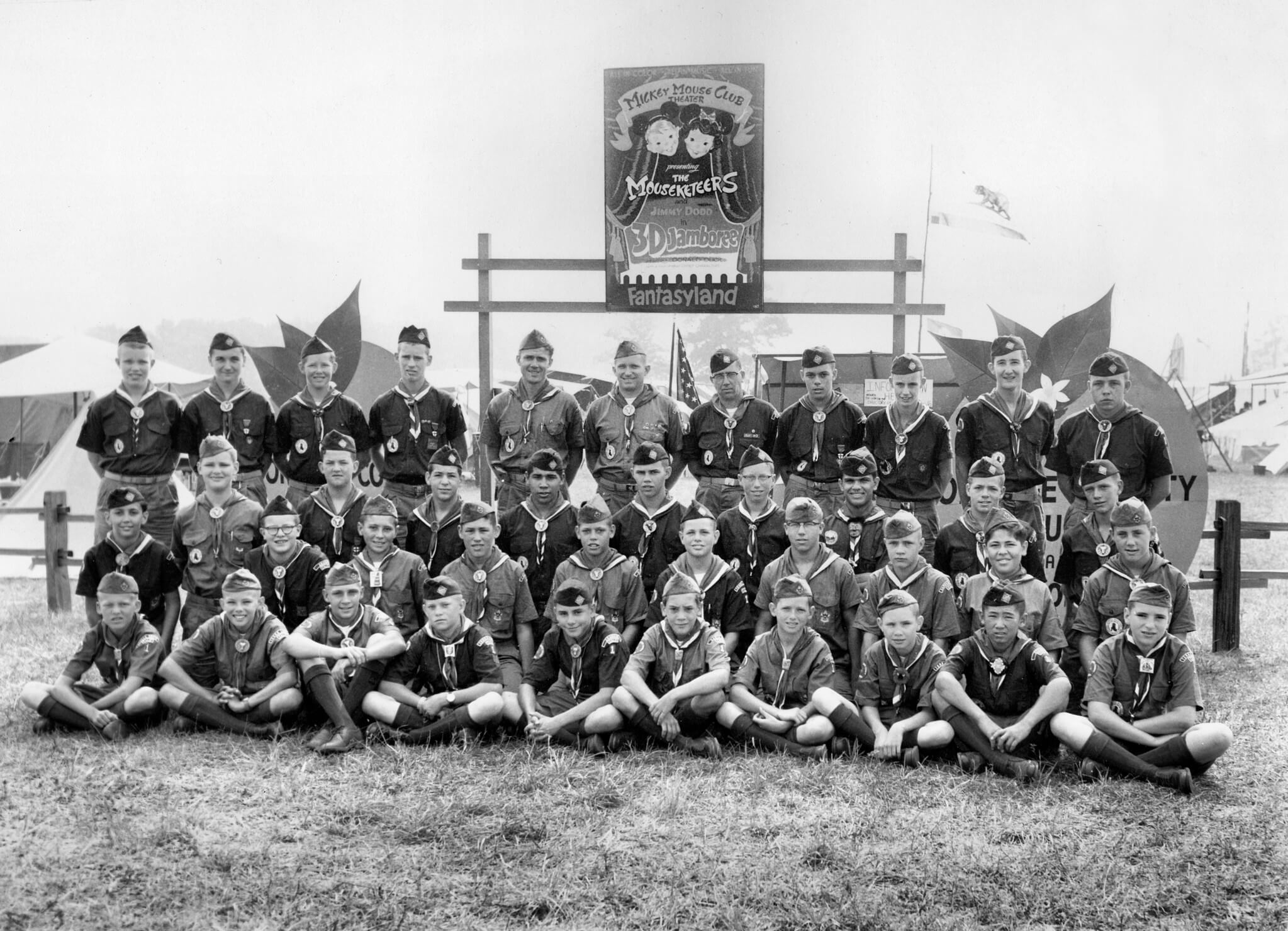
The first World Scout Jamboree was held at Olympia in London in 1920. Items from the event, including programs, badges and photographs, are among the earliest international scouting souvenirs.
Because they are scarce, authentic condition matters, and damage can cut prices by half or more.
Order of the Arrow Sashes
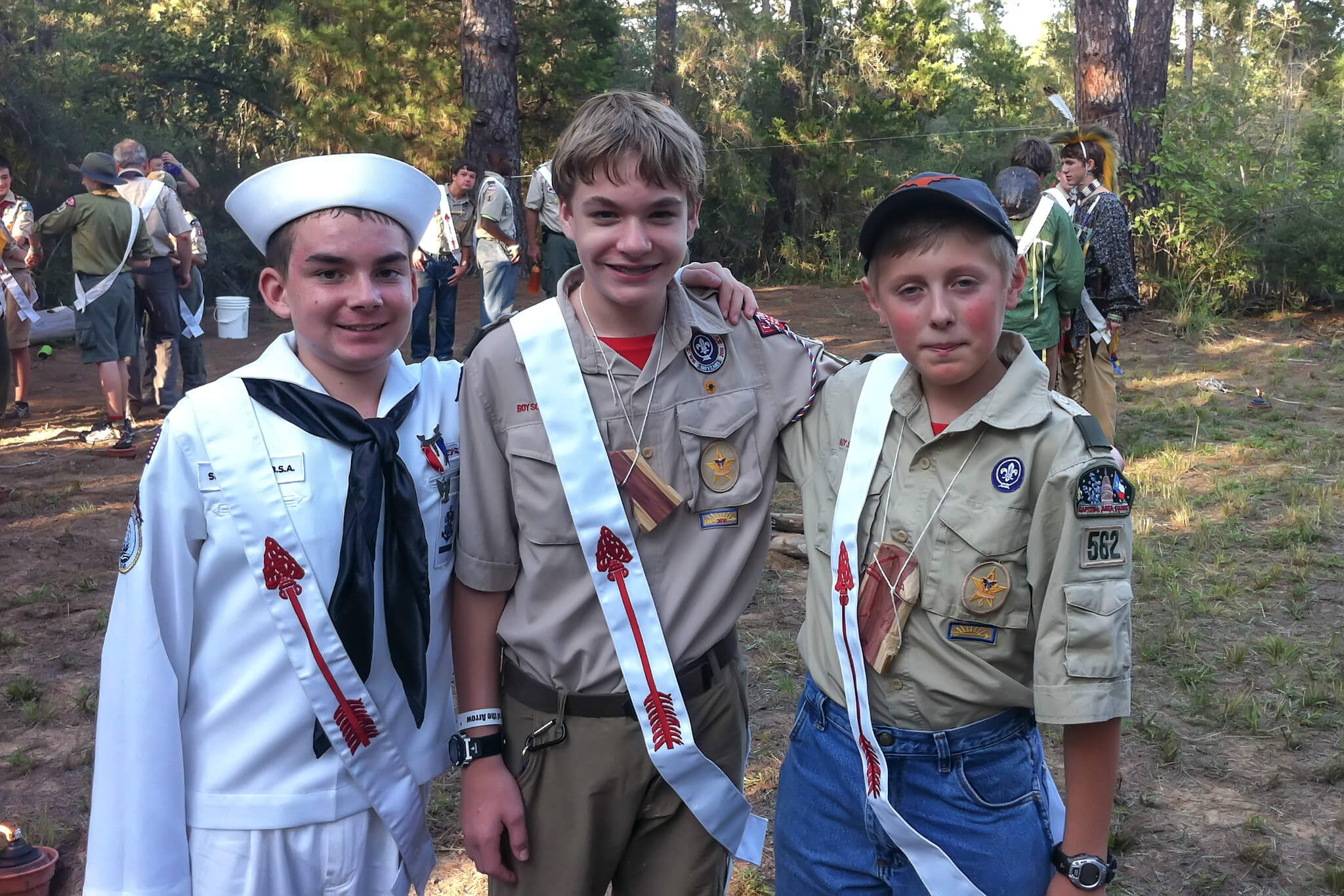
The Order of the Arrow was founded in 1915 at Treasure Island Scout Reservation in Pennsylvania by E. Urner Goodman and Carroll A. Edson. Its white sash with a red arrow is a recognizable part of scouting regalia.
Early sashes with original stitching and clean cloth are the most prized by collectors.
Eagle Scout Medals
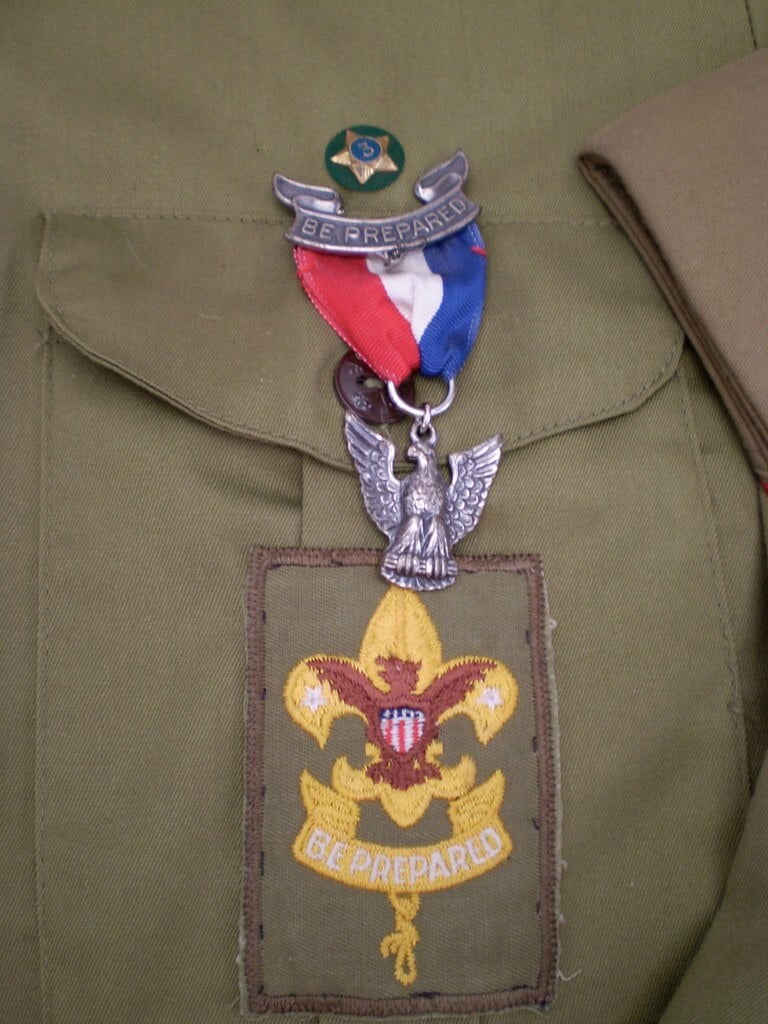
The first Eagle Scout rank was awarded in 1912, and early medals carried designs that differ from later versions. The ribbon, clasp and medal must match to be considered original.
Collectors check for tarnish and replaced ribbons, since a mismatched set is worth far less.
Silver Beaver Awards
Established in 1931, the Silver Beaver recognizes volunteer service at the council level. Early medals and certificates are a quiet piece of leadership history.
Complete sets with ribbon and original box bring the strongest prices.
Silver Buffalo Awards
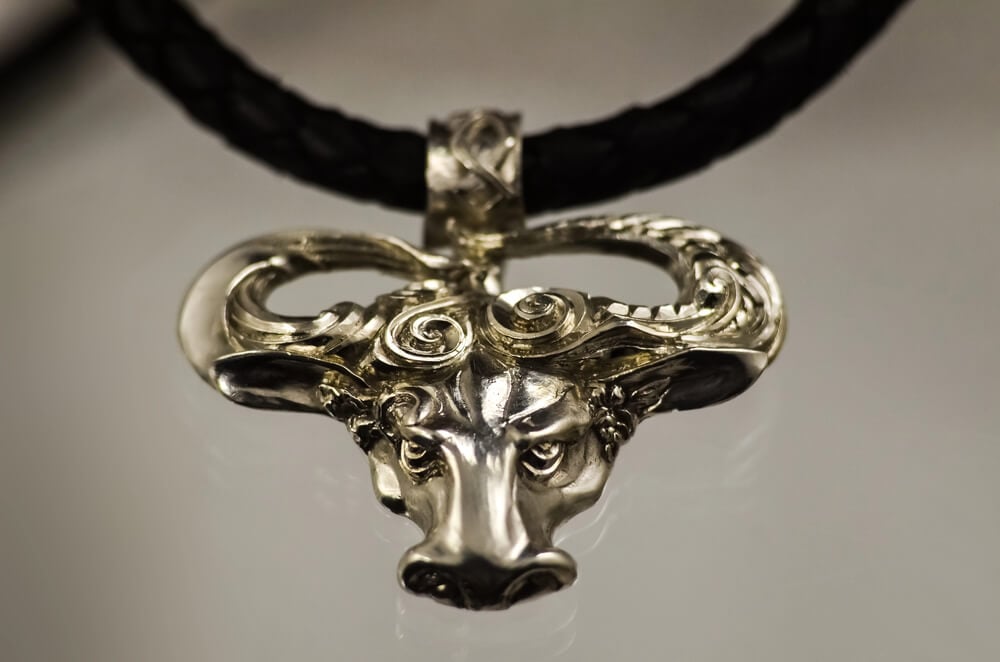
Created in 1926, the Silver Buffalo honors service of national significance. Examples are rarely sold, and provenance is vital.
Medals that arrive with their original case and paperwork stand well above those that do not.
Wood Badge Beads
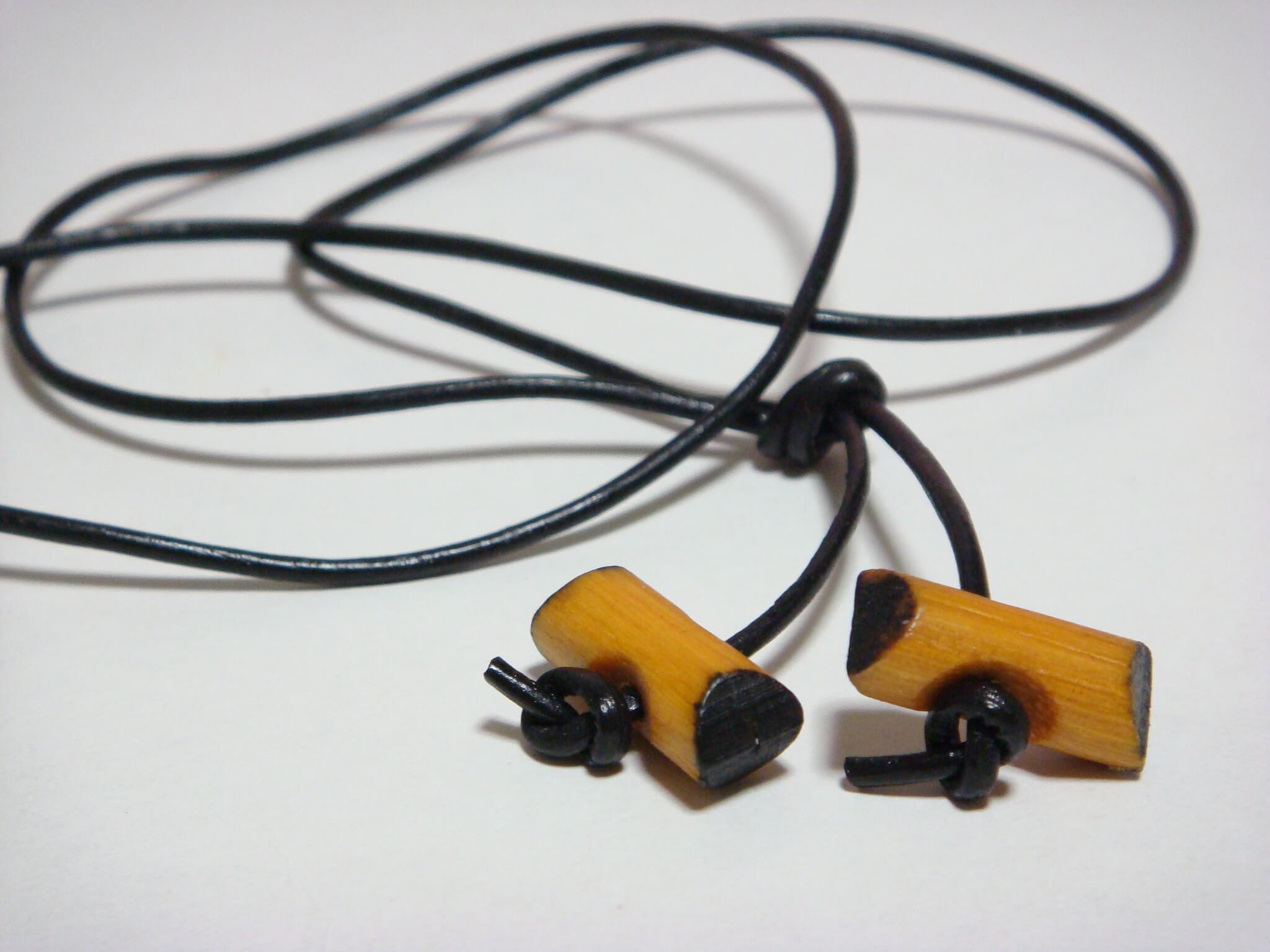
Wood Badge training began at Gilwell Park in England in 1919, and participants receive two small wooden beads on a leather thong. Scouting tradition links the beads to a necklace taken by Baden-Powell in Africa.
Original thongs and unchipped beads matter, and replacements lower the value.
Cub Scout Items
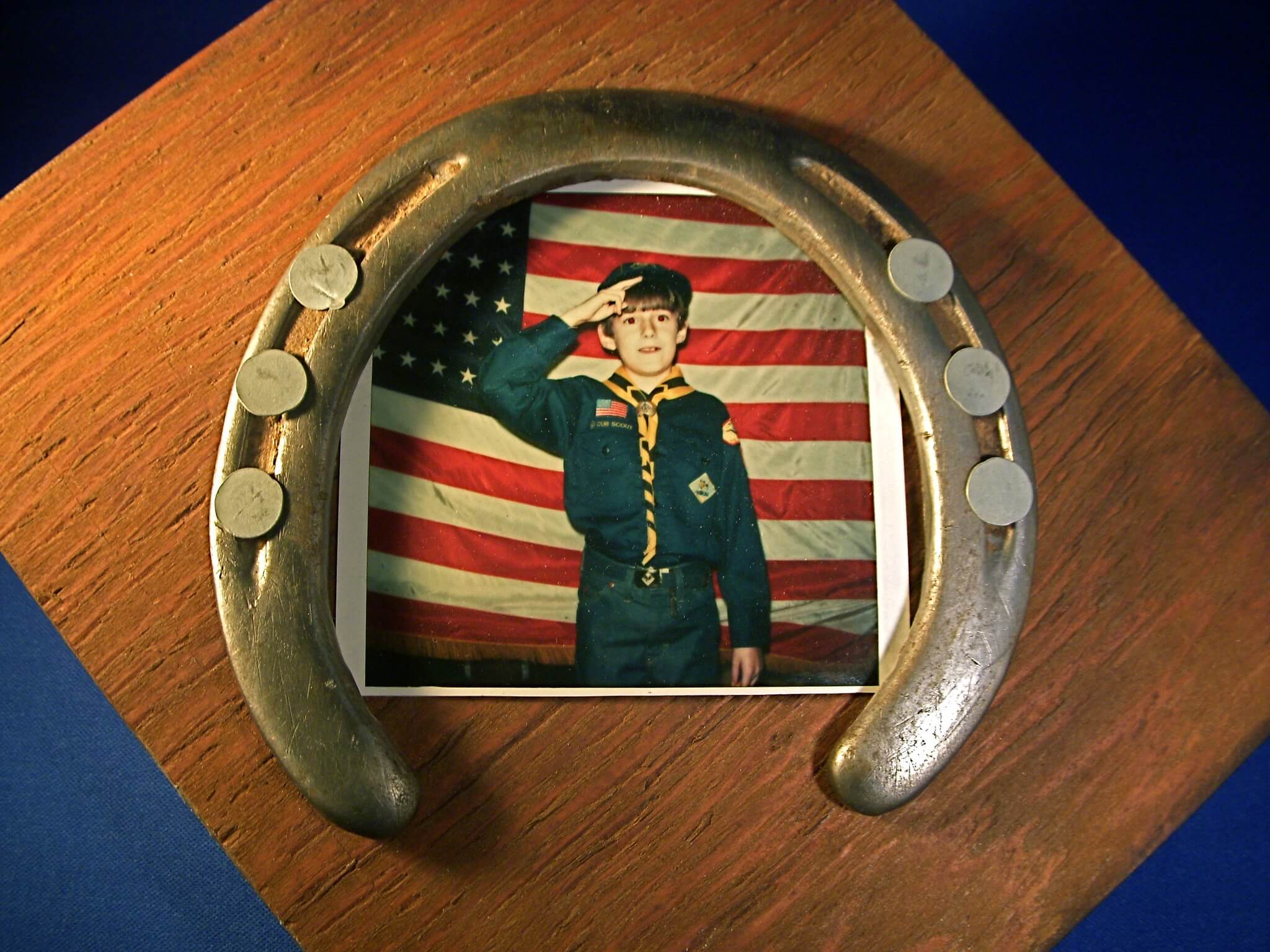
The Cub Scout program began in the United States in 1930, bringing younger boys into the movement. Early books, neckerchiefs and badges reflect the bright blue and gold color scheme.
Condition is crucial, and sets that include original wrappers or packaging fetch the highest prices.
Sea Scout Uniforms
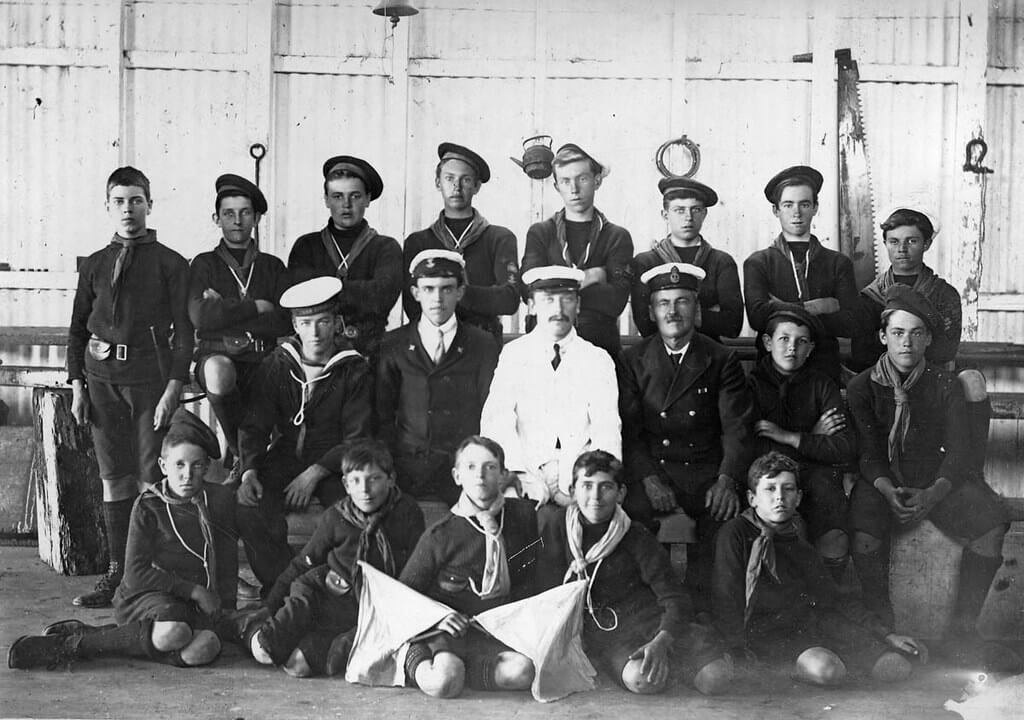
Sea Scouts trained in sailing and seamanship, and their uniforms resembled naval dress. Caps, tunics and insignia from the early decades are scarce today.
Moth damage and missing buttons are frequent problems, and complete uniforms are rare.
Girl Scout Handbooks
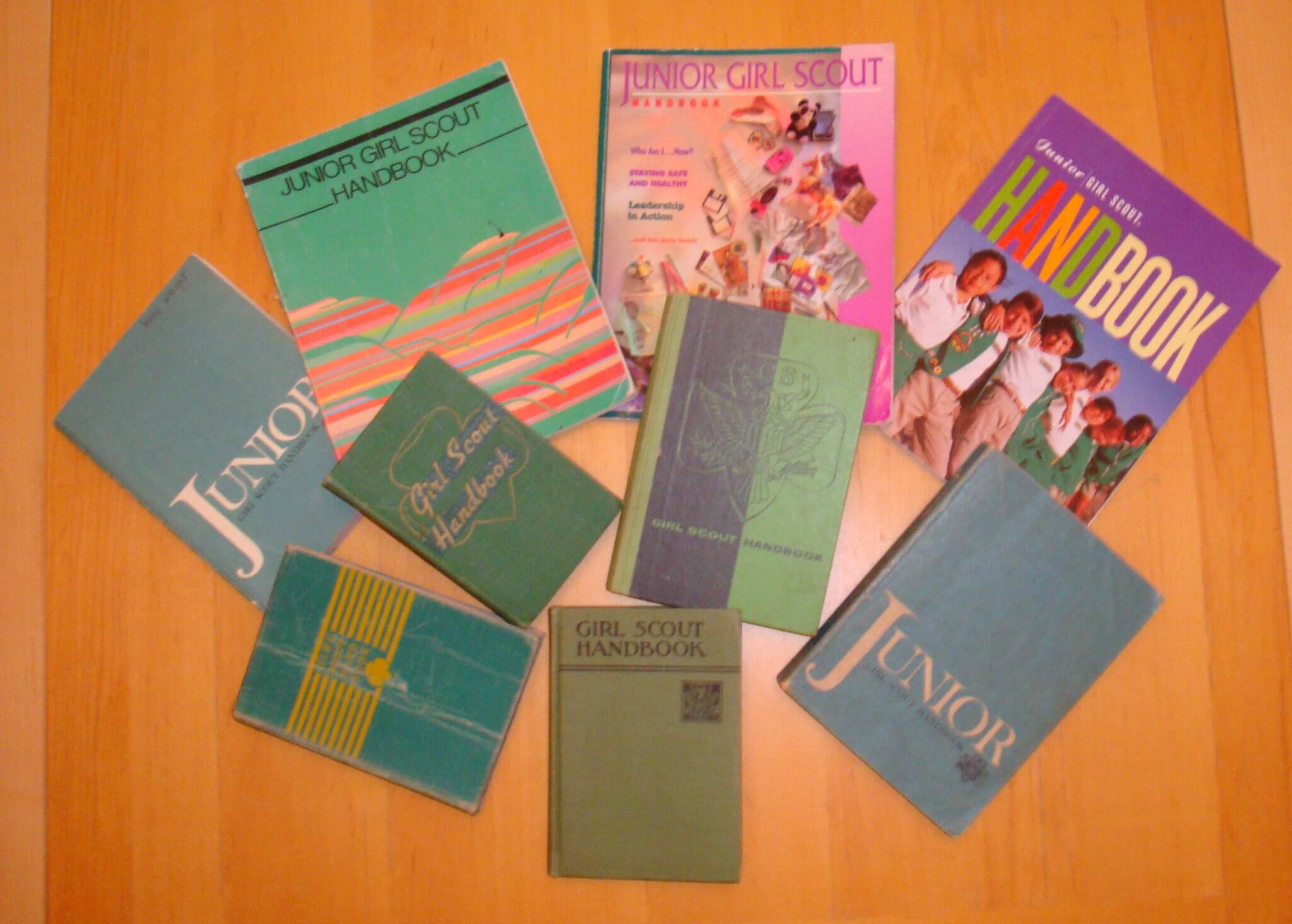
The first handbook for Girl Scouts appeared in 1913 under the title How Girls Can Help Their Country, shortly after Juliette Gordon Low founded the organization in Savannah in 1912. Early editions reveal how the movement balanced outdoor skills with practical domestic training.
Clean copies are rare, and torn covers or loose pages reduce prices.
Girl Scout Trefoil Pins
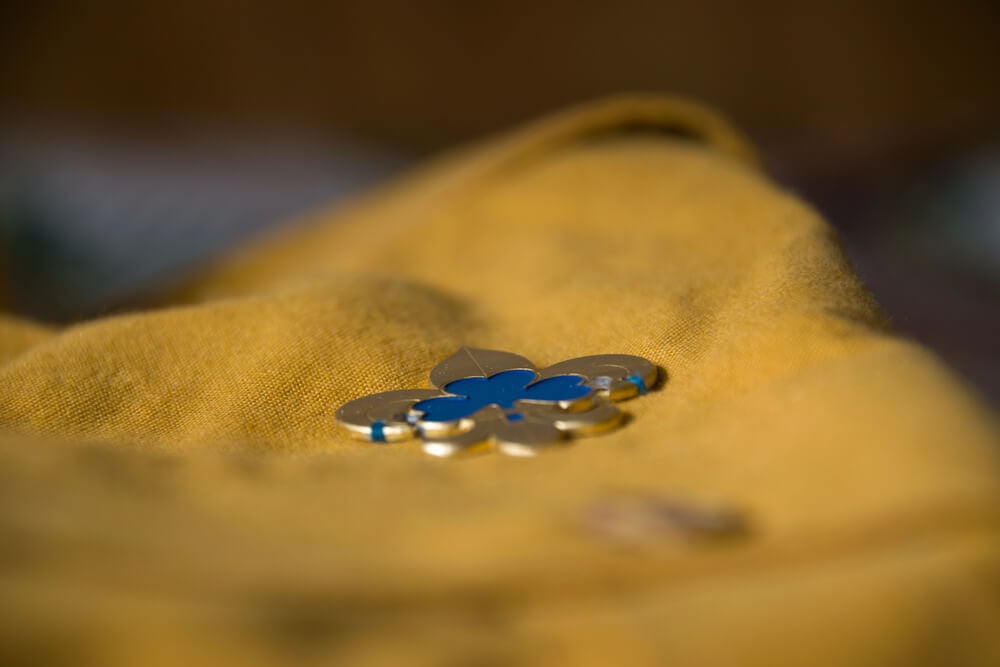
The trefoil emblem became the symbol of the movement, and early pins in sterling or gilt show fine detail. Pins with intact catches and sharp enamel work are sought after.
Dull plating and bent pins cut value considerably.
Early Girl Scout Cookie Items
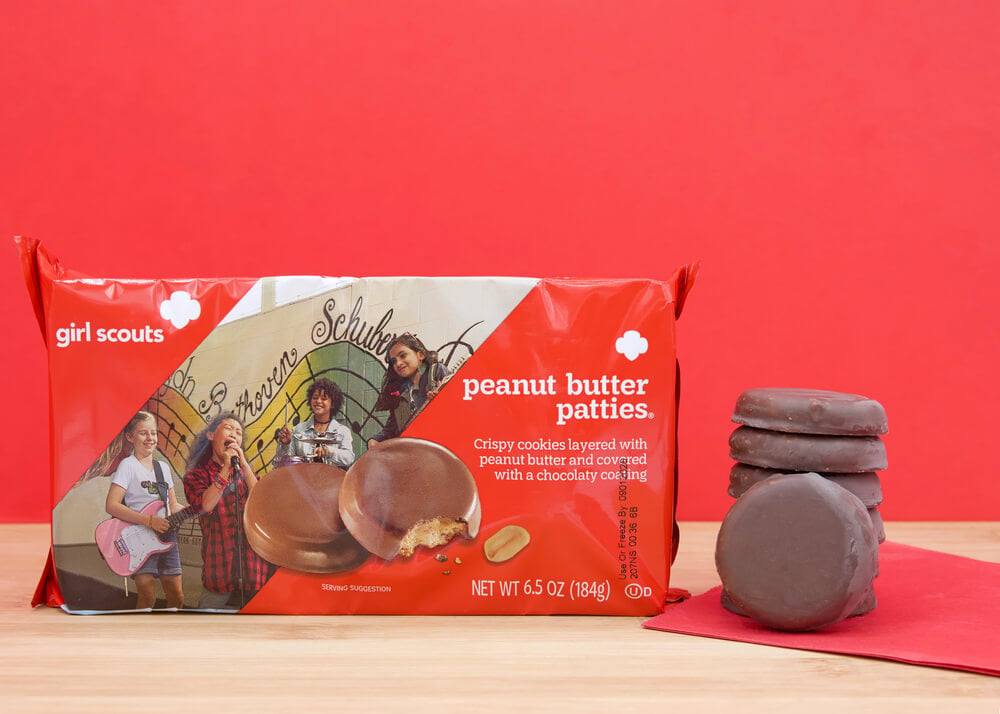
Girl Scouts in Muskogee, Oklahoma, are credited with an early cookie sale in 1917, and commercial baking began in 1936. Boxes, tins and posters from early decades are surprisingly collectible.
Grease stains and crushed corners cut prices, so tidy packaging stands out.
Brownie Uniforms and Badges

Brownies became part of American Girl Scouting in the late 1920s, bringing younger girls into the program. Brown uniforms, caps and badge sets survive in modest numbers.
Fading and mildew are the usual problems, and complete sets in clean shape sell best.
Camp Fire Girls Honor Beads
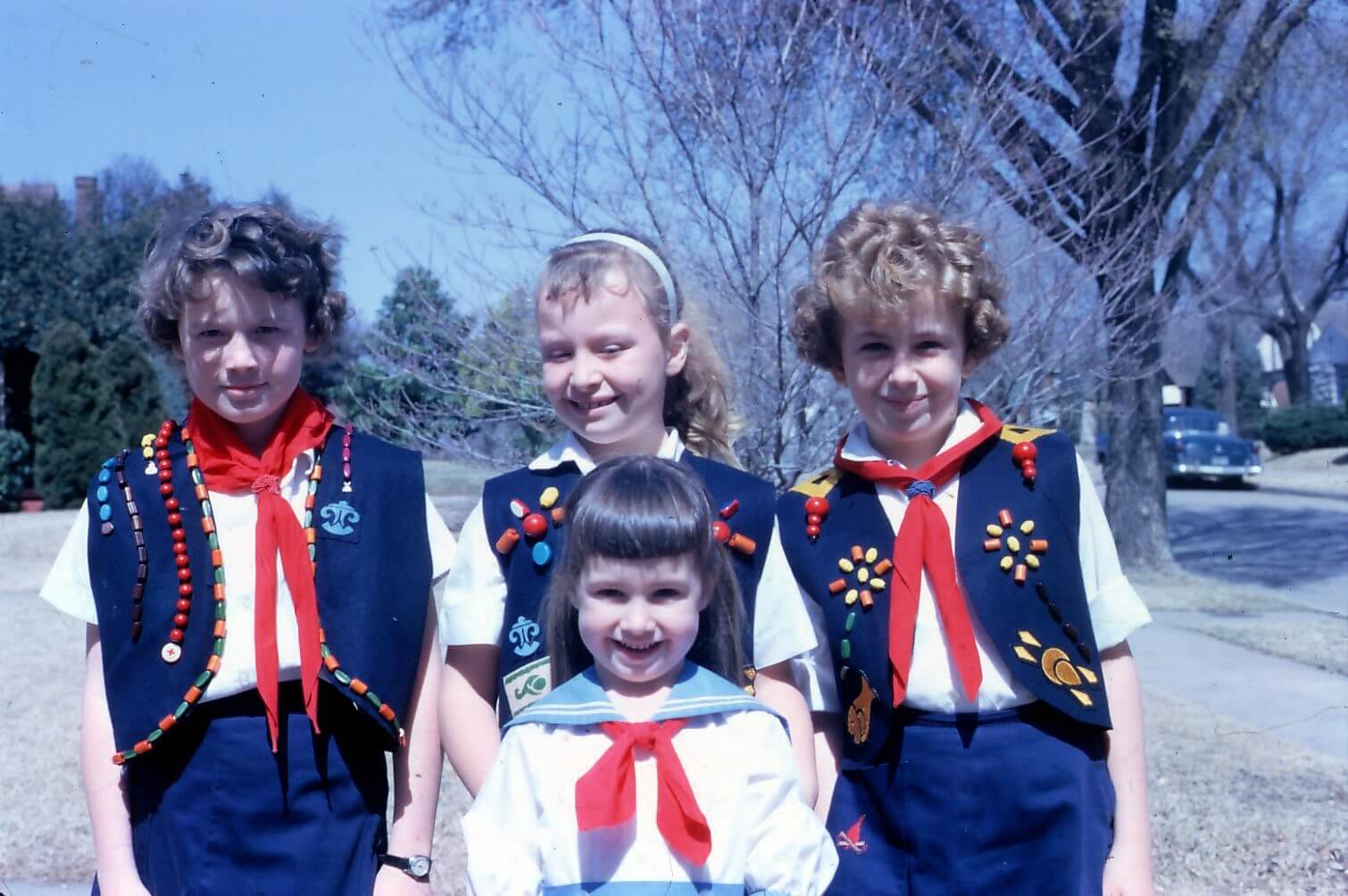
Camp Fire Girls was founded in 1910 by Luther and Charlotte Gulick, and members earned colored beads for achievements. Beads were strung on leather thongs and worn proudly.
Complete strands with a clear color system are uncommon, and broken strings reduce value.
Scout Camp Postcards
Postcards from camps show tents, lakeside docks and mess halls in black and white or tinted color. Handwritten messages on the back add personal history.
Postmarks and sharp corners improve prices, whereas stains and creases weigh them down.
Trading Post Catalogs
Official supply catalogs listed every item a scout might want, from knives to cooking gear. They are valuable references for dating equipment.
Intact covers and clean pages make catalogs useful and collectible.
Scout Bugles
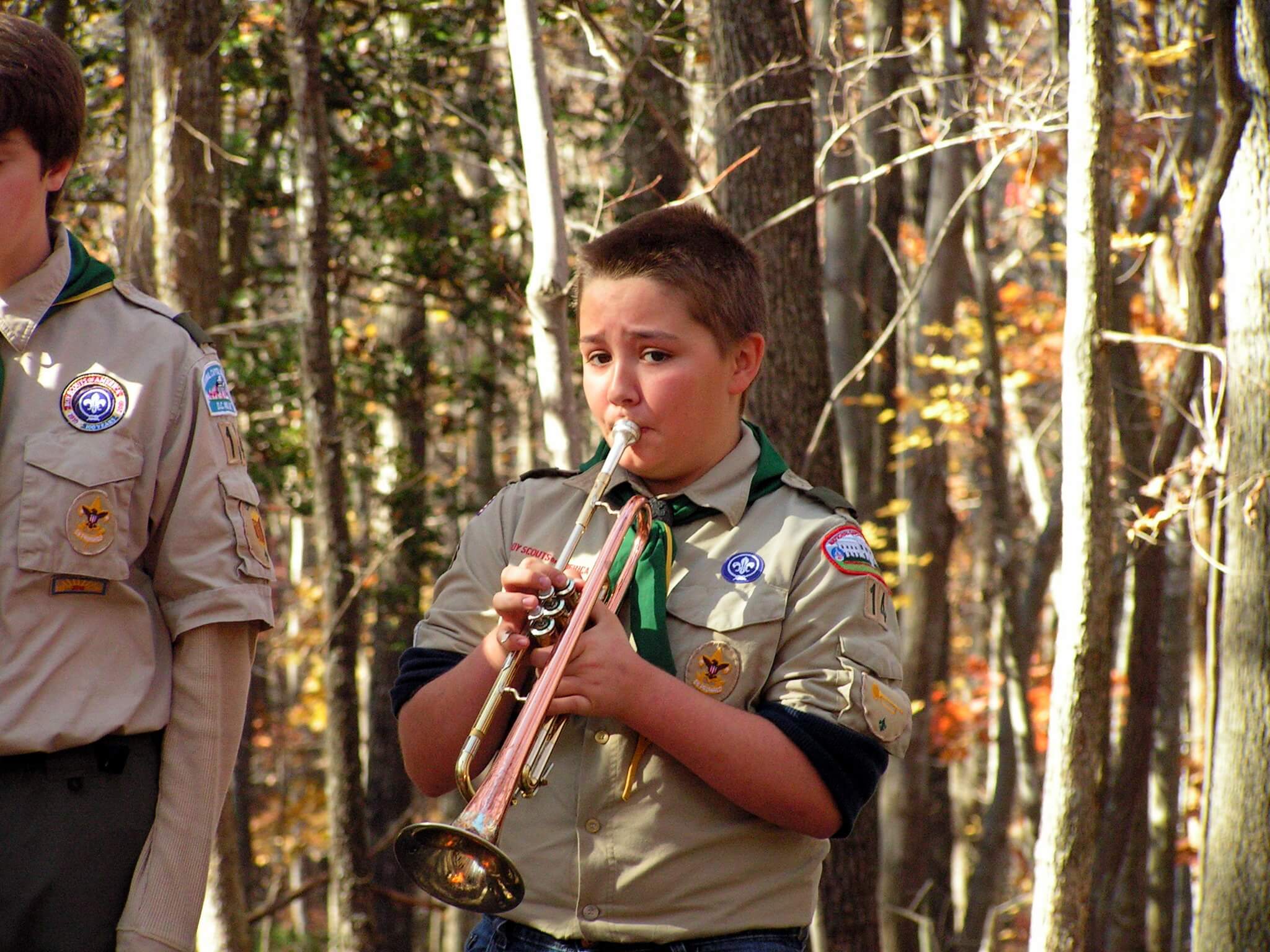
Troops used bugles to wake campers, call assemblies and mark taps. Brass examples with official engraving are scarce.
Dents and green corrosion lower prices, while a polished, playable bugle draws strong interest.
Scouting Songbooks

Campfire songbooks collected the tunes that carried troops through long evenings. Annotations and doodles in the margins make them personal.
Condition is moderate in importance, but clean and complete copies are favored.
Dan Beard Woodcraft Books

Dan Beard’s Sons of Daniel Boone merged into the Boy Scouts in 1910, and his illustrated woodcraft books remained popular. His drawings made camp skills look easy and fun.
First editions with intact bindings and unfaded covers command the best prices.
Memories Held in Small Objects
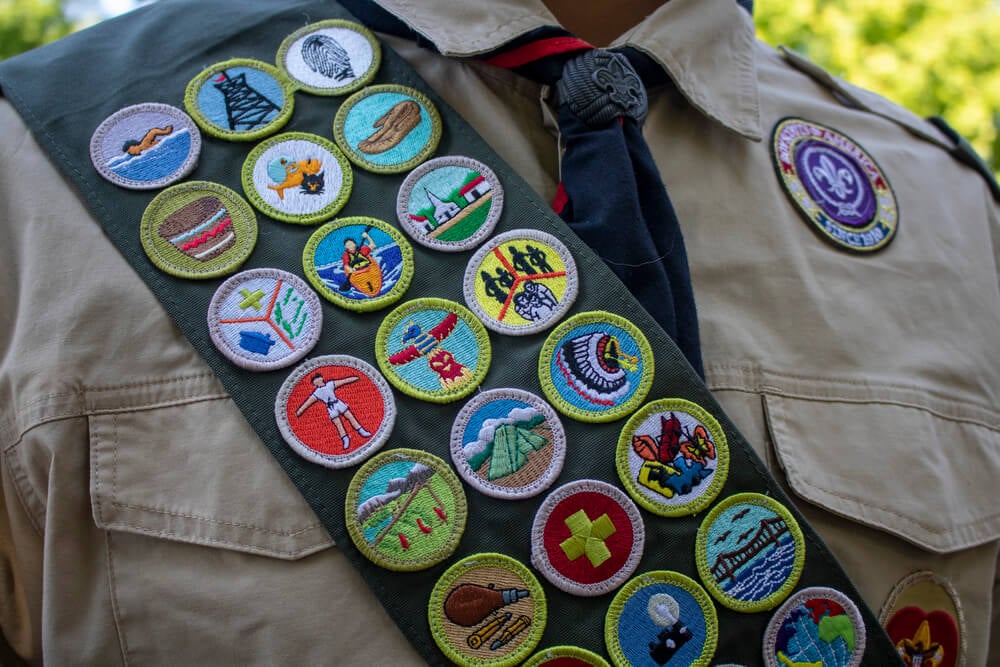
The most striking thing about scouting keepsakes is how ordinary they were at the time. Knives, slides and canteens were meant to be used, bent and lost.
That wear is the reason a clean survivor from 1930 is something remarkable. Anyone gathering these objects is gathering the habits of a century of outdoor childhood.
A cherished slide or a creased handbook can tell more about a troop than any official record. Keeping them dry, flat and unrestored is the surest way to preserve what they mean.
More from Go2Tutors!

- 27 Silver Dollars and Half Dollars Worth Keeping
- 28 Restaurant Menu Items Nobody Orders Anymore
- 17 Places Built in Seemingly Impossible Spots
- 27 Vintage Rings Worth More Than They Look
- 25 Restricted Sites Tourists Can’t Enter
Like Go2Tutors’s content? Follow us on MSN.