16 Unusual Transportation Methods Used in the 1800s
The 19th century was a time of remarkable innovation and peculiar solutions to the eternal problem of getting from here to there. While we often think of horses, carriages, and early steam trains when imagining 1800s transportation, the reality was far more inventive and occasionally absurd.
People strapped themselves to kites, rode inside giant wheels, and trusted their lives to contraptions that seem more like fever dreams than practical vehicles. Some of these methods worked brilliantly and changed the world. Others lasted about as long as it took their inventors to realize what a terrible mistake they’d made.
Velocipedes
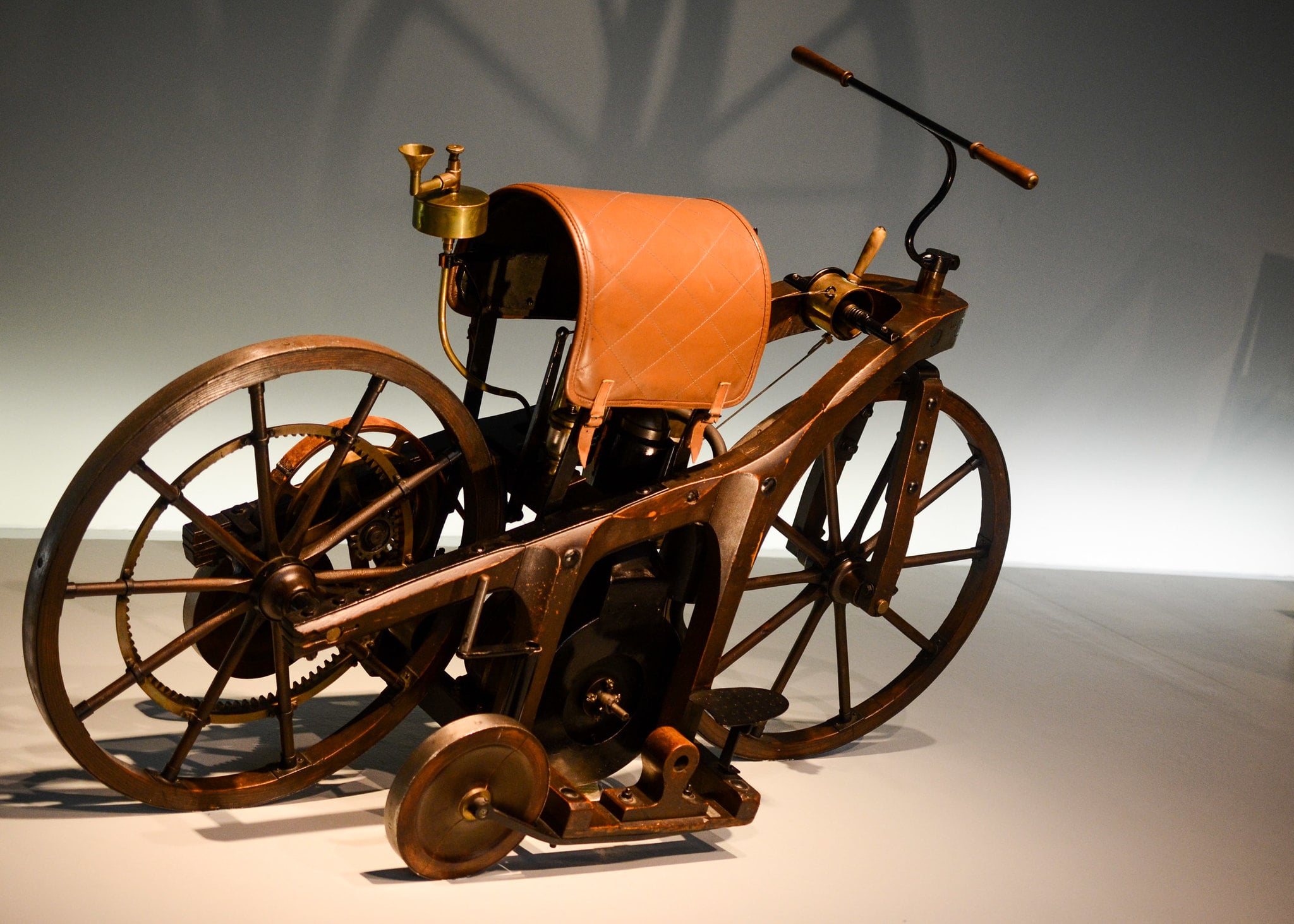
The velocipede was essentially a wooden horse on wheels that you propelled by pushing your feet against the ground. No pedals, no chain, just you and gravity doing most of the work.
Baron Karl von Drais invented this “running machine” in 1817, and it caught on like wildfire among people who apparently had nothing better to do than scoot around on wooden contraptions. These things were banned from sidewalks almost immediately.
Turns out pedestrians didn’t appreciate being mowed down by gentlemen in top hats careening downhill on glorified scooters.
Penny-Farthings
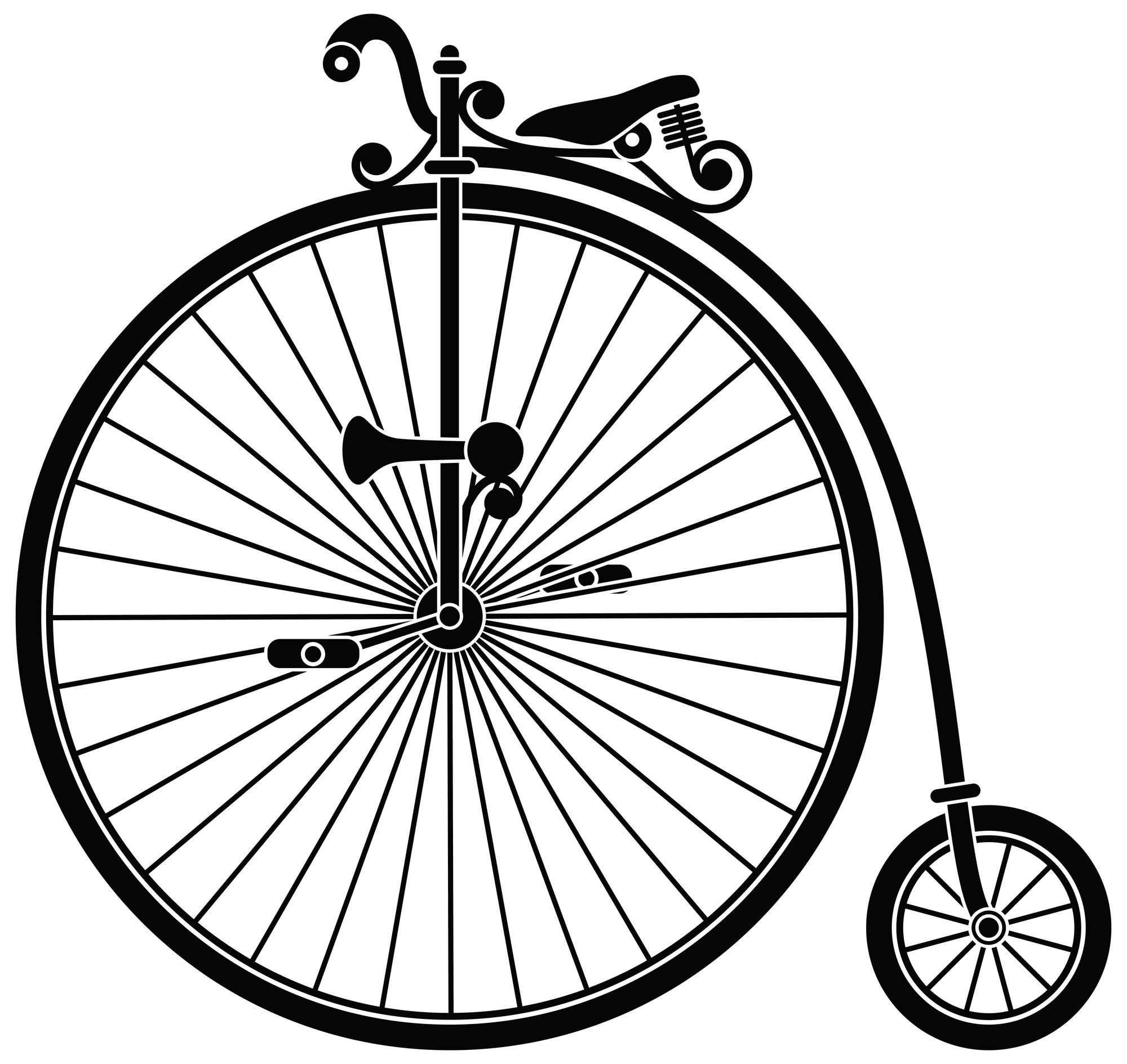
Picture a bicycle designed by someone who thought bigger was always better, and who clearly never considered what happens when you need to stop quickly. The penny-farthing featured a front wheel so enormous that riders sat nearly five feet off the ground, paired with a tiny rear wheel that served no purpose beyond making the whole thing look even more ridiculous.
Mounting one required the athletic ability of a circus performer (and dismounting often involved the grace of a sack of potatoes hitting pavement), but for a brief moment in the 1870s and 1880s, these towering death traps represented the height of personal transportation sophistication. The phrase “taking a header” comes directly from penny-farthing accidents — which happened frequently enough to require their own vocabulary.
Hansom Cabs
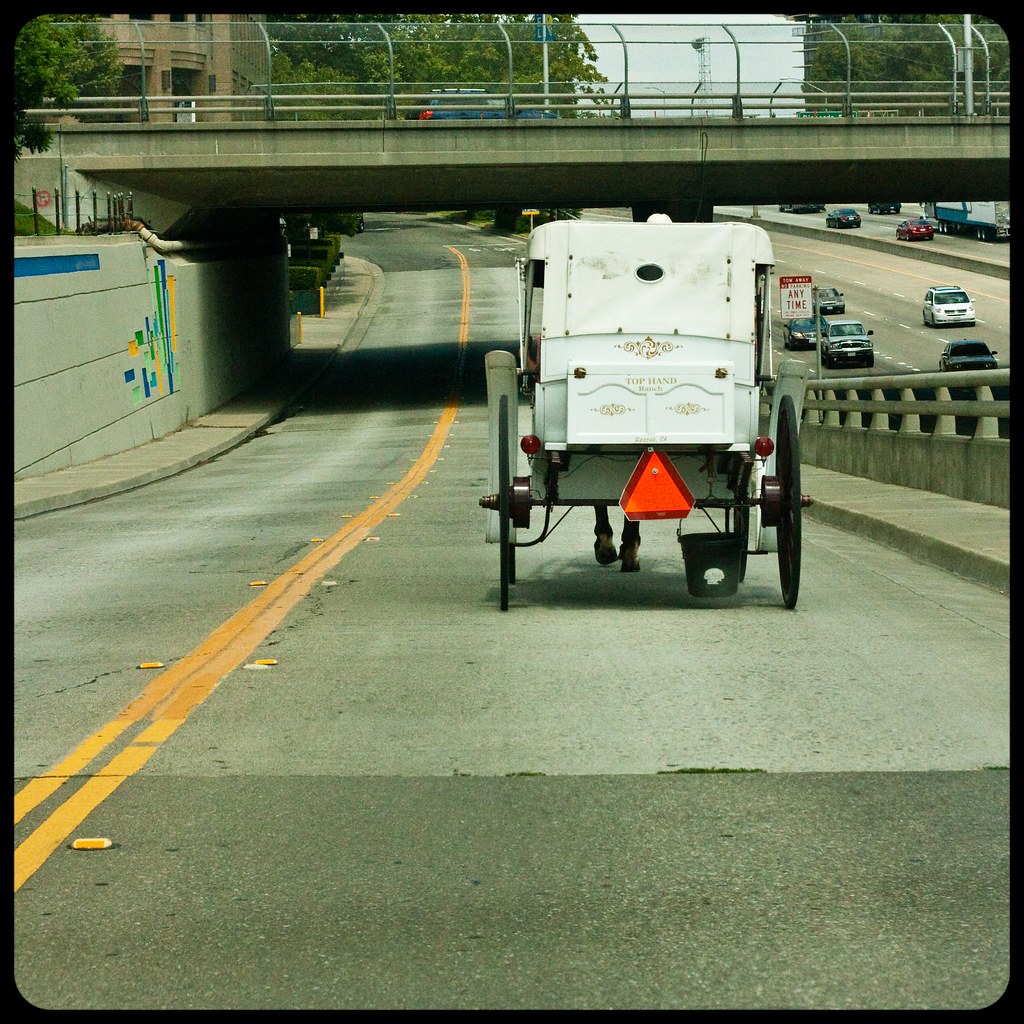
There’s something about a hansom cab that makes you understand why people dressed better in the 1800s. These elegant two-wheeled carriages weren’t just transportation; they were statements — sleek, private boxes suspended between large wheels, with the driver perched high behind the passengers like a ship’s captain surveying the urban sea.
The design was brilliant in its simplicity: the weight distribution made them stable despite having only two wheels, and the high driver’s seat provided excellent visibility over traffic (which, in Victorian London, could be considerable even without automobiles). And the privacy they offered — with passengers enclosed and the driver positioned behind them — made them the preferred choice for romantic encounters, business dealings, and other activities that required discretion.
So much so that they earned the nickname “gondolas of London.”
Sedan Chairs
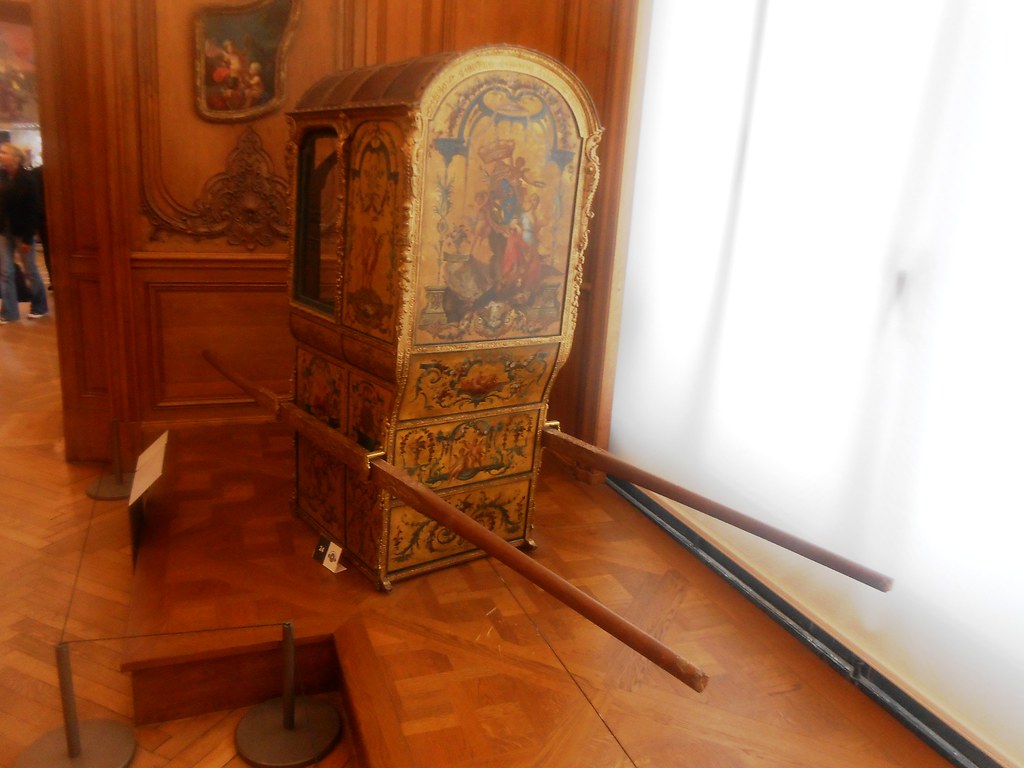
Rich people have always found ways to avoid walking, but the sedan chair took this to an almost comical extreme. Two men would carry a enclosed chair containing a single passenger, navigating crowded streets while their human cargo sat inside like royalty — or like someone who had given up entirely on the concept of personal mobility.
These portable rooms (because that’s essentially what they were) could squeeze through narrow alleyways where carriages couldn’t go, making them surprisingly practical in dense city centers. The carriers developed their own culture and terminology, referring to themselves as “chairmen” and organizing into guilds with strict territorial rules.
The whole system was absurd and undeniably effective. Weather couldn’t touch you, crowds parted before you, and you arrived at your destination without a wrinkle in your clothing or mud on your shoes.
The only downside was the small matter of requiring two other human beings to haul you around like luggage.
Monowheel
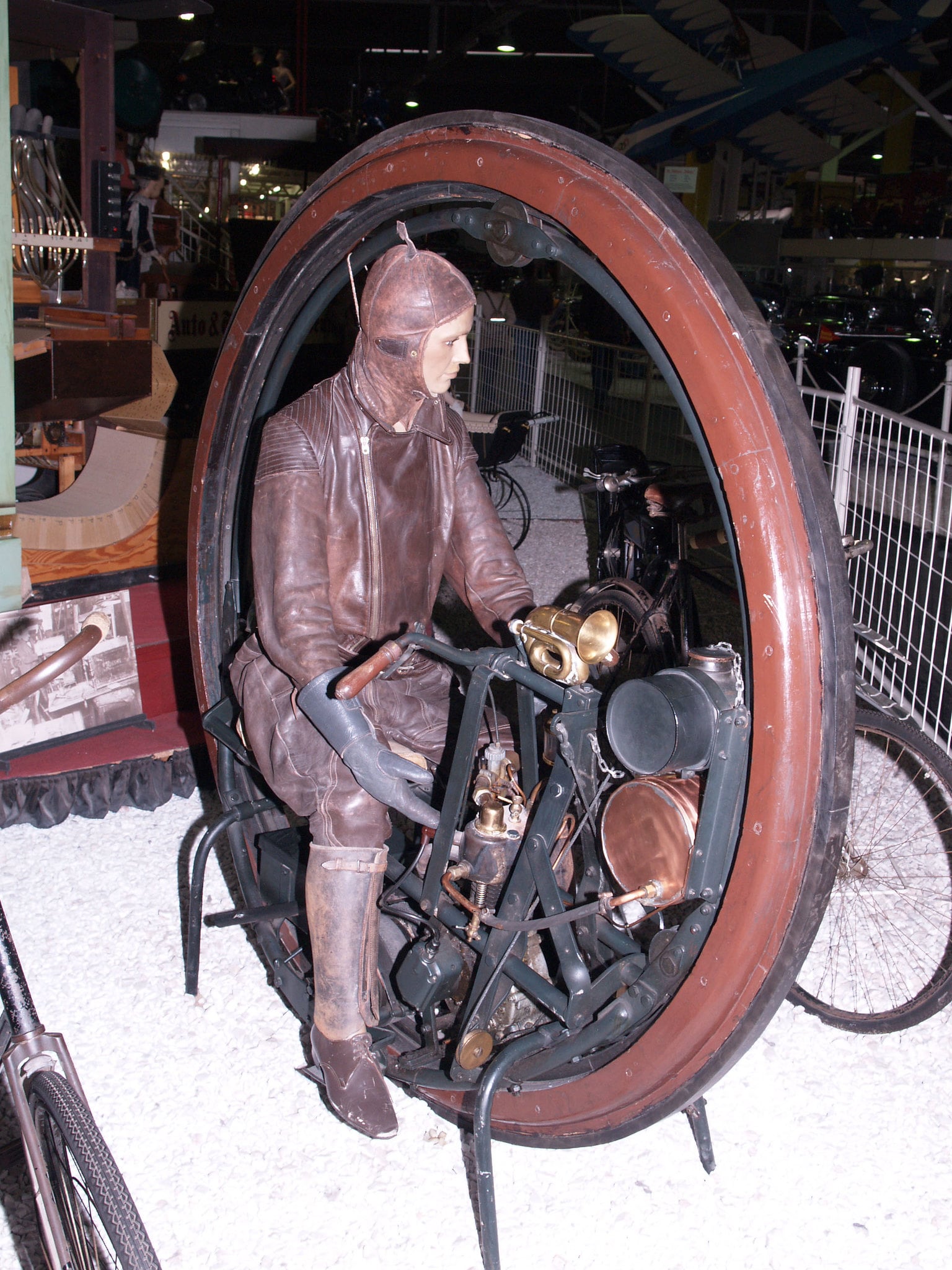
Someone looked at a regular bicycle and thought: what if we just made it one giant wheel and put the rider inside it? The monowheel was exactly that — a massive wheel with a seat mounted inside the rim, leaving the rider looking like a hamster who had seriously overestimated their ambitions.
The physics were predictably terrible. Accelerate too quickly and you’d flip backwards inside the wheel, a phenomenon called “gerbiling” that was about as pleasant as it sounds.
Draisine
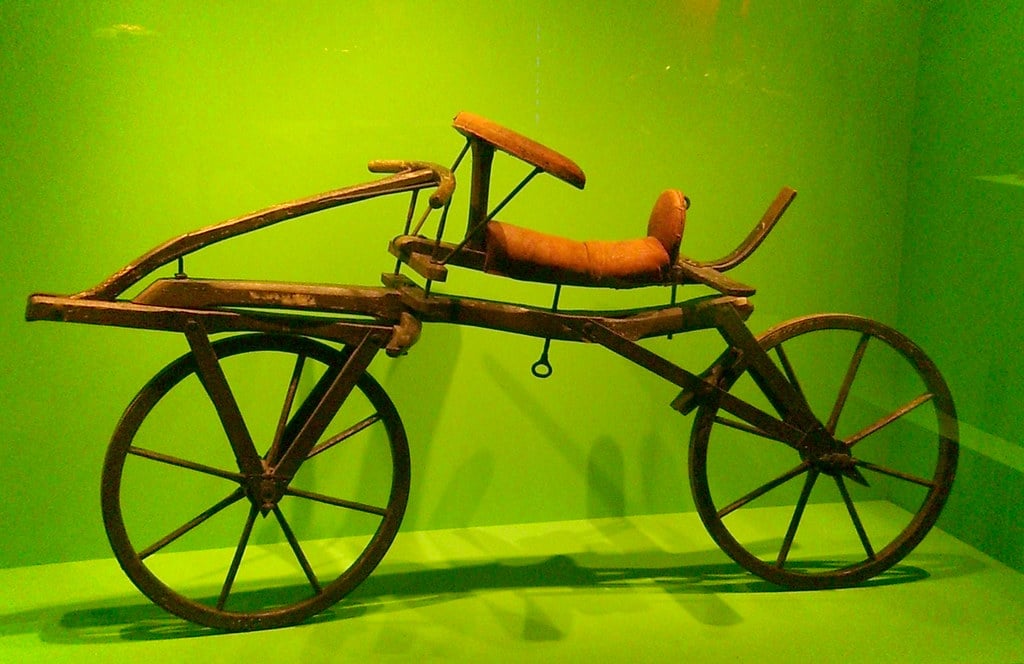
Before railways figured out that steam engines belonged on trains, railroad workers needed a way to patrol miles of track without walking. Enter the draisine: a lightweight cart that ran on railroad rails, propelled by men pumping a see-saw mechanism up and down like they were drawing water from the world’s most awkward well.
These hand-powered railcars were surprisingly efficient for their intended purpose (and you have to respect any transportation method that doubled as a full-body workout), but watching grown men bouncing up and down on a see-saw while rolling along train tracks must have been one of the more surreal sights of the industrial age. The name came from their resemblance to Baron von Drais’s original velocipede, though the railroad version at least had the good sense to run on tracks instead of trying to navigate city streets.
Iceboats

Winter in the 1800s wasn’t a season that stopped transportation — it was a season that made some transportation methods impossibly fast. Iceboats were essentially sailboats mounted on skates, designed to race across frozen rivers and lakes at speeds that would terrify modern drivers, let alone 19th-century passengers accustomed to the gentle pace of horse-drawn vehicles.
The physics worked beautifully: smooth ice provided almost no friction, while winter winds filled the sails with more than enough power to send these contraptions flying across frozen surfaces at 60 miles per hour or more (and this in an era when most people had never moved faster than a galloping horse). But the exhilaration came with obvious drawbacks — hitting a patch of thin ice, an obstacle, or simply losing control at those speeds turned a winter pleasure cruise into a very cold emergency.
And steering required both skill and advance planning, since stopping wasn’t really an option until you either ran out of wind or ran into something solid.
Omnibus
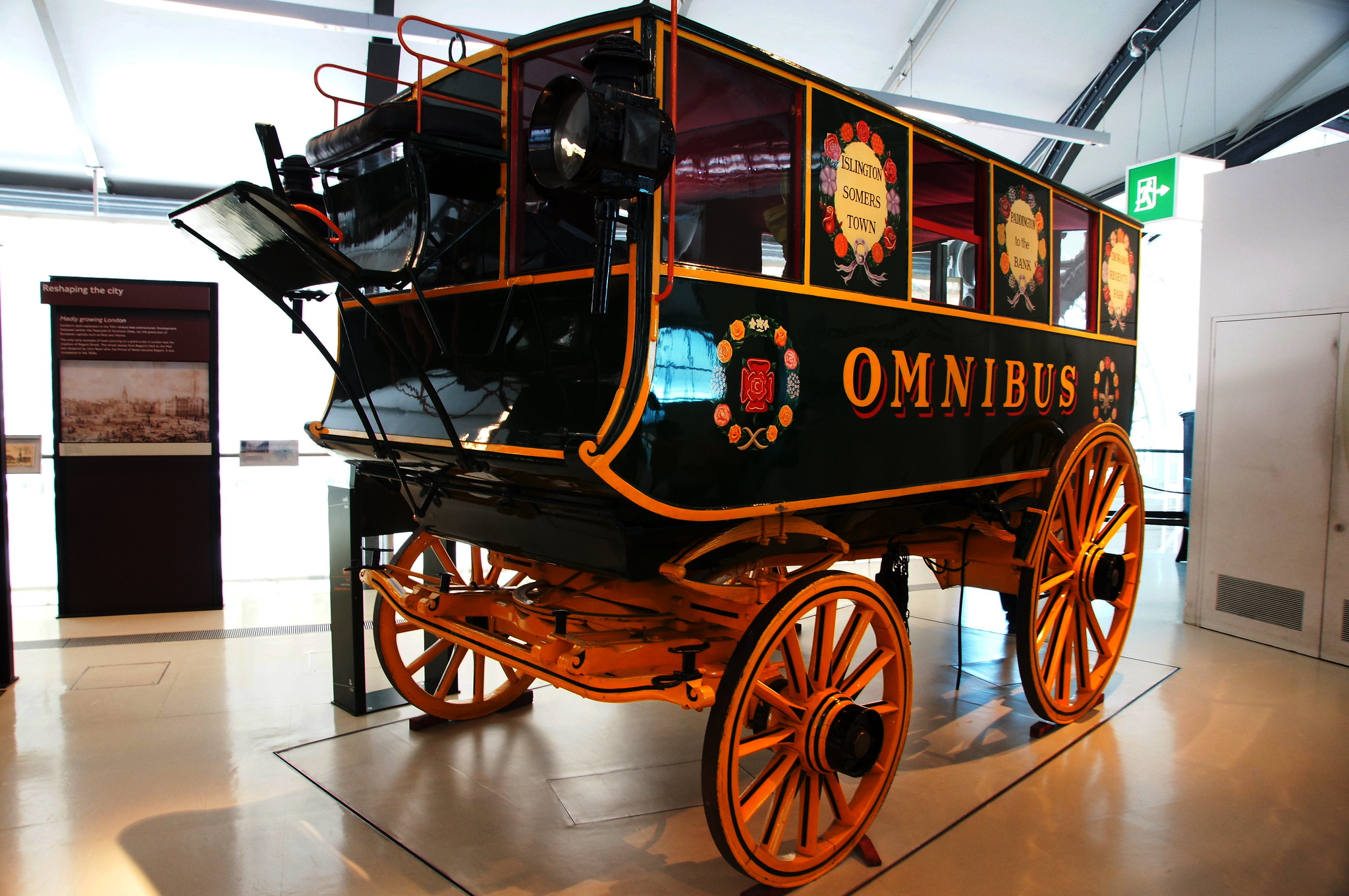
The omnibus was democracy on wheels — a large horse-drawn vehicle that would pick up anyone willing to pay the fare, regardless of social class. This sounds unremarkable now, but in the 1800s, shared public transportation was a radical concept that horrified the upper classes almost as much as it liberated the working ones.
These rolling social experiments crammed together merchants, laborers, clerks, and housewives in a way that simply didn’t happen anywhere else in Victorian society. The results were predictably awkward: elaborate etiquette developed around who sat where, how to avoid eye contact, and what constituted acceptable conversation with strangers.
The omnibus routes followed fixed paths and schedules, making them the ancestors of modern city buses. But unlike buses, they were pulled by teams of horses that had to be changed regularly, creating a whole infrastructure of stables and handlers throughout urban areas.
Stagecoaches
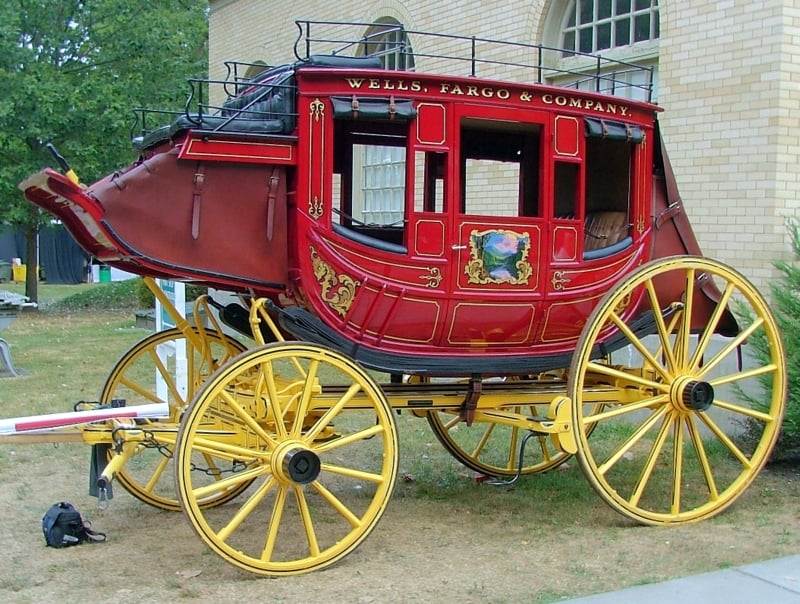
Long-distance travel in the 1800s meant making peace with discomfort, and stagecoaches were discomfort refined into an art form. These enclosed wagons carried passengers across hundreds of miles of rough roads, stopping at predetermined stations to change horses, grab meals, and allow travelers to work feeling back into their compressed spines.
The experience was legendary for all the wrong reasons (dust, cramped conditions, motion sickness, and the constant threat of highway robbery), but stagecoaches created the first reliable transportation network across long distances. Routes were scheduled, tickets were sold in advance, and you could actually plan to be somewhere specific on a particular date — assuming your coach didn’t break down, get robbed, or sink into a mud pit somewhere along the way.
What’s remarkable is how this system worked despite seemingly impossible logistics: maintaining way stations across thousands of miles of wilderness, coordinating horse changes, and keeping to schedules that depended entirely on weather and road conditions. And yet people relied on stagecoaches to carry mail, transport goods, and move passengers across entire continents with surprising regularity.
The discomfort was the price of reliability — and for most travelers, it was a bargain they were willing to make.
Dog Carts
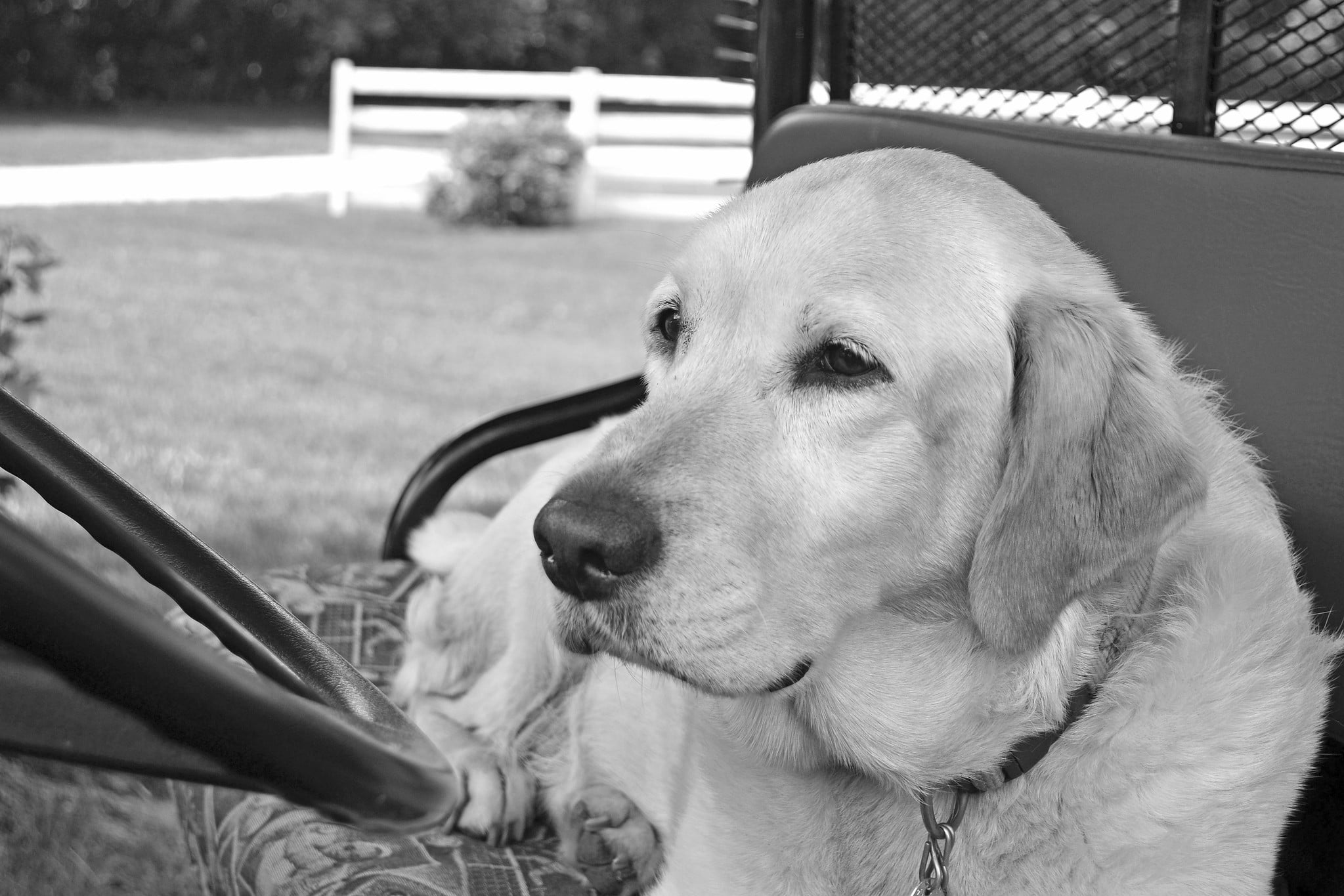
Not every transportation method required horses, and in regions where dogs were plentiful and strong, people hitched them to small carts with the same matter-of-fact practicality they’d hitch oxen to plows. Dog carts were exactly what they sound like: lightweight vehicles pulled by one or more dogs, used primarily for local deliveries, quick errands, and situations where a full horse and carriage was overkill.
This was particularly common in places like Belgium and the Netherlands, where working dogs were bred specifically for cart-pulling. The dogs seemed to take pride in the work, and the arrangement made perfect sense for small loads and short distances.
Camel Caravans
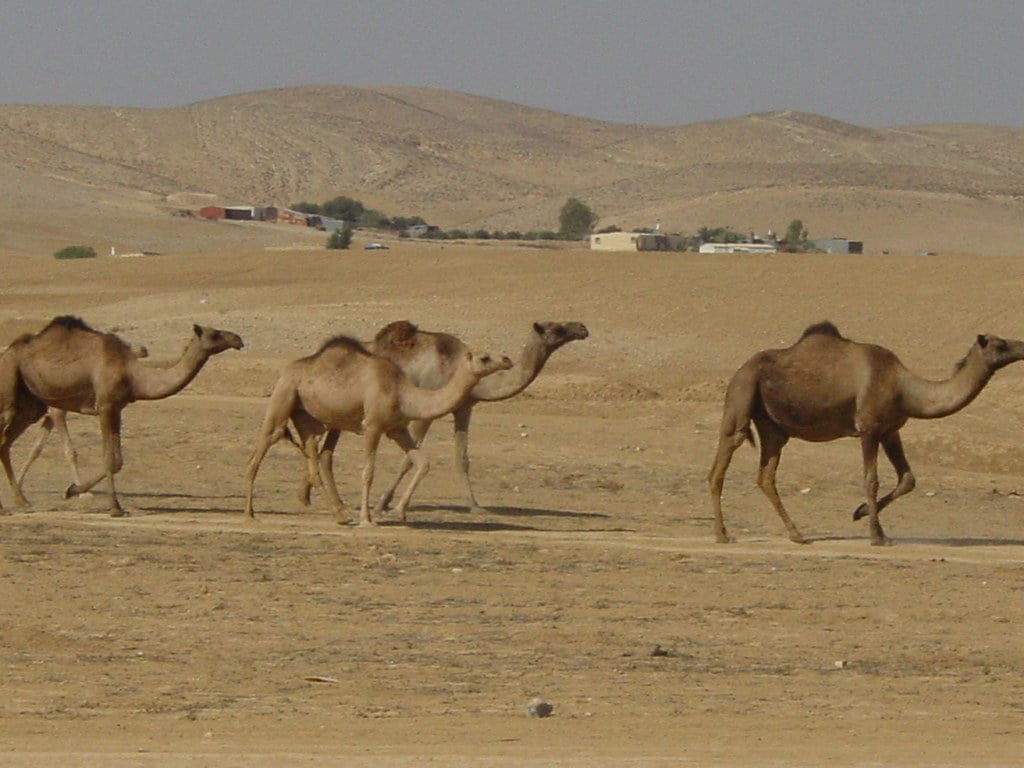
While most of the world was figuring out steam power and mechanical innovation, vast stretches of desert continued to rely on a transportation method that was thousands of years old and still unmatched for its specific environment. Camel caravans in the 1800s were massive, organized expeditions that moved goods and people across deserts where no other form of transportation could survive.
These weren’t quaint tourist rides — they were serious commercial enterprises involving hundreds of camels, complex logistics, and routes that crossed multiple countries. The camels could carry enormous loads across terrain that would kill horses, and they did it without requiring the infrastructure of roads, bridges, or way stations that other transportation methods demanded.
A single camel could carry 400 pounds and walk 25 miles a day through sand that would stop wheels, hooves, or human feet. Multiply that by a caravan of 200 camels, and you’re looking at a freight capacity that wouldn’t be matched in desert regions until trucks and roads arrived decades later.
Donkey Trains
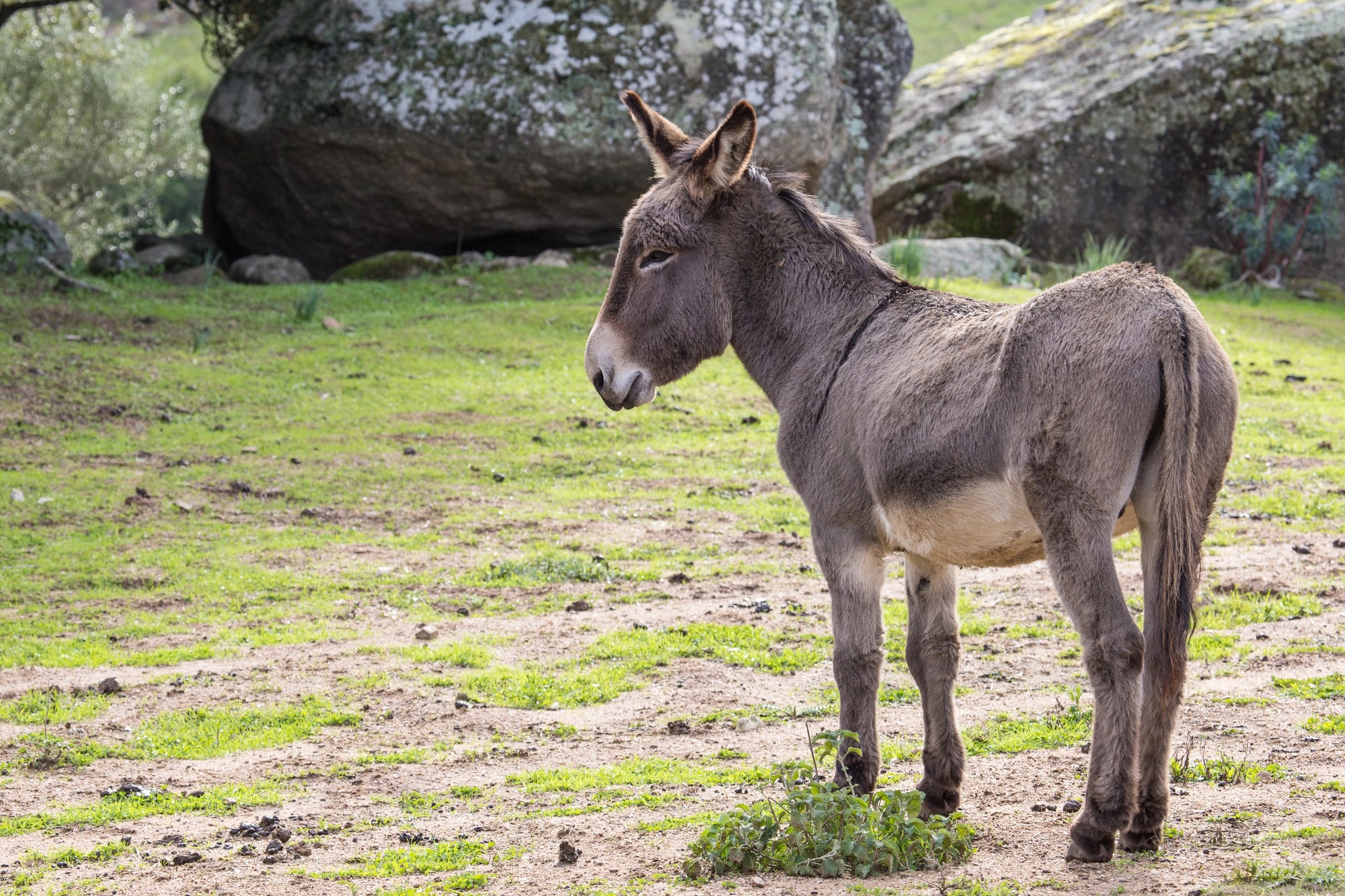
Before railroads reached mountainous regions, getting supplies to mining camps and remote settlements required pack animals that could navigate narrow trails, steep grades, and terrain where wheeled vehicles were useless. Donkeys were perfect for this work — sure-footed, strong for their size, and stubborn enough to keep going when horses would give up.
These weren’t individual animals making occasional trips. Donkey trains were organized expeditions of dozens of animals, each carrying carefully balanced loads, following established routes between supply points and remote destinations.
The logistics were impressive: calculating loads, planning stops, managing the animals, and navigating mountain passes that could be treacherous in good weather and deadly in bad.
Ox Carts
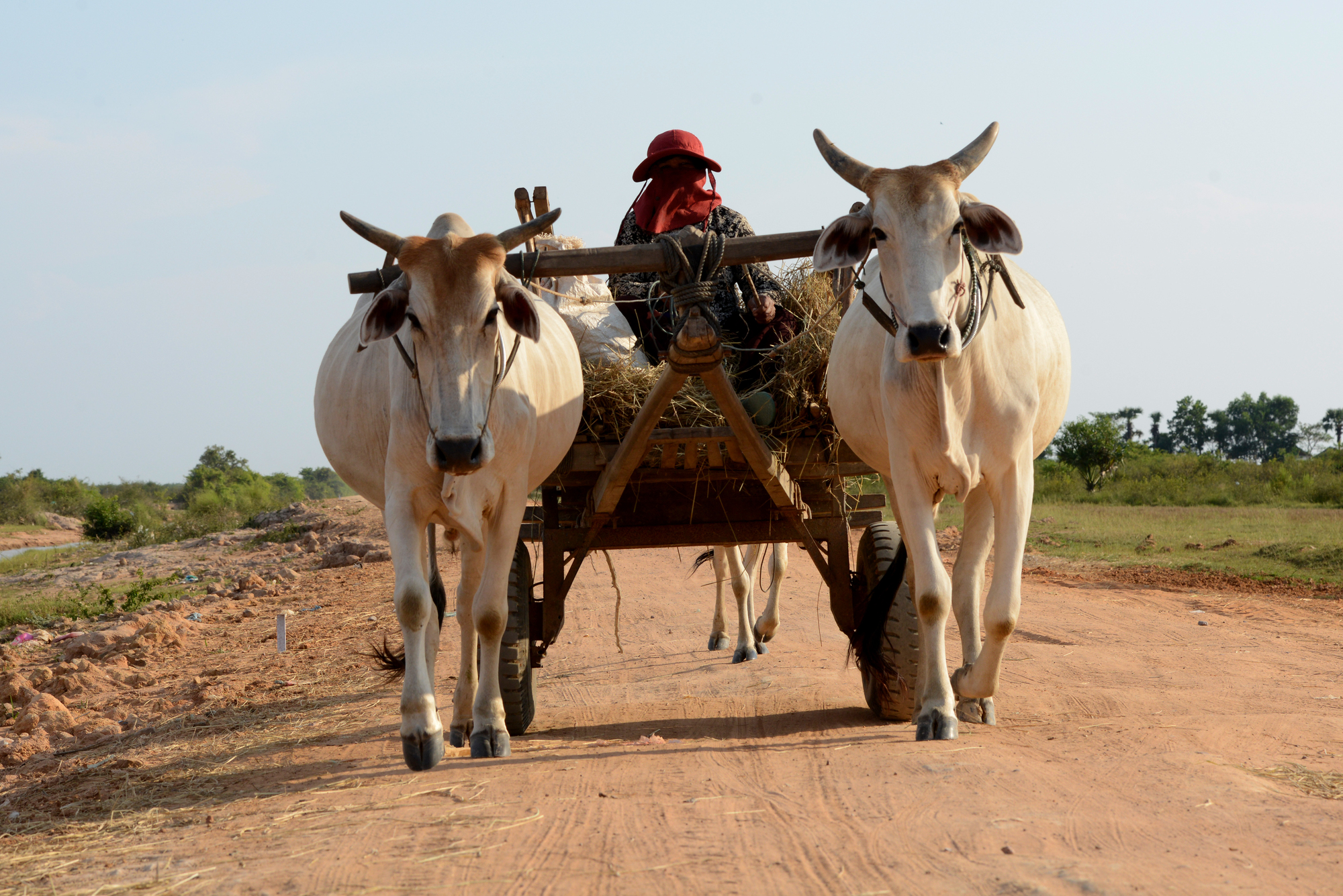
When you needed to move something impossibly heavy and speed wasn’t a priority, oxen were the answer. These patient, powerful animals could pull loads that would break horses, and they did it with the steady reliability of living tractors.
Ox carts were the heavy freight solution of the 1800s, particularly for pioneer families heading west with everything they owned loaded into massive wagons. The pace was glacial — maybe 15 miles per day if conditions were good — but oxen could pull these loads for months without breaking down.
They were also easier to maintain than horses: they ate grass instead of grain, were less prone to injury, and if worst came to worst, they could be eaten (which was not an option most pioneer families wanted to consider regarding their horses).
Sleighs
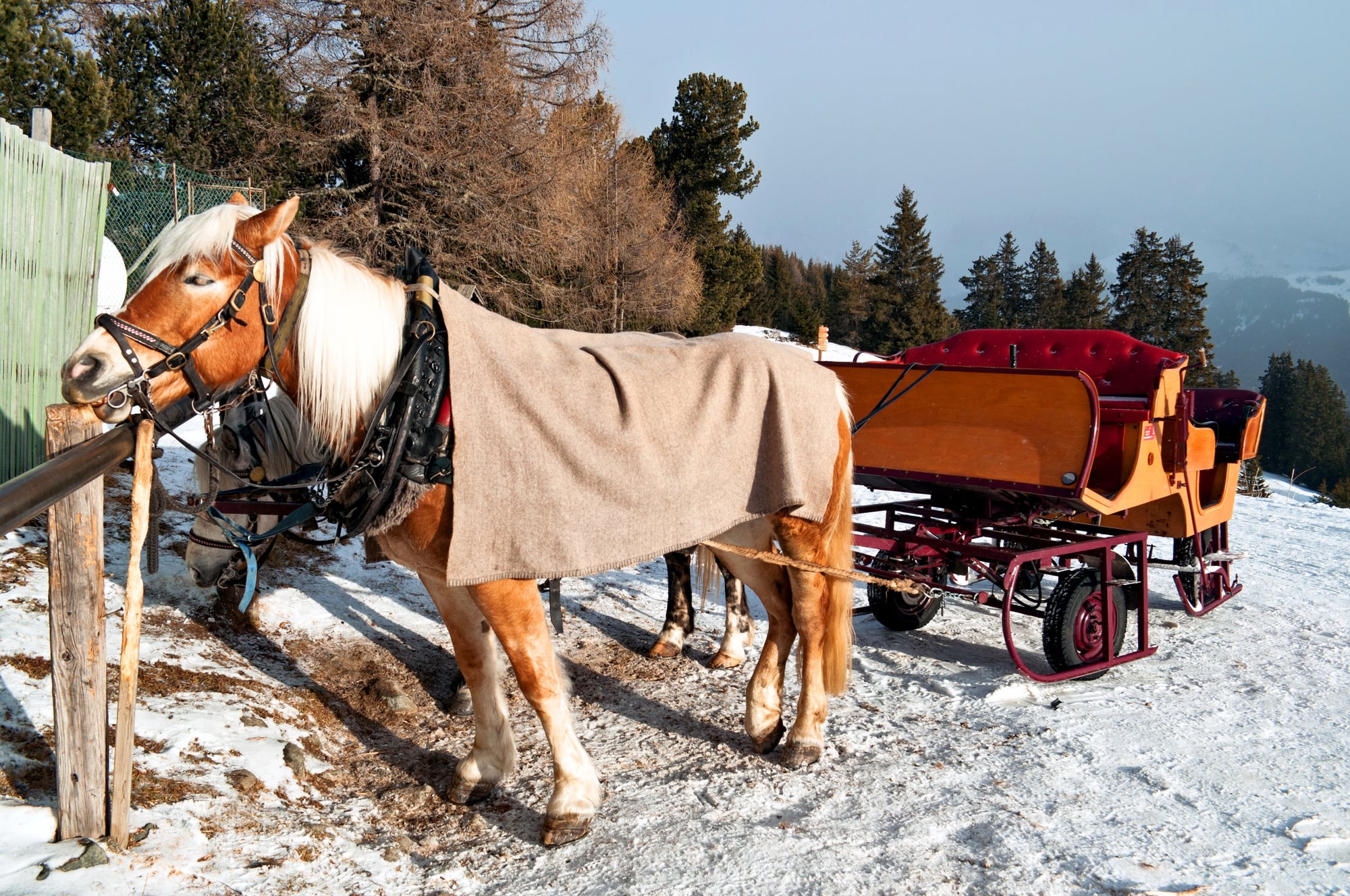
Snow transforms the physics of transportation, and sleighs were designed to take advantage of that transformation. Instead of fighting friction, sleighs embraced it — or rather, embraced the lack of it.
Runners gliding over packed snow could carry loads that would bog down wheels in summer, and they did it with an elegance that made winter travel feel less like survival and more like floating. The variety was remarkable: everything from simple one-horse sleighs for quick trips to elaborate multi-horse sleighs that were essentially mobile drawing rooms, complete with fur robes, heated bricks for warmth, and jingling bells that announced their approach from miles away.
Racing sleighs were built for speed and featured aerodynamic designs that wouldn’t look out of place in modern winter sports.
Rickshaws
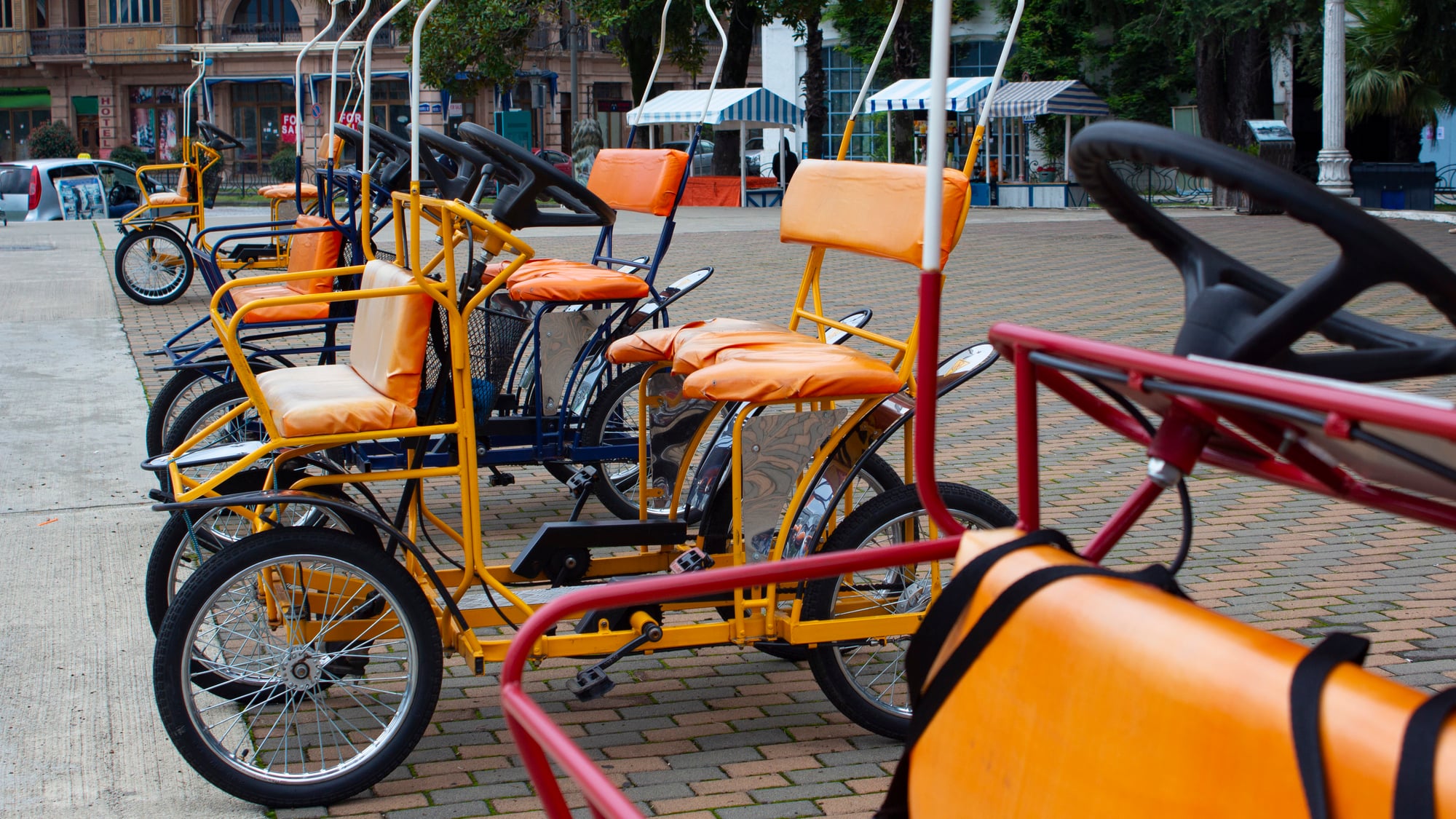
The rickshaw solved urban transportation with brilliant simplicity: a lightweight cart pulled by a human runner who could navigate crowded streets, narrow alleyways, and stairs that would stop any wheeled vehicle. Invented in Japan in the 1860s, rickshaws spread rapidly through Asian cities where they became as common as taxis would become elsewhere.
This was transportation that required no infrastructure beyond the streets themselves. No horses to feed, no mechanical parts to break, no fuel beyond human energy.
The runners developed incredible endurance and knew their cities with the intimate detail of people whose livelihood depended on finding the fastest route between any two points.
Canal Boats

Canals turned transportation into a network of water highways, and canal boats were the freight trains of this aquatic system. These long, narrow vessels were designed to fit precisely into canal locks, maximizing cargo space while maintaining the ability to navigate the engineered waterways that connected cities, regions, and eventually entire countries.
The efficiency was remarkable: a single horse walking along a towpath could pull a canal boat carrying 30 tons of cargo — far more than the same horse could pull in a wagon on roads. And the infrastructure, once built, required minimal maintenance compared to roads that needed constant repair from weather and traffic.
Canal boat life developed its own culture. Entire families lived aboard working boats, children grew up knowing every lock and bridge along hundreds of miles of waterways, and canal communities formed around the rhythms of water-based commerce.
The boats themselves were floating homes, workshops, and warehouses, painted in distinctive colors and patterns that identified their origins and routes to anyone who knew how to read the visual language of canal culture.
When Innovation Meets Necessity
Transportation in the 1800s wasn’t just about getting from place to place — it was about adapting human ingenuity to every conceivable terrain, climate, and situation. Some of these methods seem absurd now, but each one solved a specific problem with the materials and knowledge available at the time.
The monowheel might have been a disaster, but the humble ox cart moved entire civilizations westward. Penny-farthings broke more bones than speed records, but canal boats created commercial networks that shaped entire continents.
Even the failures taught valuable lessons that influenced the transportation methods that eventually replaced them.
More from Go2Tutors!

- The Romanov Crown Jewels and Their Tragic Fate
- 13 Historical Mysteries That Science Still Can’t Solve
- Famous Hoaxes That Fooled the World for Years
- 15 Child Stars with Tragic Adult Lives
- 16 Famous Jewelry Pieces in History
Like Go2Tutors’s content? Follow us on MSN.



