29 Old Children’s Ride-On Toys Collectors Restore
Somewhere in a barn, a garage, or the back of a church sale, a rusted pedal car is waiting for someone with patience and a bag of sandpaper. Restorers hunt these machines down, strip them to bare steel, and repaint them in the colors a child once saw on Christmas morning.
The hobby covers far more than shiny pedal cars. Rocking horses on springs, hand-cranked rail cars, toy steam shovels big enough to sit in, and even molded plastic cruisers all have devoted rescuers.
1953 Garton Kidillac Fire Chief
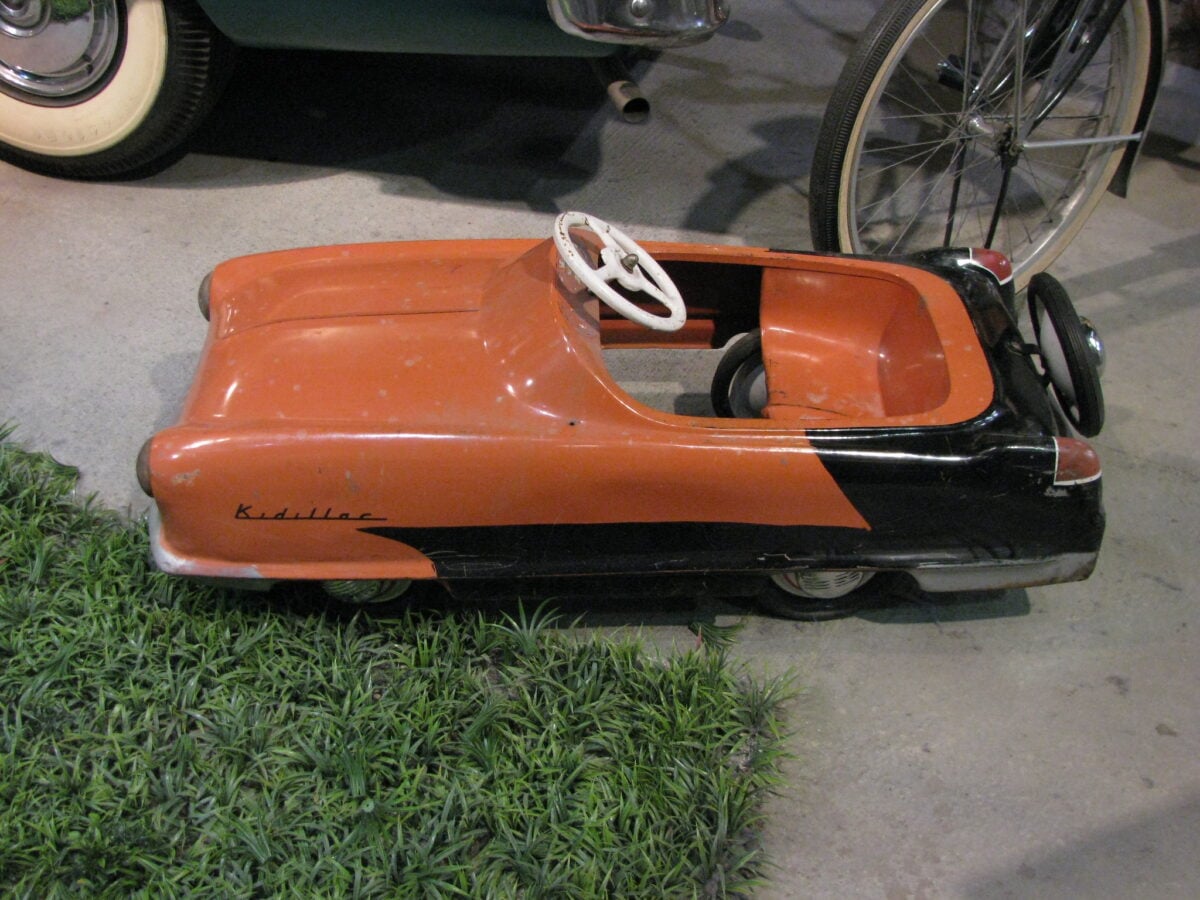
Garton Toy Company of Sheboygan, Wisconsin, built the Kidillac, a pedal car whose name winks at the Cadillac it imitated. The Fire Chief version dressed the body in red with emergency-service trim, making it one of the most recognizable pedal cars of the early 1950s.
Restorers prize unrestored survivors with intact paint, and any asking price swings widely depending on condition and originality.
1959 Garton Irish Mail Chain-Drive Speedster
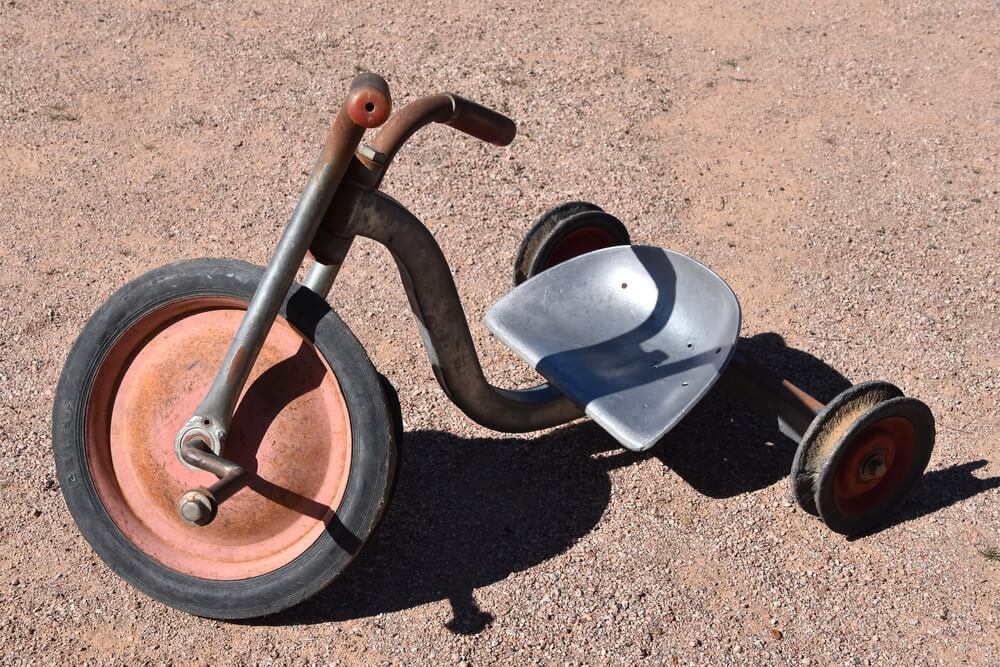
Garton borrowed the Irish Mail name, long attached to lever-driven hand cars, for a low-slung speedster driven by a chain. The result looked like a small racer and pedaled like a bicycle fitted into a body shell.
Missing chains and cracked steering parts are the usual headaches for restorers, and values depend heavily on condition.
Garton Telephone Repairman Tricycle
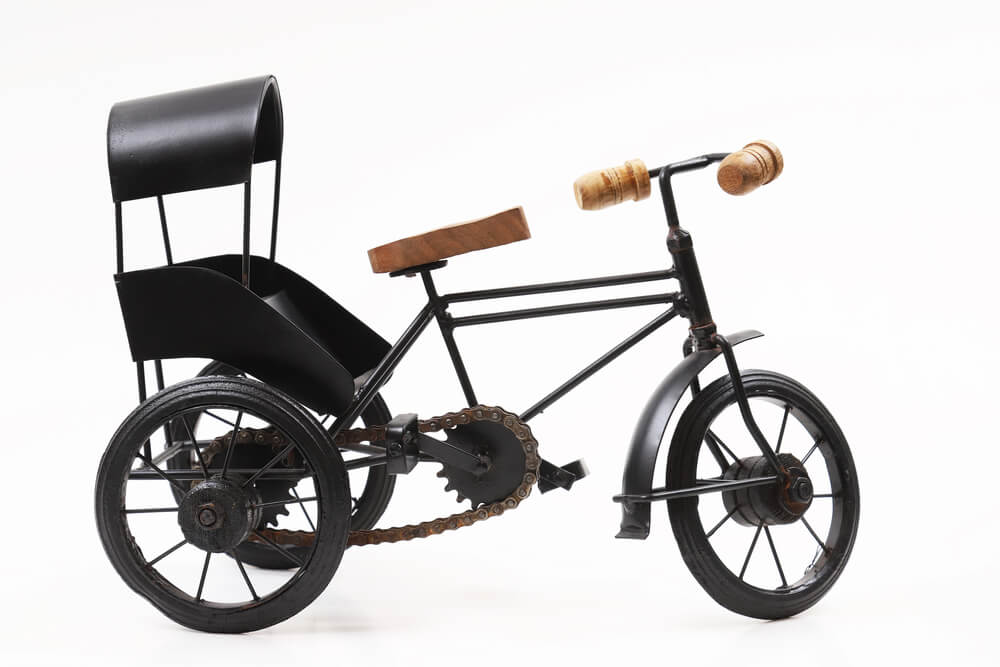
In the 1950s, Garton produced a tricycle themed around the telephone company’s line crews. Instead of dreaming of racing cars, a child could pretend to climb poles and fix wires.
Few survive with their original accessories, which makes complete examples hard to find and their value dependent on condition and completeness.
Murray Atomic Missile
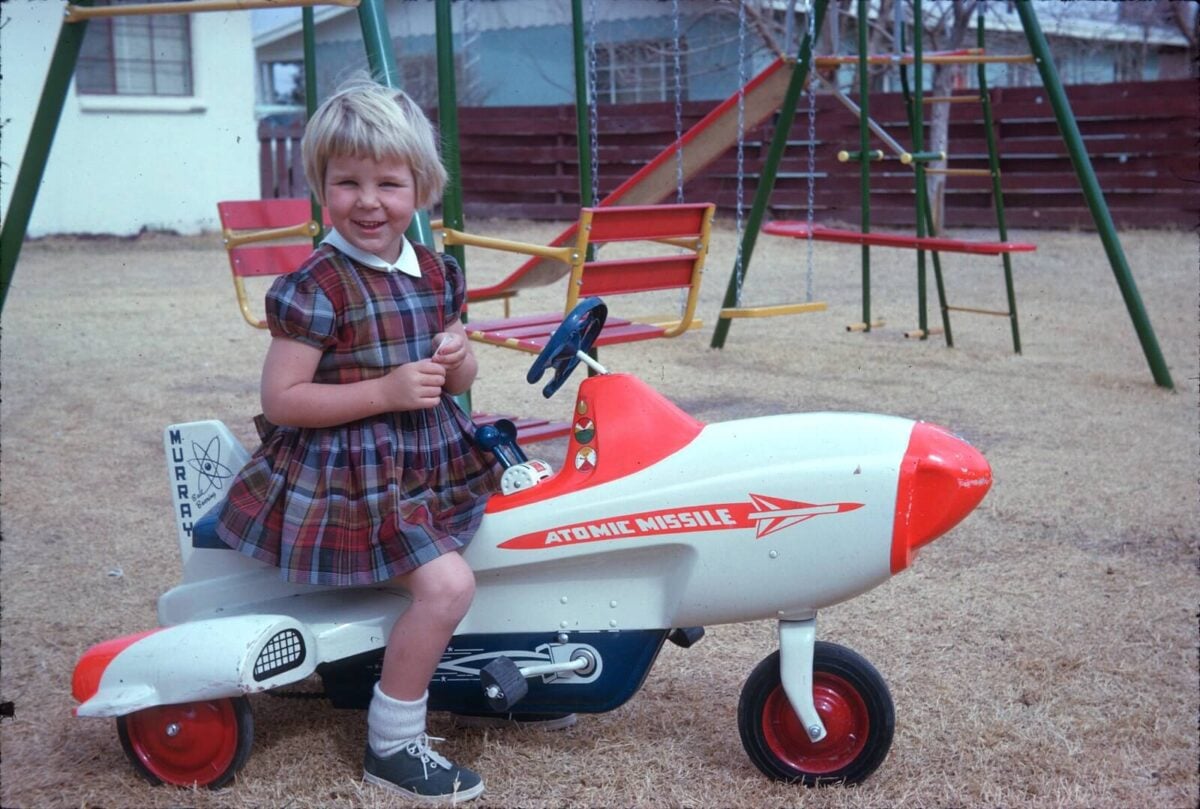
Murray built the Atomic Missile as a chain-drive pedal car shaped like a rocket, a product of the era when space travel dominated toy catalogs. Collectors search for examples with their original fins and decorative trim, since the odd body shape makes replacement parts harder to match.
Prices vary a great deal with condition and how much of the original paint remains.
Murray Comet
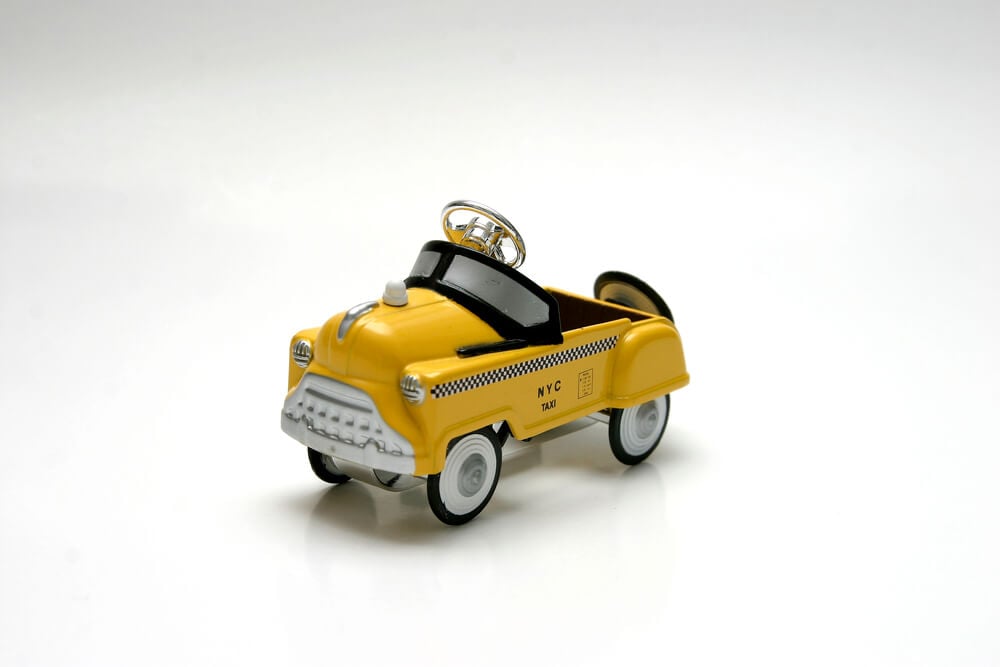
The Murray Comet dates to around 1949 and has been sold at major collector-car auction houses alongside far larger machines. Murray-Ohio Manufacturing Company, based in Cleveland, made millions of toys and bicycles, yet a clean Comet still draws attention at restoration shows.
Sheet-metal dents on the rounded body panels are the toughest part of the job.
Murray Champion Model 610 Dip Side
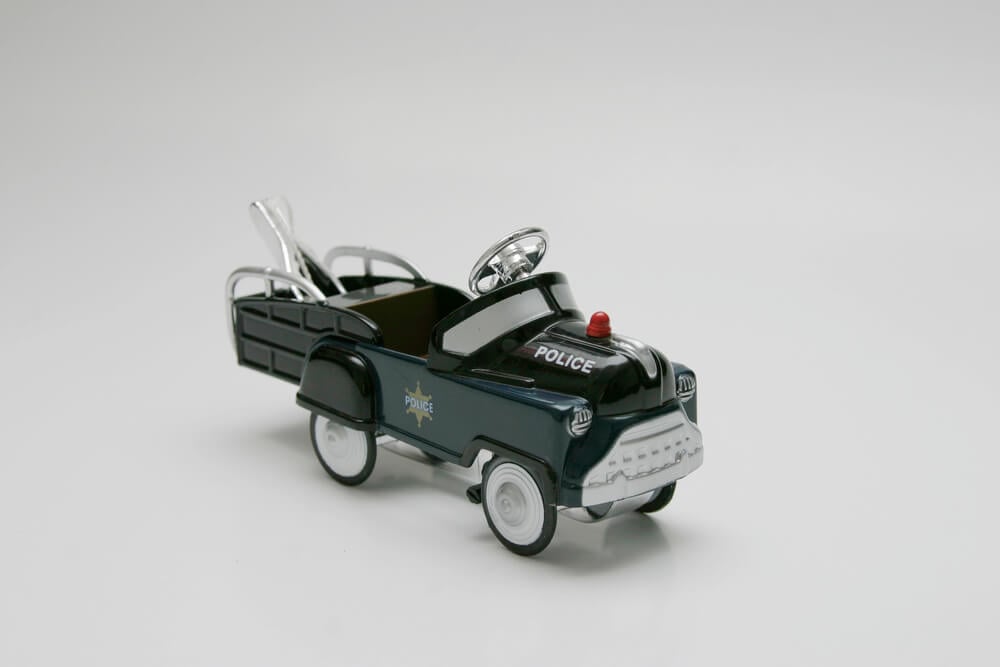
Murray’s Champion Model 610 from 1954 carries the nickname Dip Side among collectors because of its contoured body. The car sits in the middle of the postwar boom, when toy makers copied full-size styling almost as quickly as Detroit introduced it.
A restorer chasing correct chrome and hubcaps will find that condition, not age, sets the market value.
Murray Trac and Dump Trac
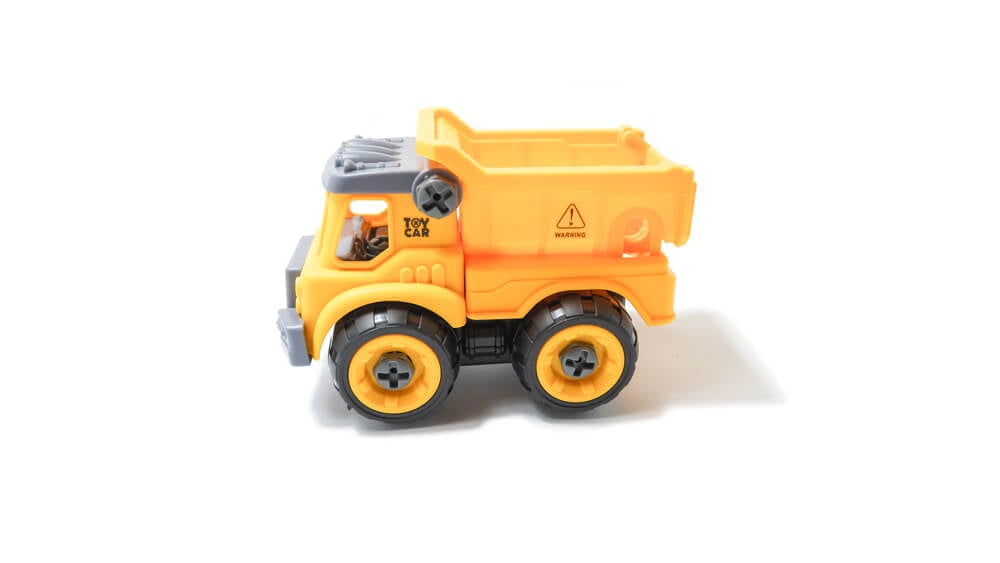
Around 1961, Murray offered the Trac and Dump Trac, work-themed pedal vehicles that let a child imitate construction crews. They represent a different corner of the hobby from glossy sedans, aimed at collectors who prefer utility vehicles.
Original decals are a major factor in value, and a heavily repainted example commands far less than a well-preserved one.
Murray Speedway 500 Pace Car
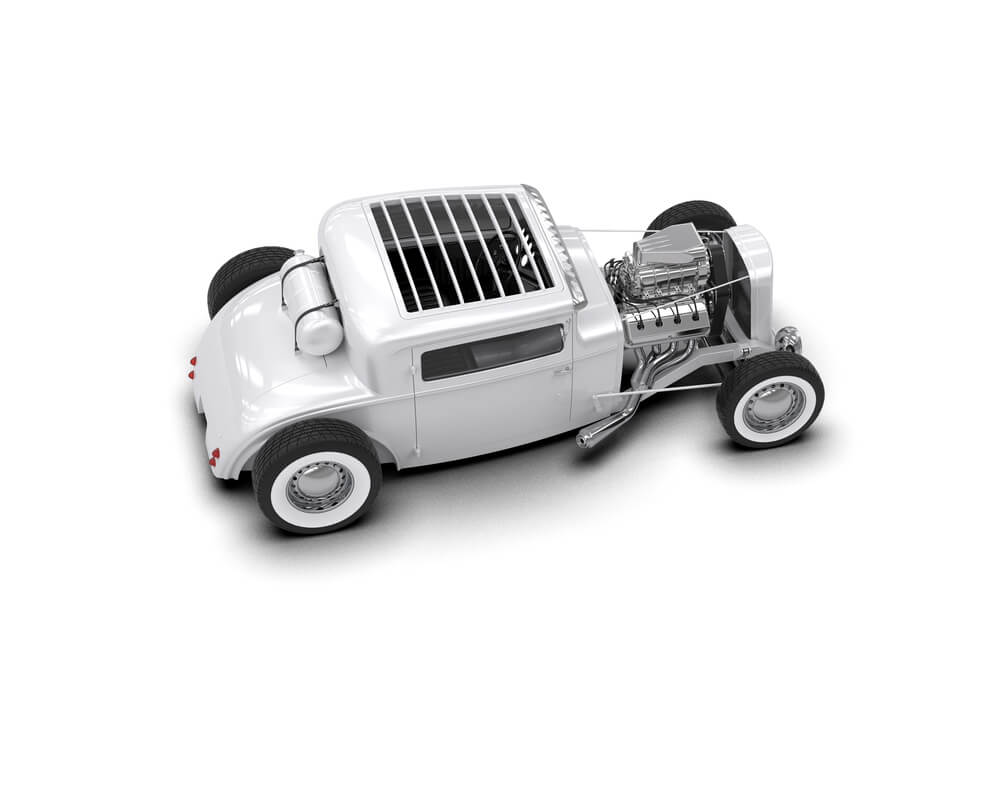
The 1960 Speedway 500 Pace Car borrowed the glamour of motor racing for a pedal-powered toy. Murray sold it in an era when children knew race cars as well as they knew cartoon heroes.
Collectors restoring one typically spend the most effort on the paint scheme and trim, and the result is worth only as much as the car’s condition allows.
Murray Sad Face Sand and Gravel Dump Truck
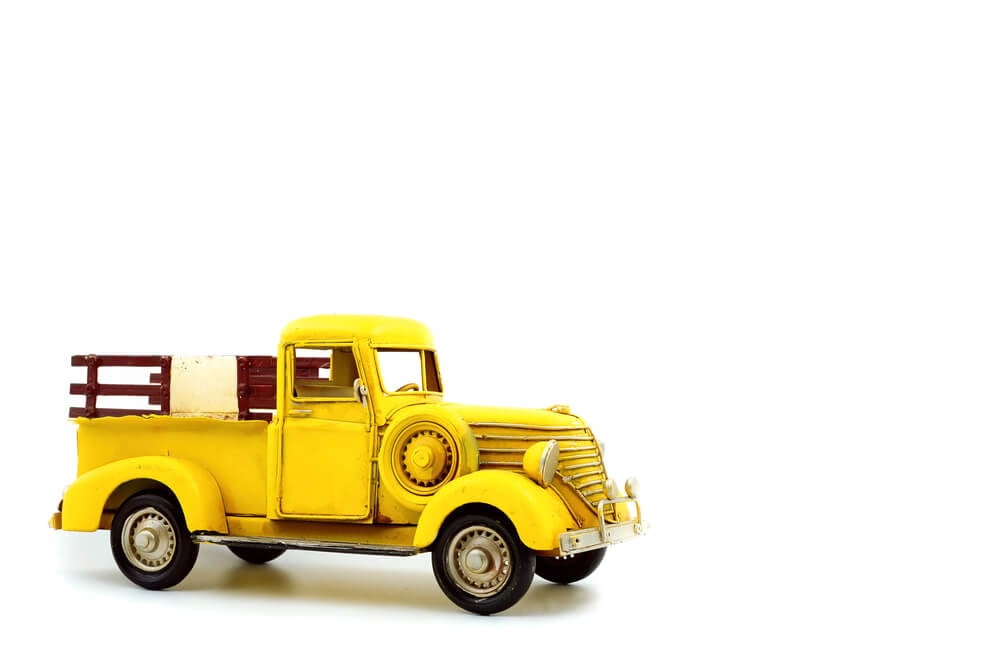
Collectors nicknamed one Murray dump truck the Sad Face because of its drooping grille design. Cataloged as number 742 and sold in 1951 and 1952, it used Murray’s Jet Flow drive and a working dump bed.
Rust in the bed is the common problem, and prices rise or fall with condition.
Murray Radio Patrol Pedal Car Tricycle
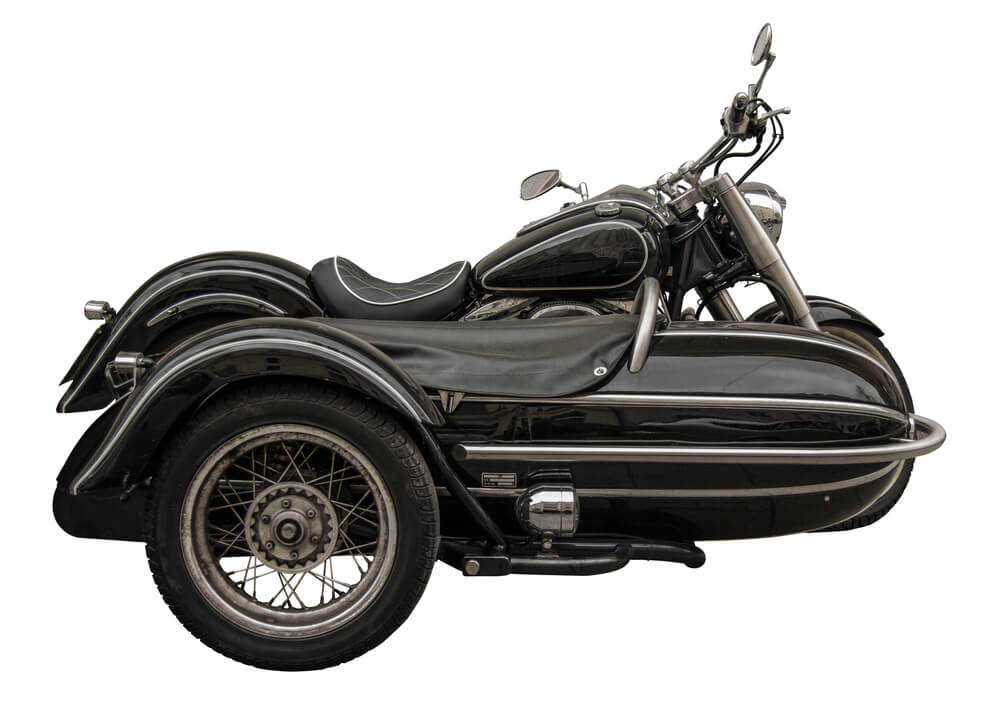
The 1960s Radio Patrol blended a tricycle with a police-car body, letting small children play at law enforcement before they could manage a full pedal car. Its lightweight pressed-metal shell makes dents and cracks almost inevitable after decades of use.
Restorers hunt for the original police decals, and a complete example’s value depends on its condition.
Murray Royal Deluxe
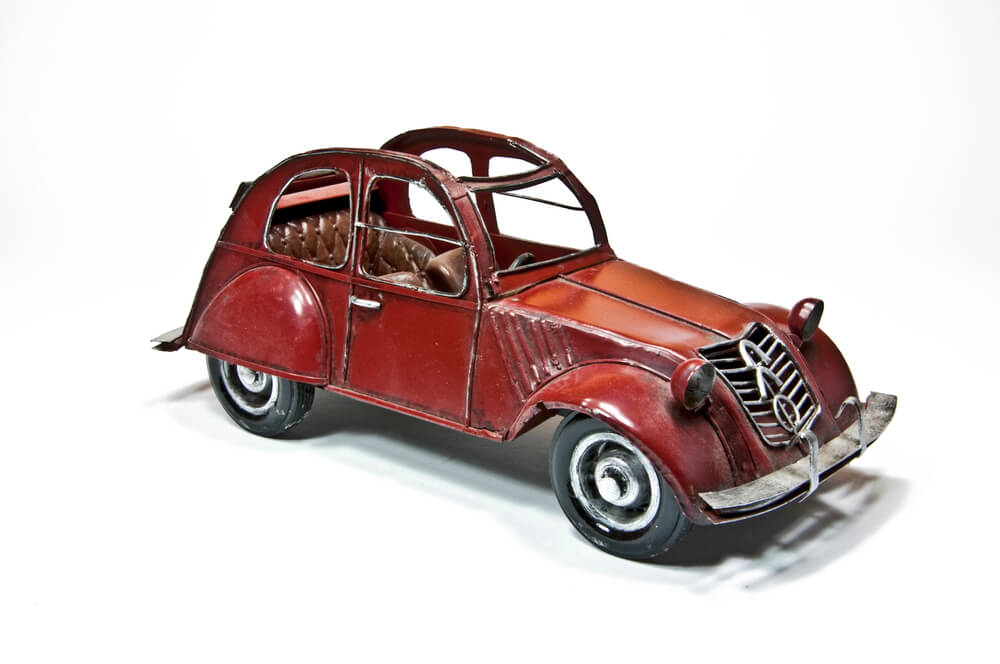
Murray’s 1954 Royal Deluxe appeared at a major collector-car auction among a group of carefully restored pedal cars. Its chrome-heavy styling matched the decorative excess of full-size cars of that decade.
Restorers value the model for its details, though prices rest on the car’s condition and the quality of the restoration.
1934 Steelcraft Chrysler Airflow
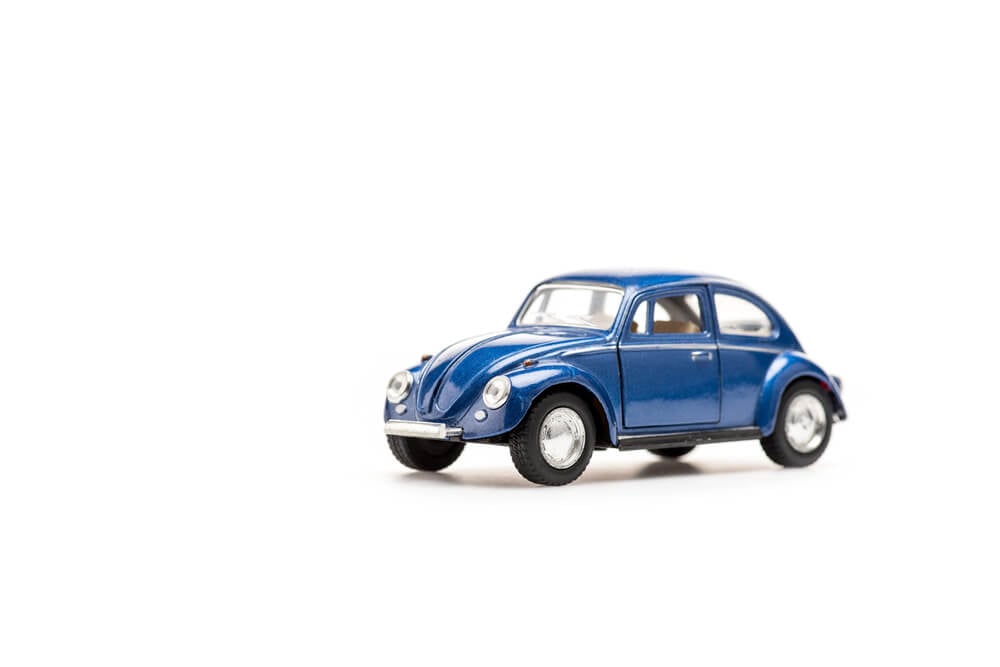
Steelcraft made a pedal version of the Chrysler Airflow, a full-size car celebrated and mocked in the 1930s for its streamlined shape. The toy copied the rounded nose and swept lines in pressed steel.
Because original Steelcraft cars from the Depression era are scarce, condition and originality make an enormous difference in value.
1935 Steelcraft Pontiac
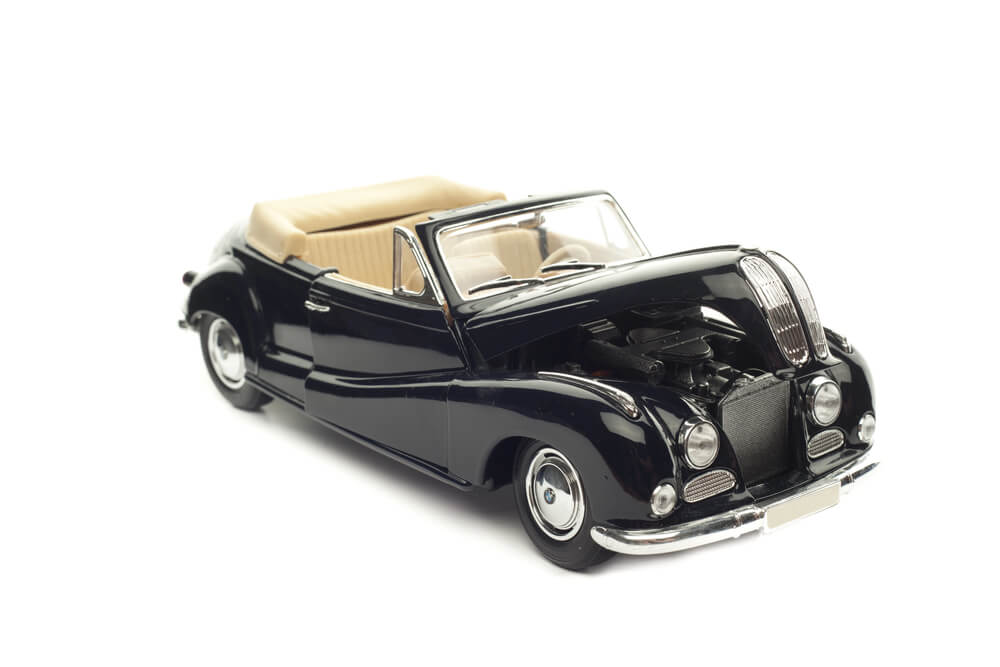
Steelcraft also produced a Pontiac pedal car in 1935, one of several licensed copies of real automobiles from the decade. Restorers value it for the chromed grille and heavy construction that survived many childhoods.
Anyone shopping for one should expect values to depend on condition and on how faithful any repaint has been.
Mobo Bronco With Magic Steering
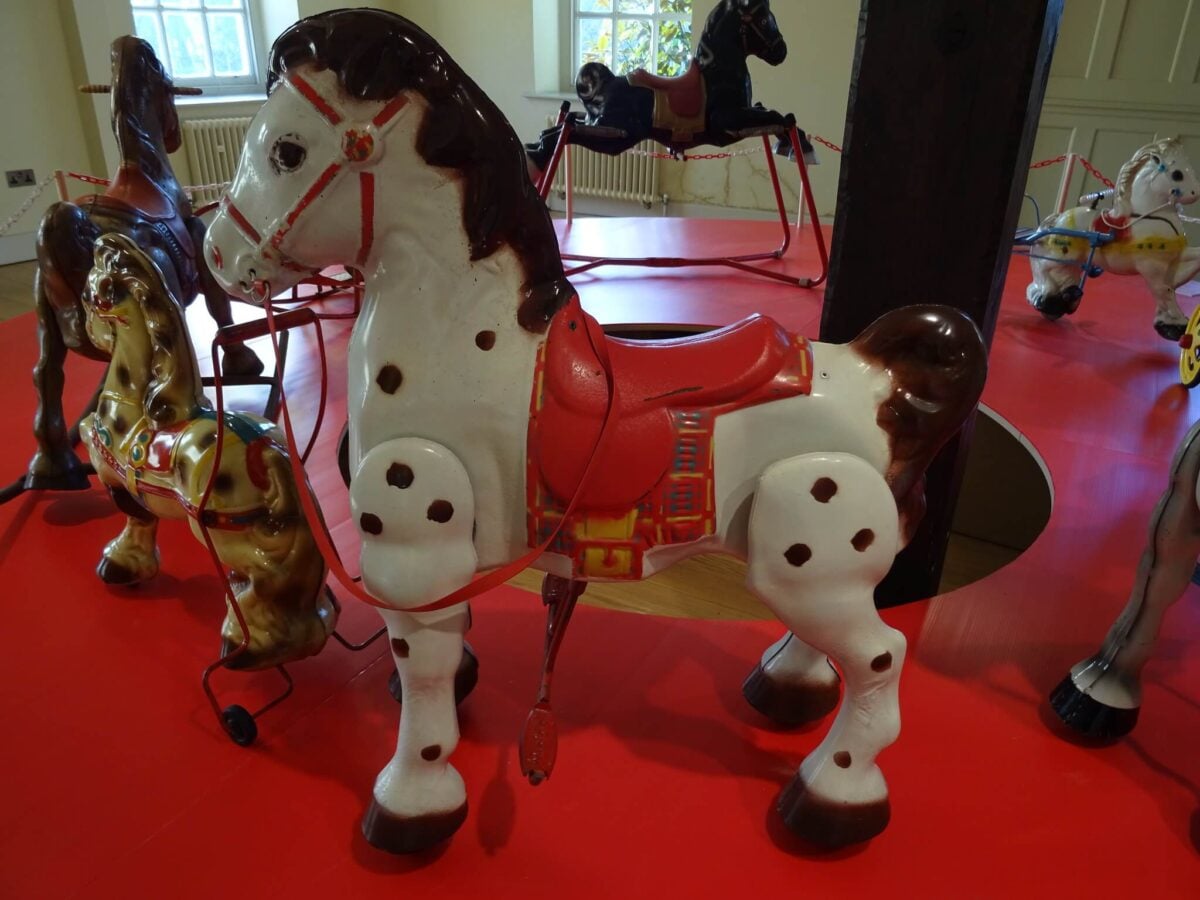
The Mobo Bronco, made in the early 1950s, was a metal horse on wheels that a child pushed along with their feet. The Magic Steering version let the head turn the front wheels, which gave riders a feeling of controlling the animal.
D. Sebel and Company produced it, and surviving examples fetch prices that depend on condition.
Mobo Pony Buggy and Pioneer Wagon
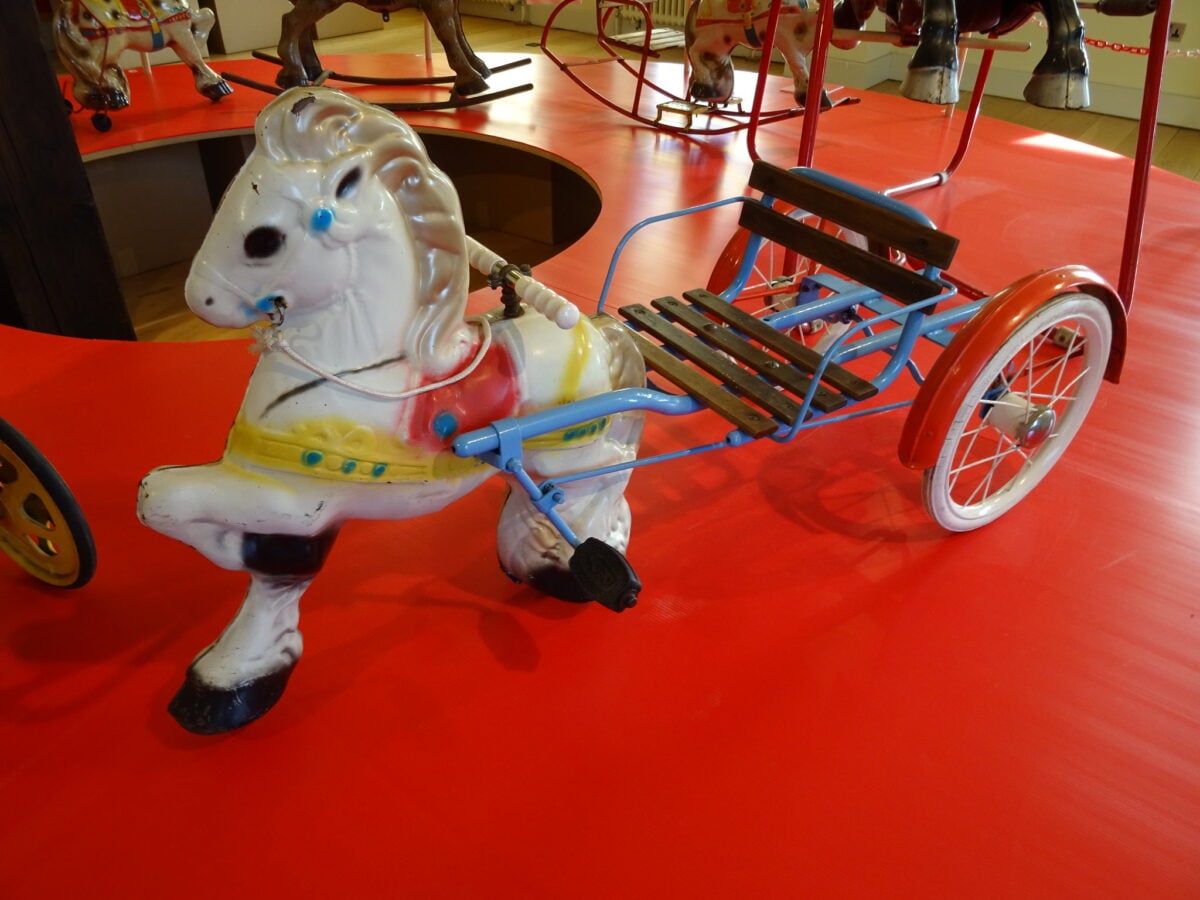
Mobo extended its animal ride-ons into wheeled carts in the 1950s, including the Pony Buggy and the Pioneer Wagon. The designs pair a toy horse with a carriage a child can sit in, an unusual twist on the usual one-seat format.
Collectors find the sets rare, and the value of any survivor hinges on condition.
Mobo Prairie King Rocking Horse
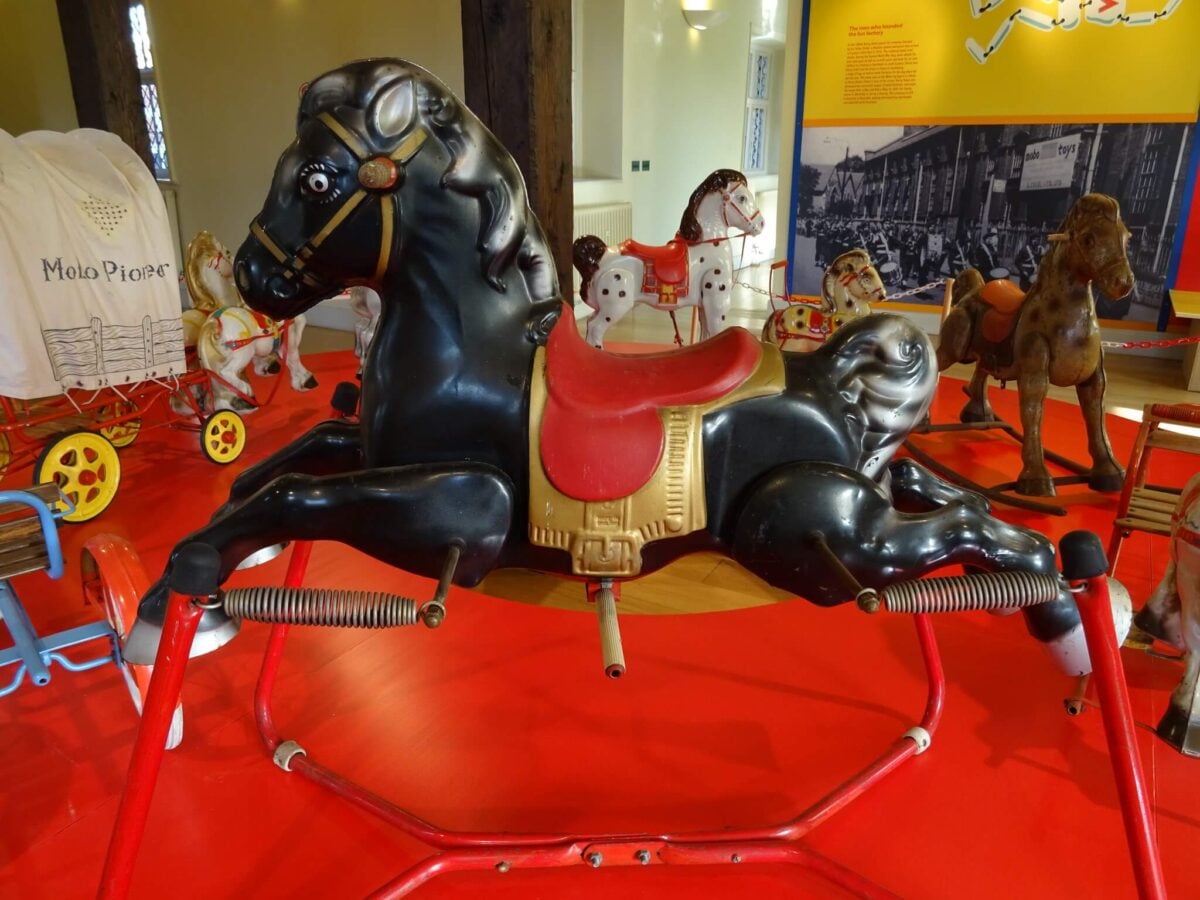
The Prairie King was a painted tin-plate rocking horse sold under the Mobo name in the 1960s. Its cowboy-era branding reflected the television Western craze.
Because tinplate rusts at the seams, restorers spend more time stabilizing metal than repainting, and market values depend on how much original finish survives.
Mobo Walking Snail
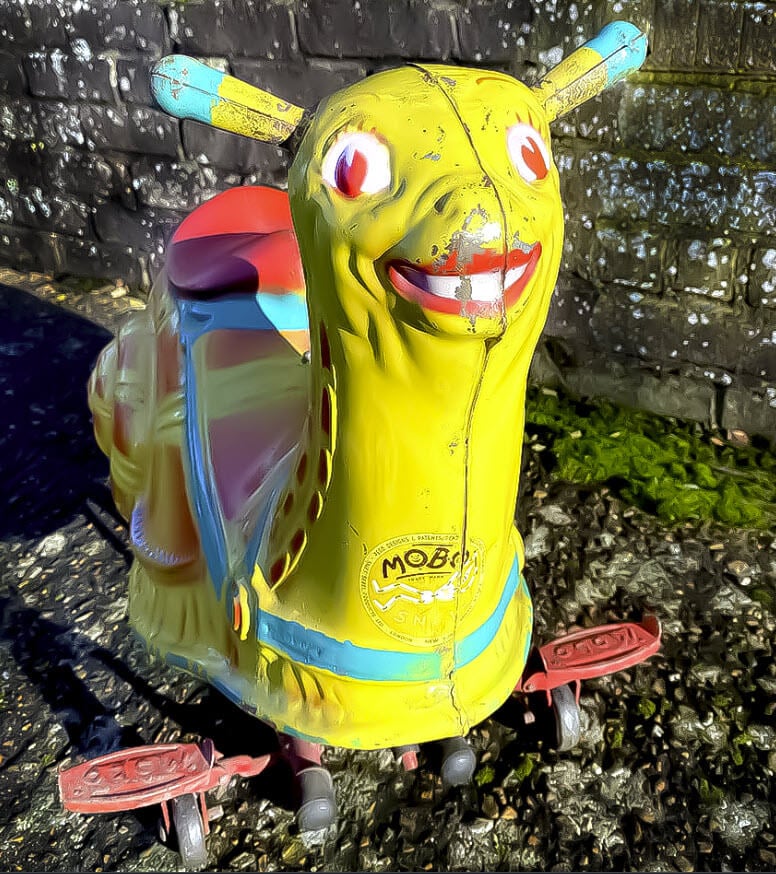
Among Mobo’s animal toys, the Walking Snail from the 1950s stands out for choosing an unlikely creature as a ride-on. Few children expected to ride a mollusk, which is precisely what draws collectors today.
Replacement parts are scarce, so condition is the biggest factor in any price.
1920s Tri-ang Tandem Pedal Car
Lines Bros built a tandem pedal car under the Tri-ang brand in the 1920s, with seating for two children. The long layout made it a more ambitious project than a typical single-seat toy.
Restorers with a surviving frame must often fabricate missing parts, and values reflect condition and completeness.
1958 Tri-ang Zephyr
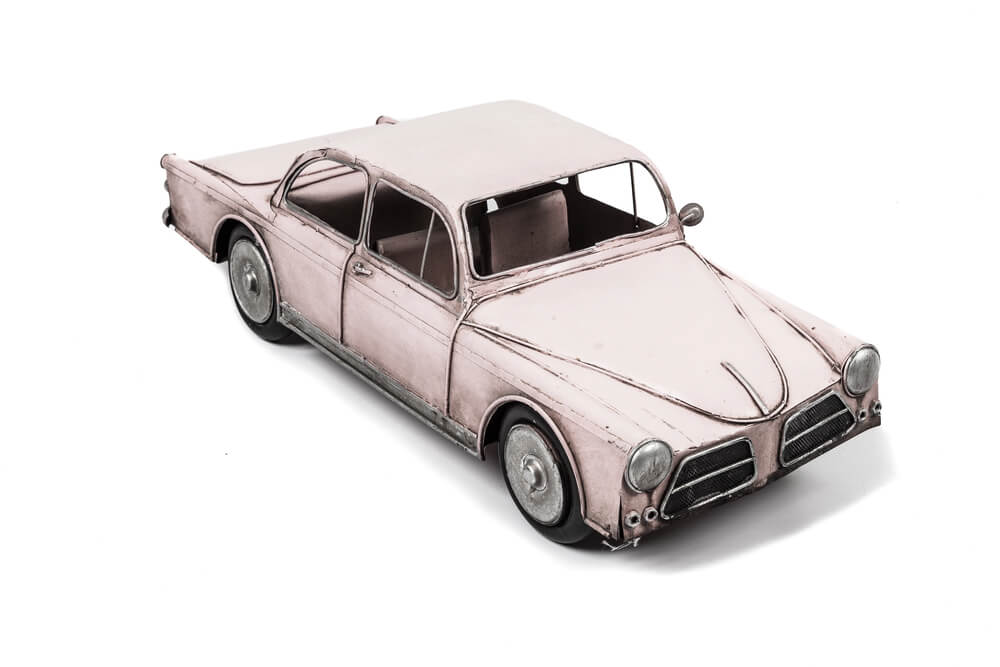
The Tri-ang Zephyr dates to 1958 and sat among Britain’s popular postwar pedal cars. Restoration stories about it appear regularly in collector communities, where owners trade tips on repainting its distinctive body.
Because many examples were played hard, a clean original is a find, and prices follow condition.
Tri-ang Brooklands Racer
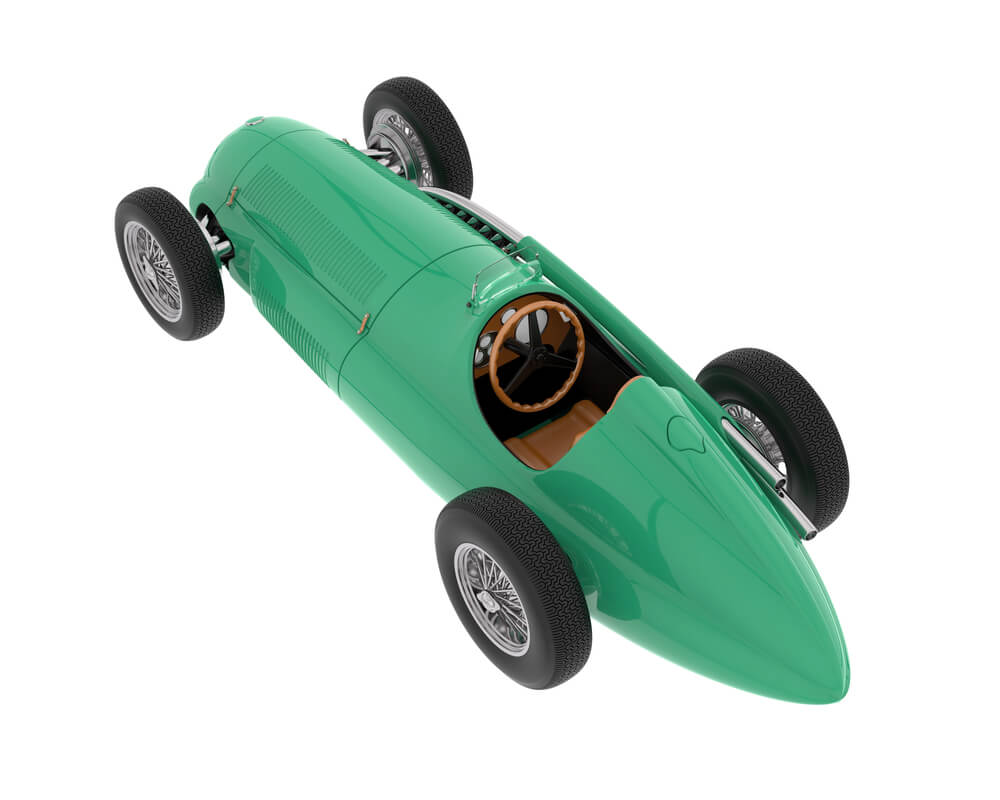
The Brooklands Racer carried the name of the famed English motor-racing circuit, giving children a toy version of a sports car heritage. Tri-ang made it in the 1950s with the long hood and open cockpit of a racer.
Collectors restoring one need a steady hand for its paint, and market value depends on condition.
Tri-ang Willys Jeep Pedal Car
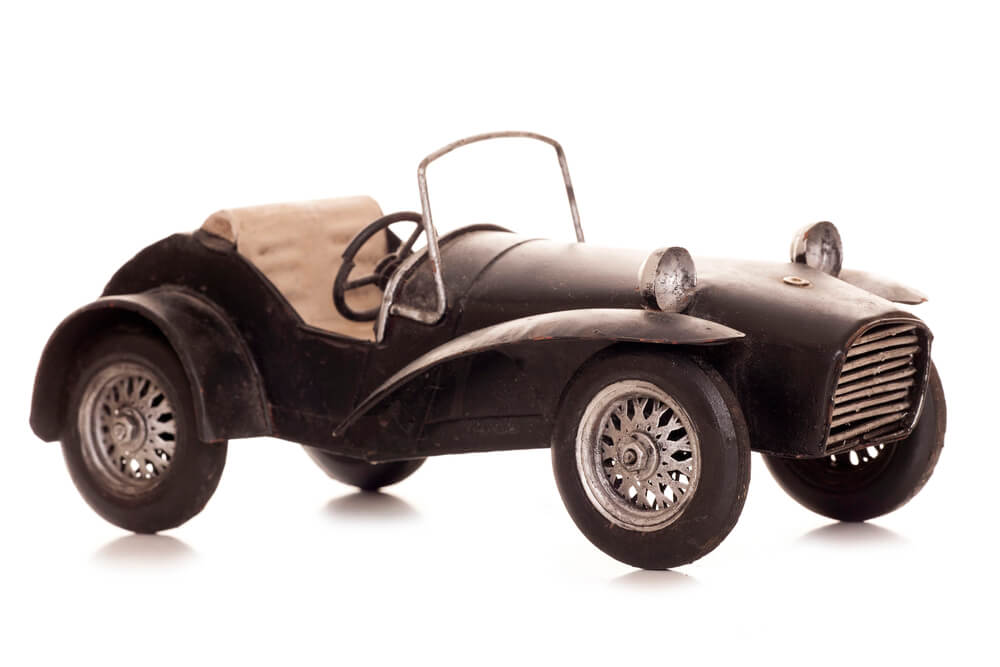
Tri-ang produced a pedal version of the Willys Jeep, including an edition finished in US Army markings. The military look appealed to children raised on wartime stories, and the boxy body is simpler to restore than a curved sedan.
Prices vary with condition, and original military decals are especially prized.
1921 Irish Mail Junior Hand Car
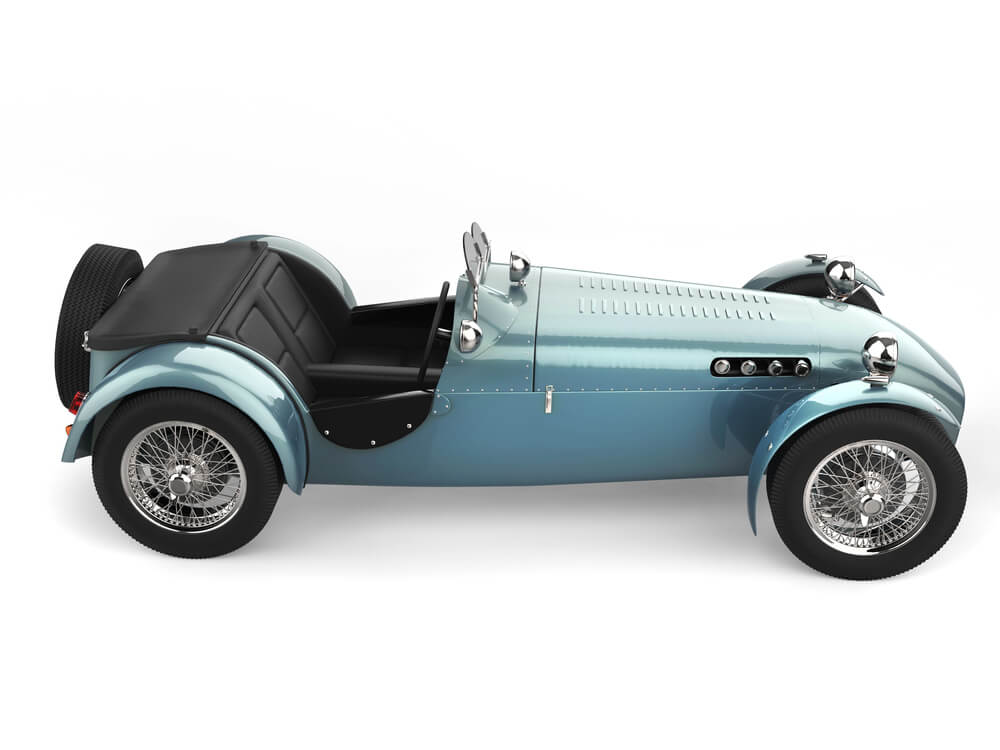
An advertisement for the 1921 Irish Mail Junior promised health and pleasure for boys and girls, which was how toy makers sold exercise in that era. The hand car moved when a rider worked a lever back and forth.
Wooden and metal parts both wear heavily, so condition governs the value of any survivor.
1908 Glasscock Racer Hand Car
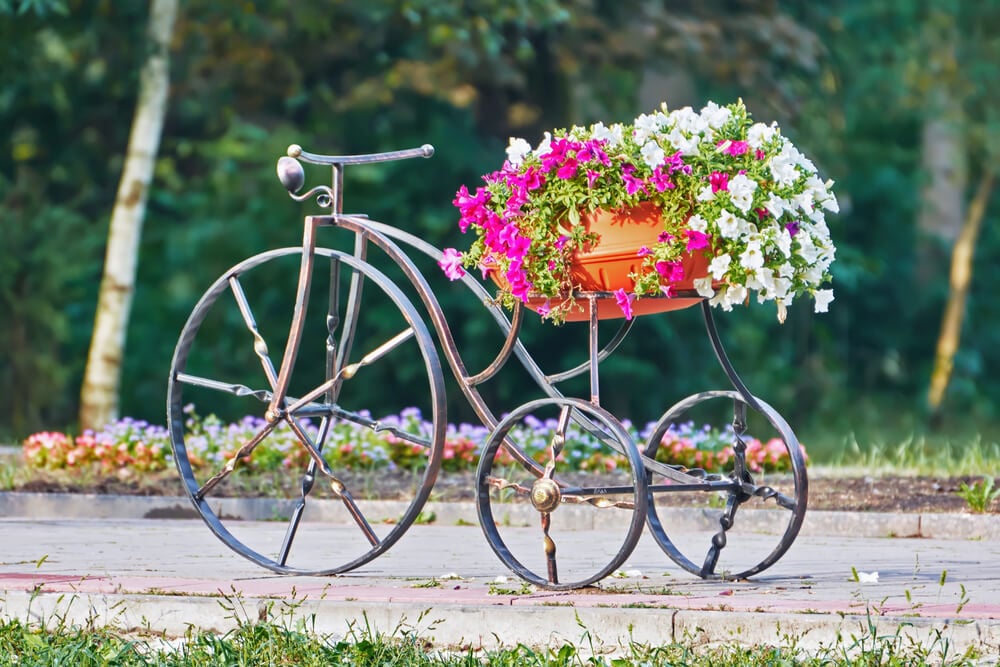
The Glasscock Racer, dated to 1908, used a lever-action mechanism similar to later Irish Mail cars. It belongs to the earliest generation of children’s wheeled toys that collectors restore.
Examples this old are uncommon, and their value depends on condition and how much remains original.
Keystone Ride Em Steam Shovel
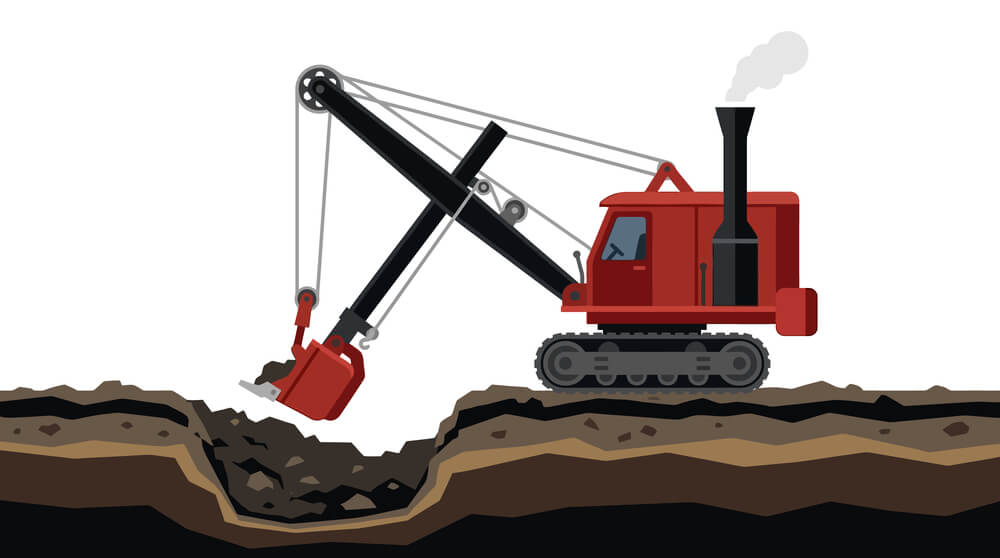
Keystone Manufacturing built a pressed-steel steam shovel a child could sit on and operate by hand. The scoop arm actually moved, which kept children busy digging imaginary trenches in the yard.
Collectors restoring one face heavy rust, and what the finished toy is worth depends on its condition.
Buddy L Steam Shovel on Treads
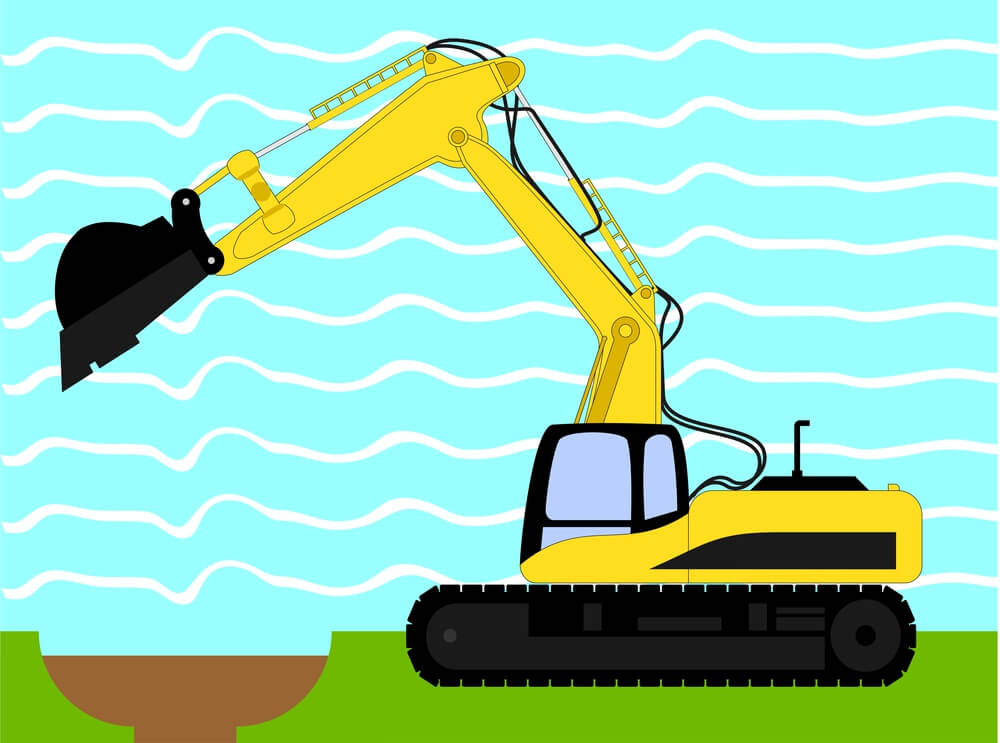
Buddy L made a steam shovel on treads in the 1920s, and an example was appraised on a national public television program. It is large enough that restorers need real workshop space and patience for its heavy sheet metal.
Authentic paint and decals are rare, so values rest on condition.
1969 Marx Big Wheel
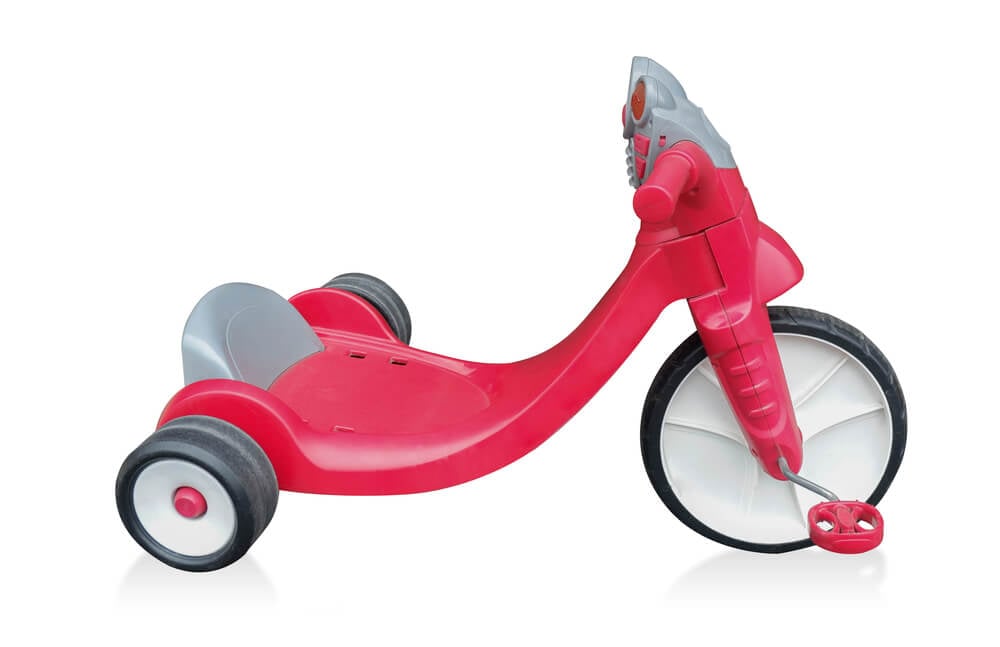
Louis Marx and Company introduced the Big Wheel in 1969, giving children a low plastic tricycle with an enormous front wheel. Many were scraped to pieces on driveways, so a clean one has become a nostalgic treat.
Restorers replace cracked plastic and decals, and values depend on condition.
Little Tikes Cozy Coupe

The Cozy Coupe, with its red and yellow body and foot-powered floor, entered production in 1979. Designer Jim Mariol is credited with the original design, and the Victoria and Albert Museum holds an example.
Sun-faded plastic can be revived, and the value of any vintage Coupe depends on condition.
1926 Dandy Dobbin Horse Tricycle
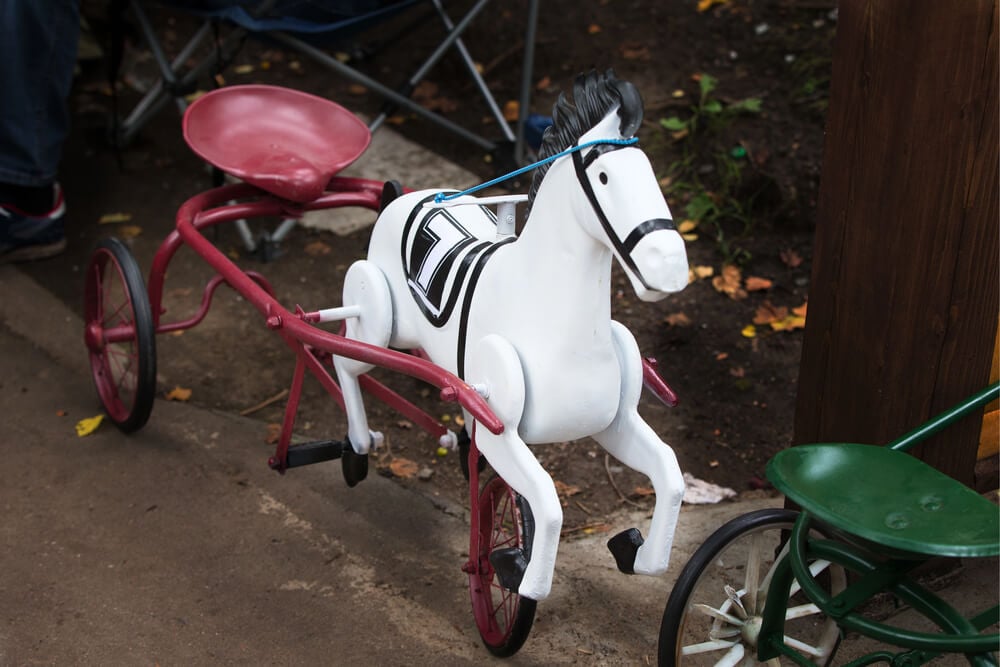
The Dandy Dobbin was a tricycle built in the shape of a horse, sold in the 1920s. Riders pedaled while perched on a figure that looked more like a carousel animal than a bicycle.
Few survive intact, and what a restored one is worth depends on condition.
Ertl Allis-Chalmers 8070 Pedal Tractor
The Ertl Allis-Chalmers 8070 pedal tractor belongs to a thriving corner of the hobby devoted to farm-themed ride-ons. Collectors compare models using price guides such as the Criswell pedal tractor book.
Original paint and decals determine value, so condition matters far more than age.
What the Rust Remembers
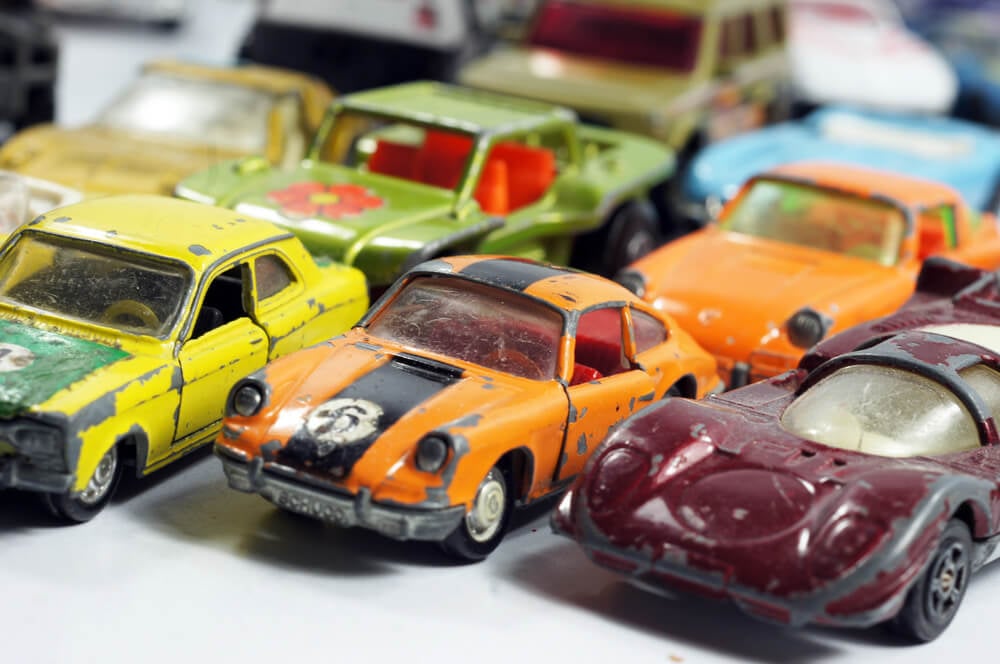
Every item here shares an uncomfortable fact: each was built to be used hard, and most were. The survivors owe their existence to a grandparent who stored them in a shed or a collector who bought them in a pile of dented parts.
A restored toy is therefore less a perfect object than a long argument against throwing things away. Restoration itself teaches patience in ways few hobbies can match.
A single missing hubcap can take months to track down, and the right paint code can take longer. When the work finally finishes, the toy once again looks like it did when a child first climbed aboard.
More from Go2Tutors!

- 27 Silver Dollars and Half Dollars Worth Keeping
- 28 Restaurant Menu Items Nobody Orders Anymore
- 17 Places Built in Seemingly Impossible Spots
- 27 Vintage Rings Worth More Than They Look
- 25 Restricted Sites Tourists Can’t Enter
Like Go2Tutors’s content? Follow us on MSN.