Forgotten Features of Neighborhood Video Stores
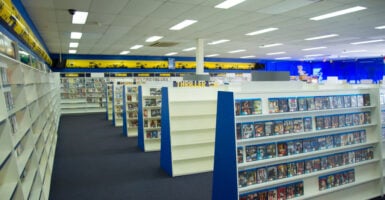
Choosing a movie used to require putting on shoes. The weekend ritual meant a drive, a slow lap through the aisles, and a negotiation among everyone in the car that rarely ended well.
The neighborhood video store has mostly vanished, and it took an entire set of small customs with it. Some of them were clever, some were petty, and a few were so ordinary that nobody noticed them until they were gone.
Empty Cases Standing in for the Tapes
Many rental stores kept the actual cassettes behind the counter and filled the shelves with empty cases instead. Customers browsed the display boxes, carried their pick to the register, and traded it for the real tape.
The arrangement discouraged shoplifting, since there was nothing inside to steal. It also produced a small ritual of disappointment when a clerk came back, shook his head, and said the title was out.
Be Kind, Rewind

Stickers and signs asking renters to rewind their tapes before returning them were standard fixtures near the counter. Stores that took the matter seriously charged a small fee for tapes that came back unwound, since the next customer expected to press play at the beginning.
The phrase became so familiar that director Michel Gondry used it as the title of his 2008 comedy about a video store. Rewinding was the closest thing the industry had to a shared code of honor.
Late Fees and the Dread of the Return Date

A rental was due on a set day, and missing it meant paying for the privilege. Late fees were a major source of revenue for the big chains, which is why Blockbuster made headlines in December 2004 by announcing it would end them in January 2005.
The policy came with a catch, because customers who kept a movie too long could be charged for it, and by 2010 some stores had brought late fees back. Everyone has a story about a tape discovered under the couch weeks past its due date.
Handwritten Staff Picks
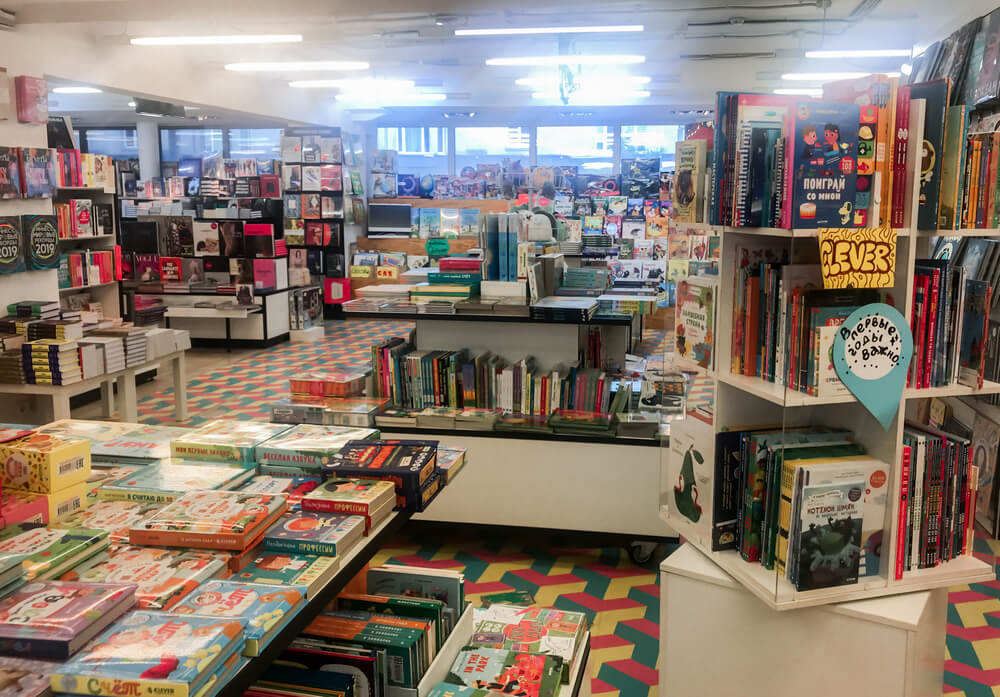
Index cards taped beneath a tape, written in marker by whichever clerk loved the movie most, did more for discovery than any algorithm. A good card gave a one-line pitch, a warning, or a dare.
The counter was also a launching pad for ambitious film fans, and Quentin Tarantino is the best-known example of someone who worked behind a video store counter before directing his first feature. A shelf of recommendations written by a human with opinions has not been duplicated since.
The After-Hours Drop Box
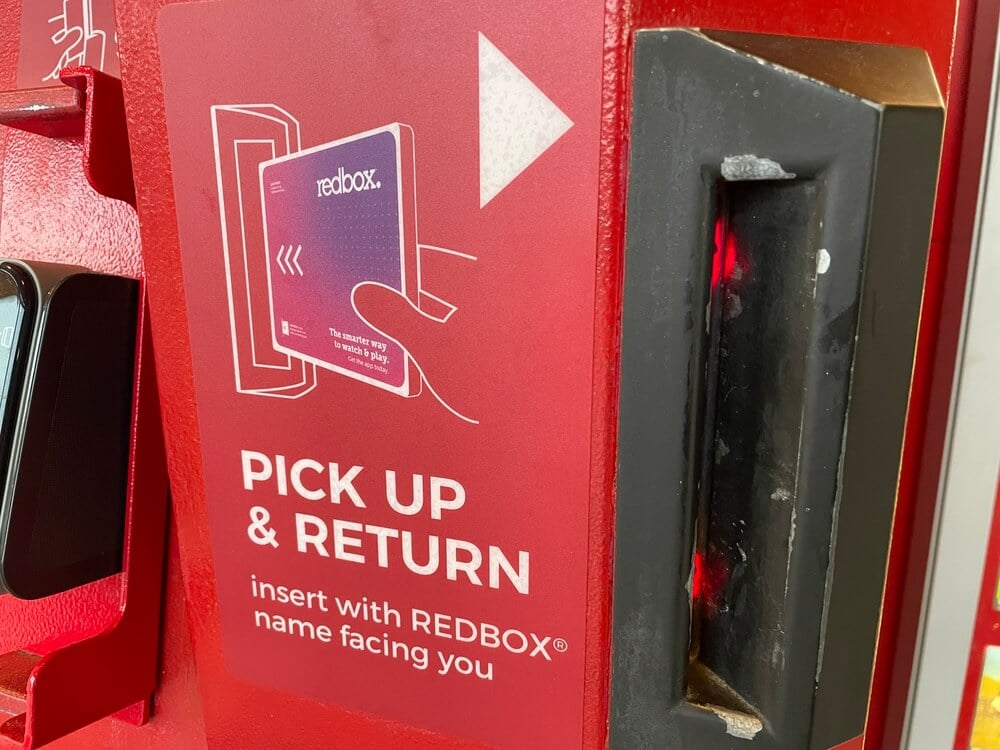
A slot or chute outside the building let renters return tapes when the doors were locked. Because tapes were typically due at a stated time, often the following evening, the drop box was the last-minute lifeline for anyone who forgot until closing time.
Dropping a cassette through the opening produced a distinctive thud that every former renter can still hear. The box also spared people a face-to-face conversation about what they had watched at midnight.
The Membership Card and Its Barcode
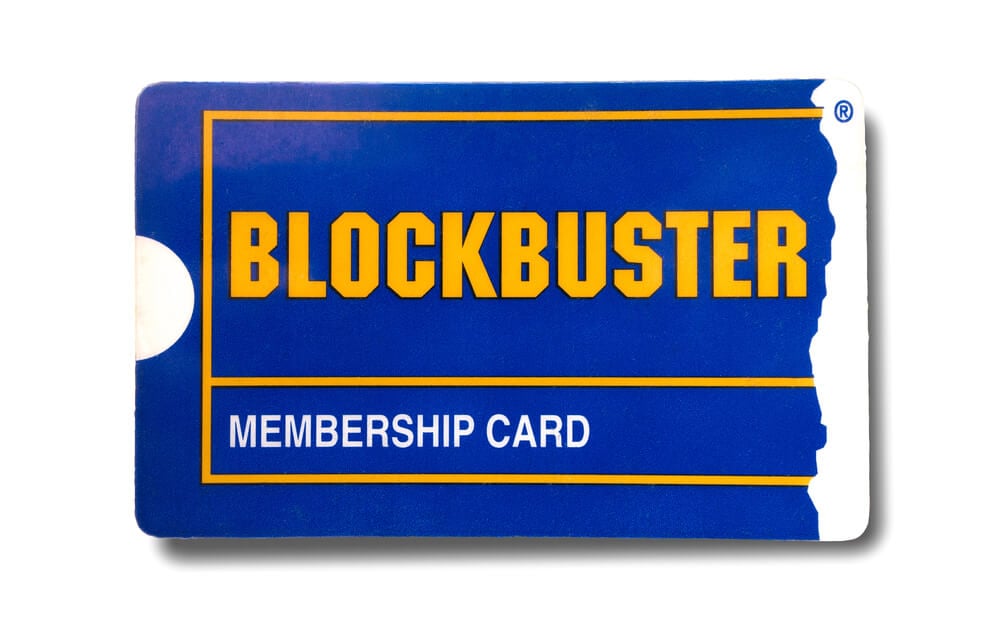
Joining a store meant filling out a form, showing identification, and receiving a small plastic card with a barcode. Early independent shops often charged a membership fee or a deposit, a custom that dated to the days when a VCR and a tape were both considered luxuries.
The first Blockbuster opened in Dallas in 1985 and helped make the scanned card a national habit. Forgetting it at home meant reciting a phone number to a clerk, a minor humiliation of the era.
The Betamax Shelf
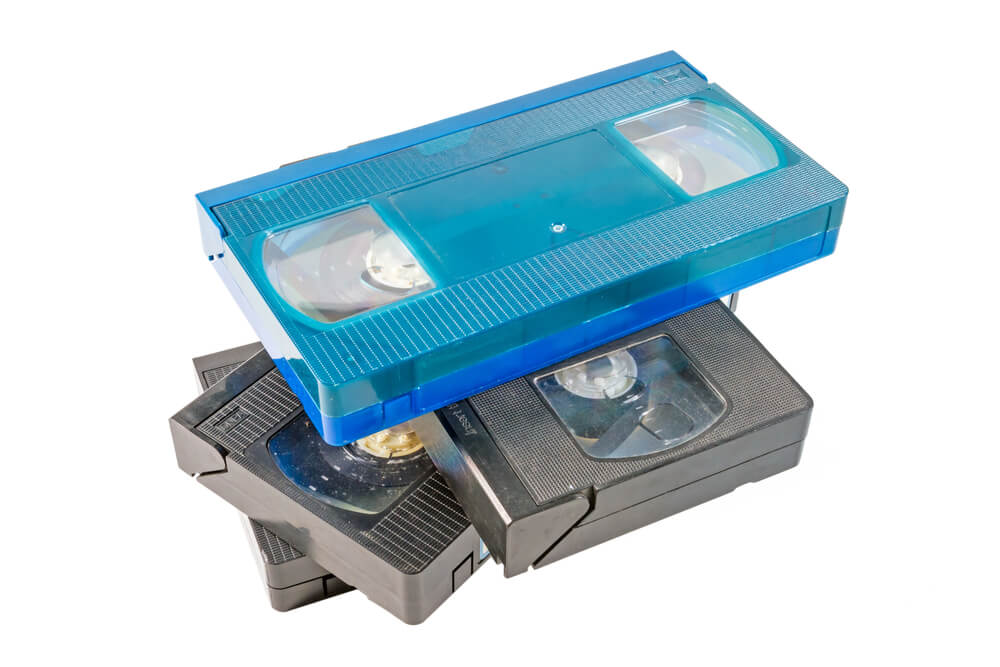
In the early 1980s, stores had to stock two competing tape formats, and a small rack of Betamax titles sat beside the much larger wall of VHS. Sony introduced Betamax in 1975, and JVC launched VHS a year later.
As VHS won the market, the Beta rack shrank from a wall to a shelf to a lonely corner. Sony itself began making VHS recorders in 1988, which was the format war’s polite surrender.
The Curtained Back Room
Nearly every store had one corner reserved for adults, hidden by a curtain, a partition, or a set of swinging saloon-style doors. The rules were simple and strictly enforced: no children, no browsing aloud, and no eye contact.
Some chains avoided the subject entirely, and Blockbuster became known for declining to stock NC-17 rated titles, which sent that business to independent stores. The curtain remains the most universally remembered architecture of the era.
Video Game Rentals
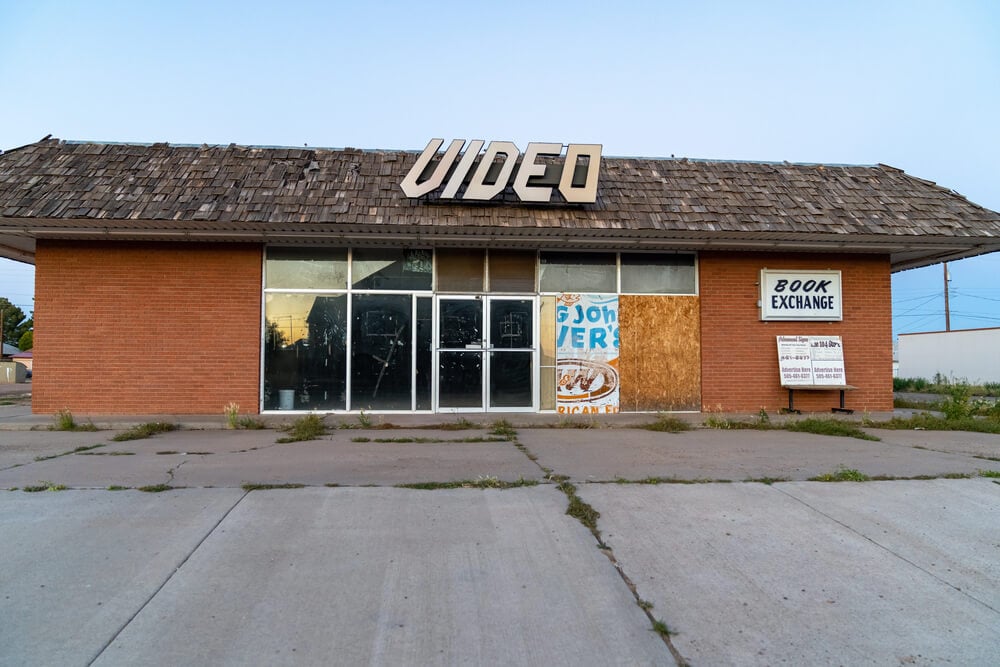
Cartridges and discs for popular consoles sat in their own section, usually in rental-only cases kept near the register. A weekend rental was the standard way to try an expensive game before committing to buying it, and a hit title could be reserved weeks in advance.
Children memorized which games could be finished in a Friday-to-Sunday window. The practice faded as downloads and online services replaced the physical case.
Cardboard Standees and Studio Posters

Studios shipped promotional displays to rental stores ahead of big releases, including posters, hanging banners, and life-size cardboard figures. A tall cutout of an action hero guarding the front door told customers which tape had arrived that week.
These materials were never meant to be sold, which is why surviving pieces are now sought by collectors. Prices depend heavily on condition, because creases, tape marks, and faded colors are common.
Trailers on Endless Loop

Television monitors mounted above the aisles played previews all day, usually with the volume turned up just enough to compete with conversation. Customers who walked in without a plan often rented whatever the screen was showing at the moment.
The tapes themselves frequently began with a block of trailers that could be skipped only by fast-forwarding. Between the two, a rental was often decided by marketing rather than memory.
Reserving a Copy by Phone
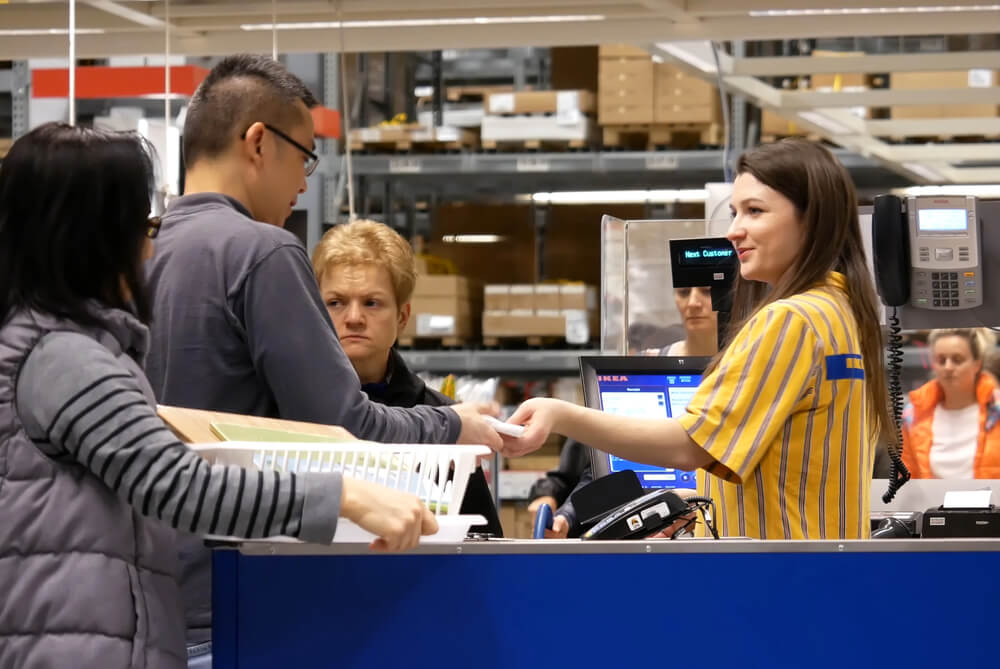
Friday night was the busiest evening of the week, and the best new releases disappeared quickly. Customers who knew the system called ahead to put a copy on hold, giving a name and membership number to a clerk who wrote it on a slip.
The reserved tape waited behind the counter until pickup. Calling an hour before closing to ask whether a title was in was an act of faith.
Genre Aisles and the Search for Anything Foreign

Shelves were arranged by categories such as Comedy, Action, Drama, Horror, and Family, with titles in alphabetical order inside each section. Foreign and classic films were usually pushed to a smaller shelf in the rear, where they were easy to miss and rewarded the patient.
The Criterion Collection, founded in 1984, began as a laserdisc label and supplied many serious stores with their most carefully presented titles. The back shelves offered an education that mainstream chains rarely matched.
The Previously Viewed Bin

When a store retired a worn tape, it often sold the cassette at a discount, sometimes in a bin near the register under the label previously viewed. Studios charged rental stores steep prices for new releases, often more than fifty dollars apiece, so selling used copies helped recover the cost.
Ex-rental tapes are still collected today for their big boxes, store stickers, and rental-only cover art. As with any collectible, the value of one depends on the condition of both the tape and the case.
Popcorn and Candy at the Register

Many stores sold boxes of microwave popcorn and rows of packaged candy by the counter, turning a movie rental into a complete evening purchase. Large chains treated the snack aisle as a serious profit center.
Checking out with a tape in one hand and a bag of popcorn in the other felt like the beginning of a small event. The impulse buy was the cheapest part of a night at home.
One-Night and Five-Day Rental Windows
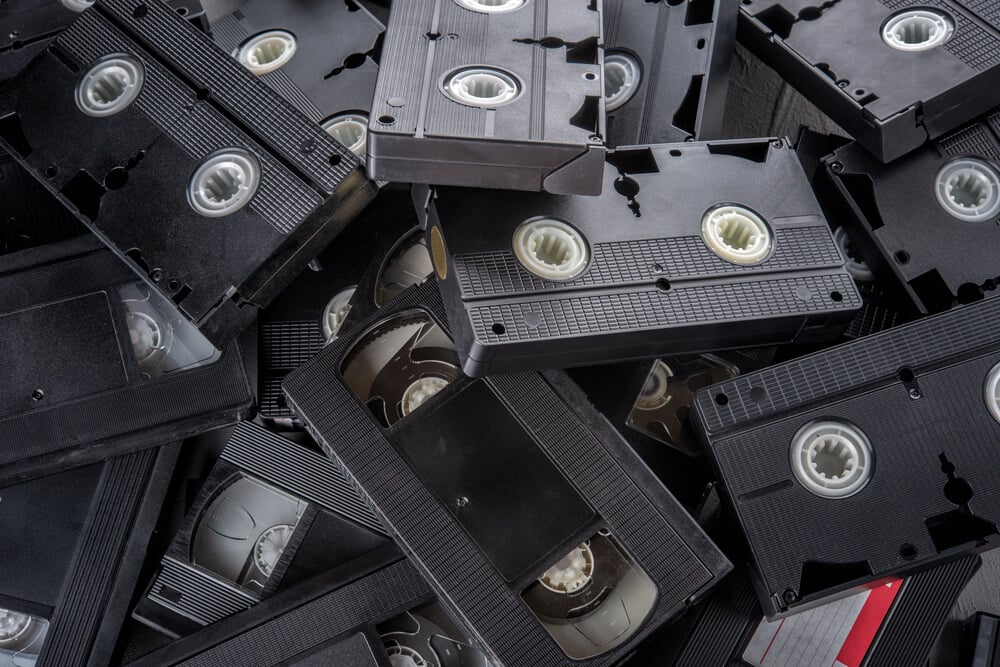
Rental periods varied by title, and the system was a puzzle that regulars understood by heart. New releases usually carried a short window of one or two nights, while older titles could be kept for several days at a lower price.
Stores also ran promotions such as discounted rentals on slow weekdays to even out traffic. Knowing which tapes had a long window was an unspoken form of neighborhood expertise.
Movies That Needed Two Tapes
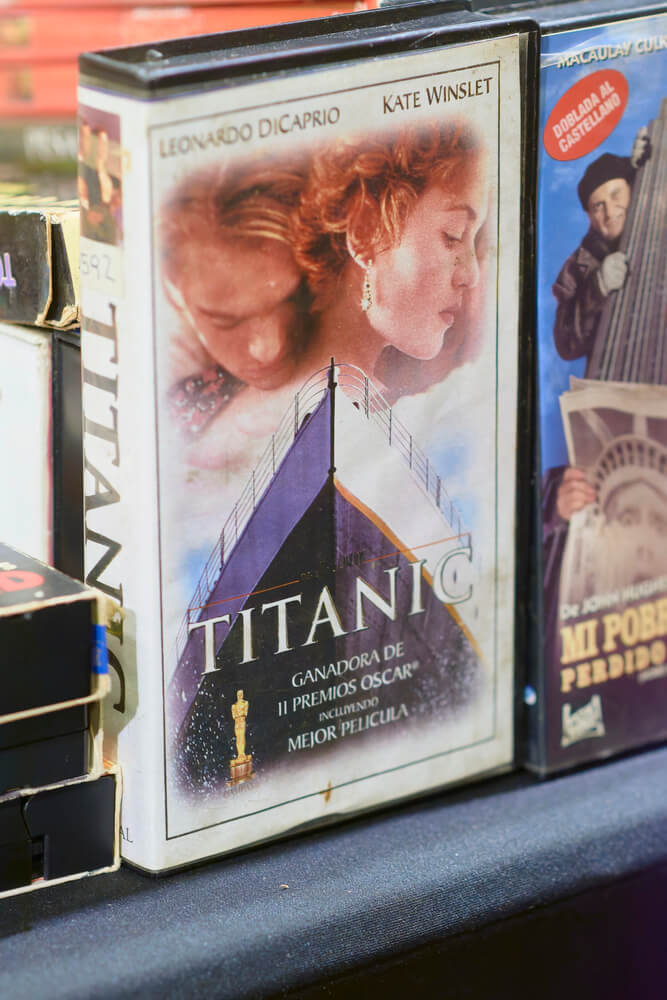
A film that ran longer than a standard cassette could hold had to be split across a pair of tapes sold in a single box. Titanic, which runs about three hours and fourteen minutes, was released on VHS in 1998 as a two-tape set, and many stores opened at midnight for its arrival.
Renters had to pause the movie halfway through, eject the first tape, and slide in the second. The intermission was built into the technology.
The Tape Repair Station at the Counter
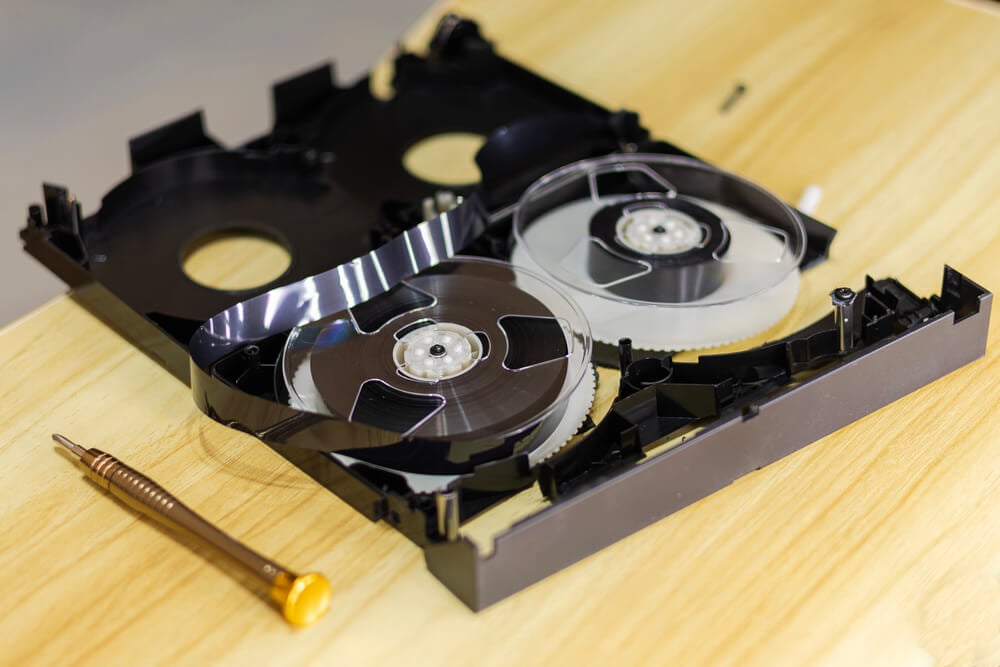
Cassettes broke, and clerks became amateur technicians who inspected returned tapes for damage. A snapped ribbon could be spliced with adhesive tape, and a cracked shell could be swapped onto a donor cassette.
The work happened in the dead hours of a weekday shift, between customers and shelving. Few renters ever saw it, but their next movie depended on it.
What the Shelves Taught
The video store gave people something streaming has trouble reproducing, which is a physical space where a bad choice cost a visible amount of effort. Walking out with a movie meant that someone had walked in, looked around, argued, compromised, and settled.
A recommendation from a clerk or a stranger at the next shelf carried weight because it was delivered in person. The features that vanished were mostly inconveniences, from late fees to rewinding to the empty cases.
Yet the inconveniences created shared habits and a sense of ownership over the decision to watch something. Those habits left a quieter loss than the building itself, and they explain why people who rarely rented a tape in the final years still talk about the aisles with affection.
More from Go2Tutors!

- 27 Silver Dollars and Half Dollars Worth Keeping
- 28 Restaurant Menu Items Nobody Orders Anymore
- 17 Places Built in Seemingly Impossible Spots
- 27 Vintage Rings Worth More Than They Look
- 25 Restricted Sites Tourists Can’t Enter
Like Go2Tutors’s content? Follow us on MSN.