16 Forgotten NASA Projects That Were Real
When people talk about NASA, they usually think of moon missions, space shuttles, or rovers exploring distant planets. Yet buried in old archives and shelved reports lies a trove of lesser-known projects—some visionary, others borderline unbelievable. These weren’t just wild ideas; many were serious proposals backed by real science, even if they never got off the ground.
Here are 16 real NASA projects most have never heard of—each one revealing how far the agency was willing to go in the name of exploration.
Project Orion

Back in the late 1950s, NASA and its partners explored a radical propulsion method—nuclear explosions. The idea was to drop atomic bombs behind a spacecraft and ride the resulting shockwaves. Oddly enough, the science checked out. The politics, however, didn’t. Once nuclear test bans entered the picture, the project was quietly abandoned.
Lunar Flying Vehicle
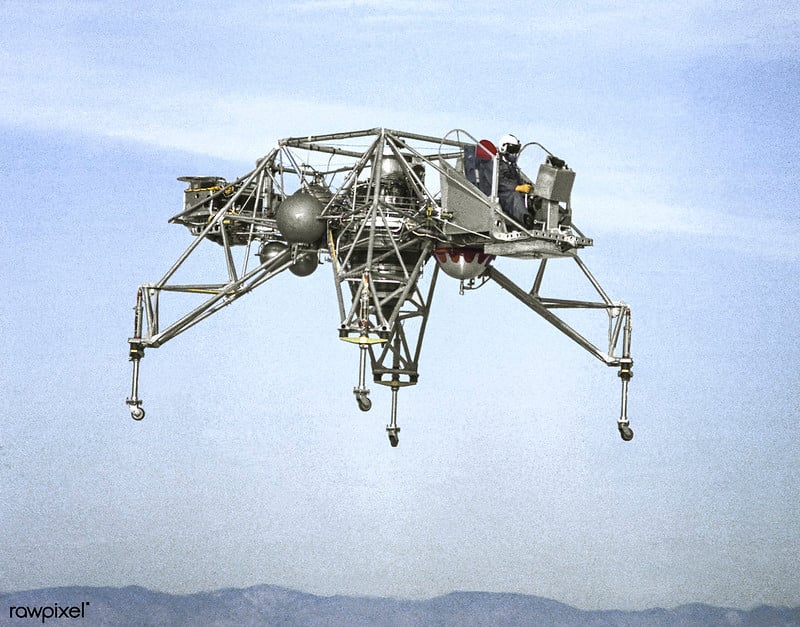
Engineers once imagined astronauts skimming across the Moon on personal rocket packs. The concept was compact and agile—perfect for short hops over rugged terrain. Still, safety concerns and budget limitations meant it never made it past early planning stages.
Space Tug

The Space Tug was designed to act like a spacefaring utility truck—hauling satellites and gear between orbits. Flexible, reusable, and cost-effective on paper, it lost momentum when traditional rockets proved more practical for most missions.
Nuclear Shuttle
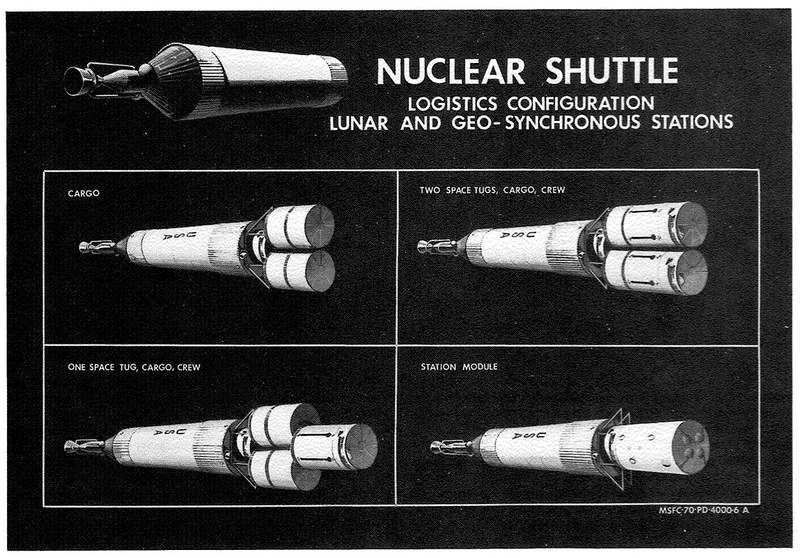
This wasn’t just about reaching orbit—it was about staying there, repeatedly. A shuttle powered by a nuclear reactor sounded efficient, yet the idea ran into stiff opposition. The fear of a nuclear mishap in Earth’s orbit made the program too risky to continue.
Rotating Space Station
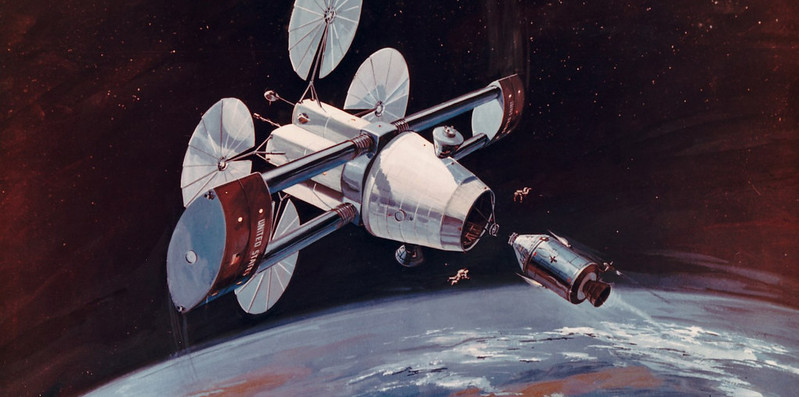
Before the International Space Station became a reality, NASA envisioned a giant wheel-shaped station spinning to simulate gravity. The design mirrored the one in 2001: A Space Odyssey—no coincidence, since Kubrick had consulted NASA experts. In the end, the complexity and cost stopped it cold.
Project Blue Gemini

This top-secret spinoff of the Gemini program was tailored for military use. Crewed capsules would orbit Earth for surveillance—and possibly defense. Equipped with sensors, cameras, and early targeting tech, the program stayed hidden until documents were eventually declassified.
Manned Venus Flyby
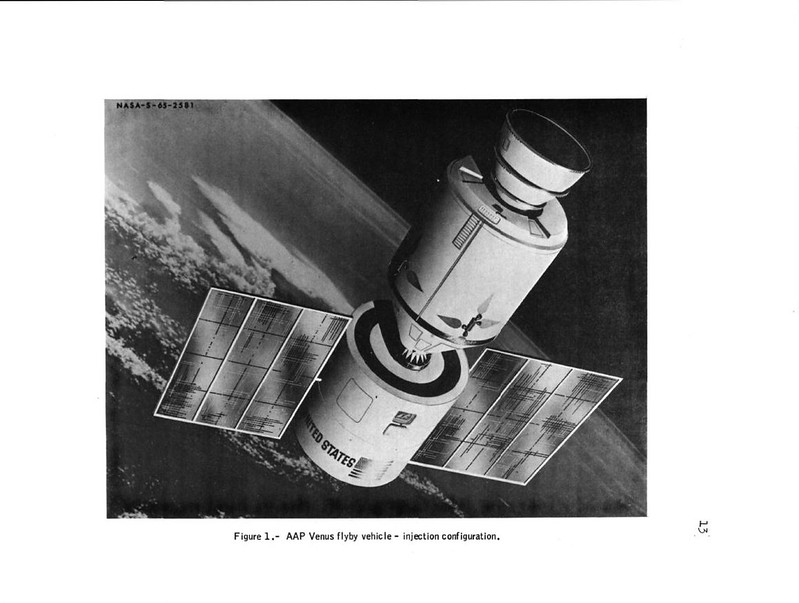
A plan emerged in the 1970s to send astronauts on a long-duration flyby of Venus. The mission would last over a year, offering only a few hours of close observation. In the end, robotic missions were considered safer, cheaper, and more capable of handling the harsh environment.
Lunar Base

NASA once had detailed blueprints for a Moon base—complete with labs, living quarters, and even recreation areas. The structures would’ve been nestled inside lunar lava tubes for added protection. But shifting political priorities and shrinking budgets shut it down before construction ever began.
Solar Power Satellite
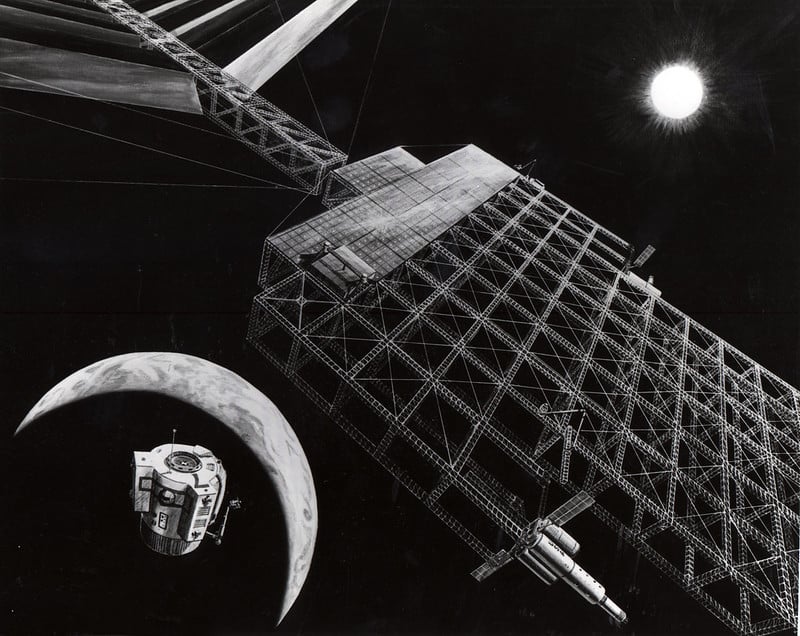
Imagine enormous solar arrays in orbit—collecting sunlight and beaming the energy back to Earth using microwaves. Some of these structures would’ve rivaled cities in size. While technically sound, fears around weaponization and the sky-high costs kept the project in limbo.
Space Plane
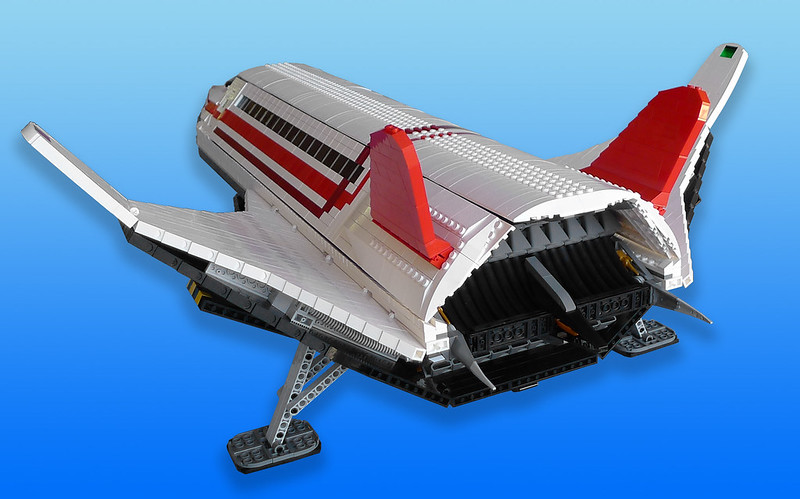
Years before private companies got involved, NASA was working on a fully reusable spacecraft that could take off and land like a regular jet. This single-stage vehicle would’ve eliminated booster stages—cutting down both complexity and cost. The technology, though, wasn’t ready to deliver.
Asteroid Redirect Mission
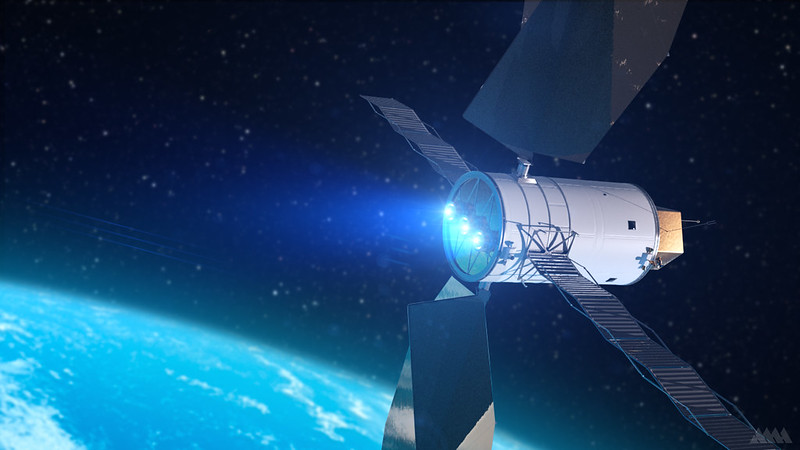
NASA once planned to capture a small asteroid, encase it in a giant containment bag, and tow it into lunar orbit using ion propulsion. Astronauts would then study it up close. Despite substantial planning, the project was shelved when priorities shifted and funding dried up.
Jupiter Icy Moons Orbiter
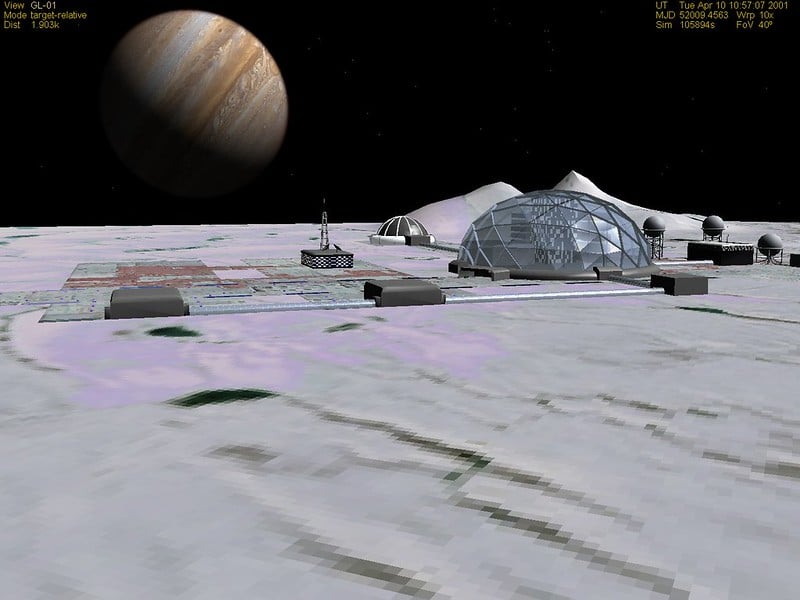
Equipped with nuclear power and long-range instruments, this spacecraft was intended to explore Jupiter’s frozen moons—especially Europa. The mission would’ve searched for underground oceans and signs of life. But technical issues and budget overruns ultimately caused it to stall.
X-33 VentureStar
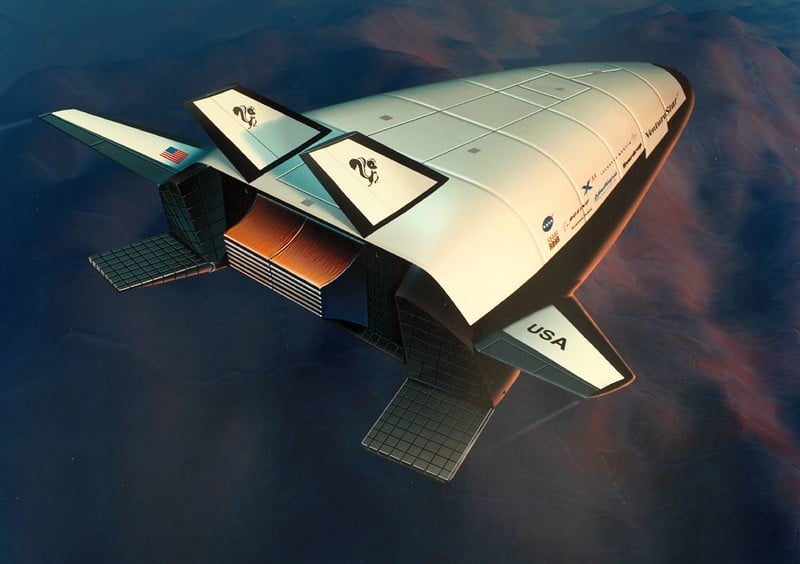
In partnership with Lockheed Martin, NASA developed the X-33—a wedge-shaped prototype designed to lead the way for reusable spaceplanes. Although promising, recurring fuel tank failures and ballooning costs grounded the program before it could fly.
Prometheus Nuclear Systems
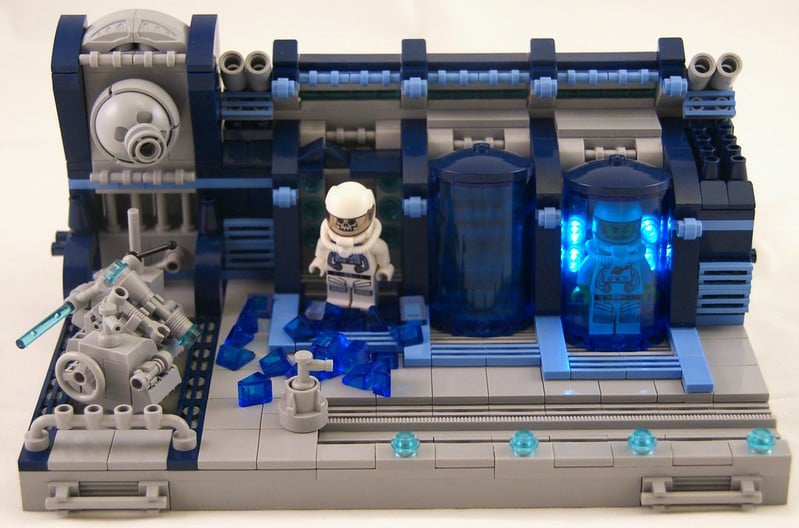
The goal here was to develop compact nuclear reactors to power deep-space missions. These would support ion propulsion and supply long-term energy in the outer solar system. Despite early interest, the program lost traction due to political hesitation and limited resources.
Mars Sample Return
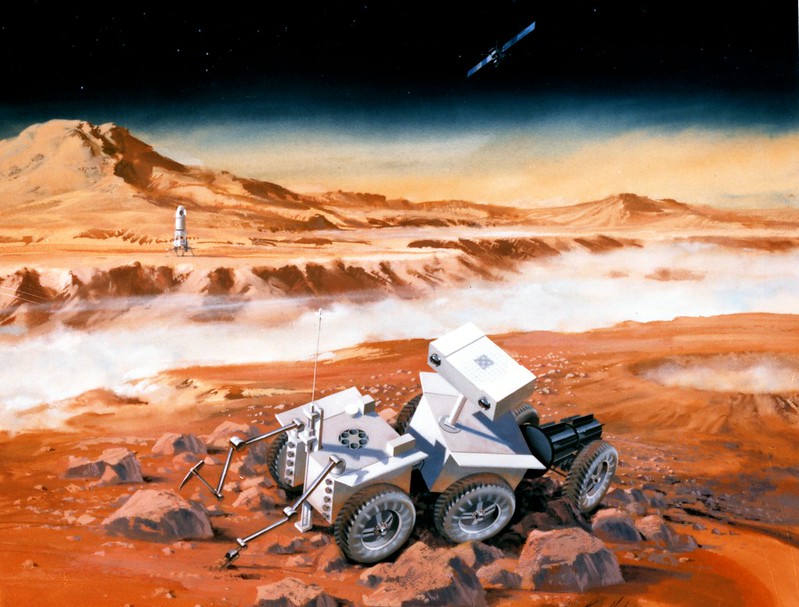
NASA has long aimed to collect and return samples from Mars. The plan requires multiple spacecraft—one to gather samples, another to launch from Mars, and a third to capture the return capsule in space. Progress has been steady, yet technical and financial hurdles keep delaying the timeline.
Constellation Program
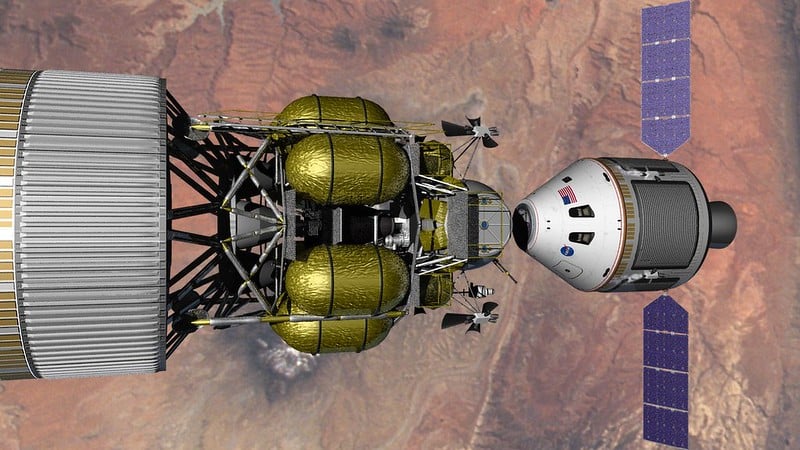
Launched in the early 2000s, this ambitious program set out to return astronauts to the Moon. It featured new rockets, the Orion crew capsule, and advanced landers. Billions were spent—yet the entire effort was eventually canceled in favor of newer goals under a different administration.
Where Ambition Meets Reality
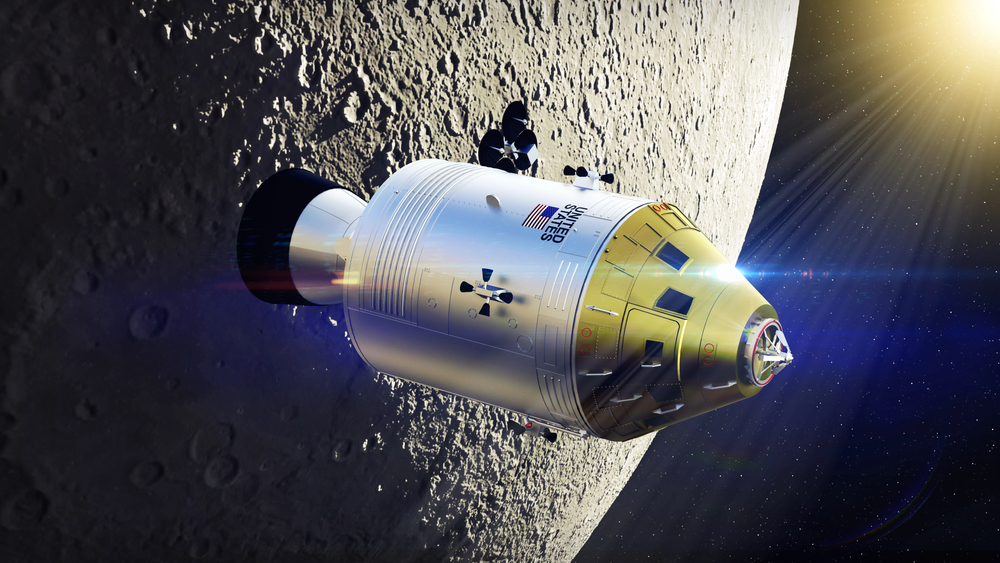
These forgotten projects reveal NASA’s willingness to push the envelope—sometimes too far, too fast. Many were scrapped for reasons unrelated to science: politics, budgets, or changing leadership. Yet their influence endures. Elements of these shelved missions can still be found in modern programs, proving that even abandoned ideas can leave a mark.
Not every mission needs to launch to shape the future.
More from Go2Tutors!

- 16 Historical Figures Who Were Nothing Like You Think
- 12 Things Sold in the 80s That Are Now Illegal
- 15 VHS Tapes That Could Be Worth Thousands
- 17 Historical “What Ifs” That Would Have Changed Everything
- 18 TV Shows That Vanished Without a Finale
Like Go2Tutors’s content? Follow us on MSN.



