15 Facts About National Cheesecake Day That Will Surprise You
Most people know that July 30th is National Cheesecake Day, but few realize just how fascinating the story behind this creamy dessert really is. What started as an ancient Greek energy food for Olympic athletes has become one of America’s most beloved treats, spawning countless variations and inspiring serious devotion among dessert lovers.
From its surprising ancient origins to modern-day restaurant empires built on its foundation, cheesecake has quite the resume. Here is a list of 15 facts about National Cheesecake Day that will change how you think about this seemingly simple dessert.
Ancient Greeks Invented It for Athletes

Cheesecake wasn’t created as a dessert but as a high-energy food for Olympic athletes in ancient Greece around 776 BC. Greek cooks combined cheese, honey, and wheat to create dense, nutritious cakes that could fuel competitors through grueling athletic competitions.
The original recipe was so different from modern versions that it resembled more of a protein bar than the creamy treat we know today.
Romans Stole the Recipe and Made It Better
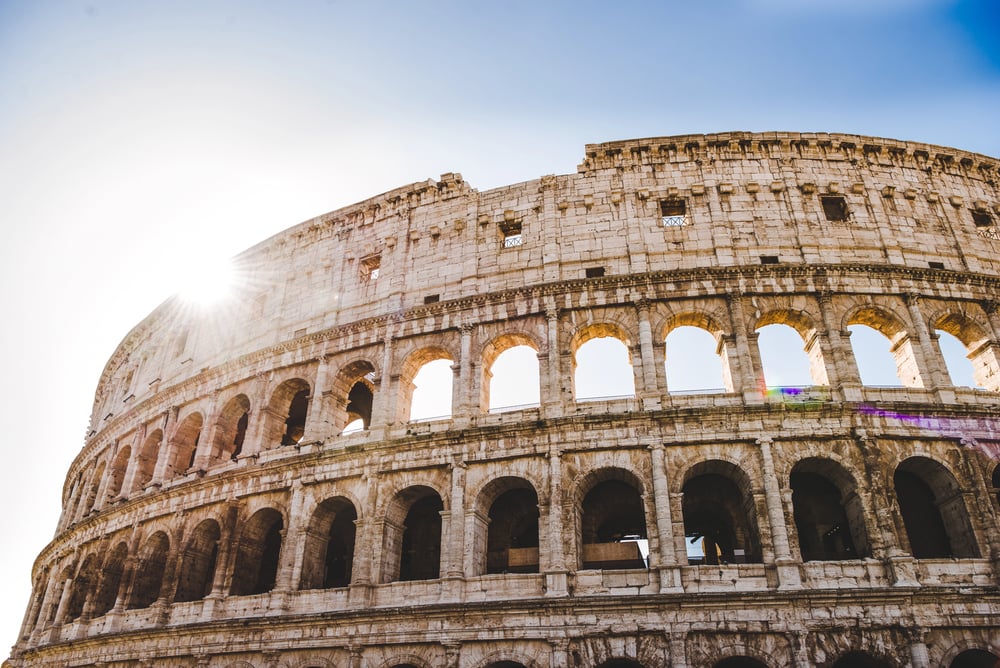
When Romans conquered Greece, they didn’t just take territory—they took the cheesecake recipe and improved it significantly. Roman chef Marcus Cato recorded the first detailed cheesecake recipe around 160 BC, adding eggs to create a lighter, more cake-like texture.
His version, called ‘libum,’ was often used as an offering to the gods, proving that even ancient civilizations understood cheesecake’s divine qualities.
New York Style Isn’t Actually from New York
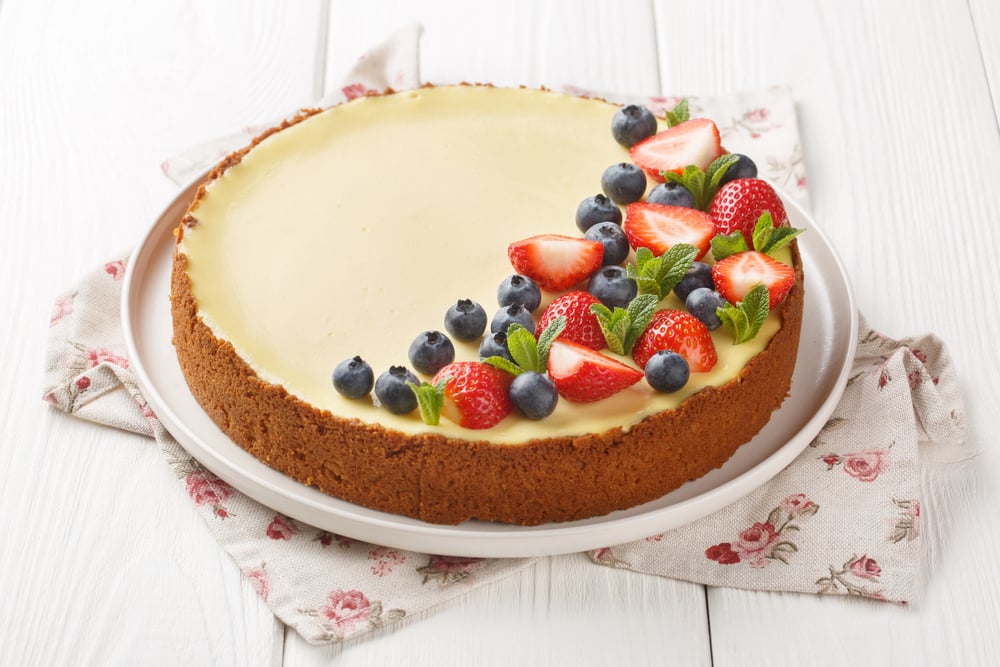
The famous New York-style cheesecake was actually perfected by a German immigrant named Arnold Reuben in the 1920s. Reuben owned a restaurant on Broadway and created his version using cream cheese, which had only been invented in 1872 by a dairyman in Chester, New York.
The dense, rich style became synonymous with New York City, but its creator was trying to recreate the European cheesecakes of his homeland.
Americans Eat 165 Million Pounds Annually

Americans consume roughly 165 million pounds of cheesecake every year, which equals about half a pound per person. That’s enough cheesecake to fill approximately 2,750 Olympic-sized swimming pools, though we definitely don’t recommend diving into those particular pools.
The average American will eat about 35 pounds of cheesecake over their lifetime, making it one of the most popular desserts in the country.
The Cheesecake Factory Wasn’t Always a Chain

What’s now a massive restaurant chain started as a small bakery in Detroit in 1949, run by Evelyn Overton from her basement. Evelyn perfected her cheesecake recipes while selling to local restaurants, and it wasn’t until 1978 that her son opened the first Cheesecake Factory restaurant in Beverly Hills.
The company now serves over 50 different varieties of cheesecake and operates more than 300 locations worldwide.
Philadelphia Cream Cheese Created an Empire

The Philadelphia Cream Cheese brand, now owned by Kraft, actually has nothing to do with the city of Philadelphia. The name was chosen in 1880 because Philadelphia was associated with high-quality dairy products at the time.
This single branding decision helped create the American cheesecake obsession, as Philadelphia cream cheese became the gold standard for cheesecake making across the country.
Japanese Cheesecake Defies Gravity

Japanese-style cheesecake is so light and fluffy that it jiggles like gelatin when you shake the pan. This cotton-soft version uses whipped egg whites to create an almost souffle-like texture that’s completely different from dense American styles.
The technique requires precise temperature control and timing, making Japanese cheesecake one of the most technically challenging desserts to master.
Chicago Deep-Dish Isn’t Just for Pizza
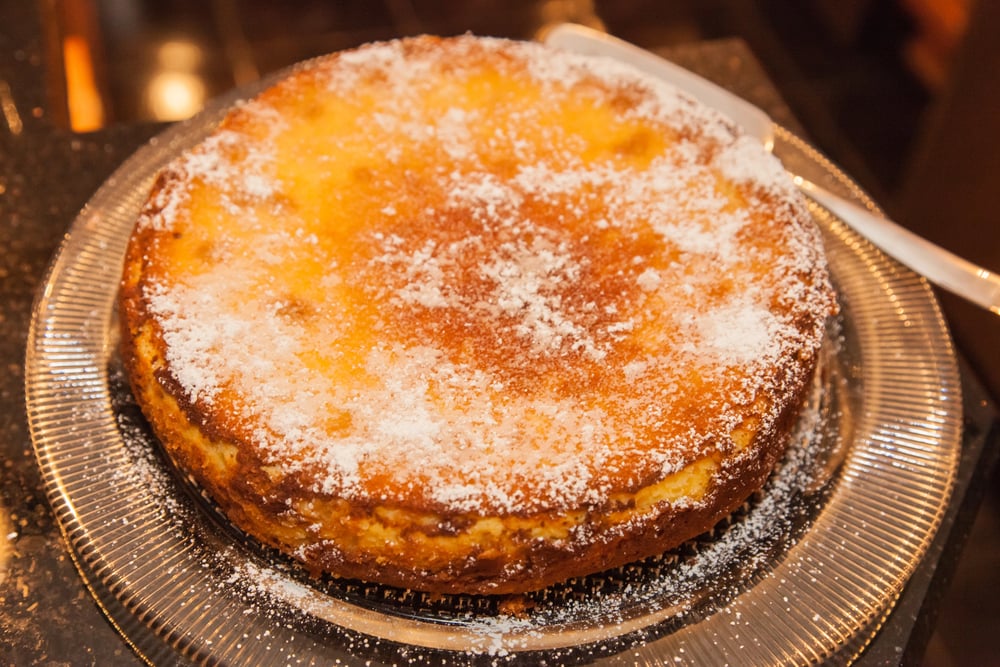
Chicago created its own cheesecake style that’s even denser and taller than New York’s version, often reaching 4-5 inches in height. Local bakeries developed this extra-thick style to compete with New York’s reputation, creating cheesecakes that require special deep pans and extended baking times.
The result is so rich that Chicago-style slices are typically served smaller than other varieties.
Vegan Cheesecake Outsells Regular in Some Areas
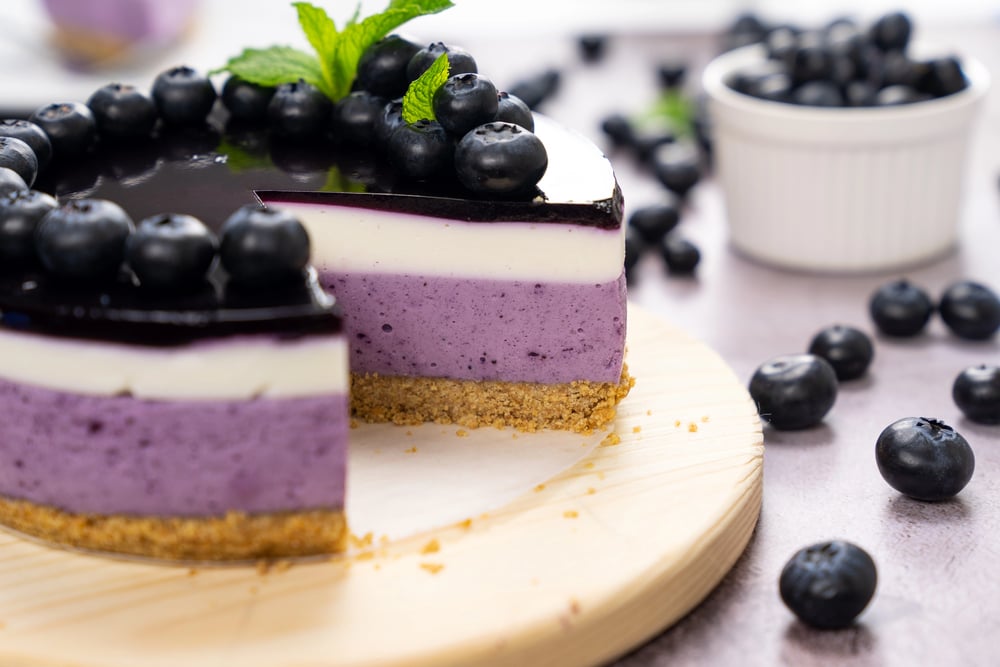
In certain health-conscious cities like Los Angeles and Portland, vegan cheesecake outsells traditional dairy versions at specialty bakeries. These plant-based versions use ingredients like cashews, coconut cream, and silken tofu to recreate the creamy texture without any dairy products.
Some food critics argue that well-made vegan cheesecake is indistinguishable from the traditional version in blind taste tests.
Ancient Recipe Books Show 1,000-Year Evolution

Medieval European cookbooks from the 1300s show cheesecake recipes that bridge the gap between ancient Greek versions and modern desserts. These recipes began incorporating sugar instead of just honey and started using various regional cheeses like ricotta in Italy and quark in Germany.
Each region developed its own signature style, creating the diverse family of cheesecakes we enjoy today.
Temperature Science Determines Success

The perfect cheesecake requires understanding precise temperature science—the filling needs to reach exactly 150°F internally to set properly without cracking. Professional bakers use water baths and gradual cooling techniques to prevent the proteins from seizing up and creating those unsightly surface cracks.
Even a 10-degree temperature difference can mean the difference between smooth perfection and a cracked disaster.
Savory Cheesecakes Predate Sweet Ones

Before sugar became widely available in Europe, most cheesecakes were savory dishes served as main courses rather than desserts. Medieval recipes included herbs, vegetables, and even meat mixed into cheese-based fillings.
Some modern restaurants have revived this tradition, serving goat cheese and herb cheesecakes as appetizers or light dinner options.
National Cheesecake Day Has Corporate Origins

July 30th became National Cheesecake Day through restaurant industry marketing efforts in the 1980s, not because of any historical significance to the date. The mid-summer timing was strategically chosen because it falls during a typically slow period for restaurants, encouraging people to dine out for dessert.
Multiple restaurant chains now offer special promotions on this day, making it one of the most commercially successful food holidays.
Cheesecake Prevents Food Waste Effectively
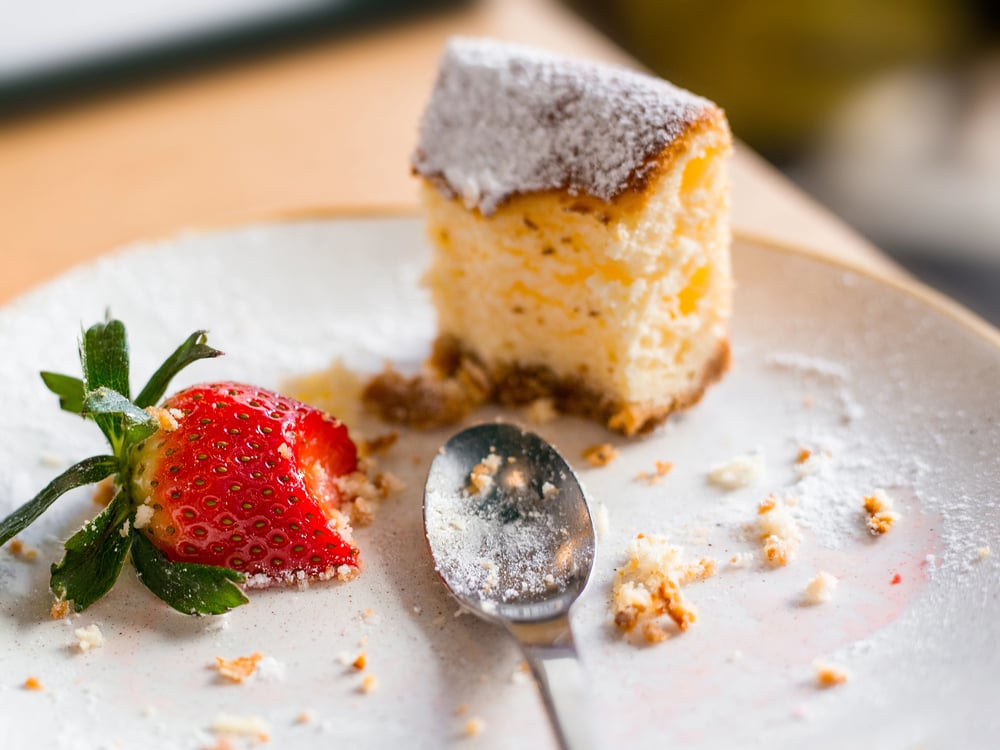
Cheesecake is one of the few desserts that actually improves with age, making it perfect for reducing food waste in restaurants and bakeries. The flavors meld and intensify over 2-3 days in refrigeration, and cheesecake can be frozen for up to six months without significant quality loss.
This longevity helped establish cheesecake as a reliable menu item for food service operations.
World Records Involve Massive Cheesecakes
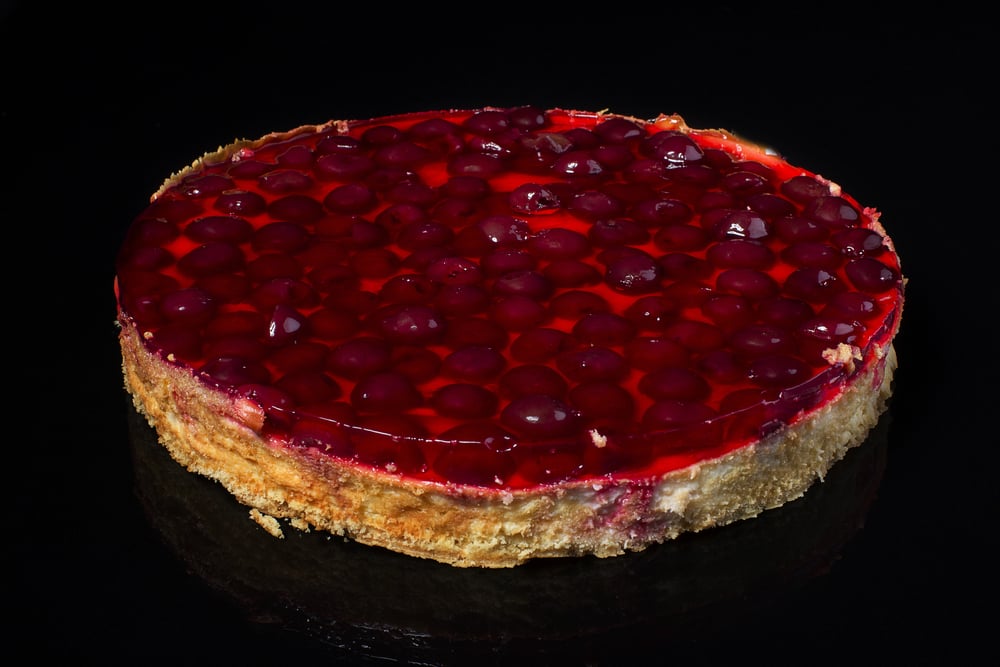
The world’s largest cheesecake weighed 6,900 pounds and was created in New York in 2013, requiring a custom-built oven and refrigeration system. The massive dessert measured 8 feet in diameter and used over 1,500 pounds of cream cheese, 1,200 pounds of sugar, and 900 eggs.
It took a team of 20 pastry chefs working around the clock for three days to complete this monument to dairy decadence.
From Ancient Fuel to Modern Comfort
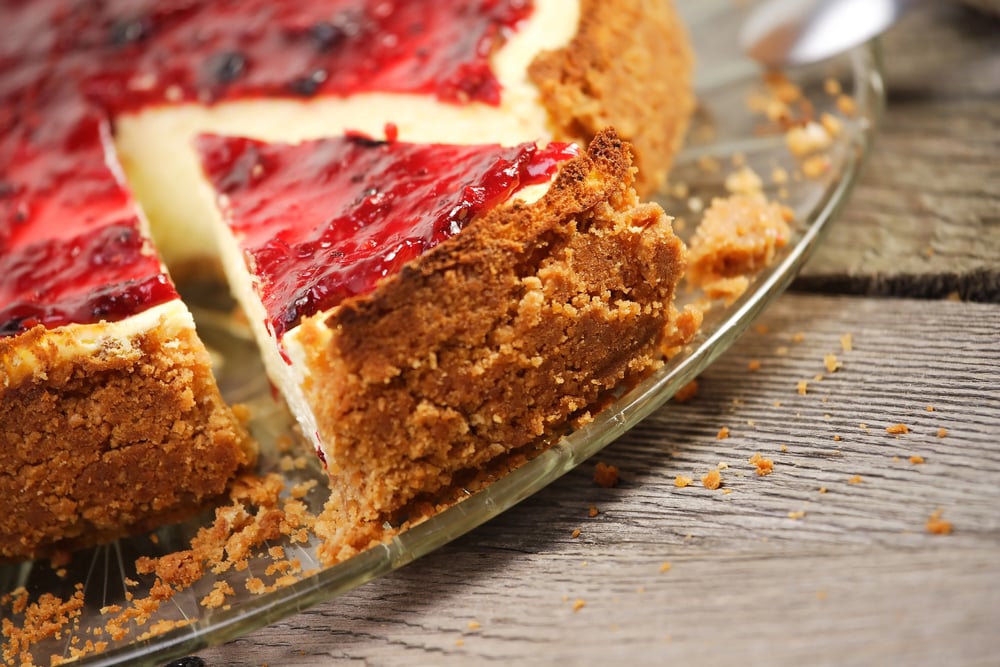
What began as practical sustenance for Greek athletes has evolved into one of our most cherished comfort foods, proving that good ideas have staying power across millennia. National Cheesecake Day celebrates not just a dessert, but humanity’s endless creativity in transforming simple ingredients into something extraordinary.
Whether you prefer New York dense, Japanese fluffy, or medieval savory, cheesecake represents our species’ remarkable ability to take basic cheese and turn it into pure joy. The fact that we’ve dedicated an entire day to celebrating this achievement shows we clearly have our priorities straight.
More from Go2Tutors!

- The Romanov Crown Jewels and Their Tragic Fate
- 13 Historical Mysteries That Science Still Can’t Solve
- Famous Hoaxes That Fooled the World for Years
- 15 Child Stars with Tragic Adult Lives
- 16 Famous Jewelry Pieces in History
Like Go2Tutors’s content? Follow us on MSN