Countries Making Their Winter Olympic Debut
Mostly, the Winter Olympics used to move in tight loops. Year after year, frosty nations showed up again – same banners, same faces, same podium patterns.
Yet slowly, things started changing. With winter sports spreading wider, places without snowy backyards entered the scene – often one person at a time, using gear passed along, yet carrying moments you can’t ignore.
Start here: not every first appearance leads to instant glory or podium finishes. Instead, think opening doors, staying present, slowly shifting ideas on who truly belongs at the Winter Olympics.
Still, when viewed as a whole, these moments show just how different the games have become compared to their earliest years. A few nations stepped onto the Winter Olympics stage much later than others.
Their delayed entry reveals quiet shifts within the event’s recent history. Not every country rushed in at the start.
Some waited decades before joining. Weather alone does not explain the timing.
Access shapes who competes, just as politics steers opportunity. These latecomers didn’t follow tradition – they reshaped it by showing up.
The Games evolve not only through winners but also through those arriving last.
Jamaica
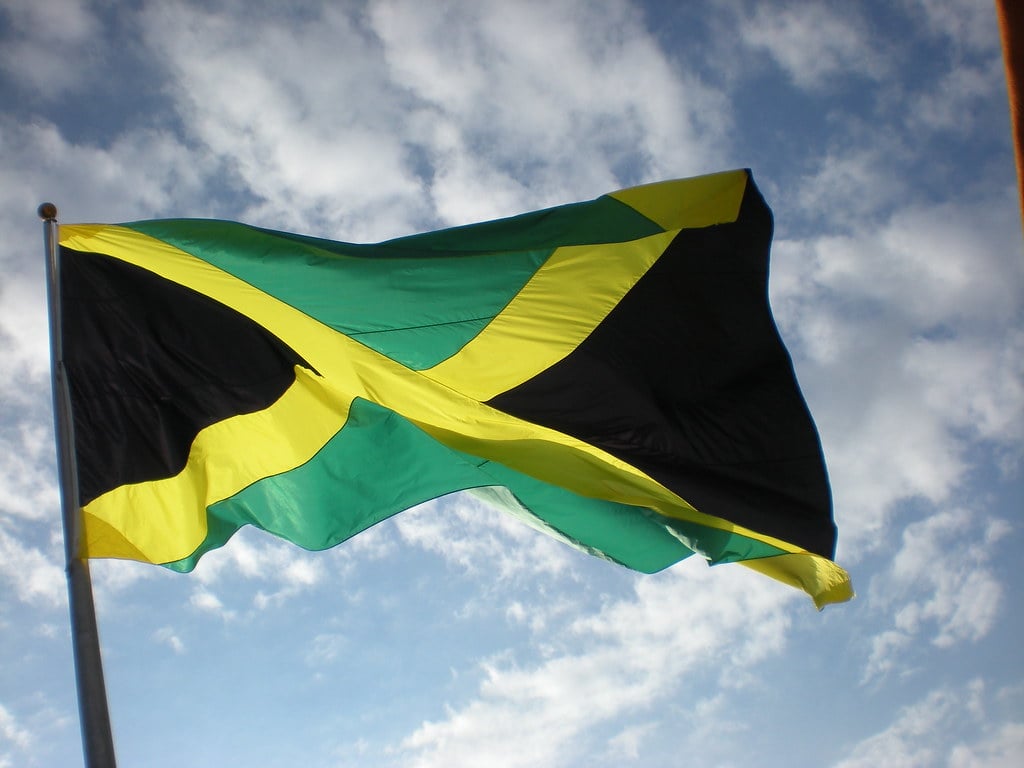
Jamaica’s Winter Olympic debut came in 1988, and it remains one of the most recognisable first appearances in Games history. The country arrived in Calgary with a four-man bobsleigh team and no tradition of winter sport to speak of.
Training took place on makeshift tracks and borrowed equipment, with early runs happening on asphalt rather than ice. That debut mattered because it challenged assumptions. Jamaica did not arrive quietly or apologetically.
Instead, it showed that participation did not require a cold climate, only commitment and ingenuity. The team finished well outside medal contention, but their presence alone reshaped how audiences viewed the Winter Olympics.
Kenya

Kenya made its Winter Olympic debut in 1998, represented by a single alpine skier. Training often happened abroad, since natural snow was not readily available at home.
The path to qualification involved personal funding, overseas coaching, and long stretches away from familiar surroundings. That debut highlighted a growing trend.
Individual athletes from warm-weather countries increasingly relied on international training bases to access winter sports. Kenya’s appearance showed that national debut stories were sometimes built around personal perseverance rather than institutional support.
Togo
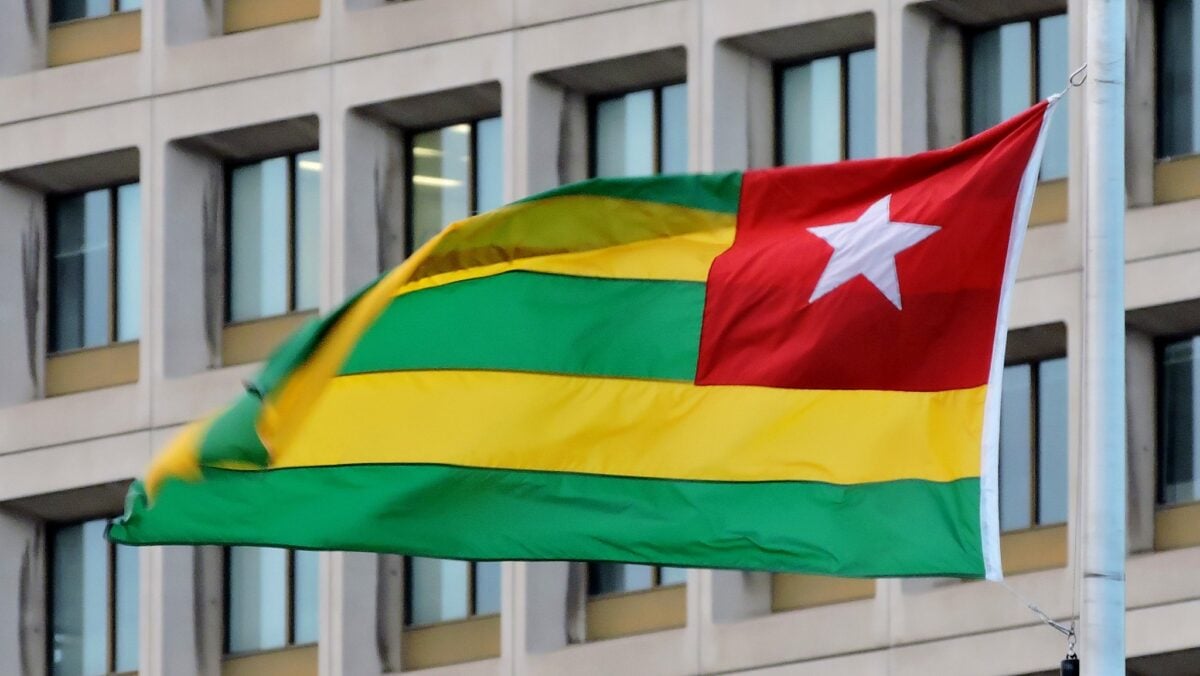
Togo first appeared at the Winter Olympics in 2014, sending a lone athlete to compete in alpine skiing. The country had no established winter sport infrastructure, and preparation depended heavily on time spent in Europe.
Even so, qualification itself marked a milestone for Togolese sport. That said, Togo’s debut was not framed as novelty alone.
It fits into a broader effort by smaller nations to claim visibility on global sporting stages. The Winter Games offered a different kind of platform, one where participation could matter as much as podium results.
Eritrea
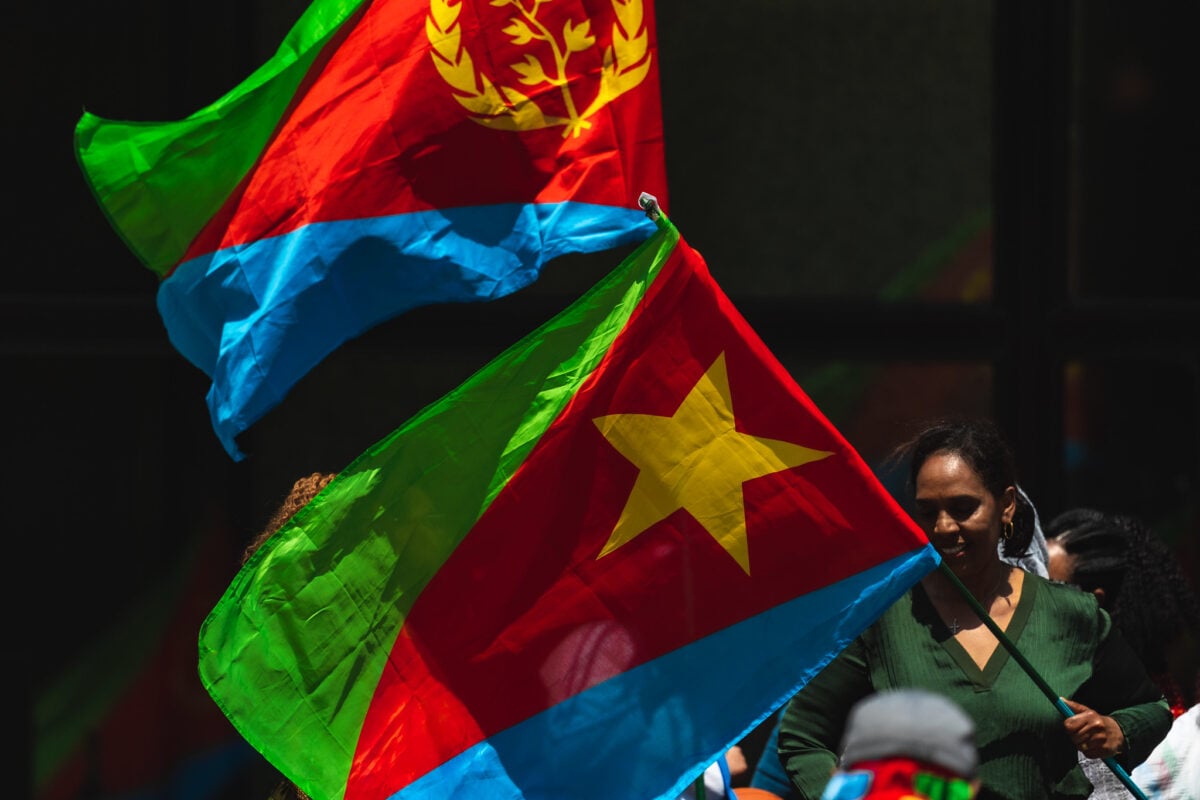
Eritrea’s Winter Olympic debut also came in 2014, with an athlete competing in alpine skiing. Like several first-time nations, Eritrea relied on diaspora connections and overseas training facilities to prepare.
Access to snow required long journeys and personal sacrifice. Still, the debut carried symbolic weight.
Eritrea had appeared at the Summer Olympics before, but the Winter Games represented a new frontier. It reinforced the idea that Olympic identity was no longer bound strictly to geography, but shaped by global movement and opportunity.
Malta
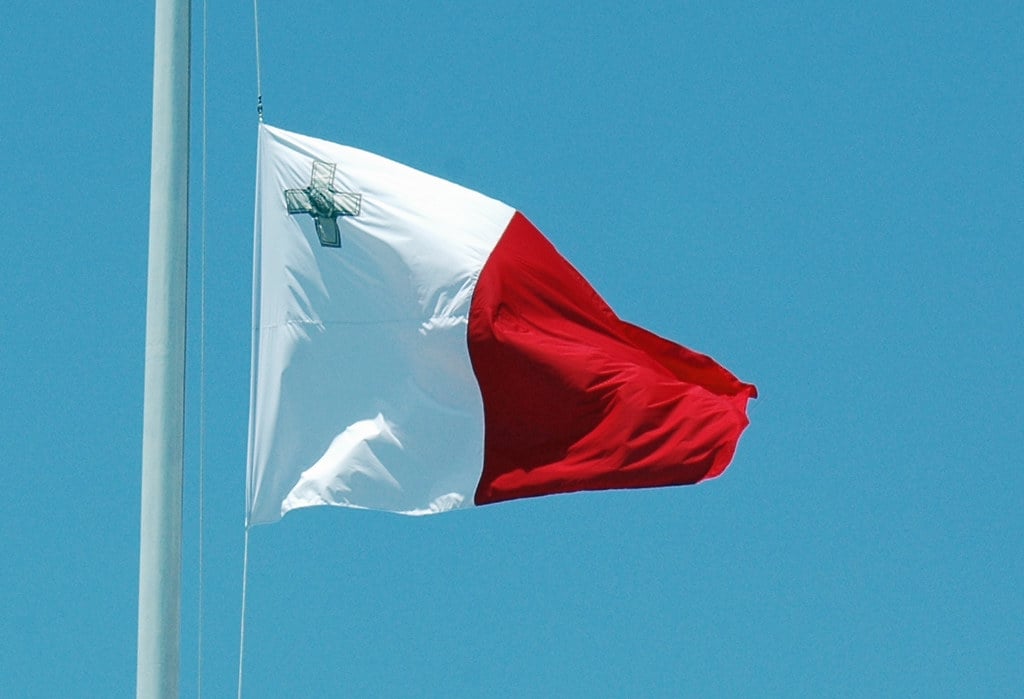
Malta made its Winter Olympic debut in 2014, another example of a country better known for sun than snow entering the cold-weather arena. The athlete representing Malta trained abroad and competed in alpine skiing, carrying a flag rarely seen at winter events.
On the other hand, Malta’s debut reflected how eligibility rules had evolved. Athletes with dual citizenship or ancestral ties could represent nations without winter landscapes, allowing Olympic participation to mirror modern migration patterns.
The Games became a place where identity and sport intersected in new ways.
Zimbabwe
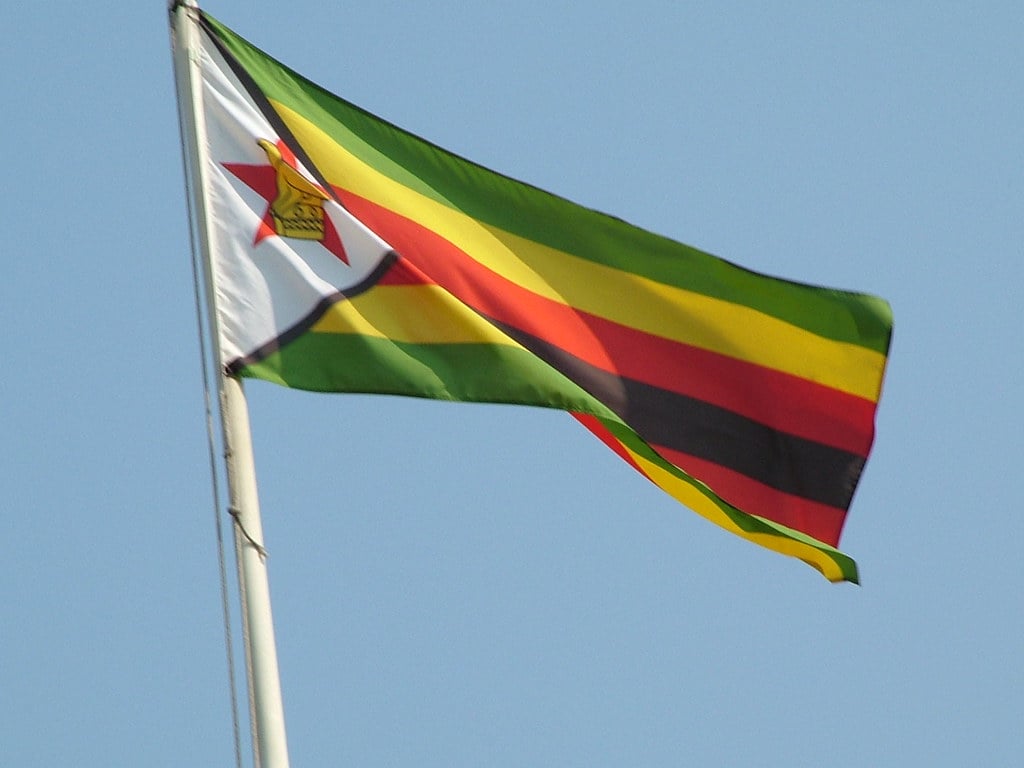
Zimbabwe joined the Winter Olympics for the first time in 2014, represented by a skier who trained primarily in Europe. With no domestic snow facilities, preparation involved constant travel and self-funding.
The debut was modest in scale but meaningful in context. Even so, Zimbabwe’s presence followed a clear pattern.
Many late-debut nations entered the Winter Games during the 2010s, a period marked by broader outreach and more accessible qualification pathways. The barrier to entry had not disappeared, but it had lowered enough to allow determined athletes through.
East Timor

East Timor made its Winter Olympic debut in 2014 as well, another warm-climate nation stepping onto ice and snow for the first time. The country had only recently established itself as an independent Olympic participant, making the winter appearance especially notable.
That debut underscored how political history and sport often move together. For newer nations, Olympic participation carries added significance, signaling stability and global recognition.
The Winter Games offered East Timor a chance to expand its sporting footprint beyond seasonal expectations.
Ecuador
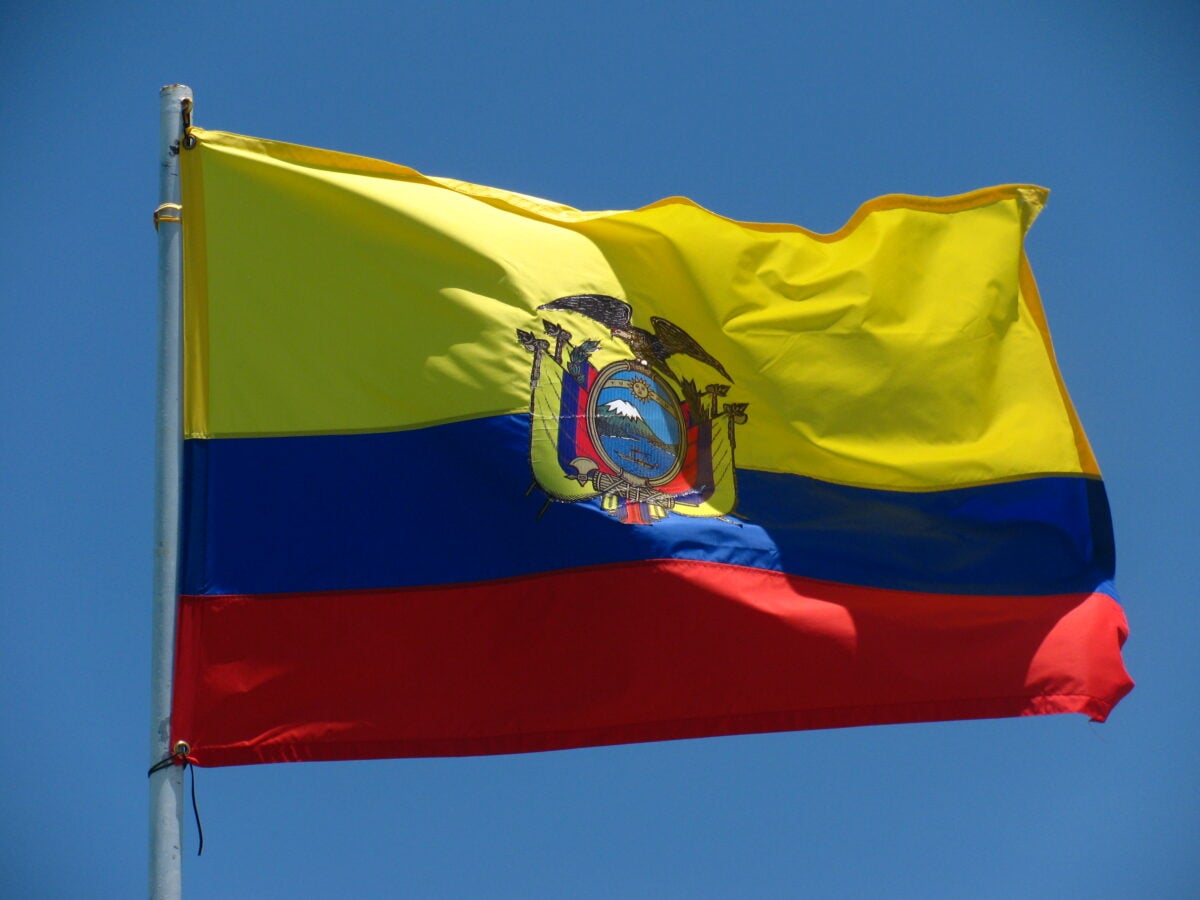
Ecuador debuted at the Winter Olympics in 2018, represented by a cross-country skier who trained largely outside the country. While Ecuador has mountains, permanent snow access for winter sport remains limited, making international preparation essential.
Still, Ecuador’s arrival showed that altitude alone does not translate into winter sport culture. Infrastructure, funding, and tradition matter just as much.
The debut highlighted how athletes often bridge those gaps themselves, acting as pioneers for future participation.
Malaysia
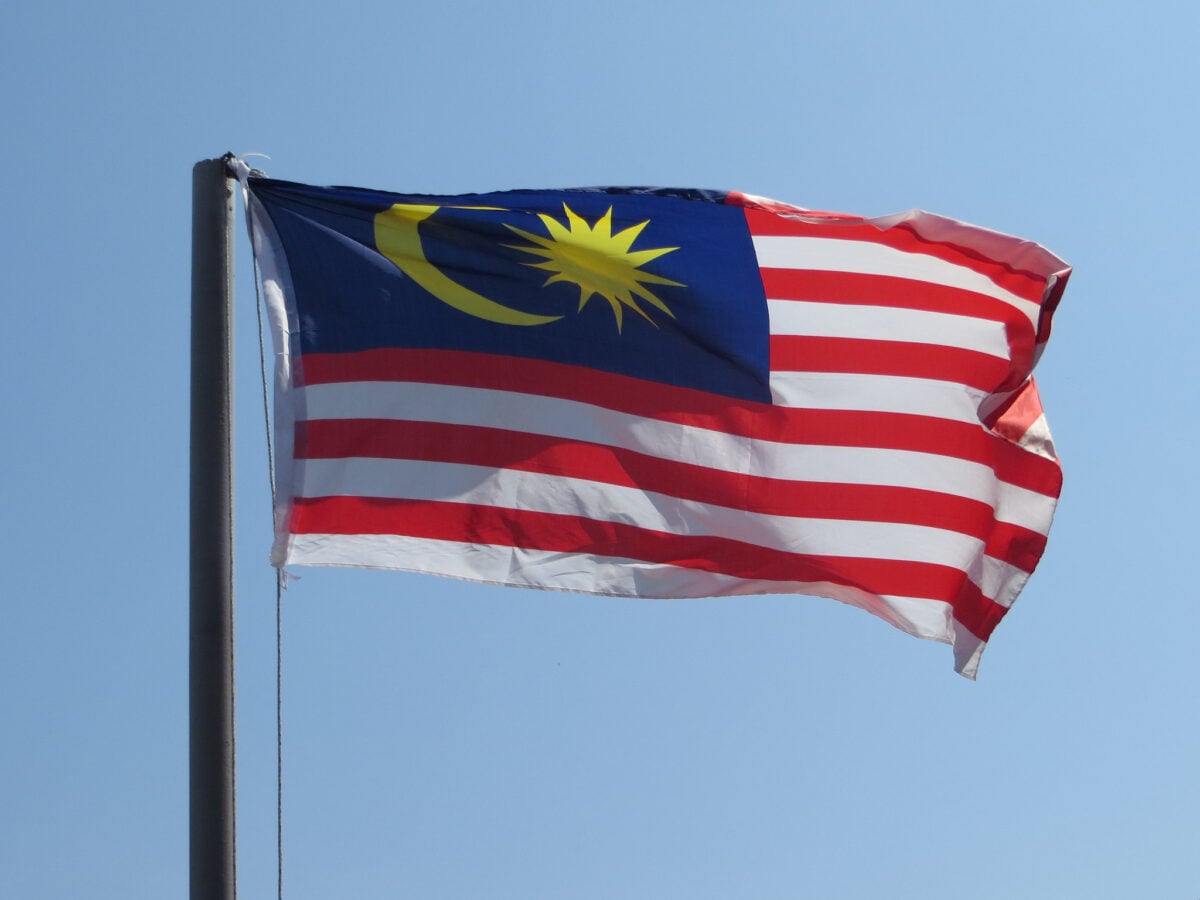
Malaysia made its Winter Olympic debut in 2018, entering the Games through alpine skiing. Training occurred overseas, with artificial slopes and European resorts playing a key role in preparation.
For many observers, the debut came as a surprise. That said, Malaysia’s participation reflected a deliberate push to diversify its sporting presence.
Winter Olympic debuts are sometimes strategic, tied to long-term development plans rather than one-off appearances. The goal is not immediate success, but exposure and experience.
Nigeria
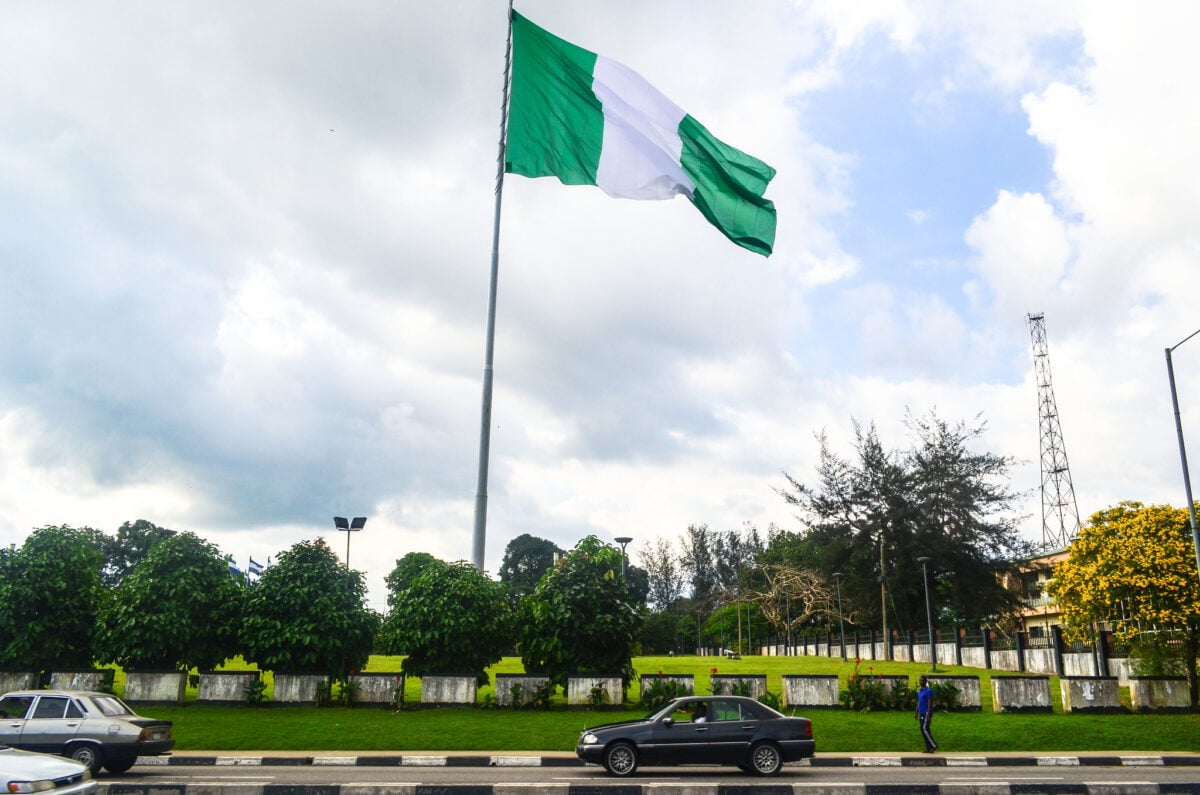
Nigeria’s Winter Olympic debut also came in 2018, with athletes competing in bobsleigh and skeleton. The team trained primarily in North America, drawing on diaspora networks and international coaching.
Their arrival attracted widespread attention. Unlike earlier novelty acts, Nigeria’s debut felt more structured.
There was clear planning, media strategy, and institutional backing. It suggested that newer nations were learning from past debuts, arriving better prepared and more confident in their place at the Games.
Saudi Arabia

Saudi Arabia made its Winter Olympic debut in 2022, entering alpine skiing with a single athlete. Training took place entirely abroad, reflecting the country’s lack of natural snow environments suitable for winter competition.
Even so, the debut aligned with broader investment in international sport. Participation signaled ambition rather than tradition, positioning the Winter Olympics as part of a larger global engagement strategy.
The Games became another venue where emerging sporting identities could be tested.
Haiti

Haiti debuted at the Winter Olympics in 2022, represented by an alpine skier with strong ties to the Haitian diaspora. Preparation involved years of overseas training and personal dedication, often without extensive federation resources.
That debut carried emotional weight. Haiti’s Olympic appearances have historically been limited, and the Winter Games offered a new kind of visibility.
It showed how individual athletes can expand a nation’s sporting narrative, even when conditions seem unlikely.
Why These Debuts Still Matter

Winter used to decide who showed up at the first Olympic winter games – cold places had a clear advantage. As years passed, those tight limits started fading, giving way to wider views on involvement.
Now entry leans less on location, instead touching presence, self, and sticking with it. Every fresh nation stepping into the arena makes the event deeper, not weaker.
Stories come alive when unknown banners rise during the march, tied to histories once left out. These moments show how movement shapes meaning, linking old boundaries to today’s broader circle.
Growth arrives quietly, carried on fabric fluttering under shared lights.
More from Go2Tutors!

- The Romanov Crown Jewels and Their Tragic Fate
- 13 Historical Mysteries That Science Still Can’t Solve
- Famous Hoaxes That Fooled the World for Years
- 15 Child Stars with Tragic Adult Lives
- 16 Famous Jewelry Pieces in History
Like Go2Tutors’s content? Follow us on MSN.