29 Old Bicycle Parts Collectors Still Search For
A coffee can of greasy bicycle parts at a swap meet looks like scrap until someone spots a stamped logo or an odd little lever. Collectors do spot them, and they pay for the privilege.
The parts below keep turning up on want lists, forum threads, and auction watchlists. Prices swing hard with condition, since a clean, complete, original piece can bring many times what a pitted or reworked example fetches.
Campagnolo Quick-Release Skewers
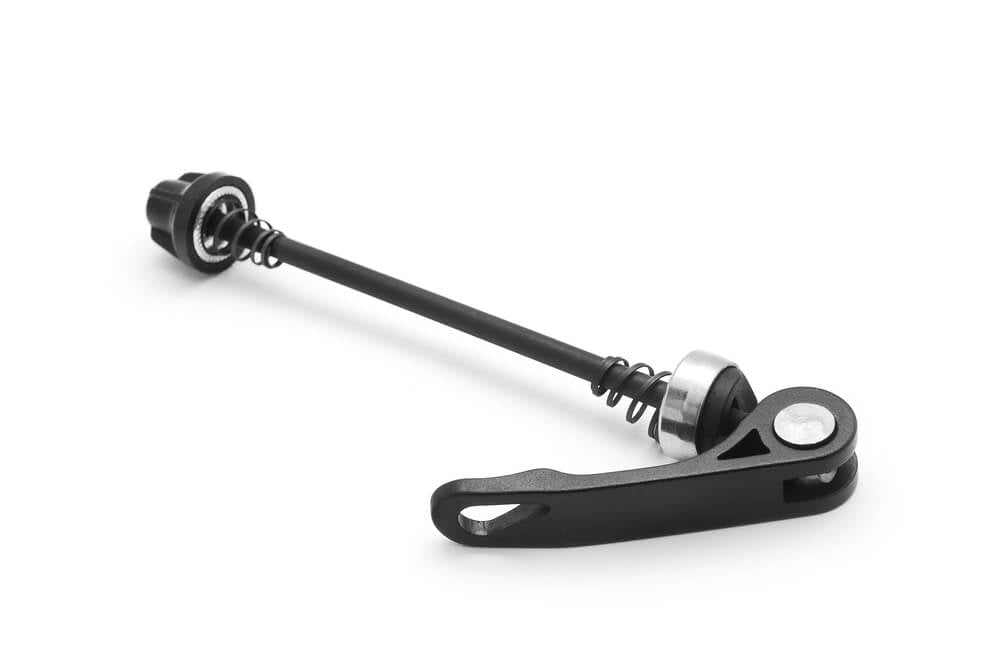
Tullio Campagnolo patented his quick-release skewer in 1930, after a frozen wing nut reportedly caused him trouble on a cold mountain climb. Early cam-lever versions with the engraved logo draw the most attention from collectors.
Pricing depends heavily on condition, because pitted chrome, bent levers, and mismatched pairs cut value sharply.
Campagnolo Nuovo Record Rear Derailleur
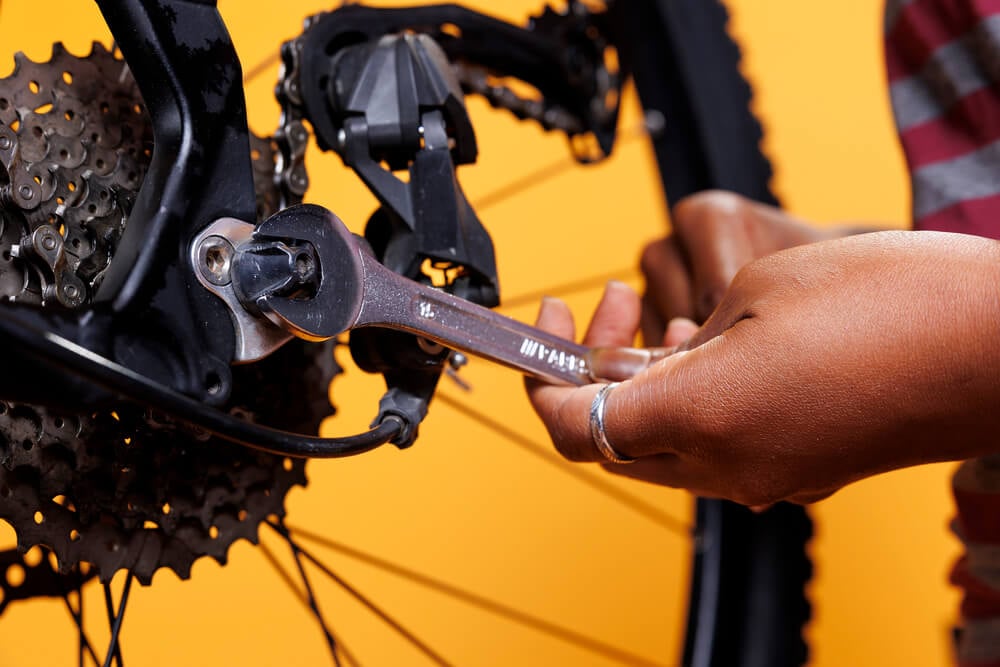
Introduced in 1967, the Nuovo Record became the standard rear derailleur of the professional peloton for roughly a decade. Collectors favor early examples with crisp engraving and unpolished original finish.
Worn pivots and replaced pulleys are common, and both pull the price down noticeably.
Campagnolo Super Record Components
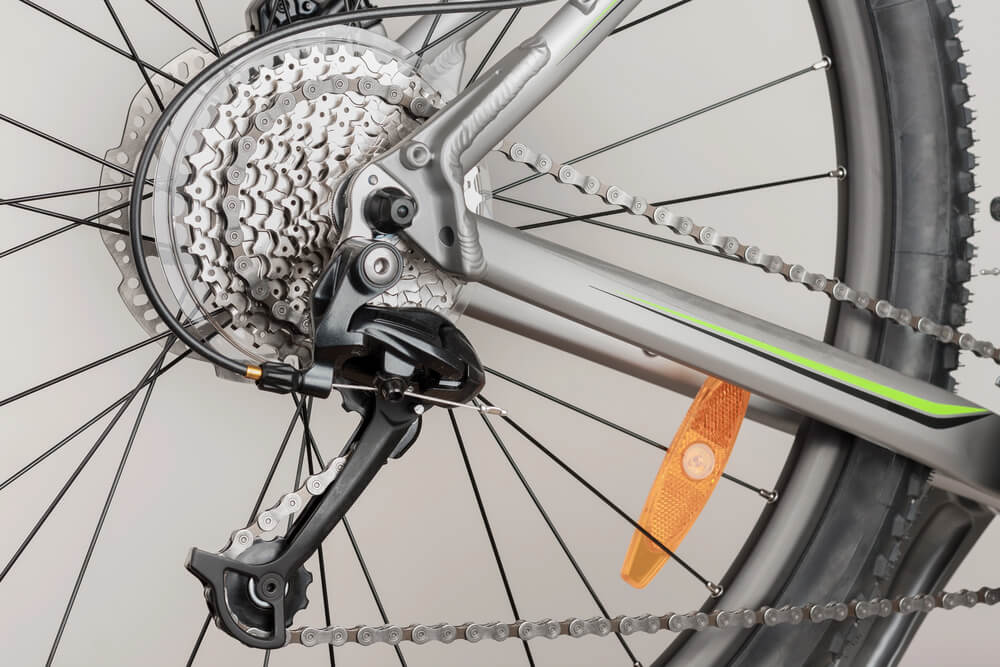
The Super Record group arrived in 1973 and swapped steel for titanium in places such as bolts and axles. That weight-saving spirit made the parts a status symbol on the road and an obsession decades later.
Complete matching sets in clean condition are scarce, and a single scratched crank arm can drag down the value of an otherwise perfect group.
Campagnolo Gran Sport Derailleur
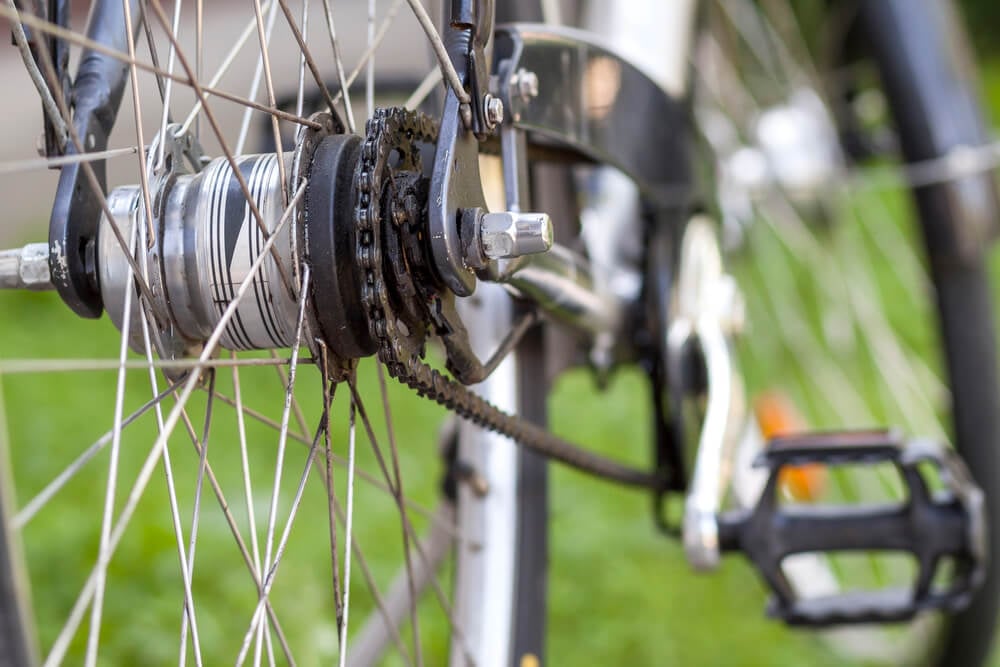
Campagnolo’s Gran Sport appeared in the early 1950s and brought single-cable parallelogram shifting to riders who had been wrestling with rods and levers on the earlier Cambio Corsa system. It looks almost delicate next to later models, with a slim cage and small hardware.
Condition drives price, and examples with intact plating and the original cage are the ones that command a premium.
Huret Jubilee Derailleur
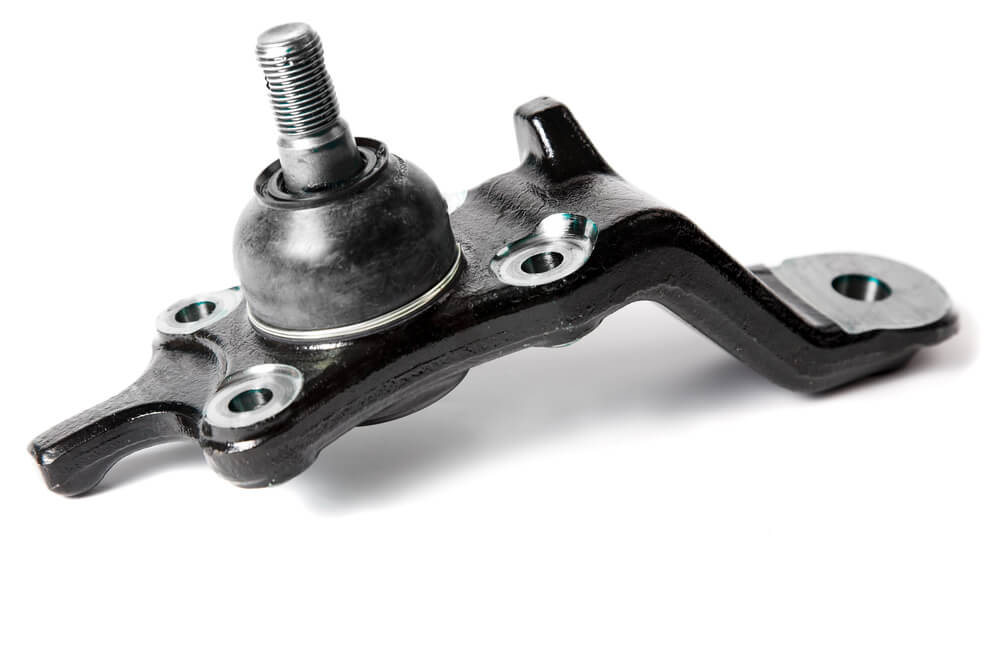
Huret’s Jubilee was built around one idea: shed every gram possible. It is remembered more as a lightweight showpiece than a workhorse.
Cracked or heavily worn examples sell cheaply, while clean ones with all original bolts can fetch serious money.
Simplex Plastic Derailleurs
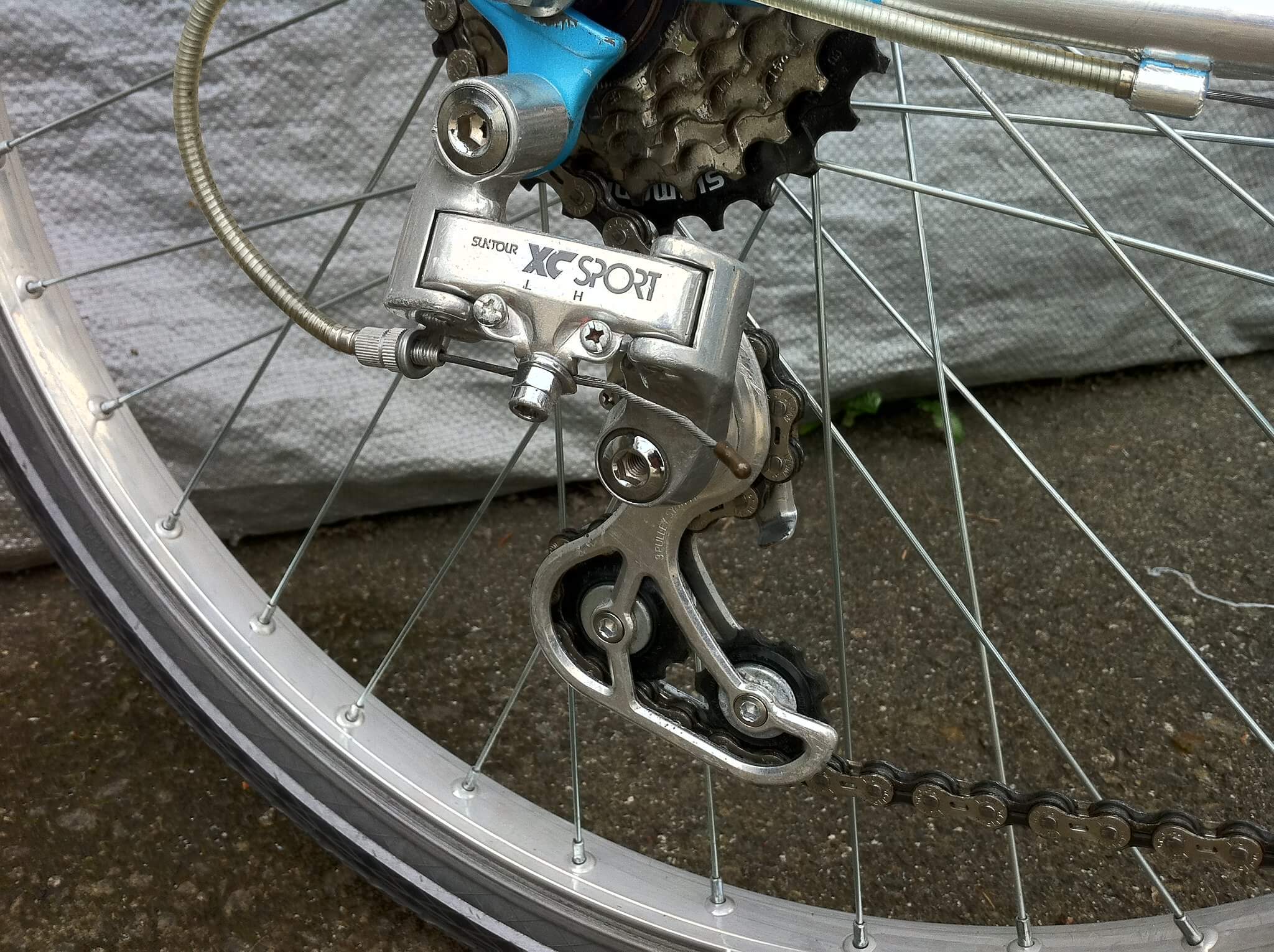
The French firm Simplex built derailleurs such as the Prestige largely from plastic, an unusual choice for its time. The material also tends to crack and become brittle with age.
An unbroken, unyellowed example is therefore worth far more than the typical cracked survivor.
First-Generation Shimano Dura-Ace
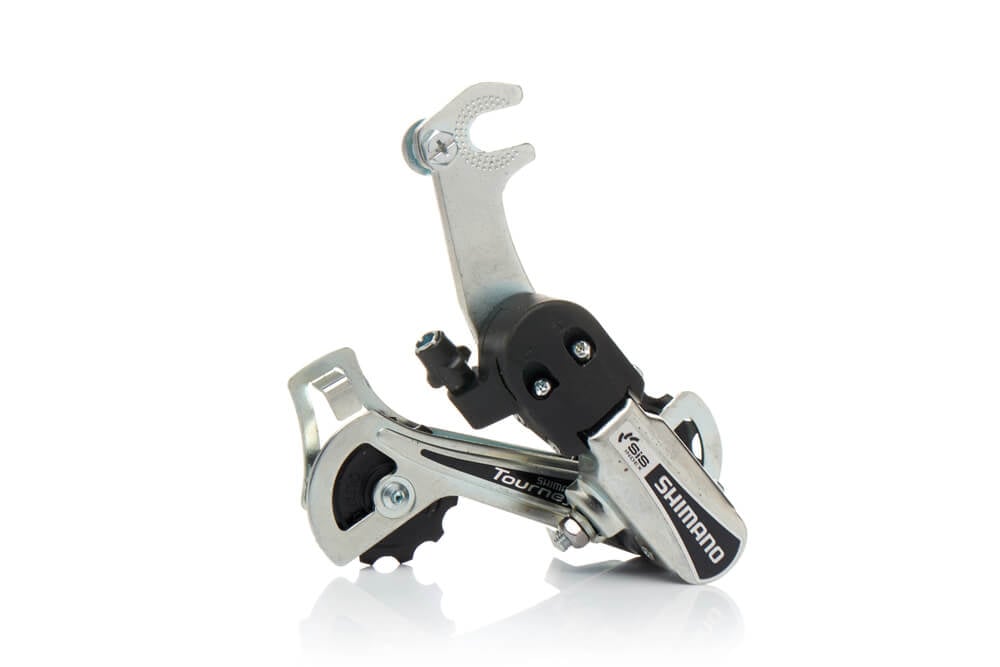
Shimano, founded in 1921 in Sakai, Japan, launched Dura-Ace in 1973 as its first top-tier road group. The early components looked conservative beside Italian rivals, which makes them an underappreciated find.
Collectors pay more for complete early groups, and pricing falls fast when parts are mismatched or show heavy corrosion.
Cinelli M71 Pedals
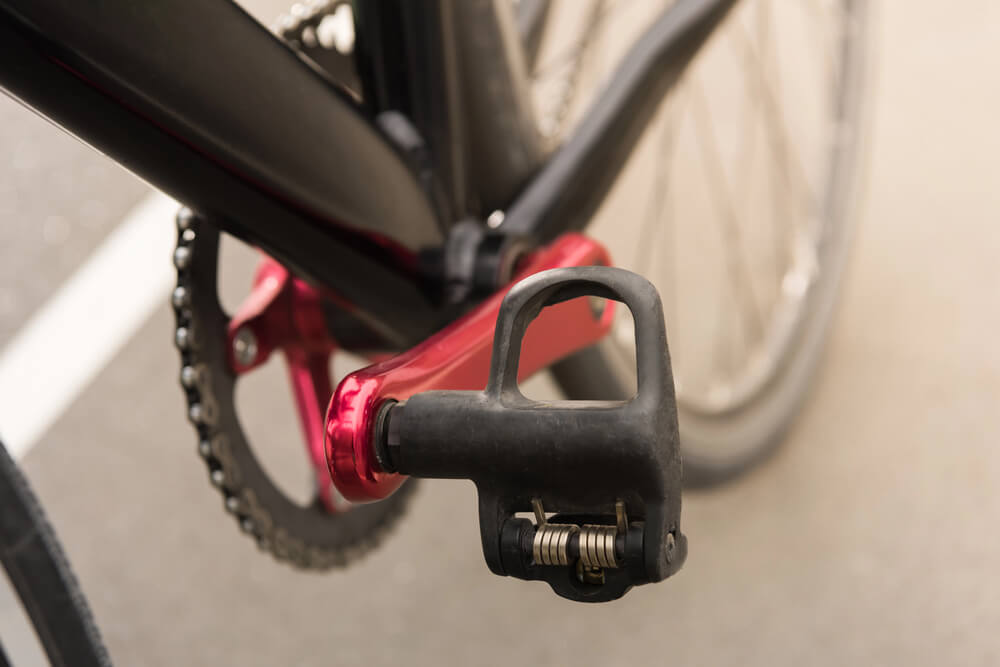
Cinelli’s M71 pedals, from 1971, used a cleat that locked the shoe in place without straps, years before clipless pedals became common. Riders nicknamed them the death pedal because releasing a foot in a hurry was not always easy.
Surviving pairs with original cleats are prized, and condition of the springs and body decides what they sell for.
Reynolds 531 Tubing and Forks
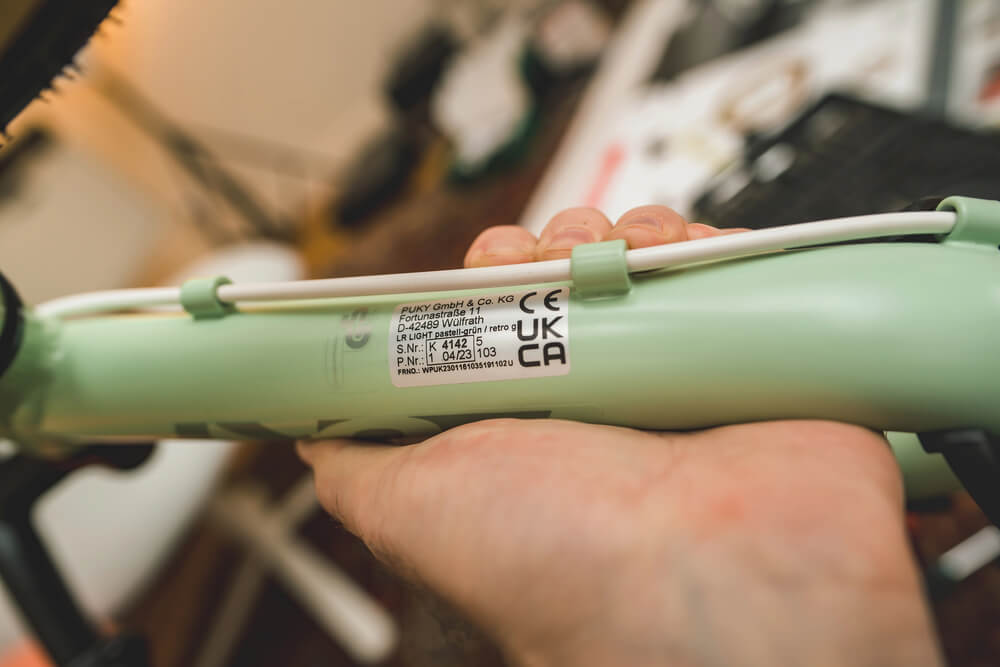
Reynolds introduced 531 tubing in 1935, using manganese-molybdenum steel that was strong enough to be drawn thin. The tubing earned a long reputation among frame builders.
A fork or tubeset with its original decal and straight blades is worth far more than one that has been repainted or bent.
Christophe Toe Clips and Straps
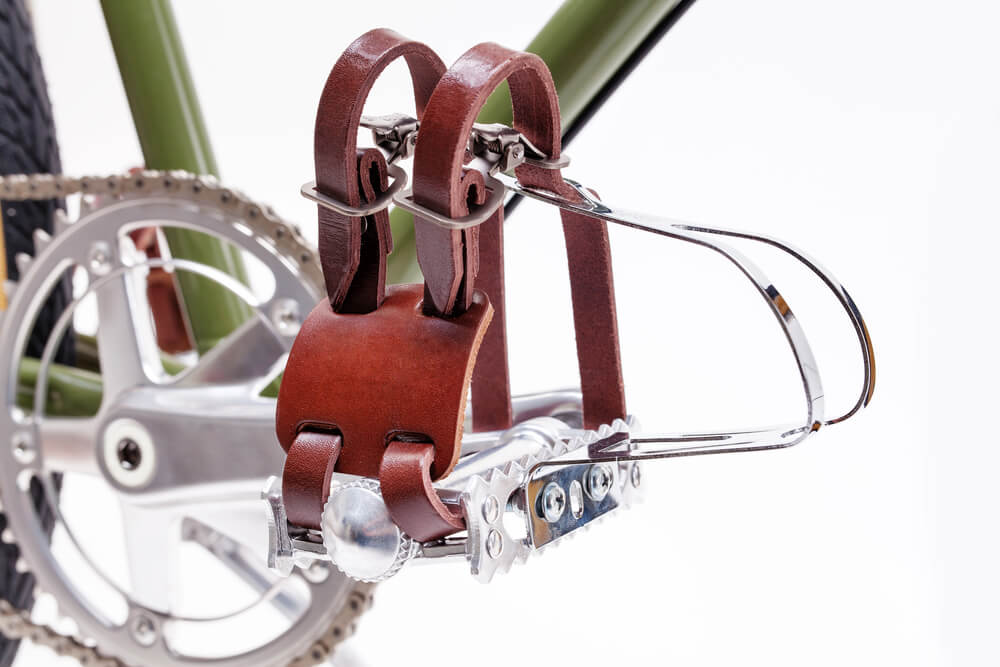
French-made Christophe toe clips with leather straps were what serious riders fitted to their pedals for most of the twentieth century. They stayed in use until clipless systems took over in the 1980s.
Prices depend on condition, since cracked leather and dented steel are easy to spot and hard to fix.
Brooks B17 Saddles
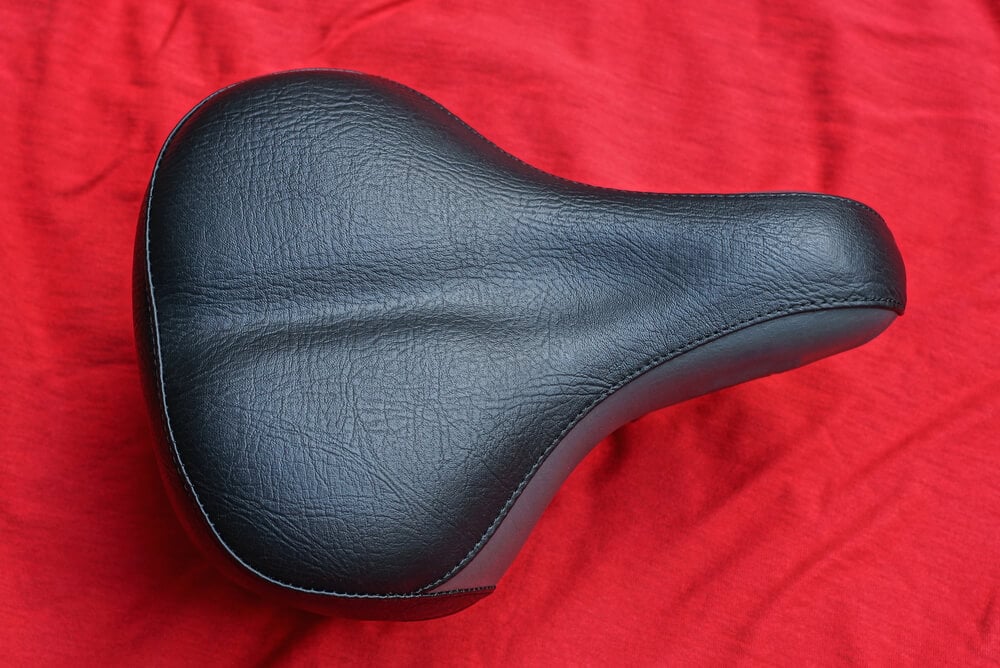
Brooks, founded in 1866 in Birmingham, England, introduced the B17 saddle in 1898, and the model has been produced in some form ever since. Collectors chase older examples with period badges and hammered copper rivets.
A saddle that has been broken in well and kept dry can be valuable, but sagging leather and cracked shells bring prices down quickly.
Cinelli 1A Stems

Cino Cinelli, a Milan-San Remo winner turned component maker, put his name on the 1A stem, a forged piece with a clean silhouette and engraved logo. It became a fixture on Italian race bikes and remains a sought-after piece of period styling.
Lookalikes are common, so the markings and condition of the finish matter a great deal to value.
Specialites TA Cyclotouriste Cranksets
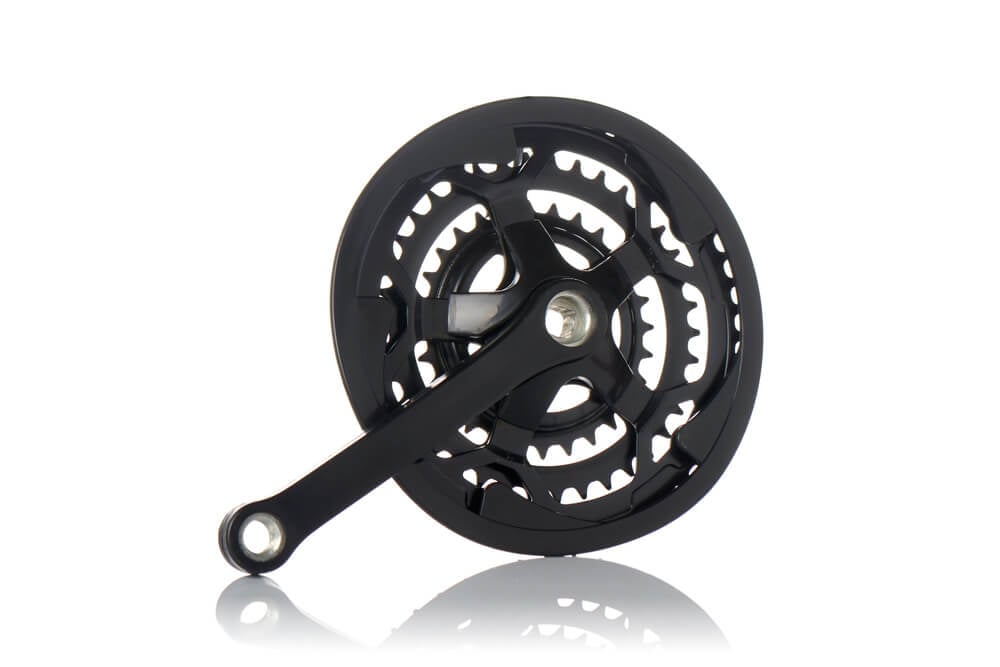
The French firm Specialites TA built cotterless cranks like the Cyclotouriste, designed so riders could change chainrings to suit steep mountain touring. That flexibility made them favorites of long-distance randonneurs.
Complete cranksets with matching rings and original bolts bring the best money, and scoring on the arms is a typical deduction.
Mafac Racer Centerpull Brakes
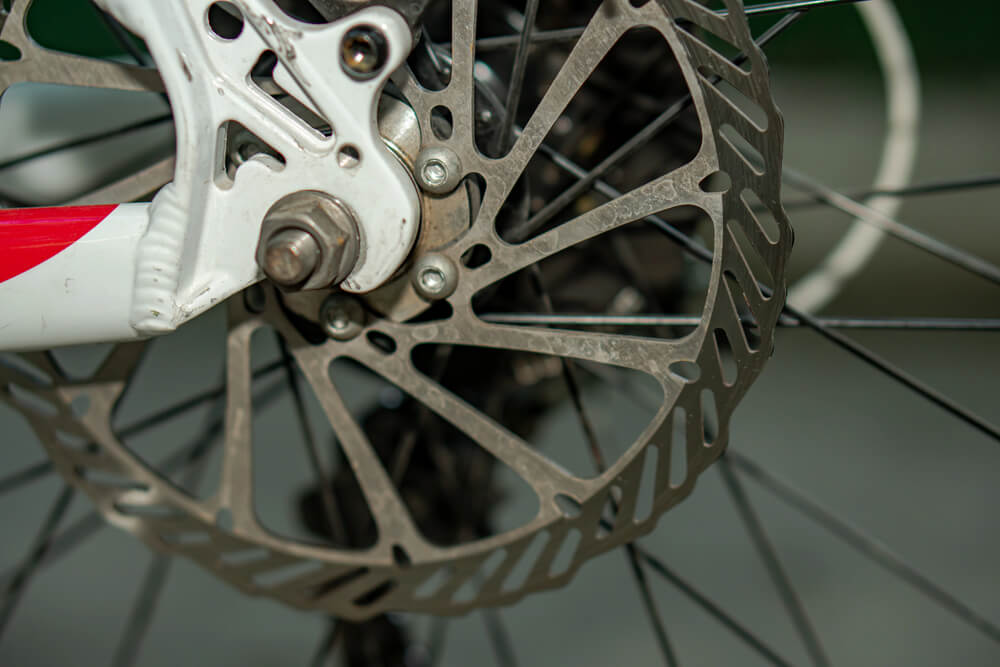
Mafac’s Racer centerpull brakes were a French answer to the problem of stopping a light bike, using a central cable yoke and pivoting arms. They appeared on countless randonneur machines through the 1950s and 1960s.
Collectors look for clean, matched pairs, since pitted arms and tired return springs lower the price.
Sturmey-Archer Three-Speed Hubs
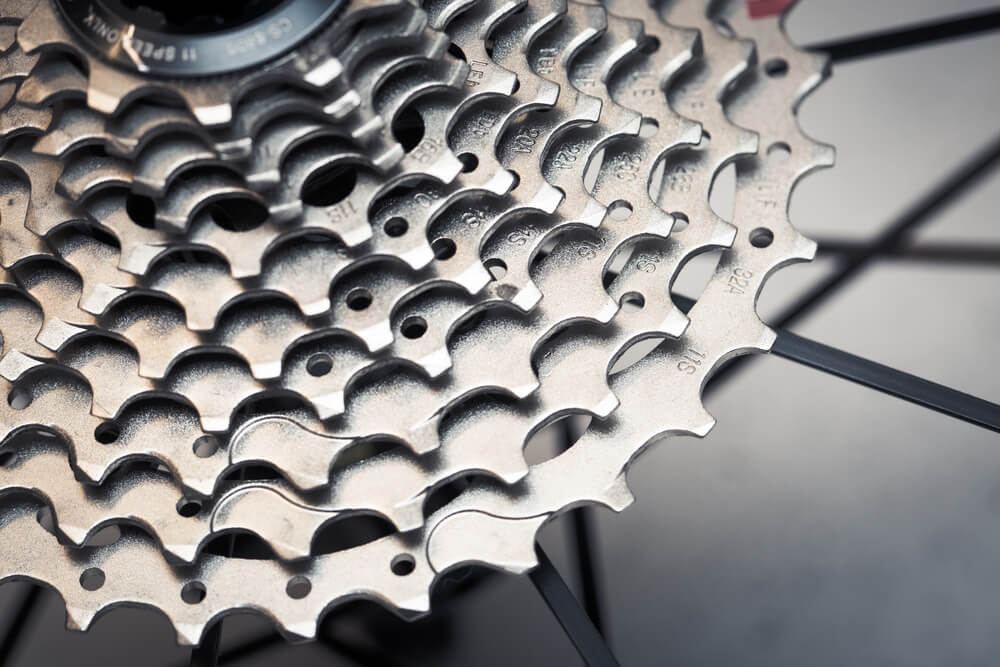
The three-speed hub was introduced by Sturmey-Archer in 1903 and went on to ride in millions of British commuter bicycles. Shells are stamped with a two-digit year code, which makes dating an old hub a matter of squinting at the metal.
Prices depend on condition, with unrusted shells and original axles worth the most.
Fichtel and Sachs Torpedo Hubs
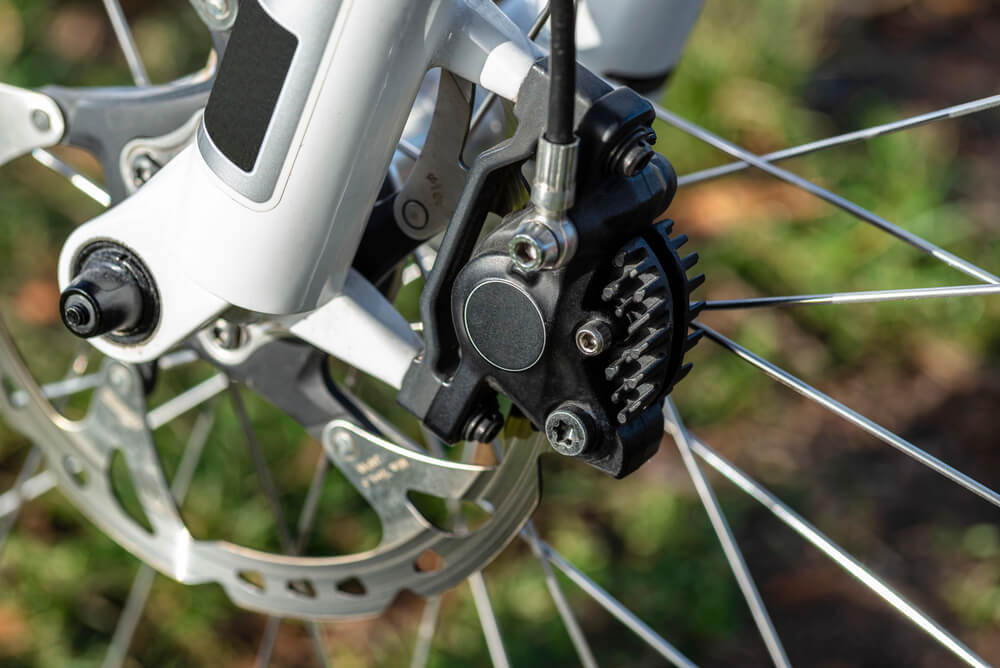
Fichtel and Sachs of Schweinfurt, Germany, built the Torpedo hub, which combined a freewheel with a coaster brake and helped make the company a giant of the bicycle trade. The name was important enough that it became a trademark seen on hubs for decades.
Smooth internals and legible markings make a Torpedo desirable, while seized or rusted examples are worth little.
New Departure Coaster Brake Hubs
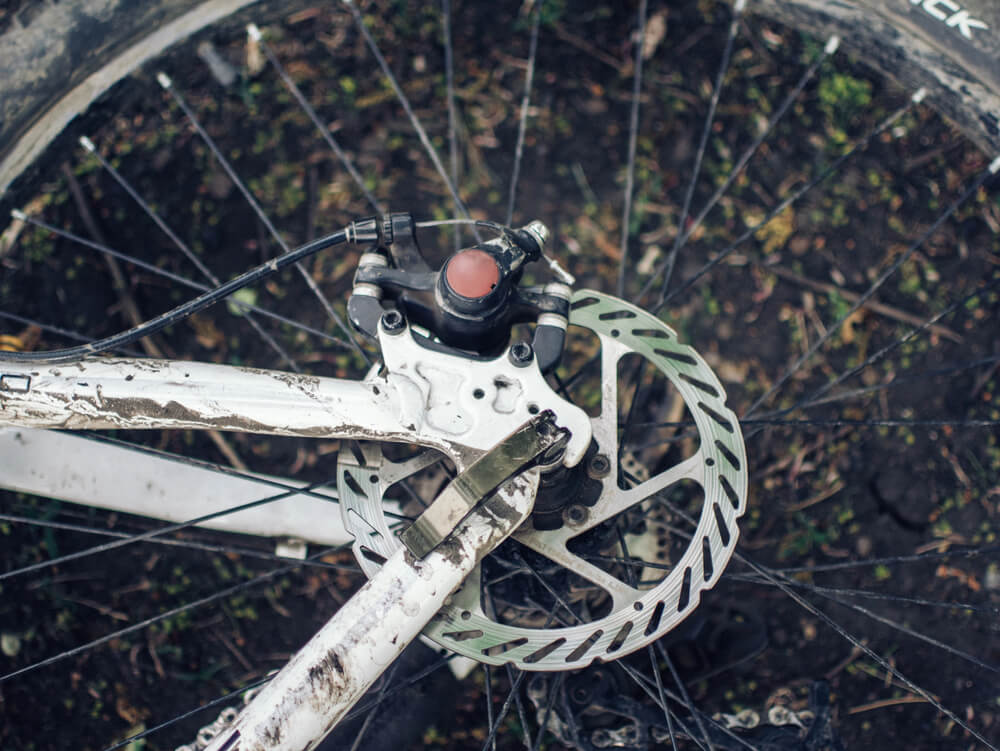
New Departure of Bristol, Connecticut, supplied coaster brake hubs to American bicycle makers for generations. Collectors hunt specific models and early shells with distinctive embossing.
A hub that spins freely and brakes smoothly sells for several times what a frozen one does.
Schwinn Stik-Shift Levers
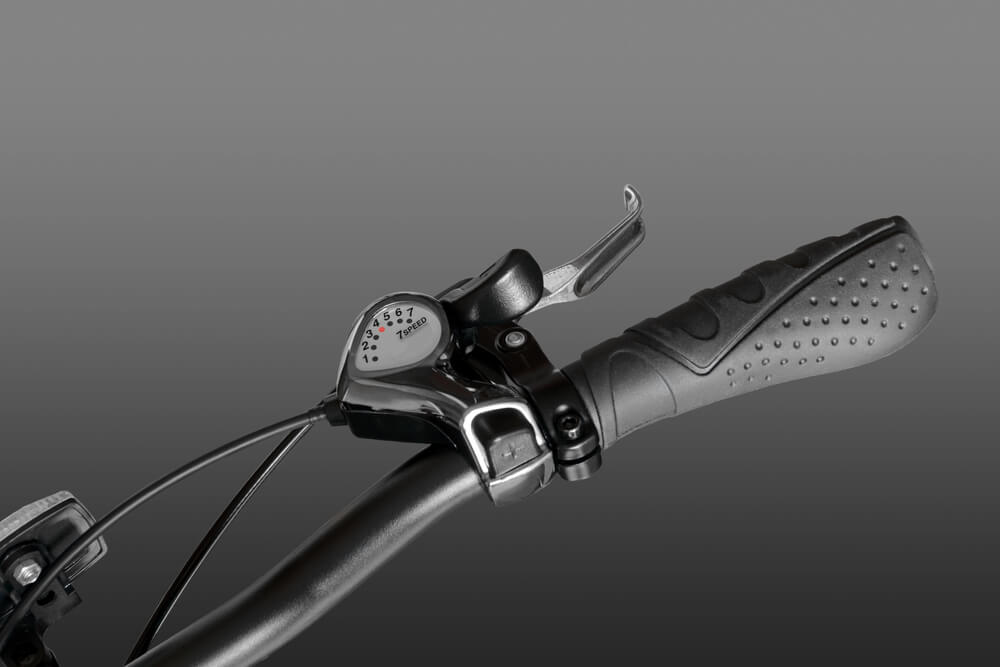
Schwinn’s five-speed Sting-Ray Krates from 1968 carried the Stik-Shift, a ratcheting T-handle shifter mounted beside the frame. The look became as iconic as the colors of the Krate line itself.
Original shifters with undamaged chrome and a crisp action are worth far more than rusty or rebuilt ones.
Sting-Ray Banana Saddles
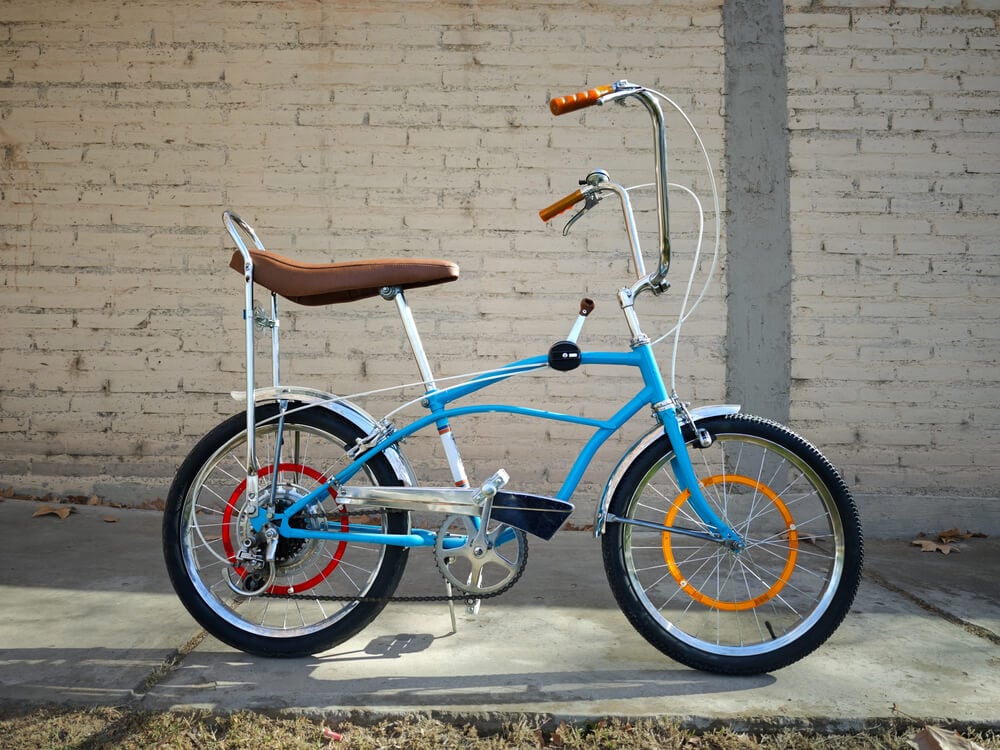
Schwinn launched the Sting-Ray in 1963, inspired by California kids who customized bicycles with high handlebars and long saddles. The factory banana saddle, often paired with a sissy bar, turned that look into mass production.
Condition drives price, and torn vinyl or crumbling foam can erase most of the value.
Delta Rocket Ray Headlights
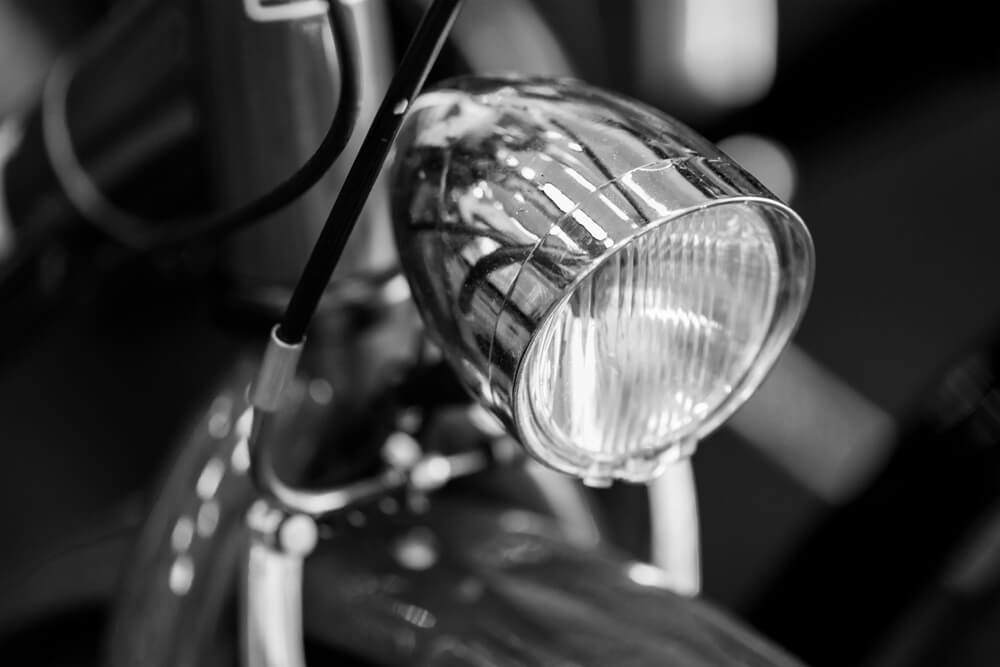
Delta Electric Company of Marion, Indiana, made the Rocket Ray headlight, a streamlined lamp styled after a rocket that mounted on the front fender. It became popular on cruiser bicycles in the 1950s.
Collectors prize ones with unbroken lenses and working switches, and missing trim pieces knock down the value.
Lucas King of the Road Lamps
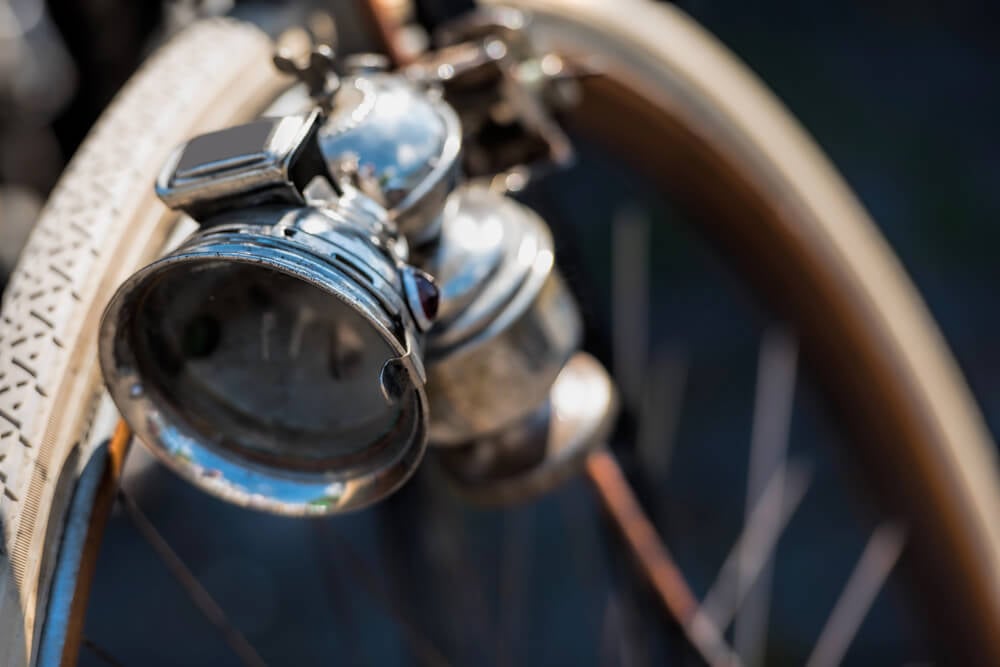
Joseph Lucas of Birmingham made the King of the Road lamp, a brass-bodied oil lamp from the late nineteenth century that was a common sight on British roads. The company’s later electrical reputation earned it the joke nickname Prince of Darkness.
Pricing depends on condition, with polished, dent-free examples and original glass the most valuable.
Phil Wood Hubs
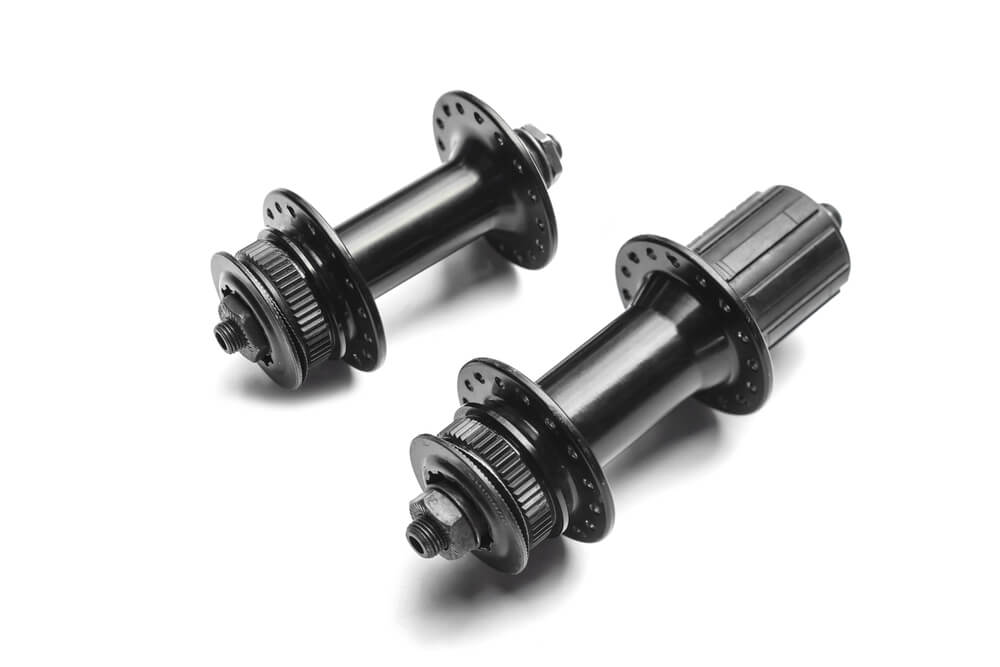
Phil Wood and Company of San Jose, California, made hubs with sealed cartridge bearings, a feature that made them easy to maintain and nearly bulletproof. Touring riders and early mountain bikers swore by them.
Collectors look for early polished examples with clean axle ends, and corroded flanges or worn threads lower the price.
Maillard Helicomatic Hubs
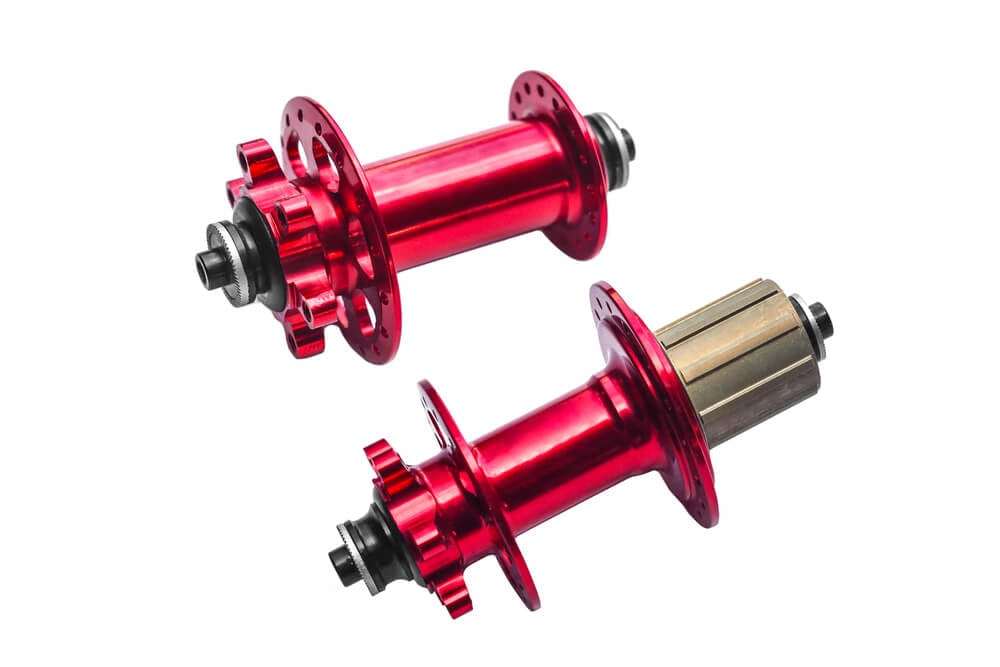
Maillard’s Helicomatic hub offered an alternative to the standard threaded freewheel. It was ingenious but never became an industry standard.
Replacement cogs are hard to find, which makes complete, working hubs worth chasing.
Fiamme Red Label Rims
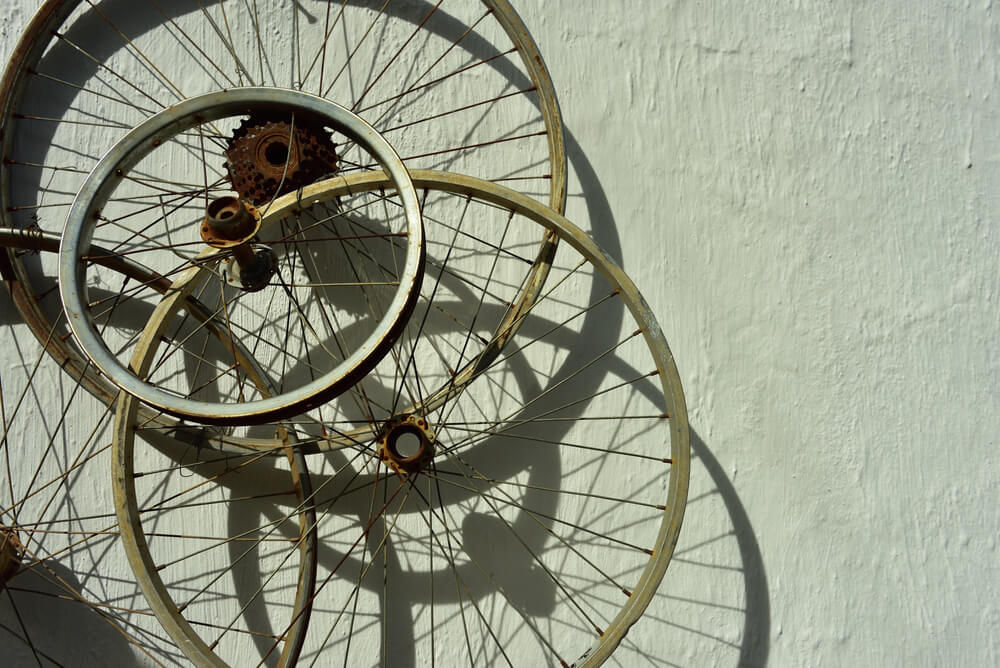
Fiamme, whose name means flames in Italian, made the Red Label tubular rim that appeared on many racing wheels from the 1950s on. The rims are light, and the red decal is part of the appeal.
Collectors check for dents, brake-track wear, and intact decals, and a straight rim with original graphics sells best.
Campagnolo Record High-Flange Hubs
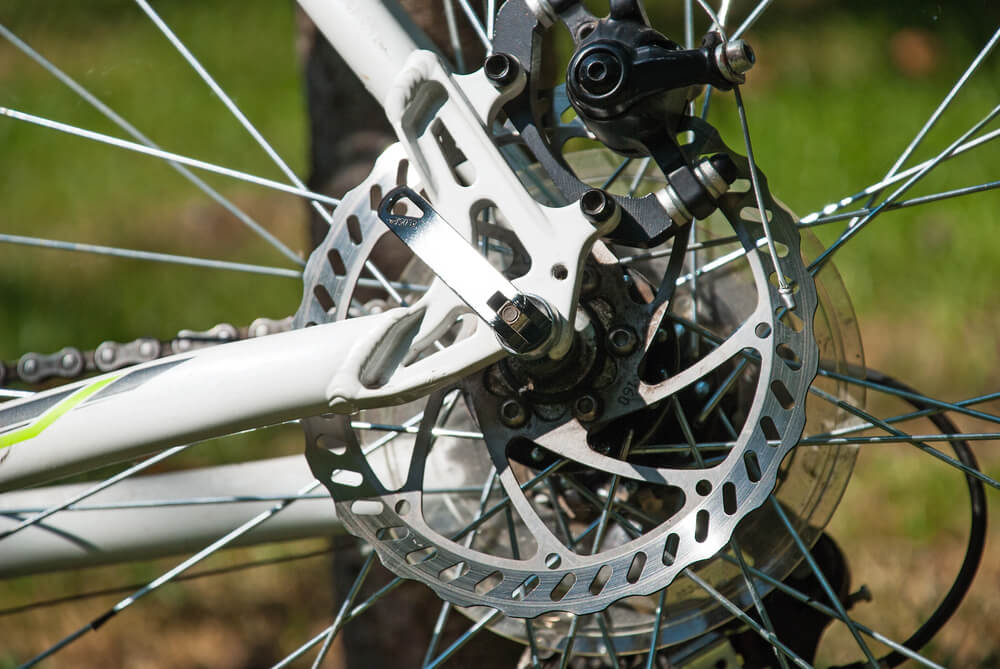
Campagnolo’s Record hubs featured a large flange and polished aluminum finish and were used on track and road racing wheels for years. The engraved Campagnolo script on the flange is a quick tell for authenticity.
Pricing depends on condition, as scratched barrels and worn axle threads can cut value significantly.
Carradice Cotton Duck Saddlebags
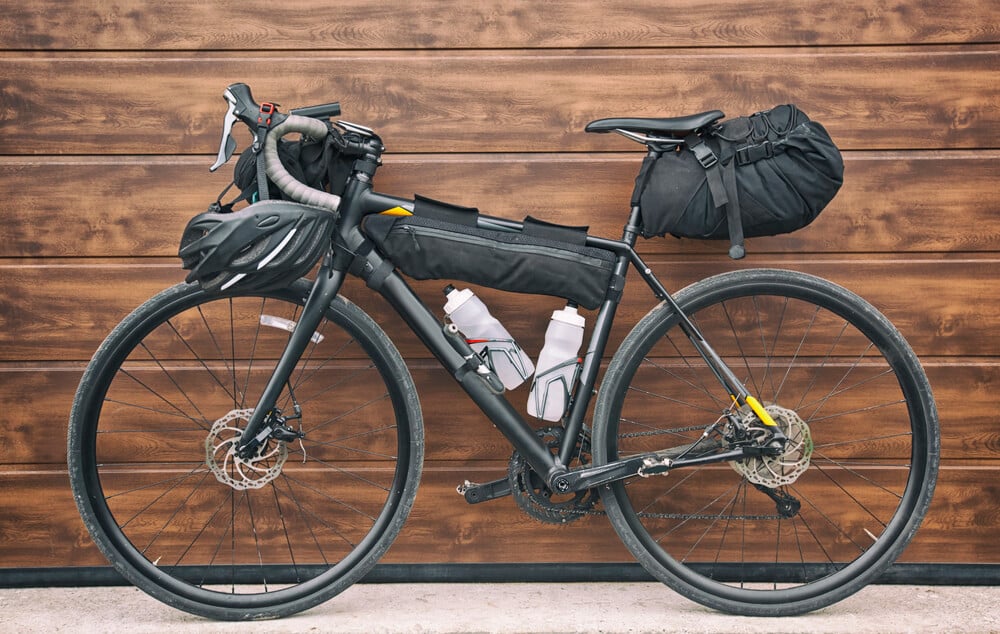
Carradice of Nelson, Lancashire, produced cotton duck saddlebags, including the Longflap model, that carried the loads of British touring cyclists for generations. The thick waxed fabric develops a patina that collectors appreciate.
A bag with its original leather straps and without mildew or tears is far more valuable than a weathered one.
Defunct-Maker Headbadges
Bicycle makers once riveted enamel or brass badges to the head tube, and the badges from defunct brands such as Iver Johnson of Fitchburg, Massachusetts, are often collected apart from the bikes. Small and easily stored, they are a favorite of display collectors.
Value depends on condition, with chipped enamel and bent mounting tabs reducing it significantly.
Pedersen Hammock Saddles
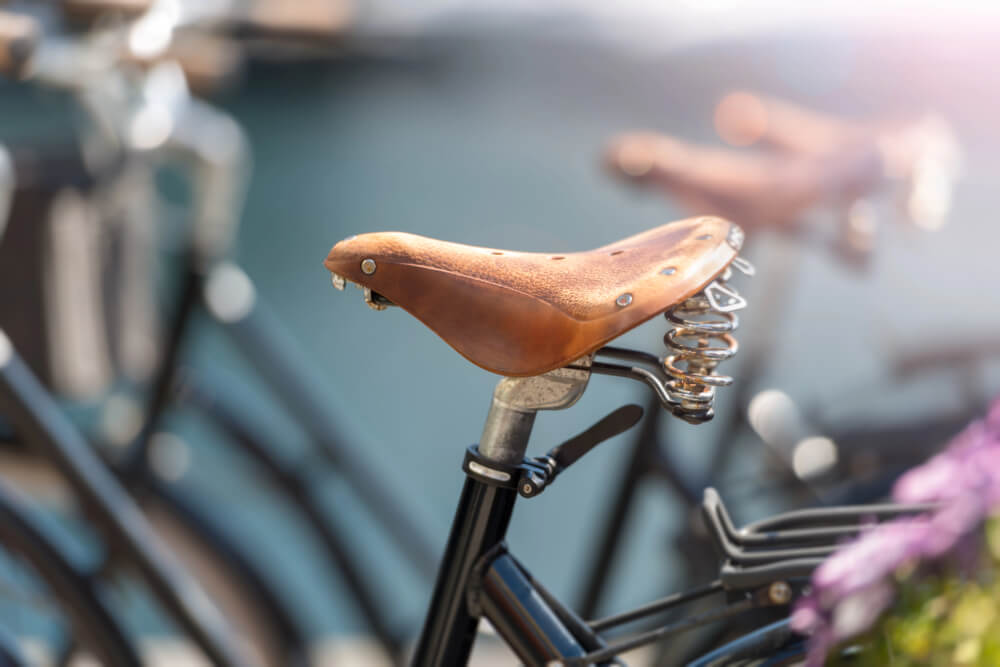
Mikael Pedersen of Dursley, Gloucestershire, patented his hammock-style saddle and a bicycle frame to go with it in 1893. The saddle used woven cord stretched across a frame, a radical contrast to the leather saddles of the day.
Original cord rarely survives intact, so a complete, undamaged example is a major find.
Spoon Brakes for High-Wheel Bicycles
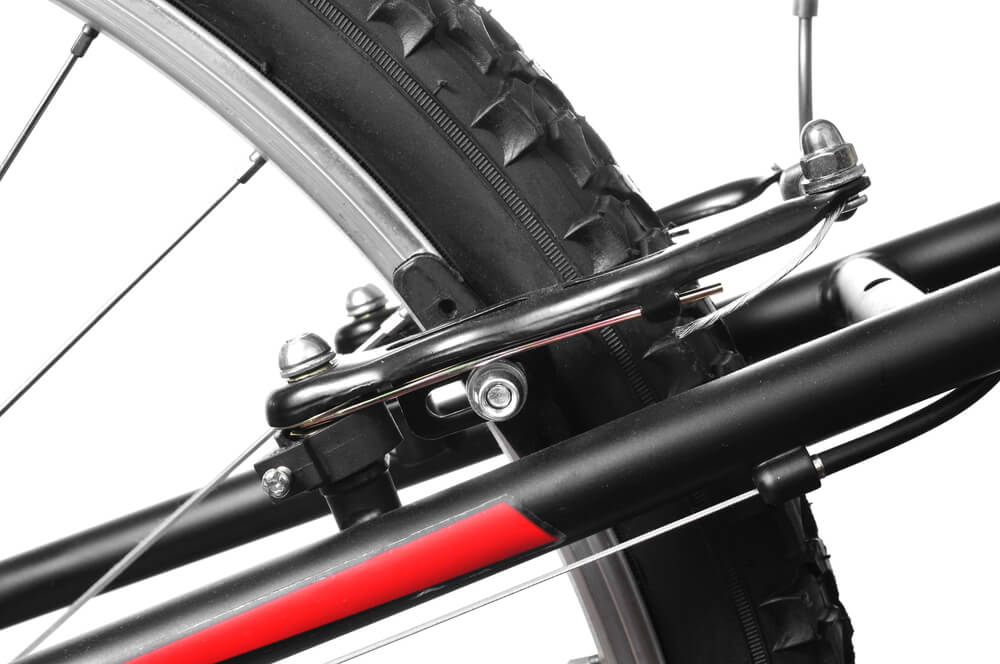
The spoon brake was a curved metal plate that pressed directly against the tire of a high-wheel bicycle, controlled by a lever at the handlebar. It was the standard stopping method before the safety bicycle appeared.
Few survive intact, and condition of the pivot and plate is critical to value.
What Old Metal Remembers

Each of these parts began life as an answer to a practical problem: weight, wear, weather, or the plain difficulty of stopping a moving machine. The collectors who chase them are preserving a record of what engineers and riders thought mattered at the time.
A derailleur plate or a hub shell says more about its era than most written histories do. The pleasure of the hunt comes from the way a bent stamping or an odd stamped date can turn a lump of grease into a piece of history.
It also comes with the discipline of knowing that condition rules everything, and that restoration can erase what makes a part valuable. The best finds are often the ones that still wear their original dirt.
More from Go2Tutors!

- 27 Silver Dollars and Half Dollars Worth Keeping
- 28 Restaurant Menu Items Nobody Orders Anymore
- 17 Places Built in Seemingly Impossible Spots
- 27 Vintage Rings Worth More Than They Look
- 25 Restricted Sites Tourists Can’t Enter
Like Go2Tutors’s content? Follow us on MSN.