Jewelry Made From Rare Materials
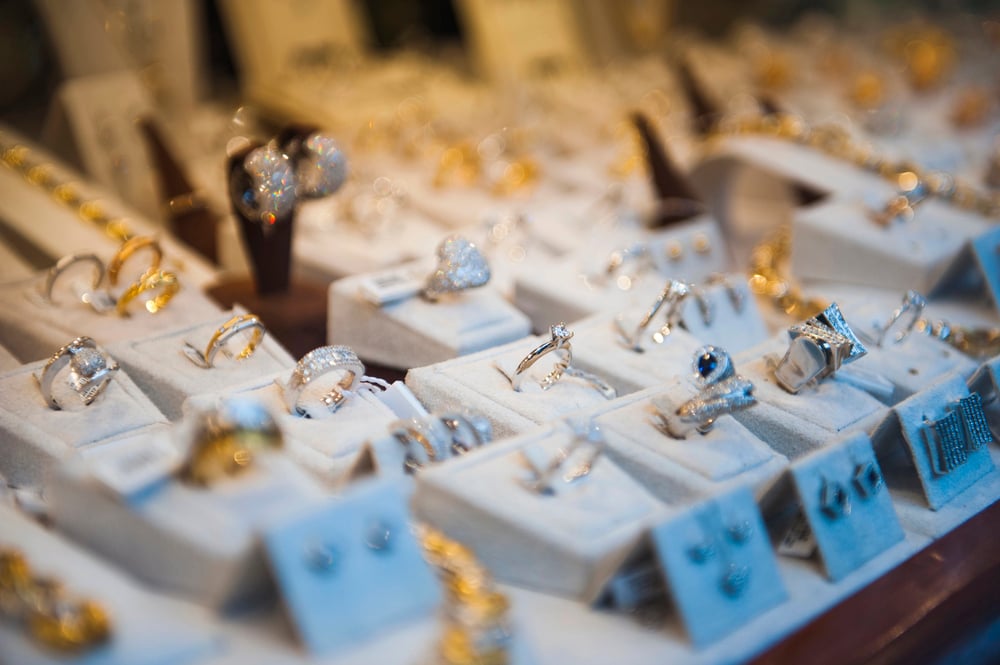
Walking into a jewelry store usually means seeing the same lineup of diamonds, gold, and maybe some sapphires if you’re lucky.
Precious metals and classic gemstones have dominated the market for centuries, and there’s nothing wrong with that tradition.
But some jewelers have decided that the usual suspects just aren’t interesting enough.
They’ve started crafting pieces from materials so rare that most people have never heard of them, let alone seen them in person.
We’re talking about gemstones that make diamonds look common, metals rarer than gold, and materials that literally fell from space or survived millions of years underground.
These extraordinary materials come with price tags that match their scarcity, stories that span geological time, and the kind of exclusivity that turns jewelry into conversation pieces.
Here is a list of 15 jewelry materials made from the rarest substances on Earth.
Painite
For decades, painite held the Guinness World Record as the rarest gemstone on Earth.
British gemologist Arthur C.D. Pain discovered it in Myanmar in the 1950s, and by 2001, only about two dozen crystals had been confirmed worldwide.
Even with subsequent discoveries, fewer than 1,000 gem-quality stones exist today, making painite extraordinarily scarce.
The stone ranges from orangey-red to reddish-brown, and its chemical composition is unique because it’s the only mineral containing both zirconium and boron bonded together.
Current gem-quality stones typically sell for $30,000 to $60,000 per carat depending on clarity and color.
The famous 213.52-carat painite that belongs to the Medici Collection carries speculative valuations around $8 to $9 million, though no official appraisal confirms the higher figures sometimes cited.
Red Beryl
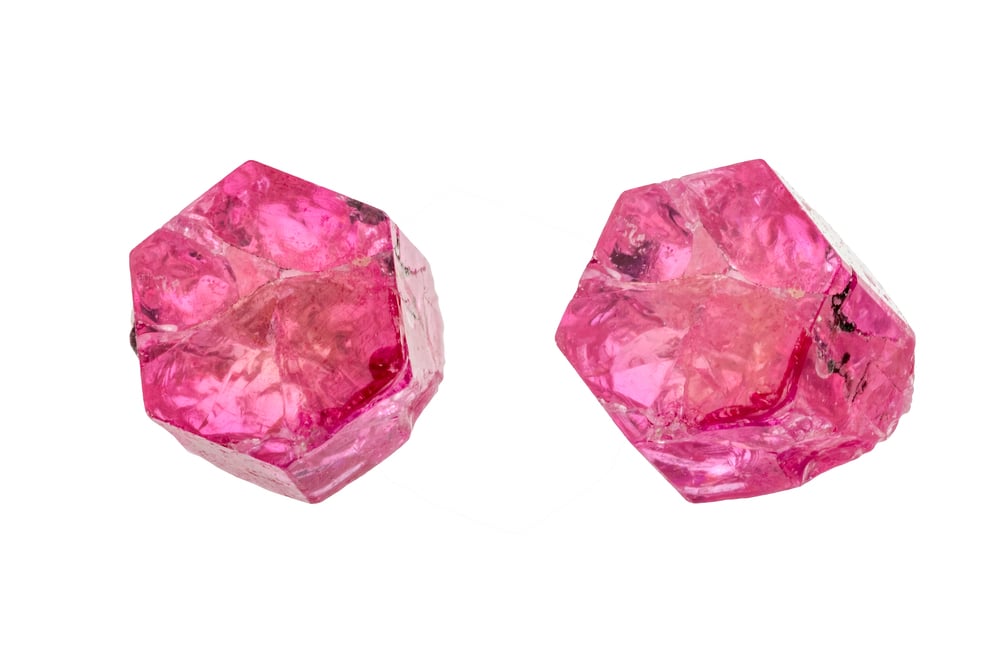
Red beryl makes diamonds look like gravel in terms of rarity.
This crimson gemstone is found in gem-quality deposits only in Utah’s Wah Wah Mountains, with trace crystals appearing in New Mexico.
According to the U.S. Geological Survey, red beryl is roughly 8,000 times rarer than diamonds.
The stone gets its stunning red color from manganese, and most specimens are immediately snapped up by mineral collectors before jewelers ever get a chance at them.
Red beryl has imperfect cleavage, which makes it incredibly difficult to cut and work with, adding to both its rarity and its extraordinary price.
Fine stones exceed $10,000 to $20,000 per carat, and if you ever encounter a piece of red beryl jewelry in the wild, you’re looking at one of the rarest gems that exists.
Alexandrite
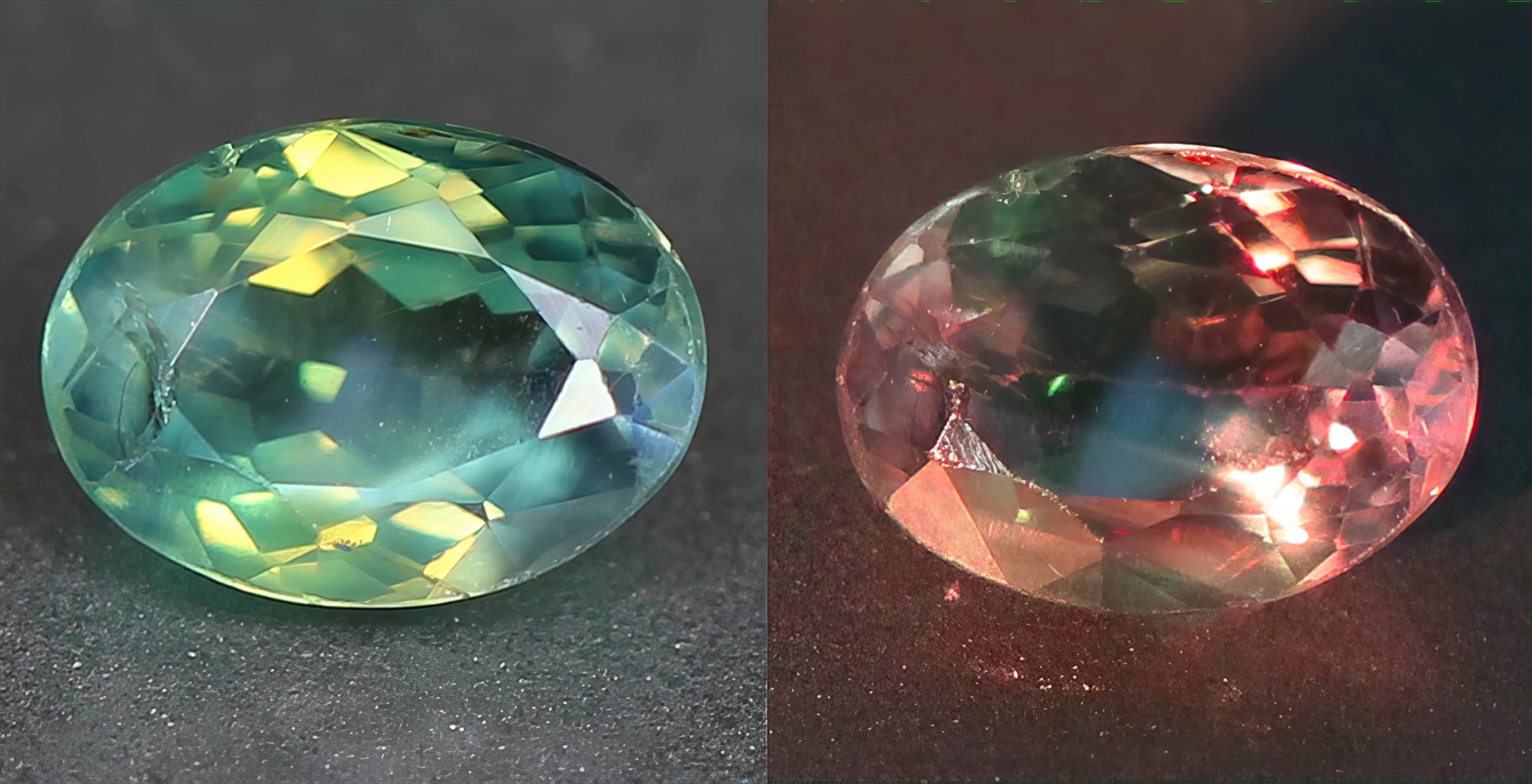
Alexandrite is the chameleon of the gemstone world, and it’s not playing tricks on your eyes.
This remarkable chrysoberyl variety appears lush emerald green in daylight and transforms to vibrant ruby red under incandescent light, earning it the nickname ’emerald by day, ruby by night.’
Discovered around 1830 or 1833 in Russia’s Ural Mountains and named after Czar Alexander II, the original Russian mines are now largely depleted.
While new deposits have been found in Brazil, East Africa, and Sri Lanka, fine-quality natural alexandrite remains one of the most sought-after gemstones on the market.
The famous 65.72-carat Smithsonian specimen is often cited as the largest faceted example, with typical prices reaching $12,000 to $15,000 per carat for high-quality stones.
Musgravite
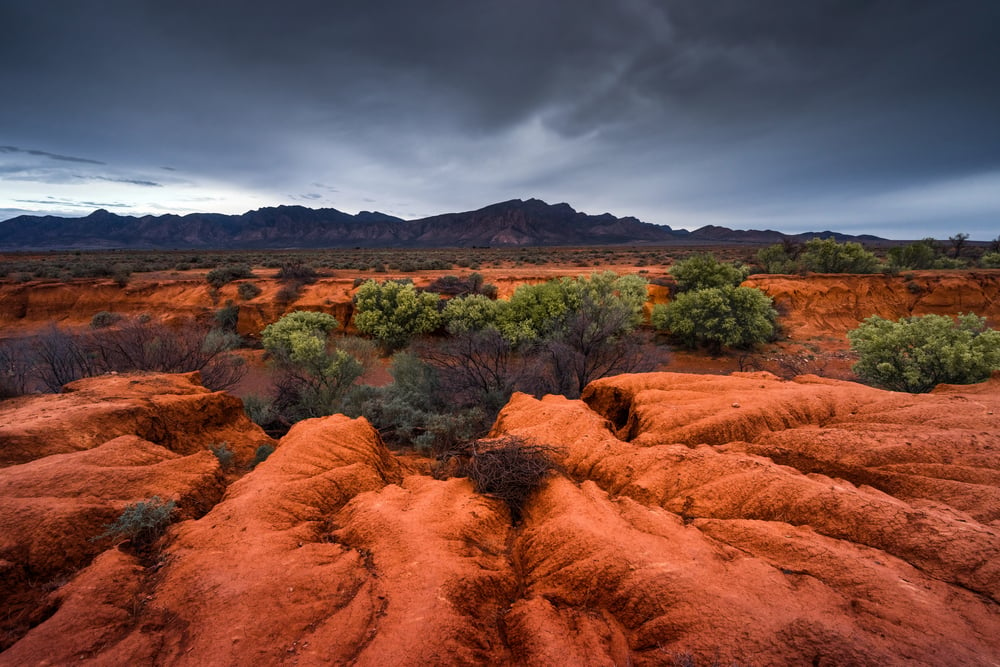
Musgravite ranks among the most valuable gemstones ever discovered, first found in South Australia’s Musgrave Ranges in 1967.
Sometimes spelled Magnesiotaaffeite-6N’3S, this gemstone remains so rare that only a few dozen gem-quality stones exist in the entire world today.
Belonging to the taaffeite family, its color ranges from smoky gray to rich violet, and finding specimens suitable for jewelry remains extraordinarily difficult.
Small quantities have turned up in Sri Lanka, Madagascar, Greenland, and Tanzania, but that hasn’t done much to increase supply.
For serious gemstone investors and collectors, musgravite represents the crown jewel of exclusivity, with top stones fetching $25,000 to $40,000 per carat, occasionally higher when exceptional examples become available.
Meteorite
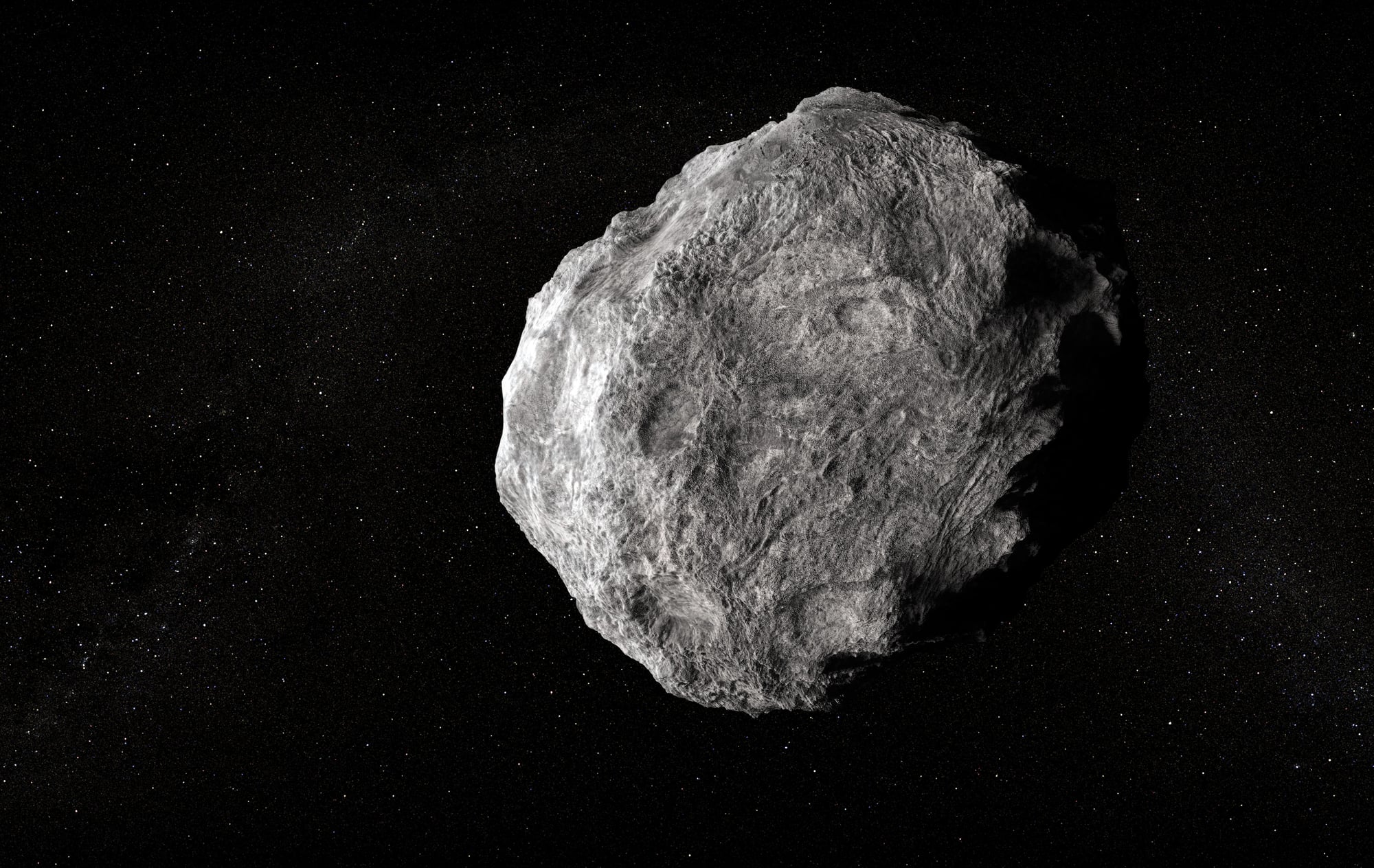
Some jewelry materials literally fall from the sky.
The Gibeon meteorite from Namibia is an iron-nickel meteorite classified as a fine octahedrite, and it’s become one of the most sought-after materials for jewelry.
These fragments are sliced and etched to reveal a unique crystalline pattern called Widmanstätten lines.
These geometric patterns formed over millions of years as the meteorite slowly cooled in space, creating structures that cannot be replicated on Earth.
New collection of Gibeon meteorites is now legally banned, so jewelers work with old stock or slices from previously traded material.
The combination of extraterrestrial origin, legal protection, and finite supply makes meteorite jewelry genuinely rare, giving wearers a piece that’s out of this world in the most literal sense possible.
Tanzanite
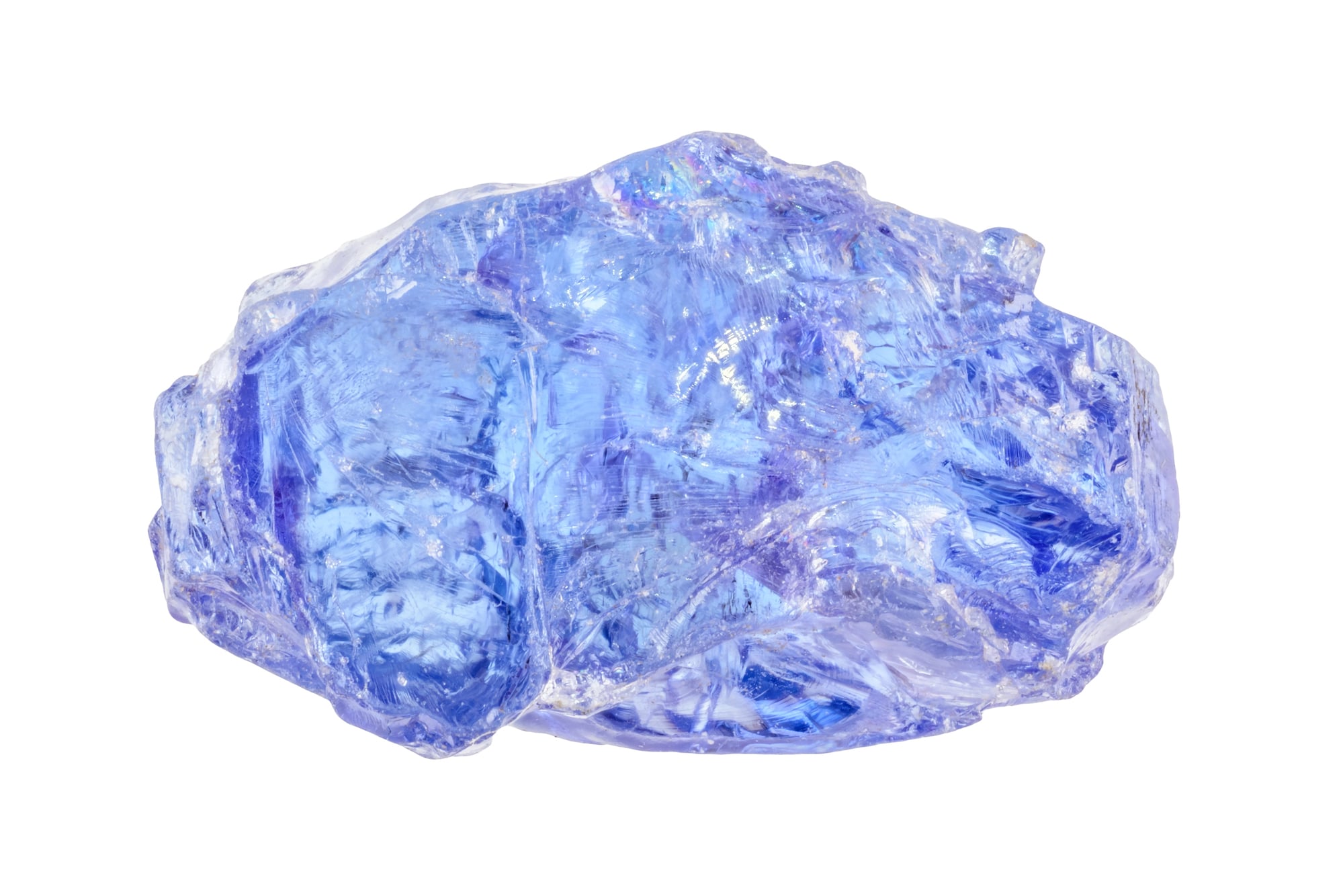
Tanzanite exists in one place and one place only—a 14-kilometer stretch of the Merelani Hills near Arusha, Tanzania. Discovered in 1967 and named by Tiffany & Co., this striking blue-purple gemstone has become beloved for its intense violet-blue hues that can rival the finest sapphires.
The problem is geographic exclusivity combined with limited supply. Geologists estimate that the tanzanite mines could be completely depleted within the next few decades, making every piece a potential future heirloom.
The remote and singular location means there’s no backup supply if these deposits run out.
Prices typically range from $600 to $1,000 per carat, but the real value might be in getting one before they’re gone forever.
Taaffeite
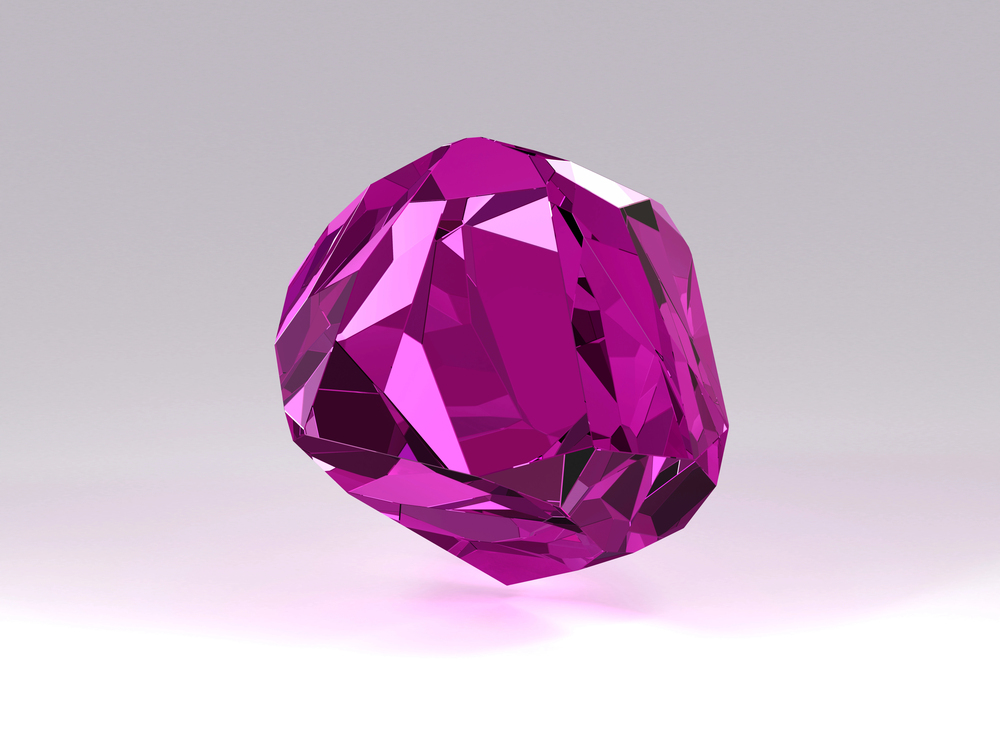
Austrian geologist Count Edward Charles Richard Taaffe discovered this gemstone by accident in 1945 while sifting through a box of Sri Lankan spinel stones in Dublin.
He noticed one stone looked slightly different, and upon testing, realized he’d found an entirely new mineral.
Known specimens number a few hundred globally, but only about 50 faceted gems of notable quality exist.
Taaffeite was one of the first stones found to contain both beryllium and magnesium, and colors range from lavender-mauve to purplish pink.
The rarest specimens with deep, saturated hues can sell for $35,000 per carat, assuming you’re lucky enough to find one available for purchase in what remains an exceptionally thin market.
Dinosaur Bone
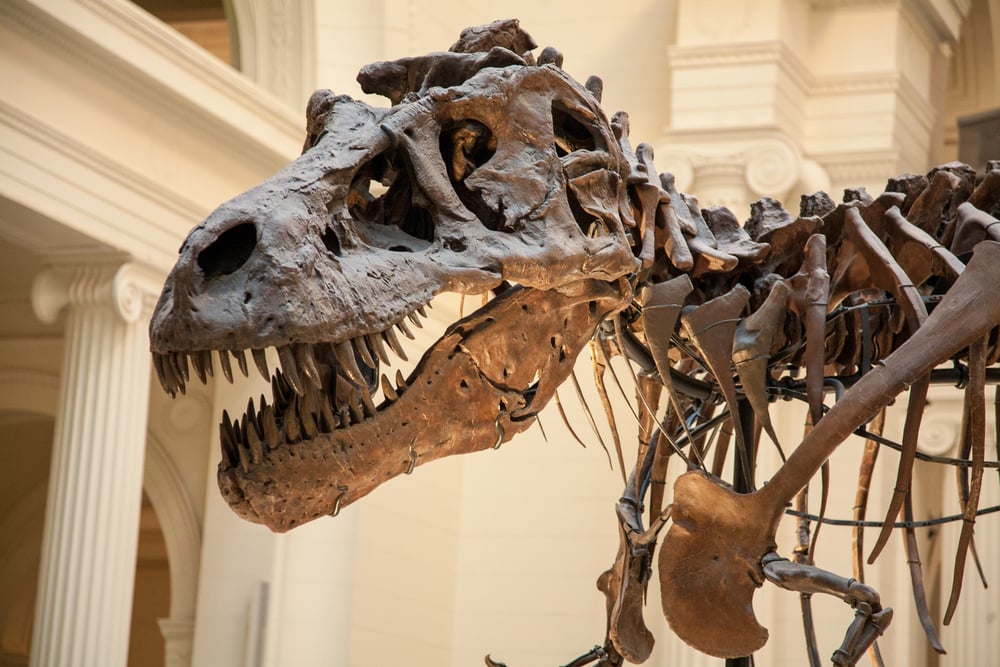
Wearing jewelry made from creatures that roamed Earth millions of years ago sounds like something from a fantasy novel, but it’s actually possible.
Fossilized dinosaur bone used in jewelry, marketed as gembone or agatized dinosaur bone, usually originates from non-carnivorous species found in the Colorado Plateau region spanning Utah, Colorado, and Arizona.
The bones are fossilized and polished to reveal stunning natural patterns created by mineralization over geological time.
Jewelers typically set these pieces alongside diamonds or other precious stones, creating a contrast between ancient organic material and traditional gemstones.
Each piece tells a story that spans millions of years, and the patterns in the fossilized bone are completely unique to each specimen.
Imperial Jadeite
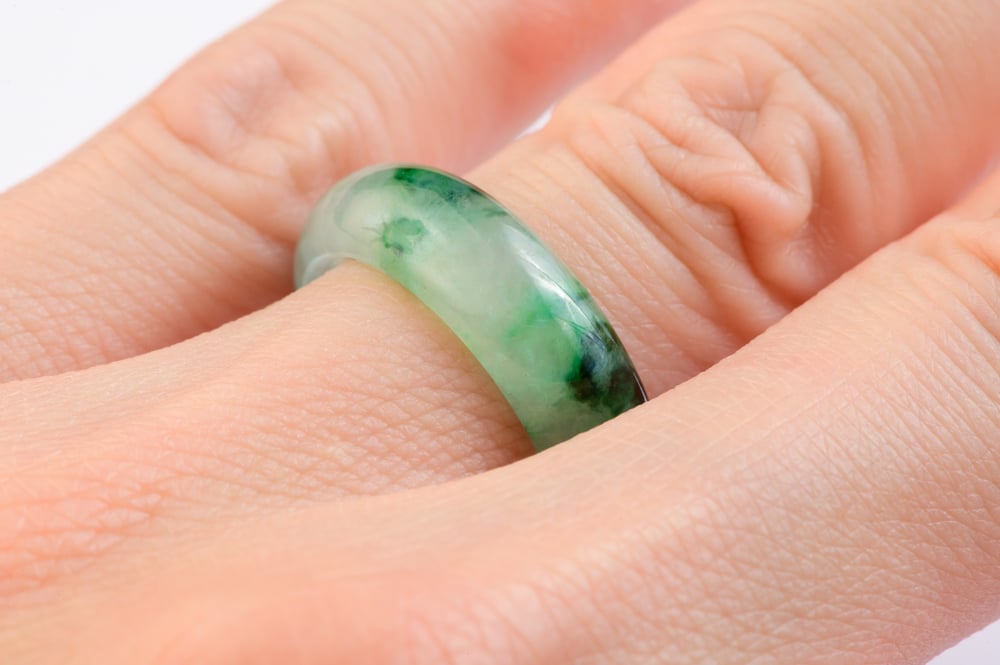
While jade itself isn’t uncommon, imperial jadeite represents the absolute pinnacle of jade quality and rarity.
This vivid, semi-transparent emerald-green variety comes primarily from Myanmar and is exceptionally rare and valuable, particularly prized in East Asian cultures.
The Chinese saying goes ‘Gold has value; jade is invaluable,’ and that philosophy drives prices for the finest imperial jadeite to astronomical levels.
The record-breaking Hutton-Mdivani jadeite necklace sold at Sotheby’s in 2014 for $27.4 million, proving just how much collectors will pay for the finest examples.
The combination of extreme rarity, cultural importance, and intense color makes imperial jadeite one of the most sought-after materials in fine jewelry.
Rhodium
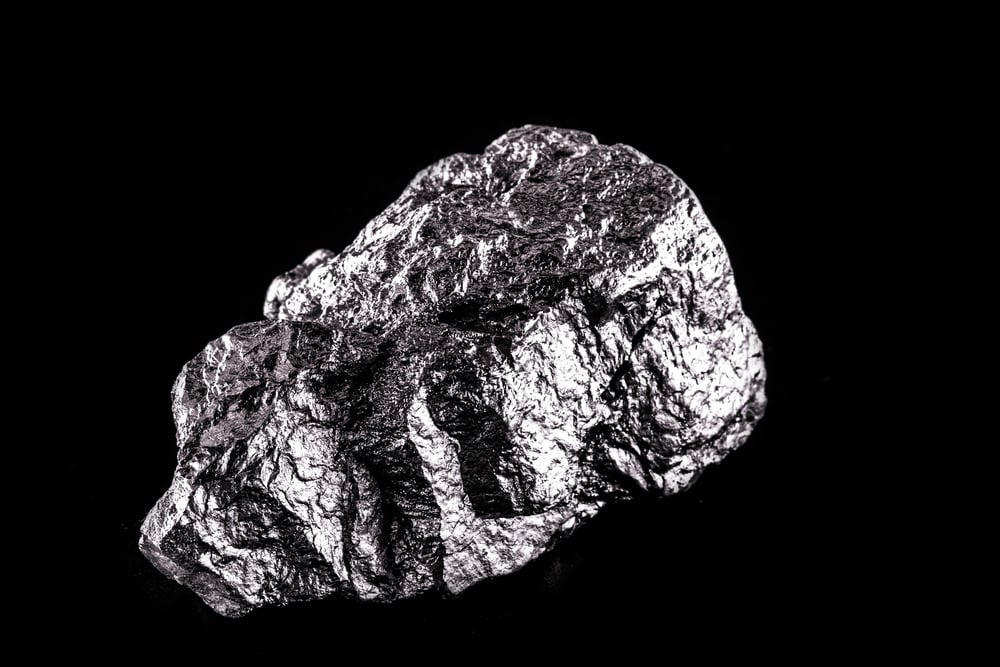
Rhodium doesn’t get much attention compared to gold or platinum, but it’s actually rarer and more valuable than both.
This silvery-white metal is a member of the platinum-group metals, with global annual production around 30 tons compared to 3,000 tons of gold.
You’ll rarely find pieces made entirely of rhodium because that would cost a fortune, but you’ve almost certainly admired its work.
Rhodium provides the brilliant, mirror-like finish on white gold jewelry through plating.
Beyond jewelry, rhodium plays a crucial role in reducing car pollution as a key component in catalytic converters.
Its peak price in 2021 exceeded $25,000 per ounce, roughly 15 to 30 times gold’s price at the time, reflecting its extreme rarity and industrial importance.
Ammolite
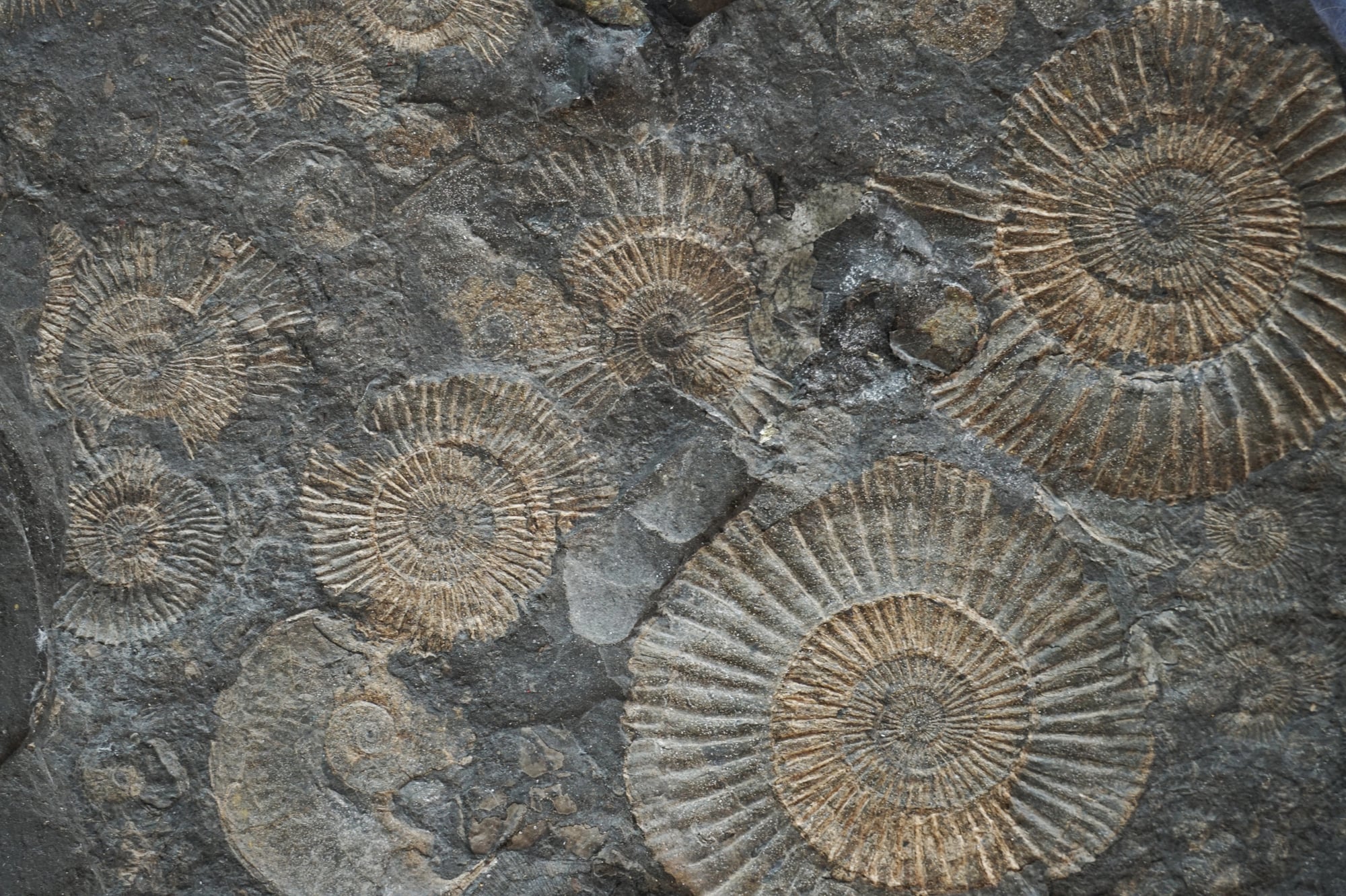
Ammolite is cut from the fossilized shells of extinct sea creatures called ammonites that died out with the dinosaurs.
Officially recognized as a gemstone by CIBJO in 1981, commercial mining centers on the Bearpaw Formation near Lethbridge, Alberta.
This iridescent gem-quality material displays a rainbow of colors that shift and change depending on the viewing angle.
The fossilization process that creates ammolite’s distinctive appearance requires incredibly specific geological conditions that rarely occur together.
Unlike most gemstones that form from minerals, ammolite is organic in origin, making it part of an exclusive club that includes pearls and amber.
The material is relatively soft compared to traditional gemstones, so jewelers often cap it with harder materials like quartz for protection.
Paraíba Tourmaline
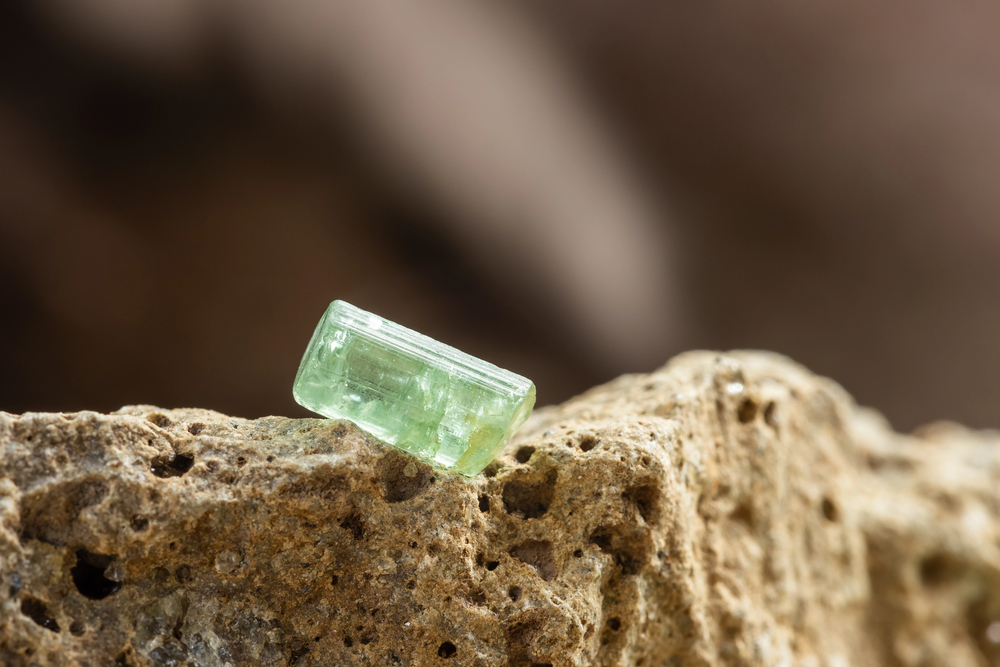
Paraíba tourmaline burst onto the scene when Heitor Dimas Barbosa discovered it in Paraíba State, Brazil in 1989, and the jewelry world immediately fell in love with its electric neon blue and green colors.
The stone gets its vivid hues from copper and manganese, a combination that produces colors unlike anything else in nature.
The original Brazilian mine that made paraíba tourmaline famous has largely been exhausted, though similar cuprian tourmalines from Mozambique and Nigeria discovered in the 2000s are chemically alike but typically sold as ‘Paraíba-type’ material.
Despite these new sources, fine-quality paraíba tourmaline remains exceptionally rare and expensive.
A pair of paraíba tourmaline earrings sold at Christie’s in 2018 for approximately $2.78 million, proving that collectors will pay premium prices for the most vibrant examples.
Petrified Wood
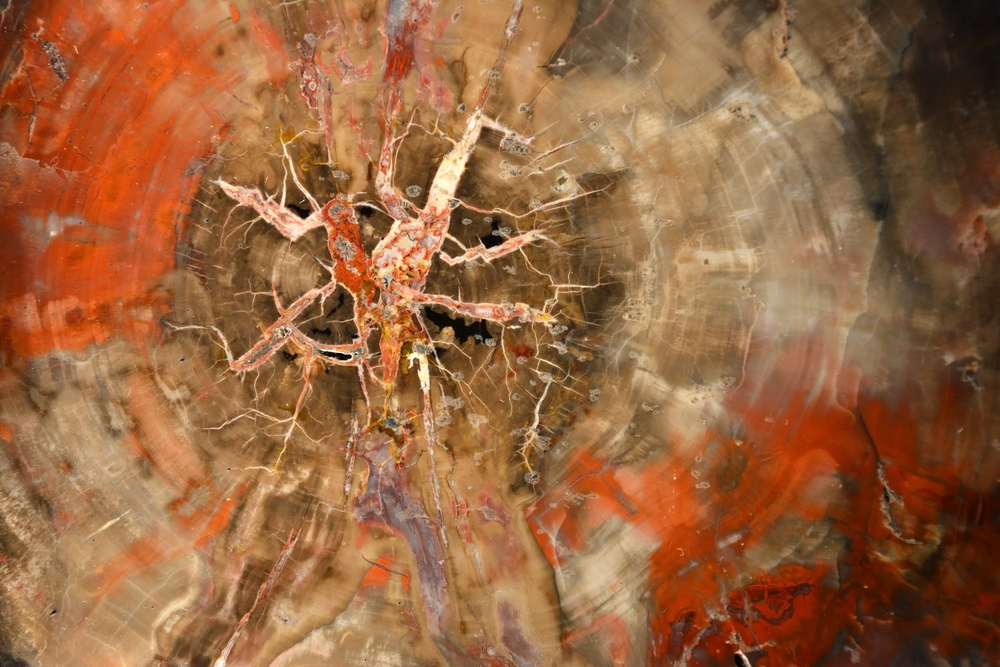
Petrified wood represents trees that died millions of years ago and were gradually replaced by minerals through a process called permineralization, transforming organic tissue into stone while preserving the original structure.
Jewelry-grade material comes mainly from Arizona, Indonesia, and Madagascar, where the right geological conditions created specimens suitable for cutting and polishing.
The fossilization process creates stunning patterns and earthy tones that make each piece completely unique.
Jewelers use petrified wood in bracelets, rings, and pendants, often pairing it with gold or silver to create pieces that feel both ancient and modern.
The material is surprisingly durable once it’s been transformed to stone, carrying a rustic yet luxurious vibe that appeals to people who want nature-inspired jewelry.
Coprolite
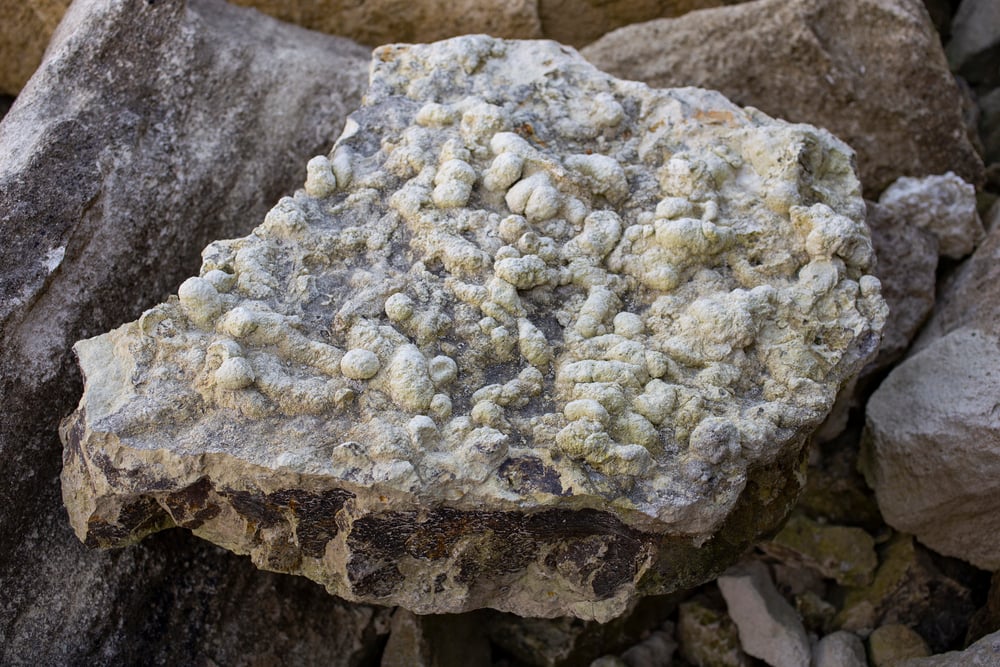
Yes, you read that correctly—some high-end jewelry features fossilized dinosaur dung.
Most jewelry-grade coprolite comes from the Green River Formation in Wyoming and Utah, as well as Saskatchewan, Canada.
Before you recoil in horror, the fossilized mineral composition is typically silica, calcite, or apatite rather than organic matter, making it completely odorless.
When polished, coprolite reveals beautiful earthy patterns that work surprisingly well in avant-garde jewelry designs.
It’s not for everyone, but if you’re the type who loves pushing boundaries and having truly unique conversation pieces, coprolite jewelry delivers on both fronts.
Jewelers typically set polished coprolite in creative, artistic designs rather than traditional settings, emphasizing the unusual nature of the material.
Ancient Artifacts
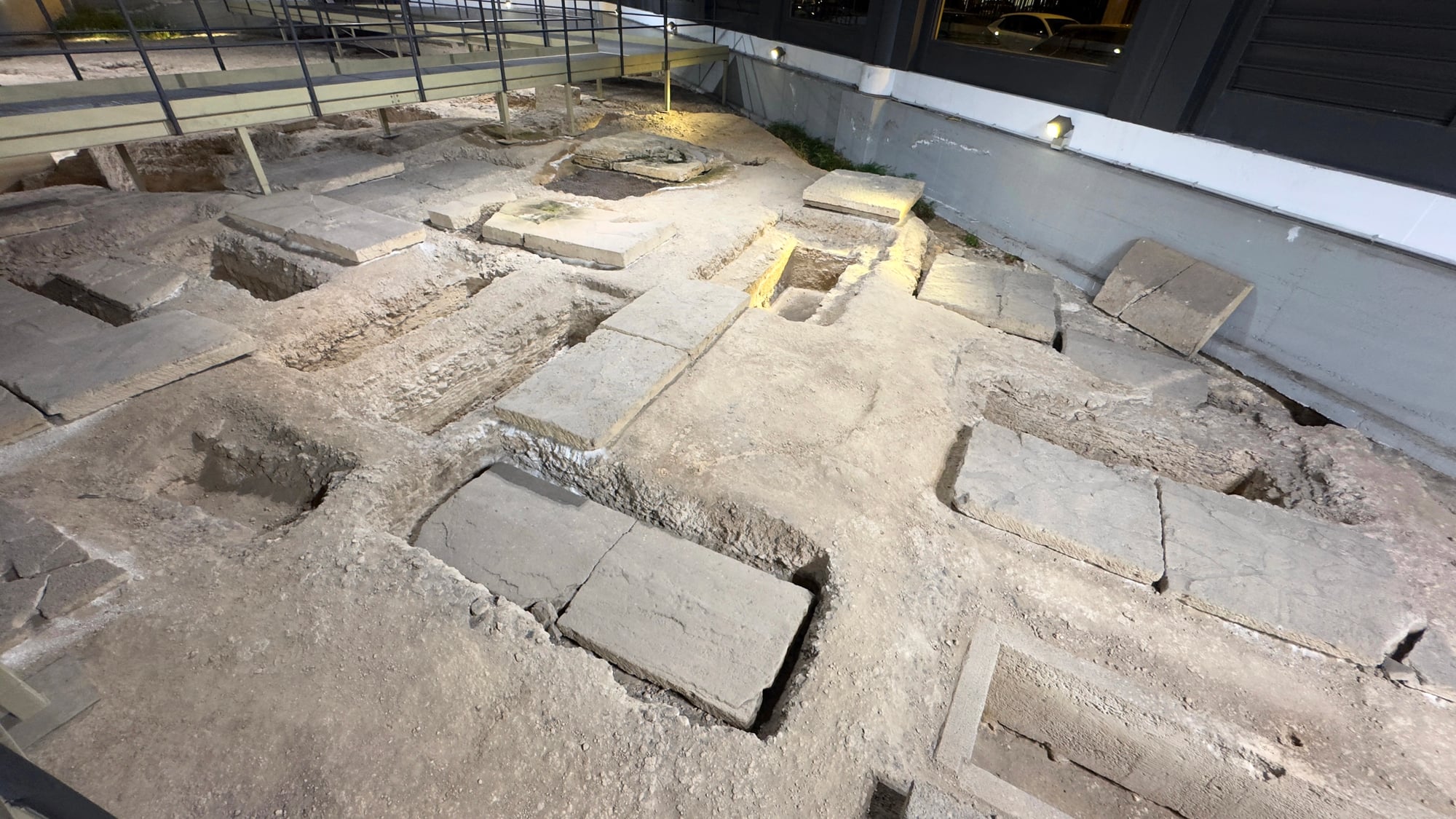
Some luxury jewelers have taken the concept of rare materials to its logical extreme by incorporating actual ancient artifacts into contemporary pieces.
The Munich-based house Hemmerle began their Revival Collection in 2013, featuring ancient Egyptian, Roman, and Byzantine pieces integrated into modern designs.
These aren’t reproductions or inspired designs—they’re genuine historical objects that survived centuries or millennia before being transformed into wearable art.
Egyptian eye inlays from ancient jewelry, 19th-century French and Italian coins, and other archaeological finds become central design elements in pieces that blur the line between jewelry and museum artifacts.
The combination of historical significance and craftsmanship creates pieces that are truly one of a kind.
Materials That Transcend Value
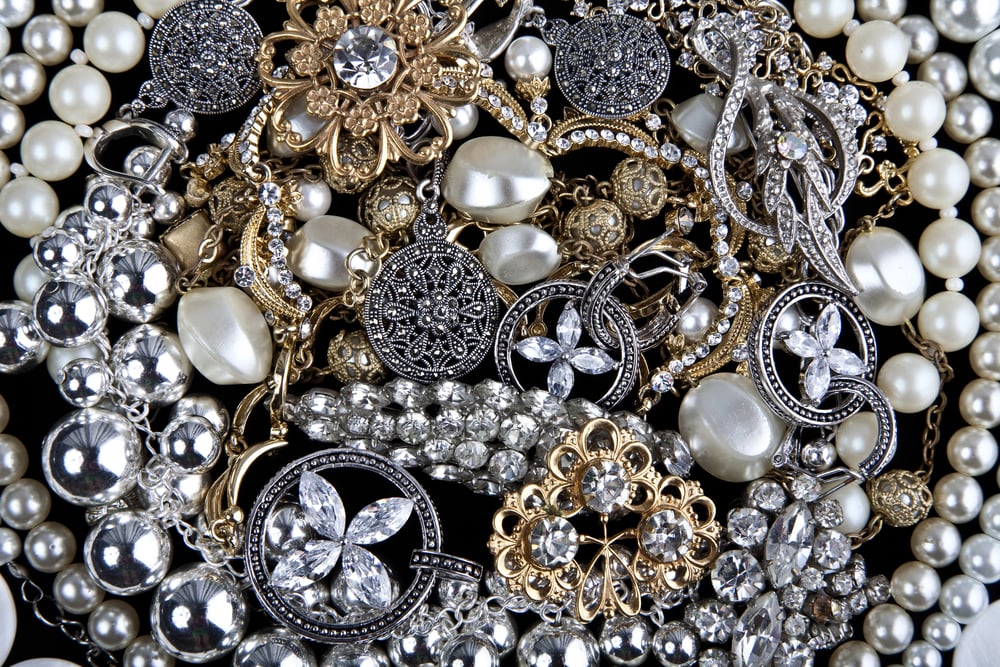
These rare materials prove that jewelry value extends far beyond traditional precious metals and gemstones.
Painite makes diamonds look common, meteorites bring space down to Earth, and dinosaur bones let you wear prehistory on your finger.
The appeal isn’t just rarity for rarity’s sake—it’s about owning materials with stories that span geological time, surviving conditions that would destroy ordinary substances, or existing in quantities so limited that finding them requires extraordinary luck.
Whether it’s a gemstone 8,000 times rarer than diamonds or fossilized remains from creatures that walked Earth millions of years ago, these materials transform jewelry from mere decoration into wearable pieces of natural history that happen to be stunningly beautiful.
More from Go2Tutors!

- The Romanov Crown Jewels and Their Tragic Fate
- 17 Halloween Costumes Once Considered Taboo
- Famous Hoaxes That Fooled the World for Years
- 15 Child Stars with Tragic Adult Lives
- 16 Famous Jewelry Pieces in History
Like Go2Tutors’s content? Follow us on MSN.