Costliest Movie Stunts Ever Filmed
Hollywood has always pushed boundaries to create unforgettable moments on screen, but some stunts cross the line from ambitious into financially reckless territory. When directors decide that practical effects and real-world destruction will serve the story better than computer graphics, the bills can reach astronomical heights.
These aren’t just expensive sequences — they’re the kind of stunts that make studio executives lose sleep and insurance companies rewrite their policies.
The Bridge Explosion In The Dark Knight
Christopher Nolan destroyed a real hospital for The Dark Knight, and the price tag reflected that commitment to practical effects. The controlled demolition of the Brach’s candy factory in Chicago, dressed as Gotham General Hospital, cost over $6 million when factoring in permits, safety crews, and the elaborate rigging required to make the explosion look seamless on camera.
The sequence demanded months of planning with demolition experts. Heath Ledger’s Joker walks away from the building as it collapses behind him, but achieving that timing required precise choreography between the actor, the demolition team, and multiple camera crews positioned at safe distances.
Helicopter Chase In Mission: Impossible – Fallout
Tom Cruise learned to fly helicopters for a single chase sequence that ended up costing $15 million. The production shut down for weeks while Cruise obtained his helicopter license, then built an elaborate aerial ballet through the mountains of New Zealand that required multiple aircraft, stunt coordinators suspended from cables, and a crew large enough to staff a small airport.
The sequence includes a helicopter-to-helicopter fight scene and a crash landing that destroyed one of the aircraft. Insurance alone for this stunt reportedly ran into the millions, and that was before factoring in the cost of replacing the helicopter that didn’t survive filming.
The Chariot Race In Ben-Hur (1959)
When MGM decided to recreate ancient Rome’s Circus Maximus, they built the largest film set in history at the time and filled it with 15,000 extras (though studio publicity inflated this number to a quarter million, which speaks to Hollywood’s relationship with truth when it comes to spectacle). The chariot race alone consumed 18 acres of backlot space and required a year of construction before a single horse stepped onto the track.
The cost in 1959 dollars reached $4 million just for this sequence — roughly $40 million in today’s money. And yet the investment paid off, because decades later, filmmakers still reference this race as the gold standard for practical stunt work.
So when someone complains about modern movie budgets, remember that Hollywood has been spending ridiculous amounts of money on single scenes since the Eisenhower administration.
The Truck Flip In The Dark Knight
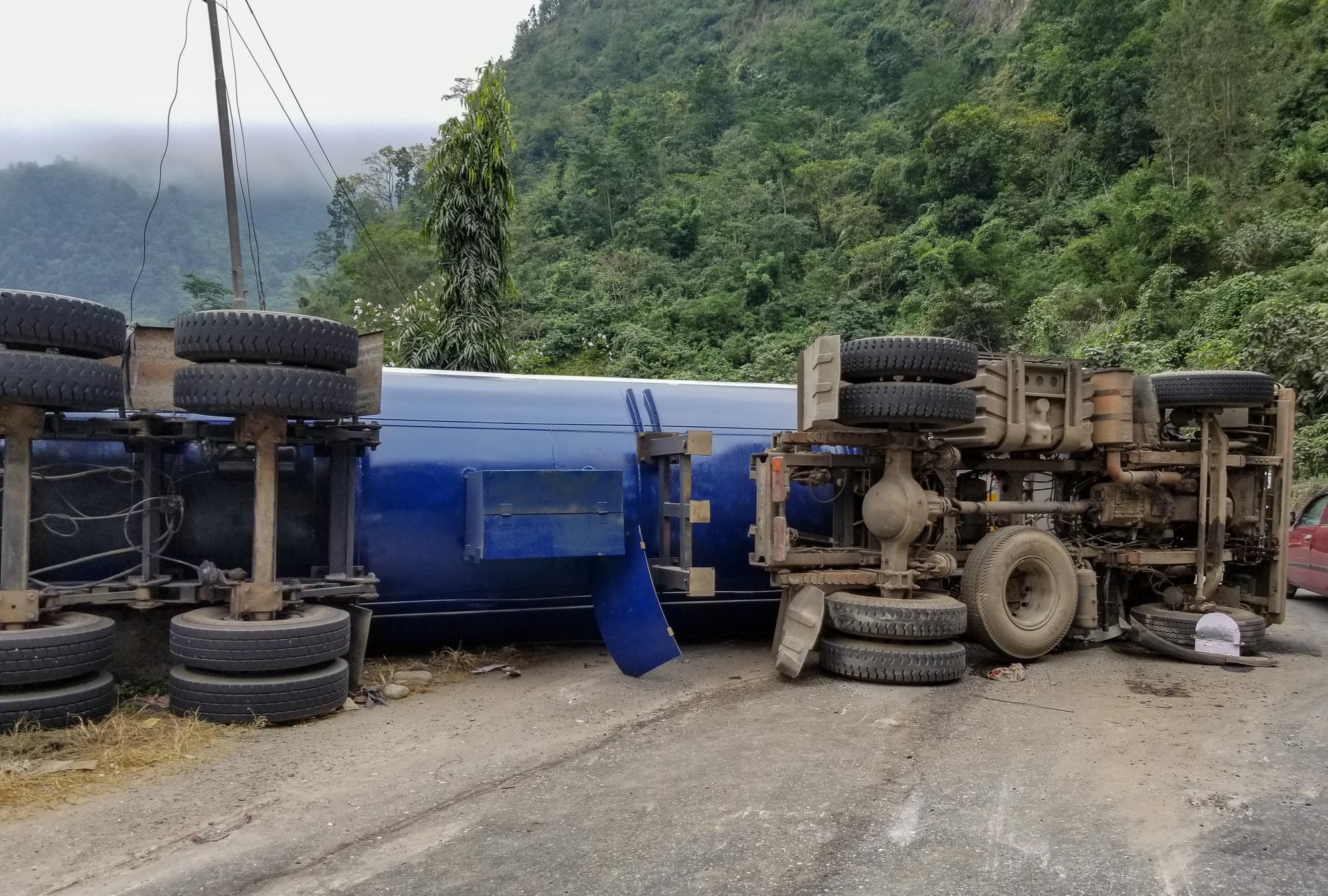
A semi-truck becomes an accordion in the middle of Chicago’s financial district, flipping end-over-end in a sequence that shut down several city blocks and cost $8 million to execute safely. But here’s what made this stunt particularly expensive: Nolan insisted on doing it in-camera, which meant building a pneumatic piston system underneath the truck powerful enough to launch an 18-wheeler into the air without killing anyone nearby.
The engineering alone required months of testing with scale models before anyone trusted the mechanism with a real truck. Chicago’s city government demanded extensive safety protocols, including backup emergency crews positioned throughout the area.
The insurance requirements for flipping a massive vehicle in the heart of a major city pushed the cost well beyond what digital effects would have required.
The Plane Sequence In The Dark Knight Rises
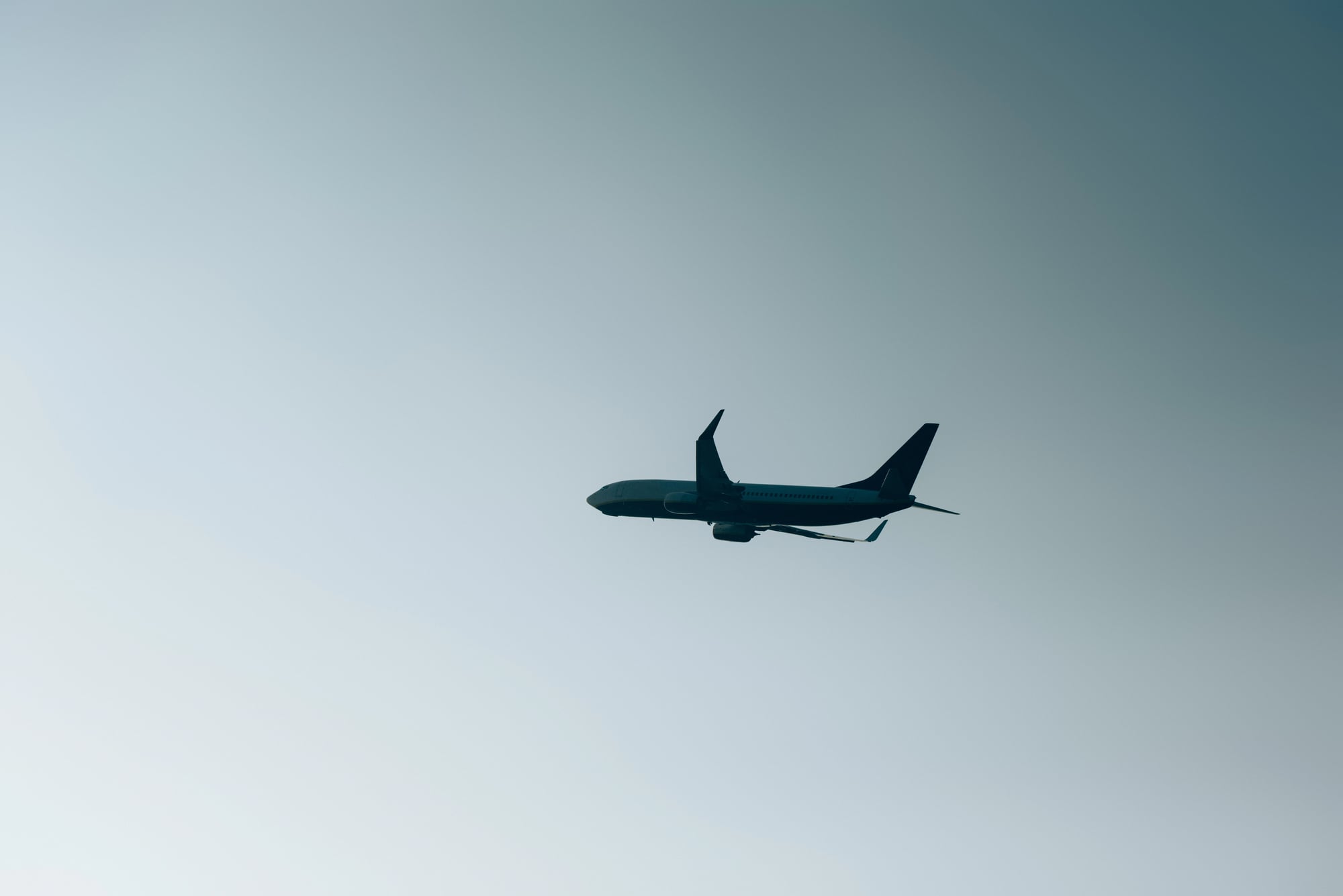
Nolan strikes again. This time, he dropped a real Boeing 737 fuselage from a cargo plane at 30,000 feet, with cameras mounted inside to capture the sensation of freefall.
The sequence cost $12 million and required coordination with multiple aviation authorities across three countries.
The logistics involved retrofitting the cargo plane to release the fuselage safely, installing cameras that could survive the impact, and ensuring the crash site was completely controlled. Weather delays added weeks to the schedule, since dropping aircraft requires perfect conditions.
Casino Royale’s Airplane Destruction
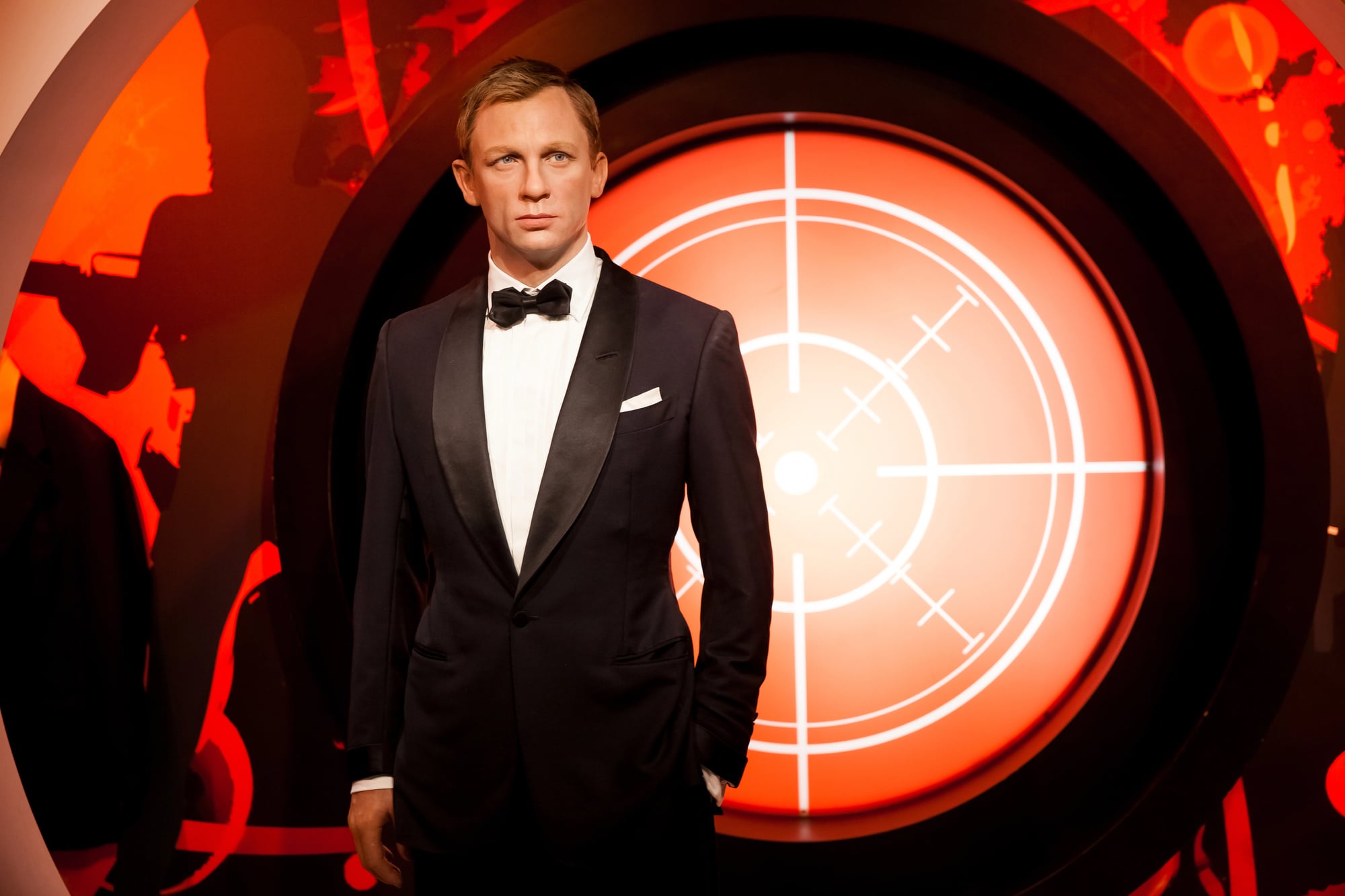
When James Bond needs to destroy a prototype aircraft, the production team bought an actual Airbus A340 — not a shell or a mockup, but a functioning commercial airliner — and blew it up at Dunsfold Aerodrome. The cost reached $14 million, making it one of the most expensive explosions ever captured on film.
The plane had to be completely drained of fuel and fitted with explosive charges placed precisely to create the maximum visual impact without endangering the crew filming nearby. Multiple camera crews captured the destruction from different angles, because there would be no second take.
The Building Collapse In Batman Begins
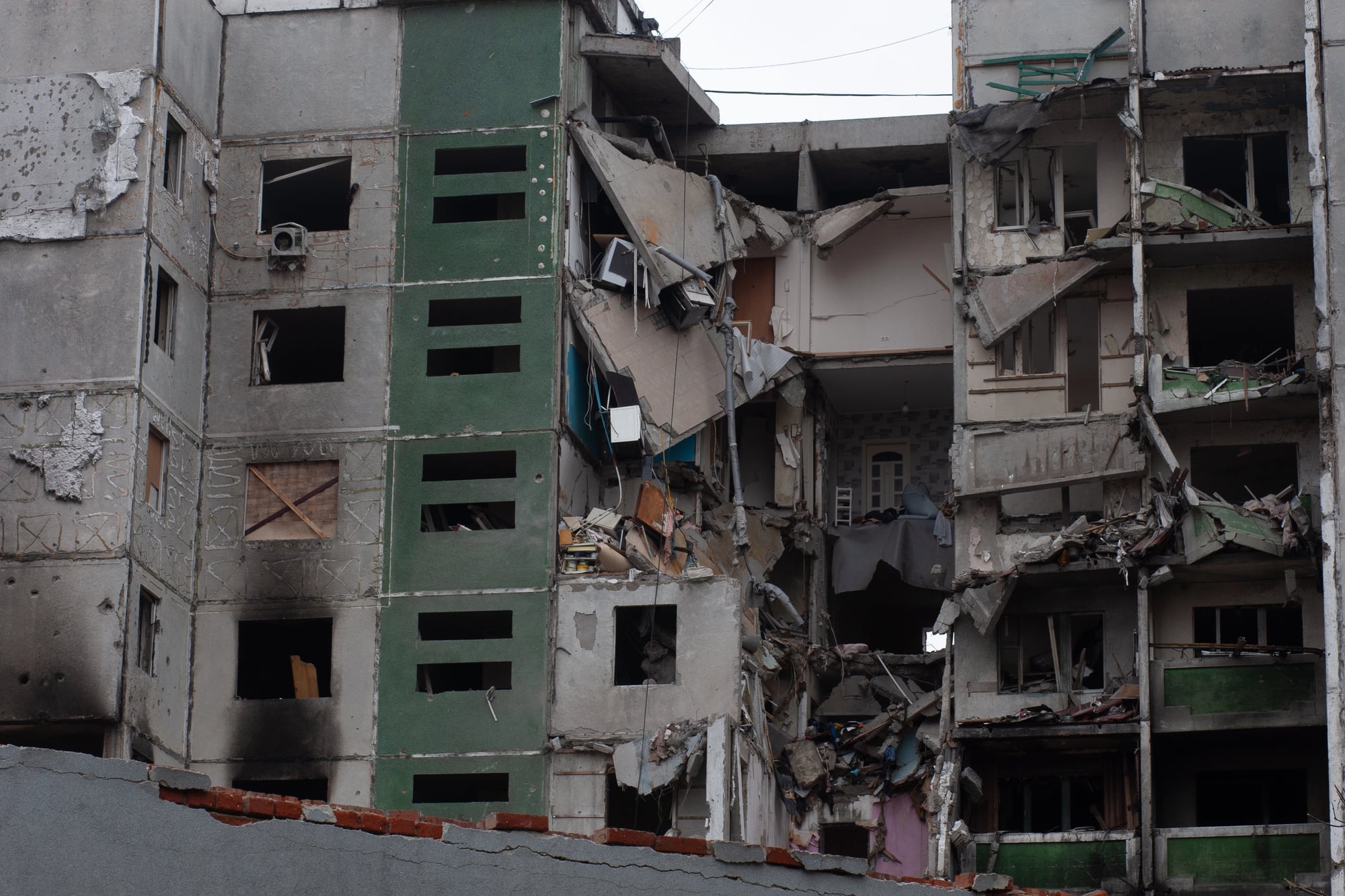
Nolan’s commitment to practical destruction extends to entire buildings. For Batman Begins, the production team purchased a warehouse in Chicago, reinforced it with steel supports, then brought it down in a controlled collapse that consumed the entire structure.
The sequence cost $9 million and required months of preparation.
What made this particularly complex was the need to film inside the building as it collapsed around the actors. This meant installing safety equipment that would protect the cast while remaining invisible to the cameras, then timing the collapse precisely so the actors could exit before the structure became genuinely dangerous.
The Highway Sequence In Matrix Reloaded
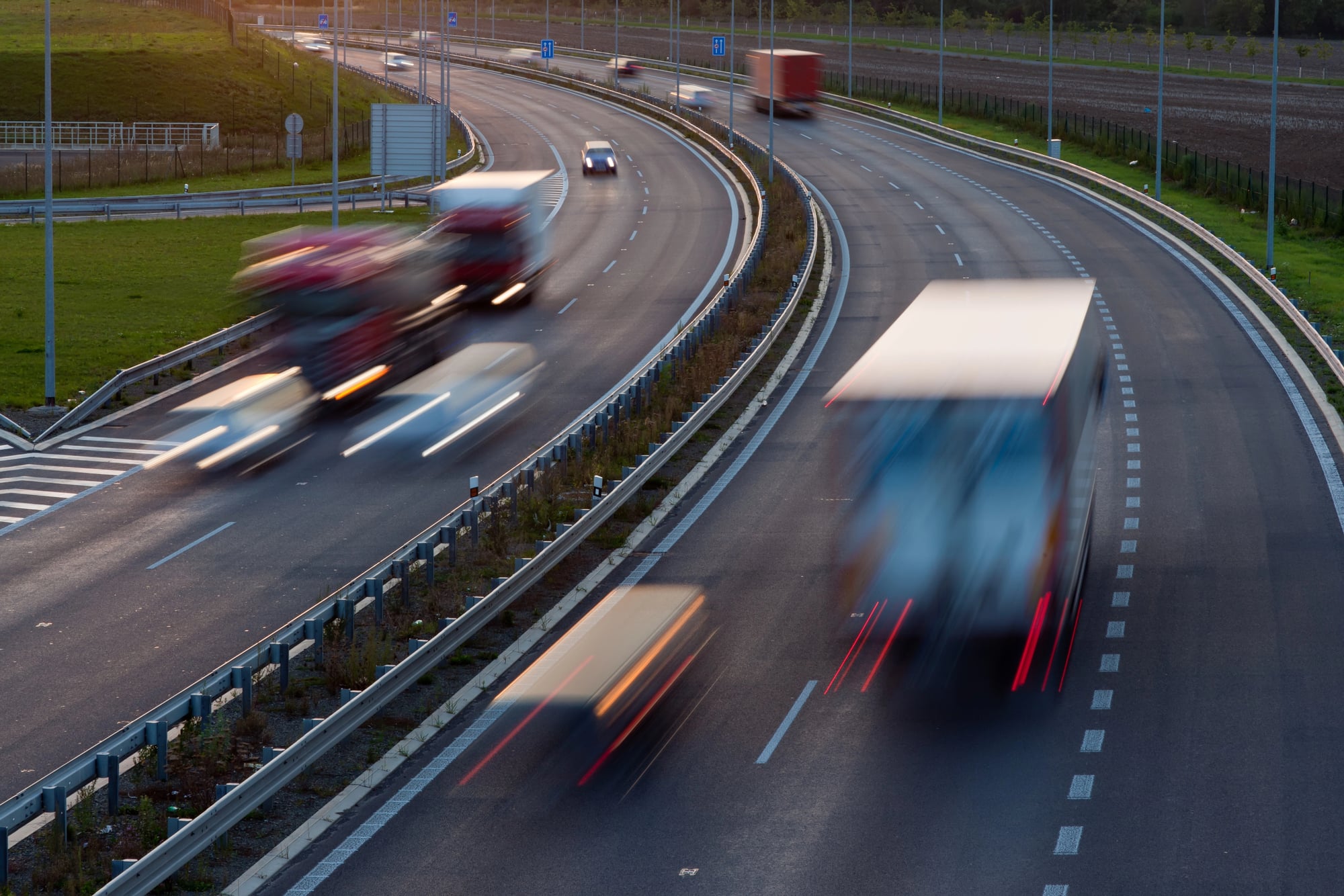
The Wachowskis built a 1.5-mile stretch of highway from scratch just to destroy it with motorcycles, cars, and semi-trucks in a chase sequence that ultimately cost $18 million. The artificial freeway included working on-ramps, overpasses, and enough detail to convince audiences they were watching real California infrastructure.
The sequence required hundreds of stunt drivers, dozens of vehicles that would be destroyed during filming, and safety crews positioned along the entire length of the fake highway.
The production purchased multiple identical vehicles for each hero car, knowing that most would be totaled during the elaborate chase.
The Train Crash In Super 8
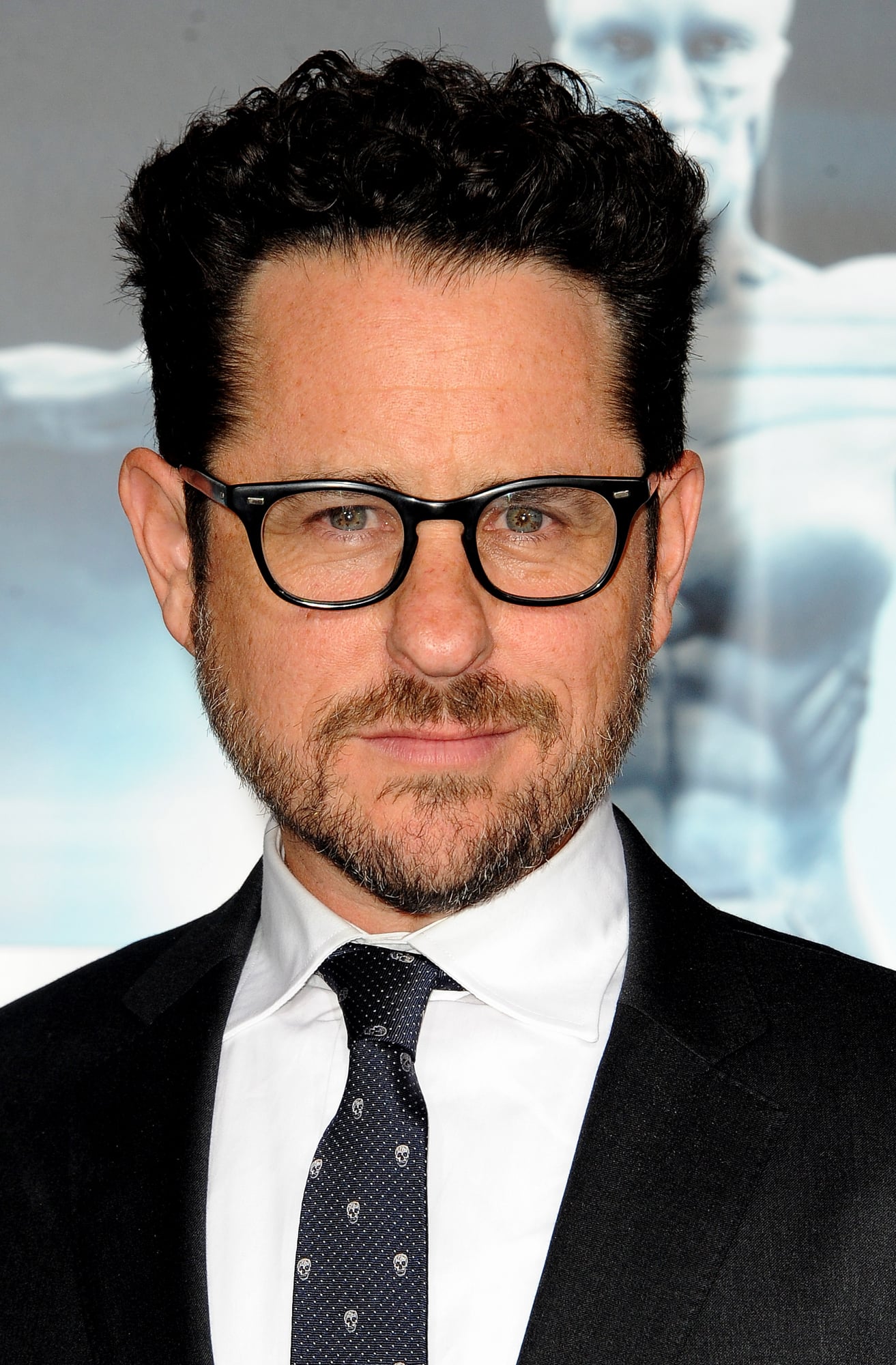
J.J. Abrams crashed a real freight train for Super 8, derailing multiple cars and scattering debris across a section of track that the production had to purchase outright.
The sequence cost $11 million and took months of coordination with railroad authorities to ensure the crash could be executed safely.
The logistics involved removing miles of track from active service, positioning cameras that could capture the destruction without being destroyed themselves, and ensuring that the derailed cars would scatter in a way that looked dramatic without threatening nearby structures.
Multiple trains were destroyed in the process, since the crash had to be captured from numerous angles simultaneously.
Skyfall’s Train Sequence
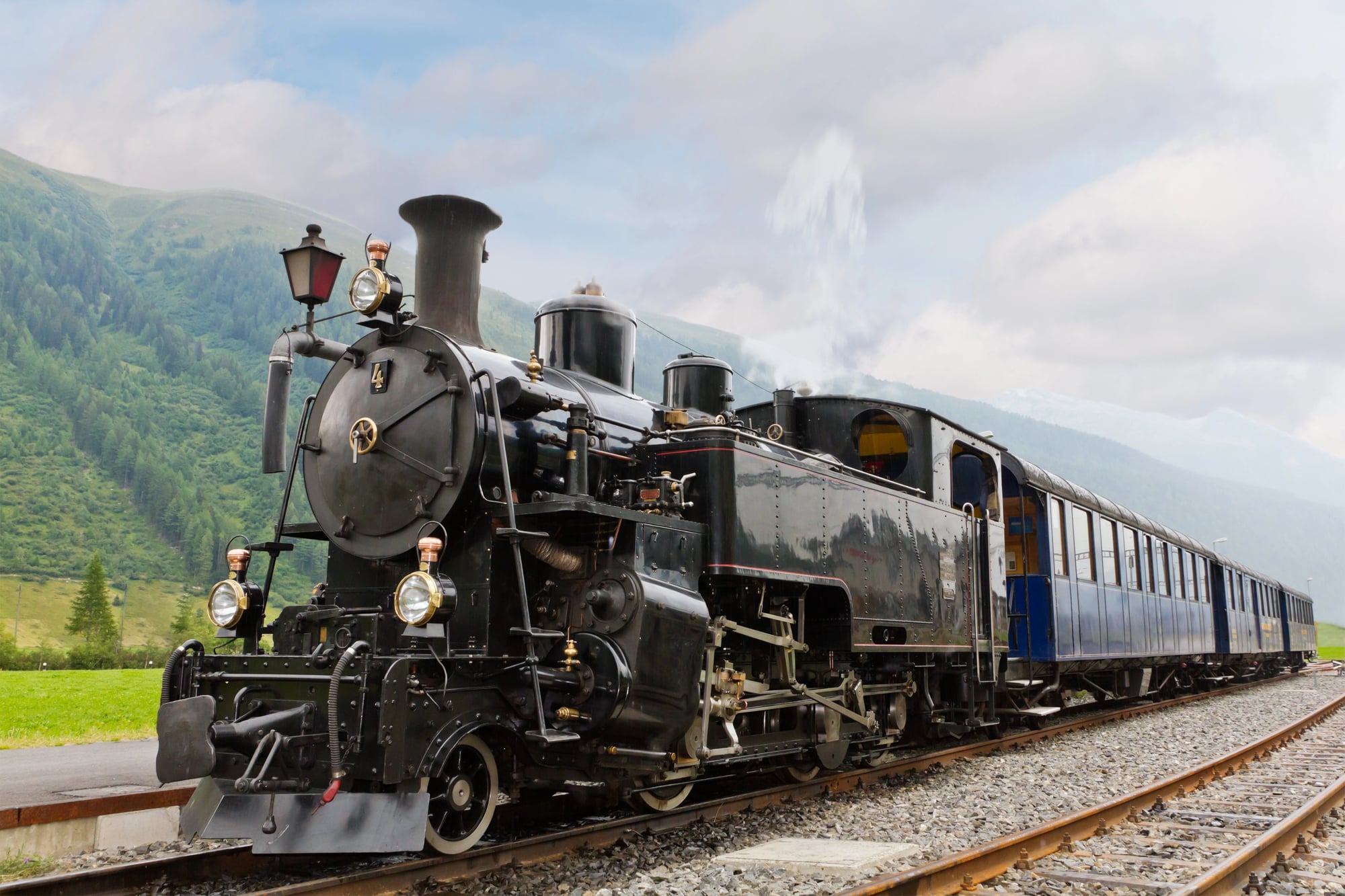
When James Bond fights on top of a speeding train in Turkey, the production used real locomotives traveling at dangerous speeds across actual bridges and through genuine Turkish countryside.
The sequence cost $13 million and required shutting down sections of Turkey’s rail network for weeks.
Daniel Craig and the stunt team performed much of the action on top of moving trains, with safety cables that had to be digitally removed in post-production. The logistics of coordinating with Turkish rail authorities, ensuring the trains could operate safely with film crews aboard, and capturing the action from helicopters and ground-based cameras made this one of the most complex train sequences ever attempted.
The Fortress Of Solitude In Superman Returns
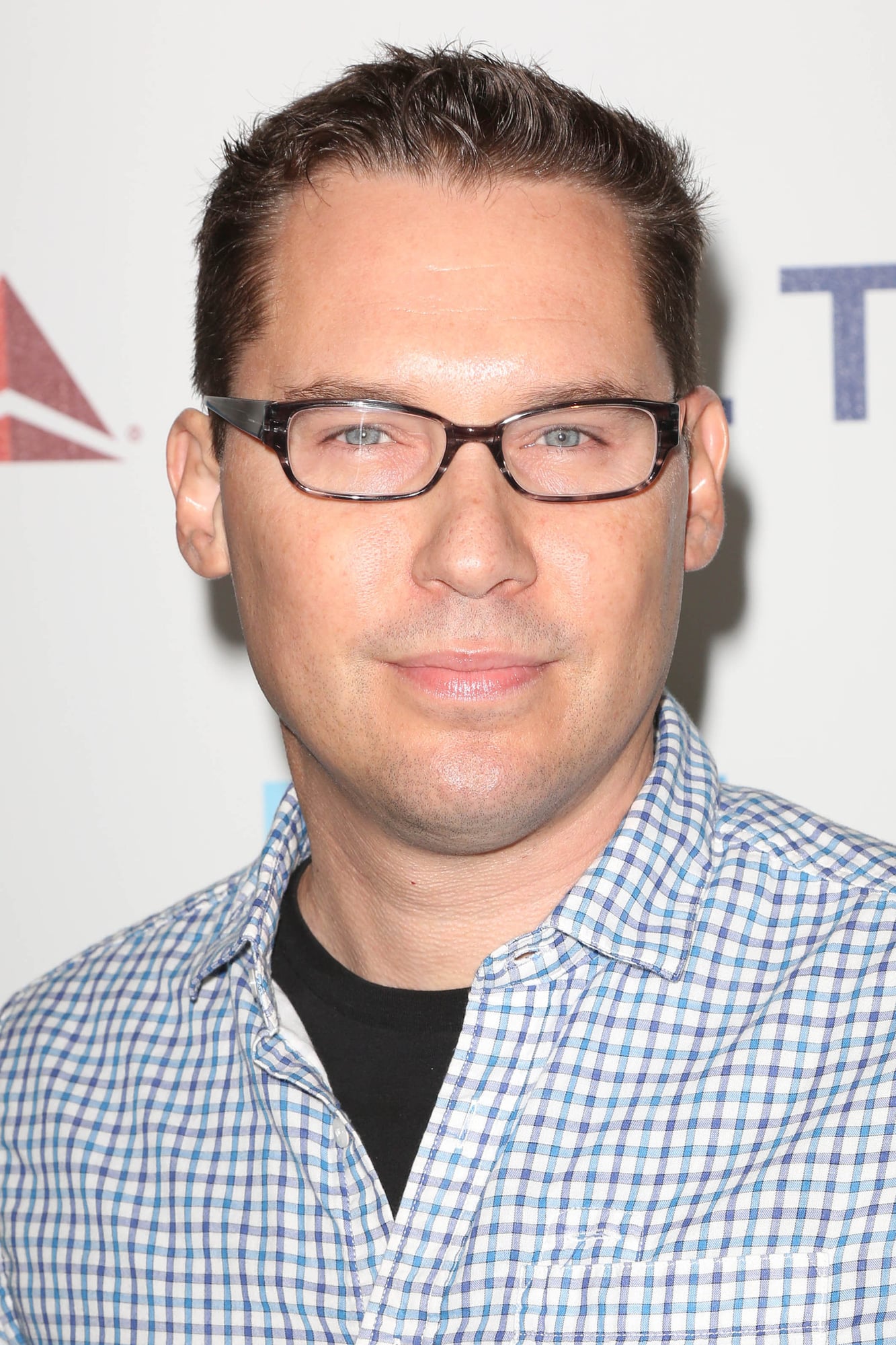
Bryan Singer built Superman’s crystalline fortress as a practical set piece that cost $16 million and covered several acres of soundstage space. The structure included working elevators, rotating platforms, and crystal formations that required custom engineering to support their own weight while appearing weightless on camera.
The fortress wasn’t just a backdrop — it was a functional environment where actors could perform without the limitations of green screen technology.
The crystal effects required thousands of individually crafted pieces, each designed to catch and reflect light in ways that would create the proper alien atmosphere.
The Volcano Lair In You Only Live Twice
Ken Adam’s volcano lair for the 1967 James Bond film required gutting an entire soundstage at Pinewood Studios and building what was essentially a functional industrial facility disguised as a villain’s headquarters. The set cost $8 million in 1967 dollars — roughly $60 million today — and included a working monorail, a rocket launch pad, and a pool that could be drained and refilled on command.
The lair wasn’t just impressive to look at — it had to function as a practical location where hundreds of actors could perform complex action sequences.
The engineering required to support the multi-level structure, install the working machinery, and ensure everything operated safely during filming made this one of the most expensive sets ever constructed.
The Chariot Race In Ben-Hur (2016)
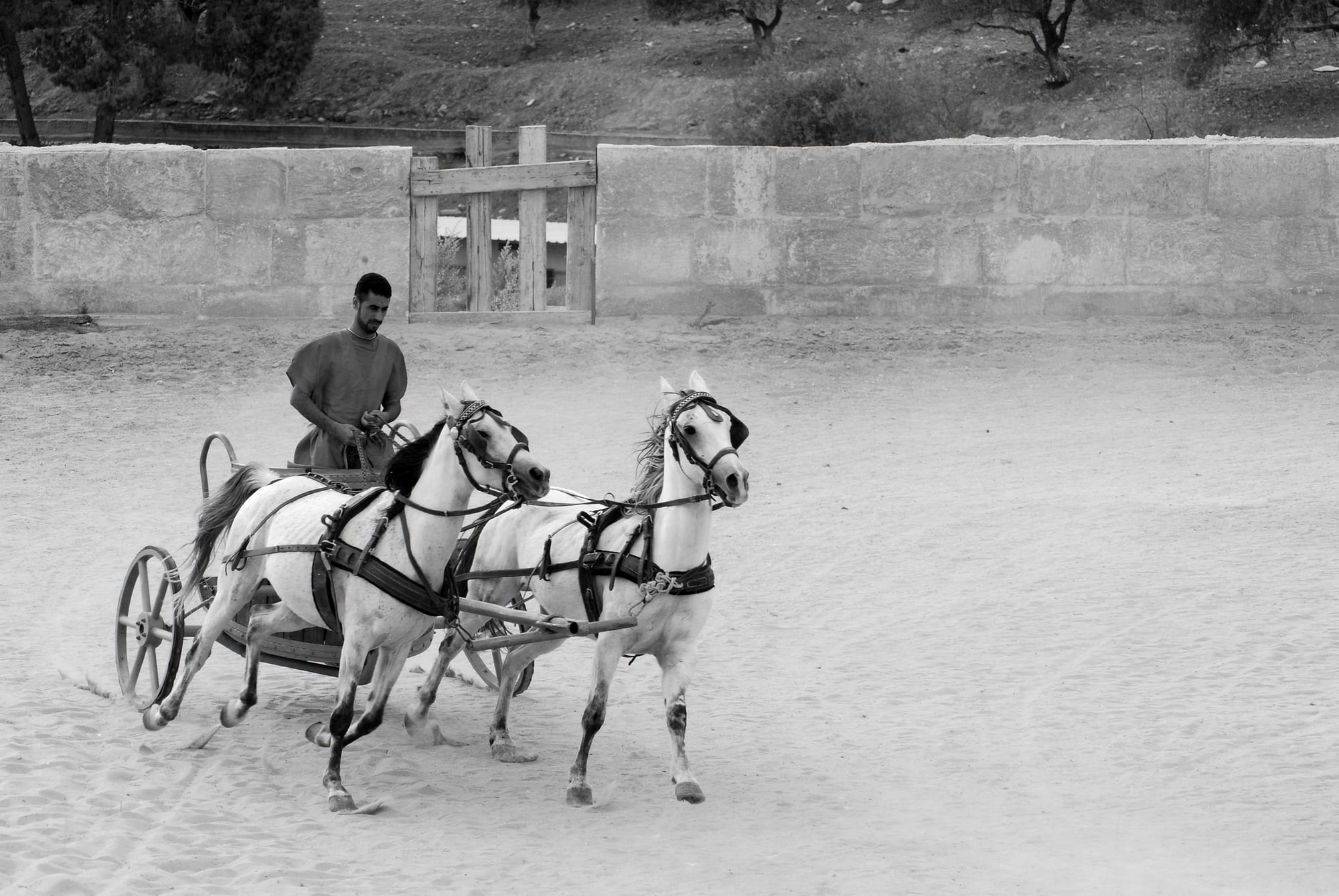
The 2016 remake of Ben-Hur attempted to recreate the scale of the 1959 original, building a new Circus Maximus that covered 12 acres and cost $22 million just for the chariot race sequence.
The production used real horses, practical chariots, and thousands of extras in an attempt to match the visceral impact of the original.
Despite the enormous investment, the sequence couldn’t recapture the magic of the 1959 version, proving that throwing money at a problem doesn’t automatically solve it.
The production faced numerous delays when working with the horses, weather issues that shut down filming for days at a time, and the complex logistics of coordinating hundreds of people and animals in a single sequence.
When Money Meets Madness

These stunts represent more than just expensive filmmaking — they’re monuments to the belief that audiences can sense the difference between real and artificial danger, even when both are perfectly executed. Directors like Christopher Nolan and the Wachowskis have built careers on the premise that practical effects carry an emotional weight that computer graphics cannot match, regardless of cost.
The question isn’t whether these stunts were worth their astronomical price tags, but whether the films that contained them would have resonated as deeply with digital alternatives. The answer, judging by their lasting impact on popular culture, suggests that sometimes the most reckless financial decisions produce the most memorable cinema.
More from Go2Tutors!

- The Romanov Crown Jewels and Their Tragic Fate
- 13 Historical Mysteries That Science Still Can’t Solve
- Famous Hoaxes That Fooled the World for Years
- 15 Child Stars with Tragic Adult Lives
- 16 Famous Jewelry Pieces in History
Like Go2Tutors’s content? Follow us on MSN.



