28 Vintage Electronic Toys Beyond Game Consoles
Before every toy had a screen, a battery and a circuit board were enough to make a plastic object feel alive. Blinking lights, synthetic voices, and tiny speakers turned the toy aisle into a showroom for the future. Few of these devices played the same game twice, and fewer still survived childhood intact.
Simon
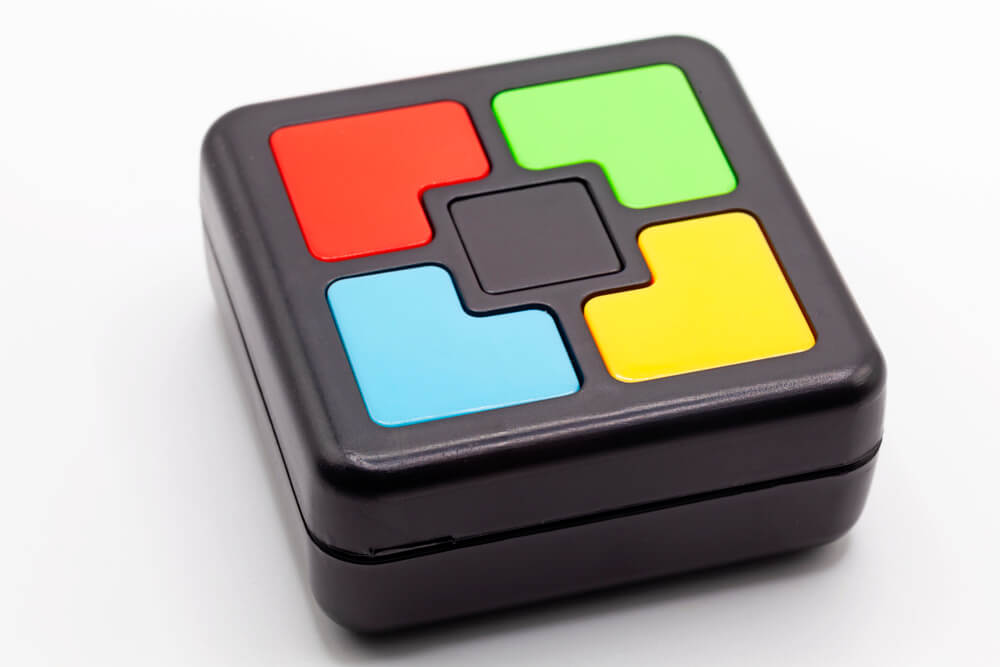
Milton Bradley launched Simon in 1978 with a party at Studio 54 in New York, and the round, four-color memory game became an instant fad. Its flashing pads and tones challenged players to repeat longer and longer sequences. Working units with clean housings and sharp buttons sell best, and corroded battery compartments lower the price.
Merlin
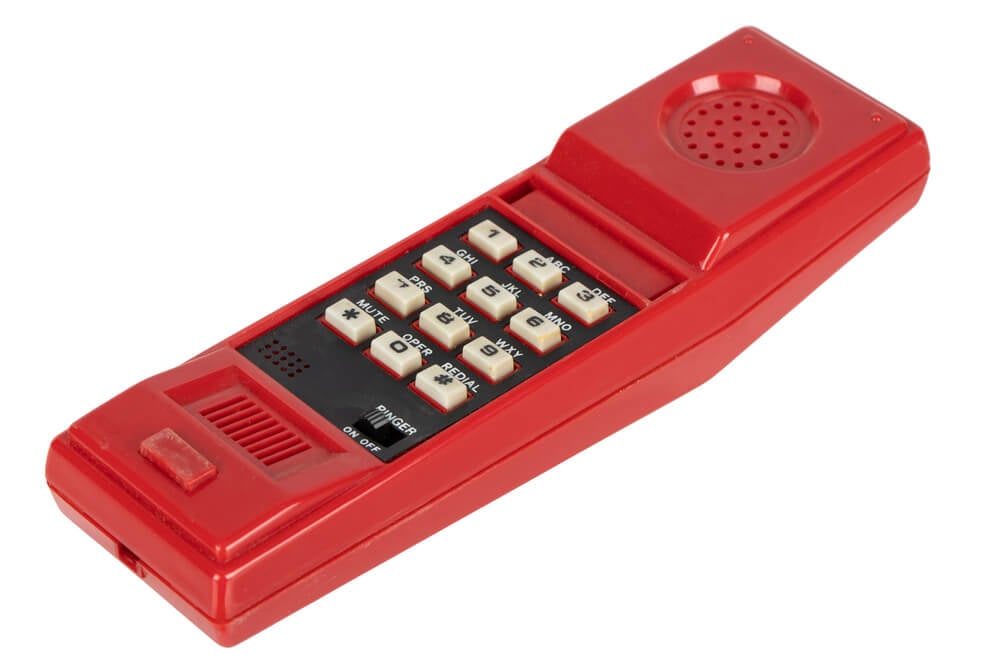
Parker Brothers’ Merlin was a red handheld shaped like a phone, with number keys that selected games including Tic-Tac-Toe, Music Machine, and Echo. It cost far less than a home computer yet felt like one. Intact battery doors and working keypads matter, since yellowed or cracked plastic is common.
Comp IV
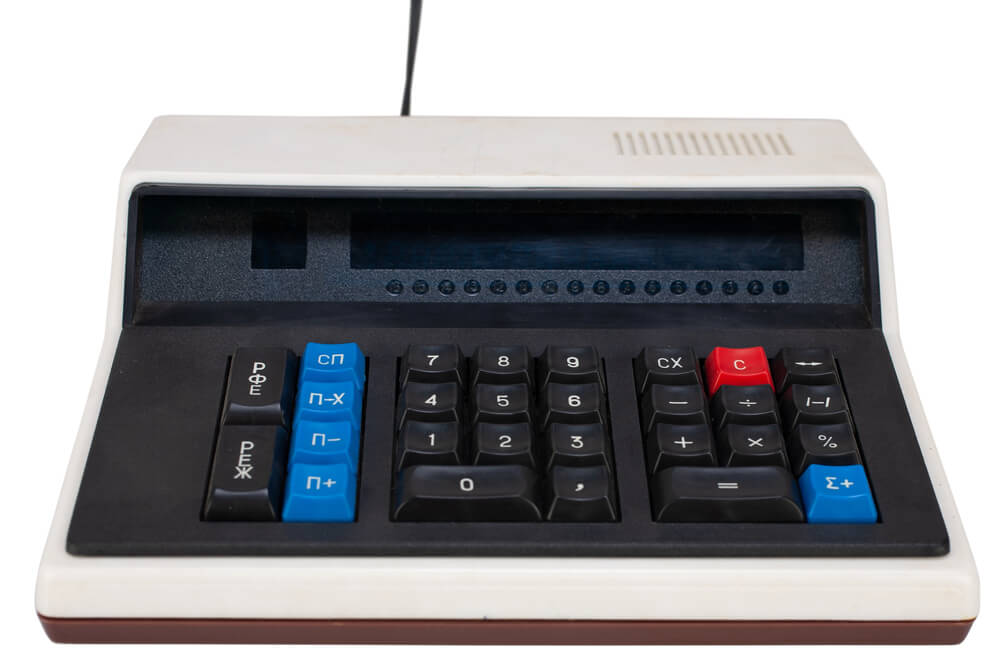
Milton Bradley’s Comp IV, released in 1977, was a handheld code-breaking game in the spirit of Mastermind that challenged players to guess a hidden number. It was one of the early pocket electronic games sold in toy departments. A working display and clean battery contacts are what collectors look for.
Speak & Spell
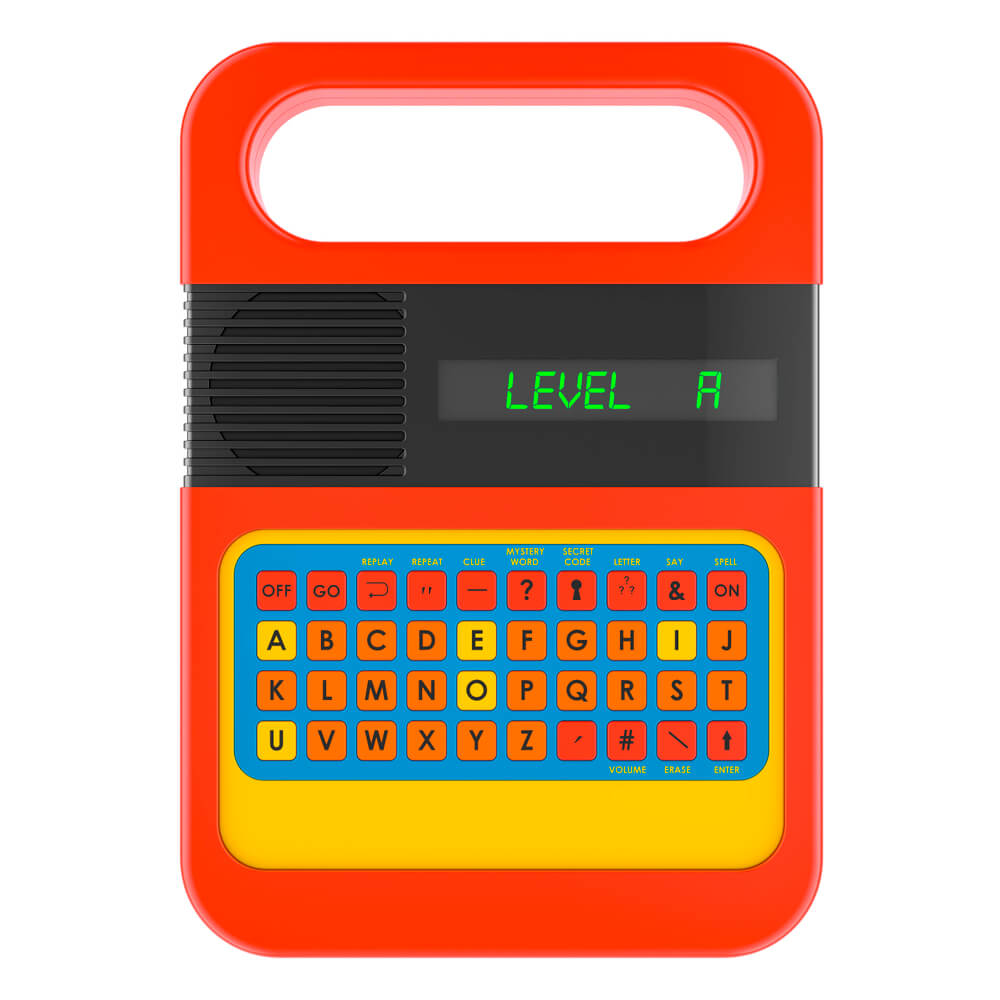
Texas Instruments introduced the Speak & Spell in 1978, and it contained the first single-chip voice synthesizer. The robotic voice quizzed children on spelling and became a pop culture icon. Working speech and an unscratched screen bring better prices, and the cartridges matter to completists.
Speak & Math and Speak & Read
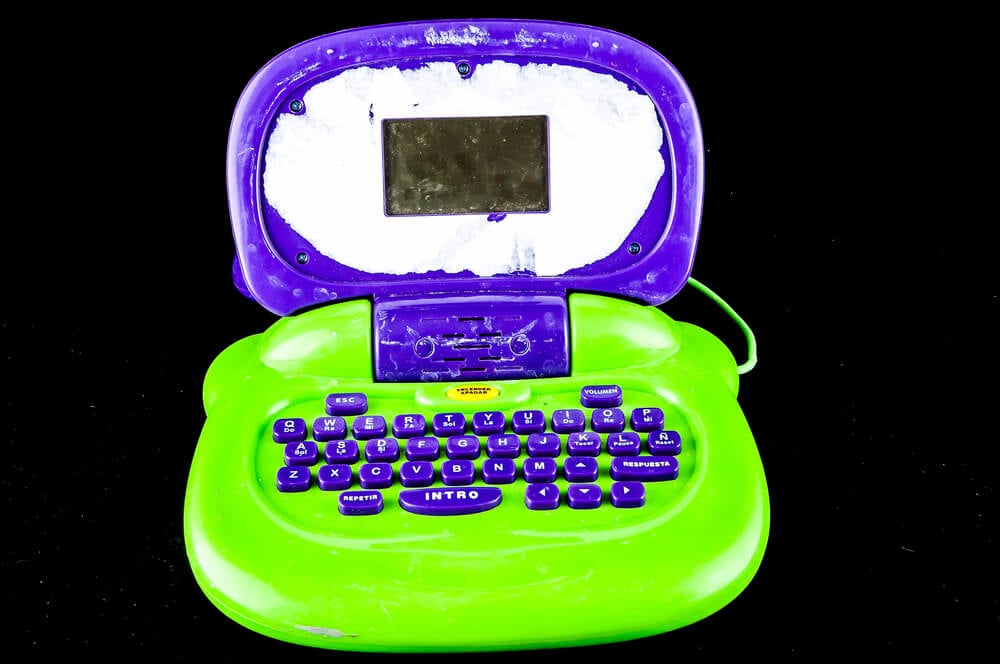
Texas Instruments followed the original with sequels that taught arithmetic and reading using the same synthetic voice. The Speak line ran for years and spawned a family of devices. Unmarked cases and working keypads are what to check, and the original manuals increase value.
Little Professor

Texas Instruments released the Little Professor in 1976, a handheld that quizzed children on arithmetic problems and displayed results on a small screen. A cartoon professor face on the front gave it a friendly look. A working display and intact battery compartment are the main condition issues.
Big Trak
Big Trak, released by Milton Bradley in 1979, was a programmable toy tank controlled with a keypad that let a child enter a sequence of moves. The vehicle then trundled across the floor following the commands. Complete sets with the original cargo trailer and working gears fetch the best prices.
Operation

Milton Bradley’s Operation, released in 1965, had players remove plastic ailments from a patient with tweezers, and a buzzer sounded and the patient’s nose lit up if the metal touched the edge. The game came from a design by John Spinello, who sold it for a modest sum. Complete sets with all the small pieces and a working buzzer are the ones that sell well.
Lite-Brite

Lite-Brite let children push colored plastic pegs through a sheet of black paper to make glowing pictures against a lit panel. The system was simple enough that a child could finish a picture in minutes. Complete peg sets and intact templates are scarce, so a full set is worth more.
Hot Wheels Sizzlers
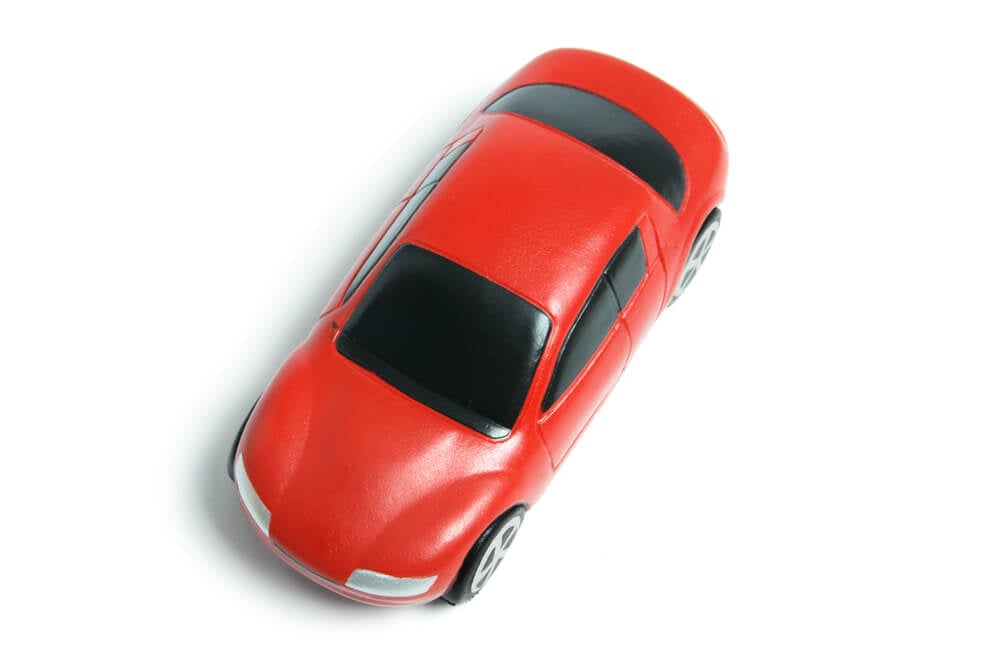
Hot Wheels Sizzlers were electric versions of the little cars, powered by a rechargeable battery pack that was charged in a plastic charging station. The cars raced along tracks at much higher speeds than their non-motorized cousins. Original charging stations and unscuffed paint increase the price.
Teddy Ruxpin

Teddy Ruxpin, introduced in 1985 by Worlds of Wonder, was a plush bear with a cassette player built into its back that moved its eyes and mouth in time with recorded stories. The toy was designed by a former Disney Imagineer. Working mechanisms and original tapes matter, since mouth motors often fail with age.
Lazer Tag
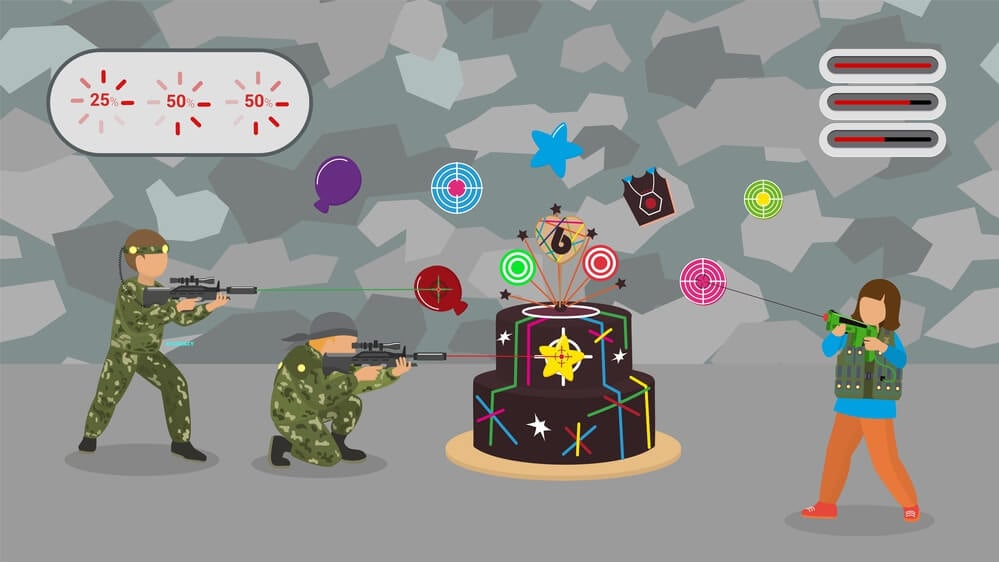
Lazer Tag replaced the pretend gunfire of playground games with infrared beams and sensors, and players wore small receivers and carried toy blasters. The game helped make tag a gadget experience. Complete sets with working sensors and clean housings are much easier to sell.
Omnibot

Omnibot was a remote-controlled robot made by Tomy that could carry a tray, giving the impression of a household butler. It was an early example of a consumer robot marketed to families. Complete robots with working motors and original remotes carry a considerable premium.
Furby

Furby made its debut at the American International Toy Fair in New York in February 1998, and its blinking eyes and chattering made it a holiday sensation. The toy could appear to learn English as it spoke. Condition of the fur and a working motor are the main considerations, and original boxes help.
Tamagotchi
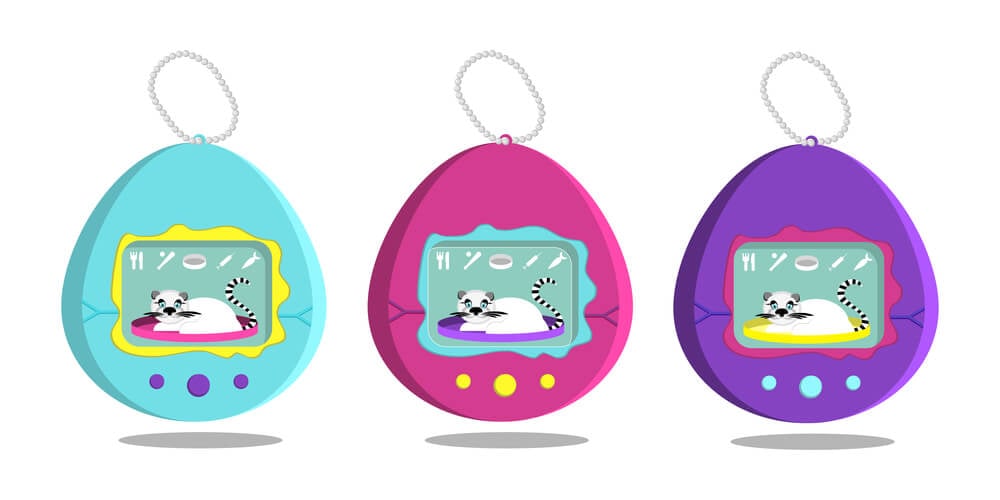
Bandai’s egg-shaped Tamagotchi was a keychain virtual pet that needed to be fed, cleaned, and played with, and neglect could mean its demise. It turned pet care into a pocket-sized responsibility. Working units with legible screens and original packaging are the most desirable.
Giga Pets
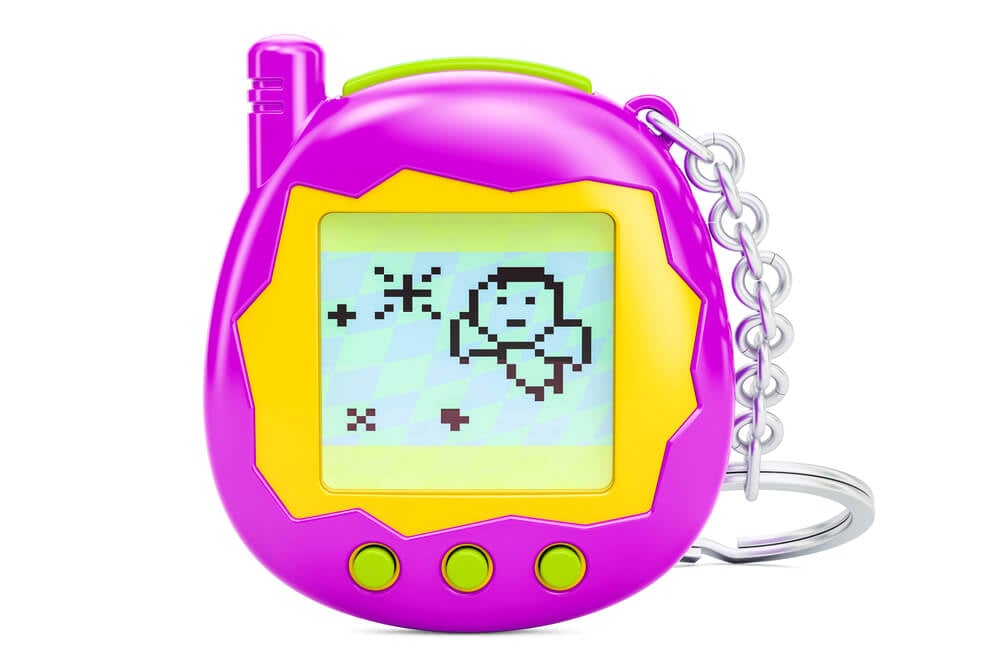
Giga Pets, made by Tiger Electronics, were rivals to the Tamagotchi, offering handheld virtual animals that demanded attention. They came in a range of creatures and colors. Intact screens and working buttons, plus battery compartments free of corrosion, determine the price.
Pocket Pikachu

Nintendo’s Pocket Pikachu was a pedometer-style device that counted a child’s steps and turned them into watts for a digital pet. It cleverly tied playtime to actual walking. Working units with clean cases and clip attachments are the ones collectors want.
Talkboy
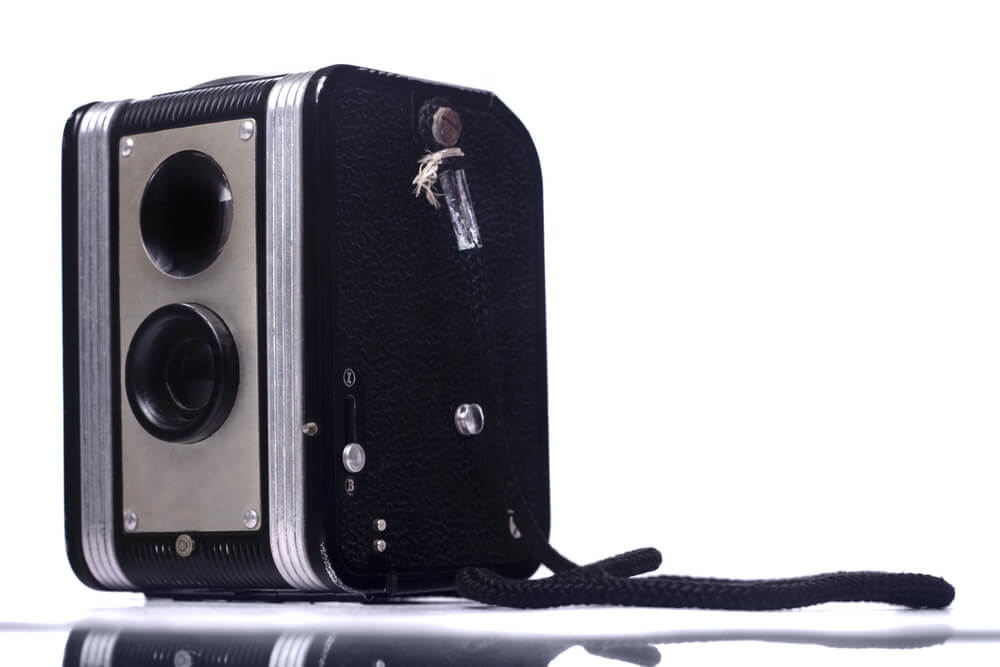
The Talkboy was a handheld cassette recorder that could change the pitch of a recorded voice, and it became famous through a movie sequel in which the lead character used one to disguise his voice. Tiger Electronics made the real-world version. Working tape mechanisms and intact housings determine value.
Bop It

Bop It, made by Hasbro, barked commands to bop, twist, or pull its parts, and the commands came faster as the game went on. It turned reflexes into a party game. Working sound and sturdy controls matter, and the original packaging adds a premium.
Tickle Me Elmo

Tyco’s Tickle Me Elmo shook and giggled when squeezed, powered by a small motor and a sensor. The toy sparked a shopping frenzy in the mid-1990s. Working vibration and a clean cloth body matter, as does the original tag.
Game & Watch
Nintendo’s Game & Watch handhelds debuted around 1980, and the designer Gunpei Yokoi reportedly came up with the idea after seeing a businessman playing with a calculator on a train. Each unit played one game on an LCD screen and also showed the time. Working screens and unfaded casings are the main concern.
Mattel Handheld Sports Games
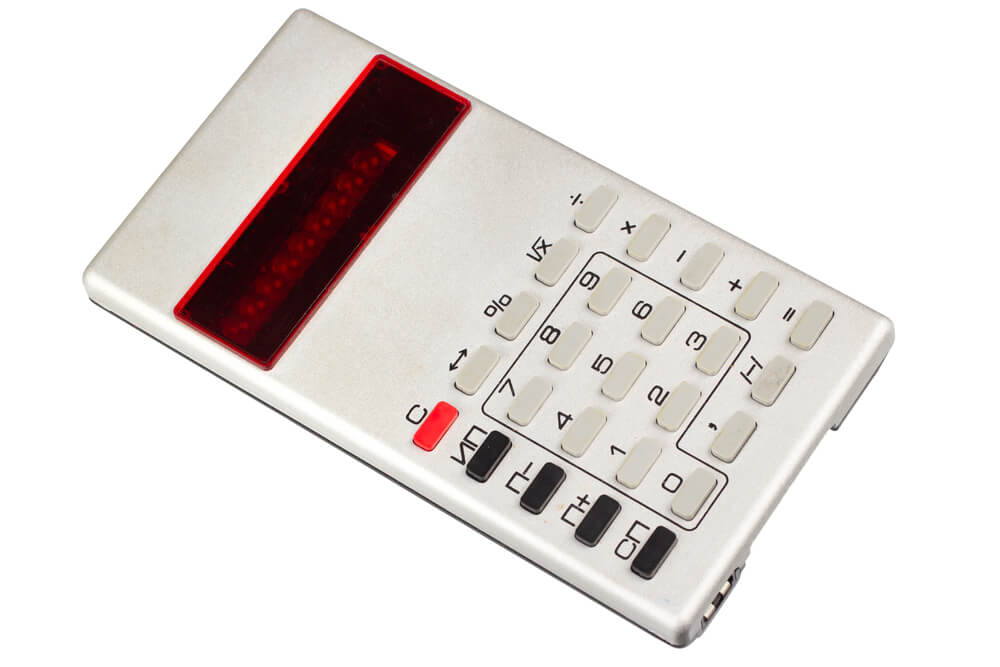
Mattel’s red-LED handheld games, including a gridiron game and an auto racing game, used glowing dots as players and became some of the most popular electronic toys of the late 1970s. Their simple, blinking graphics hooked players of all ages. Working displays and intact battery compartments are essential for value.
Coleco Electronic Quarterback
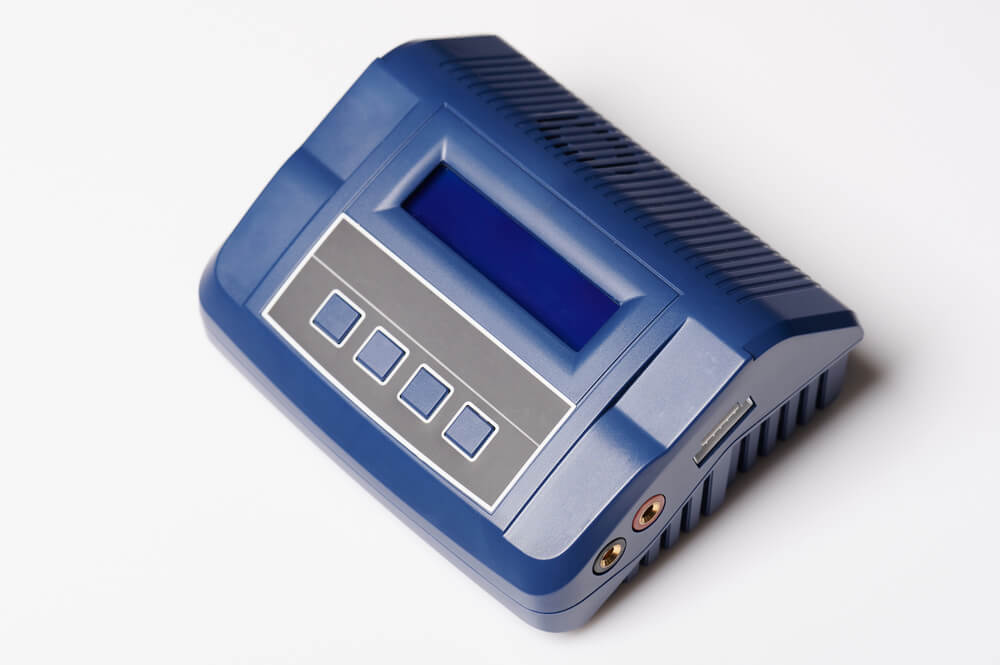
Coleco’s Electronic Quarterback was a handheld gridiron game with a tiny red display where a glowing dot carried the play downfield while players dodged defenders with buttons. It was one of the best-known sports games of its era. Complete units with clean controls are scarce, and corroded batteries often ruin them.
Tomytronic 3D
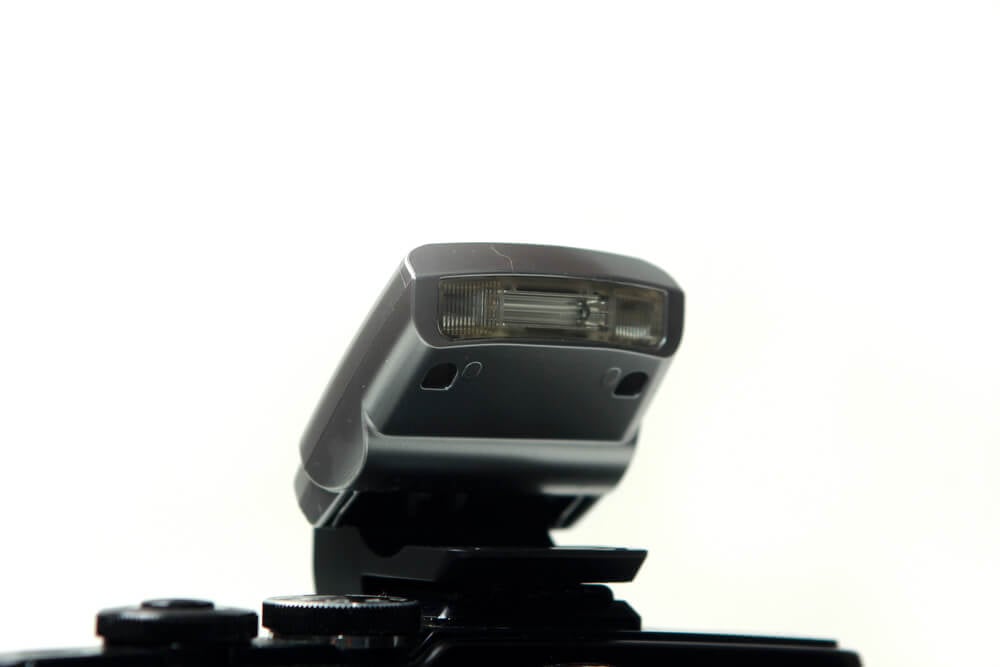
Tomy’s Tomytronic 3D units presented games in a viewer that players looked into, creating a layered effect from the lit displays. The effect was striking for its time. Working lights and clean viewing lenses are the primary concerns.
Electronic Detective
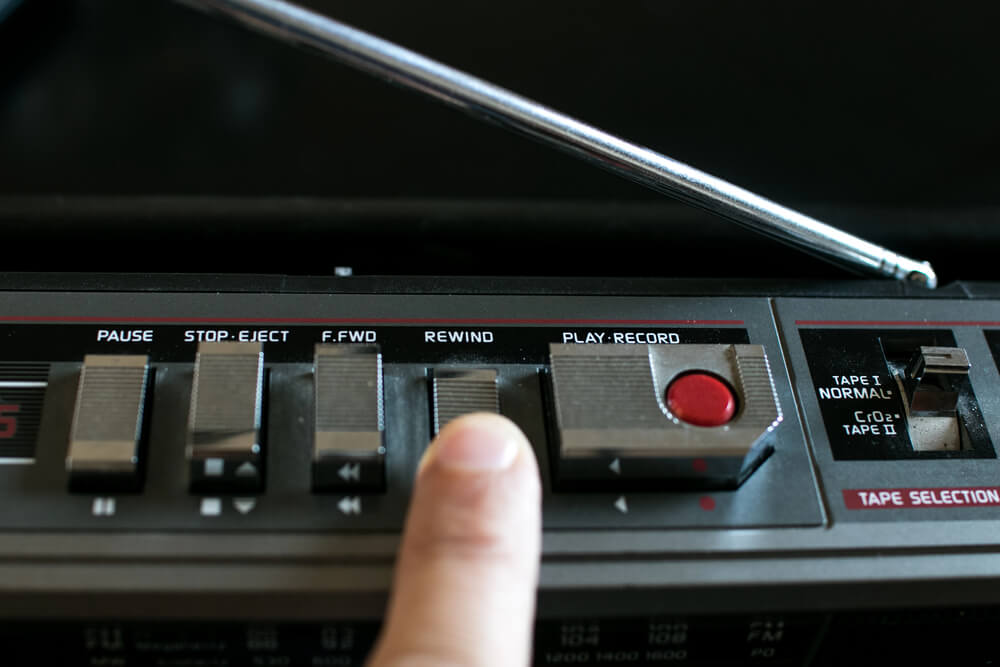
Ideal’s Electronic Detective was a tabletop mystery game with a console that checked each player’s clues and confirmed alibis. It brought a computer to the table in a game of deduction. Complete sets with cards, tokens, and a working console are uncommon.
Casio VL-Tone
The Casio VL-Tone combined a calculator with a tiny keyboard and a synthesizer, and it became a cult favorite among musicians. A Casio VL-1 appeared on the pop hit by the German band Trio. Working keys and an unspoiled battery compartment are the main condition concerns.
Nintendo Love Tester
Nintendo’s Love Tester, released in 1969, had two electrode handles that a couple held to measure how in love they were, and a meter registered the result. It was a toy built around a harmless electrical trick. Working meters and original boxes bring the best prices.
The Dark Tower

Milton Bradley’s The Dark Tower was a board game built around a large electronic tower that used lights and sounds to guide play. The tower’s rotating drums were a showpiece on the table. Complete sets with a working tower and all pieces are the key to value.
The Blinking Appeal of Batteries
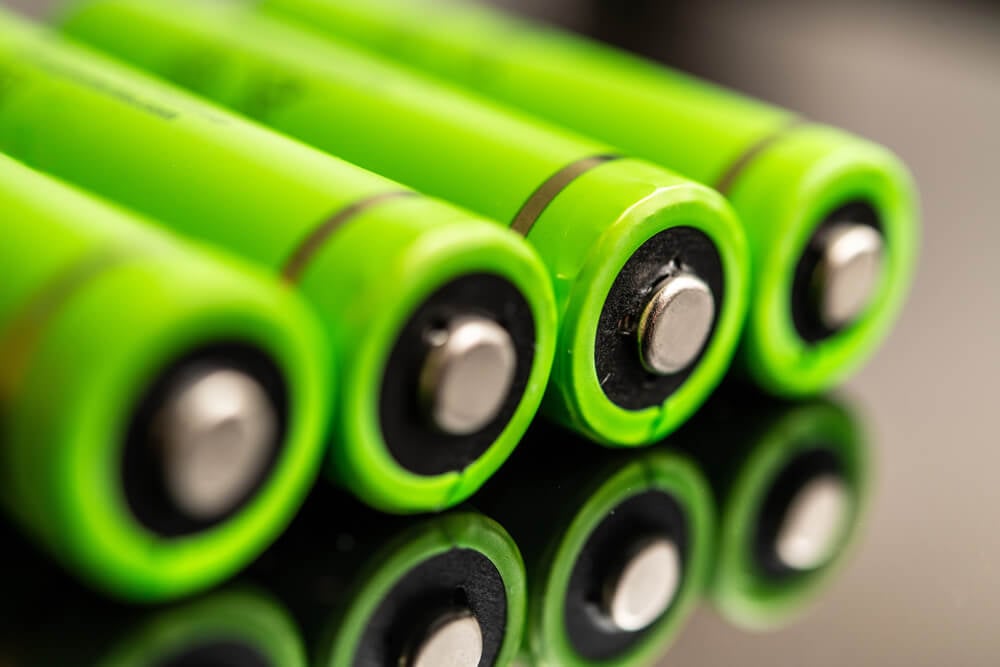
What links these toys is the promise that a plastic shell could talk back. A button press produced a light, a beep, or a voice, and each response felt like a tiny miracle. The chips behind them were remarkably simple, but they did the job.
The toys that survive tend to be the ones whose battery compartments were opened once, emptied, and carefully put away. A bit of corrosion is the great enemy of the hobby. The best finds are the ones that still blink when a fresh battery goes in.
More from Go2Tutors!

- 27 Silver Dollars and Half Dollars Worth Keeping
- 28 Restaurant Menu Items Nobody Orders Anymore
- 17 Places Built in Seemingly Impossible Spots
- 27 Vintage Rings Worth More Than They Look
- 25 Restricted Sites Tourists Can’t Enter
Like Go2Tutors’s content? Follow us on MS