15 Loudest Animals on Every Continent
The animal kingdom’s noisiest residents don’t always match what you’d expect. Sure, a rooster’s morning announcement gets attention, though it’s practically a whisper compared to some creatures out there.
Evolution has crafted remarkable sound-makers across every continent—from ocean depths where massive whales belt out calls to mountaintops where birds amplify their voices through thin air. Here is a list of 15 of the loudest animals found across every continent, each one a master of acoustic power in their own domain.
Blue Whale

Blue whales reign as Earth’s loudest creatures, generating calls that hit 188 decibels—easily drowning out jet engines. These ocean giants rely on low-frequency sounds that slice through hundreds of miles of water, connecting whales separated by vast distances.
Most of their communication happens below human hearing range, yet the power behind these calls is absolutely staggering.
Howler Monkey
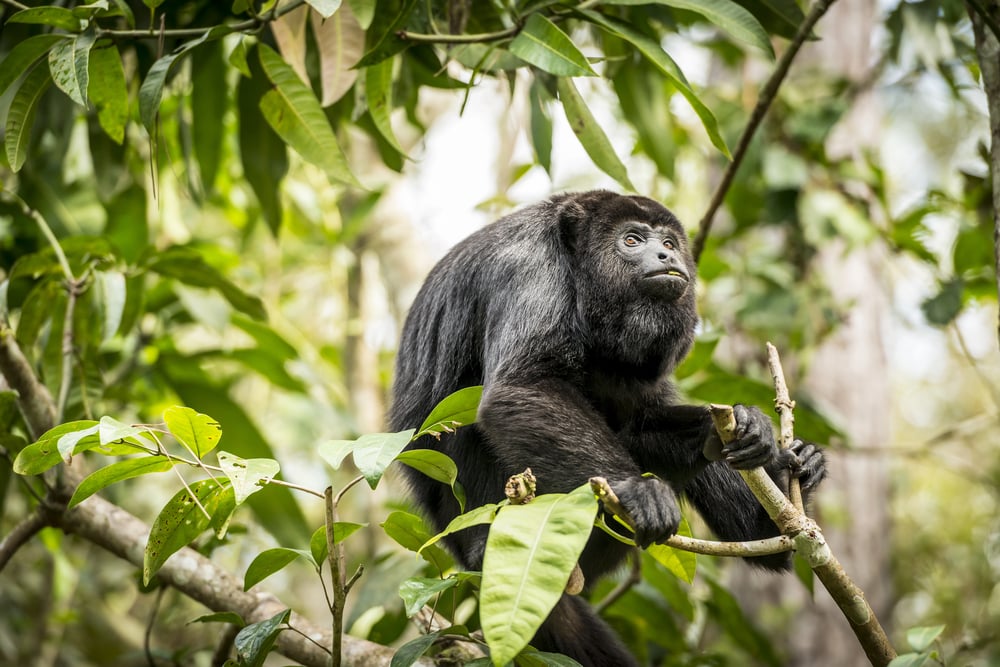
Central and South American howler monkeys earned their name through sheer vocal force—their calls carry up to three miles through dense rainforest. At 140 decibels, these primates use specialized throat anatomy that works like nature’s own amplifier.
Dawn choruses from howler troops can wake entire jungle communities, though their territorial announcements serve crucial social functions.
African Elephant
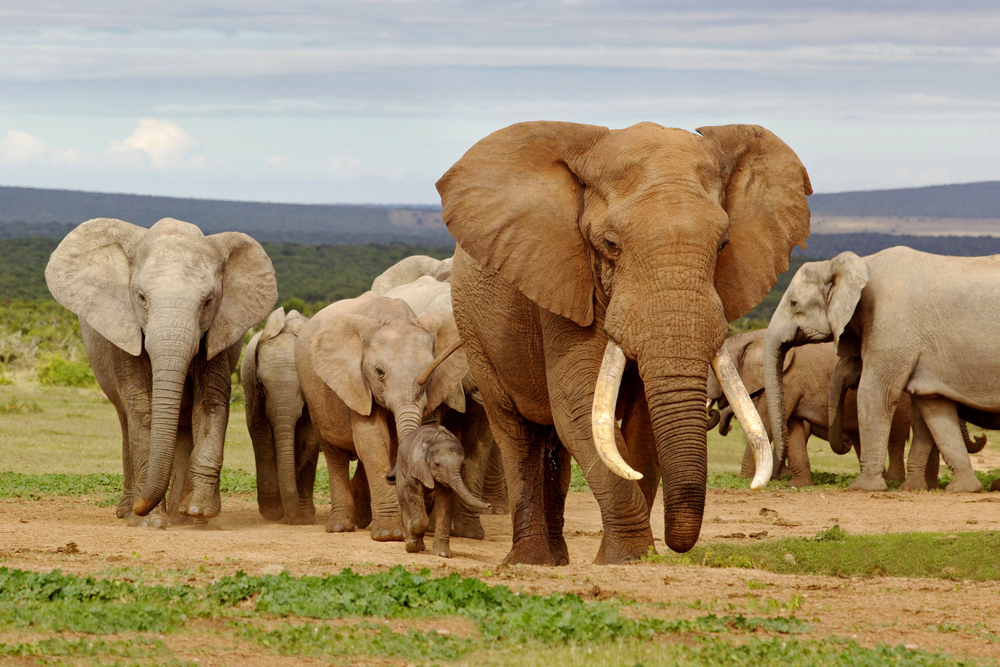
African elephants don’t just trumpet; they produce infrasonic rumbles reaching 117 decibels that travel across miles of savanna. These low-frequency communications help elephant herds maintain contact even when scattered across vast territories.
The sounds often transmit through ground vibrations, which other elephants detect through their sensitive feet and trunks.
Cicadas
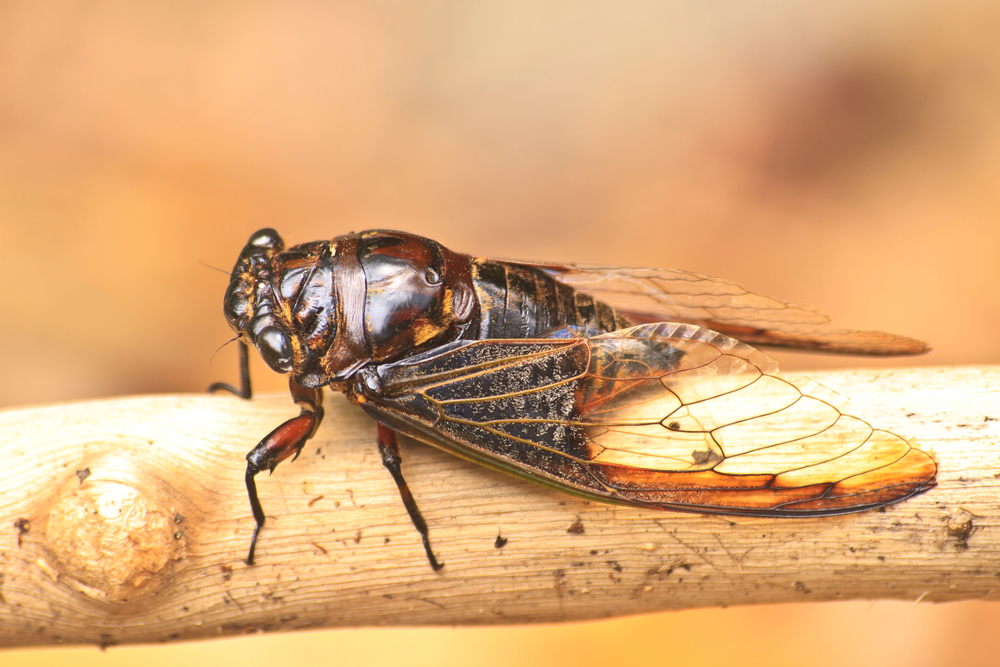
Small insects pack surprising acoustic punch when cicadas emerge in massive swarms during mating season. Males generate 120-decibel sounds by rapidly vibrating specialized organs called tymbals on their abdomen.
Thousands synchronizing their calls create a collective buzz audible from over a mile away—loud enough to cause temporary hearing damage up close.
Kakapo
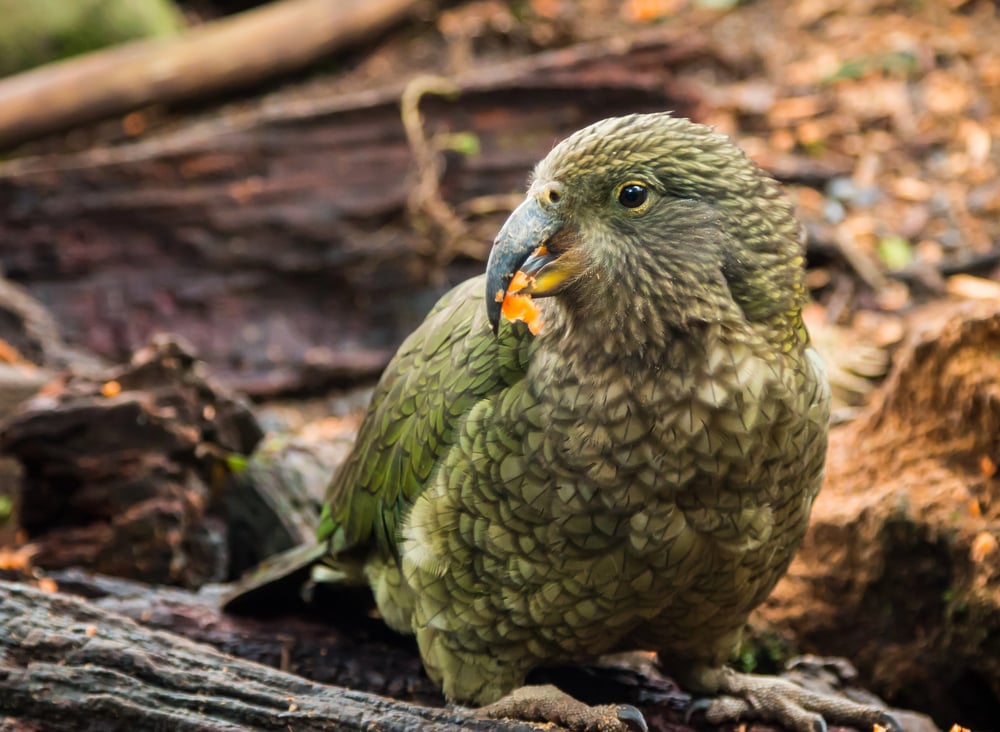
New Zealand’s flightless kakapo parrot looks deceptively gentle, though males produce 100-decibel booms that carry over three miles. These critically endangered birds inflate special air sacs to create their distinctive low-frequency calls during breeding season.
The sound resonates so deeply it literally vibrates through your chest when you’re nearby.
Pistol Shrimp
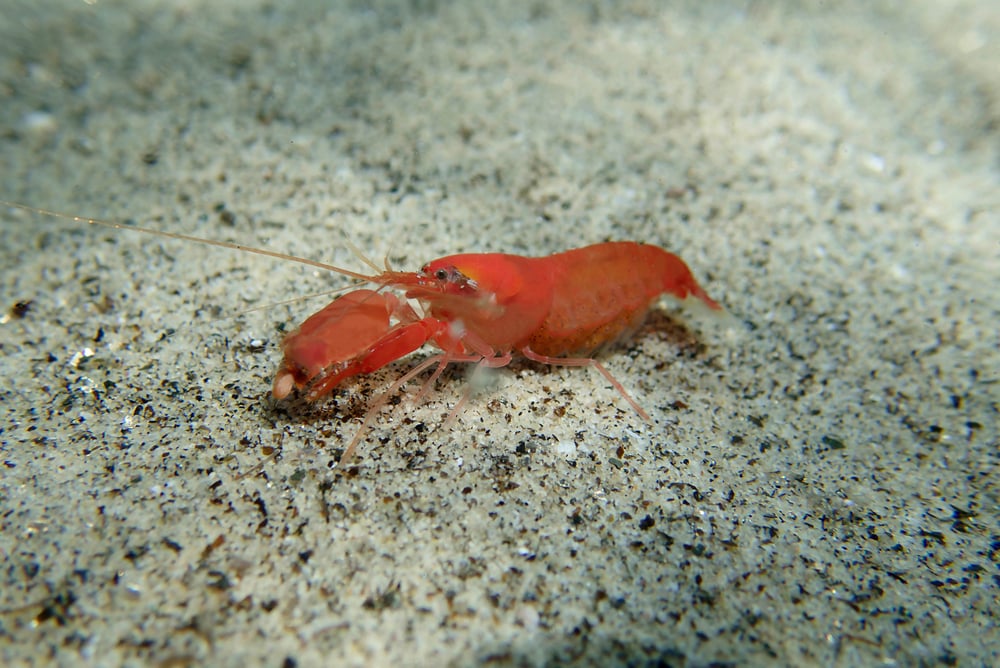
Size means nothing when this tiny crustacean snaps its oversized claw shut—creating 218-decibel underwater explosions. The snap generates cavitation bubbles that collapse with enough force to stun or kill small fish.
These little shrimp cause serious problems for submarine sonar systems, proving that acoustic power doesn’t require massive size.
Lion
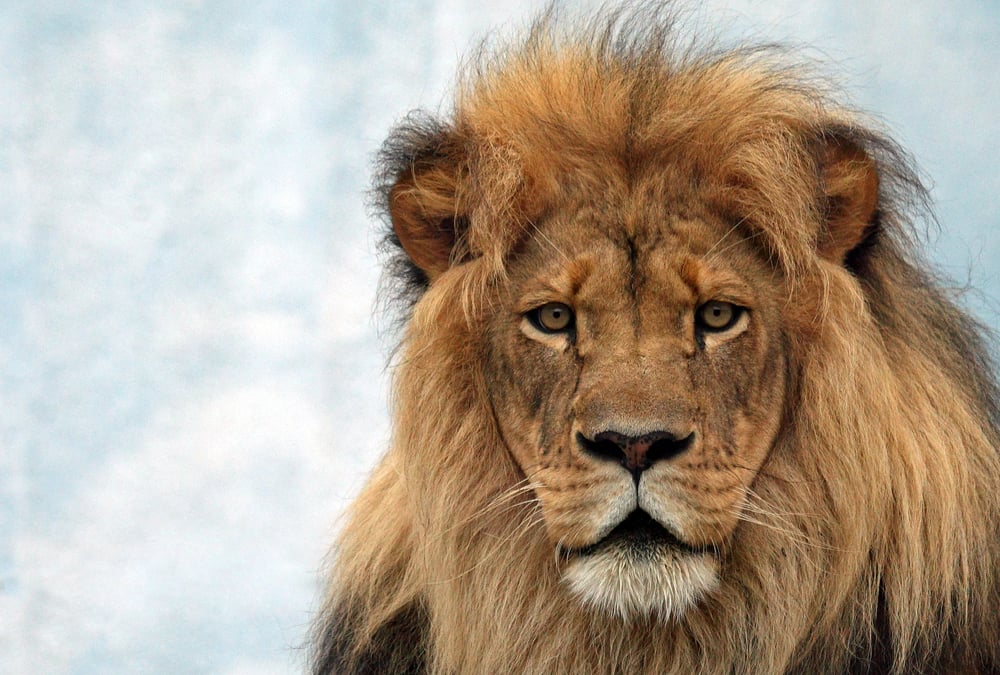
The king of beasts delivers roars reaching 114 decibels that travel five miles across open terrain. Lions use their powerful vocalizations to communicate with pride members while warning off rivals and establishing territory.
The sound resonates so deeply it makes your bones vibrate—explaining why lion roars feel intimidating even from safe distances.
Bison
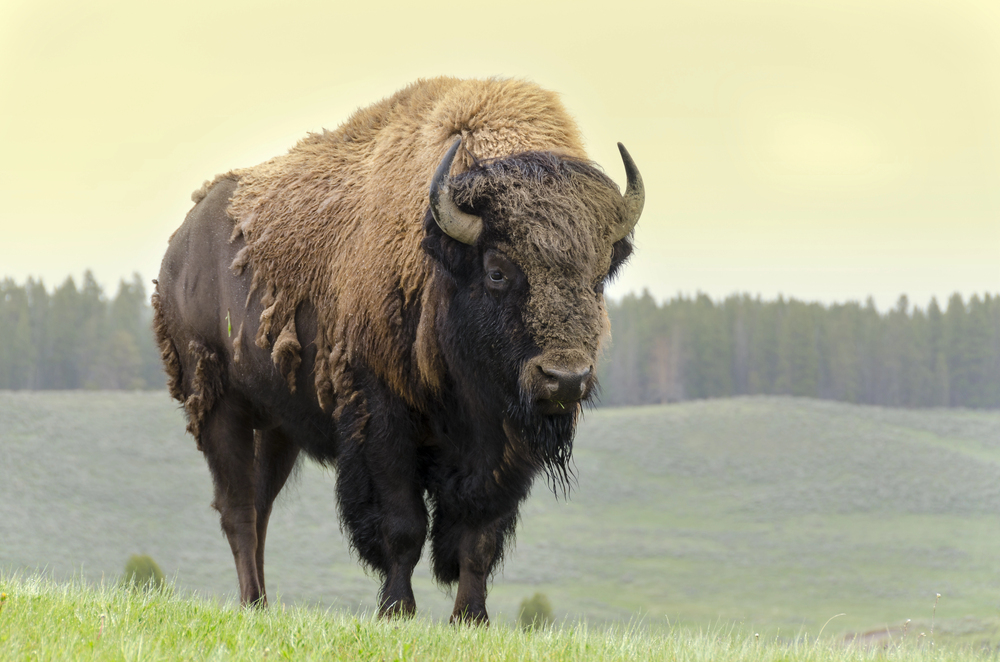
American bison appear peaceful while grazing, yet bulls produce 100-decibel bellows during mating season. These massive animals use deep, rumbling calls to attract females and challenge other males for dominance.
The sounds carry remarkably well across open prairie—helping these heavy animals communicate without moving their considerable bulk around unnecessarily.
Koala
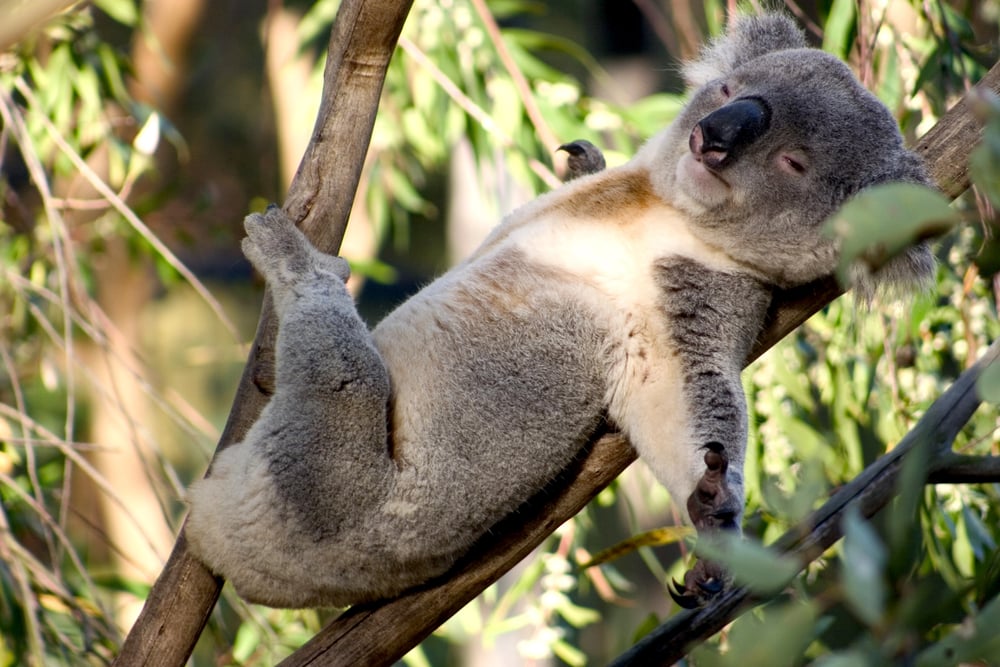
Australia’s cuddly-looking koalas surprise people with their vocal power, as males produce 100-decibel grunting calls. These marsupials possess specialized voice boxes that generate deep, resonant sounds seemingly too big for their fuzzy bodies.
The calls help males attract mates while warning other koalas to respect territory boundaries.
Sperm Whale
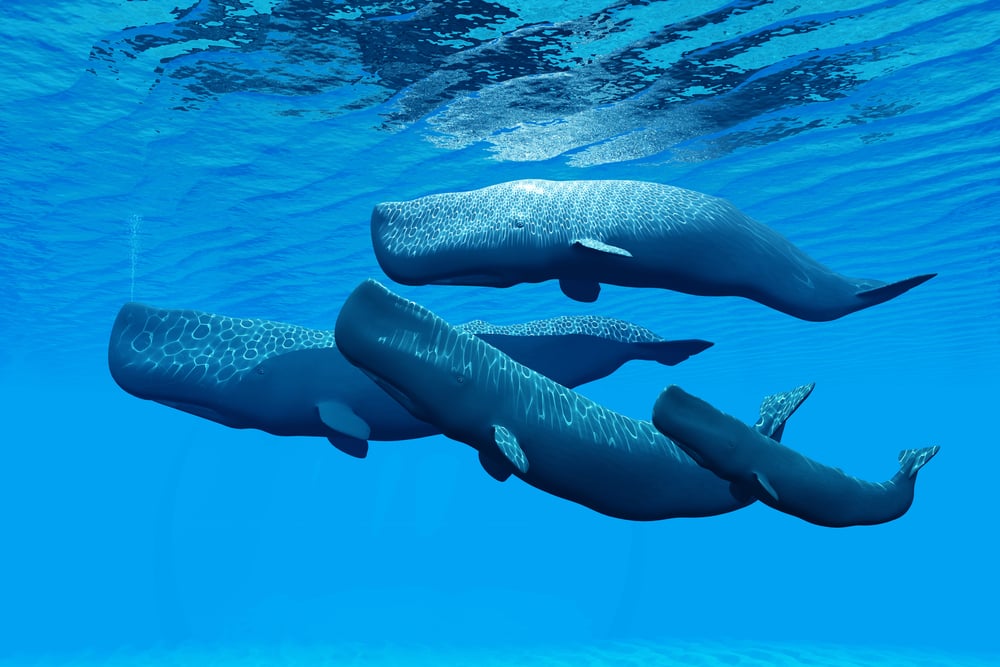
Deep-diving sperm whales produce the loudest biological sounds when echolocating—clicks reaching an incredible 230 decibels. These marine mammals use intense sound pulses to navigate and hunt in ocean depths where giant squid lurk.
The clicks pack enough power to potentially stun prey, serving as both navigation tools and weapons.
Gharial
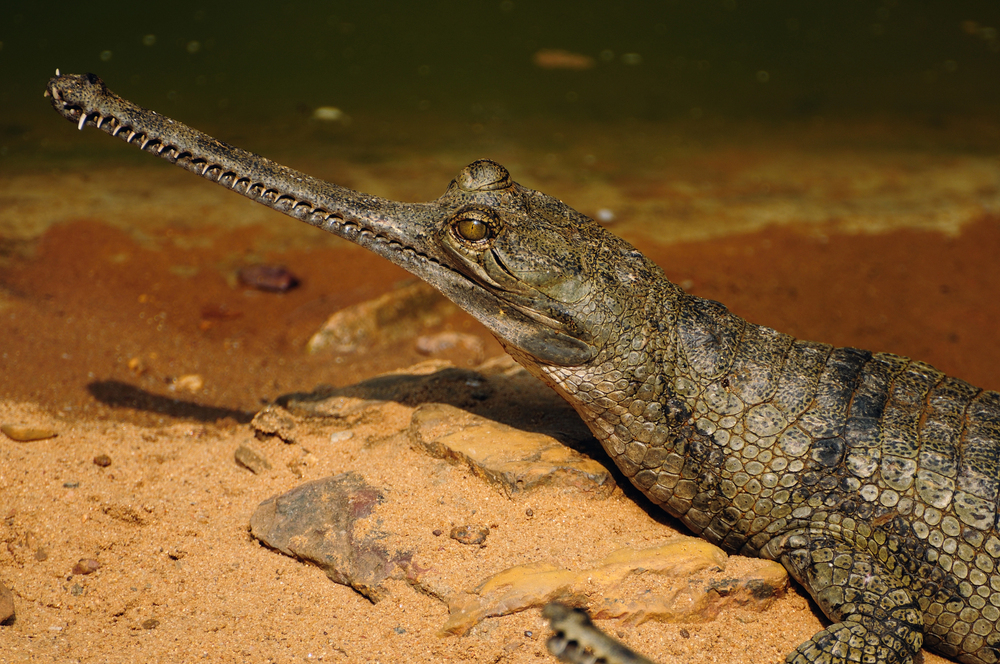
This critically endangered crocodilian from India sports a unique bulbous snout that amplifies calls to around 100 decibels. Male gharials use their distinctive buzzing vocalizations during mating season to attract females and establish dominance.
The unusual sounds carry considerable distances along riverbanks, though few people ever hear them due to the species’ rarity.
Northern Elephant Seal
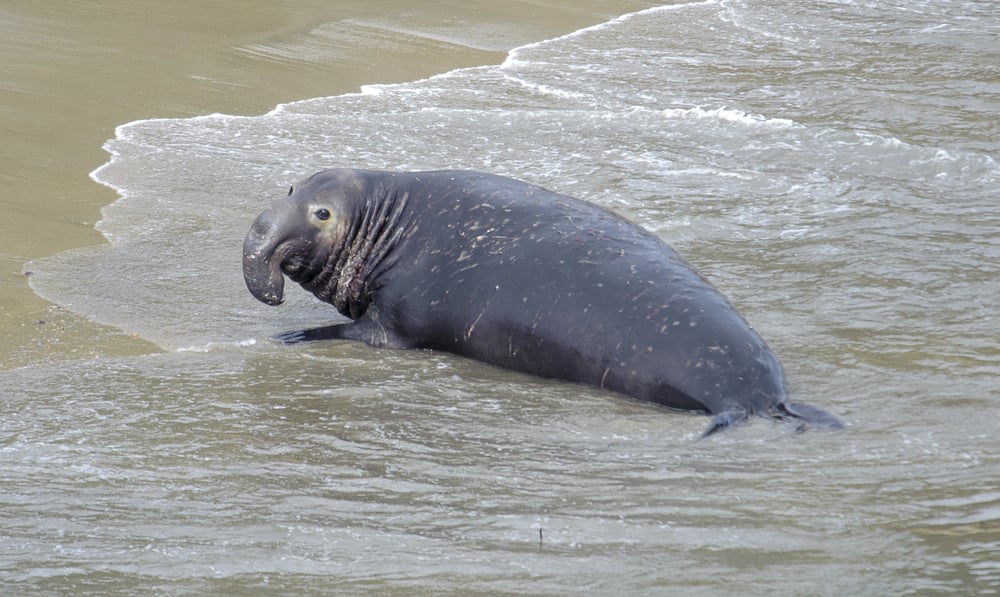
Male northern elephant seals produce roars and bellows reaching 126 decibels during fierce battles for mating rights. These massive marine mammals inflate their trunk-like noses to amplify their calls, creating sounds audible from over a mile away.
The volume and intensity of their vocalizations often determine dominance without requiring physical confrontation.
Moluccan Cockatoo
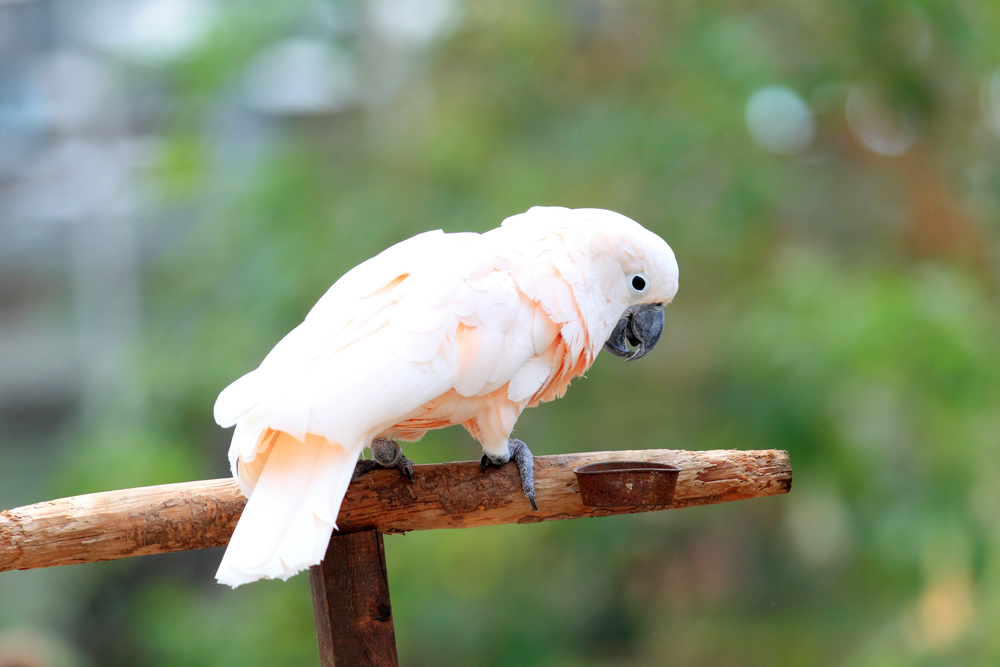
Native to Indonesia, these beautiful white parrots produce ear-splitting screeches that reach 135 decibels, louder than chainsaws. Moluccan cockatoos use their powerful voices to communicate across rainforest canopies and maintain contact with their flocks.
Their calls are so intense they’re often considered too noisy for most homes, despite being popular as pets.
Green Grocer Cicada
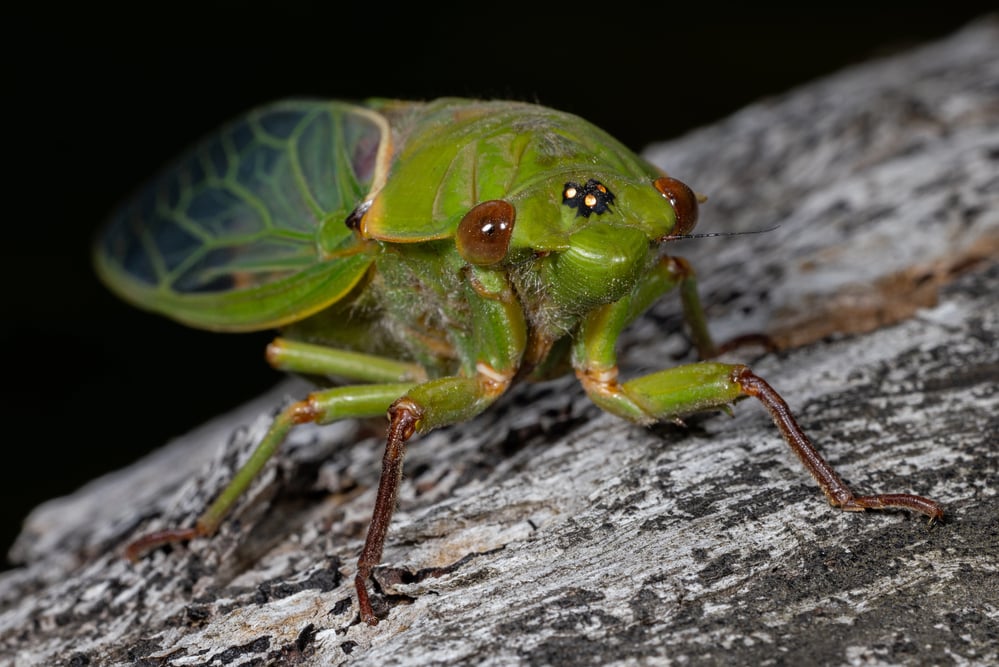
Australia’s green grocer cicadas create summer soundtracks that can reach 120 decibels when calling in large groups. These insects time their calls to avoid the hottest parts of the day, but when they do start up, the collective noise can be overwhelming.
The sound becomes so intense that normal conversation becomes impossible in areas where large numbers are active.
Fennec Fox
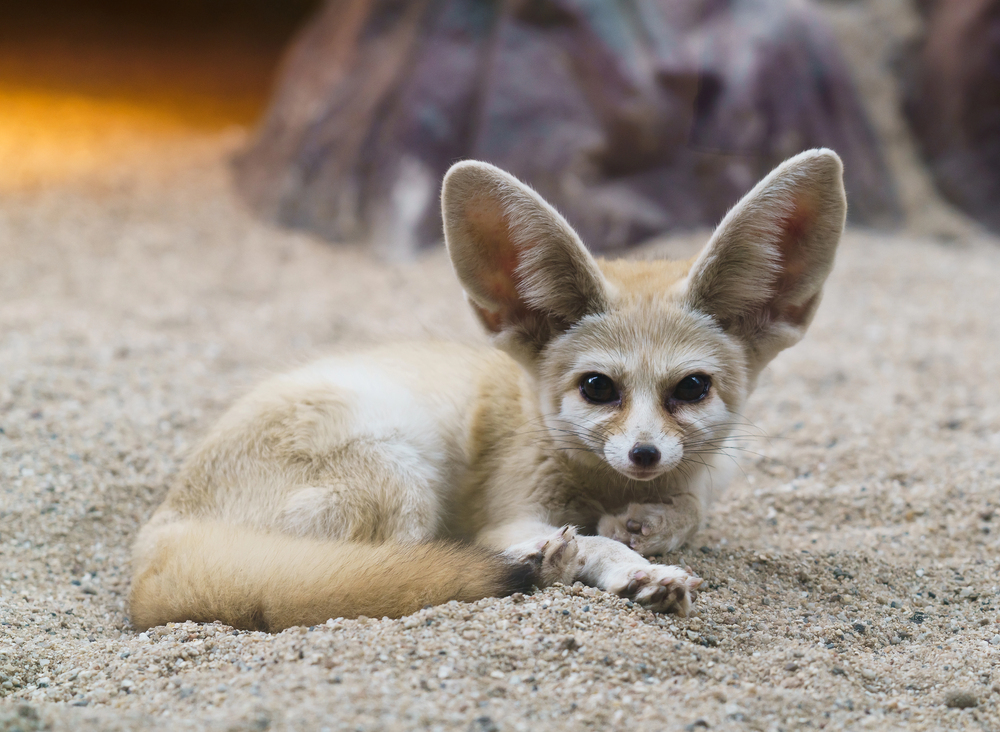
The world’s smallest fox compensates for its size with surprisingly loud vocalizations that can reach 100 decibels. These desert-dwelling foxes from North Africa use their high-pitched calls to communicate with family members across sandy dunes.
Their large ears don’t just enhance hearing; they also help amplify their own calls to cut through desert winds.
Nature’s Volume Control
Evolution has equipped animals with remarkable acoustic abilities across every habitat on Earth. These natural sound systems demonstrate that wilderness communication often depends on sheer volume and power, whether animals are finding mates, defending territory, or maintaining family connections.
The next time you encounter a particularly loud animal, consider that behind that noise lies millions of years of evolutionary refinement in the art of making a statement that carries.
More from Go2Tutors!

- The Romanov Crown Jewels and Their Tragic Fate
- 13 Historical Mysteries That Science Still Can’t Solve
- Famous Hoaxes That Fooled the World for Years
- 15 Child Stars with Tragic Adult Lives
- 16 Famous Jewelry Pieces in History
Like Go2Tutors’s content? Follow us on MSN.