15 Unusual Foods That Are Totally Normal Abroad
What counts as ‘normal’ food varies dramatically around the world. While you might cringe at the thought of munching on insects or sipping fermented mare’s milk, millions of people consider these items everyday staples or cherished delicacies. Cultural food traditions often develop from necessity, climate, and available resources, creating fascinating culinary landscapes that challenge our preconceptions about what belongs on a dinner plate.
From cheese crawling with live maggots to eggs aged for months in clay, these foods represent rich cultural heritage and time-honored traditions that have sustained communities for generations. Here is a list of 15 unusual foods that might seem bizarre to outsiders but are completely normal—even celebrated—in their home countries.
Casu Marzu
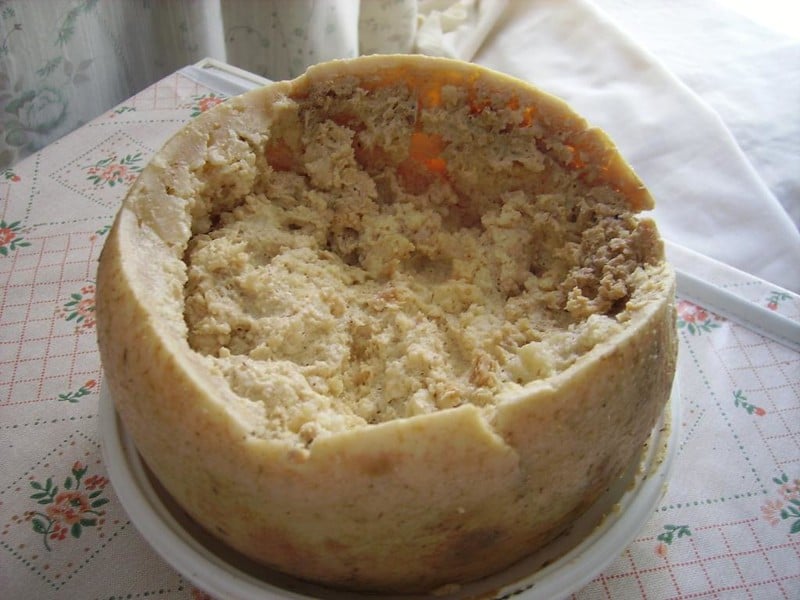
This Sardinian sheep’s milk cheese literally translates to ‘rotten cheese’ and contains thousands of live maggots that are deliberately introduced during the fermentation process. The cheese flies lay up to 500 eggs at a time, and the hatched larvae digest the cheese proteins, creating a soft, creamy texture with an intensely spicy flavor. Sardinians eat it spread on traditional flatbread with robust red wine, and the maggots must be alive when consumed—dead ones indicate the cheese has gone bad.
Century Eggs
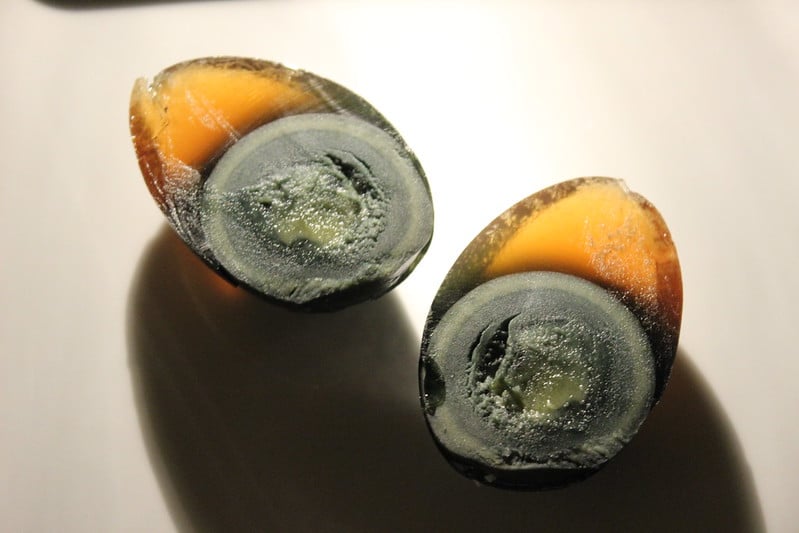
These Chinese delicacies are made by preserving duck, chicken, or quail eggs in a mixture of clay, ash, salt, and quicklime for several months. The process transforms the yolk into a dark green, cheese-like consistency while the white becomes brown and jelly-like. Despite their intimidating appearance and strong ammonia-like smell, century eggs are prized for their complex umami flavor and are often served as appetizers or added to congee.
Hákarl
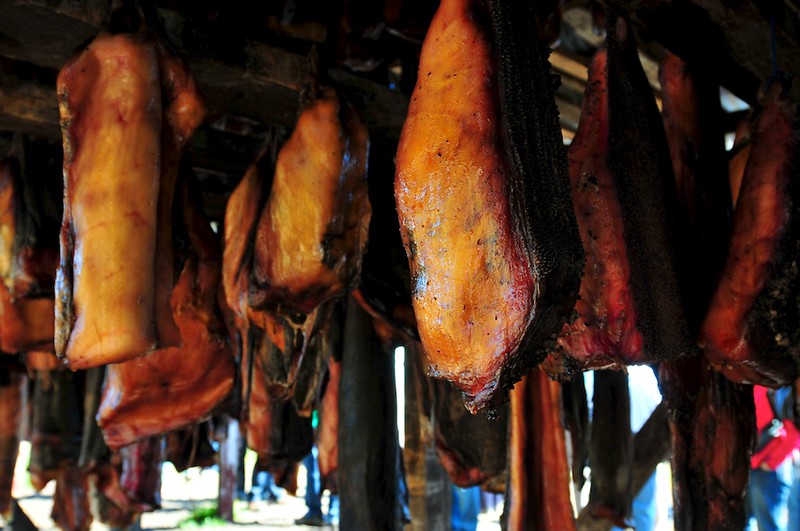
Iceland’s national dish consists of fermented Greenland shark that’s buried underground for two months, then hung to dry for about five months. The fermentation process is essential because the shark’s meat is poisonous when fresh, containing toxic compounds that must be neutralized. This traditional preservation method creates a dish with an overwhelmingly strong ammonia taste that’s typically washed down with brennivín, a local caraway-flavored spirit.
Balut
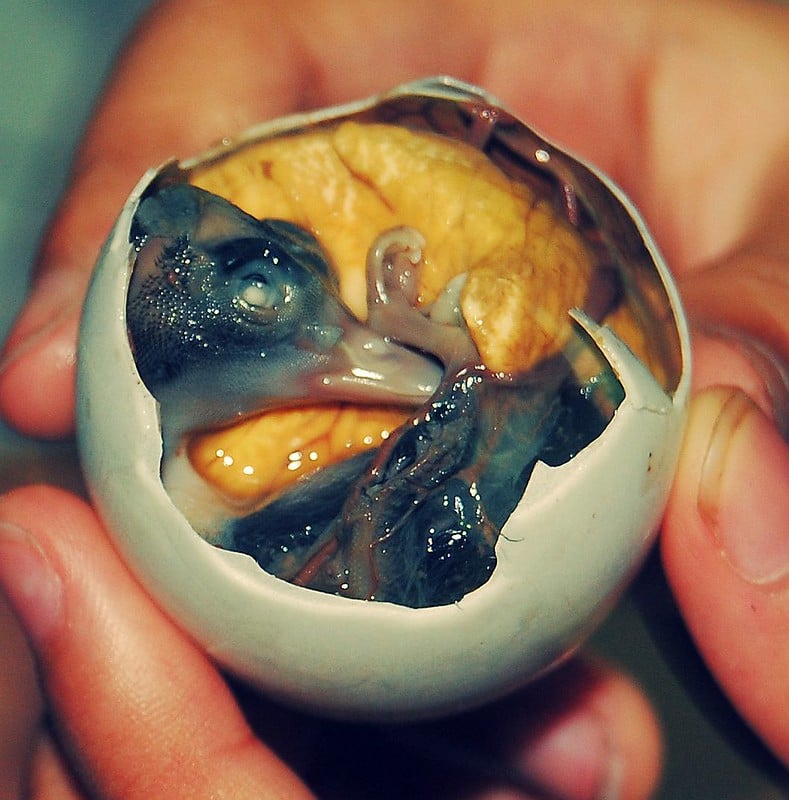
This Filipino street food consists of a fertilized duck egg that’s been incubated for 14 to 21 days before being boiled and eaten directly from the shell. Vendors sell balut from baskets in the evening, and locals often sip the savory broth first before eating the partially developed embryo. The dish is considered an aphrodisiac and comfort food, described as tasting like rich chicken soup with an unusual texture.
Fried Spiders
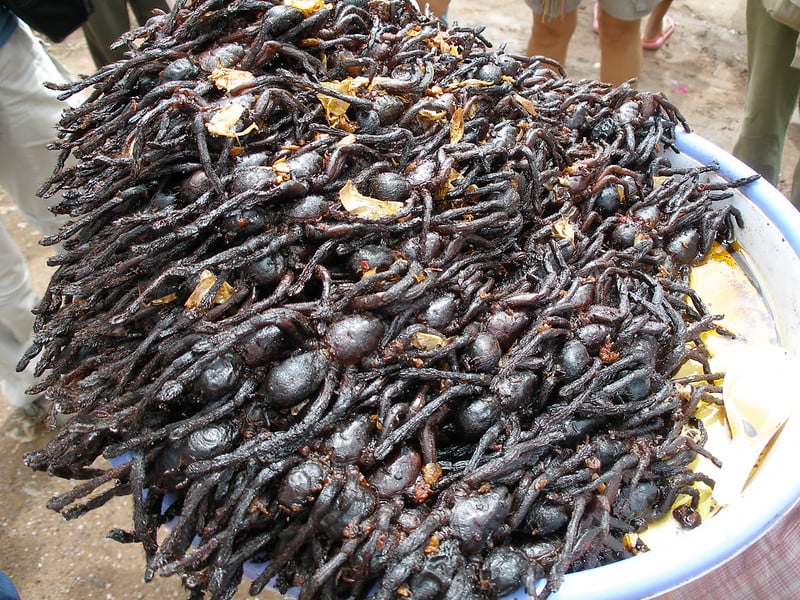
In Cambodia, particularly in the town of Skuon, deep-fried tarantulas are a beloved regional delicacy prepared by removing the fangs, washing, and scorching to remove hair before frying. The spiders are marinated in MSG, sugar, and salt, then fried with garlic, creating a crunchy snack that tastes surprisingly similar to soft-shell crab. Street vendors sell them from large woks, and they’re often enjoyed with beer as a protein-rich alternative to conventional snacks.
Tuna Eyes

In Japan, tuna eyes are commonly sold at grocery stores and fish markets, and they’re popular as bar snacks in after-work pubs. These baseball-sized organs are typically boiled and seasoned before eating, representing Japan’s philosophy of using every part of the fish to minimize waste. The gelatinous texture and mild, oceanic flavor make them a unique experience that reflects the country’s deep connection to seafood cuisine.
Escargot
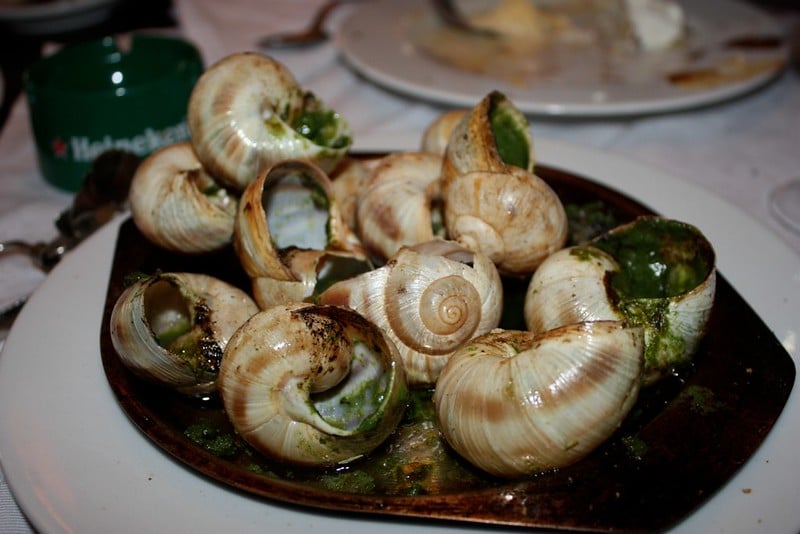
France consumes about 500 million snails annually, typically prepared by cooking them in garlic butter or white wine and serving them in their shells. The texture is often compared to mussels or clams, though some find them slightly rubbery depending on preparation. This classic French delicacy requires special utensils—small forks and tongs—and represents centuries of refined culinary tradition that transforms garden pests into gourmet treats.
Mopane Worms
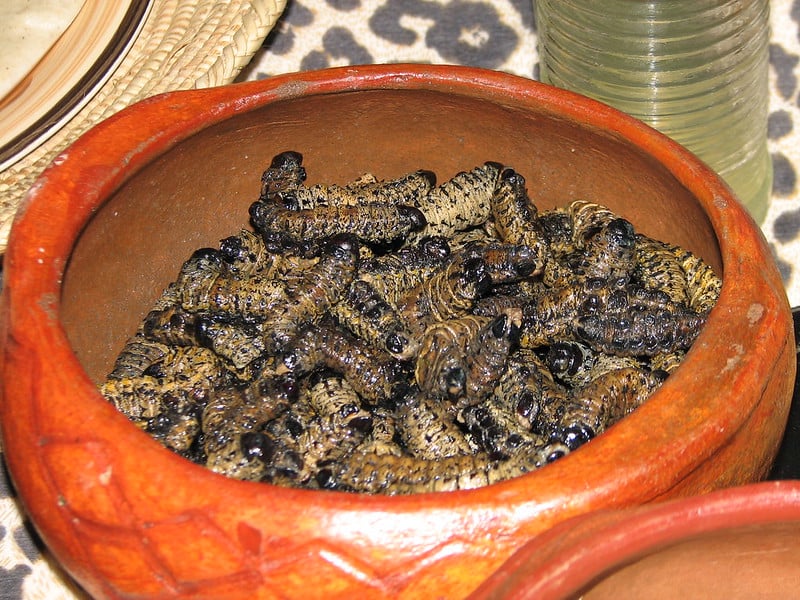
These caterpillars of the Emperor moth are a staple protein source in Southern Africa, containing three times as much protein as the same amount of beef. They can be prepared in various ways—fried, smoked, pickled, or dried—and are often added to stews or eaten as crunchy snacks. The worms play a crucial role in food security across the region, providing essential nutrition while being more environmentally sustainable than traditional livestock.
Durian Fruit
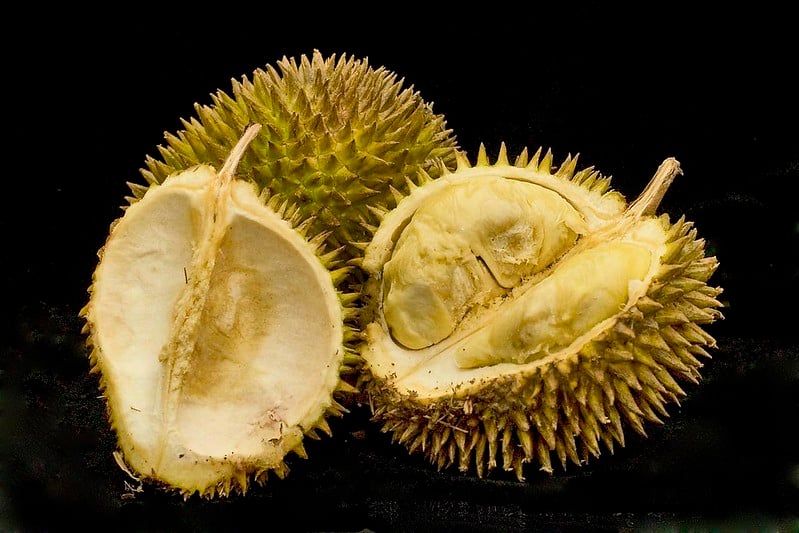
This Southeast Asian fruit is banned on public transportation due to its overwhelmingly pungent smell, often described as a mix of rotten onions and turpentine. Despite its intimidating aroma, durian lovers describe the taste as rich custard mixed with almonds, packed with iron and vitamin C. The spiky, football-sized fruit divides people into passionate lovers and determined haters, with no middle ground in this polarizing culinary experience.
Airag

Mongolia’s traditional national beverage is made from fermented mare’s milk, processed through a combination of lactic acid bacteria and yeast over one to two days. The fermentation removes lactose and creates a mildly alcoholic drink that’s central to Mongolian nomadic culture. Families traditionally stir the milk regularly in leather containers to ensure even fermentation, creating a slightly fizzy, tangy beverage that provides essential nutrients in harsh steppe conditions.
Grasshoppers

In Thailand, jing leed (grasshoppers) are a popular street food snack, typically seasoned with salt, pepper, and chili before being fried in large woks. The insects have a light, crispy texture similar to hollow popcorn and provide an excellent source of protein. Street vendors sell them by the bag, and they’re particularly popular in northern Thailand where insect consumption has been part of the culture for generations.
Chicken Feet
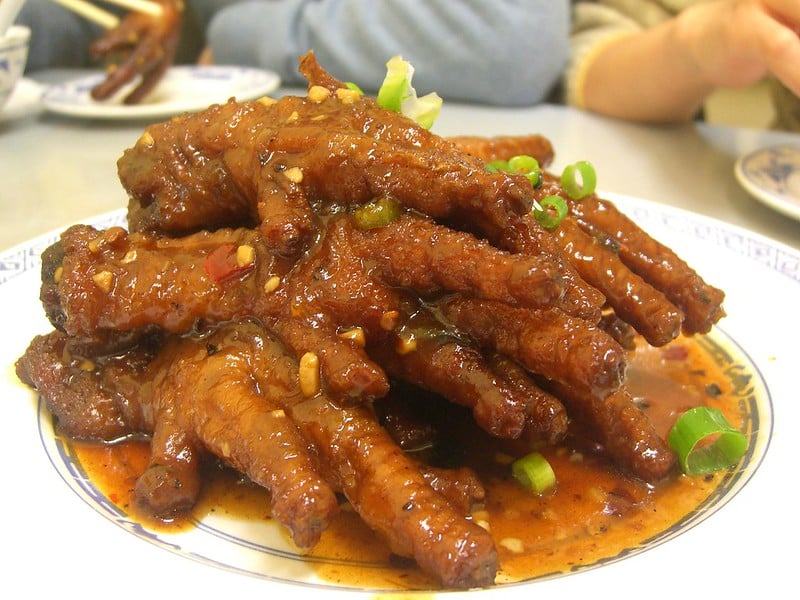
These gelatinous delicacies are popular street food and soup ingredients in many countries, prized for their rich flavor and unique texture. The feet are typically braised, steamed, or added to broths where the collagen creates a rich, satisfying mouthfeel. In dim sum restaurants and street markets across Asia, chicken feet are considered a delicacy that demonstrates skillful preparation and appreciation for using every part of the animal.
Fermented Tea Leaves

Myanmar’s lahpet is one of the few cuisines in the world where tea is eaten rather than just drunk, prepared as a salad with fermented or pickled tea leaves. The dish typically includes sesame oil, fried garlic, toasted peanuts, sesame seeds, and dried shrimp arranged in compartments around the central fermented leaves. This unique preparation creates an addictive combination of flavors and textures that represents Myanmar’s distinctive culinary heritage.
Tripe

The stomach lining of cattle, sheep, or pigs is a beloved ingredient in traditional dishes across Europe, Asia, and Latin America, from French tripes à la mode de Caen to Vietnamese pho. While naturally flavorless, tripe becomes tender and absorbs the rich flavors of spices and broths when properly prepared. The honeycomb texture and chewy consistency make it a comfort food that connects diners to ancestral cooking traditions and nose-to-tail eating philosophy.
Horse Sausage
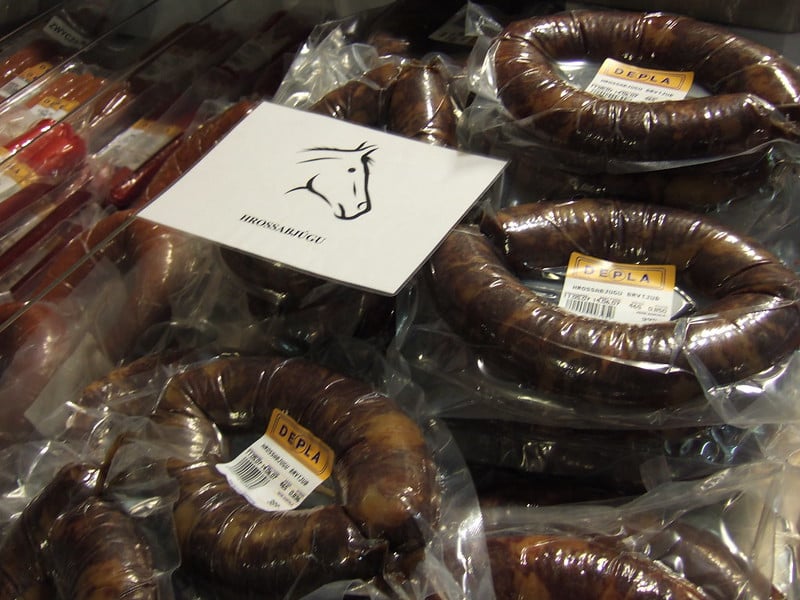
In Kazakhstan, people consume every part of the horse, including kazi, a dried and smoked sausage made from horse rib meat seasoned with garlic and salt. The sausage combines lean meat with rich fat, creating a delicacy that’s completely normal throughout Central Asia. This tradition reflects the deep cultural connection between nomadic peoples and their horses, honoring the animal by using every part for sustenance.
A World of Flavors Worth Exploring

These unusual foods remind us that culinary boundaries are largely cultural constructs shaped by history, geography, and necessity. What seems strange to one culture often represents generations of wisdom, sustainability, and flavor development in another. While globalization has made many food experiences more uniform, these traditional foods continue to thrive, connecting people to their heritage and challenging adventurous eaters to expand their palates beyond familiar territory.
More from Go2Tutors!

- 16 Historical Figures Who Were Nothing Like You Think
- 12 Things Sold in the 80s That Are Now Illegal
- 15 VHS Tapes That Could Be Worth Thousands
- 17 Historical “What Ifs” That Would Have Changed Everything
- 18 TV Shows That Vanished Without a Finale
Like Go2Tutors’s content? Follow us on MSN.