Ice Deliveries That Kept American Kitchens Running
Before the electric refrigerator, a winter pond was a cash crop. Entire industries grew around frozen water that was cut, stacked, shipped, and carried up back steps by hand.
The system worked so well that a block of January ice could still be keeping milk cold in a city kitchen in August. Behind that humble block sat ships, tools, patents, and a delivery route that millions of households planned their week around.
Frederic Tudor Sold Boston Ice to the Tropics

In 1806, Frederic Tudor of Boston shipped ice to Martinique, a venture that earned him the nickname Ice King and a place in the record books as the first international ice trader. Friends and neighbors thought the idea was absurd, since ice seemed certain to melt long before it reached the equator.
Tudor spent years losing money and even landing in debtors’ prison before the business finally paid off. His persistence turned New England’s coldest months into an export product and set the pattern for every ice route that followed.
Nathaniel Wyeth’s Horse-Drawn Ice Cutter Changed the Harvest
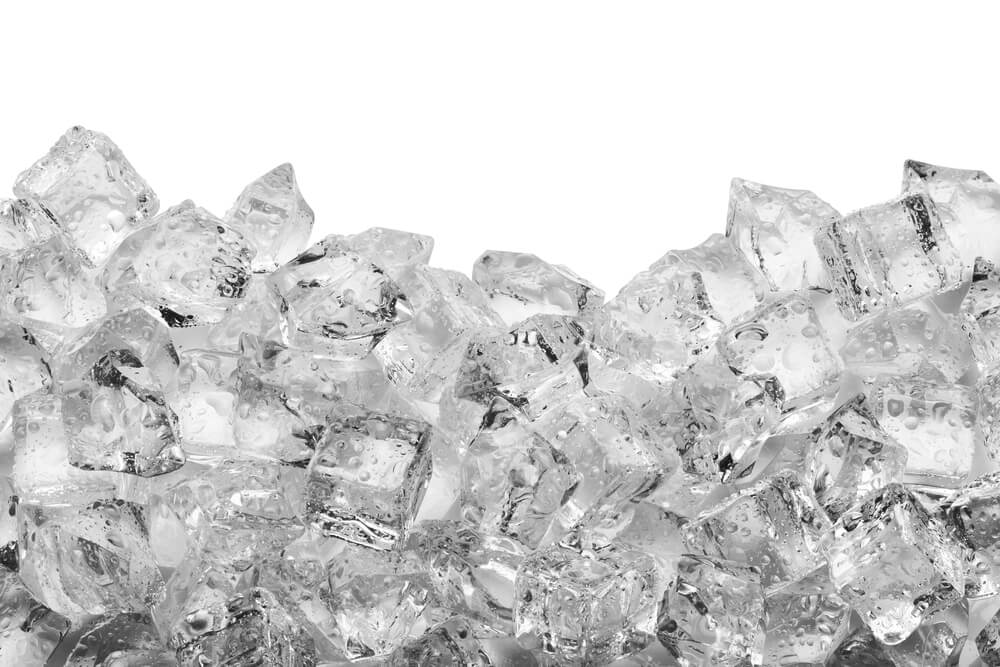
Nathaniel Wyeth, who worked with Tudor, developed a horse-drawn cutting tool around 1825 that scored ice into uniform grids on Fresh Pond in Cambridge, Massachusetts. Before that, crews sawed blocks by hand in irregular sizes that wasted space and sped up melting.
Uniform blocks could be stacked tightly in icehouses and ship holds with little air between them, which slowed melting dramatically. The innovation cut labor costs enough that ice became cheap enough for ordinary households rather than the wealthy alone.
Thoreau Watched Ice Cutters Work Walden Pond

During the winter of 1846 to 1847, Henry David Thoreau watched crews cut ice from Walden Pond while he lived in his cabin there. He wrote about workers harvesting the pond for shipment to distant cities, noting that the same frozen water would eventually reach places as far away as the tropics.
The scene is a reminder that the industry reached beyond big commercial lakes and into small, scenic ponds across New England. One of literature’s great retreats from commerce sat directly in the path of the ice trade.
Rockland Lake and the Knickerbocker Ice Company Fed New York City

The Knickerbocker Ice Company became one of the major suppliers to New York City, drawing on Rockland Lake in Rockland County and on the Hudson River. Crews cut blocks in deep winter, hauled them into enormous icehouses, and loaded them onto boats and rail cars headed for the city.
The company’s name remained familiar enough that Clarkstown, New York, still runs a Knickerbocker Ice Festival to mark the history. For generations, much of what chilled a Manhattan butcher shop or tenement icebox began as lake ice in the Hudson Valley.
The Kennebec River Turned Maine Into an Ice Warehouse

Along the Kennebec River in Maine, towns such as Gardiner and Richmond lined the banks with huge icehouses around the turn of the twentieth century. Photographs from about 1900 show cutters working the river and the tall wooden storage buildings that held the harvest until summer.
Schooners then carried the ice to cities along the East Coast, including ones far to the south. The 1880 census even included a report on the ice harvest in Maine, which shows how seriously the country took the business.
Sawdust Kept the Winter Crop From Melting

Ice houses and ship cargoes relied on sawdust, a cheap lumber mill byproduct, to insulate blocks from warm air. Tudor’s operations famously used it, and it was packed between and around the blocks so thoroughly that ice could last through the summer.
The material was plentiful in Maine, where sawmills lined the rivers and had more waste than they could use. Few insulation products in history have been both so effective and so close to free.
Thomas Moore Patented the Refrigerator Before Ice Was a Household Item

In 1803, Maryland farmer Thomas Moore received a patent for what he called a refrigerator, a cedar tub lined with rabbit fur that held ice around a butter container. He used it to carry butter to market in Georgetown, where it arrived firm instead of melted and fetched better prices.
Moore’s device inspired later iceboxes, and the word refrigerator is often credited to him. Decades before home ice delivery became routine, a dairy farmer had already worked out what a kitchen would need.
Leonard Iceboxes Made Cold Storage a Piece of Furniture

By the late nineteenth century, iceboxes were built as handsome oak cabinets with zinc or porcelain linings and thick insulation, and companies such as the Leonard Refrigerator Company of Grand Rapids, Michigan, built a national reputation. Their Cleanable line advertised interiors that could be scrubbed, a selling point at a time when spoiled food was a real danger.
The ice chamber usually sat at the top, so cold air sank naturally through the food compartment below. A well-built icebox could last for decades, and many families passed one down alongside the dining table.
The Ice Card in the Window Placed the Order
Households told the ice man how much to leave by turning a printed card in a front window so that the desired weight, typically listed in pounds, faced up. The driver could read the order from the street without knocking or interrupting anyone’s day.
Cards usually showed several sizes, and a customer who wanted no ice that day simply left the card out of the window. It was a tidy system that worked silently, long before anyone imagined text messages.
Ice Tongs and Picks Were the Tools of the Trade

Delivery men relied on sharp steel ice picks to split blocks to size and on heavy tongs to grip and swing a block onto a leather-padded shoulder. A single block could weigh anywhere from twenty-five to a hundred pounds, which meant a route involved carrying a significant load up stairs all day.
Some drivers carried leather shoulder pads and wore rubber aprons to cope with the constant drip. Antique tongs still turn up in flea markets and collections, a reminder of how physical the job really was.
Horse-Drawn Wagons Carried Ice Through Neighborhoods
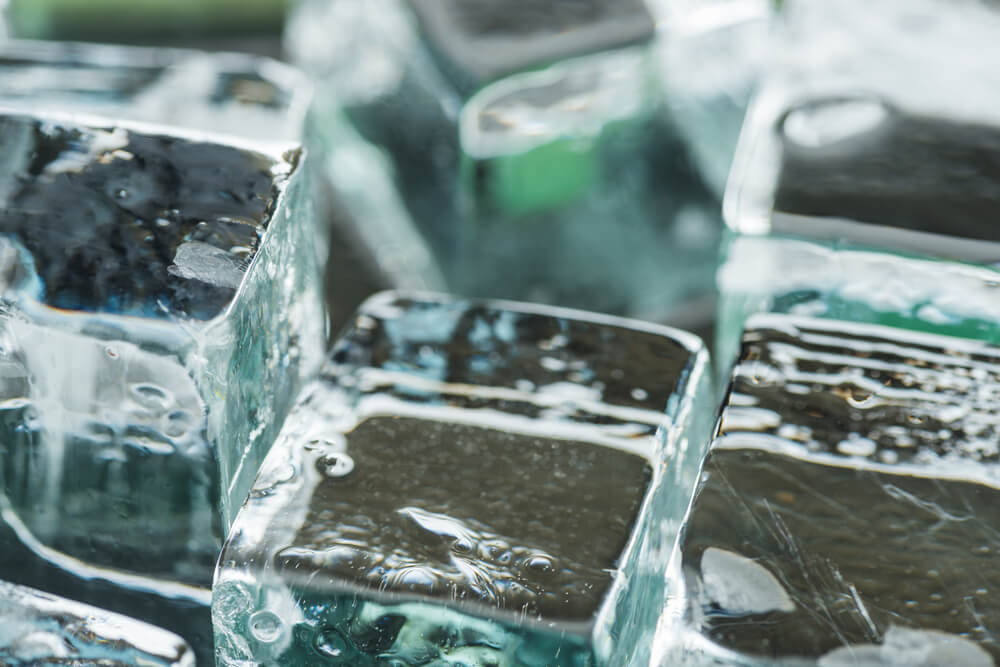
Before motor trucks took over, horse-drawn ice wagons made the rounds in towns and cities, including small Cape Cod villages where deliveries relied on local ponds. Many horses learned the route so well that they stopped at the right houses without being told.
Children trailed behind the wagon hoping for a shaved chip on a hot afternoon. The slow clop of hooves was as much a part of summer as the heat itself.
The Ice Famine of 1890 Showed How Fragile the Supply Was

A mild winter left the Hudson River harvest in 1890 well short of what New York City needed, and the shortage became known as an ice famine. Dealers turned to Maine and other northern sources, and prices rose sharply for households and businesses.
The episode made clear that depending on nature for a product so central to food safety was a risky bargain. It also helped speed the move toward factories that could make ice in any weather.
John Gorrie and Manufactured Ice Reduced the Reliance on Winter

Physician John Gorrie of Apalachicola, Florida, received a patent for an ice machine in 1851, hoping to cool the rooms of fever patients. His machine never found commercial success, but it pointed the way toward mechanical refrigeration.
Over the following decades, plants that froze water in tanks began supplying neighborhoods that once depended on harvested ice. Manufactured ice was clearer, cleaner, and available year-round, and it gradually took over deliveries to kitchens.
The Drip Pan Was Every Household’s Quiet Chore

Every icebox needed a pan beneath it to catch meltwater, and someone had to empty it before the water spilled across the kitchen floor. Forgetting the chore was a classic domestic mishap, and many families remember a puddle spreading across the linoleum.
Some households taped a reminder to the cabinet or assigned the task to a child. The pan was a small, soggy detail that captured how much daily attention an icebox demanded.
What a Block of Ice Really Delivered

The ice trade lasted because it solved a problem every household shared: how to keep food from spoiling in a hot country. Its success depended on a chain of ordinary people, from pond cutters and icehouse crews to wagon drivers who knew which back door was always unlocked.
Each link had to hold, or the milk soured and the butter melted. The refrigerator replaced that chain with a single appliance, and few people regret the exchange.
Still, something went out of the neighborhood when the wagon stopped coming, including a daily visitor who knew every family on the street. The old ice route is a reminder that technology often takes away small human connections along with the inconveniences.
More from Go2Tutors!

- 27 Silver Dollars and Half Dollars Worth Keeping
- 28 Restaurant Menu Items Nobody Orders Anymore
- 17 Places Built in Seemingly Impossible Spots
- 27 Vintage Rings Worth More Than They Look
- 25 Restricted Sites Tourists Can’t Enter
Like Go2Tutors’s content? Follow us on MSN.