14 Vampire Myths We Believe
Vampires have captivated our imagination for centuries, but most of what we think we know about these mythical creatures comes from Hollywood rather than actual folklore. The bloodthirsty, pale figures we see in movies and TV shows are quite different from the original vampire legends that emerged from medieval Europe and other cultures around the world.
Here’s a list of 14 vampire myths that most people accept as fact, even though they’re largely fictional creations.
Vampires Burn in Sunlight
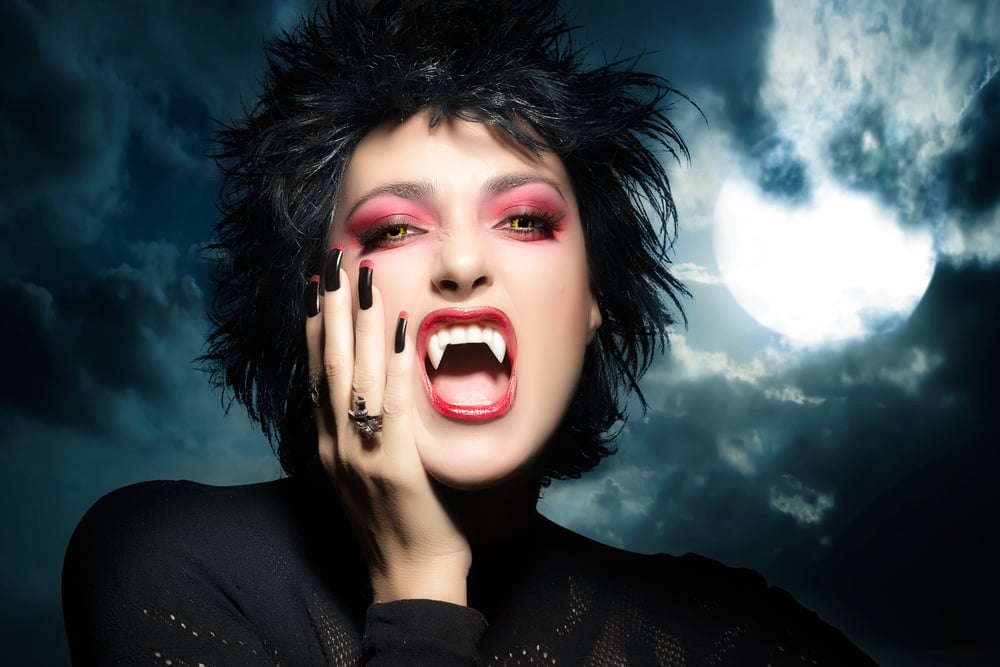
Vampires getting burned in the sun is a classic myth, right up there with vampires hating garlic and having no reflection in a mirror. But unlike other pillars of vampire mythology, this trope didn’t originate with Bram Stoker’s Dracula or earlier folklore.
In traditional vampire stories, these creatures were actually active during the day and could walk around normally in sunlight. The idea that sunlight destroys vampires was invented by Hollywood filmmakers looking for dramatic effect.
They Have No Reflection in Mirrors
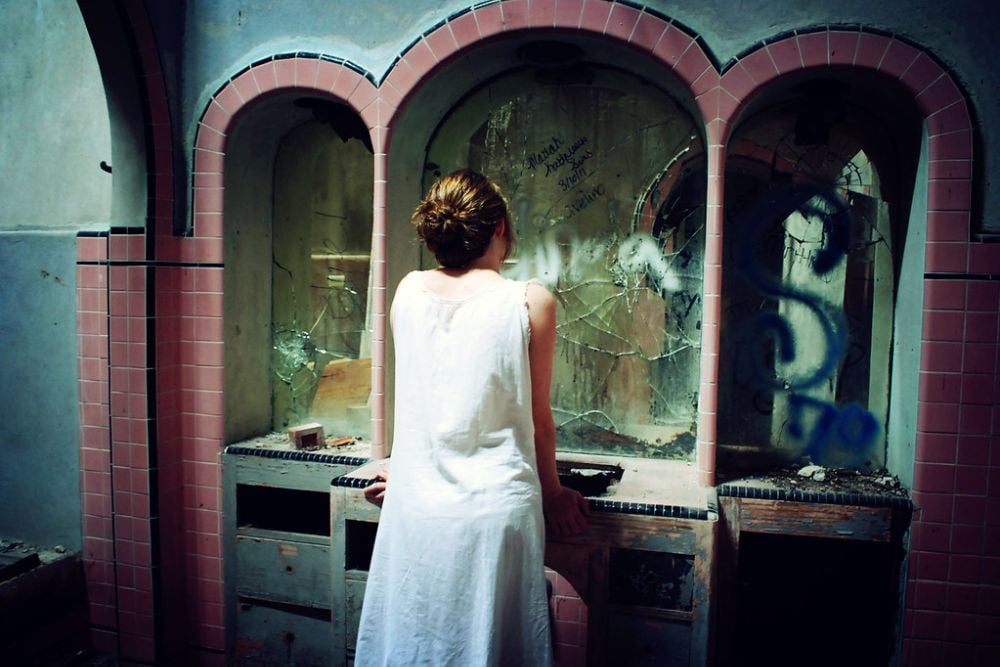
The mirror myth stems from an old belief that mirrors could reveal a person’s soul, and since vampires were considered soulless, they wouldn’t appear in reflections. This concept became firmly established in vampire folklore as a way to identify these supernatural creatures.
The belief was rooted in the idea that mirrors showed one’s spiritual essence, which vampires had lost upon becoming undead.
Like Go2Tutors’s content? Follow us on MSN.
Garlic Repels Vampires

The belief that garlic repels vampires is one of the oldest vampire tropes, dating back to medieval European folklore. Garlic was considered a powerful protective substance due to its strong odor and perceived purifying properties.
Many cultures believed that pungent herbs and foods could ward off evil spirits and supernatural creatures, making garlic a natural choice for vampire protection in traditional folklore.
They’re Afraid of Holy Water and Crosses
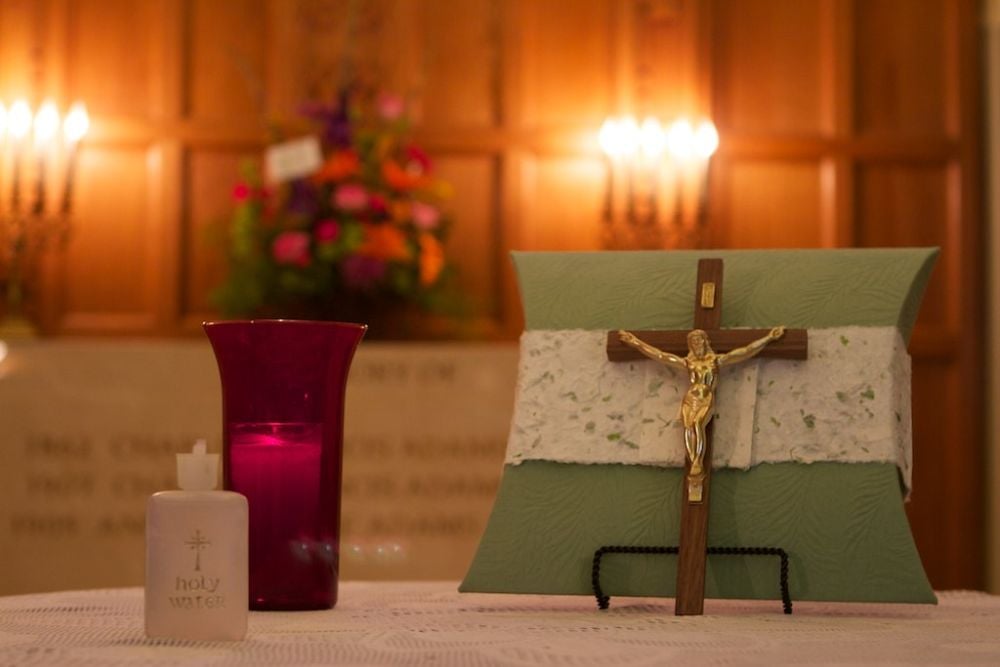
Religious symbols became associated with vampire repulsion through Christian folklore, but this wasn’t universal in early vampire legends. Other apotropaics include sacred items, such as crucifixes, rosary, or holy water.
Many original vampire stories from non-Christian cultures had completely different methods for warding off these creatures, suggesting this was more about local religious beliefs than actual vampire characteristics.
Vampires Must Be Invited Inside
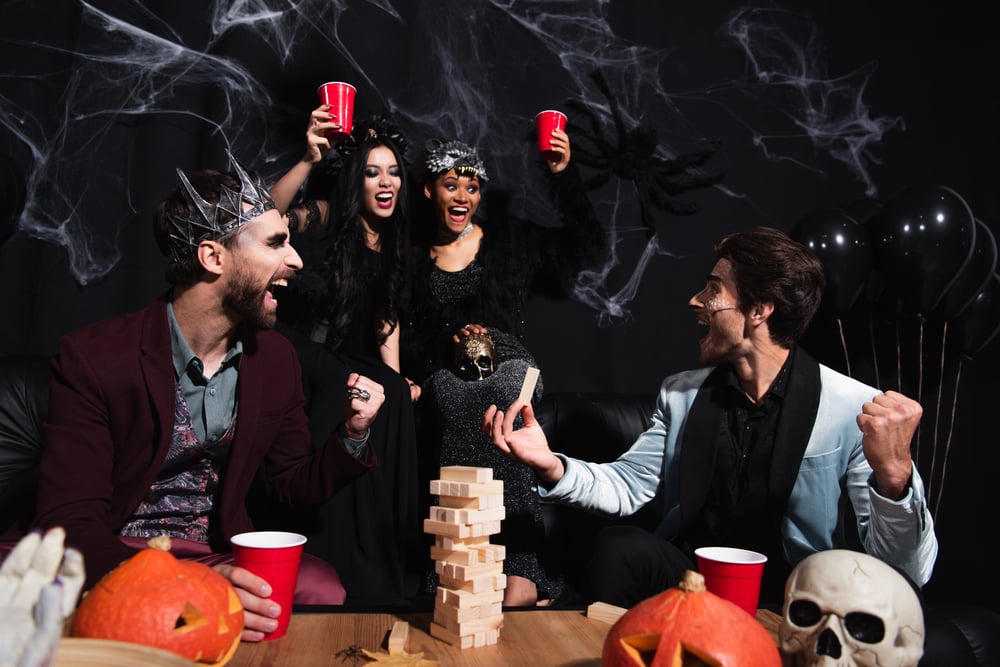
The invitation rule is largely a creation of Bram Stoker’s 1897 novel Dracula, where Count Dracula must be invited into homes before he can enter. This wasn’t a widespread feature of pre-Stoker vampire folklore, where vampires typically had no such limitations.
The rule became popular in modern vampire fiction as a way to give potential victims some control over their supernatural encounters.
Like Go2Tutors’s content? Follow us on MSN.
All Vampires Are Aristocratic and Wealthy
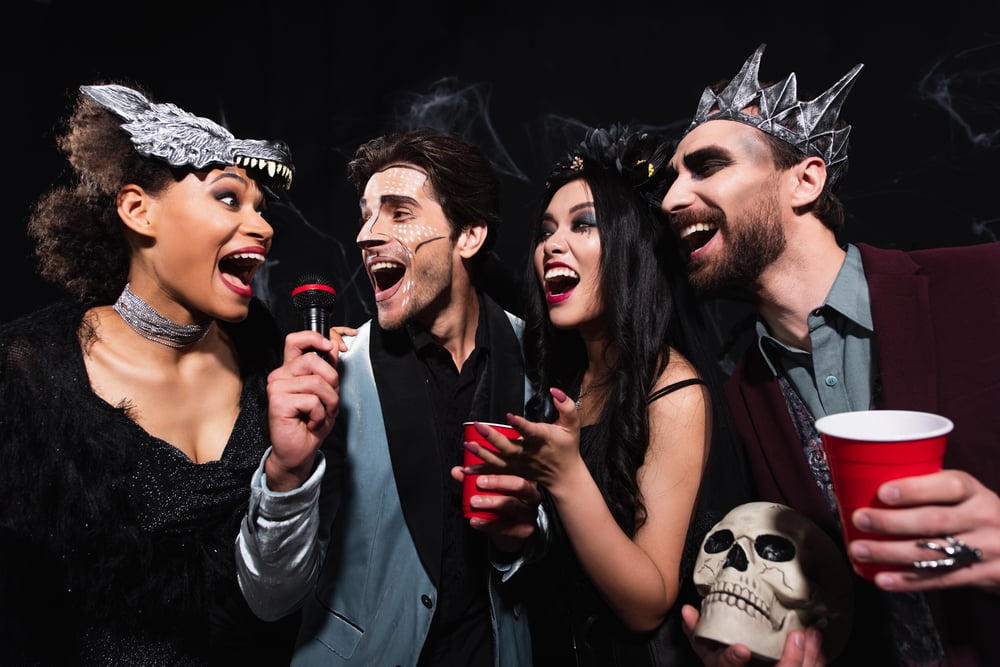
Thanks to Count Dracula and similar characters, we often picture vampires as wealthy nobles living in castles. Original vampire legends typically featured ordinary people who returned from the dead as malevolent creatures, not aristocratic figures with vast wealth and power.
These traditional vampires were usually peasants or common folk who became undead threats to their former communities.
They’re Always Pale and Gaunt
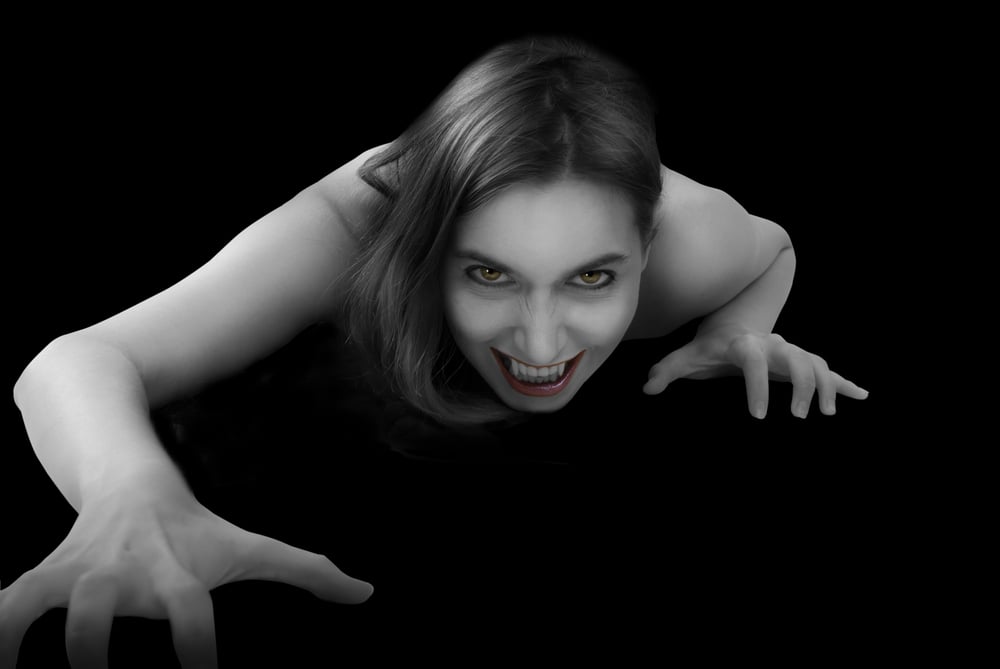
They wore shrouds and were often described as bloated and of ruddy or dark countenance, markedly different from today’s gaunt, pale vampire which dates from the early 19th century. Traditional vampires were actually described as having full, healthy appearances with ruddy or dark skin.
The pale, thin vampire image is a relatively recent artistic interpretation that became popular in Gothic literature.
Vampires Can’t Cross Running Water
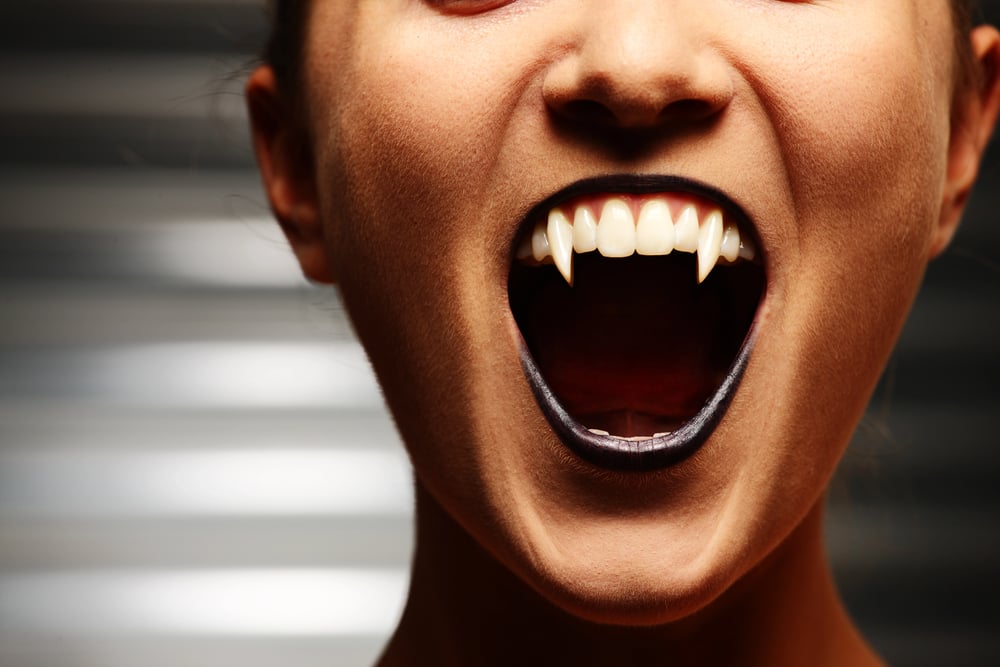
Some folklore also states that vampires are unable to walk on consecrated ground, such as that of churches or temples, or cross running water. While this appears in some regional folklore, it wasn’t a universal vampire trait.
The running water limitation seems to have been borrowed from other supernatural folklore traditions where flowing water was considered purifying or protective.
Like Go2Tutors’s content? Follow us on MSN.
They Sleep in Coffins During the Day
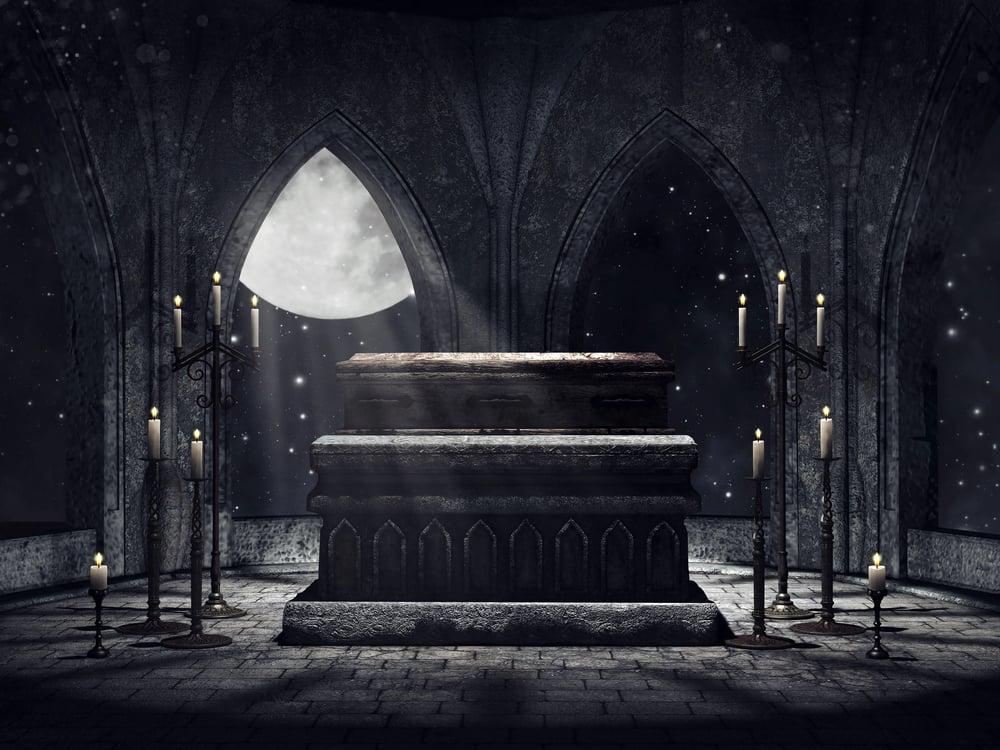
The coffin-sleeping habit is another Hollywood creation that doesn’t match original vampire folklore. Traditional vampires often returned to their graves at night but weren’t necessarily confined to coffins during daylight hours.
Vampires typically spend the daylight hours in the cold sleep of undeath, and only the most resolute can shake off the weight of the day’s forced slumber for even a short time.
Vampires Can Only Be Killed with Wooden Stakes
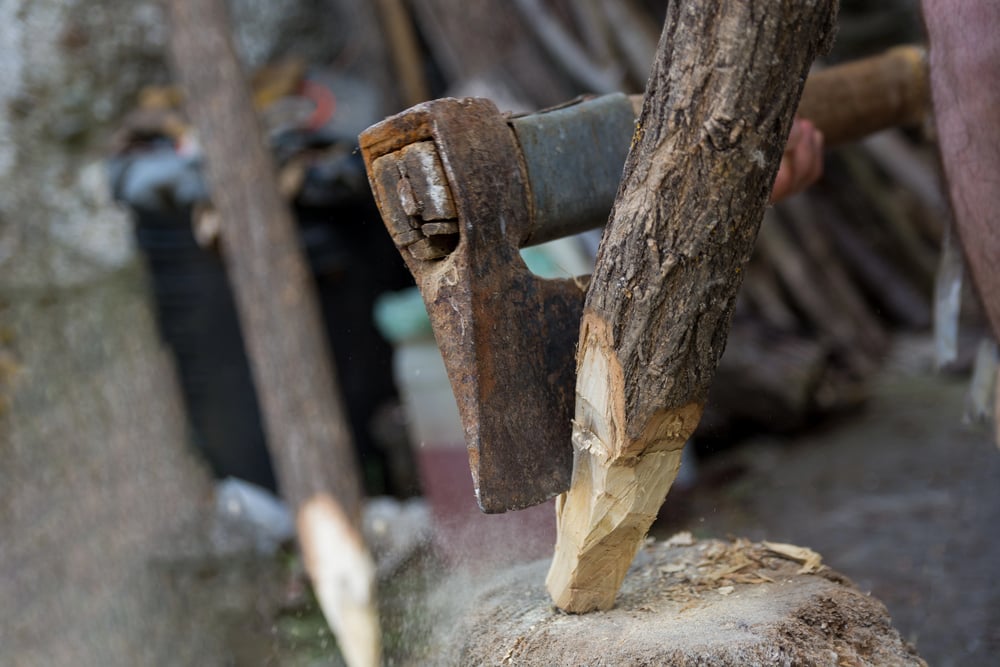
While stakes appear in some vampire folklore, they weren’t the only method of destruction, and they weren’t always made of wood. Many people believed that vampires were the ‘undead’ – people who lived on in some way after death – and that the vampire could be stopped by attacking its corpse.
Different cultures had various methods for dealing with vampires, including burning, decapitation, and removing the heart.
They Must Count Everything They See
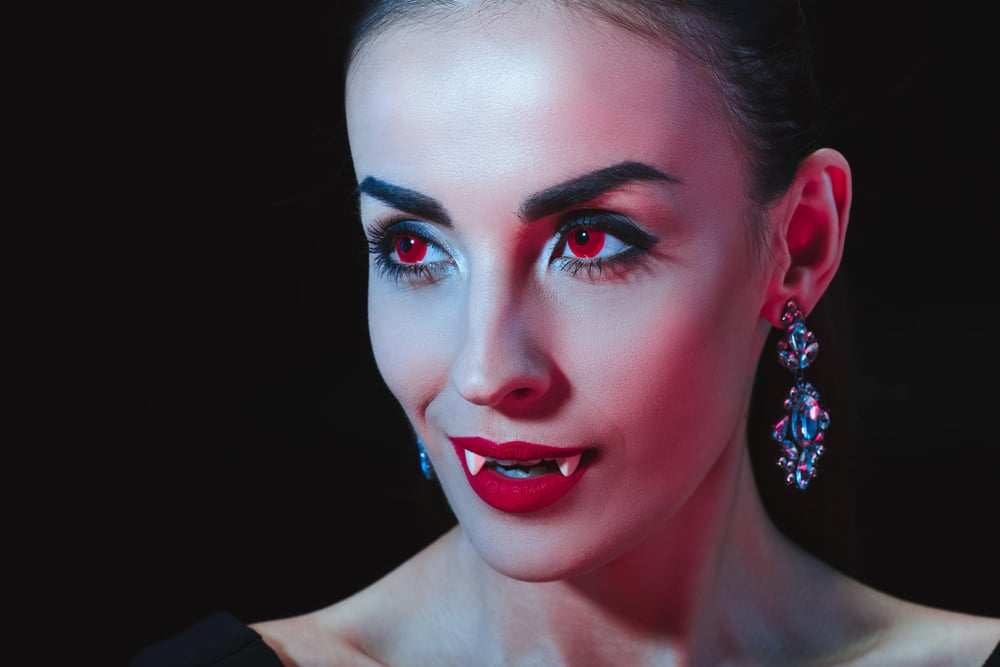
Some vampire folklore includes compulsive counting, where vampires become obsessed with counting objects like seeds or grains. Why does Count von Count, a vampire, teach us how to count on Sesame Street? It comes from a European belief that vampires are compelled to count things.
This particular trait appears in certain regional folklore traditions but wasn’t universal across all vampire legends.
Like Go2Tutors’s content? Follow us on MSN.
Vampires Can Turn into Wolves
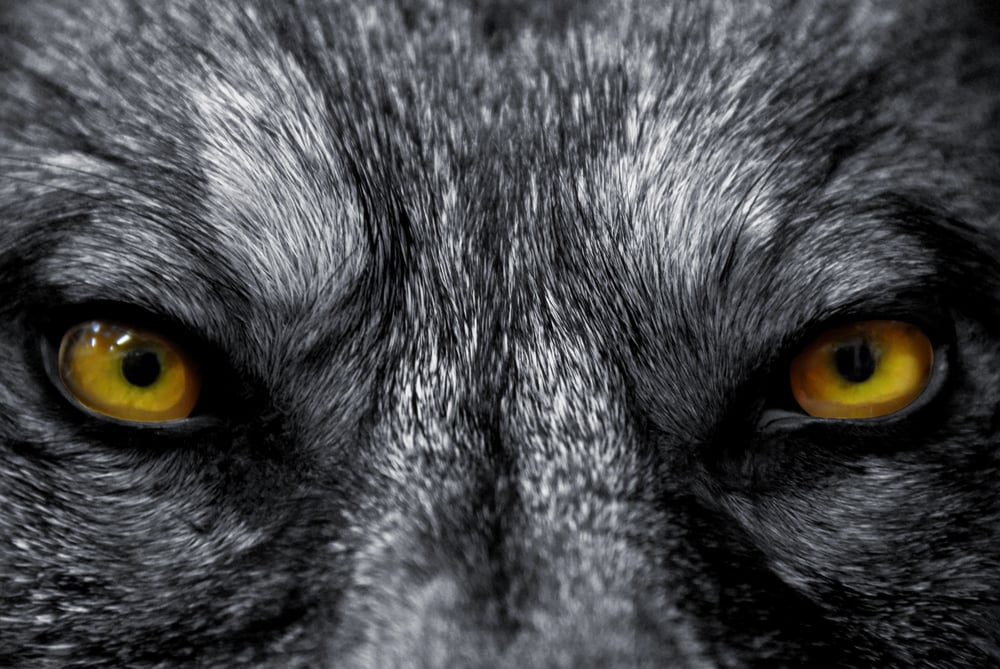
The wolf transformation ability is often confused with werewolf mythology. While some vampire legends included shape-shifting abilities, turning into wolves wasn’t a standard vampire power in most traditional folklore.
This confusion likely arose because both vampires and werewolves were considered supernatural threats that appeared at night.
They Can Only Feed on Human Blood
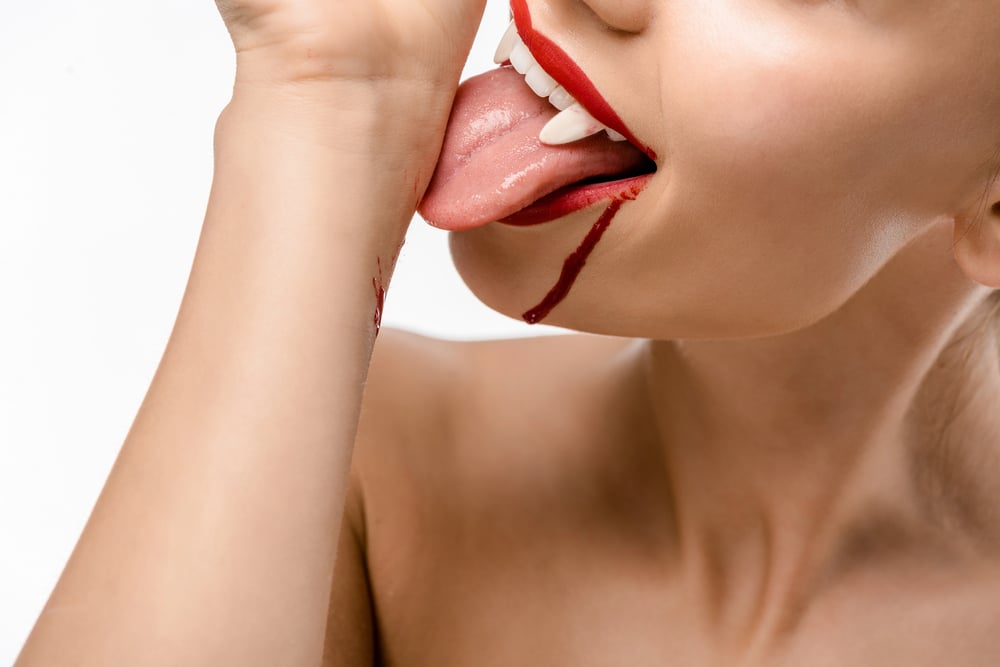
While blood consumption is central to both traditional and modern vampire mythology, the specific focus on human blood versus animal blood is largely a modern distinction. Traditional vampire folklore emphasized the draining of life force or vital essence, which could include blood but wasn’t limited to it.
The modern preference for human blood over animal blood is primarily a literary and cinematic invention that adds drama to vampire stories.
Vampires Are Always Evil
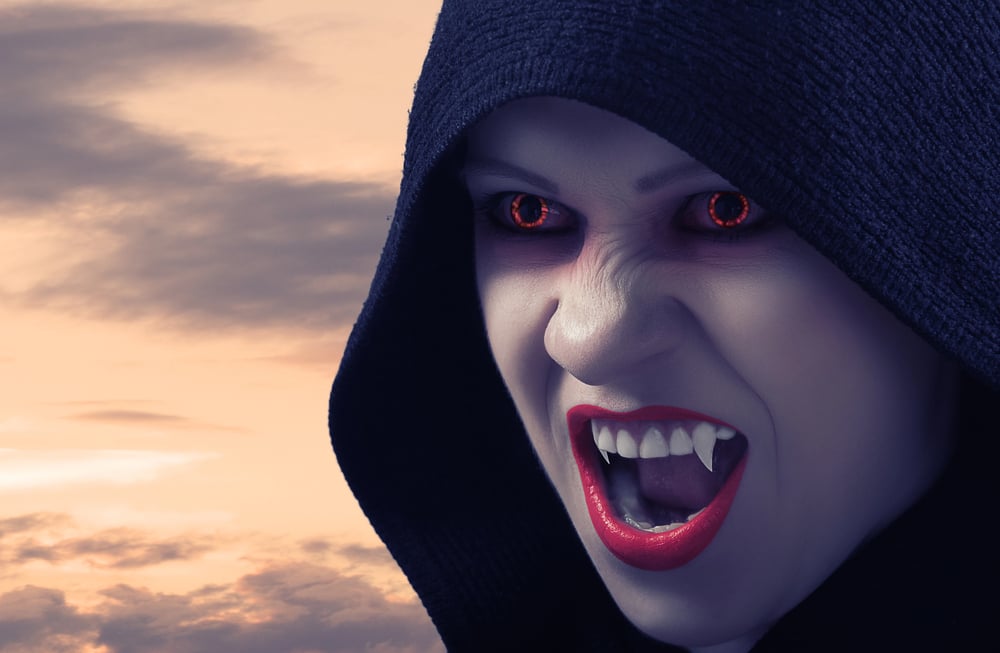
Traditional vampire folklore consistently portrayed these creatures as malevolent and predatory threats to their communities. Unlike other types of undead beings such as revenants or helpful spirits, vampires in folklore were almost universally depicted as evil entities that preyed upon the living.
The modern concept of morally complex or sympathetic vampires is primarily a literary invention that began in the 19th century and flourished in contemporary fiction.
Like Go2Tutors’s content? Follow us on MSN.
From Folklore to Fiction
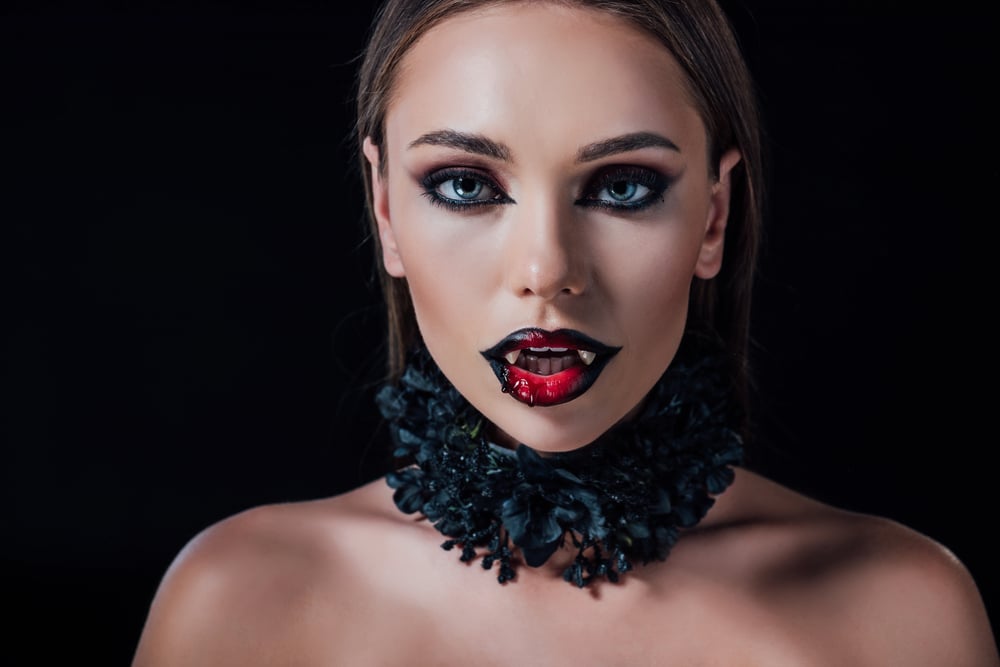
The vampire myths we accept today reveal more about our modern fears and entertainment preferences than actual historical beliefs. When investigators debunked the real-life existence of these undead monsters, it didn’t kill their appeal.
These creatures evolved from practical explanations for disease and death into complex literary characters that reflect our changing relationship with mortality and the supernatural. Understanding the difference between traditional folklore and modern fiction helps us appreciate both the cultural origins of these legends and the creative evolution that made vampires into the iconic figures they are today.
More from Go2Tutors!

- 16 Historical Figures Who Were Nothing Like You Think
- 12 Things Sold in the 80s That Are Now Illegal
- 15 VHS Tapes That Could Be Worth Thousands
- 17 Historical “What Ifs” That Would Have Changed Everything
- 18 TV Shows That Vanished Without a Finale
Like Go2Tutors’s content? Follow us on MSN.