Surprising Facts About the Solar System
Our solar system never fails to amaze scientists with its bizarre phenomena and unexpected discoveries. From volcanic moons that dwarf Earth’s geology to planets that spin sideways, the cosmic neighborhood we call home is far stranger than most people realize.
Recent space missions and advanced telescopes continue revealing shocking truths about our planetary family. Here are some of the most surprising facts about our solar system that will change how you see our cosmic backyard.
Jupiter’s Moon Io Erupts More Than Earth Ever Did
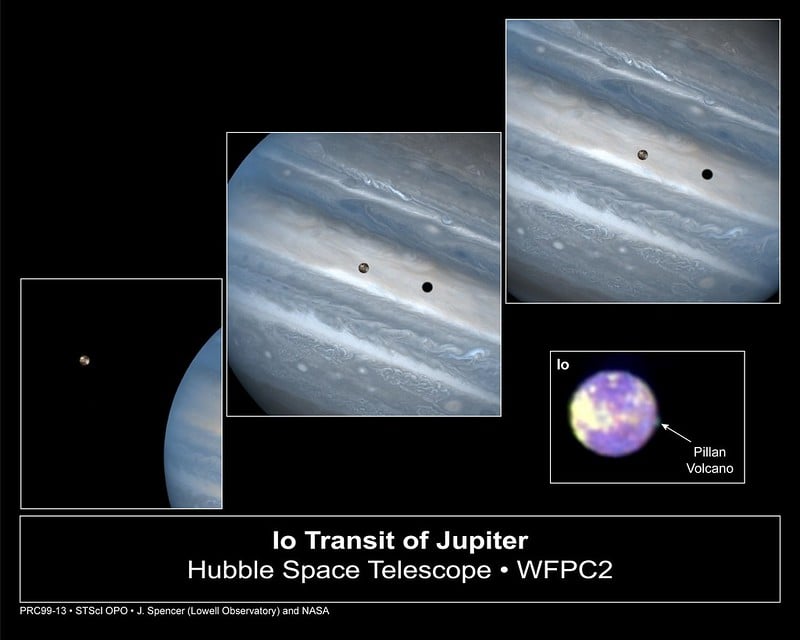
Jupiter’s moon Io has hundreds of volcanoes and is considered the most active moon in the solar system, sending plumes of sulfur up to 190 miles (300 kilometers) into its atmosphere. According to NASA, Io’s volcanoes emit one ton (more than 900 kilograms) of gases and particles into space near Jupiter each second. This volcanic powerhouse makes Earth’s Ring of Fire look like a gentle campfire by comparison. The constant gravitational squeezing from Jupiter creates so much internal friction that Io’s surface constantly reshapes itself through massive eruptions.
Pluto Has a Massive Ice Volcano Comparable to Yellowstone
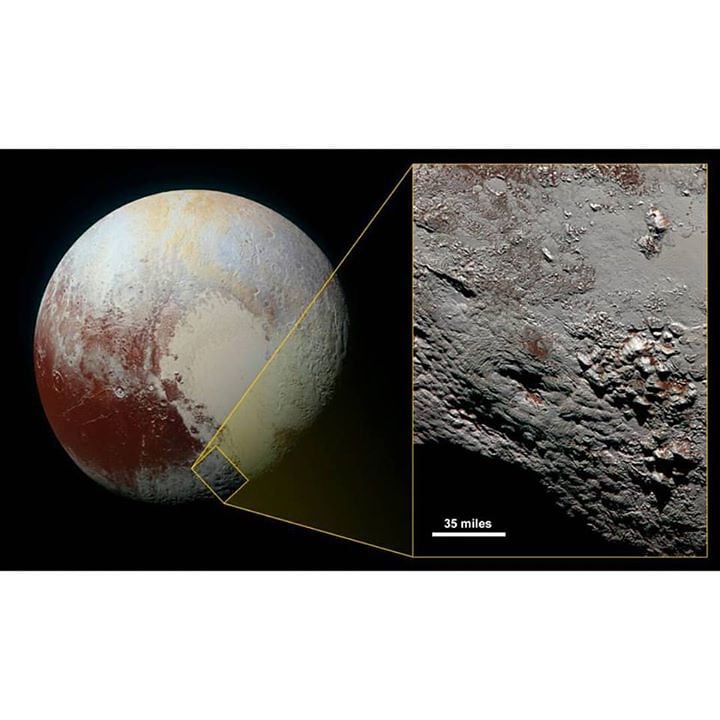
Researchers discovered that Pluto has a massive cryovolcano that is comparable in size to Yellowstone’s supervolcano. These ice volcanoes don’t spew molten rock like their Earth counterparts. Instead, they erupt with a mixture of water, ice, and various gases. The discovery of Kiladze Caldera on Pluto shows that even in the frozen outer reaches of our solar system, geological activity can create spectacular landscapes through processes we never imagined.
Our Entire Solar System Races Through Space at 515,000 MPH
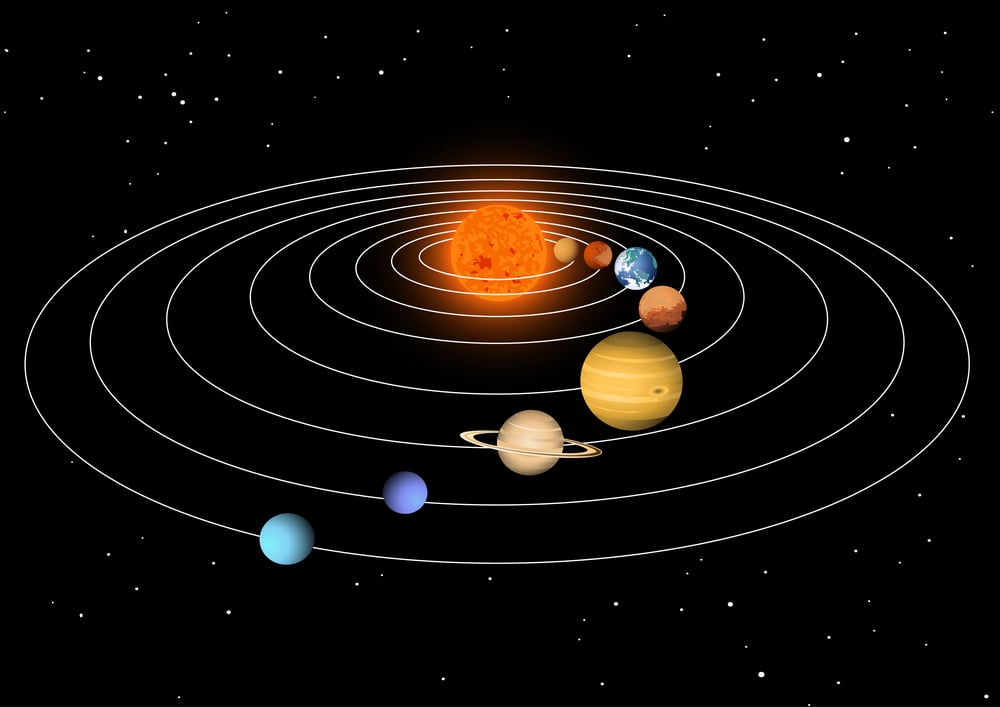
Our solar system orbits the center of the Milky Way galaxy at about 515,000 mph (829,000 kph). It takes our solar system about 230 million years to complete one orbit around the galactic center. While we feel perfectly stationary on Earth, we’re actually passengers on a cosmic roller coaster hurtling through space faster than anything humans have ever built. This galactic year is so long that the last time our solar system completed an orbit, dinosaurs were just beginning to dominate the planet.
Venus Is Hotter Than Mercury Despite Being Farther From the Sun
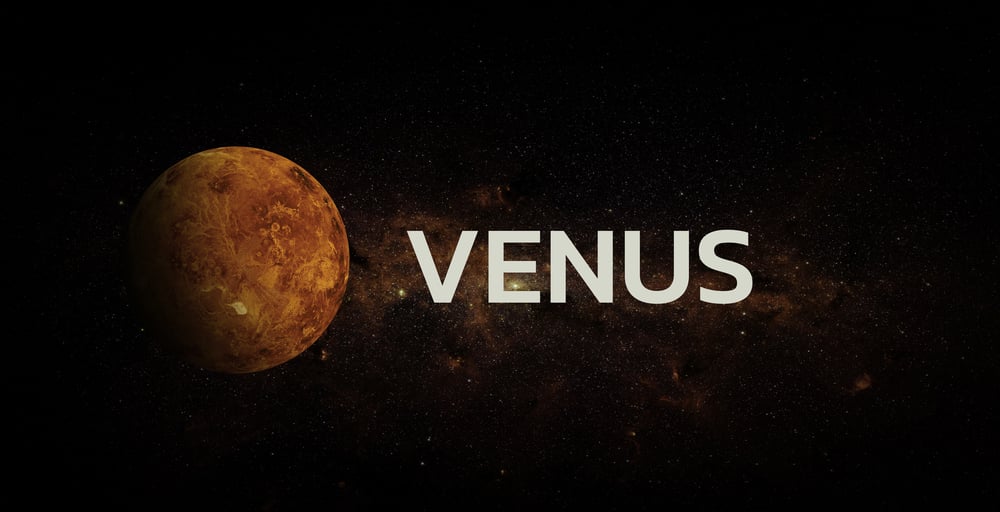
The hottest planet in our solar system is Venus, even though Mercury is closer to the Sun. Venus’s thick carbon dioxide atmosphere creates a runaway greenhouse effect that traps heat so effectively that surface temperatures reach about 900 degrees Fahrenheit. Meanwhile, Mercury has virtually no atmosphere to retain heat, so despite being closer to our star, it can’t match Venus’s scorching surface temperatures.
Uranus Spins on Its Side Like a Cosmic Rolling Pin
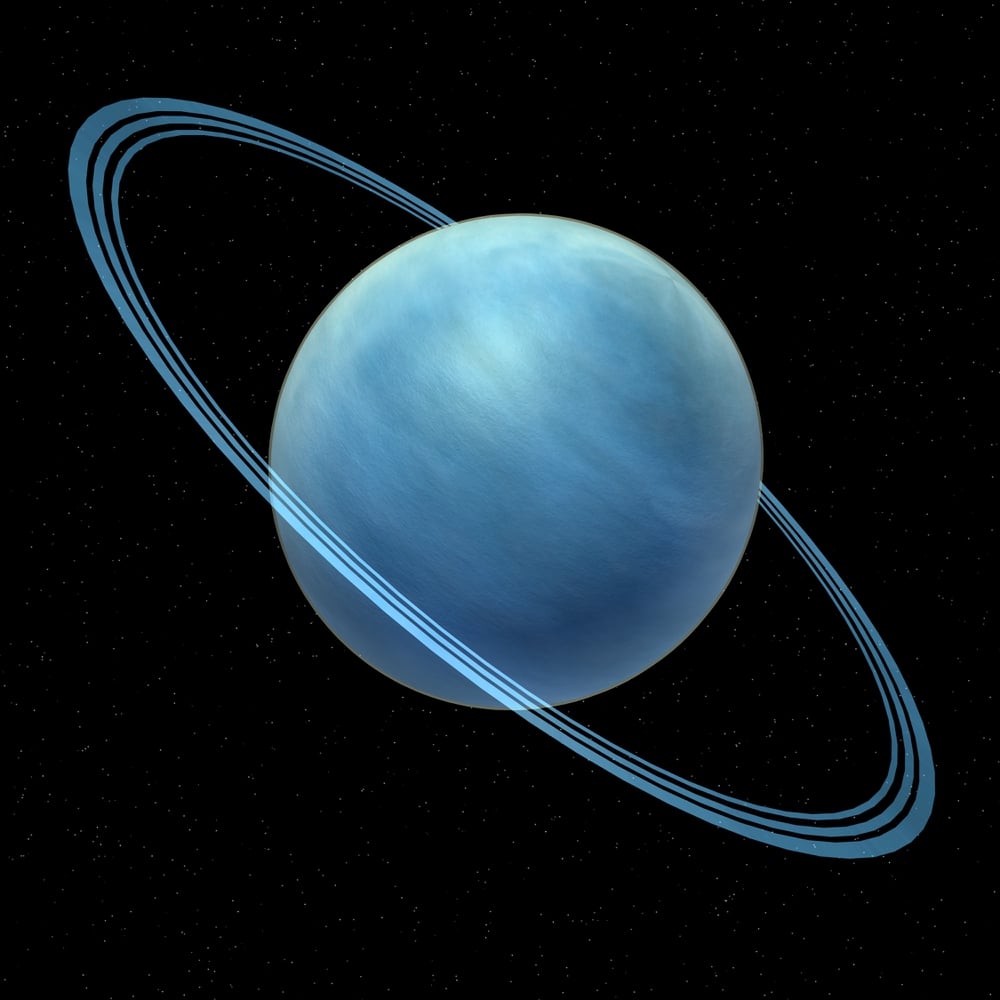
The inclination of the equator of Uranus to the plane of its orbit is 98°, and its axial rotation is retrograde. The five moons or satellites of Uranus move exactly in the equatorial plane of the planet and they revolve in the same direction as the planet rotates. This means Uranus essentially rolls along its orbital path rather than spinning upright like most planets. Scientists believe a massive collision early in the planet’s history knocked it sideways, creating this unique orientation that gives Uranus the most extreme seasonal variations in the solar system.
Saturn Isn’t the Only Planet With Spectacular Rings
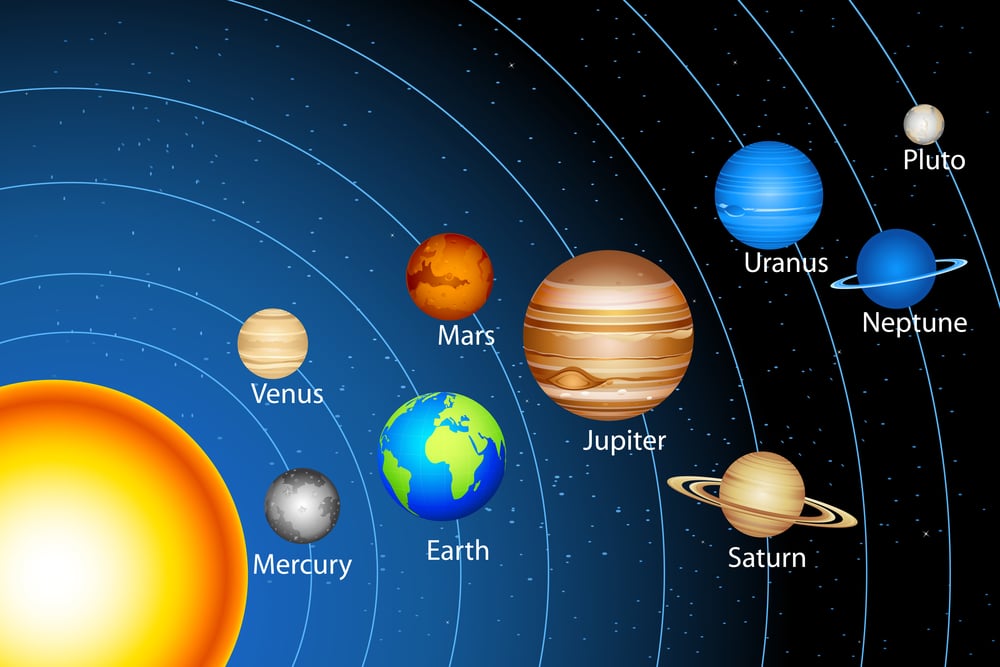
The four giant planets – and at least one asteroid – have rings. None are as spectacular as Saturn’s gorgeous rings. Jupiter, Uranus, and Neptune all sport their own ring systems, though they’re much fainter than Saturn’s magnificent display. Even more surprisingly, some asteroids have been discovered with tiny ring systems of their own, showing that this cosmic jewelry isn’t exclusive to the giant planets.
A Hidden Trans-Neptunian World Takes 25,000 Years to Orbit the Sun
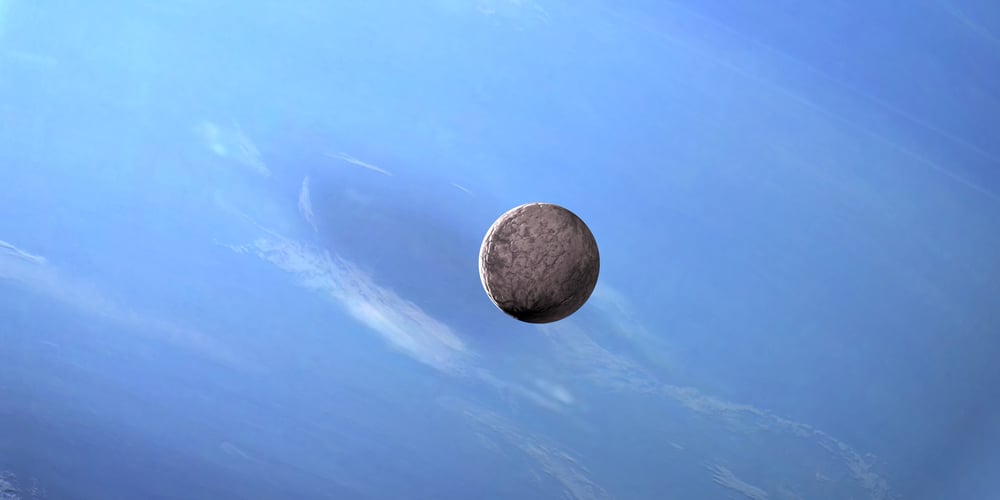
Astronomers have uncovered a massive new trans-Neptunian object, 2017 OF201, lurking at the edge of our solar system. With an orbit stretching 25,000 years and a size that may qualify it as a dwarf planet. This distant world travels so far from the Sun that when it last completed an orbit, early humans were just learning to use stone tools. The discovery of such objects continues to reveal how much we still don’t know about the outer edges of our solar system.
Our Solar System Contains More Than 1.3 Million Asteroids
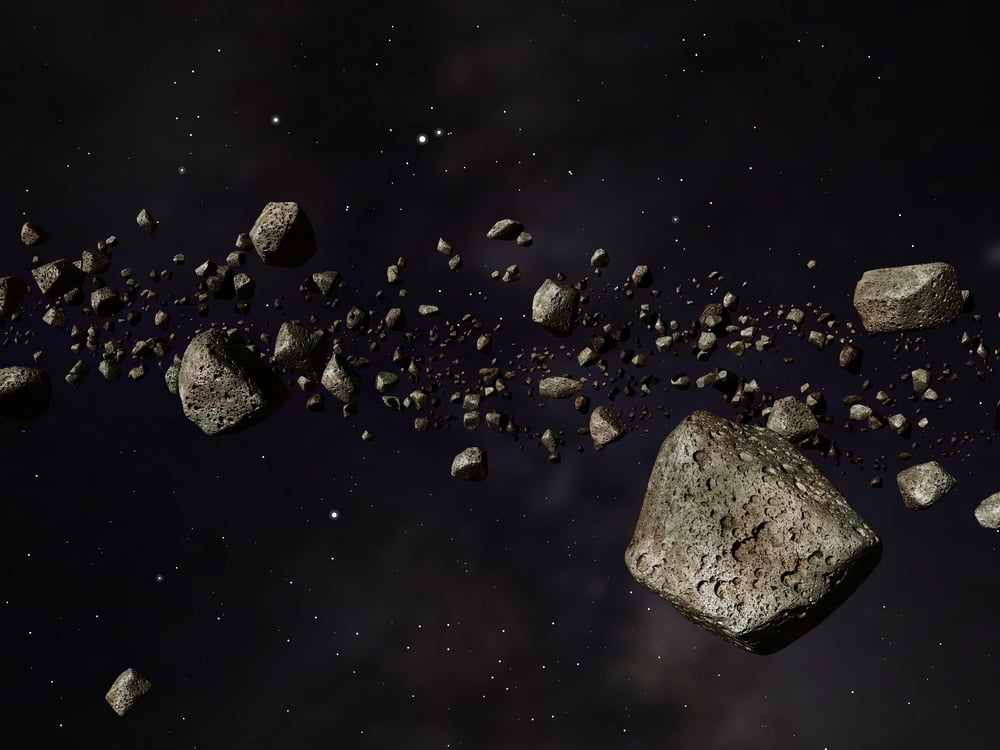
The solar system has one star, eight planets, five dwarf planets, at least 290 moons, more than 1.3 million asteroids, and about 3,900 comets. This cosmic debris field represents the leftover building blocks from our solar system’s formation 4.6 billion years ago. Most of these space rocks orbit in the asteroid belt between Mars and Jupiter, but thousands of them follow paths that occasionally bring them uncomfortably close to Earth.
Jupiter Could Swallow 1,000 Earths and Still Have Room
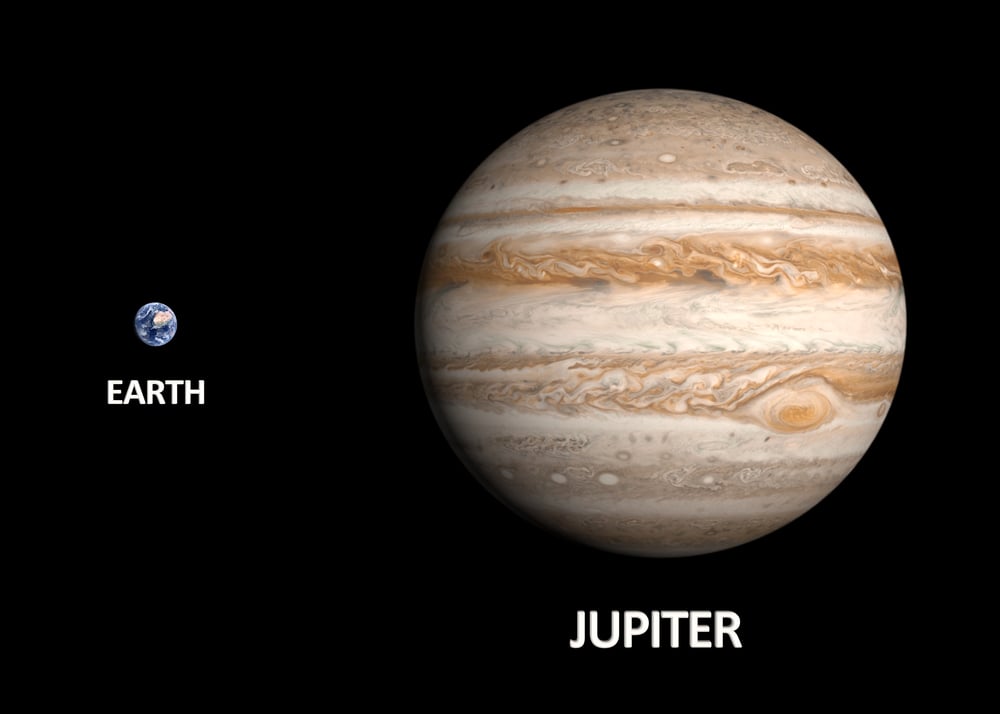
The largest planet is Jupiter. If Jupiter was a hollow shell, 1,000 Earths could fit inside. This gas giant is so massive that it contains more than twice the mass of all other planets in our solar system combined. Jupiter’s immense size and gravity make it a cosmic vacuum cleaner, capturing asteroids and comets that might otherwise threaten the inner planets, possibly protecting Earth from devastating impacts.
Some Sungrazing Comets Pass So Close to the Sun They Can’t Be Seen from Earth

SOHO’s coronagraph also makes it easy to spot sungrazing comets, those that pass so close to the Sun that other observatories can’t see them against the brightness of our star. These cosmic daredevils dive so close to our star that most either evaporate completely or emerge as mere shadows of their former selves. Some comets actually crash directly into the Sun, providing scientists with unique opportunities to study both solar physics and comet composition simultaneously.
Beyond Neptune Lies a Giant Spherical Shell of Icy Debris

142905332@N06/Flickr
Beyond the fringes of the Kuiper Belt is the Oort Cloud. This giant spherical shell surrounds our solar system. It has never been directly observed, but its existence is predicted based on mathematical models and observations of comets that likely originate there. The Oort Cloud is made of icy pieces of space debris – some bigger than mountains – orbiting our Sun as far as 1.6 light-years away. This invisible boundary represents the true edge of our solar system’s gravitational influence, extending almost halfway to the nearest star and containing trillions of frozen remnants from the solar system’s birth.
The Brightest Gamma-Ray Burst Ever Recorded Was Detected by a Solar Wind Monitor

A gamma-ray burst named GRB 221009A glowed brilliantly for about 10 minutes in the constellation Sagitta before slowly fading. The burst was detected by dozens of spacecraft, including NASA’s Wind, which studies the perpetual flow of particles from the Sun. Wind and NASA’s Fermi Gamma-Ray Space Telescope measured the brightness of GRB 221009A, showing that it was 70 times brighter than any other gamma-ray burst ever recorded by humans. This cosmic explosion, nicknamed the BOAT (‘Brightest of All Time’), came from a galaxy billions of light-years away yet was bright enough to be detected by instruments designed to study our own star.
Mars May Harbor Organic Compounds That Hint at Ancient Life

NASA’s Perseverance rover has discovered mudstones in Mars’ Jezero Crater that contain organic carbon and unusual textures hinting at possible biosignatures. These findings suggest that ancient Mars may have hosted conditions suitable for life. While these organic compounds don’t prove life existed on Mars, they represent the most promising evidence yet that the Red Planet once had the chemical ingredients necessary for biology to emerge.
A Mysterious Bright Spot Appeared on Neptune and Then Vanished
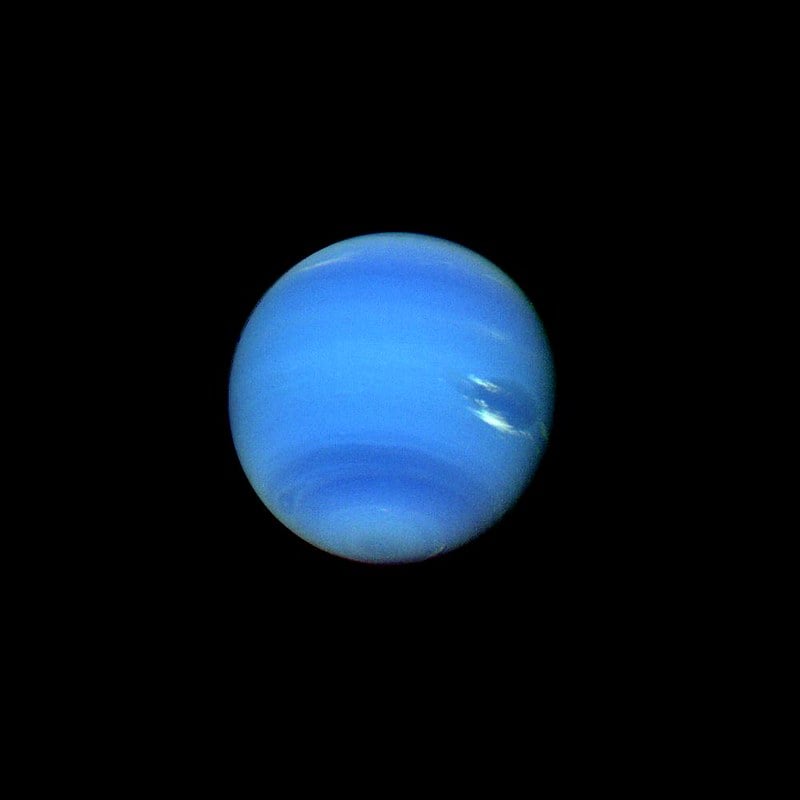
The recent bright spot has never been seen before and lasted only a few weeks, so its origins are even more mysterious. Neptune’s clouds had suddenly vanished. The disappearing act is likely linked to a peak in solar activity as the sun reaches the explosive peak in its roughly 11-year solar cycle. This temporary atmospheric feature puzzled astronomers because Neptune receives so little sunlight that its weather systems shouldn’t respond so dramatically to solar activity, yet somehow our distant ice giant’s atmosphere reacted to changes happening 2.8 billion miles away.
Parker Solar Probe Accidentally Saw Through Venus’s Thick Clouds
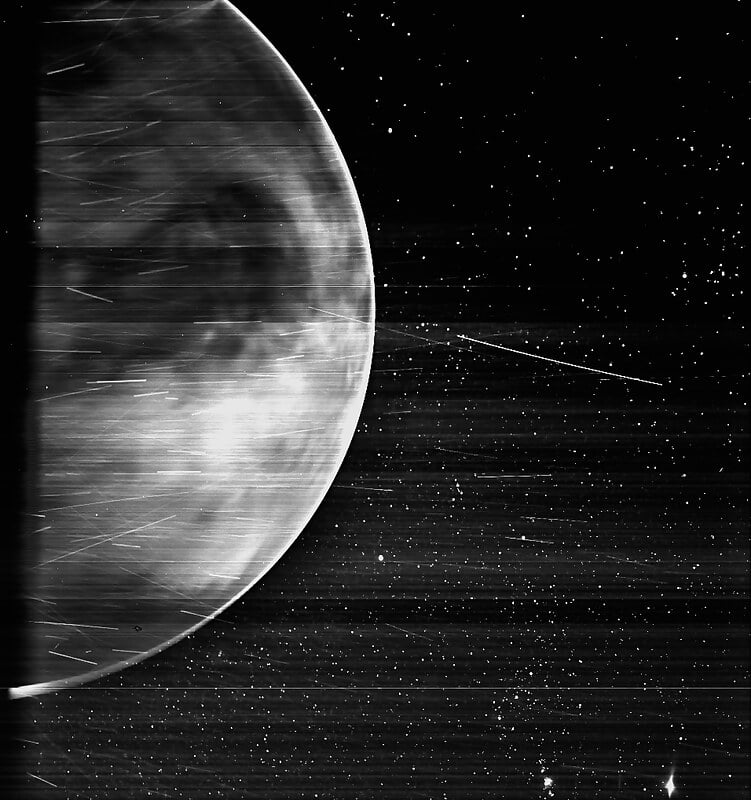
On July 11, 2020, during Parker’s third Venus flyby, scientists used Parker’s wide-field imager, called WISPR, to try to measure the speed of the clouds that obscure Venus’ surface. Surprisingly, WISPR not only observed the clouds, it also saw through them to the surface below. The images revealed a faint glow from Venus’ hot surface in near-infrared light that maps distinctive features like mountainous regions, plains, and plateaus. This unexpected discovery happened when NASA’s sun-studying spacecraft was using Venus for a gravity assist, showing how space exploration often yields surprising scientific bonuses.
Our Moon Mysteriously Showed Signs of Magnetism Despite Having No Magnetic Field

Scientists may have solved the mystery of why the moon shows ancient signs of magnetism although it has no magnetic field today. Ancient lunar rocks brought back by Apollo missions showed clear evidence of having been magnetized billions of years ago, yet our moon currently has virtually no magnetic field. This paradox suggested that the early moon once had a powerful magnetic dynamo that somehow shut down, leaving behind only fossil magnetism in its rocks.
Recently Discovered Exoplanets May Be More Earth-Like Than We Thought
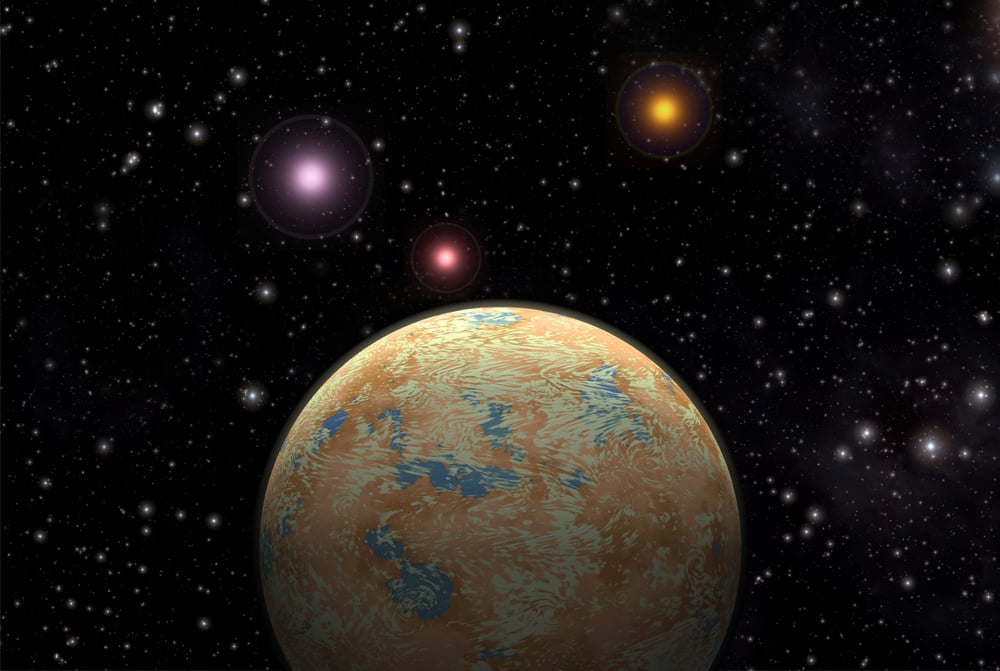
The smaller planet could be only slightly larger than Earth, and also might dwell just inside the conservative habitable zone. If the possible second, Earth-sized planet in the system also is confirmed, it would become the smallest habitable-zone planet discovered by TESS so far. These potentially habitable worlds orbit red dwarf stars that are much smaller and cooler than our Sun, suggesting that Earth-sized planets in the ‘Goldilocks zone’ might be more common throughout the galaxy than previously believed.
From Ancient Rocks to Future Discoveries
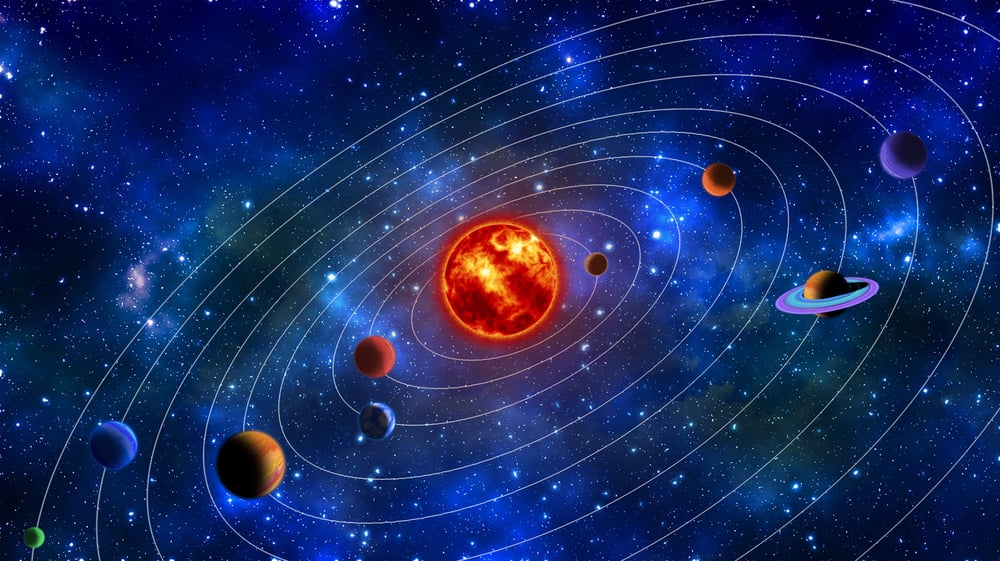
The solar system continues revealing secrets that challenge our understanding of planetary formation and cosmic evolution. From ice volcanoes on distant Pluto to organic compounds on Mars, each discovery reminds us that our cosmic neighborhood harbors phenomena far more complex and fascinating than early astronomers could have imagined. As new space missions venture deeper into the outer solar system and advanced telescopes peer farther into space, we can expect even more surprising revelations about the place we call home. The universe, it seems, still has countless secrets waiting to astonish us.
More from Go2Tutors!

- 16 Historical Figures Who Were Nothing Like You Think
- 12 Things Sold in the 80s That Are Now Illegal
- 15 VHS Tapes That Could Be Worth Thousands
- 17 Historical “What Ifs” That Would Have Changed Everything
- 18 TV Shows That Vanished Without a Finale
Like Go2Tutors’s content? Follow us on MSN.