15 Phobias Most People Don’t Know
Most people are familiar with common fears like spiders, heights, or flying. These make perfect sense from an evolutionary standpoint since our ancestors needed to avoid actual dangers. However, the human mind can develop intense fears of virtually anything, leading to some truly surprising phobias that sound almost fictional but are completely real.
These lesser-known phobias affect real people in significant ways, causing genuine distress and often forcing them to alter their daily routines. Here is a list of 15 unusual phobias that demonstrate just how diverse and unexpected human fears can be.
Trypophobia

Trypophobia is an aversion to the sight of repetitive patterns or clusters of small pits or bumps, affecting people when they see things like honeycombs, sponges, or lotus seed pods. While not officially recognized as a mental disorder, this fear gained widespread attention when people reacted negatively to smartphone cameras with multiple lenses. The brain may associate clustered openings with danger, possibly reminding people of venomous snakes or skin diseases. Some researchers believe this reaction has evolutionary roots, helping humans avoid potentially dangerous organisms.
Koumpounophobia

Koumpounophobia is the fear of buttons, particularly those found on clothing, and famously affected Apple co-founder Steve Jobs. People with this condition experience intense disgust or anxiety when seeing, touching, or even thinking about buttons. Steve Jobs mentioned that his button phobia may have inspired the development of touchscreen phones without physical buttons. This fear often relates to texture sensitivity and can force people to avoid buttoned clothing entirely, limiting their wardrobe choices significantly.
Nomophobia

Nomophobia is the fear of being without your mobile phone, causing excessive anxiety about having a dead battery or being out of service. This modern phobia reflects our growing dependence on smartphones for communication and daily activities. Research shows that around half of both men and women experience anxiety surrounding their cell phones, with 23% of male students being labeled as nomophobic. People with nomophobia may obsessively check their phones and worry constantly about missing important calls or messages.
Eisoptrophobia
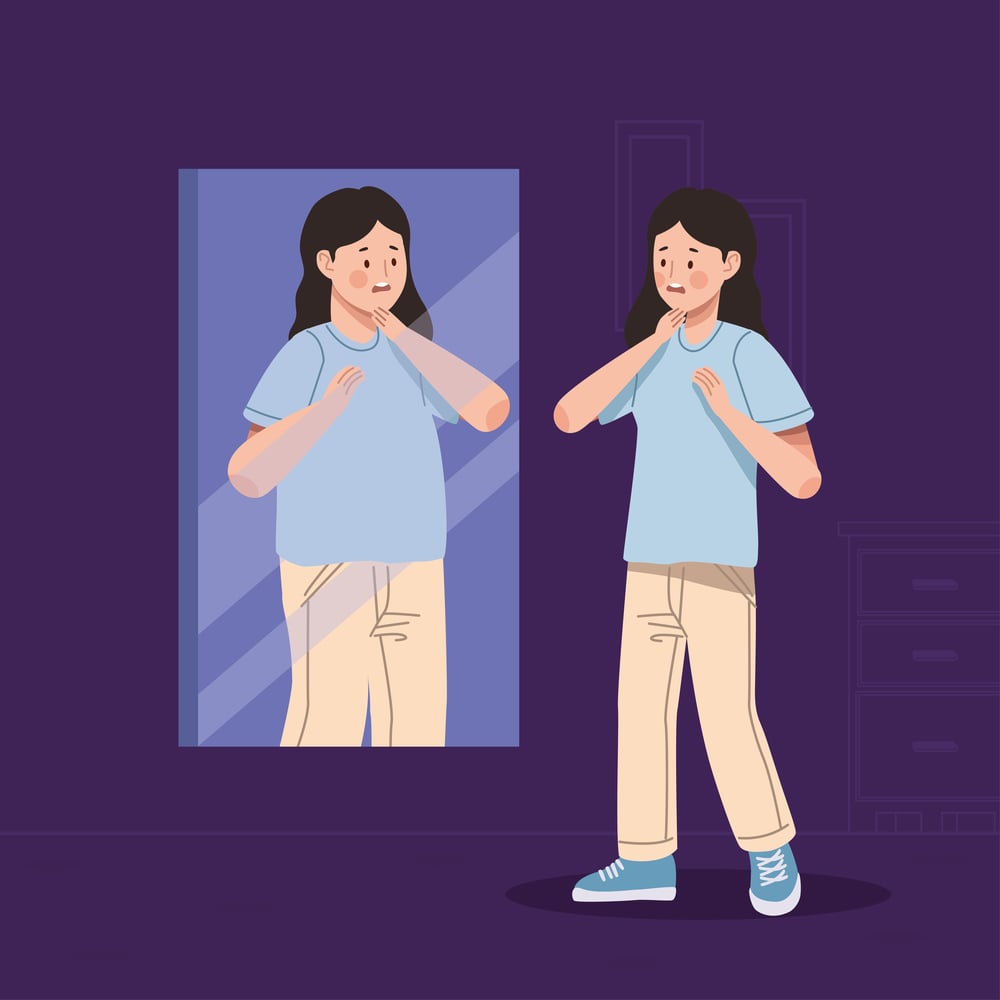
Eisoptrophobia is the fear of mirrors and reflective surfaces, often caused by superstitions or low self-esteem. This phobia can make everyday activities like getting ready in the morning incredibly challenging. Some people develop this fear after watching horror movies featuring mirrors, while others associate mirrors with bad luck or supernatural occurrences. People with eisoptrophobia may feel anxious, distressed or fearful at the sight of their own reflection.
Arachibutyrophobia

Arachibutyrophobia is the fear of peanut butter sticking to the roof of your mouth, and can stem from a greater fear of choking or sticky substances. While most people have experienced peanut butter sticking to their mouth, those with this phobia find the sensation absolutely terrifying. The severity varies dramatically between individuals—some can eat small amounts while others completely avoid peanut butter and similar consistencies. This fear likely developed from either a traumatic choking incident or an evolutionary aversion to sticky substances that might impair speech or breathing.
Hippopotomonstrosesquippedaliophobia

Hippopotomonstrosesquippedaliophobia is the ironically named fear of long words, affecting people who experienced embarrassment while mispronouncing long words in public. At 36 letters, the term itself becomes a source of terror for those who suffer from it. This condition often develops from childhood experiences of being ridiculed for struggling with pronunciation, particularly in people with dyslexia or reading difficulties. The fear can prevent people from engaging in academic or professional situations where complex vocabulary might arise.
Omphalophobia

Omphalophobia is the fear of belly buttons, causing people to feel physically sick when seeing, touching, or even thinking about navels. A case reported in medical literature described a female patient who became physically ill at the sight of belly buttons and sought therapy to overcome the phobia to finish her medical degree. This fear can make beach trips, swimming, or intimate relationships challenging since exposure to belly buttons becomes unavoidable in many social situations.
Ablutophobia

Ablutophobia is the fear of bathing, which can result from traumatic water-related incidents during childhood. While common in toddlers as part of normal development, this phobia in adults creates serious social problems due to hygiene issues. This phobia can cause a great deal of social anxiety and friction as it often results in unpleasant body odors. People with ablutophobia may find alternative ways to stay clean or only bathe when absolutely necessary, significantly impacting their daily routines and relationships.
Chaetophobia

Chaetophobia is the fear of hair, affecting people when they encounter their own hair, other people’s hair, or even animal hair. This phobia can make simple activities like getting haircuts or being around pets extremely distressing. People with this condition often avoid individuals with thick, curly hair or feel panicked when encountering loose, stray hairs. The fear may stem from concerns about cleanliness, texture aversion, or past traumatic experiences involving hair.
Lachanophobia

Lachanophobia is the fear of vegetables, causing intense anxiety when seeing or even thinking about vegetables. This goes far beyond childhood pickiness—people with this phobia experience genuine panic attacks when confronted with vegetables in grocery stores, restaurants, or meals. This fear can significantly impact a person’s diet and social interactions, making it challenging to maintain a balanced and healthy lifestyle. The condition can make family dinners, social eating, and maintaining proper nutrition extremely difficult.
Arithmophobia

Arithmophobia is the genuine fear of numbers and math, taking normal math anxiety to an extreme level. This phobia isn’t as much about seeing numbers as it is about being forced into situations requiring math, especially when someone’s math skills are subpar. People with arithmophobia may avoid jobs, activities, or educational opportunities that involve mathematical calculations. This fear can significantly limit career choices and create anxiety in everyday situations like calculating tips or managing finances.
Deipnophobia

Deipnophobia is the fear of dining with others, causing intense anxiety and discomfort when sharing meals. This condition often stems from social anxiety or fear of judgment about eating habits, table manners, or food choices. Sufferers may experience panic attacks, nausea, or sweating in dining settings, leading to avoidance behaviors or preferring to eat alone. This phobia can severely impact social relationships and make business dinners, family gatherings, or dating incredibly challenging.
Globophobia

Globophobia is the fear of balloons, particularly those found at children’s birthday parties, with some people especially fearful of balloons popping. While hot air balloons typically don’t trigger this fear, party balloons can cause genuine terror. Although balloons can be avoided more easily than other feared objects, this phobia can still seriously impact those who experience it. Parents with globophobia may struggle to attend their children’s birthday parties or feel anxious at celebrations where balloons are common decorations.
Amaxophobia

Amaxophobia is the fear of driving or being a passenger in vehicles like cars or buses, often affecting people’s social life and work. This fear can severely limit people’s ability to commute, visit friends and family, or perform daily tasks. People with this condition may fear having accidents, getting lost alone, or being trapped in traffic. Those with amaxophobia have often been involved in road traffic accidents and may also have PTSD. This phobia can make independent living extremely difficult in areas without reliable public transportation.
Optophobia
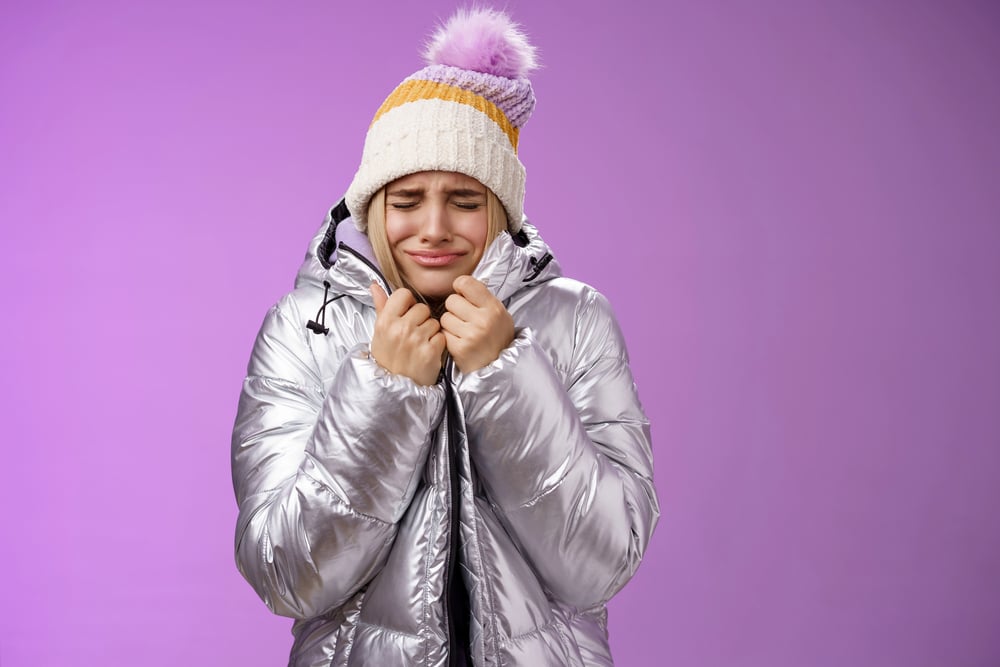
Optophobia is the fear of opening one’s eyes, which is incredibly rare but can seriously impact daily life. People with this condition experience intense anxiety about the act of opening their eyes, possibly fearing what they might see or losing control of their visual environment. This phobia can make basic activities like waking up, walking, or interacting with others nearly impossible. The fear may develop from traumatic visual experiences or anxiety disorders that become focused on the act of seeing itself.
When Fear Takes Control
These unusual phobias remind us that anxiety can attach itself to virtually any aspect of human experience. Phobias can profoundly affect daily life, leading to avoidance behaviors that disrupt normal activities and can cause intense anxiety and panic attacks. What might seem amusing or strange to outsiders represents genuine suffering for those affected. Today’s therapeutic options offer hope, including exposure therapy, cognitive-behavioral therapy, and newer approaches like virtual reality therapy. Understanding these fears helps us appreciate the complexity of the human mind and the importance of treating all phobias with compassion rather than ridicule.
More from Go2Tutors!

- 16 Historical Figures Who Were Nothing Like You Think
- 12 Things Sold in the 80s That Are Now Illegal
- 15 VHS Tapes That Could Be Worth Thousands
- 17 Historical “What Ifs” That Would Have Changed Everything
- 18 TV Shows That Vanished Without a Finale
Like Go2Tutors’s content? Follow us on MSN.