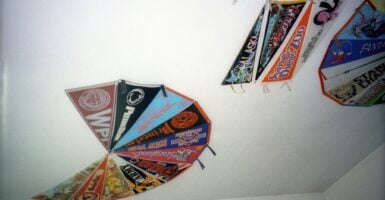
30 Souvenir Pennants From Roadside Attractions and Landmarks
A felt pennant was the cheapest way to prove a family had been somewhere. It cost less than a postcard set, packed flat in a suitcase, and ended up tacked above a bed or taped to a den wall.
The pennants below belong to places that drew crowds by car and rail, and each one comes with a story worth telling. Condition decides collector interest, since fading, moth damage, and tack marks are common on old felt.
Wall Drug
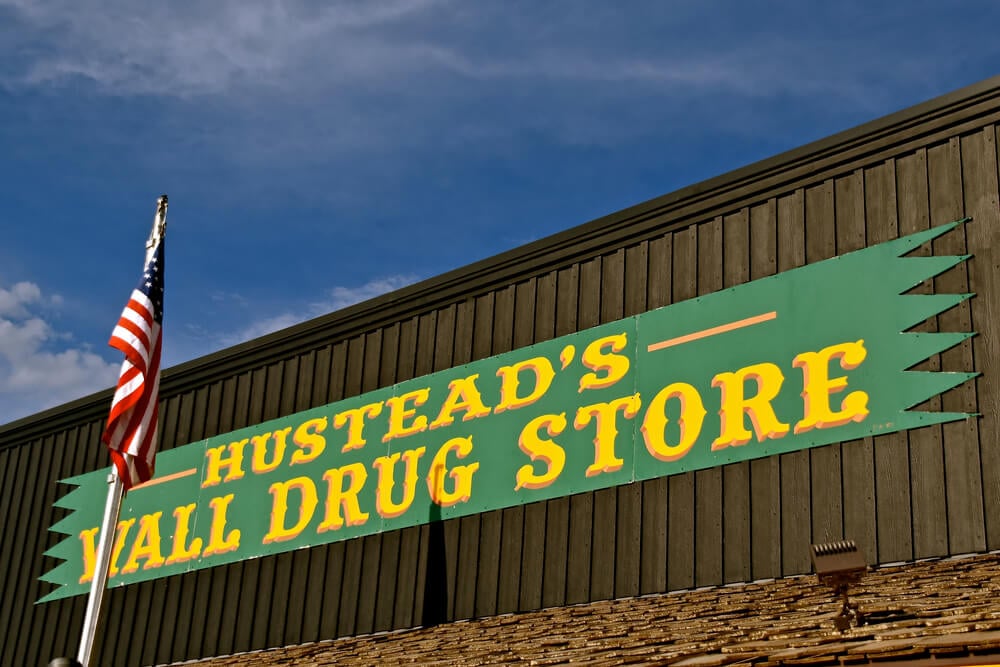
Ted and Dorothy Hustead bought a drugstore in Wall, South Dakota, in 1931, and business stayed slow until Dorothy suggested roadside signs offering free ice water, about five years later. The signs spread across highways and eventually the world, and the store grew into a sprawling roadside complex.
Pennants often show a jackalope, a dinosaur, or the store name in bold letters. Clean examples with bright lettering are easier to find than ones left in sunny windows.
Mount Rushmore
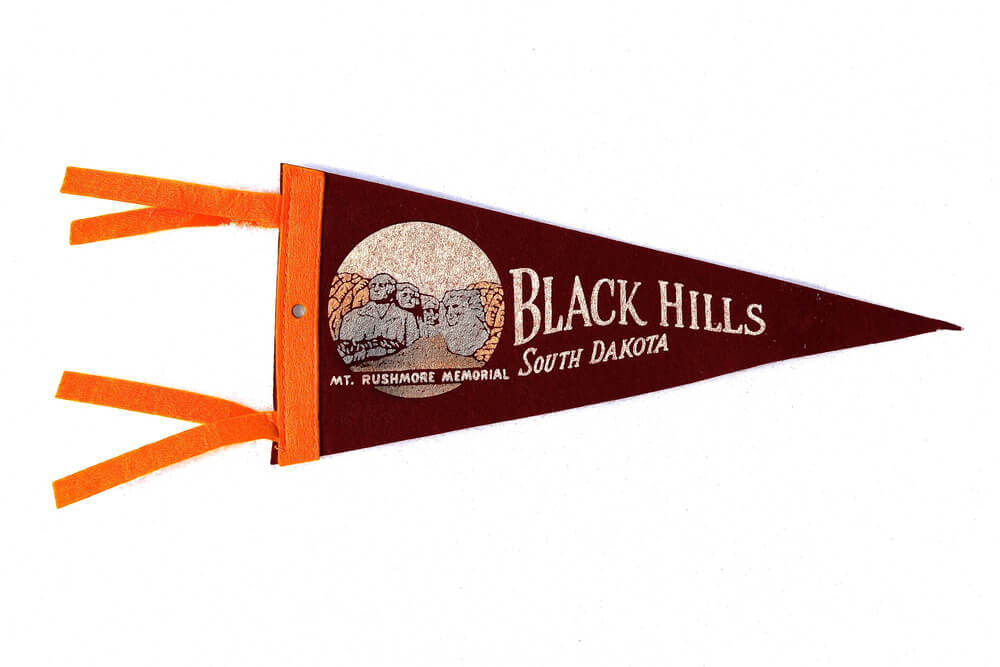
Gutzon Borglum led the work of carving four presidents into the granite of the Black Hills between 1927 and 1941. Pennants usually show the four faces in profile above a banner naming the memorial.
Visitors bought them at gift shops near the visitor area. Sun-faded felt and torn edges are the usual problems.
Old Faithful
Old Faithful in Yellowstone erupts roughly every 90 minutes, a regularity that made it a favorite stop on early park tours. Pennants usually show the plume rising over a wooden railing or a lodge roof.
The geyser’s reliability meant visitors could plan a photo. Pennants from early decades often feature simple illustrations and bold colors.
Grand Canyon
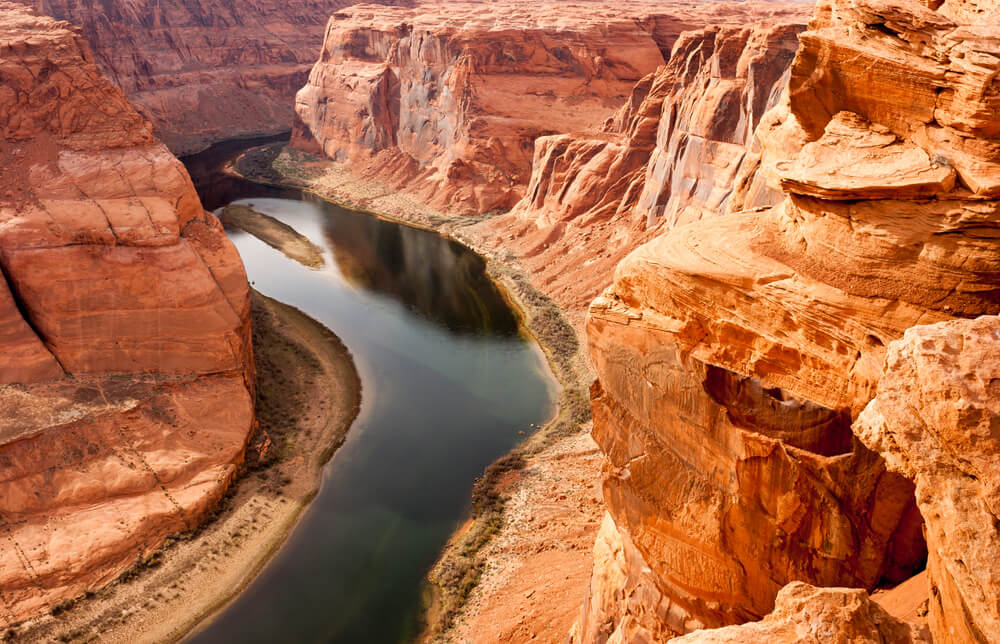
The Colorado River runs through the Grand Canyon for 277 miles, and the canyon is up to a mile deep. Pennants from the rim stops show layers of red rock and a thin ribbon of river.
Early railroads and then automobiles brought visitors to the edge. Felt colors tend to shift toward orange over time, so unfaded examples stand out.
Niagara Falls
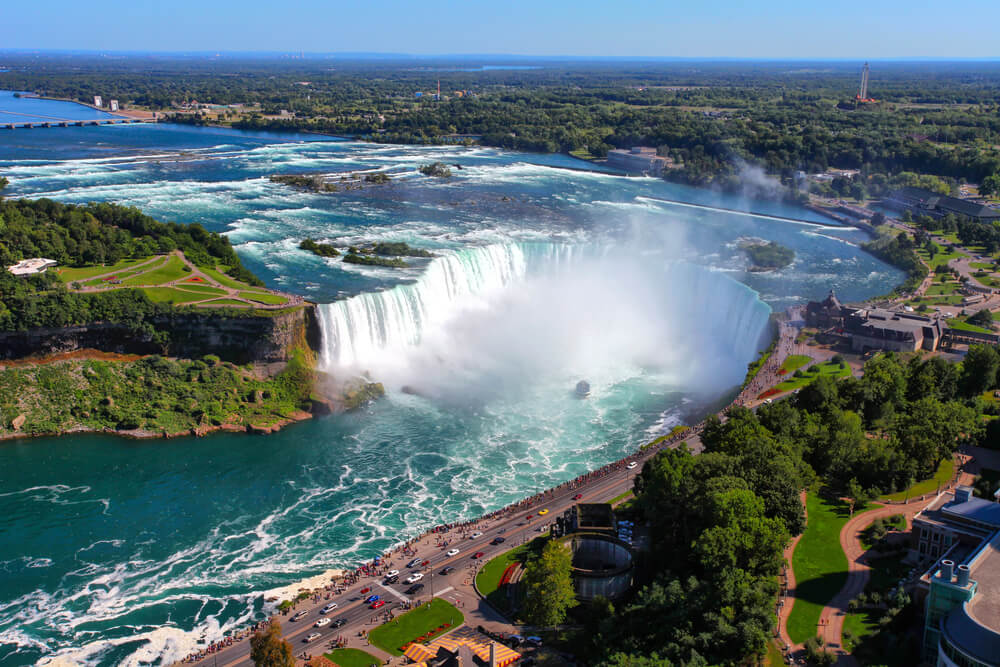
The Maid of the Mist boats have carried visitors toward the base of Niagara Falls since 1846. Pennants often show the boat and a wall of white water in a single image.
Both the American and Canadian sides sold felt souvenirs in great numbers. Water-stained examples are common, and clean ones command more interest.
Carlsbad Caverns
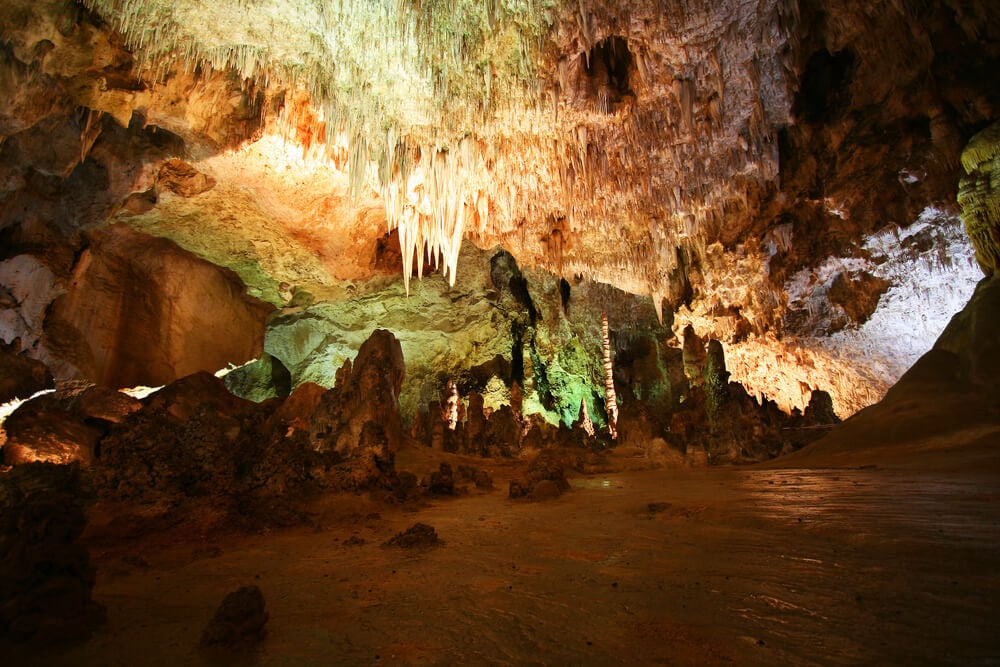
A cowboy named Jim White explored Carlsbad Caverns as a teenager and helped bring the cave to public attention. Visitors still gather at dusk to watch bats spiral out of the entrance in huge numbers.
Pennants show the entrance or a cave formation in white, black, and brown. The dark felt sometimes shows dust marks that hurt condition.
Rock City
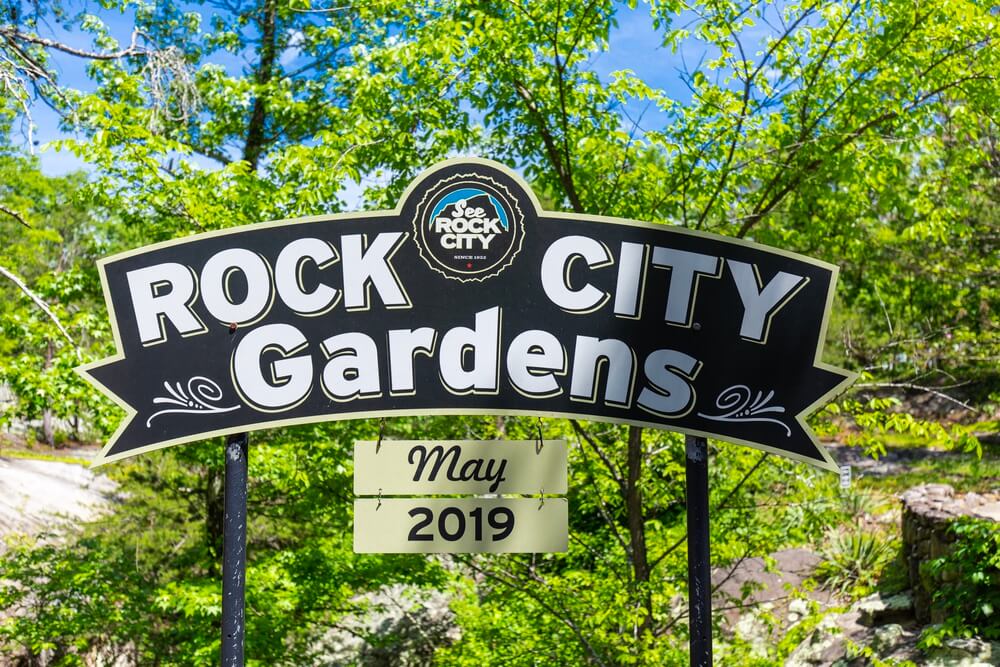
See Rock City painted barn roofs across the South are among the best-known advertising in the country. The attraction on Lookout Mountain near Chattanooga advertised a view of seven states from a single point.
Pennants repeat the slogan and often show a rock arch. Many family photos include a pennant like this in the background.
Ruby Falls
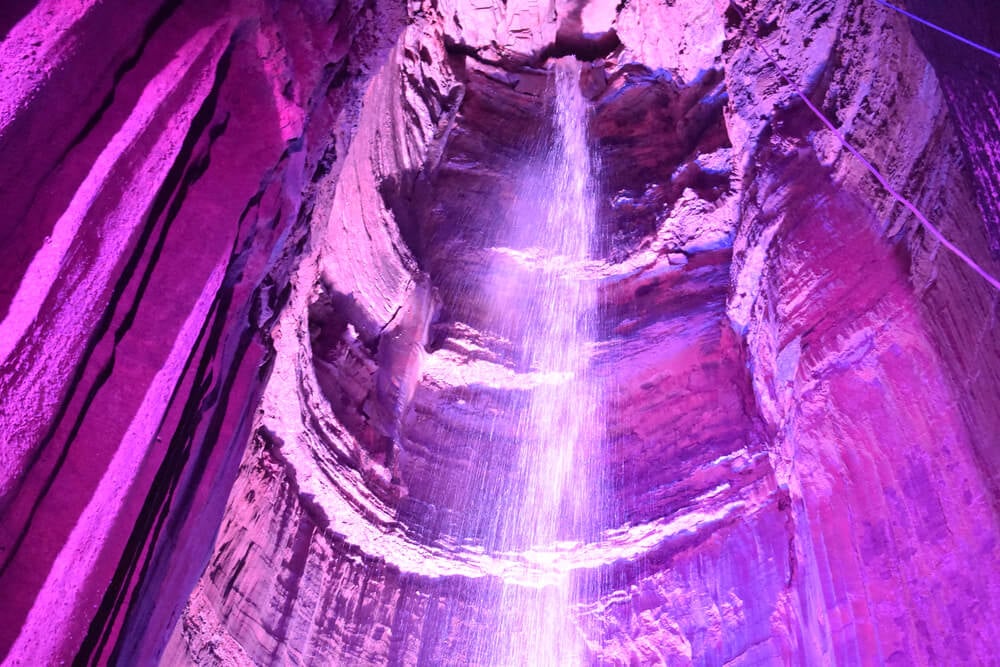
Leo Lambert discovered a waterfall inside Lookout Mountain in 1928 and named it for his wife, Ruby. The cascade drops about 145 feet underground, and visitors walk through the cave to see it.
Pennants show the falls in blue and white against dark rock. Felt in good shape is hard to find because humid basements age it quickly.
South of the Border
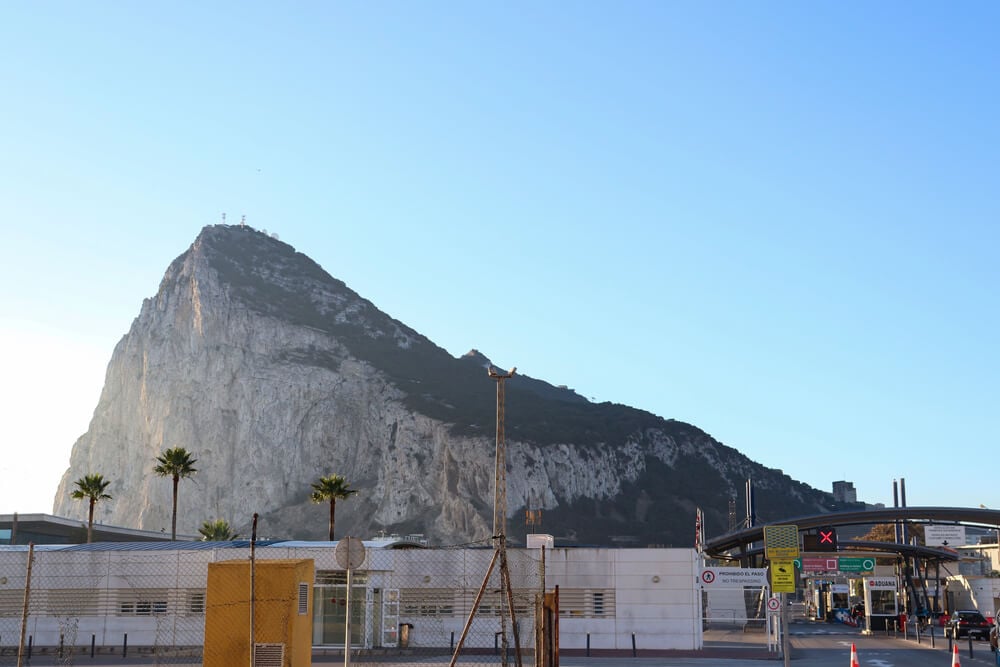
South of the Border grew from a roadside stand at the North Carolina line into a sprawling complex with giant sculptures and a mascot named Pedro. Billboards along the highway teased drivers with puns for miles before they reached the exit.
Pennants carry the sombrero logo and bright red letters. Collectors prize ones that show the complex’s early signs.
Meramec Caverns
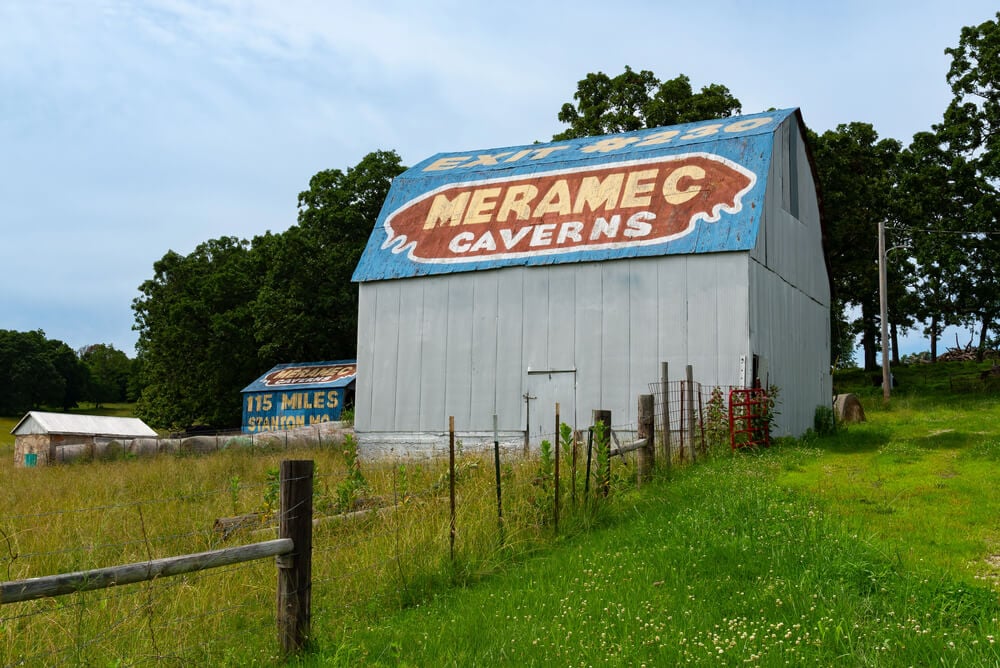
Meramec Caverns in Missouri advertised itself with a legend that outlaw Jesse James once hid there. Its advertising appeared on barns and billboards across the Midwest.
Pennants show a cave opening and the name in bold type. Vivid colors fade in light, so protected examples are worth looking for.
Luray Caverns
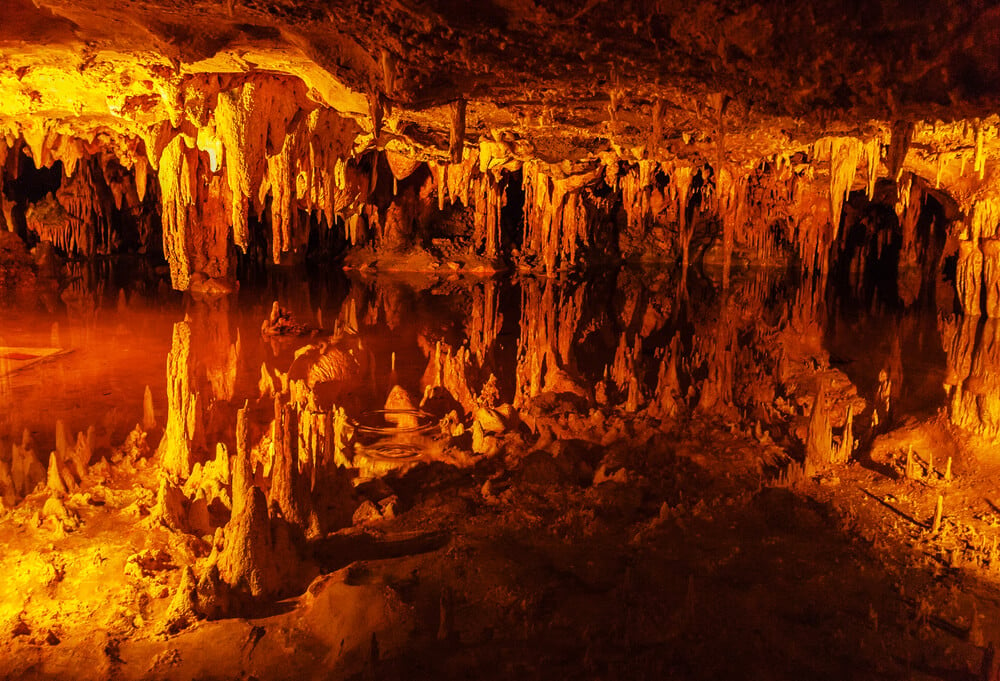
Luray Caverns in Virginia holds the Great Stalacpipe Organ, built by Leland W. Sprinkle after a 1954 visit inspired him to tap stalactites for music. The organ’s rubber-tipped mallets strike stalactites spread across about three and a half acres.
Pennants show cave formations rather than the organ itself. The attraction still draws visitors who want to hear the instrument.
Howe Caverns
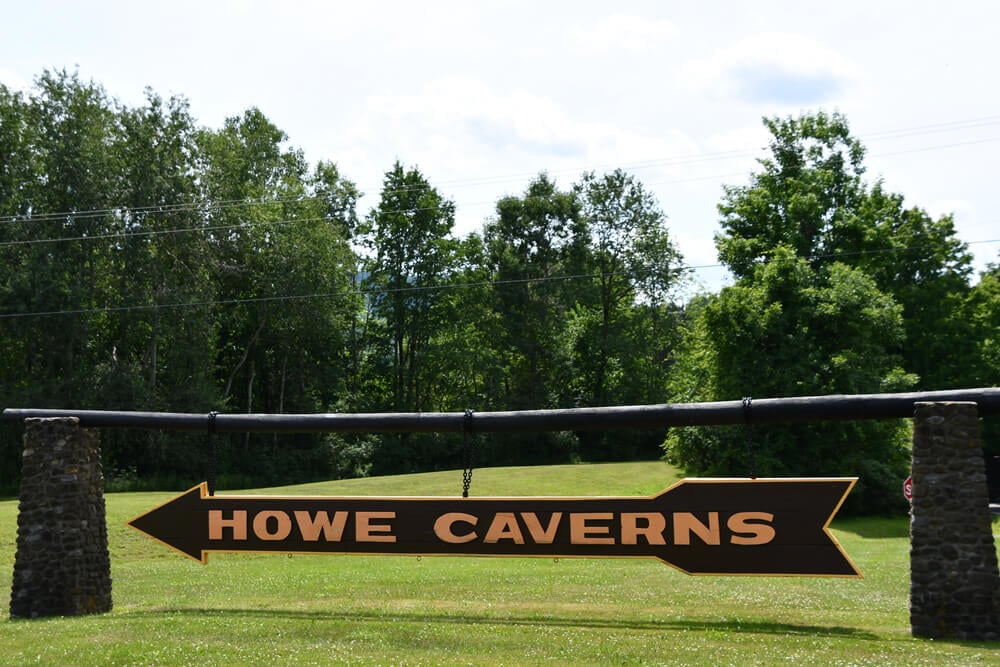
Lester Howe began leading tours of the cave near Cobleskill, New York, in 1842, and visitors can still ride a boat on an underground stream. Pennants show a lantern and the name in tall letters.
Light yellowing of white felt is a common flaw.
Mystery Spot
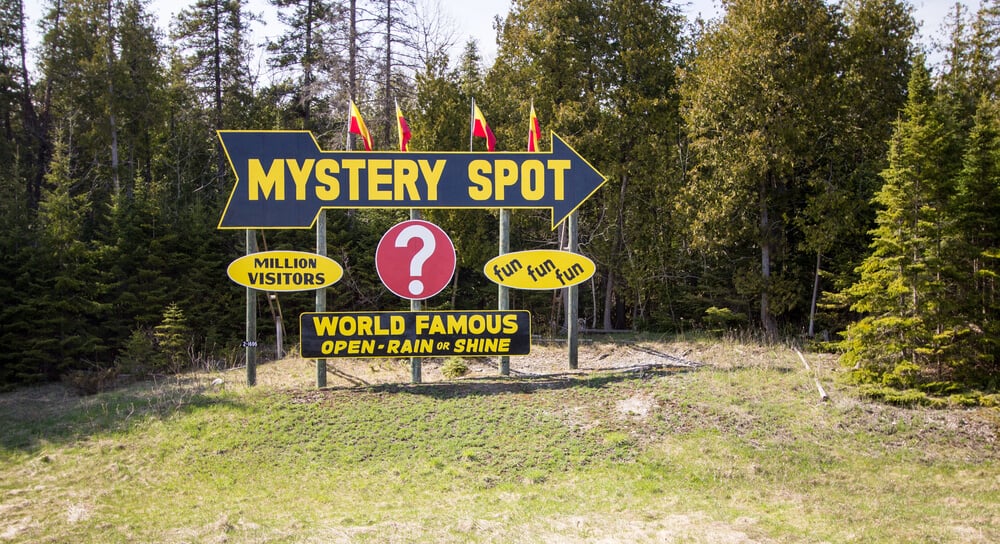
The Mystery Spot in Santa Cruz, California, opened in 1941 and promised odd angles, tilted boards, and people who seemed to change height. Guides led tour groups through a leaning cabin while demonstrating strange effects.
Pennants show the cabin or a question mark. The craze for oddities made it a staple of California road trips.
Trees of Mystery
The Trees of Mystery in Klamath, California, features a statue of Paul Bunyan 49 feet tall alongside Babe the Blue Ox. Visitors walk among giant redwoods and listen to the statue greet them.
Pennants show the lumberjack figure and the ox. Felt in blue and white retains color well when stored out of the light.
Knott’s Berry Farm
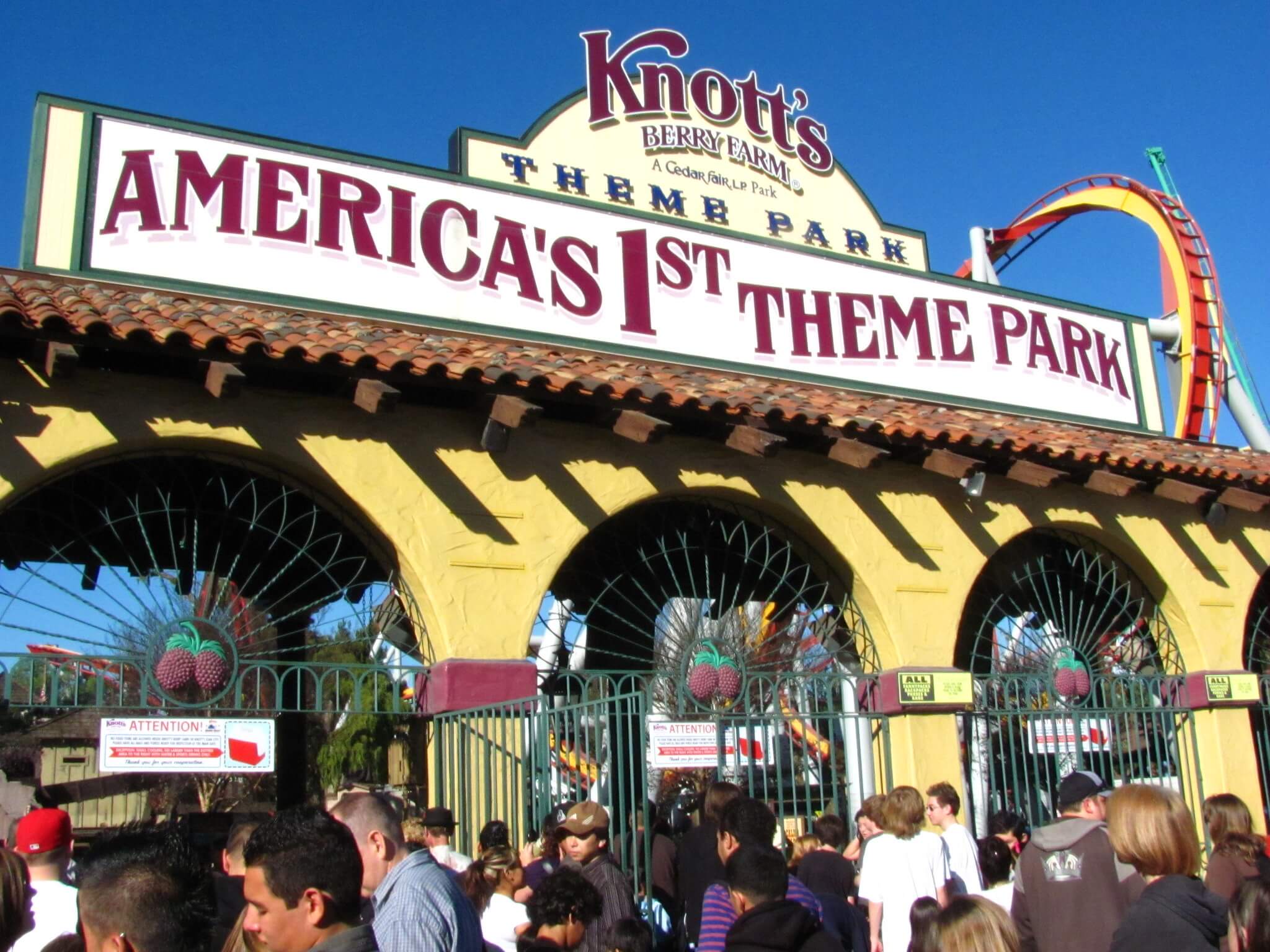
Walter Knott popularized the boysenberry on his farm in Buena Park, California, and his wife’s chicken dinners drew lines of hungry customers. The farm grew into a theme park with a Western ghost town.
Pennants show a stagecoach or a boysenberry in red felt. Early pieces from the ghost town era are the ones collectors seek.
Disneyland
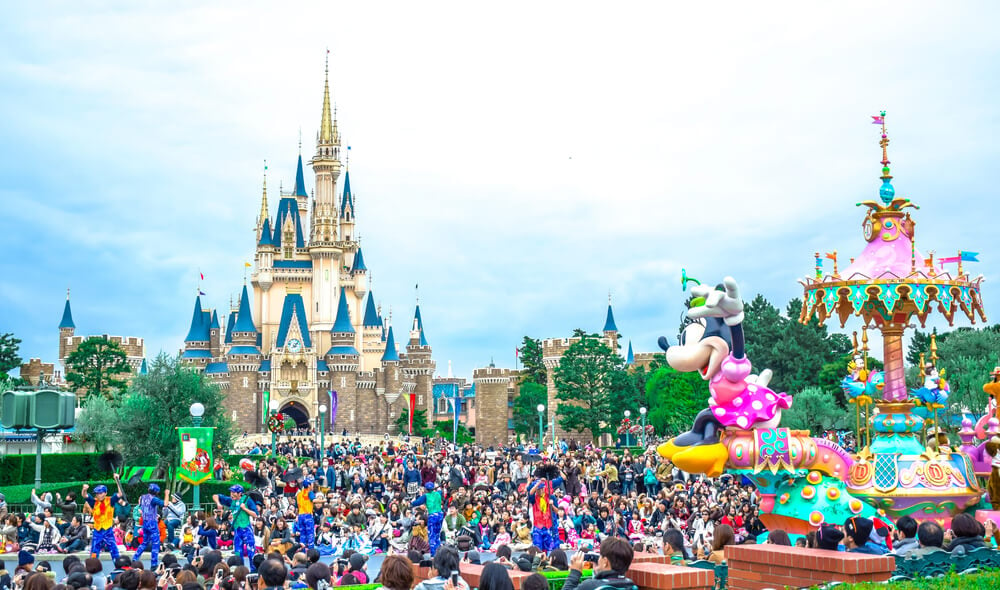
Disneyland opened on July 17, 1955, in Anaheim, California, and the castle quickly became a symbol of family travel. Pennants from the earliest years show the castle and simple lettering.
Disney souvenirs are widely collected, so condition and print quality matter. Clean pennants from the first decade are the most valued.
Hoover Dam
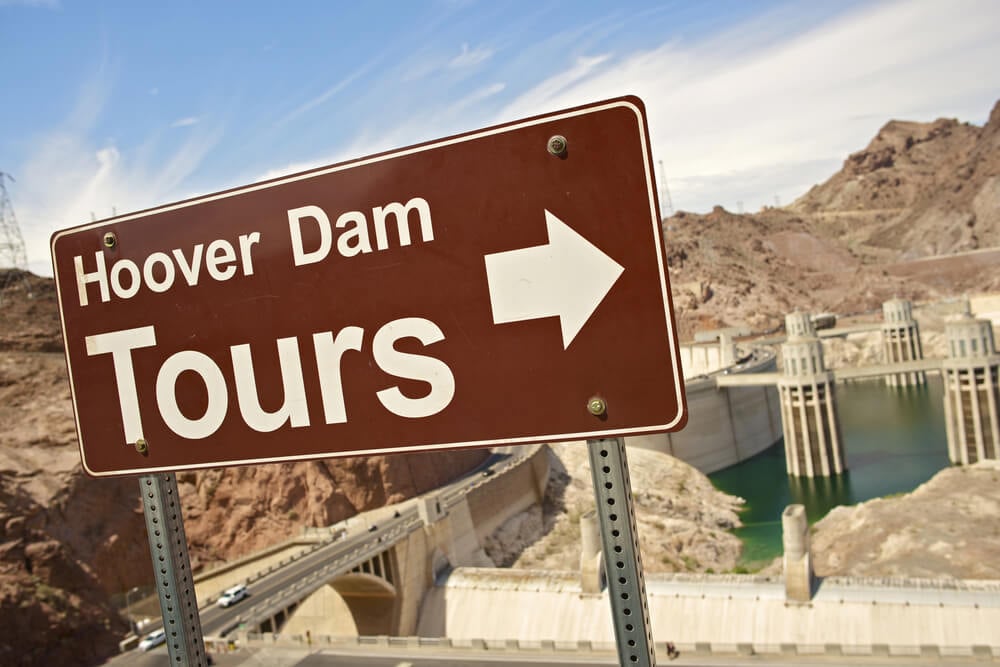
Hoover Dam was completed in the mid-1930s, creating Lake Mead on the Colorado River. Pennants show the curved concrete face and the Nevada and Arizona spillways.
Visitors drove across the top and bought felt souvenirs at the visitor center. Dust and sun damage are the usual problems.
Gateway Arch
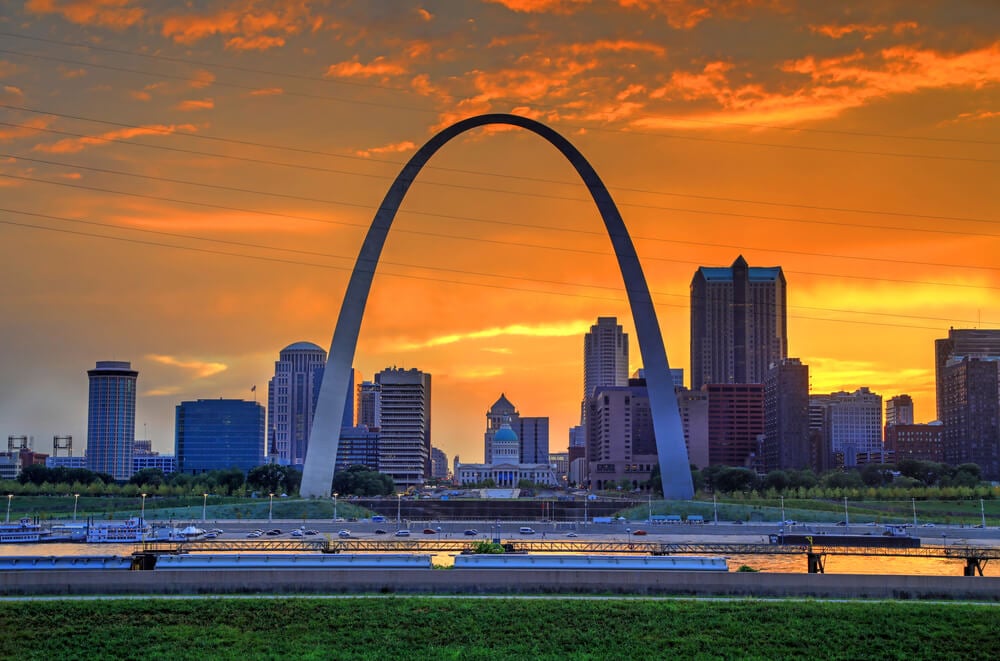
The Gateway Arch in St. Louis stands 630 feet tall, the same as its width at the base, and was completed in 1965. Visitors ride a tram inside the legs to reach the top.
Pennants show the arch against a river or skyline in silver tones. Felt with clean lettering and unbent corners is the easiest to sell.
Space Needle
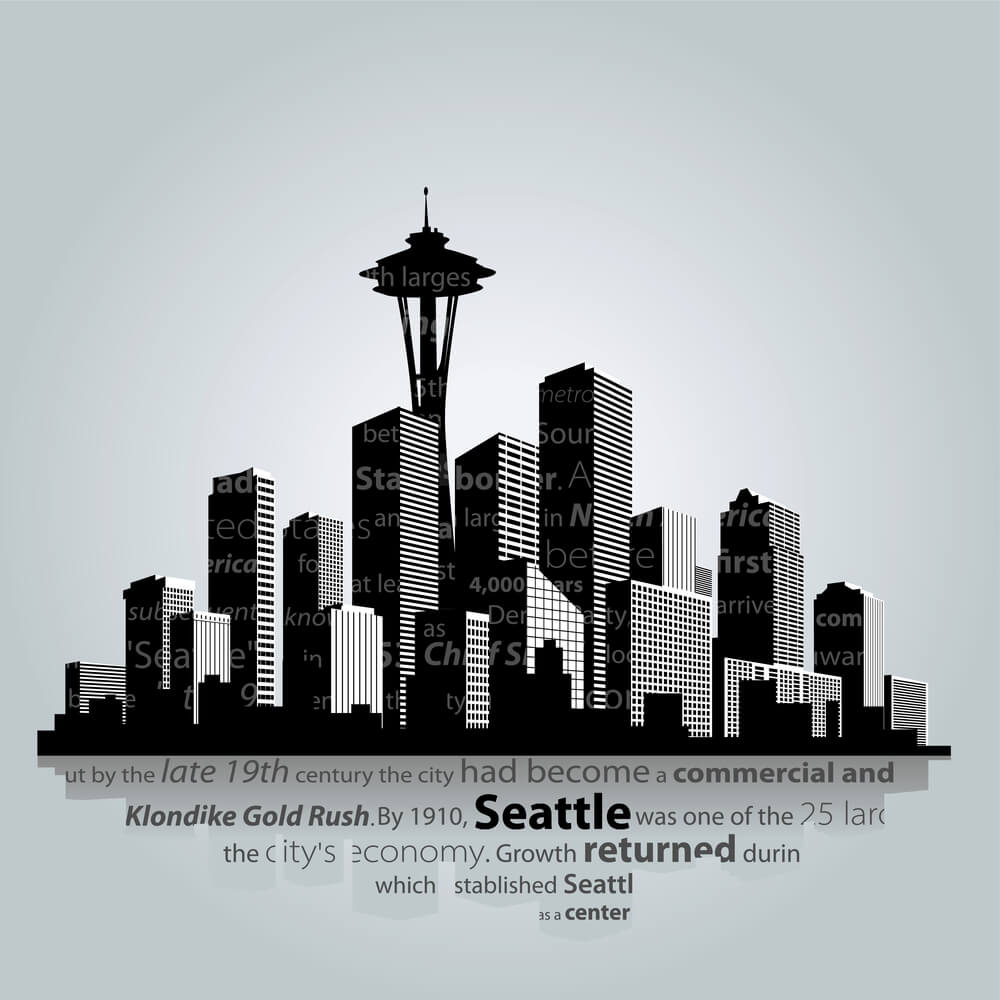
The Space Needle rose to 605 feet for the 1962 World’s Fair in Seattle, and a revolving restaurant became its signature feature. Pennants show its saucer shape against a blue sky.
Fair souvenirs have a strong collector following. Colors from the 1960s tend to be bold, so fading is easy to spot.
Golden Gate Bridge
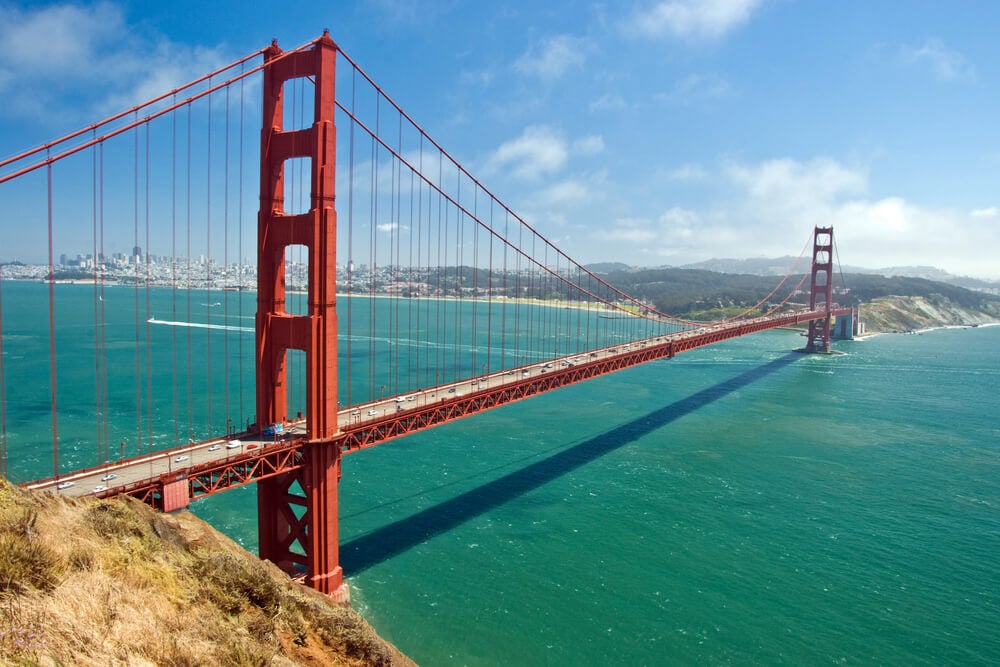
The Golden Gate Bridge opened in 1937 and was painted a shade called International Orange. Pennants usually show the suspension towers and a stretch of cables above water.
Visitors collected felt souvenirs on trips to San Francisco. Early pennants with wide lettering are in demand.
House on the Rock
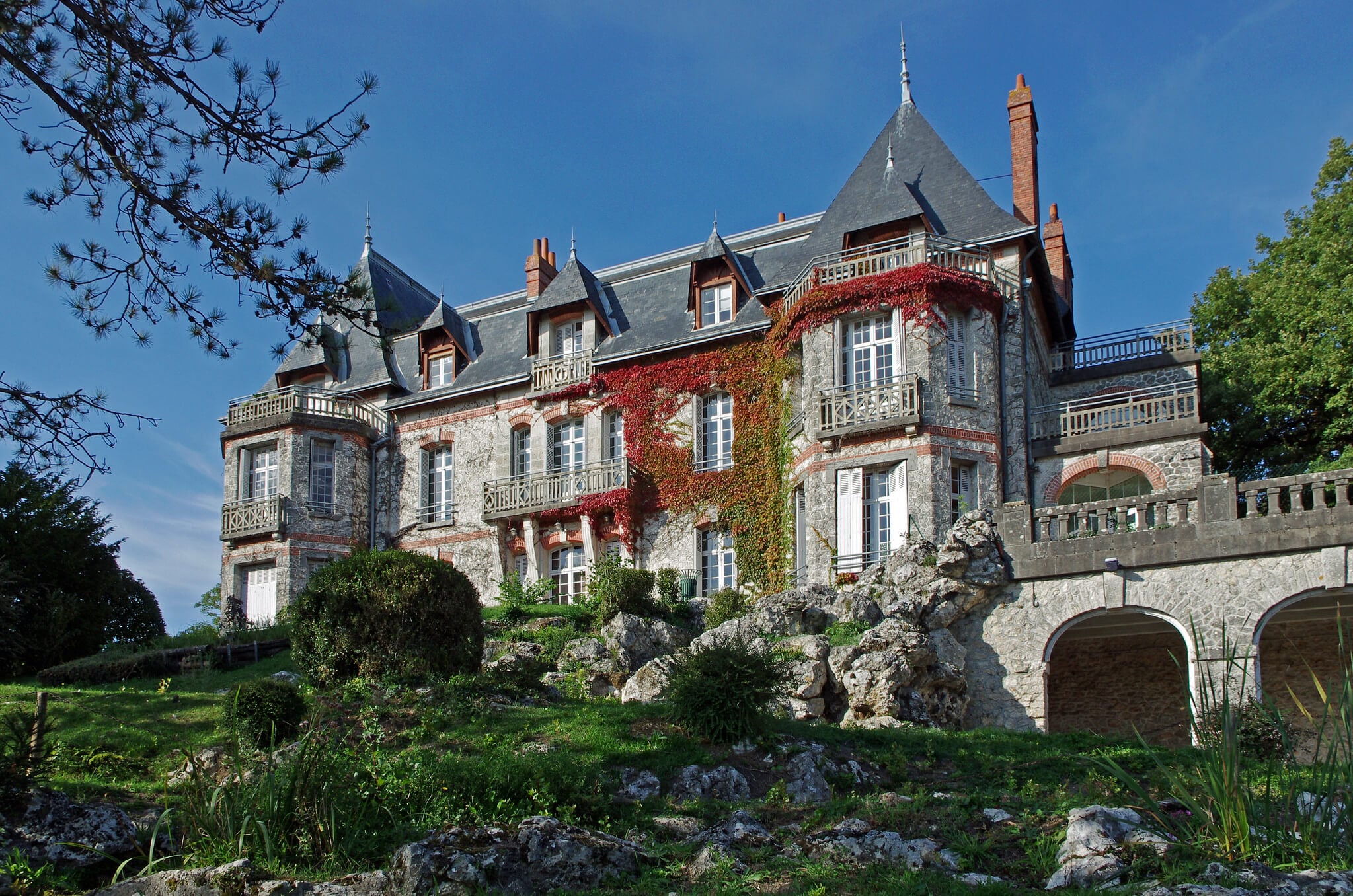
The House on the Rock in Spring Green, Wisconsin, opened to the public in 1960 and grew into a maze of collections and strange rooms. Its Infinity Room extends 218 feet over the valley and has 3,264 windows.
Pennants show the house and the narrow glass hallway. Most surviving pieces are from the 1970s and later.
Mount Washington Cog Railway
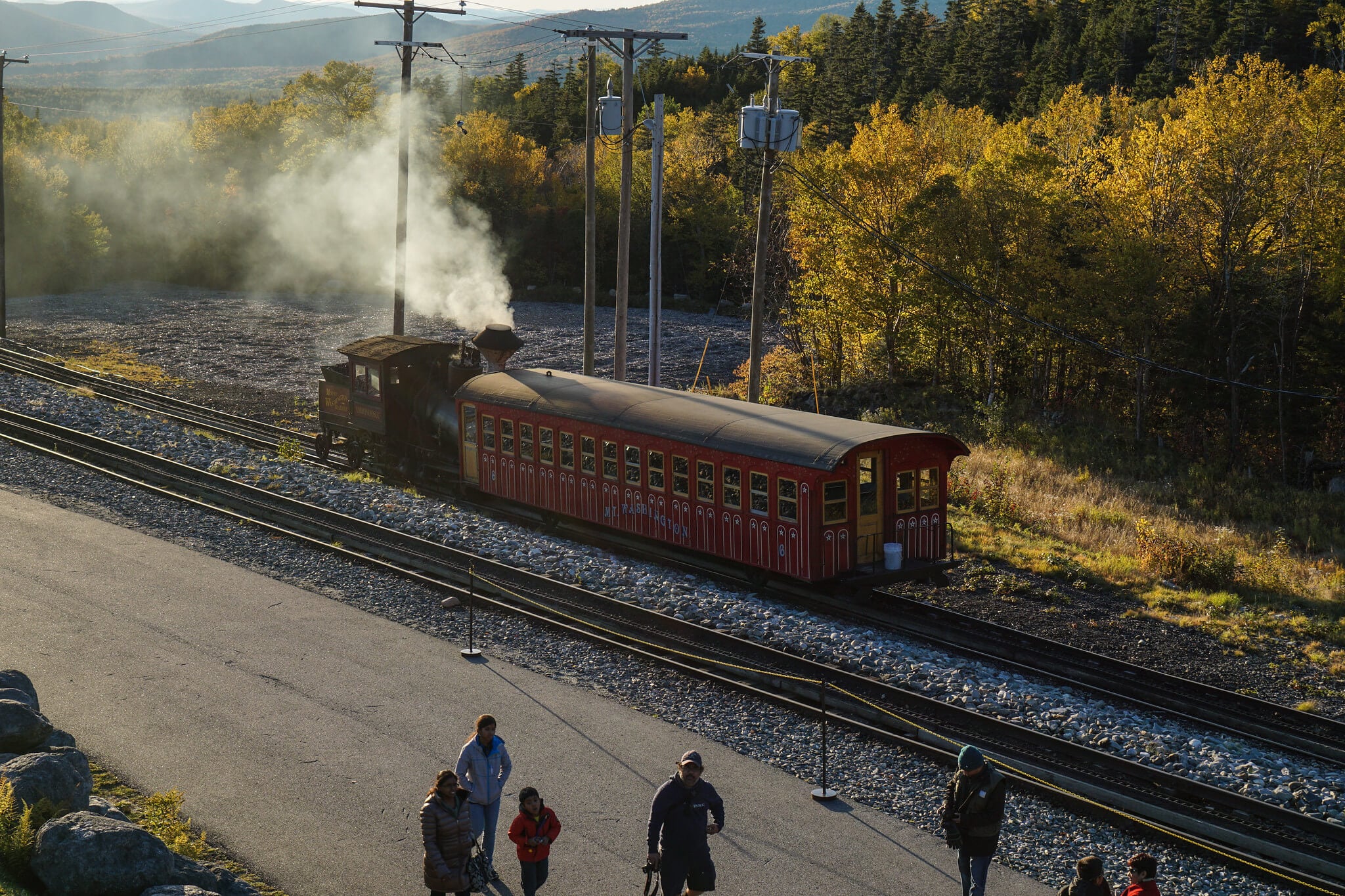
The Mount Washington Cog Railway in New Hampshire opened in 1869 and climbs the highest peak in the Northeast on a steep track. Early locomotives belched steam and sparks as they hauled passengers upward.
Pennants show a small train beside a rocky summit. Examples that kept their color are rare.
Pikes Peak
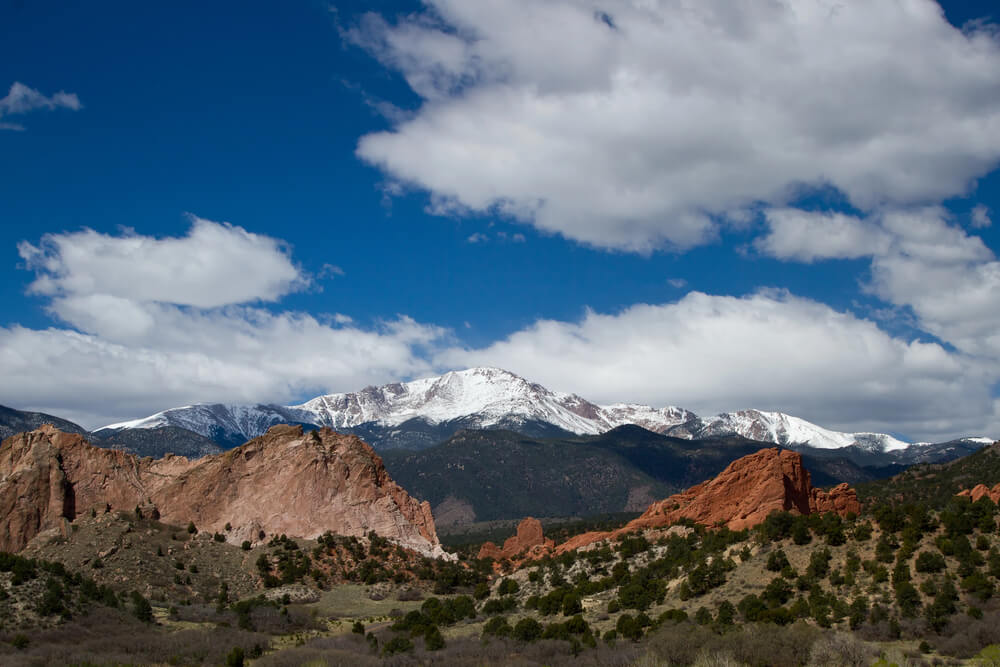
Katharine Lee Bates visited Pikes Peak in 1893, and the view inspired the poem that became America the Beautiful. Pennants show the summit and a cog railway or highway.
Colorado families often bought one after a drive up the mountain. Fine lettering fades quickly in sunlight.
Royal Gorge Bridge
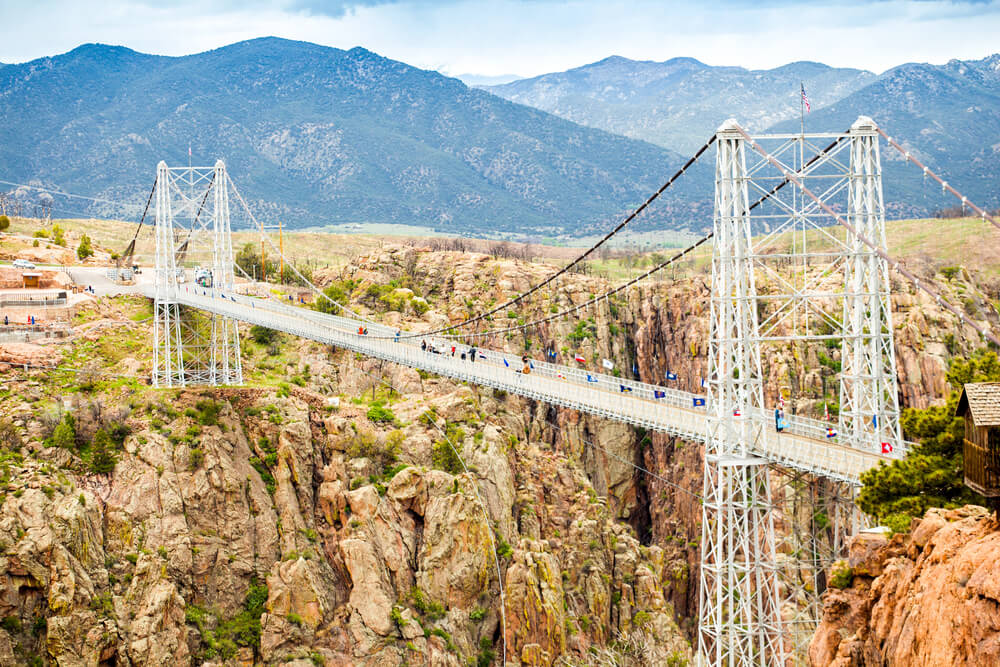
Colorado’s Royal Gorge Bridge opened in 1929 and was the highest bridge in the world until 2001. The deck hangs about 956 feet above the Arkansas River.
Pennants show the bridge and a train on the canyon floor. The thrill of walking across it made it a staple of summer drives.
Meteor Crater
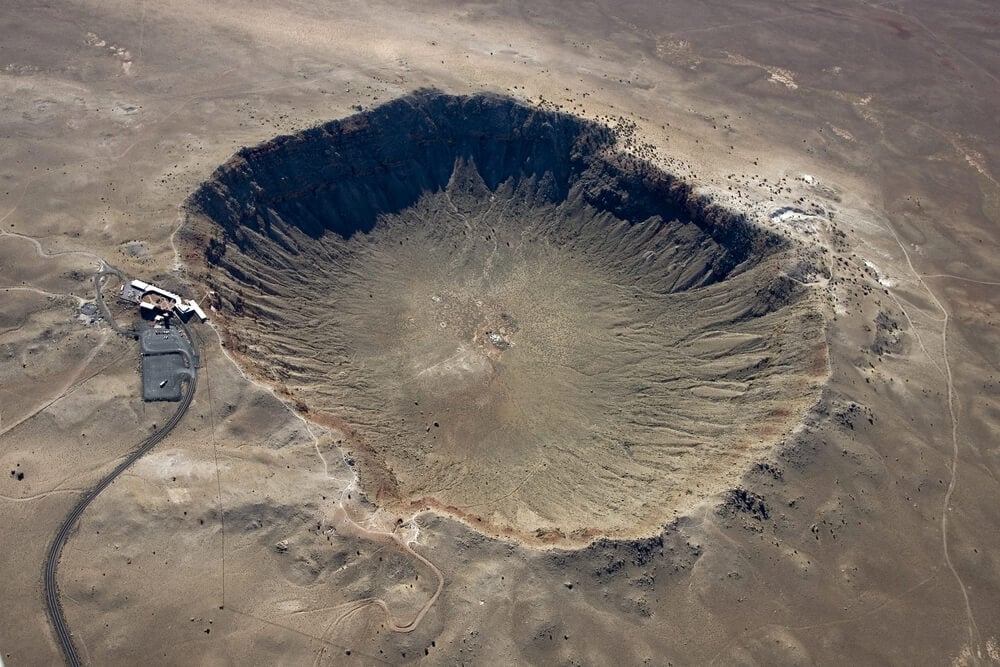
Meteor Crater in Arizona is nearly a mile across and was formed by an impact about 50,000 years ago. Pennants show the rim and a tiny figure to give a sense of scale.
It stands near a highway that carried generations of travelers. Rusty orange felt sometimes looks sun-baked, a quality collectors accept.
Petrified Forest
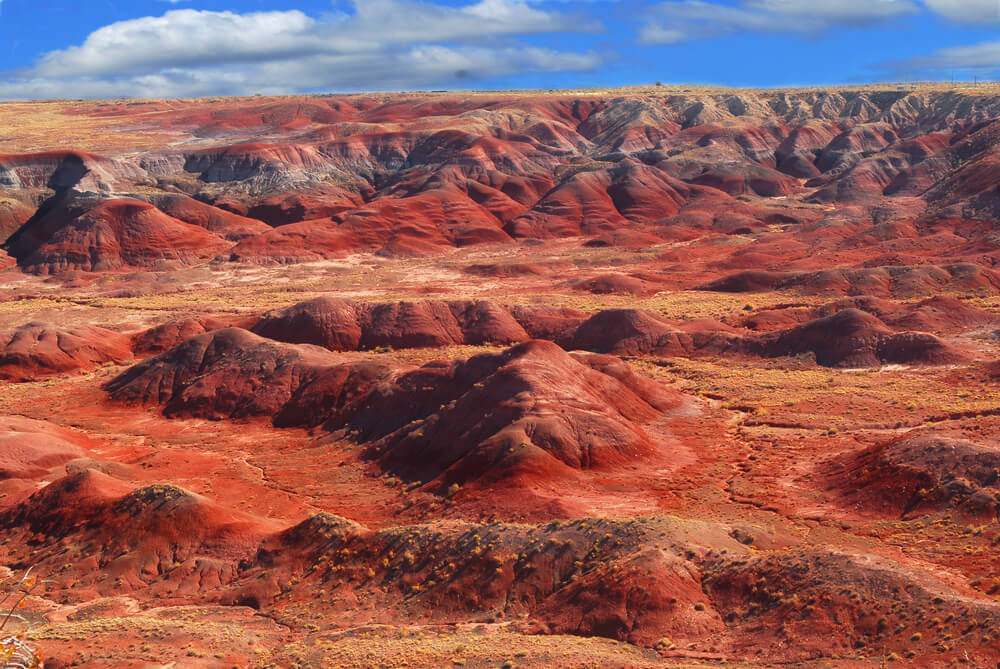
Petrified Forest National Park in Arizona holds fossil logs turned to colorful stone, and old Route 66 once crossed the park. Pennants show logs, a teepee-shaped formation, or the Painted Desert.
Travelers collected them along the highway. Fabric that survived the Arizona sun is a prize.
Mitchell Corn Palace
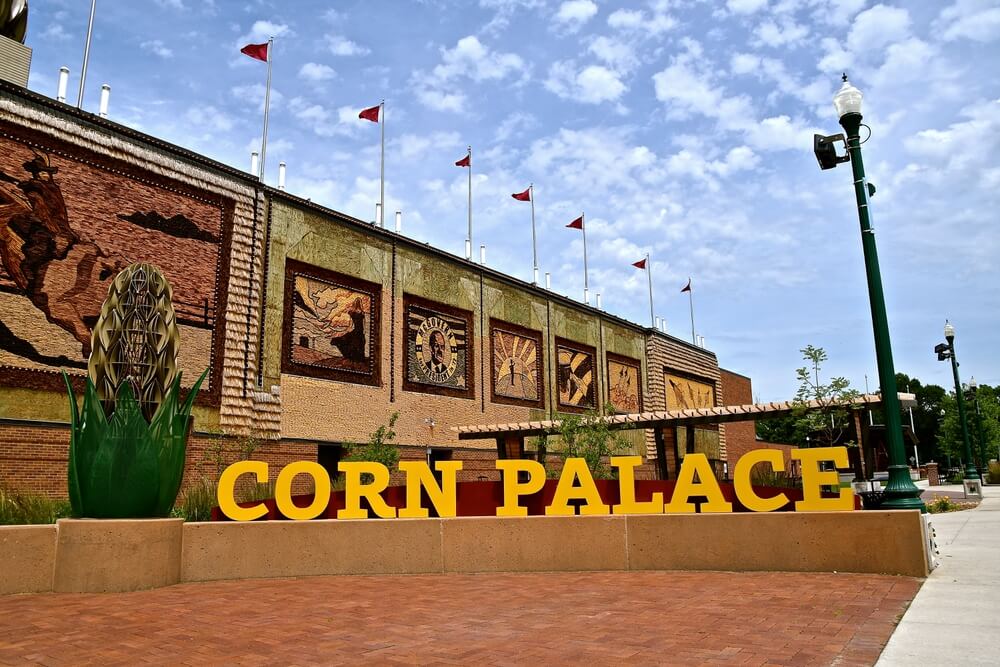
The Corn Palace in Mitchell, South Dakota, is decorated with murals made from corn and other grains, and the designs are redone every year. Pennants show a domed building with onion-shaped towers.
The theme changes annually, so each pennant dates to a particular design. Complete sets from different years are fun to track.
Mackinac Island
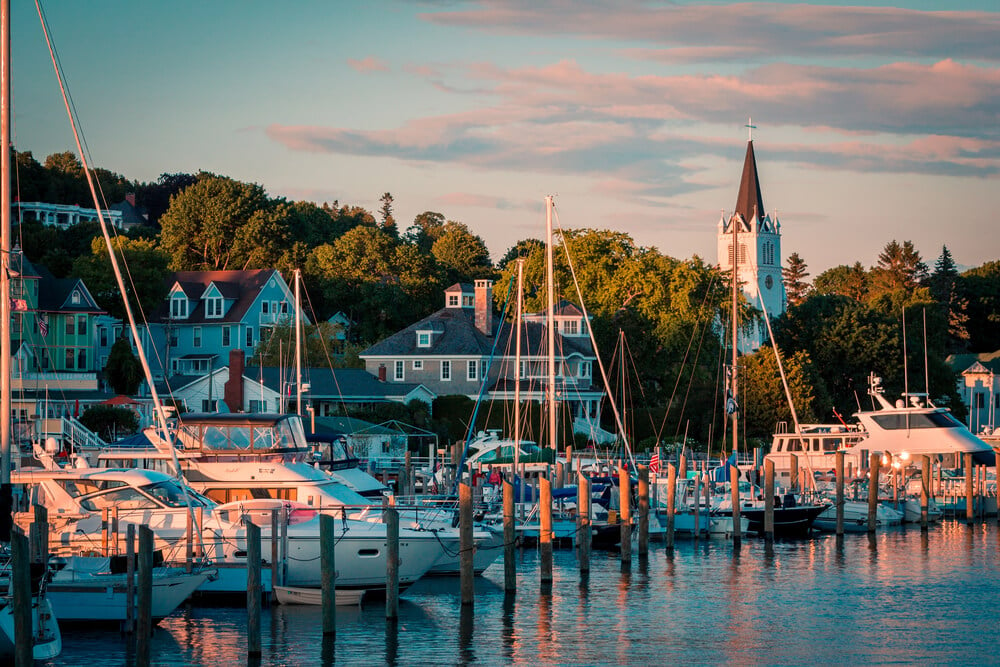
Motor vehicles are banned on Mackinac Island in Michigan, so visitors travel by bicycle, carriage, or on foot. The Grand Hotel has a porch 660 feet long that faces the water.
Pennants show a carriage or the hotel. Many were sold at ferry docks along the shore.
Wisconsin Dells
The Wisconsin Dells draw visitors to river cliffs carved by water, and tour boats and amphibious Ducks have run excursions there for decades. The Ducks were adapted from World War II vehicles.
Pennants show a boat among rock walls and a lettered banner. Water stains are common on old souvenirs.
Weeki Wachee
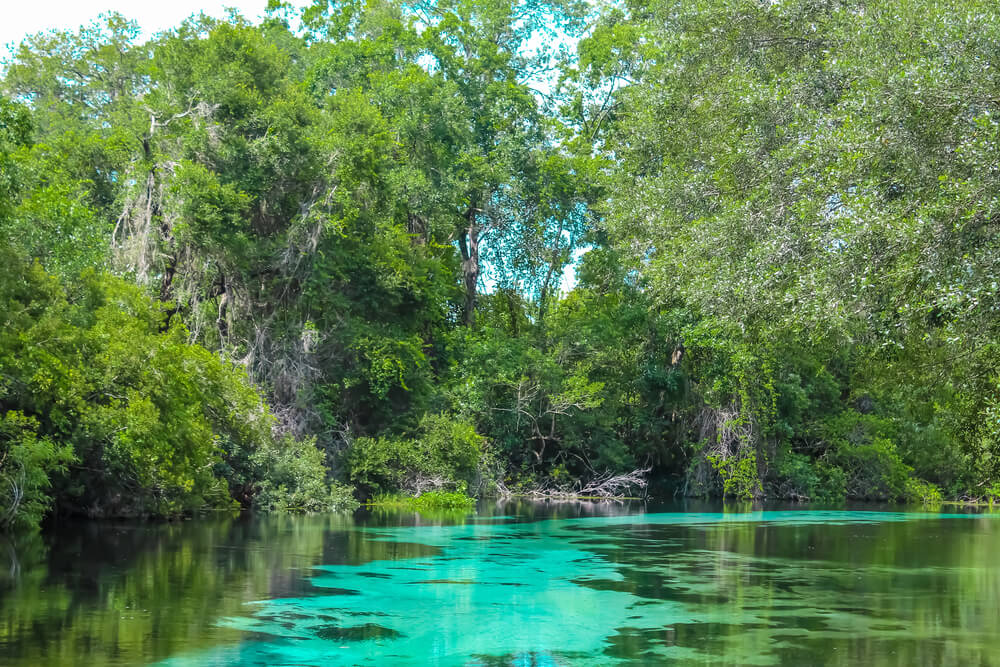
Weeki Wachee Springs in Florida opened on October 13, 1947, when Newton Perry unveiled an underwater theater with performers billed as mermaids. The theater sat about six feet below the surface and held 18 people.
Performers drank soda and ate bananas underwater while the audience watched through glass. Pennants show a mermaid and the spring’s name in bright colors.
Felt, Tacks, and the Urge to Prove You Were There
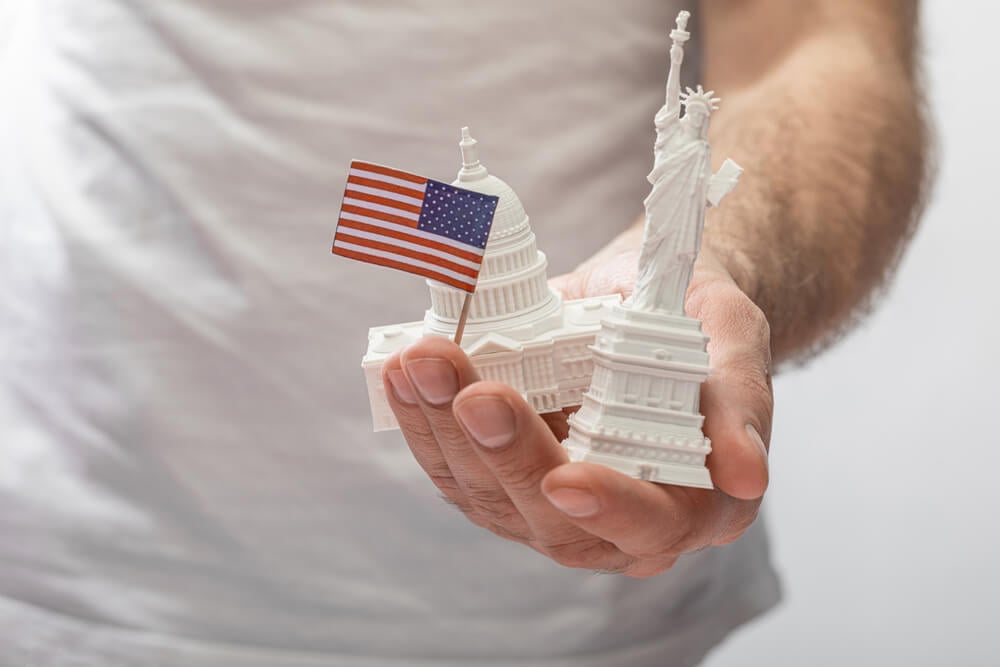
Pennants were souvenirs with a simple job: prove a trip happened. They cost little, traveled well, and looked good over a bed.
The places they honor were often built to catch the eye of drivers passing through. The felt triangles also capture a style of travel that has faded.
Families drove for days, stopped at gaudy attractions, and brought home something to hang. A faded pennant on a wall is a small monument to a vacation nobody photographed.
More from Go2Tutors!

- 27 Silver Dollars and Half Dollars Worth Keeping
- 28 Restaurant Menu Items Nobody Orders Anymore
- 17 Places Built in Seemingly Impossible Spots
- 27 Vintage Rings Worth More Than They Look
- 25 Restricted Sites Tourists Can’t Enter
Like Go2Tutors’s content? Follow us on MSN.