Grandma’s Jewelry Repairs That Can Change Resale Value
A ring that sat in a drawer for decades can be worth more untouched than after a quick fix at the mall kiosk. Buyers, appraisers, and auction houses look closely at how a piece was repaired, and some fixes quietly cut the price while others protect it.
Knowing which repairs matter before the work happens can save a family heirloom from a costly mistake. The details below cover the repairs that show up most often when old jewelry changes hands.
Re-Tipping Worn Prongs Before a Stone Falls Out
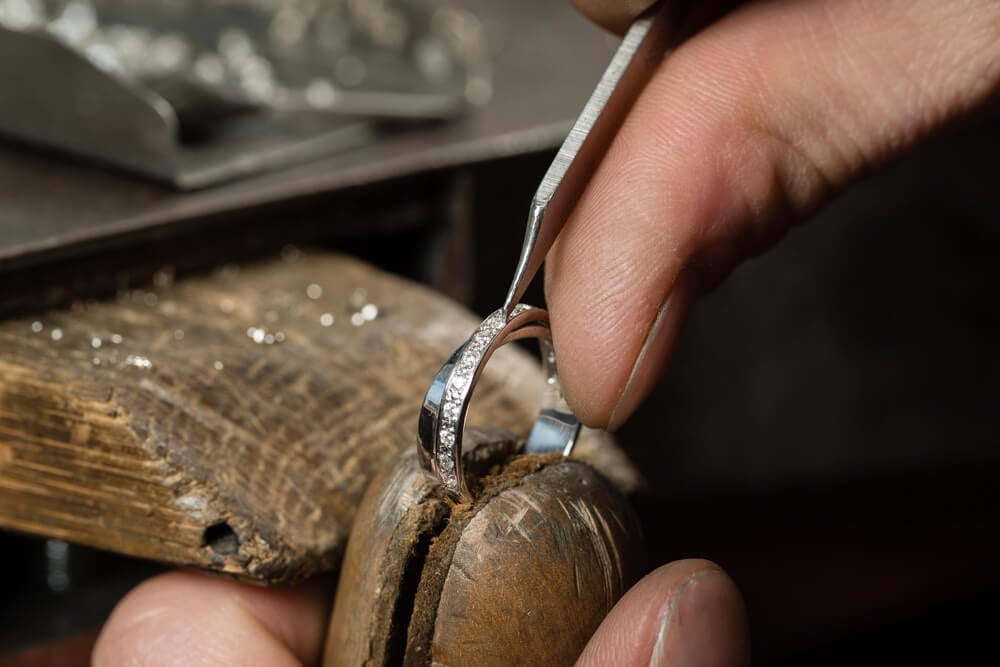
Prongs on old rings wear thin from decades of knocking against doorframes and countertops, and a stone can drop without warning. Re-tipping adds fresh metal to the worn tips and is considered standard maintenance, so it rarely hurts value when a competent jeweler does it in matching metal; waiting until the stone is lost is the expensive route, since a missing gem costs far more to replace than a few dabs of gold.
Resizing a Ring Through the Hallmark
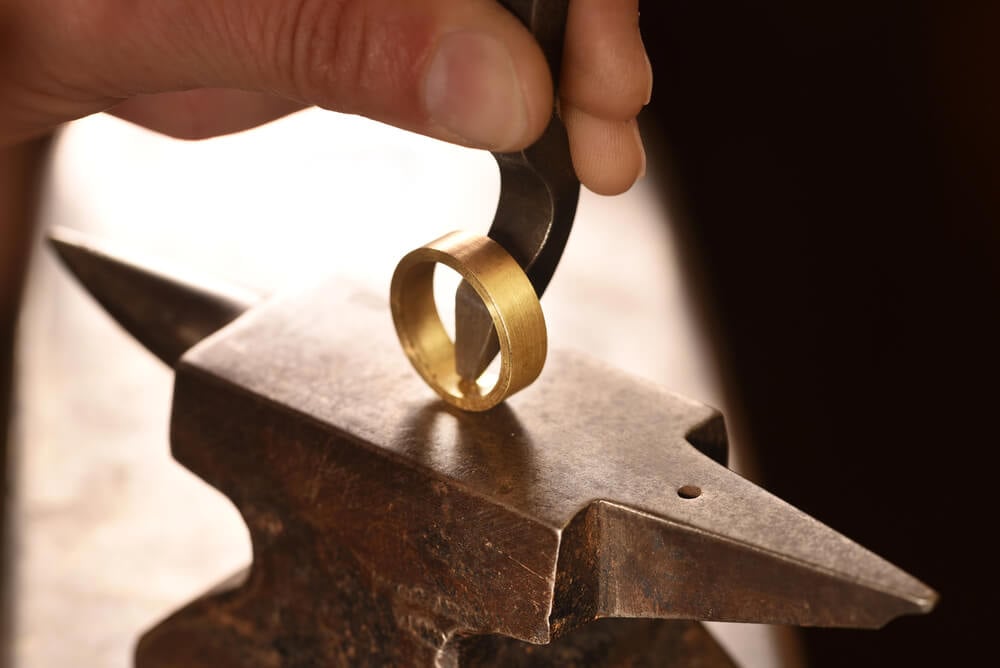
Cutting the shank of a ring to resize it often removes or distorts the maker’s mark and the karat stamp, which are small details that appraisers rely on. A ring that once carried a clear 18K stamp may come back with a smudged one, making the gold content harder to prove; jewelers can restamp, but a restamped mark never carries the same weight as an original one.
Soldering With the Wrong Karat of Gold
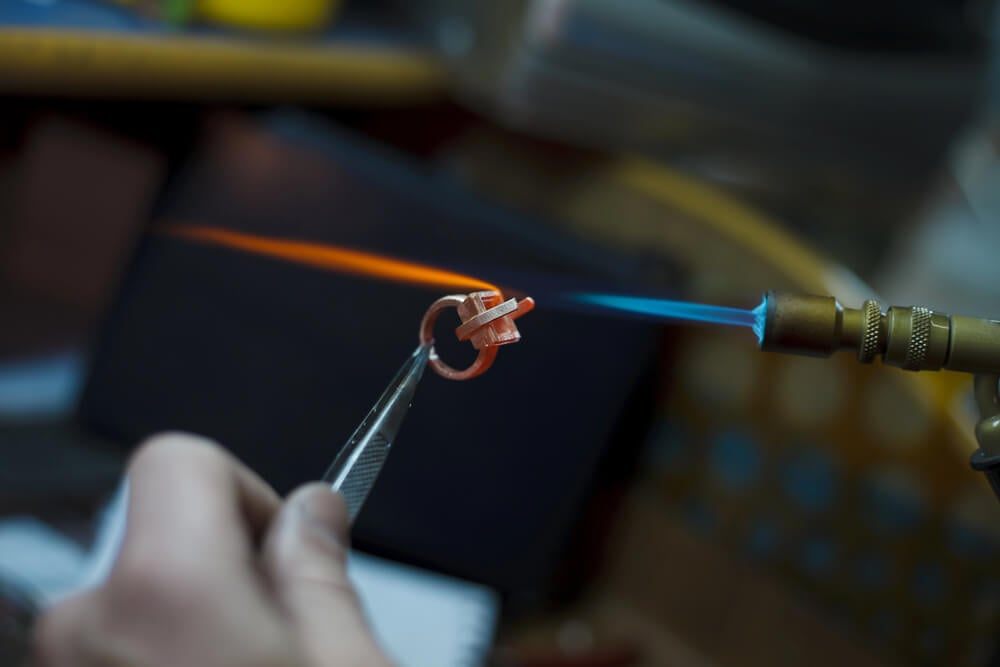
A repair made with low-karat solder on a high-karat ring leaves a visible seam that differs in color from the rest of the band. Over time the seam can tarnish or turn a different shade, and testing with acid or an electronic tester can reveal the mismatch; buyers who pay for a certain karat expect the entire piece to match it, so a poorly soldered patch can lower the offer.
Re-Plating Antique Gold Until the Patina Disappears
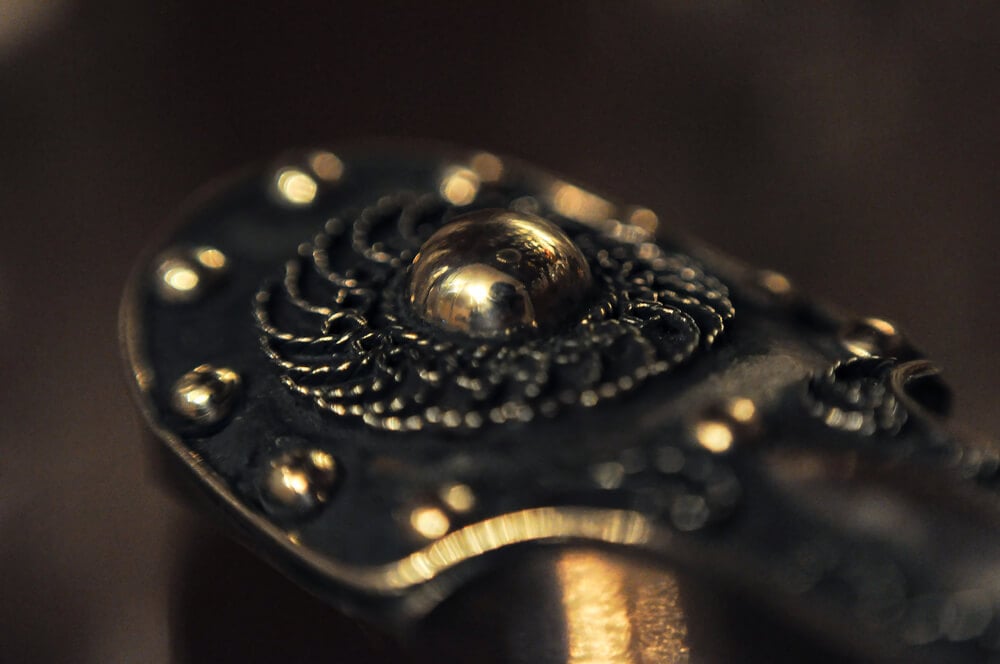
Old gold pieces develop a soft, warm surface that collectors call patina, and an aggressive polish or fresh plating erases it in minutes. Many collectors of antique jewelry prefer the aged look and will pay less for a piece that looks brand new; once the original surface is gone, it cannot be restored.
Swapping a Missing Stone for a Mismatched Replacement
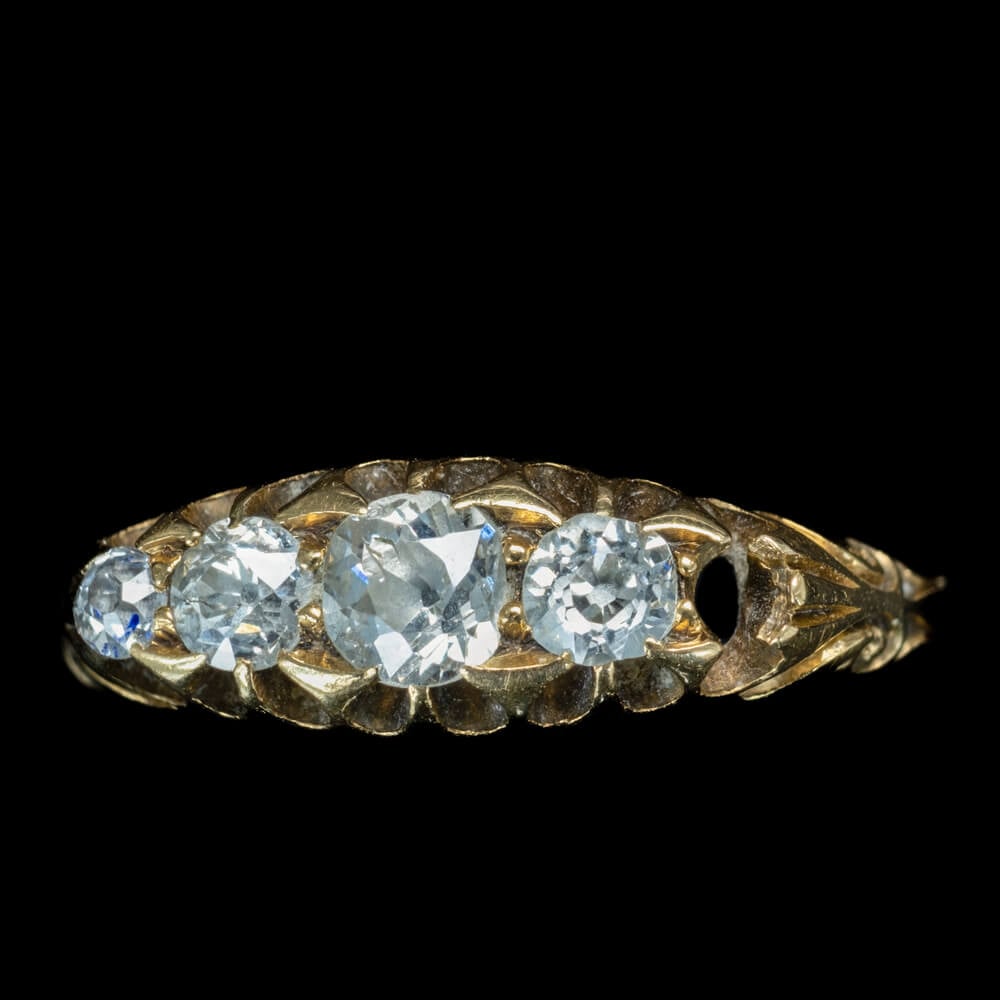
When a gemstone falls out, the quick solution is a replacement that looks close enough, such as a synthetic stone or cubic zirconia. A replacement of the wrong type or cut can drag down the price of an otherwise valuable setting, and a buyer will often discount the entire piece for the uncertainty; a matched natural stone of similar age and cut keeps the value much closer to the original.
Re-Cutting an Old European Cut Diamond
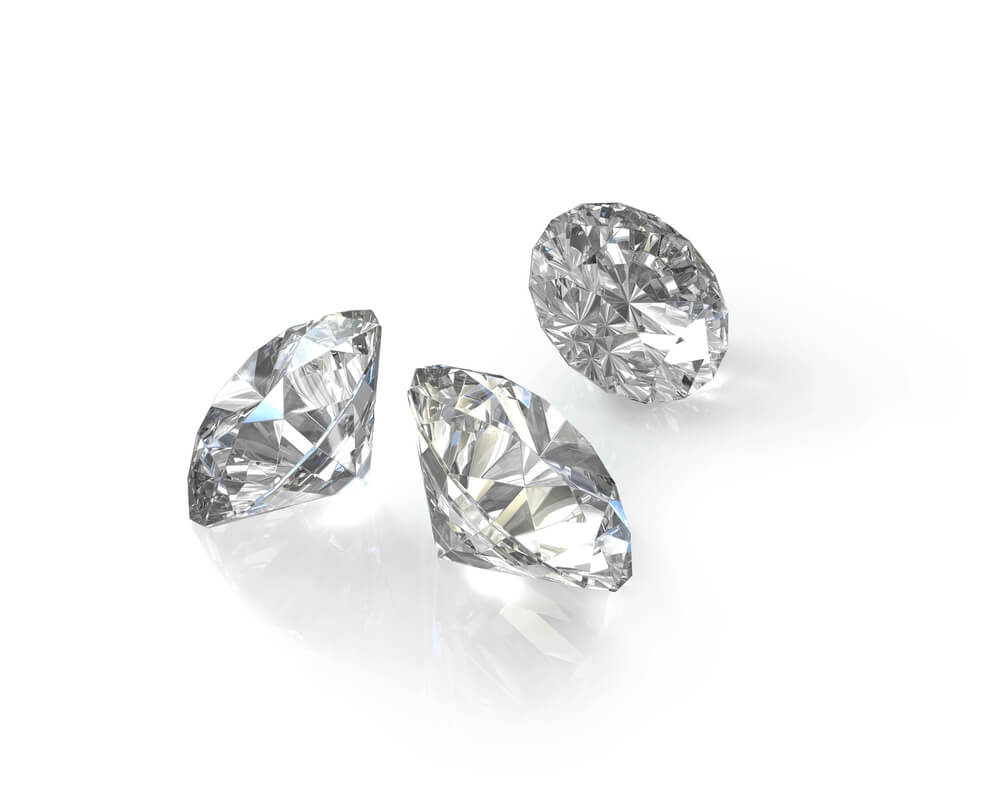
Diamonds cut a century ago have chunky facets and a small flat bottom, and some owners ask to have them re-cut into a modern brilliant for extra sparkle. The process removes weight, sometimes a fifth or more of the stone, and erases the antique character that vintage buyers seek; many appraisers value an original old European cut more than the same stone after re-cutting, so the sparkle can cost real money.
Restringing Pearls With Silk and Knots
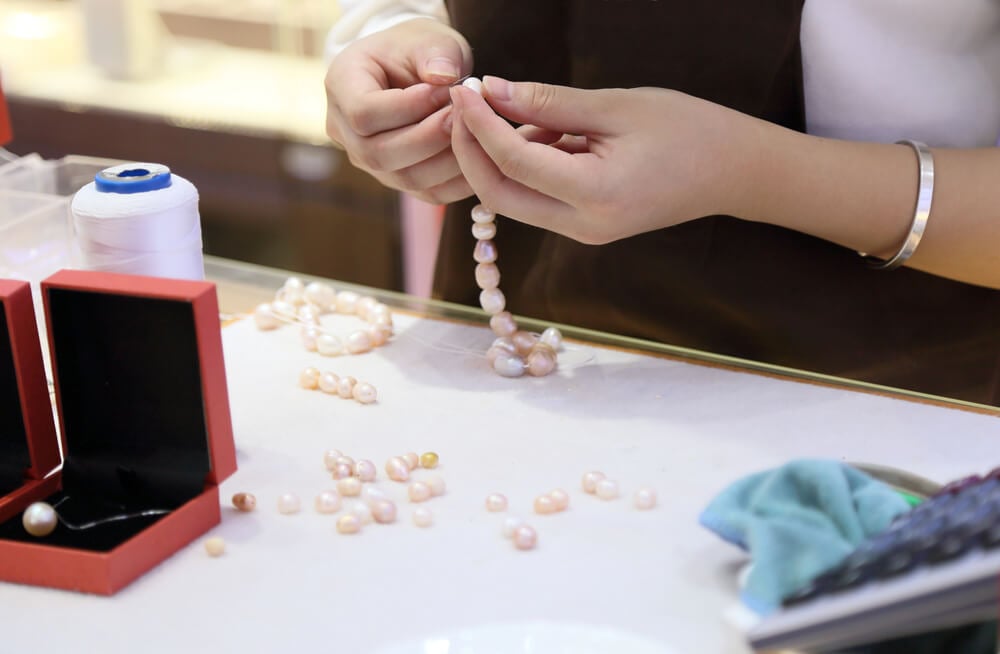
A pearl strand strung on silk with a knot between each pearl protects the pearls from rubbing against each other and keeps a broken strand from scattering everywhere. Old silk stretches and rots, so a necklace worn for decades should be restrung before it snaps; fresh silk and knots are a repair buyers like to see, while nylon thread without knots tends to look like a cheap shortcut.
Replacing a Broken Clasp With a Modern One
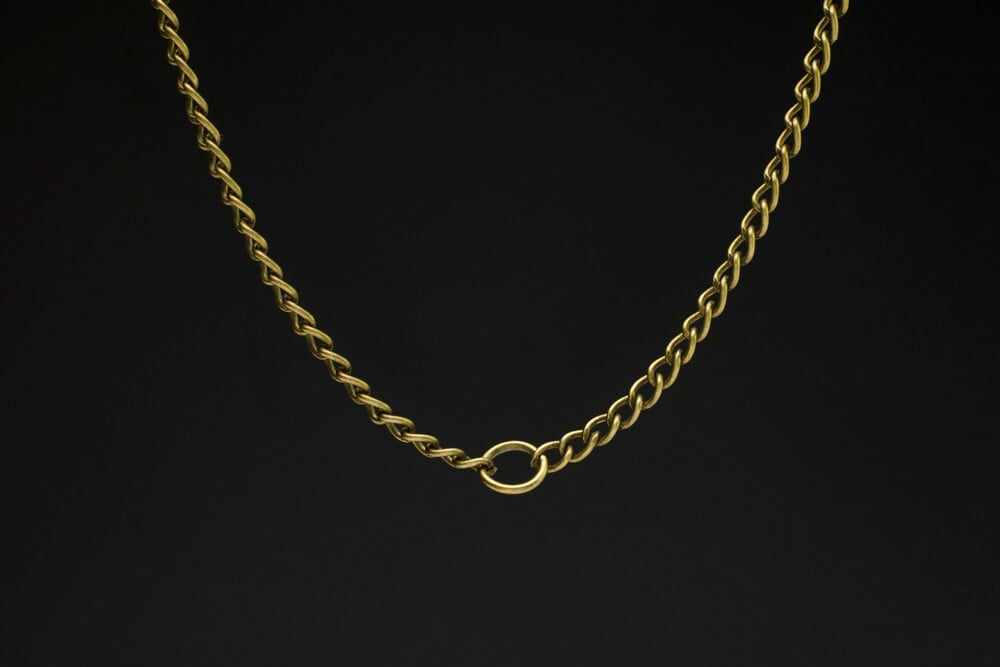
A modern lobster clasp is stronger than a Victorian box clasp, but swapping it in can change both the look and the age evidence of a necklace. Dealers often read the clasp as a clue to a piece’s era, and an original one in working order adds appeal; when a replacement is necessary, matching the metal and style as closely as possible and keeping the original clasp with the piece helps protect the price.
Gluing a Cracked Gem With Epoxy
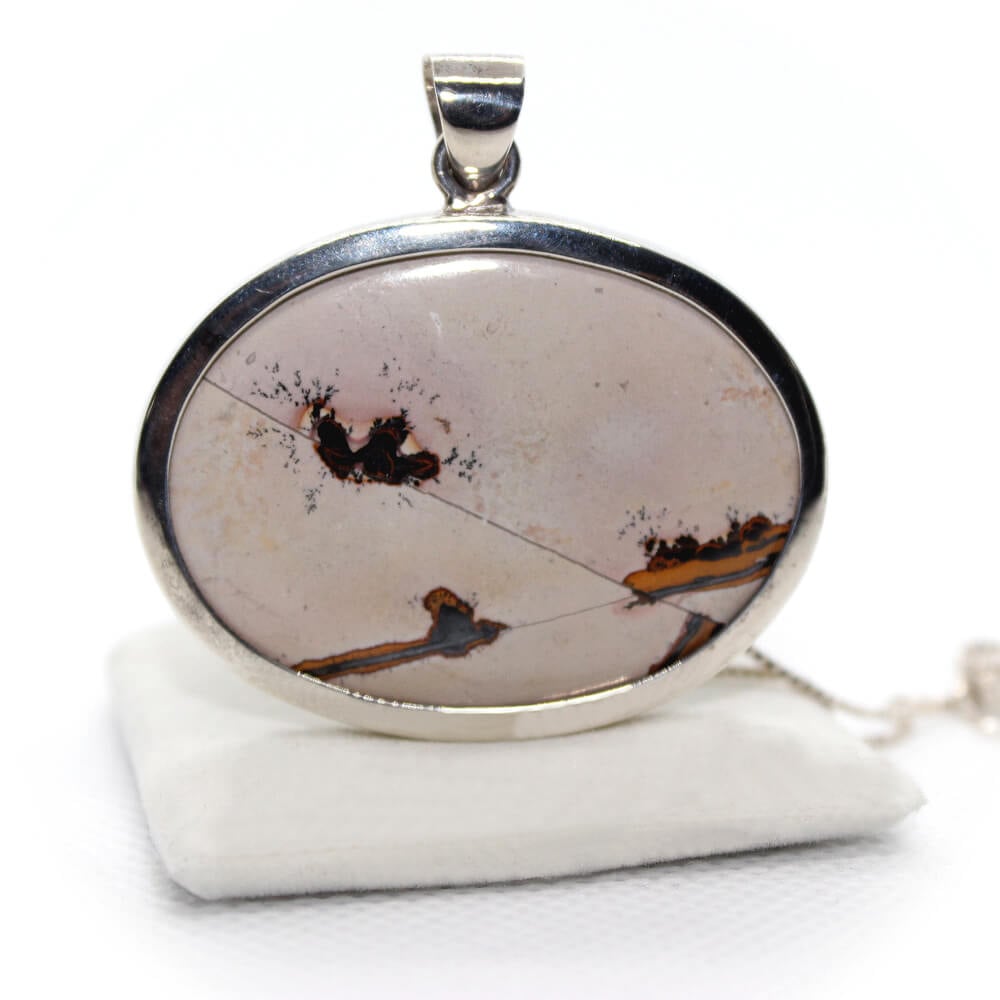
Epoxy can hold a cracked stone together, but it shows up under magnification as a glassy line, and heat or cleaning solvents can turn it cloudy or yellow. Buyers and gem labs treat glued stones as damaged, and the piece may be priced as if the stone were missing; a cracked gem is usually better replaced or disclosed than hidden behind a glue line.
Refilling a Chipped Enamel Panel With Resin
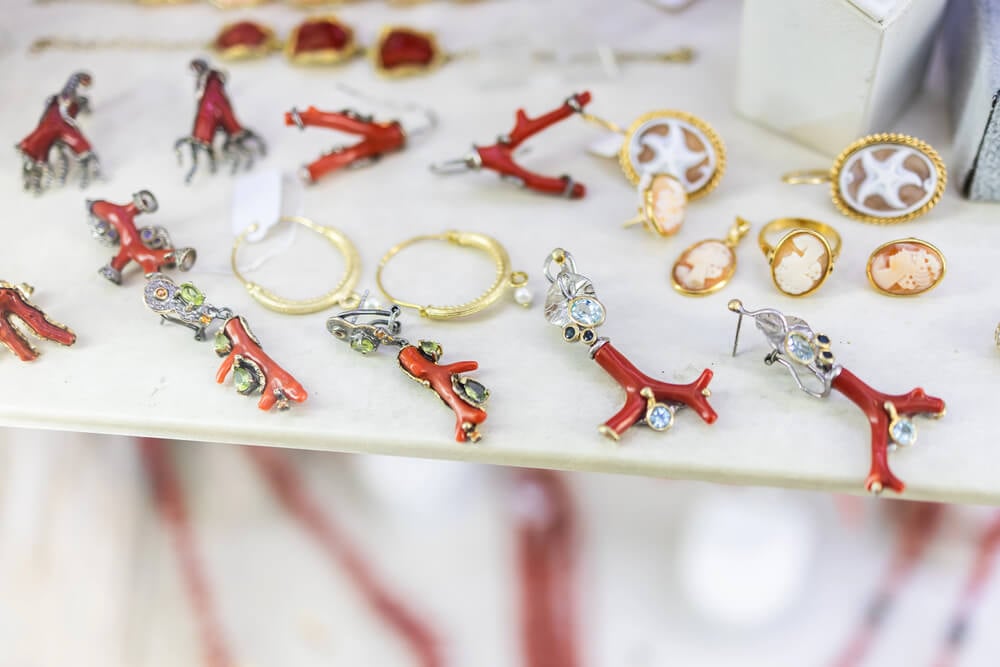
Antique enamel chips easily, and filling the gap with colored resin is a common shortcut. Resin does not match the glassy depth of real enamel, and a blacklight or a jeweler’s loupe often reveals the patch; collectors of enamel jewelry value original surfaces, so a resin repair can pull a price down even when the repair looks neat from a distance.
Polishing Away Engraving and Hand Detail
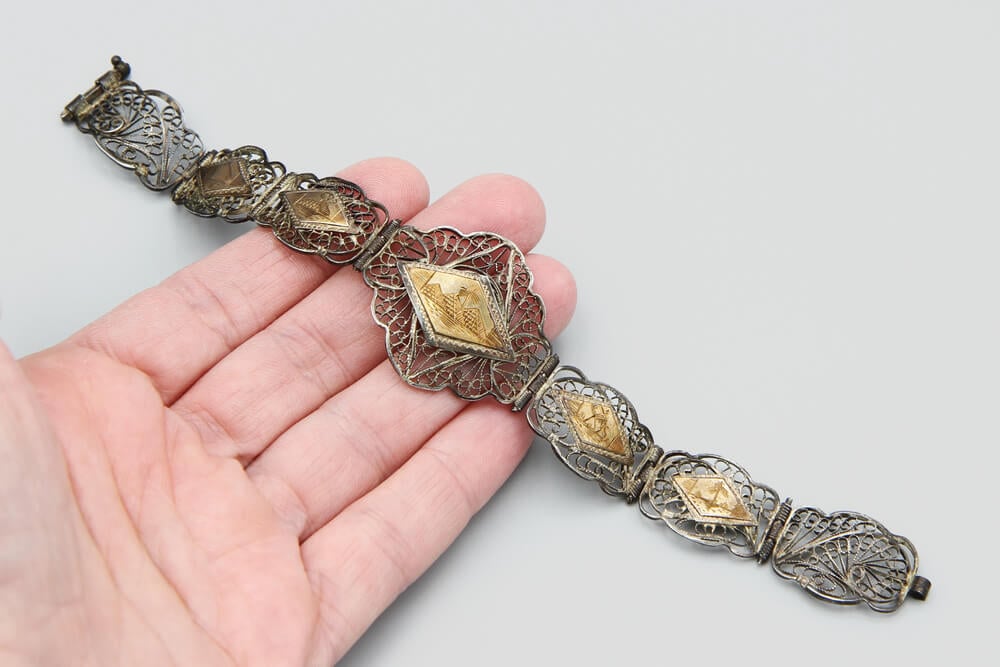
Heavy polishing wears down the fine lines of engraving, the crisp edges of milgrain beading, and the tiny details that show how a piece was crafted by hand. A locket that once carried a name and a date can lose both after a buffing wheel passes over it; the inscription can be the very detail that gives the piece a story and a higher price, so a light cleaning is safer than a deep polish.
Rhodium Plating on White Gold
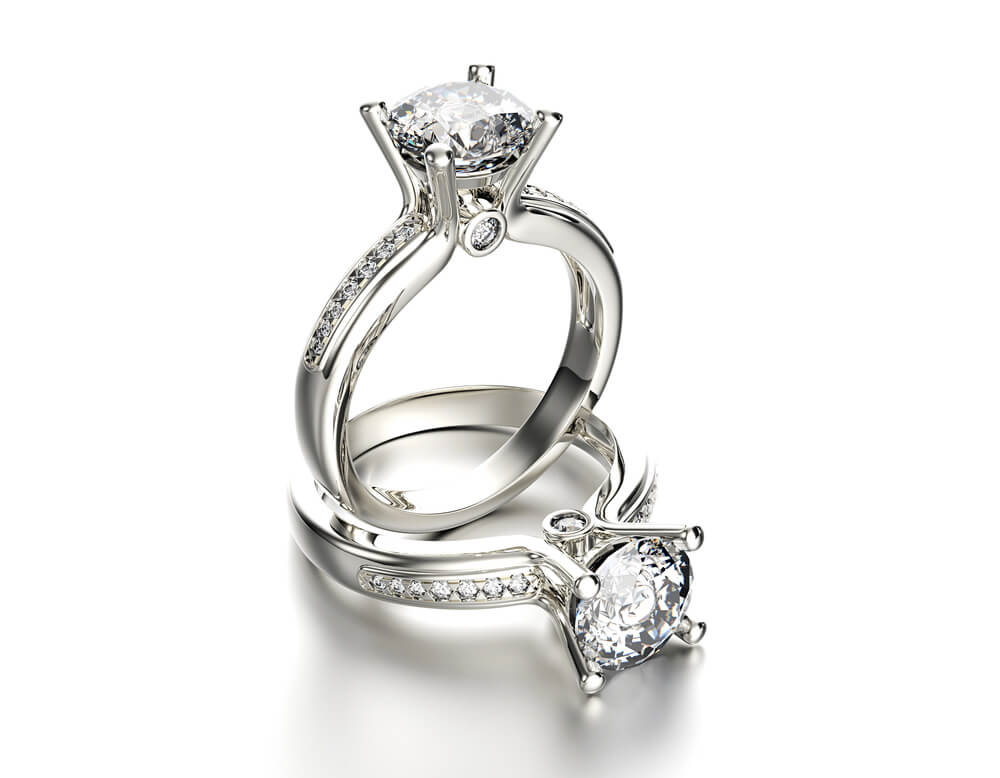
Many white gold rings are coated in rhodium for a bright, silvery shine, and the coating wears away with daily use to reveal a slightly warmer tone underneath. Re-plating is a normal and inexpensive refresh, and buyers expect it; the trouble begins when plating is used to hide poor repairs or low-quality metal, which is why an honest jeweler will explain what lies under the finish.
Replacing a Brooch Pin Stem and Catch
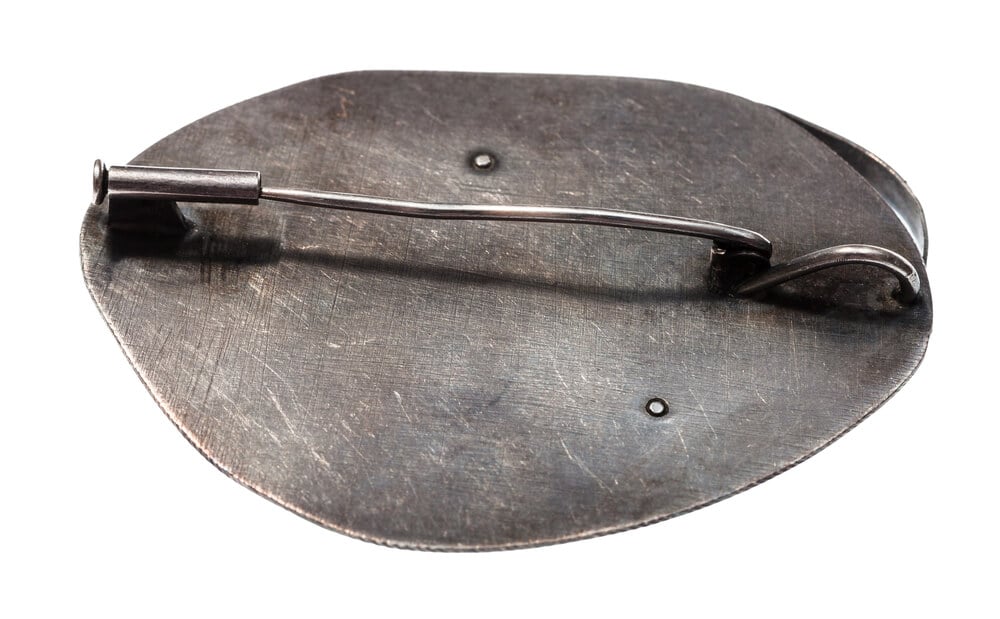
The pin stem on a vintage brooch bends, breaks, or wears out, and a modern replacement often looks different from the original hinge and catch. A replacement that is the wrong size can also leave extra solder marks on the back of the piece; because collectors check the back of a brooch for clues to age and maker, a clean and period-appropriate repair keeps the value steadier than a clumsy one.
Repairing a Locket Hinge Without Hiding the Original Work

A locket hinge takes constant stress from opening and closing, and it is often the first part to fail. A skilled jeweler can rebuild a hinge pin using the existing parts, which keeps the original construction visible; a fully replaced hinge changes the structure and can lower the interest of collectors who care about original work.
Heating a Ring That Holds a Heat-Sensitive Stone
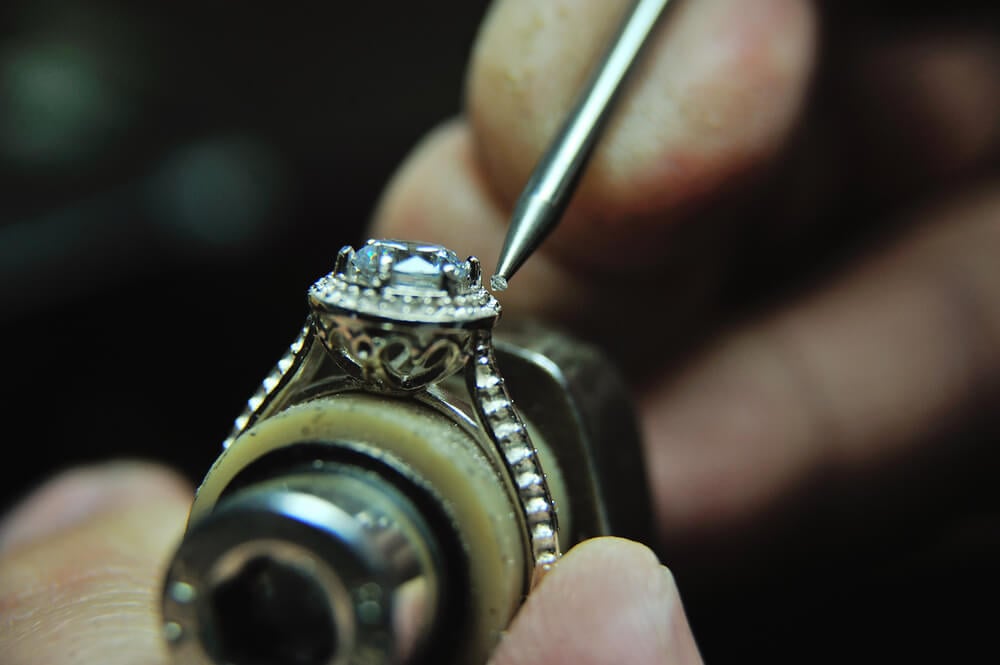
Emeralds, opals, and pearls can crack, craze, or lose their color when a torch gets too close, and an inexperienced jeweler may forget to remove the stone before soldering. Emeralds are often filled with oil or resin that can be ruined by heat, and a cracked stone cannot be reversed; a reputable jeweler will remove heat-sensitive stones first or use a laser welder that keeps the heat in a tiny spot.
Replacing a Signed Clasp or Component
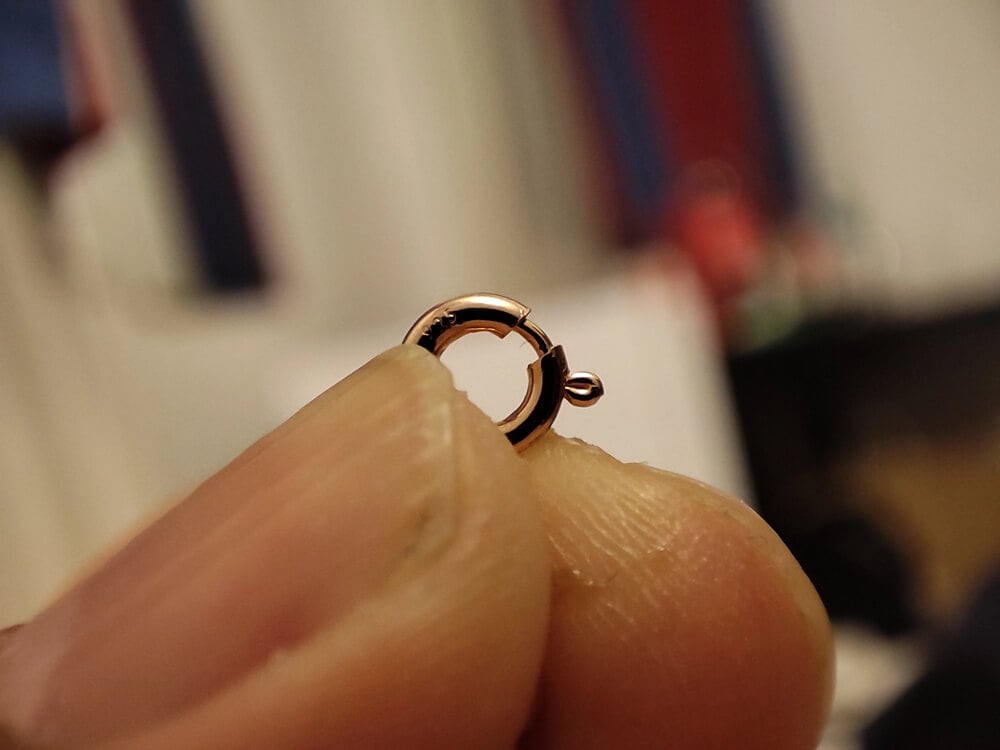
Pieces signed by a famous maker often carry the signature on the clasp, the back plate, or a small tag. Replacing that part with an unmarked one can erase the only proof of the maker, and signed vintage pieces often sell for far more than unsigned ones; keeping every original part together, even a broken one, can matter more than a flawless repair.
When Repair Becomes Rewriting History
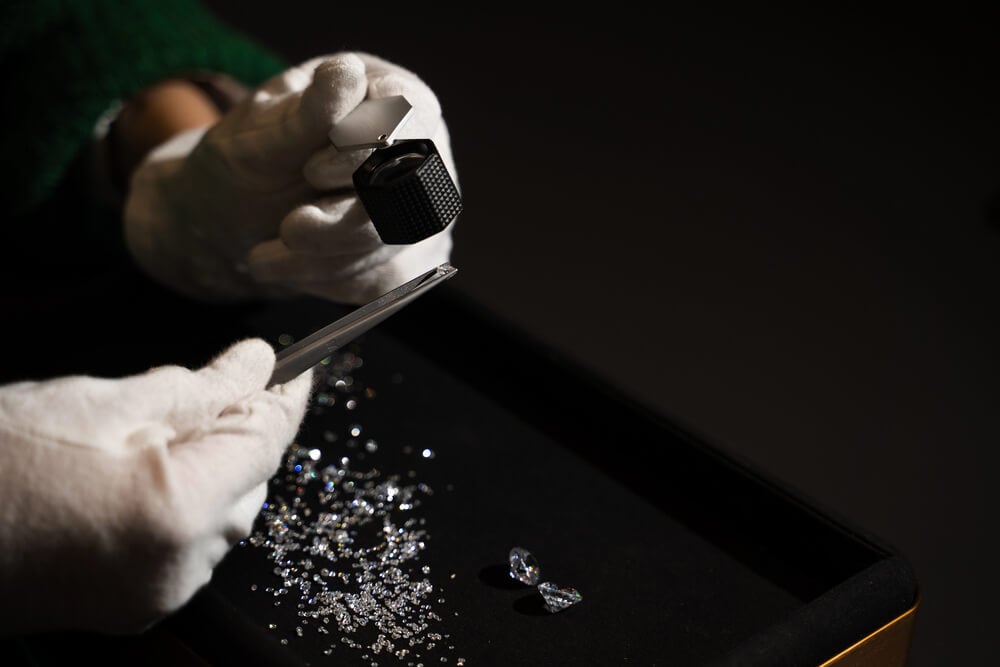
Some repairs fix a problem, and others quietly rewrite what a piece is. A stone reset in the original mounting, a clasp swapped in with the old one saved, and a note of every change all keep the story of a jewel intact; the best repairs leave a trail an appraiser can follow.
Before any work begins, photographs of the piece and a written list of what will change make a future sale easier. A buyer who can see exactly what was done and why will usually trust the piece more, and that trust often shows up in the price.
More from Go2Tutors!