Endangered Species Facts to Know
The world feels smaller when you realize how many voices have already gone quiet. Every extinction represents not just the loss of a species, but the collapse of countless relationships—predator and prey, pollinator and plant, symbiotic partnerships that took millions of years to develop.
Yet for all the headlines about climate change and habitat destruction, the specific realities of endangerment remain surprisingly unfamiliar to most people. Understanding endangered species means looking beyond the obvious culprits and comfortable narratives.
The stories behind these disappearing populations reveal how interconnected our planet really is, and how quickly those connections can unravel.
Current Extinction Rate
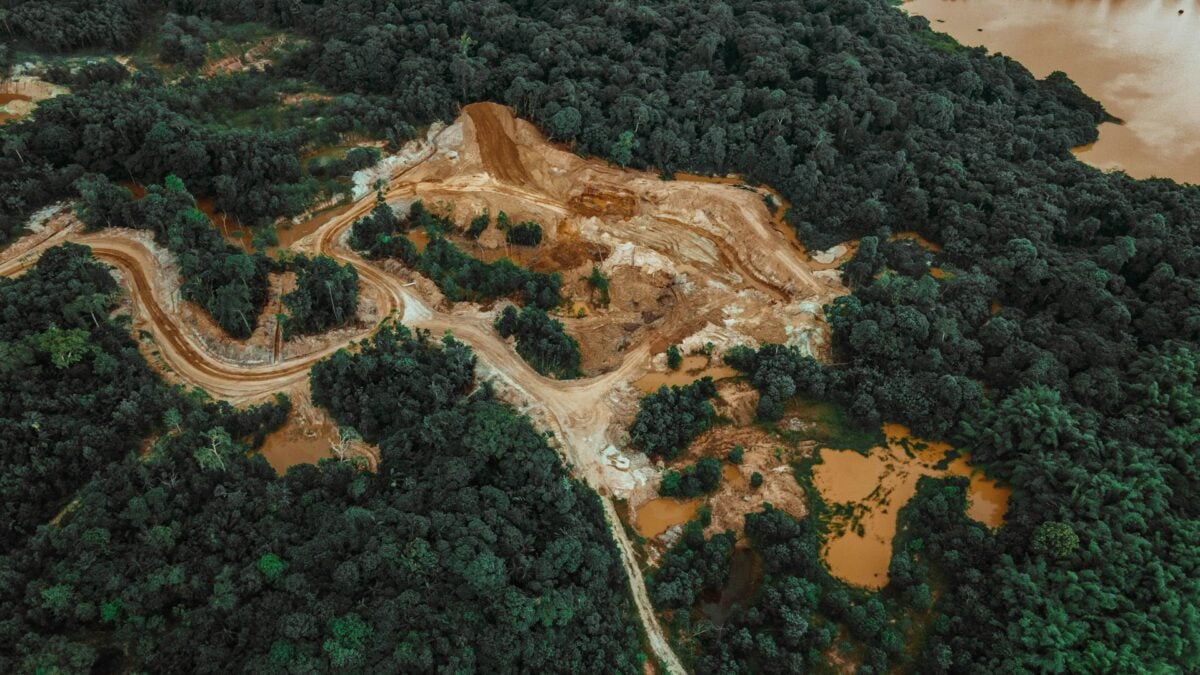
The planet is losing species at a rate roughly 1,000 to 10,000 times faster than the natural background extinction rate. Scientists don’t mince words about this—we’re living through the sixth mass extinction event in Earth’s history.
The difference is that this one has a clear cause. Unlike previous mass extinctions triggered by volcanic activity or asteroid impacts, this crisis stems directly from human activity.
Habitat destruction, climate change, pollution, and invasive species have accelerated the disappearance of wildlife to levels that would have taken millions of years to occur naturally.
Ocean Species Vulnerability
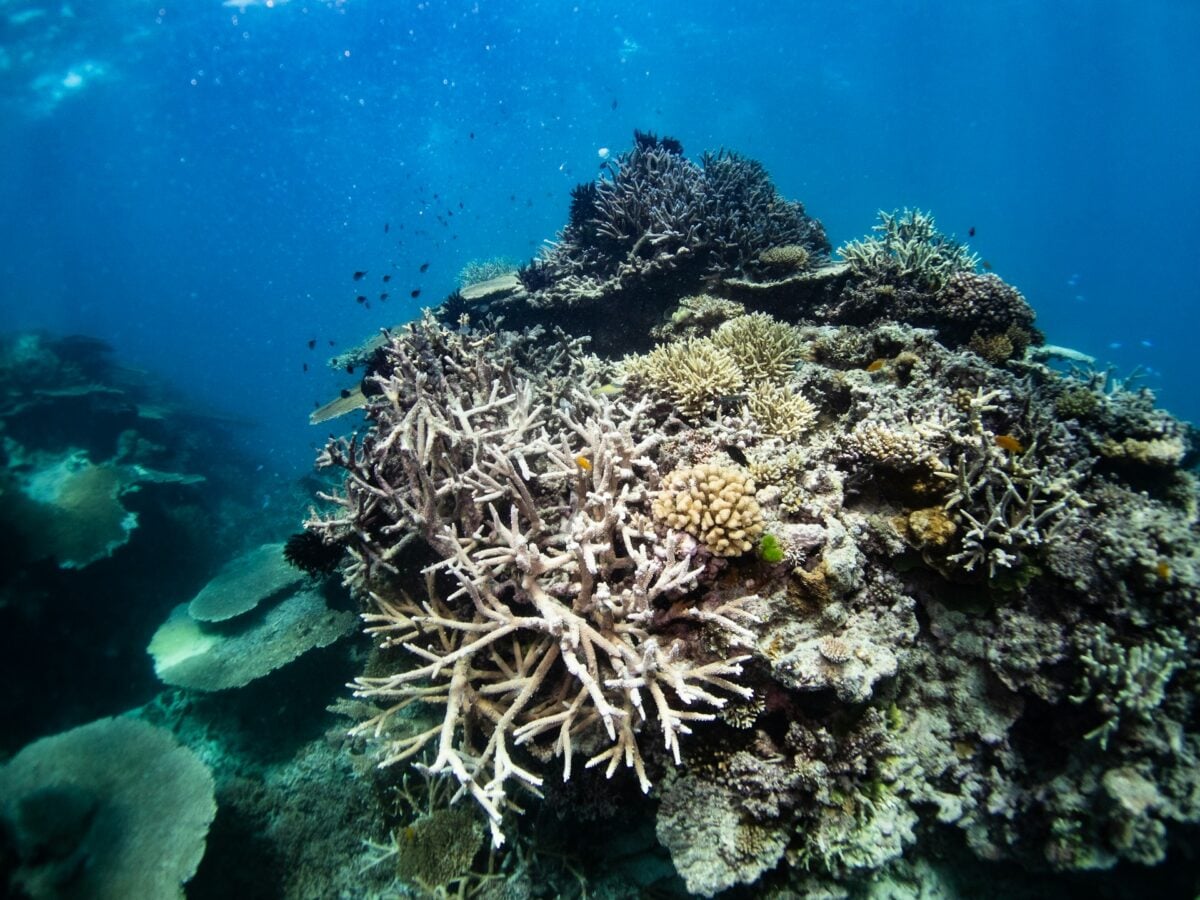
Marine environments tell a story that feels both ancient and urgently modern—creatures that survived ice ages and volcanic epochs now struggling against changes happening within a single human lifetime (and sometimes within a single decade). The ocean, which once seemed infinite in its capacity to absorb whatever humans threw at it, turns out to have boundaries that are far more fragile than anyone imagined.
And here’s what makes ocean extinction particularly devastating: when marine species disappear, they often take entire food webs with them, creating cascading effects that ripple through ecosystems in ways scientists are still trying to understand. The chemistry of seawater itself has changed more in the past century than it did in the previous 20 million years.
So when coral reefs bleach or shellfish struggle to build their shells, they’re not just responding to warmer water—they’re trying to survive in an ocean that has fundamentally different properties than the one their species evolved in.
Habitat Destruction Impact
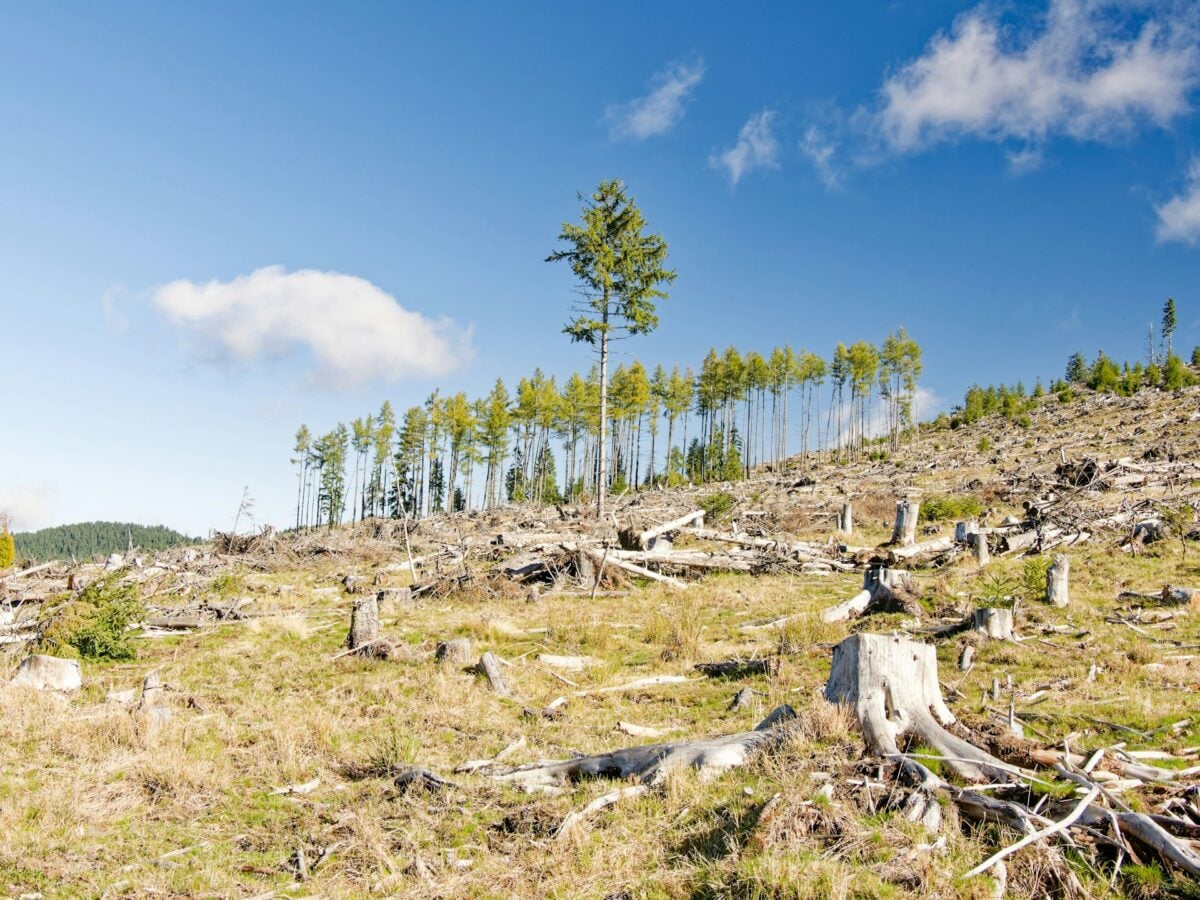
Habitat destruction accounts for roughly 85% of all species threats listed under the Endangered Species Act. Clear-cut a forest, drain a wetland, or pave a grassland, and you’re not just removing trees or grass—you’re eliminating the entire support system that hundreds of species depend on.
The math is unforgiving. Most endangered species need large, connected territories to maintain viable populations. Fragment that territory with roads, subdivisions, or agricultural development, and even protected areas become too small to sustain breeding populations over time.
Pollinator Crisis
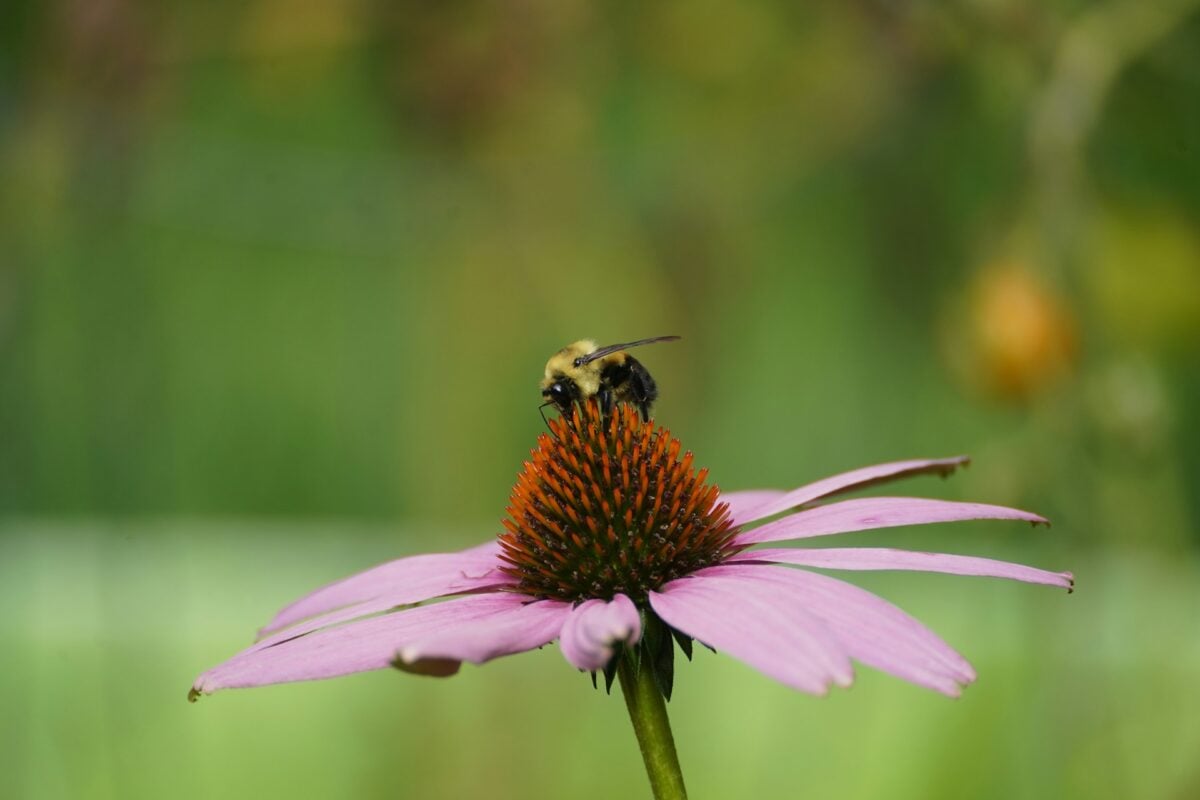
Pollinator populations deserve attention that goes beyond the usual bee statistics, though those statistics are sobering enough: North America has lost nearly 40% of its honeybee colonies in recent years, and wild bee species are disappearing even faster. But the real story lives in the details that most people never consider—like the fact that some plants have co-evolved with specific pollinators for so long that neither can survive without the other.
When a particular butterfly or beetle disappears, it can take an entire flowering plant species with it, which then affects every other creature that depended on that plant for food or shelter. The timing of pollination has become mismatched with the life cycles of plants as climate patterns shift.
Flowers bloom earlier, but their pollinators emerge later, or vice versa. These misalignments, measured sometimes in mere days or weeks, can unravel relationships that took thousands of years to develop.
Climate Change Effects
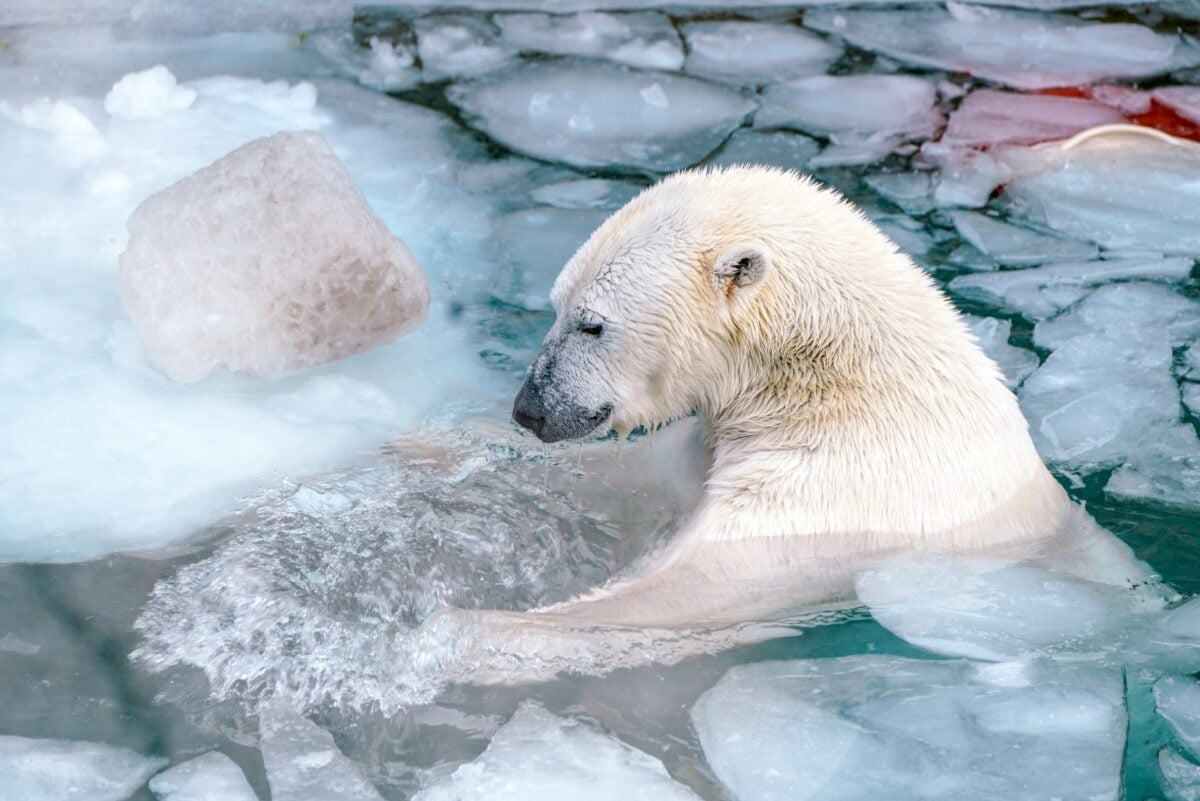
Climate change forces species to become refugees in their own habitats. Animals and plants adapted to specific temperature ranges, precipitation patterns, or seasonal cycles suddenly find their homes uninhabitable.
The lucky species can migrate to more suitable areas. The unlucky ones simply disappear. Temperature increases that sound modest—two or three degrees—translate to massive shifts in where species can survive.
Mountain-dwelling animals run out of mountain as warming temperatures push them higher and higher. Arctic species watch their ice disappear entirely.
Small Population Vulnerability
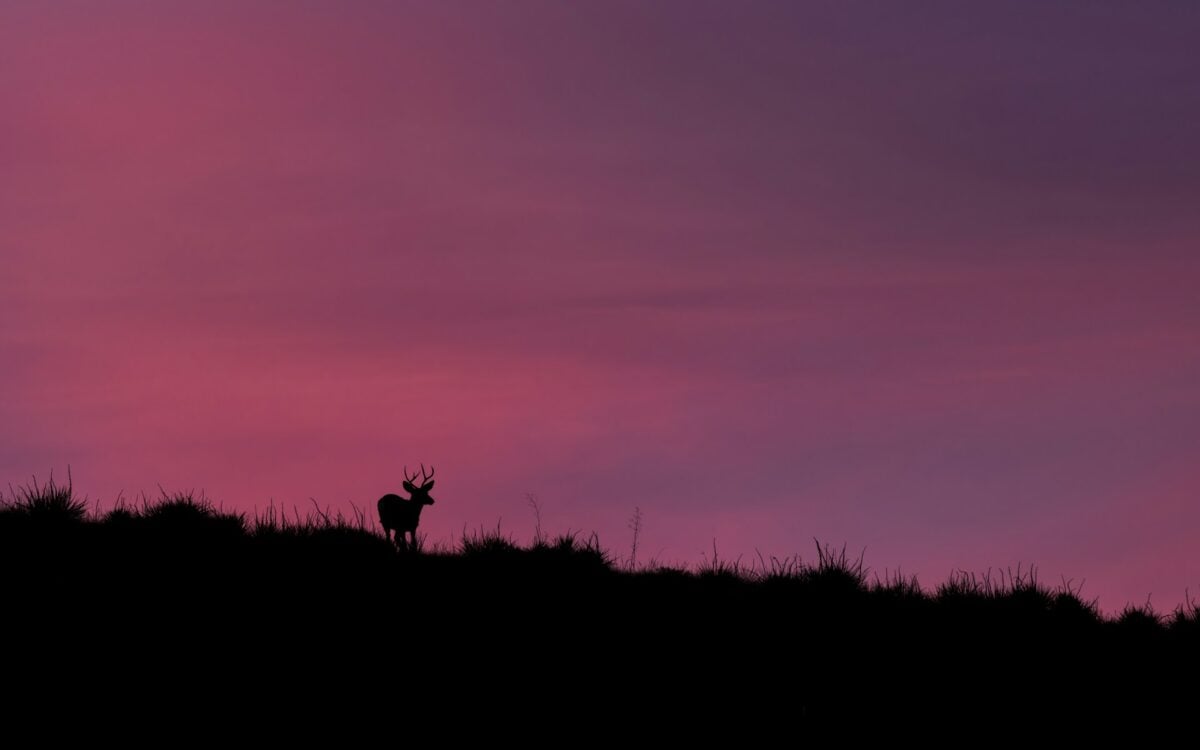
Small populations face what biologists call the “extinction vortex”—a downward spiral where reduced numbers lead to increased vulnerability, which leads to even smaller numbers (and the cycle accelerates until there’s no population left to recover). Genetic diversity disappears first: when only a few dozen individuals remain, inbreeding becomes inevitable, which weakens the entire population’s ability to resist disease or adapt to environmental changes.
The California condor population dropped to just 27 birds in 1987. Every condor alive today descends from those 27 individuals, which means the species carries the genetic limitations of that tiny founding group no matter how many birds conservationists manage to breed.
Even populations that seem stable can be deceiving—what looks like hundreds of animals might actually be several isolated groups that can’t interbreed because habitat fragmentation has cut off their migration routes.
Invasive Species Pressure
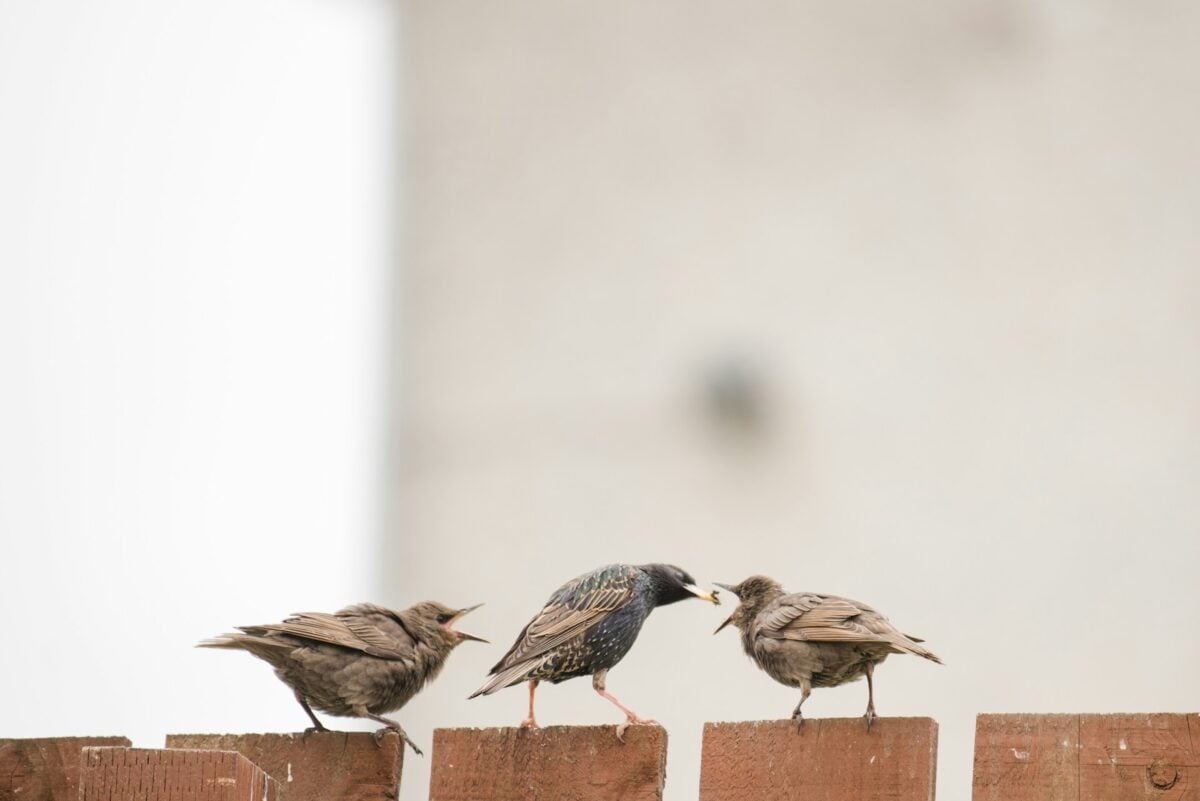
Invasive species problems reveal something uncomfortable about how thoroughly humans have scrambled the planet’s biological order. When European settlers brought starlings to North America because they wanted to hear birds mentioned in Shakespeare, they probably didn’t intend to displace dozens of native bird species.
But intent doesn’t matter to ecosystems—only results do. Native species evolved over millions of years within specific competitive frameworks.
Drop an aggressive invader into that framework, and the natives often lack any defense mechanism. Island species are particularly vulnerable because their isolation protected them from certain types of predators or competitors until humans provided the transportation.
Conservation Success Stories
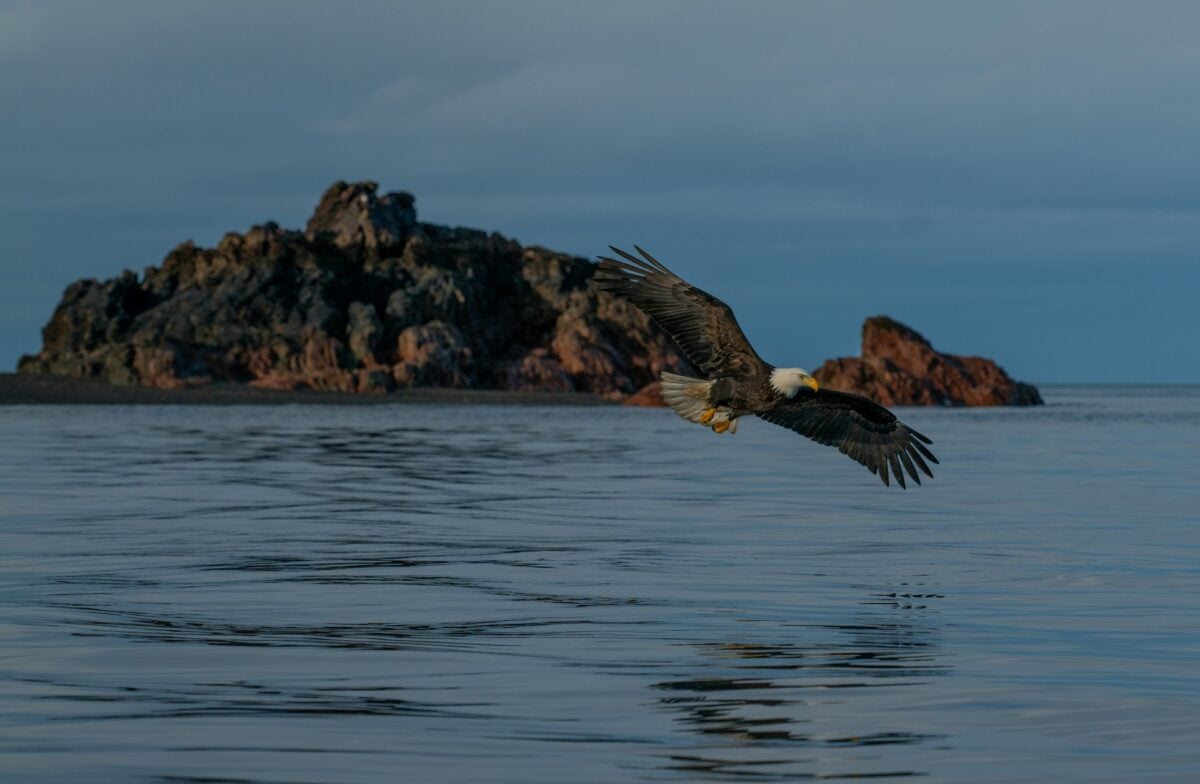
The bald eagle population dropped to fewer than 500 breeding pairs in the lower 48 states by 1963. Today, more than 70,000 bald eagles live in North America. The recovery happened because people identified the specific cause—DDT pesticide thinning eggshells—and eliminated it.
California gray whales were hunted to near extinction twice, with populations dropping below 2,000 individuals. Hunting restrictions allowed the population to recover to roughly 27,000 whales.
The gray whale was actually removed from the endangered species list in 1994.
Poaching and Wildlife Trade
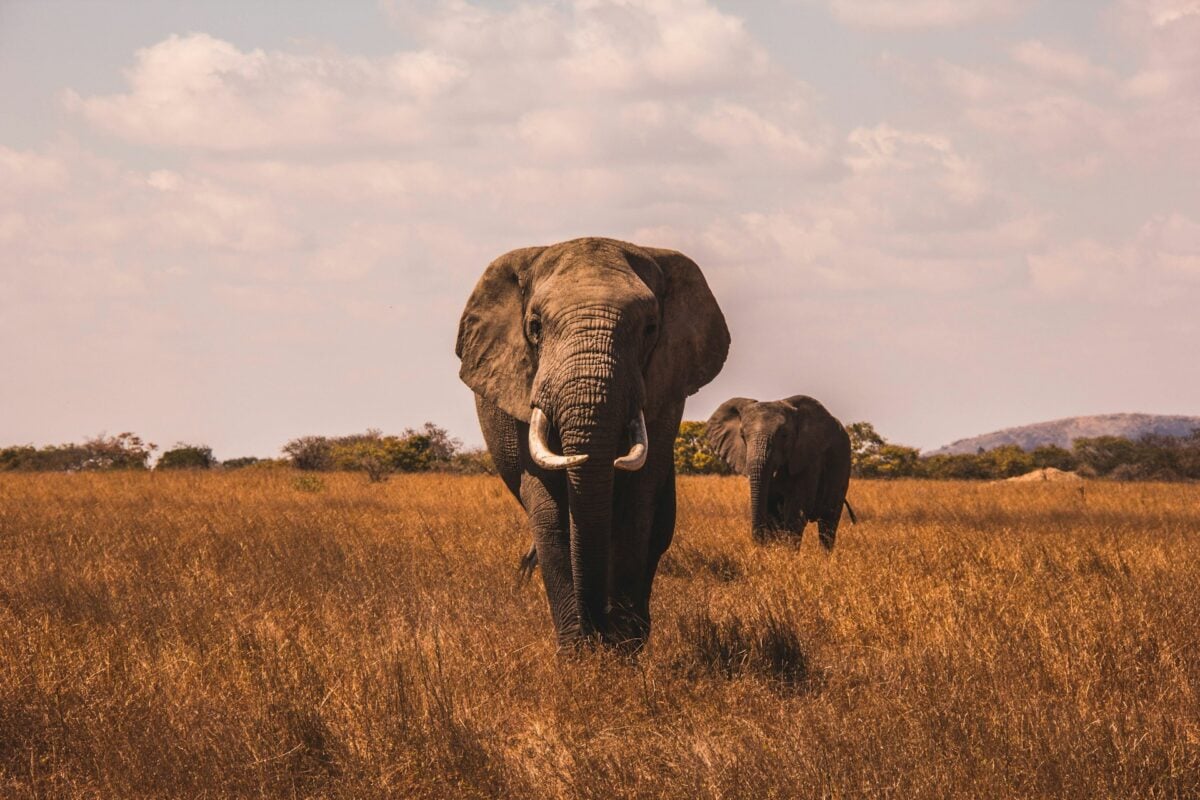
Wildlife trafficking generates an estimated $23 billion annually, making it one of the most lucrative illegal trades in the world. Rhinoceros horns sell for more per pound than gold or cocaine, which means that even comprehensive anti-poaching efforts struggle against the economic incentives.
The demand often stems from traditional medicine practices or status symbols in distant countries, creating a disconnect between where the animals live and where the market pressure originates. African elephants face extinction not because of local threats, but because of ivory demand in Asia.
Island Species Risk
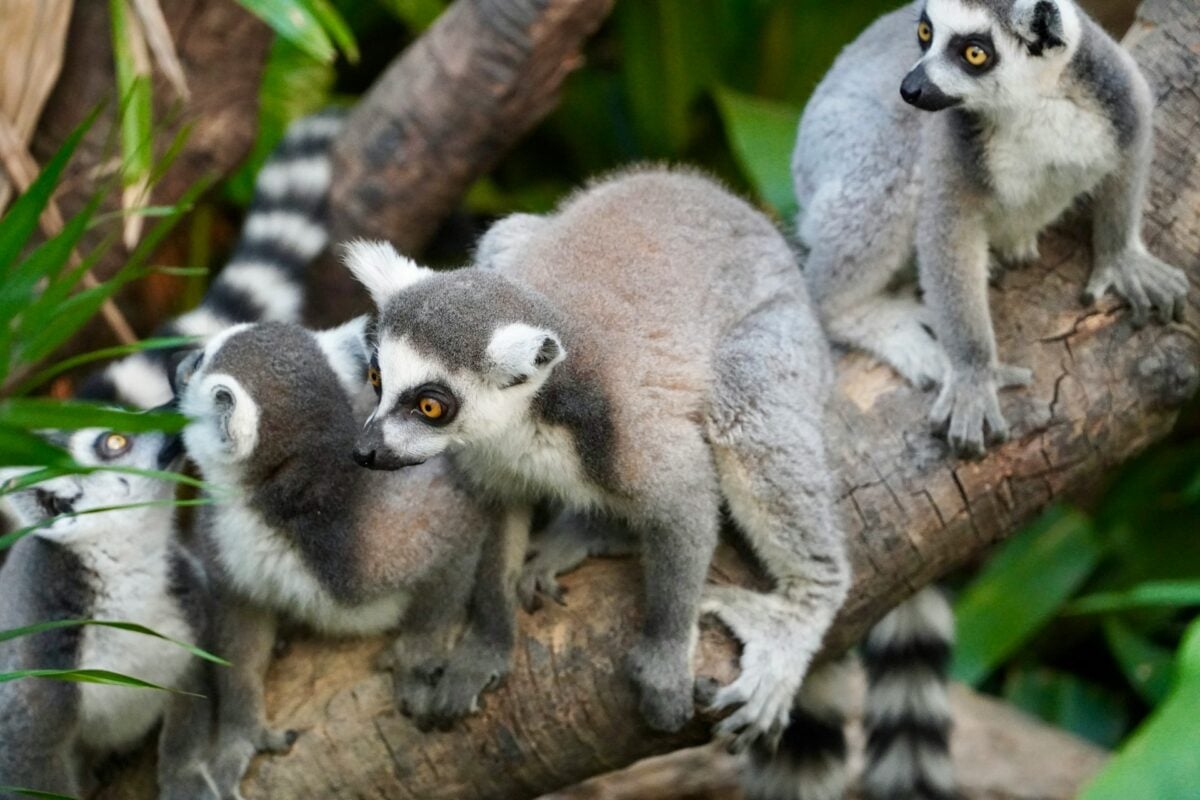
Islands function as evolutionary laboratories where species develop in isolation, often losing the defensive mechanisms needed to survive alongside predators or competitors from mainland environments. When humans arrive—whether 1,000 years ago or last century—they typically bring rats, cats, pigs, goats, and other animals that island species never learned to coexist with.
Hawaii has lost more bird species than any other U.S. state. Madagascar has lost 83% of its large mammal species since humans arrived roughly 2,000 years ago.
The pattern repeats on islands worldwide: unique species that took millions of years to evolve disappear within decades of human contact.
Freshwater Species Crisis
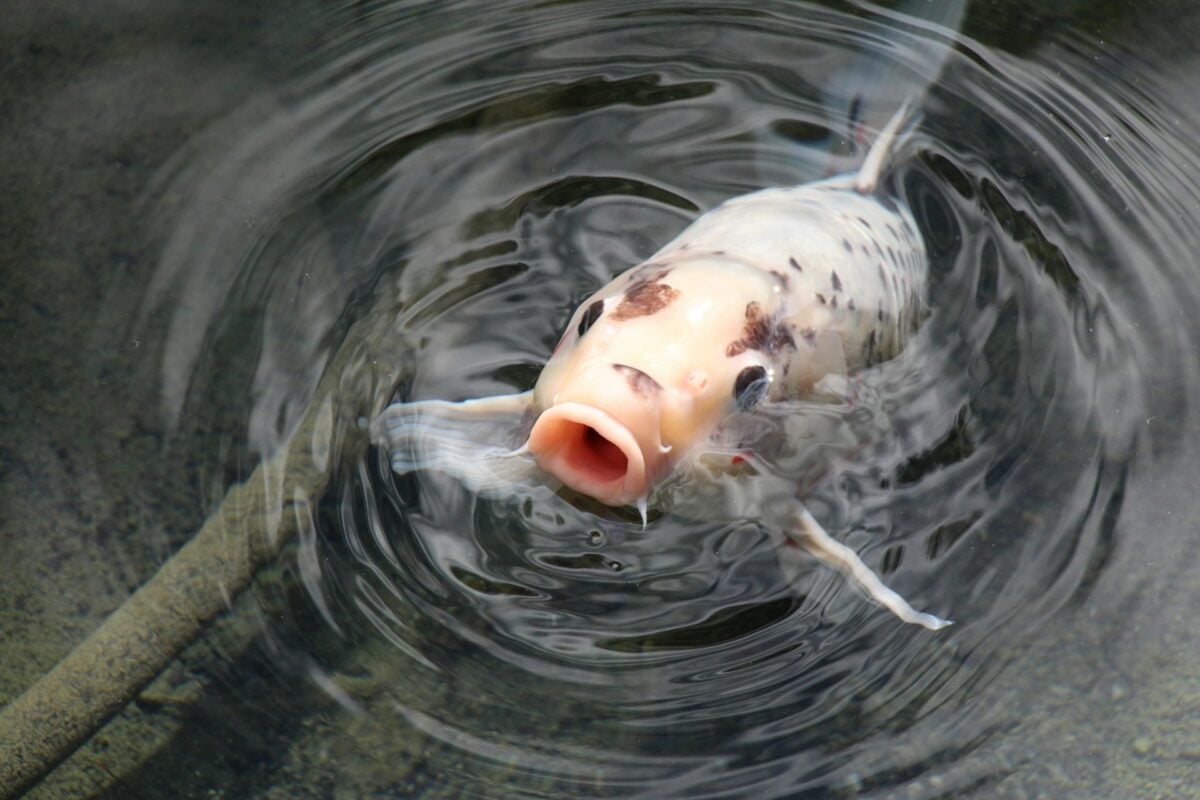
Freshwater environments support a disproportionate amount of biodiversity relative to their size—roughly 40% of all fish species live in freshwater, even though freshwater represents less than 1% of the planet’s surface water. Yet freshwater species are disappearing faster than marine or terrestrial species.
Rivers and lakes face pressure from multiple directions simultaneously: agricultural runoff, urban development, dam construction, water diversion, and invasive species. Many freshwater systems have been so thoroughly altered that they barely resemble their original state.
Keystone Species Impact
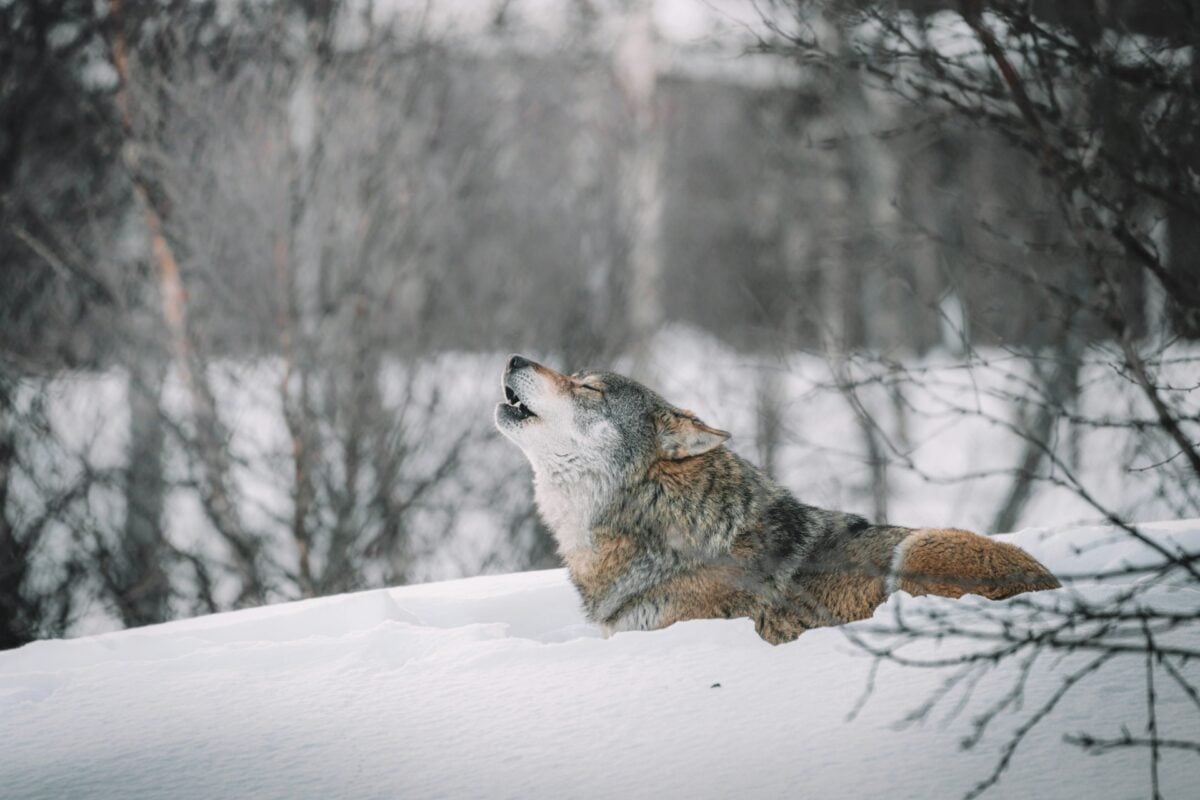
Some species matter more than others—not from a moral standpoint, but from an ecological one. Remove a keystone species from an ecosystem, and the entire system can collapse in ways that affect dozens of other species.
Wolves in Yellowstone National Park provide the classic example. When wolves were eliminated in the 1920s, deer populations exploded, which prevented forest regeneration, which changed river flow patterns, which affected fish populations.
Reintroducing wolves in the 1990s reversed many of these changes, demonstrating how a single species can influence an entire landscape.
The Ripple Effect Forward
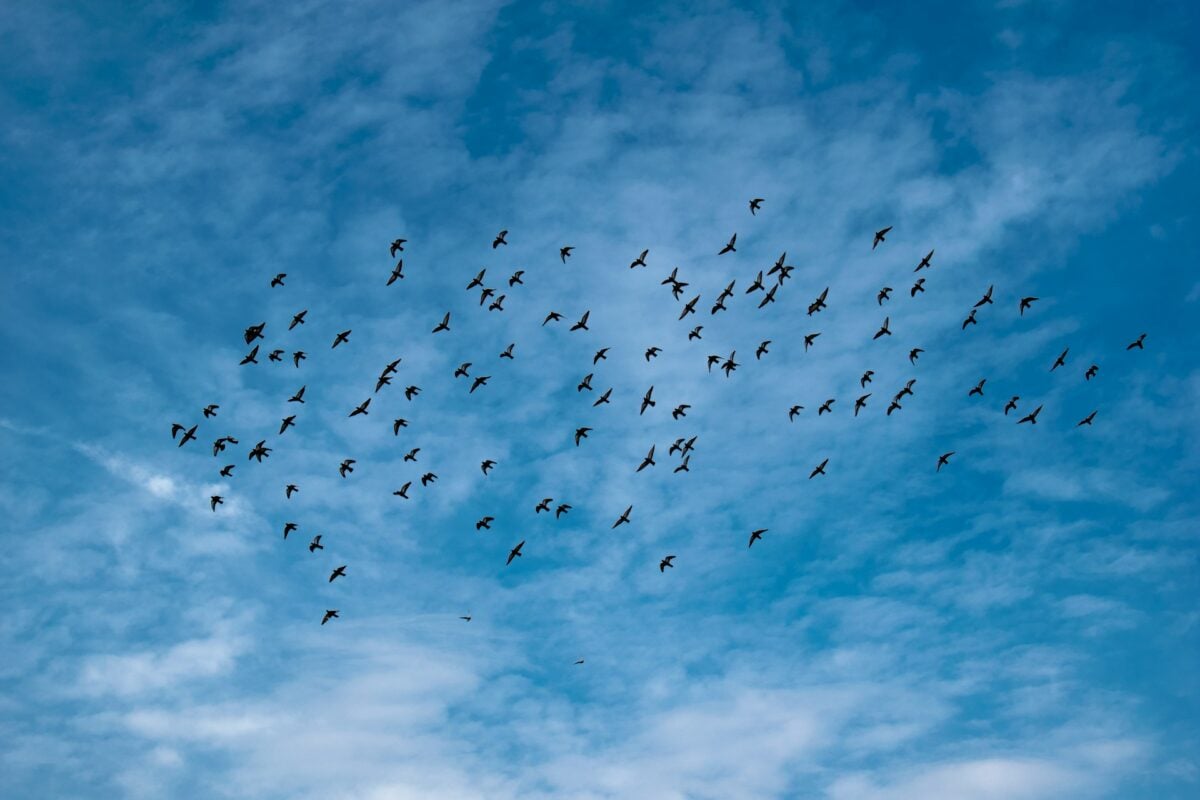
Extinction creates empty spaces that never get filled the same way twice. When the last passenger pigeon died in 1914, it didn’t just remove one species from North America—it eliminated a bird that once flew in flocks so large they blocked out the sun and shaped forest composition across the continent.
The forests are different now, permanently. But the converse is also true.
Every species that survives carries forward millions of years of evolutionary problem-solving, genetic information that might prove crucial for medical discoveries, agricultural developments, or environmental solutions that haven’t been imagined yet. The question isn’t whether individual species matter—it’s whether we’ll still have enough of them left to find out what they might teach us.
More from Go2Tutors!

- The Romanov Crown Jewels and Their Tragic Fate
- 13 Historical Mysteries That Science Still Can’t Solve
- Famous Hoaxes That Fooled the World for Years
- 15 Child Stars with Tragic Adult Lives
- 16 Famous Jewelry Pieces in History
Like Go2Tutors’s content? Follow us on MSN.