20 Toy Robots From Before Smartphone Controls
Before touchscreens, toy robots were commanded by wires, voices, infrared remotes, and even flashes from a television. Some did very little, and others did astonishing things for their time.
These models trace how the idea of a robot companion moved from tin windups to programmable machines. Collectors weigh working condition, original boxes, and remotes heavily when valuing them.
Robert the Robot
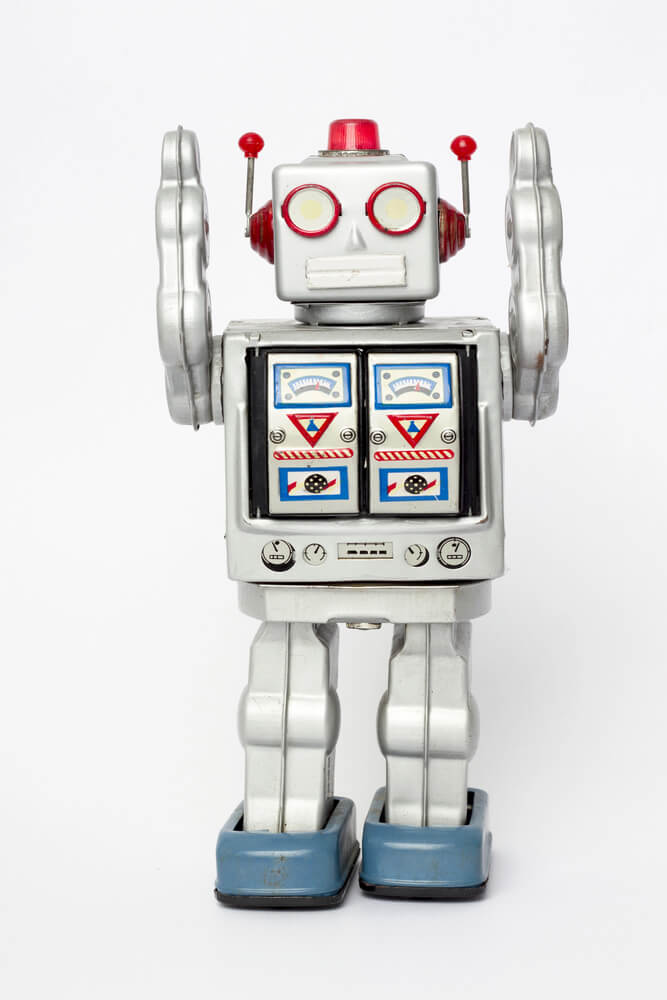
Ideal’s Robert the Robot arrived in 1954 as an early American plastic robot, partly in response to the flood of tin toys coming from Japan. A wired remote made him walk and talk while his arms swung and his eyes lit up.
A crank on his back wound a mechanism inside. Boxed examples with working remotes are the most prized.
Japanese Tin Robots
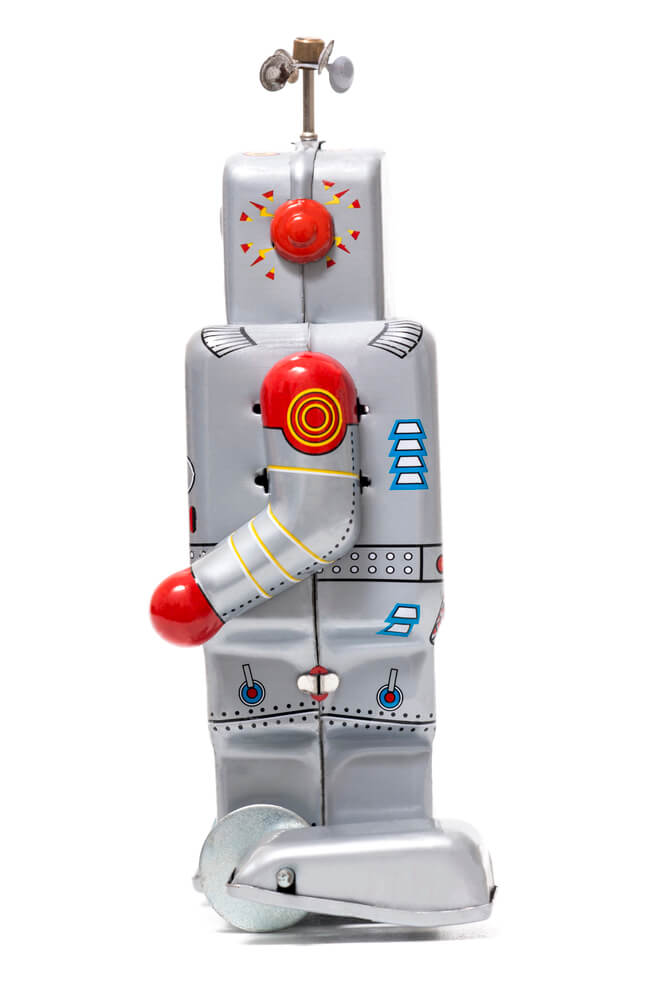
Tin robots made in Japan dominated the 1950s and early 1960s, with makers like Nomura, Yonezawa, Horikawa, and Yoshiya turning them out by the thousands. In 1963, tin toys accounted for roughly 60 percent of Japan’s toy exports.
Many walked on batteries or clockwork and lit up as they moved. Rust, missing parts, and dents lower value, so clean examples draw top prices.
Robby the Robot Toys

The 1956 film Forbidden Planet introduced Robby the Robot, whose curved shape and glass dome inspired a wave of toys. Manufacturers produced Robby look-alikes in tin and plastic, some with batteries and moving arms.
The film gave a generation a robot to want. Original tags and boxes add collector interest.
Mr. Machine
Mr. Machine was a wind-up robot from Ideal’s early 1960s catalog with a see-through body that showed his gears. He came with 44 pieces and a wrench so kids could take him apart and rebuild him.
His smiling face made him feel friendly. Complete sets with all their pieces are scarce.
Robot Commando
Robot Commando, released by Ideal in 1961, stood 19 inches tall and responded to orders through a wired remote with a microphone. He could fire a rocket from his head and swing his arms.
The mix of size and gimmicks made him a catalog star. Intact examples with all their missiles are worth more than ones with missing parts.
Zeroids
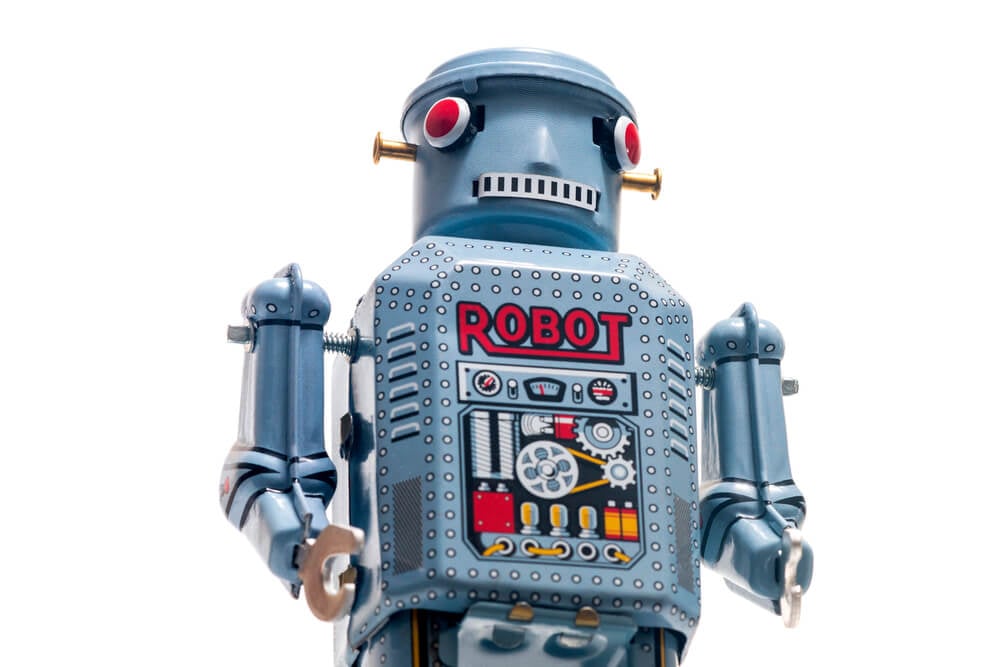
Ideal’s Zeroids arrived in 1968 as three motorized robots from the planet Zero named Zerak, Zobor, and Zintar, with a fourth named Zogg added later. They rolled on tank treads powered by motors borrowed from Ideal’s Motoriffic cars.
Their design echoed the robot from the television series Lost in Space. Original boxes and remotes are key to value.
Rock ‘Em Sock ‘Em Robots

Marx released Rock ‘Em Sock ‘Em Robots in 1964, built on a design by Marvin Glass and Associates. The two fighters, Red Rocker and Blue Bomber, were controlled by thumb levers, and the game ended when a head popped up.
Their backstory listed Red Rocker as coming from Soltarus II and Blue Bomber from Umgluck. The toy needed no batteries, and original sets with the ring and robots intact are prized.
Remco Lost in Space Robot

Remco produced a motorized robot tied to the Lost in Space series, which ran on CBS from 1965 to 1968. Lights and moving parts made it a showpiece in toy aisles.
The design echoed the show’s pleated arms and domed head. Boxed examples with working motors are the most valuable.
Mego Micronauts
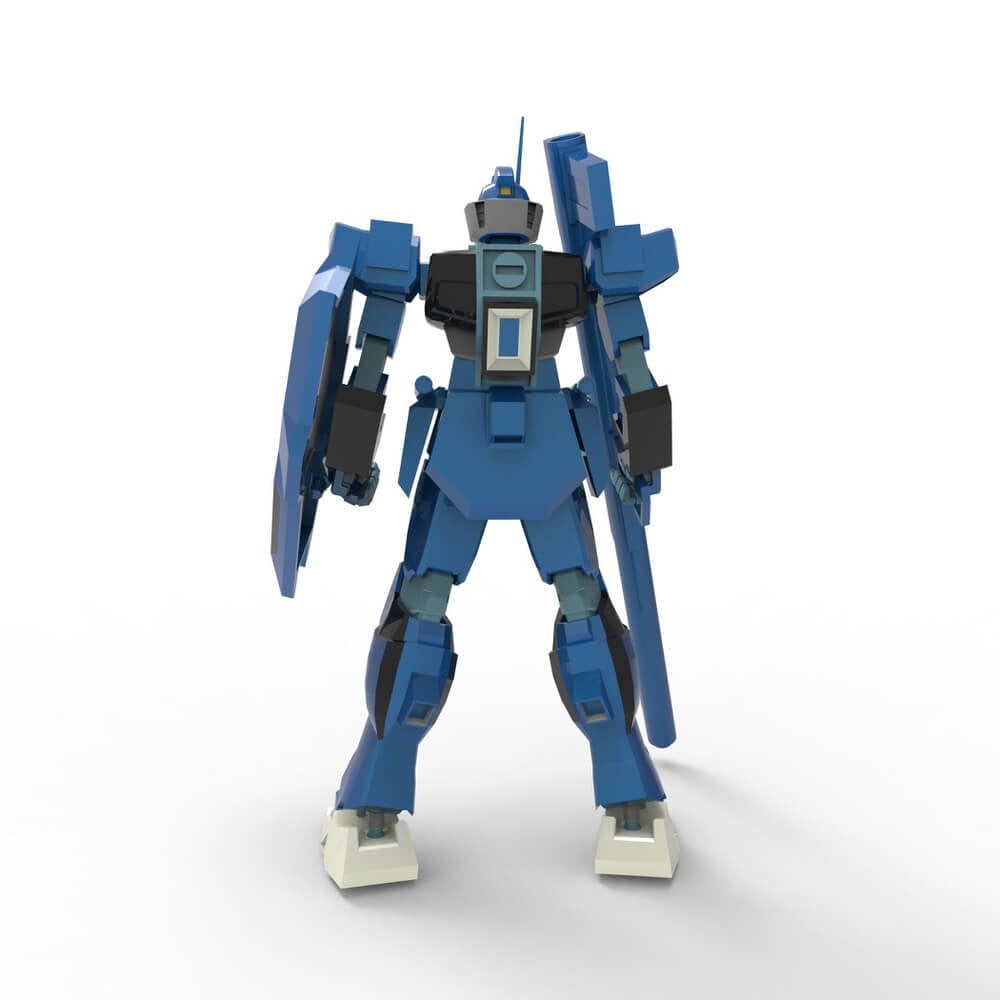
In 1976, Mego licensed Takara’s Microman line and sold it in North America as the Micronauts. Figures like Time Traveler and Acroyear were small and interchangeable, with parts that snapped together.
The line included robots and vehicles that made a toy chest feel like a galaxy. Complete figures with original accessories are worth far more than loose pieces.
Shogun Warriors

In the late 1970s, Mattel brought Japanese robot toys to American shelves as Shogun Warriors, including figures like Great Mazinger and Raydeen. Many were large die-cast or plastic robots with spring-loaded fists that launched from the arms.
The line reflected a craze for giant robots on television. Intact fists and clean paint matter to collectors.
Transformers

Hasbro’s 1984 Transformers line drew on earlier Japanese toys such as Takara’s Diaclone and Microman. Cars, planes, and tape players turned into robots with a few twists.
The concept made the robot a vehicle and a toy at once. Boxed originals with all their small parts are the most prized.
Big Trak
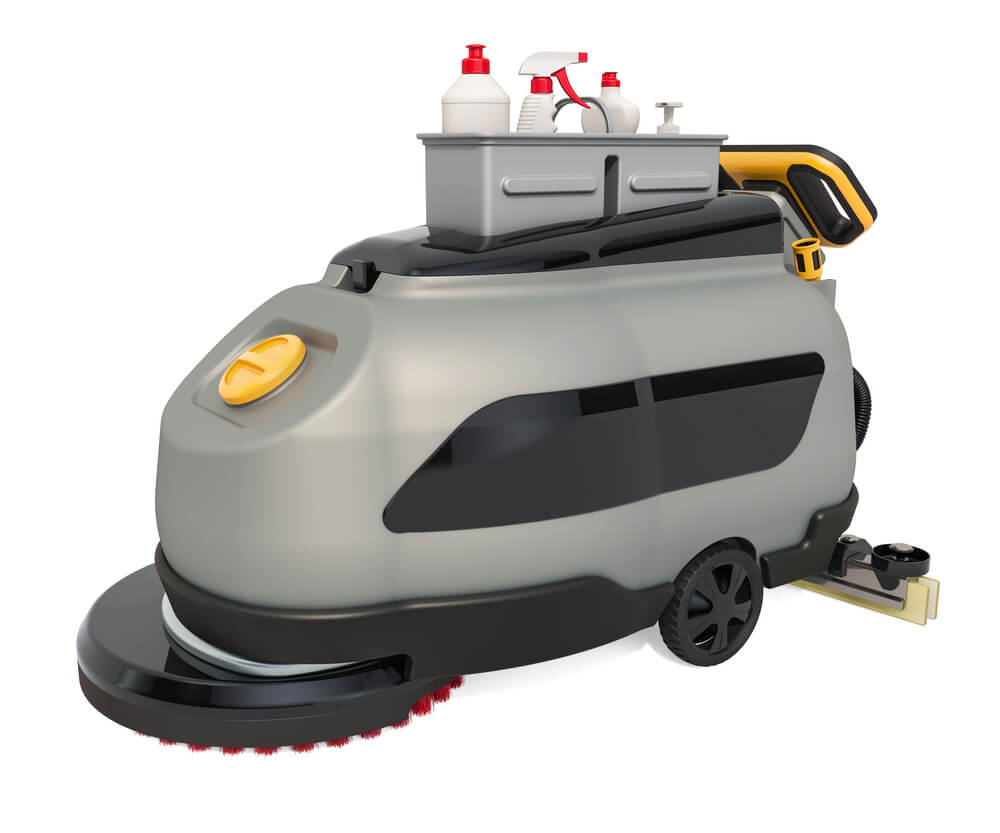
Milton Bradley’s Big Trak appeared in 1979 as a six-wheeled programmable vehicle with a keypad on top. It could remember up to 16 commands and carry them out in sequence, and a headlamp acted as a photon beam.
The American version was gray and the British one was white. A dedicated transport trailer was sold separately.
Tomy Omnibot

Tomy’s Omnibot appeared in the mid-1980s as a remote-controlled robot with claws that held a specially made tray. A cassette player in its chest could record commands and play back music.
The robot rolled across a room while carrying snacks. Intact remotes are essential, because the robot is nearly useless without one.
Omnibot 2000

The Omnibot 2000 followed in 1984 with a built-in clock, a slide-out cassette player, and a motorized tray that could revolve cups within reach of its arm. A remote programmed its movements, and a tape could record sequences to replay.
The design made it feel like a household servant. Owners treasure examples with working trays and remotes.
R.O.B.

Nintendo’s Robotic Operating Buddy arrived in 1985 as an accessory for the NES, and it received commands from flashes on the television screen. Only two games worked with it, Gyromite and Stack-Up.
The toy stood about 9.6 inches tall and ran on four AA batteries. Sets with all their blocks and gyros are the most sought after.
Robosapien
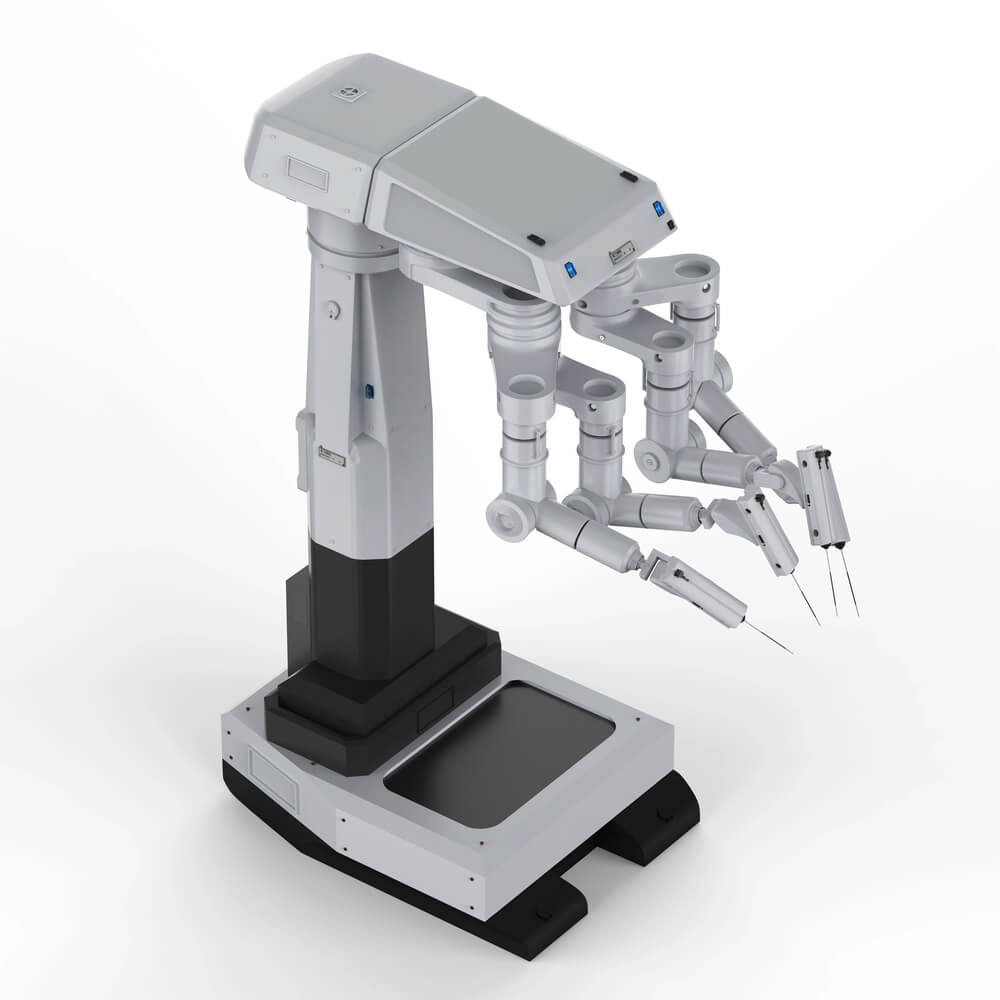
Mark Tilden designed the Robosapien for WowWee, and it hit shelves in 2004 with an infrared remote that offered 67 different functions. More than 1.5 million sold between April and December of that year.
Its caveman grunts and burps became part of the charm. Hackers loved it because the electronics were easy to reach and modify.
Robosapien V2

The Robosapien V2 replaced the original’s caveman grunts with a robot-like voice, and it could stand back up from a lying position. Mark Tilden said its karate chops were designed to bonk the first Robosapien on the head.
It used infrared like its predecessor, so line of sight mattered. Boxed units with remotes are the most desirable.
Roboraptor

WowWee’s Roboraptor arrived in 2004 as a 32-inch robotic dinosaur controlled by an infrared remote. Unlike the original Robosapien, it could move on its own with three distinct gaits.
The toy snapped its jaws and roared. Complete units with remotes and original boxes are the best finds.
RS Media
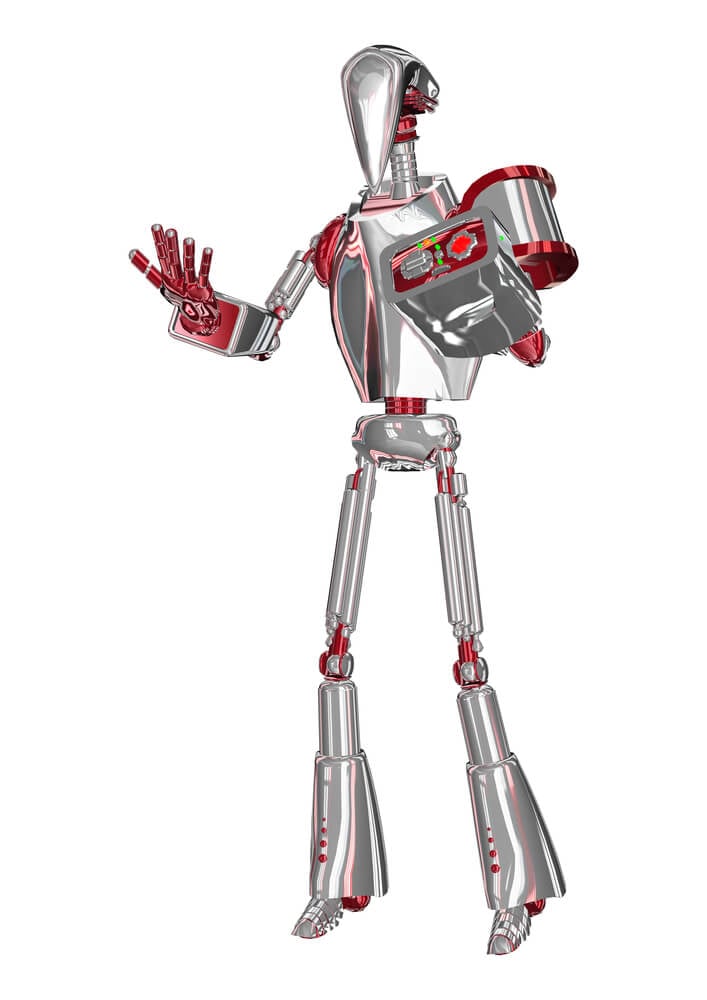
The RS Media used the same body as the Robosapien V2 but swapped in a new brain based on a Linux kernel. That change let the toy play media and respond in more complex ways.
It sat between a toy and a hobby robot. Boxed units with all their accessories are worth more than loose ones.
Sony AIBO
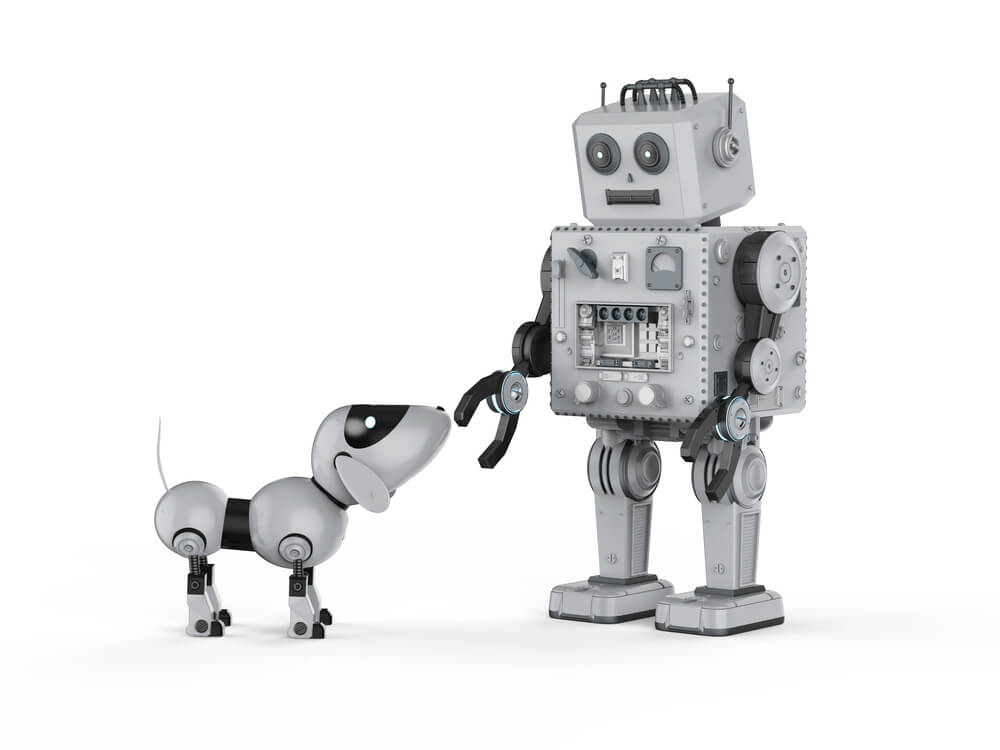
Sony’s AIBO appeared in 1999 as a pricey robotic dog that behaved like a pet. Production was limited, and demand outstripped supply.
Owners spoke to the dog, petted it, and watched it respond. Units in working condition with their accessories are the most valuable.
When Robots Listened to Wires and Light
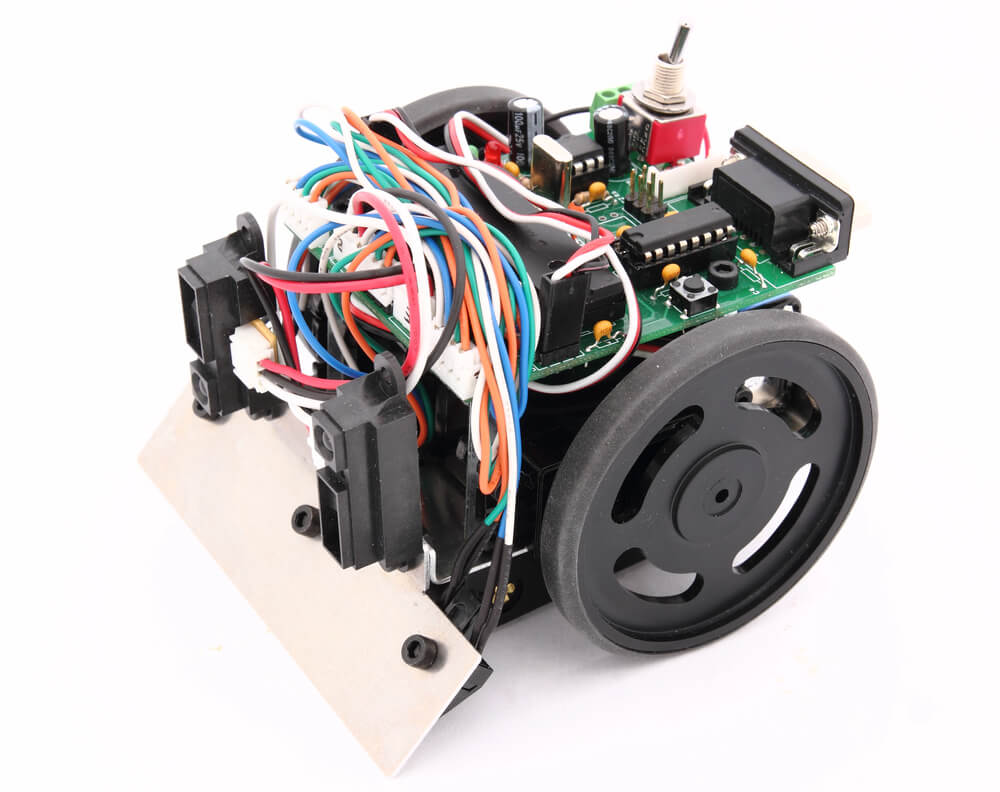
The robots on this list share a hopeful spirit. Each one promised a future in which a machine might carry a drink, fire a rocket, or simply keep a child company.
The controls were crude, but the dreams were big.Today’s toys lean on touchscreens and apps, which makes the older ones feel charmingly physical.
Wires, buttons, and flashes of light left little room for confusion. A child could see exactly how a robot listened, and that clarity is part of why these toys are still loved.
More from Go2Tutors!

- 27 Silver Dollars and Half Dollars Worth Keeping
- 28 Restaurant Menu Items Nobody Orders Anymore
- 17 Places Built in Seemingly Impossible Spots
- 27 Vintage Rings Worth More Than They Look
- 25 Restricted Sites Tourists Can’t Enter
Like Go2Tutors’s content? Follow us on MSN.