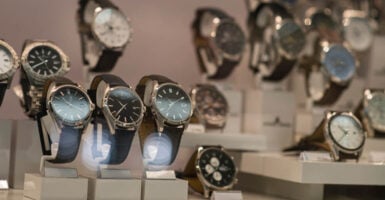
29 Vintage Watches Hiding in Dresser Drawers
Plenty of valuable watches never made it into a safe deposit box. They ended up in a dresser drawer next to cuff links and old receipts, stopped at whatever time the battery or mainspring gave out.
A dead watch is not a worthless watch. Many of the most sought-after vintage models are mechanical pieces that simply need a service, and the people who inherit them often have no idea what they are holding.
Rolex Submariner Reference 5513
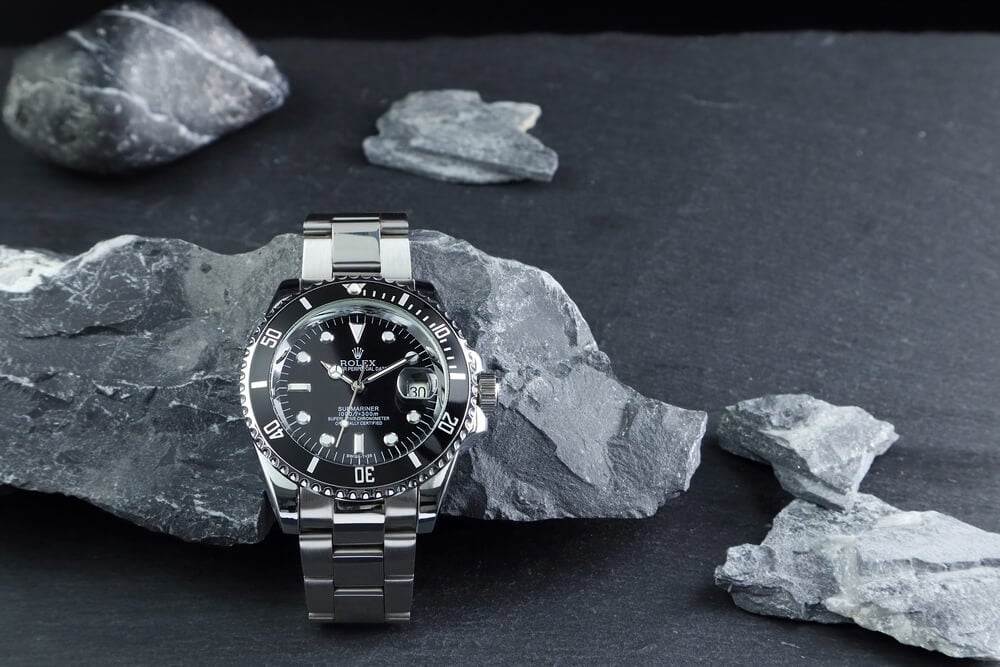
Rolex produced the no-date Submariner reference 5513 from 1962 to 1989, an unusually long run that made it one of the most common vintage Rolex divers. Its rotating black bezel, luminous hands and simple dial were built for diving but worn by plenty of office workers.
Clean examples often sell for 10,000 to 20,000 dollars, with early gloss dials and certain dial variations bringing more. Original parts matter enormously, and a replaced dial, swapped hands or heavily polished case can cut thousands from the price.
Service records and the original box and papers add meaningful value.
GMT-Master With the Pepsi Bezel
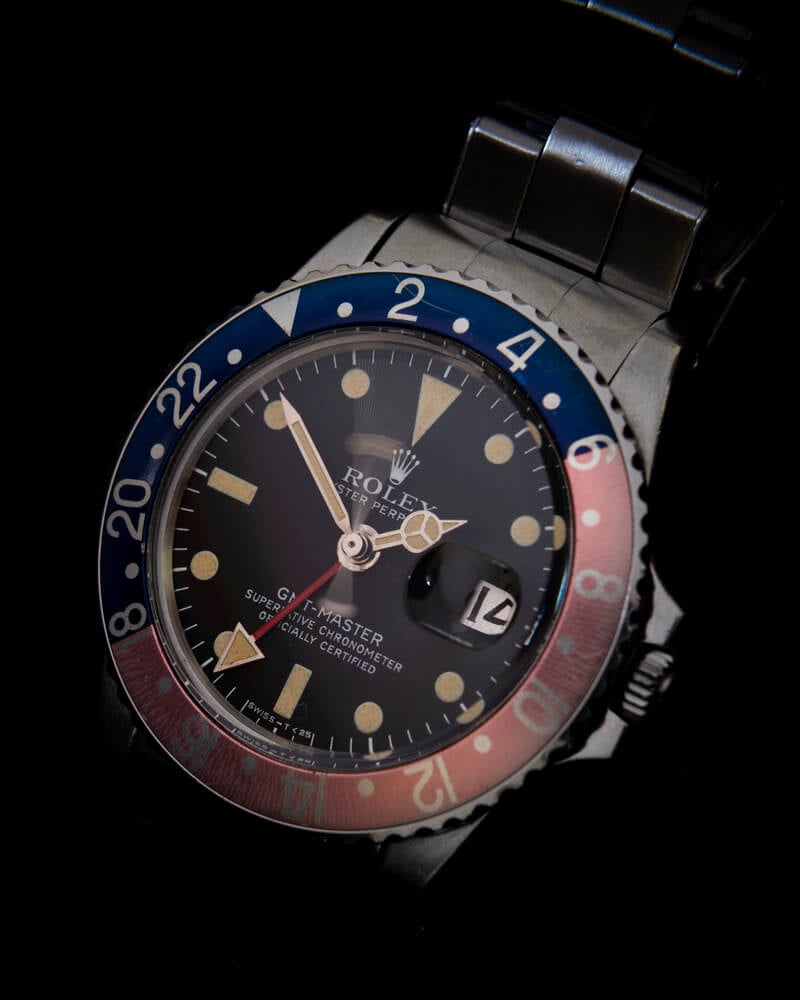
Pan American World Airways helped shape the GMT-Master in the 1950s, working with Rolex so pilots could track two time zones at once. The reference 1675, made from 1959 to 1980, is the version most often found in family collections, usually with a red and blue bezel collectors call Pepsi.
Clean examples often sell for 12,000 to 20,000 dollars, depending on dial type, bezel condition and originality. Faded bezels are actually prized when the fading is even and natural.
Aftermarket bezels, refinished dials and replaced hands lower value, so documentation from a reputable watchmaker helps before any sale.
Rolex Datejust
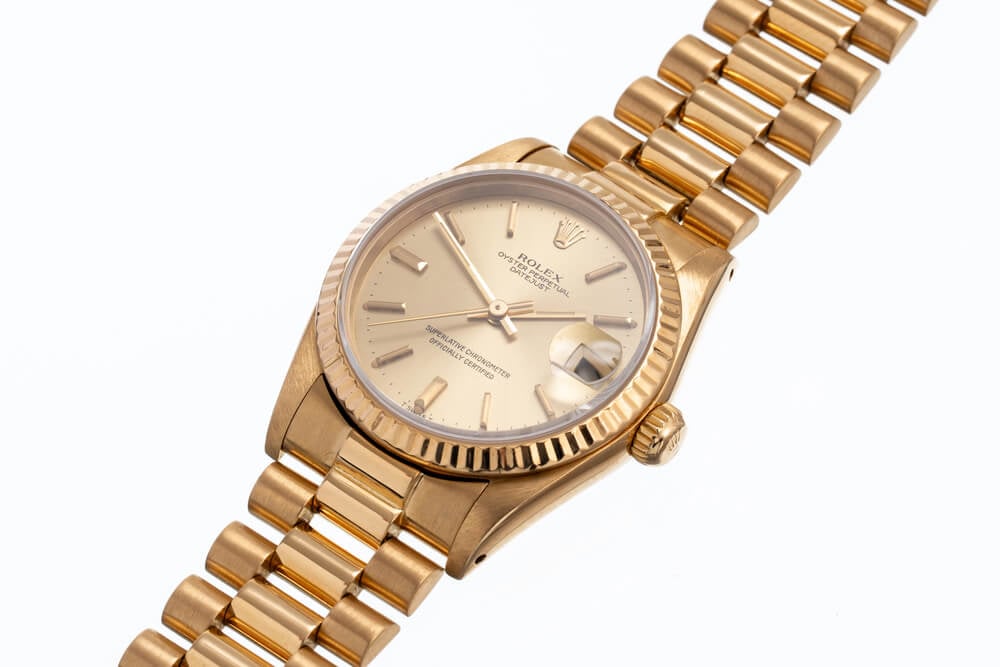
Rolex introduced the Datejust in 1945, the first self-winding wristwatch with a date that changed automatically through a window on the dial. Decades of steady production mean that references like the 1601 and 1603 from the 1960s and 1970s turn up constantly in estates.
Clean examples often sell for 4,000 to 8,000 dollars, with gold models and unusual dial colors bringing more. A fluted white gold bezel is standard on many references, so it does not by itself signal a rare piece.
Worn crystals, refinished dials and replaced bracelets affect value, and so does the condition of the original bracelet.
Rolex Air-King Reference 5500
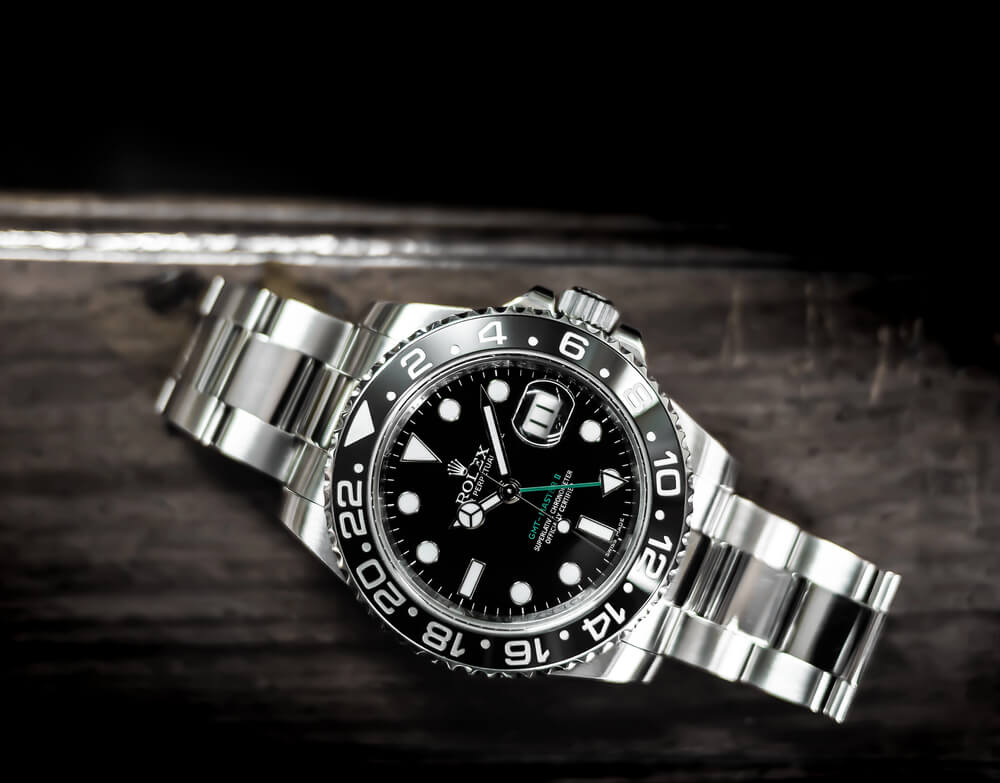
The Air-King name dates to the 1940s, when Rolex honored British pilots of World War II, and the reference 5500 was produced from 1957 to 1989. As one of the entry-level Rolex models, it was bought as a graduation or retirement gift and then worn for decades.
Clean examples often sell for 3,000 to 6,000 dollars, depending on dial and condition. Some versions carry Explorer dials or unusual markings, which raise interest.
Scratched crystals, worn cases and replaced parts lower value, though many owners find the watch still runs after a basic service.
Bubbleback Oysters From the 1930s
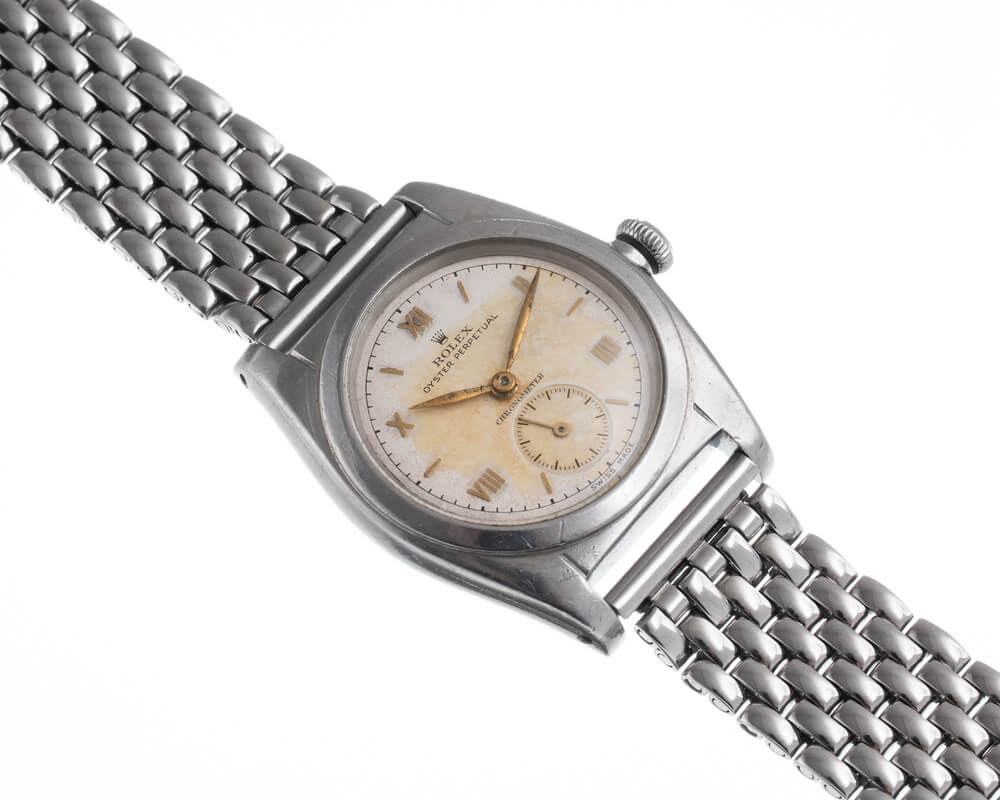
Self-winding Oyster Perpetual movements arrived from Rolex in 1931, and the early models needed a rounded, domed caseback to fit the rotor. Collectors nicknamed these watches Bubblebacks, and examples from the 1930s and 1940s are now prized for their unusual profile.
Clean examples often sell for 3,000 to 10,000 dollars, depending on case material, dial and condition. Refinished dials are common, and original dials bring a premium.
Worn cases, replaced crowns and missing parts reduce value, so a close inspection by an experienced watchmaker is worth the time.
Omega Speedmaster Professional
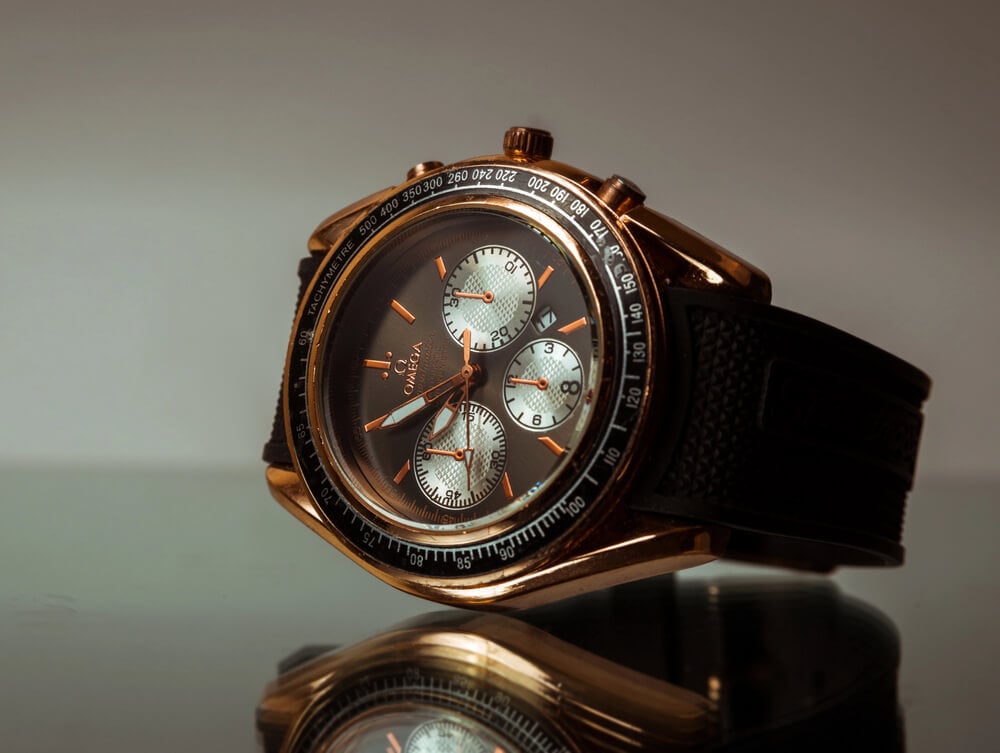
Omega introduced the Speedmaster in 1957, and NASA qualified it for spaceflight in 1965 after punishing tests. Buzz Aldrin wore a reference 105.012 on the Moon in 1969, and later references like the 145.022 continued the legacy.
Clean examples often sell for 5,000 to 10,000 dollars, with pre-Moon references bringing more. Original bezels, dials and hands are critical to value.
Service records help, and a replaced bezel or refinished dial can cut the price sharply. The watch’s history makes it one of the most recognizable vintage chronographs.
Omega Seamaster Dress Watches
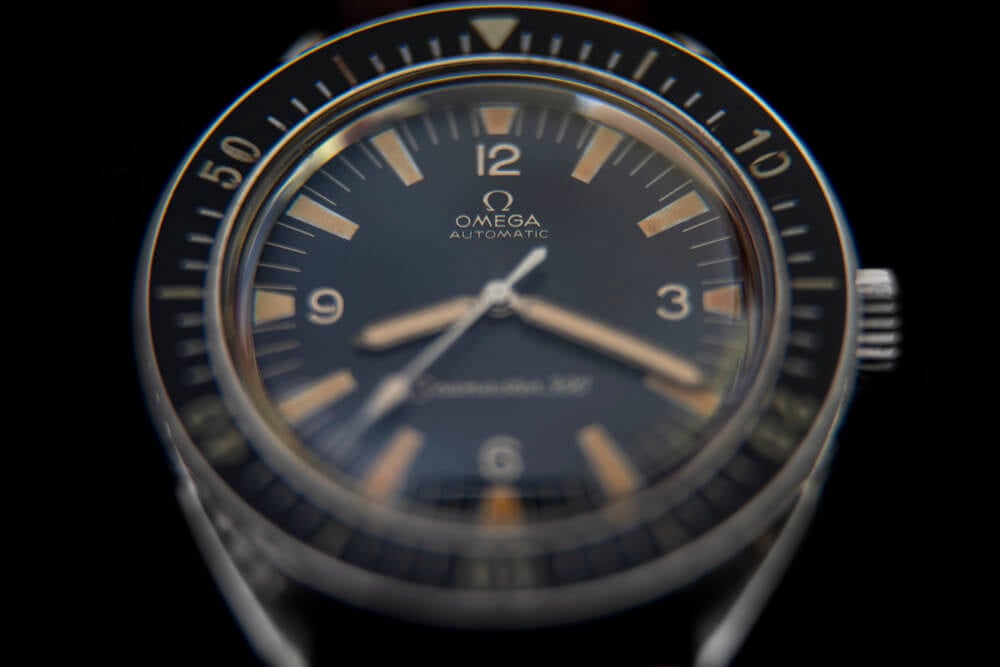
Omega launched the Seamaster in 1948 to mark its centenary, and many early models were slim dress watches rather than the dive watches the name suggests today. These automatic pieces sold in huge numbers through the 1950s and 1960s, often presented at retirements or given as wedding gifts, which is why so many sit in family drawers now.
Clean examples often sell for 500 to 1,500 dollars, depending on dial, case material and condition. Gold-capped and solid gold versions bring more.
Refinished dials, worn cases and replaced crowns reduce value, while an original Omega bracelet adds appeal.
Omega Constellation Pie-Pan Dials
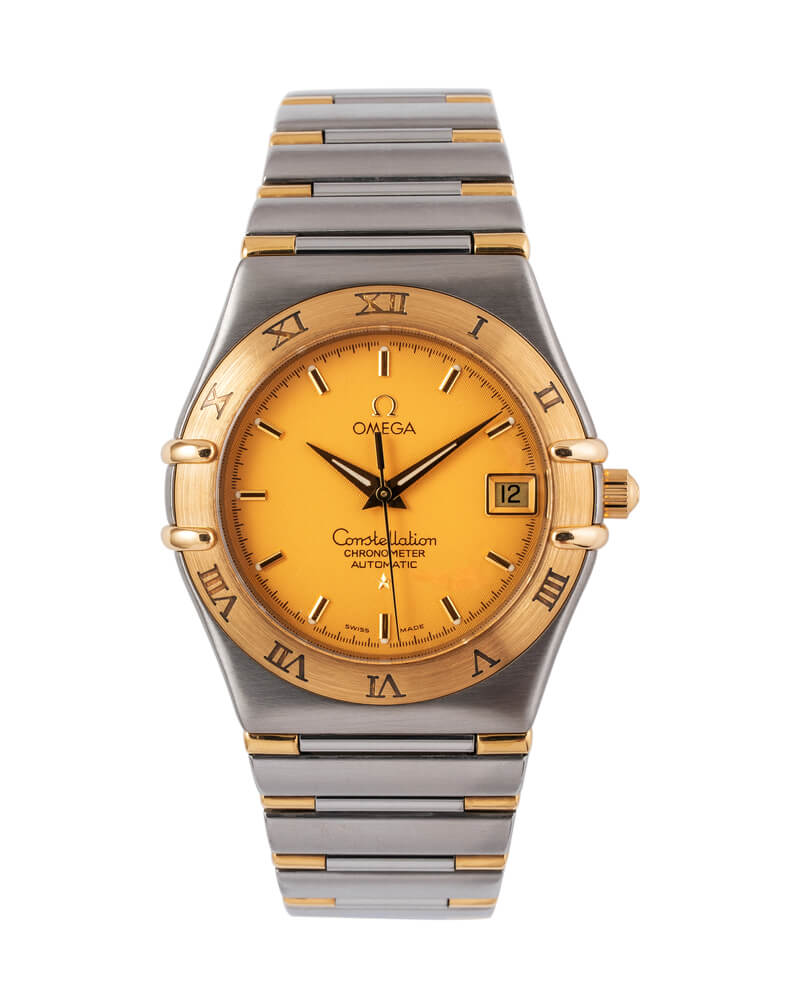
Omega introduced the Constellation in 1952 as its flagship chronometer line, marked by a gold observatory medallion with stars on the caseback. Models from the 1950s and 1960s often feature pie-pan dials, with angled, faceted edges that resemble an upside-down pie tin.
Collectors love the design for the way it catches light. Clean examples often sell for 1,000 to 4,000 dollars, depending on dial, case material and condition, and gold models with original bracelets bring more.
Refinished dials and worn caseback medallions reduce value, so careful handling during cleaning matters.
Heuer Carrera
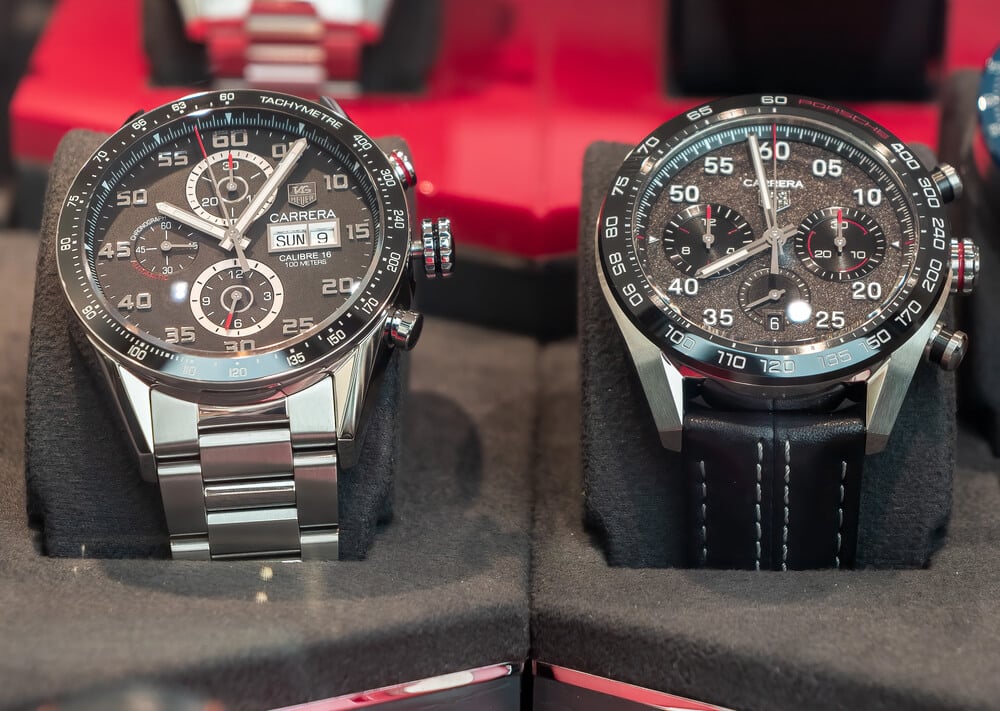
Jack Heuer introduced the Carrera chronograph in 1963, naming it after the Carrera Panamericana, a dangerous road race held in Mexico in the early 1950s. The clean, highly legible dial was designed so drivers could read it at a glance, and early references now rank among the most desirable vintage chronographs.
Clean examples often sell for five figures, depending on reference and condition. Original dials, hands and pushers are critical, and collectors study the exact Heuer signature on the dial.
Refinished dials and replaced parts reduce value significantly, so a stopped Carrera deserves expert attention before any sale.
Heuer Autavia
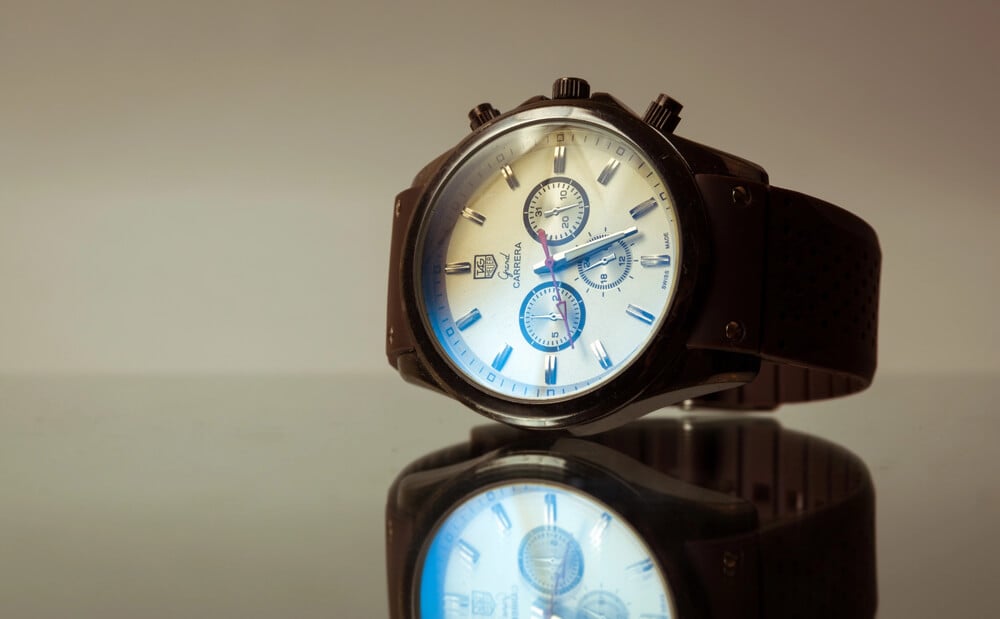
The Autavia name originally belonged to a Heuer dashboard timer for cars and aircraft, combining the words automobile and aviation, before it moved to a wristwatch in 1962. Racing drivers including Formula One champion Jochen Rindt wore the Autavia, and its rotating bezel and bold subdials gave it a tool-watch look.
Early references are highly collectible, and clean examples often sell for five figures, depending on reference and condition. Original bezels and dials are critical, since replacements were common during decades of servicing.
Replaced parts reduce value, and documentation from a specialist adds confidence for buyers.
Heuer Monaco
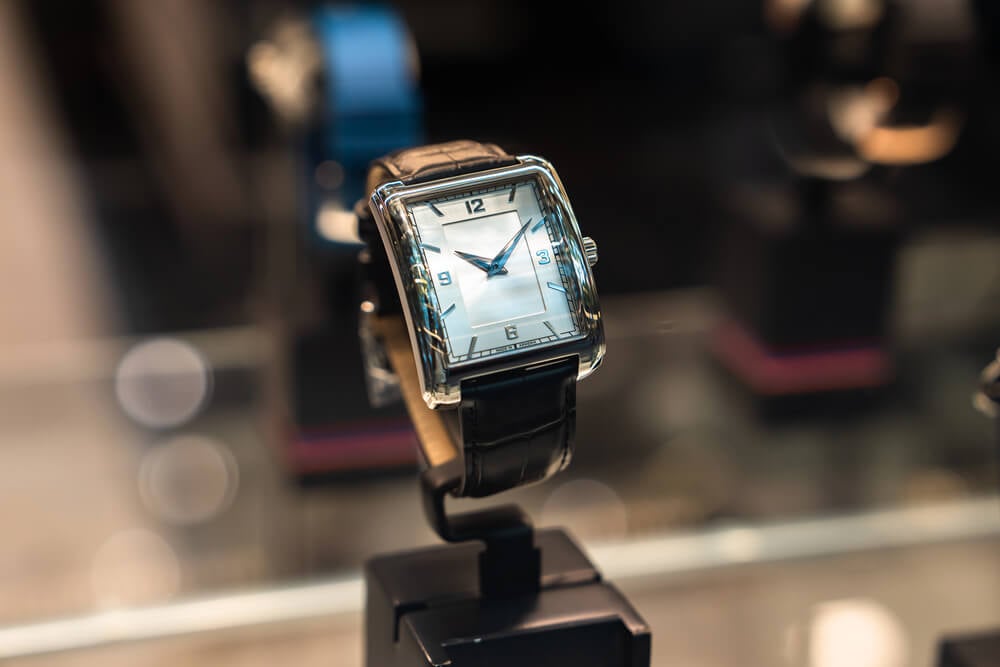
Heuer introduced the Monaco in 1969, pairing a bold square case with the Caliber 11, one of the first automatic chronograph movements. Steve McQueen wore one in the 1971 film Le Mans, and the watch became permanently linked to him.
Its crown sits on the left side of the case, a quirk of the movement’s design that helps identify original pieces. Clean examples often sell for five figures, depending on condition.
Original dials and cases are critical, and polishing that softens the case edges lowers value. Replaced parts and refinished blue dials reduce prices significantly.
Zenith El Primero
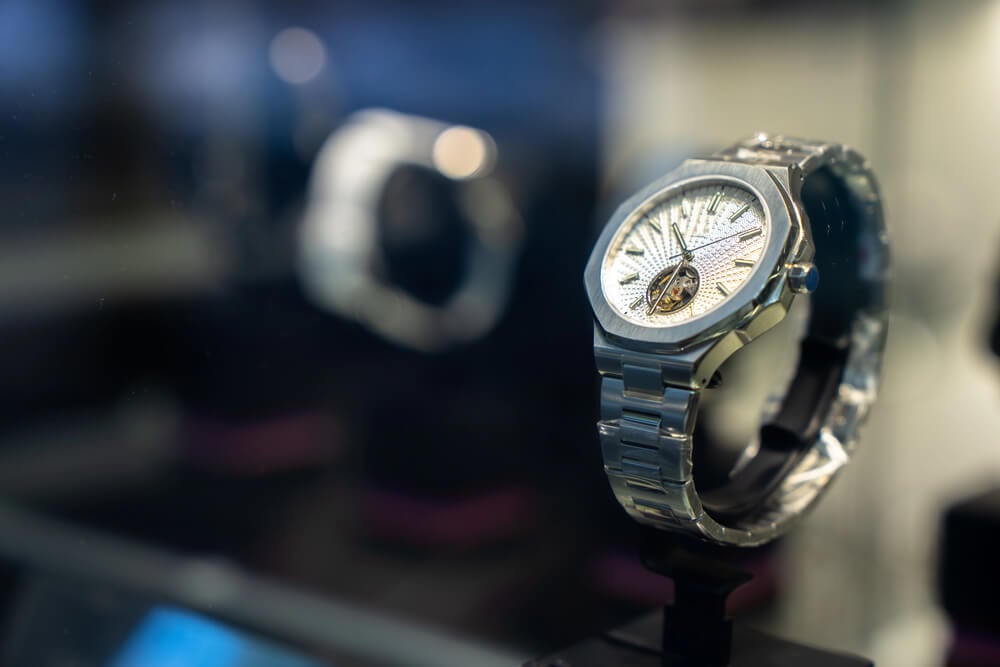
Zenith introduced the El Primero in 1969, one of the first automatic chronograph movements and an unusually fast one, beating at 36,000 vibrations per hour. When the company halted production during the quartz crisis of the 1970s, an engineer named Charles Vermot quietly hid the tooling and plans in an attic, allowing production to resume years later.
Vintage El Primero watches often sell for several thousand dollars, depending on reference and condition. Original dials and cases matter a great deal.
Replaced parts and refinished dials reduce value, and service history is especially helpful with this complex movement.
Seiko 6139 Pogue
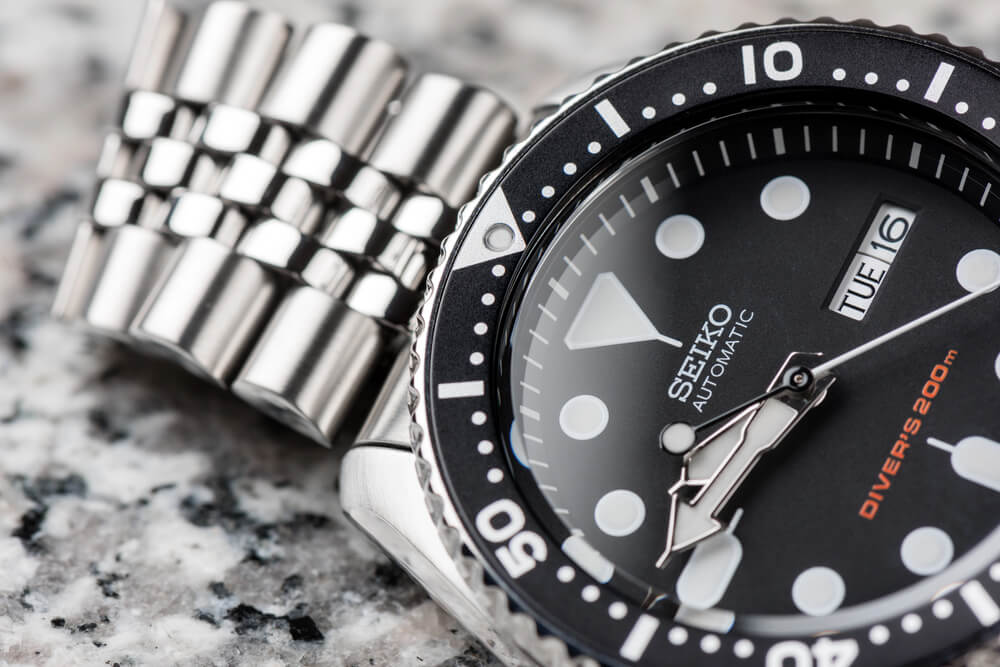
Seiko’s 6139 chronograph, introduced in 1969, was among the first automatic chronographs sold anywhere. A yellow-dial version became known as the Pogue after astronaut William Pogue wore it aboard Skylab 4 in 1973 and 1974.
The watches were affordable in their day and sold widely, so many still turn up in drawers and at estate sales. Clean examples often sell for several hundred to a couple thousand dollars, depending on dial color and condition.
Original dials and bezel inserts matter, since aftermarket replacements are common. Replaced parts and heavy case wear reduce value.
Seiko 62MAS
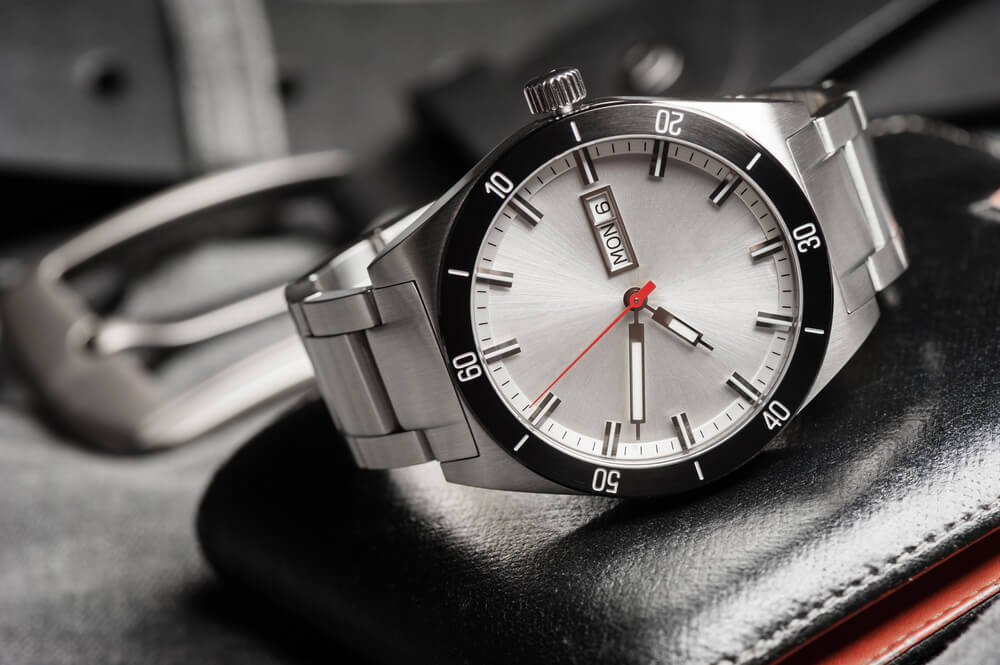
Seiko introduced the 62MAS in 1965 as the company’s first diver’s watch, with a rotating bezel and water resistance to 150 meters. Members of a Japanese Antarctic research expedition wore it in the late 1960s, which helped establish its reputation for toughness.
The watch is the ancestor of many Seiko divers that followed. Clean examples often sell for a few thousand dollars, depending on condition.
Original dials, hands and bezel inserts matter. Replaced parts, water damage and corrosion reduce value, and collectors look for crisp lume and a clear caseback emblem.
Grand Seiko From the 1960s
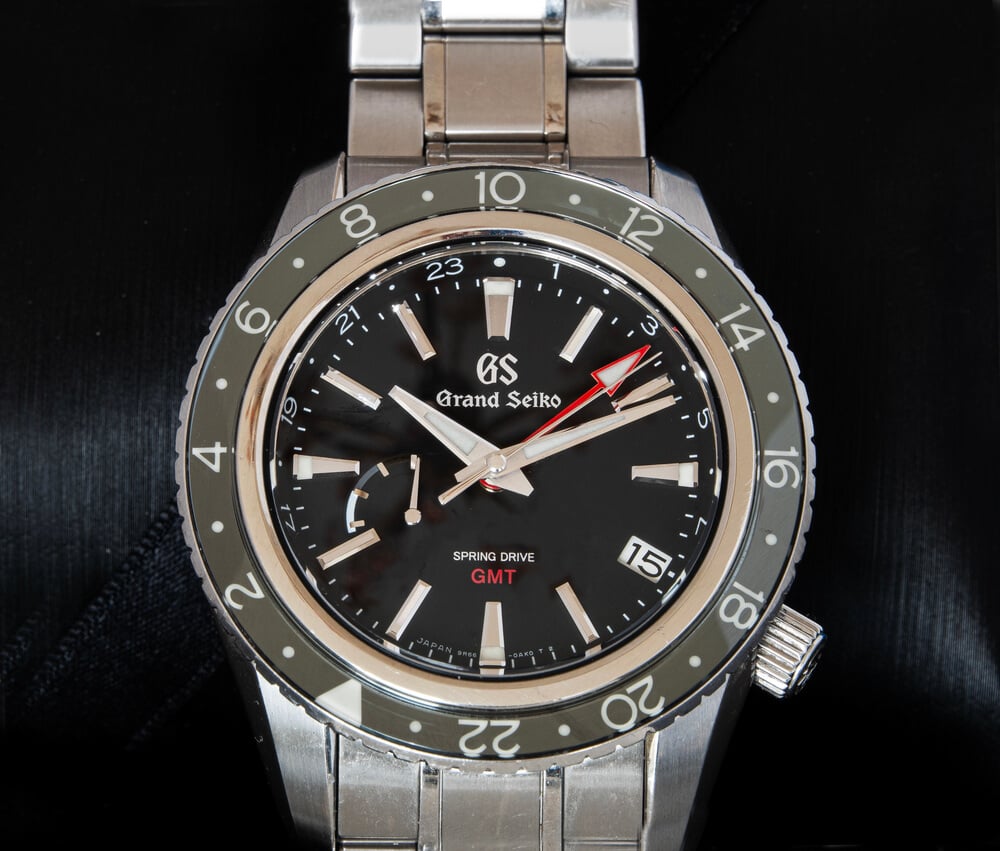
Seiko introduced Grand Seiko in 1960 to compete directly with Swiss luxury watches on accuracy and finishing. Early models are known for sharp, polished hands and indexes and a clean, restrained dial design that still influences the brand today.
References from the 1960s, such as the 44GS, are especially admired by collectors. Clean examples often sell for a couple thousand dollars or more, depending on reference and condition.
Original dials and crisp case edges matter, since heavy polishing erases the sharp lines. Replaced parts reduce value, and documentation helps.
Hamilton Ventura
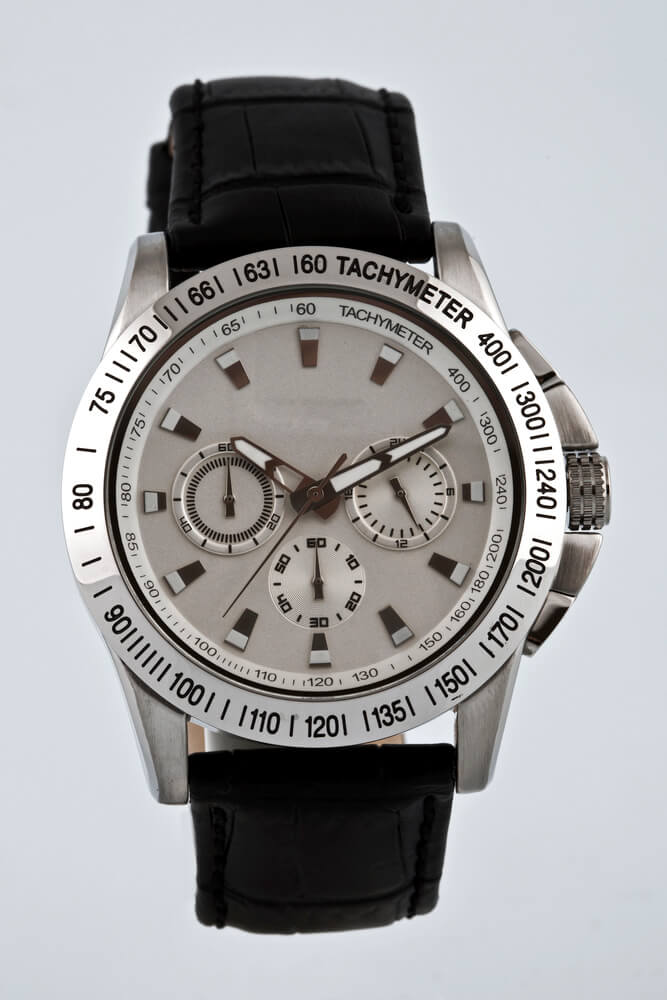
Hamilton introduced the Ventura in 1957 as the first battery-powered electric wristwatch, a striking technical leap at the time. Its asymmetrical triangular case looked like nothing else on the market and was designed by Richard Arbib, who also styled cars.
Elvis Presley wore one in the 1961 film Blue Hawaii, which helped cement its pop culture status. Clean original examples often sell for several hundred to a couple thousand dollars, depending on condition.
Original electric movements are tricky to service, so a running watch with documented work brings more. Replaced parts reduce value.
Bulova Accutron
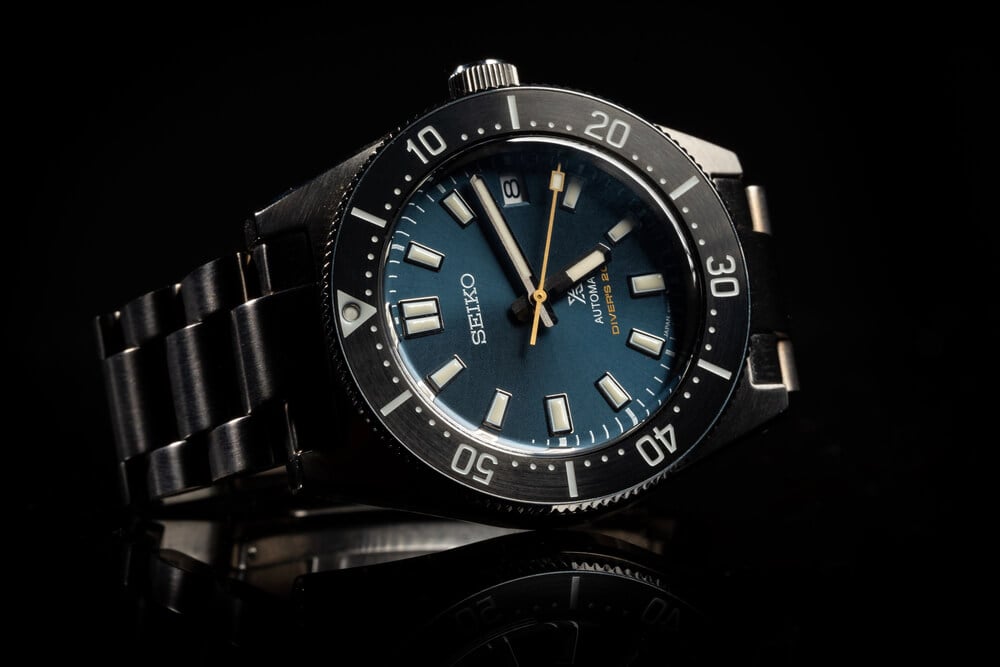
Bulova introduced the Accutron in 1960 with a tuning fork movement that vibrated at 360 hertz and gave off a faint hum instead of a tick. The technology was accurate enough that early versions were used in instruments for the American space program.
The Spaceview version showed the movement and its tuning fork through an open dial, and it remains the most sought-after. Clean examples often sell for several hundred to over a thousand dollars, depending on model and condition.
Original parts matter, and replaced components or failed coils reduce value.
Universal Geneve Polerouter
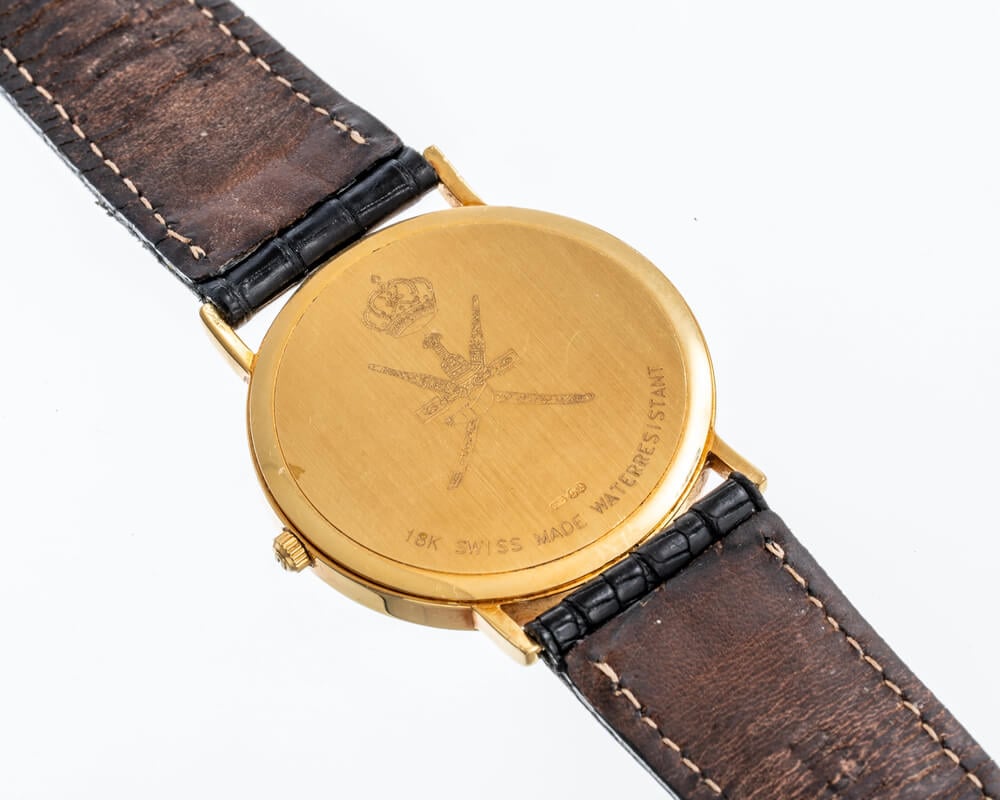
Universal Geneve introduced the Polerouter in 1954 to celebrate Scandinavian Airlines flights over the North Pole. The watch was designed by a young Gerald Genta, who later created some of the most famous luxury sports watches of the century.
Its distinctive dial with a raised outer ring and a slim microrotor movement made it stand out. Clean examples often sell for several hundred to a couple thousand dollars, depending on condition and dial.
Original dials matter a great deal. Replaced parts and refinished dials reduce value, and collectors look for crisp printing.
Universal Geneve Tri-Compax
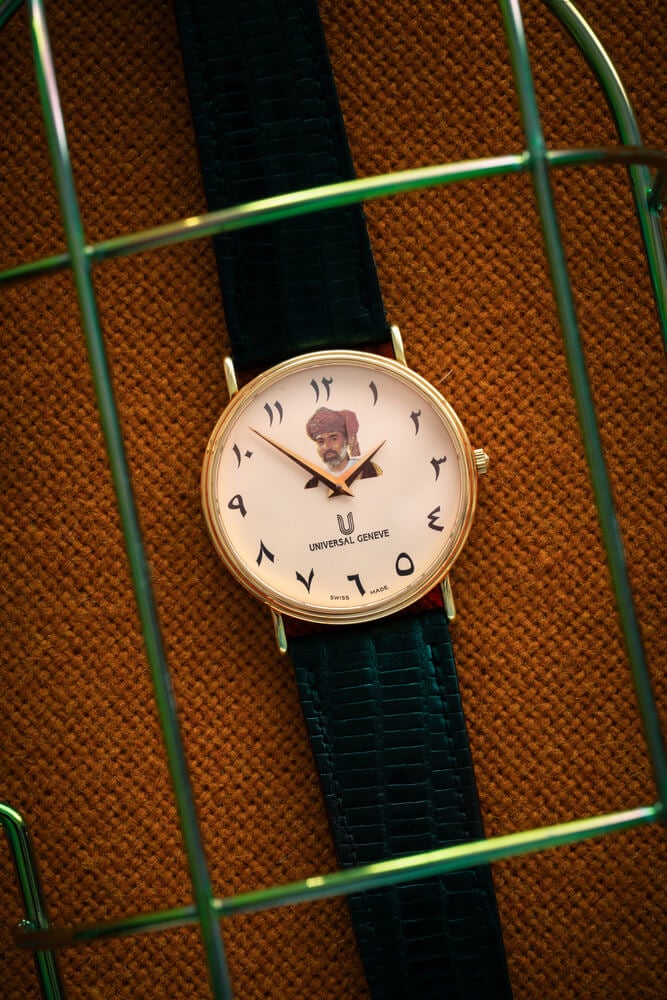
Universal Geneve’s Tri-Compax chronograph, introduced in the 1940s, combined a chronograph with a triple calendar and moon phase, making it a complex watch for its era. Certain references with black dials are nicknamed for Eric Clapton, who was associated with the model, and those versions bring especially high prices.
Clean examples often sell for five figures, depending on reference and condition. Original dials matter enormously, and many have been refinished over the decades.
Replaced parts, damaged moon phase discs and heavy case polishing all reduce value.
Longines Flagship
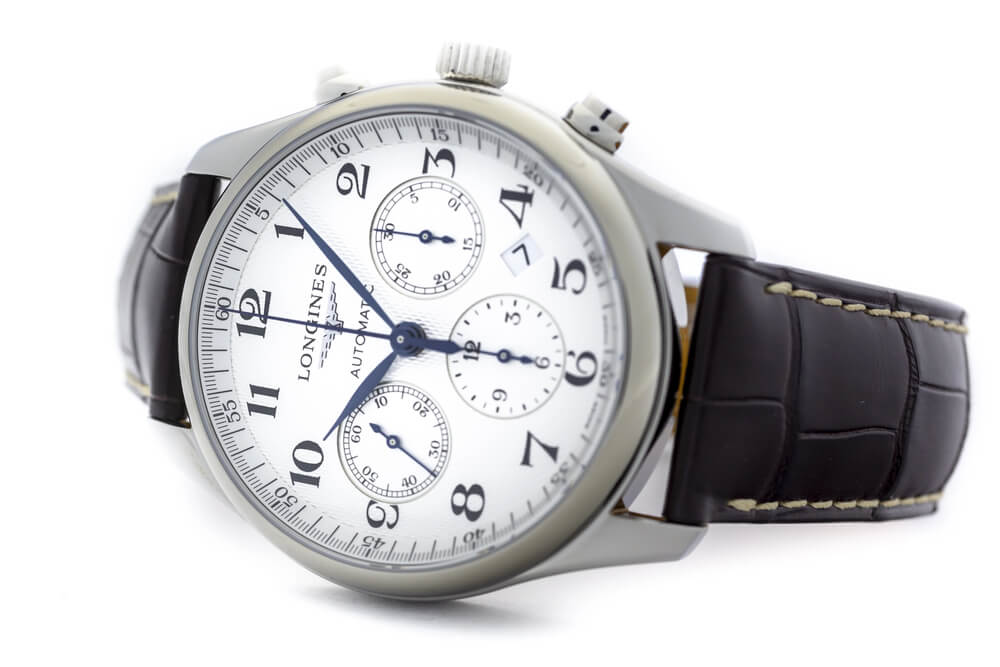
Longines introduced the Flagship in 1957, and its caseback carries a raised gold medallion depicting a sailing ship. The watch was positioned as a refined dress automatic, and many were bought as gifts for career milestones.
Its understated styling has aged well, which keeps collector interest steady. Clean examples often sell for several hundred to over a thousand dollars, depending on case material and condition.
Original dials and an intact caseback medallion matter. Replaced parts, worn gold plating and refinished dials reduce value, so careful inspection pays off.
Breitling Navitimer
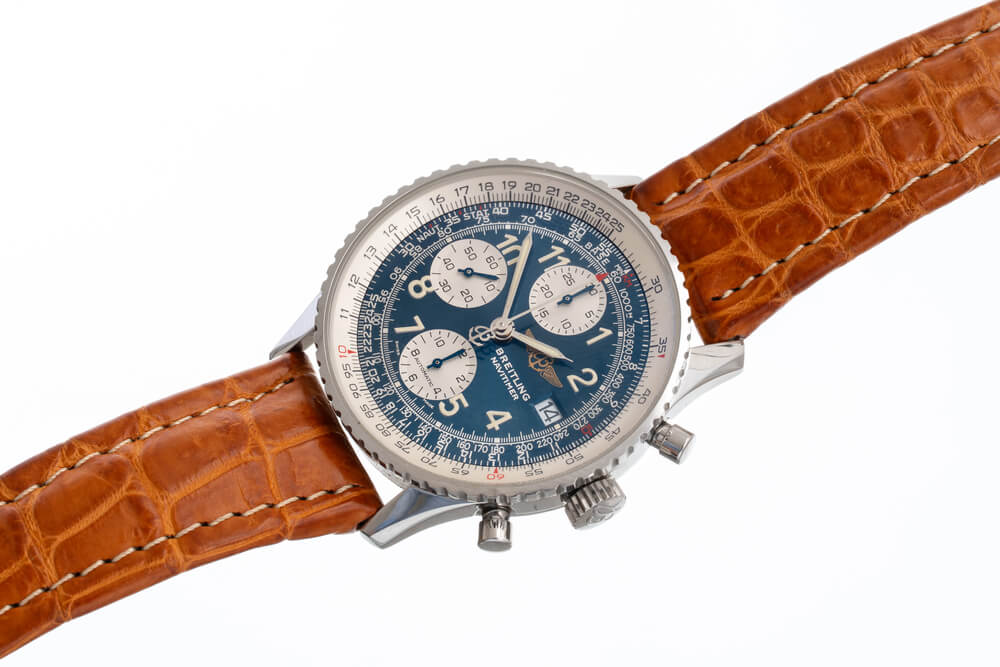
Breitling introduced the Navitimer in 1952 with a slide rule bezel that let pilots calculate fuel consumption, speed and distance. The watch became the official timepiece of the Aircraft Owners and Pilots Association, whose winged logo appeared on some early dials, and its busy layout is instantly recognizable.
Early examples are prized, especially those with original dials and bezels. Clean vintage examples often sell for several thousand dollars, depending on reference and condition.
Original dials and bezels matter significantly. Replaced parts, worn bezels and refinished dials reduce value, and service history helps.
Jaeger-LeCoultre Memovox
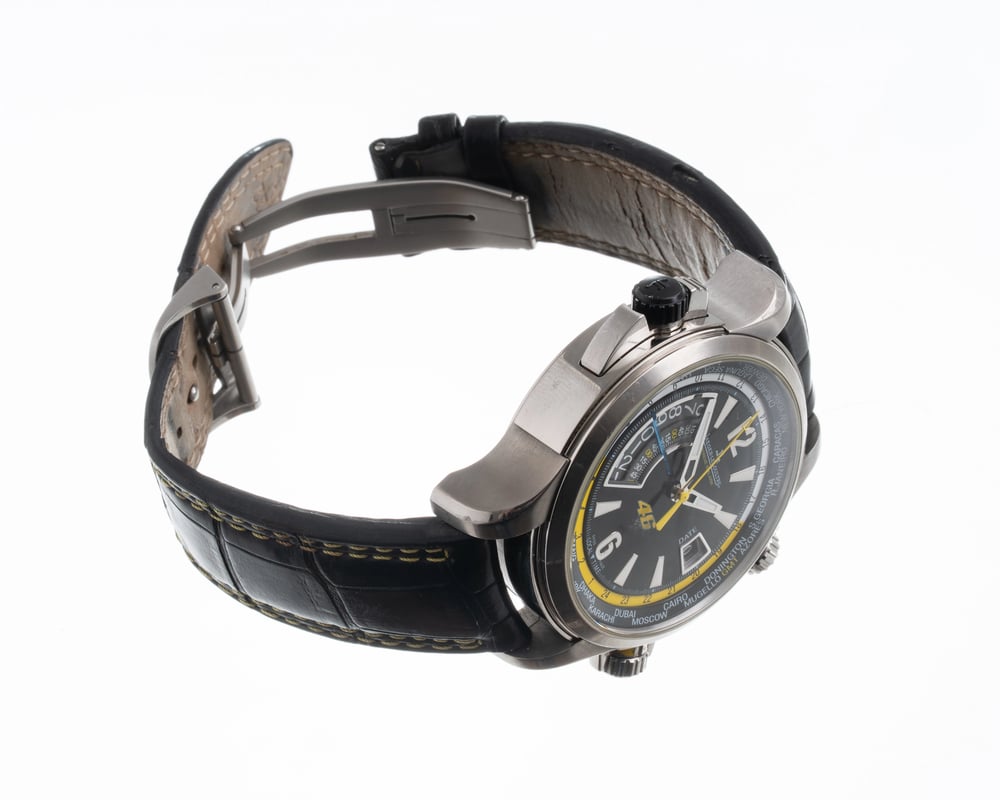
Jaeger-LeCoultre introduced the Memovox in 1950, a mechanical alarm watch whose name means voice of memory in Latin. The alarm produces a buzzing sound strong enough to wake a sleeper, and later versions added automatic winding.
The watch was popular with businessmen and travelers who wanted a reminder for meetings without carrying a separate alarm clock. Clean examples often sell for several thousand dollars, depending on reference and condition.
Original dials matter, and a working alarm adds value. Replaced parts, damaged alarm mechanisms and refinished dials reduce value, and service records are helpful.
Jaeger-LeCoultre Reverso
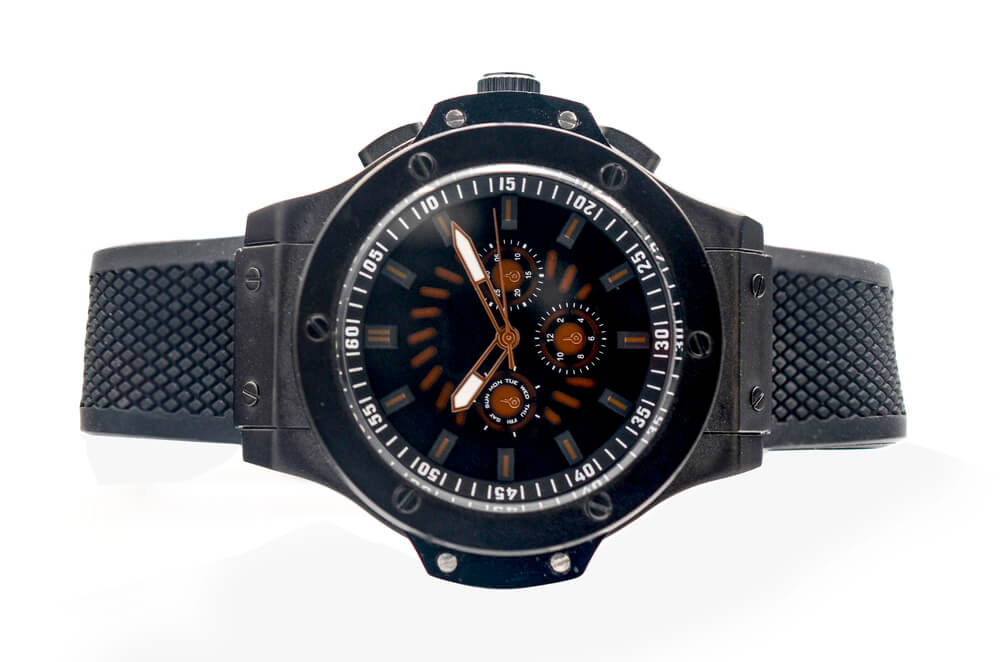
Jaeger-LeCoultre introduced the Reverso in 1931 with a case that flips over to protect the crystal. The design was created for polo players in British India who kept breaking their watches during matches.
The flip case also left a blank steel surface on the back, which owners often engraved with initials, dates or family crests. Clean vintage examples often sell for several thousand dollars, depending on reference and condition.
Original dials and cases matter. Replaced parts, worn flip mechanisms and refinished dials reduce value, and personalized engravings can affect resale.
Cartier Tank
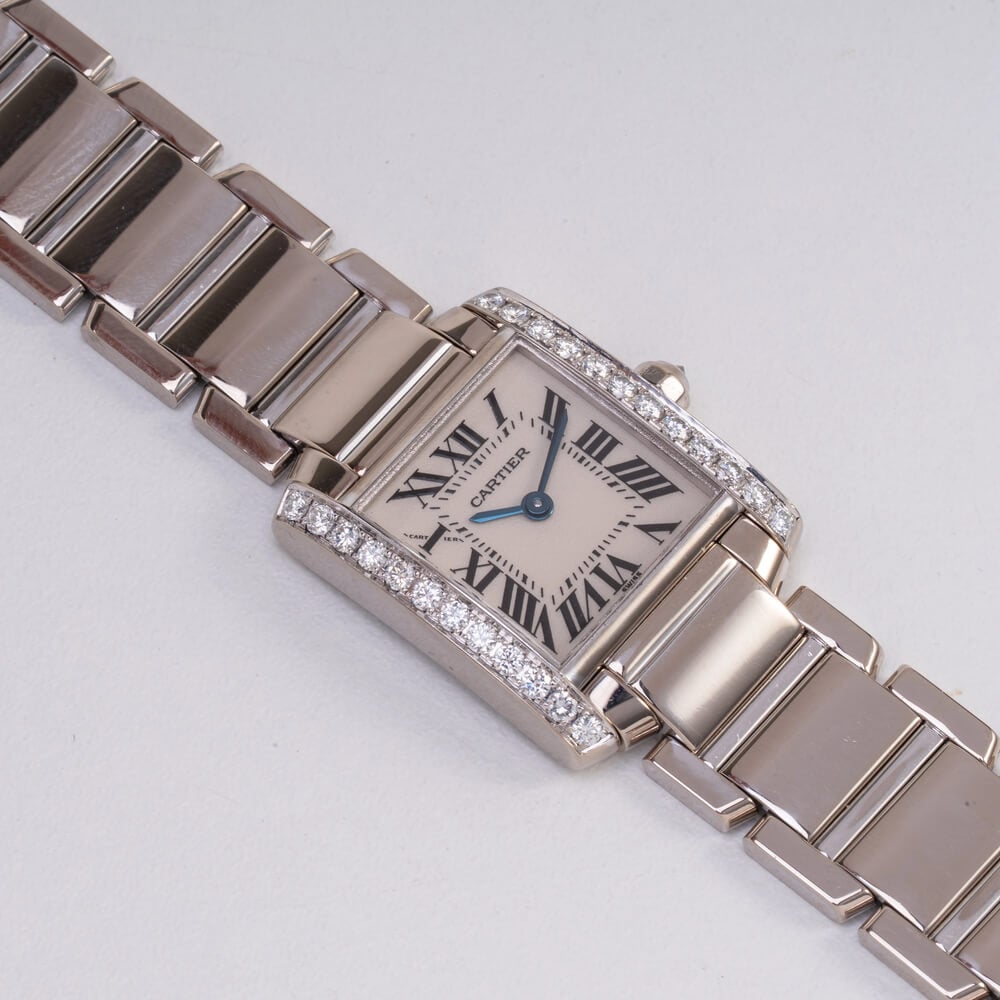
Louis Cartier designed the Tank in 1917, reportedly inspired by the shape of tanks used on the Western Front during World War One. The rectangular watch became a symbol of quiet elegance and was worn by figures such as Jacqueline Kennedy and Andy Warhol.
Vintage examples often sell for several thousand dollars, depending on model, case material and condition. Must de Cartier versions from the 1970s and 1980s, made of gold-plated sterling silver, are more affordable and turn up often in family jewelry boxes.
Original dials matter, and replaced parts or refinished dials reduce value.
Patek Philippe Calatrava
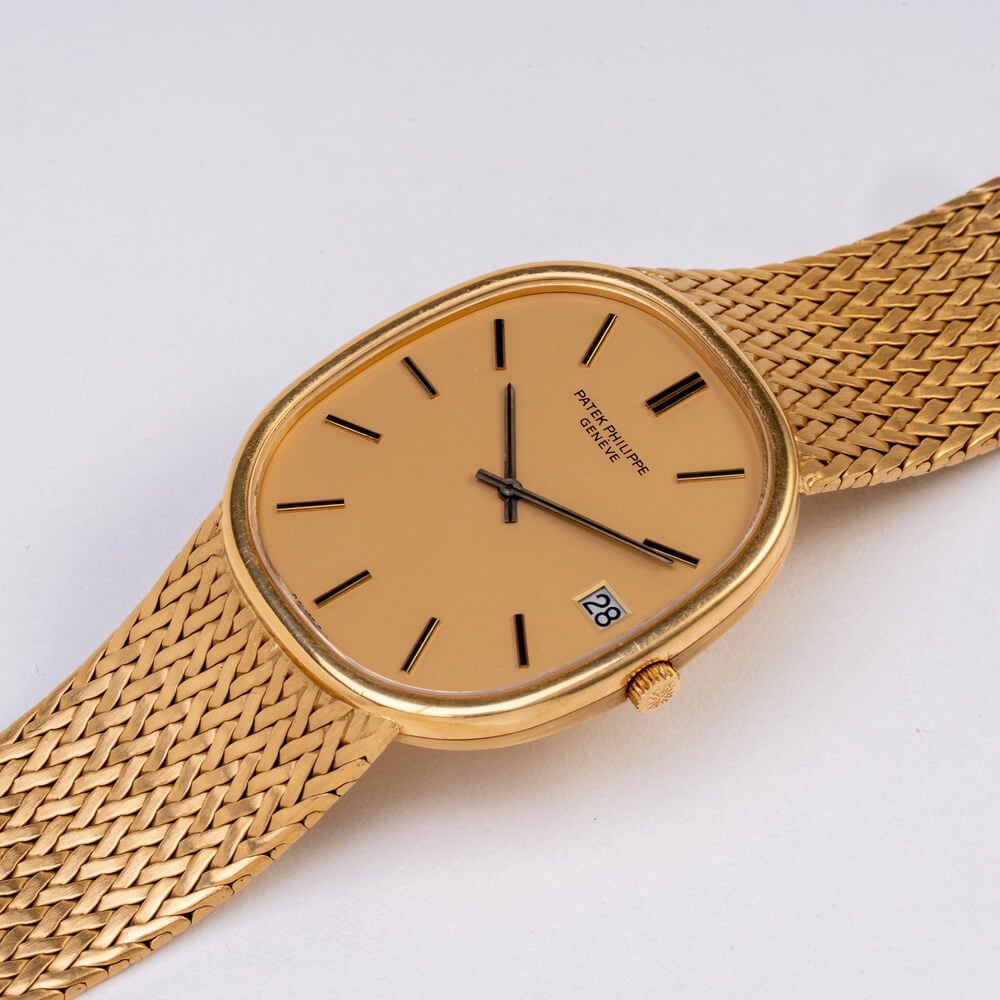
Patek Philippe introduced the Calatrava reference 96 in 1932, and its clean, round design became a template for dress watches. The model has remained in production in various forms ever since, and its name comes from the Calatrava cross that Patek Philippe adopted as its emblem in the 1880s.
Vintage examples are highly sought after, and clean ones often sell for five figures, depending on reference and condition. Original dials matter enormously, and Patek Philippe’s archives can provide extracts confirming production details.
Replaced parts, refinished dials and heavy case polishing reduce value.
Tudor Submariner
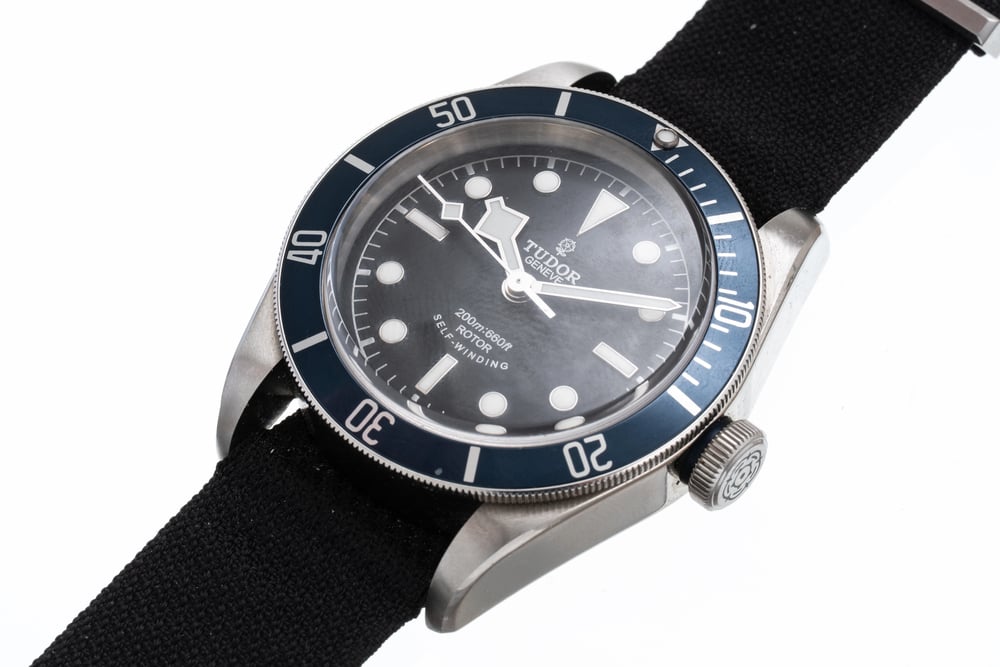
Tudor, the sister brand of Rolex, introduced its Submariner in 1954, offering similar build quality at a lower price by pairing Rolex cases with movements bought from outside suppliers. The French Navy issued Tudor Submariners to its divers, and some carry military markings on the caseback.
Clean examples often sell for several thousand dollars, with military-issued pieces bringing more. Original dials, bezels and hands matter, and some early Tudor dials show a small rose logo that collectors watch for.
Replaced parts and refinished dials reduce value, and documentation of military provenance adds significant appeal.
Vulcain Cricket
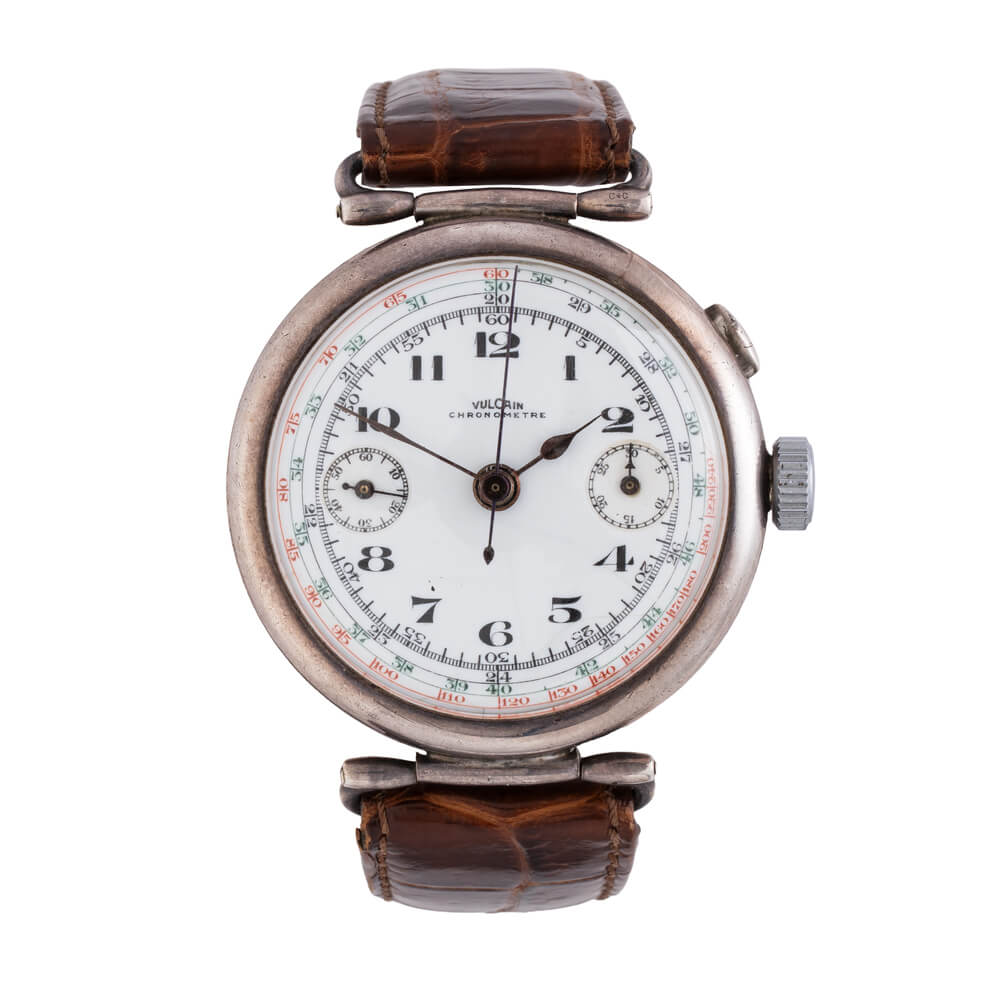
Vulcain introduced the Cricket alarm watch in 1947, with a loud chirping alarm that gave the watch its name. President Harry Truman received one, and several later presidents also wore it, earning it the nickname of the president’s watch.
Clean examples often sell for several hundred to over a thousand dollars, depending on condition. The double caseback design amplifies the alarm, and a working alarm adds real value.
Replaced parts, cracked crystals and damaged alarm mechanisms reduce value, and casebacks with presentation engravings bring premiums.
Hamilton 992B Railroad Pocket Watch
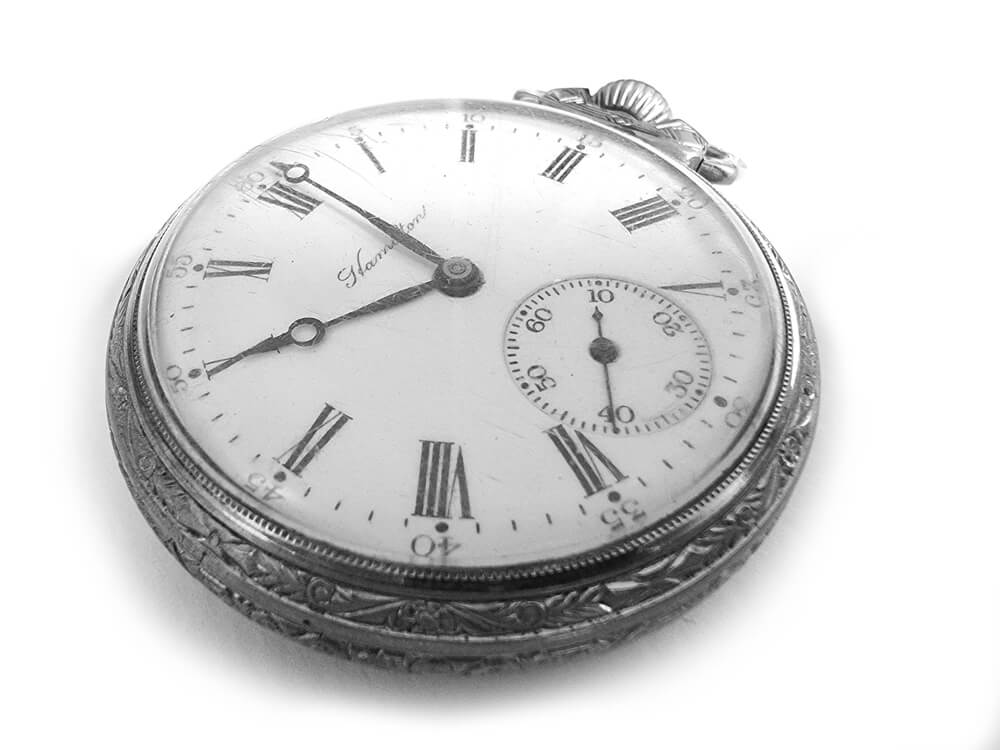
Hamilton introduced the 992B pocket watch in 1940 to meet strict railroad timekeeping standards. Conductors and engineers relied on these watches to keep trains running safely on schedule.
Many were passed down through railroad families and still sit in drawers today, sometimes alongside the employee’s service pin or union card. The movement has 21 jewels and was adjusted to keep time in different positions and temperatures.
Clean examples often sell for several hundred dollars, depending on case and condition. Original dials matter, and working watches bring more.
Replaced parts, cracked dials and worn cases reduce value.
Audemars Piguet Royal Oak 5402
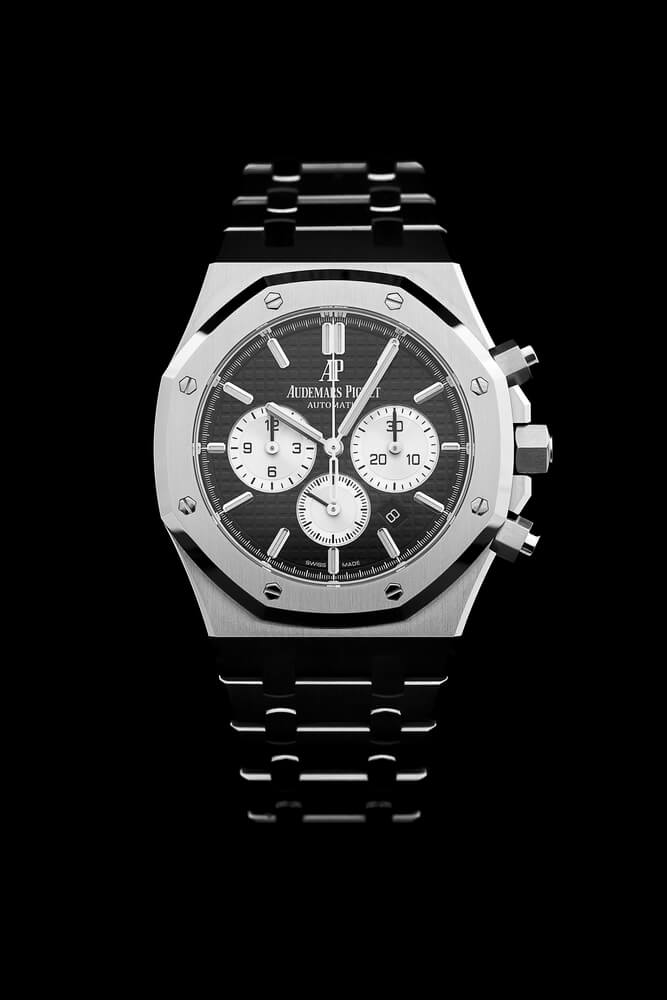
Audemars Piguet introduced the Royal Oak in 1972, designed by Gerald Genta with an octagonal bezel and integrated bracelet. The steel watch was priced higher than many gold watches at the time, which shocked the industry and drew skepticism from retailers.
It went on to become one of the most influential watch designs ever made, and waiting lists for modern versions run long. Original reference 5402 examples are highly sought after and often sell for six figures, depending on condition.
Original dials and bracelets matter enormously. Replaced parts and heavy polishing reduce value.
Ticking Quietly in the Back of the Drawer
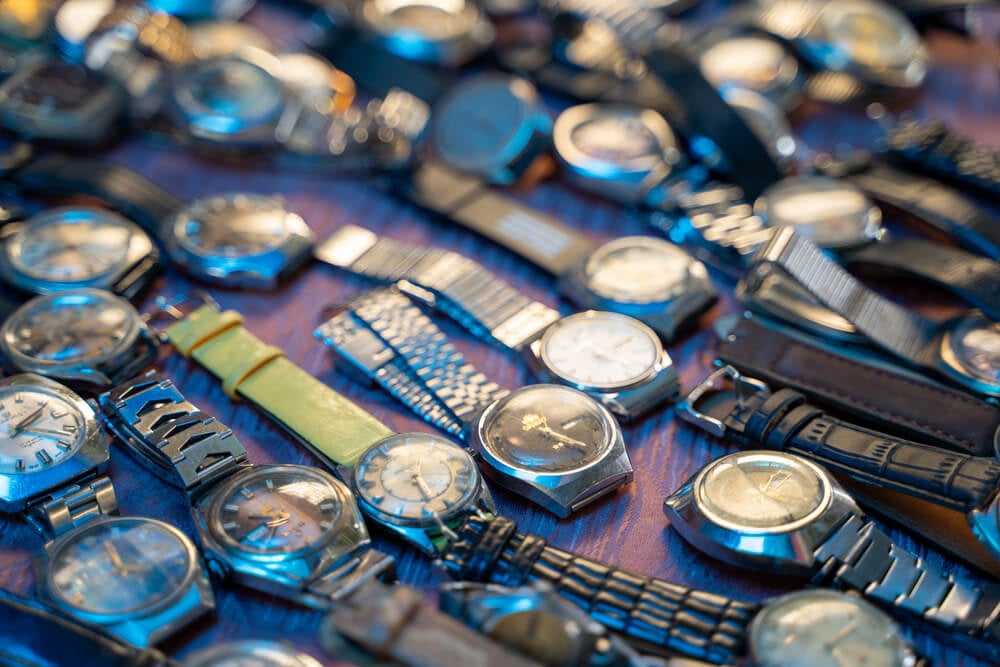
Many of these watches were bought as practical tools or milestone gifts. They were worn daily and then set aside when styles changed.
Their value now comes from history, design and originality. Few owners realized what they had.
A stopped watch is often only a service away from running again. Before selling, it is worth having a reputable watchmaker evaluate it.
Original parts, documentation and condition all affect price. The drawer may hold more than expected.
More from Go2Tutors!

- The Romanov Crown Jewels and Their Tragic Fate
- 13 Historical Mysteries That Science Still Can’t Solve
- Famous Hoaxes That Fooled the World for Years
- 15 Child Stars with Tragic Adult Lives
- 16 Famous Jewelry Pieces in History
Like Go2Tutors’s content? Follow us on MSN.