14 Unfinished Public Buildings With Stories Still Visible
Most buildings hide their construction history behind a finished face. These ones show it, because money ran out, rulers died, plagues struck, or plans simply changed.
Each of the buildings below is open to the public in some form, and the gaps in them are part of the experience. A missing tower, a color change in the stone, or a bare frame tells the story more clearly than any plaque.
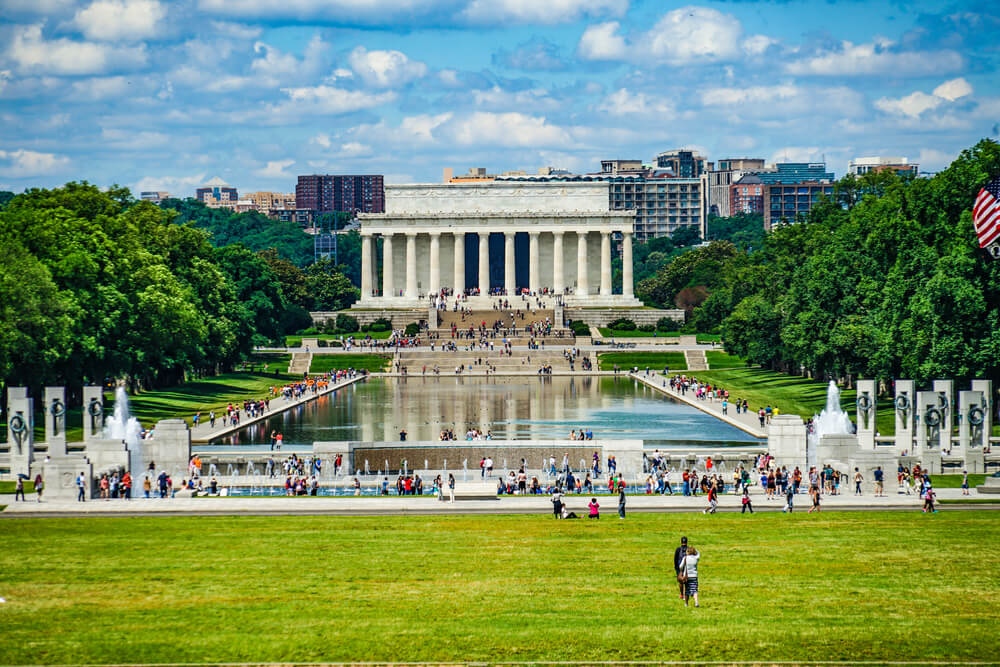
The Washington Monument and Its Two Shades of Marble

Construction of the Washington Monument began in 1848 and stalled in 1854 when funding dried up, and work did not resume until 1876. The marble used after the long pause came from a different source, and a visible change in color appears about a quarter of the way up the shaft. The monument was completed in 1884 and dedicated in 1885, and the pale line has been there ever since.
Sagrada Familia in Barcelona
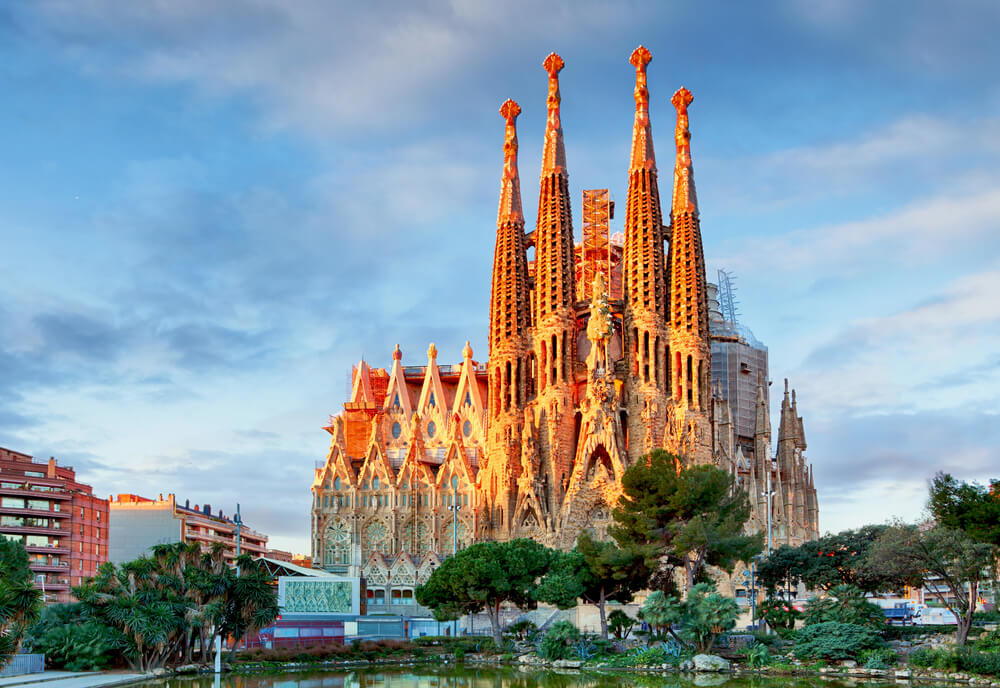
— Photo by TTstudio
Work on the Sagrada Familia began in 1882, and Antoni Gaudi took over as architect the following year. He died in 1926 with only a small part of the church built, and construction has continued for generations on the basis of his models and drawings. Cranes are a permanent part of the skyline, and visitors tour a basilica that is both a place of worship and a working construction site.
The Cathedral of St. John the Divine
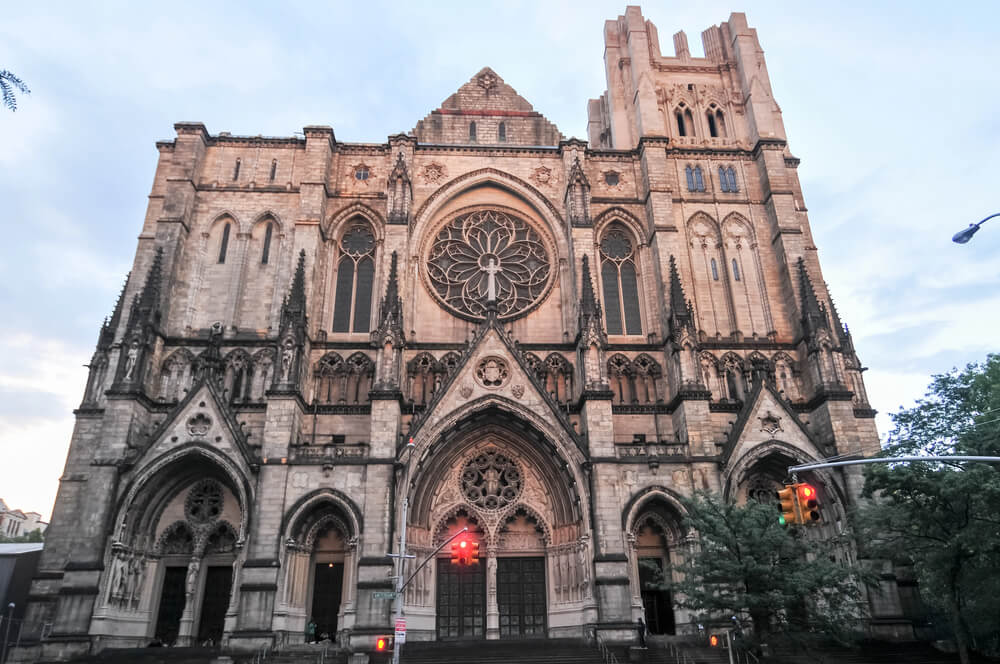
The Cathedral of St. John the Divine in New York began construction in 1892 and has never been completed, which has earned it the nickname St. John the Unfinished. Its design changed from a Romanesque style to Gothic partway through, and the north tower and other planned parts were never added. It remains one of the largest cathedrals in the world.
The Alai Minar in Delhi
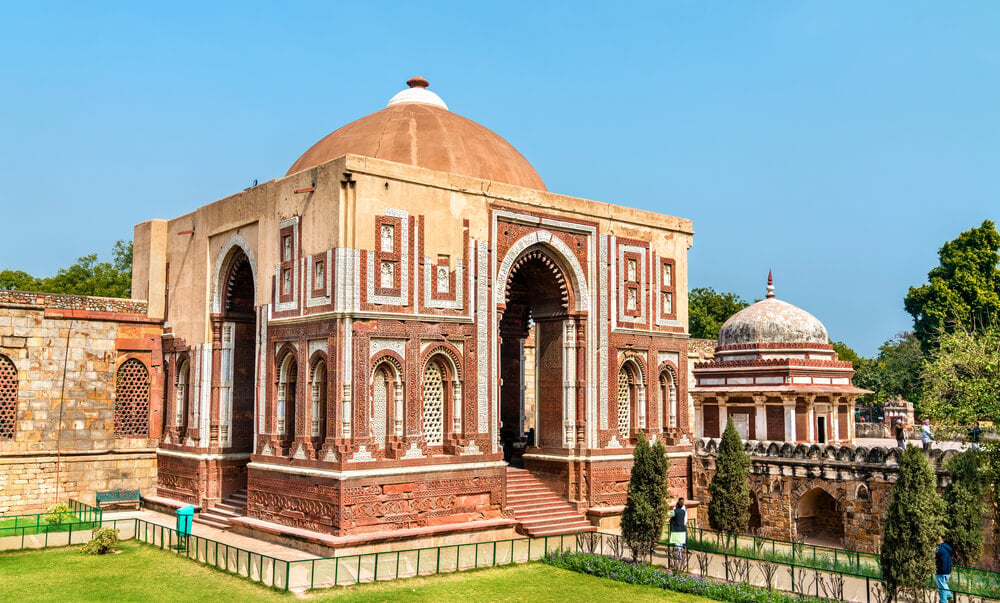
The Alai Minar was begun in the early fourteenth century by the sultan Alauddin Khalji, who planned a tower twice as tall as the nearby Qutub Minar. Only the core of the first stage was finished before the project was abandoned, leaving a rough stone stump in the Qutub complex in Delhi. Visitors can walk right up to it and see how ambitious the plan was.
Beauvais Cathedral and Its Missing Nave
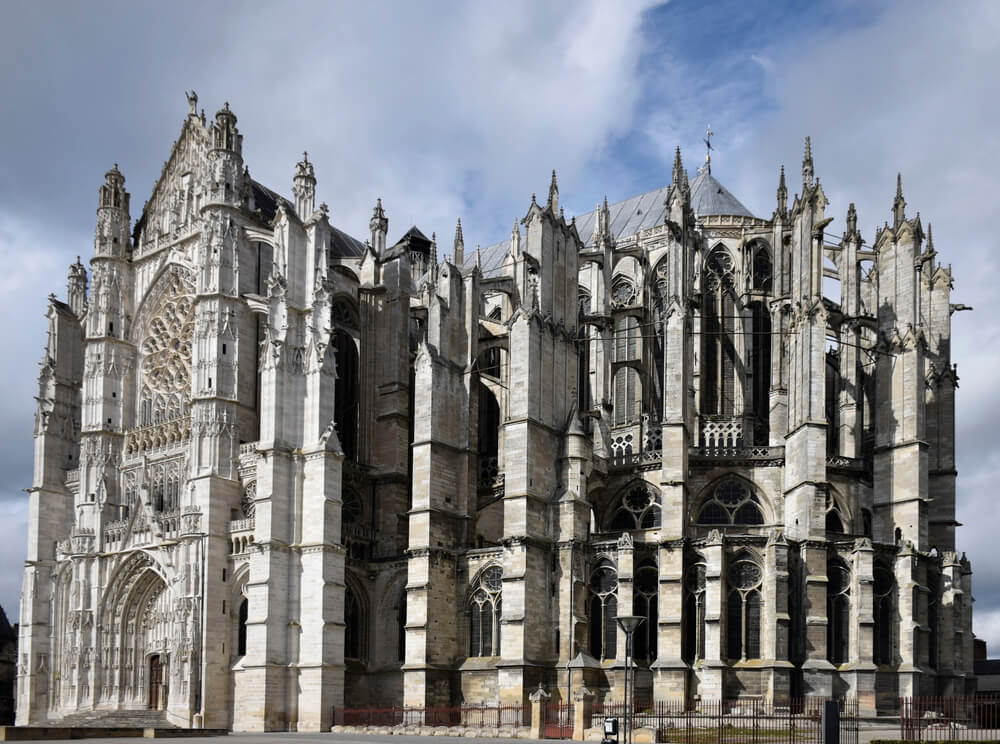
Beauvais Cathedral in France was built with the tallest Gothic choir ever attempted, and part of it collapsed in 1284. The builders repaired the choir and added a transept in the sixteenth century, but the nave was never built. The cathedral looks like a head and arms without a body, and the unusually lofty interior is still striking.
The Facciatone of Siena
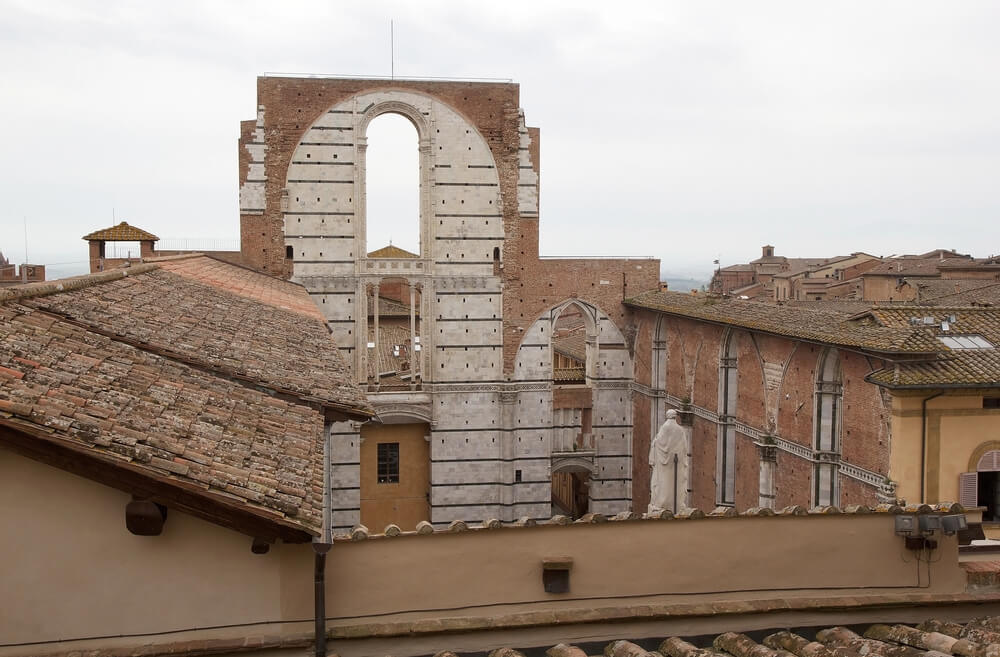
In the 1330s, Siena planned to expand its cathedral into one of the largest churches in Italy, using the existing building as just a transept. The Black Death in 1348 drained the city’s workforce and money, and the project was abandoned. A free-standing wall known as the Facciatone, which was meant to be the new facade, still stands and can be climbed for a view over the city.
Neuschwanstein Castle

— Photo by sepavone
King Ludwig II of Bavaria began building Neuschwanstein in 1869 and died in 1886 with the castle far from complete. Many rooms were never finished, and some planned features, including a large keep, were never built at all. The castle opened to the public within weeks of his death and has been a tourist site ever since.
Herrenchiemsee Palace
— Photo by natalia.milko@gmail.com
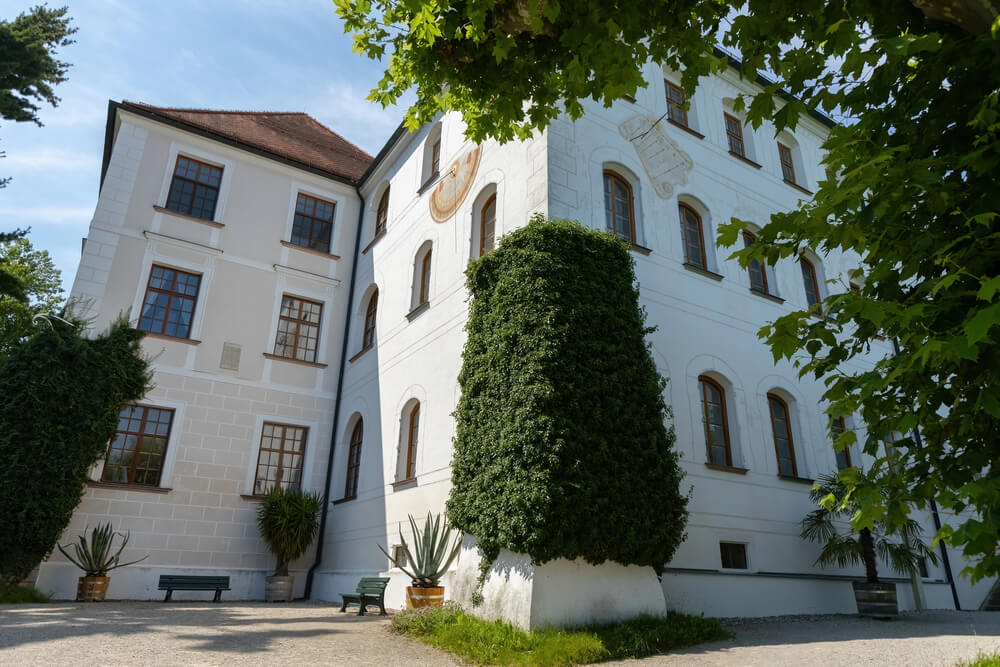
Ludwig II also began Herrenchiemsee, a palace on an island in a Bavarian lake modeled on Versailles, and left it unfinished at his death. Only part of the planned structure was completed, and some of the rooms remain bare and unfurnished. Visitors tour a palace that is richly gilded in one wing and plain brick in another.
The Monumento a la Revolucion in Mexico City
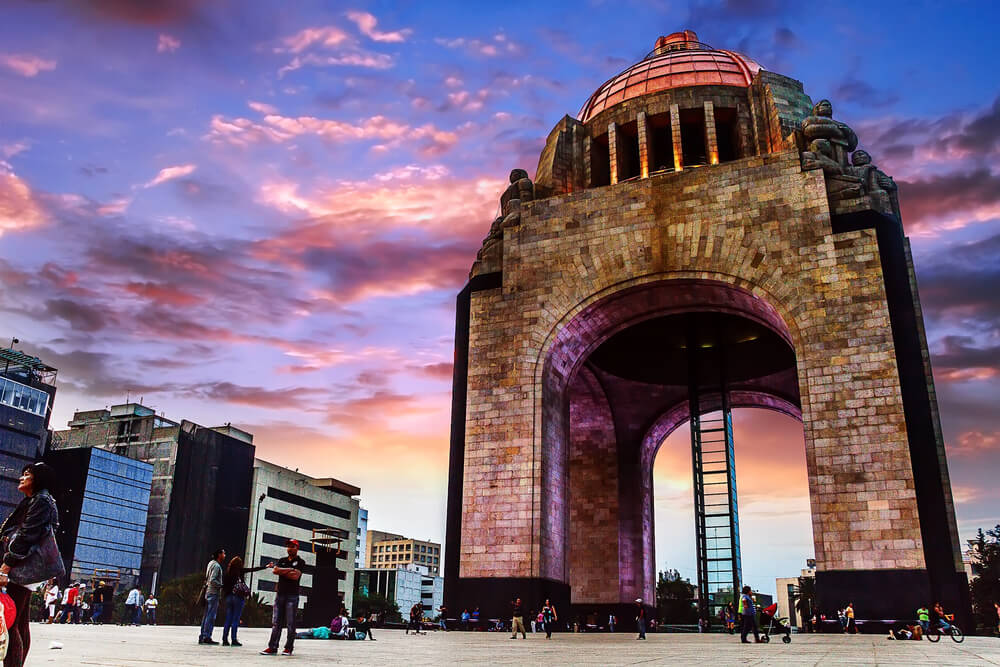
The building that became the Monumento a la Revolucion was begun in 1910 as a grand legislative palace under Porfirio Diaz, and the Mexican Revolution halted construction. The steel frame sat unfinished for years before it was adapted in the 1930s into a monument to the revolution itself. The building that stands today is a reuse of the abandoned skeleton.
The Church of the Colonia Guell
— Photo by alzamu79.hotmail.com
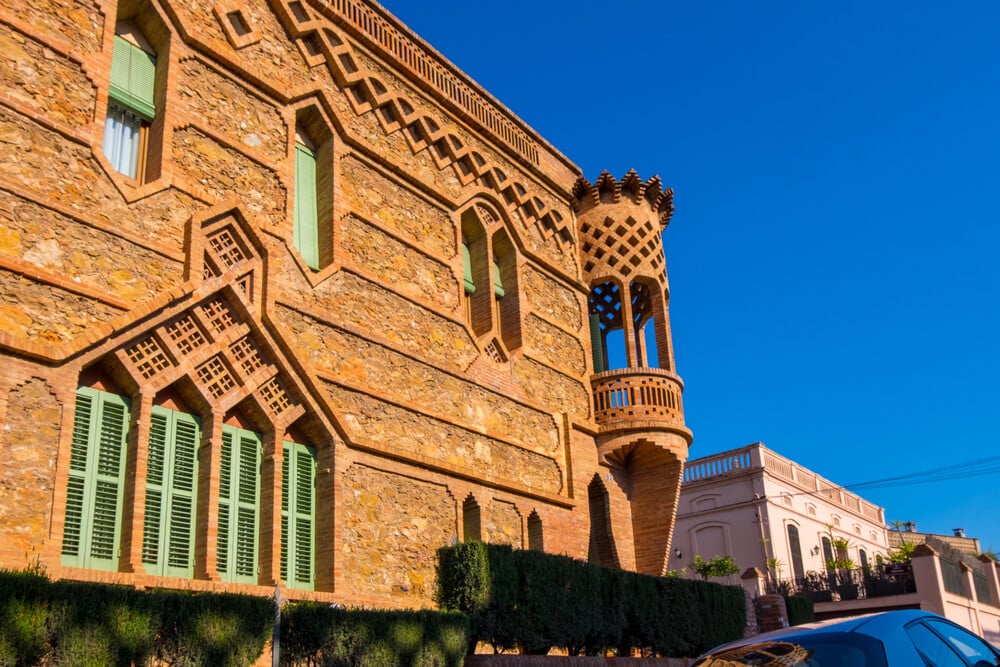
Antoni Gaudi began designing a church for the Colonia Guell near Barcelona in the early twentieth century, and only the crypt was completed. The crypt, built in the 1910s, is famous for its tilted stone columns and its experimental structure. It is visited today as a work in progress that never had a nave built above it.
The Hassan Tower in Rabat
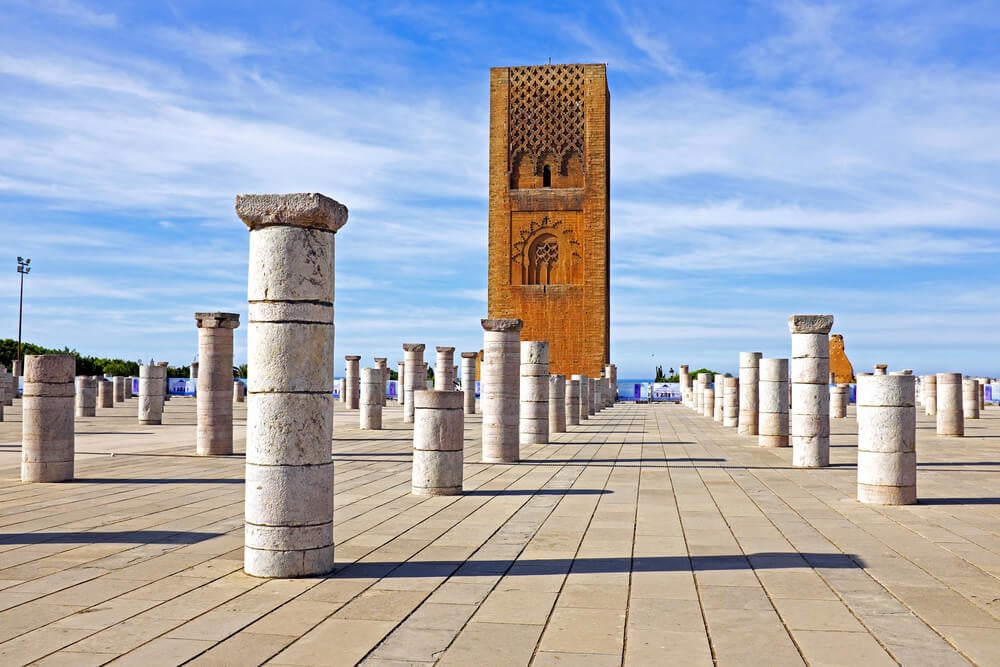
The Hassan Tower in Rabat, Morocco, was begun in 1195 as the minaret of what was meant to be one of the largest mosques in the world. Work stopped after the death of the sultan who ordered it in 1199, and the tower reached about half its planned height. Rows of broken columns still mark the unfinished prayer hall around it.
The Mingun Pagoda in Myanmar
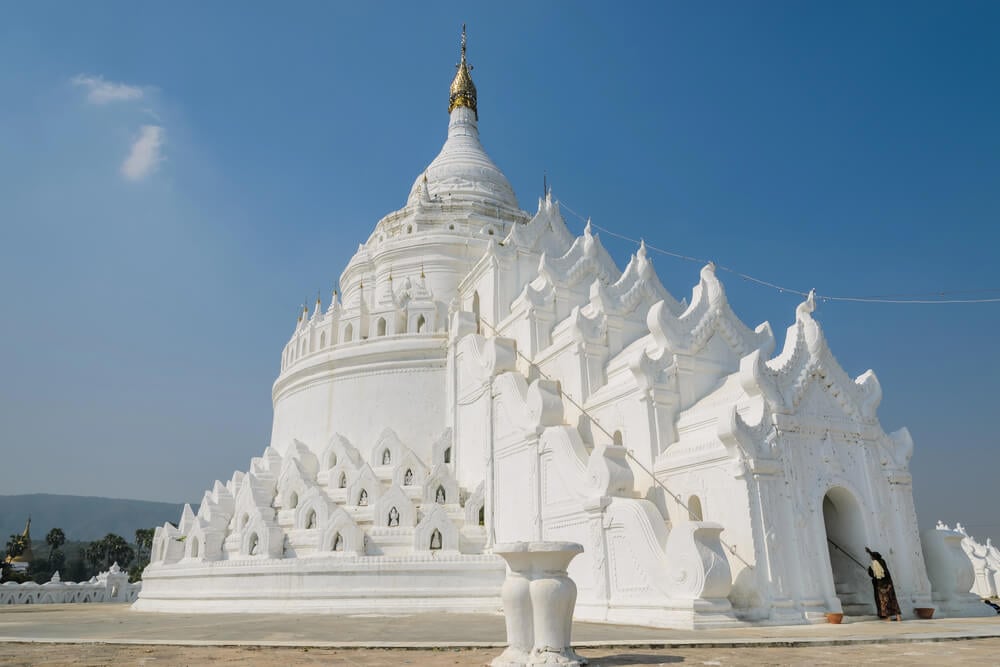
King Bodawpaya of Burma began building the Mingun Pagoda in 1790, intending it to be the largest in the world. The work was left unfinished when the king died in 1819, and an earthquake in 1839 cracked the huge brick base. The massive cracked mass still stands beside the Irrawaddy River.
The Temple of Segesta
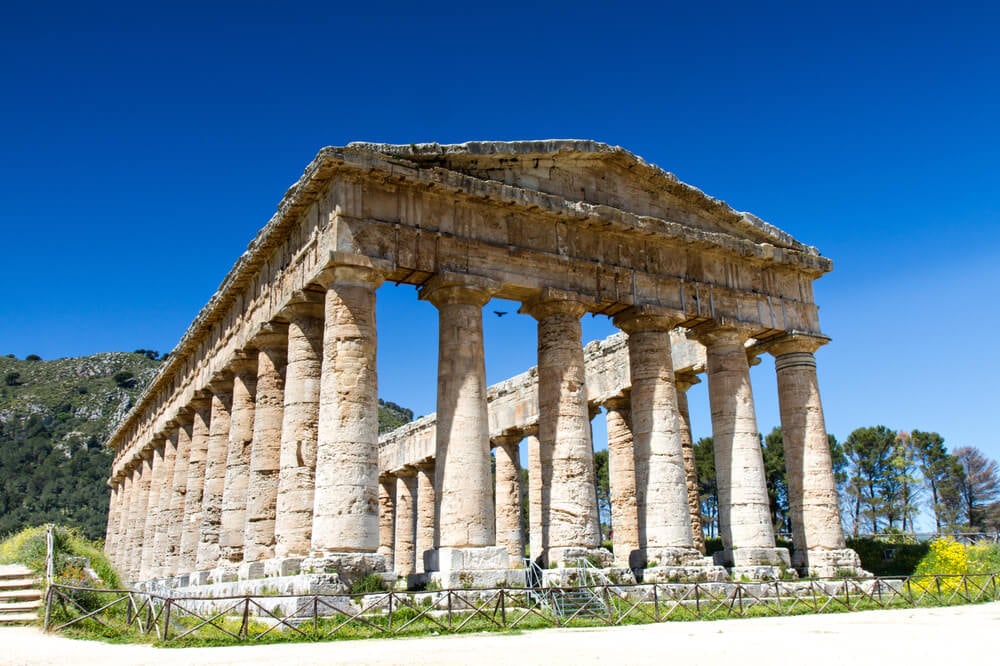
The Greek temple at Segesta in Sicily was built in the fifth century BCE and never completed. Its columns remain unfluted and unfinished, and the building has no roof or interior walls. The site is a rare chance to see an ancient temple in an unfinished state.
Liverpool Metropolitan Cathedral’s Crypt
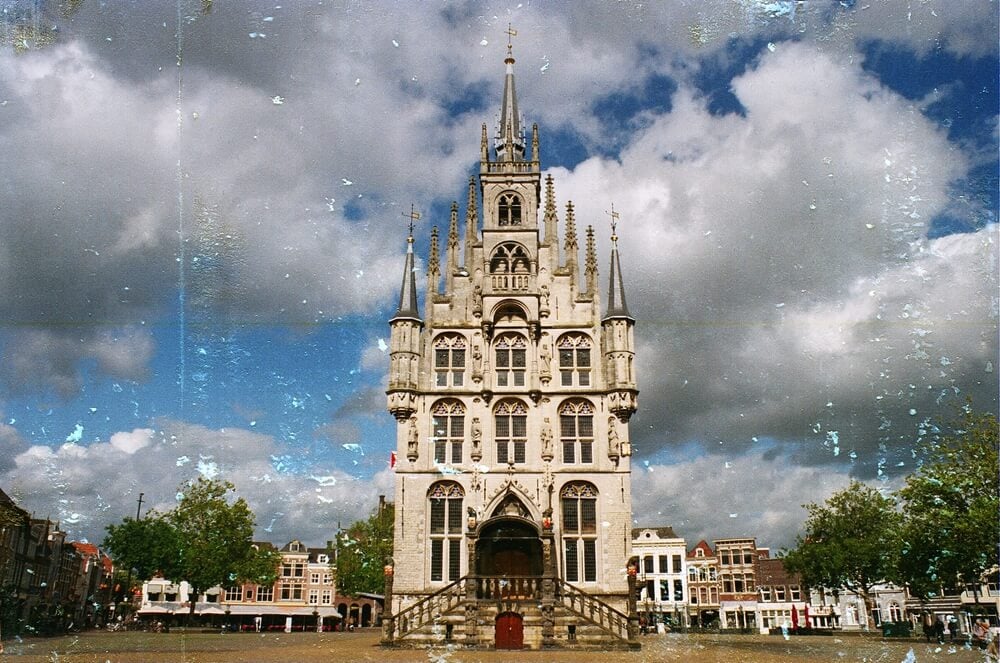
Sir Edwin Lutyens designed a vast cathedral for Liverpool in the 1930s, and only the crypt was built before World War II halted work. The plan was later replaced with a much smaller modern design completed in 1967, and the crypt remains below it. Visitors can walk through the huge brick vaulting that was meant to support something far larger.
What a Missing Piece Says
An unfinished building holds more information than a finished one, because the gaps reveal what the builders wanted and what stopped them. A color change, a stump, or a bare frame is a record of human ambition meeting a limit.
These buildings are popular partly because they feel honest. They invite visitors to imagine the version that never happened, and to notice what it took to make the version that did.
More from Go2Tutors!

- 27 Silver Dollars and Half Dollars Worth Keeping
- 28 Restaurant Menu Items Nobody Orders Anymore
- 17 Places Built in Seemingly Impossible Spots
- 27 Vintage Rings Worth More Than They Look
- 25 Restricted Sites Tourists Can’t Enter
Like Go2Tutors’s content? Follow us on MSN.